

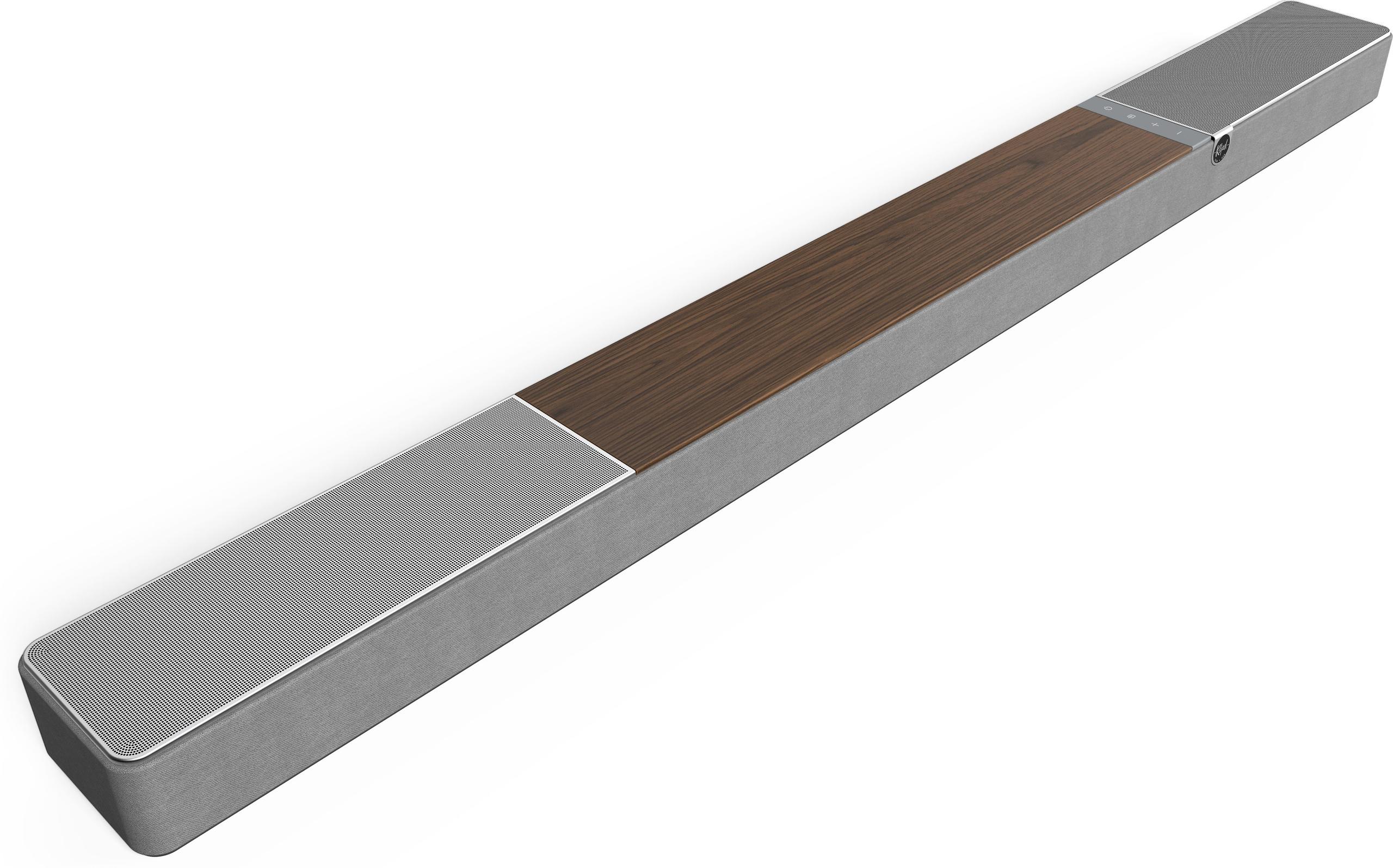
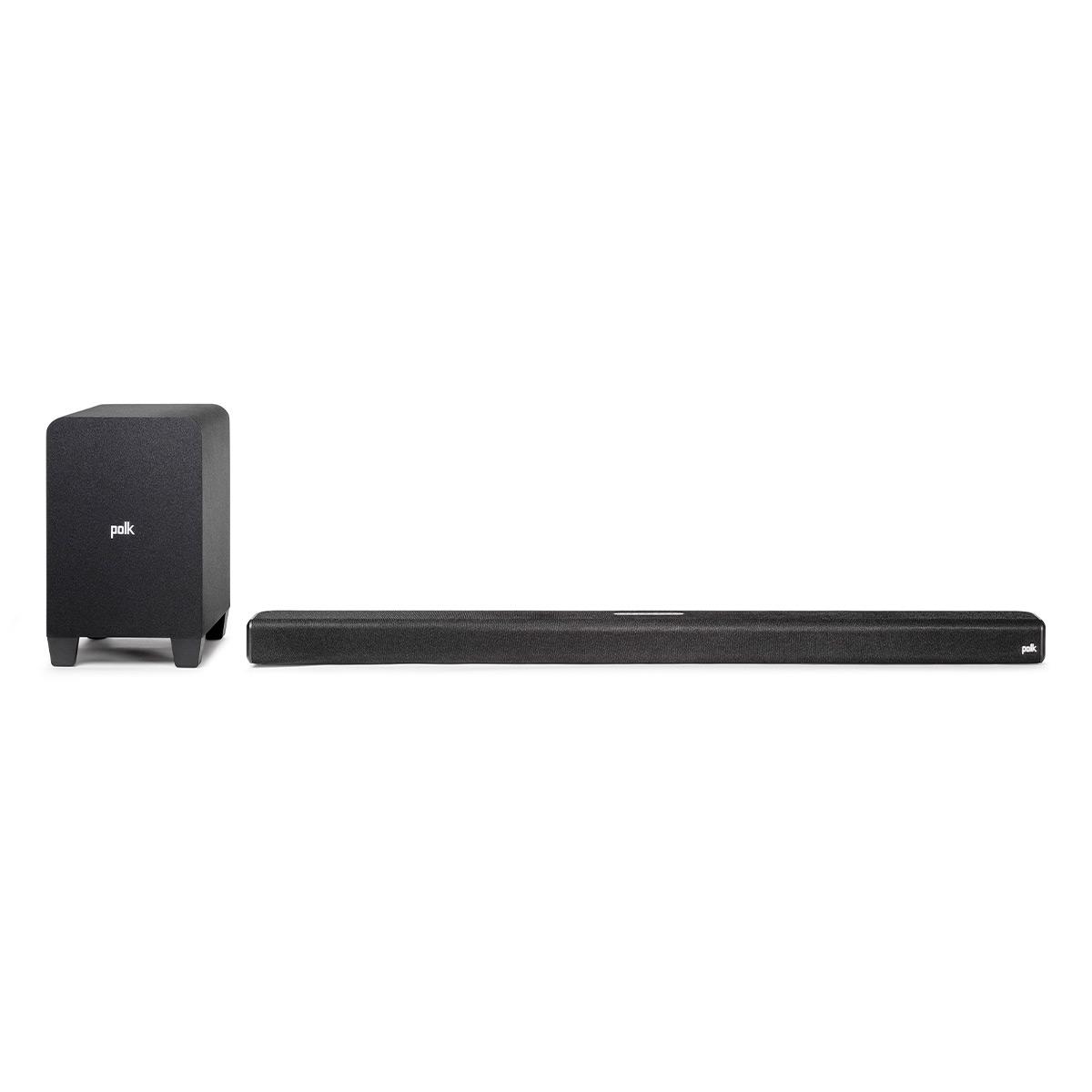
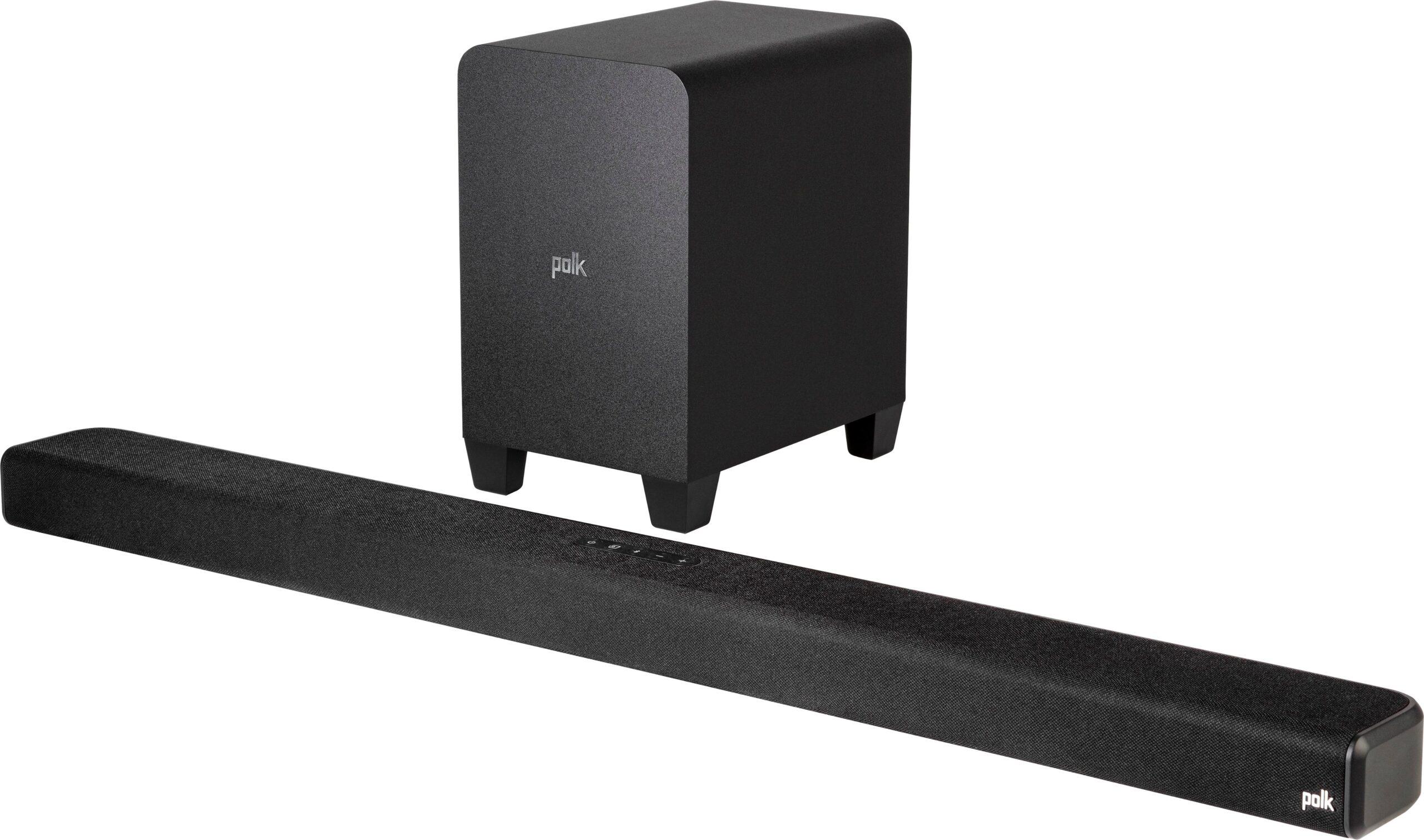
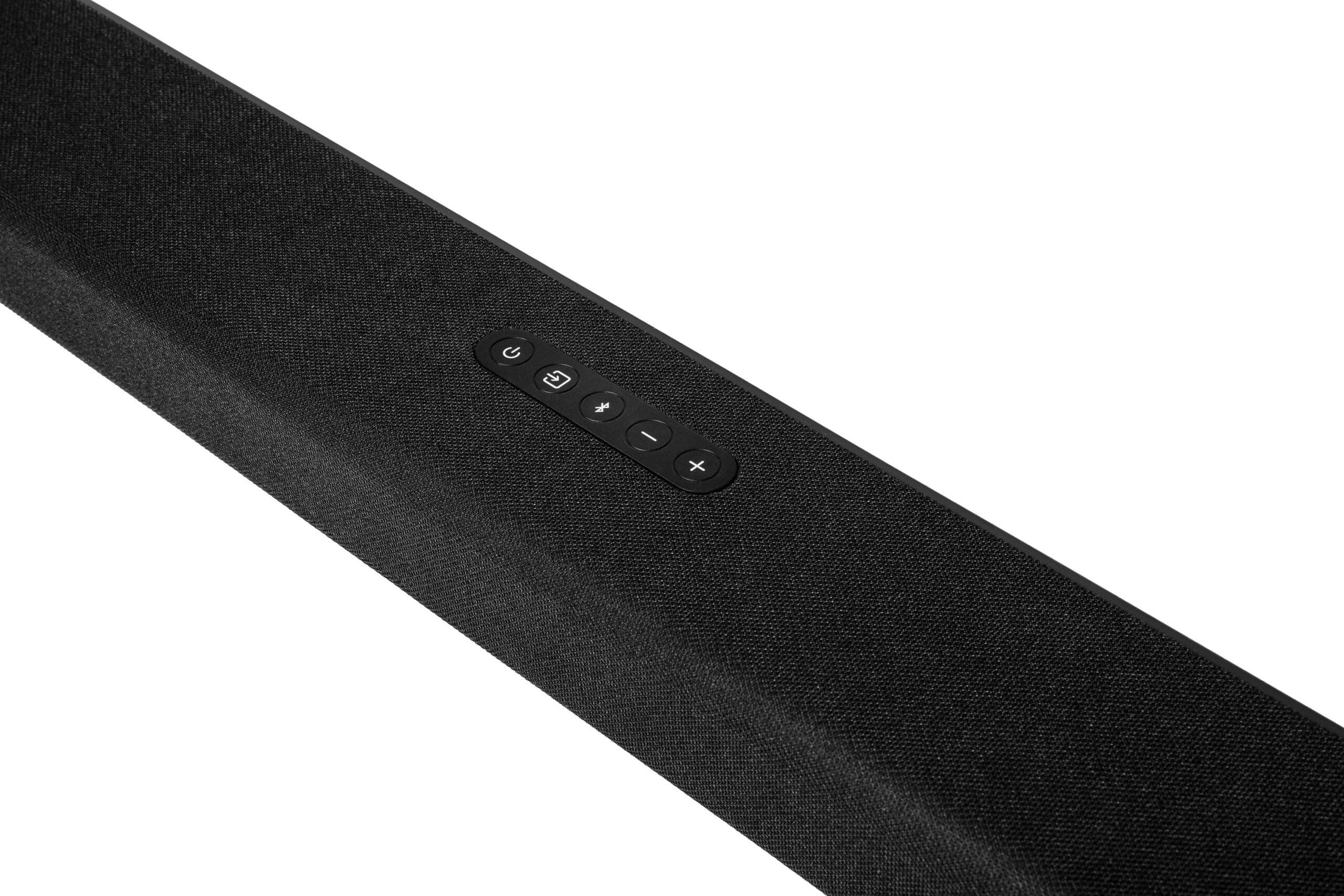
When your TV's built-in speakers just aren't cutting it anymore, soundbars offer the perfect middle ground between tinny audio and a full surround sound system that takes over your living room. But with options ranging from $200 to well over $1,000, picking the right one can feel overwhelming. Today, we're comparing two soundbars that represent very different approaches to solving your audio problems: the premium Klipsch Flexus Core 300 ($1,199) and the budget-friendly Polk Audio Signa S4 ($299).
Before diving into specifics, let's talk about what actually matters when you're shopping for a soundbar. Think of it like buying a car – you wouldn't just look at the price tag without considering what you need it to do.
The most important factor is audio performance, which breaks down into several key areas. Channel configuration tells you how many separate audio streams the soundbar can handle – more channels generally mean better surround sound effects. Driver quality determines how clear and accurate the sound reproduction will be. Immersive audio support, particularly Dolby Atmos, creates that movie theater experience where sounds seem to come from above and around you, not just from the front of the room.
Room integration is equally crucial but often overlooked. Your soundbar needs to fit your space both physically and acoustically. A massive soundbar might sound incredible in a showroom but overwhelm a small apartment. Bass handling is particularly tricky – some soundbars include everything in one unit, while others come with separate subwoofers that need floor space but deliver more powerful low-end punch.
Connectivity options determine how well your soundbar plays with your existing gear and future upgrades. Modern soundbars should handle multiple input types, support wireless streaming, and ideally integrate with smart home systems. Finally, expandability matters if you might want to upgrade later – can you add rear speakers or a better subwoofer down the road?
The Klipsch Flexus Core 300, released in early 2025, represents the cutting edge of soundbar technology. At $1,199, it's Klipsch's flagship model and includes the world's first implementation of Dirac Live room correction in a consumer soundbar. This is the same technology that high-end AV receivers costing thousands of dollars have used for years to automatically tune audio to your specific room.
The soundbar packs a 5.1.2-channel system into a single 54-inch unit, using 13 individual drivers including four built-in 4-inch subwoofers. Rather than including a separate subwoofer box, Klipsch integrated everything into the main unit to save space while still delivering full-range audio.
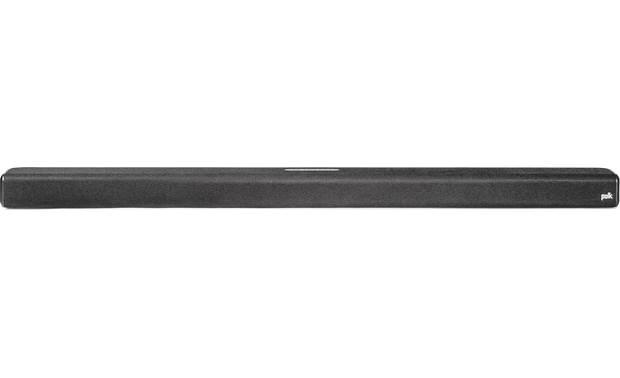
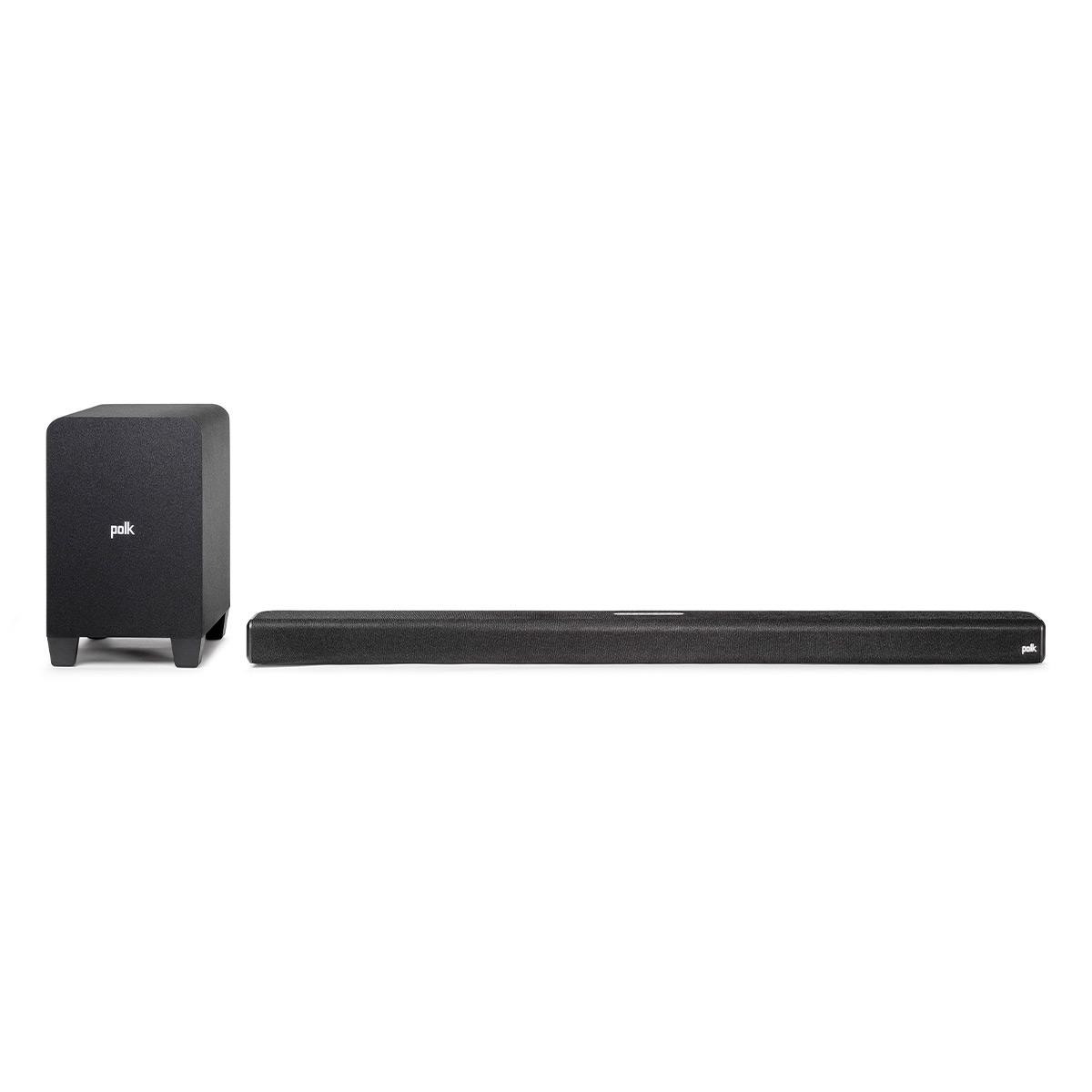
On the other side, we have the Polk Audio Signa S4, which launched in 2022 and has become something of a legend in budget audio circles. At just $299, it delivers true Dolby Atmos processing with a 3.1.2-channel configuration, including a wireless subwoofer that provides the kind of bass impact you'd expect from much more expensive systems.
The timing difference between these releases is worth noting. The Polk has had nearly three years to prove itself in real-world use, building a reputation for reliability and performance that exceeds its price point. The Klipsch, being brand new, brings the latest technological advances but hasn't yet established the same track record.
The Klipsch Flexus Core 300's 5.1.2 setup means five main channels (left, right, center, and two surround), one dedicated subwoofer channel, and two height channels for Dolby Atmos effects. The 13 drivers include four 2.25-inch front-firing drivers, two side-firing drivers for surround effects, two up-firing drivers for height, and four 4-inch integrated subwoofers.
This driver array creates what Klipsch calls a "virtual surround bubble" around your listening position. The side-firing drivers bounce sound off your walls to simulate rear surround speakers, while the up-firing drivers reflect audio off the ceiling for overhead effects. It's clever engineering, but it relies on your room having the right acoustic properties to work properly.
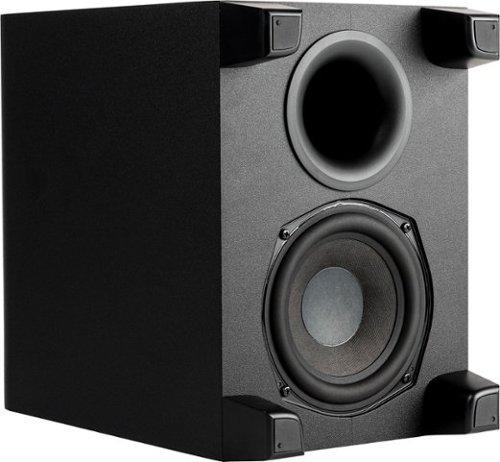
The Polk Audio Signa S4 takes a more traditional approach with its 3.1.2 system – three main channels plus dedicated height channels and a separate wireless subwoofer. The seven drivers in the main bar include three tweeters and two midrange drivers, plus two dedicated height drivers. The wireless subwoofer houses a single 5.9375-inch driver that handles all the low-frequency work.
In my experience testing both approaches, the Polk's dedicated subwoofer provides more impactful bass that you can actually feel, especially during action movies. The Klipsch's integrated approach is more subtle and refined, but lacks that visceral punch that makes explosions feel real. However, the Klipsch's additional channels do create a wider, more enveloping soundstage that's particularly noticeable with music.
This is where the two soundbars diverge most dramatically. The Klipsch Flexus Core 300 uses four 4-inch drivers mounted within the soundbar itself to handle bass frequencies. These drivers work together to create what Klipsch calls "effortless bass" – it's there when you need it, but never overwhelming or boomy.
The advantage is obvious: no separate box to place, no additional cables, and perfect integration with the rest of the audio spectrum. For apartment dwellers or anyone with space constraints, this is a game-changer. The bass is clean and well-controlled, never muddying dialogue or overwhelming quieter sound effects.
But there are physical limitations to what you can achieve with drivers mounted in a slim soundbar cabinet. The Polk Audio Signa S4's wireless subwoofer, with its dedicated 5.9375-inch driver in a proper enclosure, simply moves more air. When the T-Rex steps in Jurassic Park or a building collapses in an action movie, you feel it in your chest and through the floor.
The Polk's BassAdjust feature lets you fine-tune how the subwoofer and soundbar work together, which is crucial since bass response varies dramatically based on where you place the subwoofer in your room. I've found that corner placement typically provides the most output, while positioning along a wall gives more even response.
Both soundbars excel at dialogue reproduction, but they achieve it through different methods. The Klipsch Flexus Core 300 relies on its horn-loaded tweeter technology, a design philosophy Klipsch has refined over decades. Horn loading essentially acts like a megaphone, focusing the tweeter's output and increasing efficiency. The result is crystal-clear dialogue that cuts through even complex soundtracks without sounding harsh.
The Polk Audio Signa S4 uses its proprietary VoiceAdjust technology, which is essentially smart signal processing that isolates and enhances vocal frequencies. Think of it like having an automatic equalizer that specifically boosts the frequency range where human speech occurs, while leaving music and sound effects untouched.
Both approaches work exceptionally well. During my testing with dialogue-heavy content like The West Wing or news programs, both soundbars kept speech intelligible even at low volumes. The Klipsch's approach feels more natural – voices sound like they're supposed to, just clearer. The Polk's VoiceAdjust can sometimes make dialogue sound slightly processed, but it's incredibly effective at cutting through background noise.
Here's where the Klipsch Flexus Core 300 truly separates itself from the competition. Dirac Live room correction is technology that was previously exclusive to high-end AV receivers costing $2,000 or more. It's now available in a soundbar for the first time.
Room correction addresses a fundamental problem with audio systems: every room sounds different. Your living room's size, shape, furniture, and wall materials all affect how sound waves behave. What sounds perfect in a showroom might sound muddy or thin in your home.
Dirac Live uses an included calibration microphone and sophisticated software to measure how your room affects audio reproduction. It then applies corrective filters to compensate for acoustic problems like standing waves (where certain frequencies get boosted or canceled out) and early reflections (sound bouncing off nearby surfaces).
The setup process is surprisingly straightforward. The Klipsch Connect Plus app walks you through placing the microphone at your main listening position, then plays a series of test tones while measuring the results. The entire process takes about 10 minutes, and the difference is immediately noticeable.
In rooms with challenging acoustics – think hard floors, bare walls, or unusual layouts – Dirac Live can transform mediocre sound into something genuinely impressive. The included Limited Bandwidth license corrects frequencies up to 500 Hz, which covers the most problematic bass and lower midrange issues. A full-bandwidth upgrade is available for purchase if you want correction across the entire frequency spectrum.
The Polk Audio Signa S4 doesn't offer any room correction technology, relying instead on manual adjustment through its basic sound modes and the BassAdjust feature. While this keeps costs down and setup simple, it means you're dependent on your room's natural acoustics.
The Klipsch Flexus Core 300 comes loaded with connectivity options that future-proof your investment. The HDMI 2.1 eARC input supports 8K video passthrough at 60Hz and 4K at 120Hz – crucial for PS5 and Xbox Series X gaming. The soundbar also includes optical digital input, USB-C, Ethernet, and comprehensive wireless options including dual-band Wi-Fi and Bluetooth 5.3.
Streaming capabilities are extensive, supporting Apple AirPlay 2, Google Cast, Spotify Connect, and Tidal Connect. This means you can stream music directly to the soundbar without needing your TV as an intermediary. The Klipsch Connect Plus app provides control over all these features, plus EQ settings, firmware updates, and the Dirac Live calibration process.
Smart home integration is another strength, with compatibility for Control4, RTI, and Crestron systems. If you have or plan to install a whole-home automation system, the Klipsch can integrate seamlessly.
The Polk Audio Signa S4 keeps connectivity simple with HDMI eARC, optical digital input, and a 3.5mm analog input. Bluetooth 4.2 handles wireless streaming with support for both standard SBC and higher-quality AAC codecs (important for Apple device users). The soundbar can remember up to eight paired devices, though only one can connect at a time.
While the Polk's connectivity options are more limited, they cover the essentials that most users actually need. The simplicity also means fewer things to go wrong and easier troubleshooting if issues arise.
One area where the Klipsch Flexus Core 300 really shines is its expandability within the Flexus ecosystem. You can add Flexus Surr 200 wireless surround speakers for true rear channel audio, and up to two Flexus Sub 200 wireless subwoofers for even more bass impact. The system uses proprietary wireless technology to maintain perfect synchronization between all components.
This modular approach means you can start with just the soundbar and expand your system over time as your budget and room allow. The wireless connectivity eliminates the cable runs that traditional surround systems require, making installation much cleaner.
The Polk Audio Signa S4 is essentially a complete system as purchased. While this keeps costs down and ensures everything works together perfectly out of the box, it also means no upgrade path. What you buy is what you get, for better or worse.
In actual home theater use, both soundbars deliver compelling but different experiences. The Klipsch Flexus Core 300 excels with complex soundtracks where multiple audio elements compete for attention. During the opening battle scene in Saving Private Ryan, the soundbar maintains clarity between dialogue, gunfire, explosions, and the musical score. The Dirac Live correction ensures that bass doesn't overwhelm the midrange, keeping Ryan Hanks' voice clear even during the most chaotic moments.
The soundbar's side-firing drivers create convincing surround effects in properly shaped rooms. Bullets whizzing past feel like they're actually moving around the listening space, rather than just coming from the front of the room.
The Polk Audio Signa S4 brings different strengths to movie night. That wireless subwoofer provides visceral impact that the Klipsch simply can't match. During the pod race scene in Star Wars Episode I, you feel every engine rev and crash. The dedicated height channels create convincing overhead effects – TIE fighters screaming past genuinely sound like they're above you.
For music listening, the differences become even more pronounced. The Klipsch Flexus Core 300's integrated design and advanced processing create a cohesive soundstage that works well with stereo content. Jazz recordings sound natural and spacious, with instruments occupying distinct positions in the mix.
The Polk Audio Signa S4 is more about impact than subtlety with music. Rock and hip-hop benefit from the powerful subwoofer, but acoustic music can sometimes sound unbalanced unless you adjust the bass settings carefully.
At $299, the Polk Audio Signa S4 represents exceptional value in the Dolby Atmos soundbar category. You're getting true height channel processing, a wireless subwoofer, and solid build quality for less than many basic stereo soundbars cost. It's the kind of purchase that makes you wonder why you waited so long to upgrade from your TV's built-in speakers.
The Klipsch Flexus Core 300 at $1,199 requires more justification, but the technology and expandability support the premium pricing. Dirac Live room correction alone can transform problematic rooms, potentially eliminating the need for acoustic treatment that could cost hundreds or thousands of dollars. The modular ecosystem means your investment can grow with your needs rather than becoming obsolete.
From a reliability standpoint, the Polk has nearly three years of user feedback supporting its reputation for consistent performance. The Klipsch, being newly released, doesn't yet have that track record, though Klipsch's general reputation for build quality is strong.
Choose the Polk Audio Signa S4 if you want maximum impact for minimum investment. It's perfect for first-time soundbar buyers who want to experience what good audio can do for their TV viewing without breaking the bank. The wireless subwoofer makes action movies and music genuinely exciting, while the VoiceAdjust technology ensures you'll never miss dialogue.
The Polk is also ideal if you prefer straightforward, plug-and-play operation. Everything works out of the box with minimal configuration required. It's reliable, proven technology that delivers consistent results across a wide range of content and room types.
Go with the Klipsch Flexus Core 300 if audio quality is a priority and your budget can accommodate the premium pricing. The Dirac Live room correction technology genuinely improves sound quality in ways that basic soundbars simply can't match. If you're building a high-end entertainment system around a premium TV, the Klipsch's advanced connectivity and expandability make it a smart long-term investment.
The Klipsch is also the better choice for space-conscious installations where a separate subwoofer isn't practical. Despite lacking a traditional sub, the integrated design still delivers satisfying bass response while maintaining the clean aesthetics that many modern homes demand.
Both soundbars represent solid choices within their respective price categories, but they serve different needs and priorities. The Polk Audio Signa S4 maximizes impact per dollar spent, while the Klipsch Flexus Core 300 maximizes technological sophistication and future expandability. Understanding which approach better matches your situation, budget, and long-term plans will guide you to the right decision.
| Klipsch Flexus Core 300 ($1,199) | Polk Audio Signa S4 ($299) |
|---|---|
| Price - Entry point determines overall value proposition | |
| $1,199 premium positioning | $299 exceptional budget value |
| Channel Configuration - More channels create wider soundstage | |
| 5.1.2 channels with 13 total drivers | 3.1.2 channels with 7 drivers + subwoofer |
| Bass Solution - Impacts room placement and low-end power | |
| Four integrated 4" subwoofers (no external box) | Dedicated wireless subwoofer with 5.9375" driver |
| Room Correction - Critical for optimizing sound in your space | |
| Dirac Live with calibration microphone (industry first) | Basic sound modes only |
| Dolby Atmos Implementation - Creates overhead sound effects | |
| Virtual processing with physical height channels | Native Dolby Atmos with dedicated height drivers |
| Connectivity - Future-proofing and device compatibility | |
| HDMI 2.1 eARC, 8K passthrough, Wi-Fi, multiple streaming services | HDMI eARC, optical, Bluetooth 4.2 |
| Voice Clarity Technology - Essential for dialogue in movies/TV | |
| Horn-loaded tweeter with center channel | VoiceAdjust technology isolates speech frequencies |
| Expandability - Ability to upgrade system over time | |
| Modular Flexus ecosystem (wireless surrounds, additional subs) | Complete system as purchased, no expansion |
| Setup Complexity - Time and effort required to optimize | |
| App-dependent with Dirac Live calibration process | Plug-and-play with minimal configuration |
| Release Date - Indicates technology generation and track record | |
| 2025 (cutting-edge features, unproven longevity) | 2022 (mature product with established reliability) |
| Ideal Room Size - Physical and acoustic considerations | |
| Medium to large rooms that benefit from room correction | Small to medium rooms where separate sub fits |
The Polk Audio Signa S4 ($299) provides exceptional value with true Dolby Atmos and a wireless subwoofer at an affordable price. The Klipsch Flexus Core 300 ($1,199) justifies its premium cost with advanced Dirac Live room correction technology and expandable design, making it better value for audiophiles seeking cutting-edge features.
The Polk Audio Signa S4 includes a dedicated wireless subwoofer that delivers powerful, room-filling bass you can feel during action movies. The Klipsch Flexus Core 300 integrates four 4-inch subwoofers directly into the soundbar, providing clean bass without requiring additional floor space, though with less physical impact.
The Klipsch Flexus Core 300 is ideal for small spaces since it eliminates the need for a separate subwoofer box while still delivering full-range audio. The Polk Audio Signa S4 requires placement for both the soundbar and wireless subwoofer, which may be challenging in cramped apartments.
The Polk Audio Signa S4 offers native Dolby Atmos processing with dedicated height channels for authentic overhead effects. The Klipsch Flexus Core 300 uses more sophisticated virtual processing with additional up-firing and side-firing drivers to create a wider surround sound bubble.
Both excel at dialogue but use different approaches. The Klipsch Flexus Core 300 uses horn-loaded tweeter technology for natural vocal reproduction, while the Polk Audio Signa S4 features VoiceAdjust technology that specifically enhances speech frequencies to cut through background noise.
The Klipsch Flexus Core 300 supports a modular ecosystem where you can add wireless surround speakers and additional subwoofers over time. The Polk Audio Signa S4 is a complete system that cannot be expanded, but includes everything needed for an immersive experience.
The Polk Audio Signa S4 offers simple plug-and-play setup with automatic subwoofer pairing and basic sound modes. The Klipsch Flexus Core 300 requires app-based configuration and optional Dirac Live room calibration using an included microphone for optimal performance.
The Klipsch Flexus Core 300 provides extensive connectivity including HDMI 2.1 eARC, 8K passthrough, Wi-Fi, and multiple streaming services. The Polk Audio Signa S4 covers the essentials with HDMI eARC, optical input, and Bluetooth 4.2 for wireless music streaming.
The Klipsch Flexus Core 300 offers superior gaming features with HDMI 2.1 support for 4K/120Hz passthrough, crucial for PS5 and Xbox Series X gaming. The Polk Audio Signa S4 handles gaming audio well but lacks advanced gaming-specific connectivity features.
The Klipsch Flexus Core 300 includes revolutionary Dirac Live room correction that automatically adjusts audio to compensate for your room's acoustic properties. The Polk Audio Signa S4 relies on manual adjustment through basic sound modes and bass controls without automatic room optimization.
The Klipsch Flexus Core 300 creates a more refined soundstage for music with its integrated design and advanced processing, particularly excelling with jazz and acoustic genres. The Polk Audio Signa S4 delivers impactful performance for rock and hip-hop thanks to its powerful wireless subwoofer.
The Polk Audio Signa S4 has nearly three years of proven reliability since its 2022 release with consistently positive user feedback. The Klipsch Flexus Core 300 launched in 2025 with cutting-edge technology but lacks the established track record, though Klipsch has a strong reputation for build quality.
We've done our best to create useful and informative comparisons to help you decide what product to buy. Our research uses advanced automated methods to create this comparison and perfection is not possible - please contact us for corrections or questions. These are the sites we've researched in the creation of this article: crutchfield.com - whathifi.com - avnirvana.com - hometechnologyreview.com - ecoustics.com - gearpatrol.com - klipsch.com - avsforum.com - youtube.com - avsforum.com - listenup.com - chowmain.software - klipsch.com - novis.ch - avsforum.com - klipsch.ca - lefflers.se - abt.com - sweetwater.com - wifihifi.com - klipsch.com - dirac.com - soundandvision.com - audioholics.com - crutchfield.com - cnet.com - richersounds.com - crutchfield.com - rtings.com - polkaudio.com - walmart.com - polkaudio.com - crutchfield.com - youtube.com - profx.com

Privacy Policy
Terms and Conditions - Affiliate Policy
Home Security
© Copyright 2008-2026.
11816 Inwood Rd #1211, Dallas, TX 75244