

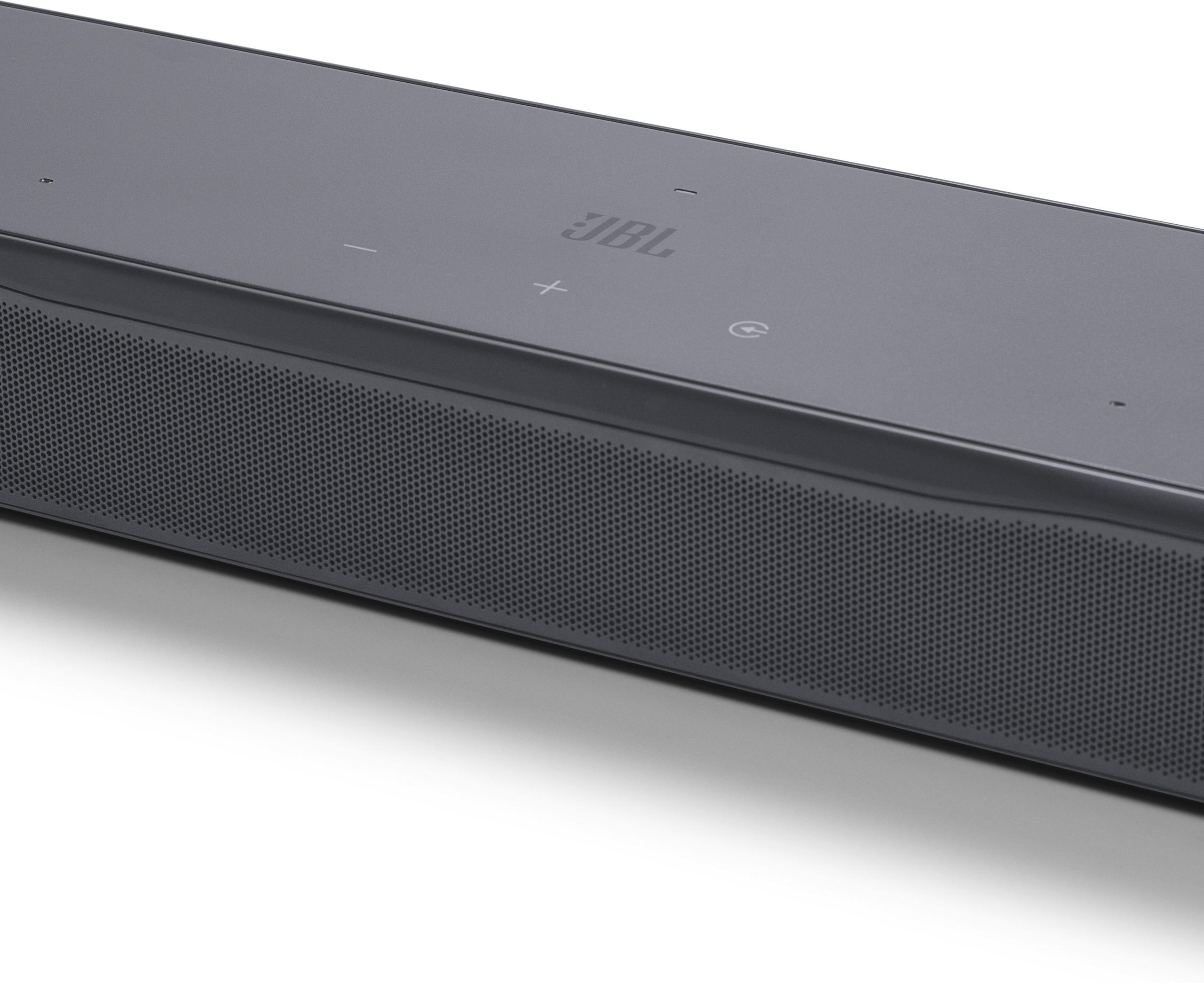
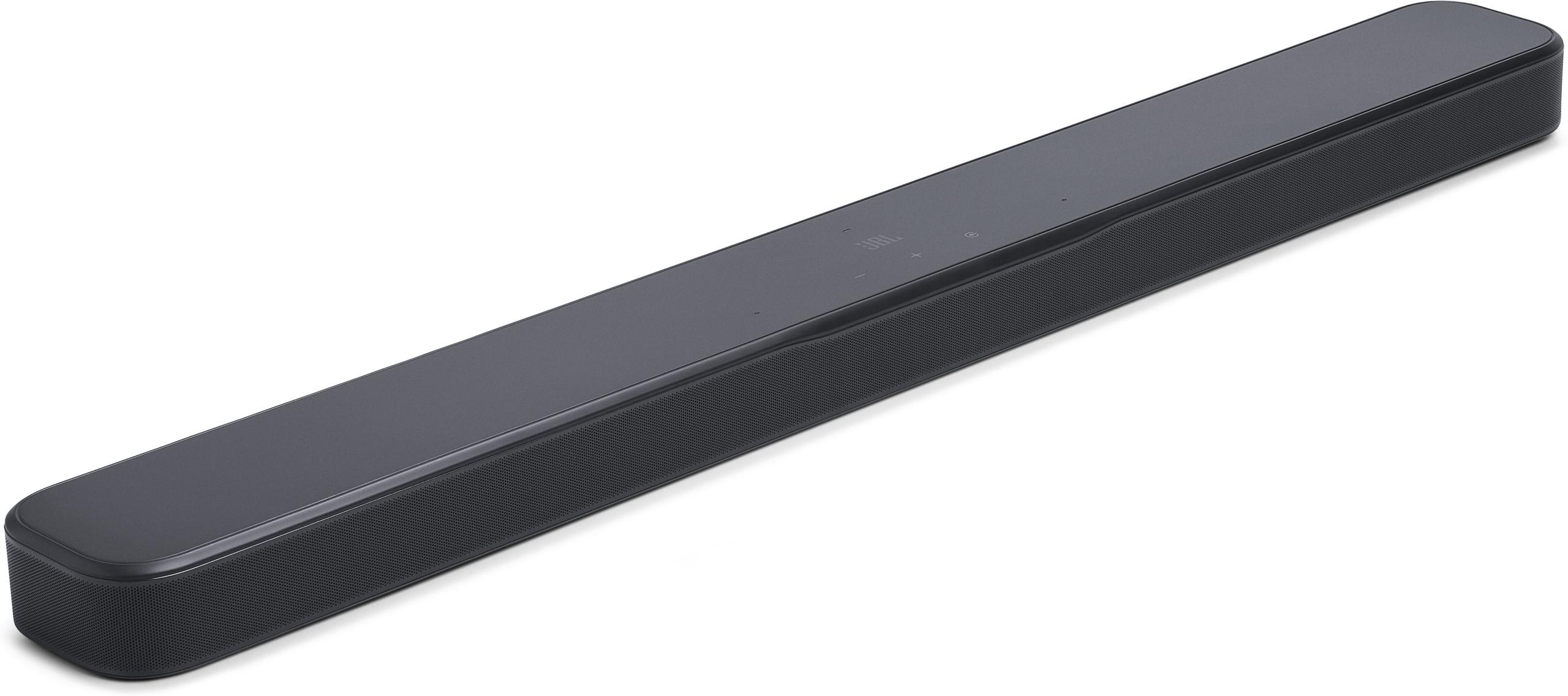

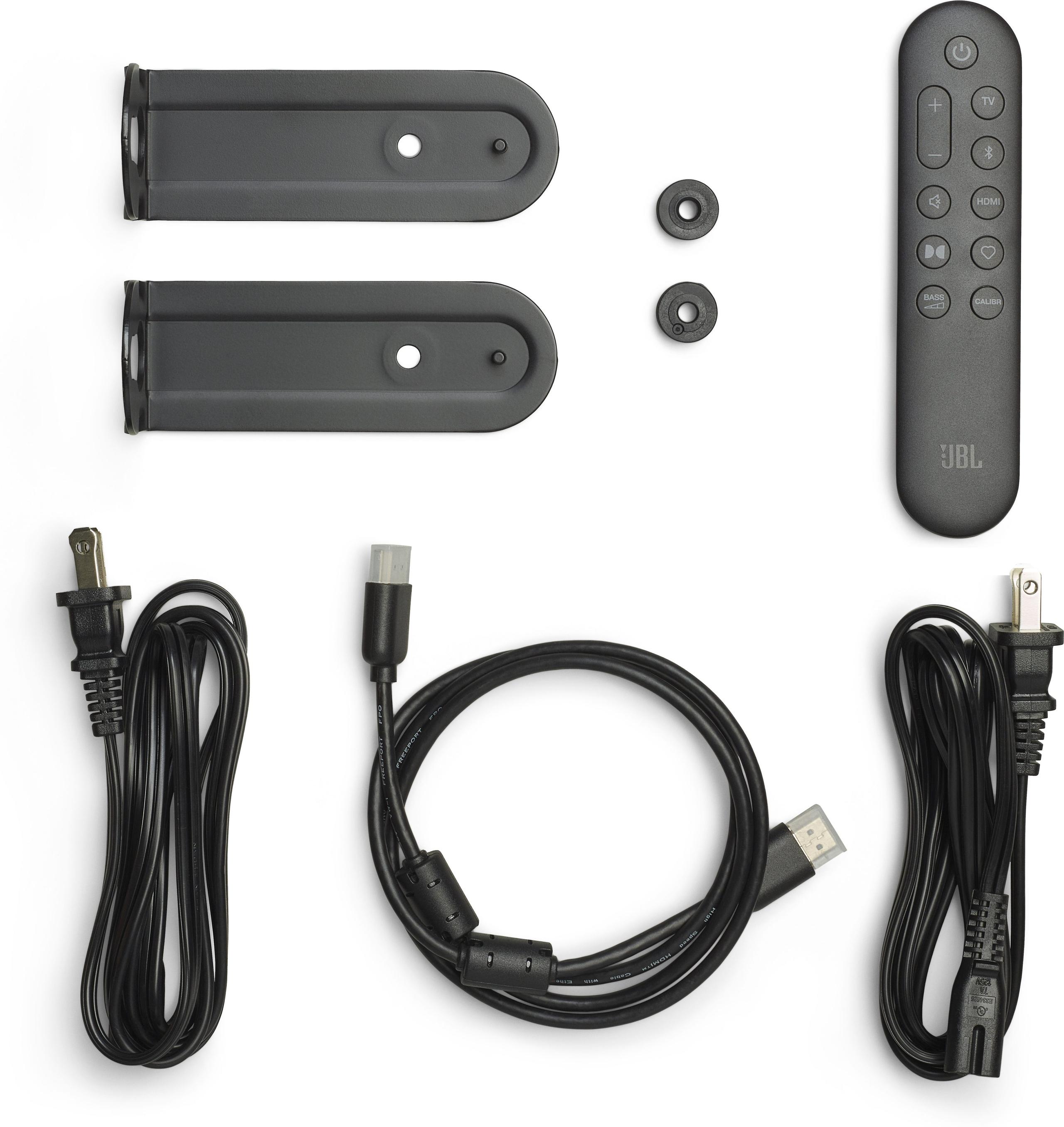
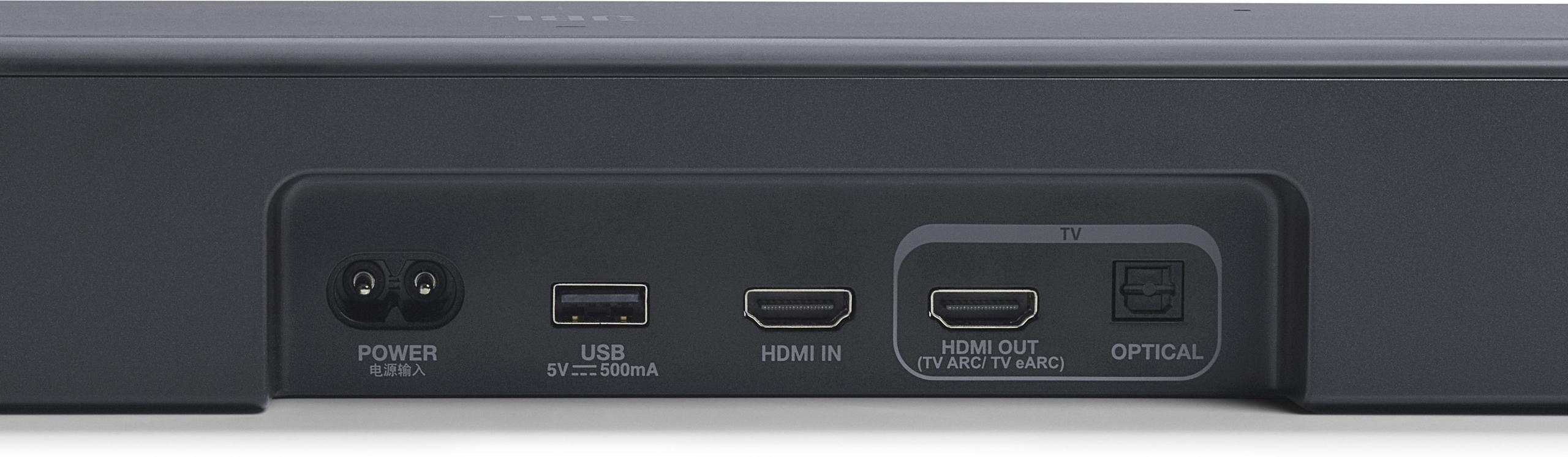

If you've ever tried watching a movie with your TV's built-in speakers and found yourself constantly reaching for the volume remote—turning it up to hear dialogue, then scrambling to turn it down when an explosion rocks the house—you already understand why soundbars exist. But choosing between premium options like the JBL Bar 300 MK2 ($450) and the Klipsch Flexus Core 300 ($1,199) involves understanding some pretty significant differences in approach and technology.
I've spent considerable time with both soundbars, and what strikes me most is how they represent two completely different philosophies about home audio. One prioritizes simplicity and immediate satisfaction, while the other focuses on delivering the kind of sound quality that makes you notice details in movies you've watched dozens of times before.
The premium soundbar market has evolved dramatically over the past few years. When the original JBL Bar series launched, most soundbars were essentially fancy speakers in a long box. Today's premium models are sophisticated audio processors that can create convincing surround sound from a single unit or serve as the brain of a wireless multi-speaker system.
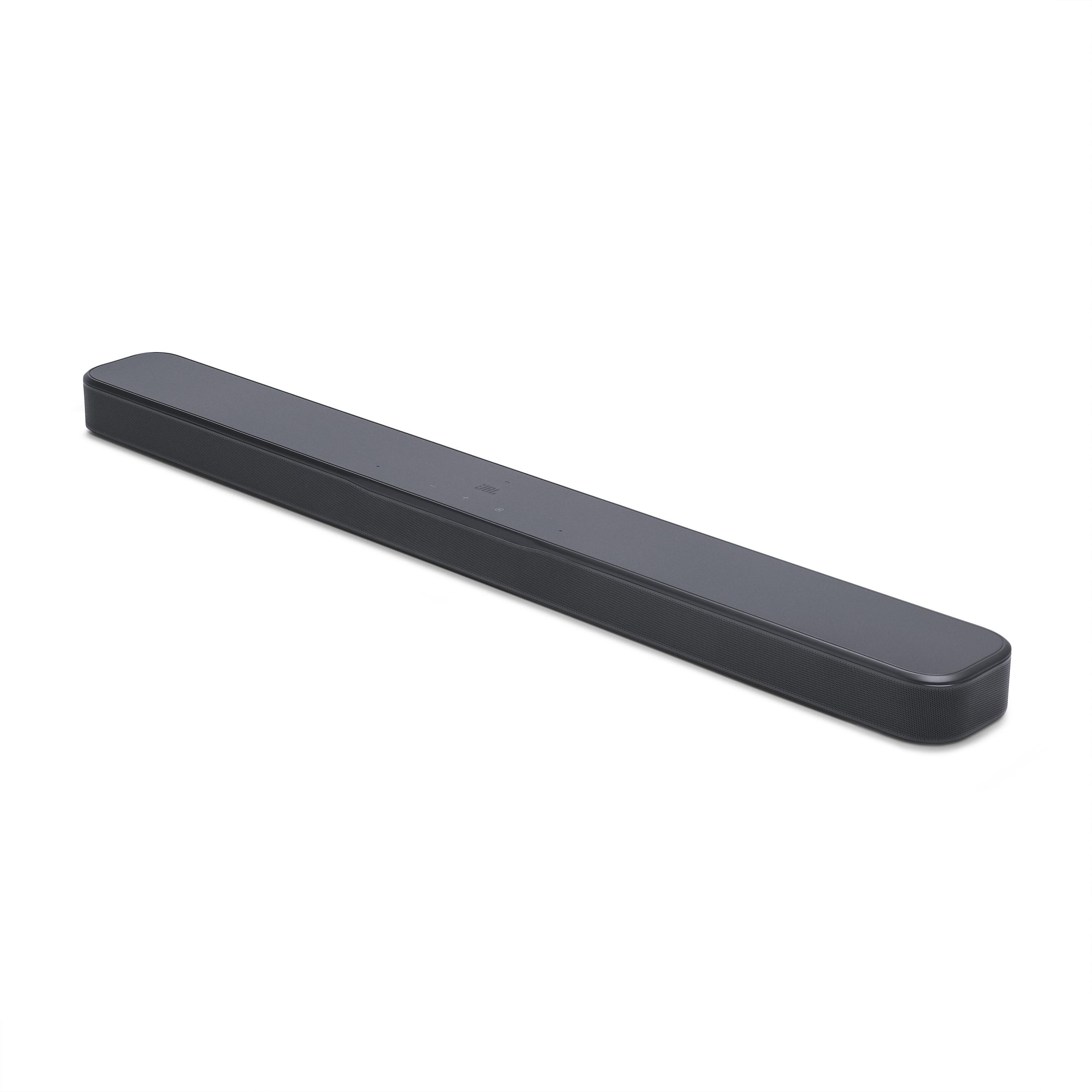
The JBL Bar 300 MK2 represents the second generation of JBL's compact approach, released in early 2025 with significant improvements over its predecessor. The original Bar 300 delivered 260W of power, but this MK2 version bumps that up to 450W while adding new processing technologies like PureVoice 2.0 and SmartDetails. These aren't just marketing terms—PureVoice 2.0 uses advanced algorithms to keep dialogue clear even when explosions are shaking your windows, while SmartDetails ensures you hear subtle environmental sounds like footsteps on gravel or leaves rustling.
The Klipsch Flexus Core 300, announced in late 2024, takes a completely different approach. It's the flagship of Klipsch's new modular Flexus system, developed in collaboration with Onkyo. This partnership brings together Klipsch's 75+ years of acoustic expertise with Onkyo's sophisticated amplification technology. More importantly, it's the world's first soundbar to include Dirac Live room correction—a technology previously reserved for AV receivers costing thousands of dollars.
Walking into a room with each of these soundbars reveals their different personalities immediately. The JBL Bar 300 MK2 measures just 32.3 inches wide and weighs 5.5 pounds—you can easily carry it under one arm and it fits comfortably under most 55-inch TVs without looking oversized. Its matte black finish is understated, and the low profile means it won't block your TV's infrared sensor or dominate your entertainment center.
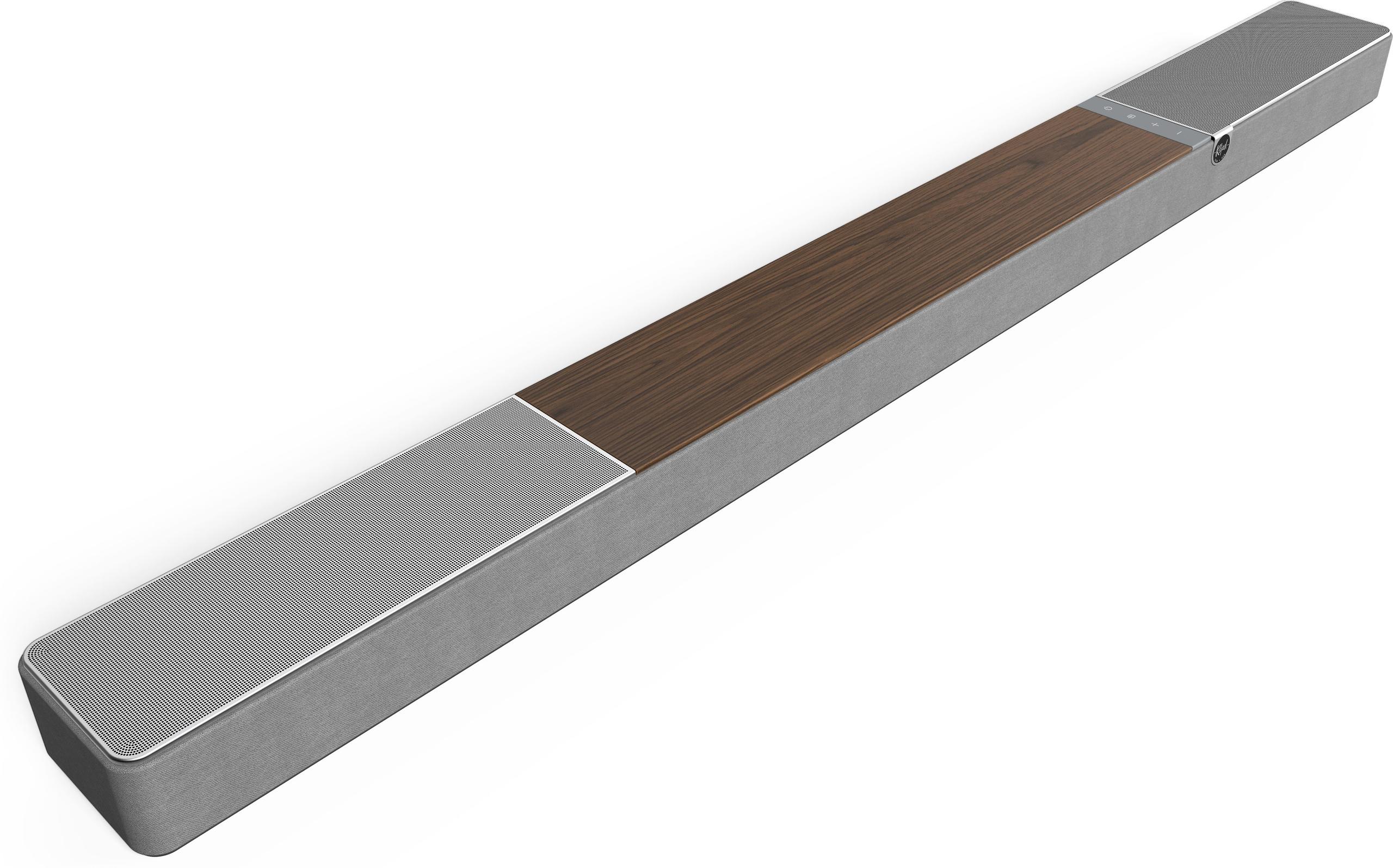
The Klipsch Flexus Core 300, however, commands attention. At 54 inches wide and 35 pounds, it's a substantial piece of equipment that announces its serious intentions. The build quality feels premium—there's real wood in the construction, and the grille cloth has that classic Klipsch texture that audio enthusiasts recognize. This isn't trying to hide in your setup; it's designed to be the centerpiece of a dedicated home theater system.
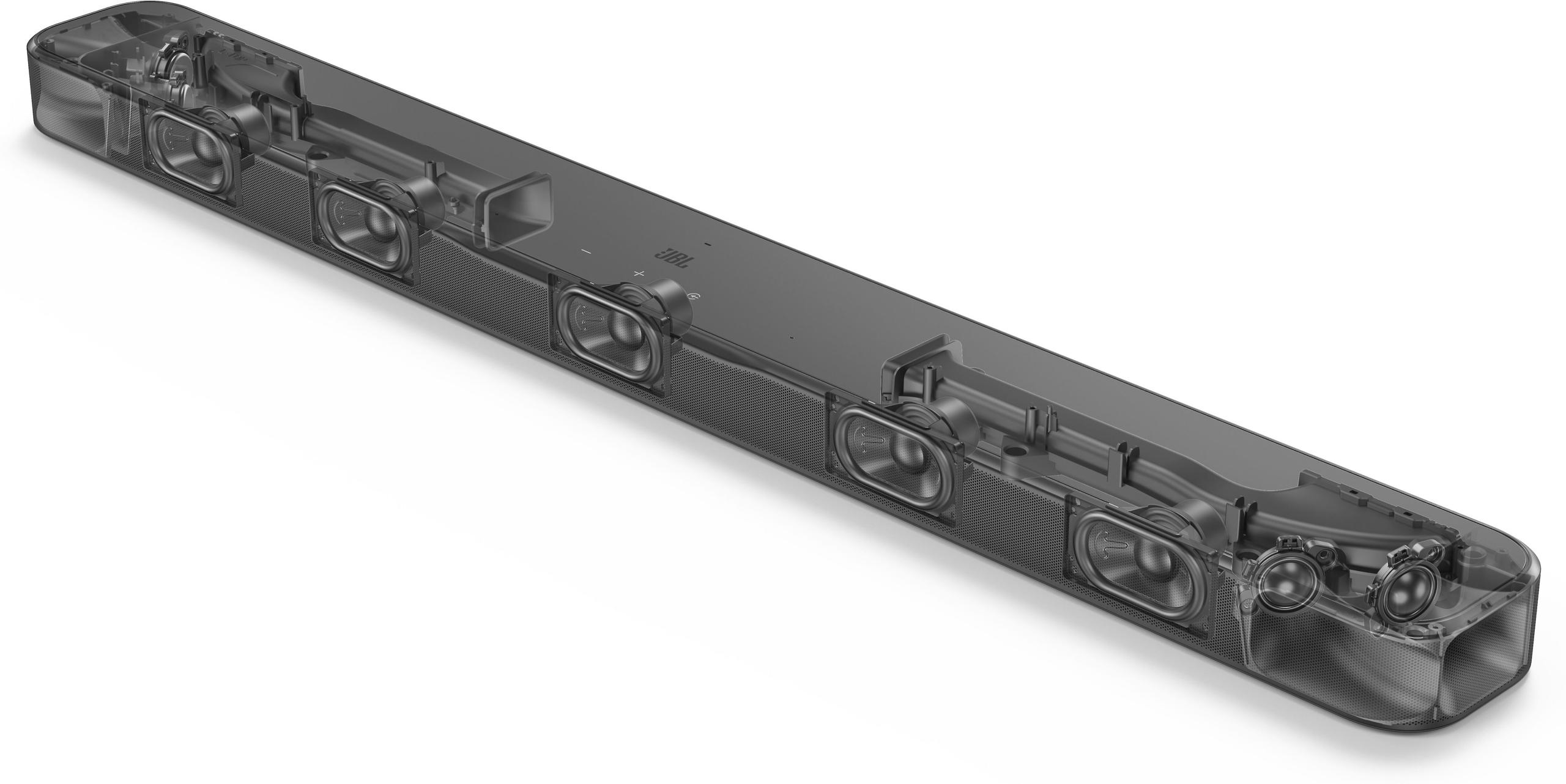
The differences in audio character between these soundbars become apparent within seconds of playing any content. The JBL Bar 300 MK2 delivers what I'd call a "consumer-friendly" sound signature—it's immediately pleasing with boosted bass that makes action movies feel punchy and clear highs that bring out details in music. The built-in bass port and specialized racetrack drivers work together to produce surprisingly deep low-end response for a soundbar without a separate subwoofer.
However, this tuning comes with trade-offs. During complex movie scenes with lots of simultaneous sounds, the midrange can feel hollow, and the overall presentation can become slightly bright or harsh. It's not fatiguing for casual viewing, but extended listening sessions might leave audio-sensitive users reaching for the volume control.
The Klipsch Flexus Core 300 pursues accuracy over immediate wow factor. Klipsch's signature horn-loaded tweeter technology (where the tweeter sits behind a horn-shaped waveguide) creates incredibly precise imaging—voices seem to come from exactly where actors are standing on screen, and sound effects have realistic spatial placement. The four built-in 4-inch subwoofers provide deep bass that's both powerful and controlled, never overwhelming dialogue or musical details.
This is where technical differences create real-world performance gaps. Both soundbars support Dolby Atmos, but they achieve it through completely different methods.
The JBL Bar 300 MK2 uses virtual Dolby Atmos processing—sophisticated algorithms that analyze audio signals and use psychoacoustic tricks to create the impression of overhead sound through the soundbar's forward-firing drivers. It's surprisingly effective for what it is, creating a notably wider soundstage than you'd expect from a single speaker bar. Movies with helicopters flying overhead or rain falling from above do create some sense of height.
But virtual processing has limitations. The effect works best when you're sitting in the "sweet spot" directly in front of the soundbar, and the height effects are more suggestion than reality. It's like the difference between watching a 3D movie with those red-and-blue glasses versus a proper 3D theater—you get the idea, but it's not quite the real thing.
The Klipsch Flexus Core 300 implements true Dolby Atmos with dedicated upfiring drivers that bounce sound off your ceiling to create genuine overhead effects. When a helicopter flies across the screen, you genuinely hear it moving above you. Rain in movies sounds like it's actually falling from overhead rather than just coming from in front of you. The difference isn't subtle—it's the kind of upgrade that makes you want to rewatch movies you thought you knew well.
Both soundbars excel at dialogue clarity, but they achieve it through different approaches. The JBL Bar 300 MK2 uses PureVoice 2.0 technology, which analyzes incoming audio and applies dynamic processing to keep voices intelligible even during loud scenes. It's particularly effective during action movies where explosions might otherwise drown out important dialogue.
The Klipsch Flexus Core 300 takes a more traditional but arguably superior approach through its dedicated center channel with horn-loaded tweeter technology. Horn loading is an old acoustic technique that efficiently directs sound energy toward listeners, resulting in voices that cut through background noise naturally without digital processing artifacts. Combined with Dirac Live room correction (more on this shortly), dialogue remains consistently clear regardless of room acoustics or listening position.
Here's where the Klipsch Flexus Core 300 introduces technology that fundamentally changes what's possible with soundbar audio. Dirac Live room correction addresses one of audio's biggest challenges: every room sounds different.
Your living room's size, furniture placement, wall materials, and even carpet versus hardwood floors all affect how sound waves behave. These acoustic variations can muddy bass, create harsh reflections, or cause certain frequencies to disappear entirely. Traditional soundbars rely on generic tuning that works reasonably well in average rooms but may sound off in your specific space.
Dirac Live solves this by using an included measurement microphone and sophisticated software to analyze your room's acoustic signature. The system plays test tones, measures how your room affects them, then creates custom filters to correct acoustic problems. The difference is often dramatic—bass becomes tighter and more defined, voices gain clarity, and the overall sound becomes more balanced and natural.
Setting up Dirac Live involves placing the microphone at your listening position and letting the system run its measurement routine through the Klipsch Connect Plus app. The process takes about 10 minutes, and you can save multiple correction profiles for different seating positions or room configurations. I've used similar systems on high-end AV receivers, and having this technology in a soundbar represents a genuine breakthrough.
The JBL Bar 300 MK2 offers basic automatic calibration—essentially a one-button optimization that adjusts output based on simple measurements. It's better than no calibration, but it's like comparing a smartphone camera's auto mode to a professional camera with full manual controls.
Both soundbars meet modern connectivity expectations, but with different emphases. The JBL Bar 300 MK2 focuses on ease of use with comprehensive streaming support including AirPlay, Chromecast built-in, and Alexa Multi-Room Music. The JBL One app provides straightforward control over EQ settings, input selection, and streaming services. Setup is genuinely plug-and-play—most users can have it working perfectly within minutes of unboxing.
The Klipsch Flexus Core 300 offers more sophisticated connectivity options, including HDMI 2.1 with 8K passthrough (future-proofing for next-generation gaming consoles and media players), Ethernet for stable network connections, and integration with professional control systems like Control4 and Crestron. The Klipsch Connect Plus app provides deeper customization options, including full Dirac Live control and advanced EQ adjustments.
For streaming, both support all major services, but the Klipsch adds high-end options like Tidal Connect and Roon Ready support that audiophiles appreciate. If you're invested in high-resolution music streaming, these features matter.
This represents perhaps the most significant philosophical difference between these products. The JBL Bar 300 MK2 is designed as a complete, standalone solution. You get what you buy, and while it integrates with other JBL speakers for multi-room audio, you can't add surround speakers or a subwoofer to create a larger system. For many users, this simplicity is a feature—you buy it, plug it in, and you're done.
The Klipsch Flexus Core 300 is explicitly designed as the foundation of a modular system. You can add Flexus Surr 200 wireless surround speakers to create true 5.1.2 surround sound, and up to two Flexus Sub 200 wireless subwoofers for room-shaking bass. Klipsch's proprietary wireless technology ensures low-latency, high-fidelity connections between components.
This expandability creates interesting value propositions. You might start with just the Core 300, then add surrounds for big movie nights, and eventually add subwoofers for the full theater experience. Each addition transforms the system's capabilities, but the initial investment is substantial and the full system approaches $2,000.
I've used both soundbars extensively in different scenarios, and their strengths become clear in specific situations. For casual TV watching—news, sitcoms, sports—the JBL Bar 300 MK2 is genuinely excellent. Dialogue is clear, music sounds good, and the bass response makes commercials and theme music feel engaging without being overwhelming. Its compact size made it perfect for a bedroom setup where space was limited.
But when I switched to serious movie watching, particularly films with complex soundtracks like "Blade Runner 2049" or "Mad Max: Fury Road," the limitations became apparent. The virtual surround processing creates width but not true immersion, and during the most intense action sequences, fine details got lost in the mix.
The Klipsch Flexus Core 300 revealed why audio enthusiasts obsess over room correction and proper driver implementation. After running Dirac Live calibration, familiar movies sounded noticeably different—better balanced, with clearer separation between sounds and more realistic spatial placement. The horn-loaded center channel made dialogue effortless to follow, even during whispered conversations in noisy scenes.
Most impressively, the upfiring Atmos speakers created convincing overhead effects that added genuine immersion. During helicopter scenes in war movies, I found myself unconsciously looking up. Rain sequences in films like "The Matrix" genuinely sounded like precipitation falling from above rather than just ambient noise from the front.
If you're building a dedicated home theater space, these soundbars serve different purposes. The JBL Bar 300 MK2 works best as a simple upgrade over TV speakers in casual viewing environments. It provides significant improvement without complexity, making it ideal for family rooms where ease of use trumps ultimate performance.
The Klipsch Flexus Core 300 is designed for serious home theater enthusiasts. Its substantial size and weight reflect its capabilities—this is equipment designed to be the audio centerpiece of a dedicated viewing space. The room correction technology becomes especially valuable in purpose-built theater rooms where acoustic treatment and optimal speaker placement matter.
When expanded with surround speakers and subwoofers, the Flexus system approaches the performance of traditional component surround systems while maintaining the convenience of wireless connectivity and single-source control.
At $450, the JBL Bar 300 MK2 delivers exceptional value for its price point. You're buying convenience, good sound quality, and the confidence that comes with JBL's reputation for reliable consumer audio products. For most users upgrading from TV speakers, it provides 80% of what you need at a fraction of the cost of audiophile alternatives.
The Klipsch Flexus Core 300 at $1,199 asks you to invest in potential—both the immediate benefits of superior drivers and room correction, and the future possibility of system expansion. Dirac Live alone represents hundreds of dollars in value compared to standalone room correction solutions, and the modular approach means your initial investment grows with your needs and budget.
Choose the JBL Bar 300 MK2 if you want immediate improvement over TV audio without complexity or significant expense. It's perfect for apartments, secondary rooms, or any situation where space constraints and budget considerations outweigh the pursuit of ultimate audio quality. The lack of expandability isn't a limitation if you're satisfied with good-enough sound that just works.
Choose the Klipsch Flexus Core 300 if audio quality matters enough to justify the investment, and especially if you might want to expand your system over time. The Dirac Live room correction technology alone justifies consideration for anyone serious about home theater audio, and the modular expansion options mean you're not locked into today's budget or room configuration.
Both soundbars represent honest approaches to their intended markets. The JBL delivers on its promise of simple, effective audio improvement at a reasonable price. The Klipsch provides genuinely advanced technology and superior performance for users who value those improvements enough to pay for them. Your choice should align with your priorities, budget, and long-term audio aspirations.
| JBL Bar 300 MK2 ($450) | Klipsch Flexus Core 300 ($1,199) |
|---|---|
| Price - Significant cost difference reflects different target markets | |
| $450 (excellent value for casual users) | $1,199 (premium pricing for audiophile features) |
| Channel Configuration - Determines surround sound capability | |
| 5.0 channels (virtual surround, no subwoofer) | 5.1.2 channels (true Dolby Atmos with upfiring speakers) |
| Size & Weight - Impacts placement flexibility and room compatibility | |
| 32.3" × 2.2" × 4.1", 5.5 lbs (compact, fits most spaces) | 54" × 3.1" × 4.9", 35 lbs (substantial, requires dedicated placement) |
| Total Power Output - Affects maximum volume and dynamic range | |
| 450W (adequate for small-medium rooms) | Not specified (high-end amplification, suitable for large rooms) |
| Room Correction Technology - Critical for optimizing sound in your specific space | |
| Basic auto-calibration (simple one-button setup) | Dirac Live Room Correction (professional-grade acoustic optimization) |
| Dolby Atmos Implementation - Determines overhead sound quality | |
| Virtual processing (simulated height effects) | True Atmos with dedicated upfiring drivers (authentic overhead sound) |
| Expandability - Future upgrade potential | |
| None (standalone system only) | Full modular expansion (wireless surrounds and subwoofers available) |
| Connectivity Options - Determines compatibility with modern devices | |
| HDMI eARC, optical, Wi-Fi, Bluetooth 5.0 | HDMI 2.1 eARC (8K), optical, Wi-Fi, Bluetooth 5.3, Ethernet |
| Streaming Services - Built-in music and content access | |
| AirPlay, Chromecast, Alexa MRM (mainstream options) | AirPlay 2, Google Cast, Spotify Connect, Tidal Connect (premium options) |
| Smart Home Integration - Professional installation compatibility | |
| Basic voice assistant support | Control4, RTI, Crestron integration (professional systems) |
| Best For - Target user and use case | |
| Casual viewers wanting simple TV audio upgrade | Home theater enthusiasts prioritizing sound quality and expandability |
The JBL Bar 300 MK2 ($450) offers excellent value for casual users who want a significant upgrade over TV speakers without breaking the bank. At less than half the price of the Klipsch, it delivers clear dialogue, decent bass, and virtual surround sound that works well for most content. The Klipsch Flexus Core 300 ($1,199) costs more but includes professional-grade Dirac Live room correction and true Dolby Atmos speakers, making it better value for audio enthusiasts who prioritize sound quality.
The JBL Bar 300 MK2 uses virtual surround processing to simulate overhead effects, while the Klipsch Flexus Core 300 has dedicated upfiring speakers for authentic Dolby Atmos sound. The Klipsch also features horn-loaded tweeters and four built-in subwoofers for more precise imaging and deeper bass. The JBL sounds good for its price, but the Klipsch delivers noticeably superior audio performance with better dialogue clarity and more immersive surround effects.
The JBL Bar 300 MK2 ($450) is ideal for smaller spaces at just 32.3 inches wide and 5.5 pounds. Its compact design fits easily under most TVs without dominating the room, and the built-in bass eliminates the need for a separate subwoofer. The Klipsch Flexus Core 300 at 54 inches wide and 35 pounds is designed for larger rooms and may overwhelm smaller spaces both visually and acoustically.
The JBL Bar 300 MK2 is a complete standalone system that cannot be expanded with surround speakers or subwoofers. The Klipsch Flexus Core 300 ($1,199) is designed as part of a modular system—you can add wireless Flexus Surr 200 surround speakers and up to two Flexus Sub 200 subwoofers to create a full home theater system. This expandability makes the Klipsch more future-proof for growing audio needs.
Both soundbars excel at dialogue, but use different approaches. The JBL Bar 300 MK2 uses PureVoice 2.0 technology with digital processing to keep voices clear during loud scenes. The Klipsch Flexus Core 300 achieves superior dialogue clarity through its dedicated center channel with horn-loaded tweeter technology, which naturally projects voices without digital artifacts. The Klipsch generally delivers more consistent and natural-sounding dialogue across all content types.
Both soundbars support major streaming services, but with different focuses. The JBL Bar 300 MK2 ($450) offers AirPlay, Chromecast, and Alexa integration for easy music playback with a consumer-friendly sound signature that makes most music immediately enjoyable. The Klipsch Flexus Core 300 includes premium streaming options like Tidal Connect and Roon Ready, plus Dirac Live room correction that optimizes music playback for your specific room acoustics.
The JBL Bar 300 MK2 is designed for plug-and-play simplicity—most users can have it working perfectly within minutes of unboxing. The JBL One app provides straightforward control without overwhelming options. The Klipsch Flexus Core 300 ($1,199) requires more initial setup time, including running Dirac Live room correction measurements, but offers much deeper customization through the Klipsch Connect Plus app for users who want to fine-tune their audio experience.
For dedicated home theater setups, the Klipsch Flexus Core 300 is significantly superior with true Dolby Atmos upfiring speakers, professional room correction, and the ability to expand into a full surround system. It's designed for serious movie watching with authentic overhead effects and precise sound placement. The JBL Bar 300 MK2 works well for casual home theater use but lacks the immersive capabilities and expandability that dedicated theater enthusiasts typically want.
The JBL Bar 300 MK2 ($450) includes HDMI eARC, optical input, Wi-Fi, and Bluetooth 5.0—sufficient for most modern devices. The Klipsch Flexus Core 300 offers more advanced connectivity with HDMI 2.1 eARC supporting 8K passthrough, Ethernet for stable networking, Bluetooth 5.3, and integration with professional control systems like Control4 and Crestron. The Klipsch is more future-proof for next-generation gaming consoles and media players.
The JBL Bar 300 MK2 delivers surprisingly good bass for a single-unit soundbar through its integrated bass port and specialized drivers, adequate for most content without needing a separate subwoofer. The Klipsch Flexus Core 300 ($1,199) features four built-in 4-inch subwoofers that provide deeper, more controlled bass, plus the option to add up to two wireless subwoofers for room-shaking performance when desired.
Both soundbars work well with gaming consoles, but the Klipsch Flexus Core 300 has advantages for serious gaming with HDMI 2.1 supporting 4K/120Hz passthrough for next-gen consoles like PS5 and Xbox Series X. Its Dolby Atmos implementation also provides better spatial audio for games that support it. The JBL Bar 300 MK2 handles gaming audio well but lacks the advanced HDMI features and true surround positioning that enhance competitive gaming experiences.
If you're upgrading from TV speakers and want immediate improvement without complexity, the JBL Bar 300 MK2 ($450) is excellent—it's affordable, easy to use, and delivers satisfying sound quality for casual viewing. Choose the Klipsch Flexus Core 300 ($1,199) if you're serious about audio quality, have a larger budget, and want room correction technology plus the option to expand your system over time as your needs and space allow.
We've done our best to create useful and informative comparisons to help you decide what product to buy. Our research uses advanced automated methods to create this comparison and perfection is not possible - please contact us for corrections or questions. These are the sites we've researched in the creation of this article: homecinemachoice.com - retailspecs.com - hometechnologyreview.com - whathifi.com - news.jbl.com - engadget.com - crutchfield.com - harmanaudio.com - techradar.com - bestbuy.com - jbl.com - sweech.co.ke - jbl.com - jbl.com.sg - mm.jbl.com - abcwarehouse.com - harmanaudio.com - sweetwater.com - ro.harmanaudio.com - dell.com - jbl.co.nz - crutchfield.com - whathifi.com - avnirvana.com - hometechnologyreview.com - ecoustics.com - gearpatrol.com - klipsch.com - avsforum.com - youtube.com - avsforum.com - listenup.com - chowmain.software - klipsch.com - novis.ch - avsforum.com - klipsch.ca - lefflers.se - abt.com - sweetwater.com - wifihifi.com - klipsch.com - dirac.com

Privacy Policy
Terms and Conditions - Affiliate Policy
Home Security
© Copyright 2008-2026.
11816 Inwood Rd #1211, Dallas, TX 75244