

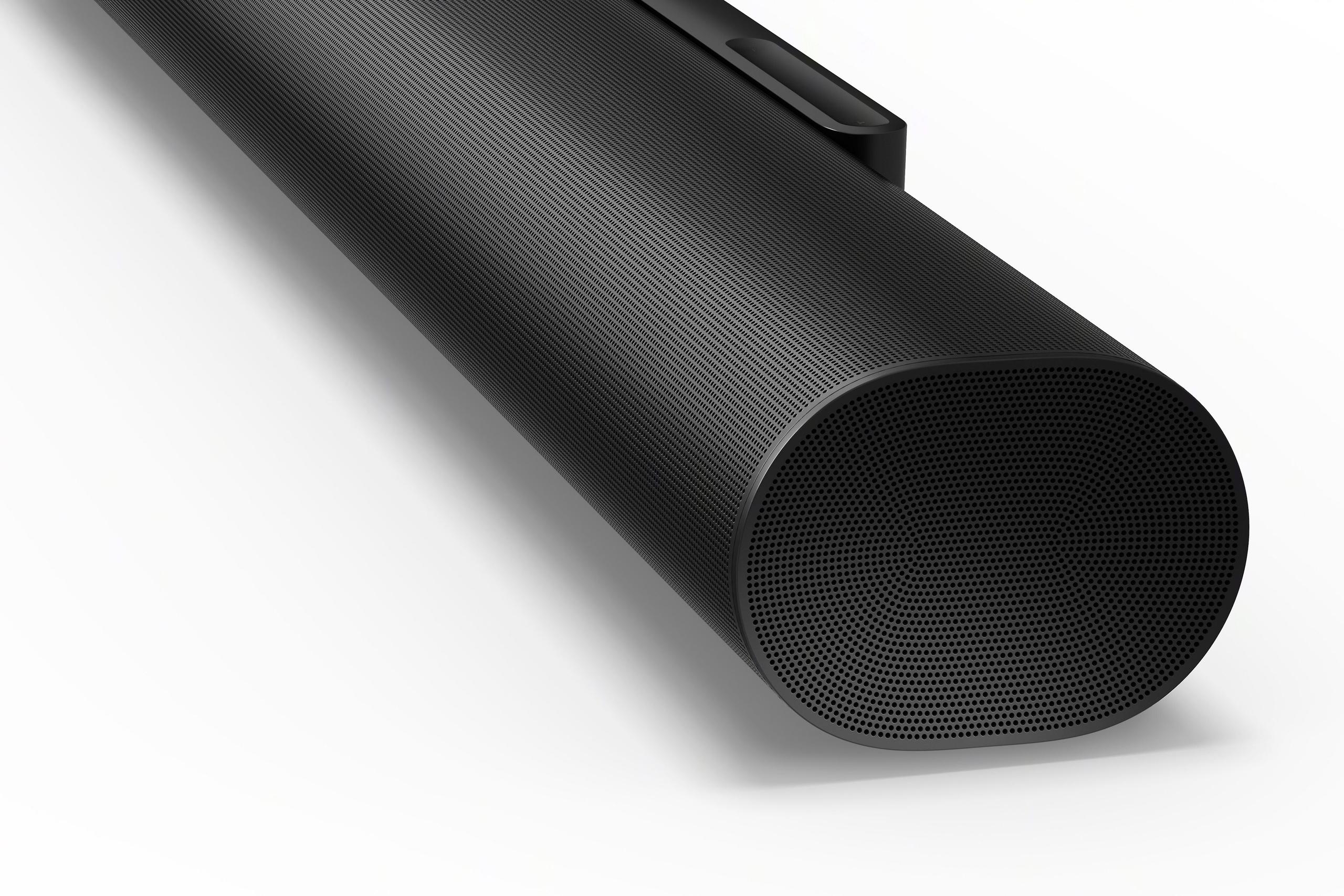
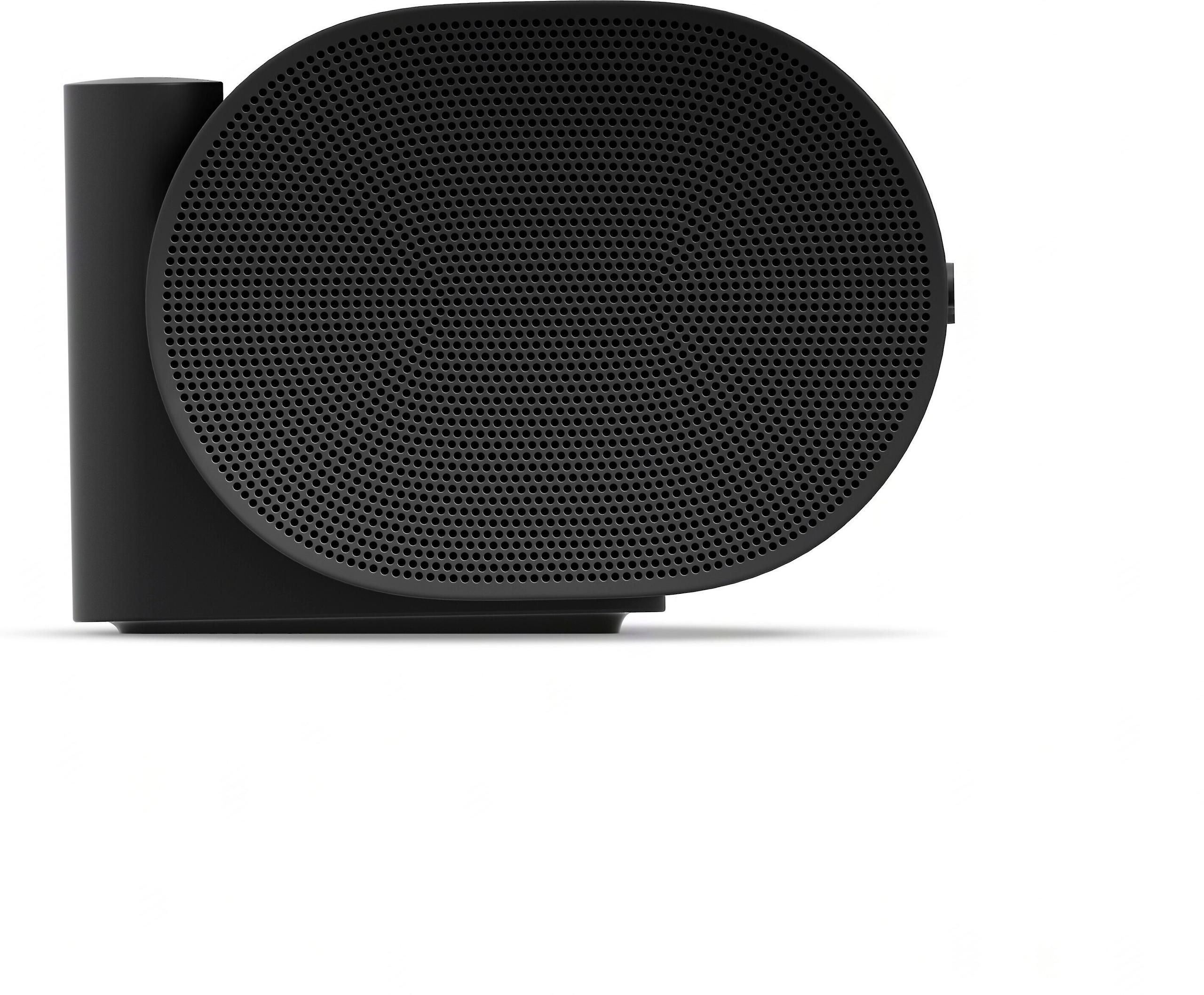
When it comes to transforming your TV's mediocre built-in speakers into a home theater experience, premium soundbars have become the go-to solution for most people. Gone are the days when you needed five or seven speakers scattered around your room to get decent surround sound. Today's high-end soundbars can create an impressively immersive audio experience from a single unit sitting below your TV.
But not all premium soundbars are created equal. The Klipsch Flexus Core 300 ($1,199) and Sonos Arc Ultra ($999) represent two very different philosophies in achieving great home theater sound. One focuses on raw audio performance with professional-grade room tuning, while the other emphasizes smart features and ecosystem integration. Understanding these differences is crucial to picking the right soundbar for your specific needs and budget.
Premium Dolby Atmos soundbars occupy a sweet spot in home audio – they deliver most of the benefits of a full surround sound system without the complexity, wiring, or space requirements. The key technologies that separate these high-end models from budget options include Dolby Atmos support (which creates overhead sound effects), sophisticated room correction systems, multiple driver arrays, and smart streaming capabilities.
When evaluating premium soundbars, the most important factors are audio performance (how good they actually sound), room integration (how well they adapt to your specific space), expandability (whether you can add more speakers later), smart features, and overall value. These considerations become especially important when you're spending $1,000 or more – you want to make sure you're getting meaningful benefits over cheaper alternatives.
The Klipsch Flexus Core 300 and Sonos Arc Ultra take fundamentally different approaches to creating great sound, and understanding these differences helps explain why they sound so distinct from each other.
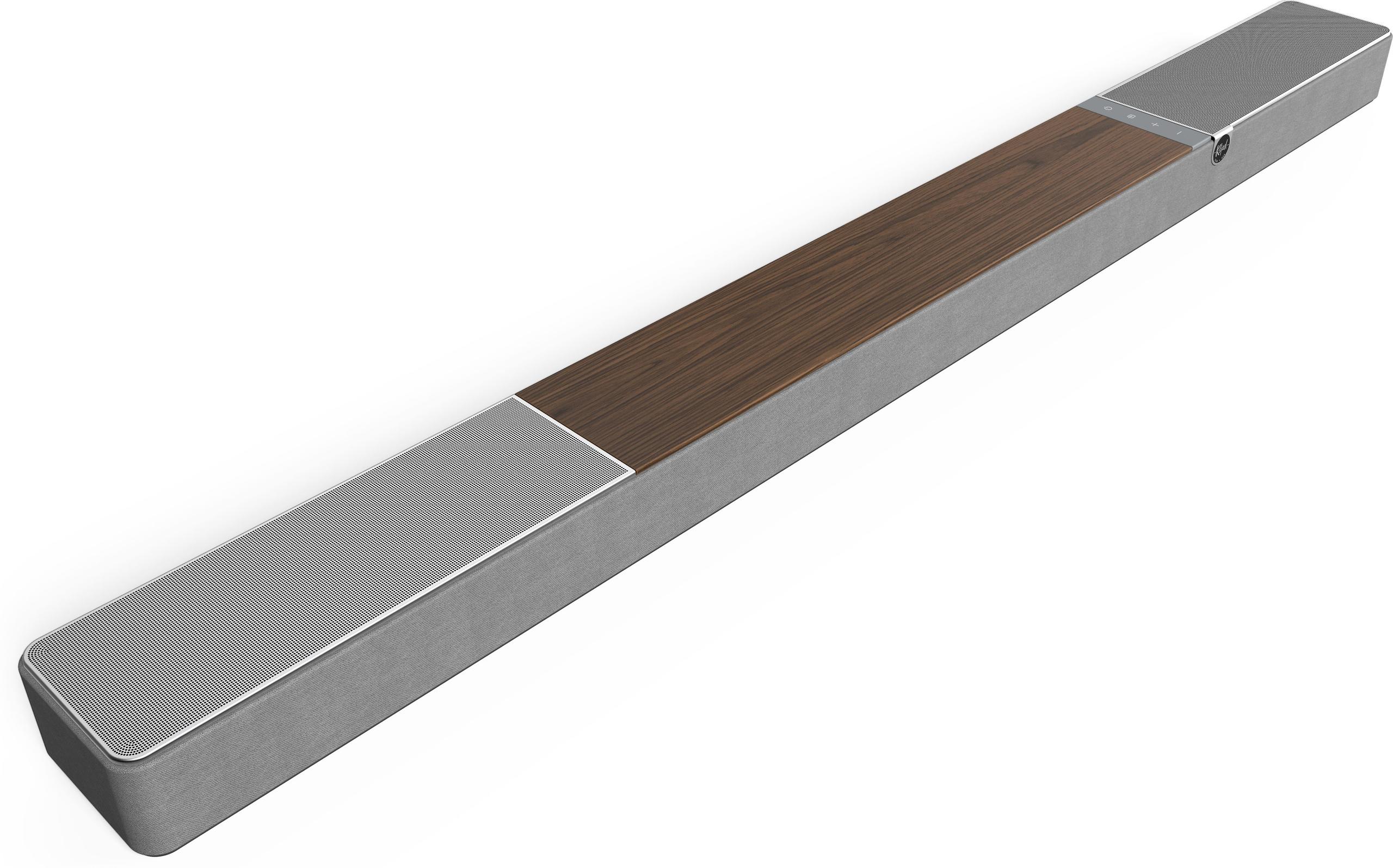
Released in 2024 as part of Klipsch's collaboration with Onkyo, the Flexus Core 300 packs an impressive array of hardware into its substantial 54-inch, 35-pound frame. The soundbar uses a 5.1.2 channel configuration, which means it has five main speakers (left, center, right, and two surrounds), one subwoofer channel, and two height channels for Dolby Atmos effects.
What makes the Klipsch special is its driver count and arrangement. Inside that long chassis, you'll find 13 individual speakers: four 2.25-inch front-firing drivers for left and right channels, a dedicated center channel with Klipsch's signature horn-loaded tweeter, two up-firing drivers and two side-firing drivers for surround effects, and – here's the kicker – four built-in 4-inch subwoofers.
Those four subwoofers are what set the Flexus Core 300 apart from most soundbars. While many premium soundbars include small bass drivers, few have dedicated 4-inch subwoofers built right in. This gives the Klipsch genuine low-frequency impact that you can feel in your chest, not just hear. The frequency response extends down to 43Hz, which covers most of the bass content in movies and music without needing an external subwoofer.
The horn-loaded tweeter is another Klipsch signature technology. Instead of a regular dome tweeter, this design uses a horn-shaped waveguide that focuses and amplifies high frequencies. The result is exceptionally clear dialogue and vocals that cut through even the most complex movie soundtracks. If you've ever struggled to hear what characters are saying during action scenes, this technology directly addresses that problem.
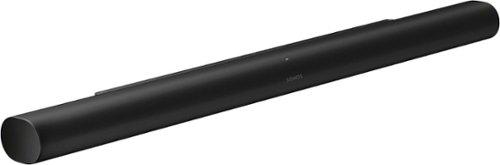
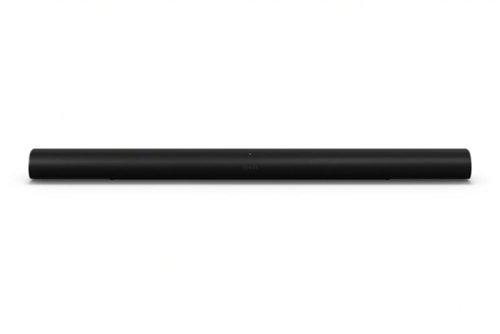
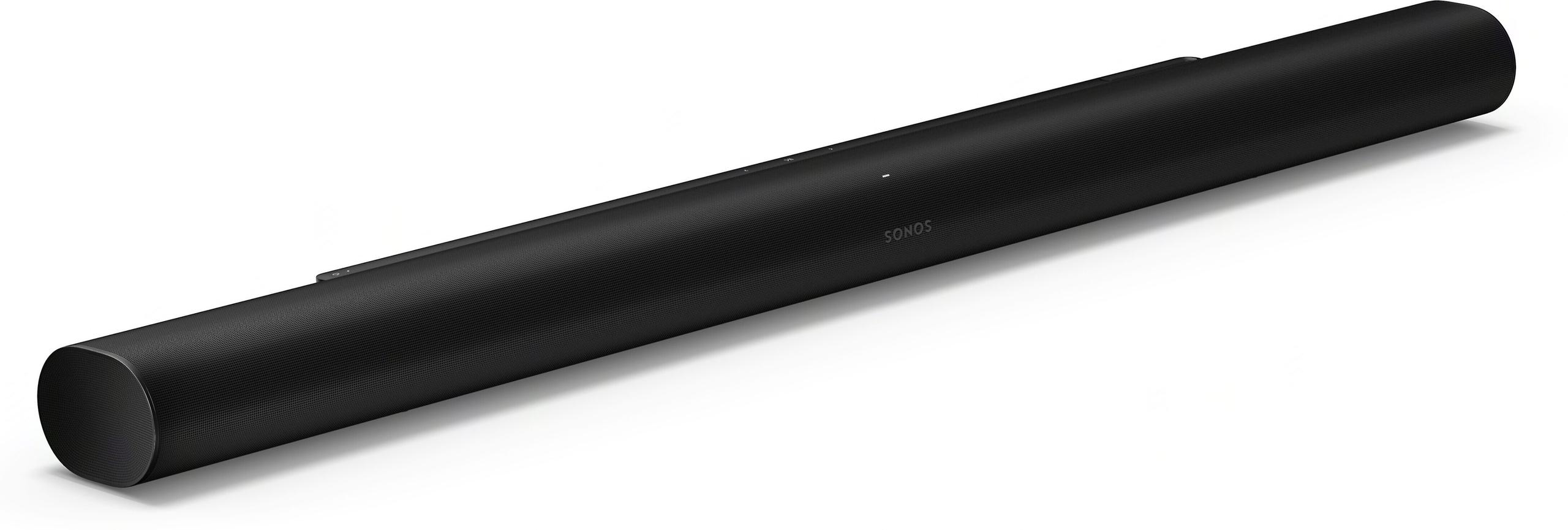
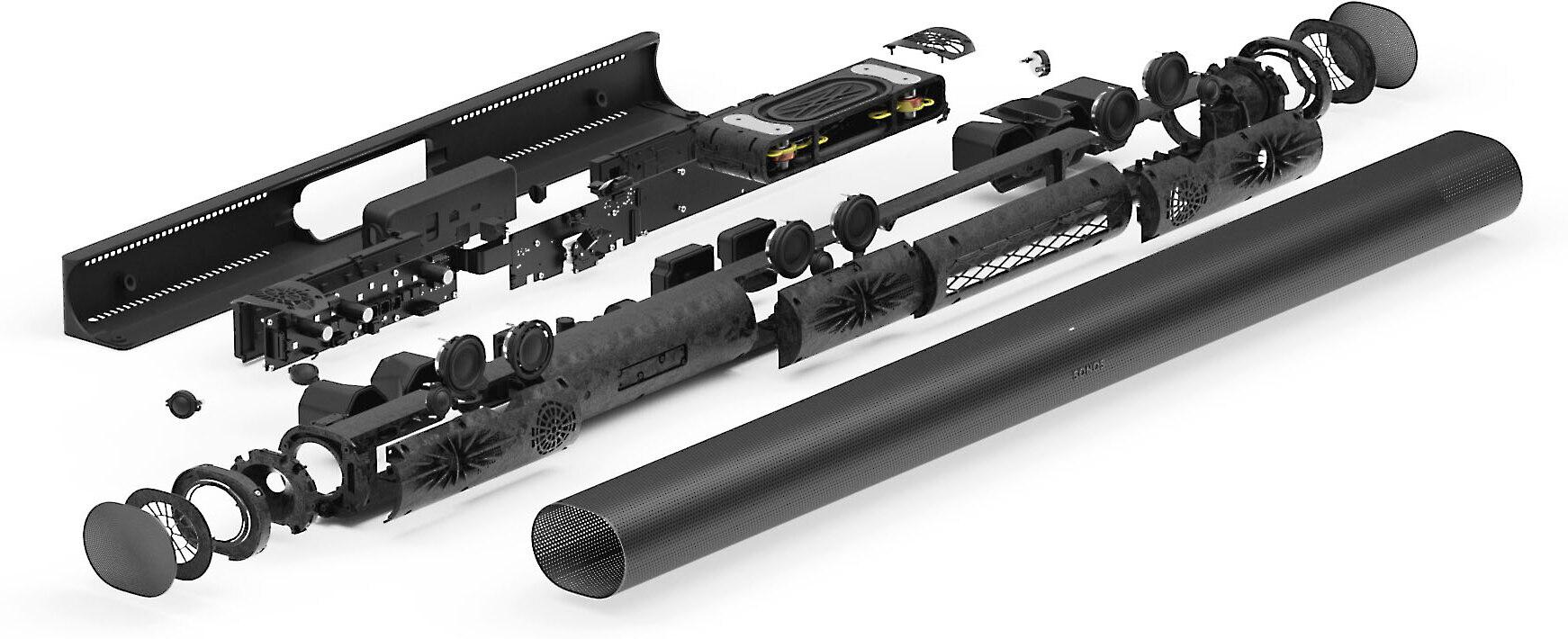
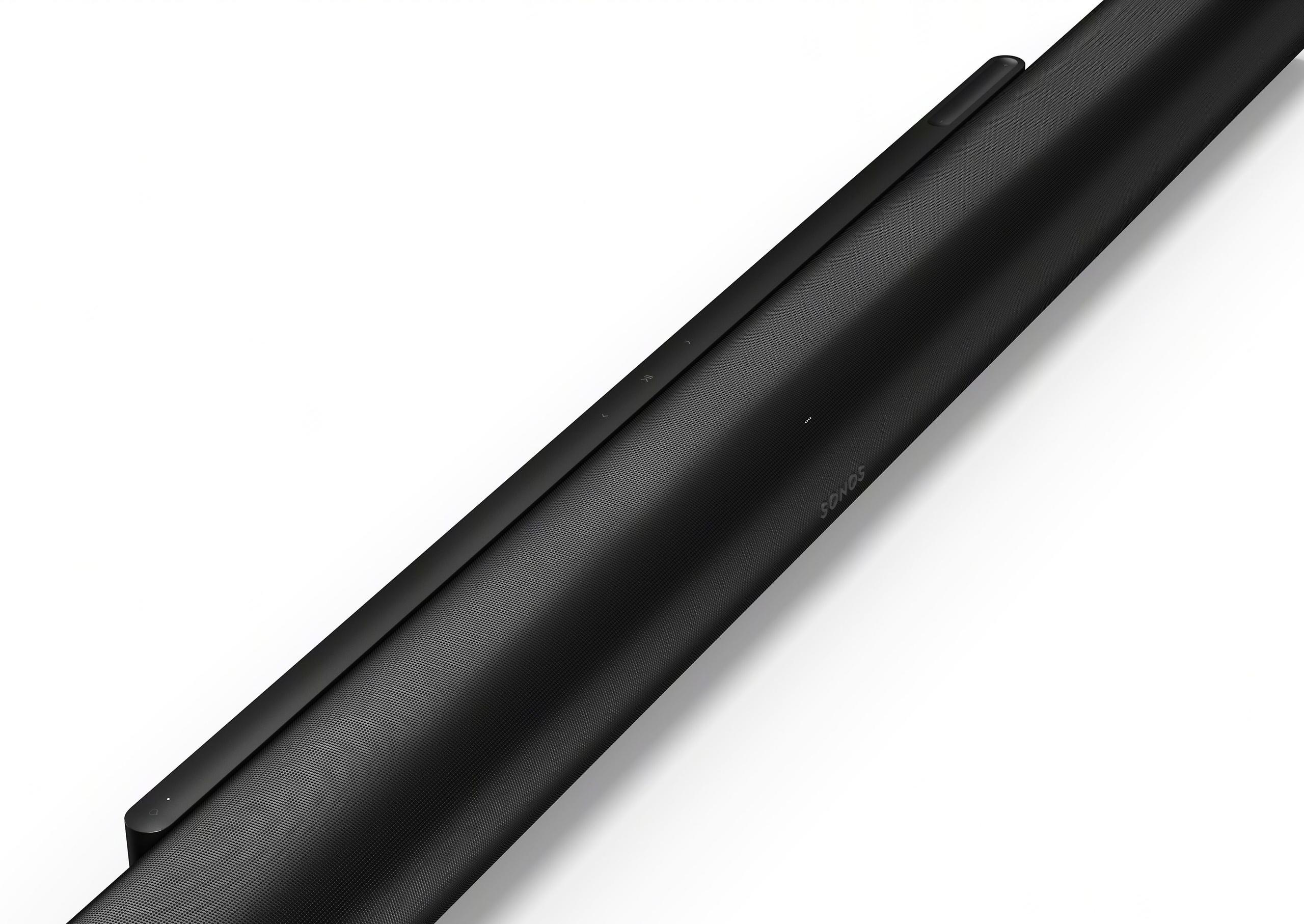
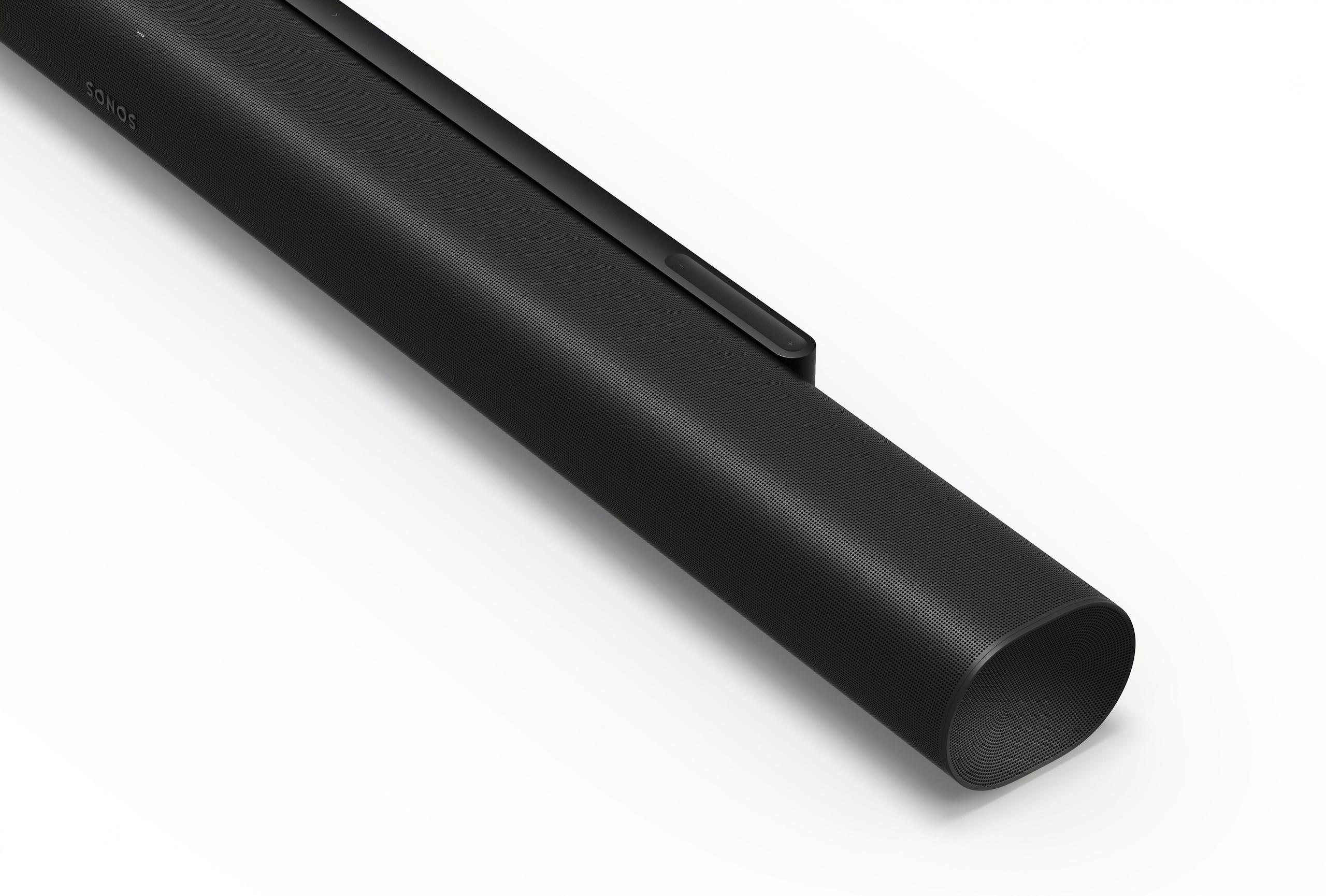
The Sonos Arc Ultra, also launched in 2024 as an upgrade to the popular original Arc, takes a more sophisticated approach to driver placement and signal processing. Despite being slightly shorter at 46 inches and much lighter at 12.7 pounds, it actually contains more individual drivers – 14 in total arranged in a 9.1.4 configuration.
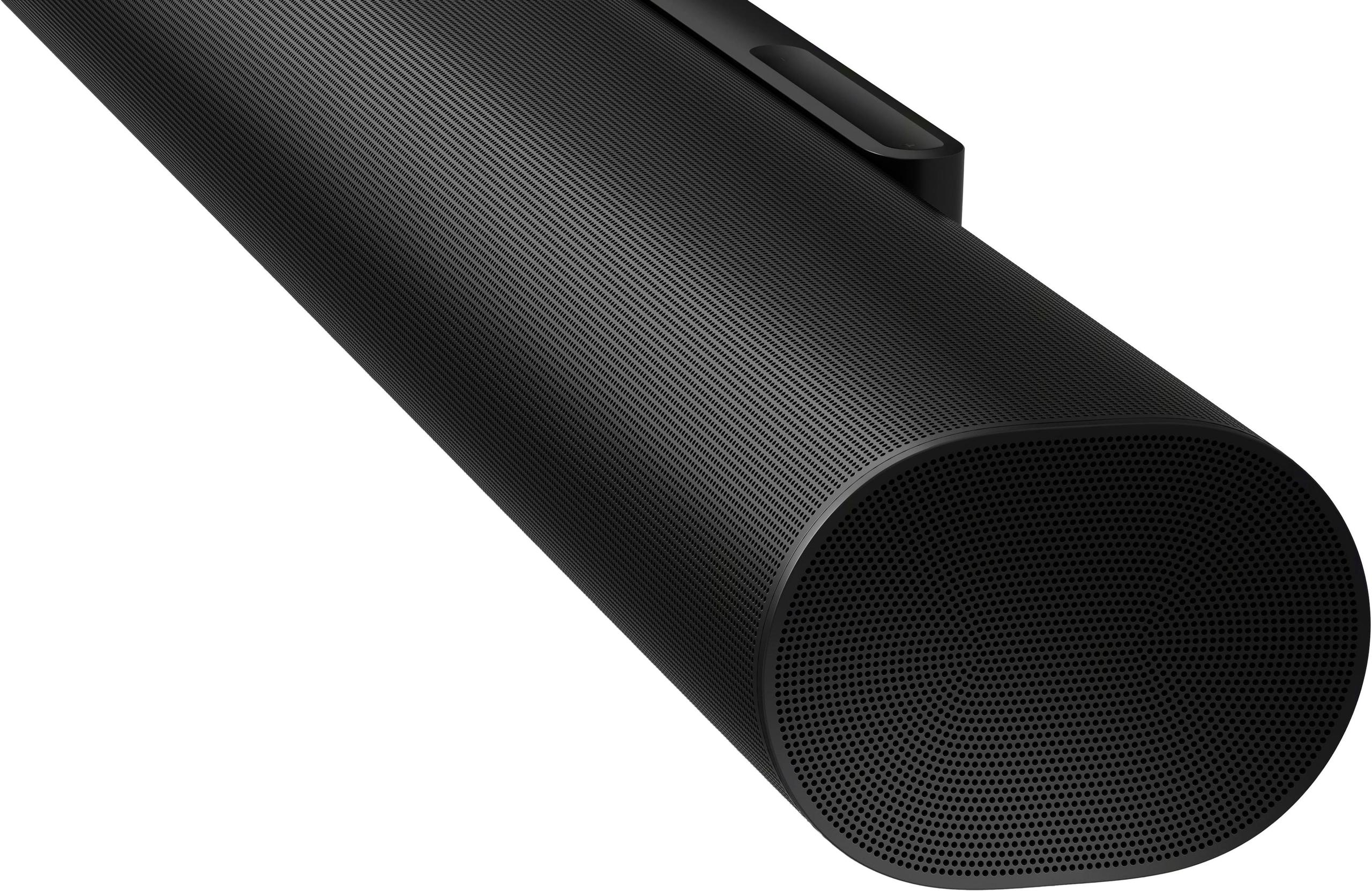
This means the Arc Ultra creates nine ear-level channels, one subwoofer channel, and four height channels through advanced digital signal processing (DSP). The driver array includes seven silk-dome tweeters for detailed high frequencies, six midrange drivers, and one specialized Sound Motion woofer for bass.
Sound Motion is Sonos's latest bass technology, designed to produce deeper low-end response from a smaller, lighter package. While it doesn't match the physical impact of the Klipsch's four 4-inch subwoofers, it's remarkably effective for the soundbar's compact size and weight.
The Arc Ultra's strength lies in its spatial audio processing. Those 14 drivers work together with sophisticated algorithms to create a convincing sense of surround sound and height effects. The result is often described as more "holographic" – sounds seem to come from specific locations around the room rather than just from the soundbar itself.
This is where the two soundbars show their most fundamental philosophical difference. Room acoustics have a huge impact on how any speaker sounds – the same soundbar can sound boomy in one room and thin in another depending on factors like room size, furniture placement, and wall materials.
The Flexus Core 300 is the first soundbar in the world to include Dirac Live room correction, a technology previously reserved for high-end AV receivers costing several thousand dollars. Dirac Live is considered the gold standard in room correction because it addresses both magnitude (how loud different frequencies are) and phase (the timing of sound waves).
Setting up Dirac Live requires some effort on your part. You'll use the included calibration microphone and the Klipsch Connect Plus app to measure how sound reflects off surfaces in your room. The system then creates a custom filter that compensates for your room's acoustic problems. The process takes about 15-20 minutes and involves placing the microphone in multiple listening positions while the soundbar plays test tones.
The included Limited Bandwidth version corrects frequencies up to 500Hz, which covers the most problematic bass and lower midrange issues. You can upgrade to Full Bandwidth correction for the complete frequency range, though most users find the included version sufficient.
The results can be dramatic. In my experience with Dirac Live systems, the improvement is immediately obvious – bass becomes tighter and more controlled, vocals sound more natural, and the overall balance improves significantly. However, it does require technical comfort and patience to set up properly.
The Arc Ultra uses Sonos's Trueplay system, which prioritizes simplicity and accessibility. If you have an iOS device, setup is nearly automatic – you simply wave your phone around the room while the soundbar plays test tones. The system uses your phone's microphones to analyze room acoustics and automatically adjusts the sound profile.
For Android users, Sonos recently added Quick Tune, which provides basic room optimization without requiring you to walk around. While not as comprehensive as the full Trueplay process, it's better than no room correction at all.
Trueplay is undeniably more convenient than Dirac Live, and it works well for most rooms and users. The adjustments are more subtle than Dirac Live's corrections, but they're also more universally applicable. You don't need to understand acoustics or spend time tweaking settings – it just works.
After spending time with both soundbars in different room configurations, several key performance differences become clear.
The most obvious difference between these soundbars is bass response. The Klipsch Flexus Core 300's four built-in subwoofers deliver genuine low-frequency impact that you feel as much as hear. During action movie scenes with explosions or deep rumbling effects, the Klipsch provides a visceral experience that's rare in soundbars.
The Sonos Arc Ultra's Sound Motion technology is impressive for its size and weight, but it simply can't match the physical presence of four 4-inch drivers. You'll get clean, well-defined bass from the Arc Ultra, but it lacks the room-shaking impact that makes movie watching truly exciting. Most Sonos users end up adding the $749 Sonos Sub to get comparable low-end performance.
This difference becomes especially apparent with content that has deep bass content – think of the T-Rex footsteps in Jurassic Park or the Inception "braaam" sound effect. The Klipsch handles these moments with authority, while the Arc Ultra benefits significantly from subwoofer addition.
Both soundbars excel at dialogue reproduction, but through different methods. The Klipsch's horn-loaded tweeter creates a naturally focused midrange that makes voices sound present and clear without artificial processing. This is particularly noticeable during complex scenes where music and sound effects compete with dialogue – the voices remain intelligible without seeming artificially boosted.
The Sonos Arc Ultra uses digital Speech Enhancement with multiple adjustment levels. This works well and can be fine-tuned for different content types or hearing abilities, but it's ultimately a processing solution rather than an acoustic one. The result is clear dialogue, but it sometimes sounds slightly processed compared to the Klipsch's natural approach.
Both soundbars deliver convincing Dolby Atmos experiences, but with different characteristics. The Klipsch's dedicated up-firing and side-firing drivers create distinct overhead and surround effects. You can often pinpoint where specific sounds are coming from, whether it's rain falling from above or helicopters moving across the room.
The Sonos Arc Ultra takes a more enveloping approach. Rather than creating specific point sources, it tends to create a larger, more diffuse soundstage that surrounds you with audio. Both approaches work well, but the Klipsch feels more precise while the Sonos feels more immersive.
For content like Marvel movies with lots of flying objects and overhead action, both soundbars perform admirably. The choice often comes down to personal preference – do you want to hear exactly where that spaceship is flying (Klipsch) or do you want to feel surrounded by the battle (Sonos)?
This is where the soundbars show perhaps their biggest difference. The Klipsch Flexus Core 300 is clearly optimized for movie watching. Its exciting, dynamic sound signature makes action films thrilling, but it can sound overly aggressive with delicate music. Jazz and classical recordings sometimes feel pushed forward rather than naturally balanced.
The Sonos Arc Ultra's more neutral tuning makes it equally adept with music and movies. The detailed driver array and sophisticated processing handle everything from hip-hop to acoustic guitar with finesse. If you plan to use your soundbar for music listening as much as movie watching, the Sonos is the more versatile choice.
Modern premium soundbars are expected to do more than just improve your TV's sound – they need to integrate seamlessly into smart homes and provide easy access to streaming services.
The Flexus Core 300 takes a relatively traditional approach to smart features. It includes the essentials: Wi-Fi, Bluetooth 5.3, AirPlay 2, and Google Cast for wireless streaming. The Klipsch Connect Plus app handles setup, EQ adjustments, and Dirac Live calibration.
However, there's no built-in voice assistant, no native streaming service integration, and limited smart home connectivity beyond basic Control4 and RTI compatibility for custom installations. The philosophy here is clear: focus resources on audio performance rather than smart features.
This approach works well if you already have a smart TV, streaming device, or voice assistant that handles your content needs. The Klipsch simply focuses on making whatever you send to it sound as good as possible.
The Arc Ultra represents the pinnacle of smart soundbar design. Built-in Alexa and Google Assistant support means you can control playback, adjust volume, and even control other smart home devices using voice commands. The far-field microphone array with advanced beamforming ensures reliable voice recognition even when music is playing loudly.
Native integration with major streaming services means you can start playing Spotify, Apple Music, or other services directly through the Sonos app without needing your TV or another device. The multi-room audio capabilities allow you to group the soundbar with other Sonos speakers throughout your home for synchronized playback.
Regular software updates continue to add new features and streaming service support. Since the original Arc launched in 2020, Sonos has added numerous improvements through firmware updates, and the Arc Ultra benefits from this ongoing development approach.
Both soundbars can be expanded with additional speakers, but the approaches and costs differ significantly.
The Flexus Core 300 can be paired with wireless Flexus Surr 200 speakers ($399 per pair) and up to two Flexus Sub 200 subwoofers ($499 each). This creates a true 7.1.4 Dolby Atmos system with dedicated surround channels and additional bass capability.
The expansion options are limited to Klipsch's own accessories, which means you're locked into their ecosystem. However, the wireless connectivity is reportedly excellent, with low latency and reliable connections between components.
A fully expanded system would cost around $2,097 (soundbar + surrounds + one additional subwoofer), which represents significant home theater performance for the price.
The Arc Ultra's expansion possibilities are much broader. You can add the Sonos Sub (Gen 4) for $749, Era 300 speakers as surrounds for $499 per pair, or integrate the soundbar into a whole-home audio system with dozens of other Sonos products.
The real value here is flexibility. Maybe you start with just the soundbar, add a subwoofer later, then gradually build out multi-room audio throughout your home. Each addition integrates seamlessly through the Sonos app.
A comparable home theater setup (Arc Ultra + Sub + Era 300 surrounds) costs about $2,247, making it slightly more expensive than the expanded Klipsch system, but with significantly more long-term flexibility.
In typical home theater setups, both soundbars integrate well but with different strengths. The Klipsch Flexus Core 300 works best in dedicated media rooms where movie watching is the primary activity. Its substantial size and powerful bass make it ideal for rooms where you want that "theater experience" feeling.
The HDMI 2.1 eARC connection supports all modern gaming console and streaming device features, including 8K video passthrough and high-resolution audio formats. Setup is straightforward – connect the HDMI cable, run the Dirac Live calibration, and you're ready for serious movie watching.
The Sonos Arc Ultra shines in living rooms and multi-purpose spaces. Its lighter weight makes wall mounting easier, and the smart features mean it works well for both serious movie watching and casual music listening. The automatic Trueplay calibration adapts well to different seating arrangements and room configurations.
For gaming, both soundbars handle modern console audio well, but the Klipsch's more dramatic sound signature can make games feel more exciting and immersive.
Choose the Klipsch Flexus Core 300 if you're primarily interested in the best possible movie-watching experience and you're willing to invest time in proper setup. The built-in subwoofers and Dirac Live room correction provide performance that typically requires much more expensive equipment. It's ideal for dedicated home theater rooms and users who prioritize audio quality over convenience features.
Choose the Sonos Arc Ultra if you want a premium soundbar that excels at everything – movies, music, smart home integration, and future expandability. It's particularly appealing if you already own other Sonos products or plan to build a multi-room audio system over time. The easier setup and broader feature set make it more suitable for general living spaces and users who want great sound without technical complexity.
Both soundbars represent excellent value in their respective approaches. The Klipsch delivers more raw audio performance per dollar, while the Sonos provides better long-term flexibility and smart features. Your choice ultimately depends on whether you prioritize maximum audio impact or comprehensive smart audio integration.
Either way, you'll get a significant upgrade over your TV's built-in speakers and most budget soundbars. These are both genuinely premium products that justify their higher prices through meaningful performance and feature improvements.
| Klipsch Flexus Core 300 ($1,199) | Sonos Arc Ultra ($999) |
|---|---|
| Channel Configuration - Determines surround sound capability and driver count | |
| 5.1.2 channels with 13 total drivers | 9.1.4 channels with 14 total drivers |
| Built-in Bass Performance - Critical for movie impact without separate subwoofer | |
| Four 4-inch dedicated subwoofers (43Hz response) | Sound Motion woofer technology (requires Sub for deep bass) |
| Room Correction Technology - Optimizes sound for your specific room acoustics | |
| Dirac Live professional-grade calibration (manual setup) | Trueplay automatic tuning (iOS) or Quick Tune (Android) |
| Physical Dimensions - Affects TV compatibility and room presence | |
| 54" W × 3.1" H × 4.9" D, 34.5 lbs | 46.2" W × 3.1" H × 4.4" D, 12.7 lbs |
| Smart Features - Voice control and streaming integration | |
| No built-in voice assistant, basic streaming support | Built-in Alexa/Google Assistant, native streaming services |
| Expandability Options - Future upgrade flexibility | |
| Flexus Surr 200 + Sub 200 (Klipsch ecosystem only) | Full Sonos ecosystem + multi-room audio capability |
| Dialogue Enhancement Technology - Speech clarity during complex scenes | |
| Horn-loaded tweeter with natural vocal projection | Digital Speech Enhancement with multiple adjustment levels |
| HDMI Connectivity - Gaming and high-resolution content support | |
| HDMI 2.1 eARC with 8K/60Hz passthrough | HDMI eARC (standard bandwidth) |
| Setup Complexity - Time investment for optimal performance | |
| 15-20 minute Dirac Live calibration required | Automatic Trueplay setup in under 5 minutes |
| Total System Cost for Full Surround - Complete home theater pricing | |
| $2,097 (with surrounds + additional sub) | $2,247 (with Sonos Sub + Era 300 surrounds) |
| Best Use Case - Primary strength and ideal user | |
| Dedicated home theater rooms, movie-focused users | Multi-purpose living spaces, smart home integration |
The Klipsch Flexus Core 300 ($1,199) is better for dedicated movie watching due to its four built-in 4-inch subwoofers that deliver genuine bass impact you can feel. Its horn-loaded tweeter also provides exceptional dialogue clarity during complex action scenes. The Sonos Arc Ultra ($999) offers excellent movie performance but requires adding the separate Sonos Sub for comparable bass response.
No separate subwoofer is needed with the Klipsch Flexus Core 300 thanks to its four integrated 4-inch subwoofers that extend down to 43Hz. The Sonos Arc Ultra can work standalone but most users add the $749 Sonos Sub for deep bass impact, especially in larger rooms or for action movies.
The Sonos Arc Ultra is significantly easier to set up with its automatic Trueplay room correction that takes under 5 minutes. The Klipsch Flexus Core 300 requires a 15-20 minute manual Dirac Live calibration process using an included microphone, though this provides more precise room optimization.
The Sonos Arc Ultra ($999) costs $200 less initially, but adding the recommended Sonos Sub brings the total to $1,748. The Klipsch Flexus Core 300 ($1,199) includes powerful bass built-in, making it better value for standalone movie performance. For smart features and ecosystem flexibility, Sonos offers better long-term value.
The Sonos Arc Ultra is superior for music with its neutral tuning and detailed 14-driver array that handles all genres well. The Klipsch Flexus Core 300 is optimized for movies and can sound overly aggressive with delicate music like jazz or classical recordings.
Yes, both can be expanded. The Klipsch Flexus Core 300 works with Flexus Surr 200 surrounds ($399/pair) and Sub 200 ($499) for a complete 7.1.4 system costing around $2,097 total. The Sonos Arc Ultra expands with Era 300 surrounds ($499/pair) and Sonos Sub ($749) for $2,247 total, plus access to the broader Sonos multi-room ecosystem.
The Sonos Arc Ultra dominates smart features with built-in Alexa and Google Assistant, native streaming service integration, and multi-room audio capabilities. The Klipsch Flexus Core 300 focuses on audio performance over smart features, offering basic Wi-Fi and Bluetooth connectivity without built-in voice assistants.
Both deliver excellent Dolby Atmos, but differently. The Klipsch Flexus Core 300 uses dedicated up-firing and side-firing drivers for precise overhead effects you can pinpoint. The Sonos Arc Ultra creates a more enveloping 9.1.4 soundstage that surrounds you with immersive audio through advanced processing.
Both handle modern gaming well through HDMI eARC connections. The Klipsch Flexus Core 300 offers HDMI 2.1 with 8K passthrough and more dramatic sound that can make games feel more exciting. The Sonos Arc Ultra provides cleaner, more balanced gaming audio but with standard HDMI eARC bandwidth.
The Klipsch Flexus Core 300 works best in medium to large dedicated home theaters where its 54-inch width and powerful bass can shine. The Sonos Arc Ultra is more versatile for various room sizes and works particularly well in living rooms and multi-purpose spaces due to its lighter weight and smart features.
The Klipsch Flexus Core 300 excels with its horn-loaded tweeter technology that naturally projects clear dialogue without artificial processing. The Sonos Arc Ultra uses digital Speech Enhancement with multiple adjustment levels that work well but can sound slightly processed compared to Klipsch's acoustic approach.
Choose the Klipsch Flexus Core 300 if you prioritize maximum movie performance, built-in bass impact, and professional-grade room correction in a dedicated theater space. Choose the Sonos Arc Ultra if you want versatile performance for movies and music, easy setup, smart home integration, and the flexibility to build a multi-room audio system over time.
We've done our best to create useful and informative comparisons to help you decide what product to buy. Our research uses advanced automated methods to create this comparison and perfection is not possible - please contact us for corrections or questions. These are the sites we've researched in the creation of this article: crutchfield.com - whathifi.com - avnirvana.com - hometechnologyreview.com - ecoustics.com - gearpatrol.com - klipsch.com - avsforum.com - youtube.com - avsforum.com - listenup.com - chowmain.software - klipsch.com - novis.ch - avsforum.com - klipsch.ca - lefflers.se - abt.com - sweetwater.com - wifihifi.com - klipsch.com - dirac.com - bestbuy.com - shopjetson.com - youtube.com - ign.com - crutchfield.com - dowtechnologies.com - sonos.com - appleinsider.com - pcrichard.com - clefdesol.com - sonos.com - businessinsider.com - audioadvice.com - en.community.sonos.com

Privacy Policy
Terms and Conditions - Affiliate Policy
Home Security
© Copyright 2008-2026.
11816 Inwood Rd #1211, Dallas, TX 75244