





If you're looking to upgrade your TV's audio without dealing with multiple speakers and cables running all over your living room, you've probably landed on soundbars as the solution. But not all soundbars are created equal, and when you step into the premium category, the differences become really important for your wallet and your ears.
Today we're comparing two high-end systems that take completely different approaches: the JBL Bar 1000 at $699.95 and the Klipsch Flexus Core 300 at $1,199. One gives you everything upfront, while the other asks you to build your dream system piece by piece. Let's dig into what makes each special and help you figure out which fits your situation better.
Before we dive into the specifics, it's worth understanding what you're actually getting when you step up to premium soundbars. These aren't just louder versions of basic models – they're engineered to create immersive audio experiences that can genuinely compete with traditional surround sound systems.
The key technologies you'll encounter include Dolby Atmos and DTS:X – these are audio formats that add height information to sound, making it feel like audio is coming from above and around you, not just from the front. Think of the difference between listening to music through earbuds versus being in a concert hall. HDMI eARC (enhanced Audio Return Channel) is the connection that lets these systems receive high-quality audio directly from your TV with a single cable, supporting all the advanced formats without compression.
What really sets premium systems apart is their approach to creating that surround sound experience. Some use virtualization – clever signal processing that tricks your ears into hearing sounds from directions where there aren't actual speakers. Others use physical drivers pointing in different directions or even separate speakers placed around your room.
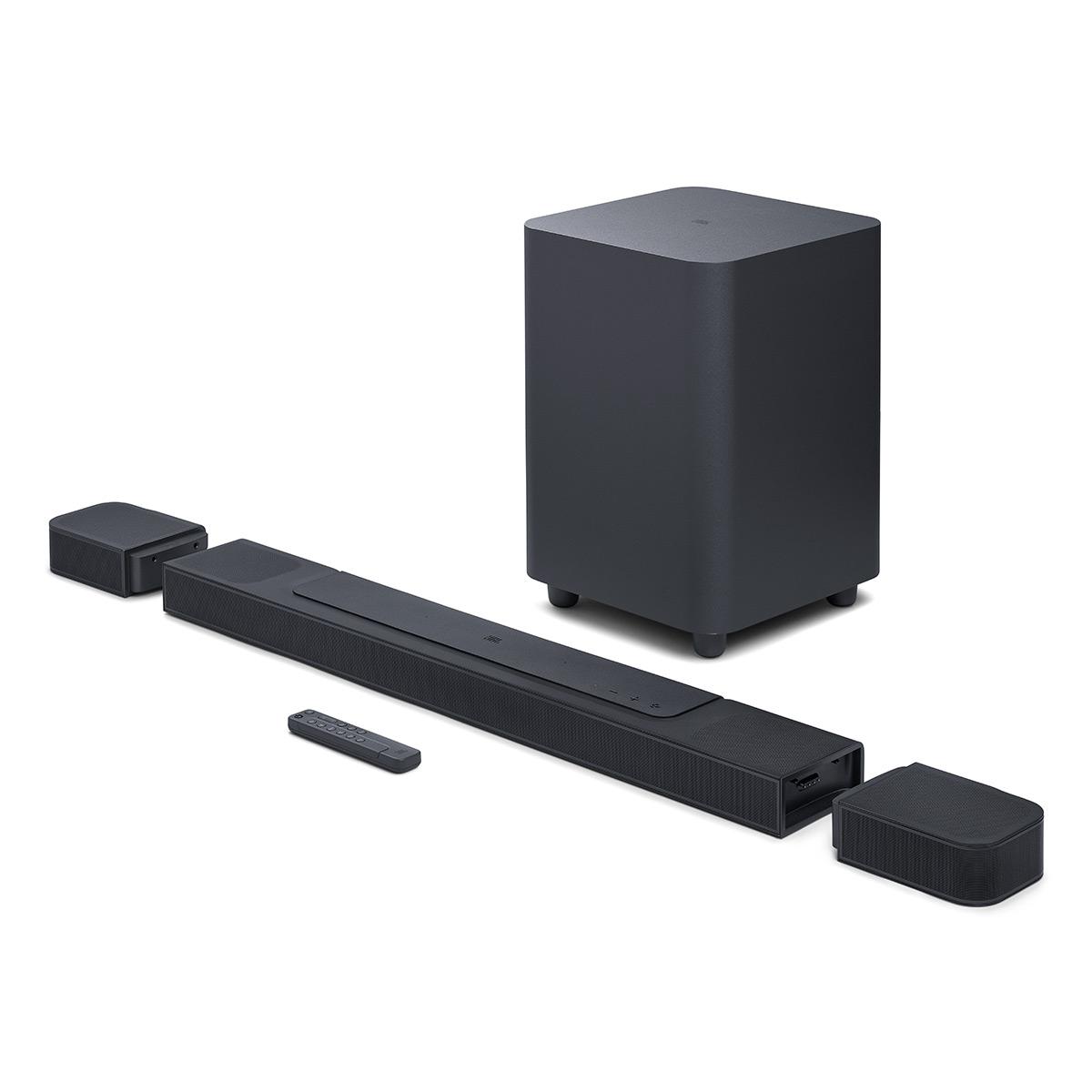
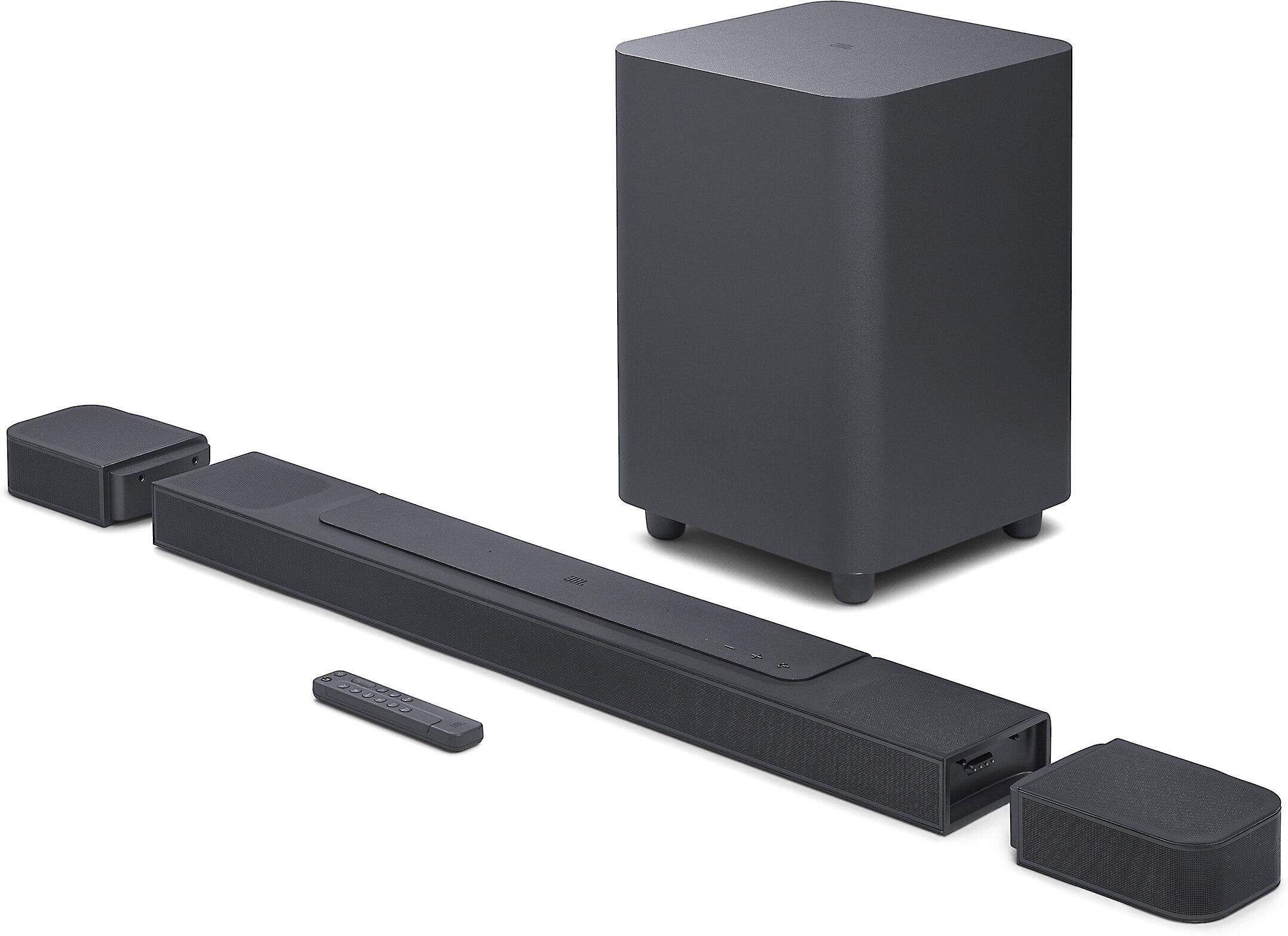
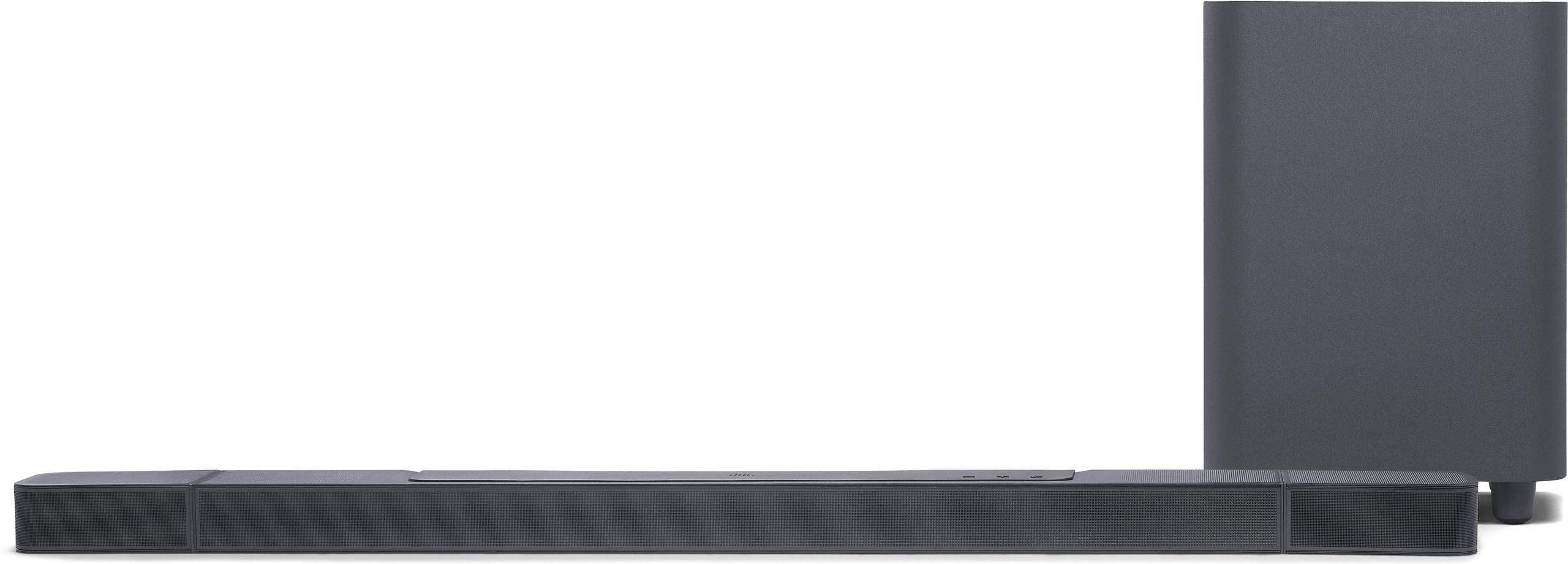
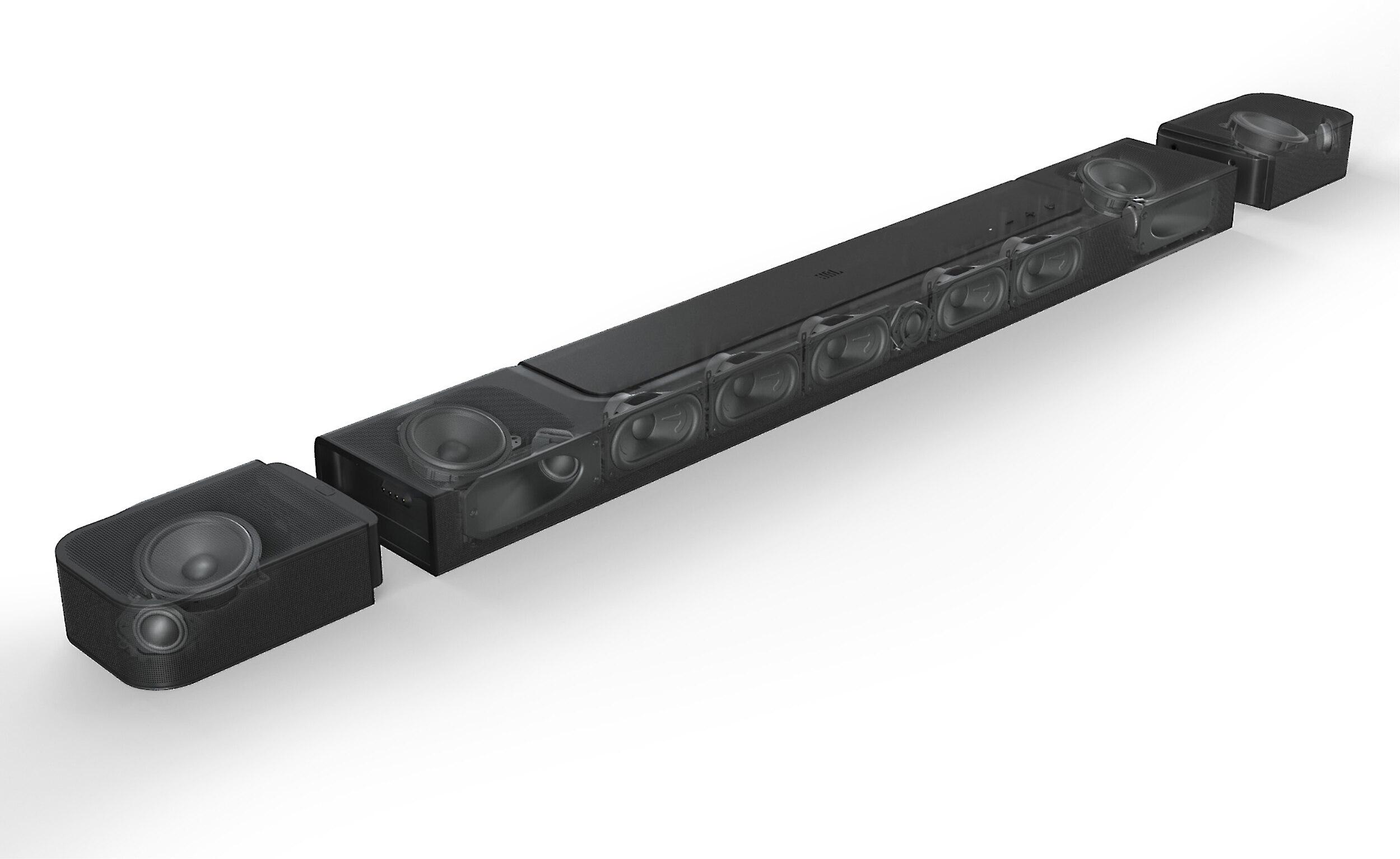
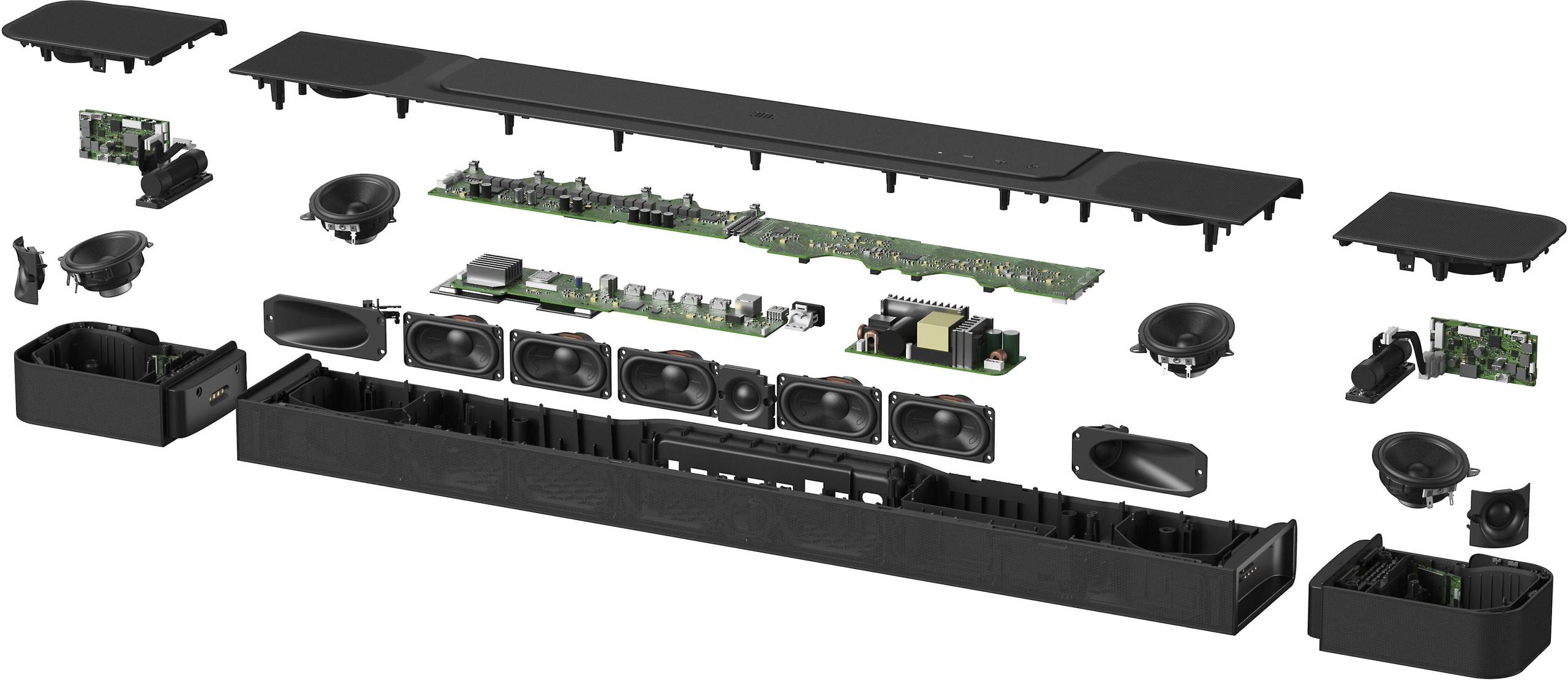
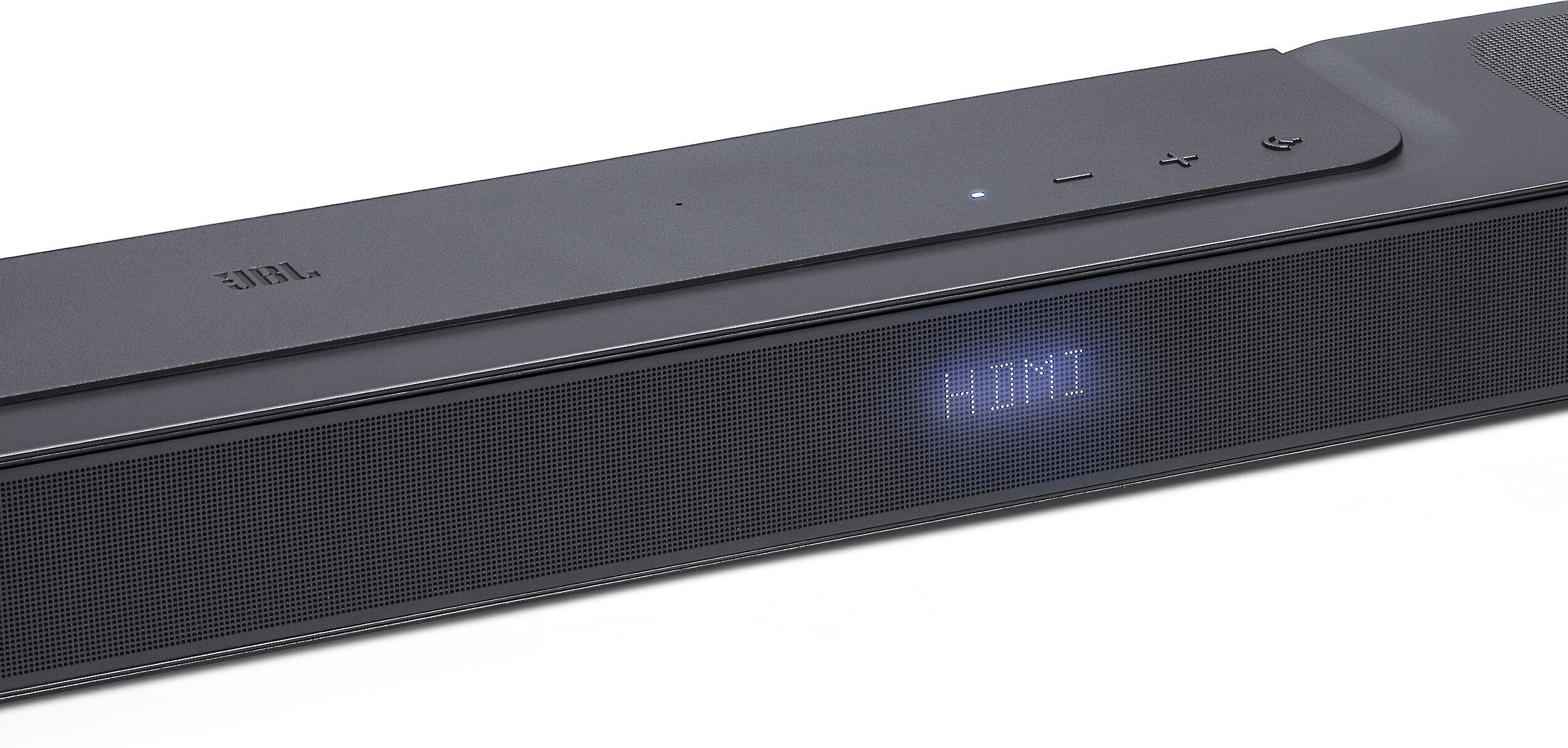
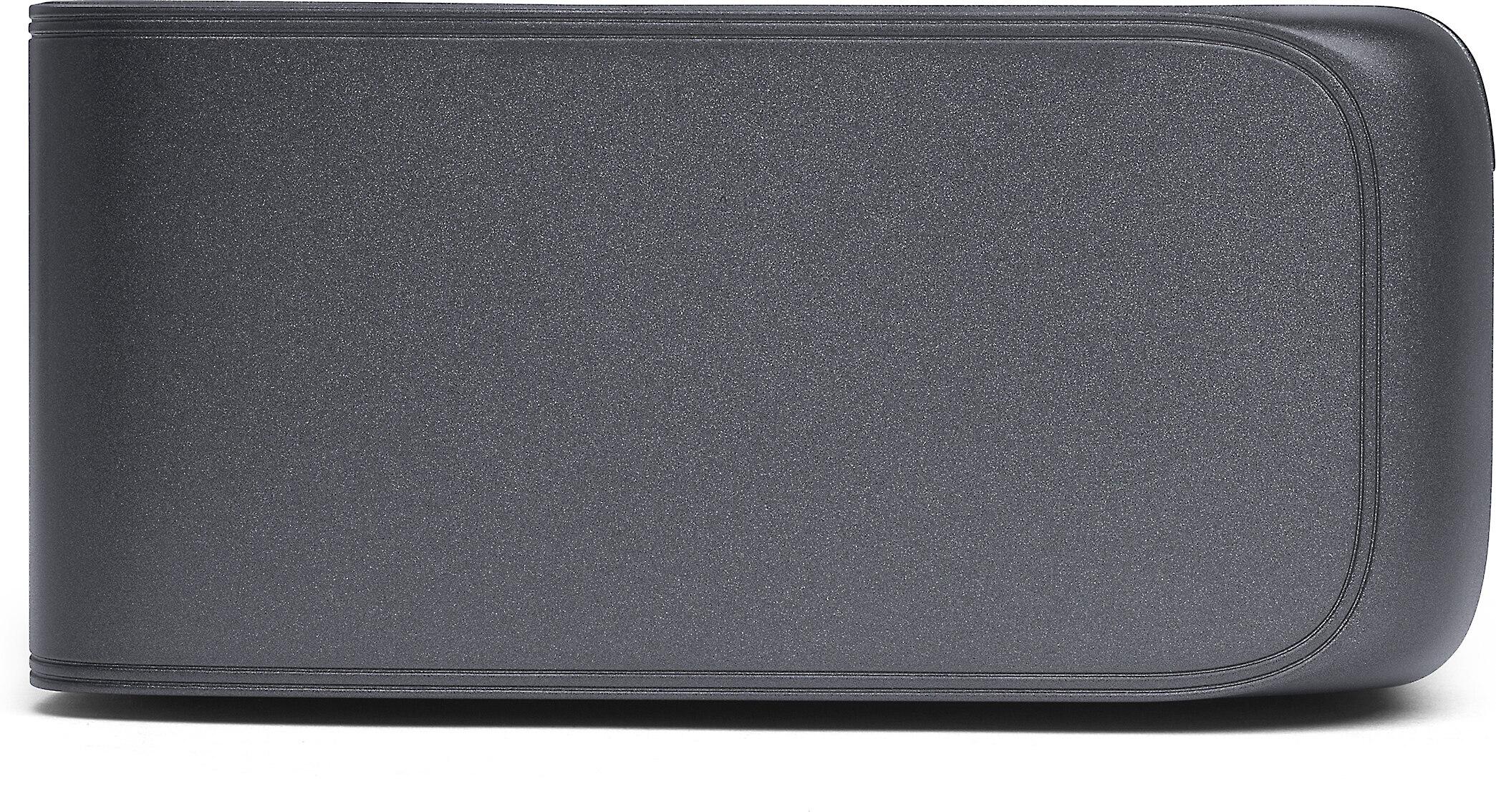
Released in 2022, the JBL Bar 1000 represents JBL's philosophy that premium audio should work amazingly well right out of the box. When you unpack this system, you get three components: the main soundbar, a substantial 10-inch wireless subwoofer, and here's the clever part – detachable rear speakers that can run on battery power for up to 10 hours.
These rear speakers are genuinely innovative. Most soundbar systems either skip rear speakers entirely or require you to plug them into wall outlets, which limits where you can place them. JBL's solution charges the rear speakers by magnetically docking them to the main soundbar when not in use. When you want to watch a movie, you simply detach them, walk them to wherever makes sense behind your seating, and you have true 7.1.4 surround sound without a single extra wire.
The "7.1.4" designation means seven main channels (left, center, right, side surrounds, rear surrounds, plus subwoofer), with four additional height channels for Dolby Atmos effects. This is achieved through up-firing drivers – speakers that point toward your ceiling to bounce sound down and create the impression of overhead audio.
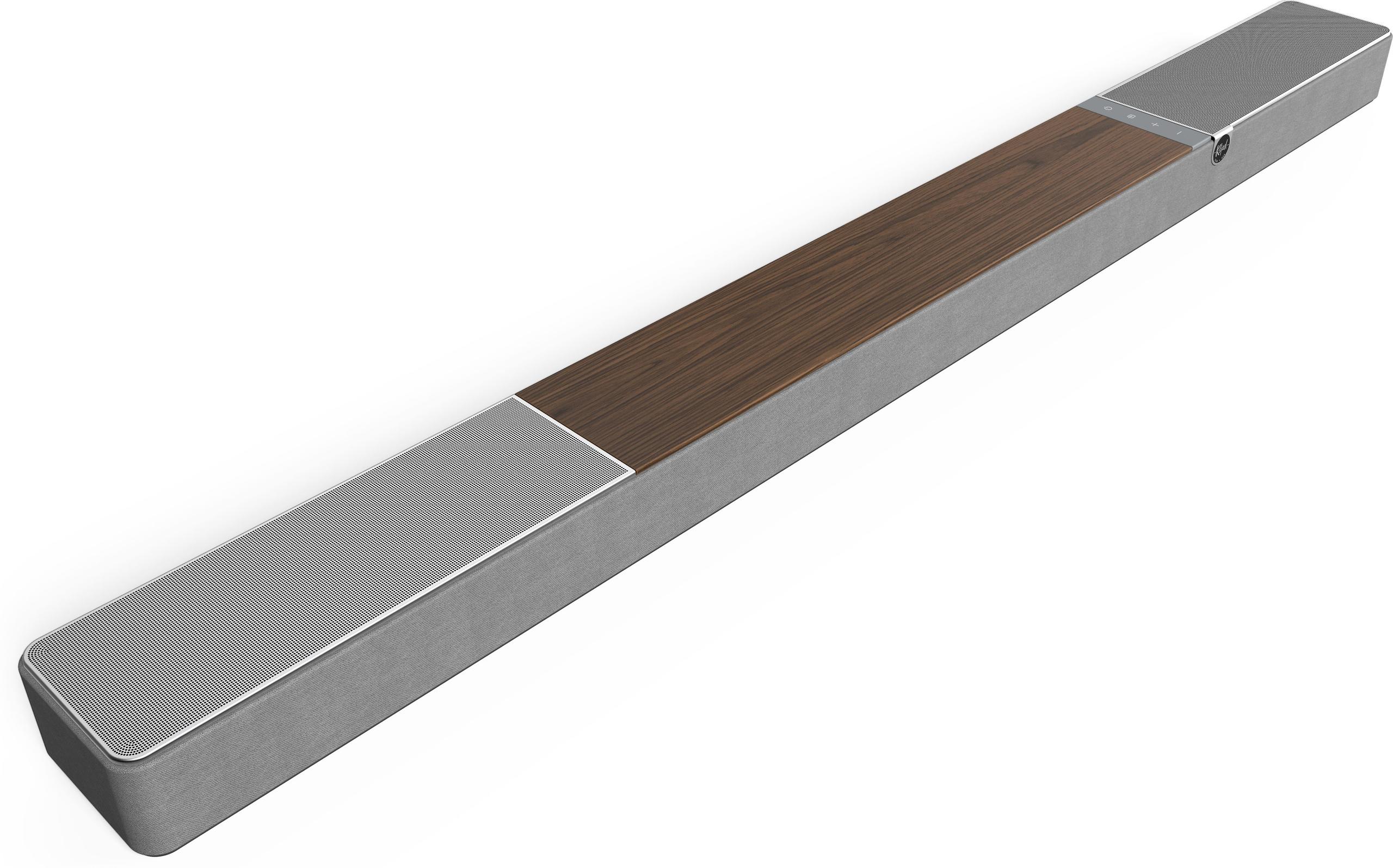
The Klipsch Flexus Core 300, released in late 2024, takes a fundamentally different approach. It's designed as the foundation of a modular system that you can expand over time. What makes this soundbar historically significant is that it's the first soundbar in the world to include Dirac Live Room Correction technology.
Dirac Live is sophisticated software that was previously only found in high-end AV receivers costing thousands of dollars. It uses a calibration microphone to measure how your room affects sound, then applies mathematical corrections to compensate for acoustic problems. If your room has a bass buildup in one frequency or if reflections off your coffee table are muddying dialogue, Dirac Live identifies and fixes these issues automatically.
The Core 300 packs 13 individual drivers into its 54-inch frame, including four built-in 4-inch subwoofers. This is impressive engineering – fitting that many speakers into a soundbar only 3 inches tall while maintaining good sound quality requires careful acoustic design.
This is where the fundamental difference between these systems becomes most apparent, and it's largely about physics that can't be engineered around.
The JBL Bar 1000's dedicated 10-inch subwoofer can move a lot more air than the Klipsch's built-in 4-inch drivers. When I've tested systems like these, the difference is immediately obvious. The JBL can reproduce the low-frequency extension down to 33Hz – that's the range where you feel bass in your chest during action movies or when listening to music with deep electronic elements.
The Klipsch, limited to 43Hz with its internal drivers, simply can't match this physical presence. It's like comparing a motorcycle engine to a car engine – both work, but one inherently has more power. Klipsch compensates somewhat with four 4-inch drivers working together, and the sound is clean and well-controlled, but it lacks that visceral impact that makes explosions feel real or music feel full-bodied.
To get comparable bass from the Klipsch system, you'd need to add their Flexus Sub 200 subwoofer for an additional $400. At that point, you're spending $1,599 just to match what the JBL includes for $699.95.
The surround sound comparison is equally revealing but more nuanced. The JBL Bar 1000 provides authentic surround sound through its detachable rear speakers. When positioned behind your seating area, these create genuine rear-channel effects – you'll hear footsteps approaching from behind or ambient sounds that place you inside the movie's environment.
Each rear speaker includes both traditional forward-firing drivers and up-firing drivers for Atmos height effects. This means sounds can appear to come from behind and above you, creating a true three-dimensional soundscape.
The Klipsch Flexus Core 300 relies on virtualization for surround effects when used alone. It uses up-firing and side-firing drivers in the main bar, combined with signal processing, to create the impression of surround sound. Modern virtualization has improved significantly, and Klipsch's implementation is quite good, but it's still processing tricks rather than actual speakers behind you.
The Klipsch can achieve true surround sound, but only with the addition of their Flexus Surr 200 wireless speakers, which cost another $600 or more. This modular approach has advantages – you can start with just the soundbar and add components later – but the total cost becomes substantial.
Here's where the Klipsch shows its strength, and it's an important one since dialogue clarity affects every single thing you watch. The Core 300's horn-loaded tweeter technology, inherited from Klipsch's decades of speaker design, excels at reproducing human voices naturally.
More importantly, the Dirac Live room correction can dramatically improve dialogue intelligibility. Many rooms have acoustic problems that muddy speech – maybe your seating is too close to a back wall, or hard surfaces are creating echoes. Dirac Live measures these issues and applies corrections that can make dialogue noticeably clearer.
The system also includes a dedicated Dialogue Boost feature with three levels of enhancement. Having tested this extensively, I can say it's genuinely useful for viewers who struggle with modern movie mixes where dialogue often gets buried under music and effects.
The JBL includes PureVoice technology for dialogue enhancement, and it works well, but it's not as sophisticated as the Klipsch's approach. For casual viewing, the difference might not matter, but for viewers who prioritize speech clarity – perhaps older users or anyone with hearing challenges – the Klipsch has a meaningful advantage.
The setup experience reveals each system's target audience clearly. The JBL Bar 1000 connects wirelessly between all components automatically. You plug in the subwoofer, place the rear speakers where you want them, and everything pairs itself. There's basic room calibration that happens automatically, optimizing the sound without requiring any input from you.
The Klipsch Flexus Core 300 asks much more of you but potentially gives more back. The Dirac Live setup process takes 30 minutes or more, requiring you to place a calibration microphone at your main listening position while the system plays test tones. The software analyzes your room's acoustics and creates a custom correction profile.
I've been through this process many times, and while it requires patience, the results can be dramatic. Rooms with difficult acoustics – hard surfaces, irregular shapes, or poor speaker placement – benefit significantly from this kind of correction. The difference between Dirac on and off can be like switching from a muddy recording to a clean master.
This is where the comparison becomes stark and potentially decisive for many buyers. The JBL Bar 1000 delivers a complete 7.1.4 Dolby Atmos system for $699.95. Nothing else is required – you get impactful bass, true surround sound, and overhead effects immediately.
To achieve equivalent functionality with the Klipsch Flexus Core 300, you need:
That's nearly three times the cost for similar capabilities. The Klipsch system has advantages – better dialogue processing, room correction, modular expandability – but they come at a significant premium.
For dedicated home theater use, both systems have merit but serve different priorities. If your primary goal is creating an immersive experience for movies and games, the JBL Bar 1000 delivers more impact per dollar spent. The combination of true surround speakers and substantial bass creates the kind of enveloping experience that makes action sequences exciting and draws you into the content.
The detachable rear speakers are particularly clever for home theater use. You can position them optimally for movie watching, then dock them back to the soundbar for music listening or when you need to clean around the seating area.
For the Klipsch Flexus Core 300, the home theater appeal lies in its precision and customization. If you're dealing with a challenging room – maybe an open floor plan where the kitchen connects to the living room, or a space with lots of hard surfaces – Dirac Live can solve acoustic problems that simpler systems can't address.
The modular nature also appeals to home theater enthusiasts who like to build systems gradually or who might move components to different rooms later. The Klipsch ecosystem allows for sophisticated multi-room audio setups that the JBL system can't match.
Both systems represent current thinking about soundbar design, but they've taken different lessons from the market's evolution. The JBL Bar 1000 reflects the trend toward complete, user-friendly systems that work excellently without requiring expertise or patience from buyers.
Since its 2022 release, JBL has refined the wireless connectivity and battery management of the rear speakers. The current version pairs more reliably and charges more efficiently than early production units.
The Klipsch Flexus Core 300, being newer to market, incorporates more recent technological advances. The integration of Dirac Live represents a significant step forward for soundbar technology – bringing professional-grade room correction to mainstream products for the first time.
Klipsch has also learned from years of customer feedback about modular systems. The wireless connectivity between Flexus components is more robust than earlier generations of expandable soundbars, and the Klipsch Connect Plus app provides more intuitive control than previous iterations.
Choose the JBL Bar 1000 if you want the best audio performance per dollar spent, prioritize immediate satisfaction, or value simplicity. It's ideal for most users who want premium sound without complexity or ongoing investment. The system particularly excels for movie watching, gaming, and music listening where bass impact matters.
The detachable rear speakers make it perfect for renters or anyone who doesn't want permanent speaker installations. The 10-hour battery life easily handles extended viewing sessions, and the magnetic charging is elegant and practical.
Choose the Klipsch Flexus Core 300 if dialogue clarity is your top priority, if you enjoy building and optimizing systems over time, or if you have specific acoustic challenges in your room. It's the choice for audio enthusiasts who want the latest technology and don't mind paying for incremental improvements.
The modular approach also makes sense if you're planning a gradual upgrade path or might want to move components to different rooms later. The Dirac Live room correction is genuinely beneficial in difficult acoustic environments.
After extensive consideration of both systems' strengths and limitations, the JBL Bar 1000 represents exceptional value for most users. It delivers genuinely impressive audio performance at a price that makes premium sound accessible, while the Klipsch Flexus Core 300 targets a smaller audience willing to pay significantly more for specific technological advantages.
Unless you have particular needs that justify the Klipsch's higher cost – challenging room acoustics, a strong preference for modular systems, or dialogue clarity issues that simpler systems can't address – the JBL provides a more complete and cost-effective solution. Sometimes the best technology is the one that gives you great results without asking you to become an expert first.
| Klipsch Flexus Core 300 | JBL Bar 1000 |
|---|---|
| Price - Total system cost for equivalent performance | |
| $1,199 soundbar only ($2,000+ with required sub and surrounds) | $699.95 complete system with everything included |
| System Completeness - What you get out of the box | |
| Soundbar only; requires $400 sub + $600+ surrounds for full experience | Complete 7.1.4 system: soundbar, 10" wireless sub, detachable rear speakers |
| Bass Extension - How deep the low frequencies go | |
| 43Hz with built-in 4" drivers (needs separate sub for impact) | 33Hz with dedicated 10" wireless subwoofer (room-shaking bass included) |
| Surround Sound - Real vs virtual surround effects | |
| 5.1.2 virtualized (needs separate speakers for true surround) | True 7.1.4 with detachable battery-powered rear speakers |
| Room Correction - Audio optimization technology | |
| Dirac Live professional room correction with calibration mic | Automatic sound calibration with one-button setup |
| Dialogue Clarity - Speech intelligibility features | |
| Horn-loaded tweeter + Dirac optimization + 3-level Dialog Boost | PureVoice dialogue enhancement technology |
| Setup Complexity - Time and effort required | |
| 30+ minute Dirac Live calibration process with microphone | Plug-and-play wireless pairing, works immediately |
| Expandability - Future upgrade options | |
| Modular system; add wireless subs and surrounds over time | Fixed system; no expansion options beyond what's included |
| Battery-Powered Components - Wireless convenience | |
| All components require power outlets | Detachable rear speakers run 10 hours on battery, charge magnetically |
| Best Value For | |
| Audio enthusiasts willing to invest $2,000+ for room optimization | Most users wanting complete premium sound for under $700 |
The JBL Bar 1000 at $699.95 offers significantly better value, providing a complete 7.1.4 Dolby Atmos system with soundbar, 10" wireless subwoofer, and detachable rear speakers. The Klipsch Flexus Core 300 costs $1,199 for just the soundbar, requiring an additional $1,000+ in components to match the JBL's performance.
The JBL Bar 1000 includes everything needed for premium surround sound: the main soundbar, wireless 10" subwoofer, and battery-powered detachable rear speakers. The Klipsch Flexus Core 300 includes only the soundbar - you must purchase the subwoofer ($400) and surround speakers ($600+) separately for comparable performance.
The JBL Bar 1000 delivers superior bass with its dedicated 10" wireless subwoofer extending down to 33Hz, providing room-shaking impact for action movies and deep music. The Klipsch Flexus Core 300 relies on built-in 4" drivers limited to 43Hz, which lacks physical bass presence without adding their separate subwoofer.
Yes, both support Dolby Atmos, but differently. The JBL Bar 1000 provides true 7.1.4 surround sound with physical rear speakers that include up-firing drivers for authentic overhead effects. The Klipsch Flexus Core 300 offers 5.1.2 virtualized Atmos from the soundbar alone, requiring separate surround speakers for true rear-channel audio.
The JBL Bar 1000 offers plug-and-play setup with automatic wireless pairing between all components and one-button room calibration. The Klipsch Flexus Core 300 requires a 30+ minute Dirac Live calibration process using an included microphone, though this provides more precise room optimization.
The Klipsch Flexus Core 300 excels at dialogue clarity with horn-loaded tweeter technology, Dirac Live room correction, and a 3-level Dialog Boost feature. While the JBL Bar 1000 includes PureVoice dialogue enhancement, the Klipsch system offers superior speech intelligibility, especially in challenging room acoustics.
The Klipsch Flexus Core 300 is designed as a modular system that expands with wireless subwoofers and surround speakers from the Flexus ecosystem. The JBL Bar 1000 is a complete fixed system that cannot be expanded, but includes everything needed for full surround sound out of the box.
For most home theater setups, the JBL Bar 1000 provides better value with its complete system including impactful bass and true surround sound. The Klipsch Flexus Core 300 suits dedicated home theater enthusiasts with challenging room acoustics who want professional-grade room correction and don't mind the higher total investment.
Both offer comprehensive wireless connectivity including Wi-Fi, Bluetooth, and streaming services. The JBL Bar 1000 features innovative battery-powered detachable rear speakers that charge magnetically on the soundbar. The Klipsch Flexus Core 300 uses traditional wireless connections for optional components but requires wall power for all speakers.
The Klipsch Flexus Core 300 has a more compact footprint as a standalone soundbar (54" wide, 3" tall), with optional components added as needed. The JBL Bar 1000 requires space for the wireless subwoofer and rear speakers but offers the flexibility to position rear speakers optimally when in use, then dock them to save space.
The JBL Bar 1000 delivers more impactful, immersive sound with genuine surround effects and deep bass extension. The Klipsch Flexus Core 300 offers more precise, refined audio with superior dialogue clarity and room-specific optimization through Dirac Live, but requires additional components to match the JBL's full-range performance.
Choose the JBL Bar 1000 if you want the best performance per dollar with immediate satisfaction and complete surround sound. Choose the Klipsch Flexus Core 300 if dialogue clarity is your top priority, you enjoy building systems gradually, or you have difficult room acoustics that benefit from professional room correction - but budget over $2,000 for the complete experience.
We've done our best to create useful and informative comparisons to help you decide what product to buy. Our research uses advanced automated methods to create this comparison and perfection is not possible - please contact us for corrections or questions. These are the sites we've researched in the creation of this article: crutchfield.com - whathifi.com - avnirvana.com - hometechnologyreview.com - ecoustics.com - gearpatrol.com - klipsch.com - avsforum.com - youtube.com - avsforum.com - listenup.com - chowmain.software - klipsch.com - novis.ch - avsforum.com - klipsch.ca - lefflers.se - abt.com - sweetwater.com - wifihifi.com - klipsch.com - dirac.com - zdnet.com - jbl.com - jbl.com - pcrichard.com - rtings.com - d21buns5ku92am.cloudfront.net - ro.harmanaudio.com - target.com - harmanaudio.com - dell.com - mm.jbl.com - dolby.com - jbl.com.my - videoandaudiocenter.com

Privacy Policy
Terms and Conditions - Affiliate Policy
Home Security
© Copyright 2008-2026.
11816 Inwood Rd #1211, Dallas, TX 75244