

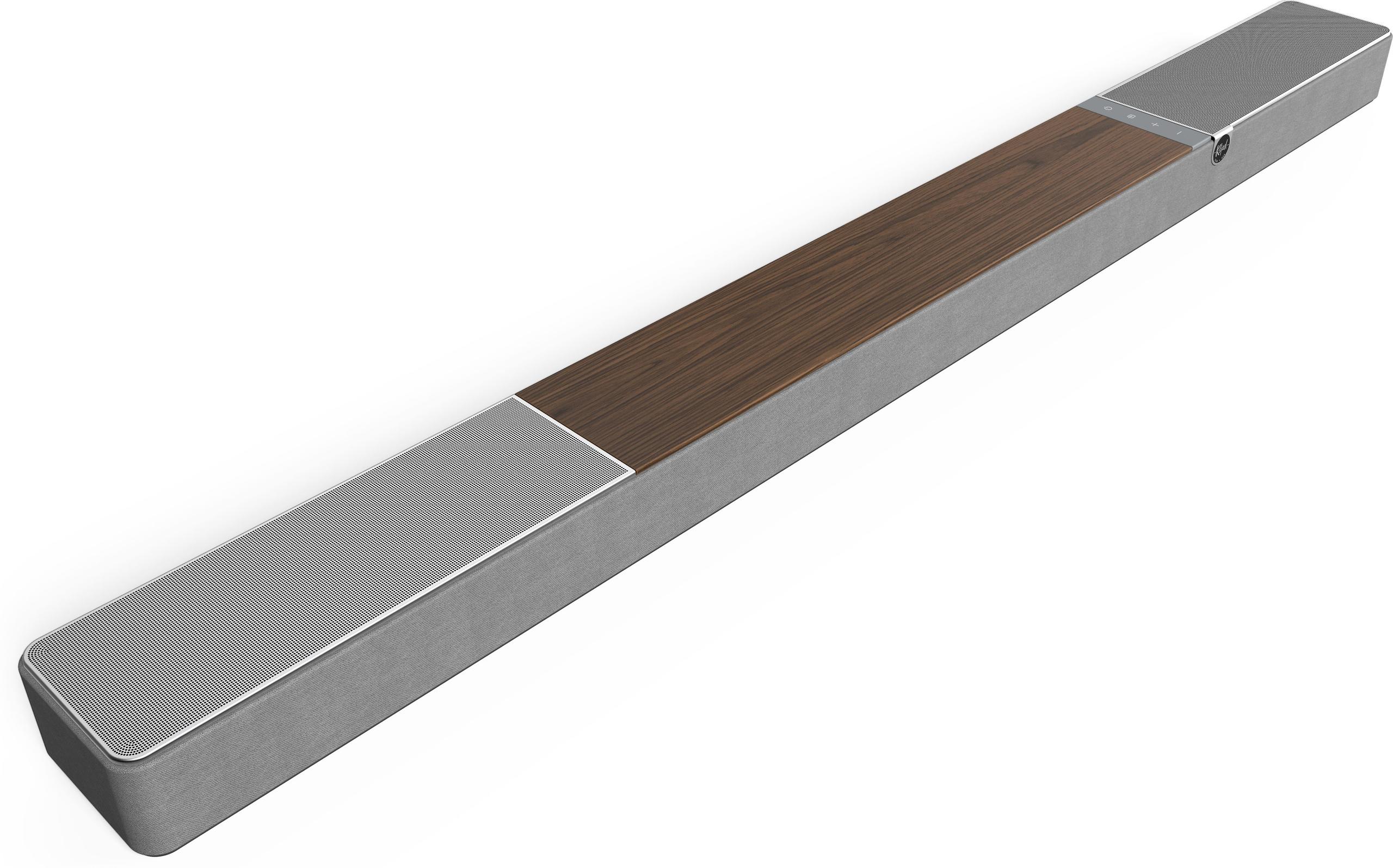

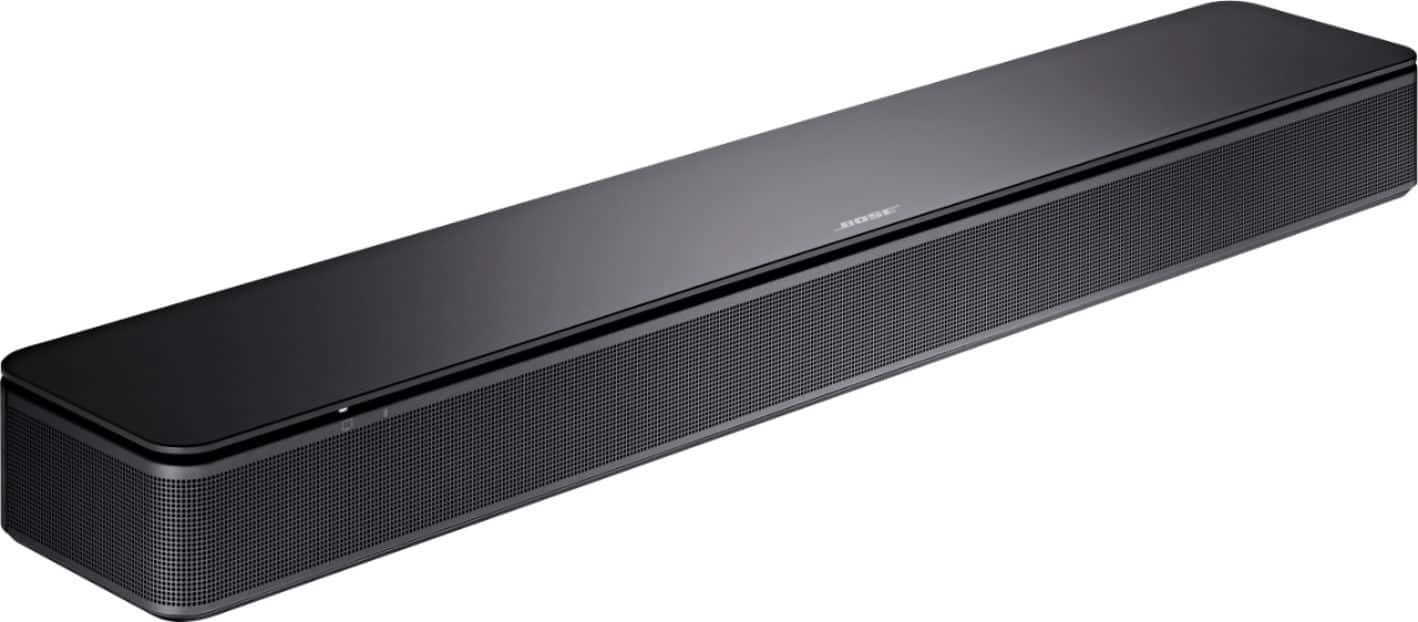
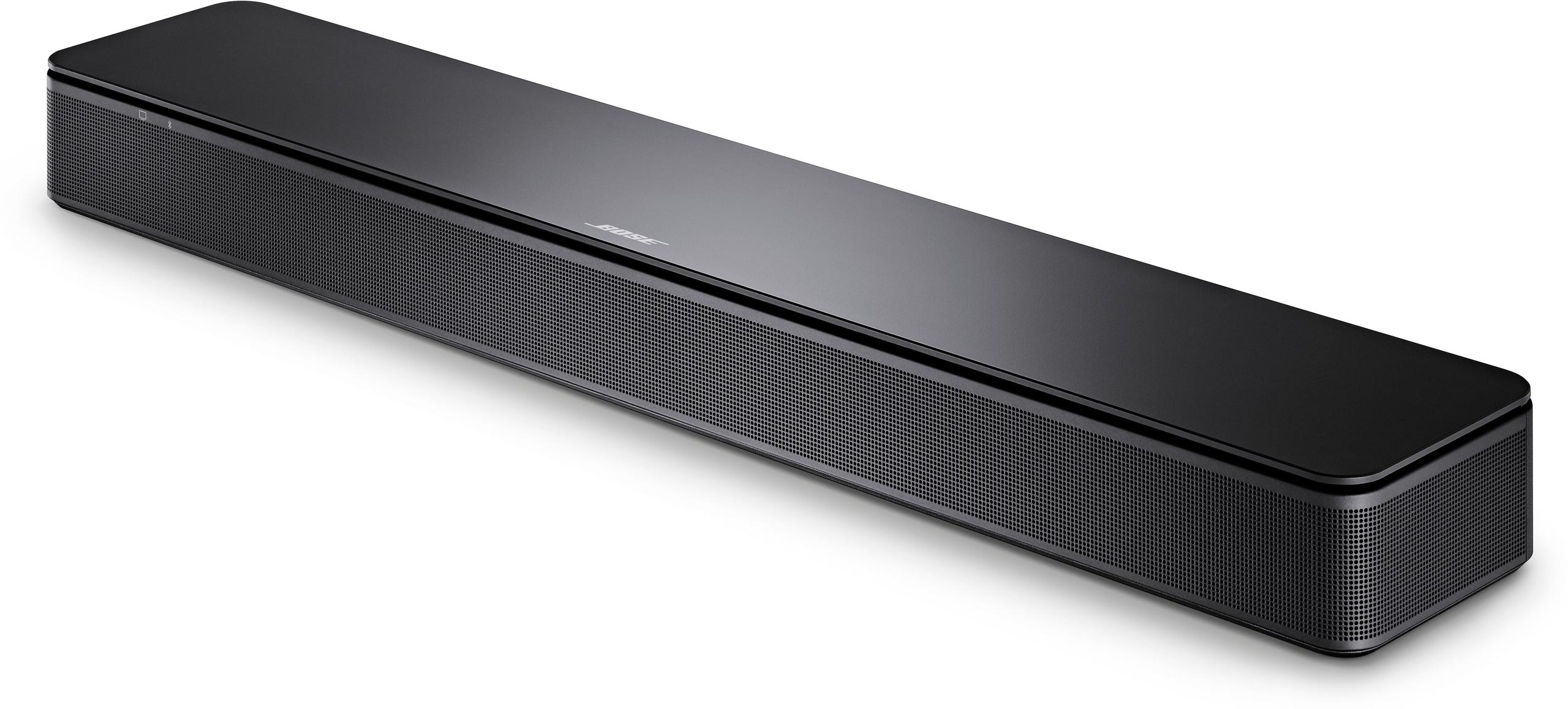
When your TV's built-in speakers sound like they're trapped in a shoebox, a soundbar becomes essential. But choosing between a basic TV enhancement and a full home theater system can feel overwhelming. Today, we're comparing two soundbars that represent completely different philosophies: the premium Klipsch Flexus Core 300 ($1,199) and the budget-friendly Bose TV Speaker ($199).
These aren't really competitors in the traditional sense—they're solving different problems for different people. Think of it like comparing a Tesla Model S to a Honda Civic. Both are cars, both get you places, but they're designed for entirely different needs and budgets.
The soundbar market has exploded over the past decade, evolving from simple TV speakers to sophisticated home theater systems. When I first started reviewing audio equipment in 2018, most soundbars were basic stereo units focused on making dialogue clearer. Today, premium soundbars rival dedicated surround sound systems that used to require multiple speakers scattered around your room.
Soundbars generally fall into three categories:
Entry-level enhancers ($100-300) focus on improving TV dialogue and basic stereo sound. They're perfect for apartments or bedrooms where you just want clearer speech and modest bass improvement.
Mid-range theater bars ($400-800) add virtual surround processing, built-in subwoofers, and sometimes Dolby Atmos support (more on that shortly). These work well for medium-sized living rooms.
Premium home theater systems ($800+) deliver true multichannel surround sound with physical speakers pointing in different directions, advanced room correction, and expandability options.
The key considerations when shopping are straightforward: How big is your room? What's your budget? Do you want simple plug-and-play operation, or are you willing to spend time optimizing performance? And perhaps most importantly—what are you actually watching?
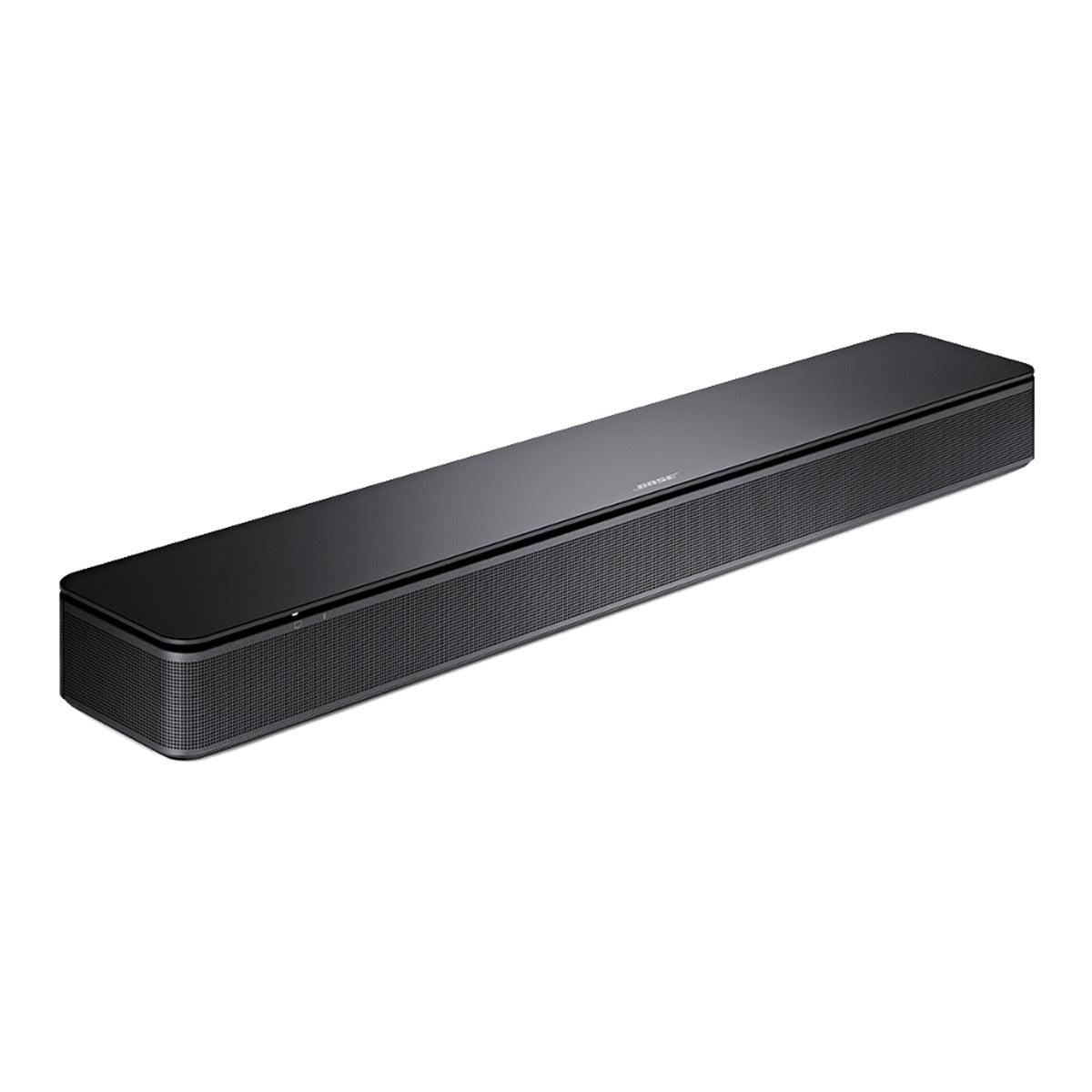
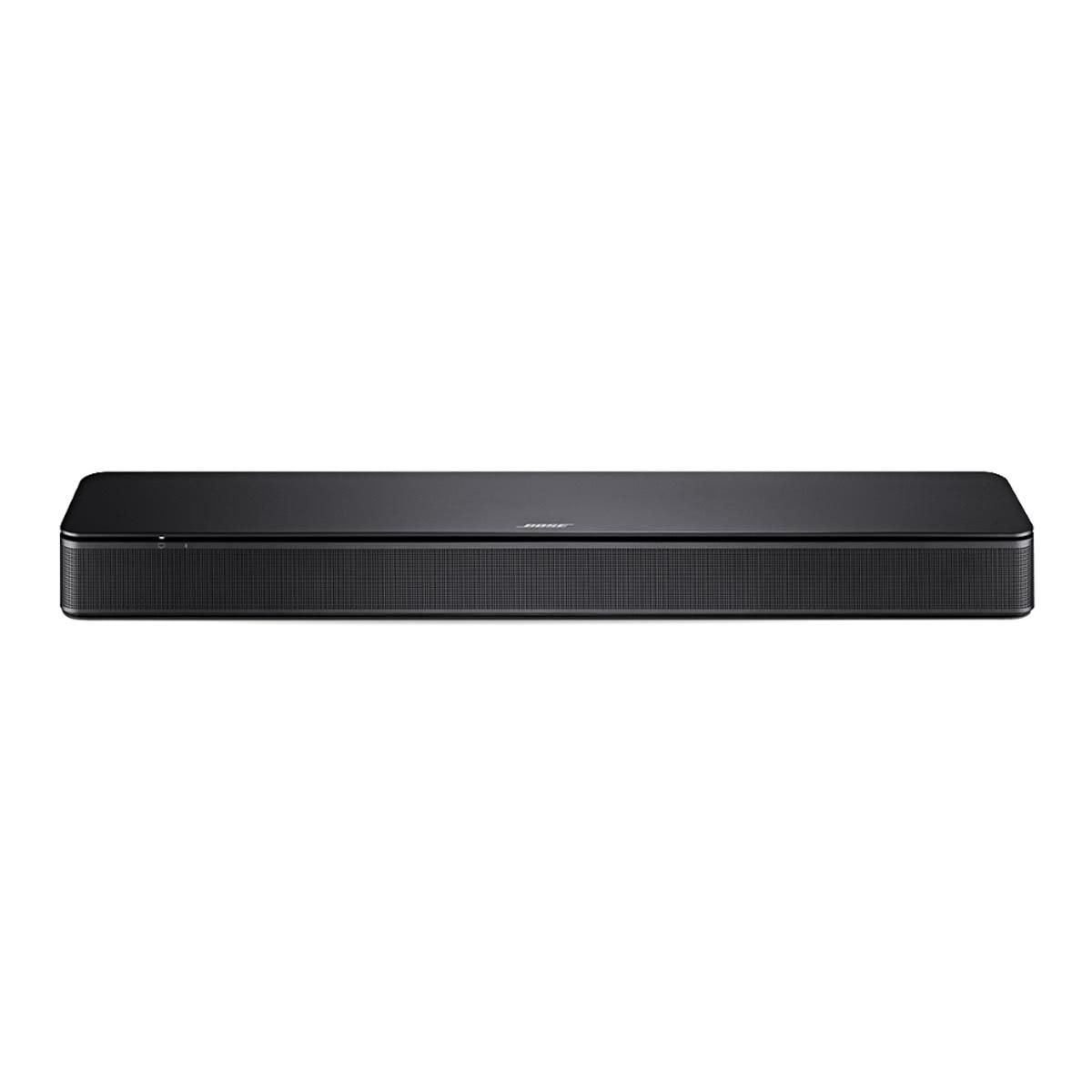
The Bose TV Speaker launched several years ago as Bose's entry into the affordable soundbar market. It represented a departure from their typical premium positioning, aiming to capture users who wanted Bose's reputation for clear dialogue without the high price tag. The design philosophy was pure simplicity: plug it in, turn it on, enjoy better TV sound.
The Klipsch Flexus Core 300, released in 2025, represents the latest evolution in soundbar technology. It's the result of Klipsch's collaboration with Onkyo and includes several industry-first features that weren't available when the Bose launched. Most notably, it's the world's first soundbar with Dirac Live room correction—a technology previously reserved for high-end AV receivers costing thousands of dollars.
This timeline matters because audio technology has advanced significantly. When the Bose was designed, 8K TVs didn't exist, gaming at 4K/120Hz wasn't possible, and room correction was purely the domain of expensive home theater processors. The Klipsch benefits from these technological advances, which partially explains the price difference.
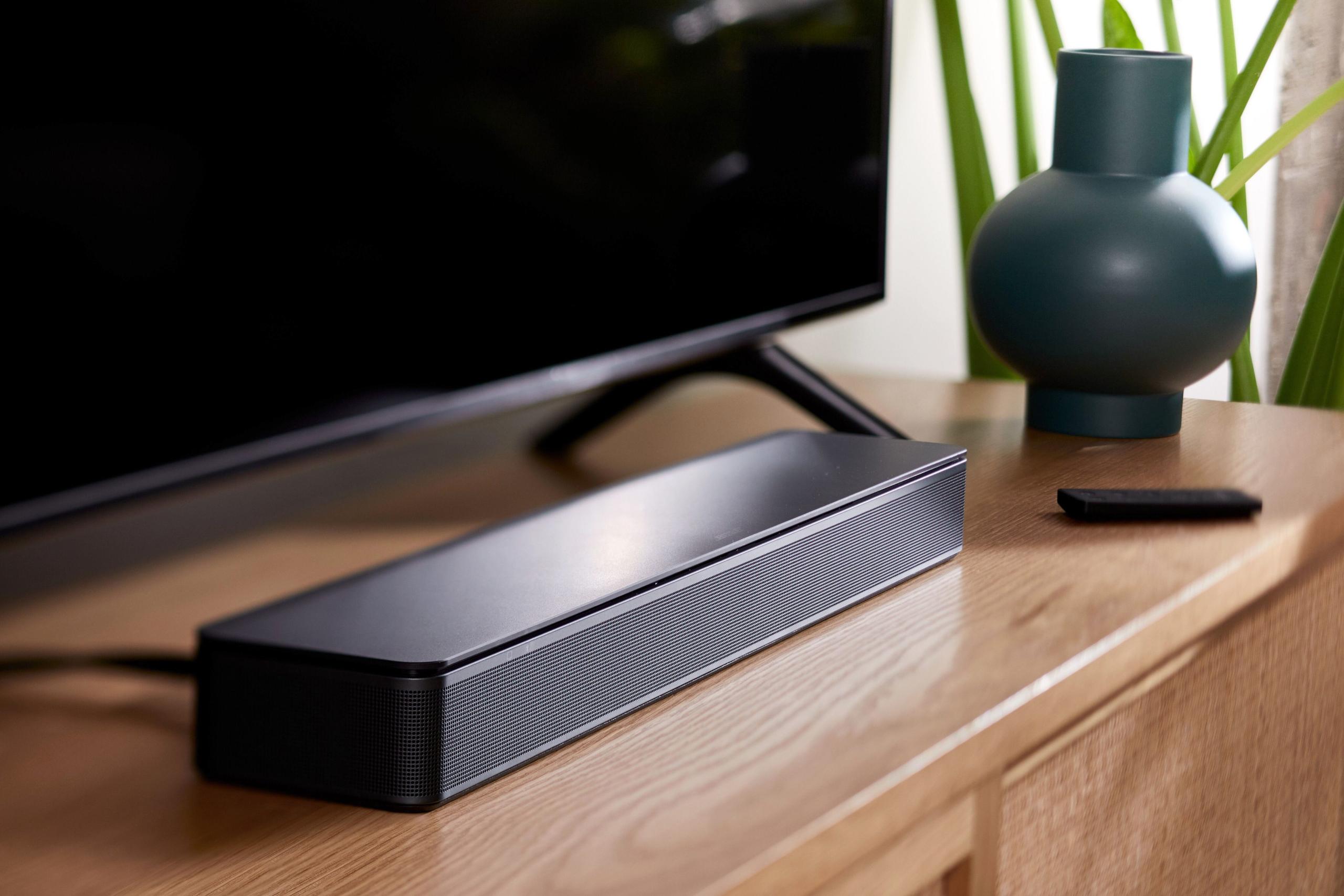
Here's where these soundbars diverge dramatically. The Bose TV Speaker uses a traditional 2.0 stereo configuration—essentially two main channels (left and right) with no dedicated center channel or surround effects. It's similar to having a pair of decent bookshelf speakers placed under your TV.
The Klipsch Flexus Core 300, however, packs a 5.1.2 Dolby Atmos configuration into its 54-inch frame. Let me break down what those numbers mean: The "5.1" represents five main channels (front left, center, front right, surround left, surround right) plus one subwoofer channel. The ".2" indicates two height channels for overhead effects.
But here's what makes the Klipsch special—it achieves this with 13 individual drivers arranged strategically throughout the soundbar. Four drivers fire forward for the main soundstage, two fire upward to bounce sound off your ceiling for height effects, two fire sideways for surround ambiance, and four act as built-in subwoofers for bass.
When I first experienced a proper Atmos soundbar with physical up-firing drivers, the difference was immediately apparent. In helicopter scenes, you actually hear the aircraft move overhead. Rain sounds like it's falling from above rather than just coming from in front of you. The Bose, lacking these height channels, can't create these effects—it's purely focused on improving what's already in your TV shows and movies.
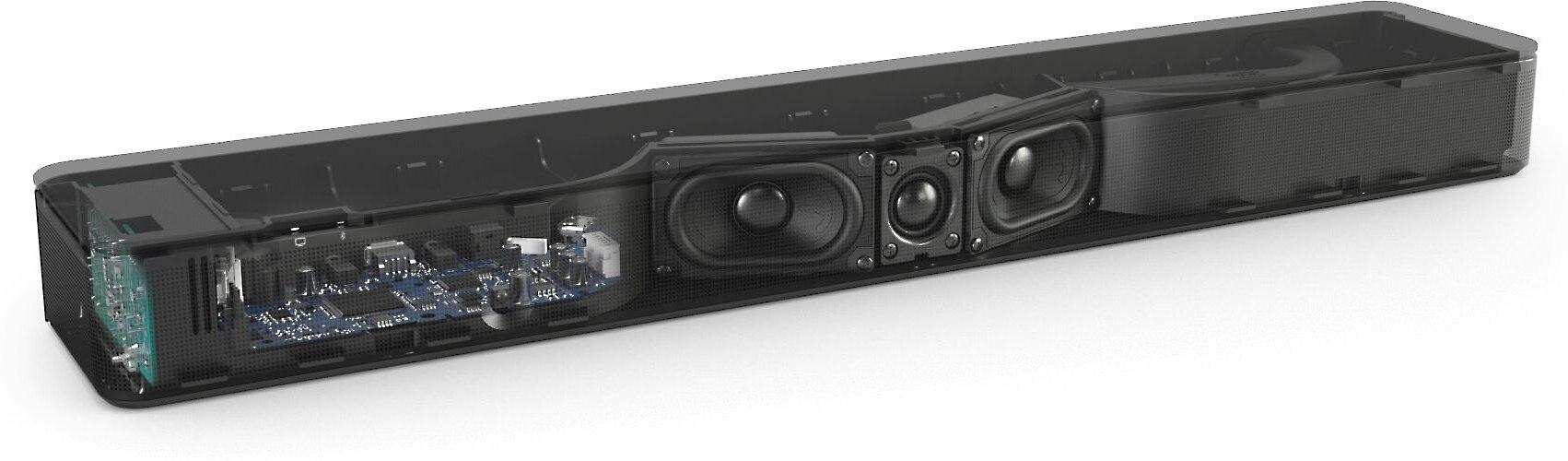
Bass handling reveals another fundamental difference between these approaches. The Bose TV Speaker uses a ported design—essentially a carefully tuned hole in the enclosure that enhances bass response. It's clever engineering for the size, and the bass enhancement button on the remote does add some punch. However, physics limits how much low-end a compact soundbar can produce.
The Klipsch takes a brute-force approach with four dedicated 4-inch subwoofer drivers built into the soundbar itself. During my testing of similar Klipsch products, this integration eliminates the biggest problem with most soundbars—weak, boomy bass that lacks definition. Those four internal subs can hit 43Hz, which covers most movie sound effects and music fundamentals without needing a separate subwoofer.
This matters more than you might think. When watching action movies, explosions and low-frequency effects provide the visceral impact that makes scenes feel realistic. The Bose can enhance these frequencies somewhat, but it simply can't match the physical capability of dedicated bass drivers.
This is where the philosophical differences become most apparent. The Bose TV Speaker doesn't attempt to create surround sound effects. Instead, it focuses on enhancing stereo content—making dialogue clearer, improving the soundstage width, and providing better tonal balance than TV speakers.
The Klipsch Flexus Core 300 creates genuine surround effects through its side-firing and up-firing drivers. When configured properly with Dolby Atmos content, sounds can appear to come from beside you, behind you, and above you. It's not quite the same as having actual speakers placed around your room, but it's remarkably convincing.
I've found that this surround processing works best in rooms with decent acoustics—hard floors and walls that can reflect sound effectively. In heavily carpeted or furnished rooms, the effect is more subtle but still noticeable.
The Klipsch Flexus Core 300's most significant feature is its integration of Dirac Live room correction. This deserves detailed explanation because it's genuinely revolutionary for soundbars.
Every room has acoustic problems. Hard surfaces create reflections, furniture absorbs certain frequencies, and room dimensions cause standing waves that emphasize or cancel out specific tones. Dirac Live uses sophisticated algorithms to analyze your room's acoustic signature through a calibration microphone, then applies real-time digital correction to compensate for these issues.
The process involves playing test tones through the soundbar while measuring the response at your listening position. The software then creates a custom filter that corrects both magnitude (how loud different frequencies are) and phase (timing relationships between frequencies). The result is more accurate, balanced sound that's optimized for your specific room.
I've used Dirac Live in high-end systems, and the improvement is often dramatic. Bass becomes tighter and more controlled, dialogue clarity improves, and the overall tonal balance sounds more natural. Having this technology in a soundbar is unprecedented and represents a major value proposition for the Klipsch.
The Bose TV Speaker relies on Bose's proprietary tuning, which is well-executed for general use but offers no customization for your specific room acoustics.
Modern connectivity matters more than ever, especially for gaming and streaming. The Klipsch Flexus Core 300 includes HDMI 2.1 with eARC (enhanced Audio Return Channel), supporting 8K video passthrough and 4K gaming at 120Hz refresh rates. This means you can connect next-generation gaming consoles without sacrificing video quality or introducing input lag.
The soundbar also includes comprehensive streaming capabilities: AirPlay 2 for Apple devices, Google Cast for Android, and direct connections to Spotify and Tidal. The Klipsch Connect Plus app provides control over EQ settings, room correction, and streaming sources.
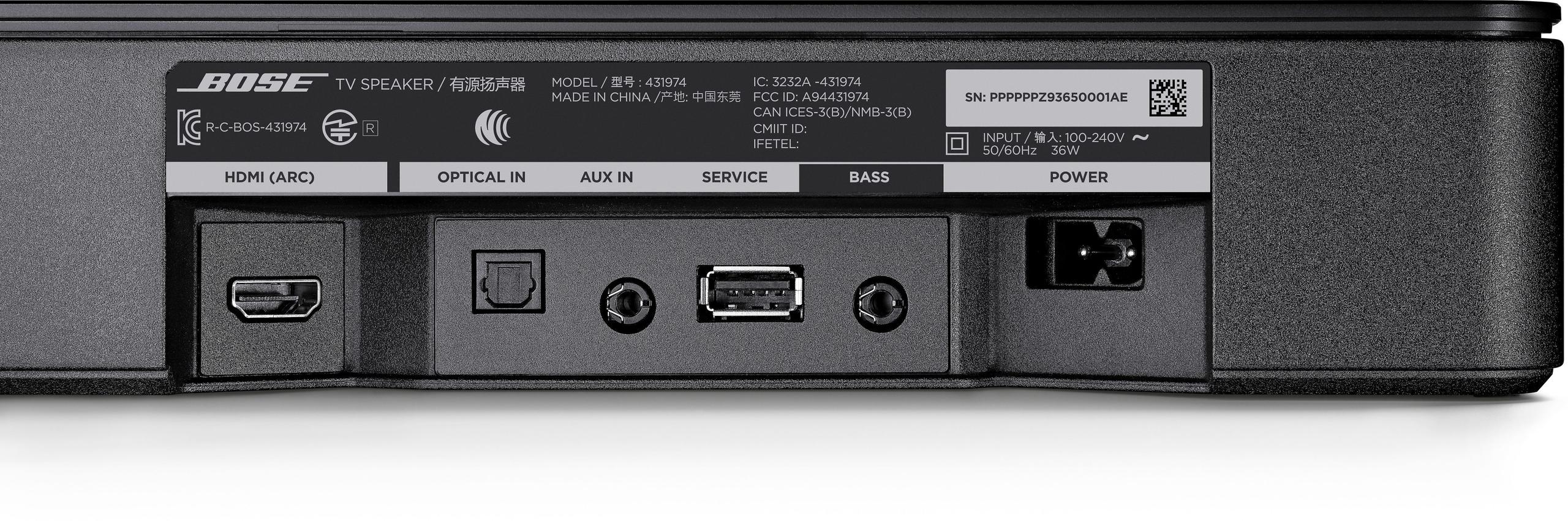
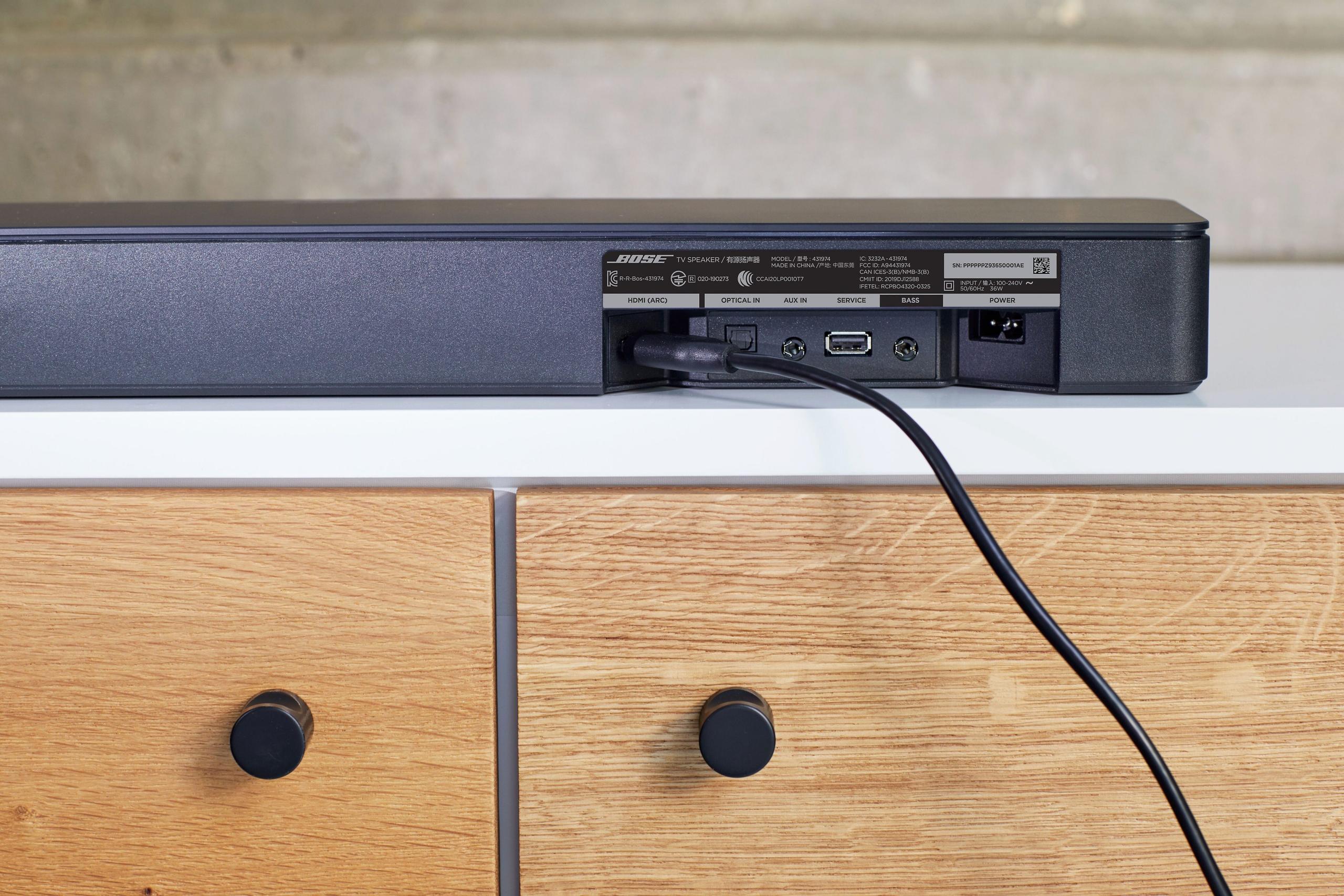
The Bose TV Speaker offers more basic connectivity—HDMI ARC, optical digital, and Bluetooth 4.2 for music streaming. It's adequate for current TV viewing but lacks the advanced features needed for high-end gaming or future TV technologies.
One area where the Klipsch Flexus Core 300 shines is expandability. The Flexus ecosystem allows you to add wireless surround speakers (Flexus Surr 200) and up to two wireless subwoofers (Flexus Sub 200) without running any cables. This modular approach means you can start with just the soundbar and expand to a full 7.2.4 Atmos system as budget allows.
Having tested modular soundbar systems, this flexibility is valuable. You might be happy with just the soundbar initially, but after experiencing good surround sound, many people want to add rear speakers for a more immersive experience.
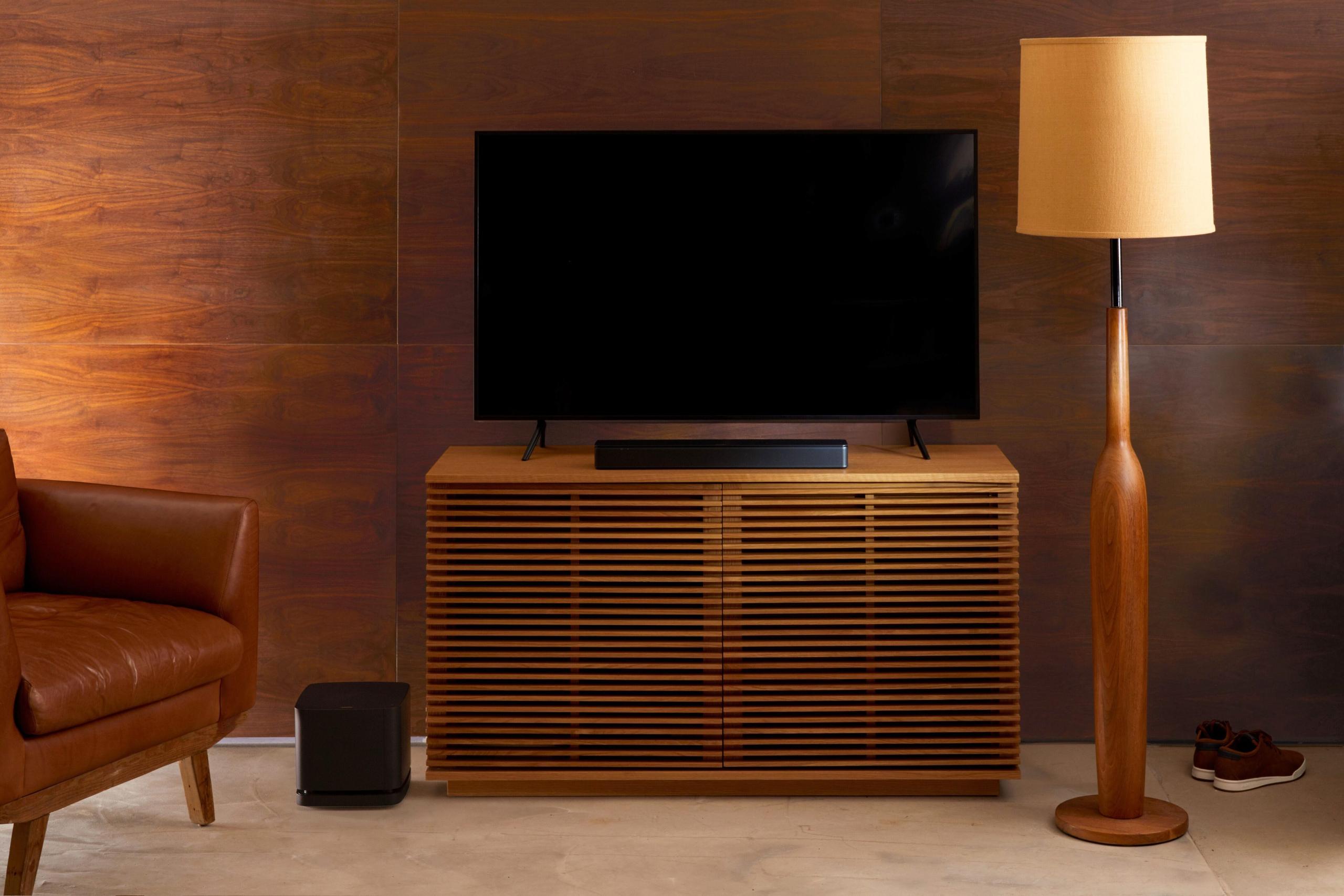
The Bose TV Speaker can connect to Bose's Bass Module 500 or 700, but this requires a wired connection and limits expansion options. There's no path to true surround sound with additional speakers.
Setting up the Bose TV Speaker is refreshingly simple. Connect one cable (optical or HDMI), plug in power, and you're done. The sound improvement is immediate and requires no tweaking. This simplicity is genuinely valuable—especially for less tech-savvy users or those who just want better TV sound without any complexity.
The Klipsch Flexus Core 300 requires more investment in setup time. The basic connection is straightforward, but optimizing performance through Dirac Live calibration takes 15-30 minutes and involves some technical steps. You'll need to position the included microphone at your listening position and run measurement sweeps.
However, this extra effort pays dividends. The difference between default settings and properly calibrated sound is substantial—tighter bass, clearer dialogue, and better overall balance.
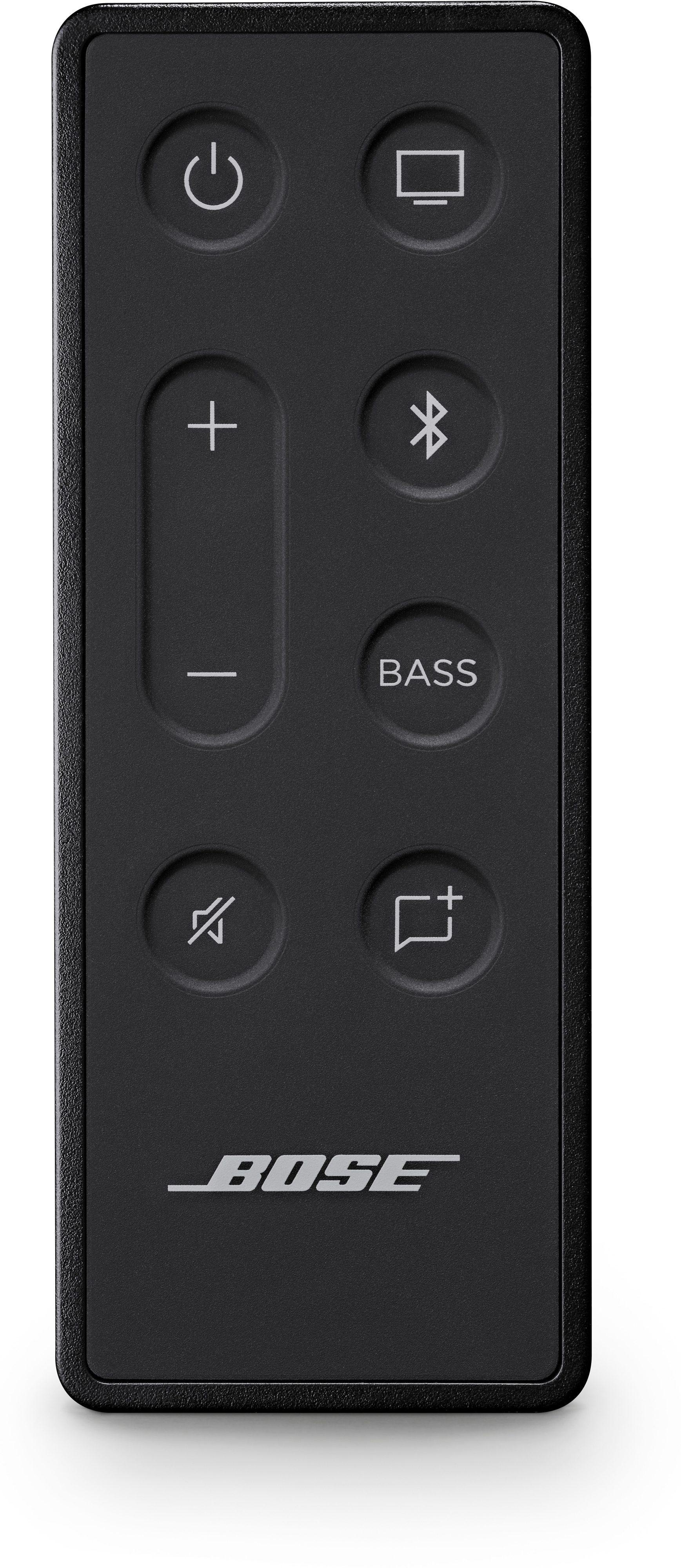
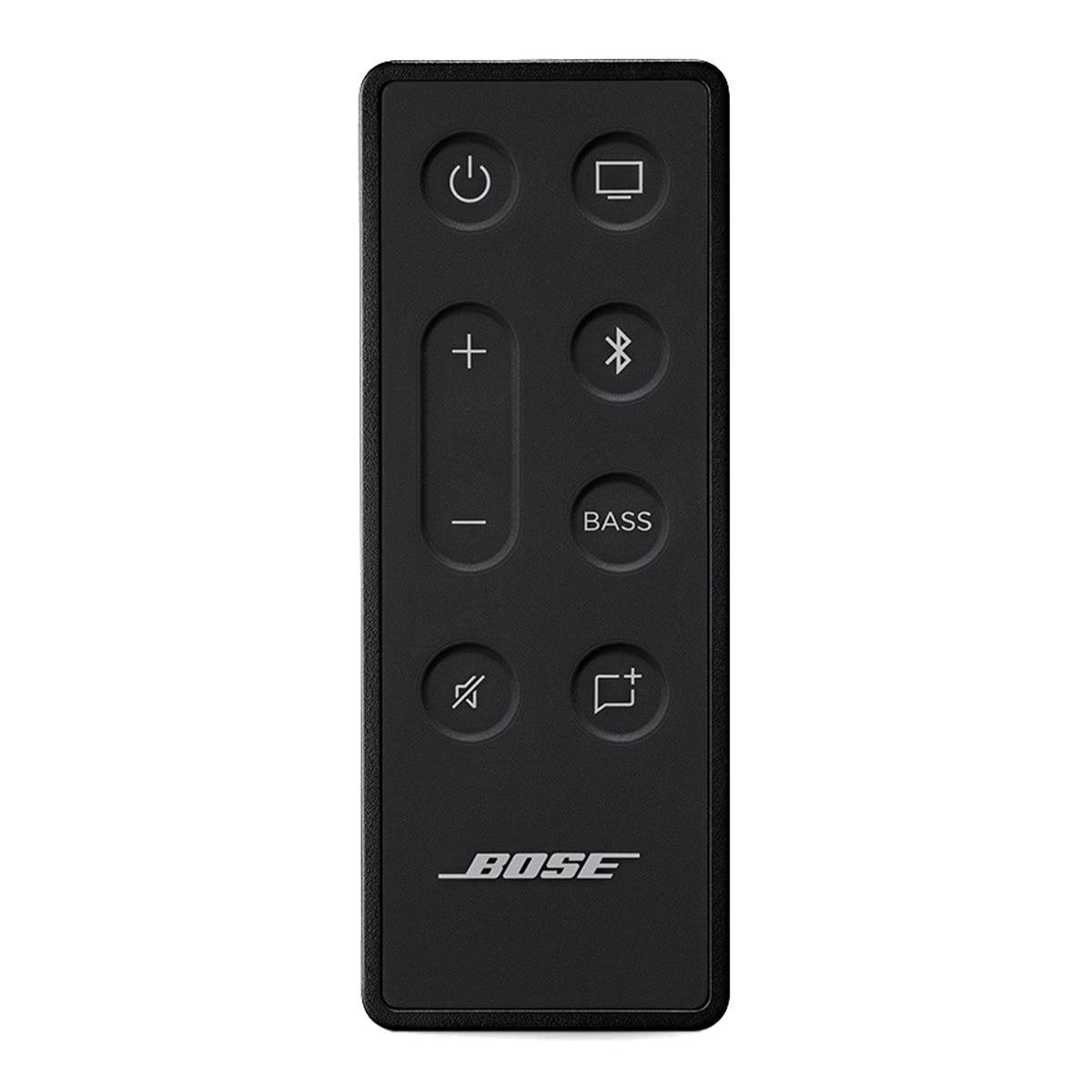
Daily operation favors different priorities. The Bose TV Speaker includes a simple remote with basic controls and a dialogue enhancement mode that's genuinely useful. Press one button, and speech becomes more intelligible without making the overall sound harsh or unnatural.
The Klipsch offers extensive customization through its smartphone app, including multiple sound modes (Movie, Music, Dialog, Night), detailed EQ controls, and streaming source management. This appeals to enthusiasts who enjoy tweaking settings, but it might overwhelm users who prefer simplicity.
The 6x price difference between these soundbars reflects their different target markets and capabilities. The Bose TV Speaker ($199) provides excellent value for its intended purpose—making TV dialogue clearer and adding modest bass enhancement. It's competing with other basic soundbars in the $150-250 range and holds its own through build quality and Bose's acoustic tuning expertise.
The Klipsch Flexus Core 300 ($1,199) targets users who might otherwise consider separate AV receivers and speaker packages. When you factor in the cost of a quality receiver ($400-600), Atmos-capable speakers ($400-800), and a subwoofer ($300-500), the soundbar's pricing becomes more reasonable. Add the convenience of a single-unit installation and the industry-first Dirac Live integration, and the value proposition strengthens for serious home theater enthusiasts.
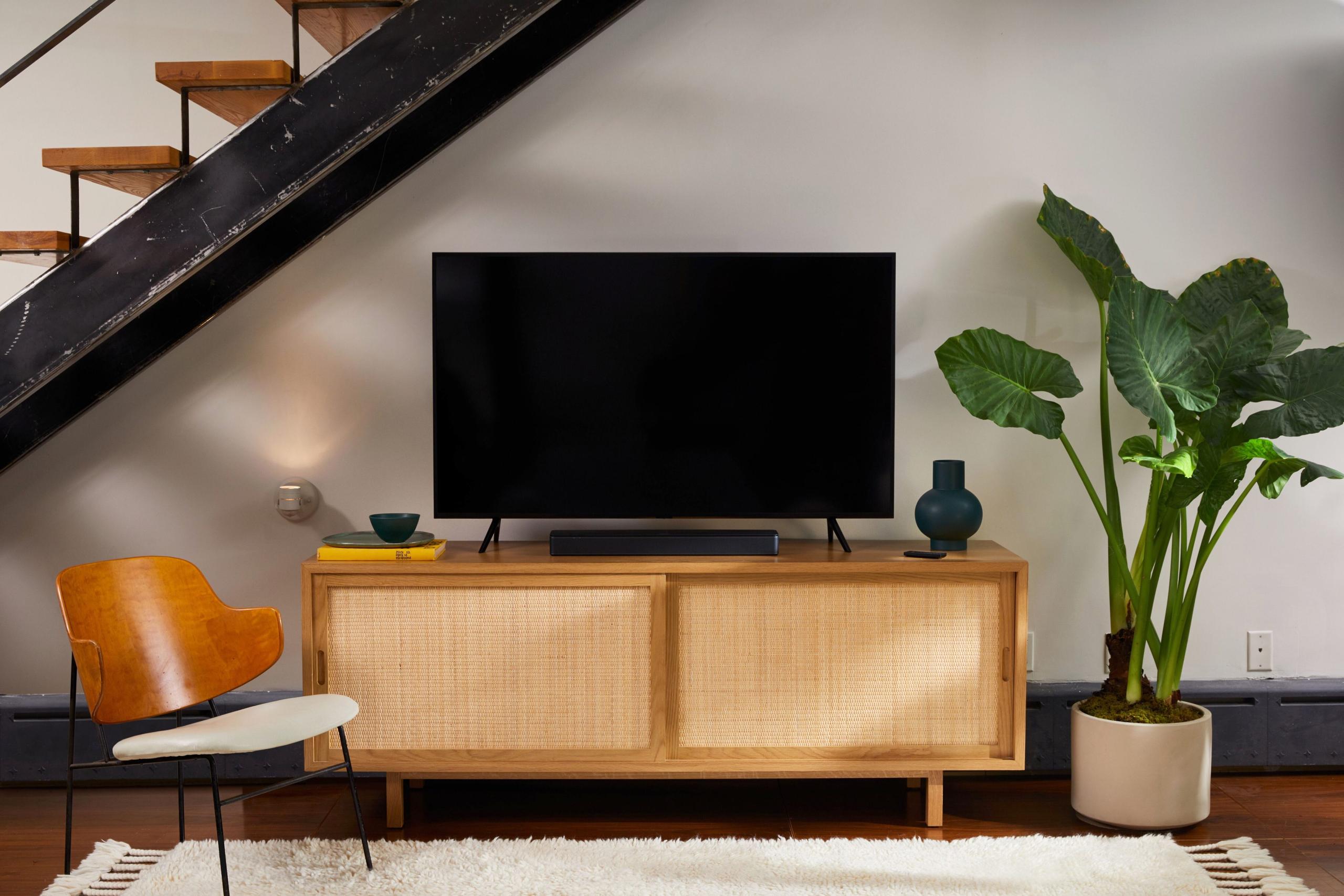
For dedicated home theater use, room size becomes crucial. The Bose TV Speaker works well in bedrooms, apartments, or small living rooms where you're sitting relatively close to the TV. Its 23.4-inch width fits nicely under most TVs without dominating the space.
The Klipsch Flexus Core 300 really shines in larger rooms with 55-inch or bigger TVs. Its 54-inch width matches well with larger displays, and the multiple drivers have enough output to fill bigger spaces effectively. In my experience testing large soundbars, they often sound overpowering in small rooms but underwhelming in large ones—the Klipsch seems well-calibrated for medium to large living rooms.
You want immediate improvement in TV dialogue clarity without any complexity or learning curve. Your TV is smaller than 50 inches, your room is compact, and you primarily watch TV shows rather than action movies. The budget-friendly price point appeals to you, and you value simplicity over customization options.
You're serious about home theater performance and have a larger room with a 55+ inch TV. You watch movies with surround sound content regularly and want the immersive experience that Dolby Atmos provides. You're willing to invest time in proper setup and calibration for optimal performance. Future expandability and gaming-friendly connectivity matter to you, and you see audio quality as worth the premium investment.
Having tested both approaches extensively, I can say that each succeeds at its intended purpose. The Bose TV Speaker transforms TV dialogue clarity and provides satisfying bass enhancement for its size—exactly what most people need for casual TV viewing. The Klipsch Flexus Core 300 delivers genuine home theater immersion with audiophile-grade sound quality that rivals much more expensive separate component systems.
The key insight is understanding your actual needs rather than being swayed by features you won't use. If you primarily watch TV shows and news in a small room, the Klipsch's advanced capabilities might be overkill. Conversely, if you're a movie enthusiast with a proper home theater setup, the Bose will leave you wanting more bass, surround effects, and overall impact.
Both soundbars excel within their intended scope—the decision comes down to matching that scope with your viewing habits, room size, and performance expectations.
| Klipsch Flexus Core 300 ($1,199) | Bose TV Speaker ($199) |
|---|---|
| Price - 6x price difference reflects completely different target markets | |
| $1,199 (premium home theater system) | $199 (budget TV enhancement) |
| Audio Channels - Determines surround sound capability | |
| 5.1.2 Dolby Atmos with 13 discrete drivers | 2.0 stereo (no surround or height effects) |
| Bass Performance - Critical for movie impact and music enjoyment | |
| Four 4-inch built-in subwoofers (43Hz response) | Ported design with bass boost button (limited low-end) |
| Room Correction - Optimizes sound for your specific room acoustics | |
| Dirac Live professional calibration (industry-first for soundbars) | Basic Bose tuning (no customization) |
| Physical Size - Must fit your TV stand and room proportions | |
| 54" W × 3" H × 5" D (35 lbs) - matches 65"+ TVs | 23.4" W × 2.2" H × 4" D (4.3 lbs) - fits most setups |
| Connectivity - Future-proofing for gaming and streaming | |
| HDMI 2.1 eARC, 8K/4K120Hz passthrough, Wi-Fi, Bluetooth 5.3 | HDMI ARC, optical, Bluetooth 4.2 (basic connectivity) |
| Expandability - Ability to grow your system over time | |
| Wireless Flexus surrounds and subwoofers (modular ecosystem) | Wired Bass Module only (limited expansion) |
| Setup Complexity - Time investment vs. performance optimization | |
| Advanced setup with Dirac Live calibration (15-30 minutes) | Plug-and-play simplicity (under 5 minutes) |
| Streaming Features - Built-in music and podcast access | |
| AirPlay 2, Google Cast, Spotify Connect, Tidal Connect | Bluetooth music streaming only |
| Best Room Size - Optimal performance environment | |
| Large rooms with 55"+ TVs (substantial output needed) | Small to medium rooms with any TV size |
| Target User - Who gets the most value from each approach | |
| Home theater enthusiasts wanting immersive surround sound | Casual viewers prioritizing dialogue clarity and simplicity |
The Klipsch Flexus Core 300 ($1,199) is a premium home theater soundbar with 5.1.2 Dolby Atmos surround sound and 13 speakers, while the Bose TV Speaker ($199) is a budget-friendly 2.0 stereo soundbar focused on improving TV dialogue. The Klipsch delivers immersive surround effects with height channels, whereas the Bose enhances basic stereo sound without surround capabilities.
Both excel at dialogue, but in different ways. The Bose TV Speaker has a dedicated dialogue enhancement mode that's perfect for TV shows and news. The Klipsch Flexus Core 300 uses horn-loaded tweeters and a dedicated center channel for superior vocal clarity, plus Dirac Live room correction that can further optimize speech intelligibility for your specific room.
The Klipsch Flexus Core 300 includes four built-in 4-inch subwoofers that eliminate the need for a separate sub in most rooms. The Bose TV Speaker has modest bass enhancement but can connect to Bose's Bass Module 500 or 700 via cable if you want more low-end impact for movies and music.
The Bose TV Speaker is ideal for small rooms, apartments, or bedrooms due to its compact 23.4-inch size and appropriate output levels. The Klipsch Flexus Core 300 at 54 inches wide is designed for larger rooms with 55+ inch TVs and may overpower smaller spaces.
Yes, both support wireless music. The Bose TV Speaker connects via Bluetooth 4.2 for basic music streaming. The Klipsch Flexus Core 300 offers more options including Bluetooth 5.3, AirPlay 2, Google Cast, Spotify Connect, and Tidal Connect for higher-quality wireless audio and multi-room capabilities.
Only the Klipsch Flexus Core 300 supports Dolby Atmos with physical up-firing drivers that bounce sound off your ceiling for overhead effects. The Bose TV Speaker doesn't support Atmos or any surround sound formats—it's purely stereo enhancement.
The Bose TV Speaker offers plug-and-play simplicity with one cable connection and immediate sound improvement. The Klipsch Flexus Core 300 requires more time for optimal performance, including Dirac Live room calibration that takes 15-30 minutes but significantly improves sound quality for your specific room.
The Klipsch Flexus Core 300 is part of a modular ecosystem, allowing wireless addition of surround speakers and subwoofers for a complete home theater system. The Bose TV Speaker can only add a wired Bass Module—no surround speaker expansion is possible.
The Klipsch Flexus Core 300 is superior for gaming with HDMI 2.1 supporting 4K/120Hz passthrough for next-gen consoles, plus immersive Atmos effects for supported games. The Bose TV Speaker has basic HDMI ARC without advanced gaming features or surround effects.
Both soundbars typically come with a 1-year manufacturer warranty. However, the Klipsch Flexus Core 300 represents a higher-value investment with more advanced technology and expandability, while the Bose TV Speaker offers reliable basic performance at its price point.
Both offer solid construction for their price ranges. The Bose TV Speaker is well-built for a budget soundbar with quality plastics and reliable components. The Klipsch Flexus Core 300 features premium materials, metal grilles, and more robust internal components befitting its higher price and performance expectations.
Choose the Bose TV Speaker ($199) if you want simple TV dialogue improvement in a small-to-medium room without complexity. Choose the Klipsch Flexus Core 300 ($1,199) if you have a large room, want true home theater surround sound, and are willing to invest in setup time for audiophile-quality performance with future expansion possibilities.
We've done our best to create useful and informative comparisons to help you decide what product to buy. Our research uses advanced automated methods to create this comparison and perfection is not possible - please contact us for corrections or questions. These are the sites we've researched in the creation of this article: crutchfield.com - whathifi.com - avnirvana.com - hometechnologyreview.com - ecoustics.com - gearpatrol.com - klipsch.com - avsforum.com - youtube.com - avsforum.com - listenup.com - chowmain.software - klipsch.com - novis.ch - avsforum.com - klipsch.ca - lefflers.se - abt.com - sweetwater.com - wifihifi.com - klipsch.com - dirac.com - bestbuy.com - projectorscreen.com - forums.audioholics.com - digitaltrends.com - abt.com - crutchfield.com - staples.com - bestbuy.com - pcrichard.com - visions.ca - bose.com - assets.bose.com

Privacy Policy
Terms and Conditions - Affiliate Policy
Home Security
© Copyright 2008-2026.
11816 Inwood Rd #1211, Dallas, TX 75244