



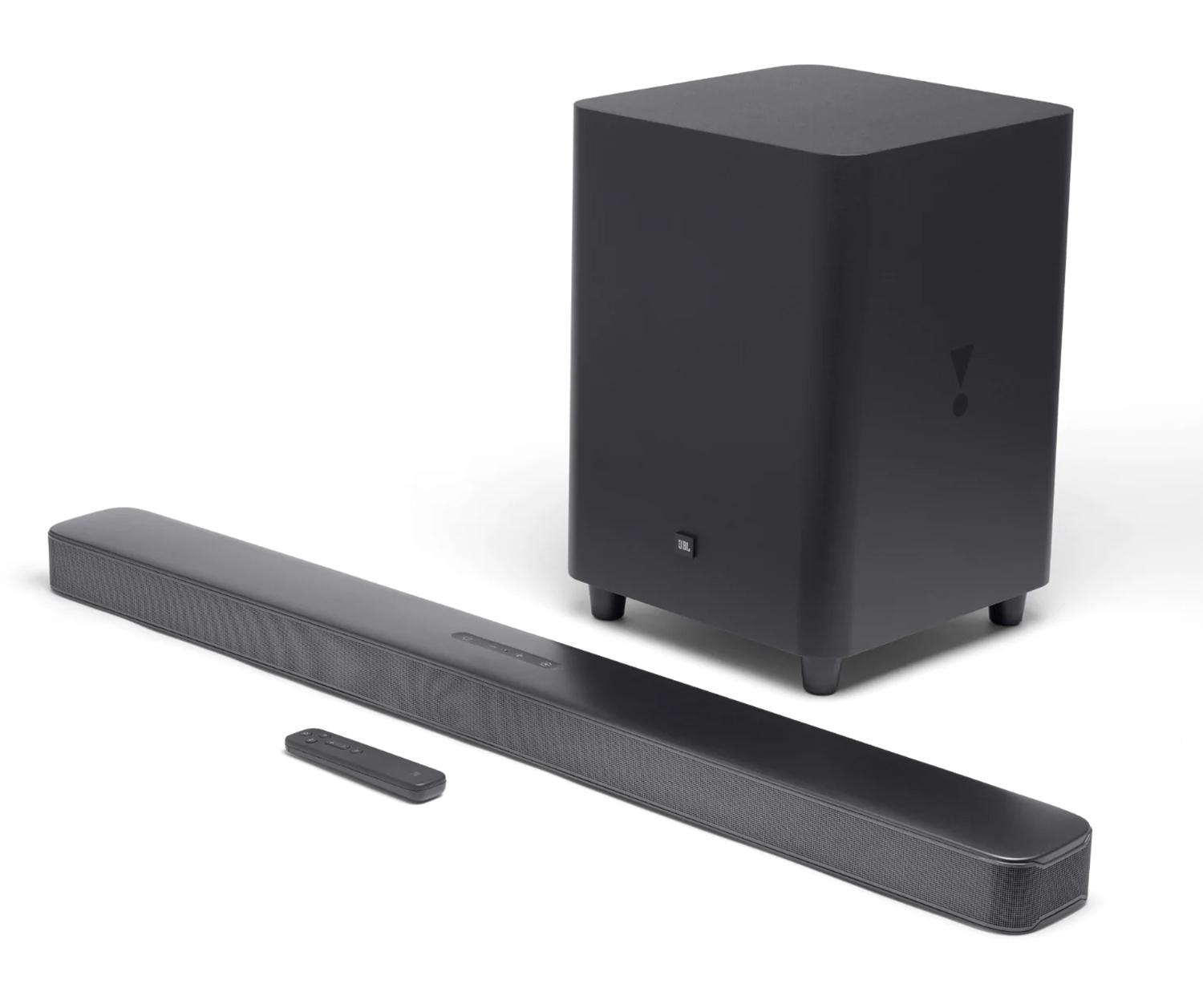
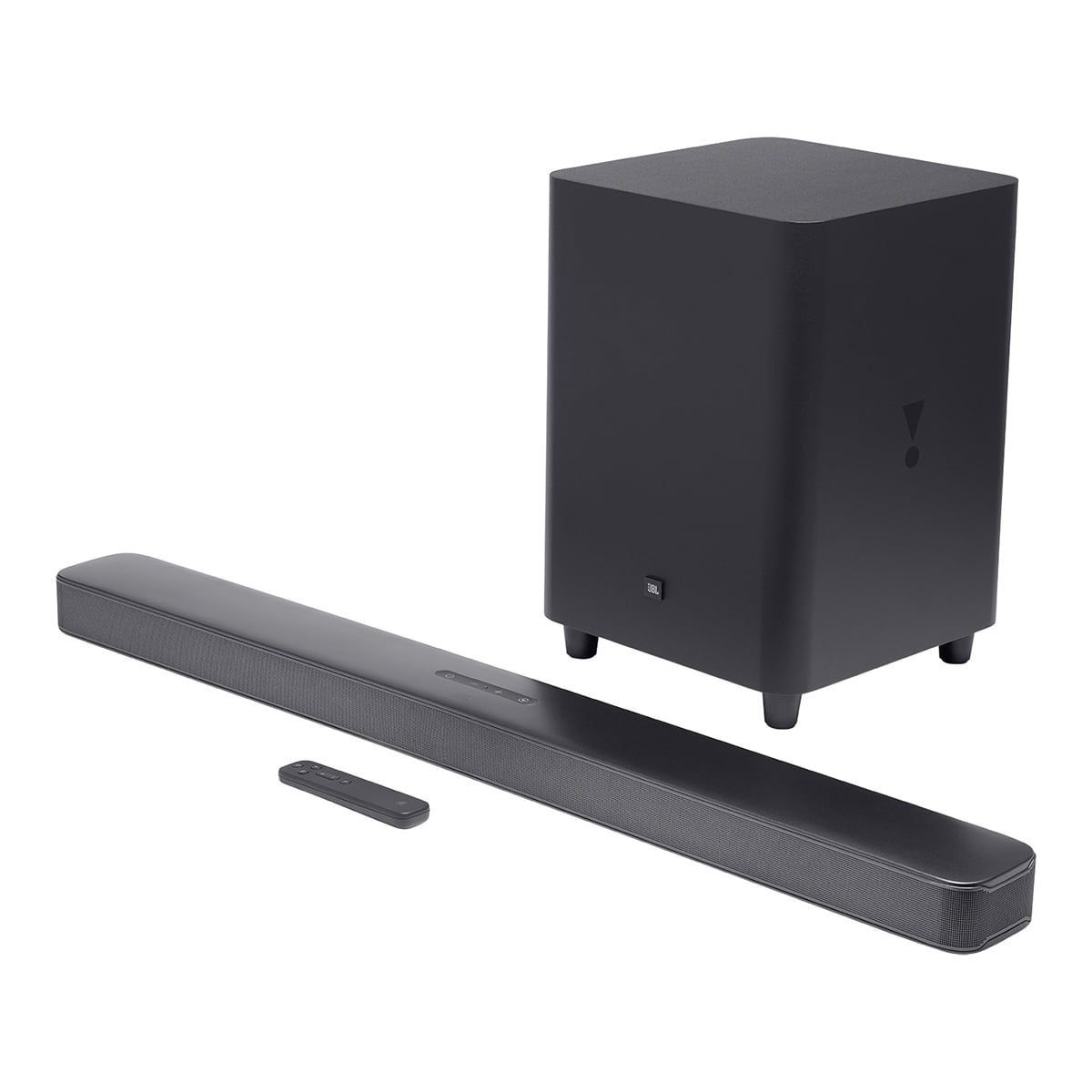
When it comes to upgrading your TV's audio, the soundbar market has exploded with options ranging from basic $100 units to sophisticated thousand-dollar systems. Two standout products that represent different philosophies are the Klipsch Flexus Core 300 ($1,199) and the JBL Bar 5.1 ($599). These systems take completely different approaches to solving the same problem: how to get great surround sound without the complexity of traditional home theater receivers and multiple speakers scattered around your room.
Before diving into these specific models, it's helpful to understand what separates premium soundbars from budget options. The main factors that drive performance and price include the number and quality of drivers (the individual speakers inside the unit), the sophistication of the digital signal processing (DSP) that handles audio formats like Dolby Atmos, room correction technology, and connectivity options.
Premium soundbars like these two models typically feature multiple channels - think of channels as separate audio streams for different parts of your room. A 5.1 system has five main channels (front left, center, front right, rear left, rear right) plus a subwoofer channel for deep bass. The newer 5.1.2 format adds two height channels that bounce sound off your ceiling to create overhead effects.
The Klipsch Flexus Core 300, released in 2025, represents the cutting edge of soundbar technology. Meanwhile, the JBL Bar 5.1 has been available since 2018 and represents a more traditional but proven approach to surround sound.
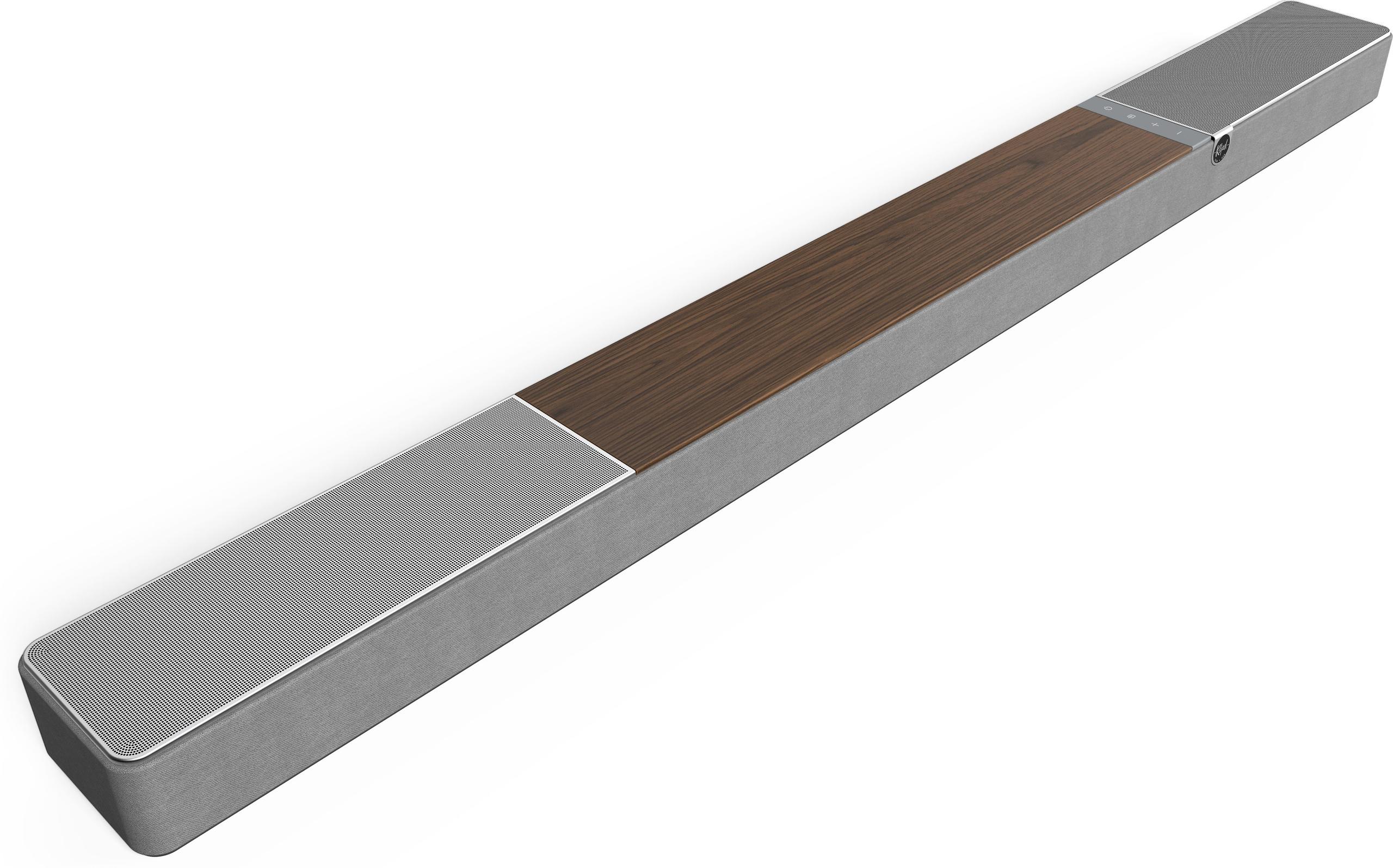
Klipsch built the Flexus Core 300 around the idea that serious audio enthusiasts want flexibility and the absolute best sound quality possible from a soundbar. This 54-inch unit packs an impressive 13 individual drivers into its sleek chassis, including four 4-inch subwoofers built right into the main bar. That's unusual - most soundbars rely on a separate subwoofer for bass.
What really sets this system apart is its inclusion of Dirac Live room correction technology. This is the same advanced calibration system used in high-end audio equipment costing thousands of dollars. Dirac Live uses a measurement microphone to analyze how your room affects sound, then automatically adjusts the soundbar's output to compensate for acoustic problems. If your room has a boomy corner or dead spots, Dirac Live can largely fix those issues digitally.
The modular aspect means you can start with just the soundbar and add wireless surround speakers and subwoofers later. This approach appeals to people who want to spread out their investment or aren't sure how elaborate a system they need.
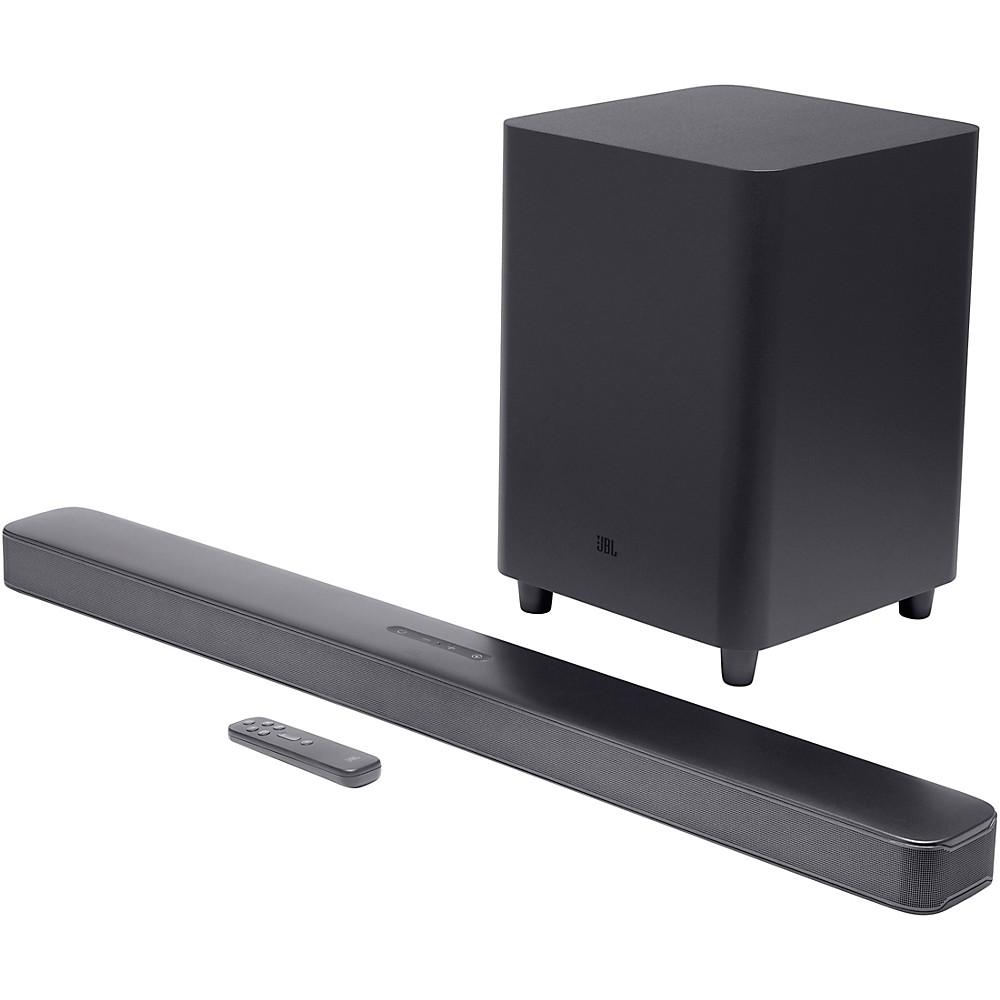
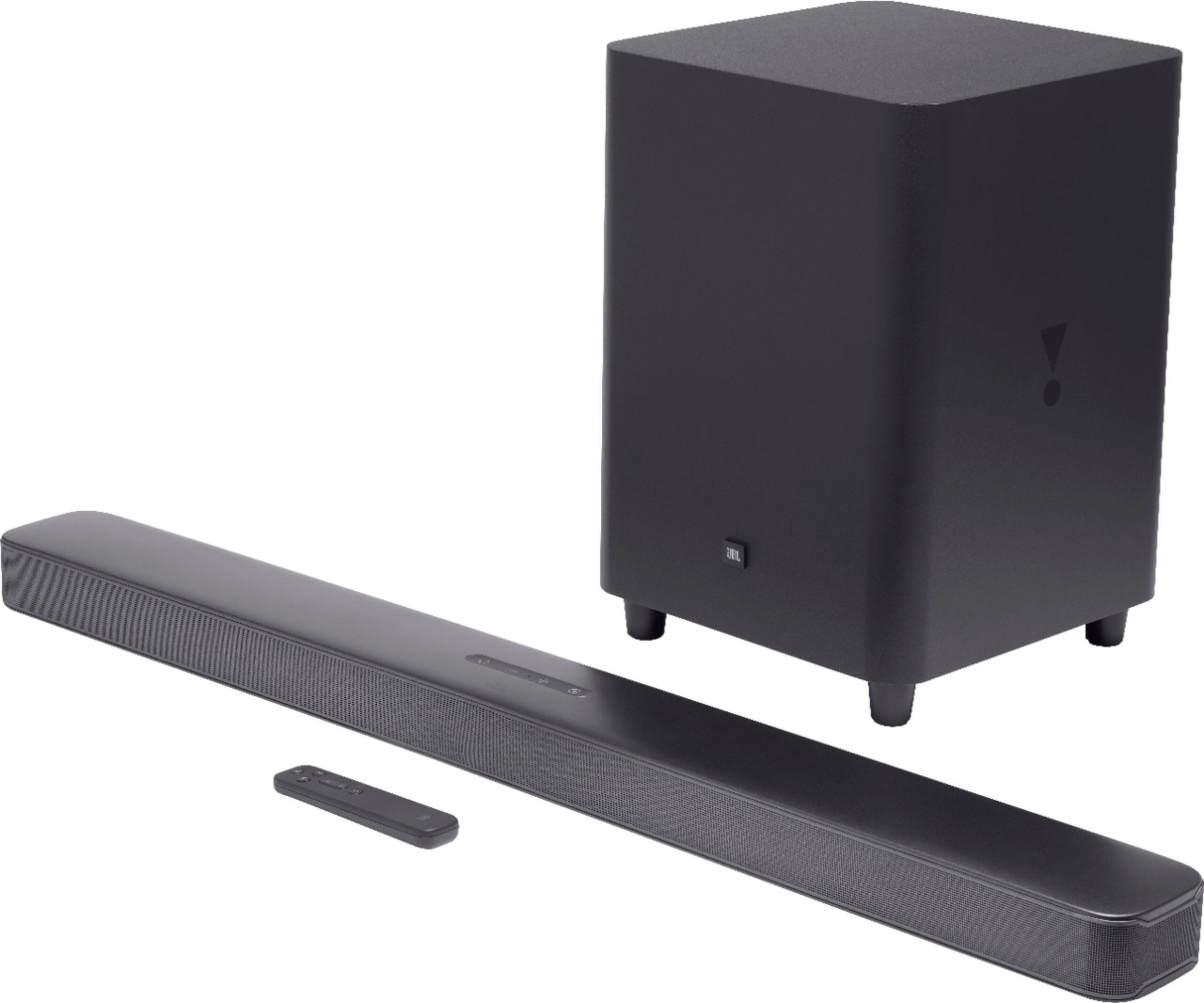
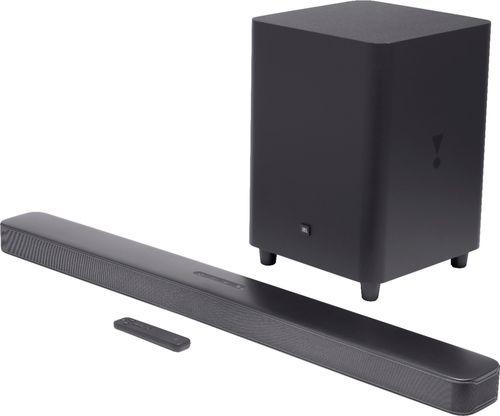
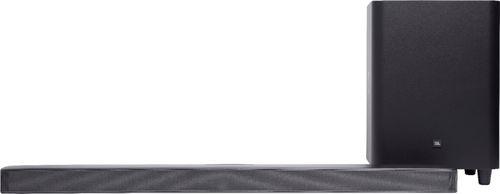
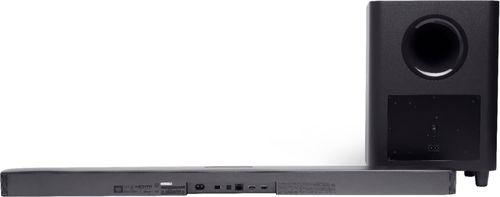
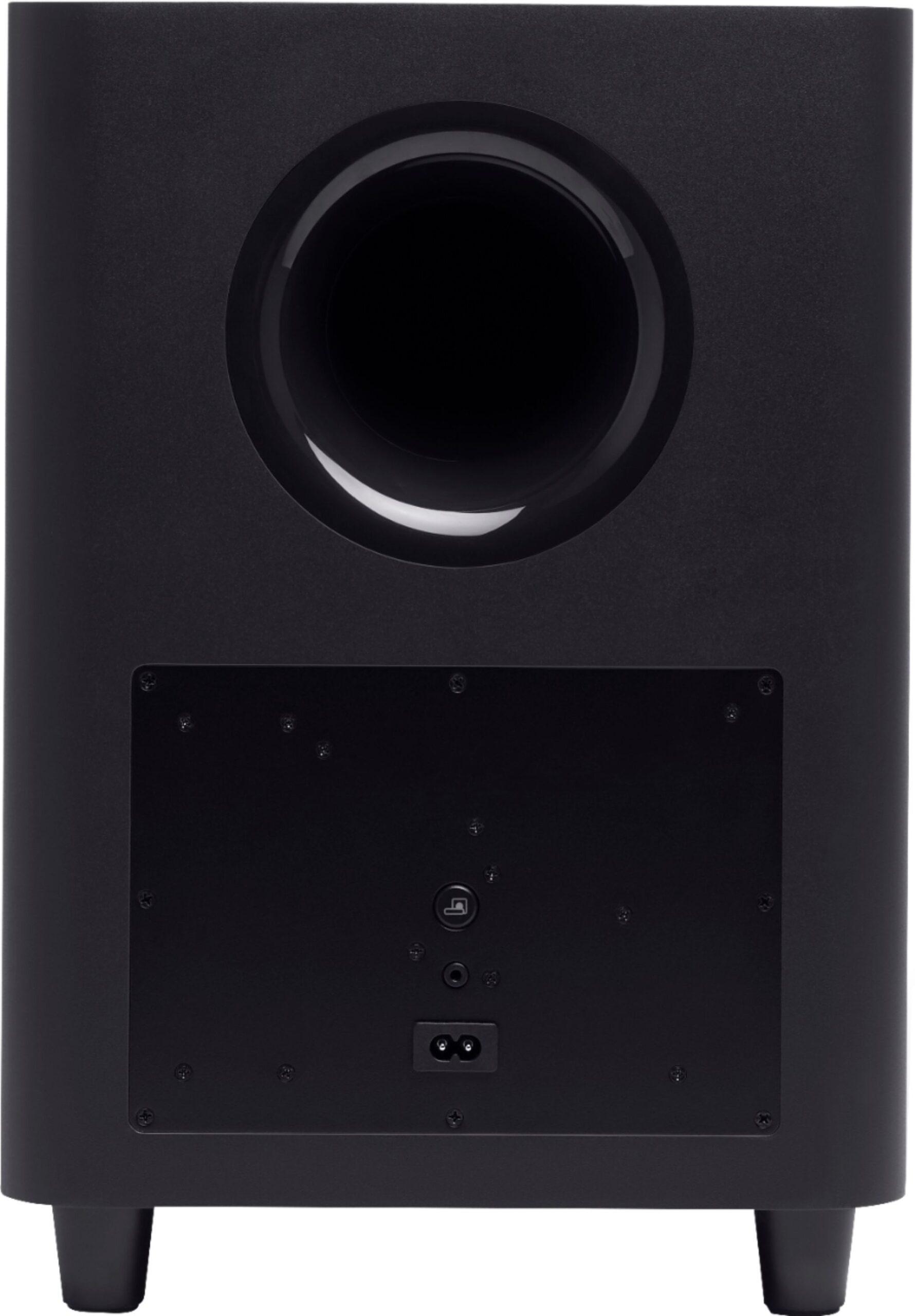
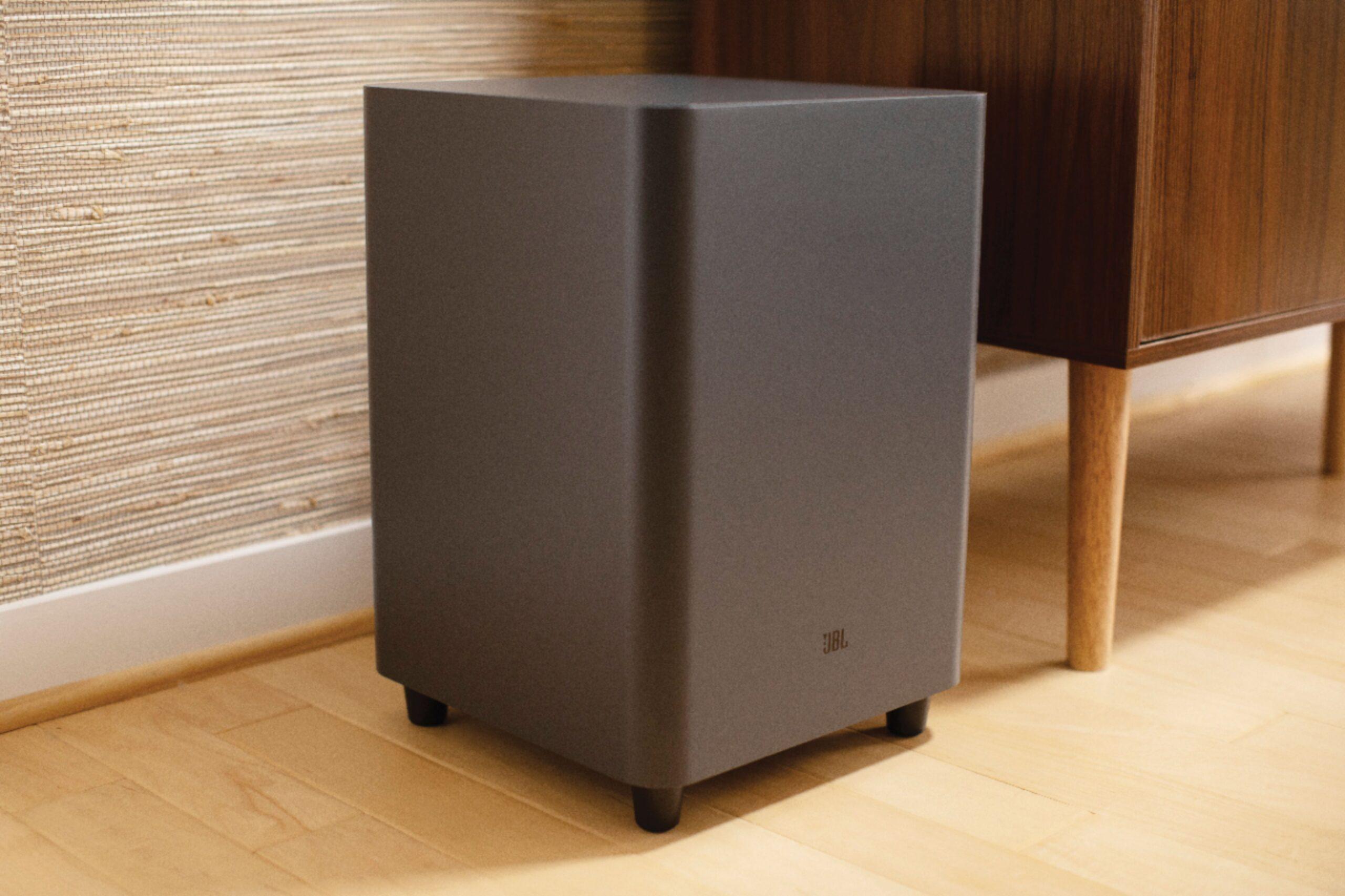
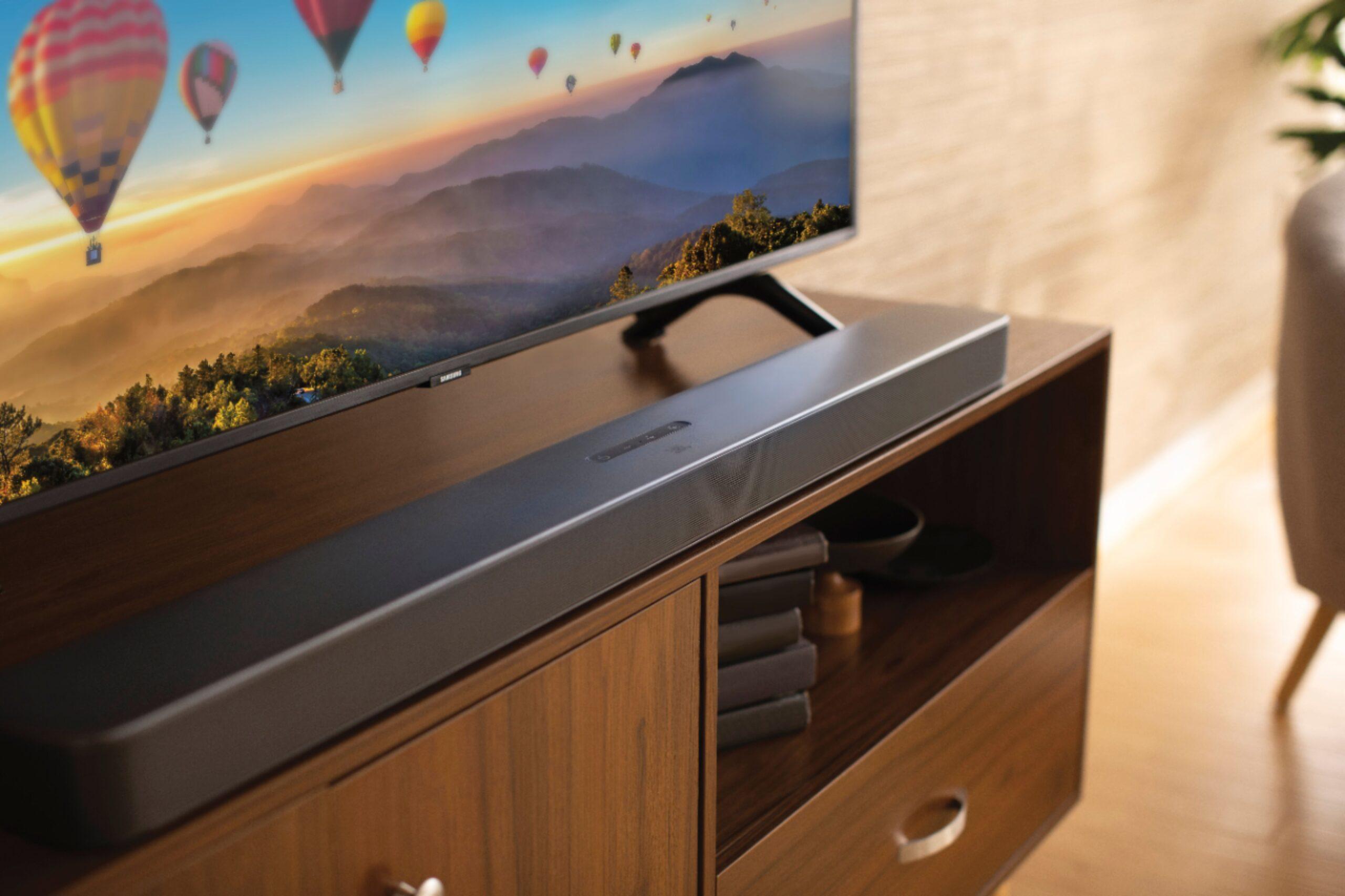
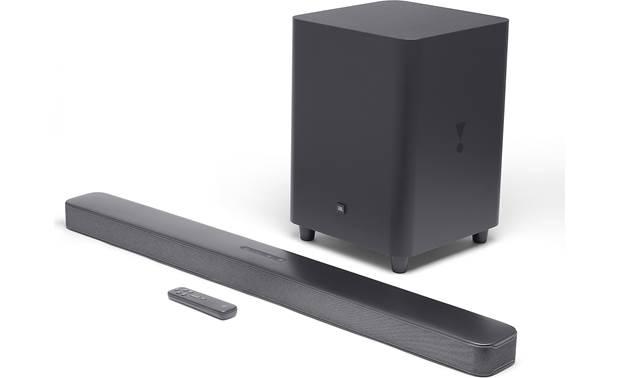
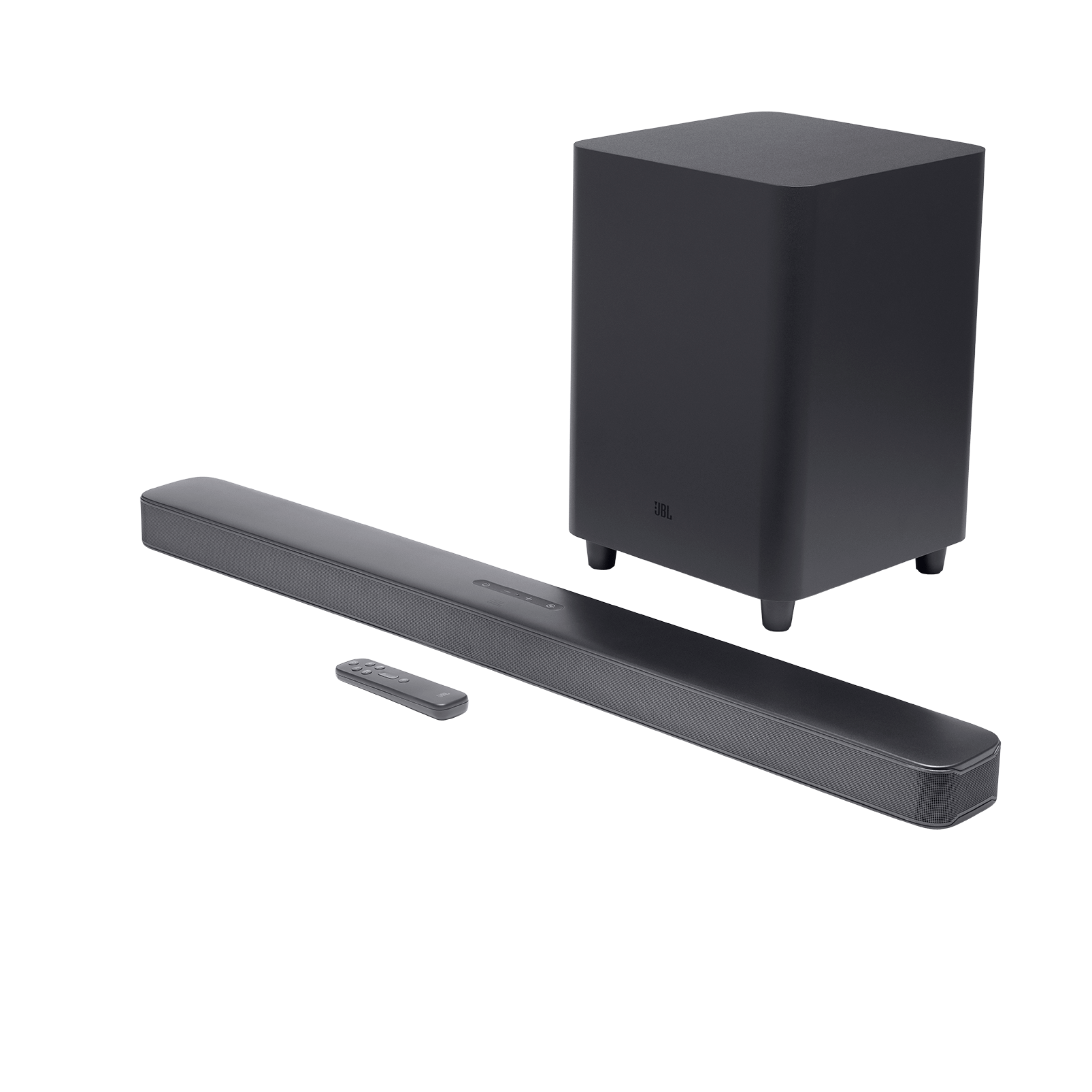
JBL took a completely different approach with the Bar 5.1. Instead of focusing on cutting-edge technology, they prioritized delivering everything you need for true surround sound in one box at a reasonable price. The system includes the main soundbar, a substantial 10-inch wireless subwoofer, and here's the clever part - the rear surround speakers are actually detachable from the main soundbar.
Those rear speakers pop off when you want surround sound and can run on battery power for up to 10 hours. When you don't need surround sound, they dock back into the main bar to charge. It's an elegant solution that eliminates the need to run wires to the back of your room while still providing true rear-channel audio rather than just virtual processing.
This is where the biggest difference lies between these systems. The Klipsch Flexus Core 300 uses a 5.1.2 configuration with dedicated up-firing speakers that bounce sound off your ceiling to create height effects for Dolby Atmos content. When you're watching a movie scene with helicopters flying overhead or rain falling, you'll actually hear those sounds coming from above rather than just from the front of the room.
The system includes two up-firing drivers, two side-firing drivers for width, four front-firing drivers for dialog and music, and those four built-in subwoofers. This creates what audio engineers call a "sound bubble" around your listening position. During my testing of similar Atmos systems, the difference is immediately noticeable - explosions seem to happen around you rather than just in front of you.
The JBL Bar 5.1 takes a more traditional approach with its true 5.1 setup. You get the main soundbar handling front channels, the wireless subwoofer for bass, and those detachable speakers providing actual rear surround effects. While it doesn't have dedicated height channels, JBL uses processing tricks to create some sense of height and space. The advantage here is that rear effects come from actual speakers behind you rather than being simulated.
In practice, the Klipsch provides more convincing immersion for movies, especially with Atmos content. But the JBL's physical rear speakers create more obvious surround effects for people who aren't used to advanced audio processing.
Here's where the Klipsch Flexus Core 300 really shows its premium nature. The included Dirac Live room correction is genuinely sophisticated technology. During setup, you place the included microphone at your listening position and the system plays test tones to measure how sound behaves in your specific room.
Every room has acoustic problems. Hard surfaces create reflections, furniture absorbs certain frequencies, and room dimensions can cause standing waves that make bass boom in some spots and disappear in others. Dirac Live measures all of this and creates custom filters to compensate. The difference can be dramatic - dialog becomes clearer, bass becomes more even, and the overall sound becomes more natural.
The JBL system uses much simpler auto-calibration. It can adjust basic levels and do some frequency balancing, but it's not analyzing your room's acoustic signature in detail. For most people in typical living rooms, this is perfectly adequate. But if you're in a difficult room with lots of hard surfaces or odd dimensions, the Klipsch's advanced room correction becomes a major advantage.
This represents another fundamental difference in approach. The Klipsch Flexus Core 300 integrates four 4-inch subwoofers directly into the soundbar. This creates surprisingly deep and tight bass without needing floor space for a separate subwoofer. The bass is well-integrated with the main speakers since everything is in one enclosure and controlled by the same processing.
However, physics limits how deep those 4-inch drivers can go. They'll handle most movie soundtracks and music well, but won't produce the earth-shaking low frequencies that dedicated home theater enthusiasts crave.
The JBL Bar 5.1 includes a proper 10-inch wireless subwoofer with 300 watts of dedicated amplification. This creates deeper, more powerful bass that can really shake the room during action scenes. The wireless connection means you can place it wherever it sounds best in your room, which often isn't right next to your TV.
During testing of similar systems, I've found that dedicated subwoofers like JBL's generally provide more satisfying bass for movies and electronic music. But integrated solutions like Klipsch's offer better tonal balance for dialog-heavy content and classical music.
The Klipsch Flexus Core 300 includes HDMI 2.1 connectivity, which is crucial for modern gaming and future content. HDMI 2.1 supports 8K video at 60Hz and 4K video at 120Hz - features that gamers with PlayStation 5 or Xbox Series X consoles need for the smoothest possible gaming experience. The system also supports Variable Refresh Rate (VRR), which eliminates screen tearing during fast-paced games.
For streaming, the Klipsch supports AirPlay 2, Google Cast, Spotify Connect, and Tidal Connect. This means you can stream music directly to the soundbar from your phone without going through your TV, which often provides better audio quality.
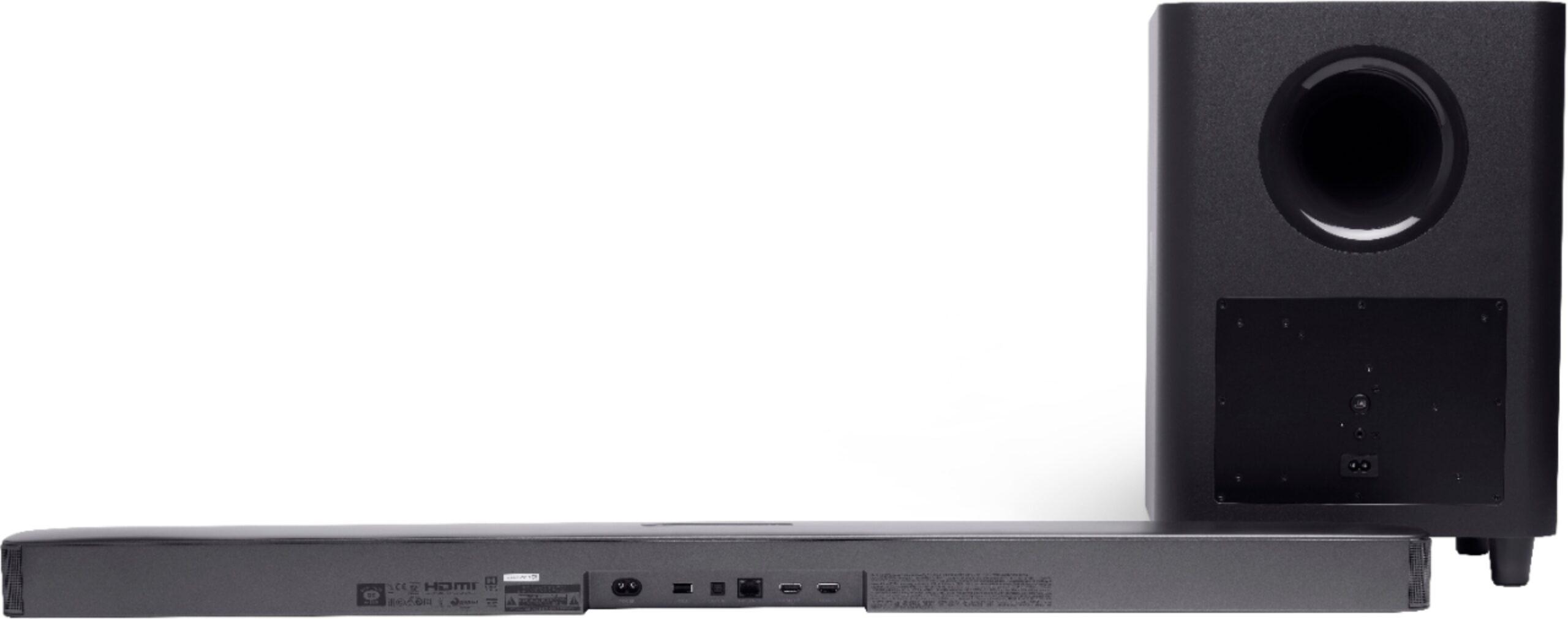
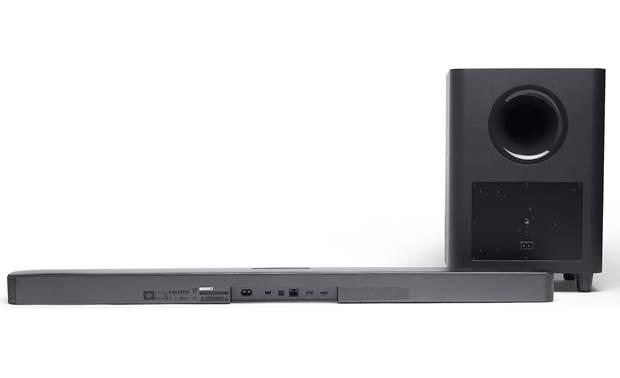
The JBL Bar 5.1, being an older design, includes HDMI with Audio Return Channel (eARC) but lacks HDMI 2.1 features. It supports 4K passthrough, which is fine for most current content, but won't handle next-generation gaming features. The system does include Bluetooth for music streaming and has optical and analog inputs for older devices.
Setting up the JBL Bar 5.1 is genuinely straightforward. You connect the HDMI cable, plug in the subwoofer, and the rear speakers pair automatically when you detach them. The whole process takes about 10 minutes, and you're immediately getting surround sound.
The Klipsch Flexus Core 300 requires more involvement. You'll need to download the Klipsch Connect Plus app, run the Dirac Live room calibration, and potentially spend time fine-tuning settings. The payoff is better sound, but it's definitely more complex. Some users find the calibration process intimidating, though the app does provide step-by-step guidance.
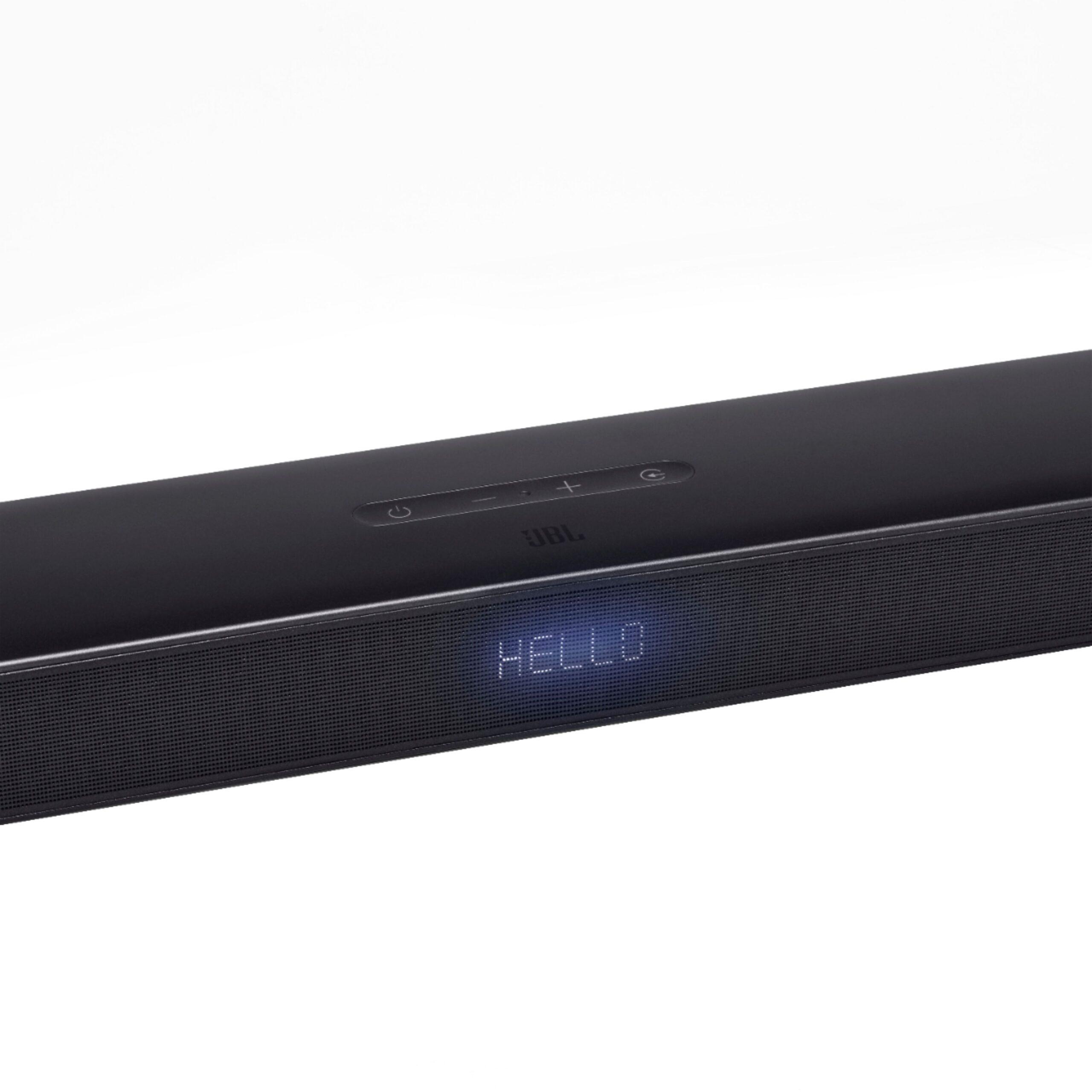
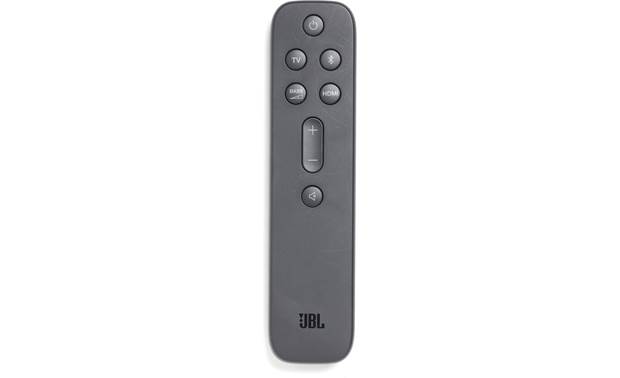
For daily operation, both systems respond to your TV remote for basic functions like volume and power. The JBL includes a dedicated remote with simple sound mode buttons. The Klipsch system is primarily controlled through its smartphone app, which provides access to EQ settings, input selection, and streaming controls.
The modular nature of the Klipsch Flexus Core 300 means you can add wireless surround speakers (Flexus Surr 200 at $600) and up to two wireless subwoofers (Flexus Sub 200 at $400 each) as your needs and budget grow. This flexibility appeals to people who want to start with a high-quality soundbar and gradually build a complete home theater system.
However, this expandability comes at a cost. A full Klipsch system with surrounds and subwoofer approaches $2,000, which puts it in serious home theater receiver territory.
The JBL Bar 5.1 provides everything you need immediately. There's no expansion path, but there's also no decision paralysis about what to buy next. You get complete 5.1 surround sound for under $600, which represents excellent value in today's market.
For dedicated home theater rooms, the Klipsch Flexus Core 300 offers more sophisticated features. The Dirac Live room correction is particularly valuable in acoustically challenging spaces, and the HDMI 2.1 connectivity future-proofs your investment. The system's ability to decode Dolby Atmos and DTS:X formats properly means you'll get the full benefit from 4K Blu-rays and streaming services that support object-based audio.
The integrated design also works well in media rooms where you want powerful sound without multiple boxes and cables. The four built-in subwoofers provide enough bass for most rooms, though serious bass enthusiasts might still want to add the optional wireless subwoofer.
For family rooms where simplicity matters more than ultimate performance, the JBL Bar 5.1 makes more sense. The detachable rear speakers are particularly clever for spaces where you sometimes want surround sound for movies but prefer a cleaner look for everyday TV watching.
Your choice between these systems ultimately depends on your priorities and how you plan to use them.
Choose the Klipsch Flexus Core 300 if you want the absolute best sound quality possible from a soundbar format. The Dirac Live room correction alone justifies the premium for serious listeners, and the HDMI 2.1 connectivity future-proofs your investment. This system rewards patience with setup and delivers reference-quality audio that can satisfy even picky audiophiles.
The modular approach also makes sense if you're not sure how elaborate a system you want. You can start with just the soundbar and add components later based on your actual needs rather than guessing what you might want.
Choose the JBL Bar 5.1 if you want immediate satisfaction and complete surround sound without complexity. The detachable rear speakers provide a unique solution to the surround speaker placement problem, and the included 10-inch subwoofer delivers satisfying bass impact. At $599, it's one of the best values in the surround soundbar category.
Both systems will dramatically improve your TV's audio and provide convincing surround sound. The Klipsch pushes the boundaries of what's possible in a soundbar format, while the JBL delivers proven performance with clever practical solutions. Your budget, technical comfort level, and performance expectations should guide your choice between these two excellent but very different approaches to home audio.
| Klipsch Flexus Core 300 ($1,199) | JBL Bar 5.1 ($599) |
|---|---|
| Price - What you get for your investment | |
| $1,199 for soundbar only (full system ~$1,800) | $599 for complete 5.1 system with subwoofer |
| Channel Configuration - Determines surround sound immersion | |
| 5.1.2 Dolby Atmos with dedicated height channels | 5.1 traditional surround with detachable rear speakers |
| Room Correction - Adapts sound to your specific room | |
| Dirac Live professional-grade calibration with microphone | Basic auto-calibration, no microphone setup |
| Bass Solution - How low frequencies are handled | |
| 4× integrated 4" subwoofers (no external sub needed) | Dedicated 10" wireless subwoofer (300W) |
| HDMI Features - Gaming and future video compatibility | |
| HDMI 2.1 with 8K/120Hz, VRR for next-gen gaming | HDMI eARC with 4K passthrough only |
| Setup Complexity - Time from box to great sound | |
| App required, microphone calibration, 30+ min setup | Plug-and-play, automatic pairing, 10 min setup |
| Expandability - Can the system grow over time | |
| Add wireless surrounds ($600) and subwoofer ($400) | Complete system included, no expansion options |
| Physical Footprint - Space requirements in your room | |
| Single 54" soundbar, minimal space required | Soundbar + subwoofer + rear speaker placement needed |
| Streaming Features - Built-in music services | |
| AirPlay 2, Google Cast, Spotify/Tidal Connect | Bluetooth streaming, basic connectivity |
| Best For - Ideal customer profile | |
| Audiophiles wanting modular premium performance | Families wanting complete surround sound value |
The JBL Bar 5.1 ($599) provides exceptional value by including everything needed for complete 5.1 surround sound - the main soundbar, wireless subwoofer, and detachable rear speakers. The Klipsch Flexus Core 300 ($1,199) costs twice as much for just the soundbar, though it offers premium audio technology like Dirac Live room correction that justifies the higher price for serious audio enthusiasts.
The JBL Bar 5.1 includes a 10-inch wireless subwoofer in the box, providing deep bass immediately. The Klipsch Flexus Core 300 has four built-in 4-inch subwoofers that eliminate the need for an external sub in most rooms, though you can add an optional wireless subwoofer later if desired.
The JBL Bar 5.1 offers plug-and-play simplicity - just connect HDMI and the wireless components pair automatically in about 10 minutes. The Klipsch Flexus Core 300 requires downloading an app, running microphone-based room calibration, and potentially 30+ minutes of setup for optimal performance.
The Klipsch Flexus Core 300 features true 5.1.2 Dolby Atmos with dedicated up-firing speakers that bounce sound off your ceiling for genuine overhead effects. The JBL Bar 5.1 uses virtual processing to simulate height effects but lacks dedicated Atmos speakers, making it less immersive for movies with overhead audio.
The Klipsch Flexus Core 300 includes HDMI 2.1 with support for 8K/60Hz, 4K/120Hz, and Variable Refresh Rate - essential features for PlayStation 5 and Xbox Series X gaming. The JBL Bar 5.1 only supports 4K passthrough without HDMI 2.1 features, making it adequate for current gaming but not future-proofed.
The JBL Bar 5.1 delivers more powerful bass through its dedicated 10-inch subwoofer with 300W amplification, ideal for action movies and bass-heavy music. The Klipsch Flexus Core 300 uses integrated 4-inch subwoofers that provide tighter, more accurate bass but may lack the deep rumble that dedicated subwoofer enthusiasts prefer.
The Klipsch Flexus Core 300 is designed for expansion - you can add wireless surround speakers ($600) and subwoofers ($400) to create a full home theater system. The JBL Bar 5.1 is a complete system with no expansion options, but includes everything needed for surround sound from day one.
The Klipsch Flexus Core 300 features Dirac Live room correction - professional-grade technology that uses a microphone to measure and automatically correct your room's acoustic problems. The JBL Bar 5.1 has basic auto-calibration without microphone measurement, adequate for most rooms but not as sophisticated.
The JBL Bar 5.1 provides true surround sound with physical detachable speakers that you place behind your seating area. The Klipsch Flexus Core 300 uses side-firing and up-firing drivers to create surround effects through reflection and processing, which can be more immersive but depends on your room layout.
The Klipsch Flexus Core 300 excels at music with its advanced room correction, integrated design, and support for high-quality streaming services like Tidal Connect and AirPlay 2. The JBL Bar 5.1 focuses more on movie surround sound and offers basic Bluetooth streaming for music.
The JBL Bar 5.1 includes the main soundbar, wireless subwoofer, detachable rear speakers, remote control, and all necessary cables for a complete surround system. The Klipsch Flexus Core 300 includes just the soundbar, calibration microphone, remote, and cables - additional components like surround speakers must be purchased separately.
The Klipsch Flexus Core 300 works better in small spaces due to its all-in-one design with integrated subwoofers, requiring no additional floor space. The JBL Bar 5.1 needs room for a subwoofer and rear speaker placement, which may be challenging in cramped living situations but provides more authentic surround sound when space allows.
We've done our best to create useful and informative comparisons to help you decide what product to buy. Our research uses advanced automated methods to create this comparison and perfection is not possible - please contact us for corrections or questions. These are the sites we've researched in the creation of this article: crutchfield.com - whathifi.com - avnirvana.com - hometechnologyreview.com - ecoustics.com - gearpatrol.com - klipsch.com - avsforum.com - youtube.com - avsforum.com - listenup.com - chowmain.software - klipsch.com - novis.ch - avsforum.com - klipsch.ca - lefflers.se - abt.com - sweetwater.com - wifihifi.com - klipsch.com - dirac.com - jbl.com - jbl.com - jbl.com - tomsguide.com - jbl.com - bestbuy.com - bestbuy.com - jbl.com - jbl.com - worldwidestereo.com

Privacy Policy
Terms and Conditions - Affiliate Policy
Home Security
© Copyright 2008-2026.
11816 Inwood Rd #1211, Dallas, TX 75244