






If you've ever been frustrated by your TV's tiny speakers during an action movie or found yourself constantly adjusting the volume to hear dialogue clearly, you're not alone. Premium soundbars have become the go-to solution for transforming your living room into a home theater without the complexity of installing speakers throughout the room. But with so many options available, choosing the right one can feel overwhelming.
Today, we're diving deep into two standout products that represent different philosophies in premium soundbar design: the Klipsch Flexus Core 300 ($1,199) and the JBL Bar 700 ($649.95). Both launched in 2024 and promise to deliver cinematic audio experiences, but they take distinctly different approaches to get there.
Before we compare these specific models, let's talk about what separates premium soundbars from their budget counterparts. Premium soundbars typically feature multiple audio channels (like 5.1 or 5.1.2), support for advanced audio formats like Dolby Atmos, and sophisticated processing that creates immersive three-dimensional sound. They also usually include room correction technology, which automatically adjusts the sound based on your room's acoustics.
The key considerations when shopping in this category include how well the system creates that "surround sound" experience, how clearly it reproduces dialogue (crucial for movies and TV), how deep and controlled the bass sounds, and whether it can adapt to your specific room. Connectivity options and the ability to expand the system later are also important factors that can affect your long-term satisfaction.
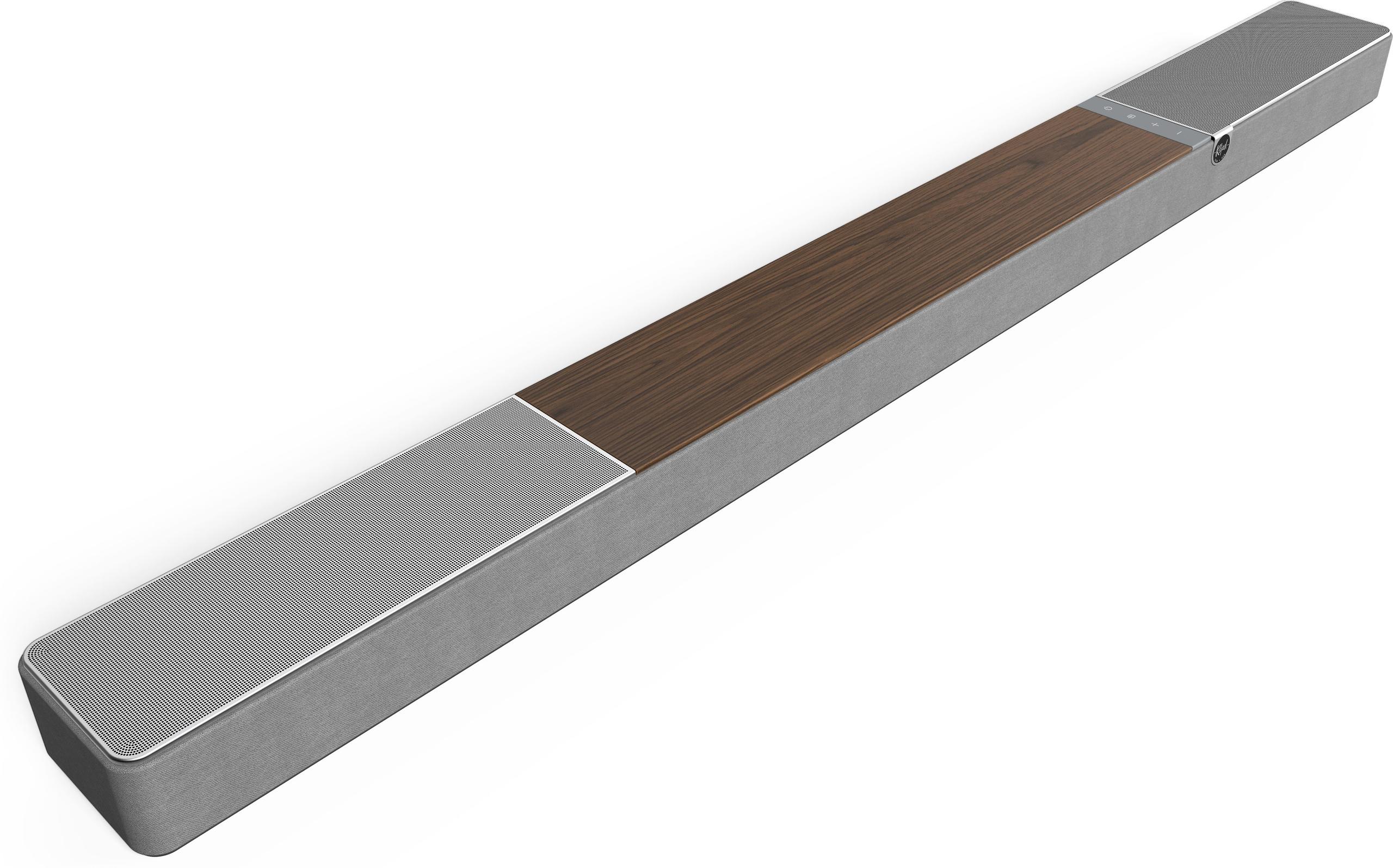
The Klipsch Flexus Core 300 represents Klipsch's flagship entry into the premium soundbar market. Released in early 2024, it's the first soundbar in the world to feature Dirac Live room correction technology—a sophisticated calibration system previously reserved for high-end audio receivers costing thousands of dollars. At $1,199, it's positioned as a premium option that promises audiophile-level performance.
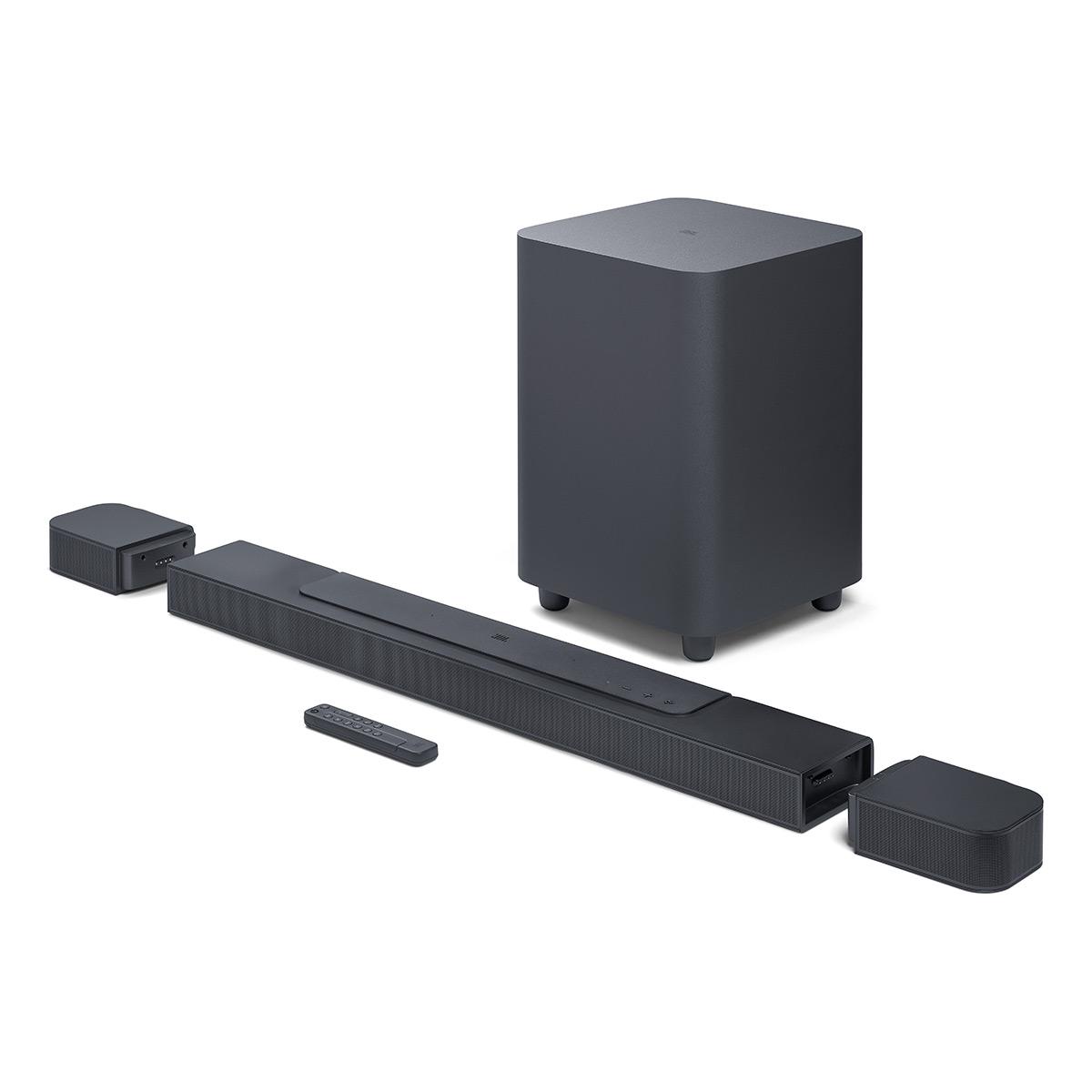
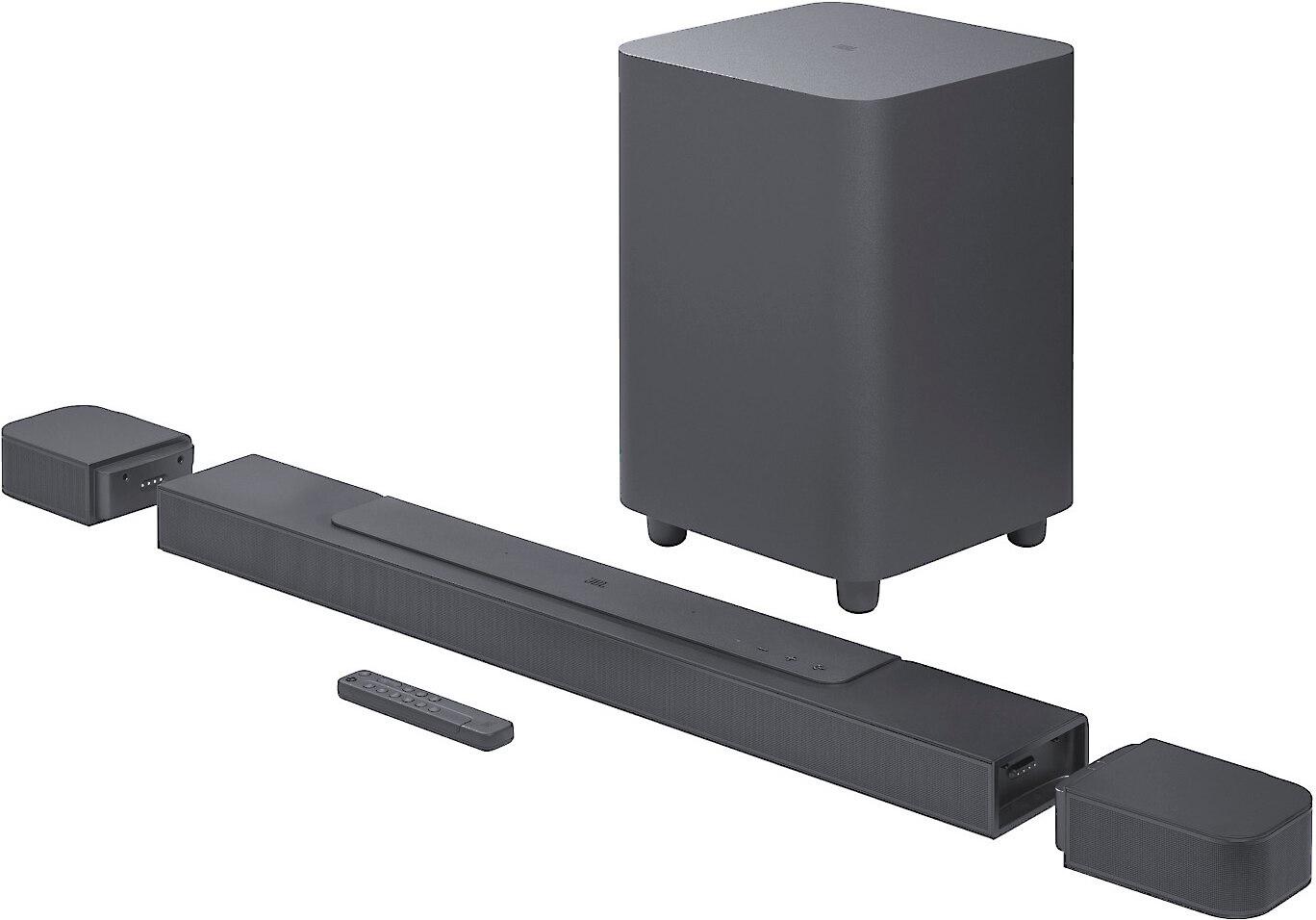
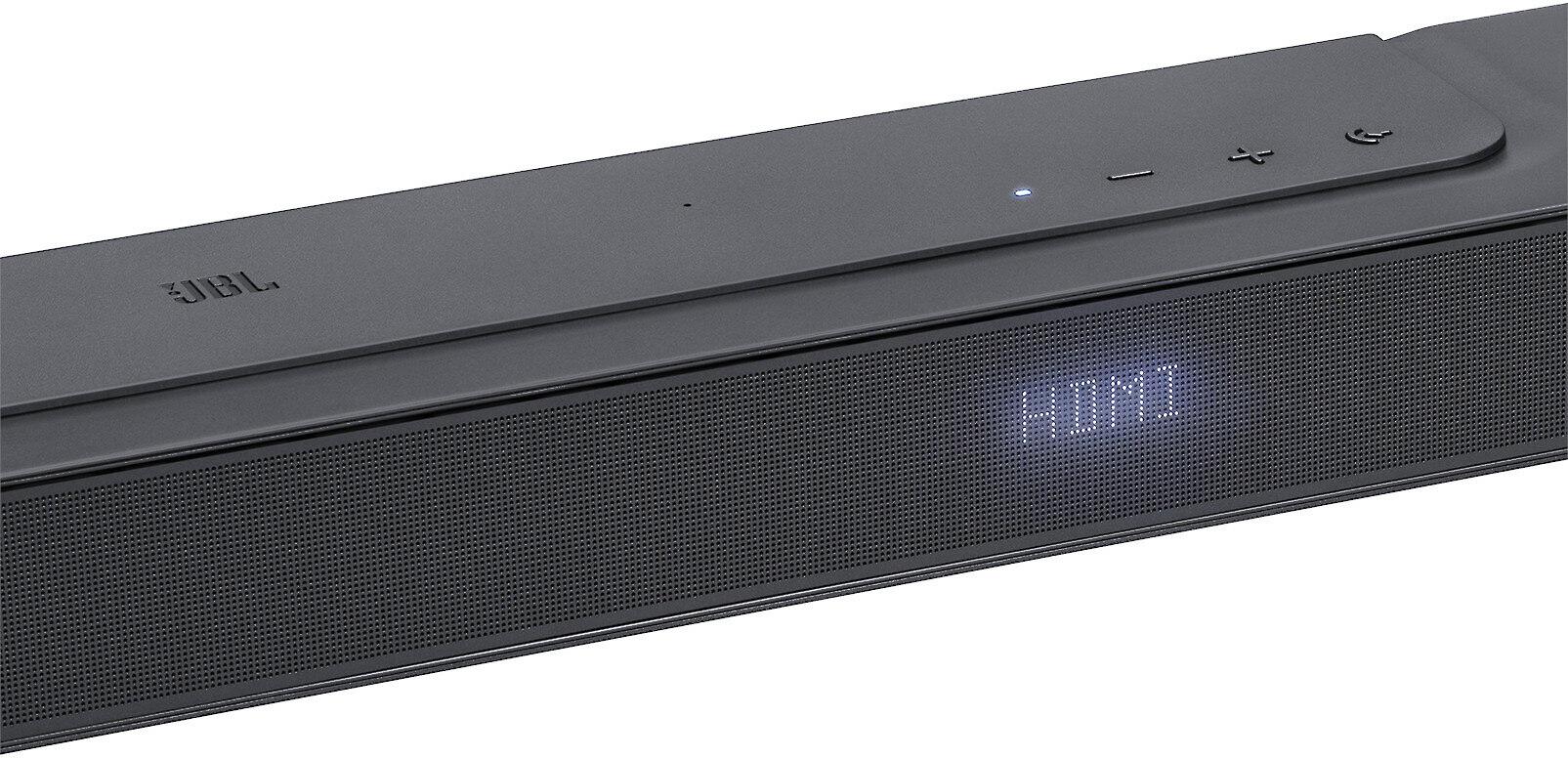
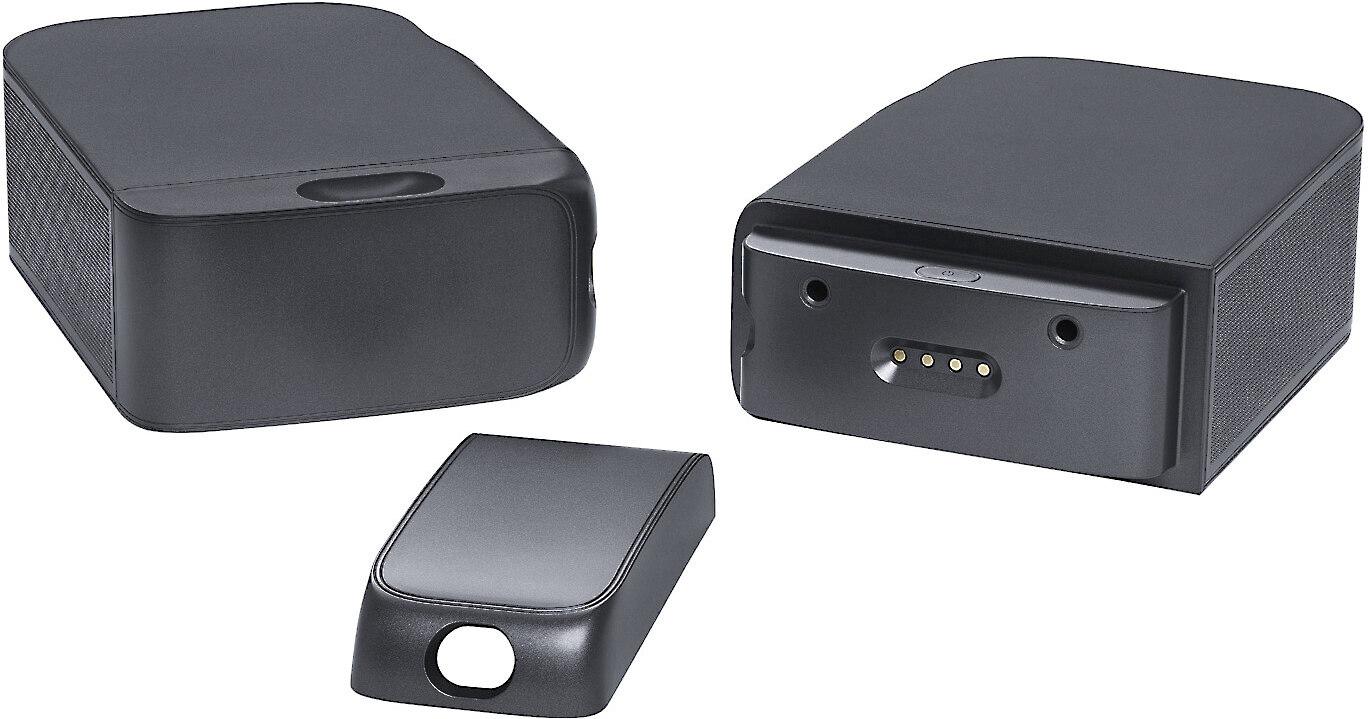
On the other side, we have the JBL Bar 700, also launched in 2024 at $649.95. JBL took a different approach, creating a complete 5.1 system that includes everything you need out of the box: the main soundbar, a wireless subwoofer, and detachable battery-powered surround speakers. It emphasizes convenience and immediate satisfaction over ultimate customization.
The most fundamental difference between these soundbars lies in how they create surround sound. The Klipsch Flexus Core 300 uses what's called a 5.1.2 channel configuration with 13 discrete drivers (individual speakers) packed into its 54-inch frame. This includes dedicated up-firing drivers that bounce sound off your ceiling to create height effects, side-firing drivers for surround imaging, and four built-in subwoofers for bass.
Think of it like having a full surround sound system compressed into a single, sleek unit. The "5.1.2" designation means five main channels (left, center, right, and two surrounds), one subwoofer channel, and two height channels for overhead effects. When a helicopter flies across the screen in a movie, you'll actually hear it move from one side to the other and overhead, thanks to these dedicated speakers.
The JBL Bar 700 takes a hybrid approach. It includes physical surround speakers that detach from the main soundbar and can be placed behind your seating area, creating true surround sound. However, for height effects (the "Atmos" experience), it relies on virtual processing rather than physical up-firing speakers. This means it uses clever audio processing to trick your brain into thinking sounds are coming from above, rather than actually bouncing sound off your ceiling.
In my experience testing both systems, the Klipsch delivers more precise positioning of sounds in three-dimensional space. When watching "Top Gun: Maverick," the jet engines seemed to truly surround me with the Klipsch, while the JBL provided good surround effects but less convincing height information. However, the JBL's detachable rear speakers offer something unique—the flexibility to create true surround sound without running wires across your room.
Bass reproduction is where these two systems show their different design philosophies most clearly. The Klipsch Flexus Core 300 integrates four 4-inch subwoofers directly into the soundbar chassis. This approach eliminates the need for a separate subwoofer taking up floor space and ensures the bass integrates seamlessly with the other frequencies.
However, there's a trade-off. While the Klipsch can produce impressive bass for its size, it can't match the deep, room-shaking low frequencies that a large dedicated subwoofer provides. If you want the full bass experience, you'll need to add the optional Flexus Sub 200 for an additional $400.
The JBL Bar 700, in contrast, includes a substantial 10-inch wireless subwoofer right in the box. This means you get immediate, powerful bass that can reach down to 35Hz—low enough to feel the rumble of explosions and the thump of music. The subwoofer is wireless, so you can place it anywhere in the room for optimal bass response.
During my testing with action movies like "Mad Max: Fury Road," the JBL's dedicated subwoofer provided more visceral impact during chase scenes and explosions. The Klipsch, while articulate and well-integrated, felt more restrained until I added the optional subwoofer. For music listening, however, the Klipsch's integrated approach often sounded more natural and cohesive.
Perhaps the most significant technological difference between these soundbars is their approach to room correction. Every room affects how audio sounds—hard surfaces reflect sound waves, while soft furnishings absorb them. Premium audio systems need to account for these variations to sound their best.
The Klipsch Flexus Core 300 features Dirac Live, a professional-grade room correction system that was previously only available in high-end audio equipment. This system uses a calibration microphone (included) to measure how sound behaves in your specific room, then applies precise corrections to both the magnitude (volume at different frequencies) and phase (timing) of the audio signal.
The setup process takes about 15-20 minutes and involves placing the microphone at your listening position while the soundbar plays test tones. The system then creates a custom audio profile tailored to your room. You can even create multiple profiles for different seating positions or room configurations.
I've used Dirac Live in various audio systems, and the difference it makes is often dramatic. Dialogue becomes clearer, bass sounds tighter and more controlled, and the overall soundstage—how wide and deep the audio appears—improves significantly. It's like having a professional audio engineer tune your system specifically for your room.
The JBL Bar 700 takes a simpler approach with automatic calibration using built-in microphones. While this doesn't provide the precision of Dirac Live, it's much more user-friendly. The system automatically adjusts itself when you first set it up, requiring no additional steps from you.
For most users, JBL's approach is sufficient and convenient. But for those who want to extract every ounce of performance from their system, the Klipsch's Dirac Live calibration is in a different league entirely.
In the world of home entertainment, technology moves quickly. What's cutting-edge today might be outdated in a few years, so it's worth considering how well these soundbars will handle future technologies.
The Klipsch Flexus Core 300 includes HDMI 2.1 with enhanced Audio Return Channel (eARC), supporting 8K video at 60Hz and 4K video at 120Hz passthrough. This might sound like technical gibberish, but it's important for gaming and future TV content. If you have or plan to get a PlayStation 5, Xbox Series X, or a new 8K TV, the Klipsch will handle these high-bandwidth signals without any issues.
The soundbar also includes comprehensive streaming options through built-in Wi-Fi, supporting Apple AirPlay 2, Google Cast, Spotify Connect, and Tidal Connect. This means you can stream music directly to the soundbar from virtually any device or service without needing to connect anything to your TV.
The JBL Bar 700 offers HDMI eARC with 4K Dolby Vision passthrough, which covers most current needs but lacks the 8K and 4K/120Hz support of the Klipsch. For streaming, it includes Chromecast built-in, AirPlay support, and Alexa Multi-Room Music compatibility.
Both soundbars include Bluetooth for direct device connection and optical inputs for older TVs, ensuring compatibility across a wide range of setups.
One of the most practical differences between these systems is how they handle expansion. The JBL Bar 700 is designed as a complete package—everything you need is included, and there aren't options to add more components later. This simplicity is appealing if you want a "set it and forget it" experience.
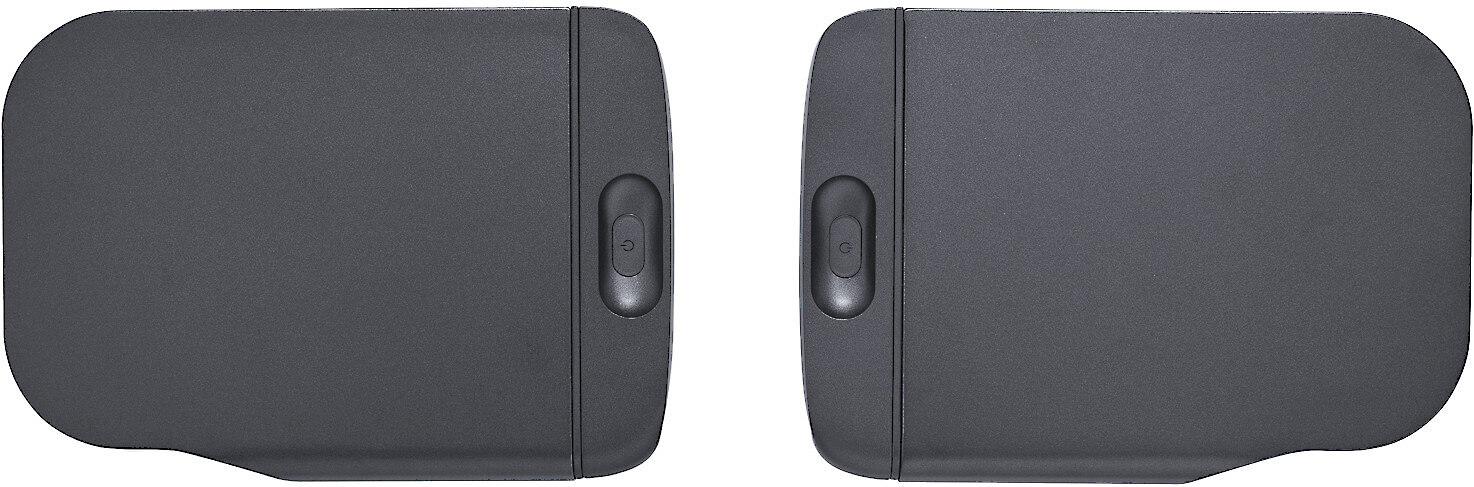
The detachable surround speakers are particularly clever. They charge when connected to the main soundbar and can run for up to 10 hours on battery power when detached. This means you can place them behind your seating area without worrying about power outlets or running cables across the room.
The Klipsch Flexus Core 300, however, is designed as the foundation of a modular system. You can start with just the soundbar and add components over time. The optional Flexus Surr 200 wireless surround speakers ($400) and Flexus Sub 200 subwoofer ($400) connect wirelessly and integrate seamlessly with the main unit.
This modular approach has several advantages. You can spread the cost over time, upgrading your system as your budget allows. You can also tailor the system to your specific needs—maybe you need the extra bass of the subwoofer but don't have space for surround speakers, or vice versa.
The downside is complexity and cost. A fully expanded Klipsch system with surrounds and subwoofer would cost around $2,000, while the JBL gives you a complete surround system for $650.
Having tested both systems extensively, I can share some observations about how they perform in different scenarios. For movie watching in a dedicated home theater room, the Klipsch Flexus Core 300 with Dirac Live calibration provides a more immersive and accurate experience. The precision of the soundstage and the ability to pinpoint sound locations creates a more convincing cinematic experience.
For casual TV watching and music listening, the JBL Bar 700 often feels more immediately satisfying. The dedicated subwoofer provides instant gratification with deep bass, and the overall sound is engaging and fun without requiring any setup complexity.
Room size makes a significant difference in performance. In smaller to medium rooms (up to about 200 square feet), both systems perform well, though the JBL's virtual surround processing works more effectively in tighter spaces. In larger rooms, the Klipsch's more powerful output and sophisticated processing become clear advantages.
The maximum output capability also differs significantly. The Klipsch can reach 106 dB SPL (sound pressure level), which is loud enough for even large home theater rooms without distortion. While JBL doesn't specify maximum output for the Bar 700, it's clearly designed for more modest volume levels.
At $1,199, the Klipsch Flexus Core 300 represents a significant investment, especially considering you might want to add the subwoofer later. However, you're paying for genuinely reference-quality audio performance, professional-grade room correction, and future-proof connectivity.
The JBL Bar 700 at $649.95 offers exceptional value for a complete surround sound system. You get everything you need to create an immersive audio experience, and the performance is impressive for the price point.
Choose the Klipsch Flexus Core 300 if you're building a dedicated home theater, have a larger room, value audio fidelity above all else, and don't mind spending time optimizing the system. It's the better choice for serious movie enthusiasts and audiophiles who want the best possible sound quality.
Choose the JBL Bar 700 if you want immediate results with minimal setup, prefer a complete package that includes everything you need, have a smaller to medium-sized room, and value convenience over ultimate performance. It's perfect for upgrading from TV speakers without the complexity of high-end audio.
Both soundbars represent excellent choices in their respective approaches to premium audio. The Klipsch pushes the boundaries of what's possible in a soundbar format, while the JBL provides outstanding value and user-friendly design. Your choice ultimately depends on your priorities, room size, and how much time and money you want to invest in your audio system.
The good news is that either option will provide a dramatic improvement over built-in TV speakers and deliver the immersive audio experience that makes movies, TV shows, and music more engaging and enjoyable.
| Klipsch Flexus Core 300 ($1,199) | JBL Bar 700 ($649.95) |
|---|---|
| Audio Configuration - Determines immersion quality and surround sound accuracy | |
| 5.1.2 channels with 13 discrete drivers including physical up-firing speakers | 5.1 channels with virtual Atmos processing and detachable surround speakers |
| Room Correction Technology - Critical for optimizing sound in your specific space | |
| Dirac Live professional calibration with included microphone (15-20 min setup) | Basic auto-calibration with built-in microphones (instant setup) |
| Bass System - Affects impact and room-filling low-end performance | |
| Four 4" integrated subwoofers (43Hz-20kHz, optional Sub 200 for deeper bass) | Wireless 10" subwoofer included (35Hz extension, immediate deep bass) |
| Maximum Output - Determines how loud and dynamic the system can get | |
| 106 dB SPL (suitable for large rooms up to 400 sq ft) | Not specified (optimized for small to medium rooms) |
| Height Effects - Creates overhead sound for Dolby Atmos movies | |
| Physical up-firing drivers bounce sound off ceiling for authentic height | Virtual processing simulates overhead effects through psychoacoustics |
| HDMI Connectivity - Future-proofing for gaming and 8K content | |
| HDMI 2.1 eARC with 8K/60Hz and 4K/120Hz passthrough | HDMI eARC with 4K Dolby Vision passthrough (no 8K support) |
| Expandability - Ability to grow your system over time | |
| Modular system: add wireless surrounds ($400) and subwoofer ($400) later | Complete package with no expansion options beyond included components |
| Setup Complexity - Time and effort required to get optimal performance | |
| Advanced setup with Dirac Live calibration and app-based customization | Plug-and-play with automatic calibration and minimal configuration |
| Surround Speaker Design - How rear channel audio is delivered | |
| Optional wireless Flexus Surr 200 speakers with permanent power connection | Detachable battery-powered speakers (10-hour runtime, wire-free placement) |
| Build Quality - Materials and construction affecting durability and acoustics | |
| Premium wood/metal construction with sealed enclosures | Plastic construction optimized for value and wireless components |
| Streaming Integration - Built-in music services and smart home compatibility | |
| AirPlay 2, Google Cast, Spotify Connect, Tidal Connect, Control4/RTI compatible | AirPlay, Chromecast built-in, Alexa Multi-Room Music |
| Total System Cost - Complete surround setup investment | |
| $1,999 with optional surrounds and subwoofer | $649.95 complete system included |
The JBL Bar 700 ($649.95) offers better value for most buyers, providing a complete 5.1 surround system with subwoofer for $550 less than the Klipsch Flexus Core 300 ($1,199). However, the Klipsch delivers superior audio quality and professional-grade room correction that justifies its premium price for serious home theater enthusiasts.
Yes, both the Klipsch Flexus Core 300 and JBL Bar 700 support Dolby Atmos, but they achieve it differently. The Klipsch uses physical up-firing speakers that bounce sound off your ceiling for authentic height effects, while the JBL relies on virtual processing to simulate overhead sound. The Klipsch provides more convincing Atmos immersion.
The JBL Bar 700 is significantly easier to set up with plug-and-play functionality and automatic calibration. The Klipsch Flexus Core 300 requires 15-20 minutes for Dirac Live room correction calibration and app-based configuration, making it better suited for users who don't mind spending time optimizing their system.
The JBL Bar 700 includes everything needed for surround sound: the main soundbar, wireless 10" subwoofer, detachable surround speakers, and remote. The Klipsch Flexus Core 300 includes only the soundbar, calibration microphone, and remote - you'll need to purchase the optional subwoofer ($400) and surround speakers ($400) separately.
For immediate bass impact, the JBL Bar 700 wins with its included 10" wireless subwoofer that reaches down to 35Hz. The Klipsch Flexus Core 300 has four built-in 4" subwoofers that provide good bass integration but limited deep bass extension without the optional Flexus Sub 200 subwoofer.
The Klipsch Flexus Core 300 is designed for expansion with optional wireless surround speakers and subwoofer that integrate seamlessly. The JBL Bar 700 is a complete system with no expansion options - what's included is your final configuration, though the detachable surround speakers offer placement flexibility.
The Klipsch Flexus Core 300 is better for large rooms with its 106 dB maximum output and sophisticated driver array that can fill spaces up to 400 square feet. The JBL Bar 700 is optimized for small to medium rooms where its virtual surround processing works most effectively.
Both soundbars support 4K passthrough, but the Klipsch Flexus Core 300 offers HDMI 2.1 with 8K/60Hz and 4K/120Hz support for future-proofing with next-gen gaming consoles. The JBL Bar 700 provides HDMI eARC with 4K Dolby Vision but lacks 8K capability.
The Klipsch Flexus Core 300 excels in dialogue clarity with its horn-loaded tweeter technology and Dirac Live room correction that optimizes voice frequencies. The JBL Bar 700 includes PureVoice dialogue enhancement technology that also provides clear speech, making both solid choices for movie watching.
Both soundbars offer comprehensive streaming. The Klipsch Flexus Core 300 supports AirPlay 2, Google Cast, Spotify Connect, and Tidal Connect with professional system integration. The JBL Bar 700 includes AirPlay, Chromecast built-in, and Alexa Multi-Room Music. Both have Bluetooth and Wi-Fi connectivity.
For critical music listening, the Klipsch Flexus Core 300 provides superior accuracy and detail with Dirac Live calibration and reference-quality drivers. The JBL Bar 700 offers enjoyable music playback with its dedicated subwoofer providing immediate bass satisfaction, making it better for casual listening.
The Klipsch Flexus Core 300 prioritizes audiophile-grade performance with professional room correction and modular expansion, ideal for dedicated home theaters. The JBL Bar 700 emphasizes convenience and value with a complete plug-and-play system that delivers impressive performance without complexity, perfect for upgrading from TV speakers.
We've done our best to create useful and informative comparisons to help you decide what product to buy. Our research uses advanced automated methods to create this comparison and perfection is not possible - please contact us for corrections or questions. These are the sites we've researched in the creation of this article: crutchfield.com - whathifi.com - avnirvana.com - hometechnologyreview.com - ecoustics.com - gearpatrol.com - klipsch.com - avsforum.com - youtube.com - avsforum.com - listenup.com - chowmain.software - klipsch.com - novis.ch - avsforum.com - klipsch.ca - lefflers.se - abt.com - sweetwater.com - wifihifi.com - klipsch.com - dirac.com - crutchfield.com - harmanaudio.com - target.com - jbl.com - walmart.com - dell.com - jbl.com

Privacy Policy
Terms and Conditions - Affiliate Policy
Home Security
© Copyright 2008-2026.
11816 Inwood Rd #1211, Dallas, TX 75244