







If you've ever cranked up an action movie only to have your neighbors complain about the explosions while you're still straining to hear the dialogue, you know exactly why soundbars exist. TV speakers have gotten thinner along with our screens, leaving us with audio that sounds like it's coming from inside a tin can. The solution? A soundbar that can actually reproduce the full range of sound your content deserves.
But here's where it gets tricky: the soundbar market spans from $50 plastic strips to $2,000+ audiophile monsters. Today we're comparing two products that represent completely different philosophies in this space – the Klipsch Flexus Core 300 at $999 and the Yamaha SR-C20A at around $200-250. One's a no-compromise home theater centerpiece, the other's a practical TV upgrade. Let's figure out which approach makes sense for your situation.
Before diving into specifics, it helps to understand what we're asking these devices to accomplish. A soundbar's job is deceptively complex: take audio signals meant for multiple speakers positioned around a room and somehow reproduce that experience from a single horizontal unit sitting under your TV.
The magic happens through a combination of physical speaker drivers (the actual components that move air to create sound) and digital signal processing (DSP). Think of DSP as the brain that takes incoming audio and applies mathematical algorithms to create the illusion of surround sound, enhance dialogue, or tune the sound for your room.
Room size matters enormously here because sound behaves differently in small versus large spaces. A 10-foot by 12-foot bedroom has completely different acoustic properties than a 20-foot by 25-foot family room. Sound waves bounce off walls, ceilings, and furniture, creating reflections that can either enhance or muddy the audio depending on timing and intensity.
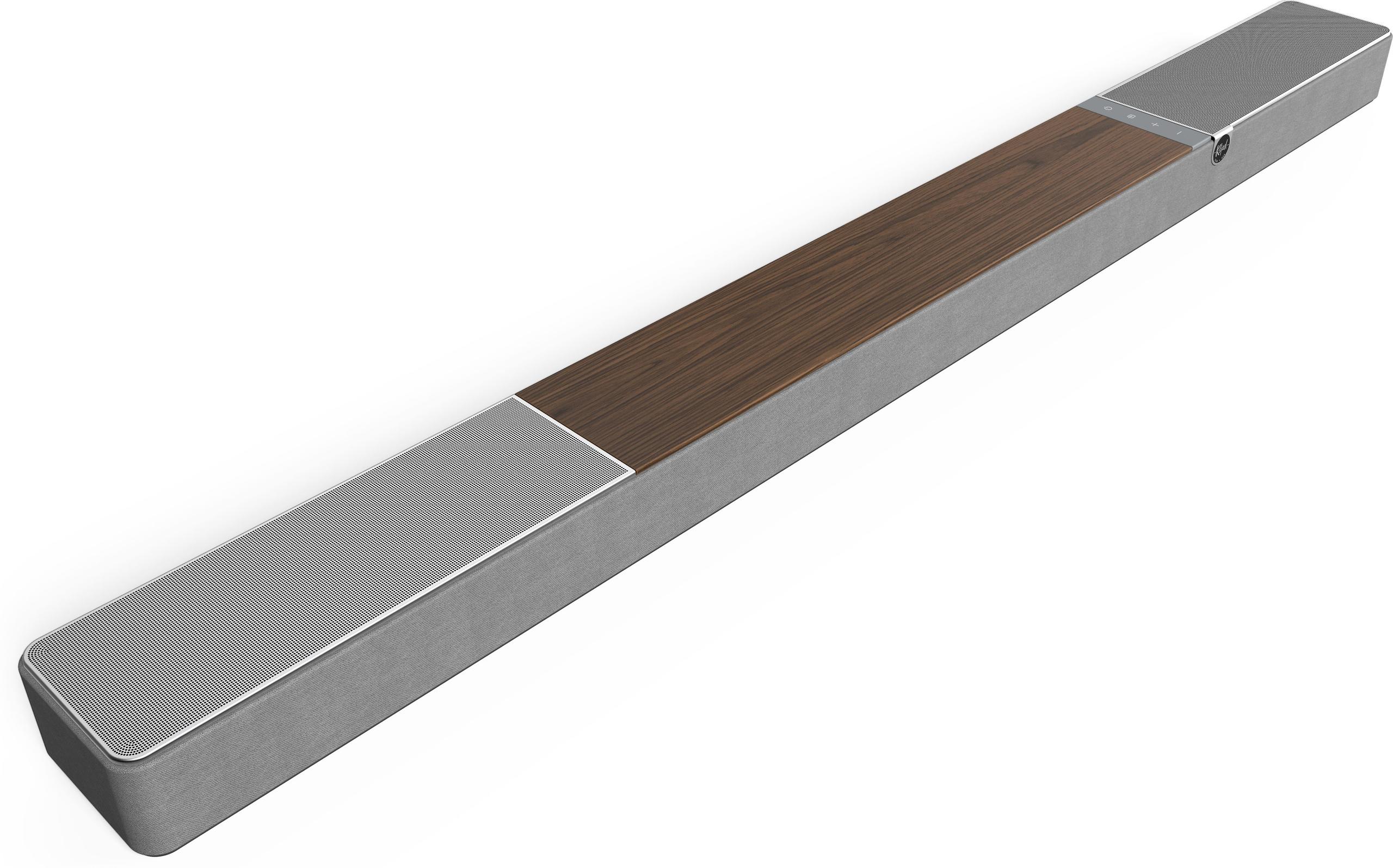
The Klipsch Flexus Core 300, released in 2024 (available 2025), represents Klipsch's partnership with Onkyo to create their most advanced soundbar ever. At $999, it's targeting serious home theater enthusiasts who want reference-quality audio without the complexity of separate receivers and multiple speakers.
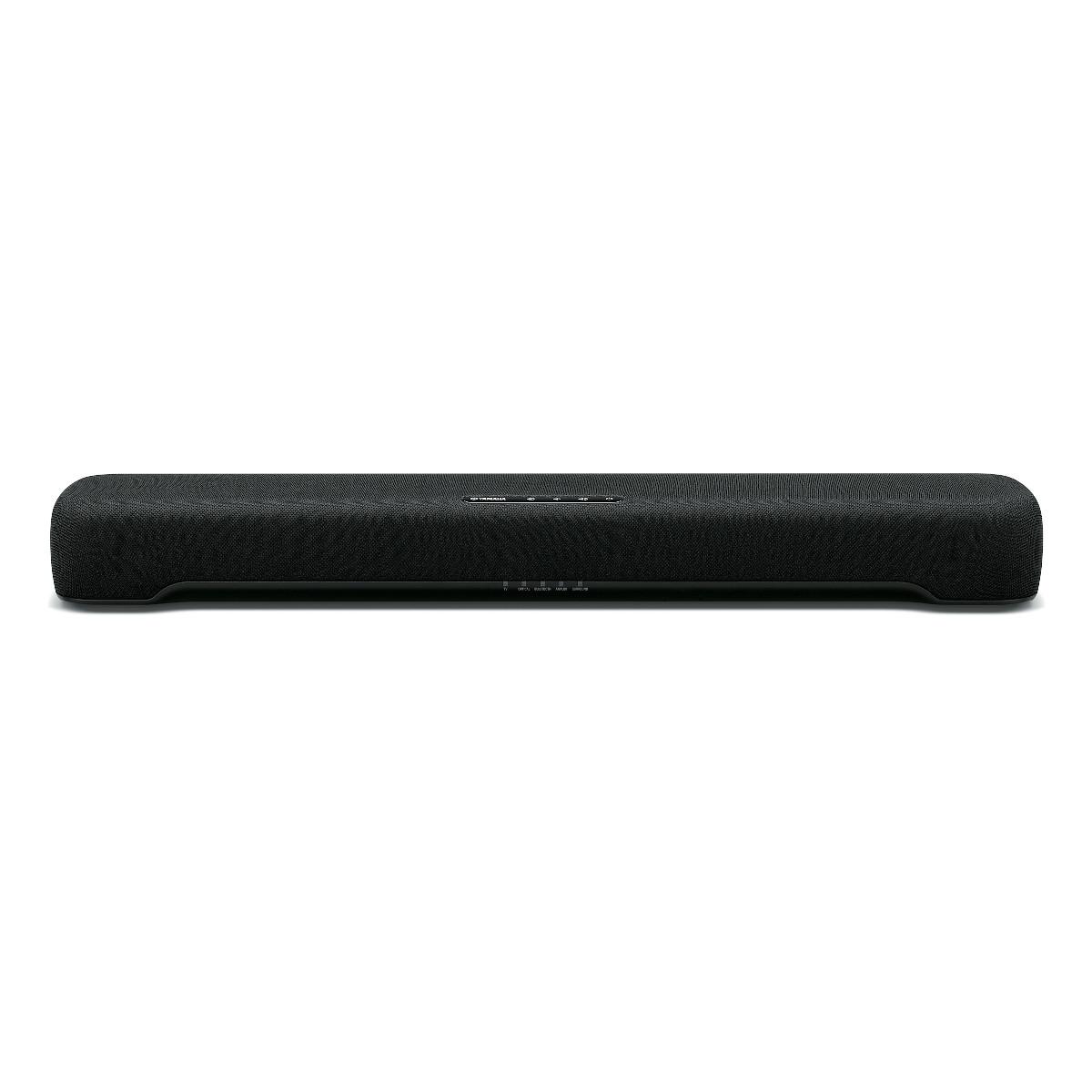
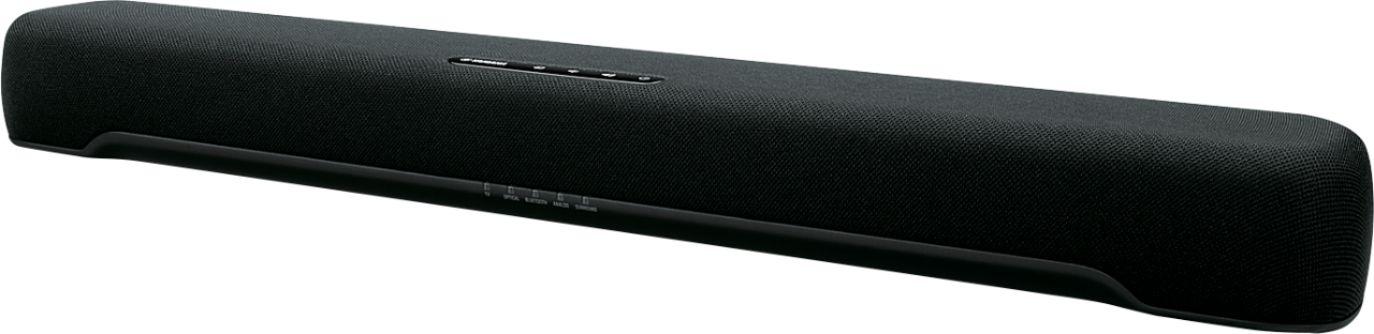
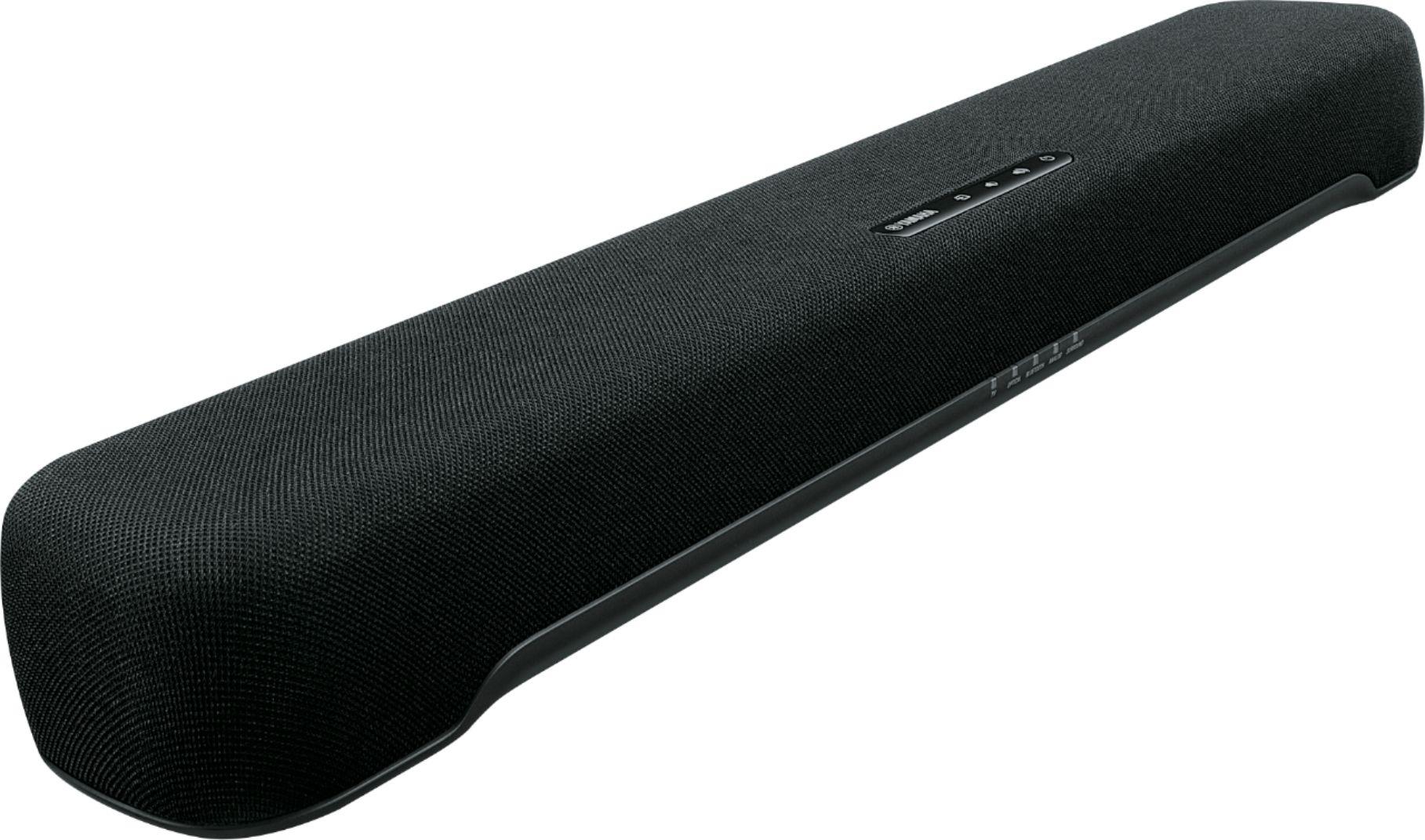
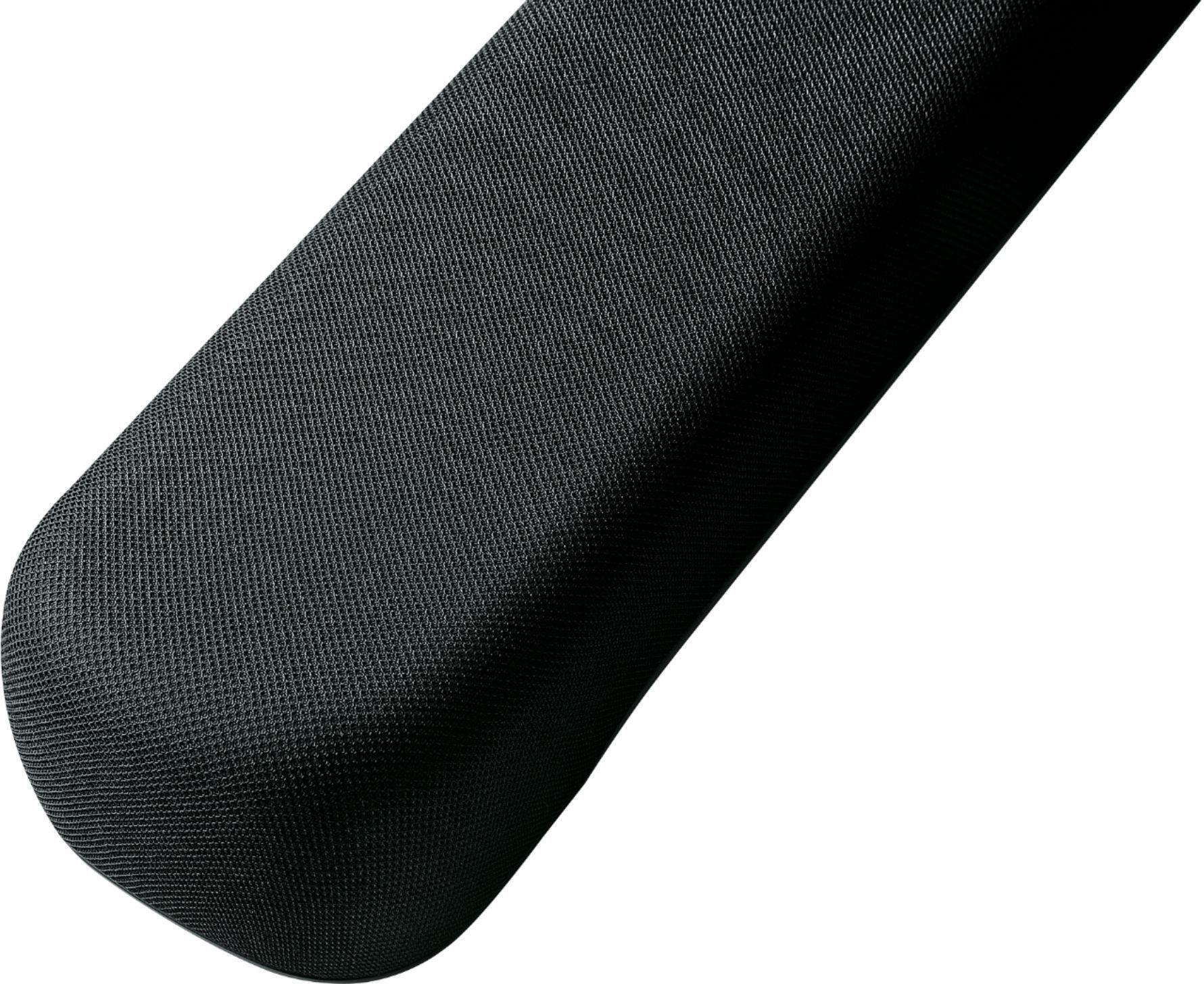
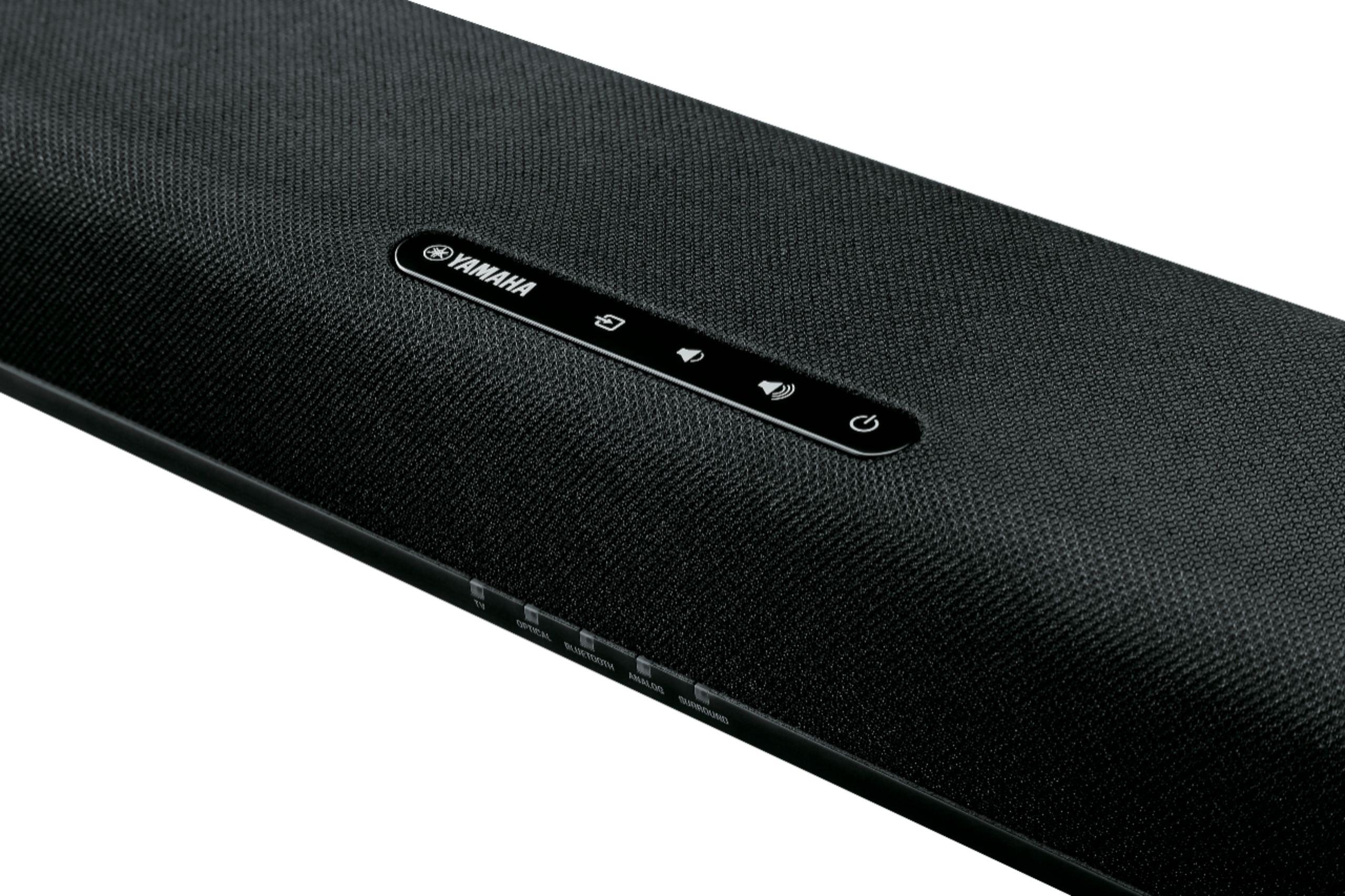
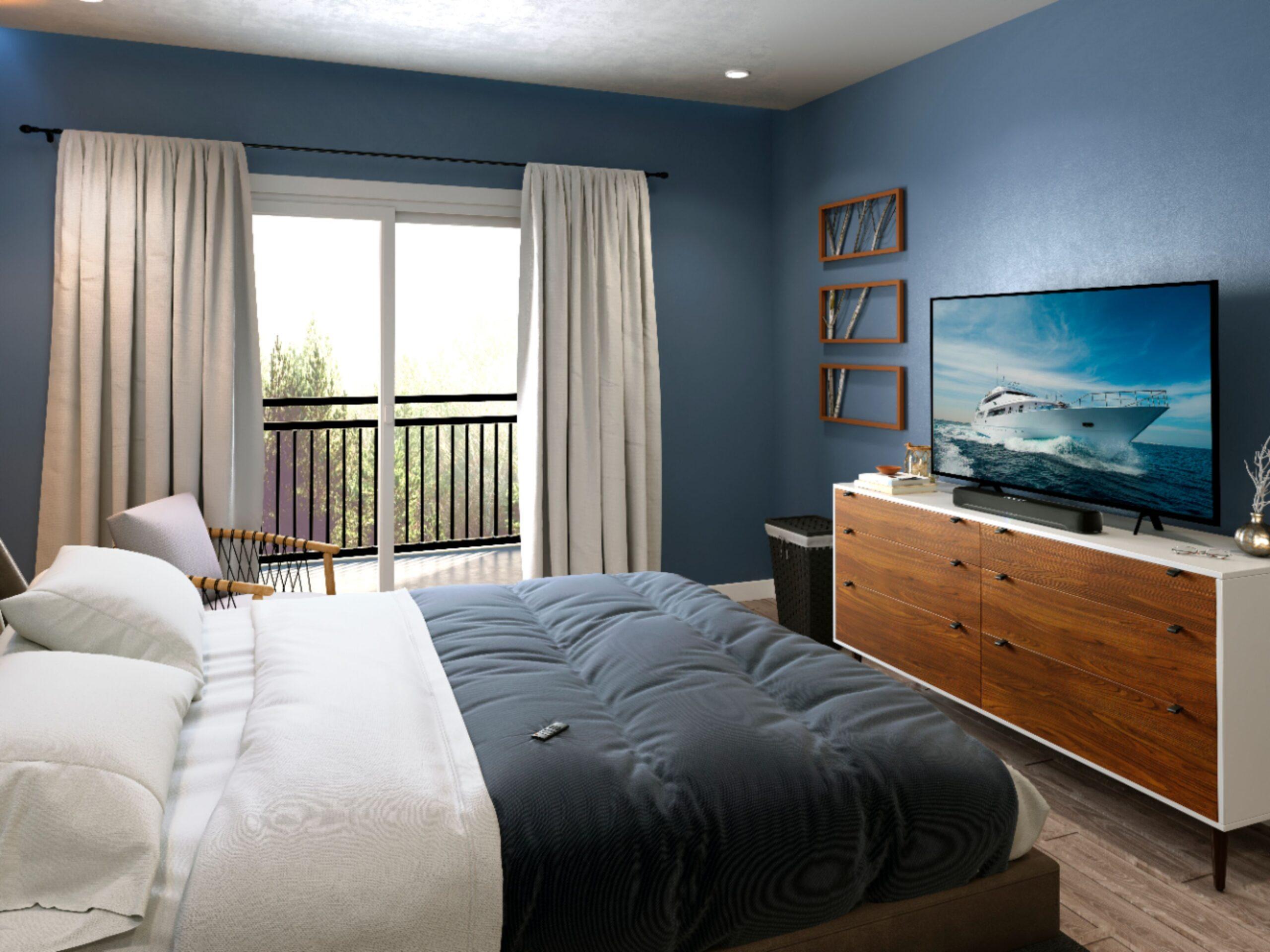
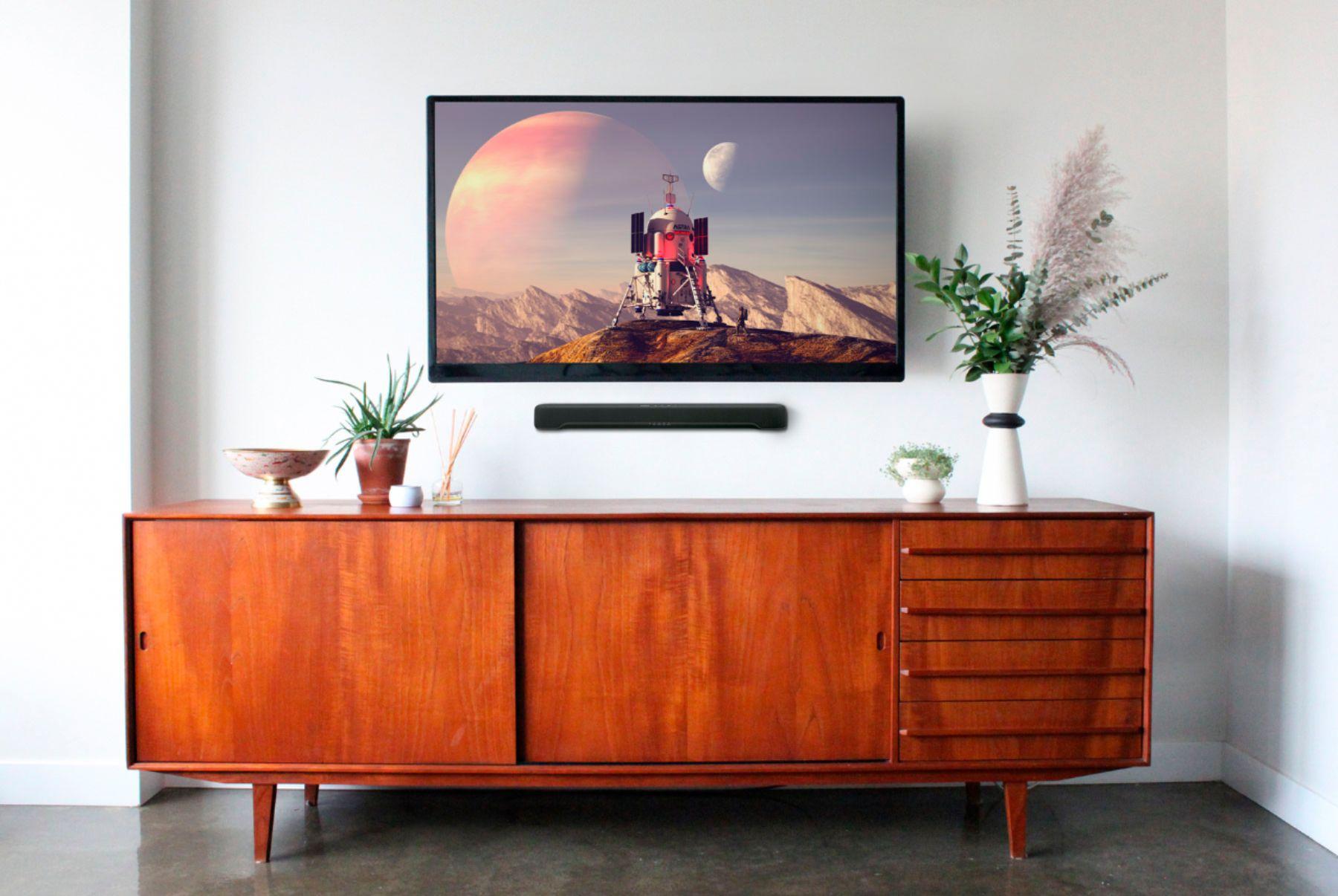
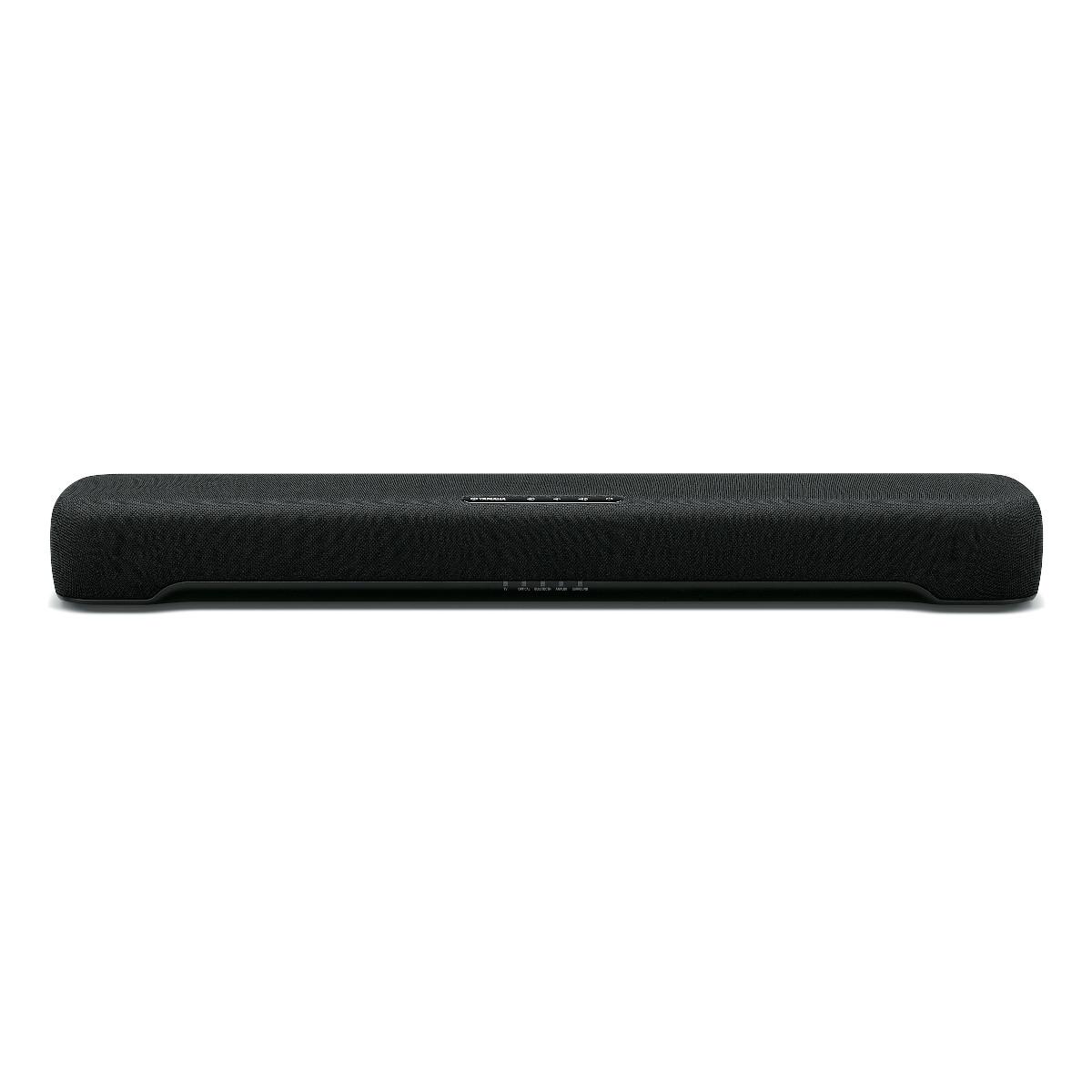
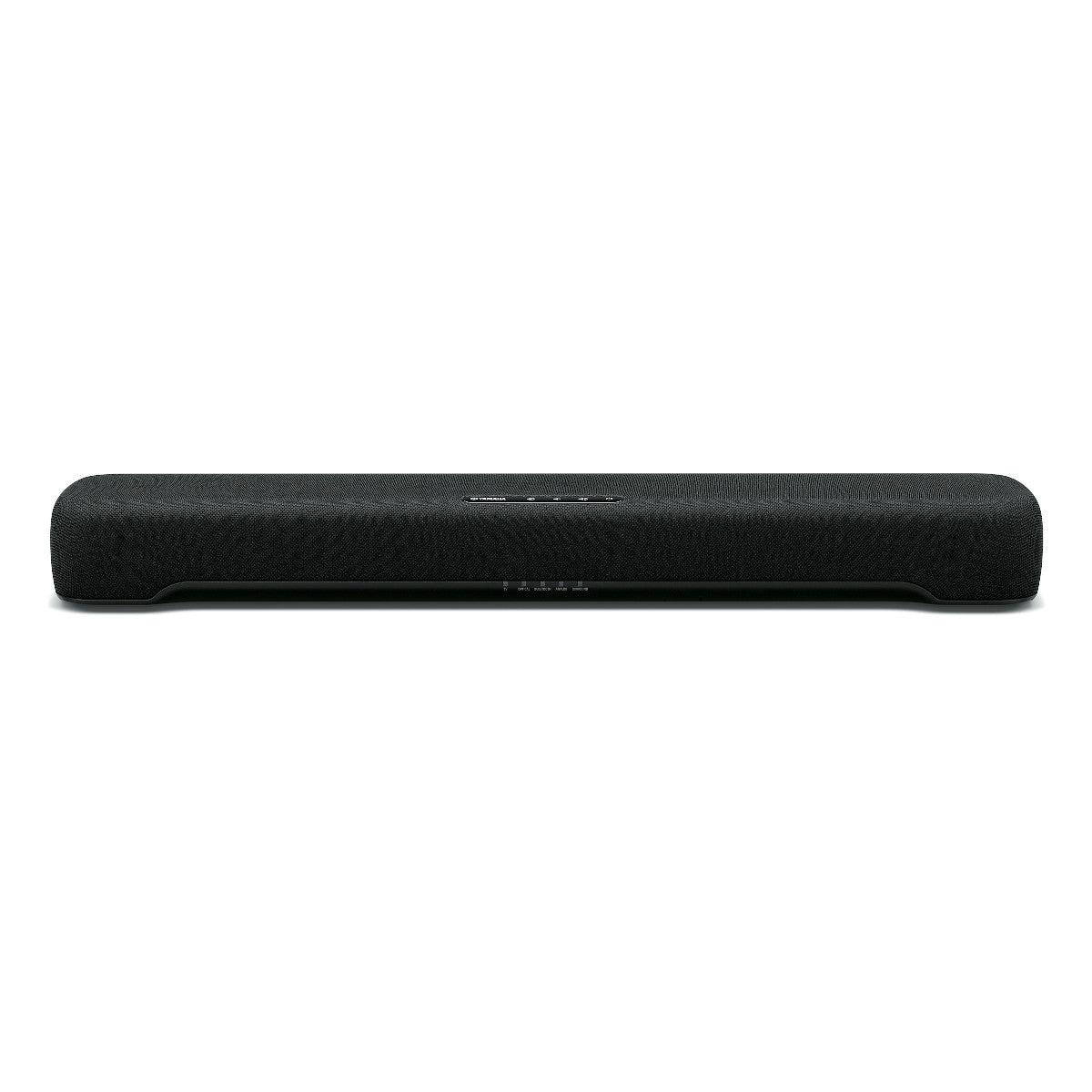
The Yamaha SR-C20A takes the opposite approach – it's designed for people who want better TV sound without any fuss or significant expense. Yamaha has been refining this compact soundbar formula for years, and the SR-C20A represents their current thinking on how to deliver maximum improvement per dollar spent.
These aren't really competitors in the traditional sense. They're solving different problems for different people, which makes the comparison interesting. It's like comparing a Swiss Army knife to a professional chef's knife – both cut things, but they're optimized for completely different use cases.
The Klipsch Flexus Core 300 uses a 5.1.2-channel configuration, which sounds technical but breaks down simply. The "5.1" refers to five main channels (left, center, right, left surround, right surround) plus a subwoofer channel. The ".2" indicates two height channels that fire sound upward to bounce off your ceiling, creating the overhead effects in Dolby Atmos soundtracks.
What makes this impressive is the physical implementation. The Flexus Core 300 packs 13 individual drivers into its 54-inch chassis:
This isn't virtual surround – it's actual discrete channels with dedicated drivers. When a helicopter flies overhead in a movie, you hear it move across physical speakers above you. When dialogue comes from the center channel, it's anchored precisely to the screen regardless of where you're sitting.
The horn-loaded tweeter deserves special mention. Klipsch has used horn-loading in their speakers since 1946 because it's incredibly efficient at reproducing human voices. Instead of just pushing sound directly forward, the horn shape amplifies and focuses the output, making dialogue clearer even at lower volumes.
The Yamaha SR-C20A works entirely differently. Its virtual surround technology uses psychoacoustic processing – basically tricking your brain into hearing a wider soundstage than what two speakers can physically create. The built-in 3-inch subwoofer handles bass duties, assisted by dual passive radiators that act like additional bass speakers without requiring their own amplifiers.
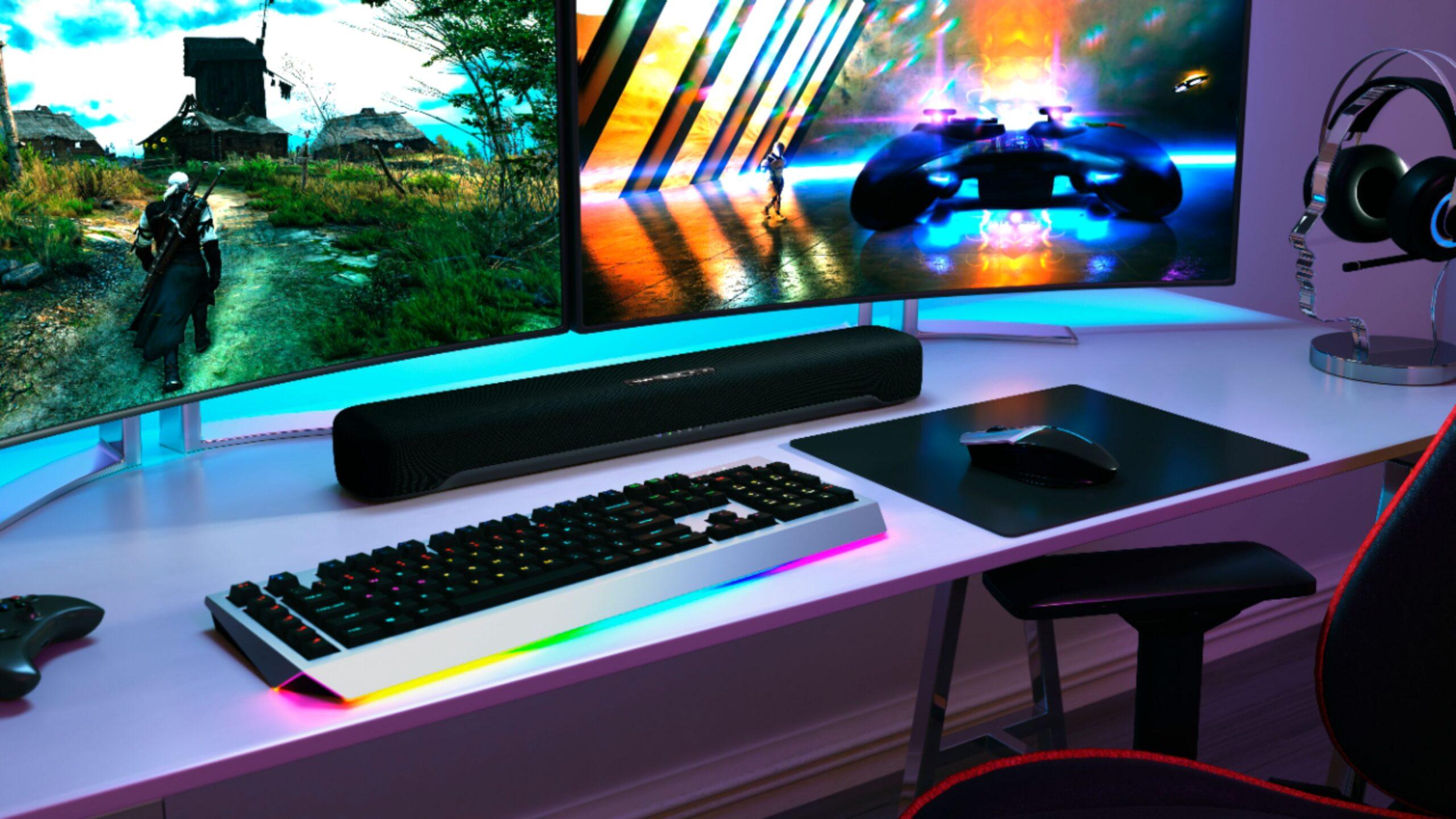
This approach has real advantages in small spaces. The entire unit measures just under 24 inches wide, making it perfect for bedrooms, kitchens, or small apartments where a 54-inch soundbar would overwhelm the room. The virtual processing works surprisingly well for casual listening, creating a noticeable improvement over TV speakers without the complexity of multiple drivers.
But physics has limits. Virtual surround can widen the apparent soundstage, but it can't create true height effects or the precise imaging that comes from dedicated drivers. Bass extension is also limited by the small subwoofer and compact enclosure.
Here's where the Klipsch Flexus Core 300 introduces technology that was unthinkable in soundbars even two years ago. Dirac Live is a room correction system that uses an included microphone to measure how your room affects sound, then automatically adjusts the soundbar's output to compensate.
Every room has acoustic problems. Hard surfaces create echoes, furniture absorbs certain frequencies, and room dimensions can emphasize or cancel specific bass notes. High-end AV receivers have offered room correction for years, but this is the first soundbar to include Dirac Live – and Dirac is considered the gold standard in this technology.
The process is straightforward: place the microphone at your listening position, run the calibration through the Klipsch Connect Plus app, and let the system measure and correct both the frequency response (which notes are too loud or quiet) and phase response (timing relationships between different frequencies). The result is sound that's been optimized specifically for your room.
I've used similar systems in dedicated home theaters, and the difference is dramatic. Bass becomes tighter and more controlled, dialogue clarity improves, and the overall sound becomes more natural and balanced. Having this technology in a soundbar at this price point represents a genuine breakthrough.
Bass reproduction reveals the fundamental difference between these approaches. The Klipsch Flexus Core 300 includes four 4-inch subwoofers built into the main unit, plus the option to add up to two wireless Flexus Sub 200 subwoofers for even more low-end extension. This gives you tremendous flexibility – start with the soundbar's built-in bass, then add wireless subs if you want more output or need to fill a larger space.
Those built-in 4-inch drivers might not sound impressive compared to a dedicated 10-inch or 12-inch subwoofer, but having four of them provides surprising output. More importantly, they're tuned to work seamlessly with the main speakers, avoiding the integration issues that sometimes plague separate subwoofers.
The Yamaha SR-C20A's approach is more modest but clever. The 3-inch subwoofer is assisted by dual passive radiators – basically speakers without magnets that vibrate in response to the active driver. This design allows for more bass output than the small size would suggest, and it's genuinely impressive for casual listening.
But there are limits. High-volume action sequences will quickly reveal the system's boundaries, and deep bass extension simply isn't possible from such a compact enclosure. For late-night TV watching or background music, it's perfectly adequate. For serious movie nights or music listening, you'll notice what's missing.
If you're building a dedicated home theater or have a large family room where movies are a regular event, the differences become stark. The Klipsch Flexus Core 300 is designed to anchor a serious audio system. Its expandability means you can start with just the soundbar and gradually build toward a full 5.1.2 or even 7.1.2 system by adding wireless surrounds and subwoofers.
The HDMI 2.1 implementation supports 8K video passthrough and advanced audio formats, making it genuinely future-proof as streaming services and gaming consoles adopt higher-resolution formats. The 106 dB maximum output means it can fill large rooms without strain, maintaining clean dialogue even during explosive action sequences.
For smaller spaces or casual use, this capability becomes overkill. A bedroom TV setup doesn't need reference-level dynamics, and the Yamaha SR-C20A's more modest output is perfectly scaled to intimate listening environments. Its compact footprint also means it won't dominate smaller furniture or overwhelm the visual aesthetics of a bedroom or kitchen setup.
Both soundbars handle the basics of modern connectivity, but with different emphases. The Klipsch Flexus Core 300 includes comprehensive streaming support through Wi-Fi, including AirPlay 2, Google Cast, Spotify Connect, and Tidal Connect. The Klipsch Connect Plus app provides extensive control over EQ settings, sound modes, and the Dirac Live calibration system.
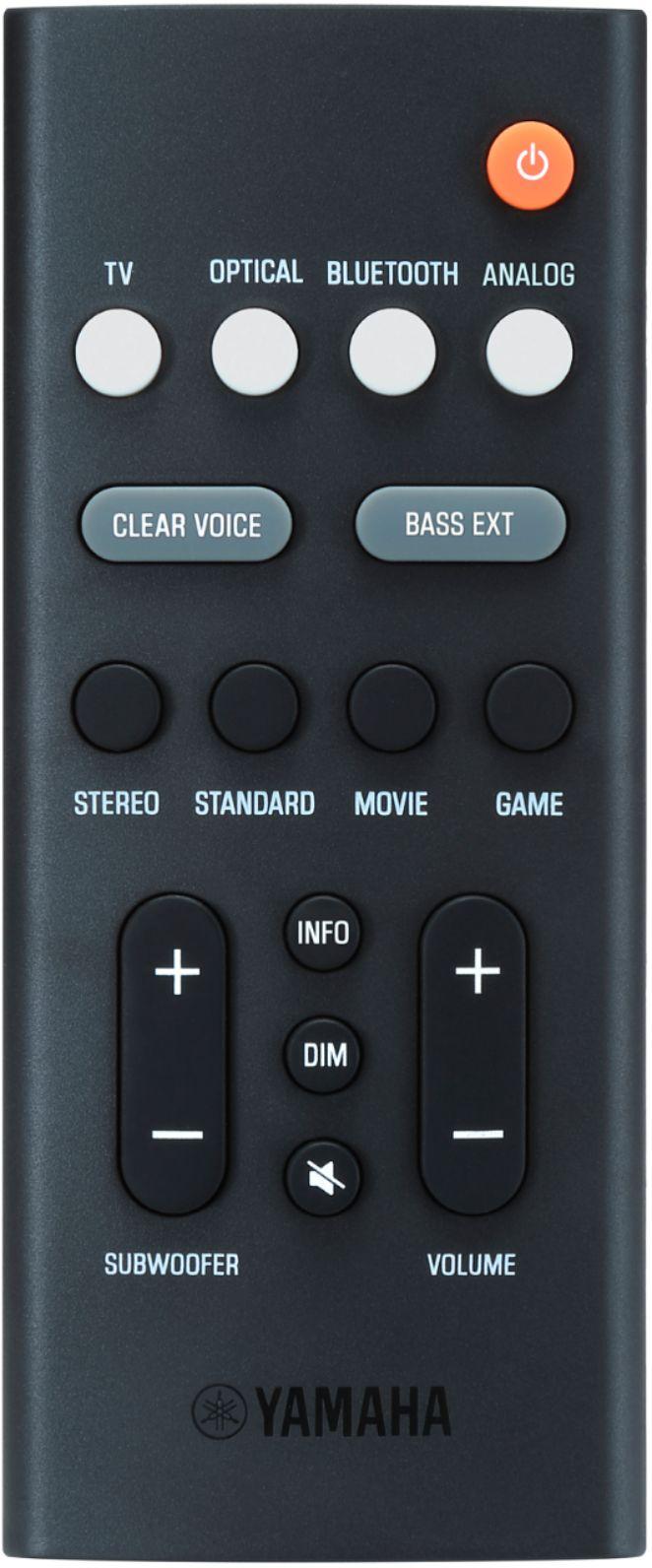
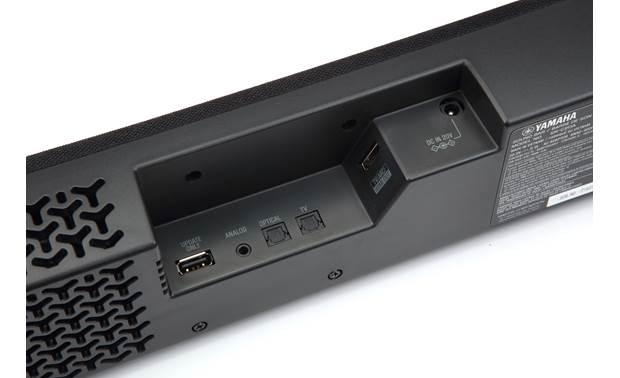
The Yamaha focuses on simplicity. Its Bluetooth 5.0 connection handles music streaming from phones and tablets, while HDMI ARC allows control through your TV remote. The Sound Bar Remote app provides basic functionality without overwhelming casual users with options they might not understand or need.
At $999, the Klipsch Flexus Core 300 requires serious consideration of your priorities and budget. You're paying for genuine technological innovation (the Dirac Live implementation), premium build quality, and the flexibility to build a complete system over time. If you're serious about audio quality and plan to use this as the foundation of a home theater system, the price becomes easier to justify.
The Yamaha SR-C20A represents exceptional value at its price point. For the cost of a nice dinner out, you get a meaningful improvement over TV speakers, easy setup, and solid build quality. It won't wow audiophiles, but it will satisfy the vast majority of users who just want their TV to sound better.
Your choice ultimately depends on honest self-assessment about how you use audio and what you value. If you're the type of person who researches the best picture settings for your TV, reads reviews before buying any tech product, or finds yourself noticing audio quality while watching movies, the Klipsch Flexus Core 300 offers capabilities that will remain satisfying for years.
If you primarily watch TV shows, want something that just works without fuss, or are dealing with space constraints, the Yamaha SR-C20A provides excellent value and appropriate performance for casual use.
The room size question is crucial and often overlooked. A powerful soundbar in a small room can overwhelm the space, while an underpowered unit in a large room will struggle to create immersive audio. Match the product's capabilities to your actual usage scenario.
Consider your expansion plans too. The Klipsch Flexus Core 300 grows with your needs and changing living situations. The Yamaha is complete as purchased – which can be either a benefit (nothing more to buy) or limitation (no upgrade path) depending on your perspective.
Both products represent well-executed approaches to improving TV audio, just with completely different target users and use cases. The key is honest evaluation of which category you fall into, then choosing the product that best serves your specific needs and budget.
| Klipsch Flexus Core 300 | Yamaha SR-C20A |
|---|---|
| Price - Major cost difference reflects target audiences | |
| $999 (premium home theater focus) | ~$200-250 (budget-friendly TV upgrade) |
| Audio Channels - Determines surround sound capability | |
| 5.1.2 Dolby Atmos (true multichannel with height effects) | 2.0 Virtual Surround (stereo with processing tricks) |
| Room Correction - Auto-optimizes sound for your space | |
| Dirac Live with included microphone (industry-leading calibration) | None (manual EQ adjustments only) |
| Bass System - Foundation for movies and music | |
| Four 4" built-in subwoofers + wireless expansion options | Single 3" subwoofer with dual passive radiators |
| Maximum Output - How loud it can go cleanly | |
| 106 dB (fills large rooms without distortion) | 100W total (adequate for small-medium rooms) |
| Expandability - Future upgrade potential | |
| Full wireless ecosystem (surrounds + subwoofers available) | No expansion options (complete as purchased) |
| Dimensions - Physical footprint considerations | |
| 54" W × 3" H × 5" D (requires large TV stand/wall) | 24" W × 2.5" H × 4" D (perfect for small spaces) |
| HDMI Features - Video passthrough and TV integration | |
| HDMI 2.1 with 8K/4K 120Hz passthrough + eARC | HDMI ARC only (basic TV connection) |
| Streaming - Built-in music service access | |
| Wi-Fi + Bluetooth with AirPlay 2, Google Cast, Spotify Connect | Bluetooth 5.0 only (phone/tablet streaming) |
| Setup Complexity - Installation and configuration effort | |
| Advanced (app-guided Dirac calibration, multiple options) | Simple (plug-and-play with basic remote) |
| Best Use Case - Who each product serves best | |
| Large rooms, serious movie/music listening, expandable system | Small spaces, casual TV watching, budget-conscious buyers |
The Yamaha SR-C20A offers better value for casual users at around $200-250, providing significant TV audio improvement without complexity. The Klipsch Flexus Core 300 at $999 justifies its premium price with true Dolby Atmos, Dirac Live room correction, and expandability for serious home theater enthusiasts.
The Klipsch Flexus Core 300 delivers true 5.1.2 Dolby Atmos with dedicated drivers for each channel, while the Yamaha SR-C20A uses virtual surround processing from stereo drivers. The Klipsch offers genuine multichannel audio with height effects, whereas the Yamaha simulates wider sound through digital processing.
The Yamaha SR-C20A is ideal for small rooms at just 24 inches wide with appropriate power output for intimate spaces. The Klipsch Flexus Core 300 at 54 inches wide is designed for larger rooms and may overwhelm smaller spaces with its size and 106 dB maximum output.
The Klipsch Flexus Core 300 provides true Dolby Atmos with dedicated up-firing speakers that bounce sound off your ceiling for overhead effects. The Yamaha SR-C20A does not support Dolby Atmos and relies on virtual surround technology to simulate wider soundstage.
The Klipsch Flexus Core 300 features four built-in 4-inch subwoofers plus options for wireless subwoofer expansion, delivering deeper and more powerful bass. The Yamaha SR-C20A has a single 3-inch subwoofer with passive radiators that provides adequate bass for its size but cannot match the Klipsch's depth and impact.
The Klipsch Flexus Core 300 is fully expandable with wireless Flexus Surr 200 speakers and Flexus Sub 200 subwoofers to create a complete home theater system. The Yamaha SR-C20A cannot be expanded - what you purchase is the complete system with no upgrade options.
The Yamaha SR-C20A offers simple plug-and-play setup with basic connections and intuitive controls. The Klipsch Flexus Core 300 requires more involved setup including Dirac Live room calibration through the mobile app, though this complexity delivers significantly better optimized sound.
The Yamaha SR-C20A excels in small to medium rooms under 200 square feet like bedrooms and kitchens. The Klipsch Flexus Core 300 is designed for medium to large rooms over 200 square feet and can easily fill family rooms and dedicated home theaters without strain.
Both excel at dialogue, but through different approaches. The Klipsch Flexus Core 300 uses a dedicated center channel with horn-loaded tweeter technology for consistently clear speech. The Yamaha SR-C20A features Clear Voice technology that effectively boosts dialogue without affecting background audio.
The Klipsch Flexus Core 300 offers comprehensive streaming via Wi-Fi including AirPlay 2, Google Cast, Spotify Connect, and Tidal Connect. The Yamaha SR-C20A supports Bluetooth 5.0 streaming from phones and tablets but lacks built-in Wi-Fi or advanced streaming platform integration.
The Klipsch Flexus Core 300 excels for movies and gaming with true Dolby Atmos effects, powerful bass, and high output capability for immersive experiences. The Yamaha SR-C20A handles casual movie watching adequately but lacks the dynamic range and surround effects for serious entertainment use.
Both manufacturers offer standard warranties, but the Klipsch Flexus Core 300 includes premium support through the Klipsch Connect Plus app with ongoing firmware updates and advanced calibration tools. The Yamaha SR-C20A provides basic support through Yamaha's standard channels with simpler troubleshooting requirements due to its straightforward design.
We've done our best to create useful and informative comparisons to help you decide what product to buy. Our research uses advanced automated methods to create this comparison and perfection is not possible - please contact us for corrections or questions. These are the sites we've researched in the creation of this article: crutchfield.com - whathifi.com - avnirvana.com - hometechnologyreview.com - ecoustics.com - gearpatrol.com - klipsch.com - avsforum.com - youtube.com - avsforum.com - listenup.com - chowmain.software - klipsch.com - novis.ch - avsforum.com - klipsch.ca - lefflers.se - abt.com - sweetwater.com - wifihifi.com - klipsch.com - dirac.com - t3.com - usa.yamaha.com - radiotimes.com - shop.usa.yamaha.com - whathifi.com - hifiheaven.net - usa.yamaha.com - sweetwater.com - hub.yamaha.com - bestbuy.com

Privacy Policy
Terms and Conditions - Affiliate Policy
Home Security
© Copyright 2008-2026.
11816 Inwood Rd #1211, Dallas, TX 75244