




When you're ready to upgrade from your TV's built-in speakers but don't want the complexity of a traditional surround sound system, you enter the fascinating world of premium home theater solutions. Two standout products have emerged in recent years that take completely different approaches to solving this challenge: the Sony HT-A9M2 BRAVIA Theater Quad and the Klipsch Flexus Core 300.
Both systems aim to deliver that spine-tingling, theater-like experience where helicopters fly overhead and explosions rumble through your room. However, they achieve this goal through fundamentally different philosophies. Understanding these differences is crucial because your choice will significantly impact both your daily experience and your wallet for years to come.
The home theater landscape has transformed dramatically over the past few years. The Sony HT-A9M2, released in 2024, represents Sony's second-generation approach to wireless multi-speaker systems, building on lessons learned from the original HT-A9. Meanwhile, the Klipsch Flexus Core 300, also arriving in 2024, showcases the latest evolution in soundbar technology by incorporating professional-grade room correction that was previously only available in expensive AV receivers.
What makes this comparison particularly interesting is how these systems represent two divergent paths in premium audio. Sony doubled down on the concept of physically separated speakers, while Klipsch pushed the boundaries of what's possible with advanced signal processing in a single enclosure.
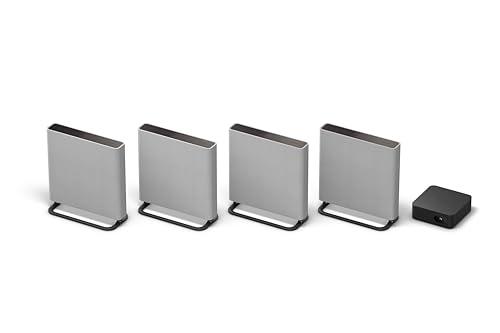
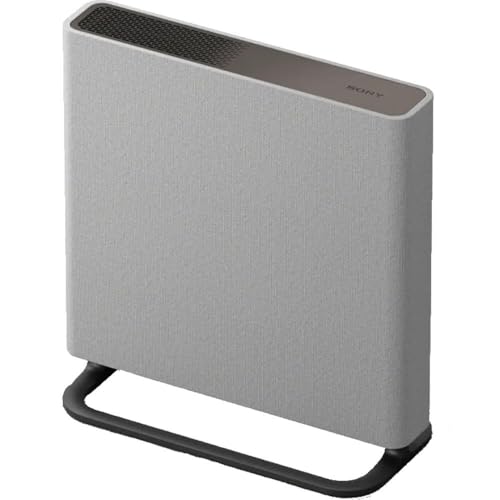
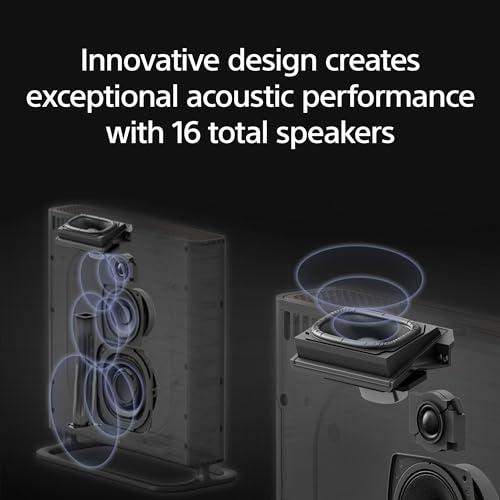
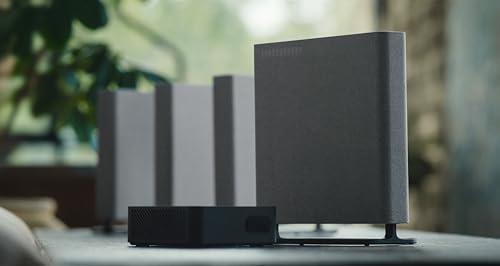
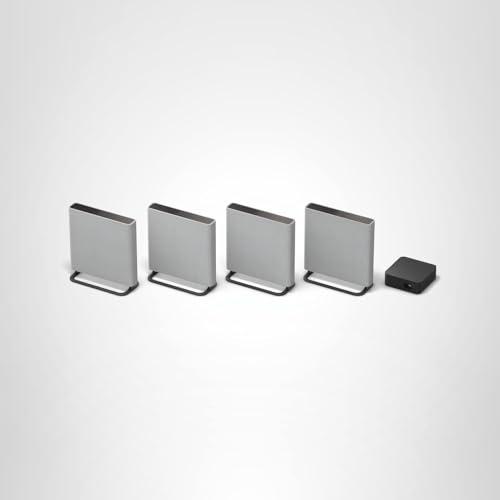
The Sony HT-A9M2 takes what I consider the more intuitive approach: if you want surround sound, use multiple speakers placed around the room. This system consists of four identical wireless satellite speakers, each containing four individual drivers. When you hear a helicopter moving from left to right in a movie, it's actually moving between real speakers positioned around your space.
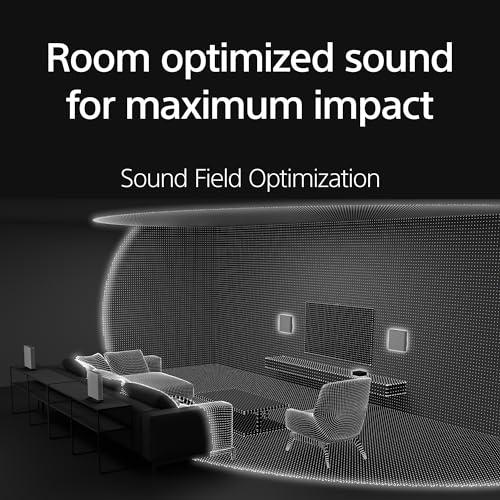
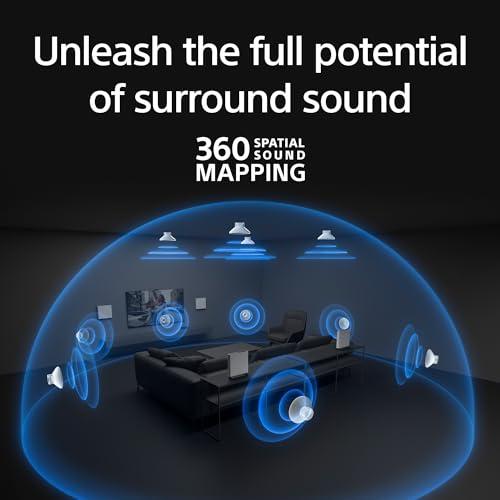
Each satellite speaker packs impressive technology. The X-Balanced Speaker Units use rectangular diaphragms instead of traditional round ones, which allows for more cone area in the same enclosure space. This translates to clearer vocals and punchier bass without the distortion you'd typically expect from compact drivers. The system's 360 Spatial Sound Mapping then creates "phantom speakers" by bouncing sound off your walls and ceiling, effectively making it seem like you have 12 speakers when you only have four.
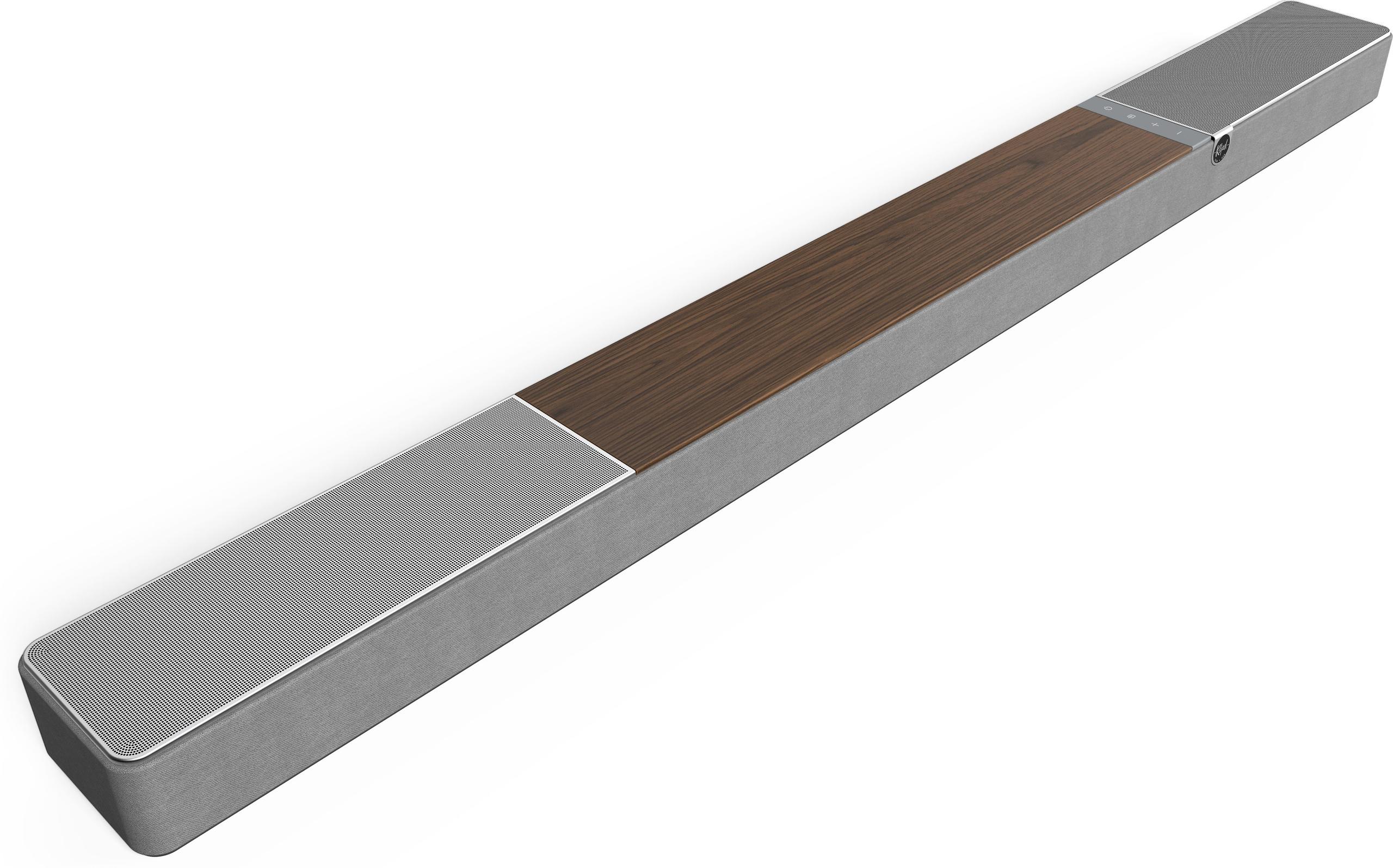
The Klipsch Flexus Core 300 represents the opposite philosophy: use sophisticated processing and room correction to make one soundbar perform like a full speaker array. At 54 inches wide and containing 13 individual drivers, this isn't your typical soundbar. Four built-in subwoofers handle the low-end punch, while dedicated up-firing and side-firing drivers create the surround and height effects.
The real innovation here is Dirac Live room correction technology—the first time this professional-grade system has appeared in a consumer soundbar. Dirac Live analyzes your room's acoustics using an included microphone and then adjusts both the volume (magnitude) and timing (phase) of different frequencies to compensate for your room's quirks. If your room makes bass sound boomy, Dirac Live tames it. If dialogue gets muddy due to reflections, it clarifies it.
In our analysis of professional reviews and user feedback, the Sony HT-A9M2 consistently delivers superior spatial immersion. This makes sense when you consider the physics: having actual speakers positioned around your room creates genuine surround sound. When a car races from the front-left to the rear-right in an action movie, you're hearing it move between actual speakers in those positions.
The system's Sound Field Optimization automatically calibrates the speakers to your room, measuring distances and acoustic reflections to create optimal phantom speaker positioning. This flexibility is remarkable—you don't need to place the speakers in perfect positions for the system to work effectively. Even in irregularly shaped rooms or with furniture obstructions, the spatial mapping technology adapts.
However, the Klipsch Flexus Core 300 shouldn't be underestimated. Its combination of physical up-firing drivers and sophisticated processing creates convincing overhead effects. The side-firing drivers project sound toward your walls, creating reflections that simulate surround speakers. While this approach relies more on your room's acoustics, the Dirac Live calibration helps optimize these reflections for your specific space.
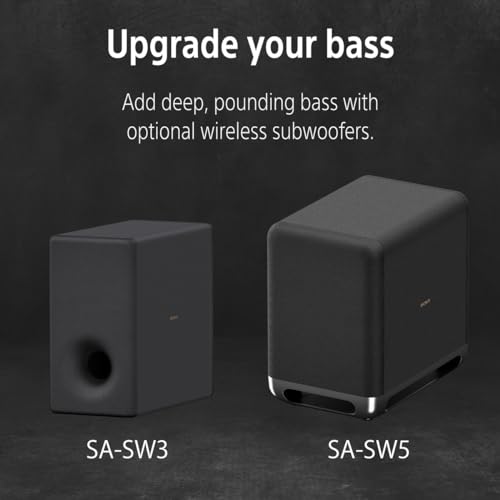
This is where the fundamental design differences become most apparent. The Sony HT-A9M2 distributes its bass across the four satellite speakers using those X-Balanced drivers. While this creates a more even bass distribution throughout the room, professional reviews consistently note that the system really benefits from adding one of Sony's compatible wireless subwoofers for full-range impact.
The Klipsch Flexus Core 300, conversely, includes four built-in subwoofers right in the soundbar. This provides immediate, satisfying bass without requiring additional purchases. The bass drivers are perfectly time-aligned with the rest of the system since they're in the same enclosure, eliminating the phase and timing issues that can occur with separate subwoofers.
For action movies and gaming, this difference is significant. The Klipsch system delivers that visceral impact you feel in your chest during explosions, while the Sony system excels at creating bass that seems to come from the appropriate direction in the soundstage.
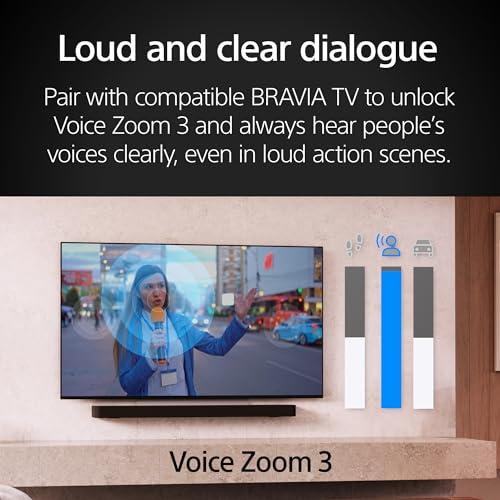
Dialogue clarity represents another area where the systems' different approaches shine through. The Sony HT-A9M2 uses a phantom center channel, processing center audio across the front speakers to create the illusion of a center speaker. Sony's Voice Zoom 3 technology uses AI to identify and enhance dialogue in the mix, which works remarkably well according to user reports.
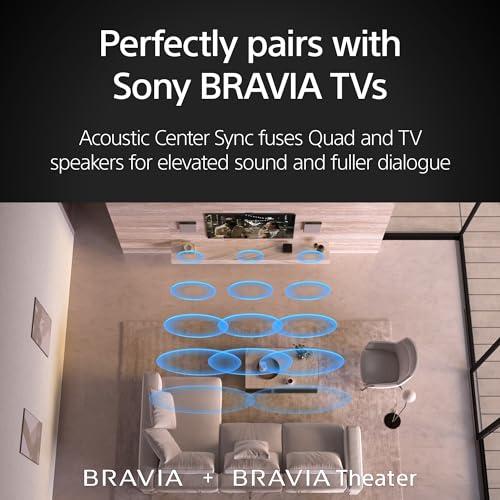
When paired with compatible Sony BRAVIA TVs, the system can use Acoustic Center Sync, turning your TV's speakers into a physical center channel. This anchors dialogue directly to the screen, which many users find more natural than phantom center processing.
The Klipsch Flexus Core 300 takes a more traditional approach with a dedicated center channel featuring Klipsch's signature horn-loaded tweeter. Horn loading increases efficiency and reduces distortion, making voices sound clearer and more natural at any volume level. The system's Dialog mode further enhances speech intelligibility, making it easier to follow conversations without constantly adjusting the volume.
Both systems offer automatic room calibration, but they work differently. The Sony HT-A9M2 focuses on optimizing spatial placement and phantom speaker positioning. It measures your room and adjusts the 360 Spatial Sound Mapping to work best with your specific space and speaker placement.
The Klipsch Flexus Core 300 goes deeper with Dirac Live, which corrects the actual frequency response of your room. This is the same technology used in high-end AV receivers costing thousands of dollars. The included Limited Bandwidth license corrects frequencies up to 500 Hz, though you can upgrade to full-range correction for the complete frequency spectrum.
Having experienced rooms with significant acoustic challenges, I find this distinction important. Sony's approach works better for placement flexibility and creating immersive effects in difficult spaces. Klipsch's approach provides more precise tonal accuracy, which becomes especially noticeable with music listening.
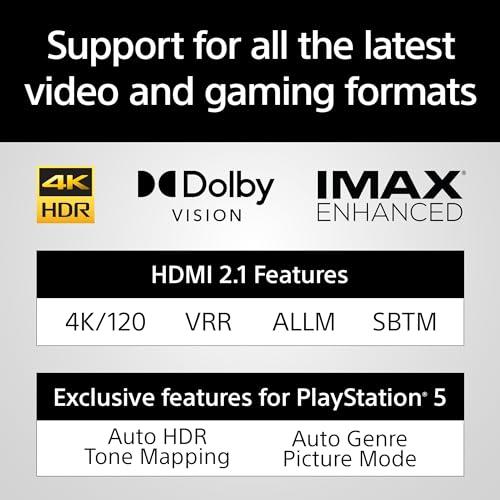
The Sony HT-A9M2 shows its PlayStation heritage with specific PS5 optimizations. Auto HDR Tone Mapping and Auto Genre Picture Mode automatically adjust both audio and video settings based on the content type. Support for Variable Refresh Rate (VRR) and Auto Low Latency Mode (ALLM) ensures smooth, responsive gaming without audio-video sync issues.
For competitive gaming, the system's precise spatial audio can provide legitimate advantages. In games like Call of Duty or Fortnite, being able to accurately locate enemy footsteps or gunfire can mean the difference between victory and defeat.
The Klipsch Flexus Core 300 handles modern gaming formats through HDMI 2.1 passthrough but lacks the specialized gaming features. Its strength lies more in traditional home theater applications and music listening.
Modern home theater systems need to handle more than just movie audio. The Klipsch Flexus Core 300 excels here with comprehensive streaming support including AirPlay 2, Google Cast, Spotify Connect, and Tidal Connect. The Klipsch Connect Plus app provides complete control over the system, including EQ settings and the Dirac Live calibration process.
The Sony HT-A9M2 offers more limited streaming options but focuses on audio quality. Its Bluetooth 5.2 implementation includes LDAC support, which can transmit high-resolution audio wirelessly—something many competing systems can't match.
The Sony HT-A9M2 works best in medium to large rooms where the spatial mapping technology has space to create its phantom speakers. You'll need four power outlets and a wireless environment that can handle multiple high-bandwidth audio streams without interference. Sony improved the wireless reliability significantly over the original HT-A9, implementing dual antennas and frequency hopping to prevent dropouts.
The Klipsch Flexus Core 300 adapts better to smaller spaces and simpler setups. Its 54-inch width requires appropriate TV stand space, but the single-unit design eliminates complex placement considerations. The optional wireless subwoofer and surrounds allow for expansion when your room or budget permits.
This consideration often gets overlooked but can significantly impact long-term satisfaction. The Sony HT-A9M2 already includes its complete speaker array, so expansion mainly involves adding Sony's compatible wireless subwoofers. The system is designed to work as a complete package from day one.
The Klipsch Flexus Core 300 follows a more modular approach. You can start with just the soundbar and add the Flexus Sub 200 subwoofer and Flexus Surr 200 wireless surrounds as your budget allows or your needs evolve. This flexibility appeals to many buyers who prefer to spread their investment over time.
At the time of writing, these systems occupy different price tiers, with the Sony HT-A9M2 positioned as the premium option and the Klipsch Flexus Core 300 offering more accessible pricing. However, total system cost depends on your expansion choices.
The Sony system's higher initial investment gets you a complete 4.0.4 speaker array immediately, but most users will want to add a subwoofer for full-range performance. The Klipsch system costs less upfront and includes built-in bass, but expanding to full surround sound requires additional purchases.
Consider the Dirac Live technology in the Klipsch Flexus Core 300 as a significant value-add. This calibration system typically costs several hundred dollars as a standalone upgrade in other products, making it essentially free here.
Based on comprehensive analysis of professional reviews and user feedback, several patterns emerge. Users consistently praise the Sony HT-A9M2 for its immersive experience and natural surround effects, but many note the need for a subwoofer to achieve full satisfaction. The system excels at creating that "bubble" of sound where effects seem to come from all around and above you.
The Klipsch Flexus Core 300 receives high marks for immediate satisfaction and impressive bass output without additional components. Users particularly appreciate the dialogue clarity and the effectiveness of the Dirac Live calibration in problem rooms.
Both systems handle Dolby Atmos content well, but they approach height effects differently. The Sony system's distributed approach creates more convincing overhead effects in larger spaces, while the Klipsch system's dedicated up-firing drivers work better in rooms with standard 8-10 foot ceilings.
Choose the Sony HT-A9M2 if you have a medium to large room and prioritize authentic surround sound immersion. This system works best for dedicated home theater spaces where you can position the speakers optimally and aren't concerned about the higher investment. Gaming enthusiasts, particularly PlayStation 5 owners, will appreciate the specialized features and precise spatial audio.
The Klipsch Flexus Core 300 makes more sense for most living room situations where convenience and immediate satisfaction matter more than ultimate performance. Its superior streaming integration, built-in bass, and professional room correction provide excellent value. This system particularly appeals to those who want premium features without the complexity or those planning to build their system gradually.
Consider your room acoustics carefully. If you have a challenging space with lots of hard surfaces or an irregular shape, the Sony system's spatial mapping technology might work better. If you have a more typical rectangular room, the Klipsch system's Dirac Live correction can work wonders for tonal accuracy.
Both systems represent significant steps forward in home theater technology, bringing professional-grade features to consumer products. Your choice ultimately depends on whether you prioritize authentic spatial immersion or sophisticated signal processing, and whether you prefer immediate satisfaction or are willing to invest more for ultimate performance.
The home theater audio landscape continues evolving rapidly, but both the Sony HT-A9M2 and Klipsch Flexus Core 300 represent mature, well-executed approaches that should provide years of enjoyment. Choose based on your room, your priorities, and your patience for the setup process—either way, you'll be getting a substantial upgrade over basic TV audio.
| Sony HT-A9M2 BRAVIA Theater Quad | Klipsch Flexus Core 300 |
|---|---|
| System Architecture - Determines audio immersion quality and setup complexity | |
| 4.0.4-channel with four wireless satellite speakers (16 total drivers) | 5.1.2-channel single soundbar with 13 drivers plus optional wireless expansion |
| Total Power Output - Affects maximum volume and dynamic range | |
| 504W across 16 channels with S-Master HX digital amplification | 385W combined (185W soundbar + 200W wireless subwoofer) |
| Bass Performance - Critical for action movies and gaming impact | |
| X-Balanced drivers in satellites (subwoofer highly recommended) | Four built-in 4-inch subwoofers provide immediate bass authority |
| Room Calibration Technology - Optimizes sound for your specific space | |
| 360 Spatial Sound Mapping with Sound Field Optimization | Dirac Live room correction (first soundbar with this pro-grade tech) |
| Physical Design - Impacts placement flexibility and room aesthetics | |
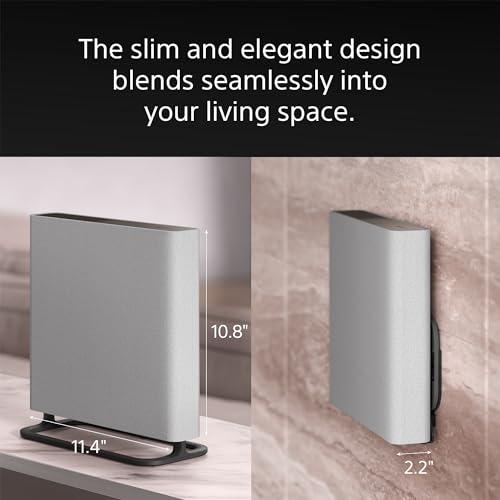
| Four separate wireless speakers (11" x 11" x 2" each) | Single 54" soundbar (3" high) with optional wireless components |
| Gaming Features - Important for console and PC gaming | |
| PS5 optimization, VRR, ALLM, Auto HDR Tone Mapping | Basic HDMI 2.1 passthrough, no specialized gaming features |
| Streaming Capabilities - Affects daily music listening convenience | |
| Limited: Spotify Connect, AirPlay 2, LDAC Bluetooth | Comprehensive: AirPlay 2, Google Cast, Spotify, Tidal, QPlay Connect |
| Expandability - Determines future upgrade options | |
| Compatible wireless subwoofers only (SA-SW3, SA-SW5) | Full modular system: wireless surrounds and subwoofers available |
| Center Channel - Affects dialogue clarity in movies and TV | |
| Phantom center with Voice Zoom 3 AI enhancement | Dedicated horn-loaded tweeter for superior vocal intelligibility |
| Setup Complexity - Time and effort required for optimal performance | |
| Four speaker placement + wireless calibration | Single soundbar placement + automatic Dirac Live calibration |
| Best Room Size - Where each system performs optimally | |
| Medium to large rooms (spatial mapping needs reflection space) | Small to medium rooms (single soundbar coverage area) |
| Unique Advantage - What sets each system apart | |
| Authentic multi-directional surround with true speaker separation | Professional room correction technology in consumer soundbar |
The Sony HT-A9M2 delivers superior home theater immersion with four wireless speakers creating authentic surround sound, while the Klipsch Flexus Core 300 offers excellent convenience with built-in subwoofers and professional room correction in a single soundbar. Choose Sony for true multi-speaker surround or Klipsch for simpler setup with immediate bass impact.
The Sony HT-A9M2 uses four separate wireless speakers placed around your room for genuine surround sound, while the Klipsch Flexus Core 300 is a single advanced soundbar that uses processing and multiple drivers to simulate surround effects. Sony prioritizes authentic spatial audio, while Klipsch focuses on convenience and room correction technology.
The Klipsch Flexus Core 300 has significantly better built-in bass with four integrated subwoofers in the soundbar. The Sony HT-A9M2 relies on smaller drivers in its satellite speakers and really benefits from adding a compatible wireless subwoofer for full bass impact.
The Klipsch Flexus Core 300 is much easier to set up - just place the soundbar and run automatic Dirac Live calibration. The Sony HT-A9M2 requires positioning four wireless speakers around your room and finding power outlets for each, though its calibration system is very forgiving of imperfect placement.
The Sony HT-A9M2 is specifically optimized for PlayStation 5 with features like Auto HDR Tone Mapping, Variable Refresh Rate support, and precise spatial audio for competitive gaming. The Klipsch Flexus Core 300 handles gaming audio well but lacks specialized gaming features.
The Sony HT-A9M2 works best in medium to large rooms where its 360 Spatial Sound Mapping can use wall reflections effectively. Small rooms may not provide enough space for optimal phantom speaker placement, making the Klipsch Flexus Core 300 a better choice for compact spaces.
Both excel at dialogue but differently - the Klipsch Flexus Core 300 uses a dedicated horn-loaded center channel tweeter for exceptional vocal clarity, while the Sony HT-A9M2 uses AI-powered Voice Zoom 3 technology and can work with Sony TVs for Acoustic Center Sync to anchor dialogue to the screen.
The Klipsch Flexus Core 300 offers more expansion flexibility with optional wireless surrounds and subwoofers in the Flexus ecosystem. The Sony HT-A9M2 can add compatible wireless subwoofers but already includes its complete four-speaker array from the start.
The Klipsch Flexus Core 300 typically offers better initial value with its lower entry cost, built-in bass, and included professional room correction technology. The Sony HT-A9M2 costs more upfront but delivers a complete 4.0.4 speaker system that many consider superior for authentic surround sound.
The Klipsch Flexus Core 300 excels at music with comprehensive streaming options (AirPlay 2, Google Cast, Spotify Connect) and precise room correction. The Sony HT-A9M2 offers high-quality LDAC Bluetooth and 360 Reality Audio support but fewer streaming conveniences.
The Klipsch Flexus Core 300 works equally well with any TV brand through HDMI eARC or optical connection. While the Sony HT-A9M2 functions with any TV, you'll miss features like Acoustic Center Sync that only work with compatible Sony BRAVIA models.
The Klipsch Flexus Core 300 features Dirac Live room correction - the first soundbar with this professional-grade technology that corrects both frequency response and timing. The Sony HT-A9M2 uses Sound Field Optimization that focuses on optimizing spatial placement and phantom speaker positioning for your specific room layout.
We've done our best to create useful and informative comparisons to help you decide what product to buy. Our research uses advanced automated methods to create this comparison and perfection is not possible - please contact us for corrections or questions. These are the sites we've researched in the creation of this article: bestbuy.com - whathifi.com - whathifi.com - youtube.com - rtings.com - audiosciencereview.com - bhphotovideo.com - skybygramophone.com - sony.com - manuals.plus - audioadvice.com - dell.com - valueelectronics.com - youtube.com - merlinstv.com - videoandaudiocenter.com - electronics.sony.com - sony.com - bestbuy.com - beachcamera.com - sony.com - win.consulting - sony.com - crutchfield.com - whathifi.com - avnirvana.com - hometechnologyreview.com - ecoustics.com - gearpatrol.com - klipsch.com - avsforum.com - youtube.com - avsforum.com - listenup.com - chowmain.software - klipsch.com - novis.ch - avsforum.com - klipsch.ca - lefflers.se - abt.com - sweetwater.com - wifihifi.com - klipsch.com - dirac.com

Privacy Policy
Terms and Conditions - Affiliate Policy
Home Security
© Copyright 2008-2026.
11816 Inwood Rd #1211, Dallas, TX 75244