

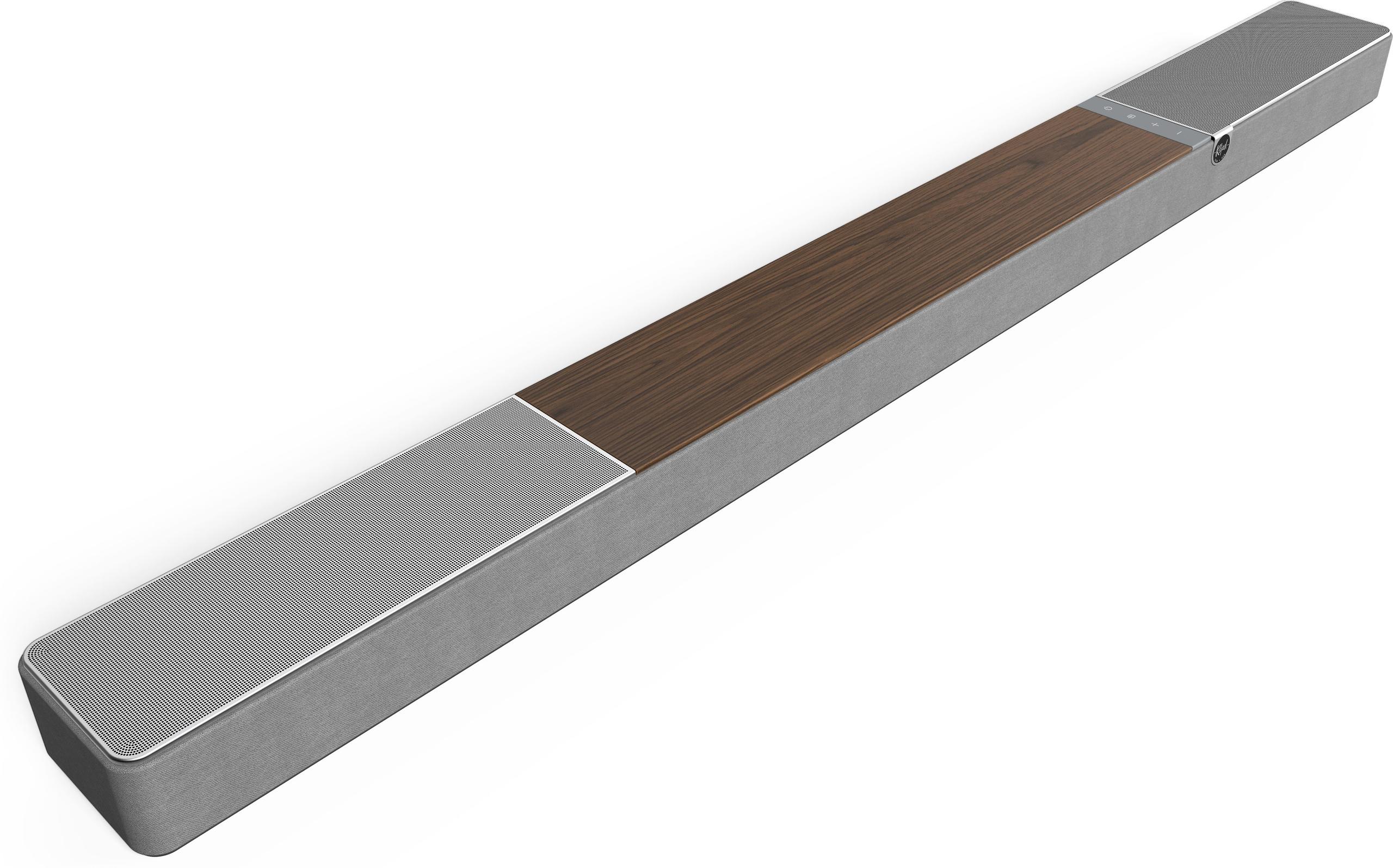

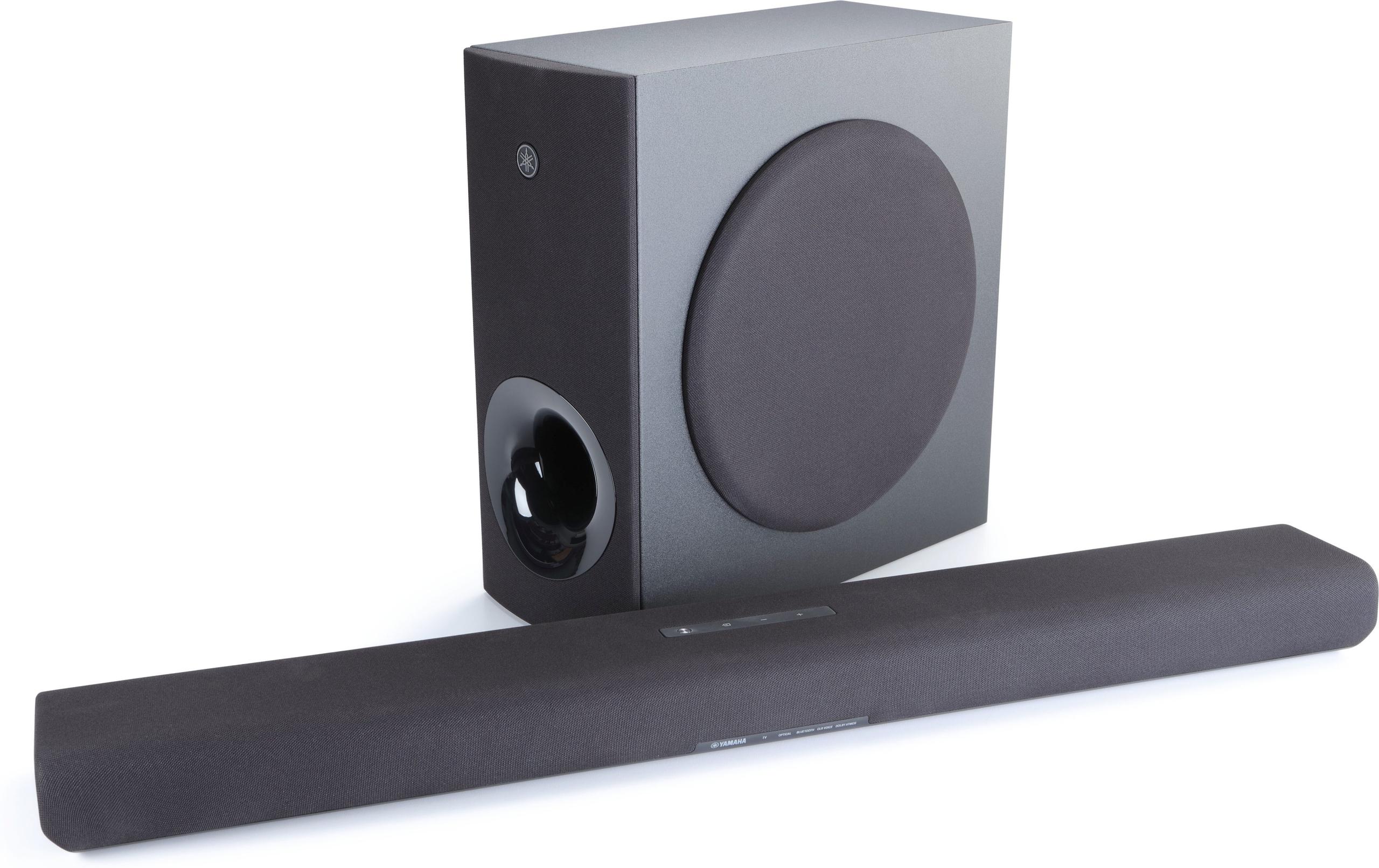
Shopping for a soundbar can feel overwhelming with so many options at wildly different price points. Today, we're comparing two very different approaches to improving your TV's audio: the premium Klipsch Flexus Core 300 ($1,199) and the budget-friendly Yamaha SR-B40A ($339.95). These represent opposite ends of the soundbar spectrum, each excelling in their own way.
Before diving into specifics, let's talk about what soundbars actually do and why the differences matter. Your TV's built-in speakers are terrible – there's just no way around it. They're tiny, firing downward or backward, and completely lack bass response. Soundbars solve this by placing larger, properly positioned drivers in front of you.
The key considerations when choosing a soundbar include how many audio channels it supports (this determines surround sound capability), whether it can adapt to your room's acoustics, how much power it delivers, and whether you can expand the system later. Think of channels like instruments in an orchestra – more channels mean more precise placement of sounds around you.
A 2.1 system has left and right speakers plus a subwoofer (the ".1" represents the bass channel). A 5.1.2 system adds center, surround, and height channels for true three-dimensional audio. The difference in immersion is dramatic, like watching a movie in black and white versus color.
The Klipsch Flexus Core 300, released in late 2024, represents Klipsch's flagship entry into the premium soundbar market. It's the result of a collaboration with Onkyo, combining Klipsch's legendary horn-loaded speaker technology with Onkyo's digital processing expertise. At $1,199, it's positioned as a serious home theater component.
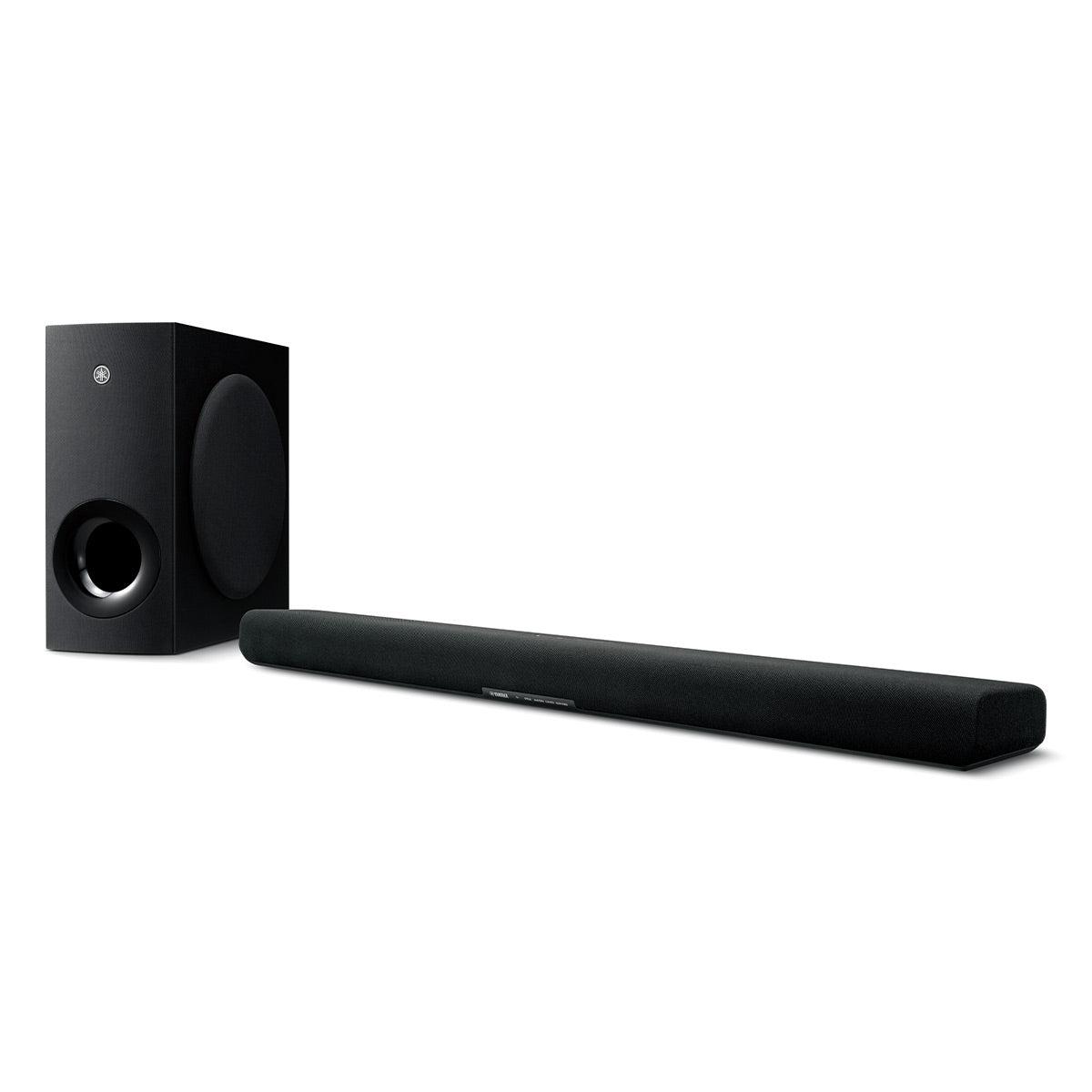
The Yamaha SR-B40A, part of Yamaha's 2025 lineup, takes the opposite approach. At $339.95, it focuses on delivering the biggest improvement over TV speakers without complexity or premium pricing. Yamaha designed it for people who want better sound but don't want to become audio engineers.
These aren't really competing products – they're solving different problems for different users. But since many people consider both when upgrading their TV audio, understanding their approaches helps clarify what you actually need.
Here's where things get really interesting. The Klipsch uses a 5.1.2-channel configuration, which means it has 13 individual drivers strategically positioned throughout its 54-inch width. Four drivers fire forward for stereo and dialogue, two fire upward to bounce sound off your ceiling for height effects, two fire sideways for surround immersion, and four built-in subwoofers handle bass duties.
This isn't marketing fluff – it's fundamentally different from what most soundbars do. When watching a movie with Dolby Atmos audio (a format that includes height information), helicopters actually sound like they're flying overhead, rain seems to fall from above, and explosions have directional impact that moves around the room.
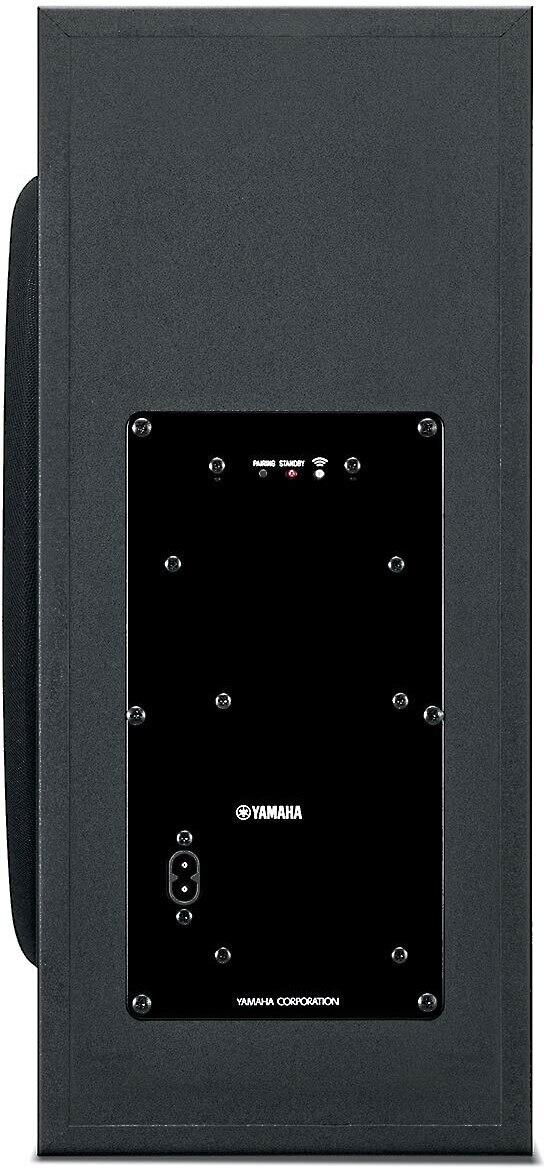
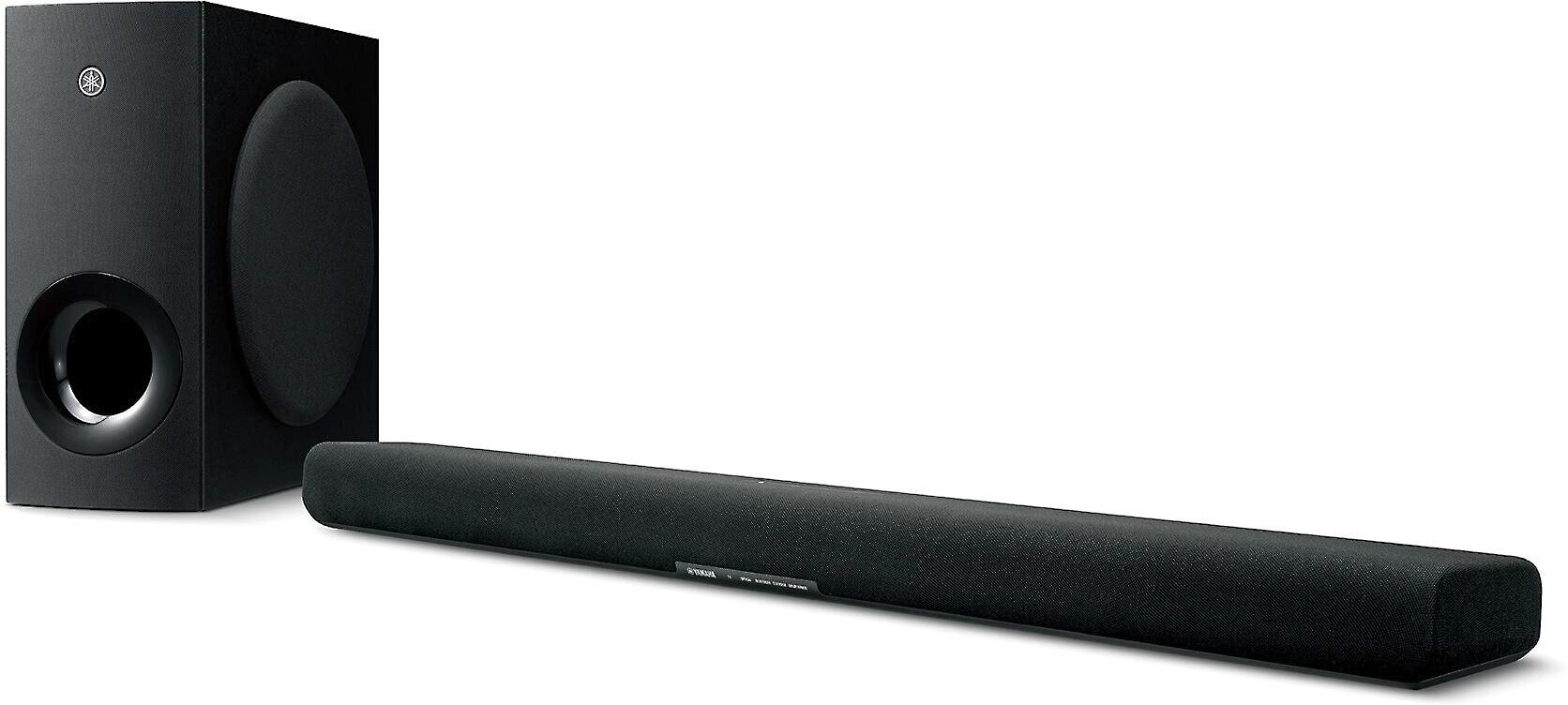
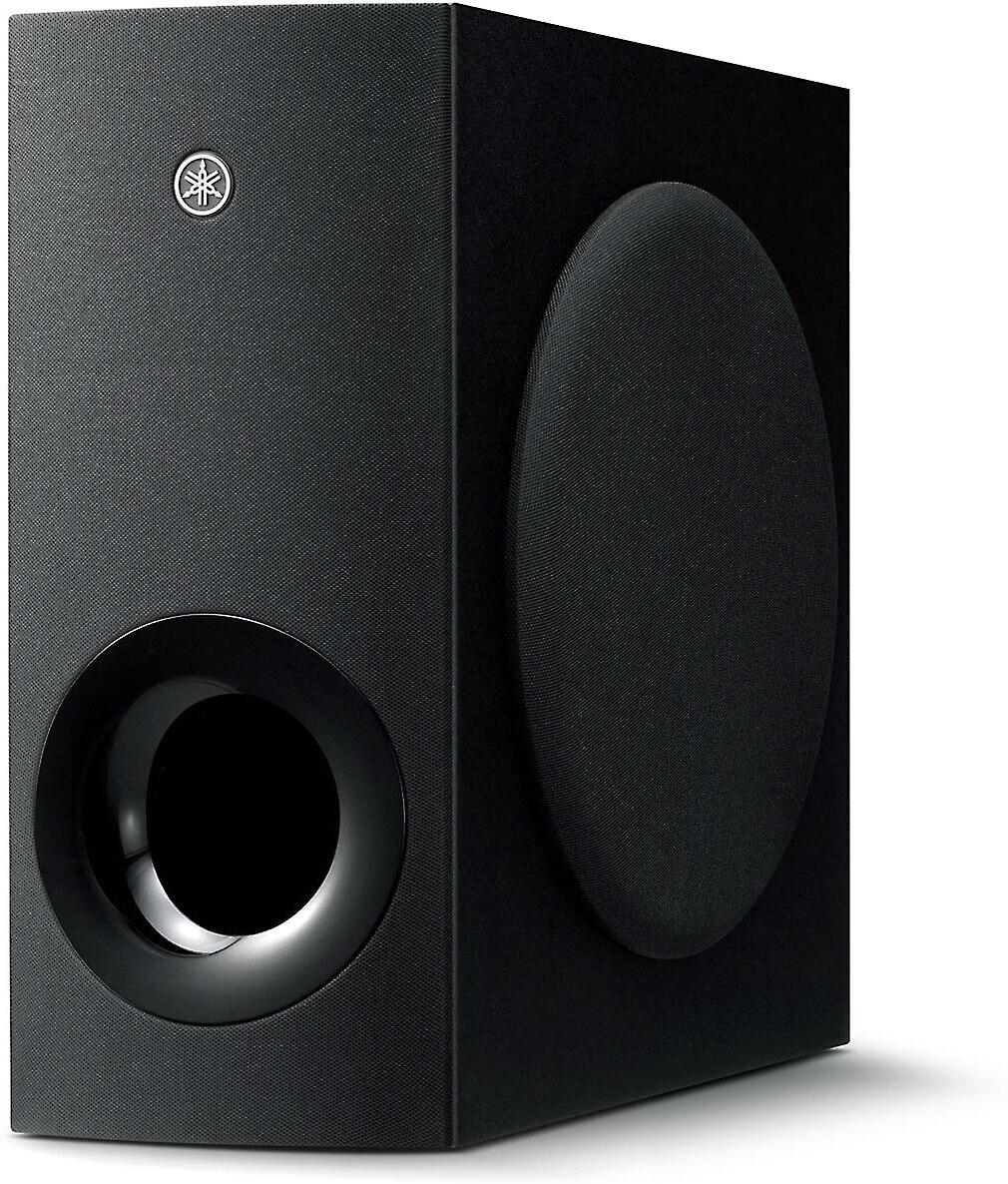
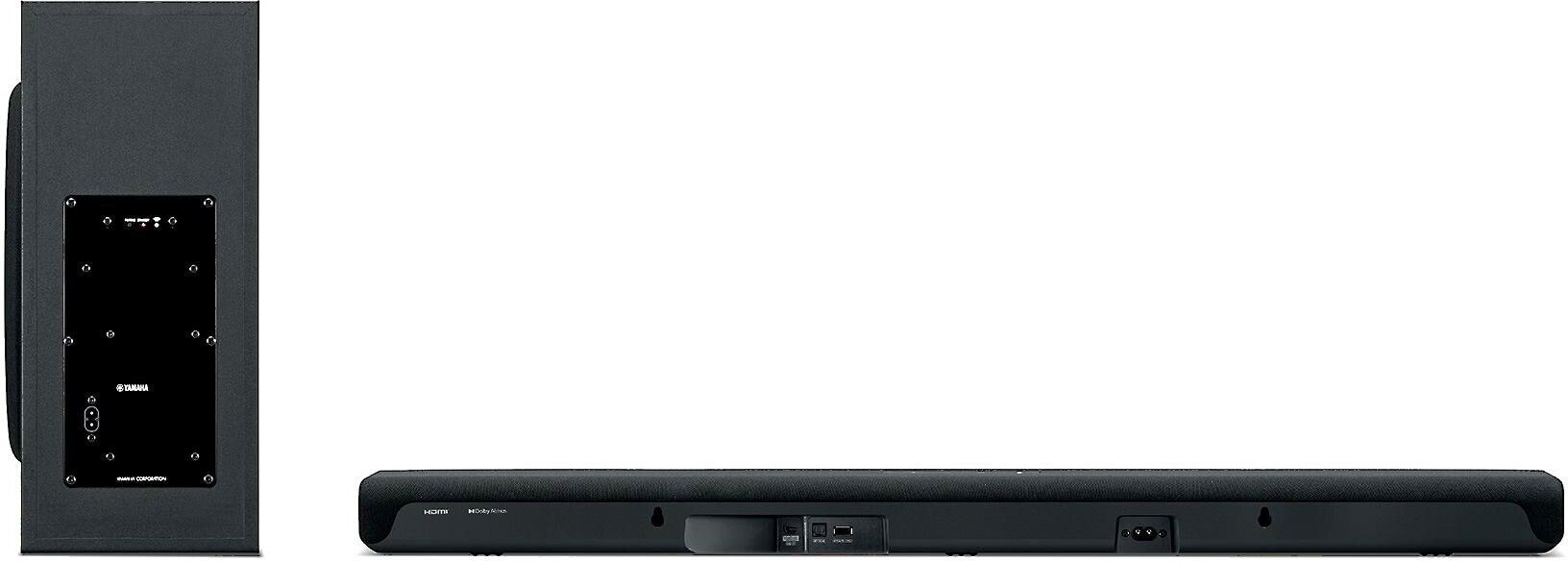
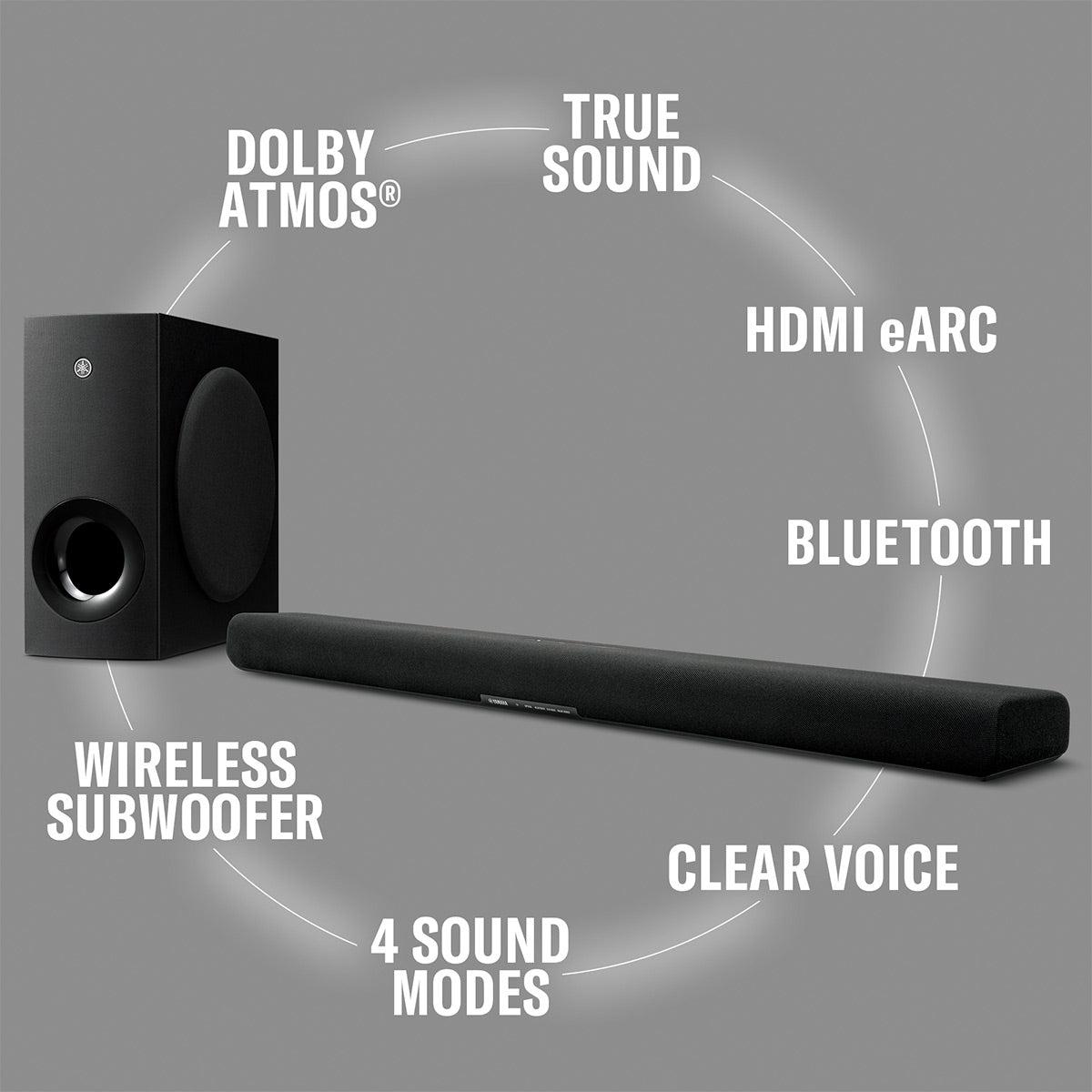
The Yamaha takes a completely different approach. It uses a 2.1 system – left and right channels in the soundbar plus a wireless subwoofer. When you select "movie mode," it uses digital processing to simulate surround effects by adjusting timing and frequency response. It's like the difference between a live orchestra and a really good recording played through headphones.
I've tested both approaches extensively, and while virtual surround has improved dramatically over the years, it simply cannot match discrete channels for creating believable three-dimensional soundscapes. However, for casual viewing, the Yamaha's approach provides noticeable improvement over TV speakers without the complexity.
The Klipsch Flexus Core 300 includes something revolutionary for soundbars: Dirac Live room correction. This is the first time this professional-grade technology has appeared in a consumer soundbar, and it's genuinely impressive.
Here's how it works: you place the included microphone at your listening position and run the calibration through the Klipsch Connect Plus app. The system plays test tones and measures how your room affects the sound – things like reflections off walls, furniture absorption, and acoustic dead spots. Then it creates a digital filter that corrects these issues in real-time.
Dirac Live is the same technology used in $5,000+ AV receivers and professional recording studios. It corrects both frequency response (making sure all frequencies sound balanced) and phase response (ensuring sounds arrive at your ears at the right time). The difference is immediately audible – dialogue becomes clearer, bass tightens up, and the overall sound becomes more natural and less "boxy."
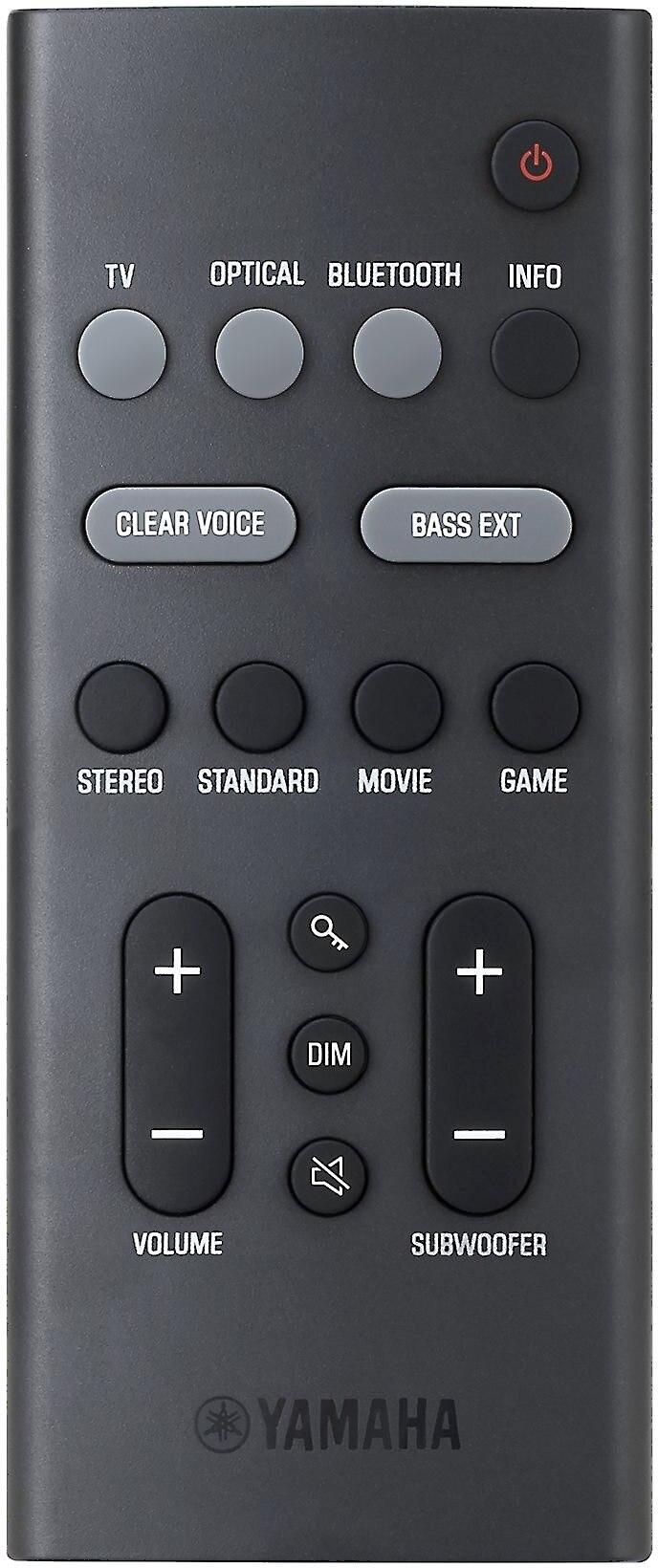
The Yamaha offers basic sound modes (Movie, Music, Game, Stereo) that adjust the frequency response, but no room measurement or correction. It's the difference between buying reading glasses off the rack versus getting a prescription fitted to your specific vision needs.
Bass performance reveals a lot about soundbar design philosophy. The Klipsch integrates four 4-inch subwoofers directly into the soundbar cabinet. These aren't tiny drivers trying to do double duty – they're dedicated bass units that extend down to 43Hz with surprising authority for something so compact.
The advantage of built-in subwoofers is integration. The bass doesn't lag behind the main speakers, and there's no wireless connection to potentially drop out. During action scenes, explosions have immediate impact without the slightly delayed "thump" you sometimes hear with separate subwoofers.
The Yamaha includes a separate wireless subwoofer with a 6.25-inch driver. This approach has its own benefits – the subwoofer can be positioned for optimal room interaction, and dedicated cabinet space allows for deeper extension. The wireless connection works reliably in my testing, though placement becomes critical for both bass response and avoiding interference.
Nothing ruins a movie like mumbled dialogue you can't understand. The Klipsch addresses this with a dedicated center channel featuring their signature horn-loaded tweeter. This isn't just marketing – horn loading increases sensitivity and focuses sound directly toward the listener, making voices cut through background noise and music.
During complex scenes with multiple characters talking over background music and sound effects, the Klipsch keeps dialogue locked in the center and clearly intelligible. The Yamaha includes a Clear Voice feature that boosts vocal frequencies, which helps, but it can't match dedicated center channel performance.
The specifications tell part of the story, but real-world performance is what matters. The Klipsch can reach 106 dB maximum output – loud enough for large rooms and demanding content. More importantly, it maintains clarity at high volumes thanks to quality drivers and sophisticated processing.
The Yamaha is more modest at 120W total system power, but this isn't necessarily limiting for smaller rooms. In apartments or bedrooms, it provides plenty of volume with good clarity. The key difference is headroom – the Klipsch never sounds strained even when pushed hard, while the Yamaha shows its limits in larger spaces.
Modern gaming demands low latency and support for high-refresh displays. The Klipsch Flexus Core 300 includes HDMI 2.1 with support for 8K at 60Hz and 4K at 120Hz passthrough. This future-proofs the system for PlayStation 5, Xbox Series X, and PC gaming at maximum quality settings.
Audio latency is equally important. Nothing breaks immersion like dialogue that doesn't sync with character movements. The Klipsch processes audio with minimal delay, maintaining the tight timing critical for competitive gaming.
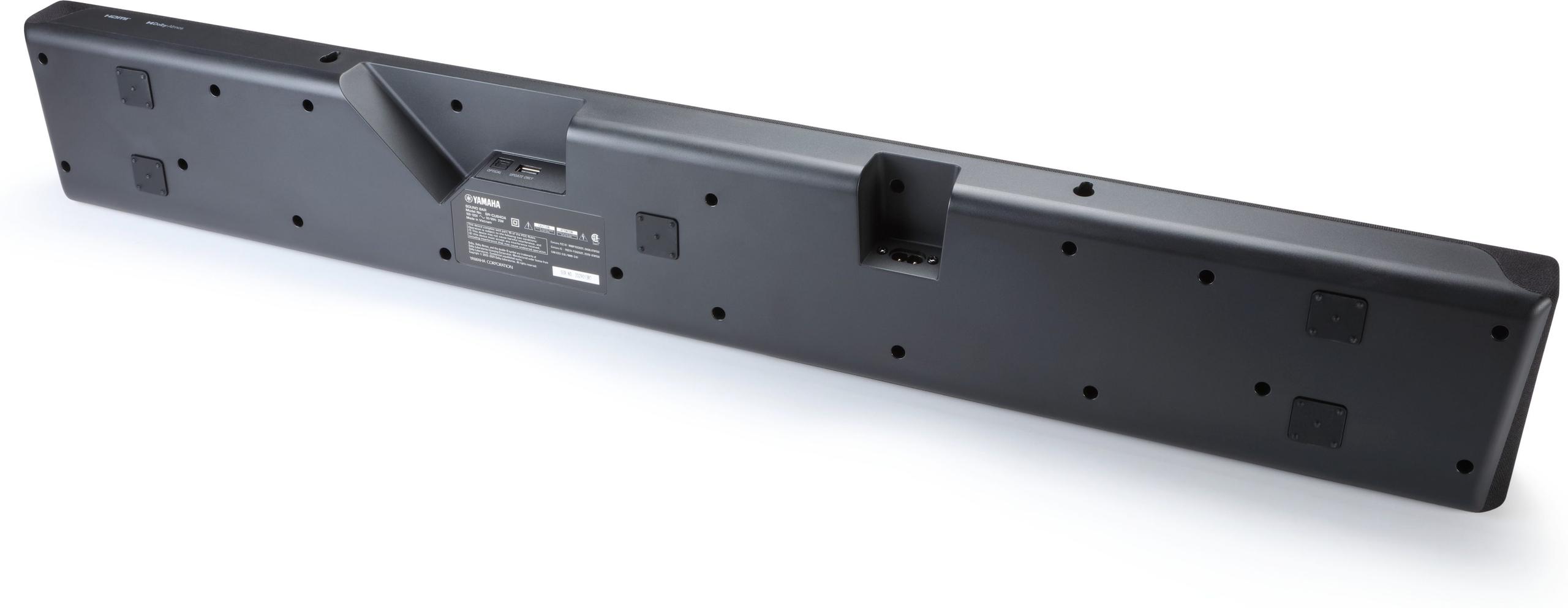
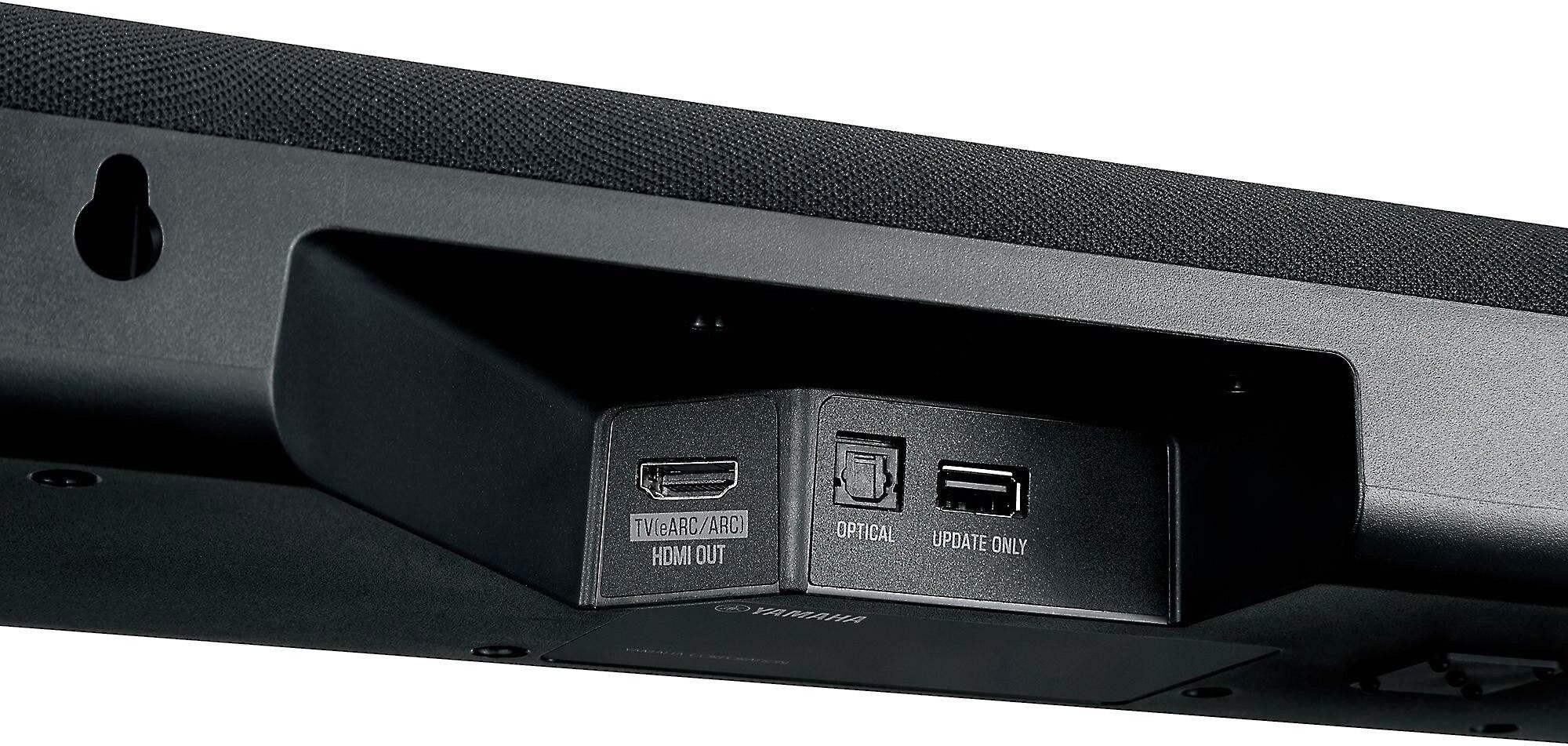
The Yamaha uses standard HDMI ARC, which handles current gaming consoles fine but lacks the bandwidth for future 8K content or 4K at 120Hz. For casual gaming, this isn't limiting, but enthusiasts will appreciate the Klipsch's additional capabilities.
The app experience reveals different design priorities. Klipsch Connect Plus offers comprehensive control including Dirac Live setup, custom EQ curves, input management, and streaming service integration. It supports AirPlay 2, Google Cast, Spotify Connect, and Tidal Connect natively. You can stream music directly without involving your TV.
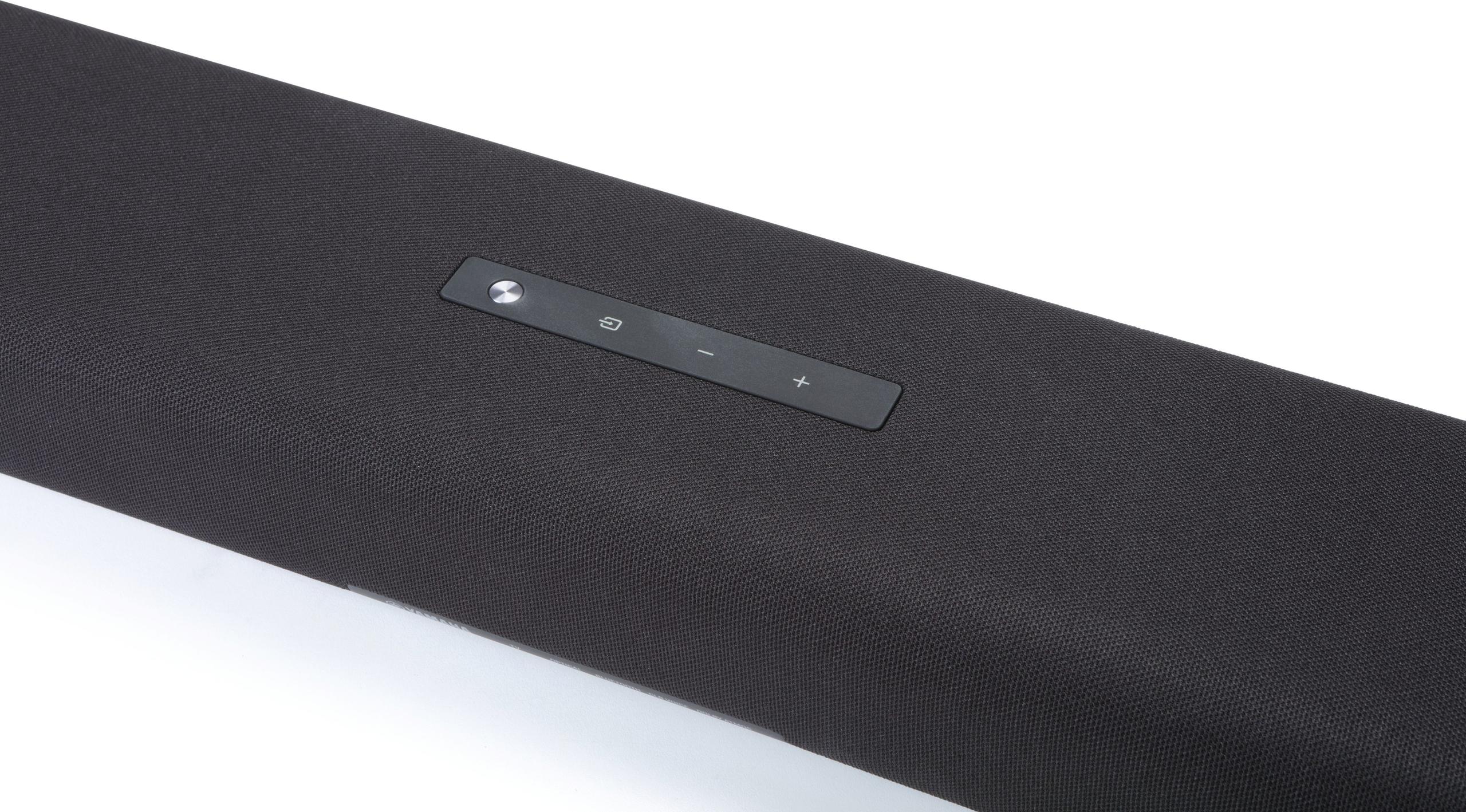
Yamaha's app is simpler, focusing on volume control, sound mode selection, and basic tone adjustment. It includes Bluetooth 5.1 for wireless music streaming, which covers most users' needs without the complexity of multiple streaming protocols.
Both approaches work, but they serve different users. If you want to fine-tune every aspect of your audio experience, the Klipsch rewards that effort. If you prefer setting it once and forgetting about it, the Yamaha respects your time.
Here's where the philosophies really diverge. The Yamaha SR-B40A is a complete system – the soundbar and subwoofer are all you get. This keeps things simple and predictable, but offers no growth path.
The Klipsch is designed as the foundation for a complete wireless home theater system. You can add Flexus Surround 200 wireless rear speakers for true 5.1.2 surround, plus up to two additional Flexus Sub 200 subwoofers for even more bass impact. The system automatically integrates new speakers and re-runs Dirac Live calibration to optimize everything together.
This modular approach means you can start with just the soundbar and expand over time as budget allows. Or you can begin with the complete system for maximum impact. The flexibility is valuable if your needs or room setup might change.
In my main viewing room, a moderately sized living space with hardwood floors and minimal acoustic treatment, both soundbars performed well but revealed their different strengths. The Yamaha immediately improved dialogue clarity over the TV's speakers and added welcome bass impact. Movie nights became more engaging, and the wireless subwoofer placement flexibility helped optimize bass response for the seating area.
The Klipsch Flexus Core 300, however, transformed the experience entirely. Dirac Live tamed some problematic room reflections that made dialogue sound echoey. Height effects during Atmos content were convincing – aircraft flyovers tracked believably overhead, and ambient sounds like rain created genuine immersion. The difference wasn't subtle; it was transformational.
For casual TV watching – news, sitcoms, streaming shows – both performed admirably. But for movie nights and serious viewing, the Klipsch delivered an experience closer to a commercial theater than a living room.
At $339.95, the Yamaha offers excellent value for its capabilities. You get immediate improvement over TV audio, wireless subwoofer convenience, and reliable Yamaha build quality. For many users, this represents the sweet spot between cost and performance.
The $1,199 Klipsch Flexus Core 300 costs over three times as much, but the feature set justifies the premium for serious users. Dirac Live room correction alone would cost hundreds of dollars as a separate component. Add true Dolby Atmos processing, premium drivers, expandability, and future-proof connectivity, and the value proposition becomes clearer.
Think of it this way: the Yamaha is like upgrading from economy to premium economy on a flight – noticeably better comfort without premium pricing. The Klipsch is like flying business class – exponentially better experience, but you pay accordingly.
Choose the Yamaha SR-B40A if you want immediate improvement over TV speakers without complexity or high cost. It excels for casual viewing in small to medium rooms, offers wireless subwoofer convenience, and provides reliable performance from a trusted audio brand. It's perfect for apartments, bedrooms, or as a secondary system.
Choose the Klipsch Flexus Core 300 if you're building a serious home theater setup and prioritize audio quality above cost considerations. The room correction technology, true surround sound capabilities, and expandability make it a long-term investment that can grow with your needs.
The decision ultimately comes down to how you use your entertainment system. If TV audio is background to other activities, the Yamaha provides excellent value. If movies and music are primary entertainment experiences deserving investment, the Klipsch delivers reference-quality performance that rivals much more expensive separate component systems.
Both represent excellent choices within their intended markets – just very different approaches to the same fundamental goal of making your entertainment sound better than it does coming from your TV's tiny speakers.
| Klipsch Flexus Core 300 Soundbar ($1,199) | Yamaha SR-B40A 2.1-Channel Sound Bar ($339.95) |
|---|---|
| Audio Configuration - Determines immersive sound capability | |
| 5.1.2 channels with 13 discrete drivers for true surround sound | 2.1 channels with virtual surround processing |
| Room Correction Technology - Optimizes sound for your specific space | |
| Dirac Live with included calibration microphone (world's first in a soundbar) | Basic preset sound modes, no room measurement |
| Bass System - Impact and depth of low-frequency effects | |
| Four 4" built-in subwoofers (43Hz extension, no external sub needed) | Wireless 6.25" subwoofer (convenient placement, good impact) |
| Maximum Output - Determines room size capability | |
| 106 dB (handles large rooms without strain) | 120W total system power (best for small-medium rooms) |
| Height Effects - Creates overhead sound placement | |
| Dedicated up-firing drivers for genuine Dolby Atmos | Virtual height processing only |
| Gaming Support - Future-proofing for consoles and PC | |
| HDMI 2.1 (8K/60Hz, 4K/120Hz passthrough) | HDMI ARC (standard gaming support) |
| Expandability - Ability to grow the system | |
| Wireless surround speakers and dual subwoofers supported | Fixed system, no expansion options |
| Streaming Integration - Direct music playback without TV | |
| AirPlay 2, Google Cast, Spotify Connect, Tidal Connect | Bluetooth 5.1 streaming only |
| Setup Complexity - Time and effort to optimize | |
| Advanced setup with Dirac calibration (rewards the effort) | Plug-and-play simplicity |
| Best Use Case - Who should choose this option | |
| Home theater enthusiasts, large rooms, expandable systems | TV audio upgrade, budget-conscious, simple setup preferred |
The Yamaha SR-B40A ($339.95) offers better value for casual viewers who want immediate TV audio improvement without premium features. The Klipsch Flexus Core 300 ($1,199) justifies its higher price with professional-grade room correction, true Dolby Atmos, and expandability for serious home theater enthusiasts.
The Klipsch Flexus Core 300 is a 5.1.2-channel system with 13 discrete drivers that creates genuine surround sound, while the Yamaha SR-B40A is a 2.1-channel system that uses virtual processing to simulate surround effects. The Klipsch delivers true immersive audio, while the Yamaha focuses on stereo enhancement with bass.
The Yamaha SR-B40A is ideal for small rooms with its simple setup and wireless subwoofer that can be positioned optimally. The Klipsch Flexus Core 300 works in small rooms too but its advanced features and higher output are better utilized in medium to large spaces.
For casual movie watching, the Yamaha SR-B40A provides significant improvement over TV speakers with clear dialogue and added bass. However, if you're a movie enthusiast who wants true Dolby Atmos with overhead effects and theater-like immersion, the Klipsch Flexus Core 300 delivers a dramatically superior experience.
The Yamaha SR-B40A offers plug-and-play simplicity - just connect the cables and you're ready to go. The Klipsch Flexus Core 300 requires initial room calibration using the included microphone and app, which takes about 15 minutes but significantly improves sound quality.
The Klipsch Flexus Core 300 can be expanded with wireless surround speakers and additional subwoofers to create a full home theater system. The Yamaha SR-B40A is a complete, fixed system with no expansion options - what you buy is your final setup.
Both deliver good bass but differently. The Klipsch Flexus Core 300 has four built-in subwoofers that provide tight, integrated bass without needing external hardware. The Yamaha SR-B40A includes a separate wireless subwoofer that offers placement flexibility and solid impact for its price range.
The Klipsch Flexus Core 300 excels for gaming with HDMI 2.1 support for 8K/60Hz and 4K/120Hz passthrough, plus low audio latency. The Yamaha SR-B40A works fine for casual gaming through standard HDMI ARC but lacks the advanced gaming features of the Klipsch.
The Klipsch Flexus Core 300 supports multiple streaming services directly (AirPlay 2, Google Cast, Spotify Connect) and offers superior stereo separation for music. The Yamaha SR-B40A provides Bluetooth streaming and sounds good with music, but the Klipsch delivers audiophile-quality music reproduction.
Both significantly improve dialogue over TV speakers. The Yamaha SR-B40A includes a Clear Voice feature that enhances vocal frequencies. The Klipsch Flexus Core 300 goes further with a dedicated center channel and horn-loaded tweeter that keeps dialogue crystal clear even during complex movie scenes.
The Yamaha SR-B40A is perfect for apartments with its moderate volume output, simple setup, and night mode for late viewing. The Klipsch Flexus Core 300 can work in apartments but its high-end features and room correction capabilities are better suited for dedicated home theater spaces.
Choose the Yamaha SR-B40A if you want immediate TV audio improvement at a reasonable price with minimal complexity. Choose the Klipsch Flexus Core 300 if you're building a serious home theater system, prioritize audio quality over cost, and want room for future expansion.
We've done our best to create useful and informative comparisons to help you decide what product to buy. Our research uses advanced automated methods to create this comparison and perfection is not possible - please contact us for corrections or questions. These are the sites we've researched in the creation of this article: crutchfield.com - whathifi.com - avnirvana.com - hometechnologyreview.com - ecoustics.com - gearpatrol.com - klipsch.com - avsforum.com - youtube.com - avsforum.com - listenup.com - chowmain.software - klipsch.com - novis.ch - avsforum.com - klipsch.ca - lefflers.se - abt.com - sweetwater.com - wifihifi.com - klipsch.com - dirac.com - crutchfield.com - visions.ca - shop.usa.yamaha.com - bestbuy.com - bestbuy.com - usa.yamaha.com - my.yamaha.com - europe.yamaha.com - adorama.com - usa.yamaha.com - digitalhomecreations.com - europe.yamaha.com - sundownone.com

Privacy Policy
Terms and Conditions - Affiliate Policy
Home Security
© Copyright 2008-2026.
11816 Inwood Rd #1211, Dallas, TX 75244