

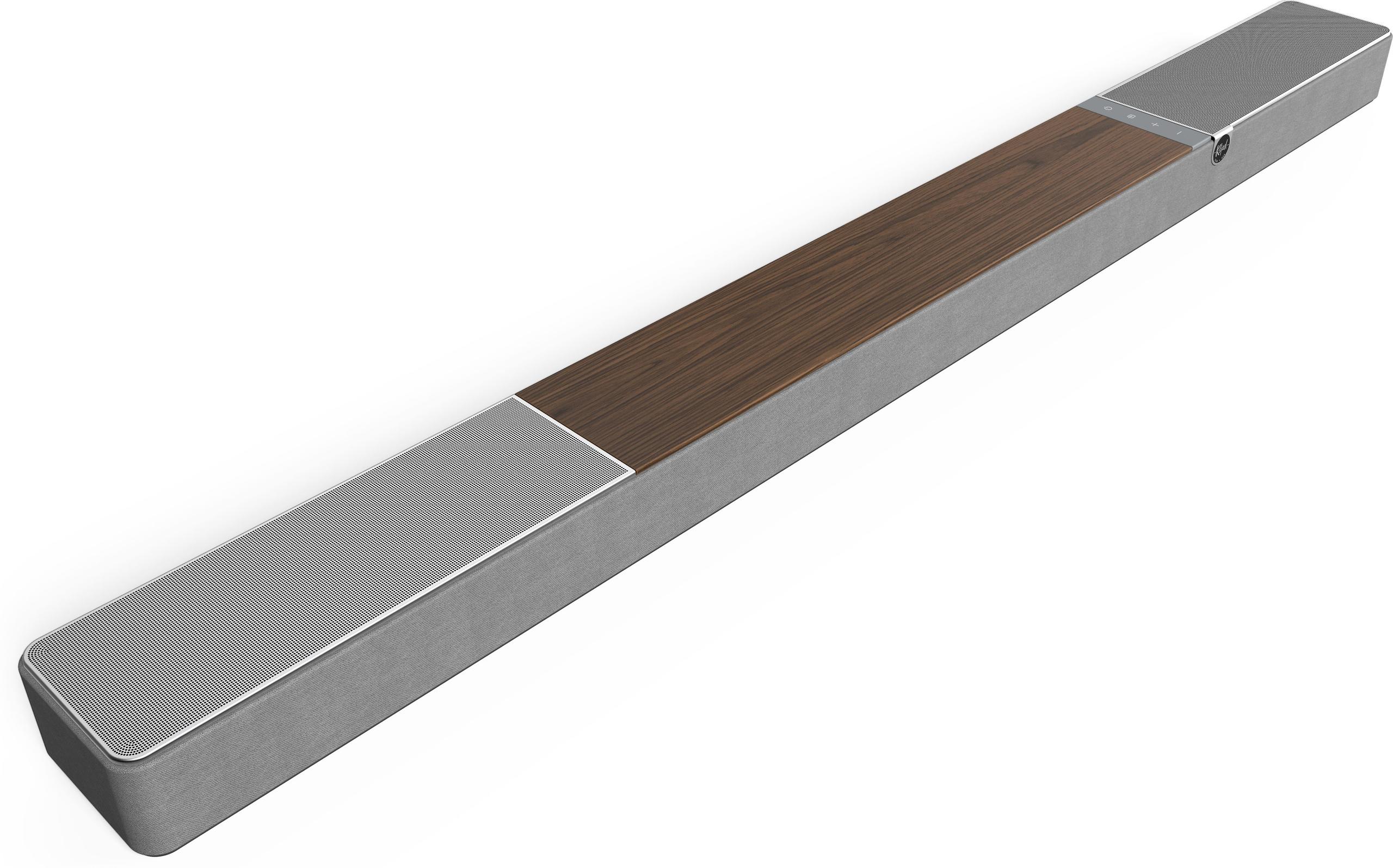
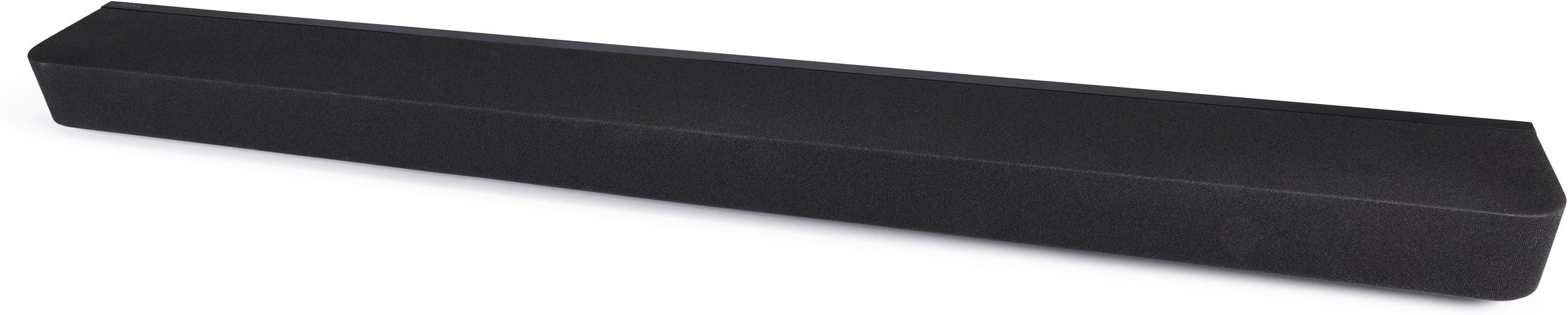
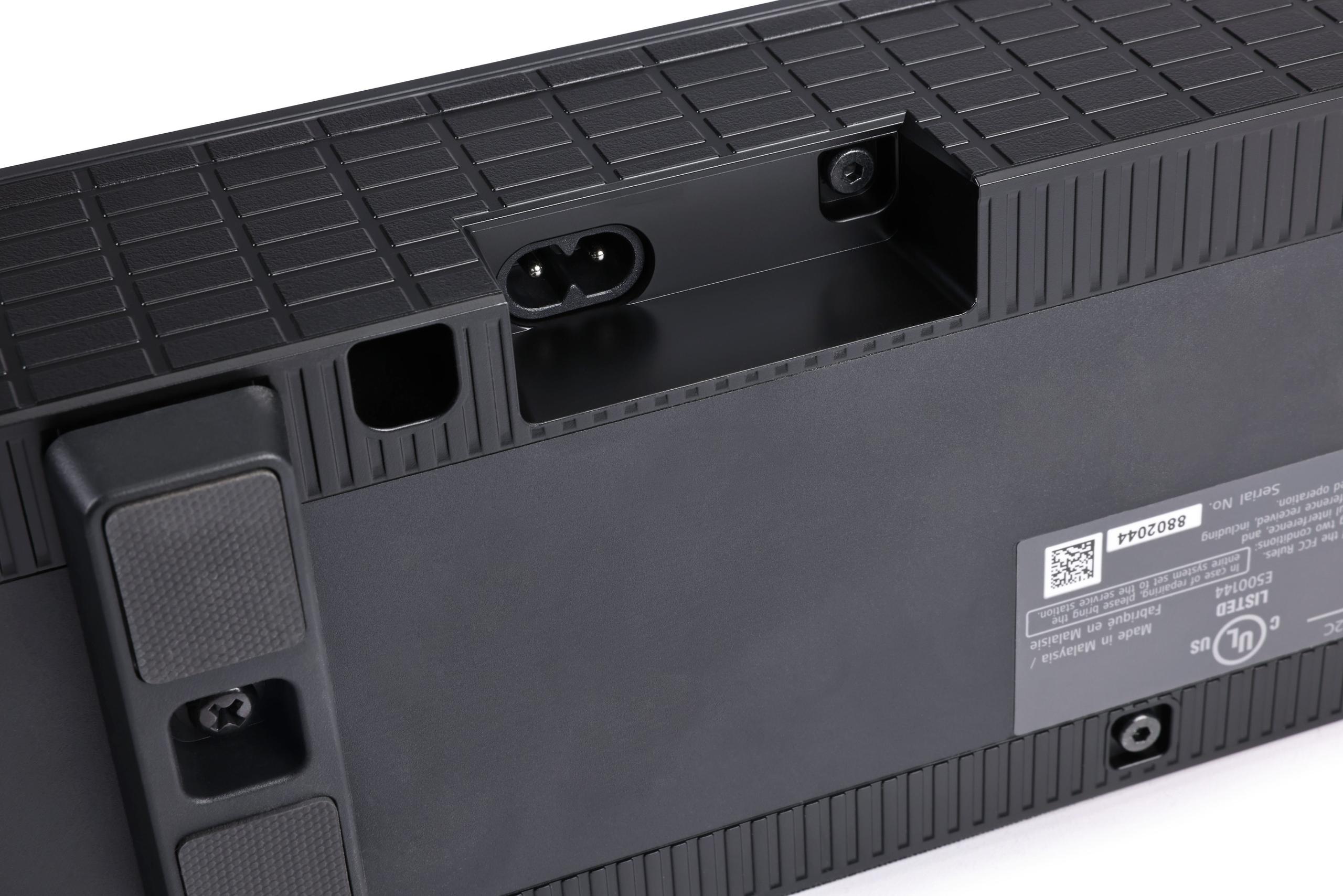
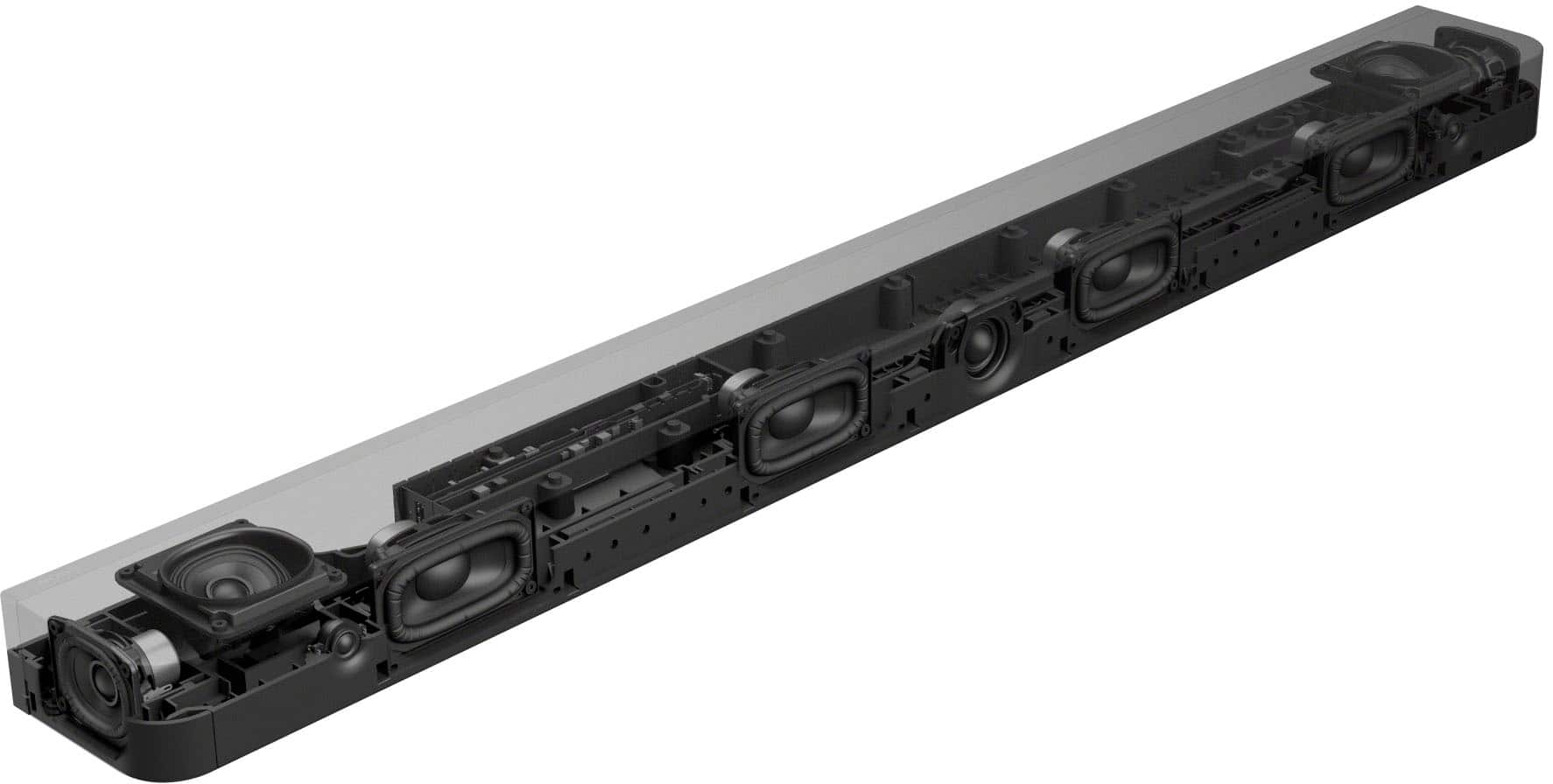
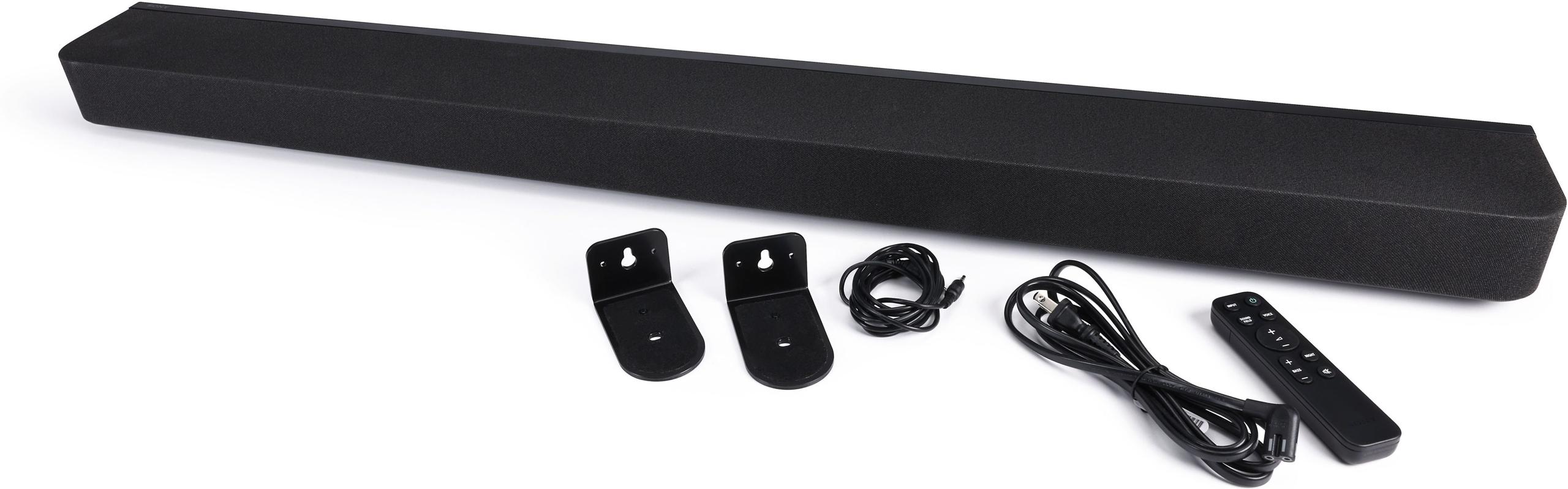

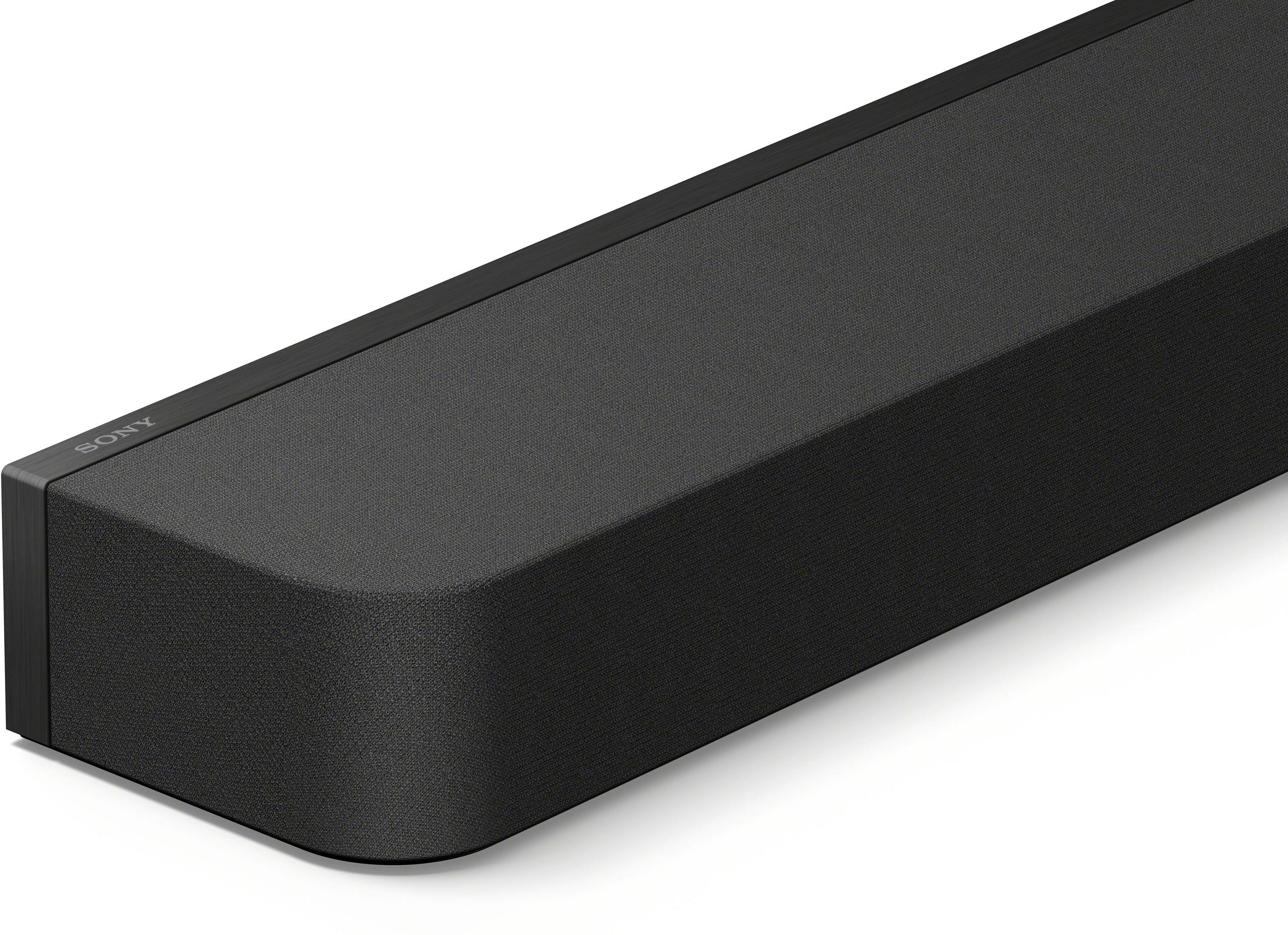

When shopping for a premium soundbar in 2024, you'll likely encounter two very different philosophies represented by the Sony HT-A8000 BRAVIA Theater Bar 8 and the Klipsch Flexus Core 300. Both arrived in 2024, but they take fundamentally different approaches to delivering theater-quality audio in your living room.
The soundbar market has evolved dramatically over the past few years. What started as simple TV audio upgrades have become sophisticated audio systems that can genuinely compete with traditional surround sound setups. The key breakthrough has been the development of advanced spatial audio processing—technology that creates the illusion of sound coming from directions where no physical speakers exist—and room correction systems that automatically tune the audio to your specific space.
Premium soundbars in 2024 aren't just about getting louder or clearer sound than your TV's built-in speakers. They're engineered to create immersive audio experiences that place you inside the action of movies, games, and music. The most important technical advancement has been support for Dolby Atmos and DTS:X, which are audio formats that include height information—essentially telling your sound system to place certain effects above you, not just around you.
Both the Sony HT-A8000 and Klipsch Flexus Core 300 support these formats, but they achieve the effect through completely different methods. Understanding these approaches is crucial to making the right choice for your setup.
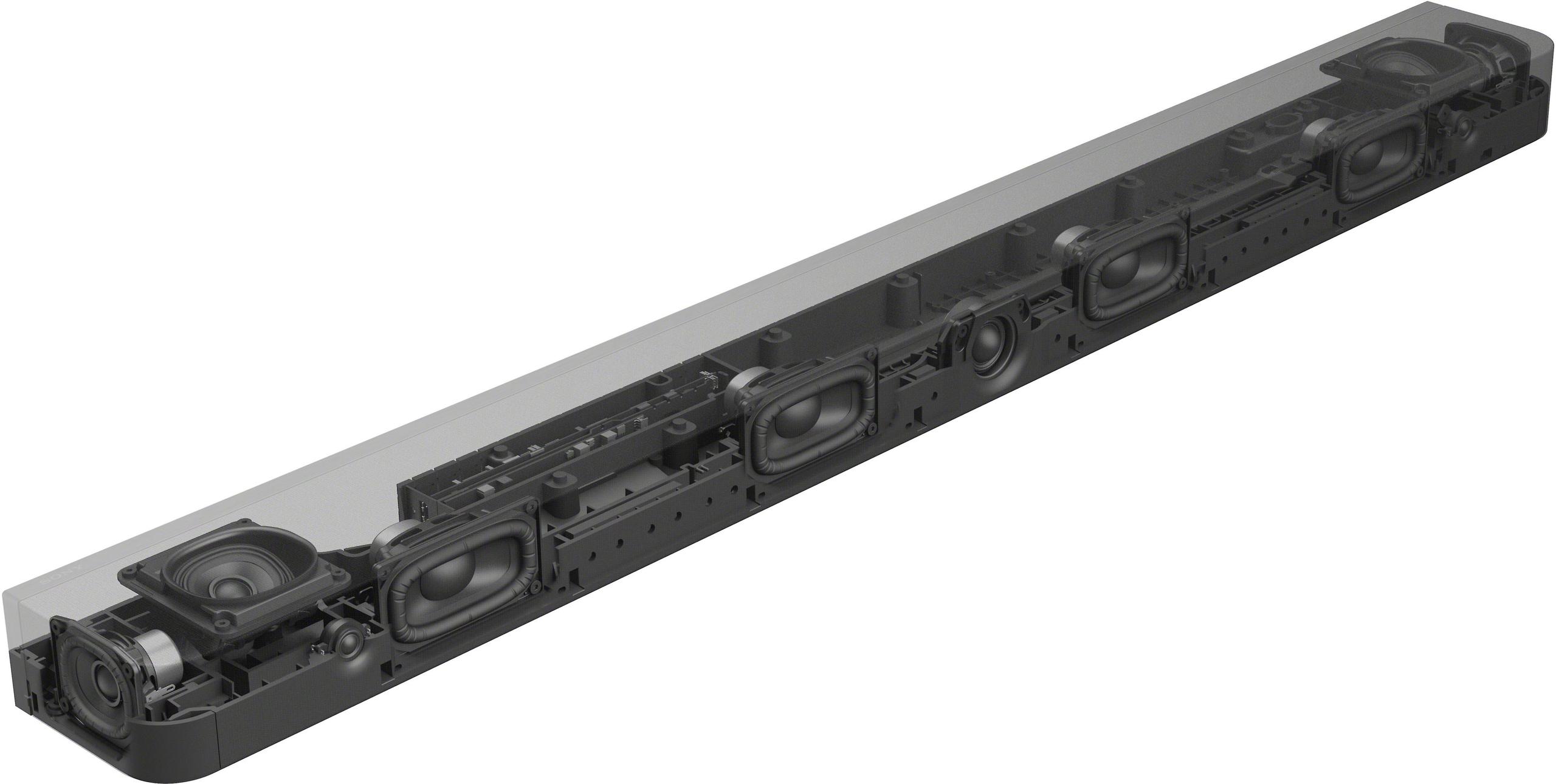
The Sony HT-A8000 uses what Sony calls "360 Spatial Sound Mapping"—a digital processing technique that creates phantom speakers through careful timing and phase adjustments of the sound waves. Essentially, it bounces sound off your walls and ceiling in precisely calculated ways to fool your brain into hearing speakers that aren't physically there. This creates what Sony claims is surround sound that fills a wider area than traditional approaches.
The Klipsch Flexus Core 300, on the other hand, takes a more traditional audiophile approach with physical drivers pointed in specific directions, combined with sophisticated room correction software called Dirac Live. Dirac Live is the same technology used in high-end audio receivers costing thousands of dollars—it analyzes your room's acoustics using a calibration microphone and then adjusts the soundbar's output to compensate for acoustic problems in your space.
The most significant performance difference between these soundbars becomes apparent when you examine their driver configurations. The Klipsch Flexus Core 300 includes four built-in 4-inch subwoofers along with its other drivers, giving it a total of 13 individual speaker units. This isn't just a numbers game—those four subwoofers deliver genuine bass impact that you'll feel in your chest during action movies.
Having used various soundbars over the years, I can tell you that built-in bass capability is often the make-or-break feature for home theater enjoyment. The Sony HT-A8000, despite its clever processing, simply cannot match the physical bass output of the Klipsch system without adding an external subwoofer (which Sony offers as optional accessories like the SA-SW3 or SA-SW5).
The Klipsch also features horn-loaded tweeters—a signature technology from this heritage audio company that focuses sound waves through specially shaped acoustic horns. This design provides exceptional dialogue clarity and vocal intelligibility, which is crucial for understanding movie dialogue even during complex action sequences with lots of background noise.
The Sony HT-A8000 counters with its own dialogue enhancement technology called Voice Zoom 3, which uses AI to identify human voices and dynamically adjust their volume level. In our research of user experiences, this feature works remarkably well for making faint dialogue audible, but it's a digital processing solution rather than an acoustic one.
Both soundbars create impressive spatial audio effects, but through different methods that suit different preferences and room types. The Sony HT-A8000 excels at creating a wide soundstage that seems to extend beyond the physical boundaries of the soundbar itself. Users consistently report that Sony's phantom speaker technology creates convincing surround effects even in challenging room layouts.
The Klipsch Flexus Core 300 takes a more direct approach with physically positioned drivers firing in specific directions—up-firing speakers for overhead effects, side-firing for width, and front-firing for direct sound. This creates what many audio enthusiasts consider more accurate positional audio, where you can precisely locate where sounds are supposed to be coming from in a movie scene.
For gaming, this difference becomes particularly important. The Sony HT-A8000 includes specific optimizations for gaming consoles, particularly PlayStation systems, with support for Variable Refresh Rate (VRR) and Auto Low Latency Mode (ALLM) through its HDMI 2.1 connection. These features reduce input lag and ensure smooth gameplay with high frame rate games.
Perhaps the most philosophically different aspect of these soundbars is how they handle room acoustics. Every room has unique acoustic characteristics—hard surfaces reflect sound differently than soft ones, room dimensions create standing waves at certain frequencies, and furniture placement affects how sound travels.
The Sony HT-A8000 handles this through automatic Sound Field Optimization. Turn it on, and it analyzes your room and adjusts its output accordingly. It's genuinely plug-and-play—most users report excellent results without any manual adjustment. The system creates what Sony calls "phantom speakers" to fill in acoustic gaps, adapting to your specific space.
The Klipsch Flexus Core 300 includes Dirac Live room correction, which requires more user involvement but delivers potentially superior results. You'll use the included calibration microphone and smartphone app to take measurements from multiple listening positions. The system then creates a custom acoustic profile for your room, correcting both frequency response issues and timing problems that can muddy the sound.
Having researched extensive user feedback, the choice here often comes down to personality type. If you want to unbox your soundbar and start enjoying improved audio immediately, Sony's automatic approach is practically unbeatable. If you enjoy the process of fine-tuning and optimizing your audio system—and don't mind spending an hour on initial setup—Dirac Live can deliver reference-quality results that rival dedicated home theater systems.
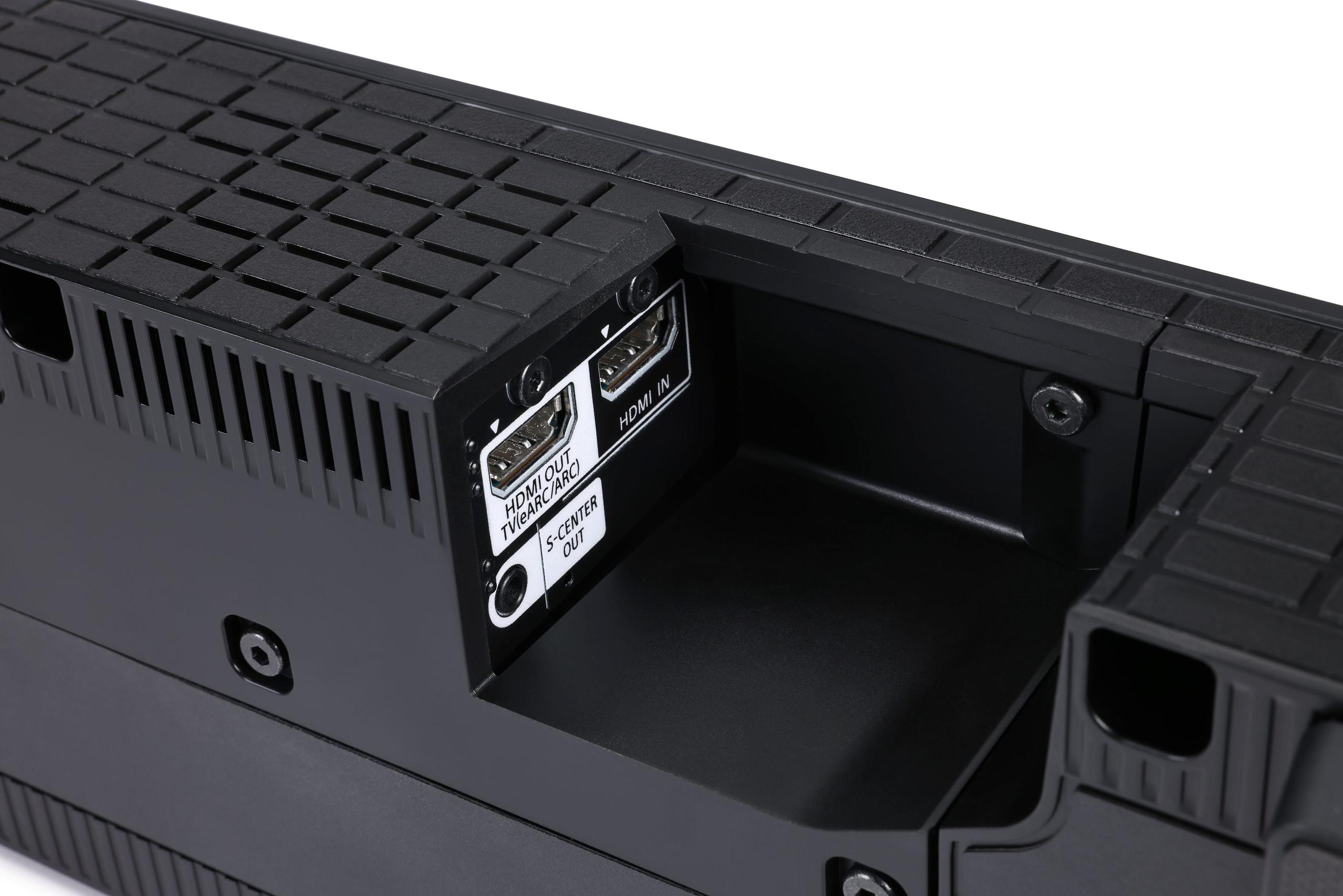
Both soundbars support HDMI 2.1, which is essential for connecting modern gaming consoles and supporting 4K video at high refresh rates. However, their implementations serve slightly different priorities.
The Sony HT-A8000 is clearly optimized for gaming, with specific features like VRR and ALLM that ensure smooth, responsive gameplay. Its 4K/120Hz passthrough capability means you can connect your PlayStation 5 or Xbox Series X and enjoy both high-resolution visuals and low-latency audio. For competitive gaming where precise audio cues matter—like hearing enemy footsteps in first-person shooters—Sony's spatial processing provides excellent directional accuracy.
The Klipsch Flexus Core 300 supports 8K passthrough and the standard HDMI 2.1 features, but its strengths lie more in movie and music reproduction. The superior dynamic range and bass impact make action movies genuinely thrilling, with explosions and gunfire having real physical presence in the room.
Both systems excel at different types of content. Sony's processing makes everything sound good and creates impressive spatial effects from any source material. Klipsch's approach delivers more natural, accurate sound reproduction that showcases high-quality content at its best but doesn't artificially enhance poor recordings.
One area where these soundbars show their different design philosophies is in how they can be expanded over time. Both support adding wireless subwoofers and surround speakers, but the experiences are quite different.
The Sony HT-A8000 starts as a standalone unit that really needs a subwoofer to reach its full potential. Sony's wireless subwoofers automatically pair when powered on and provide the missing low-frequency foundation. Adding rear speakers completes the surround experience, and the total system cost remains reasonable for the performance delivered.
The Klipsch Flexus Core 300 starts with substantial built-in bass from its four integrated subwoofers, so it delivers satisfying performance immediately. However, the expansion options are more extensive—you can add up to two wireless subwoofers and surround speakers for a truly reference-level system. The modular approach means you can start with just the soundbar and add components as your budget and needs evolve.
At the time of writing, the pricing structure makes Sony more accessible for most buyers, while Klipsch targets enthusiasts willing to invest significantly more for premium performance. The key consideration is whether you'll be satisfied with the base soundbar performance or plan to build a complete system over time.
When evaluating soundbar performance, several metrics are particularly important for home theater use:
Dynamic Range measures the difference between the quietest and loudest sounds the system can reproduce. The Klipsch Flexus Core 300 excels here with its powerful built-in subwoofers and efficient horn-loaded drivers, providing genuine theater-level dynamics that make action scenes impactful.
Frequency Response indicates how evenly the soundbar reproduces different frequencies. Klipsch's Dirac Live correction can achieve nearly flat response curves that reveal every detail in your audio sources. Sony's processing focuses more on creating pleasing sound that works well with all content types.
Maximum SPL (Sound Pressure Level) determines how loud the system can play without distortion. Both soundbars can achieve impressive volume levels, but the Klipsch system maintains clarity and control at higher volumes thanks to its larger drivers and more powerful amplification.
Dialogue Intelligibility is crucial for movie enjoyment. Klipsch's horn-loaded center channel provides exceptional clarity, while Sony's Voice Zoom 3 technology uses processing to enhance speech. Both approaches work well, but in different ways.
Based on our research and analysis of user experiences, clear usage patterns emerge for each soundbar.
Choose the Sony HT-A8000 if you're primarily a gamer or want excellent all-around performance without complexity. Its automatic setup, gaming optimizations, and reasonable pricing make it ideal for most home theater setups. The spatial processing works well in various room types, and the ability to add Sony's wireless subwoofers creates a complete system at moderate cost.
The Klipsch Flexus Core 300 is the choice for audio enthusiasts and serious home theater users who want reference-quality sound reproduction. If you enjoy the process of optimizing your system, appreciate the importance of proper acoustic design, and have the budget for premium components, Klipsch delivers genuinely high-end performance. The built-in bass capability means immediate satisfaction, while the expansion options provide a clear upgrade path.
For smaller rooms or apartments, Sony's phantom speaker technology can create impressive surround effects without requiring optimal speaker placement. For larger rooms or dedicated home theaters, Klipsch's approach with physical drivers and room correction will likely deliver superior results.
The decision ultimately comes down to your priorities: Sony offers excellent value and convenience with impressive performance, while Klipsch provides uncompromising audio quality for those willing to invest in premium components and take time for proper setup. Both represent excellent examples of how modern soundbar technology can deliver genuine home theater experiences, just through different approaches that suit different users and situations.
| Sony HT-A8000 BRAVIA Theater Bar 8 Soundbar | Klipsch Flexus Core 300 Soundbar |
|---|---|
| Audio Channels - Determines surround sound complexity and immersion | |
| 5.0.2 channels with 11 speaker units | 5.1.2 channels with 13 drivers including built-in subs |
| Built-in Bass - Critical for home theater impact without additional purchases | |
| No built-in subwoofers (requires external sub for full bass) | Four integrated 4-inch subwoofers provide substantial bass |
| Room Correction Technology - Optimizes sound for your specific space | |
| Sound Field Optimization (fully automatic) | Dirac Live room correction (manual calibration with microphone) |
| Gaming Features - Essential for console gaming performance | |
| HDMI 2.1 with VRR, ALLM, 4K/120Hz optimized for PlayStation | HDMI 2.1 with 8K passthrough, less gaming-specific optimization |
| Setup Complexity - Determines how quickly you get optimal performance | |
| Plug-and-play with automatic calibration | Manual Dirac Live setup required for best results |
| Dialogue Enhancement - Critical for understanding movie speech | |
| Voice Zoom 3 AI-powered dialogue processing | Horn-loaded tweeter with natural acoustic clarity |
| Expandability - Future upgrade potential and system building | |
| Optional wireless sub + surrounds (SA-SW3/5, SA-RS3S/5) | Flexus ecosystem: wireless surrounds + up to 2 additional subs |
| Physical Size - Important for TV stand compatibility | |
| 43.3" W x 2.6" H x 4.5" D, weighs 10.4 lbs | 54" W x 3.1" H x 4.9" D, weighs 34.5 lbs |
| Price Positioning - Value proposition at time of writing | |
| Budget-friendly premium soundbar with excellent gaming features | High-end audiophile pricing with reference-quality components |
| Target User - Who benefits most from each approach | |
| Gamers, casual users wanting simplicity, Sony ecosystem owners | Audio enthusiasts, home theater purists, expandability-focused users |
The Klipsch Flexus Core 300 is generally better for movies due to its four built-in 4-inch subwoofers that deliver powerful bass impact and its horn-loaded tweeter technology for exceptional dialogue clarity. The Sony HT-A8000 excels at creating wide spatial effects through its 360 Spatial Sound Mapping technology, but lacks the bass depth for action movies without an external subwoofer.
The Sony HT-A8000 really needs a separate subwoofer to deliver satisfying bass for movies and music. The Klipsch Flexus Core 300 includes four integrated subwoofers and provides excellent bass performance right out of the box, though you can add additional wireless subwoofers for even more impact.
The Sony HT-A8000 is specifically optimized for gaming with HDMI 2.1 features like Variable Refresh Rate (VRR) and Auto Low Latency Mode (ALLM), plus 4K/120Hz passthrough for PlayStation 5 and Xbox Series X. The Klipsch Flexus Core 300 supports HDMI 2.1 but lacks gaming-specific optimizations.
The Sony HT-A8000 offers plug-and-play simplicity with automatic Sound Field Optimization that requires no user intervention. The Klipsch Flexus Core 300 includes Dirac Live room correction which requires manual calibration using an included microphone and smartphone app, taking about an hour to complete properly.
Both soundbars support wireless expansion. The Sony HT-A8000 can add Sony's wireless subwoofers and rear surround speakers. The Klipsch Flexus Core 300 offers more extensive expandability with support for wireless surround speakers and up to two additional wireless subwoofers for a complete home theater system.
The Klipsch Flexus Core 300 uses horn-loaded tweeter technology that provides natural, acoustic dialogue clarity even during complex action scenes. The Sony HT-A8000 features Voice Zoom 3 AI-powered processing that can dynamically boost dialogue levels, which works well but uses digital enhancement rather than acoustic design.
The Sony HT-A8000 offers 5.0.2 channels with 11 speaker units, while the Klipsch Flexus Core 300 provides 5.1.2 channels with 13 total drivers. The key difference is that Klipsch includes the ".1" dedicated subwoofer channel with its four built-in subwoofers, whereas Sony relies on external subs for low-frequency effects.
The Sony HT-A8000 is generally better for smaller rooms due to its compact size and 360 Spatial Sound Mapping technology that creates convincing surround effects even without optimal placement. The Klipsch Flexus Core 300 is larger and heavier, designed more for dedicated home theater spaces where its acoustic approach can shine.
Yes, both the Sony HT-A8000 and Klipsch Flexus Core 300 support Dolby Atmos and DTS:X formats for immersive overhead audio effects. The Sony uses up-firing drivers and digital processing to create height effects, while the Klipsch uses dedicated up-firing drivers combined with room correction for more precise positioning.
The Sony HT-A8000 offers excellent value with impressive spatial audio processing and gaming features at a more accessible price point. The Klipsch Flexus Core 300 is positioned as a premium product with audiophile-grade components and built-in bass, justifying its higher cost for serious home theater enthusiasts.
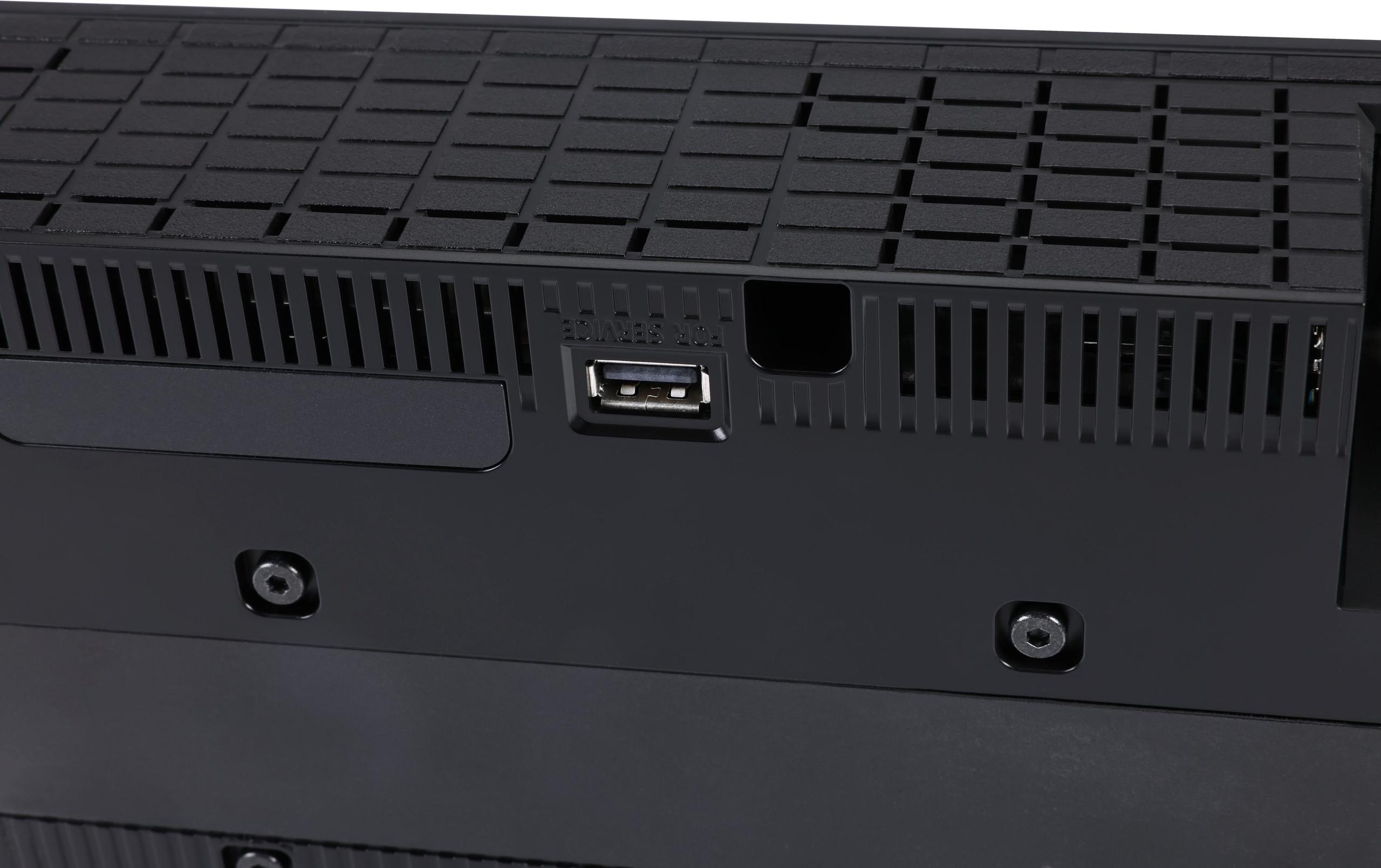
Both soundbars feature HDMI 2.1 with eARC, Wi-Fi, and Bluetooth connectivity. The Sony HT-A8000 includes one HDMI input optimized for gaming consoles. The Klipsch Flexus Core 300 offers additional connectivity with USB-C, optical input, and Ethernet, plus support for multiple streaming platforms including AirPlay 2 and Google Cast.
Choose the Sony HT-A8000 if you want excellent performance with simple setup, gaming optimization, and plan to add a separate subwoofer. Choose the Klipsch Flexus Core 300 if you're an audio enthusiast who wants reference-quality sound with built-in bass and don't mind manual calibration for optimal performance.
We've done our best to create useful and informative comparisons to help you decide what product to buy. Our research uses advanced automated methods to create this comparison and perfection is not possible - please contact us for corrections or questions. These are the sites we've researched in the creation of this article: consumerreports.org - skybygramophone.com - target.com - rtings.com - bestbuy.com - rubbermonkey.co.nz - shopatsc.com - audioadvice.com - sony.com - sony.com - sony.com - shop.cosmopolitan.com - store.sony.com.my - videoandaudiocenter.com - crutchfield.com - whathifi.com - avnirvana.com - hometechnologyreview.com - ecoustics.com - gearpatrol.com - klipsch.com - avsforum.com - youtube.com - avsforum.com - listenup.com - chowmain.software - klipsch.com - novis.ch - avsforum.com - klipsch.ca - lefflers.se - abt.com - sweetwater.com - wifihifi.com - klipsch.com - dirac.com

Privacy Policy
Terms and Conditions - Affiliate Policy
Home Security
© Copyright 2008-2026.
11816 Inwood Rd #1211, Dallas, TX 75244