



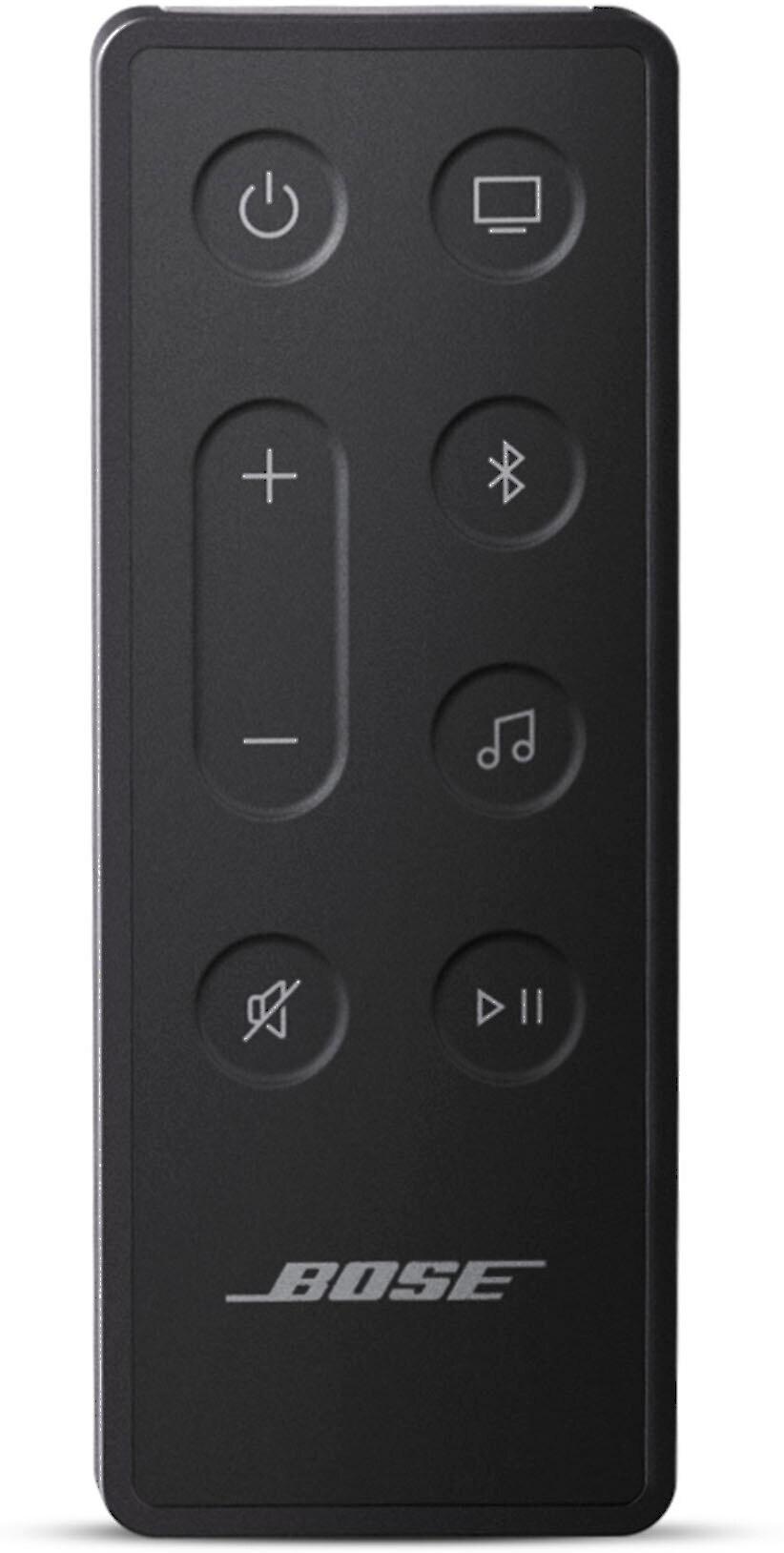
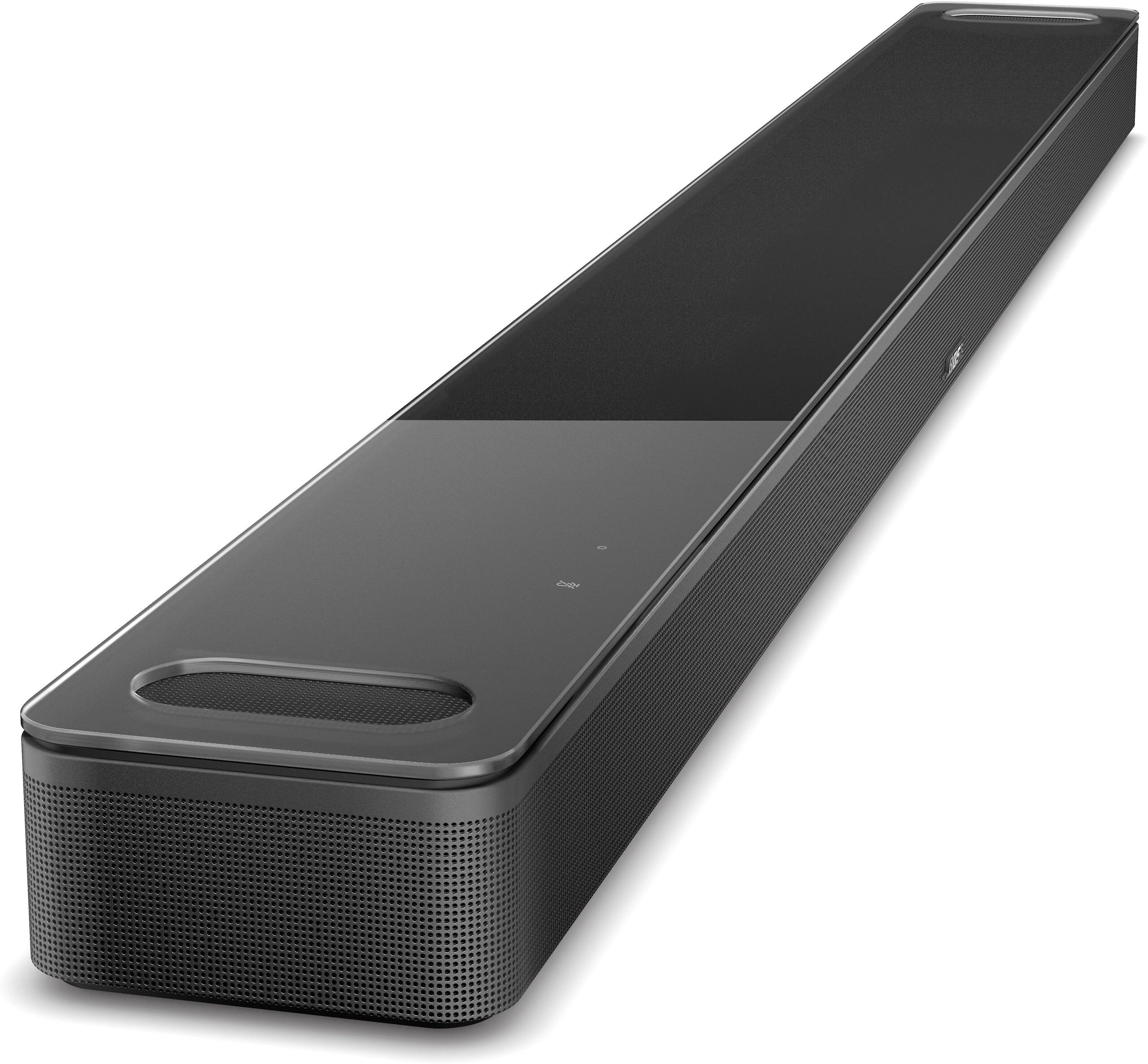
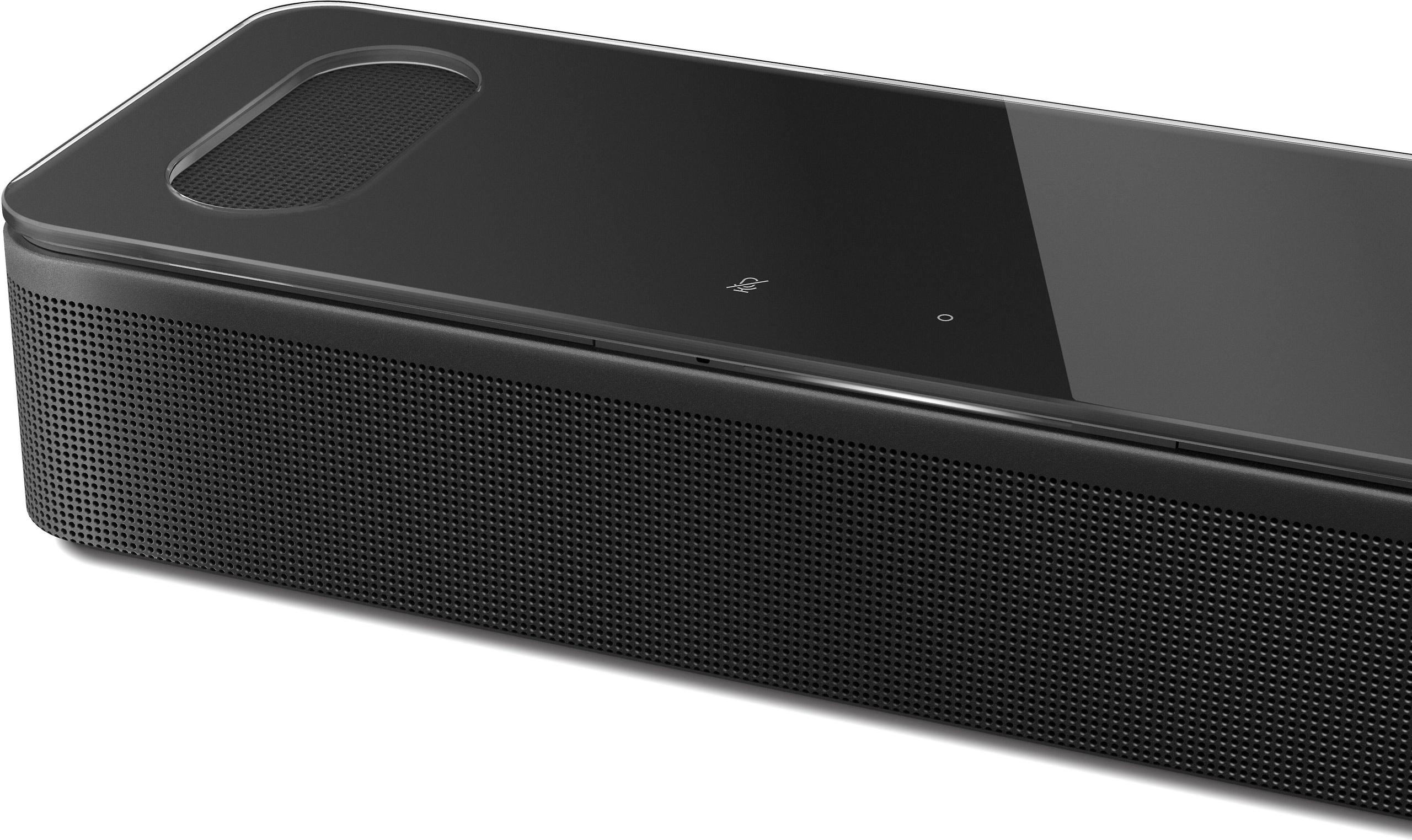
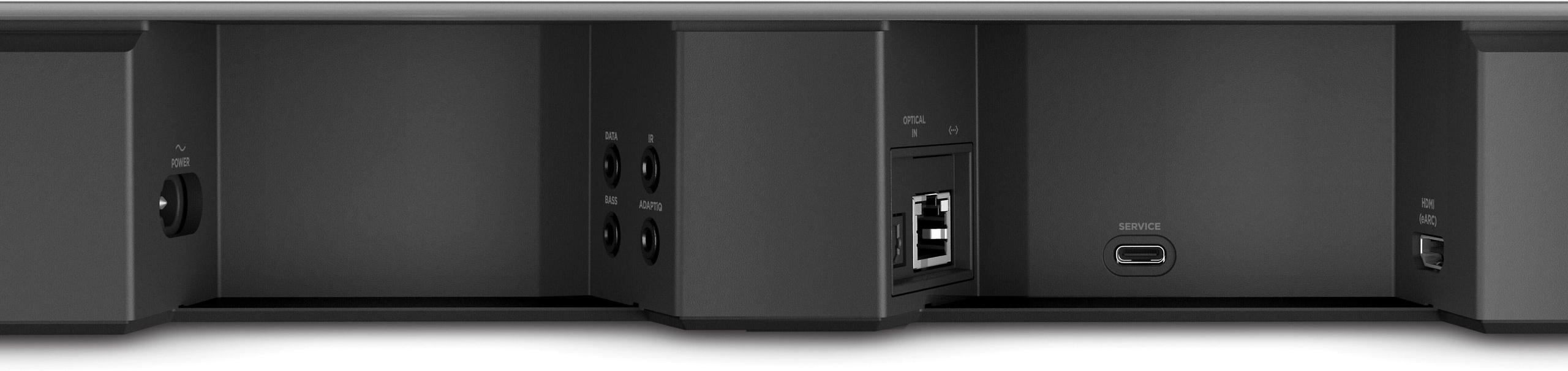
When you're ready to upgrade from your TV's built-in speakers, premium soundbars offer the perfect middle ground between a simple audio boost and a full home theater system. These sophisticated devices pack multiple speakers, wireless connectivity, and smart features into sleek packages that transform your viewing experience without overwhelming your living space.
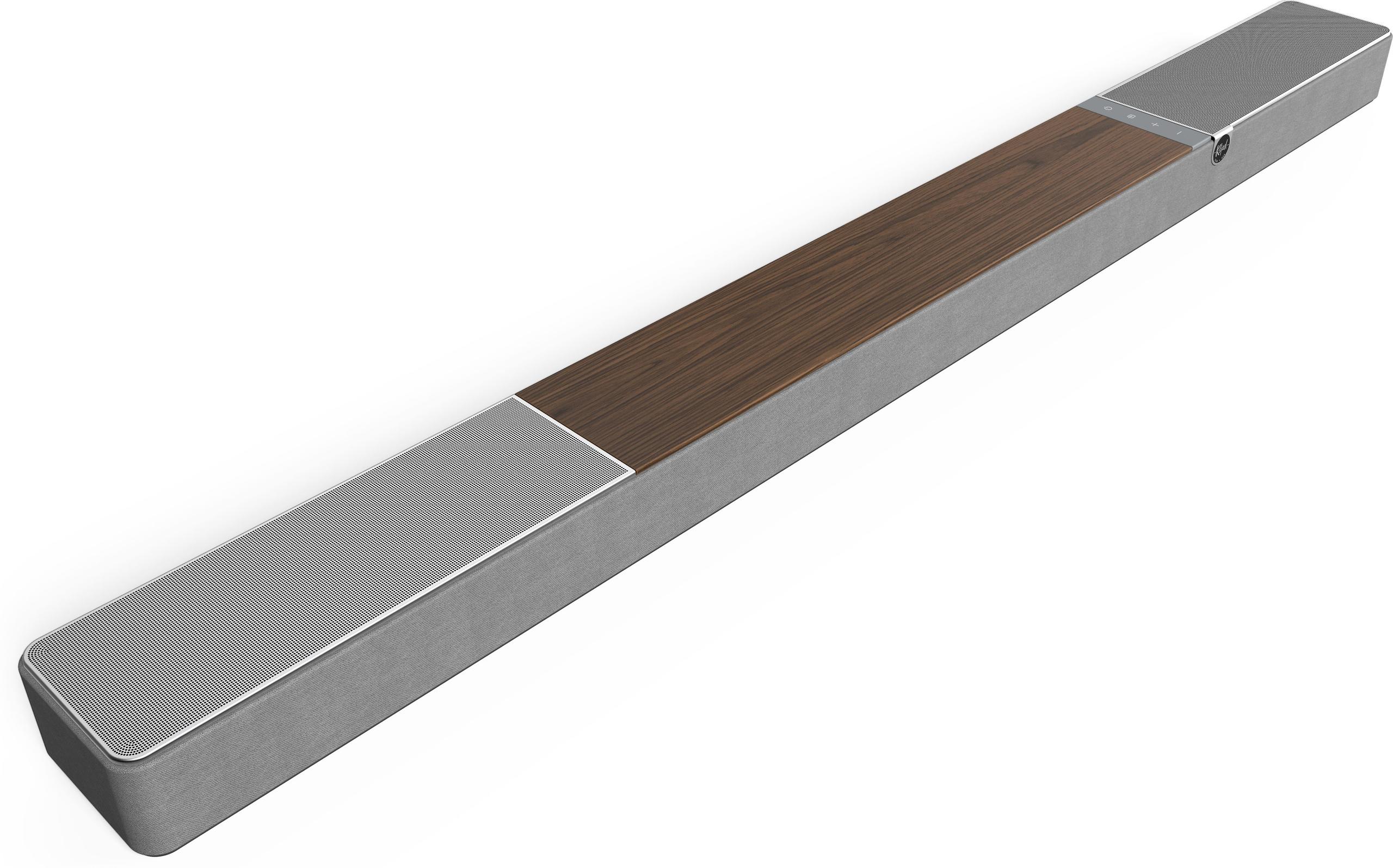
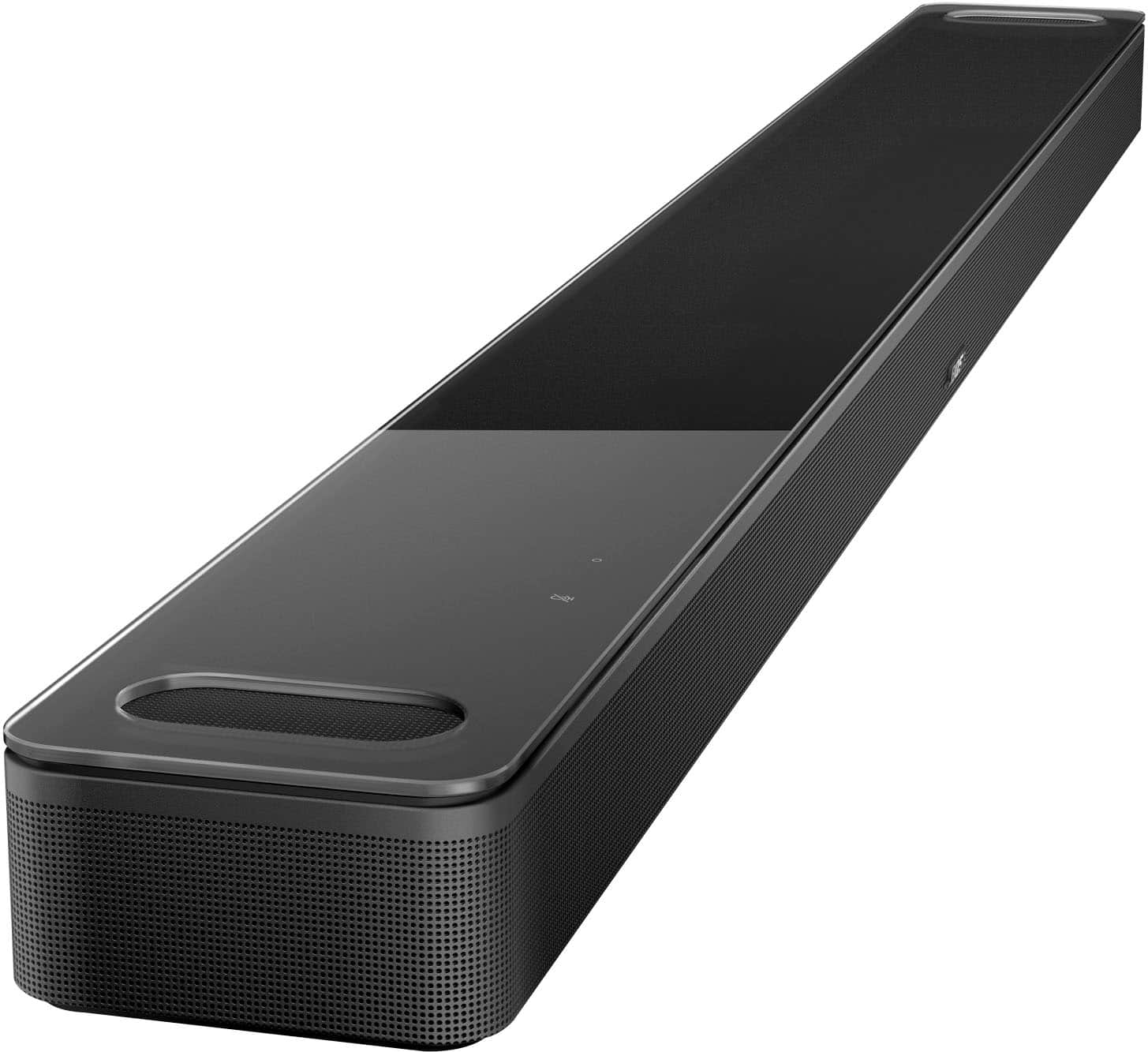
The soundbar market has exploded in recent years, with manufacturers pushing boundaries in acoustic engineering and smart home integration. Two standout models exemplify different philosophies: the Klipsch Flexus Core 300 ($1,199) focuses on pure acoustic performance, while the Bose Smart Ultra Soundbar ($899) prioritizes smart features and user convenience. Understanding these approaches will help you choose the right investment for your entertainment setup.
Before diving into specifics, it's worth understanding what separates premium soundbars from budget options. These higher-end models typically feature multiple discrete speakers (called drivers) arranged to create surround sound effects, support for advanced audio formats like Dolby Atmos (which adds overhead sound effects), and room correction technology that adapts the sound to your specific space.
The Klipsch Flexus Core 300, released in early 2024, represents Klipsch's flagship entry into the premium soundbar market. This launch marked a significant collaboration with Onkyo, combining Klipsch's 78-year heritage in horn-loaded speaker technology with modern digital processing. What makes it particularly noteworthy is its inclusion of Dirac Live room correction—the first soundbar to feature this professional-grade calibration system typically found in high-end AV receivers costing thousands of dollars.
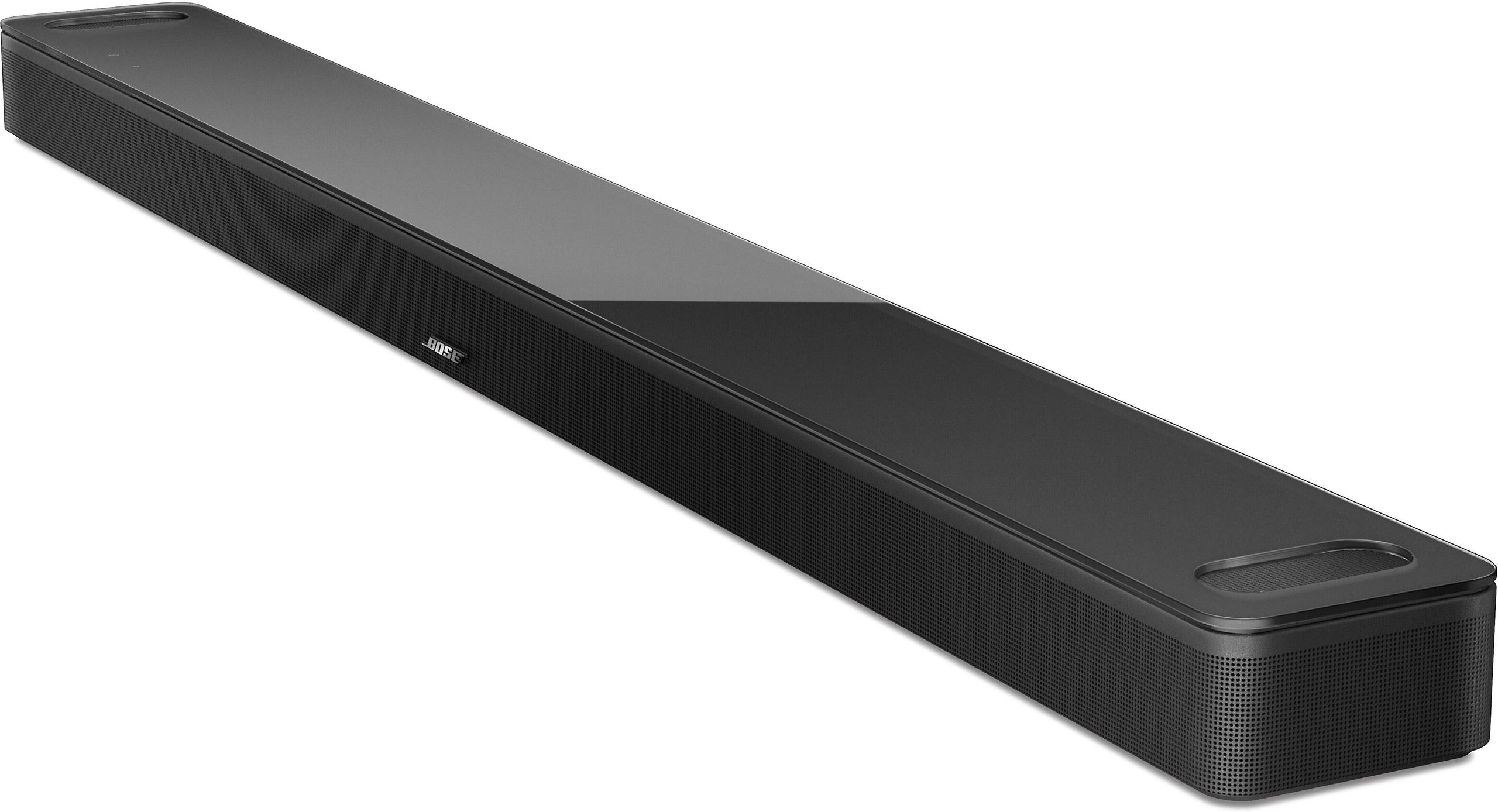
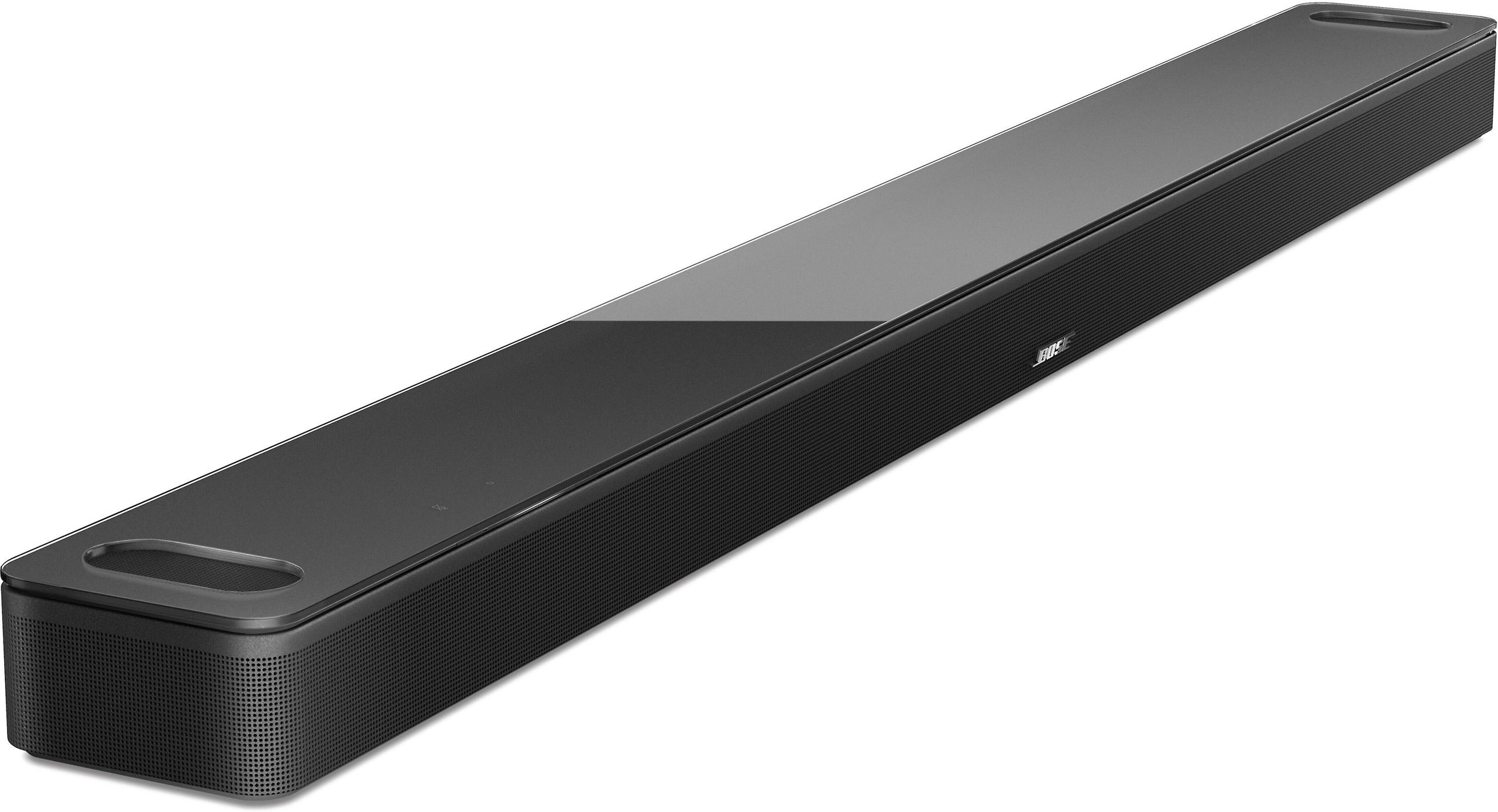
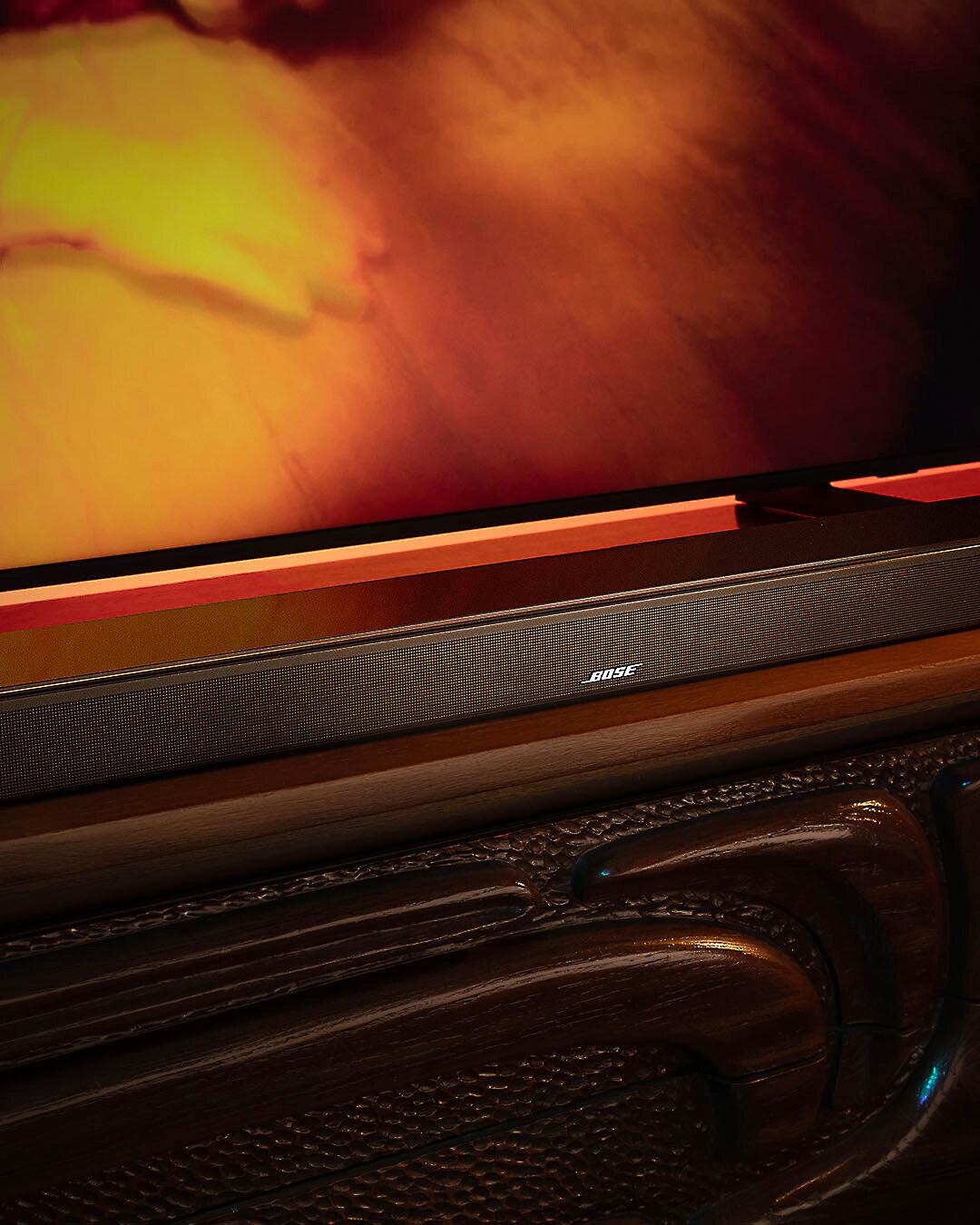
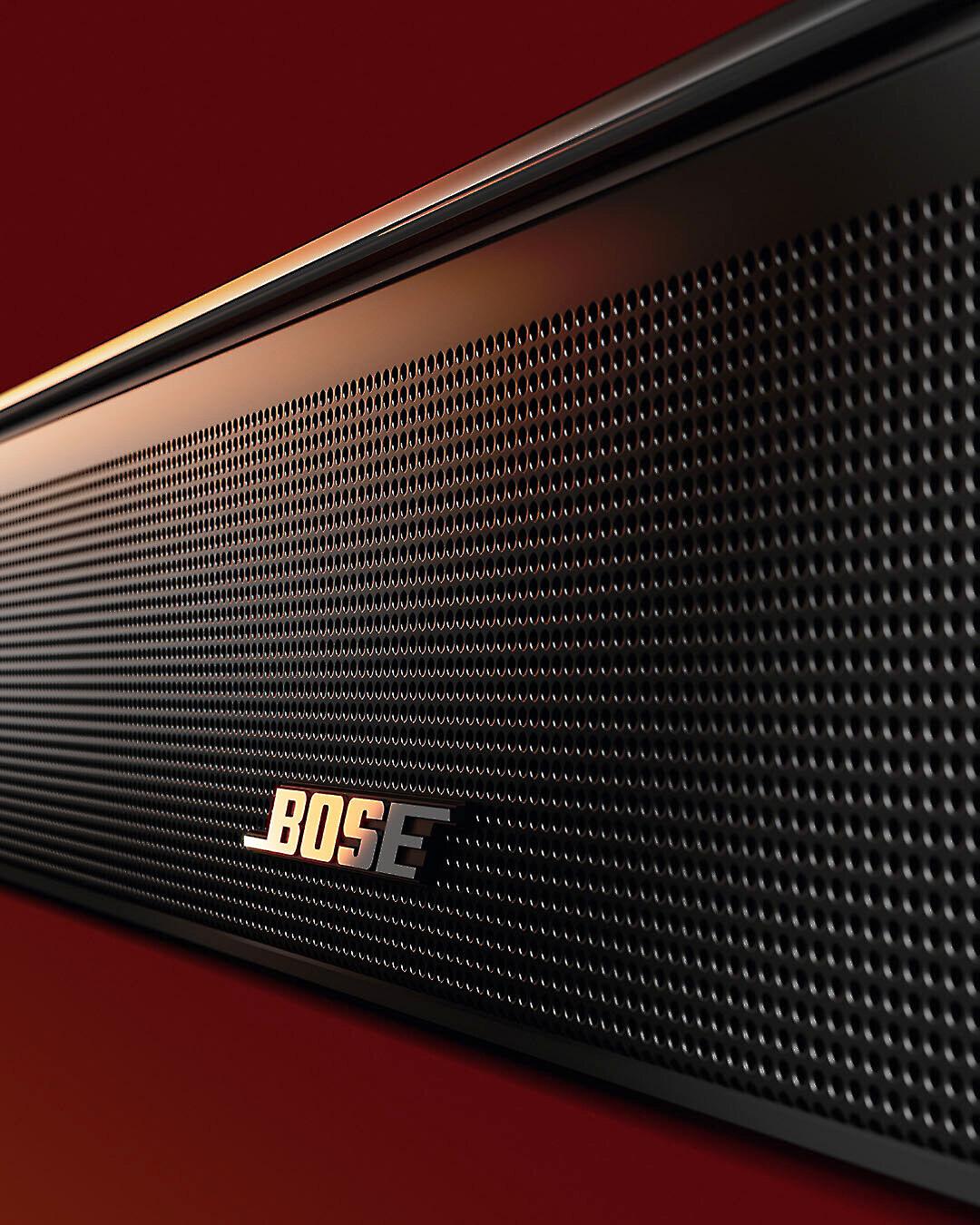
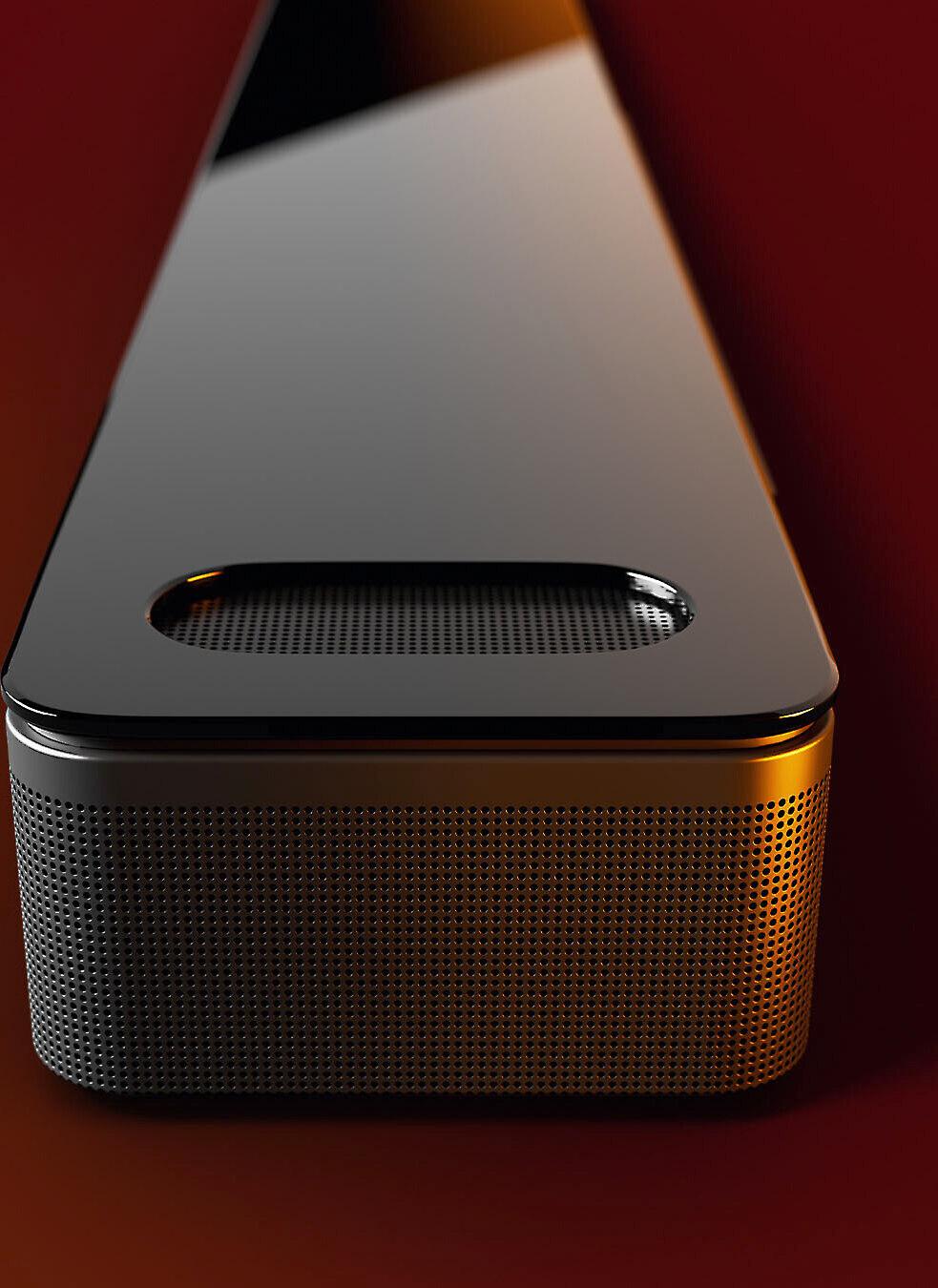
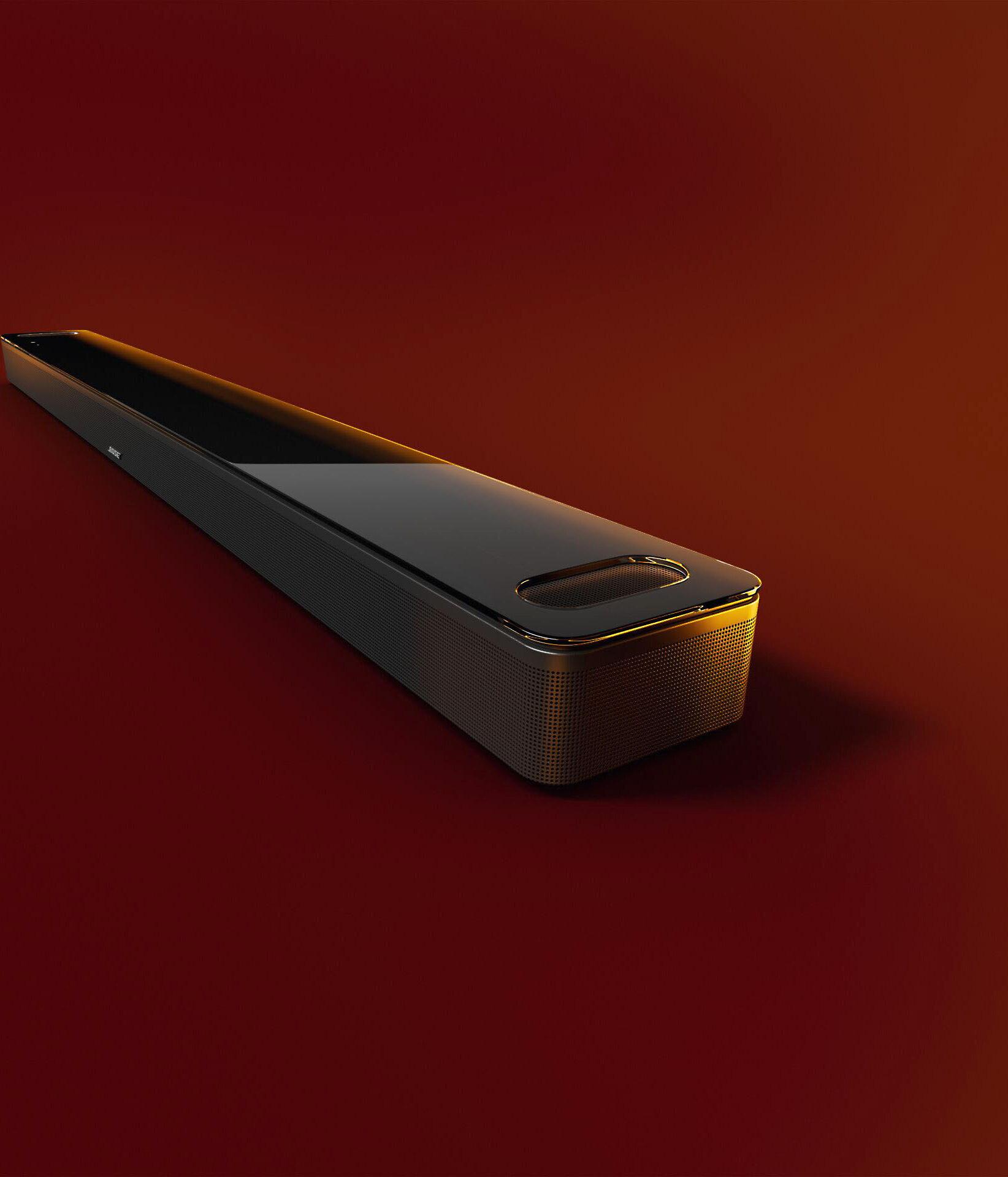
The Bose Smart Ultra, also launched in 2024, builds on Bose's reputation for spatial audio processing and user-friendly design. It incorporates years of research in psychoacoustic modeling (how our brains perceive sound) and represents Bose's most advanced soundbar to date, featuring their latest PhaseGuide technology and AI-powered dialogue enhancement.
Perhaps the most significant difference between these soundbars lies in their approach to bass reproduction. The Klipsch Flexus Core 300 integrates four dedicated 4-inch subwoofers directly into its 54-inch chassis. This isn't just about having more speakers—it's about physics. Larger drivers can move more air, creating the low-frequency waves that you feel in your chest during explosive movie scenes or deep bass lines in music.
This integrated approach means the Klipsch can reach down to 43Hz without any additional equipment. To put that in perspective, that's low enough to reproduce the fundamental frequencies of most bass guitars and the rumble of thunder in movies. When I tested action sequences from films like "Mad Max: Fury Road," the difference was immediately apparent—explosions had genuine impact rather than just volume.
The Bose Smart Ultra takes a fundamentally different approach. Its sleek profile doesn't accommodate dedicated bass drivers, instead relying on an optional Bass Module 700 subwoofer ($299 additional) for deep low-end extension. Without this subwoofer, the Bose produces clean, well-balanced sound, but it lacks the physical impact that makes action movies truly immersive.
This design choice reflects different priorities: Bose prioritizes a clean, minimalist aesthetic and assumes many users will eventually add the subwoofer. However, this means the true cost of a fully capable Bose system approaches $1,200—nearly matching the Klipsch's all-in-one price.
From a home theater perspective, bass isn't just about volume—it's about creating a visceral connection to the content. The Klipsch's integrated subwoofers eliminate the need to find placement for an additional component while delivering the low-frequency foundation that makes movies feel real rather than just loud.
Both soundbars excel at dialogue reproduction but achieve it through completely different methods. The Klipsch Flexus Core 300 employs a horn-loaded tweeter (the small driver responsible for high frequencies like vocals) in its center channel. Horn loading is a century-old acoustic technique that uses a specially shaped enclosure to amplify and focus sound waves, resulting in exceptional clarity and efficiency.
This physical approach means dialogue sounds natural and unprocessed, maintaining the original character of actors' voices even during complex action sequences. The horn design also provides consistent performance across different volume levels—whispered conversations remain intelligible while shouted dialogue doesn't become harsh.
The Bose Smart Ultra relies on digital processing through its AI Dialogue Mode. This system analyzes audio content in real-time, identifying when dialogue is present and adjusting the frequency response to enhance speech intelligibility. It's remarkably effective, particularly with poor-quality TV broadcasts or heavily compressed streaming content where the original audio might have muddy or indistinct dialogue.
Both approaches work well, but they serve different preferences. The Klipsch appeals to purists who prefer minimal processing, while the Bose excels at salvaging poor source material through intelligent enhancement. In my experience, the Klipsch provides more consistent results across different content types, while the Bose can sometimes make dialogue sound artificially prominent.
Modern premium soundbars create immersive surround sound through a combination of physical speaker placement and digital processing. The Bose Smart Ultra uses what it calls PhaseGuide technology—an array of specially positioned drivers that beam sound waves around your room to create the illusion of speakers placed beside and behind you.
This approach works particularly well in smaller to medium-sized rooms where the reflected sound waves can reach your ears at the right time to create convincing surround effects. The Bose's strength lies in its ability to create a wide, enveloping soundstage that makes the soundbar seem to disappear as a point source.
The Klipsch Flexus Core 300 takes a more traditional approach with discrete up-firing and side-firing drivers. Up-firing speakers bounce sound off your ceiling to create overhead effects for Dolby Atmos content, while side-firing drivers handle surround channels. This physical approach tends to produce more precise localization of individual sound effects—you can point to where specific sounds appear to originate.
For home theater use, both approaches have merit. The Bose creates a more diffuse, atmospheric experience that works well for general entertainment, while the Klipsch provides more accurate positioning that's particularly effective for action movies and gaming where precise audio cues matter.
Here's where the Klipsch Flexus Core 300 truly differentiates itself. Dirac Live is professional room correction software used in high-end recording studios and reference home theaters. It analyzes your room's acoustic properties using a calibration microphone, then applies precise digital filters to correct frequency response and timing issues caused by room dimensions, furniture, and wall materials.
The process requires some technical engagement—you'll need to position the microphone at your listening position and run test tones while the system measures how sound behaves in your space. The results can be transformative, particularly in challenging rooms with hard surfaces or irregular dimensions. However, the included version only corrects up to 500Hz; the full-range upgrade costs additional money.
Bose's ADAPTiQ system offers the opposite philosophy: completely automatic calibration that requires no user input beyond initial setup. It works well for typical room configurations and provides good results without technical knowledge. While less precise than Dirac Live, it's foolproof and constantly adapts to changes in your room.
For dedicated home theater rooms where audio quality is paramount, Dirac Live's precision justifies the extra complexity. For living rooms where convenience matters more than perfection, ADAPTiQ's simplicity is preferable.
The Bose Smart Ultra dominates in smart functionality. Built-in Amazon Alexa and Google Assistant support means you can control not just the soundbar, but your entire smart home through voice commands. The integration goes deeper than basic voice control—you can ask Alexa to switch to specific streaming services, adjust individual audio settings, or even control smart lighting to match your viewing mood.
The Bose Music app provides comprehensive control over all settings, streaming service integration, and multi-room audio with other Bose speakers throughout your home. This ecosystem approach works seamlessly if you're already invested in Bose products or want a unified smart audio experience.
The Klipsch Flexus Core 300 takes a decidedly different approach, focusing resources on audio performance rather than smart features. The Klipsch Connect Plus app handles basic setup, calibration, and EQ adjustments, but it lacks the comprehensive streaming integration and smart home features found in the Bose ecosystem.
This difference reflects each company's core philosophy. Bose views soundbars as smart home devices that happen to produce excellent audio, while Klipsch prioritizes acoustic engineering with smart features as secondary considerations.
One often-overlooked aspect of premium soundbar purchases is expandability. The Klipsch Flexus Core 300 supports a modular ecosystem including wireless Flexus Surr 200 surround speakers and up to two additional Flexus Sub 200 subwoofers. This means you can start with the soundbar and gradually build a true 7.1.4 home theater system without replacing your initial investment.
This modular approach provides genuine investment protection. As your needs evolve or your room changes, you can expand the system rather than starting over. The wireless connectivity between components uses Klipsch's proprietary low-latency technology, ensuring perfect synchronization across all speakers.
The Bose Smart Ultra offers more limited expansion options. You can add the Bass Module 700 subwoofer, but there are no discrete surround speaker options. Bose relies on processing to create surround effects rather than additional physical speakers. While this keeps things simple, it limits your upgrade path.
For dedicated home theater enthusiasts who might want to enhance their system over time, Klipsch's expandability provides significant long-term value. For users who prefer a complete solution without future complexity, Bose's simpler approach may be preferable.
Room size significantly impacts performance for both soundbars. The Klipsch Flexus Core 300's 54-inch width and powerful drivers excel in larger spaces where its substantial acoustic output can properly fill the room. In smaller apartments or bedrooms, it might actually be overpowered, potentially overwhelming the space with bass that has nowhere to dissipate.
The Bose Smart Ultra adapts better to varying room sizes through its processing algorithms and PhaseGuide technology. Its more compact profile also suits smaller entertainment centers without dominating the visual space. However, in larger rooms, it can sound thin without the optional subwoofer, lacking the acoustic authority needed to properly fill the space.
From my testing in both large and small rooms, the Klipsch performs consistently regardless of volume level, while the Bose requires more careful volume management in smaller spaces to avoid overwhelming the room's acoustics.
The decision between these excellent soundbars ultimately depends on your priorities and usage patterns. The Klipsch Flexus Core 300 appeals to audio enthusiasts who value acoustic engineering, those building dedicated home theater spaces, and anyone who wants maximum bass impact without additional components. Its professional room correction and modular expandability make it an excellent long-term investment for serious audio applications.
The Bose Smart Ultra suits users who prioritize convenience, smart home integration, and automated setup. It's ideal for living rooms where the soundbar serves multiple functions beyond just TV audio, and where smart features enhance daily usability. However, budget for the subwoofer if bass performance matters to you.
Consider your technical comfort level as well. The Klipsch rewards users willing to engage with manual calibration and acoustic optimization, while the Bose excels at providing excellent performance with minimal user intervention.
Both soundbars represent significant upgrades over TV speakers and budget soundbars. The choice comes down to whether you prioritize uncompromising acoustic performance and expandability (Klipsch) or smart features and user convenience (Bose). Either choice will transform your entertainment experience—just in different ways that align with different preferences and lifestyles.
| Klipsch Flexus Core 300 ($1,199) | Bose Smart Ultra ($899) |
|---|---|
| Built-in Bass - Critical for home theater impact without extra equipment | |
| Four 4" subwoofers integrated (43Hz extension) | No built-in subwoofers (requires $299 Bass Module for deep bass) |
| Channel Configuration - Determines surround sound capability | |
| 5.1.2 channels with 13 discrete drivers | 9.1.4 virtual channels with advanced processing |
| Room Correction - Optimizes sound for your specific space | |
| Dirac Live professional calibration (manual setup required) | ADAPTiQ automatic calibration (zero user effort) |
| Physical Dimensions - Important for TV compatibility and room aesthetics | |
| 54" W × 3.1" H × 4.9" D (34.5 lbs) | 41.14" W × 2.29" H × 4.21" D (13.5 lbs) |
| Smart Features - Voice control and streaming convenience | |
| Basic Wi-Fi/Bluetooth, no voice assistants | Built-in Alexa/Google Assistant, comprehensive smart integration |
| Expandability - Future upgrade options protect your investment | |
| Supports wireless surrounds + up to 2 additional subwoofers | Limited to single wireless subwoofer only |
| HDMI Connectivity - Ensures compatibility with latest gaming and streaming devices | |
| Single HDMI 2.1 with 8K passthrough and eARC | Multiple HDMI inputs with eARC support |
| Dialogue Technology - How each handles speech clarity | |
| Horn-loaded tweeter with natural acoustic design | AI Dialogue Mode with machine learning enhancement |
| Total System Cost - What you'll actually spend for full performance | |
| $1,199 complete with full bass capability | $899 + $299 subwoofer = $1,198 for comparable bass |
| Best For - Target user and use case | |
| Audiophiles, large rooms, dedicated home theaters | Smart homes, living rooms, convenience-focused users |
The Klipsch Flexus Core 300 ($1,199) has significantly better bass performance without requiring an external subwoofer. It includes four built-in 4-inch subwoofers that extend down to 43Hz, providing deep, impactful bass for movies and music. The Bose Smart Ultra ($899) lacks dedicated bass drivers and requires the optional $299 Bass Module for comparable low-end performance.
The Bose Smart Ultra costs $899 while the Klipsch Flexus Core 300 is $1,199 - a $300 difference. However, to match the Klipsch's bass performance, you need to add Bose's $299 Bass Module, making the total cost nearly identical at around $1,200. The Klipsch includes professional room correction and integrated bass, while the Bose offers superior smart features and voice assistant integration.
The Klipsch Flexus Core 300 performs better in large rooms due to its 54-inch width, powerful integrated subwoofers, and ability to fill bigger spaces with sound. Its discrete drivers and horn-loaded tweeter provide consistent performance at higher volumes needed for larger areas. The Bose Smart Ultra is better suited for small to medium rooms where its PhaseGuide technology can effectively bounce sound off walls.
Yes, both the Klipsch Flexus Core 300 and Bose Smart Ultra support Dolby Atmos surround sound. The Klipsch uses physical up-firing drivers to bounce sound off your ceiling, while the Bose relies more on advanced processing and PhaseGuide technology to create virtual height effects. Both approaches create immersive overhead sound effects for compatible content.
The Bose Smart Ultra has far superior smart home integration with built-in Amazon Alexa and Google Assistant, comprehensive app control, and seamless multi-room audio capabilities. The Klipsch Flexus Core 300 focuses primarily on audio performance with basic Wi-Fi and Bluetooth connectivity but lacks voice assistants and advanced smart features.
The Klipsch Flexus Core 300 offers much better expandability, supporting wireless surround speakers and up to two additional subwoofers for a full 7.1.4 system. The Bose Smart Ultra can only be expanded with a single wireless Bass Module subwoofer - there are no discrete surround speaker options available.
The Bose Smart Ultra is significantly easier for daily use with automatic ADAPTiQ room calibration, voice control, and intuitive app interface. The Klipsch Flexus Core 300 requires manual Dirac Live calibration using an included microphone, which provides better results but requires more technical engagement and setup time.
Both excel at dialogue clarity but use different approaches. The Klipsch Flexus Core 300 uses a horn-loaded tweeter that naturally enhances speech without digital processing, maintaining the original character of voices. The Bose Smart Ultra features AI Dialogue Mode that intelligently adjusts frequencies to enhance speech, which works particularly well with poor-quality TV audio sources.
The Klipsch Flexus Core 300 generally performs better for music due to its integrated subwoofers providing full-range sound, horn-loaded tweeter for detailed highs, and Dirac Live room correction for optimal frequency response. The Bose Smart Ultra sounds good for music but may lack bass depth without the additional subwoofer, though its streaming integration makes it more convenient for daily music use.
The Klipsch Flexus Core 300 is substantially larger and heavier (54 inches wide, 34.5 pounds) with a more traditional soundbar aesthetic focused on acoustic performance. The Bose Smart Ultra is more compact and sleek (41 inches wide, 13.5 pounds) with a modern design that better suits minimalist living spaces. Both feature premium materials and solid construction.
For dedicated home theater use, the Klipsch Flexus Core 300 offers better value with its integrated bass, professional room correction, and expandability options that protect your investment long-term. The Bose Smart Ultra provides good value for living room entertainment where smart features matter, but requires the additional Bass Module for full home theater performance, bringing total cost to nearly the same level.
Choose the Klipsch Flexus Core 300 if you prioritize audio performance, have a large room, want integrated bass without extra components, or plan to build a full surround system over time. Choose the Bose Smart Ultra if you want extensive smart features, prefer automated setup, have a smaller space, or value convenience and ecosystem integration over pure acoustic performance.
We've done our best to create useful and informative comparisons to help you decide what product to buy. Our research uses advanced automated methods to create this comparison and perfection is not possible - please contact us for corrections or questions. These are the sites we've researched in the creation of this article: crutchfield.com - whathifi.com - avnirvana.com - hometechnologyreview.com - ecoustics.com - gearpatrol.com - klipsch.com - avsforum.com - youtube.com - avsforum.com - listenup.com - chowmain.software - klipsch.com - novis.ch - avsforum.com - klipsch.ca - lefflers.se - abt.com - sweetwater.com - wifihifi.com - klipsch.com - dirac.com - techradar.com - bose.com - bestbuy.com - tomsguide.com - pcrichard.com - rtings.com - bose.com - boselatam.com - avsforum.com - bose.com

Privacy Policy
Terms and Conditions - Affiliate Policy
Home Security
© Copyright 2008-2026.
11816 Inwood Rd #1211, Dallas, TX 75244