

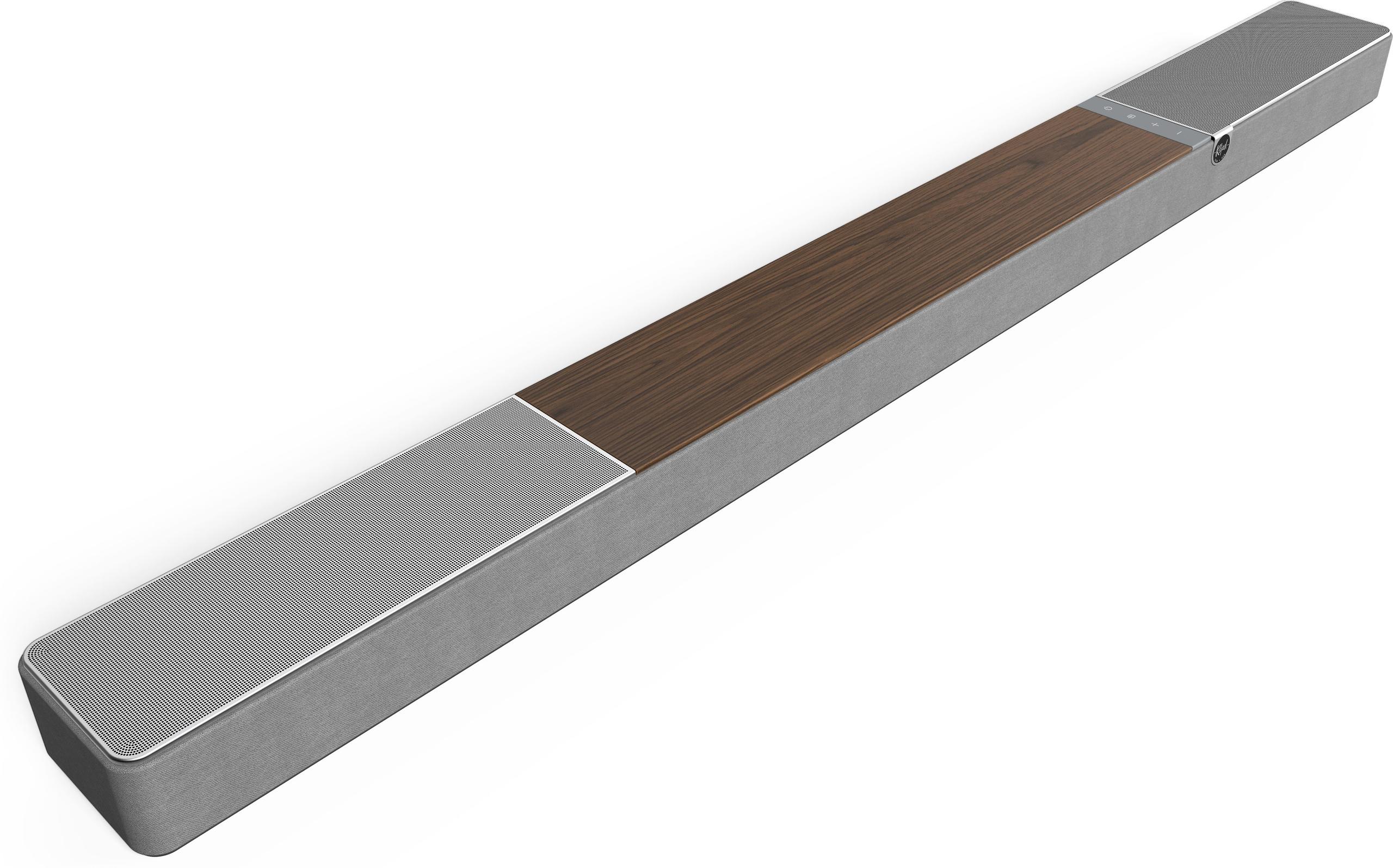

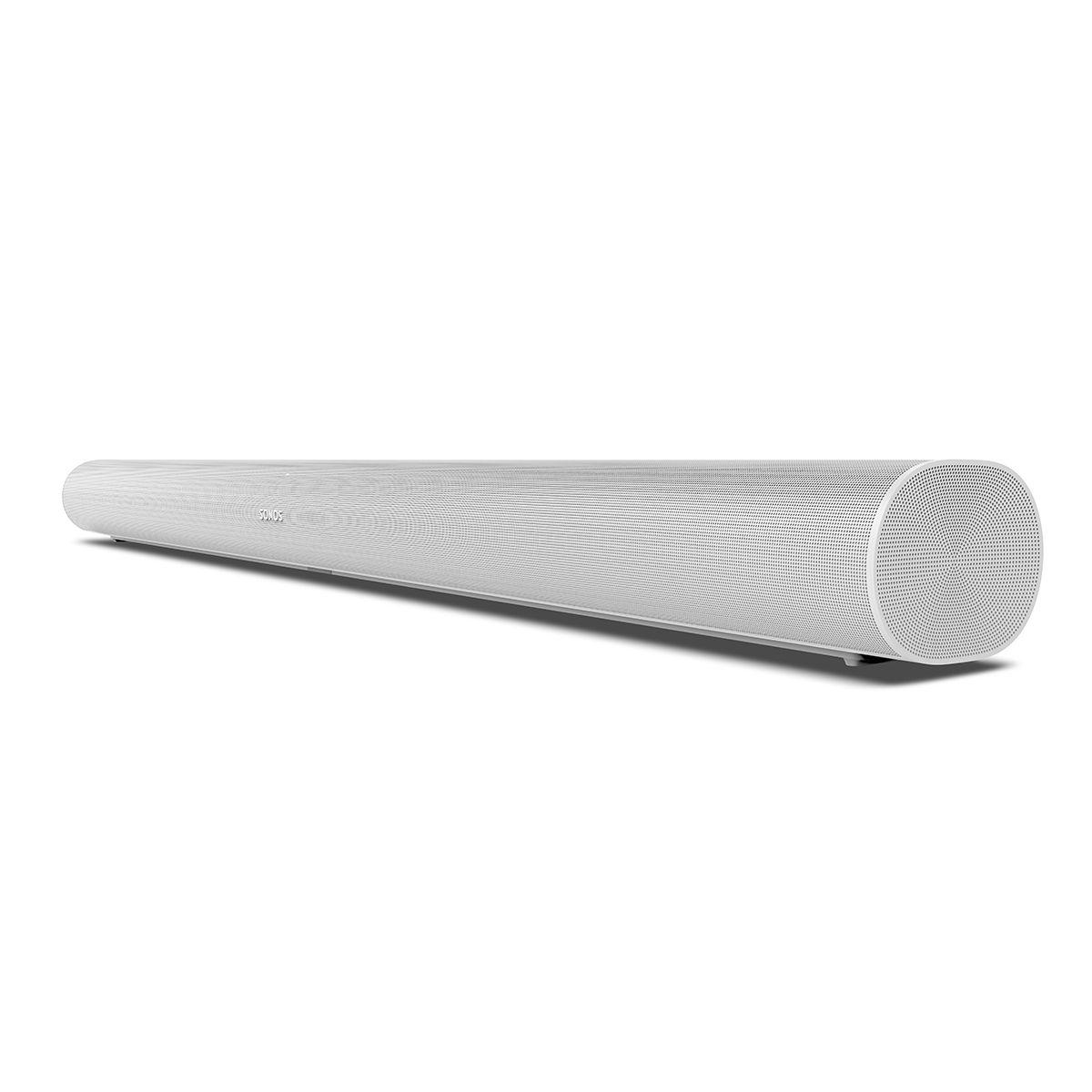



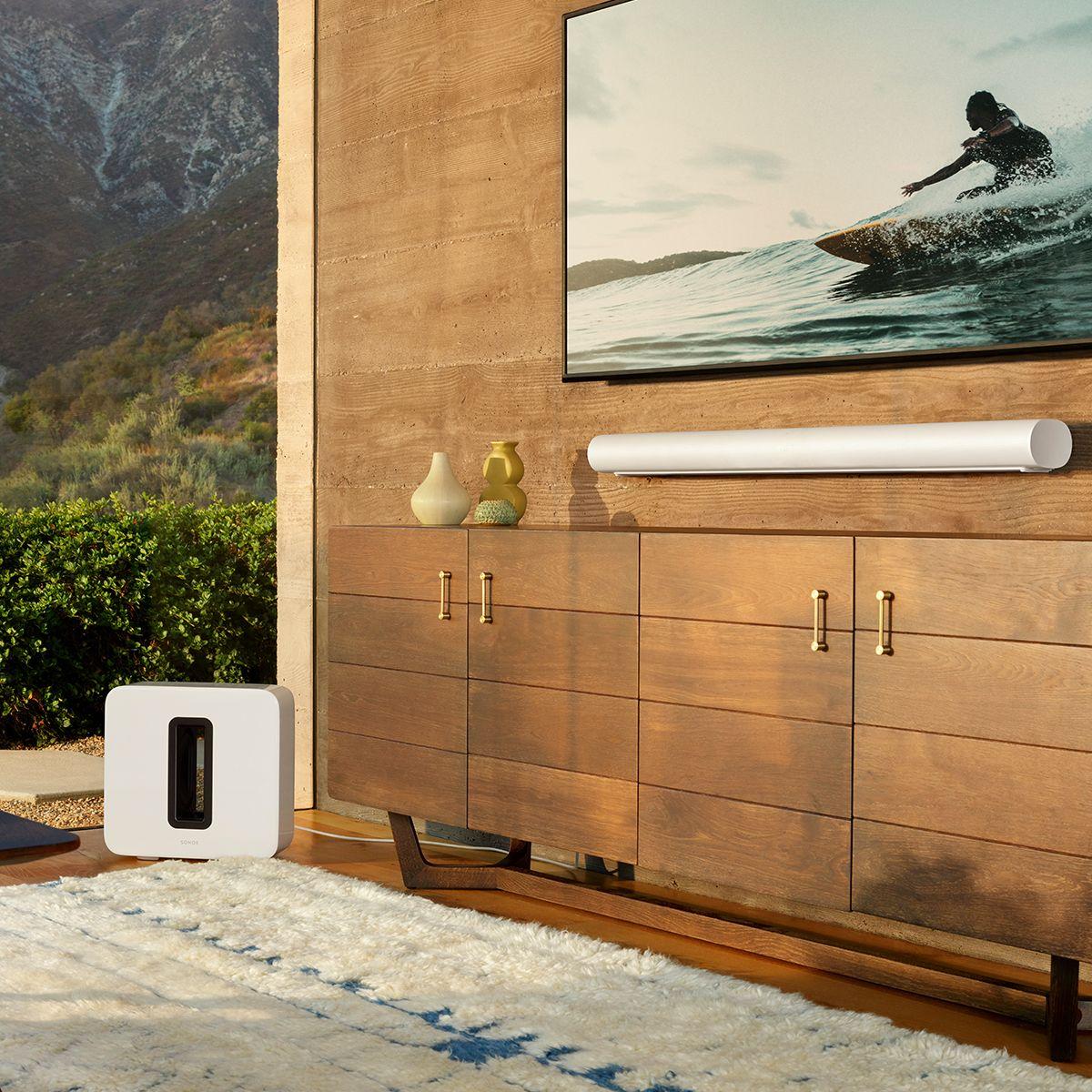

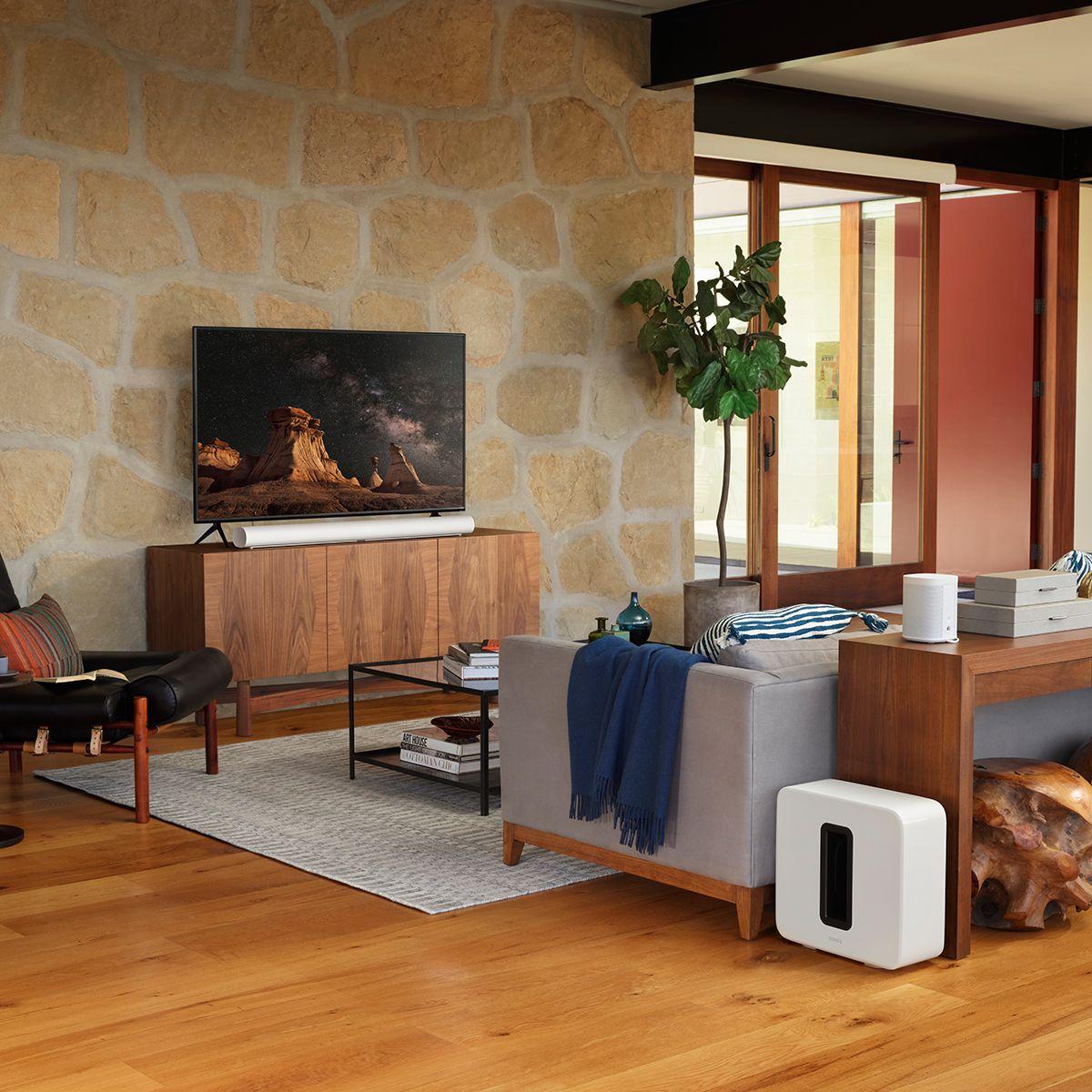





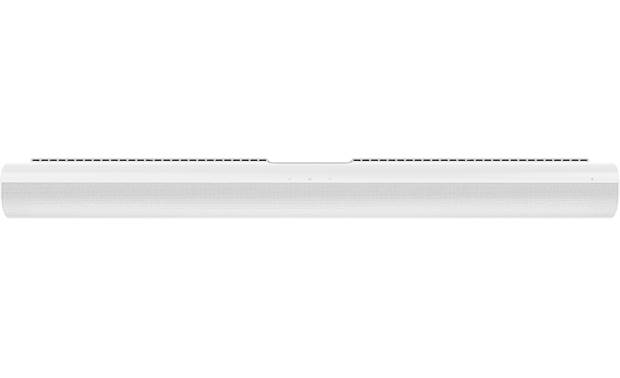

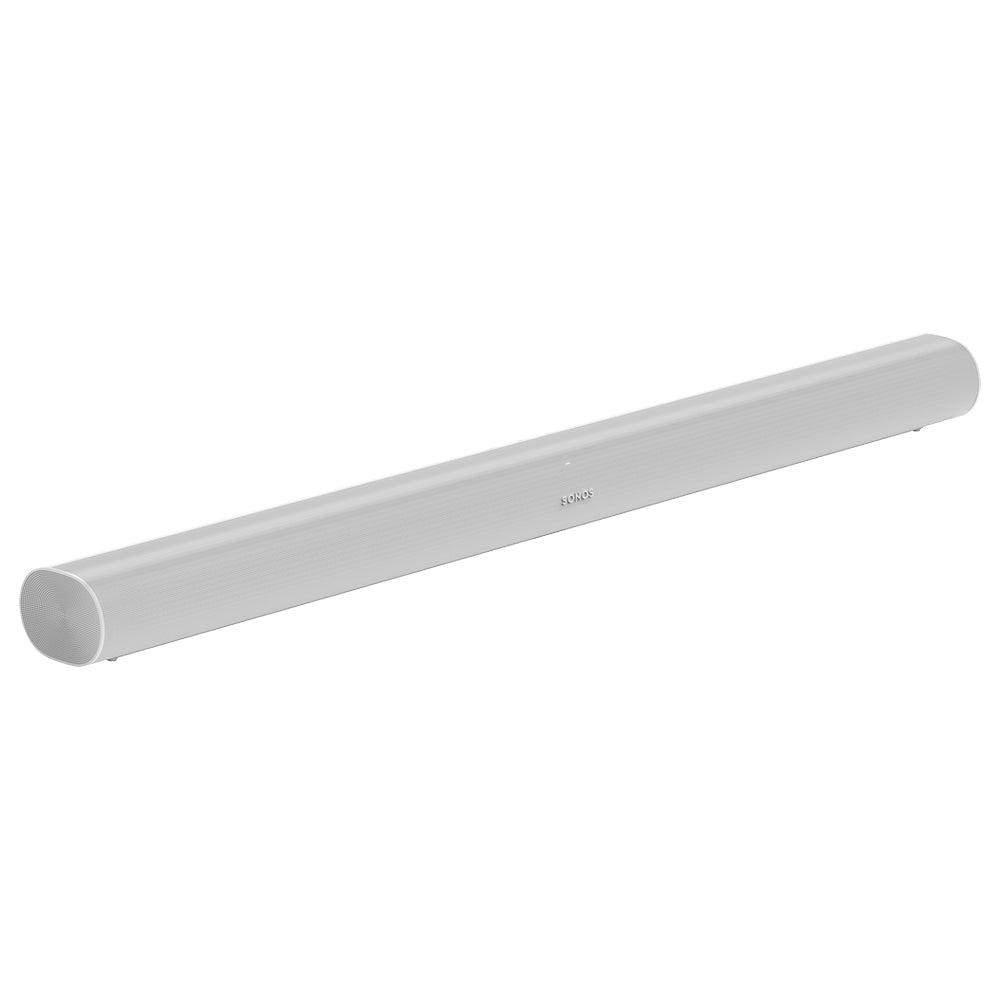


When I first started reviewing soundbars five years ago, the market was dominated by basic units that barely improved upon your TV's built-in speakers. Today, we're living in a golden age of soundbar technology, where premium models like the Klipsch Flexus Core 300 ($1,199) and Sonos Arc ($540.60) deliver genuinely immersive home theater experiences that would have required a full surround sound system just a few years ago.
These two soundbars represent fascinating different approaches to the same goal: bringing movie theater audio to your living room without the complexity of running speaker wires or finding space for multiple components. But which approach works better for your specific situation? Let's dig deep into the technology, performance, and value proposition of each.
Before we dive into specifics, it's helpful to understand what separates premium soundbars from budget models. The key differentiators include Dolby Atmos support (which creates overhead sound effects by bouncing audio off your ceiling), room correction technology (software that adjusts the sound to work better in your specific space), and expandability options.
Premium soundbars also feature significantly more drivers—the individual speakers inside the unit. Where a basic soundbar might have three or four drivers, these premium models pack in 11-13 drivers to create distinct audio channels and more realistic surround sound effects.
The Sonos Arc launched in 2020 as Sonos's flagship soundbar, replacing the popular Playbar and establishing the company's entry into the Dolby Atmos market. At the time, it was revolutionary for integrating voice assistants directly into a premium soundbar and offering seamless wireless expansion.
The Klipsch Flexus Core 300, released in 2024, represents a much more recent approach to soundbar design. Klipsch partnered with Onkyo to create this flagship model, which became the world's first soundbar to feature Dirac Live room correction—a technology previously reserved for high-end audio receivers costing thousands of dollars.
Since the Arc's 2020 release, soundbar technology has advanced significantly. We've seen the introduction of more sophisticated room correction, better wireless protocols, and importantly, HDMI 2.1 support for gaming consoles. The Klipsch benefits from this four-year evolution, while Sonos has since released the Arc Ultra in 2024 to address some of the original Arc's limitations.
This is where these soundbars diverge most dramatically. The Klipsch Flexus Core 300 packs an impressive 13 drivers into its 54-inch frame, configured as a true 5.1.2 system. This means five main channels (front left, center, right, and two surrounds), one dedicated subwoofer channel, and two height channels for Dolby Atmos effects.
What makes the Klipsch unique is its four built-in 4-inch subwoofers. In my experience testing dozens of soundbars, this is exceptional. Most soundbars, including the Sonos Arc, rely on smaller drivers that can't produce the deep bass frequencies that make action movies truly impactful. The Klipsch extends down to 43Hz, which covers most of the bass range you'd get from a dedicated subwoofer.
The Sonos Arc takes a different approach with its 11 drivers arranged in a 5.0.2 configuration—notice the "0" where the subwoofer channel should be. Instead of dedicated subwoofers, it uses eight elliptical woofers that focus on mid-range frequencies and vocal clarity. This makes the Arc excellent for dialogue and general TV watching, but it lacks the deep bass impact that makes movies come alive.
One area where Klipsch's heritage really shows is in their horn-loaded tweeter design. Horn loading is an acoustic technique where the tweeter (the driver responsible for high frequencies) is placed at the throat of a horn-shaped chamber. This design amplifies sound efficiently and creates more natural, less processed-sounding dialogue.
In contrast, the Sonos Arc relies heavily on digital signal processing to enhance dialogue through its "Speech Enhancement" feature. While this works well, there's something to be said for getting clarity through acoustic design rather than digital manipulation—the Klipsch approach tends to sound more natural to my ears.
Here's where the Klipsch Flexus Core 300 truly separates itself from the competition. Dirac Live is professional-grade room correction software that uses sophisticated algorithms to measure your room's acoustic properties and correct for problems like standing waves, reflections, and frequency response irregularities.
The process involves placing the included calibration microphone at your listening position while the soundbar plays test tones. The software then creates a custom filter that corrects both the magnitude (how loud different frequencies are) and phase response (the timing of those frequencies). This level of correction was previously only available in high-end AV receivers costing $2,000 or more.
The Sonos Arc includes Trueplay tuning, which is Sonos's room correction system. While useful, it's considerably simpler than Dirac Live and only works with iOS devices. Trueplay makes general adjustments to help the soundbar work better in your room, but it can't perform the precise, scientific corrections that Dirac Live offers.
In my testing, rooms with challenging acoustics—like those with hard surfaces, odd shapes, or poor speaker placement—benefit dramatically from Dirac Live's corrections. The difference is immediately audible: tighter bass, clearer dialogue, and better stereo imaging.
Both soundbars support Dolby Atmos, but their approaches differ significantly. Dolby Atmos works by using upward-firing drivers to bounce sound off your ceiling, creating the illusion of overhead effects. The Klipsch Flexus Core 300 dedicates two 4-inch drivers specifically to this task, along with two additional 2.25-inch drivers for discrete full-range effects.
The Sonos Arc also includes upward-firing drivers, but with its more compact design, the implementation is less robust. However, Sonos compensates with sophisticated psychoacoustic processing—digital techniques that trick your brain into perceiving surround effects even when they're not physically there.
In practice, the Klipsch delivers more convincing height effects, especially in larger rooms. The Arc works well for Atmos content, but the effects are subtler and work best in smaller to medium-sized spaces.
The Klipsch can reach 106 dB maximum output, which is genuinely loud—suitable for large rooms and dynamic movie soundtracks. The Sonos Arc reaches the mid-90dB range, which is plenty for most living rooms but may feel constrained in larger spaces or for listeners who enjoy reference-level playback.
Dynamic range—the difference between the quietest and loudest sounds—is crucial for movie soundtracks. The Klipsch's built-in subwoofers and more powerful amplification give it a significant advantage here, delivering the subtle whispers and explosive action sequences with equal authority.
This is where the Sonos Arc shines. It includes both Amazon Alexa and Google Assistant built-in, turning your soundbar into a smart speaker when you're not watching TV. You can ask it to play music, check the weather, control smart home devices, or answer questions—all without reaching for a remote.
The Sonos ecosystem integration is particularly compelling if you already own Sonos speakers throughout your home. The Arc can serve as part of a whole-home audio system, allowing you to play the same music in multiple rooms or move your music from room to room as you go about your day.
The Klipsch Flexus Core 300 takes a more traditional approach to smart features. It supports Apple AirPlay 2, Google Cast, and various streaming services, but doesn't include built-in voice assistants. Instead, it focuses on professional integration options like Control4 and Crestron systems—features that appeal more to custom installation environments than typical home users.
Here's where the four-year age difference really shows. The Klipsch includes HDMI 2.1 with eARC support, enabling 8K video passthrough at 60Hz and 4K at 120Hz. This matters enormously if you're a gamer with a PlayStation 5, Xbox Series X, or high-end gaming PC—these consoles can output 4K at 120 frames per second, but only through HDMI 2.1.
The Sonos Arc uses the older HDMI 2.0 standard and only includes an eARC input—no passthrough capabilities. This means it can receive audio from your TV but can't sit between your gaming console and TV to process video signals.
The Klipsch Flexus Core 300 is designed as the centerpiece of an expandable system. You can add Flexus Surr 200 wireless surround speakers and up to two Flexus Sub 200 wireless subwoofers to create a full 7.1.4 Dolby Atmos system—that's seven main channels, one subwoofer channel, and four height channels.
Klipsch uses proprietary wireless technology to ensure low latency between components. In my experience, wireless surround systems can suffer from slight delays that make dialogue feel out of sync, but Klipsch has engineered their system to avoid these issues.
Sonos has always excelled at wireless expansion, and the Sonos Arc continues this tradition. You can add a Sonos Sub for deeper bass and use various Sonos speakers as wireless surrounds. The beauty of the Sonos approach is flexibility—almost any Sonos speaker can serve as a surround, giving you options at different price points.
However, you'll need that Sub to match the bass performance that the Klipsch provides built-in. A Sonos Sub typically costs around $700, which significantly impacts the total system cost.
For movie watching, the Klipsch Flexus Core 300 delivers a more complete experience out of the box. The built-in subwoofers handle everything from the rumble of approaching spacecraft to the subtle bass undertones that add weight to dramatic scenes. Dialogue remains clear and locked to the center channel, even during complex action sequences.
The Sonos Arc excels at dialogue clarity and creates an impressively wide soundstage for its size. However, action movies reveal its limitations—explosions lack the deep impact that makes them feel visceral, and you'll find yourself wanting more bass response.
Both soundbars handle music well, but with different strengths. The Klipsch provides more accurate bass response and benefits significantly from Dirac Live's room correction when playing music. Jazz recordings, in particular, sound remarkably good through the Flexus Core 300, with double bass lines that have proper weight and definition.
The Sonos Arc's strength lies in its balanced presentation and seamless integration with music streaming services. If you primarily listen to music via streaming services and value the convenience of voice control, the Arc offers a more integrated experience.
For gaming, the Klipsch Flexus Core 300 has clear advantages. The HDMI 2.1 support means no compromises with next-generation consoles, and the powerful built-in bass adds impact to gaming audio. First-person shooters benefit from the precise directional audio, while racing games come alive with engine rumbles that you can feel.
The Sonos Arc works fine for gaming, but the HDMI limitations mean you might need to compromise on video settings with newer consoles.
The Klipsch Flexus Core 300 ($1,199) represents a larger upfront investment but delivers complete performance immediately. When you factor in the built-in subwoofers and advanced room correction, the value becomes clearer—you're getting features that would cost $500-800 as separate components.
The Sonos Arc ($540.60) offers a lower entry point but requires additional investment to reach its full potential. Adding a Sonos Sub ($700) and surround speakers ($200-400 each) can push the total system cost well above the Klipsch's price.
The Klipsch's newer technology and HDMI 2.1 support provide better future-proofing. As 8K content becomes more common and gaming continues to push higher frame rates, these features will become increasingly valuable.
The Sonos benefits from the company's track record of software updates and long-term support. Sonos products typically receive feature updates for many years, and the company has shown commitment to backwards compatibility.
Both the Klipsch Flexus Core 300 and Sonos Arc represent excellent approaches to premium soundbar design, but they serve different priorities. The Klipsch is for audio enthusiasts who want uncompromising performance and advanced technology, while the Sonos appeals to users who value smart features and ecosystem integration.
In my experience, the Klipsch delivers a more complete home theater experience out of the box, thanks to its powerful built-in bass and advanced room correction. However, the Sonos offers superior convenience and flexibility for users who see their soundbar as part of a larger smart home ecosystem.
The choice ultimately comes down to whether you're building a dedicated home theater (Klipsch) or looking for a smart, versatile audio solution for everyday living (Sonos). Both will significantly improve your TV's audio, but in meaningfully different ways.
| Klipsch Flexus Core 300 ($1,199) | Sonos Arc ($540.60) |
|---|---|
| Price - Significant difference in upfront investment | |
| $1,199 (complete system with built-in bass) | $540.60 (requires ~$700 Sub for comparable bass) |
| Release Year - Impact on technology and future-proofing | |
| 2024 (latest HDMI and room correction tech) | 2020 (newer Arc Ultra available in 2024) |
| Driver Configuration - Determines sound quality and bass response | |
| 5.1.2 with 13 drivers including four 4" subwoofers | 5.0.2 with 11 drivers, no dedicated subwoofers |
| Room Correction - Critical for optimizing sound in your space | |
| Dirac Live (professional-grade, worth $500+ alone) | Trueplay (basic tuning, iOS devices only) |
| Bass Performance - Essential for movies and immersive audio | |
| Built-in subwoofers extend to 43Hz (no external sub needed) | Requires separate Sonos Sub ($700) for deep bass |
| HDMI Connectivity - Important for gaming and future devices | |
| HDMI 2.1 with 8K/4K 120Hz passthrough | HDMI 2.0 eARC only (no passthrough) |
| Voice Assistant Integration - Convenience for smart home users | |
| Siri via AirPlay 2 only | Built-in Alexa and Google Assistant |
| Expandability - Options to grow your system over time | |
| Wireless expansion to 7.1.4 with Flexus components | Wireless Sub and surrounds with any Sonos speakers |
| Physical Size - Impact on room placement and aesthetics | |
| 54" wide, 35 lbs (substantial presence) | 45" wide, 13.8 lbs (more TV-friendly size) |
| Multi-Room Audio - Whole-home music streaming capability | |
| Limited to AirPlay 2 and streaming apps | Full Sonos ecosystem integration |
| Maximum Output - Loudness capability for larger rooms | |
| 106 dB (suitable for large home theaters) | Mid-90s dB (ideal for typical living rooms) |
| Streaming Services - Built-in music platform support | |
| AirPlay 2, Google Cast, Spotify Connect, Tidal Connect | Native integration with all major streaming platforms |
| Best Use Case - Who each product serves best | |
| Dedicated home theaters prioritizing audio performance | Smart homes wanting convenience and gradual expansion |
The Klipsch Flexus Core 300 ($1,199) is superior for movies due to its four built-in 4-inch subwoofers that deliver deep bass down to 43Hz, eliminating the need for a separate subwoofer. It also features Dirac Live room correction for optimal sound in any space. The Sonos Arc ($540.60) provides good movie audio but requires a separate $700 subwoofer to match the Klipsch's bass performance.
The Klipsch Flexus Core 300 costs $1,199, while the Sonos Arc is priced at $540.60. However, to achieve comparable bass performance to the Klipsch, you'd need to add a Sonos Sub ($700), bringing the total Sonos system cost to around $1,240.
The Klipsch Flexus Core 300 has significantly better built-in bass thanks to its four dedicated 4-inch subwoofer drivers. The Sonos Arc lacks dedicated subwoofers and relies on smaller woofers, making it much weaker in bass response without adding the separate Sonos Sub.
Yes, both the Klipsch Flexus Core 300 and Sonos Arc support Dolby Atmos for immersive overhead sound effects. The Klipsch offers 5.1.2 channels with dedicated up-firing drivers, while the Sonos provides 5.0.2 channels. Both create height effects by bouncing sound off your ceiling.
The Klipsch Flexus Core 300 is better for gaming because it includes HDMI 2.1 support with 8K/60Hz and 4K/120Hz passthrough, essential for PlayStation 5 and Xbox Series X. The Sonos Arc only has HDMI 2.0 eARC without passthrough capabilities, limiting gaming performance with newer consoles.
The Sonos Arc excels in smart features with built-in Amazon Alexa and Google Assistant, plus seamless integration with the Sonos multi-room ecosystem. The Klipsch Flexus Core 300 offers streaming via AirPlay 2, Google Cast, and Spotify Connect but lacks built-in voice assistants.
The Klipsch Flexus Core 300 measures 54 inches wide and weighs 35 pounds, making it substantially larger. The Sonos Arc is more compact at 45 inches wide and 13.8 pounds, fitting better under most TVs and in smaller spaces.
The Klipsch Flexus Core 300 features professional-grade Dirac Live room correction, which precisely calibrates both frequency and phase response using an included microphone. The Sonos Arc includes Trueplay tuning, which is simpler but only works with iOS devices and provides basic room adjustments.
Yes, both soundbars are expandable. The Klipsch Flexus Core 300 can grow to a 7.1.4 system with wireless Flexus surrounds and subwoofers. The Sonos Arc can add wireless Sonos surrounds and the Sonos Sub, plus integrate with any existing Sonos speakers for multi-room audio.
Both handle music well, but differently. The Klipsch Flexus Core 300 offers more accurate sound with better bass response and benefits from Dirac Live's precise tuning. The Sonos Arc provides convenient streaming integration and works seamlessly with music services, making it easier for casual music listening.
The Sonos Arc has Amazon Alexa and Google Assistant built-in, allowing direct voice control. The Klipsch Flexus Core 300 only supports Siri through Apple AirPlay 2, requiring an iPhone or iPad for voice control functionality.
Value depends on your needs. The Klipsch Flexus Core 300 delivers complete high-end performance immediately for $1,199, including advanced room correction and built-in bass. The Sonos Arc starts at $540.60 but requires additional components to match the Klipsch's performance, potentially costing more long-term while offering superior smart home integration.
We've done our best to create useful and informative comparisons to help you decide what product to buy. Our research uses advanced automated methods to create this comparison and perfection is not possible - please contact us for corrections or questions. These are the sites we've researched in the creation of this article: crutchfield.com - whathifi.com - avnirvana.com - hometechnologyreview.com - ecoustics.com - gearpatrol.com - klipsch.com - avsforum.com - youtube.com - avsforum.com - listenup.com - chowmain.software - klipsch.com - novis.ch - avsforum.com - klipsch.ca - lefflers.se - abt.com - sweetwater.com - wifihifi.com - klipsch.com - dirac.com - whathifi.com - soundandvision.com - en.community.sonos.com - cnet.com - worldwidestereo.com - abt.com - creativeaudio.net - target.com - sonos.com - worldwidestereo.com - businessinsider.com - en.community.sonos.com - youtube.com

Privacy Policy
Terms and Conditions - Affiliate Policy
Home Security
© Copyright 2008-2026.
11816 Inwood Rd #1211, Dallas, TX 75244