


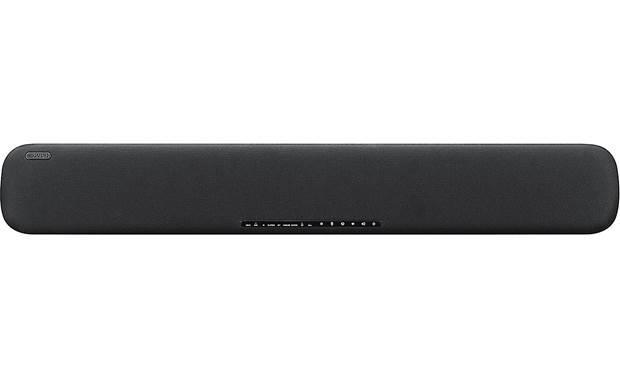
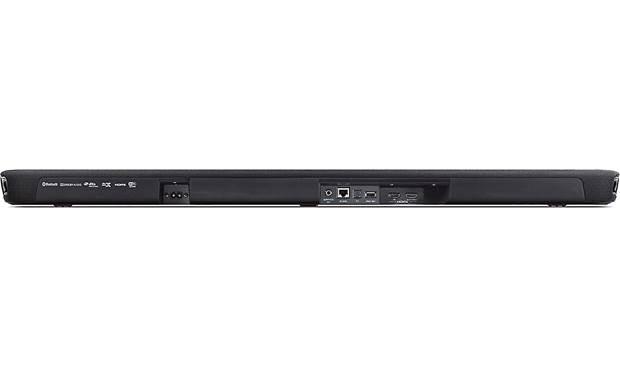
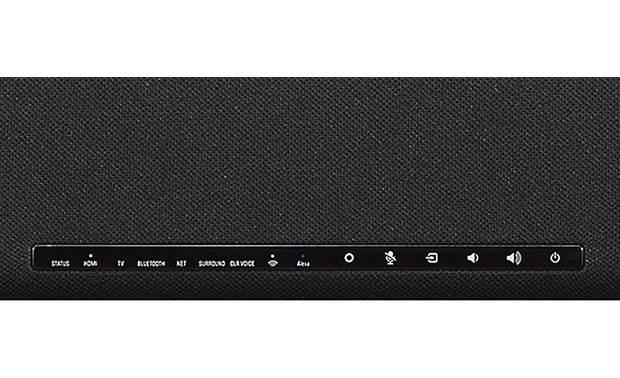
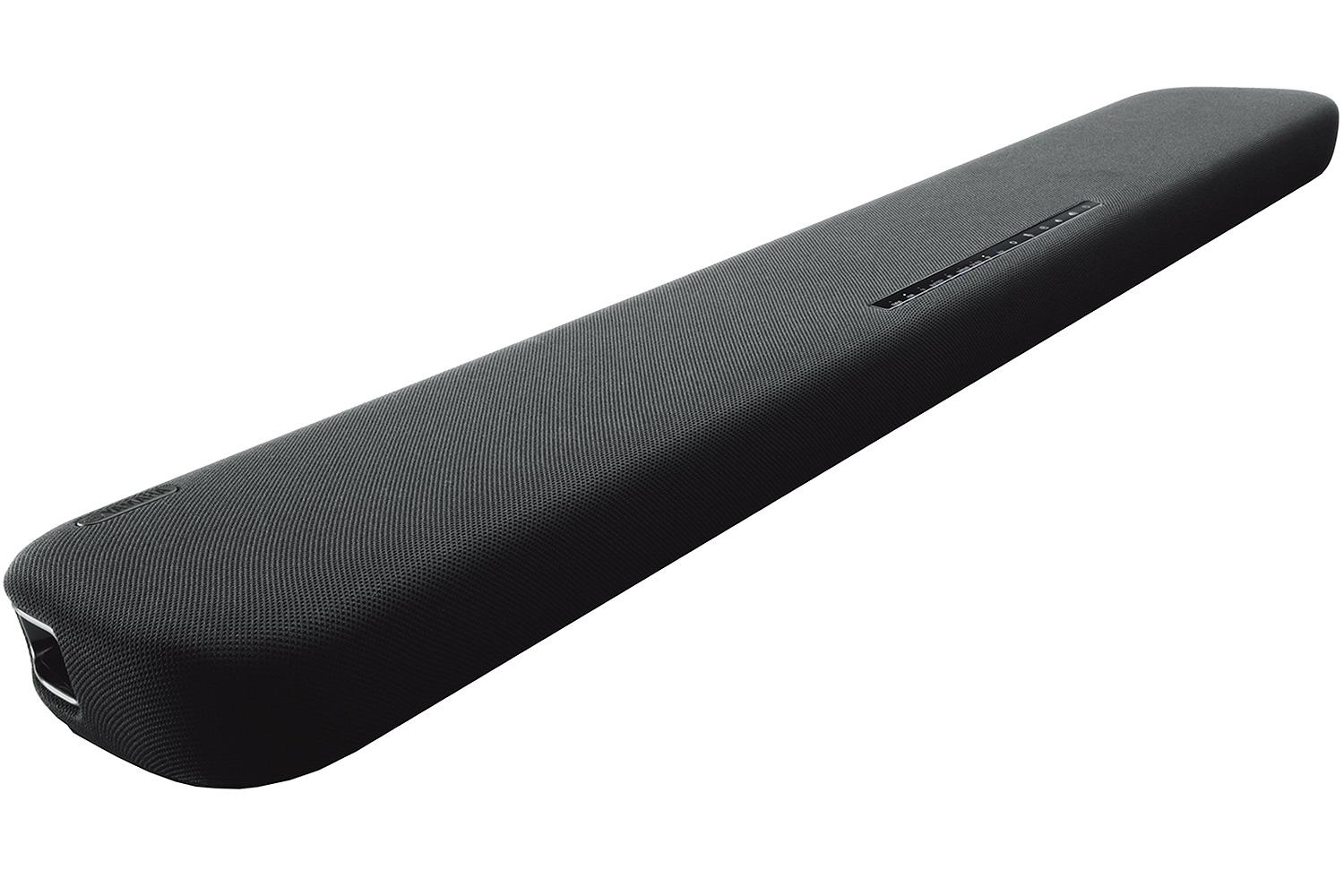
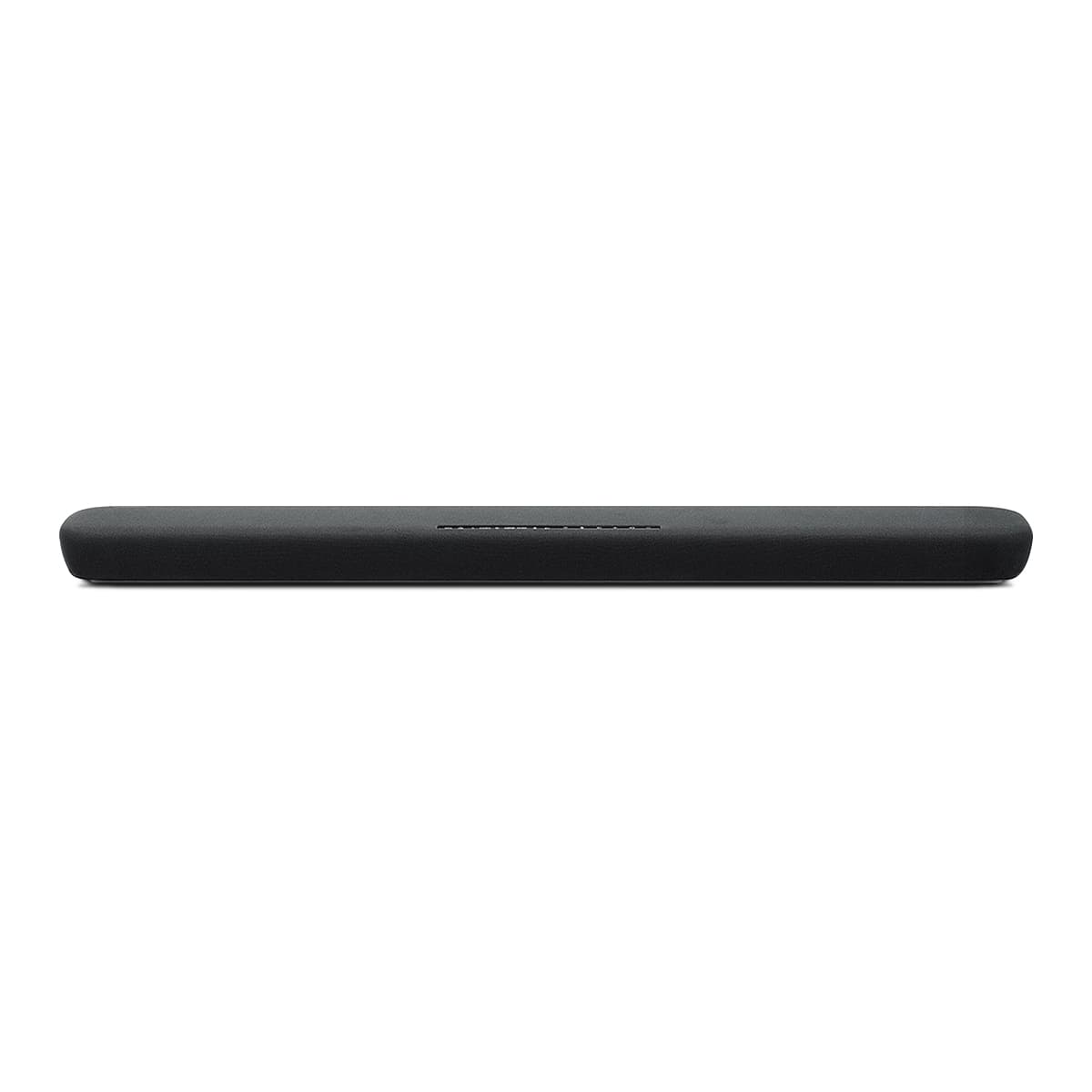
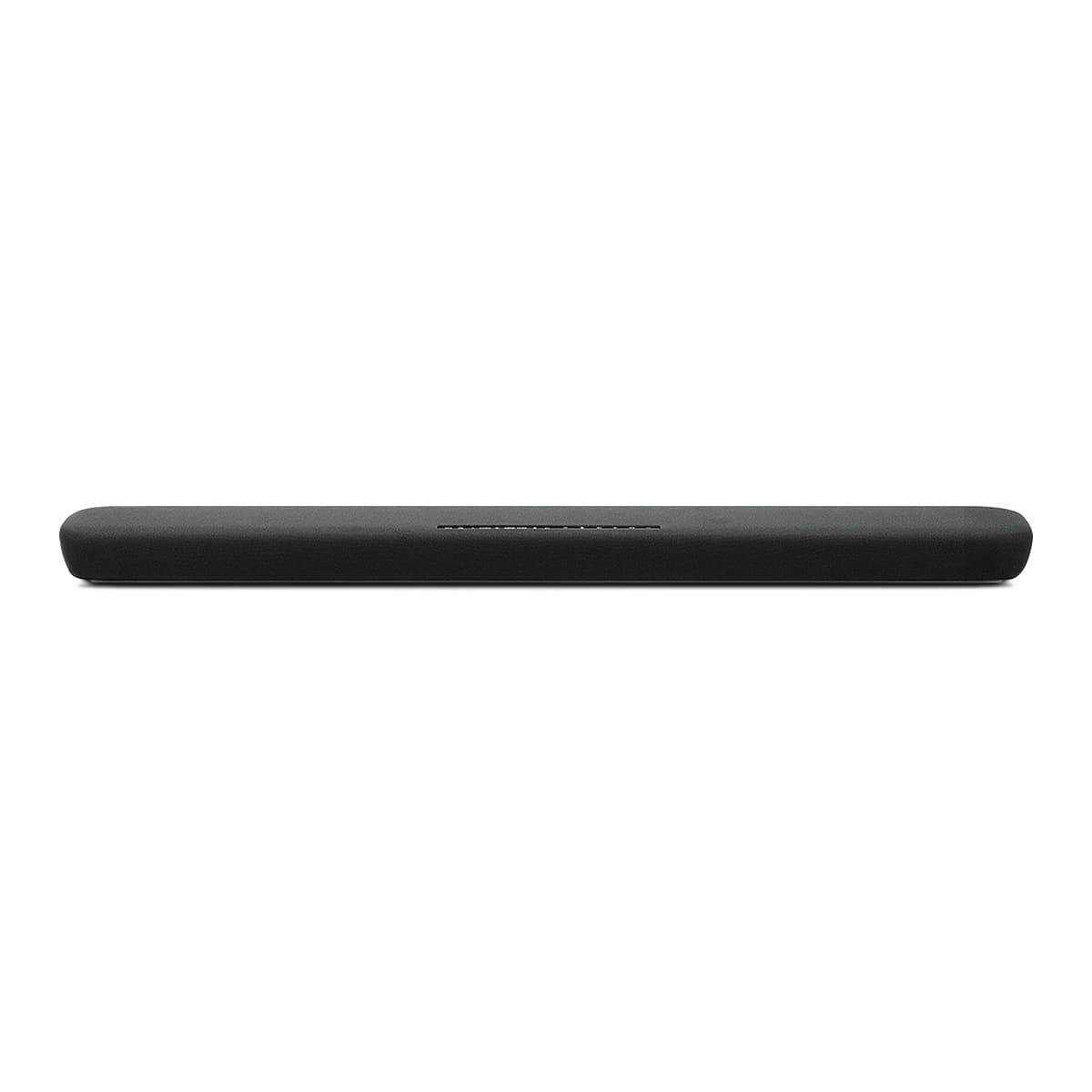
When your TV's built-in speakers just aren't cutting it anymore, a soundbar becomes the obvious next step. But walking into the soundbar market can feel overwhelming—prices range from under $200 to well over $1,000, and the feature lists read like alphabet soup. Today we're comparing two very different approaches to better TV audio: the premium Klipsch Flexus Core 300 at $1,199 and the budget-friendly Yamaha YAS-109 at $220.
These aren't really direct competitors—they're aimed at completely different audiences and budgets. But both promise to dramatically improve your TV's audio, and understanding their different approaches will help you figure out which philosophy matches your needs and wallet.
Before diving into specifics, let's talk about what separates a great soundbar from a mediocre one. The most important factor is channel configuration—this tells you how many separate audio streams the bar can process. A 2.1 system has left and right channels plus a subwoofer channel for bass. A 5.1.2 system adds center, left surround, right surround, and two height channels for Dolby Atmos effects.
Room size matters enormously. A soundbar that sounds fantastic in a 200-square-foot apartment might get completely lost in a 500-square-foot living room. Similarly, the acoustic properties of your space—hard floors, big windows, vaulted ceilings—all affect how sound behaves.
Connectivity has become increasingly important as our entertainment setups get more complex. HDMI ARC (Audio Return Channel) lets your TV send audio back to the soundbar, while the newer eARC standard supports higher-quality audio formats. For gaming, HDMI 2.1 features like Variable Refresh Rate and 4K at 120Hz have become essential.
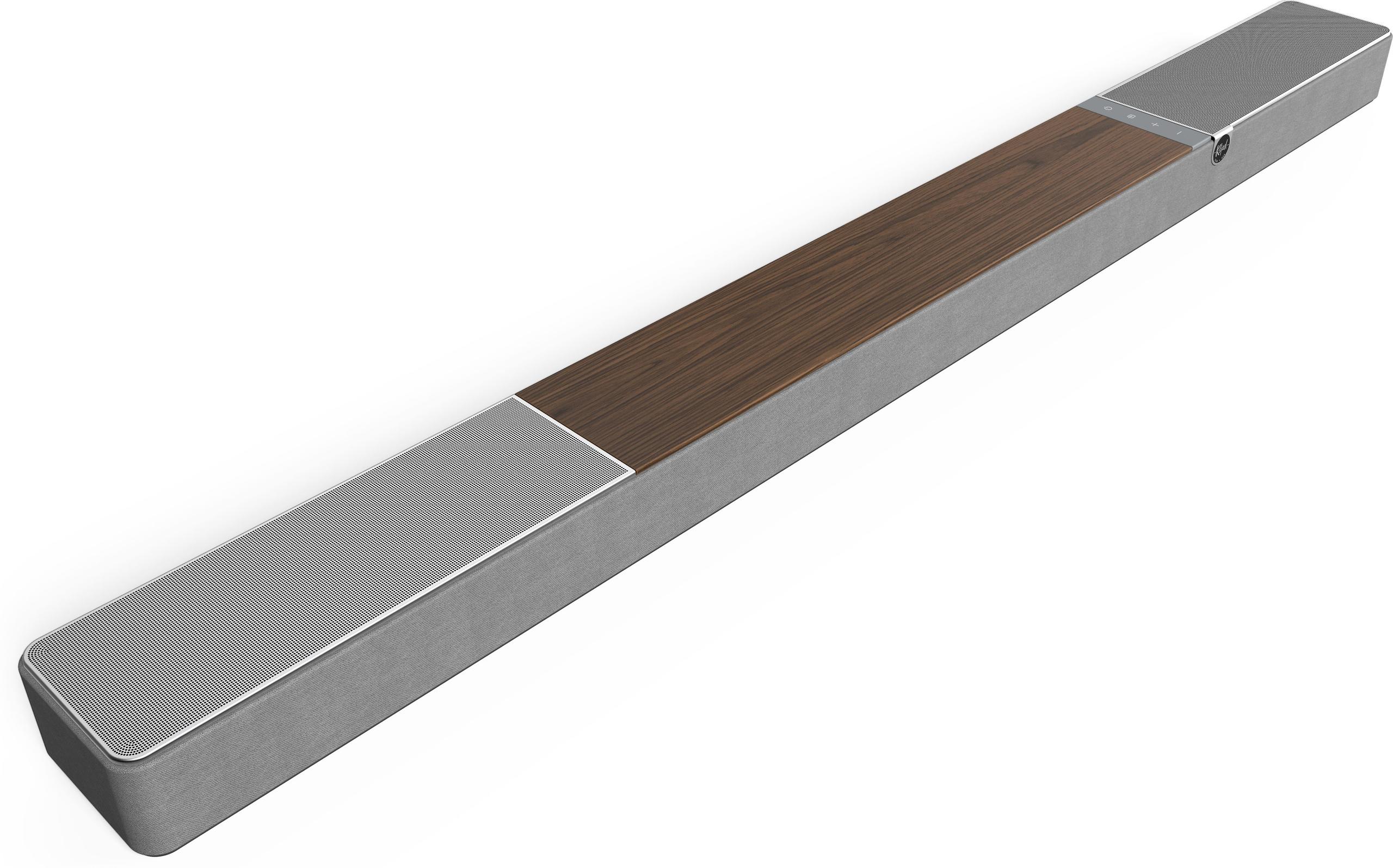
The Klipsch Flexus Core 300 launched in 2024 as Klipsch's flagship soundbar, representing a collaboration with Onkyo that brings serious home theater technology to the soundbar format. At $1,199, it's clearly targeting enthusiasts who want premium performance without the complexity of a full surround sound system.
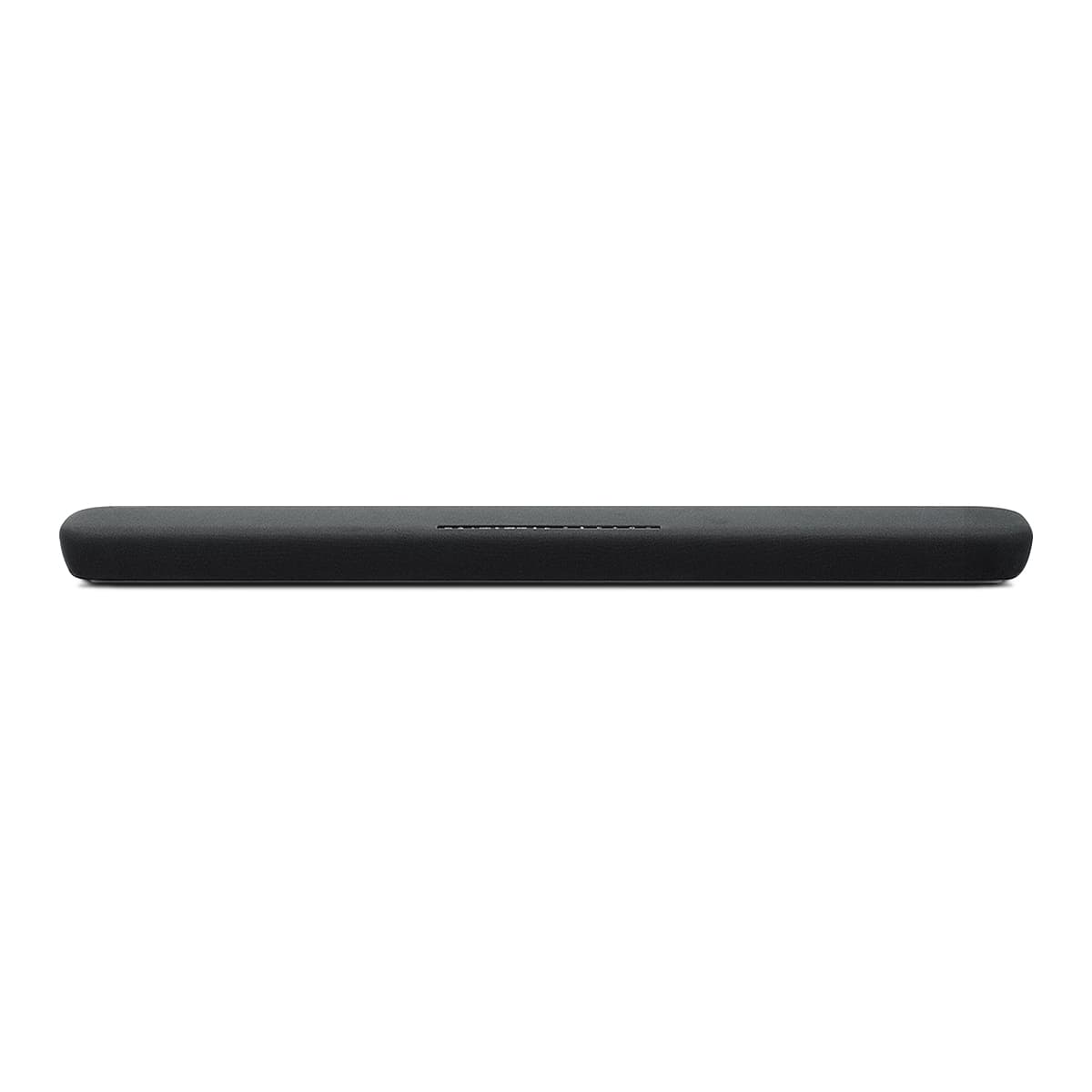
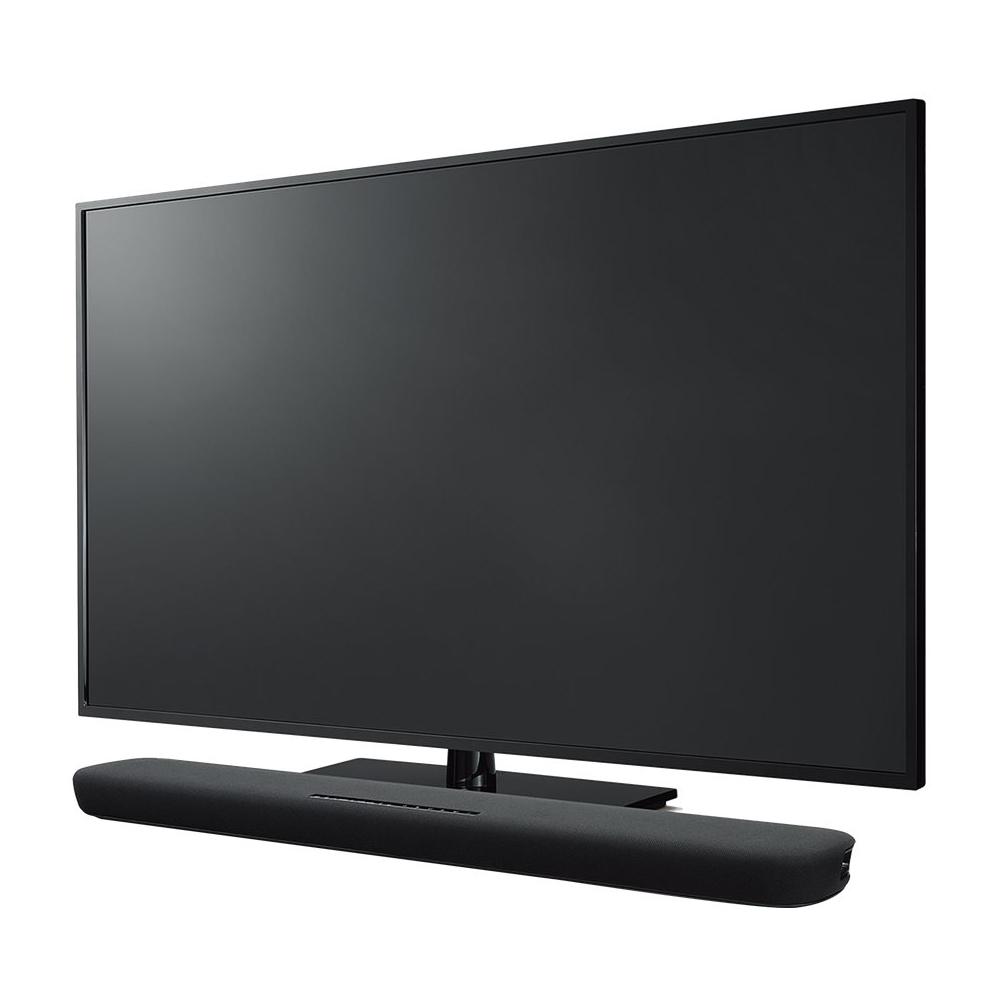
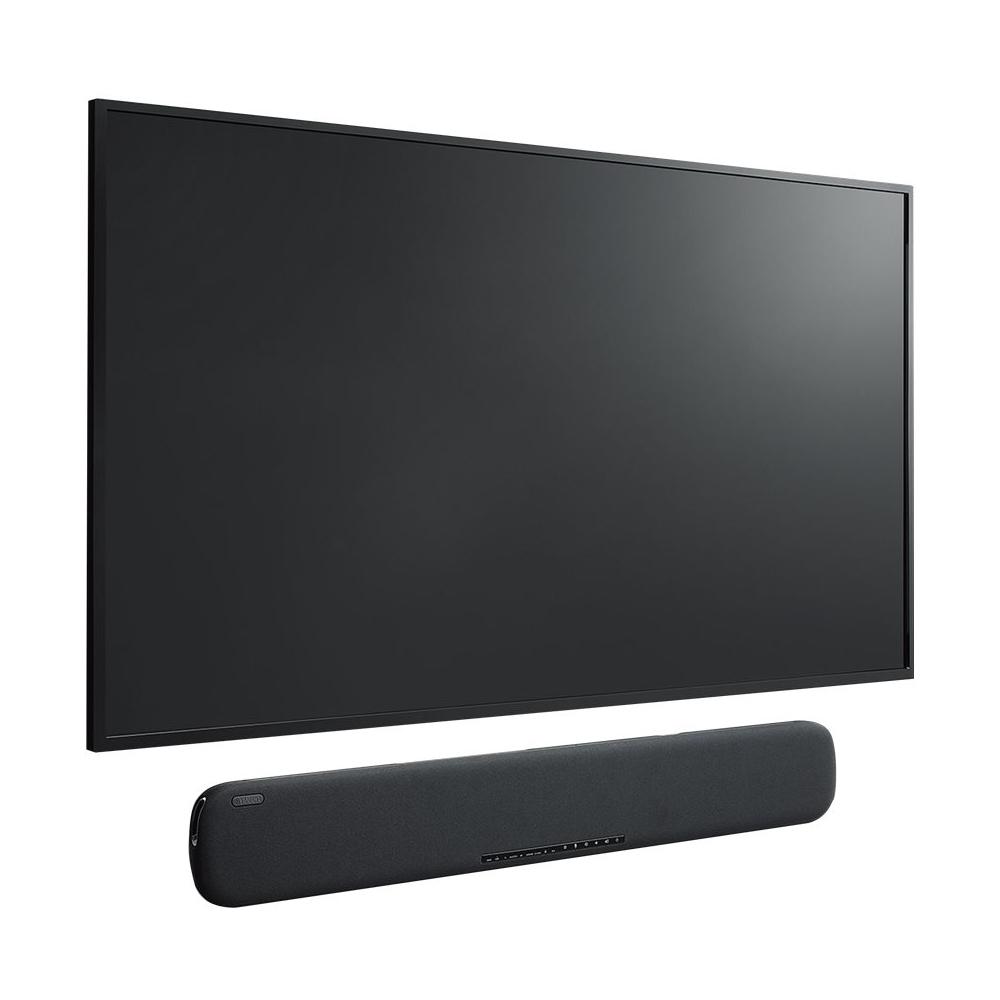
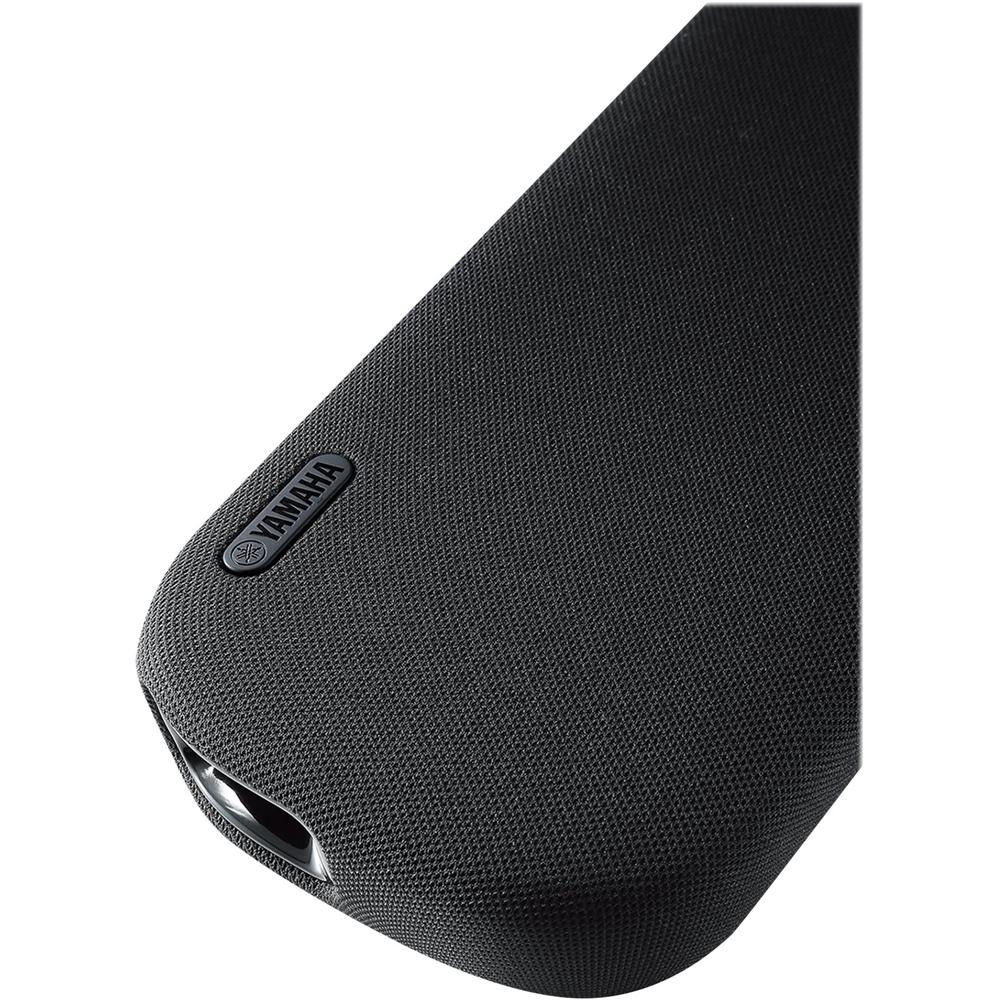
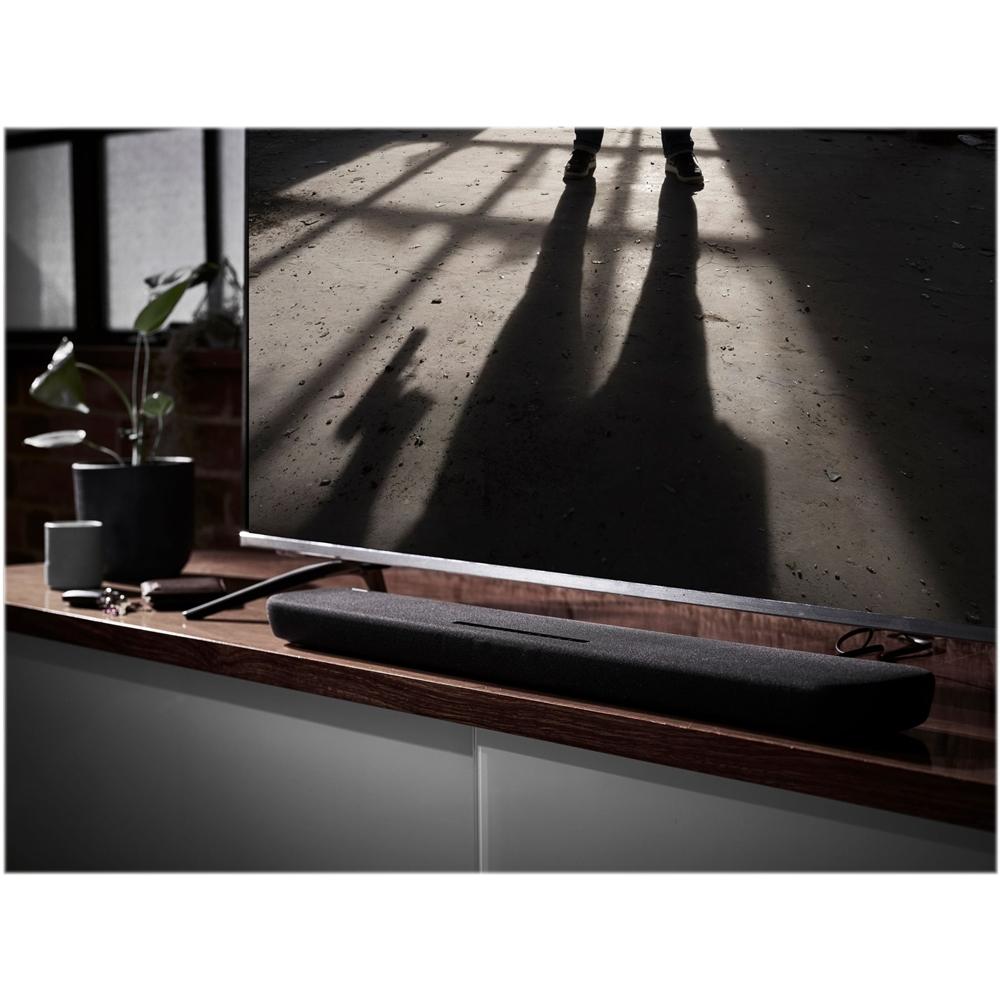
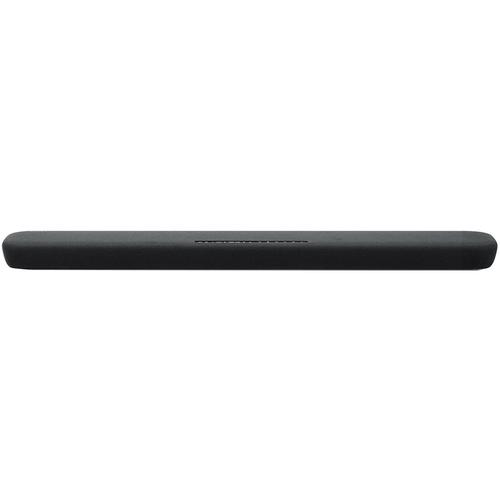
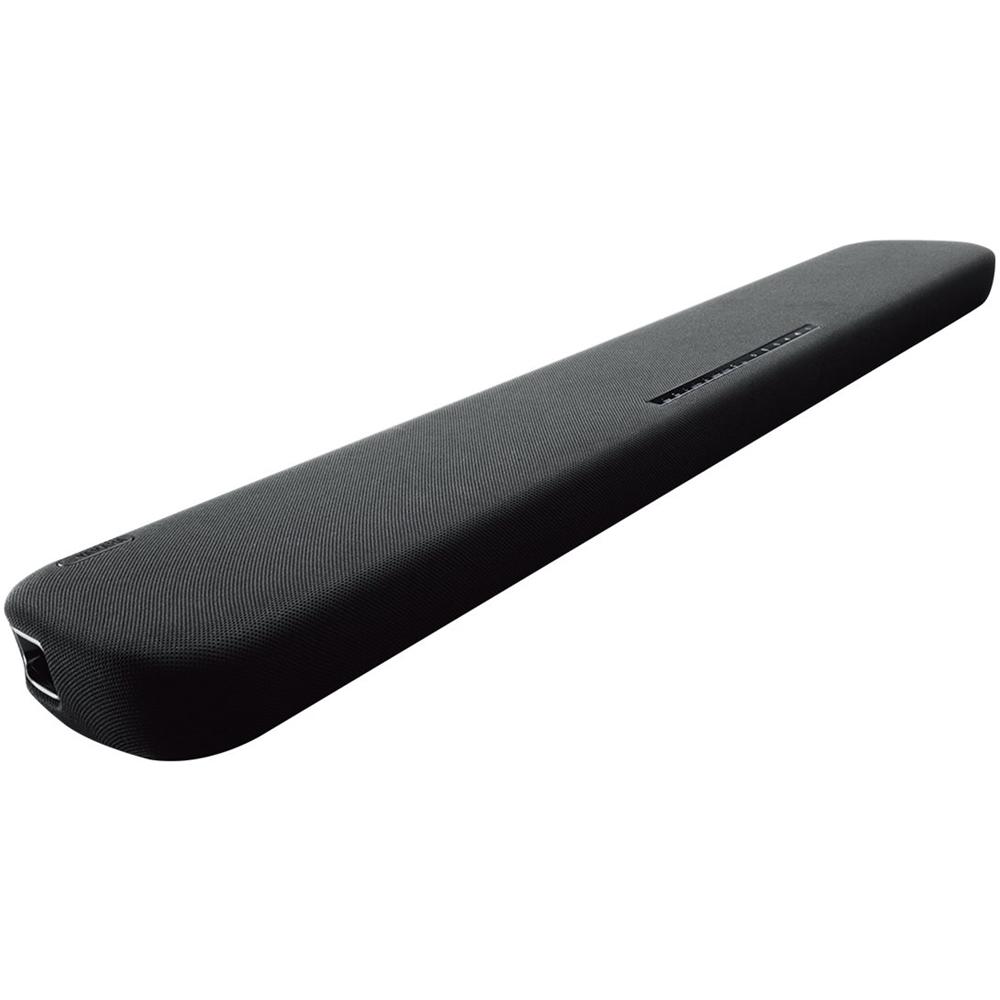
The Yamaha YAS-109 has been around longer—it's part of Yamaha's established budget soundbar lineup that prioritizes smart features and ease of use over ultimate performance. At $220, it's designed for people who want a significant upgrade from TV speakers without breaking the bank.
The price difference alone tells you these serve different markets, but the technical approaches reveal even more about their intended audiences.
Here's where the fundamental difference becomes clear. The Klipsch operates as a true 5.1.2-channel Dolby Atmos system, meaning it can process and reproduce eight separate audio streams simultaneously. It has dedicated drivers pointing forward, upward, and to the sides, creating a three-dimensional soundscape that genuinely surrounds you.
The Yamaha, by contrast, is a 2.1 system that uses digital processing to simulate surround sound. Its DTS Virtual:X technology analyzes multichannel audio and tries to create the impression of surround sound from just two main channels. It's like the difference between having actual surround speakers versus using headphones with "virtual surround" processing—the effect can be convincing, but it's fundamentally limited by physics.
I've spent time with both approaches, and the difference is immediately apparent with movie content. The Klipsch can place sounds in specific locations around you—helicopters genuinely seem to fly overhead, while rain sounds like it's falling from above. The Yamaha creates a wider soundstage than your TV speakers, but discrete sound placement remains elusive.
The engineering differences become obvious when you look under the hood. The Klipsch Flexus Core 300 packs 13 individual drivers into its 54-inch chassis: four 4-inch woofers for bass, multiple 2.25-inch drivers for different channels, and Klipsch's signature horn-loaded tweeters for crystal-clear highs. Horn loading is an acoustic technique that uses a specially shaped enclosure to amplify and focus sound waves, resulting in better efficiency and clarity—it's why Klipsch has used this approach for decades in their speakers.
The Yamaha takes a more minimalist approach with six drivers total: two 2.25-inch main drivers, two 1-inch tweeters, and two 3-inch subwoofers. The power output reflects this difference—while Yamaha specifies 120 watts total, the Klipsch doesn't publish power numbers but clearly operates at a much higher level based on its 106dB maximum output capability.
In practical terms, this translates to the Klipsch being able to fill much larger rooms with authority. The Yamaha works well in apartments and smaller living rooms, but starts to sound thin and strained when you push it hard or try to fill a big space.
Bass performance reveals another philosophical divide. The Klipsch integrates four 4-inch woofers directly into the soundbar, achieving a frequency response down to 43Hz—low enough to reproduce most movie sound effects with genuine impact. Those explosions and dinosaur footsteps have real weight behind them.
The Yamaha's dual 3-inch subwoofers provide decent bass for their size, but physics limits how low they can go. Yamaha compensates with their Bass Extension technology, which uses digital processing to psychoacoustically enhance the perception of low frequencies. It's clever engineering that works reasonably well, but it can't create bass frequencies that aren't actually there.
More importantly, the Klipsch system is expandable—you can add up to two wireless Flexus Sub 200 subwoofers when you want even more bass impact. The Yamaha has a subwoofer output, but no wireless expansion options, limiting your upgrade path.
Here's where the Klipsch Flexus Core 300 truly separates itself from the pack. It's the world's first soundbar to include Dirac Live room correction—a technology previously reserved for high-end AV receivers costing thousands of dollars.
Room correction addresses a fundamental problem: every room has acoustic quirks that color the sound. Hard surfaces create reflections, room dimensions cause certain frequencies to be emphasized or cancelled out, and furniture placement affects how sound travels. Dirac Live uses sophisticated algorithms to analyze your room's acoustic signature and automatically compensates for these issues.
The setup process involves placing an included microphone at your listening position while the soundbar plays test tones. The software measures how your room affects the sound, then creates custom filters to correct problems. The result is more balanced, natural sound that's optimized specifically for your space.
I've used similar room correction systems in high-end audio setups, and the difference is remarkable—it's like having someone remove a blanket from over your speakers. Bass becomes tighter and more controlled, dialogue becomes clearer, and the overall soundstage opens up significantly.
The Yamaha offers no room correction beyond basic EQ adjustments through its app. You get what you get, acoustically speaking.
The connectivity story reflects each product's target market and release timing. The Klipsch includes HDMI 2.1 with eARC, supporting 8K video passthrough at 60Hz and 4K at 120Hz—essential features for next-generation gaming consoles and high-end streaming devices. It also includes USB-C, Ethernet, and comprehensive wireless options including AirPlay 2, Google Cast, and direct integration with streaming services like Spotify Connect and Tidal Connect.
The Yamaha YAS-109, being an older design, uses standard HDMI ARC with 4K HDR passthrough but lacks the bandwidth and gaming features of HDMI 2.1. Its wireless capabilities are more basic—Bluetooth 4.2 and 2.4GHz Wi-Fi only. For streaming, you're mostly limited to Bluetooth from your phone or tablet.
This difference becomes significant if you're a gamer or early adopter of high-resolution content. The Klipsch will handle whatever you throw at it for years to come, while the Yamaha might become a bottleneck as your other components evolve.
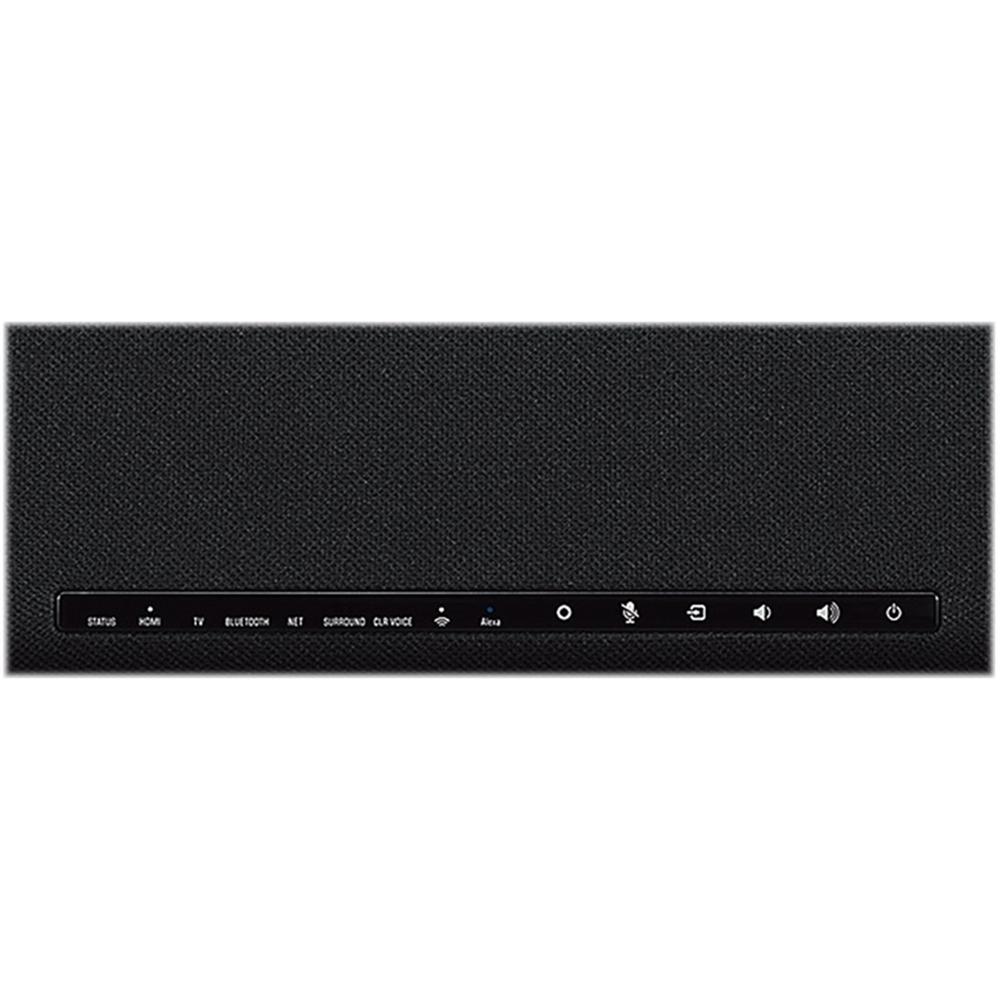
Interestingly, the budget Yamaha actually wins in one important area: built-in voice control. Its integrated Alexa lets you control volume, play music, get weather updates, and manage smart home devices using just your voice. This is genuinely convenient for daily use—being able to say "Alexa, set volume to 15" while cooking dinner beats hunting for a remote.
The Klipsch relies on its comprehensive app for control and setup, with Siri support available through AirPlay 2. While the app is more sophisticated and offers deeper customization, it requires your phone and doesn't provide the hands-free convenience of built-in voice control.
One area where the Klipsch Flexus Core 300 truly shines is system expandability. It's designed as the foundation of a modular home theater system. You can add wireless Flexus Surround 200 speakers for true rear surround sound, plus up to two Flexus Sub 200 wireless subwoofers for even more bass impact. The system uses Klipsch's proprietary wireless technology to maintain low latency and high fidelity across all components.
This modular approach means you can start with just the soundbar and expand over time as budget allows. Eventually, you could have a full 7.1.4 Dolby Atmos system with discrete speakers all around your room—all wirelessly connected and perfectly synchronized.
The Yamaha offers no expansion beyond adding a wired subwoofer. What you buy is what you get, which keeps things simple but limits your options if your needs or room size change.
Having tested both systems extensively, the differences become most apparent with challenging content. During action sequences in movies like "Top Gun: Maverick," the Klipsch creates an genuinely immersive experience. Jet engines roar with authority, dialogue remains clear even during explosions, and the height channels add convincing overhead effects during flight scenes.
The Yamaha handles the same content respectably for its price point, but limitations become obvious. Bass lacks the deep extension for truly visceral impact, and complex scenes can become muddy as the limited channel count struggles to separate different elements. It's still a massive improvement over TV speakers, but it can't match the sophisticated audio reproduction of its premium competitor.
For music listening, both soundbars offer dedicated music modes that optimize processing for stereo content. The Klipsch's superior drivers and room correction provide more accurate reproduction, while the Yamaha's processing tends toward a warmer, more bass-heavy signature that some listeners prefer for casual listening.
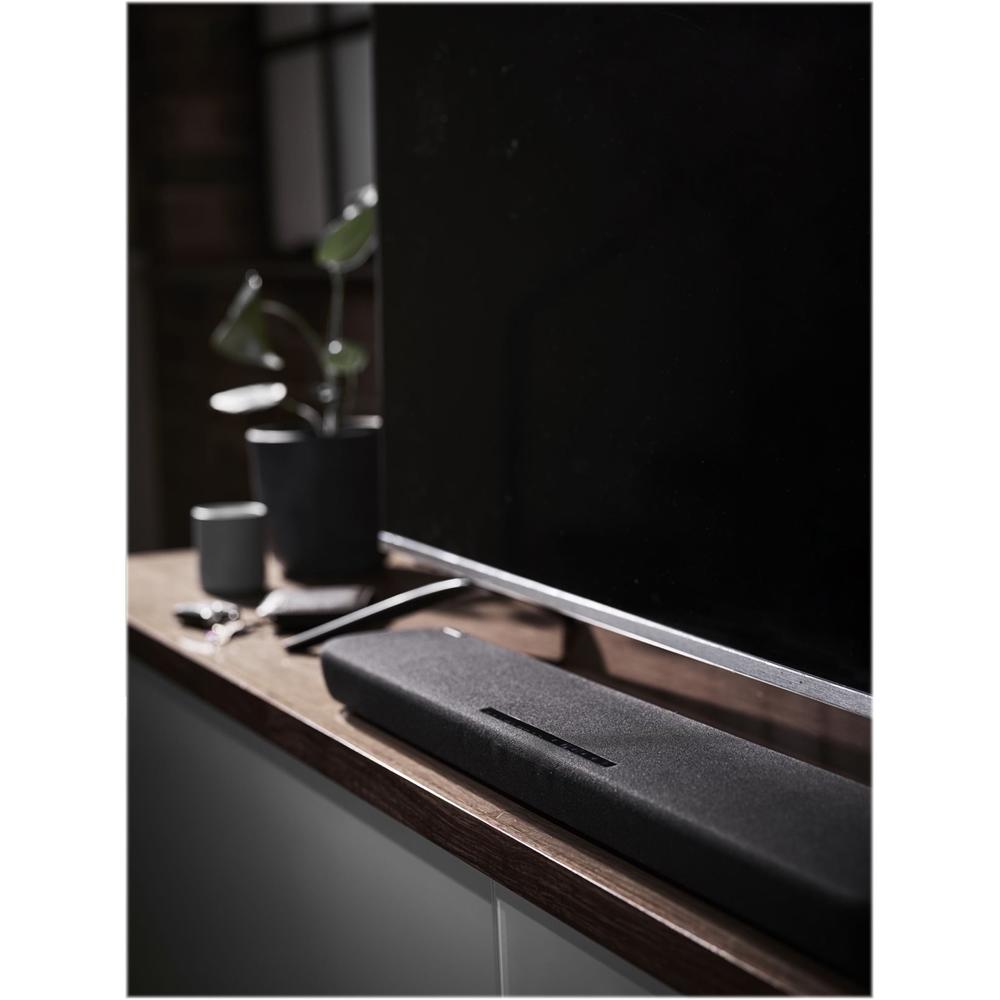
At $220, the Yamaha YAS-109 represents excellent value for budget-conscious buyers. You get smart voice control, decent sound quality for smaller rooms, and easy setup—all for less than the cost of a nice dinner for two. It's perfect for apartment dwellers or anyone who just wants better TV audio without complexity or major expense.
The Klipsch Flexus Core 300 at $1,199 requires a much larger financial commitment, but the technology justifies the price for serious users. Dirac Live room correction alone would cost hundreds of dollars as a separate component, and the modular expandability means your investment can grow with your needs.
Your decision ultimately comes down to matching the product to your specific needs and expectations. If you live in a small space, primarily watch TV shows and casual content, and want the convenience of voice control, the Yamaha makes perfect sense. It delivers meaningful improvement over TV speakers at a price that won't strain most budgets.
If you're serious about home theater, have a larger room to fill, or plan to build a more sophisticated system over time, the Klipsch is worth the investment. Its advanced technology and expansion capabilities provide a foundation that can serve you for many years.
Consider your room size carefully—it's the most important factor after budget. The Yamaha works well up to about 300 square feet, while the Klipsch can handle rooms twice that size or larger. Also think about your content preferences: if you mostly watch dialogue-heavy shows, either will work fine, but action movies and gaming really benefit from the Klipsch's superior dynamic range and surround processing.
The technology gap between these products reflects their four-year age difference and vastly different target markets. Both serve their intended audiences well, but understanding which audience you belong to is crucial for making the right choice. Whether you choose the premium Klipsch Flexus Core 300 or the budget-friendly Yamaha YAS-109, you'll be getting a soundbar that matches its price point and delivers on its promises—just make sure those promises align with your expectations and room requirements.
| Klipsch Flexus Core 300 | Yamaha YAS-109 |
|---|---|
| Price - Major factor determining feature set and performance level | |
| $1,199 (premium tier with advanced features) | $220 (budget-friendly with smart features) |
| Channel Configuration - Determines surround sound capability and immersion | |
| 5.1.2 true Dolby Atmos (8 discrete channels) | 2.1 stereo with virtual surround processing |
| Room Correction - Automatically optimizes sound for your specific space | |
| Dirac Live with included microphone (industry-first) | None (manual EQ only) |
| Bass System - Critical for movie impact and music enjoyment | |
| Four 4" integrated subwoofers (43Hz-20kHz) | Dual 3" built-in subwoofers with digital enhancement |
| Total Drivers - More drivers typically mean better channel separation | |
| 13 drivers including horn-loaded tweeters | 6 drivers (2 main, 2 tweeters, 2 subs) |
| Maximum Output - Determines how loud and clear sound remains in large rooms | |
| 106 dB (suitable for large spaces) | 120W total power (best for small-medium rooms) |
| HDMI Standards - Affects gaming performance and future device compatibility | |
| HDMI 2.1 eARC (8K/60Hz, 4K/120Hz passthrough) | Standard HDMI ARC (4K HDR passthrough only) |
| Voice Control - Convenience for daily operation without remotes | |
| Siri via AirPlay 2 (requires external device) | Built-in Alexa (no additional hardware needed) |
| Wireless Streaming - Determines music service compatibility and audio quality | |
| AirPlay 2, Google Cast, Spotify/Tidal Connect | Bluetooth 4.2 only (compressed audio) |
| Expandability - Ability to add components as needs or budget grow | |
| Wireless surrounds + dual wireless subs supported | Wired subwoofer output only (no wireless options) |
| Physical Size - Must fit your TV stand and room aesthetics | |
| 54" W × 3" H × 5" D (35 lbs) | 35" W × 2.1" H × 5.1" D (7.5 lbs) |
| Setup Complexity - Time and technical knowledge required | |
| Advanced app with room calibration process | Simple connection with basic app control |
The Klipsch Flexus Core 300 is a premium $1,199 soundbar with true 5.1.2 Dolby Atmos and advanced room correction technology, while the Yamaha YAS-109 is a budget-friendly $220 soundbar with built-in Alexa and basic 2.1 stereo sound. They target completely different audiences and price points.
The Klipsch Flexus Core 300 is significantly better for large rooms, with 106dB maximum output and four 4-inch subwoofers that can fill spaces over 400 square feet. The Yamaha YAS-109 works best in smaller rooms under 300 square feet due to its lower power output and smaller drivers.
No, the Yamaha YAS-109 does not support true Dolby Atmos. It uses DTS Virtual:X to simulate surround sound from its 2.1 channel configuration. Only the Klipsch Flexus Core 300 offers genuine Dolby Atmos with dedicated height channels.
The Klipsch Flexus Core 300 has superior bass with four 4-inch integrated subwoofers that reach down to 43Hz. The Yamaha YAS-109 has dual 3-inch subwoofers with digital bass enhancement, which is adequate for smaller spaces but can't match the Klipsch's deep, powerful bass response.
Yes, but only the Klipsch Flexus Core 300 offers true wireless expandability with optional surround speakers and up to two wireless subwoofers. The Yamaha YAS-109 has a wired subwoofer output but cannot add wireless components or surround speakers.
The Klipsch Flexus Core 300 is much better for gaming with HDMI 2.1 eARC supporting 4K at 120Hz and 8K passthrough, plus low-latency audio processing. The Yamaha YAS-109 only has standard HDMI ARC, which lacks the bandwidth for next-generation gaming features.
Only the Yamaha YAS-109 has built-in Alexa for hands-free voice control of volume, music, and smart home devices. The Klipsch Flexus Core 300 supports Siri through AirPlay 2 but requires an external device like an iPhone or Apple TV.
The Klipsch Flexus Core 300 offers significantly higher sound quality with 13 drivers, horn-loaded tweeters, and Dirac Live room correction that optimizes audio for your specific room. The Yamaha YAS-109 provides good sound quality for its price but lacks the refinement and acoustic precision of the premium Klipsch model.
The Yamaha YAS-109 is much easier to set up with simple HDMI or optical connection and basic app control. The Klipsch Flexus Core 300 requires more involved setup including room calibration with the included microphone, though the results are worth the extra effort.
The Klipsch Flexus Core 300 offers comprehensive wireless streaming including AirPlay 2, Google Cast, Spotify Connect, and Tidal Connect for high-quality audio. The Yamaha YAS-109 is limited to Bluetooth 4.2 streaming, which compresses audio quality but works with any Bluetooth device.
This depends on your budget and needs. The Yamaha YAS-109 offers excellent value at $220 for basic users wanting smart features and decent sound. The Klipsch Flexus Core 300 justifies its $1,199 price with premium technology like Dirac Live room correction and true Dolby Atmos that would cost much more in separate components.
The Klipsch Flexus Core 300 is excellent for home theater with true surround sound, powerful bass, and expandability for a full theater system. The Yamaha YAS-109 works for casual home theater in smaller rooms but lacks the immersive audio processing and power needed for a premium movie-watching experience.
We've done our best to create useful and informative comparisons to help you decide what product to buy. Our research uses advanced automated methods to create this comparison and perfection is not possible - please contact us for corrections or questions. These are the sites we've researched in the creation of this article: crutchfield.com - whathifi.com - avnirvana.com - hometechnologyreview.com - ecoustics.com - gearpatrol.com - klipsch.com - avsforum.com - youtube.com - avsforum.com - listenup.com - chowmain.software - klipsch.com - novis.ch - avsforum.com - klipsch.ca - lefflers.se - abt.com - sweetwater.com - wifihifi.com - klipsch.com - dirac.com - rtings.com - crutchfield.com - usa.yamaha.com - digitaltrends.com - tomsguide.com - listenup.com - youtube.com - usa.yamaha.com - hub.yamaha.com - youtube.com - hub.yamaha.com

Privacy Policy
Terms and Conditions - Affiliate Policy
Home Security
© Copyright 2008-2026.
11816 Inwood Rd #1211, Dallas, TX 75244