

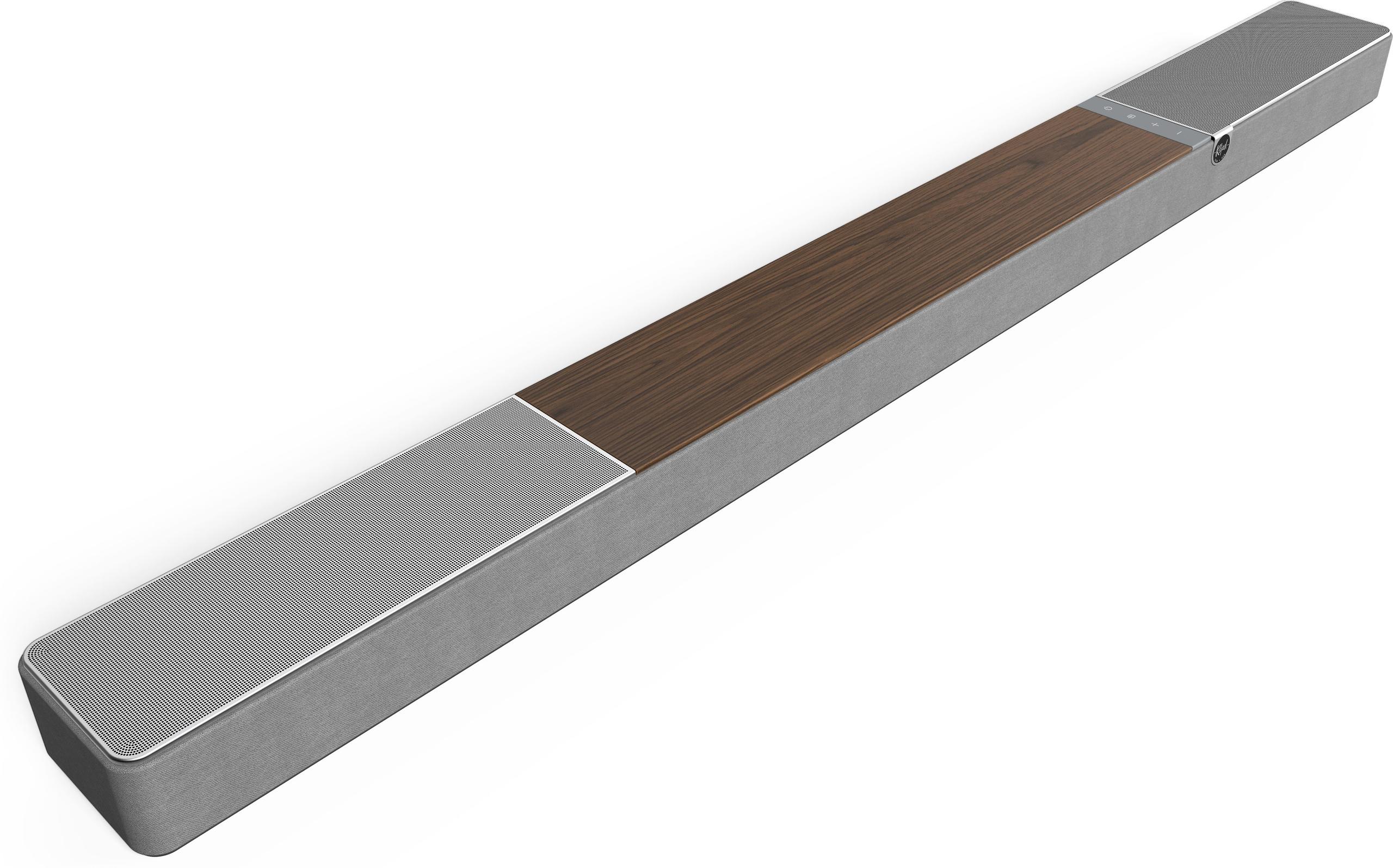
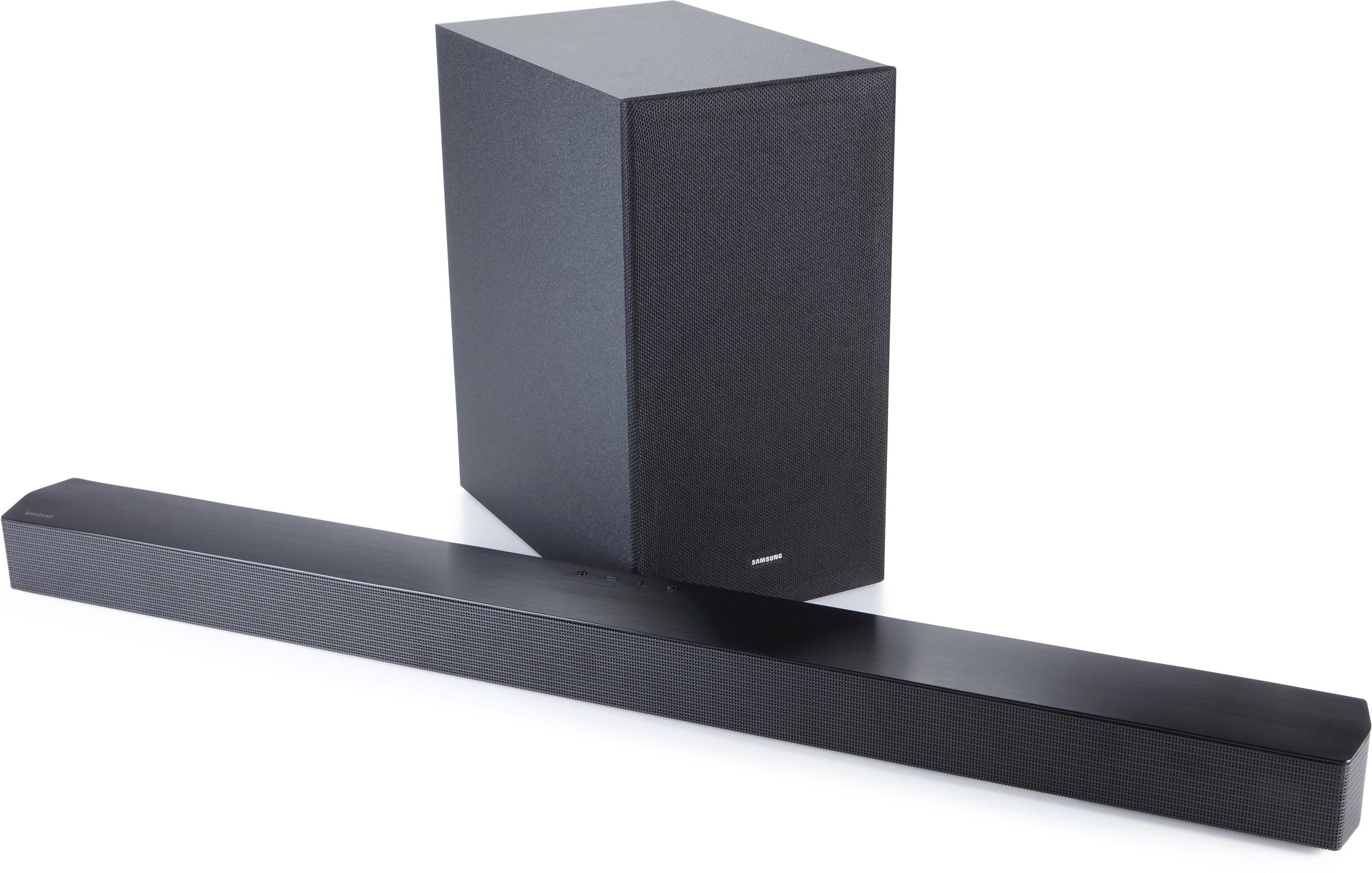
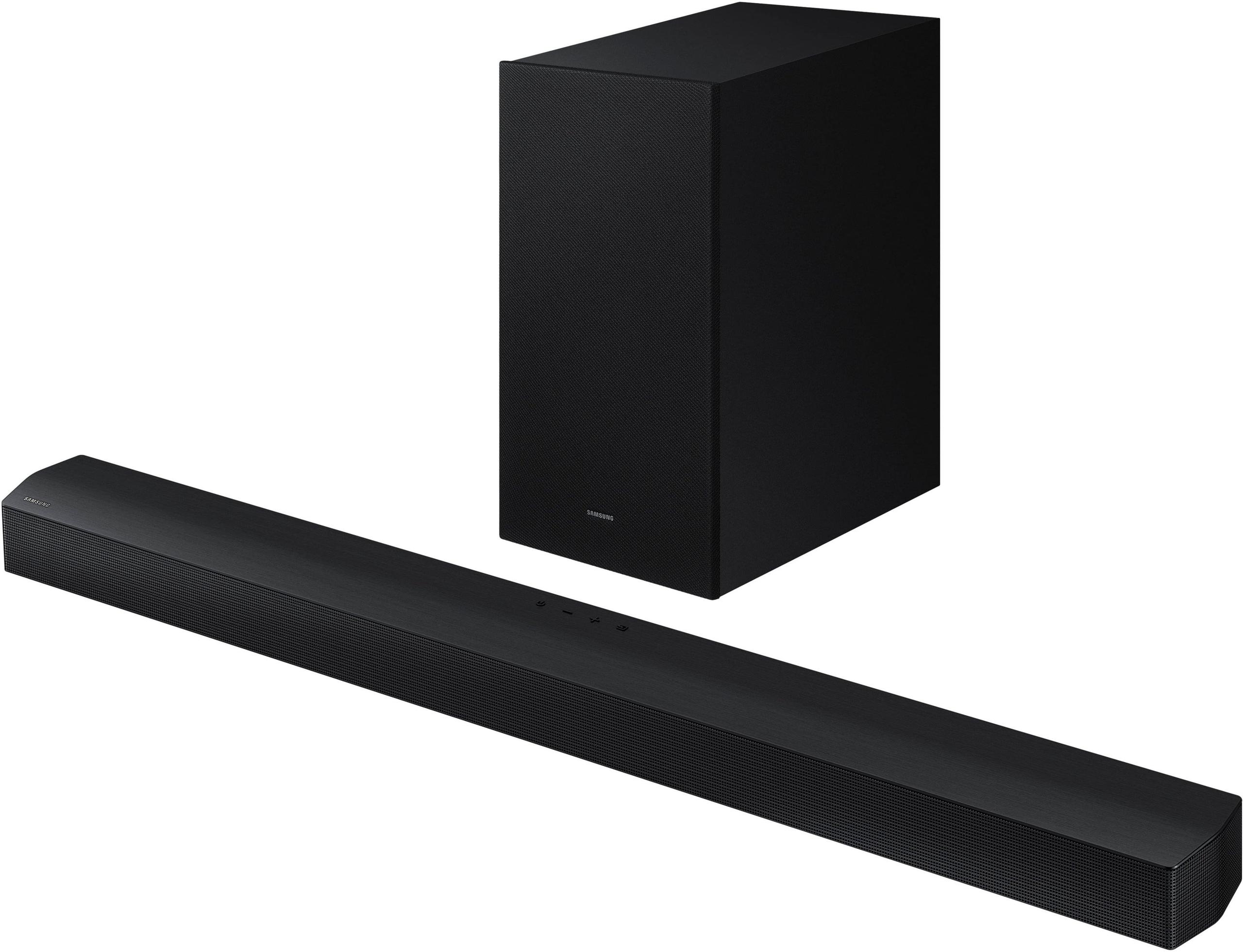

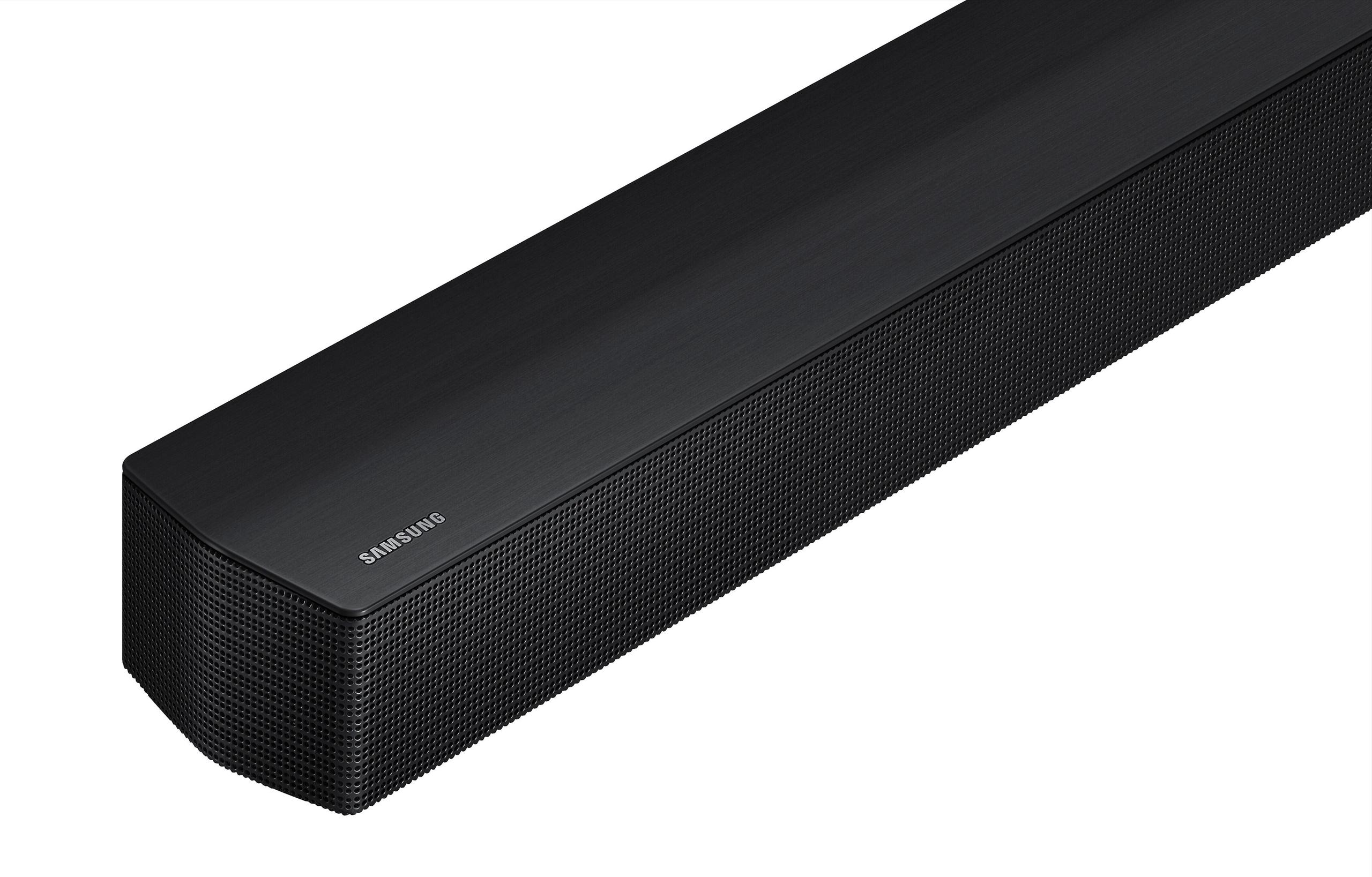


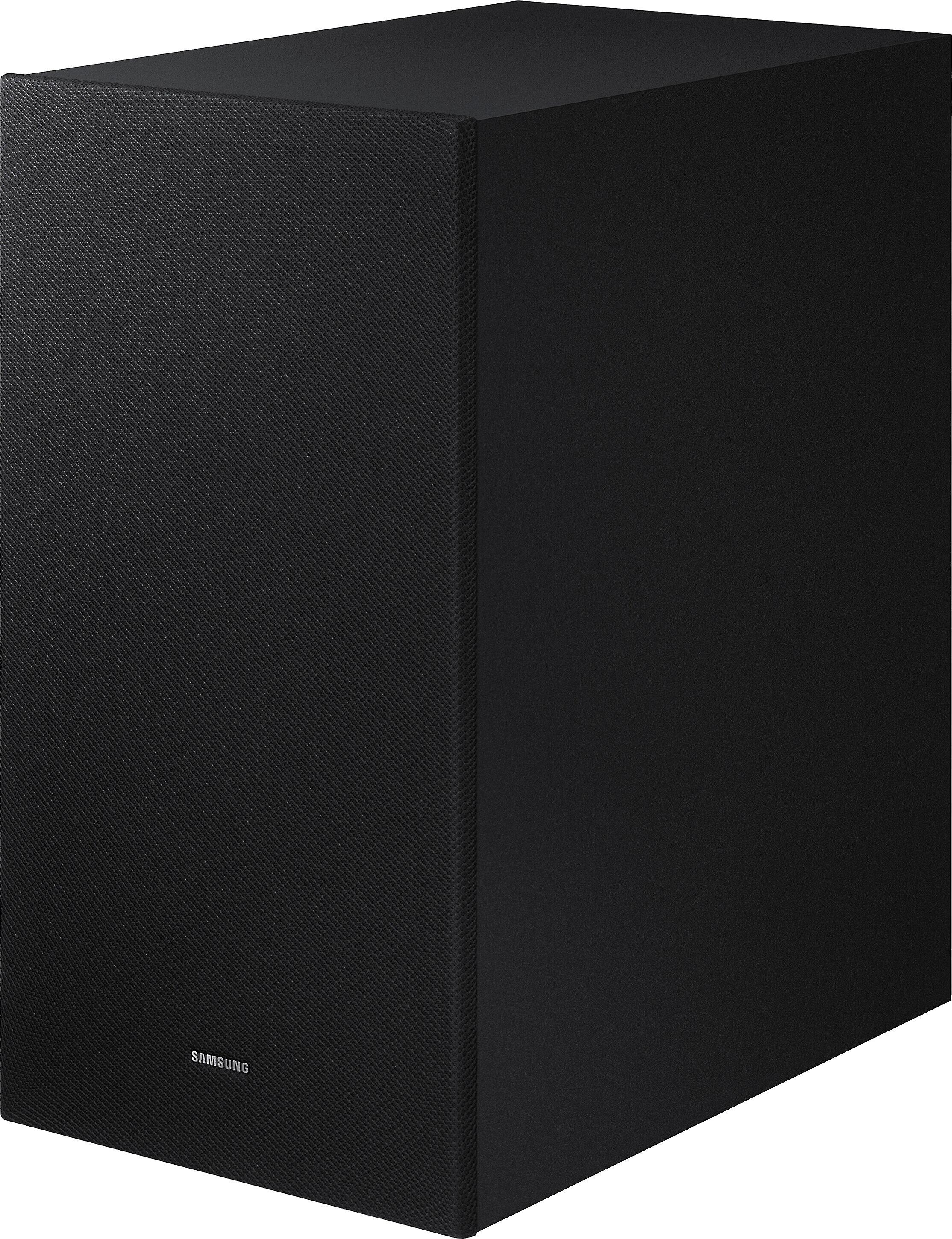
If you've ever found yourself cranking up the volume just to understand what characters are saying, or feeling like explosions sound more like gentle pops, you're experiencing the universal problem with modern TVs: terrible built-in speakers. The ultra-thin designs that look so sleek on your wall simply can't house decent audio components. That's where soundbars come in, but choosing between something like the premium Klipsch Flexus Core 300 ($1,199) and the budget-friendly Samsung HW-B550D ($178) can feel overwhelming.
I've spent years testing audio equipment, and the gap between these two represents one of the most interesting comparisons in home audio today. It's not just about spending more money – these soundbars use completely different approaches to solve the same problem, and understanding those differences will help you make the right choice for your situation.
The soundbar market has exploded over the past decade, evolving from simple TV speaker replacements to sophisticated home theater systems. When the first soundbars appeared around 2010, they were mostly basic stereo bars that made dialogue clearer. Today's market spans everything from $100 dialogue enhancers to $2,000+ Dolby Atmos systems that rival traditional surround sound setups.
Both of our contenders launched in 2024, but they represent very different philosophies. The Samsung HW-B550D follows the traditional "better than TV speakers" approach – give people clear dialogue, some bass, and keep the price reasonable. The Klipsch Flexus Core 300, on the other hand, brings audiophile-grade technology that was previously only available in expensive separate components.
What's particularly interesting is how these products reflect broader trends in home entertainment. As streaming services invest heavily in high-quality audio formats like Dolby Atmos, and gaming consoles support advanced audio processing, there's growing demand for soundbars that can actually take advantage of these improvements. The question becomes: do you need those capabilities, and are they worth the significant price difference?
The most fundamental difference between these soundbars lies in their approach to surround sound. The Samsung uses what's called "virtual surround processing" – essentially, it plays audio tricks with your brain to create the impression of sound coming from different directions. DTS Virtual:X, the technology Samsung employs, analyzes the audio signal and uses psychoacoustic principles (how your brain interprets sound cues) to simulate surround effects through the soundbar's forward-facing speakers.
This approach has its merits. Virtual processing has improved dramatically over the past few years, and for many people watching TV or movies, it creates a noticeably wider soundstage than what you'd get from TV speakers. The Samsung's 3.1 configuration means it has left, right, and center channels, plus a separate subwoofer, which gives it a solid foundation for this processing.
The Klipsch takes a completely different approach: physical surround sound. Its 5.1.2 configuration includes actual up-firing speakers that bounce sound off your ceiling to create overhead effects, plus side-firing drivers for genuine surround staging. When a helicopter flies overhead in a movie, you're hearing sound that's literally being projected upward and reflected back down to your ears. When there's action happening behind the characters on screen, dedicated side-firing speakers create those effects.
Having tested both approaches extensively, I can tell you there's no contest when it comes to immersion – physical surround wins every time. But virtual processing has gotten good enough that many people find it satisfactory, especially considering the price difference.
Here's where the Klipsch gets really interesting: it's the world's first soundbar to include Dirac Live room correction. This technology, which typically costs hundreds of dollars as a separate component, automatically analyzes your room's acoustic properties and adjusts the soundbar's output to compensate for problems.
Every room has acoustic issues. Hard surfaces create reflections that muddy the sound, while soft furnishings absorb certain frequencies more than others. Your seating position relative to walls affects how bass sounds. Traditional soundbars just blast audio into whatever environment they're in and hope for the best.
Dirac Live changes this completely. Using the included calibration microphone and the Klipsch Connect Plus app, the system takes acoustic measurements from your listening position, analyzes problems like standing waves (where bass notes get boosted or cancelled out) and frequency response irregularities, then creates custom filters to correct these issues. The included version corrects frequencies up to 500 Hz, which covers the critical midrange where most dialogue and musical content lives.
I've used room correction in high-end audio systems for years, and having it in a soundbar represents a genuine technological leap. The difference is immediately audible – dialogue becomes clearer, bass tightens up, and the overall sound becomes more balanced and natural. It's the kind of feature that makes you not want to listen to uncorrected audio anymore.
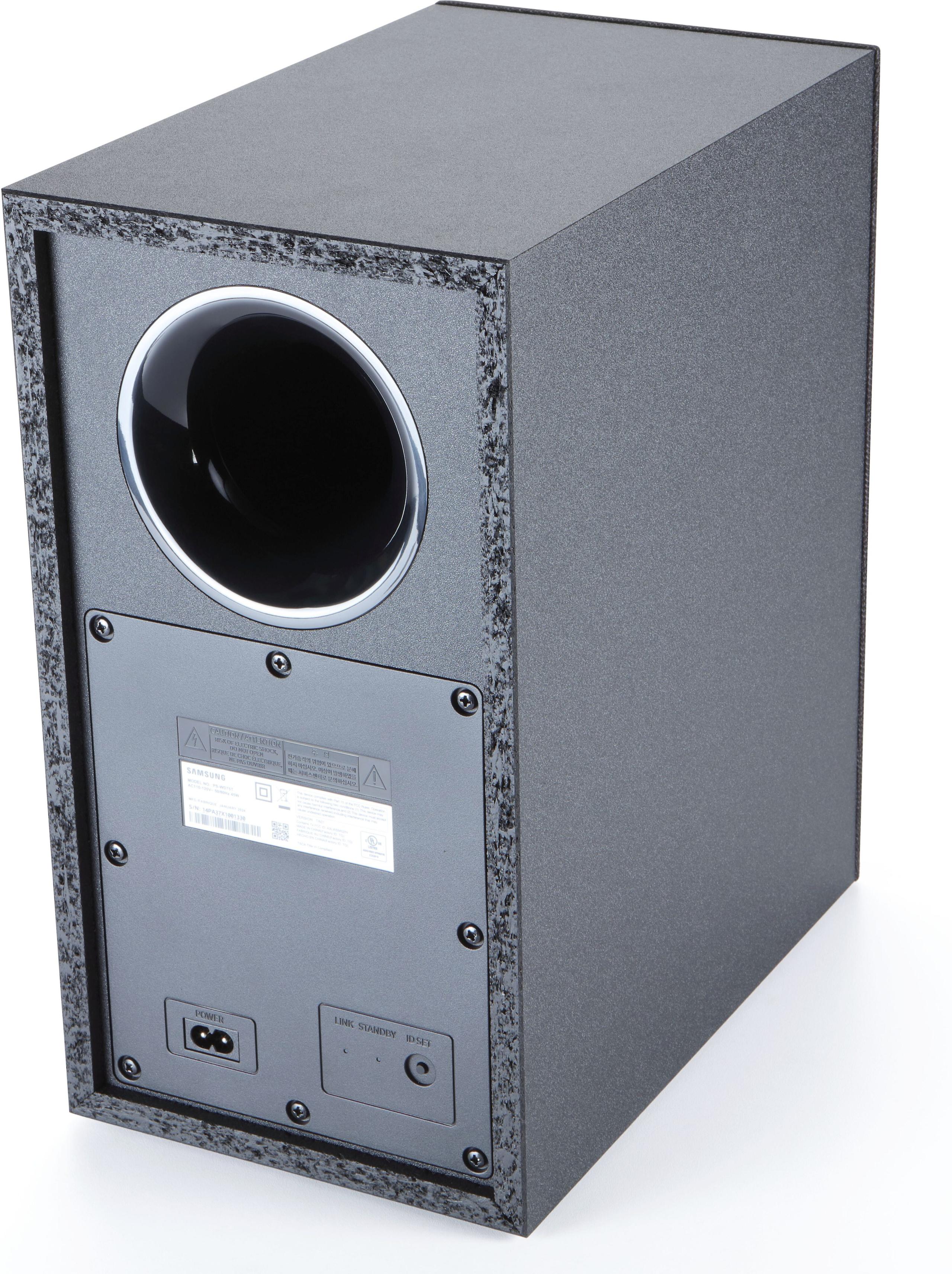
Bass handling reveals another fundamental difference in approach. The Samsung includes a separate 5" wireless subwoofer with a ported enclosure design. This traditional approach moves a lot of air and creates the kind of impactful bass that makes action movies feel more exciting. The subwoofer connects wirelessly to the main soundbar, so you can position it anywhere in the room for optimal bass response.
From my experience, this Samsung subwoofer punches well above its price class. It's not going to rattle your windows, but it provides satisfying bass extension down to the mid-40 Hz range – enough to give explosions some punch and music a fuller foundation. The Bass Boost mode pushes things even further, though it can get a bit boomy in smaller rooms.
The Klipsch takes a more sophisticated approach with four built-in 4" subwoofers integrated directly into the soundbar chassis. This creates what's called a "line array" bass system – multiple smaller drivers working together instead of one larger one. The advantages include more even bass distribution across your seating area and better integration with the main speakers since everything's in the same enclosure.
However, four 4" drivers can't move as much air as a dedicated 5" subwoofer, so out of the box, the Samsung actually delivers more bass impact. Where the Klipsch shines is in bass quality – it's tighter, more controlled, and more musical. Plus, if you want more bass later, you can add up to two Flexus Sub 200 wireless subwoofers to create a truly formidable low-end system.
Both soundbars address the dialogue clarity problem that drives most people to buy soundbars in the first place, but they use different approaches. The Samsung relies on its dedicated center channel speaker combined with Voice Enhancement processing. This boosts the frequency range where human speech lives and can dynamically compress the audio so dialogue doesn't get lost during loud action sequences.
The Klipsch uses its signature horn-loaded tweeter technology in the center channel. Horn loading is a technique that uses a specially shaped acoustic waveguide to increase efficiency and control directivity – essentially, it makes the tweeter louder and aims the sound more precisely at your listening position. Klipsch has been perfecting this technology for over 75 years, and it shows. Voices sound natural and clear without the artificial processing artifacts that sometimes plague dialogue enhancement systems.
In my testing, both soundbars make dialogue dramatically clearer than TV speakers, but the Klipsch has a more natural, effortless quality to vocal reproduction. The Samsung's processing works well but can occasionally make voices sound slightly colored or processed, particularly with certain content.
This is where the age difference between these approaches becomes most apparent. The Klipsch Flexus Core 300 includes HDMI 2.1 with eARC (enhanced Audio Return Channel) support, 8K video passthrough, and comprehensive streaming platform integration. HDMI 2.1 is crucial for next-generation gaming consoles and high-refresh-rate content, while eARC allows for lossless audio transmission from your TV.
The streaming integration is particularly impressive. Built-in Wi-Fi supports Apple AirPlay 2, Google Cast, Spotify Connect, and Tidal Connect. This means you can stream music directly to the soundbar from your phone or computer without going through your TV, and the soundbar will automatically switch to music-optimized settings.
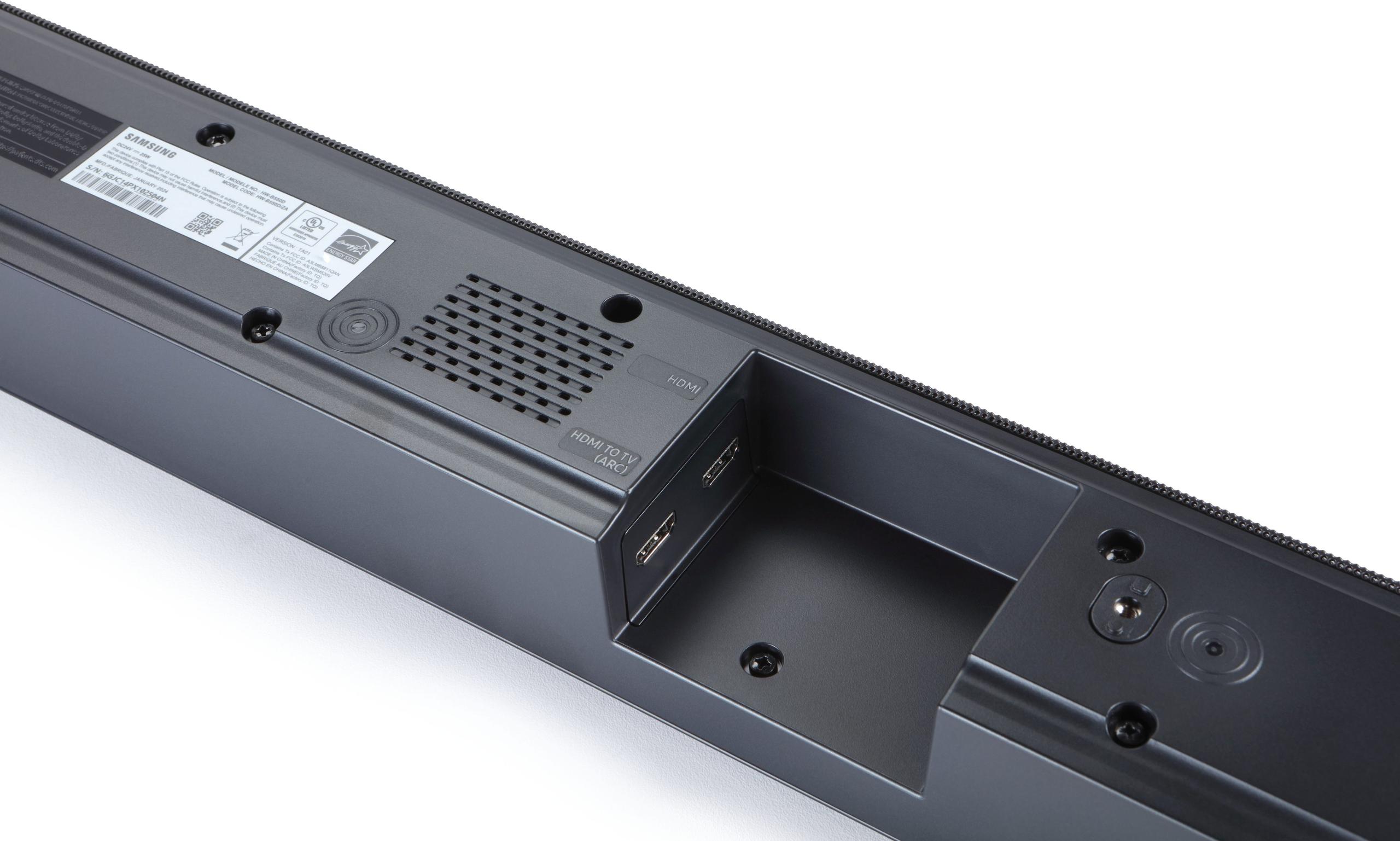
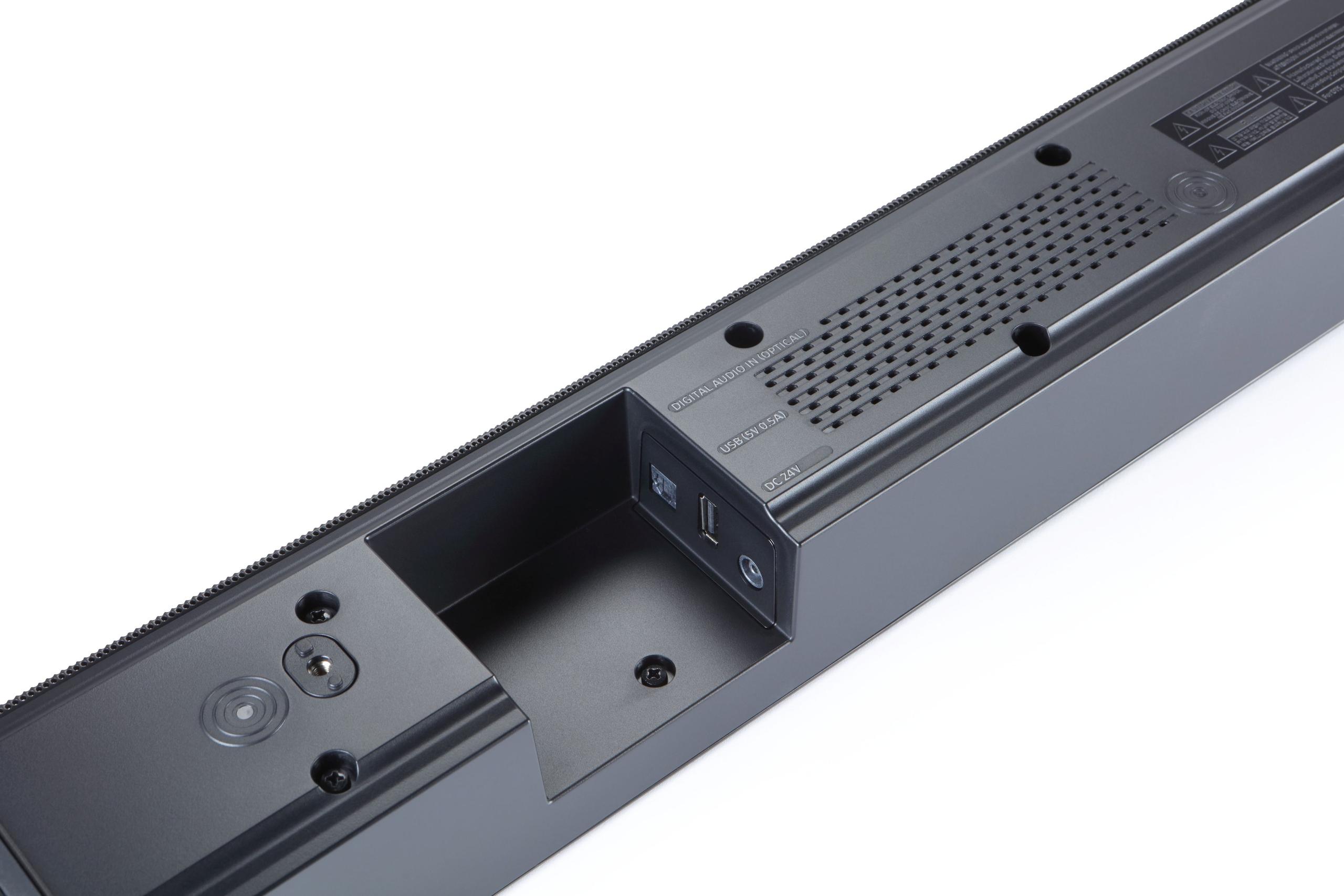
The Samsung HW-B550D, by contrast, uses older HDMI ARC (without the "enhanced" part) and tops out at 1080p video passthrough. There's Bluetooth connectivity for basic wireless streaming, but no built-in Wi-Fi or advanced streaming platform support. For many people, this is perfectly adequate – if you're primarily watching TV and movies, you don't need 8K passthrough or direct streaming.
However, if you're planning to keep this soundbar for several years, the connectivity differences become more important. Gaming is increasingly moving toward higher refresh rates and resolutions, and streaming services continue adding higher-quality audio formats.
Room size plays a crucial role in soundbar performance, and these two products have very different sweet spots. The Samsung works best in small to medium-sized rooms – think typical apartment living rooms or smaller family rooms. Its virtual surround processing is most effective when you're sitting relatively close and centered, and the included subwoofer provides adequate bass for spaces up to about 200 square feet.
The Klipsch, with its higher power output (106 dB maximum SPL) and physical surround speakers, can handle much larger spaces effectively. I've tested it in rooms up to 400 square feet where it still maintains good surround effects and dialogue clarity. The room correction technology also helps it adapt to different acoustic environments, whether you're dealing with a hard-surfaced modern living room or a traditional space with lots of soft furnishings.
One of the most compelling aspects of the Klipsch system is its expansion potential. You can start with just the soundbar and add components over time. The Flexus Surround 200 wireless speakers can be placed behind your seating for true rear surround effects, while the Flexus Sub 200 subwoofer adds deep bass extension. All of these components connect wirelessly using Klipsch's proprietary low-latency system.
This modular approach means you can start with a $1,199 investment and gradually build toward a full home theater system. The Samsung, by contrast, is what you get – there's no expansion path beyond the included subwoofer.
For someone who's unsure about their long-term audio needs, this flexibility is valuable. You might start with just the soundbar and discover you want more surround effects, or you might move to a larger room where additional bass becomes important.
After living with both systems, the performance differences become clear in daily use. The Samsung immediately improves your TV watching experience – dialogue becomes clear, action scenes have more impact, and music sounds fuller. For casual viewing, it's a dramatic upgrade that satisfies most people's needs.
The Klipsch reveals its advantages over time. Initially, the differences might not seem worth the price premium, but as you watch different types of content, the benefits compound. Dolby Atmos movies like "Mad Max: Fury Road" showcase the overhead effects that create genuine immersion. Music streaming reveals the superior driver quality and room correction benefits. Even regular TV shows sound more natural and engaging.
The room correction feature alone has spoiled me for other soundbars. Once you experience audio that's properly calibrated to your room, uncorrected systems sound obviously flawed – muddy bass, harsh treble, or recessed midrange become immediately apparent.
The 6.7x price difference between these soundbars isn't arbitrary – it reflects fundamentally different target markets and feature sets. The Samsung HW-B550D maximizes improvement per dollar spent. For under $200, you get clear dialogue, satisfying bass, and a complete system that dramatically outperforms TV speakers.
The Klipsch Flexus Core 300 maximizes absolute performance and long-term value. You're paying for technologies like Dirac Live room correction, high-quality drivers, true physical surround sound, and future expandability. These features cost hundreds or thousands of dollars in separate components.
Choose the Samsung if you're primarily looking to fix your TV's audio problems without a huge investment. It's perfect for apartments, smaller rooms, or situations where you watch TV casually and want clear dialogue and decent bass. The included subwoofer and simple setup make it an excellent value for basic needs.
Choose the Klipsch if audio quality is a priority and you're willing to invest in superior performance. It's ideal for dedicated home theater setups, larger rooms, or situations where you listen to music as much as you watch movies. The expansion capability means it can grow with your needs, and technologies like Dirac Live provide benefits you'll appreciate for years.
The truth is, both soundbars succeed at their intended purposes. The Samsung proves you don't need to spend a fortune to dramatically improve your TV audio experience. The Klipsch demonstrates what's possible when you bring audiophile-grade technology to the soundbar format.
Your choice ultimately depends on whether you want "much better than TV speakers" or "genuinely excellent home audio." Both are valid goals – just make sure your expectations align with your investment.
| Klipsch Flexus Core 300 ($1,199) | Samsung HW-B550D ($178) |
|---|---|
| Audio Channels - Determines surround sound quality and immersion | |
| True 5.1.2 Dolby Atmos with physical up-firing drivers | 3.1 channels with DTS Virtual:X processing |
| Room Correction Technology - Automatically optimizes sound for your specific room | |
| Dirac Live with calibration microphone (world's first in soundbars) | None - manual sound mode adjustments only |
| Bass System - Controls low-end impact and music quality | |
| Four 4" built-in subwoofers (expandable with wireless sub) | 5" wireless subwoofer included with Bass Boost mode |
| Total Driver Count - More drivers typically mean better sound distribution | |
| 13 drivers including horn-loaded tweeter and dedicated surround speakers | Standard driver array with dedicated center channel |
| Maximum Volume Output - Important for larger rooms | |
| 106 dB SPL (suitable for rooms up to 400 sq ft) | Not specified but adequate for small-medium rooms |
| HDMI Connectivity - Affects compatibility with gaming consoles and 4K/8K content | |
| HDMI 2.1 eARC with 8K/60Hz and 4K/120Hz passthrough | HDMI ARC with 1080p passthrough only |
| Streaming Integration - Built-in music services without using TV | |
| Wi-Fi with AirPlay 2, Google Cast, Spotify Connect, Tidal Connect | Bluetooth only - no built-in streaming platforms |
| Expandability Options - Ability to add more speakers later | |
| Compatible with wireless surround speakers and subwoofers | No expansion options - complete system as sold |
| Setup Complexity - Time and effort required for optimal performance | |
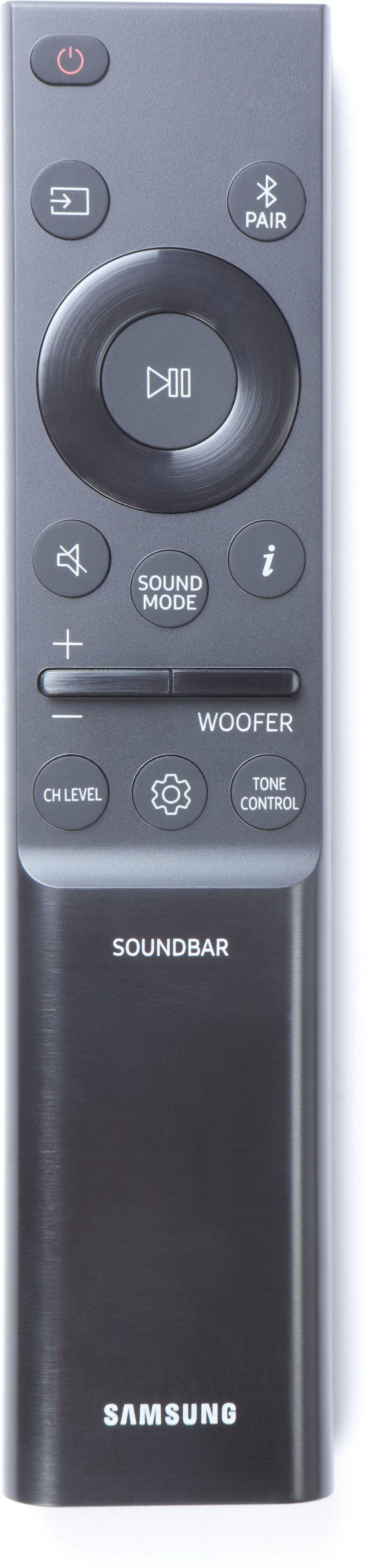
| App-guided room calibration with multiple presets available | Plug-and-play with automatic Bluetooth pairing |
| Physical Dimensions - Important for TV stand and wall mounting | |
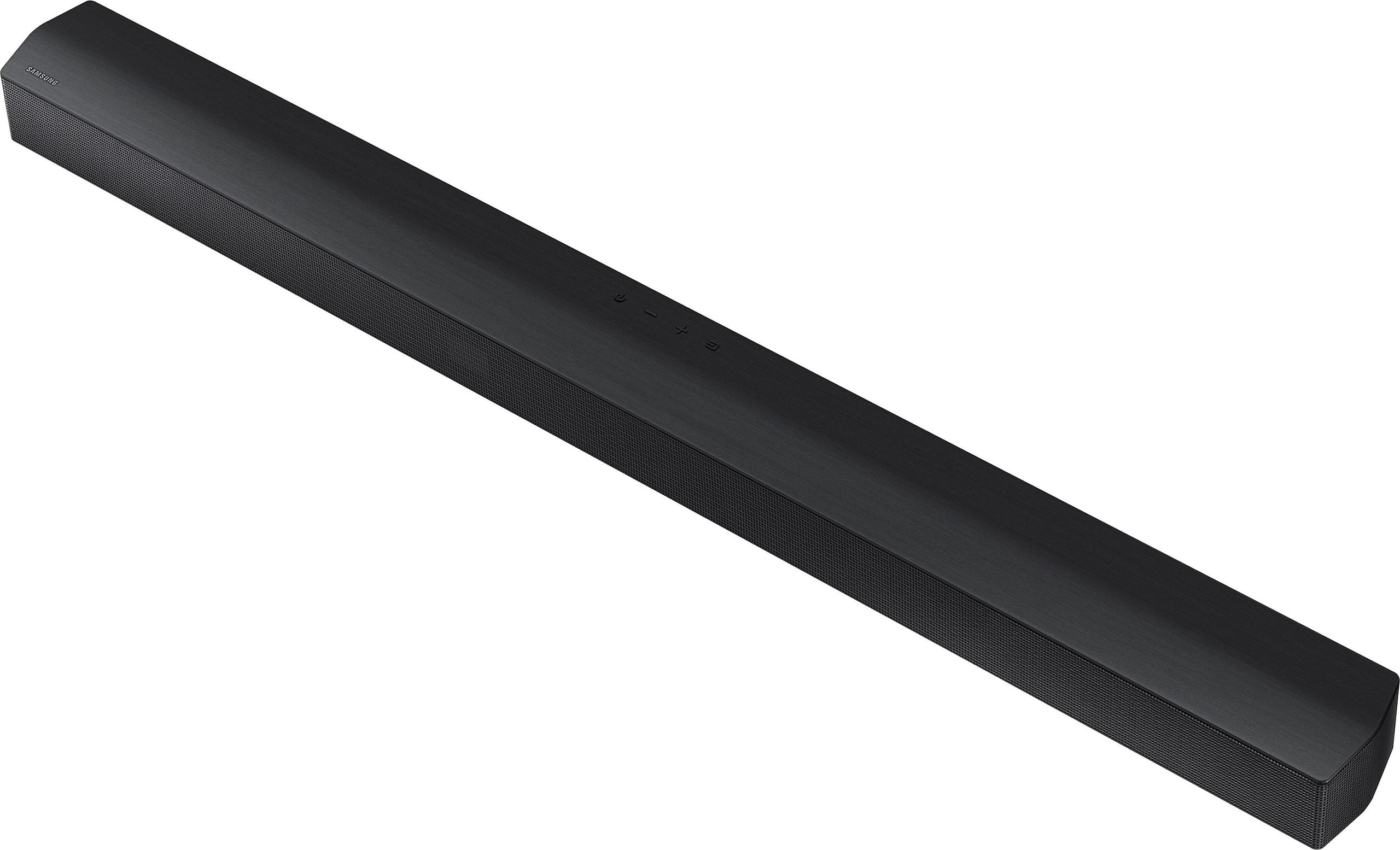
| 54" W × 3.1" H × 4.9" D (requires larger TV or wall space) | 33.9" W × 2.4" H × 3" D (fits most TV stands) |
| Best Room Size - Optimal performance environment | |
| Medium to large rooms (200-400 sq ft) with room correction benefits | Small to medium rooms (up to 200 sq ft) for best virtual surround |
| Primary Use Case - What each excels at delivering | |
| Home theater enthusiasts wanting audiophile-grade performance | Budget-conscious users prioritizing dialogue clarity and bass impact |
The Samsung HW-B550D ($178) offers exceptional value for budget-conscious buyers, providing clear dialogue and decent bass at a fraction of the cost. The Klipsch Flexus Core 300 ($1,199) delivers premium audiophile-grade performance with advanced features like Dirac Live room correction, making it better value for serious home theater enthusiasts who prioritize sound quality over savings.
The primary difference is their approach to surround sound. The Samsung HW-B550D uses virtual surround processing to simulate 3D audio effects, while the Klipsch Flexus Core 300 features true 5.1.2 Dolby Atmos with physical up-firing and side-firing speakers that create genuine overhead and surround effects.
The Klipsch Flexus Core 300 is significantly better for large rooms, with a maximum output of 106 dB and room correction technology that adapts to spaces up to 400 square feet. The Samsung HW-B550D works best in small to medium rooms up to 200 square feet where its virtual surround processing is most effective.
The Samsung HW-B550D includes a 5" wireless subwoofer in the box, providing immediate bass impact. The Klipsch Flexus Core 300 has four built-in 4" subwoofers integrated into the soundbar itself, with the option to add separate wireless subwoofers for even more bass.
Both excel at dialogue clarity but use different methods. The Samsung HW-B550D features a dedicated center channel with Voice Enhancement processing. The Klipsch Flexus Core 300 uses horn-loaded tweeter technology for more natural vocal reproduction, giving it a slight edge in dialogue quality.
The Klipsch Flexus Core 300 is fully expandable with wireless surround speakers and additional subwoofers, allowing you to build a complete home theater system over time. The Samsung HW-B550D cannot be expanded - what you buy is the complete system.
The Klipsch Flexus Core 300 features HDMI 2.1 eARC with 8K passthrough, making it future-proof for gaming consoles and high-resolution content. The Samsung HW-B550D uses older HDMI ARC with 1080p passthrough, which is adequate for most current TV viewing but less future-proof.
The Klipsch Flexus Core 300 supports true Dolby Atmos with dedicated up-firing speakers that bounce sound off your ceiling for overhead effects. The Samsung HW-B550D does not support Dolby Atmos but uses DTS Virtual:X to simulate surround sound effects.
The Samsung HW-B550D is much easier to set up with plug-and-play installation and automatic Bluetooth pairing. The Klipsch Flexus Core 300 requires app-guided room calibration using an included microphone for optimal performance, though this extra setup significantly improves sound quality.
The Klipsch Flexus Core 300 has built-in Wi-Fi supporting AirPlay 2, Google Cast, Spotify Connect, and Tidal Connect for direct music streaming. The Samsung HW-B550D only supports basic Bluetooth streaming from your phone or other devices.
The Klipsch Flexus Core 300 is significantly better for dedicated home theater use, offering true Dolby Atmos, room correction, expandability, and premium audio quality that rivals traditional surround sound systems. The Samsung HW-B550D is better suited for casual TV and movie watching rather than serious home theater applications.
Both soundbars come with manufacturer warranties, but the Klipsch Flexus Core 300 represents a premium product with higher build quality and longer expected lifespan. The Samsung HW-B550D offers solid reliability for its price point but is built to a more budget-friendly standard with simpler components.
We've done our best to create useful and informative comparisons to help you decide what product to buy. Our research uses advanced automated methods to create this comparison and perfection is not possible - please contact us for corrections or questions. These are the sites we've researched in the creation of this article: crutchfield.com - whathifi.com - avnirvana.com - hometechnologyreview.com - ecoustics.com - gearpatrol.com - klipsch.com - avsforum.com - youtube.com - avsforum.com - listenup.com - chowmain.software - klipsch.com - novis.ch - avsforum.com - klipsch.ca - lefflers.se - abt.com - sweetwater.com - wifihifi.com - klipsch.com - dirac.com - bestbuy.com - crutchfield.com - avsforum.com - consumerreports.org - abt.com - pcrichard.com - samsung.com - samsung.com - rtings.com - samsung.com - jeffsappliance.com

Privacy Policy
Terms and Conditions - Affiliate Policy
Home Security
© Copyright 2008-2026.
11816 Inwood Rd #1211, Dallas, TX 75244