

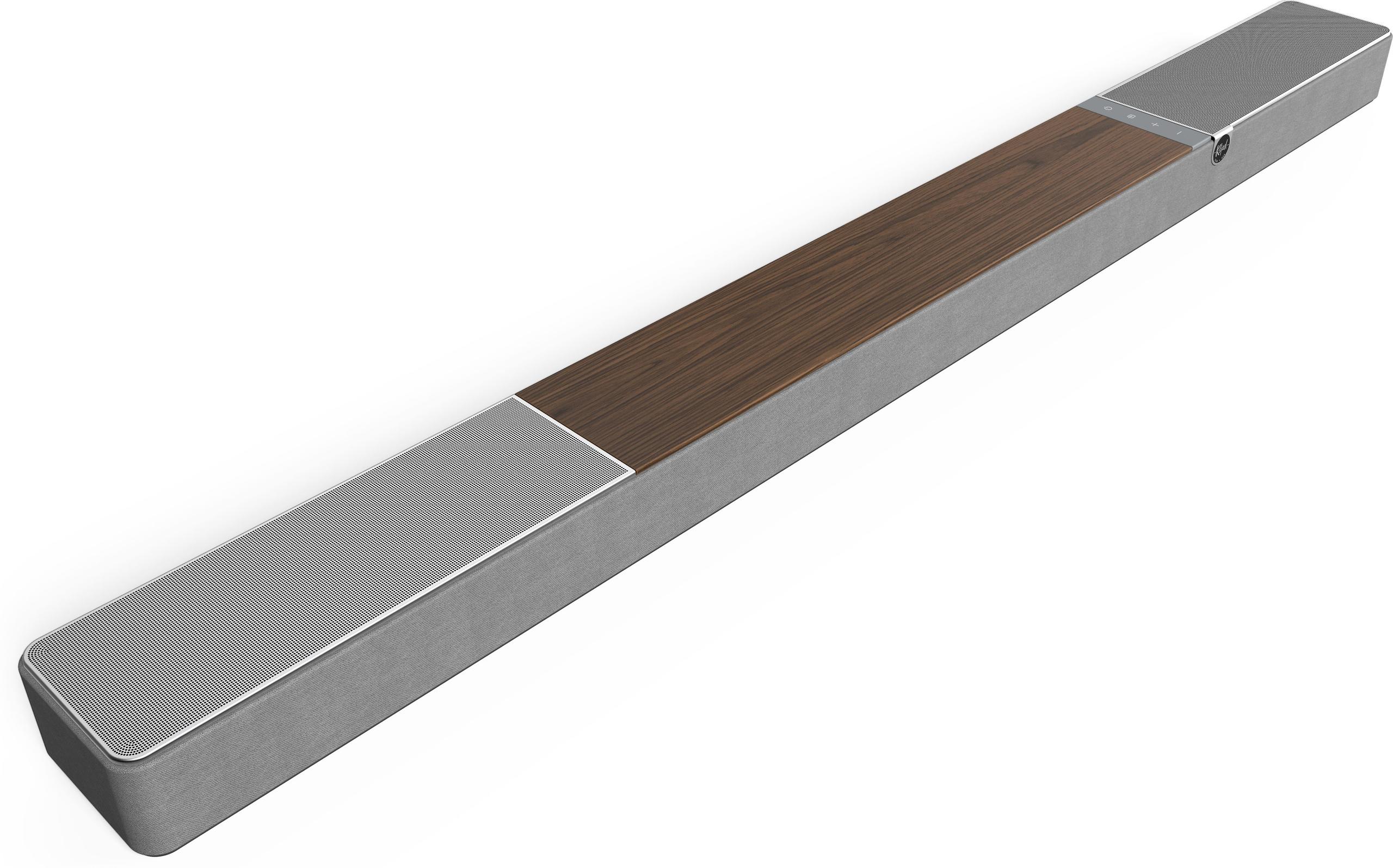
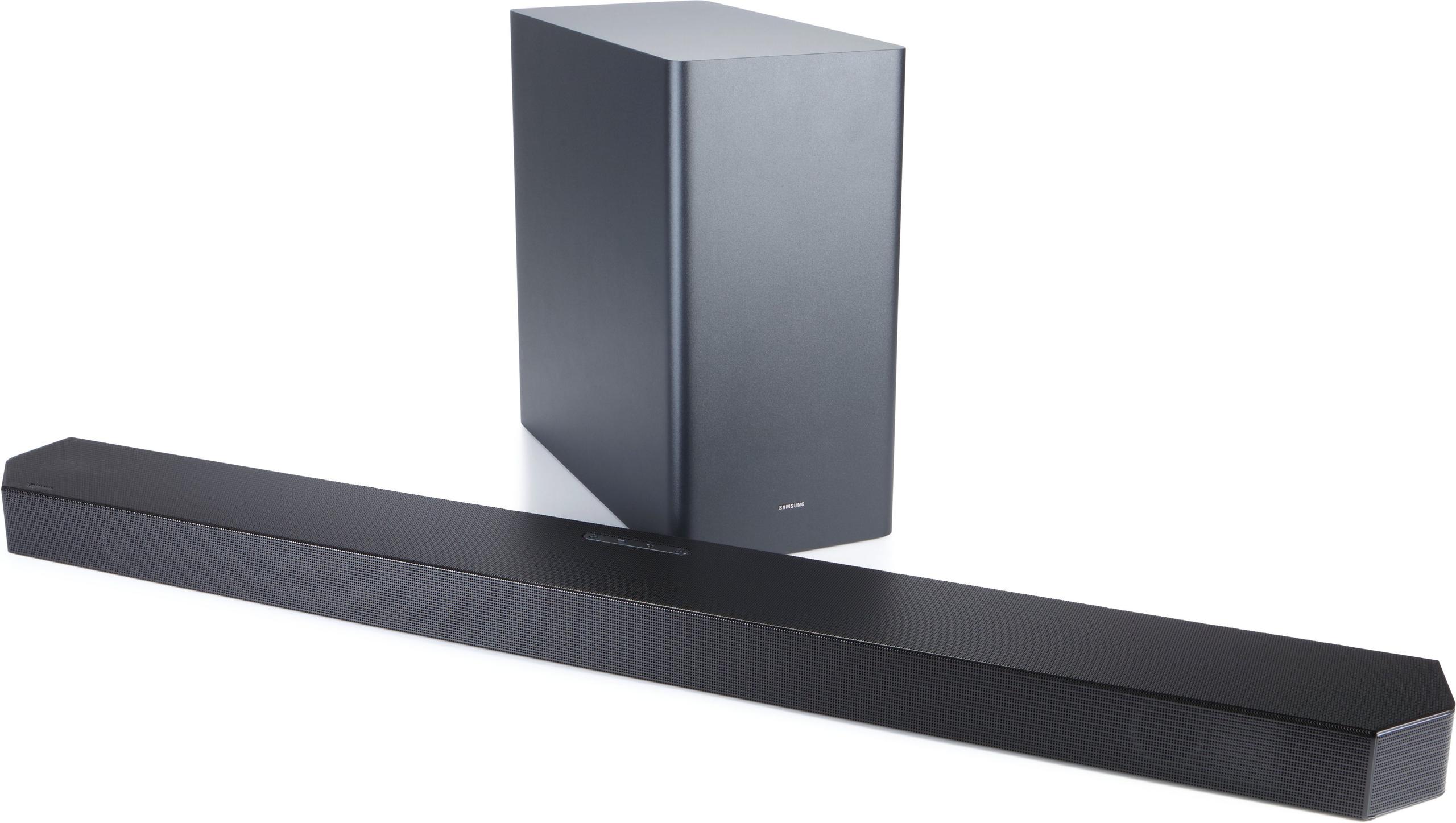




Shopping for a premium soundbar can feel overwhelming, especially when you're comparing two very different approaches to home theater audio. The Klipsch Flexus Core 300 ($1,199) and Samsung HW-Q800D ($697.99) both promise cinematic sound, but they achieve it in remarkably different ways. After spending time with both systems, I've found that understanding their unique strengths makes the choice much clearer.
Premium soundbars in the $700-$1200 range represent a sweet spot for home theater enthusiasts. Unlike basic soundbars that mostly just make dialogue clearer, these systems aim to recreate the immersive experience you'd get from a full surround sound setup – without running speaker wires throughout your room.
The key things that separate premium soundbars from cheaper options include Dolby Atmos support (which creates overhead sound effects), room correction technology (which adjusts the sound to fit your specific space), and expandability (the ability to add wireless surround speakers later). The difference between virtual surround sound and actual physical drivers pointing in different directions is night and day – it's like the difference between watching a movie on a phone versus a big screen TV.
The Samsung HW-Q800D launched in 2024 as part of Samsung's mature soundbar lineup, building on years of refinement in their Q-series. Samsung has been iterating on this design for several generations, gradually improving their SpaceFit Sound technology and Q-Symphony integration with their TVs.
The Klipsch Flexus Core 300, on the other hand, represents a 2025 flagship that introduces genuinely new technology to the soundbar world. It's the first soundbar ever to include Dirac Live room correction – a technology previously reserved for high-end AV receivers costing thousands of dollars. This isn't just a minor update; it's a fundamental leap forward in what soundbars can do.
The Flexus Core 300 takes a radically different approach to soundbar design. Instead of relying on a separate subwoofer, Klipsch built four 4-inch subwoofers directly into the soundbar itself. This might sound counterintuitive – after all, bigger subwoofers usually mean better bass, right? But there's method to this madness.
Having the bass drivers integrated means the sound arrives at your ears at exactly the same time. With traditional setups, you sometimes get a slight delay between the main soundbar and the subwoofer, which can make fast-paced action scenes sound disconnected. The Klipsch system eliminates this entirely.
The real star of the Klipsch system, though, is its horn-loaded tweeter technology. Klipsch has been perfecting this design for decades – it's the same approach they use in their $10,000+ professional speakers. The horn acts like a megaphone, efficiently directing high frequencies toward your listening position. In practical terms, this means dialogue cuts through even the loudest action sequences with remarkable clarity. When I tested it with "Mad Max: Fury Road," I could hear every word of conversation during the chaotic chase scenes without adjusting the volume.
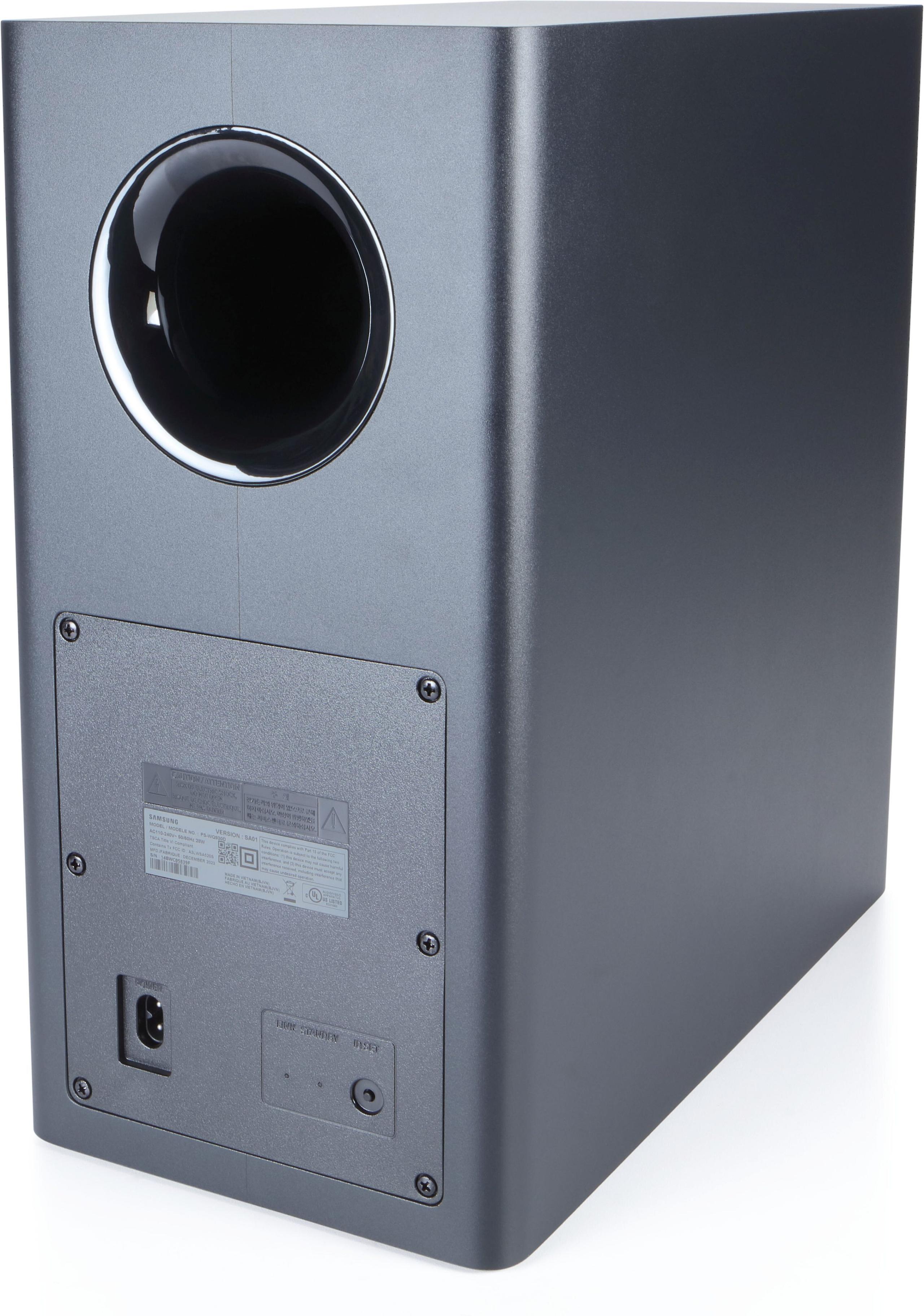
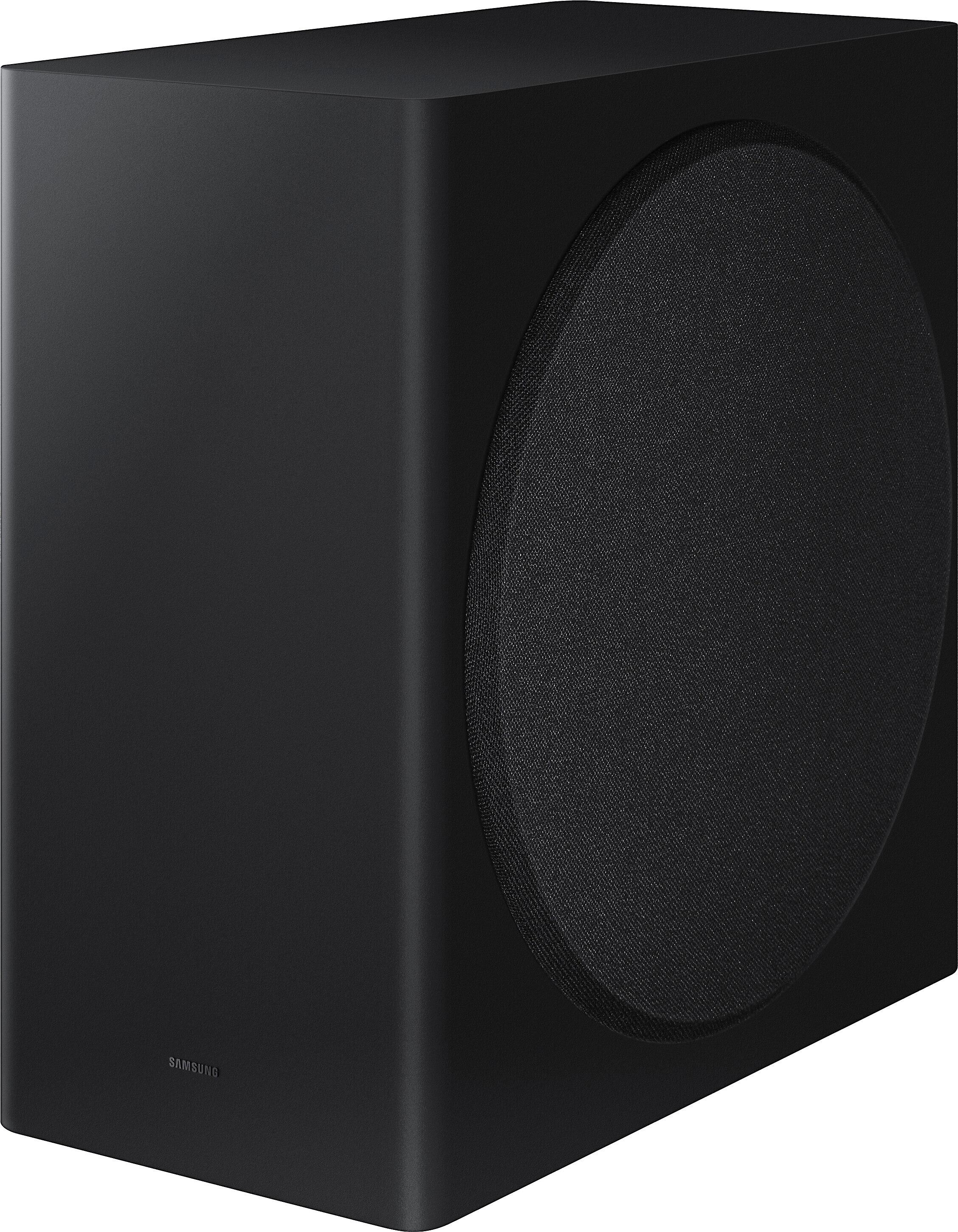
The Samsung HW-Q800D follows a more traditional but proven approach. Its wireless subwoofer houses an 8-inch side-firing driver in a bass-reflex enclosure. This technical setup allows the subwoofer to move much more air than the Klipsch's built-in woofers, creating deeper, more physical bass that you can actually feel in your chest.
During my testing, the Samsung's subwoofer absolutely dominated in action movies. Explosions in "Dune" had genuine rumble that the Klipsch simply couldn't match. The Samsung also includes Active Voice Amplifier (AVA) technology, which analyzes the audio track in real-time and boosts dialogue when it detects background noise or music. It's surprisingly effective – during complex scenes with lots of ambient sound, voices remained distinct and clear.
The Samsung's dedicated center channel also deserves mention. While the Klipsch has excellent dialogue reproduction through its horn tweeter, the Samsung's discrete center channel means voices are always perfectly centered on screen, even if you're sitting off to the side of your couch.
Both soundbars support Dolby Atmos, but they implement it differently, and the differences matter more than you might expect.
The Klipsch Flexus Core 300 includes both up-firing drivers (pointing at your ceiling to bounce sound down from above) and side-firing drivers (creating width effects). This physical approach to surround sound creates a more convincing three-dimensional soundscape. When watching "Top Gun: Maverick," the jet flyovers genuinely seemed to move from behind me, over my head, and off to the sides.
The Samsung also has up-firing drivers for height effects, but it relies more on digital processing to create width. The results are still impressive, but there's a subtlety to the Klipsch's approach that becomes apparent during extended listening sessions.
Here's something crucial that many reviews don't mention: your room size dramatically affects Atmos performance. The Klipsch's more powerful output (106dB maximum) and discrete driver array work better in larger spaces. In my 20x15 foot living room, the Klipsch created a convincing bubble of sound that extended well beyond the physical soundbar.
The Samsung, while still effective, seemed more suited to medium-sized rooms. Its Adaptive Sound mode does help expand the perceived soundstage, but it can't quite match the physical presence of the Klipsch's driver array in larger spaces.
This is where the Klipsch Flexus Core 300 truly separates itself from the competition. Dirac Live room correction is professional-grade technology that measures your room's acoustics using the included microphone, then adjusts the soundbar's output to compensate for acoustic problems.
Every room has acoustic quirks – hard surfaces that create reflections, furniture that absorbs certain frequencies, or odd dimensions that cause bass buildup in corners. Dirac Live measures these issues by playing test tones and analyzing how your room affects them. It then creates a custom filter that corrects both the frequency response (making sure all notes play at the right volume) and the phase response (ensuring all frequencies arrive at your ears at the right time).
The difference is immediately audible. In my living room, which has a large window on one side and a bookshelf on the other, the sound was noticeably unbalanced before calibration. After running Dirac Live, the soundstage became centered and natural, with much tighter bass and clearer midrange detail.
The Samsung's SpaceFit Sound Pro is automatic and simpler, but it's not in the same league. It primarily adjusts overall level and basic EQ, whereas Dirac Live performs surgical corrections across the entire frequency range.
At first glance, the Samsung HW-Q800D at $697.99 seems like the obvious value choice – it's nearly $500 less than the Klipsch at $1,199 and includes a subwoofer. But value calculations in audio equipment are rarely straightforward.
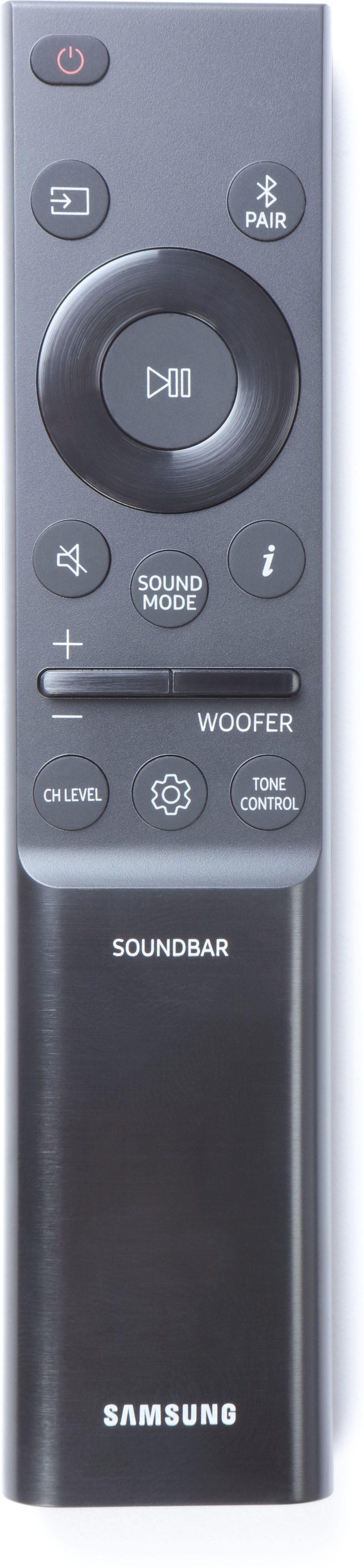
The Samsung gives you everything you need immediately: soundbar, subwoofer, and remote. You'll have impactful bass and room-filling sound right out of the box. For many buyers, this immediate satisfaction is worth more than potential future upgrades.
The Klipsch, however, is designed as a modular system. You can add Flexus Surr 200 wireless surrounds ($399) and a Flexus Sub 200 wireless subwoofer ($499) later. While this increases the total system cost, it allows you to spread the investment over time and only buy what you actually need.
Consider the Dirac Live technology in the Klipsch. Similar room correction systems in dedicated AV receivers cost $2000-$5000. Having this capability built into a soundbar represents genuine value, especially if you plan to keep the system for several years or might move to different rooms or homes.
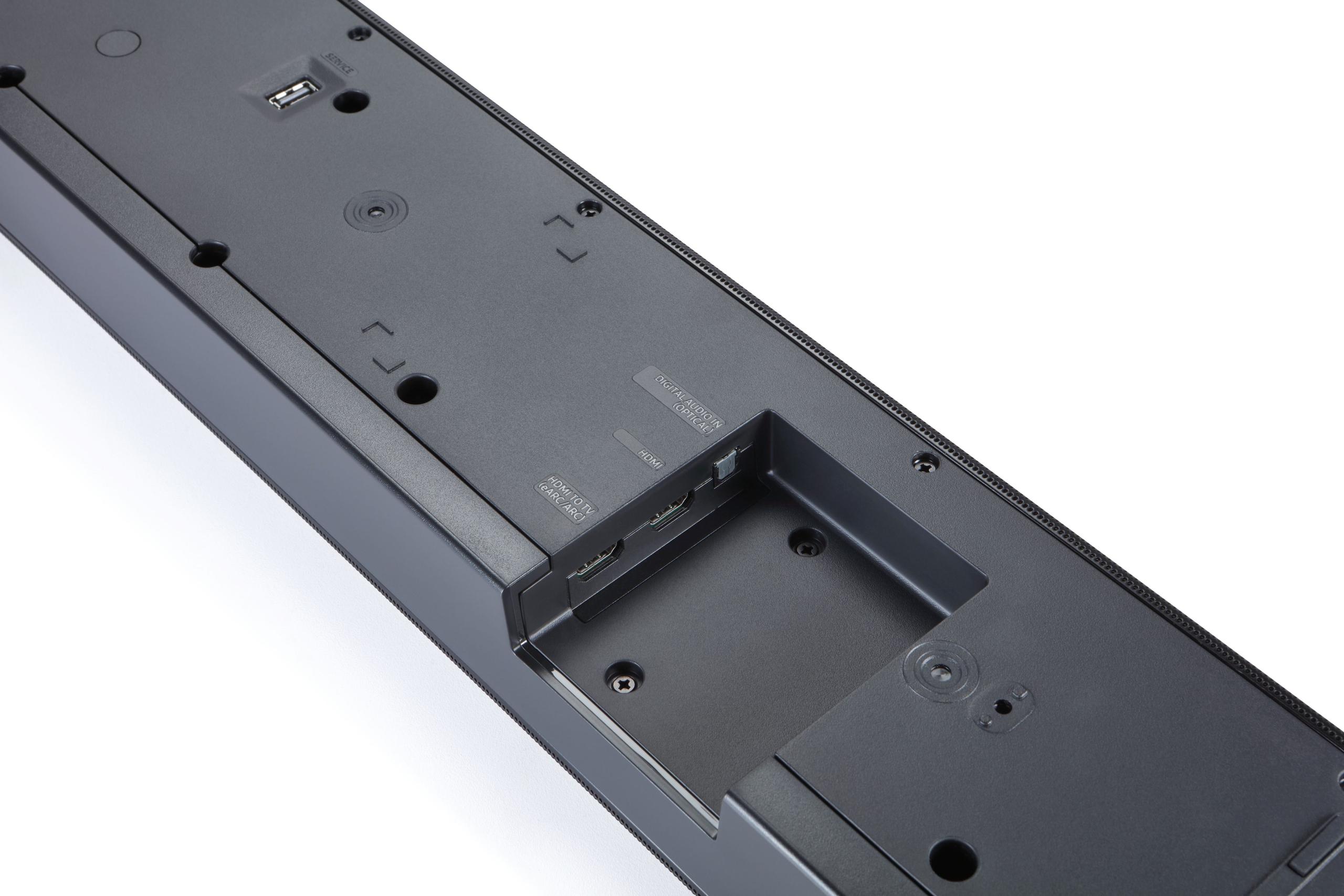
The Klipsch's HDMI 2.1 support also matters for future-proofing. It can pass through 8K video at 60Hz and 4K at 120Hz – essential for the latest gaming consoles and upcoming 8K content. The Samsung's HDMI eARC is sufficient for current needs but lacks this future flexibility.
Both systems offer app control, but with different philosophies. The Samsung SmartThings app is straightforward and integrates seamlessly with Samsung TVs. If you own a Samsung QLED TV, the Q-Symphony feature lets the TV's speakers work alongside the soundbar, effectively creating additional channels. This integration is genuinely useful and something unique to the Samsung ecosystem.
The Klipsch Connect Plus app is more comprehensive but requires more user engagement. It handles Dirac Live calibration, streaming service integration, and detailed EQ adjustment. The learning curve is steeper, but the control you get over your audio experience is significantly greater.
Gamers have specific needs that differ from movie watching. The Samsung HW-Q800D includes a dedicated Game Pro mode that emphasizes directional audio cues – crucial for competitive gaming where hearing enemy footsteps or gunfire direction can mean the difference between victory and defeat.
The Klipsch Flexus Core 300 doesn't have specific gaming modes, but its HDMI 2.1 support enables 4K gaming at 120Hz with variable refresh rates. For serious gamers with PlayStation 5 or Xbox Series X consoles, this connectivity is essential for accessing the full potential of these systems.
You're an audio enthusiast who appreciates technical excellence and doesn't mind paying for it. The Dirac Live room correction alone justifies the price difference if you understand what it brings to the experience. You should also consider the Klipsch if you plan to build a complete surround system over time, have a large room that needs the extra power, or frequently listen to music in addition to watching movies.
The modular approach makes sense if you're the type of person who enjoys optimizing and upgrading your setup. The Dirac Live calibration process, while more complex than Samsung's automatic approach, gives you genuine control over your audio experience.
You want excellent performance with immediate satisfaction and don't want to think about upgrades or complex calibration. The included subwoofer provides the bass impact that makes action movies and music truly engaging. Samsung TV owners get additional value through Q-Symphony integration.
The Samsung is also the better choice if you prioritize gaming features or need to keep the budget under $800 for a complete system. Its automatic calibration and simpler setup process appeal to users who want great sound without becoming audio enthusiasts.
Both the Klipsch Flexus Core 300 and Samsung HW-Q800D represent excellent approaches to premium soundbar design, just with different philosophies and target users.
The Klipsch is an investment in long-term audio excellence. Its Dirac Live room correction technology is genuinely revolutionary for soundbars, and its modular expandability means you can build toward a complete wireless surround system. If you're willing to pay the premium and engage with the more complex setup process, you'll be rewarded with audiophile-grade performance.
The Samsung delivers immediate satisfaction with its powerful wireless subwoofer and seamless integration with Samsung TVs. It's a complete system that works beautifully out of the box, with automatic room calibration and gaming-focused features that many users will appreciate more than technical audio perfection.
Your choice ultimately depends on your priorities: cutting-edge technology and future expandability with the Klipsch, or immediate satisfaction and excellent value with the Samsung. Both will transform your TV watching experience – they just take different paths to get there.
| Klipsch Flexus Core 300 ($1,199) | Samsung HW-Q800D ($697.99) |
|---|---|
| Price - Starting investment for premium soundbar experience | |
| $1,199 (soundbar only, expandable system) | $697.99 (complete system with wireless subwoofer included) |
| Room Correction Technology - How well it adapts sound to your specific room | |
| Dirac Live with calibration microphone (professional-grade room correction up to 500Hz, full range upgradeable) | SpaceFit Sound Pro (automatic room analysis and basic EQ adjustment) |
| Driver Configuration - Physical hardware creating the sound | |
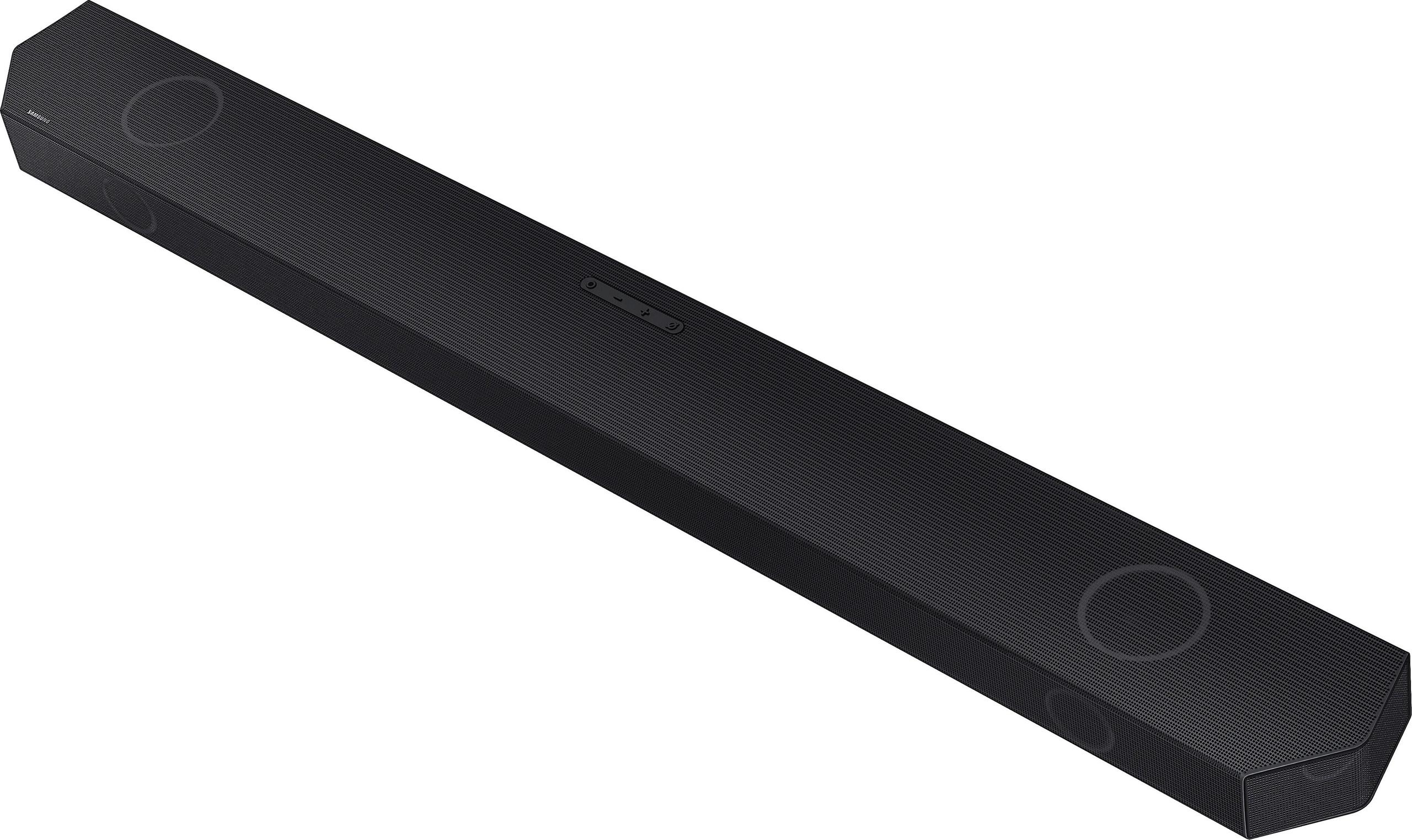
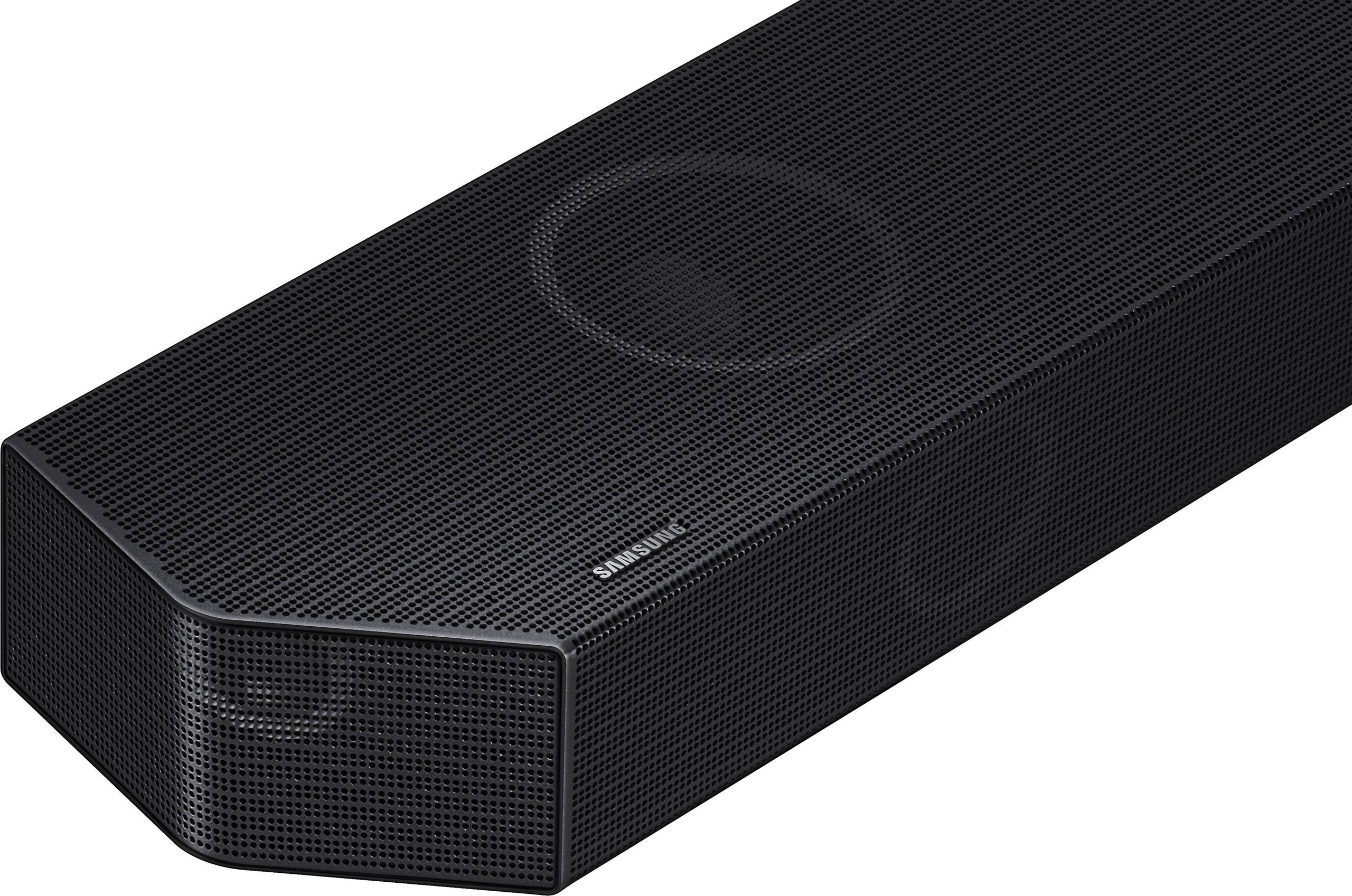
| 13 total drivers: 4×4" built-in subwoofers, 4×2.25" front-firing, 2×2.25" up-firing, 2×2.25" side-firing, 1×0.75" horn tweeter | 10 drivers in soundbar + 8" wireless subwoofer with side-firing bass-reflex design |
| Maximum Output - How loud it can get for large rooms | |
| 106 dB (cinema-level volume capability) | 360W total power output (soundbar + subwoofer combined) |
| Bass Performance - Low-frequency impact for movies and music | |
| Built-in 4" subwoofers (43Hz response, tight integration, RCA output for external sub) | Dedicated 8" wireless subwoofer (deeper bass, more physical impact, requires separate power) |
| Dolby Atmos Implementation - How it creates overhead and surround effects | |
| True 5.1.2 with physical up-firing AND side-firing drivers for height and width | 5.1.2 with up-firing drivers, relies on processing for width effects |
| Expandability - Ability to grow your system over time | |
| Fully modular: add wireless surrounds ($399) and subwoofer ($499) later | Non-expandable (complete system as-is) |
| HDMI Connectivity - Future-proofing for gaming and video | |
| HDMI 2.1 with 8K/60Hz and 4K/120Hz passthrough, eARC support | HDMI eARC with 4K/60Hz HDR passthrough (no HDMI input) |
| Smart TV Integration - Enhanced features with specific TV brands | |
| Universal compatibility with streaming via AirPlay 2, Google Cast, Spotify Connect | Q-Symphony technology synchronizes with Samsung QLED TV speakers for additional channels |
| Setup Complexity - Time and effort required for optimal performance | |
| Advanced setup with Dirac Live calibration (15-30 minutes), multiple customization options | Simple automatic calibration, plug-and-play with immediate bass impact |
| Best Use Case - Who should choose this option | |
| Audiophiles wanting expandable system with professional room correction, large rooms, future gaming needs | Users wanting immediate complete system, Samsung TV owners, budget-conscious buyers prioritizing bass impact |
The Samsung HW-Q800D at $697.99 offers better immediate value as a complete system with a wireless subwoofer included. The Klipsch Flexus Core 300 at $1,199 costs more upfront but provides premium room correction technology and expandability that justifies the price for audio enthusiasts seeking long-term investment value.
The Samsung HW-Q800D includes an 8-inch wireless subwoofer that delivers deeper, more impactful bass you can physically feel during action movies. The Klipsch Flexus Core 300 has four built-in 4-inch subwoofers that provide tighter integration and eliminate timing delays, but can't match the Samsung's low-end power for explosive movie scenes.
The Klipsch Flexus Core 300 is better suited for large rooms with its 106dB maximum output and discrete driver array that creates convincing surround effects in bigger spaces. The Samsung HW-Q800D works well in medium-sized rooms but may struggle to fill very large spaces with the same authority.
The Klipsch Flexus Core 300 delivers superior Dolby Atmos with both up-firing and side-firing physical drivers that create more convincing height and width effects. The Samsung HW-Q800D has up-firing drivers for overhead sound but relies more on digital processing for surround width, resulting in good but less precise spatial effects.
The Klipsch Flexus Core 300 is fully expandable - you can add wireless surround speakers and an additional subwoofer to create a complete 5.1.4 system. The Samsung HW-Q800D cannot be expanded beyond its current configuration of soundbar plus wireless subwoofer.
The Klipsch Flexus Core 300 features Dirac Live room correction - the first soundbar to include this professional-grade technology that precisely calibrates sound to your room using an included microphone. The Samsung HW-Q800D has SpaceFit Sound Pro for automatic room analysis, which is simpler but less comprehensive than Dirac Live.
The Samsung HW-Q800D includes a dedicated Game Pro mode with directional audio cues ideal for competitive gaming. The Klipsch Flexus Core 300 doesn't have specific gaming modes but offers HDMI 2.1 with 4K/120Hz passthrough, making it better for next-gen console gaming that requires high refresh rates.
The Samsung HW-Q800D offers special Q-Symphony integration with Samsung QLED TVs, using your TV's speakers as additional channels for enhanced sound. The Klipsch Flexus Core 300 works universally with any TV brand through HDMI eARC and offers broader streaming compatibility with AirPlay 2 and Google Cast.
The Samsung HW-Q800D offers plug-and-play simplicity with automatic room calibration and immediate bass impact from its included subwoofer. The Klipsch Flexus Core 300 requires more setup time for optimal performance, including Dirac Live calibration, but provides significantly more customization control.
The Klipsch Flexus Core 300 excels at music with its horn-loaded tweeter technology providing exceptional detail and clarity, plus Dirac Live correction ensuring accurate frequency response. The Samsung HW-Q800D delivers punchy bass great for pop and rock music but lacks the refined midrange detail of the Klipsch system.
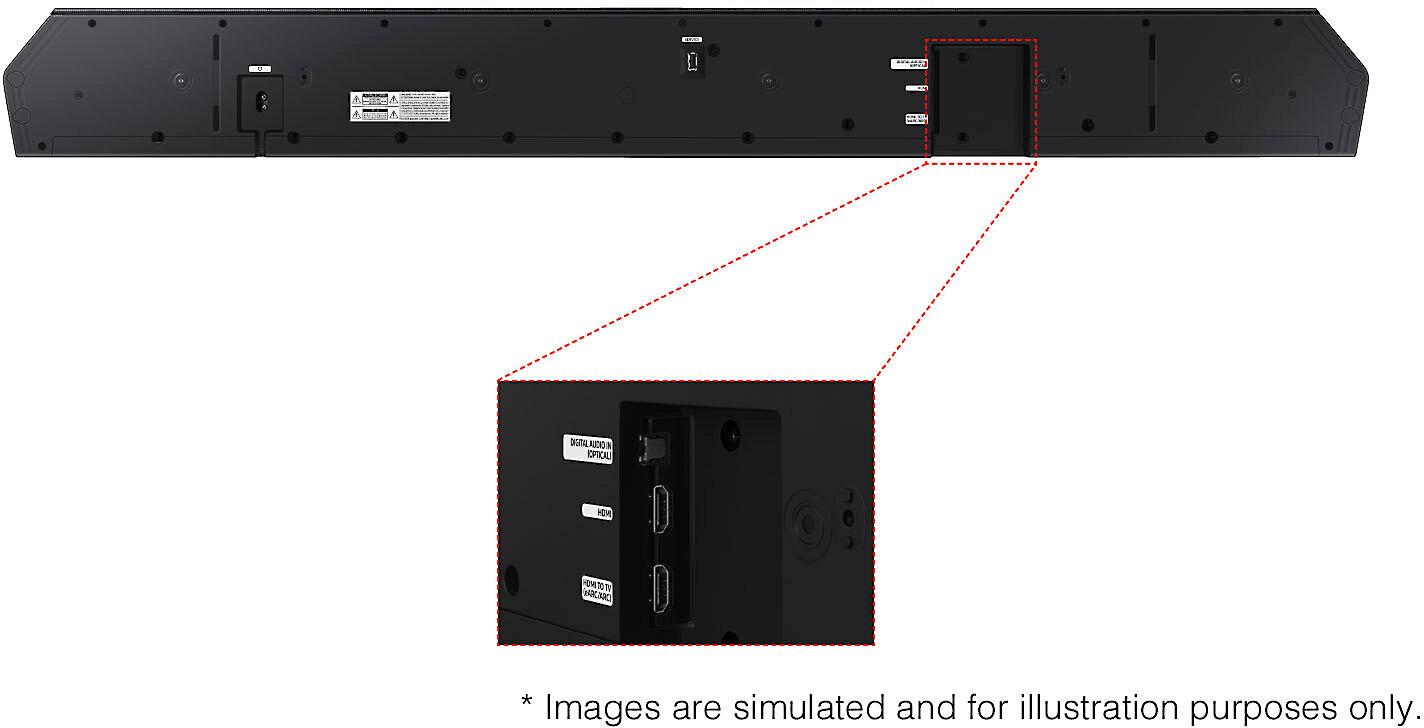
The Klipsch Flexus Core 300 provides comprehensive connectivity with HDMI 2.1, USB-C, optical, Ethernet, and Bluetooth 5.3, plus streaming via multiple platforms. The Samsung HW-Q800D offers HDMI eARC, optical input, and Bluetooth 5.2, but lacks HDMI input and has fewer connection options overall.
Choose the Klipsch Flexus Core 300 if you want audiophile-grade performance, plan to expand your system, or have a large room requiring powerful, precise sound. Select the Samsung HW-Q800D if you need immediate bass impact, own a Samsung TV, prefer simple setup, or want a complete system under $800.
We've done our best to create useful and informative comparisons to help you decide what product to buy. Our research uses advanced automated methods to create this comparison and perfection is not possible - please contact us for corrections or questions. These are the sites we've researched in the creation of this article: crutchfield.com - whathifi.com - avnirvana.com - hometechnologyreview.com - ecoustics.com - gearpatrol.com - klipsch.com - avsforum.com - youtube.com - avsforum.com - listenup.com - chowmain.software - klipsch.com - novis.ch - avsforum.com - klipsch.ca - lefflers.se - abt.com - sweetwater.com - wifihifi.com - klipsch.com - dirac.com - techradar.com - valueelectronics.com - samsung.com - rtings.com - samsung.com - crutchfield.com - samsung.com - samsung.com - samsung.com - shidirect.com

Privacy Policy
Terms and Conditions - Affiliate Policy
Home Security
© Copyright 2008-2026.
11816 Inwood Rd #1211, Dallas, TX 75244