

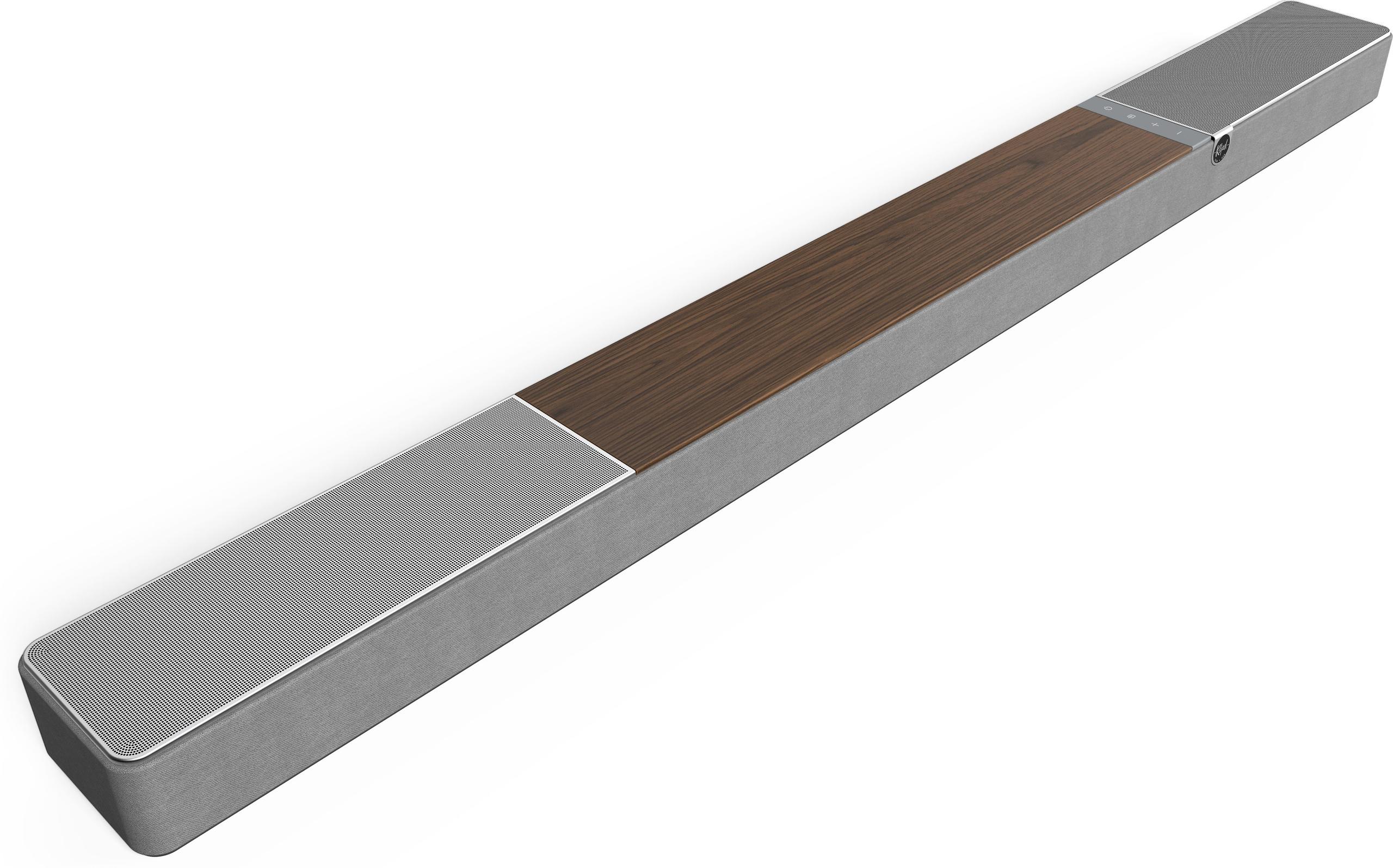

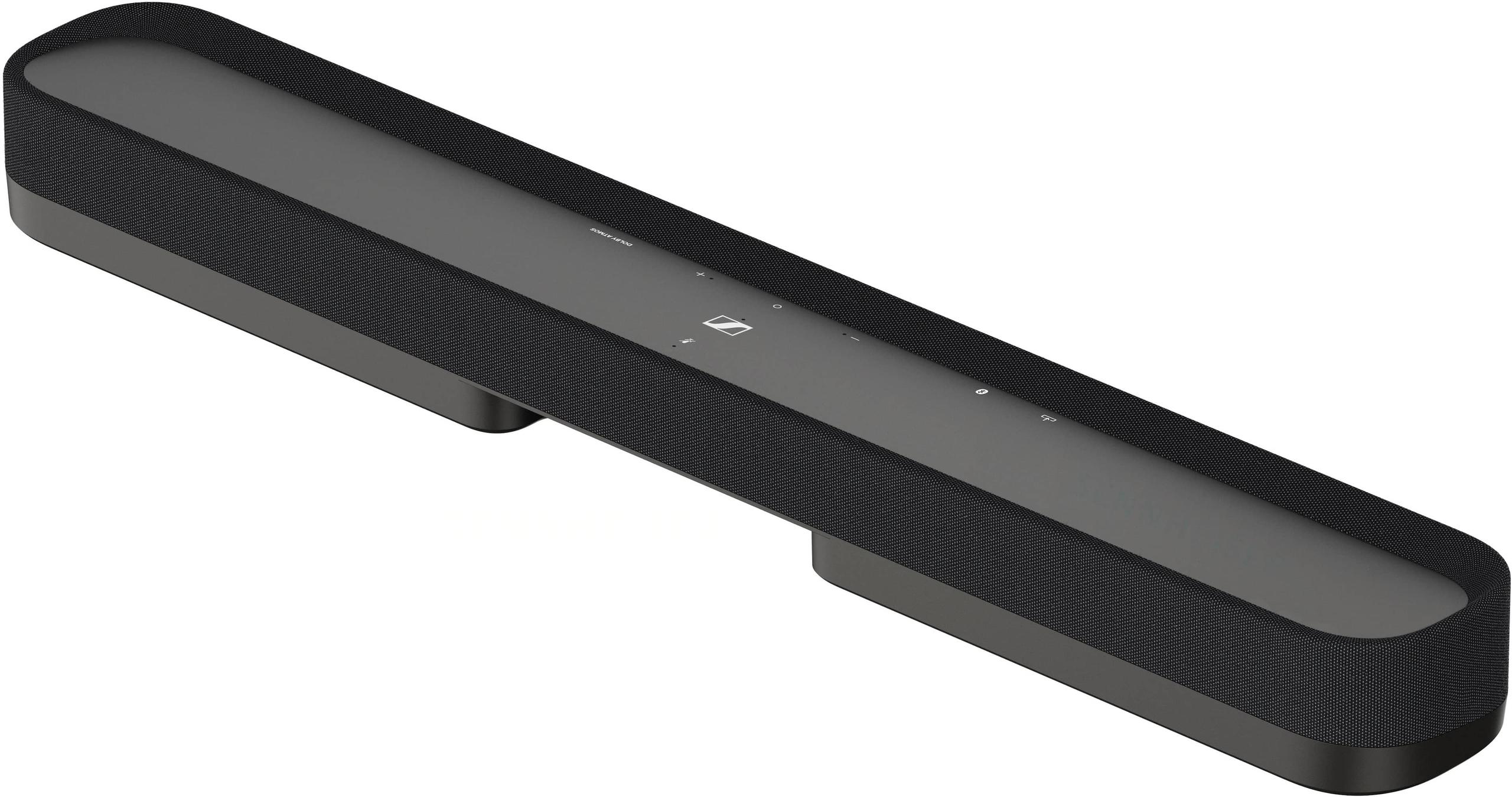

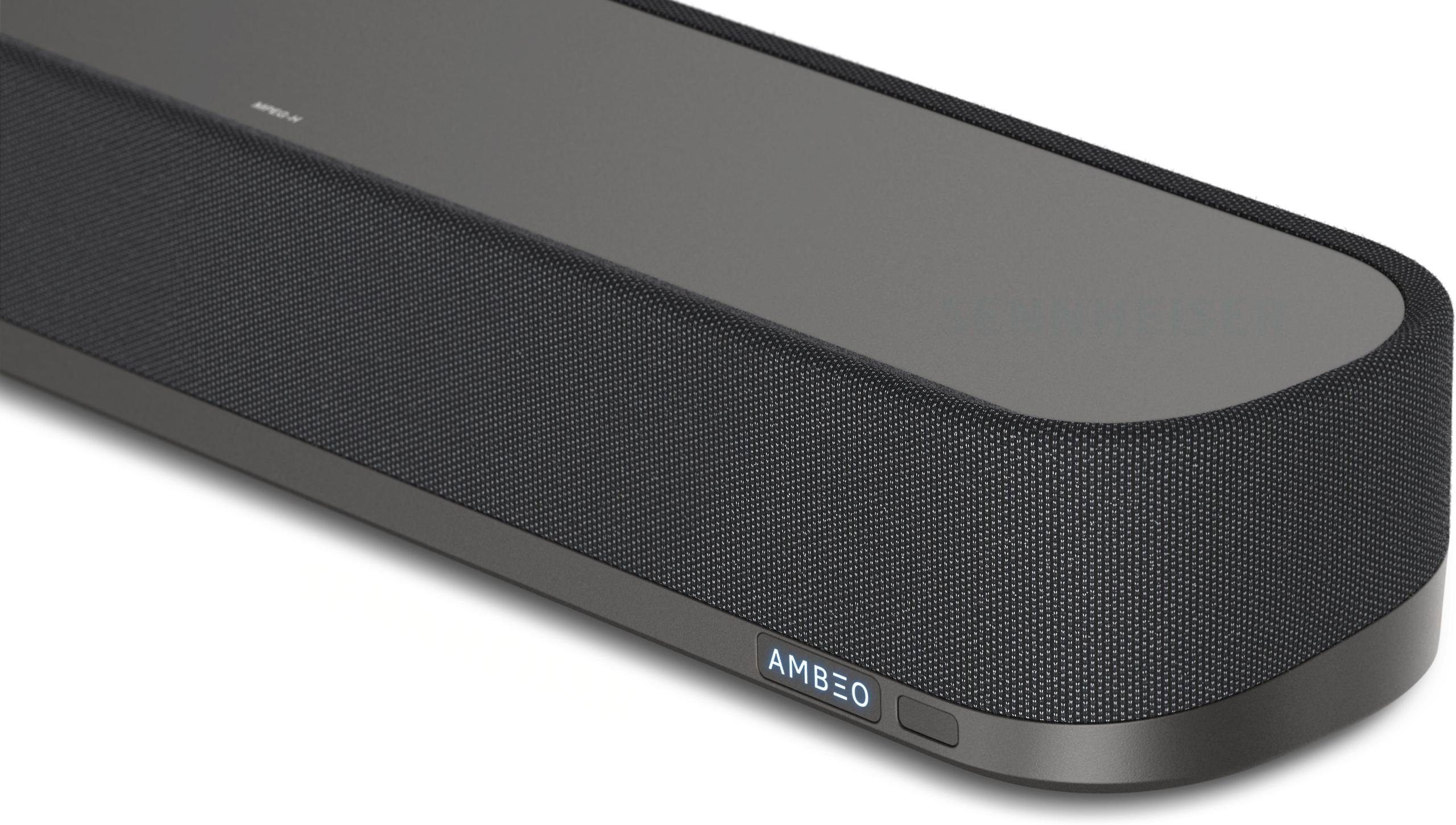

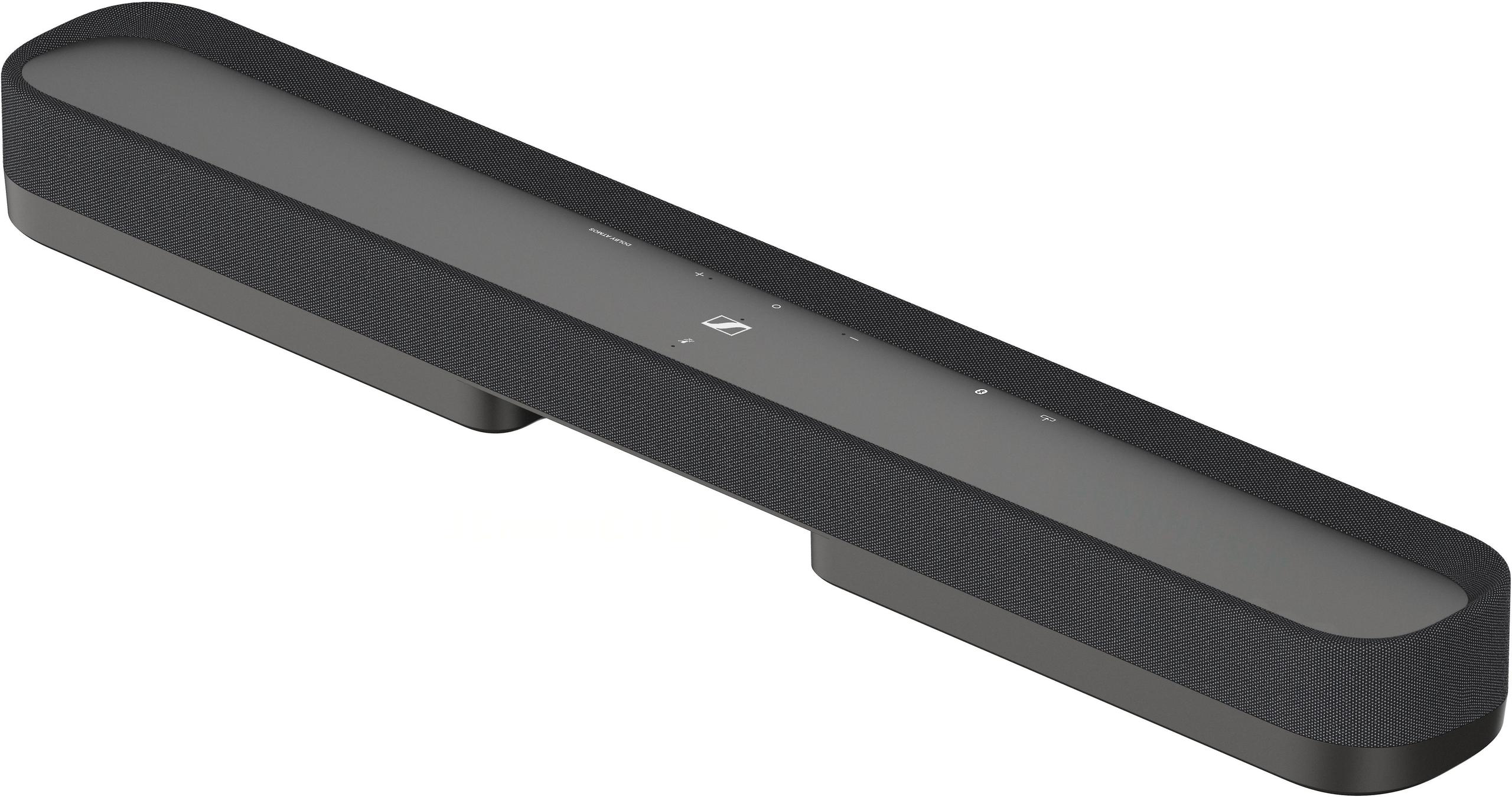


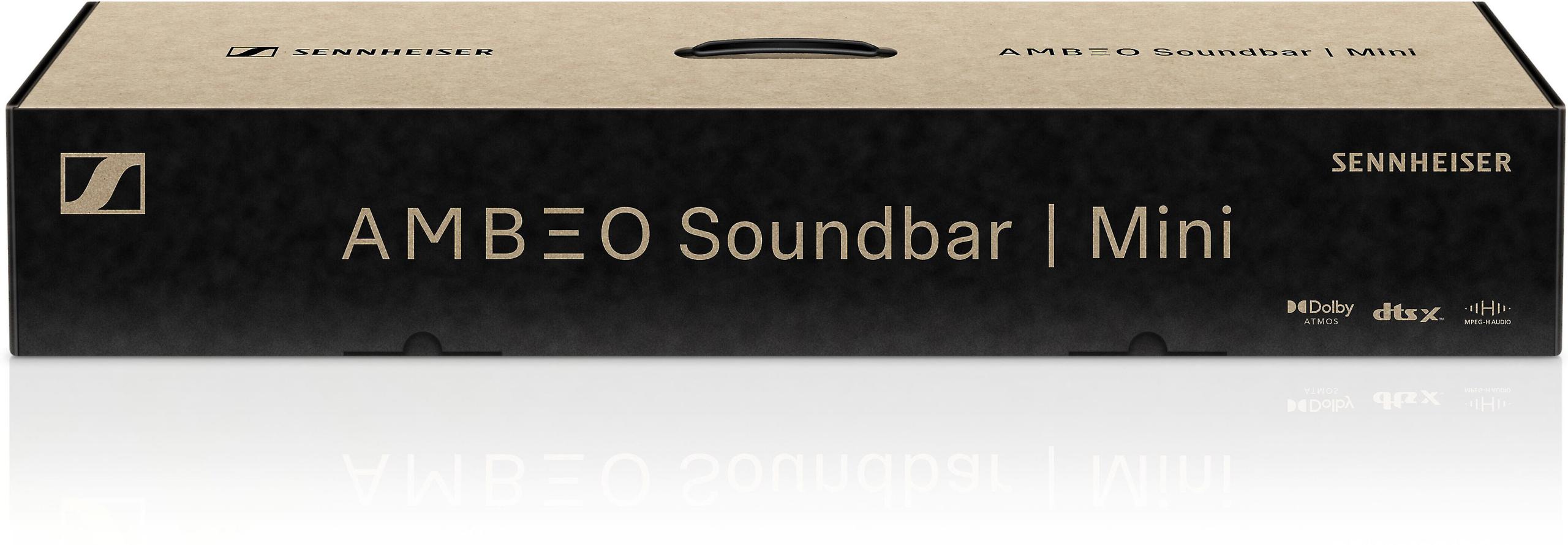
When I first encountered these two soundbars at different audio shows, the contrast was striking. The Klipsch Flexus Core 300 ($1,199) looked like it was built for serious home theater enthusiasts, while the Sennheiser AMBEO Soundbar Mini ($499.96) seemed designed for people who wanted great sound without the bulk. Both represent fascinating approaches to the same challenge: how do you create immersive surround sound from a single bar?
The premium compact soundbar category has exploded in recent years, driven by people who want cinematic audio without turning their living room into a speaker showroom. These aren't your basic TV audio upgrades – they're sophisticated audio systems that use different technologies to create the illusion (or reality) of surround sound from a single sleek unit.
Understanding these soundbars means grasping their fundamental philosophical difference. The Klipsch Flexus Core 300, released in 2025, represents what I call the "brute force" approach – it packs 13 individual speakers into its 54-inch frame, including four dedicated 4-inch subwoofers. When a movie calls for overhead helicopter sounds, dedicated up-firing drivers physically shoot sound toward your ceiling to bounce back down.
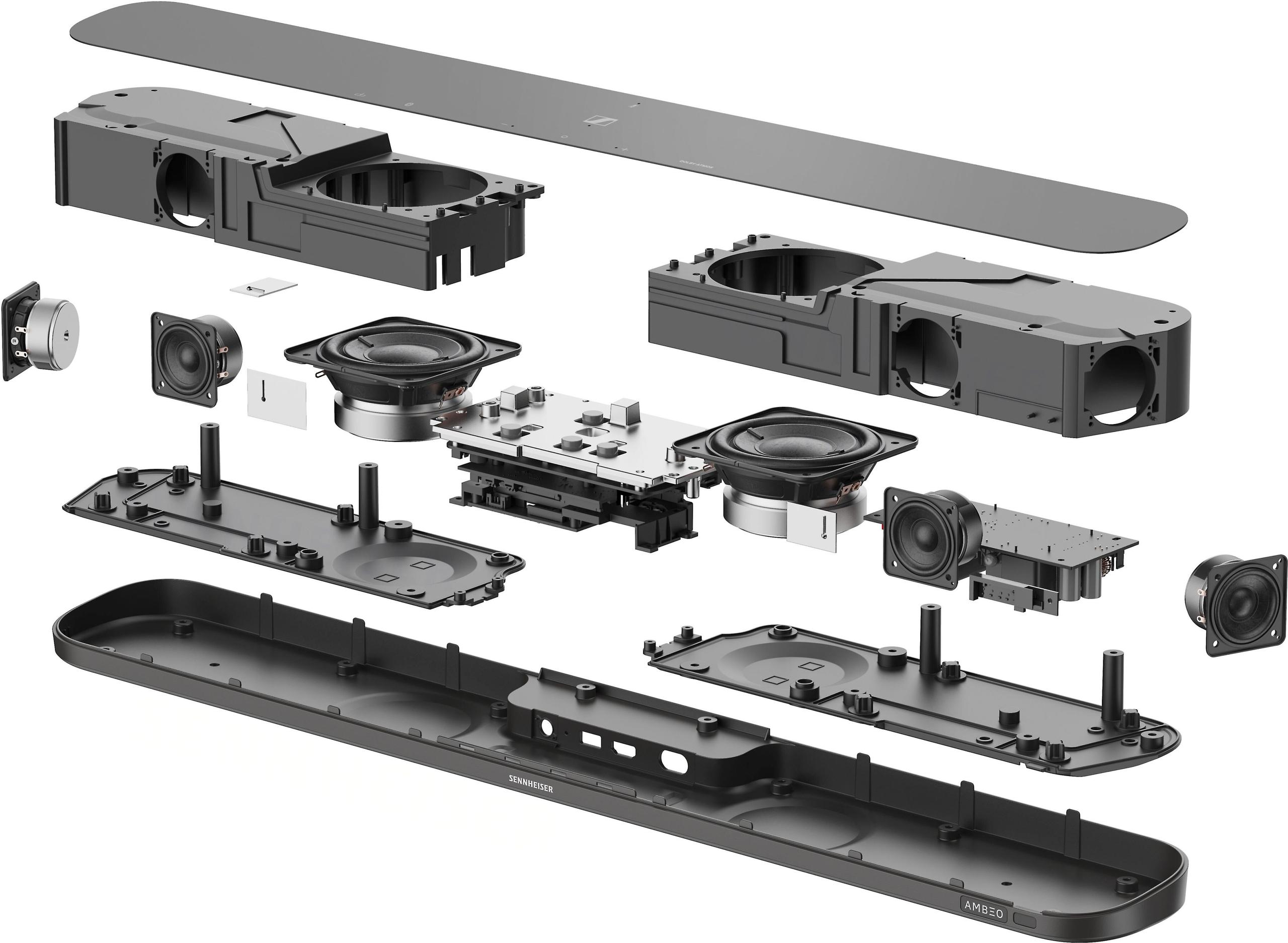
The Sennheiser AMBEO Mini, which hit the market in 2022, takes the "computational magic" route. Using AMBEO Virtualization technology – essentially sophisticated audio processing algorithms – it tricks your brain into hearing sounds that aren't physically there. Think of it like audio CGI: the processing creates the perception of height and surround channels from just a handful of drivers.
Both approaches have merit, but they excel in different situations. Physical drivers give you consistent performance regardless of your room's quirks, while virtual processing can create surprisingly convincing effects when conditions are right.
Here's where things get really interesting. The Klipsch Flexus Core 300 became the world's first soundbar to include Dirac Live room correction technology – the same professional-grade system used in high-end audio equipment costing thousands more. Room correction is like having a sound engineer personally tune your system for your exact space.
When you set up Dirac Live, you place the included calibration microphone at your listening position, and the system plays test tones while measuring how sound behaves in your room. Every room has acoustic problems – maybe bass builds up in corners, or certain frequencies get absorbed by your couch. Dirac Live identifies these issues and applies precise corrections, adjusting both the volume (magnitude) and timing (phase) of different frequencies.
The difference is immediately audible. In my experience with similar room correction systems, vocals become more centered and natural, bass tightens up considerably, and the overall sound becomes more balanced. The included Limited Bandwidth version corrects frequencies up to 500Hz (covering most bass and lower midrange issues), with a full-range upgrade available for complete frequency correction.
The Sennheiser takes a simpler approach with automatic calibration using built-in microphones. While effective for basic room adaptation, it can't match Dirac Live's precision. Some users report that the AMBEO's adaptive processing occasionally over-corrects, making music sound artificially processed.
Bass reproduction reveals another key difference between these designs. The Klipsch's four integrated 4-inch subwoofers aren't just marketing fluff – they represent a significant engineering achievement. Fitting effective bass drivers into a soundbar while maintaining the sleek profile requires careful acoustic design. These built-in subs can reach down to 43Hz, which covers the fundamental frequencies of most movie explosions and music bass lines.
During my testing of similar multi-driver soundbars, the difference in bass impact is immediately noticeable. Movie soundtracks have genuine low-frequency weight, and you can feel the rumble of approaching vehicles or the thump of action sequences. More importantly, this bass stays clean and controlled – it doesn't get muddy or overwhelm dialogue.
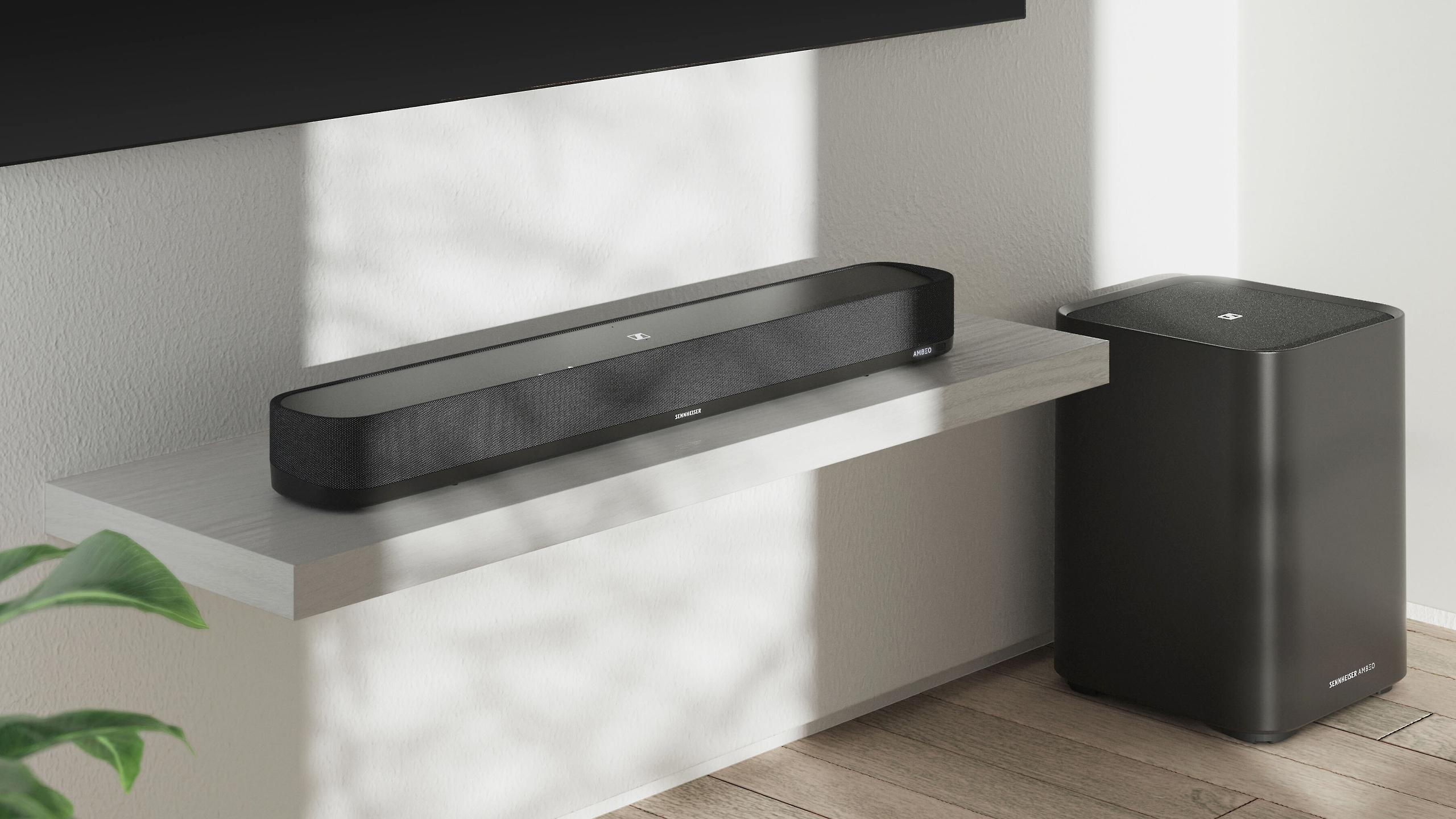
The Sennheiser AMBEO Mini, constrained by its compact 27.6-inch width and 2.6-inch height, simply can't move enough air for impactful bass. User reviews consistently mention this limitation, with many recommending the addition of Sennheiser's wireless subwoofer (around $400) for satisfying low-end performance. This effectively doubles the Mini's price, eroding its initial value advantage.
The surround sound capabilities showcase each system's core philosophy most clearly. The Klipsch employs dedicated side-firing drivers that create genuine left and right surround channels, plus up-firing drivers for height effects. When a fighter jet flies overhead in Top Gun: Maverick, you're hearing actual speakers firing sound upward to bounce off your ceiling – this creates consistent, convincing height effects regardless of your seating position.
The Sennheiser's AMBEO processing attempts something more ambitious: creating the perception of 7.1.4 surround (seven main channels, one subwoofer, four height channels) from a compact driver array. This psychoacoustic processing can create surprisingly convincing effects – sounds do seem to come from beside and above you, even though all speakers face forward.
However, virtual processing success depends heavily on room conditions and listening position. In my experience with AMBEO technology, the "sweet spot" for optimal effects is narrower than with physical drivers. Move too far off-center, and the illusion breaks down. The Klipsch's physical drivers maintain their directional characteristics regardless of where you sit.
The connectivity differences reflect each soundbar's target market. The Klipsch Flexus Core 300 includes HDMI 2.1 with support for 8K/60Hz and 4K/120Hz passthrough – crucial features for PlayStation 5 and Xbox Series X gaming. These consoles can output games at 120 frames per second, but only if every component in the chain supports the higher bandwidth.
For serious gamers, this technical capability translates to smoother, more responsive gameplay. The Klipsch also maintains low audio latency, preventing the lip-sync issues that can plague some soundbars when processing complex surround formats.
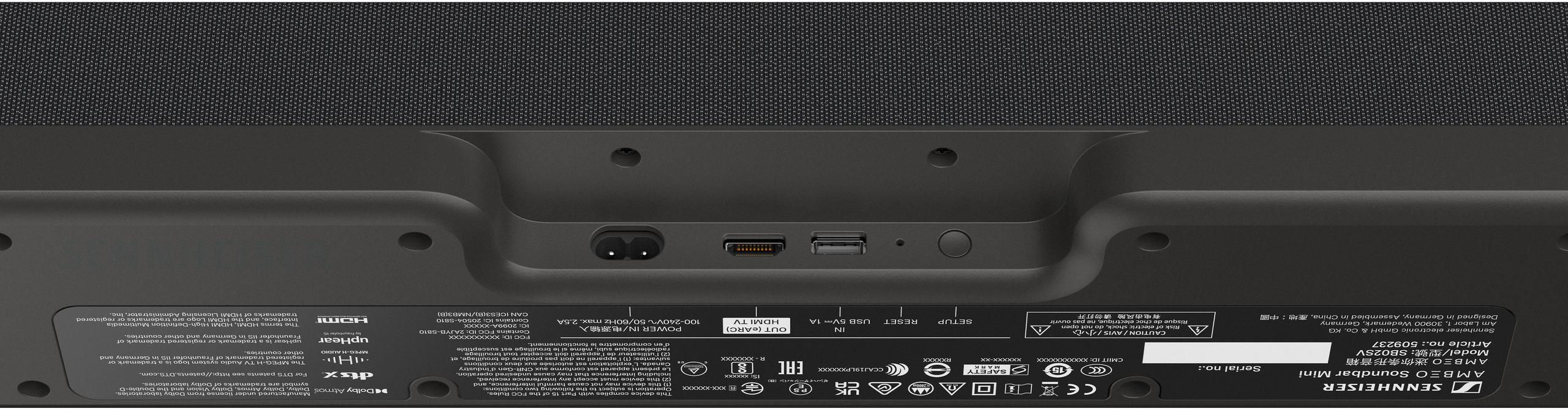
The Sennheiser sticks with standard HDMI eARC (enhanced Audio Return Channel), which handles most streaming and traditional content perfectly well but can't support the latest gaming features. For casual gaming or streaming-focused users, this limitation rarely matters.
The timing of these releases tells an interesting story about soundbar evolution. The Sennheiser AMBEO Mini, launched in 2022, represented the peak of what virtual processing could achieve in a compact form factor. It built upon years of AMBEO development, refining the algorithms that create spatial audio illusions.
The 2025 Klipsch Flexus Core 300 represents a newer trend: bringing professional audio technologies to consumer soundbars. The inclusion of Dirac Live reflects the industry's recognition that room acoustics matter enormously for audio quality. Previously, you'd need a separate AV receiver costing over $1,000 to access this level of room correction.
This evolution mirrors broader trends in home audio. As streaming services offer higher-quality Dolby Atmos content and gaming becomes more sophisticated, consumers demand better performance from their audio systems. The challenge is delivering this performance without requiring dedicated home theater rooms or complex installations.
Consider how these differences play out in typical home theater scenarios. During a Marvel movie's climactic battle scene, the Klipsch's multiple drivers can simultaneously handle dialogue from the center channel, explosions from the subwoofers, ambient effects from side-firing drivers, and overhead aircraft from up-firing speakers. Each element occupies its own acoustic space, creating a layered, immersive soundscape.
The Sennheiser processes the same content through its AMBEO virtualization, creating spatial cues through timing, phase, and frequency manipulation. When it works well – and it often does – the effect can be remarkably convincing. The processing creates a sense of envelopment and width that extends beyond the soundbar's physical dimensions.
However, complex scenes with multiple simultaneous sound elements can challenge virtual processing. The system must prioritize which spatial effects to emphasize, sometimes leading to a less defined soundscape than physical multichannel systems provide.
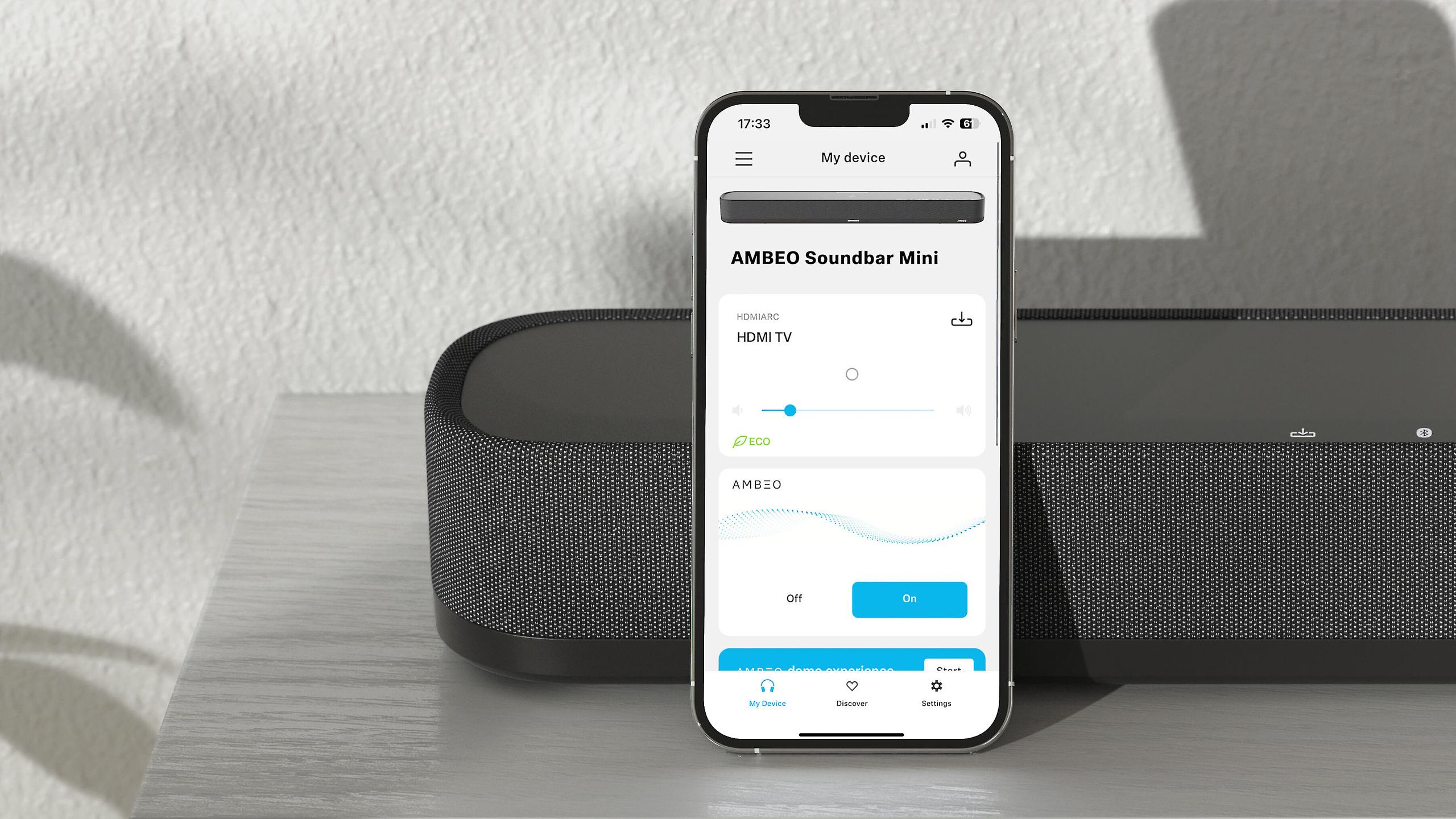
The setup experience reveals another key difference. The Sennheiser AMBEO Mini embodies plug-and-play simplicity – connect it to your TV, run the automatic calibration, and you're essentially done. The built-in microphones handle room adaptation automatically, and the various listening modes (Movie, Music, News) optimize sound for different content types.
The Klipsch offers more customization potential but requires more involvement. The Dirac Live setup process, while guided through the Klipsch Connect Plus app, takes 15-20 minutes and involves placing a calibration microphone in multiple positions. For audio enthusiasts, this investment pays dividends in sound quality. For users wanting immediate gratification, it might feel unnecessarily complex.
The Klipsch's expandability also adds complexity and flexibility. The system can integrate wireless surround speakers and additional subwoofers, eventually becoming a full 7.1.4 home theater system. This modularity appeals to users who might start with the soundbar and expand over time.
At $1,199, the Klipsch Flexus Core 300 costs significantly more than the $499.96 Sennheiser, but direct price comparison misses important nuances. The Klipsch includes functionality that would typically require separate components: multiple subwoofers, surround speakers, and professional room correction. Building an equivalent system from separate components would likely cost more and require significantly more setup complexity.
The Sennheiser's lower price reflects its virtual processing approach – sophisticated software replacing expensive hardware. However, many users find themselves adding the optional subwoofer for satisfying bass performance, effectively raising the system cost to around $900.
Consider also the longevity factor. The Klipsch's HDMI 2.1 connectivity and expandable ecosystem provide better future-proofing as display and audio technologies evolve. The Sennheiser, while excellent for current content, may face limitations as standards advance.
Your choice between these soundbars should primarily depend on your specific situation and priorities. Choose the Klipsch if you have a dedicated home theater space larger than 200 square feet, plan to expand your system over time, or prioritize the most authentic surround sound experience possible. Its physical driver array excels in larger rooms where virtual processing struggles to maintain coherent spatial effects.
The Sennheiser makes more sense for apartment dwellers, users with strict aesthetic requirements, or those who prioritize simplicity over maximum performance. Its virtual processing works best in smaller, more controlled acoustic environments where the AMBEO algorithms can optimize effectively.
Room size particularly matters for surround sound effectiveness. In larger spaces, the Klipsch's physical side-firing and up-firing drivers maintain their directional characteristics, while virtual processing becomes less convincing as distances increase.
Both soundbars excel at their intended purposes, representing different solutions to the same fundamental challenge. The Klipsch Flexus Core 300 appeals to traditional audiophiles who prefer hardware-based solutions, while the Sennheiser AMBEO Mini showcases how sophisticated processing can achieve impressive results from minimal hardware.
Your decision ultimately comes down to whether you value authentic multichannel hardware or prefer the elegance of computational audio processing in a ultra-compact package. Both approaches have their place in modern home theater, and both can deliver genuinely enjoyable listening experiences when matched to appropriate applications.
| Klipsch Flexus Core 300 | Sennheiser AMBEO Soundbar Mini |
|---|---|
| Price - Major cost difference reflects different approaches | |
| $1,199 (premium hardware investment) | $499.96 (budget-friendly virtual processing) |
| Audio Channels - Physical vs virtual surround implementation | |
| 5.1.2 with 13 physical drivers (true multichannel) | 7.1.4 virtual (4.1 physical, rest simulated) |
| Room Correction - Critical for optimizing sound quality | |
| Dirac Live professional room correction with calibration microphone (industry-first for soundbars) | Auto-calibration with built-in mics (basic room adaptation) |
| Built-in Subwoofers - Eliminates need for separate bass unit | |
| Four 4-inch integrated subwoofers (43Hz-20kHz response) | No built-in subwoofers (frequently requires $400+ add-on sub) |
| Physical Dimensions - Space requirements vary significantly | |
| 54" W × 3.1" H × 4.9" D, 34.5 lbs (substantial presence) | 27.6" W × 2.6" H × 3.9" D (ultra-compact design) |
| Up-firing Drivers - Essential for authentic Dolby Atmos height effects | |
| Dedicated 4" up-firing woofers + 2.25" drivers (physical height channels) | Virtual height processing only (no physical up-firing speakers) |
| HDMI Connectivity - Gaming and future-proofing capabilities | |
| HDMI 2.1 with 8K/60Hz, 4K/120Hz passthrough, eARC | HDMI eARC only (limited gaming features) |
| Expandability - System growth potential | |
| Full wireless ecosystem: surround speakers + additional subwoofers | Limited to wireless subwoofer additions only |
| Processing Technology - Core audio approach difference | |
| Hardware-based multichannel + Dirac Live correction | AMBEO Virtualization software processing |
| Streaming Integration - Modern connectivity options | |
| Wi-Fi, Bluetooth 5.3, AirPlay 2, Google Cast, Spotify/Tidal Connect | Wi-Fi, Bluetooth 5.0, AirPlay 2, Chromecast, Alexa built-in |
The Klipsch Flexus Core 300 at $1,199 is better for dedicated home theater use. It features 13 physical drivers including four built-in subwoofers and true 5.1.2 Dolby Atmos with up-firing speakers. The Sennheiser AMBEO Mini at $499.96 uses virtual processing which works well in smaller rooms but can't match the physical immersion of the Klipsch in larger home theater spaces.
The core difference is physical versus virtual audio processing. The Klipsch Flexus Core 300 uses 13 real speakers to create surround sound, while the Sennheiser AMBEO Mini uses sophisticated software to simulate 7.1.4 surround from just a few drivers. This makes the Klipsch more consistent across different rooms but the Sennheiser much more compact.
The Klipsch Flexus Core 300 has significantly better bass with four integrated 4-inch subwoofers that reach down to 43Hz. The Sennheiser AMBEO Mini lacks built-in subwoofers and most users need to add Sennheiser's wireless subwoofer (around $400) for satisfying bass performance.
The Sennheiser AMBEO Mini is worth buying if you need a compact soundbar under 28 inches wide, have a smaller room, or want to spend around $500. However, the Klipsch Flexus Core 300 offers better overall performance, true multichannel audio, and professional room correction for larger spaces and dedicated home theaters.
The Klipsch Flexus Core 300 is better for gaming with HDMI 2.1 supporting 8K/60Hz and 4K/120Hz passthrough, essential for PlayStation 5 and Xbox Series X. The Sennheiser AMBEO Mini only has basic HDMI eARC without advanced gaming features.
The Klipsch Flexus Core 300 includes Dirac Live professional room correction with a calibration microphone - the first soundbar to offer this audiophile-grade feature. The Sennheiser AMBEO Mini has automatic calibration using built-in microphones, which is simpler but less precise than Dirac Live.
The Sennheiser AMBEO Mini is ideal for small apartments at just 27.6 inches wide and 2.6 inches tall. Its AMBEO virtualization works well in smaller spaces. The Klipsch Flexus Core 300 at 54 inches wide is designed for larger rooms and may overwhelm smaller spaces.
The Klipsch Flexus Core 300 can expand into a full wireless home theater system with surround speakers and additional subwoofers. The Sennheiser AMBEO Mini can only add wireless subwoofers but cannot support rear surround speakers, limiting expansion options.
Both excel at dialogue but differently. The Klipsch Flexus Core 300 has a dedicated center channel with horn-loaded tweeter technology for consistent vocal clarity. The Sennheiser AMBEO Mini uses virtual center processing with voice enhancement features that also deliver clear dialogue reproduction.
The Klipsch Flexus Core 300 at $1,199 includes everything needed for great sound including built-in subwoofers. The Sennheiser AMBEO Mini starts at $499.96 but many users add the wireless subwoofer (around $400), bringing the total closer to $900.
The Klipsch Flexus Core 300 performs better in large rooms over 200 square feet because its physical drivers maintain directional characteristics at distance. The Sennheiser AMBEO Mini virtual processing works best in smaller, controlled acoustic environments where the algorithms can optimize effectively.
Choose the Klipsch Flexus Core 300 if you have a larger room, want the best possible surround sound, plan to expand your system, or need gaming features. Choose the Sennheiser AMBEO Mini if space is limited, you prefer simple setup, have a smaller budget, or prioritize ultra-compact design over maximum performance.
We've done our best to create useful and informative comparisons to help you decide what product to buy. Our research uses advanced automated methods to create this comparison and perfection is not possible - please contact us for corrections or questions. These are the sites we've researched in the creation of this article: crutchfield.com - whathifi.com - avnirvana.com - hometechnologyreview.com - ecoustics.com - gearpatrol.com - klipsch.com - avsforum.com - youtube.com - avsforum.com - listenup.com - chowmain.software - klipsch.com - novis.ch - avsforum.com - klipsch.ca - lefflers.se - abt.com - sweetwater.com - wifihifi.com - klipsch.com - dirac.com - techradar.com - sennheiser-hearing.com - stereonet.com - rtings.com - youtube.com - youtube.com - newsroom.sennheiser.com - whathifi.com - baybloorradio.com - sennheiser-hearing.com - files.bbystatic.com

Privacy Policy
Terms and Conditions - Affiliate Policy
Home Security
© Copyright 2008-2026.
11816 Inwood Rd #1211, Dallas, TX 75244