




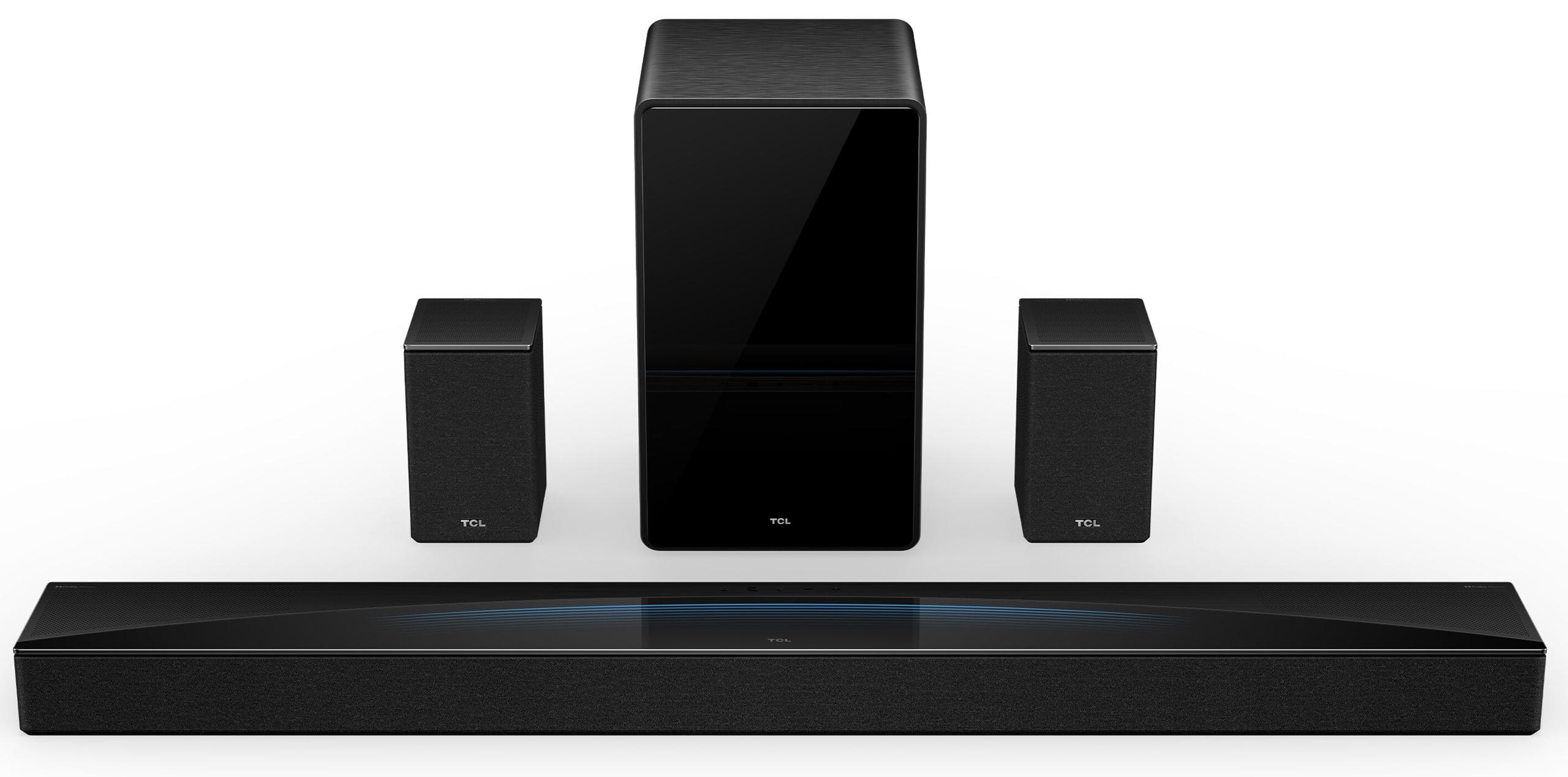
If you've been struggling to hear dialogue over your TV's built-in speakers or craving that cinematic rumble during action scenes, you're not alone. The jump from basic TV audio to a proper soundbar system can be transformative, but choosing between different approaches can feel overwhelming. Today, we're diving deep into two soundbars that represent fundamentally different philosophies: the budget-friendly Ultimea Poseidon D50 5.1 Soundbar and the premium TCL Q85H Q Class 7.1.4 Channel Sound Bar System.
The soundbar market has evolved dramatically over the past few years. What started as simple stereo speakers designed to improve TV dialogue has grown into sophisticated home theater systems capable of rivaling traditional multi-speaker setups. The key breakthrough has been the development of both physical surround systems and advanced audio processing algorithms that can create spatial audio effects.
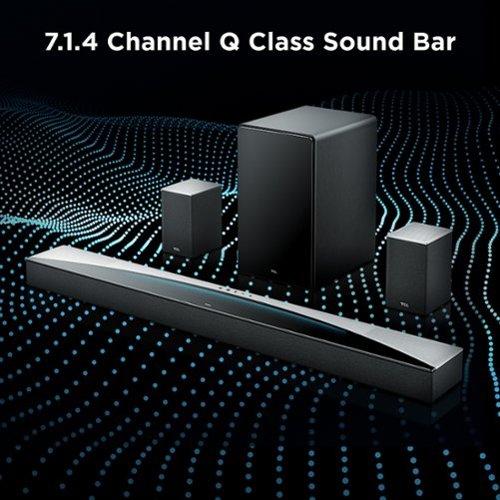
When evaluating soundbars, the channel configuration tells you everything about the system's capabilities. The numbers work like this: the first digit represents main channels (left, center, right), the second indicates subwoofers, and a third number shows height channels for overhead effects. So a 5.1 system has five main speakers plus a subwoofer, while a 7.1.4 system adds rear channels and four height speakers for three-dimensional audio.
The fundamental question facing buyers is whether to prioritize authentic physical surround sound or embrace newer immersive technologies like Dolby Atmos. This choice significantly impacts both performance and price, making it crucial to understand what each approach offers.
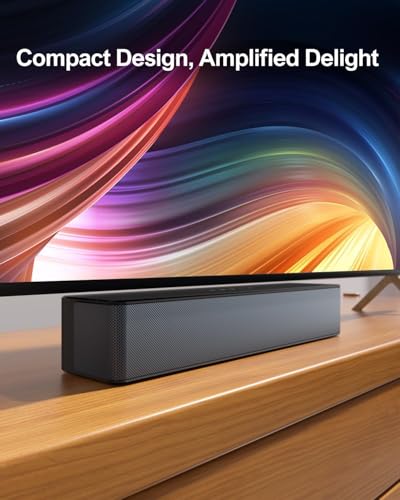
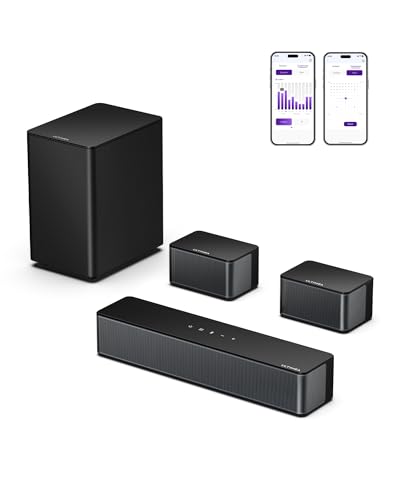
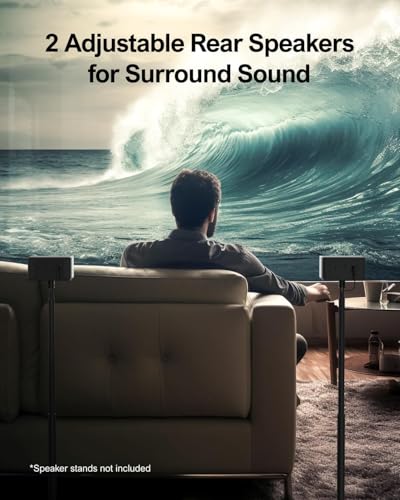
Released in 2025, the Ultimea Poseidon D50 represents something increasingly rare in the budget soundbar market: genuine 5.1 surround sound with physical rear speakers. Most affordable soundbars rely on psychoacoustic processing (audio tricks that make your brain think sound is coming from different directions) to simulate surround effects. The D50 takes a different path, including actual satellite speakers that you place behind your seating area.
This approach matters more than you might think. When a helicopter flies across the screen or footsteps approach from behind in a horror movie, your ears receive audio cues from the actual direction of the effect. No amount of clever processing can fully replicate this physical reality, which is why the D50's inclusion of real rear speakers at its price point feels significant.
The system's SurroundX™ technology serves as a bridge between old and new audio sources. This built-in DSP (Digital Signal Processing) chip can take standard stereo audio and intelligently distribute it across all five speakers, creating surround effects even from content that wasn't originally mixed in surround sound. It's like having an audio translator that converts basic TV shows into more immersive experiences.
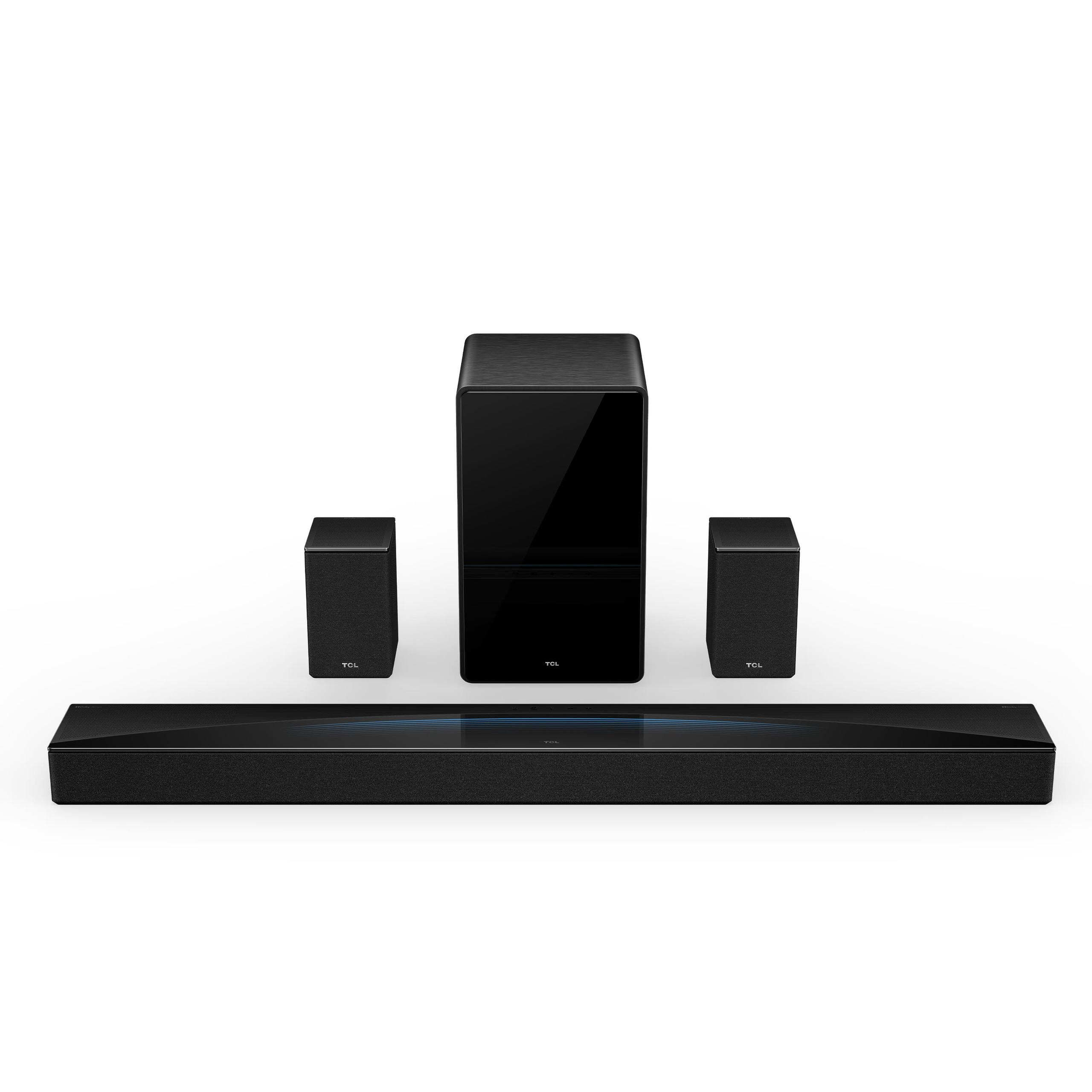
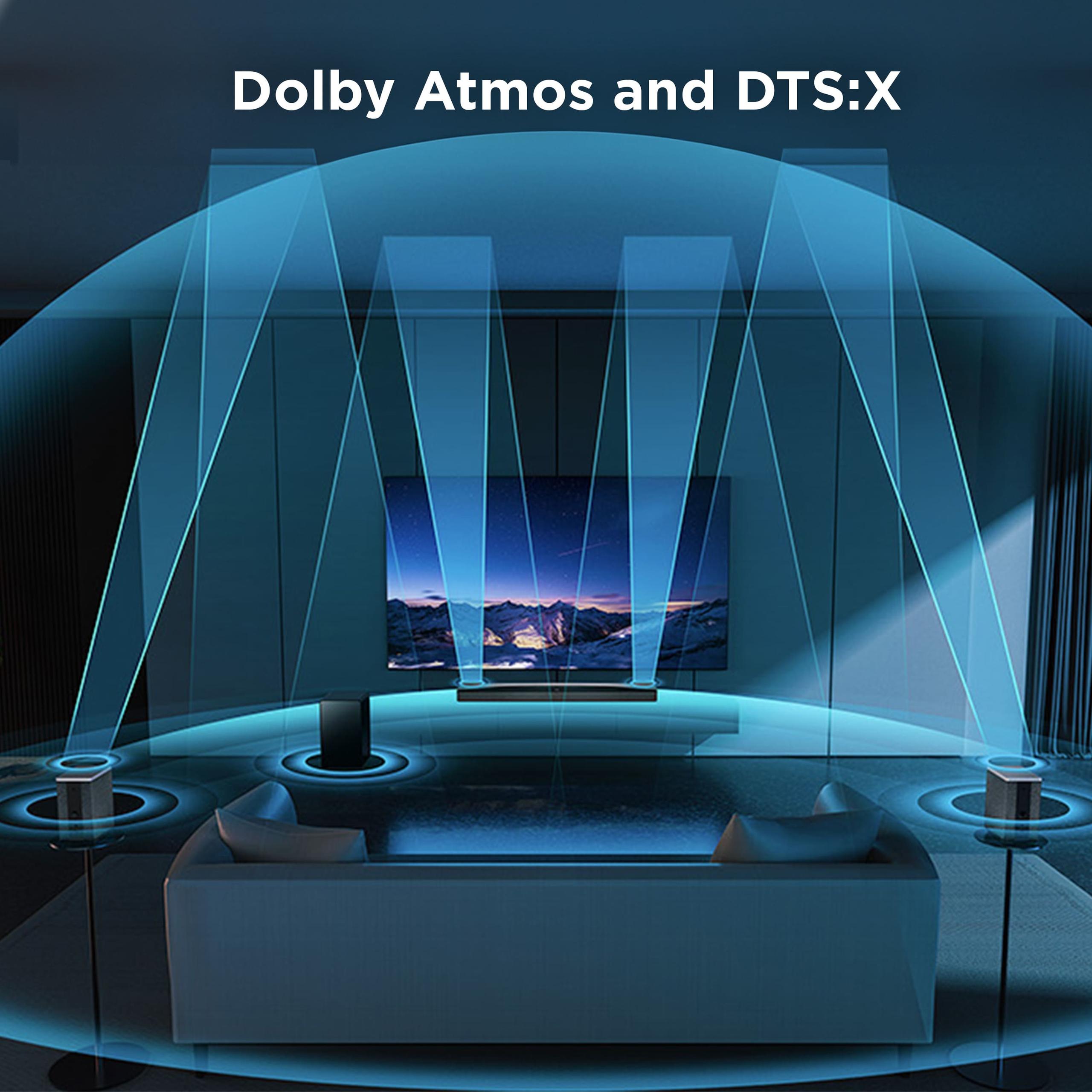
The TCL Q85H, launched in 2024, represents the current state-of-the-art in home soundbar technology. Its 7.1.4 configuration includes not just traditional surround channels but also four up-firing speakers that bounce audio off your ceiling to create height effects. This enables full Dolby Atmos processing, where individual sound objects can be precisely placed anywhere in a three-dimensional space around you.
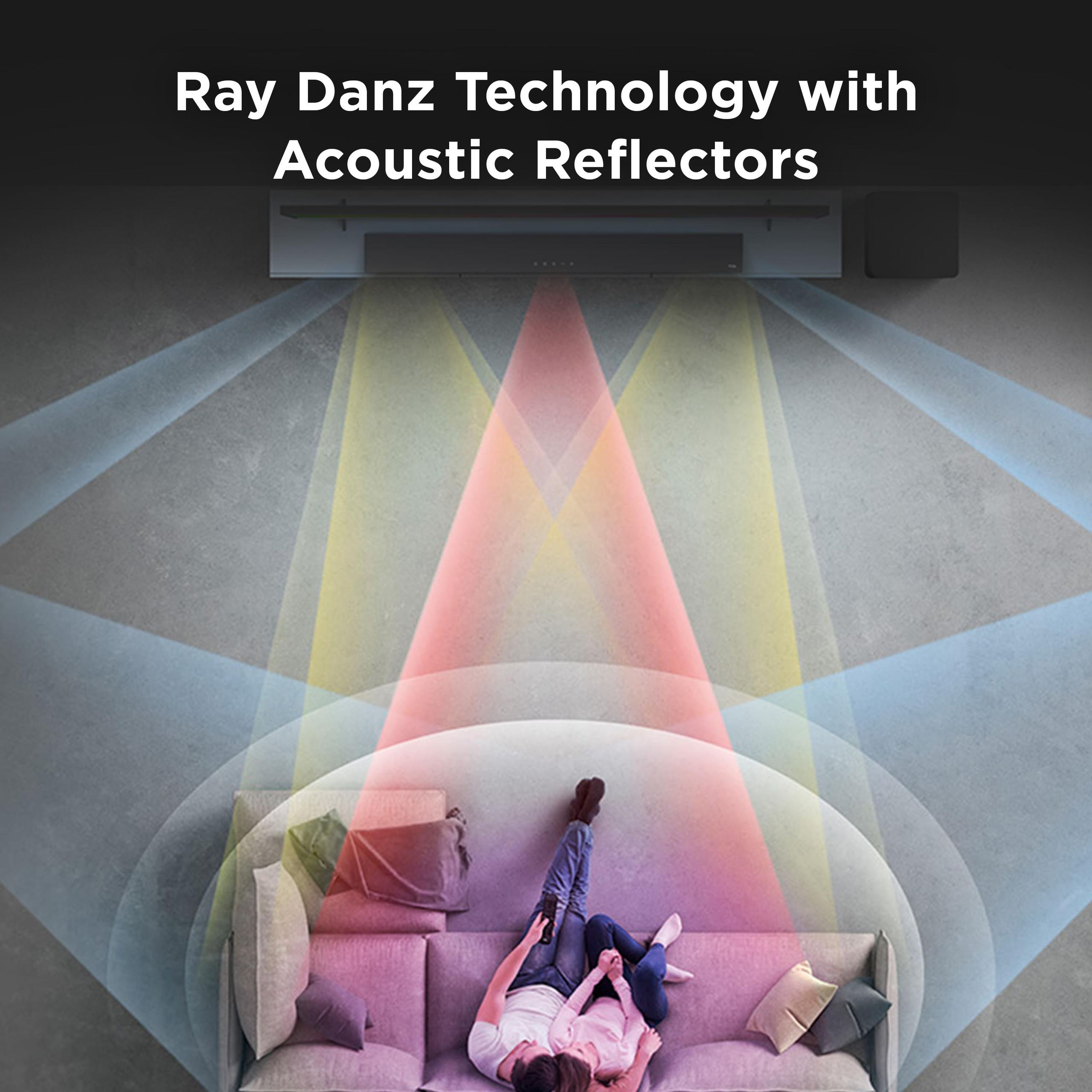
The system's Ray Danz technology deserves special attention. These acoustic reflectors work alongside the multiple drivers to dramatically widen the soundstage beyond the physical dimensions of the soundbar itself. Think of it as sonic architecture that makes a relatively compact system sound like speakers are positioned throughout your room.
Perhaps most impressive is the AI Sonic Auto Room Calibration feature. This system uses built-in microphones to analyze your room's acoustics, then automatically adjusts frequency response and timing to optimize performance for your specific space. It's technology that was exclusive to high-end receivers just a few years ago, now integrated into a single soundbar system.
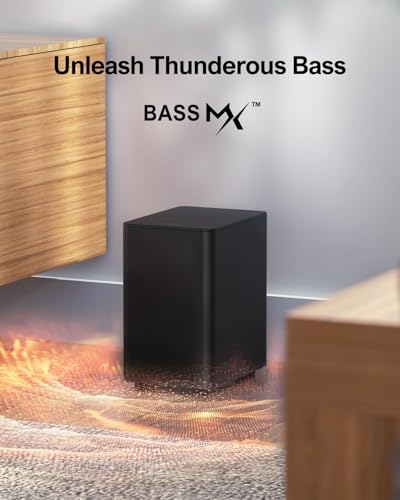
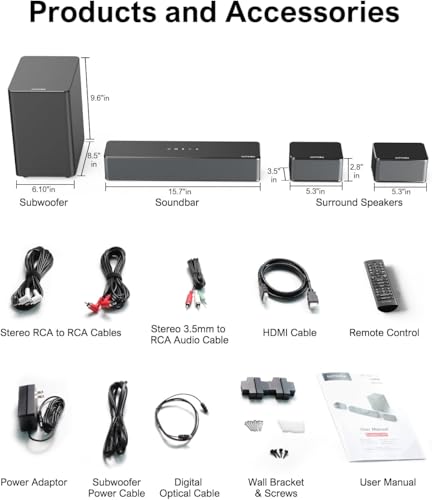
The performance gap between these systems becomes apparent in several key areas. Bass response showcases their different design philosophies clearly. The Ultimea D50's 5.25-inch subwoofer uses BassMX™ technology, which focuses on tight, punchy bass that complements the system's 320W total output. The design prioritizes control and accuracy over sheer depth, making it excellent for dialogue intelligibility and gaming audio cues.
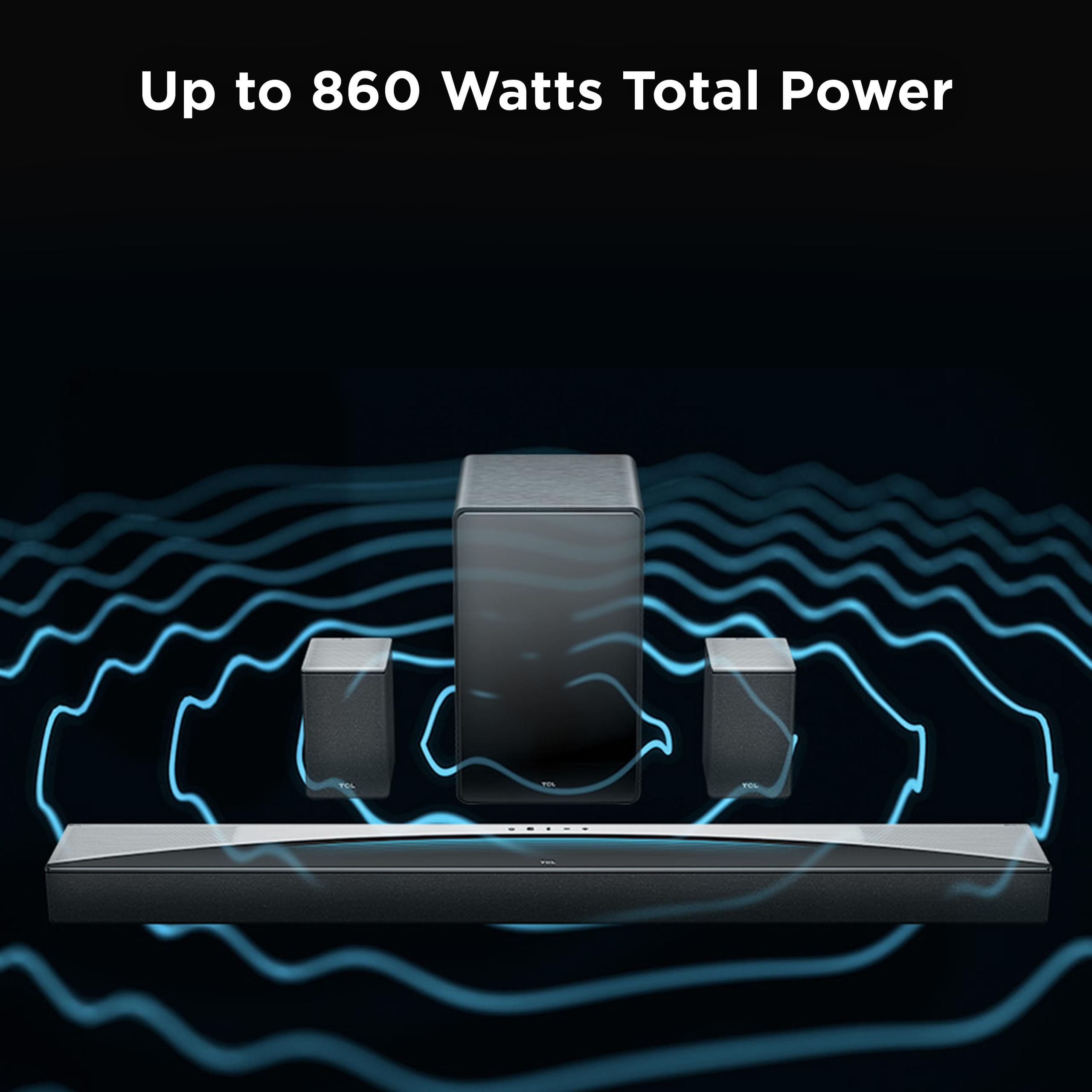
The TCL Q85H's 6.5-inch wireless subwoofer operates in a different league entirely. With Bass Boost technology and the system's massive 860W power reserve, it can produce the kind of room-shaking low frequencies that make action movies genuinely exciting. The larger driver and increased power headroom mean it maintains composure during complex, dynamic scenes where multiple effects compete for attention.
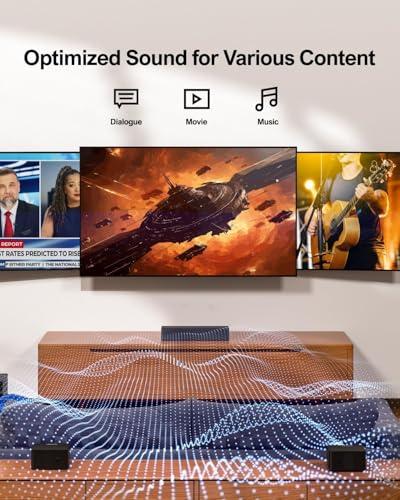
Dialogue clarity represents another crucial differentiator. The Poseidon D50 handles voice reproduction well through its dedicated center channel processing, with multiple dialogue enhancement modes that boost speech frequencies while reducing background noise. However, the Q85H takes this further with its physical center channel integration and advanced voice algorithms specifically designed to cut through even the most chaotic action sequences.
The surround sound experience reveals the most fundamental difference between these approaches. The D50's physical rear speakers create authentic directional audio that your brain processes naturally. When a car approaches from behind in a movie, the sound literally comes from behind you. This creates an immediate, instinctive connection between what you see and hear that feels completely natural.
However, this traditional approach has limitations. The D50 operates in a horizontal plane only – sound can come from the sides and rear, but not from above or below. This works perfectly for most content, but leaves modern Atmos-encoded movies partially unexperienced.
The Q85H's approach fundamentally reimagines spatial audio. Its up-firing speakers reflect audio off your ceiling, creating the illusion of helicopters flying overhead or rain falling from above. When properly calibrated in a room with appropriate ceiling height and materials, the effect can be startling in its realism. The system places individual sound objects in precise locations throughout a three-dimensional space around your listening position.
This technology shines with properly mastered content. Watching "Top Gun: Maverick" or "Dune" with full Dolby Atmos processing reveals layers of spatial detail that traditional surround sound simply cannot reproduce. The trade-off is that the effect depends heavily on room acoustics, ceiling height, and seating position.
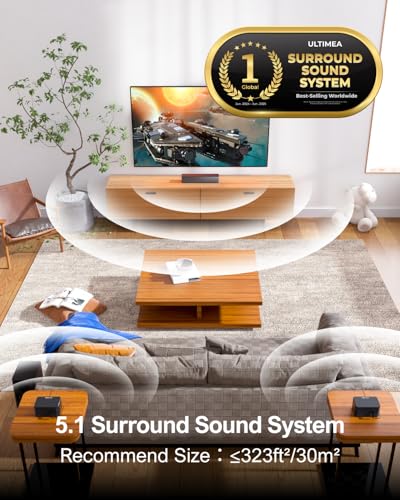
Room size compatibility represents a practical concern that significantly impacts real-world performance. The Ultimea D50's 320W output suits rooms up to about 380 square feet effectively. In appropriately sized spaces, the system delivers satisfying volume levels with good dynamic range for both quiet dialogue scenes and explosive action sequences.
The TCL Q85H's 860W capability targets much larger rooms and higher volume requirements. This isn't just about playing louder – the additional power headroom means the system maintains clarity and separation during complex audio passages. When multiple effects occur simultaneously, each element remains distinct rather than blending into sonic mush.
This power difference becomes especially apparent during demanding content like concert footage or action movies with dense soundtracks. The Q85H maintains composure and detail during these challenging passages, while the D50 may start to compress dynamics to protect its drivers.
The Ultimea D50 impresses with its comprehensive smartphone app, offering 121 preset EQ matrices and a 10-band manual equalizer. This level of customization typically appears in much more expensive systems. You can fine-tune the sound signature for different content types, adjust individual speaker volumes, and save custom profiles for various family members' preferences.
The independent satellite speaker control deserves special mention. Being able to adjust rear channel volume separately means you can balance the surround effect perfectly for your room layout and seating arrangement. Some users prefer subtle ambient enhancement, while others want aggressive surround effects – the D50 accommodates both preferences.
The TCL Q85H takes a more automated approach through its TCL Home Connect app. Rather than extensive manual controls, it emphasizes intelligent optimization and seamless integration with TCL and Roku TVs. The AI Sonic room calibration runs automatically, making adjustments based on acoustic analysis rather than user input.
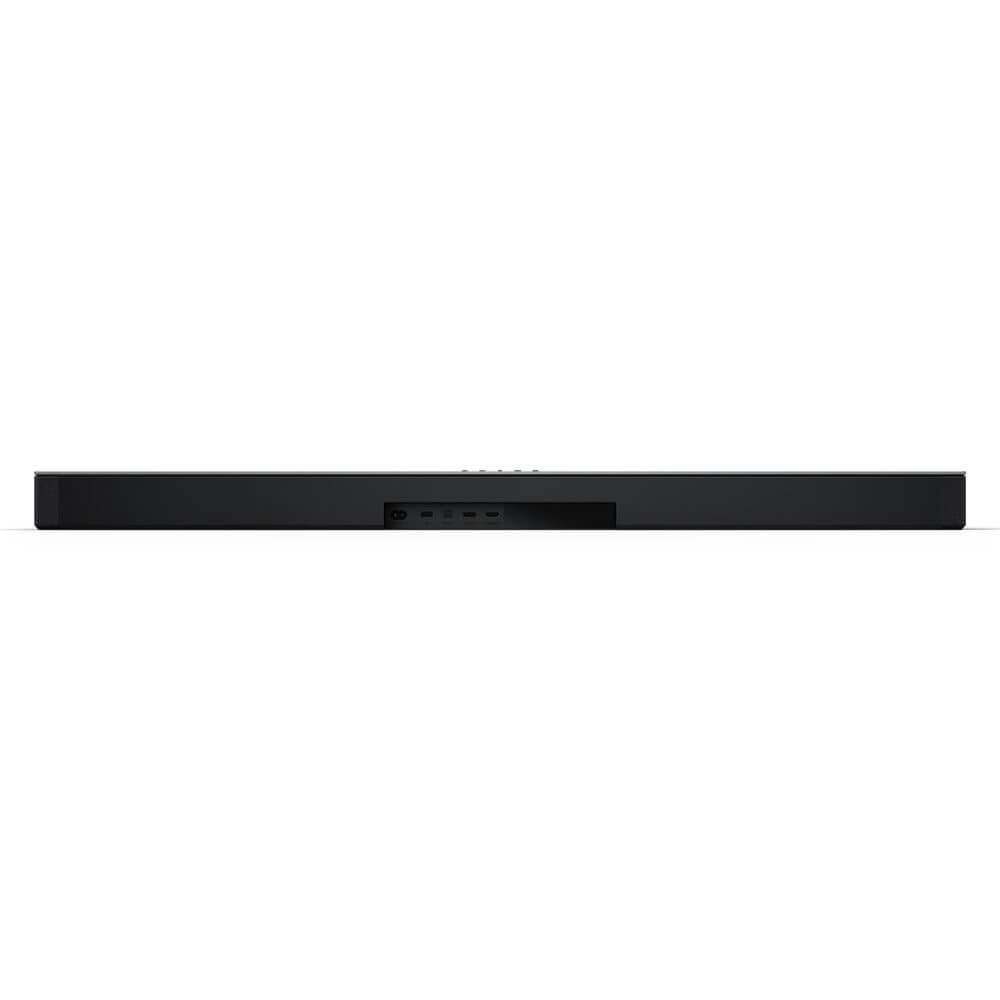
Both systems offer comprehensive connectivity, but with different focuses. The Ultimea D50 includes HDMI eARC, optical, AUX, USB, and Bluetooth 5.3 – covering virtually every connection scenario you might encounter. The Bluetooth 5.3 implementation provides particularly stable wireless streaming with improved range and audio quality compared to older Bluetooth versions.
The TCL Q85H steps up with HDMI 2.1 eARC support, enabling advanced gaming features like Variable Refresh Rate (VRR) and Auto Low Latency Mode (ALLM). These features matter increasingly as gaming consoles and PCs push higher frame rates and demand minimal input lag. The system also supports advanced wireless streaming protocols including AirPlay 2.
At the time of writing, these systems occupy distinctly different market segments. The Ultimea Poseidon D50 delivers authentic 5.1 surround sound at budget-friendly pricing, making genuine multi-channel audio accessible to users who previously might have settled for basic stereo soundbars.
The TCL Q85H commands premium pricing that reflects its advanced feature set and significantly higher power output. For buyers prioritizing cutting-edge audio technology and room-filling performance, the additional investment delivers meaningful capabilities that budget alternatives cannot match.
The value equation depends heavily on your priorities and room requirements. The D50 represents exceptional value for users seeking authentic surround sound without premium pricing. The Q85H justifies its higher cost through advanced spatial audio capabilities, extensive power reserves, and future-proof connectivity.
For traditional movie watching, both systems excel within their intended applications. The Ultimea D50 transforms dialogue intelligibility and creates engaging surround effects for classic films and TV shows. Action sequences gain impact through proper bass management and directional audio cues that enhance tension and excitement.
The TCL Q85H elevates the experience further with content specifically mastered for Dolby Atmos. Modern blockbusters reveal additional layers of spatial detail that create true cinematic immersion. However, this advantage only materializes with properly encoded content – older movies and standard TV broadcasts won't showcase the system's full capabilities.
Gaming represents an area where both approaches offer distinct advantages. The Poseidon D50's physical rear speakers provide precise positional audio crucial for competitive gaming. In first-person shooters or battle royale games, being able to accurately locate opponents by footsteps or gunfire can provide genuine tactical advantages.
The Q85H's immersive capabilities shine in single-player narrative games where atmosphere and immersion take priority over competitive precision. Games like "The Last of Us" or "Red Dead Redemption" benefit enormously from height effects and expanded soundstage that place players directly within the game world.
Neither system primarily targets critical music listening, but both handle stereo content competently. The D50 provides adequate stereo imaging with bass boost capabilities for casual listening. Its multiple EQ presets include music-specific tuning that enhances vocal clarity and instrumental separation.
The Q85H offers more refined music reproduction through its acoustic reflector technology and higher power reserves. The expanded soundstage creates more convincing stereo imaging, though it remains optimized primarily for movie and TV content rather than audiophile music reproduction.
The Ultimea D50 requires careful planning for rear speaker placement and cable management. The included 19.6-foot cables provide reasonable flexibility, but you'll need to route them around or under furniture. This physical limitation may complicate installation in some room layouts, but guarantees reliable connection without wireless dropouts.
The TCL Q85H offers placement flexibility through wireless rear speakers, but introduces complexity through multiple components requiring power connections and wireless pairing. The up-firing speakers need appropriate ceiling height and materials to function optimally – rooms with high, angled, or heavily textured ceilings may not support effective height effects.
The D50's approach works effectively with virtually any audio source. Its SurroundX™ processing can enhance even basic stereo content, making it broadly compatible with streaming services, cable TV, and gaming systems regardless of their native audio format support.
The Q85H's reaches its full potential only with Dolby Atmos or DTS:X encoded content. While it handles standard surround sound well, much of your existing content library may not showcase the system's advanced spatial capabilities. This limitation becomes less relevant as streaming services increasingly adopt Atmos encoding, but represents a current consideration.
Your primary goal is escaping basic TV audio without stretching your budget significantly. The D50 delivers authentic surround sound that transforms movie watching and gaming experiences in small to medium-sized rooms. If you enjoy tweaking audio settings and want extensive customization control, its comprehensive app interface provides enthusiast-level adjustments typically reserved for much more expensive systems.
The system makes particular sense for users who prioritize dialogue clarity and positional gaming audio over cutting-edge immersive technologies. Its physical rear speakers create genuine directional effects that enhance suspense films and competitive gaming without requiring perfect room acoustics to function effectively.
You're building a serious home theater system and want access to the latest spatial audio technologies. The Q85H justifies its premium positioning through genuinely impressive Dolby Atmos implementation and room-filling power output suitable for larger spaces.
This system suits users who prefer automated optimization over manual tuning, and who consume significant amounts of modern content specifically mastered for immersive audio formats. If wireless convenience outweighs cost considerations and your room can support effective height effects, the Q85H provides a more complete and future-proof audio solution.
Room size emerges as the most critical practical factor. The D50 performs optimally in spaces under 300 square feet, while the Q85H targets larger rooms requiring substantial power reserves. Budget constraints naturally influence this decision, but consider the long-term value of each approach.
Content consumption patterns matter significantly. Heavy streaming users who watch recent releases will benefit more from Dolby Atmos capabilities, while users focused on classic films, TV shows, and gaming may find traditional 5.1 surround entirely adequate.
Both systems represent legitimate approaches to home theater audio improvement, serving different segments of the market effectively. The Ultimea Poseidon D50 democratizes authentic surround sound for budget-conscious users, while the TCL Q85H delivers premium immersive audio technology for serious home theater enthusiasts. Understanding your priorities, room requirements, and content preferences will guide you toward the system that best serves your specific needs.
| Ultimea Poseidon D50 5.1 Soundbar Home Theater (2025) | TCL Q85H Q Class 7.1.4 Channel Sound Bar System |
|---|---|
| Channel Configuration - Determines spatial audio capabilities and immersion level | |
| True 5.1 with physical rear speakers | Full 7.1.4 with up-firing Dolby Atmos speakers |
| Total Power Output - Critical for room size compatibility and dynamic range | |
| 320W peak (ideal for small-medium rooms up to 380 sq ft) | 860W total system (designed for large rooms, superior headroom) |
| Dolby Atmos Support - Essential for modern movie immersion with height effects | |
| Not supported (traditional horizontal surround only) | Full Dolby Atmos and DTS:X with physical up-firing drivers |
| Rear Speaker Configuration - Affects placement flexibility and connection reliability | |
| Wired rear satellites (19.6ft cables, guaranteed connection) | Wireless rear speakers with up-firing drivers (flexible placement) |
| Subwoofer Technology - Determines bass depth and impact for movies/music | |
| 5.25" wireless with BassMX™ technology (tight, controlled bass) | 6.5" wireless with Bass Boost technology (deeper extension, higher output) |
| Room Calibration - Simplifies setup and optimizes performance automatically | |
| Manual EQ adjustment with 121 presets via app | AI Sonic Auto Room Calibration (analyzes and adjusts automatically) |
| App Control Features - Affects customization depth and user experience | |
| Comprehensive app with 10-band EQ, independent speaker volume control | TCL Home Connect app with standard modes, automated optimization focus |
| HDMI Support - Important for gaming features and audio quality | |
| HDMI eARC (standard audio return channel) | HDMI 2.1 eARC with VRR and ALLM gaming features |
| Total Speaker Count - More drivers typically mean better sound separation | |
| 6 high-performance drivers across all components | 15 physical speakers including dedicated up-firing units |
| Connectivity Options - Determines compatibility with various devices | |
| HDMI eARC, Optical, AUX, USB, Bluetooth 5.3 | HDMI 2.1 eARC, Optical, AUX, USB, Bluetooth 5.1, AirPlay 2 |
| Price Positioning - Value proposition for different budget ranges | |
| Budget-friendly (exceptional value for true 5.1 surround) | Mid-premium pricing (advanced features justify higher cost) |
| Best Room Size - Performance optimization for different spaces | |
| Small to medium rooms (under 300 sq ft optimal) | Medium to large rooms (300+ sq ft, requires space for full effect) |
The Ultimea Poseidon D50 is better suited for small to medium rooms up to 380 square feet. Its 320W power output provides adequate volume without overwhelming smaller spaces, while the physical rear speakers create effective surround sound in compact areas. The TCL Q85H is designed for larger rooms and may be overpowered for small spaces.
Yes, the TCL Q85H features full Dolby Atmos and DTS:X support with dedicated up-firing speakers that bounce sound off your ceiling for height effects. The Ultimea Poseidon D50 does not support Dolby Atmos, focusing instead on traditional 5.1 surround sound with physical rear speakers.
The TCL Q85H delivers superior bass performance with its 6.5" subwoofer and Bass Boost technology, providing deeper extension and higher output. The Ultimea Poseidon D50 features a 5.25" subwoofer with BassMX™ technology that offers tight, controlled bass suitable for its power class and room size.
No, the Ultimea Poseidon D50 uses wired rear speakers with 19.6-foot cables, ensuring reliable connection but requiring cable management. The TCL Q85H includes fully wireless rear speakers that offer flexible placement without cable routing concerns.
For competitive gaming, the Ultimea Poseidon D50 excels with precise positional audio from physical rear speakers, helping locate opponents by sound. For immersive single-player gaming, the TCL Q85H provides better atmospheric effects with its 7.1.4 configuration and HDMI 2.1 gaming features like VRR and ALLM.
The Ultimea Poseidon D50 features 6 high-performance drivers across its soundbar, subwoofer, and rear speakers. The TCL Q85H includes 15 physical speakers throughout its complete system, providing more comprehensive sound coverage and separation.
The Ultimea Poseidon D50 provides more extensive app customization with 121 EQ presets, 10-band manual equalizer, and independent speaker volume controls. The TCL Q85H uses the TCL Home Connect app with standard EQ modes and focuses more on automated room optimization than manual adjustments.
The TCL Q85H features AI Sonic Auto Room Calibration that automatically analyzes your room acoustics and adjusts settings accordingly. The Ultimea Poseidon D50 relies on manual EQ adjustment through its comprehensive app interface rather than automatic calibration.
For traditional movies, the Ultimea Poseidon D50 provides excellent dialogue clarity and authentic surround effects. For modern blockbusters with Dolby Atmos soundtracks, the TCL Q85H offers superior immersion with height effects and spatial audio that places sounds above and around you.
The TCL Q85H delivers significantly more power at 860W total system output compared to the Ultimea Poseidon D50's 320W peak power. This difference means the TCL Q85H can fill larger rooms and maintain clarity during demanding audio passages.
Both offer comprehensive connectivity, but the TCL Q85H includes HDMI 2.1 eARC with advanced gaming features, plus AirPlay 2 streaming. The Ultimea Poseidon D50 provides HDMI eARC, optical, AUX, USB, and Bluetooth 5.3, covering all essential connection needs for most users.
The Ultimea Poseidon D50 offers exceptional value by delivering authentic 5.1 surround sound with physical rear speakers at budget-friendly pricing. The TCL Q85H provides premium value for users wanting advanced Dolby Atmos technology and higher power output, justifying its higher cost with significantly more features and performance capabilities.
We've done our best to create useful and informative comparisons to help you decide what product to buy. Our research uses advanced automated methods to create this comparison and perfection is not possible - please contact us for corrections or questions. These are the sites we've researched in the creation of this article: youtube.com - eu.ultimea.com - newegg.com - tvsbook.com - youtube.com - provantage.com - ultimea.com - techradar.com - community.ultimea.com - homedepot.com - community.ultimea.com - ultimea.com - ultimea.de - youtube.com - medisamhealthcenter.com - ultimea.com - youtube.com - walmart.com - gamerant.com - bestbuy.com - tcl.com - bestbuy.com - tcl.com - tcl.com - nfm.com - tcl.com - electronicexpress.com - tcl.com - tcl.com - digitaltrends.com

Privacy Policy
Terms and Conditions - Affiliate Policy
Home Security
© Copyright 2008-2026.
11816 Inwood Rd #1211, Dallas, TX 75244