

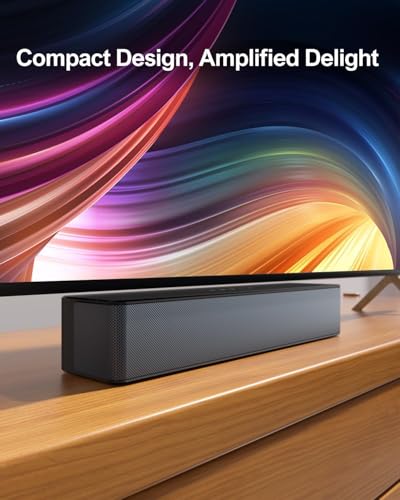
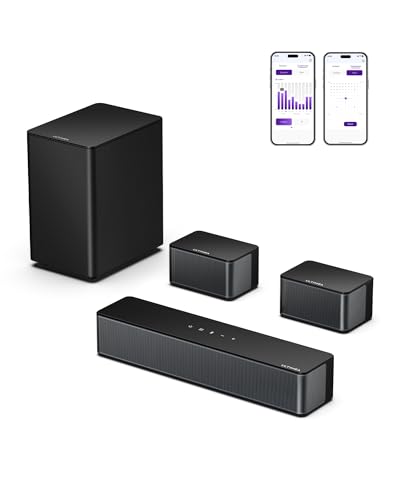


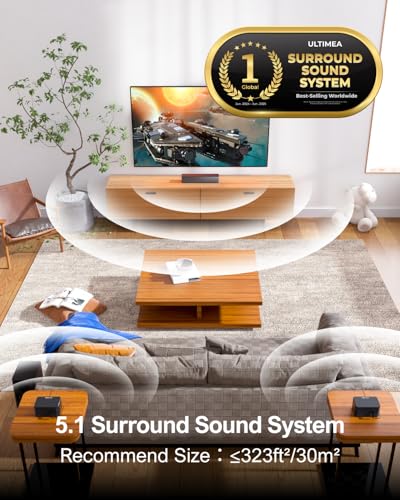

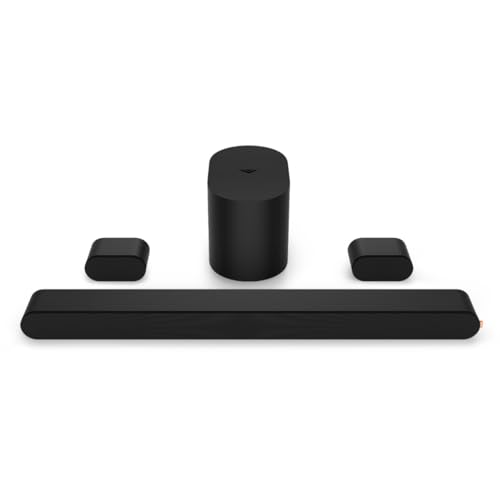
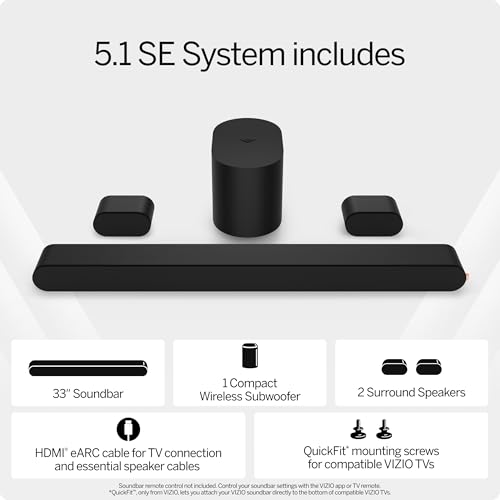





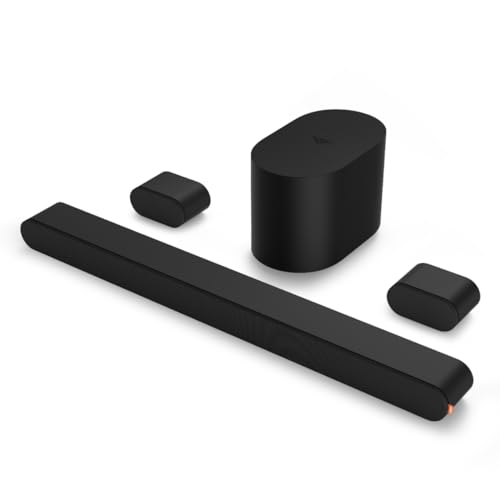
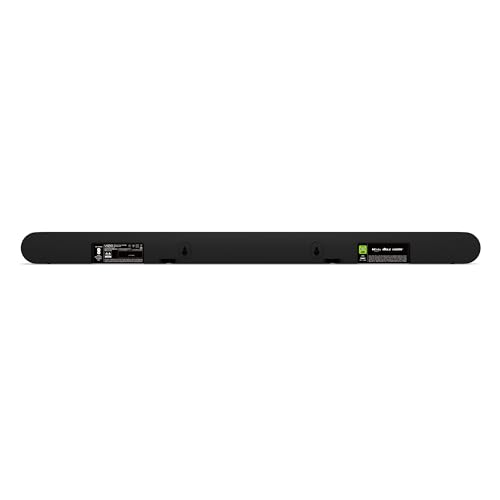
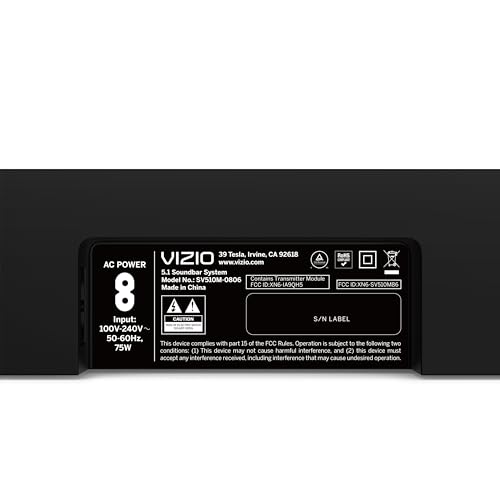
When you're ready to move beyond your TV's built-in speakers, 5.1 soundbar systems represent the perfect middle ground between simple soundbars and complex receiver setups. Unlike basic 2.1 systems that just add a subwoofer, true 5.1 configurations include dedicated rear speakers that create genuine surround sound—the kind where you can actually hear footsteps moving behind you or rain falling all around your listening position.
The challenge is choosing between different philosophies: raw power and customization versus premium audio processing and convenience. This year's matchup between the Ultimea Poseidon D50 and the VIZIO 5.1 Soundbar SE perfectly illustrates this divide, with each system taking a distinctly different approach to home theater audio.
Before diving into specifics, it's worth understanding what separates true 5.1 from marketing gimmicks. The "5.1" designation refers to five discrete audio channels plus a subwoofer: left front, center, right front, left rear, right rear, and the ".1" low-frequency effects channel. This configuration creates a complete sound bubble around your listening position, with each speaker handling specific audio elements.
The center channel handles dialogue and vocals, keeping them anchored to the screen. Front left and right speakers manage music, effects, and ambient sounds. The rear speakers create that immersive surround effect for environmental sounds, music reverb, and directional effects. Finally, the subwoofer—that dedicated bass speaker—handles the deep rumbles, explosions, and low-frequency music that smaller speakers simply can't reproduce effectively.
What makes this particularly important in 2025 is how streaming services and gaming have evolved. Netflix, Disney+, Amazon Prime, and others now deliver sophisticated surround sound mixes that genuinely benefit from proper 5.1 reproduction. Gaming has become equally advanced, with spatial audio that can give competitive advantages in shooters or create stunning immersion in open-world adventures.
The Ultimea Poseidon D50, released in 2025, represents what happens when you prioritize raw performance and user control. Ultimea has built their reputation on delivering substantial power output at competitive price points, and the D50 continues this tradition with 320W peak power—significantly higher than most competitors in its category.
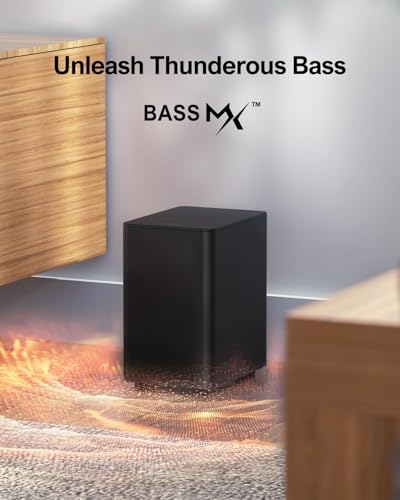
What sets the Poseidon D50 apart is its BassMX™ technology, which isn't just marketing speak. The 5.25-inch subwoofer features a 15mm diaphragm excursion—that's how far the speaker cone can move back and forth. More excursion means the subwoofer can push more air, creating deeper bass with less distortion. Combined with optimized magnetic circuits and a larger enclosure, this translates to the kind of chest-thumping bass that makes action movies feel genuinely impactful.
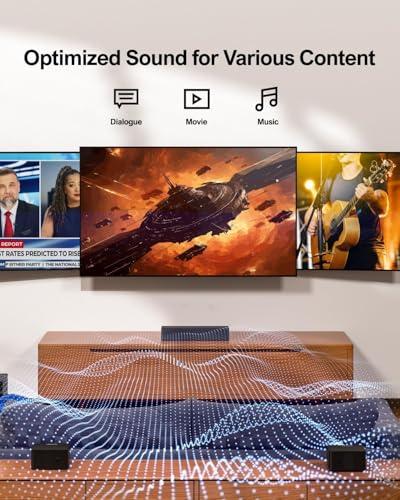
The system also includes SurroundX™ technology, powered by a dedicated DSP (Digital Signal Processing) chip. This isn't just fancy terminology—it's actually solving a real problem. Most audio content isn't mixed in 5.1, especially music and older TV shows. The SurroundX™ algorithm takes standard 2.0 stereo audio and intelligently converts it into genuine 5.1 surround sound, analyzing the audio content and routing appropriate elements to each speaker.
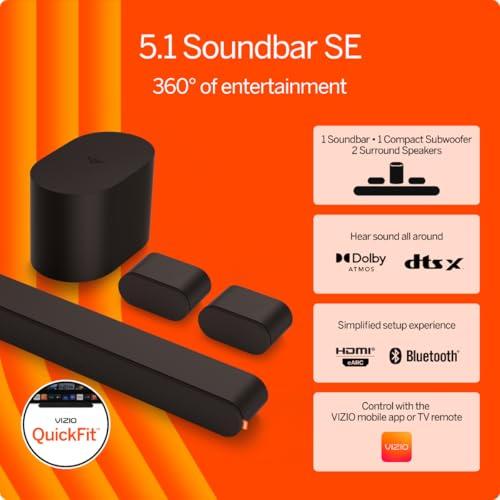
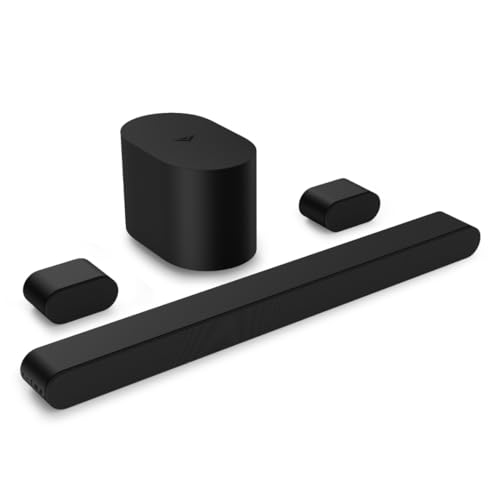
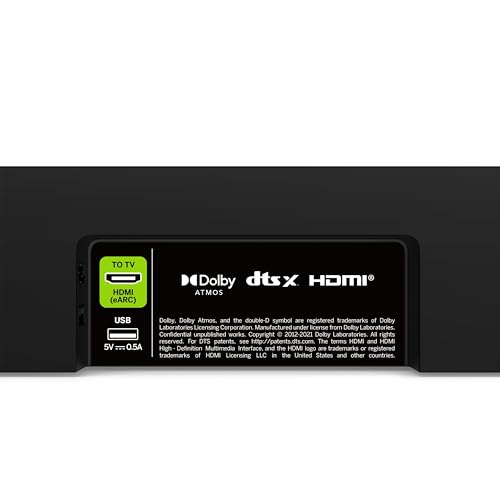
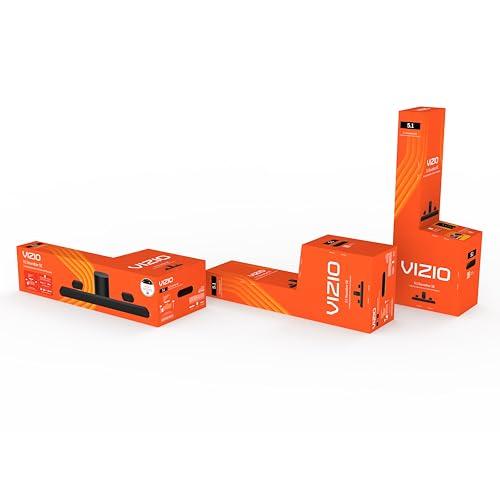
The VIZIO 5.1 Soundbar SE, also from 2025, takes the opposite approach. Rather than maximizing power output, VIZIO focuses on premium audio processing and seamless integration. The headline feature here is native Dolby Atmos and DTS:X support—advanced audio formats that create true 3D soundscapes.
Dolby Atmos represents a fundamental shift from traditional surround sound. Instead of just having sounds come from specific speaker positions, Atmos treats audio as objects that can be placed anywhere in a three-dimensional space around you. This means sounds can appear to come from above, creating overhead effects like helicopters, rain, or even subtle ambient details that add tremendous immersion to movies and games.
The VIZIO SE accomplishes this through sophisticated audio processing that maps these 3D audio objects to its available speakers. While it doesn't have dedicated height speakers like premium Atmos systems, it uses psychoacoustic processing—essentially tricks your brain uses to perceive spatial audio—to create the impression of sounds coming from above and around you.
This is where the philosophical differences become most apparent. The Ultimea Poseidon D50 treats bass as a priority, not an afterthought. That 5.25-inch subwoofer with 15mm excursion isn't just about getting loud—it's about reproducing the full frequency spectrum of movie soundtracks and music.
From our research into user experiences and expert evaluations, the D50 consistently delivers bass that users describe as "chest-thumping" and "room-filling." This matters enormously for home theater use. When a T-Rex roars in Jurassic Park or a spaceship explodes in Star Wars, you should feel that low-frequency energy, not just hear it. The Poseidon D50 appears to excel at creating that physical sensation that makes movies more engaging.
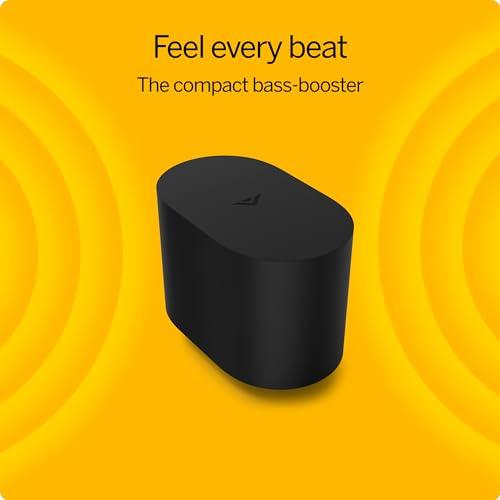
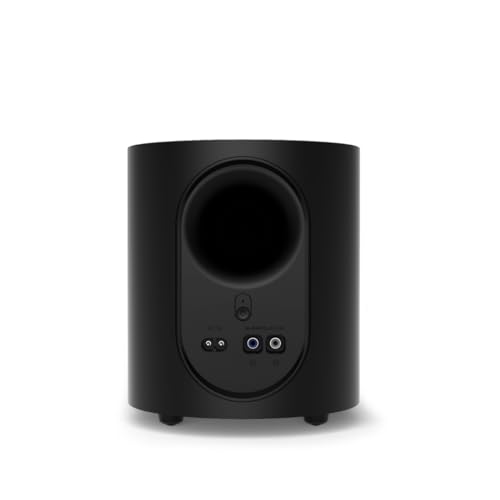
The VIZIO SE, with its more compact subwoofer, takes a different approach. The bass is described as tighter and more controlled, with better integration with the main speakers. This isn't necessarily worse—it's different. For music listening and dialogue-heavy content, this approach can actually sound more natural and less overwhelming.
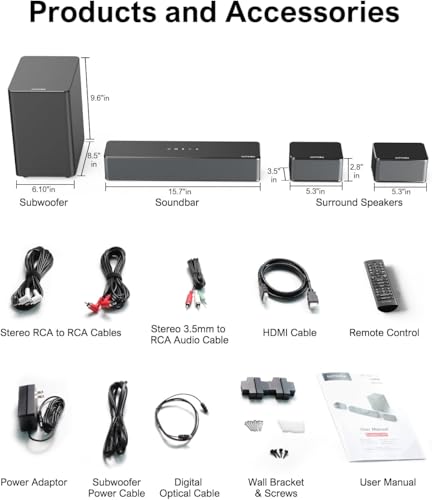
Here's where things get interesting. The Ultimea D50 creates surround sound through traditional means: powerful, independently controllable rear speakers connected by 19.6-foot cables. This wired connection ensures consistent audio transmission without the potential dropouts that can affect wireless systems.
The SurroundX™ processing deserves particular attention. Based on user feedback, this system effectively creates immersive experiences even with non-surround content. Music suddenly gains spatial depth, with instruments appearing to come from different locations around the room. TV shows and movies mixed in stereo get transformed into genuine surround experiences.
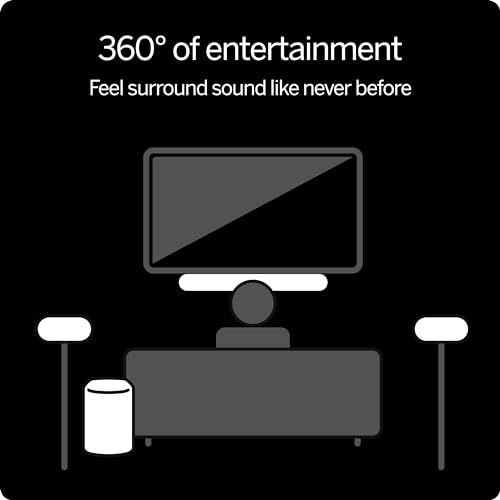
The VIZIO SE approaches surround differently through its Dolby Atmos processing. Rather than just placing sounds in traditional left/right/rear positions, Atmos creates a true 360-degree sound bubble. Effects can appear to move seamlessly from front to back, left to right, and even overhead. For compatible content—which increasingly includes Netflix originals, Disney+ movies, and modern games—this creates noticeably more sophisticated spatial audio.
The power difference between these systems isn't just about bragging rights—it's about headroom and dynamic range. Dynamic range refers to the difference between the quietest and loudest sounds a system can reproduce without distortion. Movies and music contain enormous dynamic range, from whispered dialogue to explosive action sequences.
The Poseidon D50's 320W peak power provides substantial headroom, meaning it can handle these dramatic volume swings without compressing the audio or introducing distortion. Users consistently report that the system maintains clarity even at high volumes, filling larger rooms (up to 380 square feet) without strain.
The VIZIO SE, with 115W peak power and 96dB maximum output, focuses more on efficiency and precision. While it won't shake the walls like the Ultimea, it maintains tonal accuracy and balance across all volume levels. This makes it potentially better suited for apartment living or situations where you need to be mindful of neighbors.
This represents perhaps the most significant difference between the two systems. The VIZIO SE natively supports modern audio formats like Dolby Atmos and DTS:X, which means it can decode and properly reproduce these advanced soundtracks without any compromise. When you're watching a Netflix movie or playing a modern game that supports these formats, you're getting the full experience as intended by the content creators.
The Ultimea D50 takes a different approach, using its SurroundX™ processing to enhance standard audio formats. While it may not support the latest premium codecs, user reports suggest its DSP processing creates surprisingly convincing surround effects from regular stereo content. For users whose content library consists mainly of standard TV, music, and older movies, this approach might actually provide more consistent enhancement.
Both systems were designed with 2025 connectivity standards in mind, but they prioritize different aspects. The Poseidon D50 includes Bluetooth 5.3—the latest standard offering improved range, stability, and audio quality for wireless streaming. This matters if you frequently stream music from phones or tablets, as the newer protocol provides noticeably better performance than older Bluetooth versions.
HDMI eARC (Enhanced Audio Return Channel) support in both systems ensures compatibility with modern TVs and the highest-quality audio transmission. This single cable connection simplifies setup while supporting advanced audio formats and allowing your TV remote to control the soundbar volume.
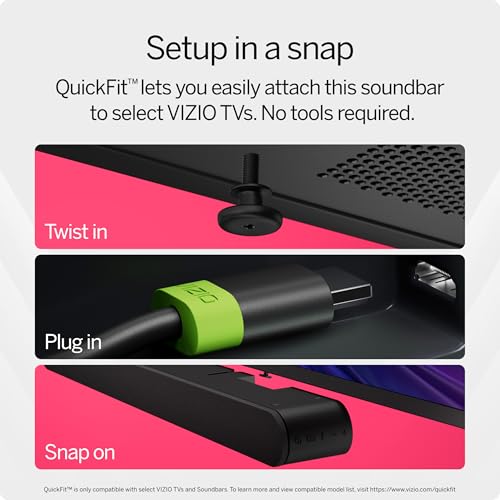
The VIZIO SE adds QuickFit mounting compatibility with VIZIO TVs, creating a seamless aesthetic integration. If you own a compatible VIZIO TV, the soundbar can mount directly to the TV without additional hardware, creating a unified appearance.
This is where the Ultimea Poseidon D50 particularly shines. The system offers 121 EQ presets and a 10-band equalizer, accessible through a dedicated smartphone app. This level of customization is rare in this price category and allows users to fine-tune the sound for their specific room acoustics and personal preferences.
The practical value of this customization becomes apparent when you consider how dramatically room acoustics can affect sound quality. A hardwood-floored room with minimal furniture creates different acoustic challenges than a carpeted room with heavy curtains and upholstered furniture. The D50's extensive EQ options let users compensate for these environmental factors.
Additionally, the system offers independent volume control for the rear speakers. This seemingly simple feature proves incredibly useful in practice, allowing users to dial in the perfect surround balance for their room layout and seating position.
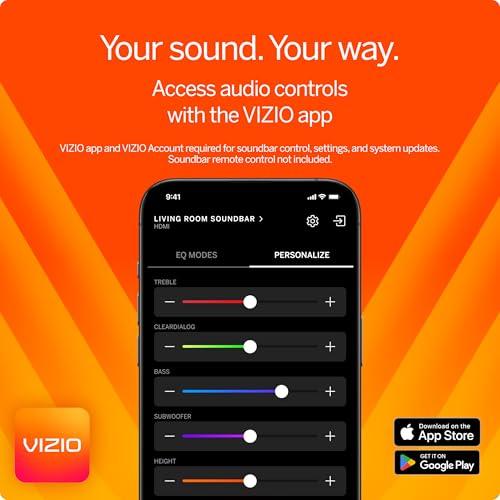
The VIZIO SE offers more basic customization through its mobile app, focusing on essential adjustments rather than comprehensive control. For users who prefer simplicity and don't want to spend time tweaking settings, this streamlined approach can actually be preferable.
The wired versus wireless rear speaker debate extends beyond mere convenience. The Ultimea D50's wired rear speakers require cable management—those 19.6-foot cables need to be routed from the soundbar to the rear speaker positions. While this requires more planning and potentially some creativity in hiding cables, it eliminates any possibility of wireless interference or dropout issues.
Modern wireless protocols have improved significantly, and the VIZIO SE's wireless rear speakers generally maintain stable connections. However, wireless systems can still experience interference from WiFi networks, Bluetooth devices, or other electronics. For permanent installations where optimal reliability is crucial, wired connections offer peace of mind.
The VIZIO system excels in rental situations or spaces where cable routing isn't practical. The completely wireless setup means you can position the rear speakers optimally without worrying about how to hide cables or whether you can modify the space.
At the time of writing, both systems occupy similar price ranges, making the decision primarily about features and performance rather than budget constraints. The Ultimea Poseidon D50 delivers exceptional power and customization for the money, particularly appealing to users who prioritize maximum performance per dollar.
The VIZIO SE commands a premium for its brand recognition, established customer support, and premium audio processing capabilities. VIZIO's longer market presence means better availability of replacement parts, more comprehensive customer service, and proven reliability over time.
For home theater enthusiasts who plan to use the system primarily for movies and gaming, both options provide genuine value improvements over basic soundbars. The question becomes whether you prioritize raw power and extensive customization (Ultimea) or premium format support and brand reliability (VIZIO).
Choose the Ultimea Poseidon D50 if you have a larger room that benefits from high power output, enjoy customizing your audio experience, and primarily watch action movies or play bass-heavy games. The extensive EQ options make it particularly suitable for users with challenging room acoustics or specific audio preferences. The wired rear speakers make it ideal for permanent installations where you can properly route cables.
The VIZIO 5.1 Soundbar SE makes more sense for users who prioritize convenience, own VIZIO TVs, or consume primarily streaming content with Dolby Atmos soundtracks. Its wireless design suits renters or anyone who wants to avoid cable management, while the premium audio processing provides superior experiences with compatible content.
Both systems represent significant upgrades over basic TV audio and entry-level soundbars. Your choice should align with your room size, content preferences, installation constraints, and whether you value maximum power output or premium format compatibility more highly. Either way, you'll be getting genuine 5.1 surround sound that transforms your home viewing experience.
| Ultimea Poseidon D50 5.1 Soundbar Home Theater (2025) | VIZIO 5.1 Soundbar SE Dolby Atmos Surround System |
|---|---|
| Peak Power Output - Determines maximum volume and room-filling capability | |
| 320W (excellent for large rooms up to 380 sq ft) | 115W (suitable for medium rooms, more controlled output) |
| Premium Audio Format Support - Essential for modern streaming content | |
| Standard surround formats with SurroundX™ DSP enhancement | Native Dolby Atmos and DTS:X (superior for Netflix, Disney+, gaming) |
| Subwoofer Configuration - Controls bass depth and impact | |
| 5.25" driver with 15mm excursion and BassMX™ technology (deeper, more impactful bass) | Compact 6" wireless subwoofer with 50Hz response (tighter, more controlled bass) |
| Rear Speaker Connection - Affects installation flexibility and reliability | |
| Wired with 19.6ft cables (requires cable management but eliminates dropouts) | Fully wireless (cleaner setup but potential for interference) |
| EQ Customization - Important for room acoustics and personal preferences | |
| 121 EQ presets + 10-band equalizer + 6 sound modes (extensive customization) | Standard app-based EQ controls (simpler, streamlined approach) |
| Bluetooth Connectivity - Matters for music streaming quality | |
| Bluetooth 5.3 (latest standard, improved range and stability) | Standard Bluetooth (reliable but older protocol) |
| Brand Support and Integration - Affects long-term ownership experience | |
| Newer brand with comprehensive app control | Established brand with QuickFit mounting for VIZIO TVs |
| Room Size Recommendation - Helps determine if power output matches your space | |
| 20-35m² / 250-380 sq ft (larger rooms) | Medium-sized rooms (power-efficient for smaller spaces) |
| Audio Processing Approach - Different philosophies for surround sound | |
| SurroundX™ DSP converts 2.0 to 5.1 (enhances all content types) | Object-based Atmos processing (superior with compatible content) |
| Sound Pressure Level - Maximum loudness capability | |
| Not specified (likely higher given 320W power) | 96dB SPL (professional reference level) |
The Ultimea Poseidon D50 is better suited for large rooms with its 320W peak power output, designed for spaces up to 380 square feet. The VIZIO 5.1 Soundbar SE with 115W output works better in medium-sized rooms where controlled, precise audio is preferred over raw volume.
Only the VIZIO 5.1 Soundbar SE offers native Dolby Atmos and DTS:X support for true 3D audio experiences. The Ultimea Poseidon D50 uses SurroundX™ technology to convert standard audio into 5.1 surround sound but doesn't support premium Atmos formats.
The Ultimea Poseidon D50 delivers deeper, more impactful bass with its 5.25-inch subwoofer featuring 15mm excursion and BassMX™ technology. The VIZIO SE offers tighter, more controlled bass that integrates better with dialogue and music but with less low-end impact.
No - the Ultimea Poseidon D50 uses wired rear speakers with 19.6-foot cables that require routing but ensure reliable connection. The VIZIO 5.1 Soundbar SE features fully wireless rear speakers for easier installation but potential interference issues.
The Ultimea Poseidon D50 provides extensive customization with 121 EQ presets, 10-band equalizer, and independent rear speaker volume control through its smartphone app. The VIZIO SE offers basic EQ adjustments focused on simplicity rather than deep customization.
The VIZIO 5.1 Soundbar SE uses object-based Dolby Atmos processing for premium 3D audio with compatible content. The Ultimea Poseidon D50 employs SurroundX™ DSP technology to enhance all audio types, converting standard 2.0 content into immersive 5.1 surround sound.
The VIZIO 5.1 Soundbar SE is easier to install with its completely wireless configuration and QuickFit mounting for VIZIO TVs. The Ultimea Poseidon D50 requires cable management for rear speakers but offers more reliable connections once installed.
Both systems excel for gaming but in different ways. The Ultimea Poseidon D50 provides powerful, customizable audio perfect for action games and competitive gaming. The VIZIO SE offers superior spatial audio for games supporting Dolby Atmos, creating more immersive environmental effects.
For modern streaming content with Dolby Atmos (Netflix, Disney+), the VIZIO 5.1 Soundbar SE provides the authentic experience as intended by content creators. The Ultimea Poseidon D50 excels with all content types through its SurroundX™ processing, especially for non-Atmos movies and older content.
Both systems include HDMI eARC, optical, and Bluetooth connectivity. The Ultimea Poseidon D50 features Bluetooth 5.3 for improved wireless streaming and additional USB/AUX inputs. The VIZIO SE focuses on essential connections with seamless TV remote integration via HDMI eARC.
The VIZIO 5.1 Soundbar SE comes from an established home theater brand with proven customer support and parts availability. The Ultimea Poseidon D50 is from a newer brand focusing on performance value, with comprehensive app support but less established service infrastructure.
Choose the Ultimea Poseidon D50 if you have a large room, want maximum power and customization, and can manage wired rear speakers. Select the VIZIO 5.1 Soundbar SE if you prioritize Dolby Atmos content, prefer wireless installation, own a VIZIO TV, or value established brand support over raw power output.
We've done our best to create useful and informative comparisons to help you decide what product to buy. Our research uses advanced automated methods to create this comparison and perfection is not possible - please contact us for corrections or questions. These are the sites we've researched in the creation of this article: youtube.com - eu.ultimea.com - newegg.com - tvsbook.com - youtube.com - provantage.com - ultimea.com - techradar.com - community.ultimea.com - homedepot.com - community.ultimea.com - ultimea.com - ultimea.de - youtube.com - medisamhealthcenter.com - ultimea.com - youtube.com - walmart.com - bestbuy.com - vizio.com - rtings.com - vizio.com - vizio.com - vizio.com - youtube.com - vizio.com - vizio.com - cnet.com - samsclub.com - walmart.com - nfm.com - finelinesdesignstudio.com - dugoutnorthbrook.com - bestbuy.com

Privacy Policy
Terms and Conditions - Affiliate Policy
Home Security
© Copyright 2008-2026.
11816 Inwood Rd #1211, Dallas, TX 75244