

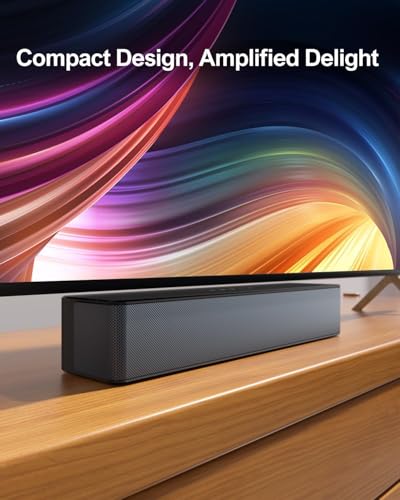
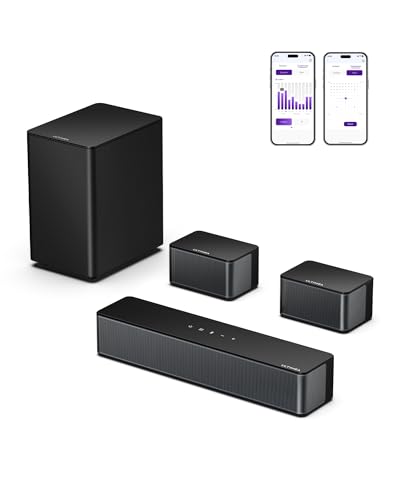




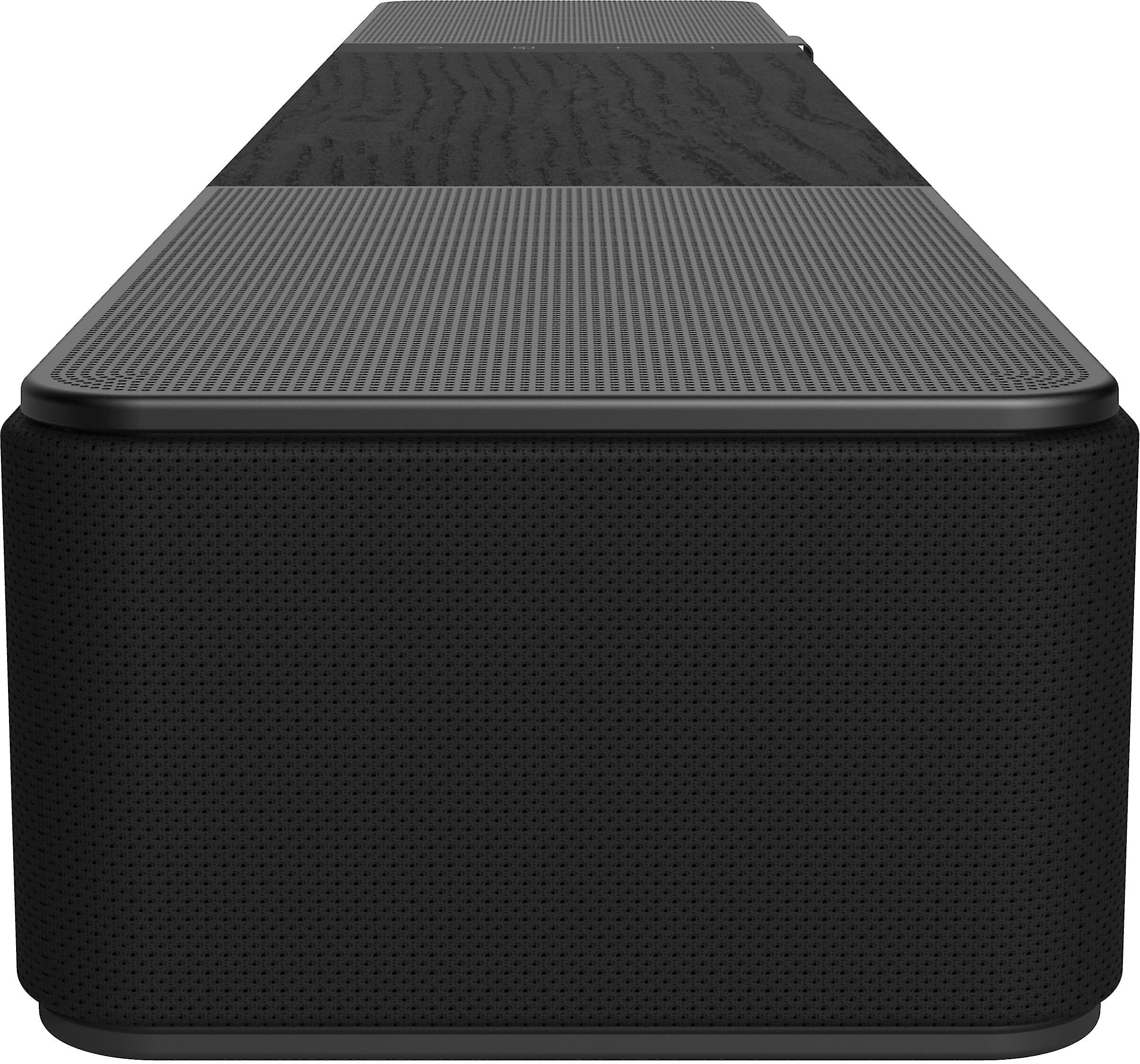
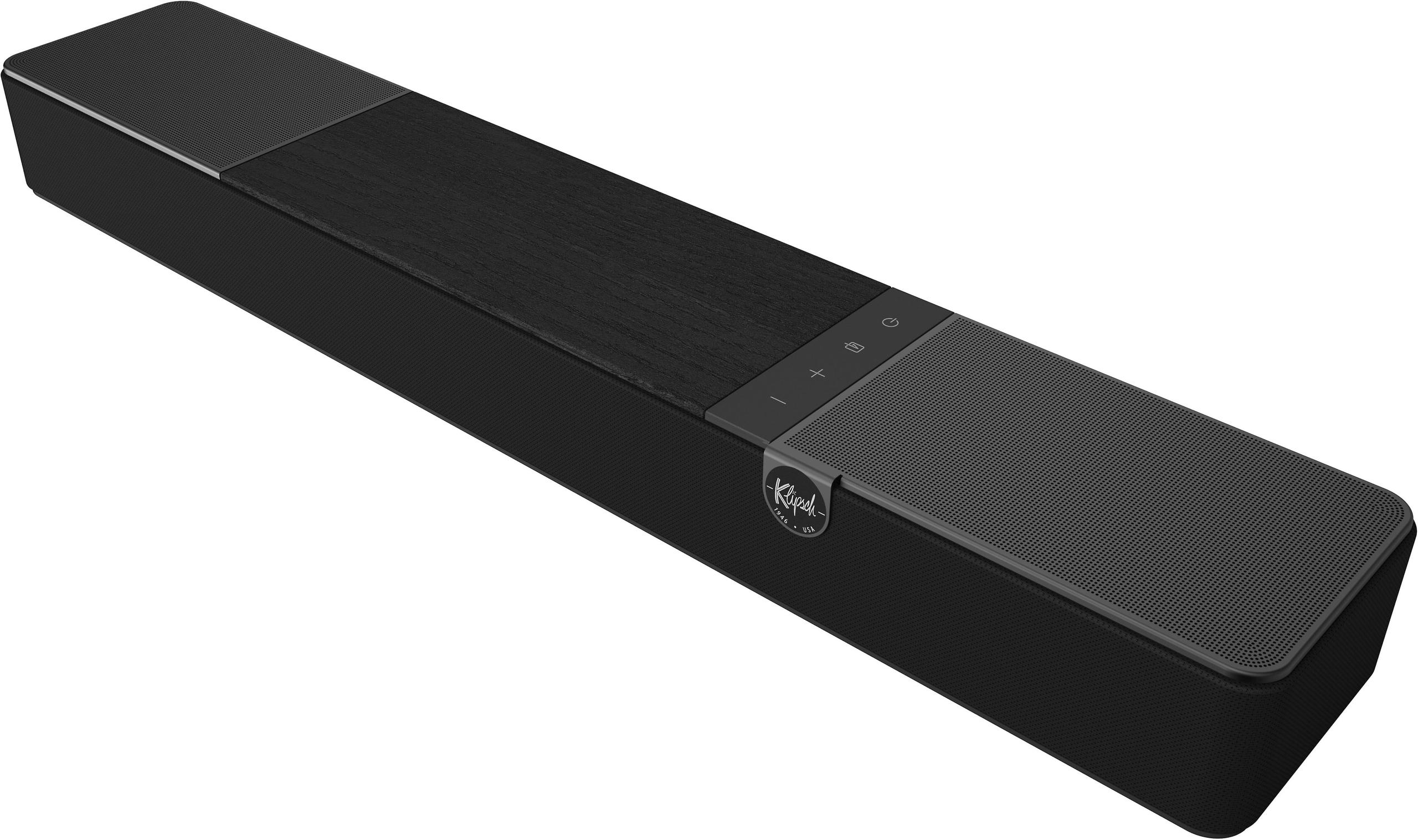


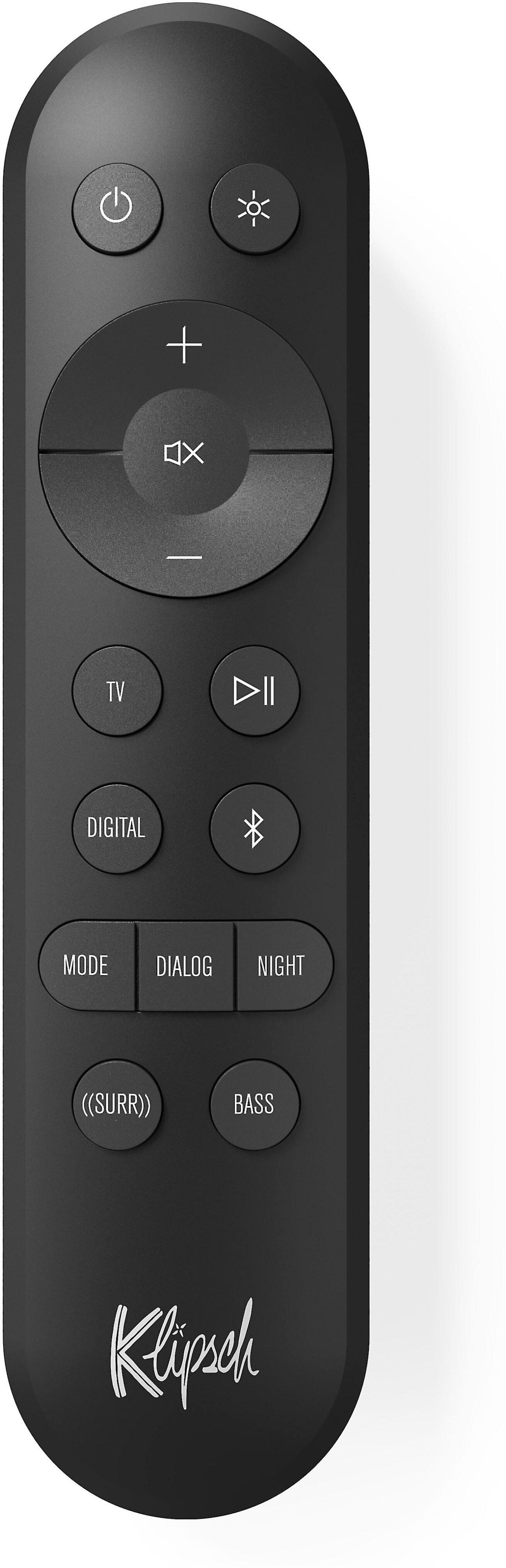



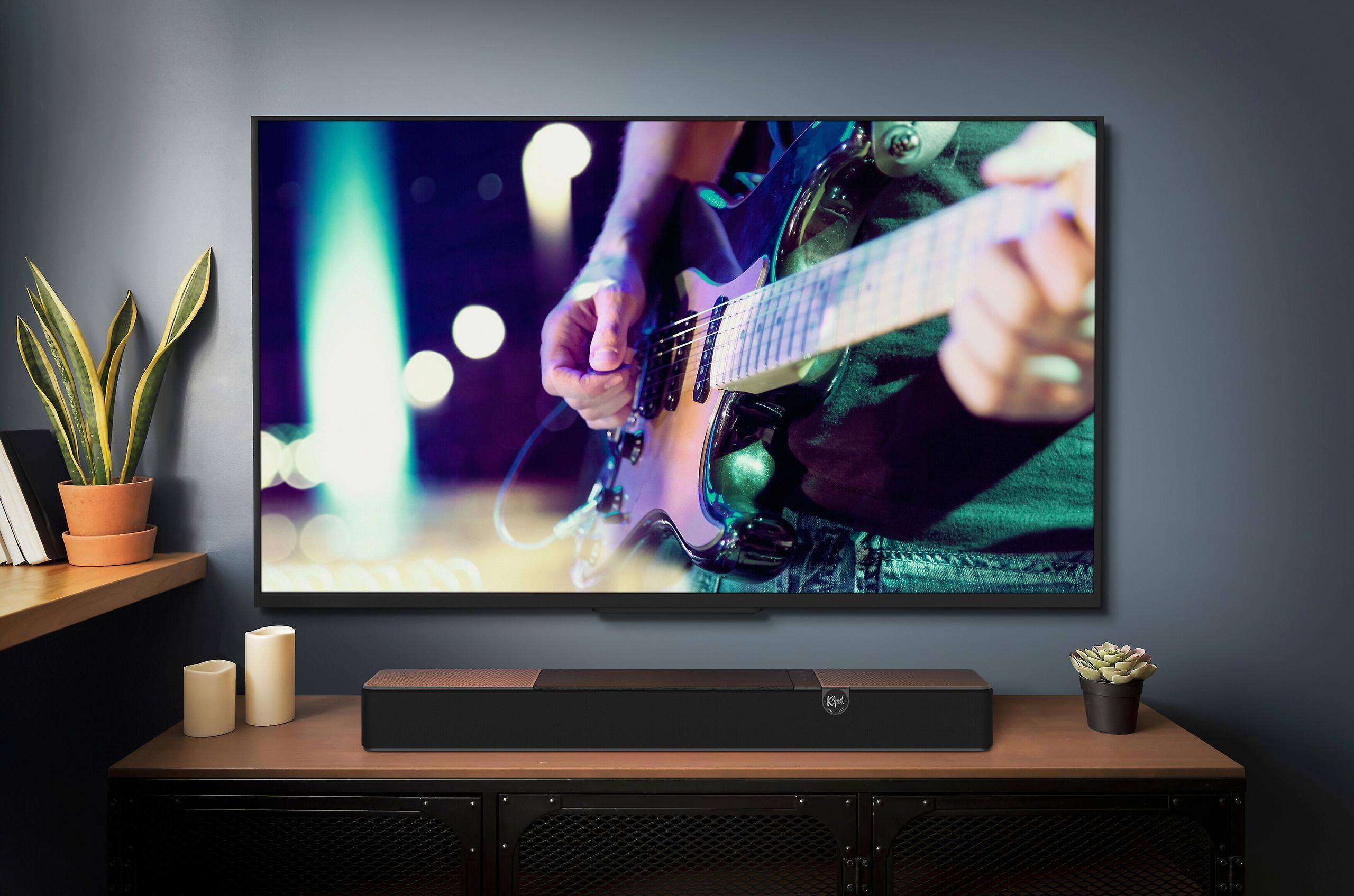
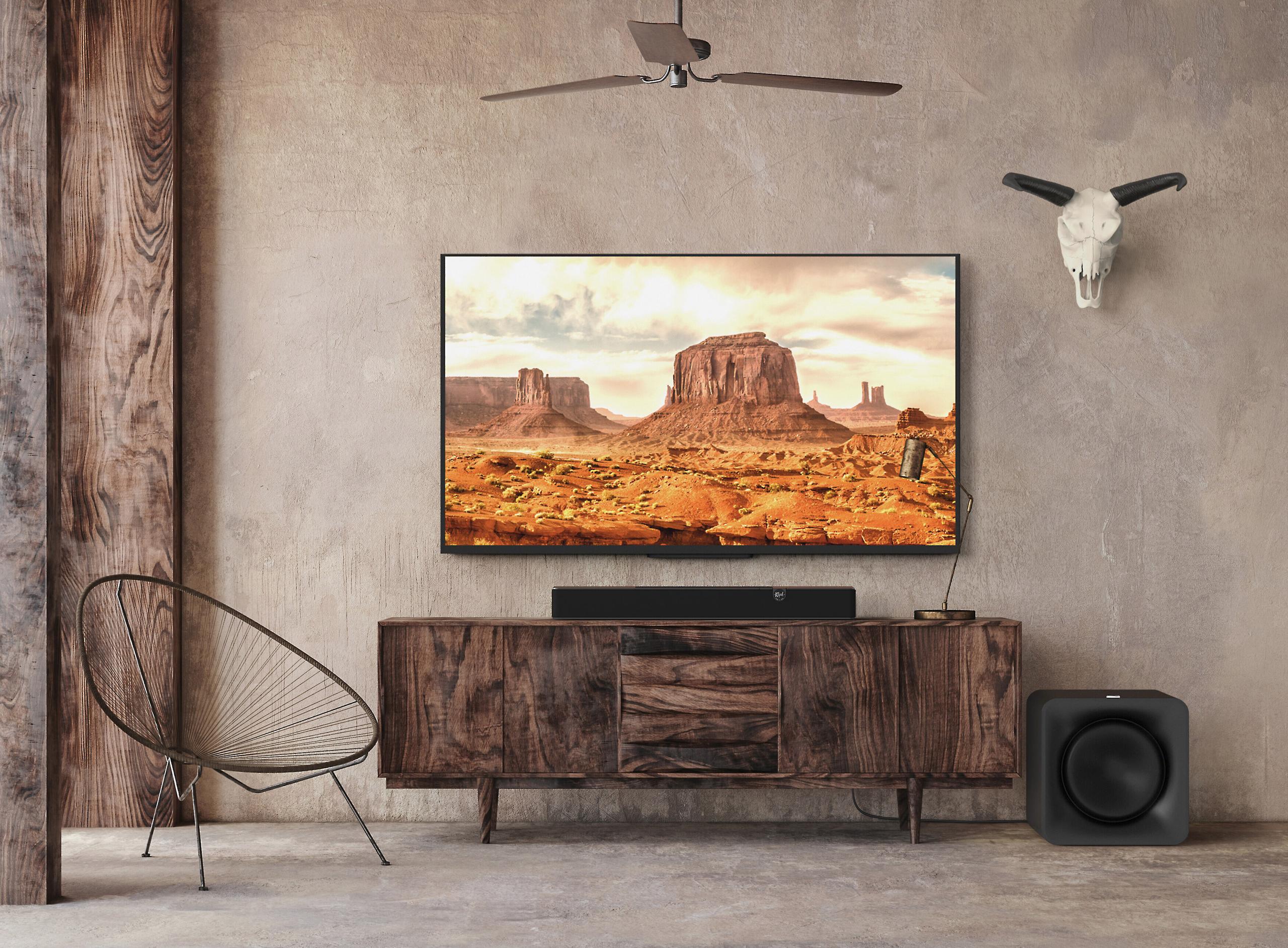
When you're shopping for a home theater soundbar, you'll quickly discover two very different philosophies competing for your attention. On one side, you have systems like the Ultimea Poseidon D50 5.1 Soundbar that give you actual surround speakers scattered around your room. On the other, premium brands like the Klipsch Flexus Core 100 focus on sophisticated audio engineering packed into a single, elegant bar.
This isn't just about different price points—it's about fundamentally different approaches to creating immersive sound in your living room. Understanding these differences will help you make the right choice for your space, budget, and entertainment habits.
The soundbar market has evolved dramatically over the past few years. What started as simple TV speaker replacements has split into distinct categories, each solving different problems. True surround systems with satellite speakers emerged around 2020-2021 as manufacturers realized many people wanted genuine surround sound without the complexity of traditional home theater receivers. Meanwhile, premium single-bar solutions have gotten increasingly sophisticated, using advanced digital signal processing (DSP)—essentially computer chips that manipulate audio signals—to create virtual surround effects.
The key considerations when choosing between these approaches come down to a few critical factors: how much space you have, how important authentic surround positioning is to you, whether you value premium materials and engineering, and how you plan to use the system long-term.
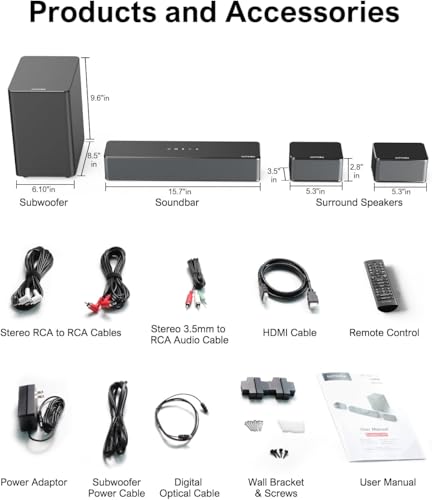
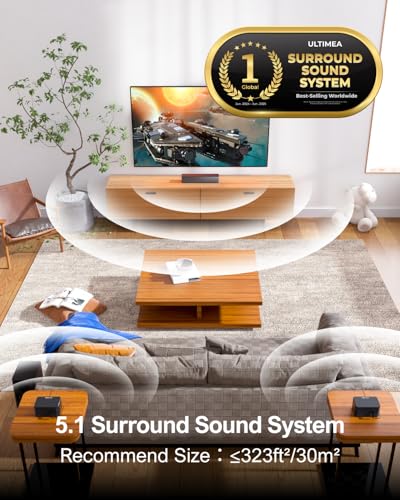
The Ultimea Poseidon D50, released in its updated 2025 version, represents the "give you everything upfront" philosophy. It's a complete 5.1 system that includes a main soundbar, two satellite speakers for rear surround effects, and a wireless subwoofer. This approach means you get genuine surround sound immediately—when a helicopter flies overhead in a movie, you'll hear it move from your front speakers to the actual speakers behind you.
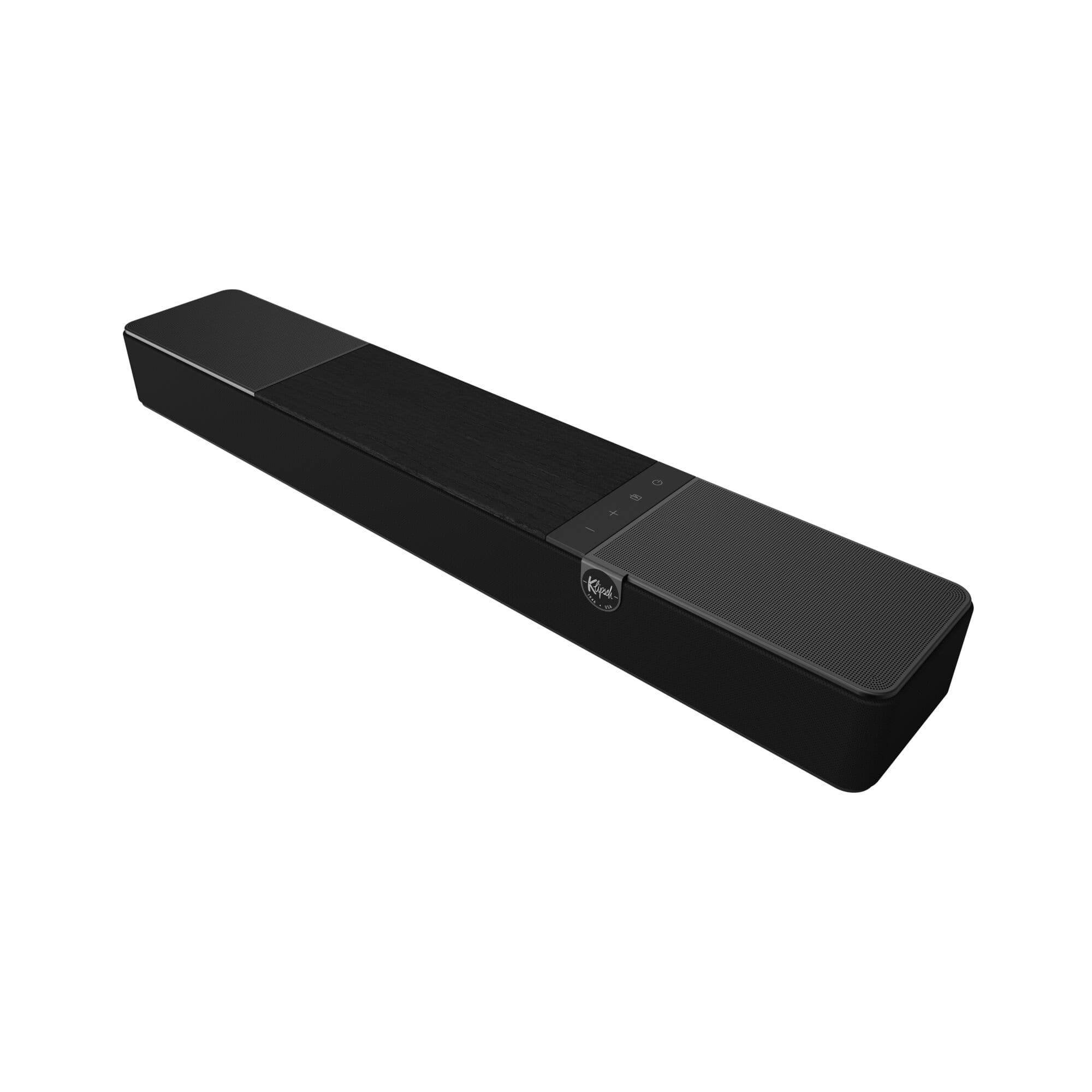
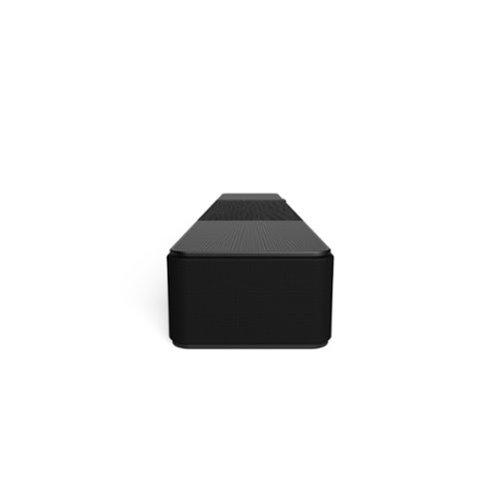
The Klipsch Flexus Core 100, launched in 2024, takes the opposite approach. It's a premium 2.1 system (two main channels plus a subwoofer channel) that uses virtual processing to create surround effects. This soundbar is the result of a collaboration between Klipsch, known for their horn-loaded speakers since 1946, and Onkyo, the Japanese electronics company famous for their home theater receivers.
This is where these two systems differ most dramatically. The Ultimea D50 uses what they call SurroundX™ technology—essentially a DSP chip that can take regular stereo audio and spread it across all five speakers, plus it processes true 5.1 content like Dolby Digital exactly as intended. When you're watching an action movie, explosions happen behind you because there are actual speakers behind you.
The Klipsch Core 100 creates surround effects through virtual processing, specifically Dolby Atmos processing. This technology uses psychoacoustic principles—basically tricks that exploit how your brain processes sound—to make audio seem like it's coming from directions where there are no speakers. It's remarkably effective for creating a sense of height and spatial awareness, though it can't match the precision of actual rear speakers for side-to-side movement.
From our research into user experiences, the difference is most noticeable during action scenes and gaming. The Ultimea system provides more convincing directional effects when bullets whiz past or vehicles approach from behind. However, the Klipsch system excels at creating an expansive soundstage that makes everything feel bigger and more enveloping, even if you can't pinpoint exact locations as precisely.
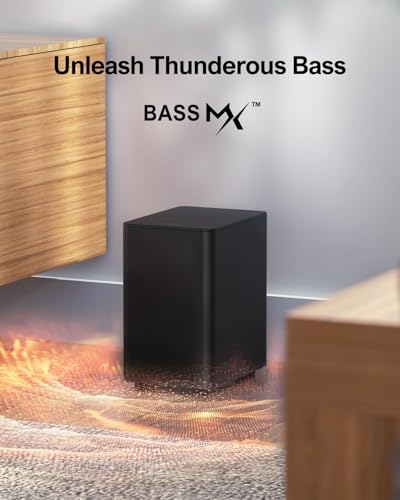
Bass response reveals another fundamental difference in philosophy. The Ultimea D50 includes a separate 5.25-inch wireless subwoofer using their BassMX™ technology. This allows for a 15mm diaphragm excursion—that's how far the speaker cone can move back and forth—which creates genuinely deep bass. The separate enclosure means you can place this subwoofer wherever it sounds best in your room, often in a corner where bass naturally reinforces.
The Klipsch Core 100 integrates dual 4-inch woofers directly into the soundbar. These use paper cone construction, which Klipsch favors for its natural sound characteristics, and the system can reproduce frequencies down to 45Hz. For reference, that covers most movie explosions and music bass lines, though it won't shake your room like a dedicated subwoofer.
In practice, the Ultimea system delivers more impactful low-frequency effects—the kind that make your couch rumble during intense scenes. The Klipsch system provides tighter, more controlled bass that integrates better with dialogue and music, though at the cost of some visceral impact.
This is where brand heritage and engineering philosophy become crucial. The Klipsch Core 100 features 2.25-inch aluminum cone drivers, a material choice that provides excellent high-frequency response and minimal distortion. The system underwent over 1,000 rigorous tests during development, reflecting the methodical approach both Klipsch and Onkyo bring to audio engineering.
The Ultimea D50 uses composite fiber drivers with aerospace-grade NdFeB magnets—powerful magnets that allow for higher sensitivity and clearer sound. However, detailed specifications about driver materials and crossover design aren't as thoroughly documented as with the Klipsch system.
From expert reviews and user feedback we've analyzed, the Klipsch system generally provides more refined audio quality, especially for music listening. Vocals sound more natural, instruments have better separation, and there's less harshness at higher volumes. The Ultimea system prioritizes impact and excitement, which works brilliantly for movies but can sound slightly aggressive with delicate music.
At the time of writing, these systems occupy different value territories. The Ultimea D50 positions itself as a complete solution at an aggressive price point. You get everything needed for 5.1 surround sound without additional purchases—a significant value when you consider that building an equivalent system from separate components would cost considerably more.
The Klipsch Core 100 costs more upfront but represents a premium foundation that can grow over time. You're paying for established brand reliability, superior materials, and the option to add matching subwoofers and surround speakers later. This modular approach means higher initial cost but potentially better long-term value if you plan to expand your system.
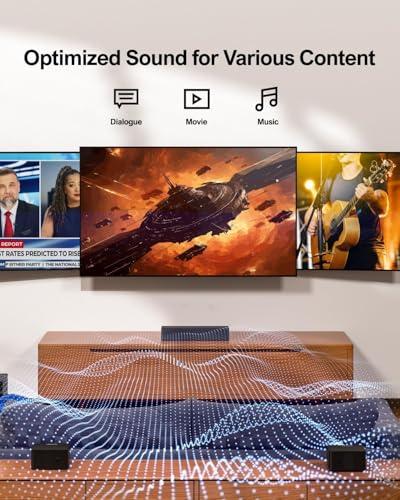
The Ultimea system offers some standout features that are rare in its price category. The smart app control provides access to 121 preset EQ matrices—essentially different sound profiles optimized for various content types—plus a 10-band equalizer for precise customization. You can independently control the volume of the rear speakers, which is incredibly useful for balancing surround effects based on your room layout.
The Klipsch system brings Klipsch Transport technology, their proprietary 2.4GHz wireless system for connecting additional components. This isn't just standard Bluetooth—it's a dedicated connection designed for high-quality, low-latency audio transmission between system components. The Dolby Atmos processing also represents more sophisticated virtual surround technology than typical "surround sound simulation."
For dedicated home theater use, the Ultimea D50 delivers more convincing surround effects during action movies. The physical rear speakers create genuine positional audio that virtual processing simply cannot match. Dialog remains clear even during explosive scenes, thanks to dedicated center channel processing in the main soundbar.
The Klipsch Core 100 excels at creating an expansive, theater-like soundstage that makes even modest-sized rooms feel bigger. The Dolby Atmos processing particularly shines with newer content that includes height information, creating overhead effects that the Ultimea system cannot reproduce.
This is where the engineering differences become most apparent. The Klipsch system provides more accurate tonal balance and better instrument separation. Jazz recordings sound more natural, rock music has better dynamics, and vocals have more presence and clarity.
The Ultimea system tends to emphasize excitement over accuracy, which can make music sound more dramatic but less faithful to the original recording. However, for casual music listening and genres that benefit from enhanced bass, many users find this approach enjoyable.
Gaming reveals interesting strengths for both systems. The Ultimea D50's true rear channels provide genuine positional advantages in competitive gaming—you can actually hear enemies approaching from behind with precise directional accuracy.
The Klipsch Core 100's virtual processing creates an immersive gaming environment that feels expansive and engaging, though without the precise positional accuracy of physical rear speakers.
The Ultimea system requires more complex setup due to its multiple components. You'll need to position the satellite speakers appropriately and run the included 19.6-foot cables, which might not work in all room layouts. However, the wireless subwoofer provides flexibility for bass optimization.
The Klipsch system offers plug-and-play simplicity with wall-mounting options and minimal cable management. The single-bar design integrates cleanly into modern living spaces without dominating the room visually.
You're primarily focused on home theater immersion and want the most surround sound impact for your money. This system makes sense if you have adequate space for satellite speakers and prefer the excitement of genuine multi-channel audio. It's particularly appealing if you watch lots of action movies, play immersive games, or simply want the satisfaction of a "complete" surround system without future upgrade pressure.
The Ultimea system also makes sense if you have a larger room (250-380 square feet) where virtual processing might struggle to create convincing surround effects. If you're the type of person who wants to tweak audio settings extensively, the comprehensive app control and EQ options will appeal to you.
You value audio refinement over raw surround impact and prefer the flexibility to expand gradually. This system suits people who want premium build quality and established brand reliability, even if it costs more initially.
The Klipsch system makes particular sense if you have space constraints that make satellite speakers impractical, or if you prioritize clean aesthetics in your living space. It's also the better choice if you listen to a lot of music, as the superior driver materials and engineering provide more accurate sound reproduction.
These systems represent genuinely different philosophies rather than simple price point variations. The Ultimea Poseidon D50 delivers authentic surround sound immersion at an aggressive price, making it ideal for dedicated home theater enthusiasts who want maximum impact without premium pricing.
The Klipsch Flexus Core 100 provides superior audio engineering and materials quality, making it better suited for discerning listeners who value refinement and want a premium foundation they can build upon over time.
Your choice should ultimately depend on your priorities: Do you want authentic surround positioning and immediate gratification, or premium audio quality with expansion flexibility? Both approaches have merit, but they serve distinctly different needs and preferences in the modern home theater landscape.
| Ultimea Poseidon D50 5.1 Soundbar Home Theater (2025) | Klipsch Flexus Core 100 Soundbar |
|---|---|
| Channel Configuration - Determines surround sound authenticity | |
| True 5.1 channels with physical satellite speakers | 2.1 channels with virtual Dolby Atmos processing |
| Subwoofer Setup - Critical for bass impact and room flexibility | |
| 5.25" wireless subwoofer with BassMX™ technology | Dual integrated 4" woofers (no external sub needed) |
| Driver Materials - Affects sound quality and durability | |
| Composite fiber drivers with aerospace-grade magnets | 2.25" aluminum cone drivers (premium materials) |
| Surround Processing Technology - How spatial audio is created | |
| SurroundX™ algorithm converts stereo to 5.1 | Virtual Dolby Atmos with height channel simulation |
| Connectivity Options - Determines device compatibility | |
| HDMI eARC, Optical, AUX, USB, Bluetooth 5.3 | HDMI eARC, Optical, USB-C, Bluetooth |
| App Control Features - Customization capabilities | |
| 121 preset EQ matrices, 10-band equalizer, independent speaker control | Klipsch Connect Plus app with EQ presets |
| System Expandability - Future upgrade potential | |
| Fixed 5.1 configuration (no expansion options) | Modular system (add Flexus subwoofers and surrounds) |
| Setup Complexity - Installation requirements | |
| Requires satellite speaker placement and 19.6ft cable runs | Single soundbar with simple wall-mount options |
| Recommended Room Size - Performance optimization | |
| 250-380 sq ft (20-35m²) | Not specified (optimized for smaller to medium rooms) |
| Brand Heritage - Reliability and support considerations | |
| Emerging brand with aggressive feature set | Klipsch + Onkyo collaboration (established audio expertise) |
| Frequency Response - Audio range capabilities | |
| Not specified | 45Hz - 20kHz (solid bass extension for integrated design) |
| Power Output - Volume and dynamics potential | |
| 320W peak power | 100W RMS (more conservative but accurate rating) |
The Ultimea Poseidon D50 offers true 5.1 surround sound with physical satellite speakers that create authentic directional audio effects. The Klipsch Flexus Core 100 uses virtual Dolby Atmos processing to simulate surround sound from a single bar. For genuine surround positioning during movies and gaming, the Ultimea D50 provides more convincing spatial audio, while the Klipsch Core 100 creates an expansive soundstage without requiring additional speakers.
The Ultimea Poseidon D50 includes a dedicated 5.25" wireless subwoofer with BassMX™ technology for powerful bass impact. The Klipsch Flexus Core 100 has dual integrated 4" woofers built into the soundbar, eliminating the need for a separate subwoofer. However, the Klipsch system can be enhanced with optional Flexus subwoofers for even deeper bass if desired.
The Klipsch Flexus Core 100 offers simpler setup as a single soundbar unit with wall-mounting options and minimal cables. The Ultimea Poseidon D50 requires more complex installation due to satellite speaker placement and running 19.6-foot cables to the rear speakers. If you want plug-and-play simplicity, the Klipsch Core 100 is more convenient.
The Klipsch Flexus Core 100 is part of a modular system that can expand with additional Flexus subwoofers and surround speakers over time. The Ultimea Poseidon D50 is a fixed 5.1 configuration that cannot be expanded further. For future system growth, the Klipsch system offers more flexibility.
The Klipsch Flexus Core 100 generally provides more refined audio quality for music with its aluminum cone drivers and premium engineering from Klipsch and Onkyo. The Ultimea Poseidon D50 emphasizes excitement and impact over accuracy, making it better suited for movies than critical music listening. For audiophile-quality music reproduction, the Klipsch Core 100 is superior.
Both soundbars offer HDMI eARC, optical, and Bluetooth connectivity. The Ultimea Poseidon D50 includes Bluetooth 5.3, AUX, and USB inputs for versatile device connections. The Klipsch Flexus Core 100 features USB-C connectivity and uses proprietary Klipsch Transport technology for wireless system expansion. Both provide comprehensive connectivity for modern devices.
The Ultimea Poseidon D50 is specifically recommended for rooms between 250-380 square feet and delivers more room-filling sound with its dedicated subwoofer and satellite speakers. The Klipsch Flexus Core 100 works better in smaller to medium rooms where virtual processing can be more effective. For larger spaces, the Ultimea D50 provides better coverage.
The Ultimea Poseidon D50 excels for gaming with true rear speakers that provide precise positional audio advantages in competitive games. The Klipsch Flexus Core 100 creates an immersive gaming environment with expansive virtual surround effects. For competitive gaming where directional accuracy matters, the Ultimea system has the edge.
The Ultimea Poseidon D50 provides extensive customization with 121 preset EQ matrices, 10-band equalizer, and independent volume control for satellite speakers. The Klipsch Flexus Core 100 uses the Klipsch Connect Plus app for EQ presets and system control. For detailed audio customization, the Ultimea D50 offers more comprehensive app features.
The Klipsch Flexus Core 100 features premium materials including aluminum cone drivers and underwent over 1,000 rigorous tests during development, backed by established Klipsch and Onkyo engineering expertise. The Ultimea Poseidon D50 uses composite fiber drivers with aerospace-grade magnets but represents a newer brand with less proven track record. For premium build quality, the Klipsch system has the advantage.
The Ultimea Poseidon D50 offers exceptional value by providing a complete 5.1 surround system with subwoofer and satellite speakers at an aggressive price point. The Klipsch Flexus Core 100 costs more initially but provides premium materials, established brand reliability, and expansion potential. For immediate surround sound value, the Ultimea D50 wins, while the Klipsch system offers better long-term investment value.
Choose the Ultimea Poseidon D50 if you want authentic surround positioning for movies and gaming, have space for satellite speakers, and prioritize immediate surround immersion. Choose the Klipsch Flexus Core 100 if you prefer premium audio quality, have space constraints, want clean aesthetics, or plan to expand your system gradually. The Ultimea system delivers more convincing directional effects, while the Klipsch system provides superior overall audio refinement.
We've done our best to create useful and informative comparisons to help you decide what product to buy. Our research uses advanced automated methods to create this comparison and perfection is not possible - please contact us for corrections or questions. These are the sites we've researched in the creation of this article: youtube.com - eu.ultimea.com - newegg.com - tvsbook.com - youtube.com - provantage.com - ultimea.com - techradar.com - community.ultimea.com - homedepot.com - community.ultimea.com - ultimea.com - ultimea.de - youtube.com - medisamhealthcenter.com - ultimea.com - youtube.com - walmart.com - cnet.com - klipsch.com - klipsch.com - bestbuy.com - sweetwater.com - assets.onkyo-av.com - youtube.com - worldwidestereo.com - avnirvana.com - target.com

Privacy Policy
Terms and Conditions - Affiliate Policy
Home Security
© Copyright 2008-2026.
11816 Inwood Rd #1211, Dallas, TX 75244