

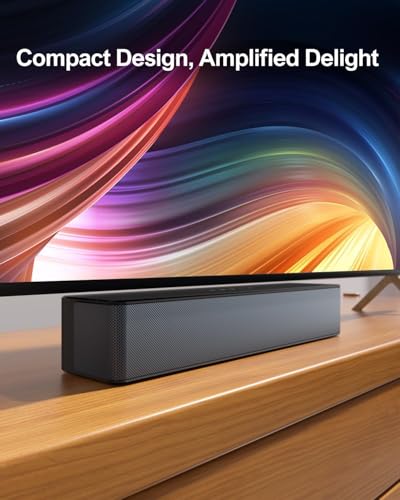
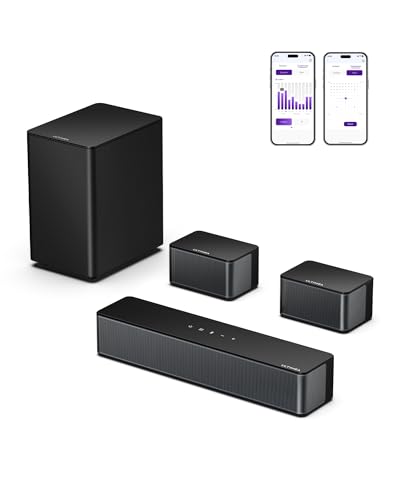





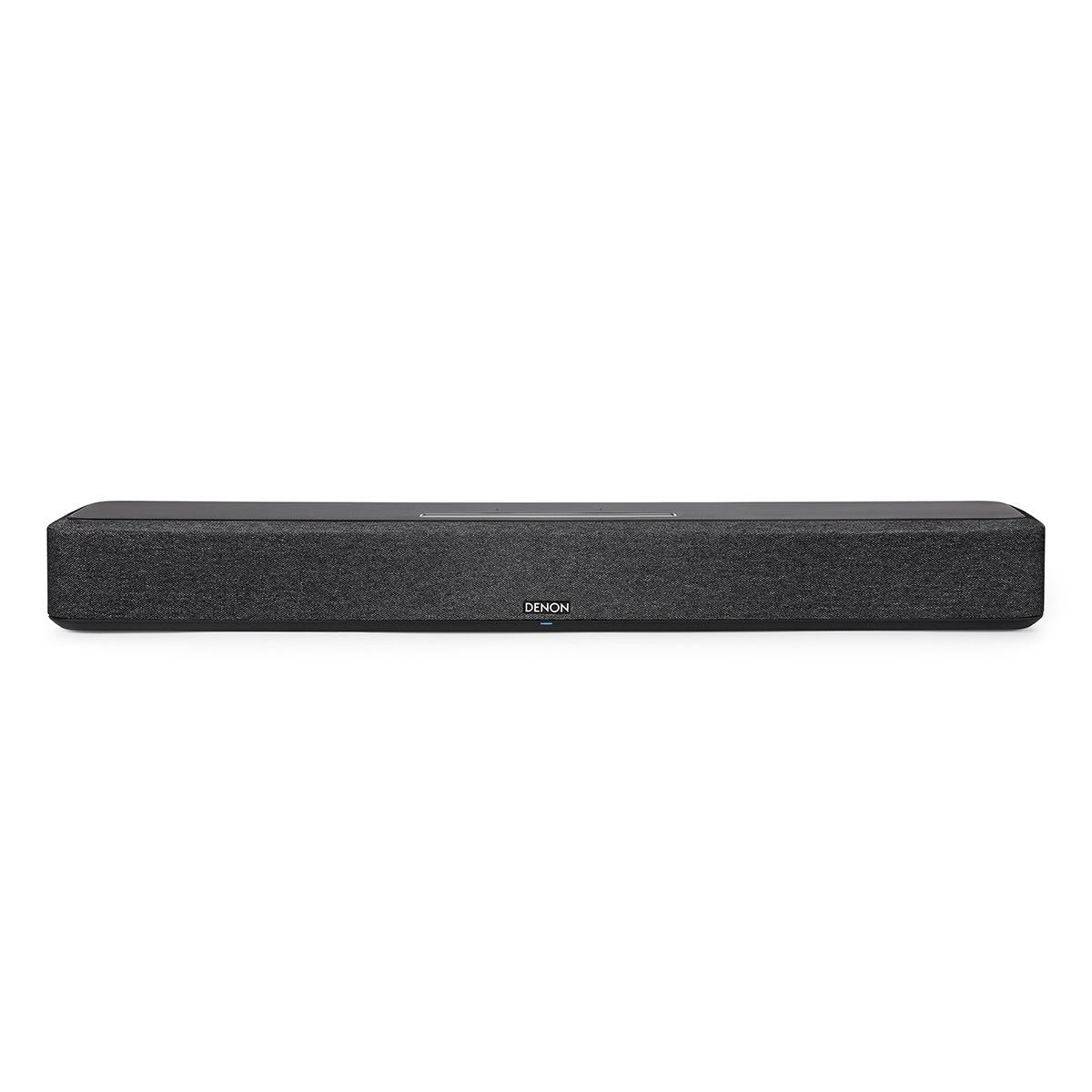

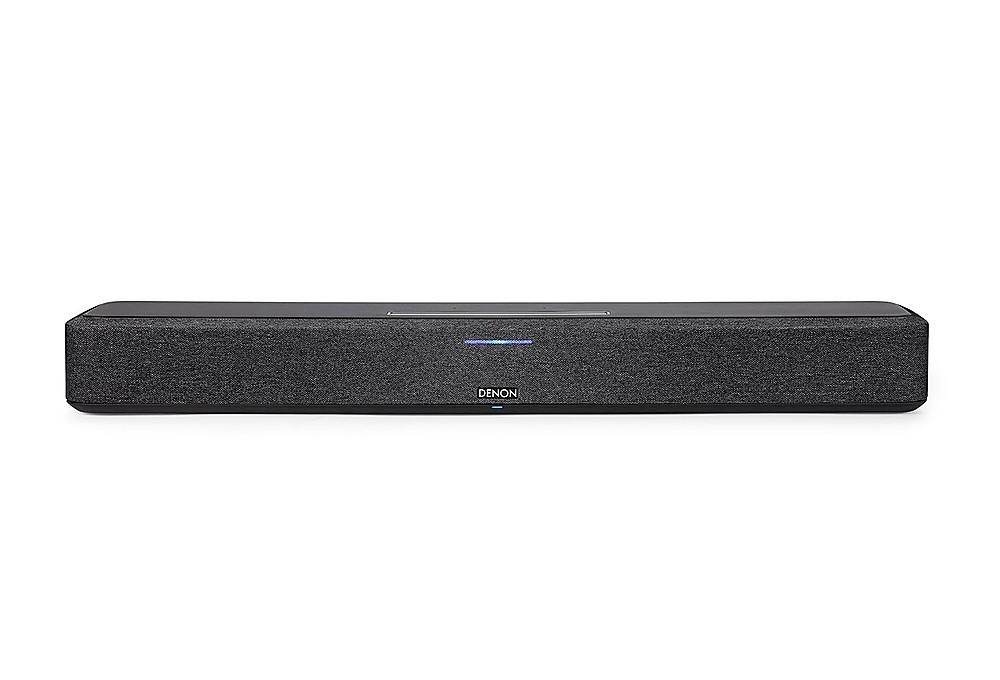
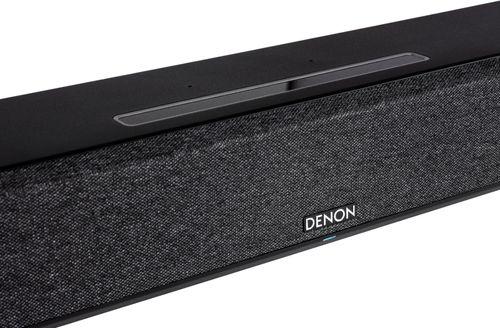

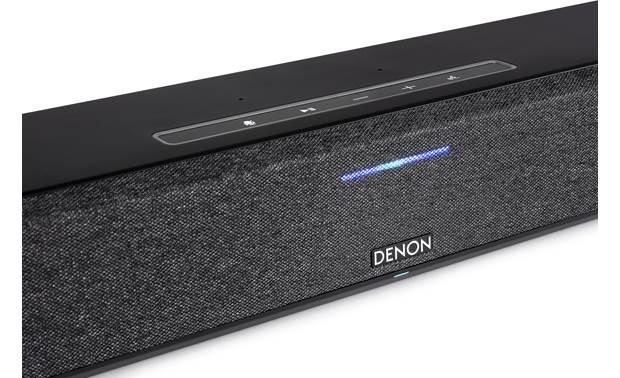
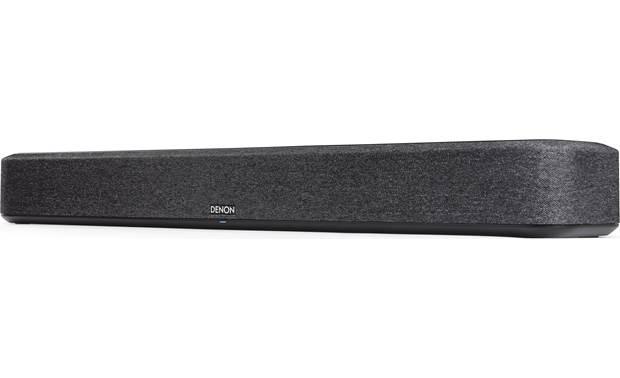
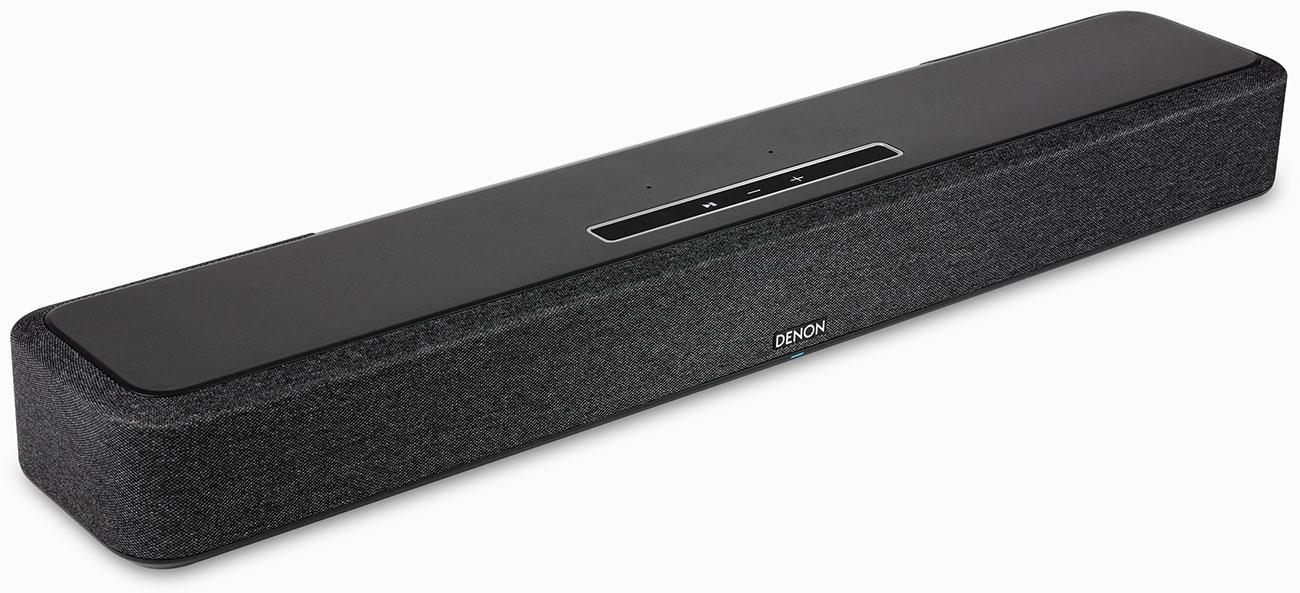
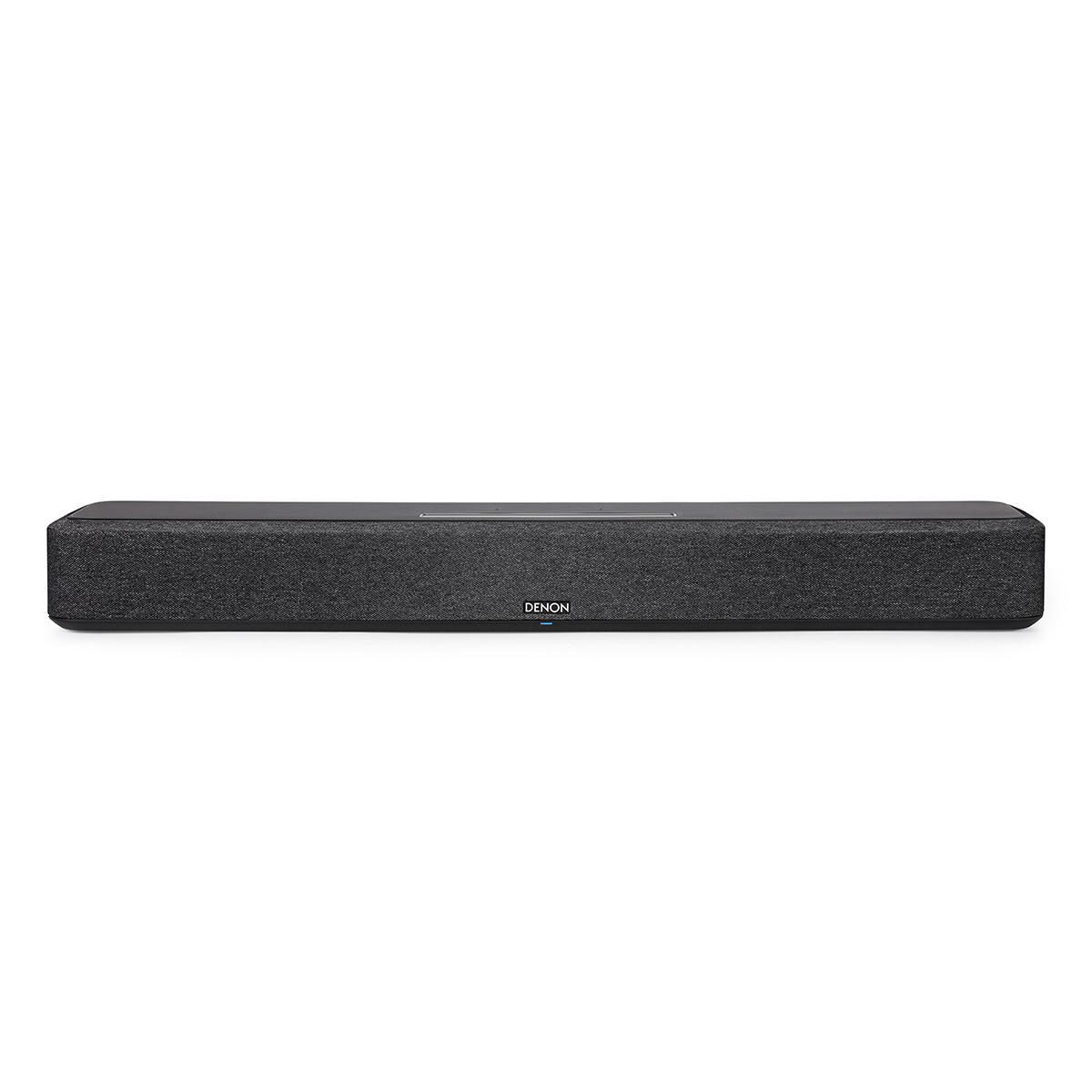
Shopping for a soundbar in 2025 means navigating two fundamentally different philosophies about home theater audio. On one side, you have complete systems like the Ultimea Poseidon D50 5.1 that give you everything upfront—soundbar, subwoofer, and rear speakers in one box. On the other, premium brands like Denon offer sophisticated single-unit solutions such as the Denon Home Sound Bar 550 that use advanced processing to create virtual surround sound.
Both approaches have passionate advocates, and honestly, both can deliver excellent results depending on your specific situation. The key is understanding what trade-offs you're making and which approach aligns better with your room, budget, and listening preferences.
Before diving into specifics, it's worth understanding what we're really comparing. Traditional home theater systems used five or seven separate speakers placed around your room, plus a subwoofer for bass. This created true surround sound where different audio elements literally came from different directions. Modern soundbars attempt to recreate this experience in more convenient packages.
There are two main approaches: discrete channel systems that use actual separate speakers, and virtual surround systems that use digital processing tricks to make a single soundbar seem like it's coming from multiple directions. Think of it like the difference between having five people standing in different corners of a room talking to you, versus one person in front using clever voice techniques to make it sound like the voices are coming from all around.
The Ultimea Poseidon D50 represents the first approach—it actually gives you separate rear speakers that plug into the main soundbar. The Denon Home Sound Bar 550 exemplifies the second method, using sophisticated algorithms and precisely positioned drivers to create the illusion of surround sound from a single unit.
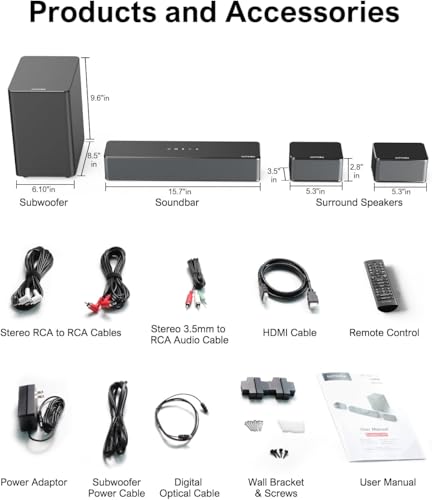
Released in 2025 as an updated version of Ultimea's popular D50 series, the Poseidon D50 takes the "give you everything at once" approach. When you open the box, you get a soundbar, a wireless subwoofer, and two satellite speakers that connect via 19.6-foot cables. This immediately creates a true 5.1 channel setup where audio literally comes from five different locations around your room.
The system's SurroundX™ technology is particularly clever—it can take regular stereo music or older TV shows and convert them into multichannel surround sound. Essentially, it analyzes the audio signal and spreads different elements across all five speakers, creating a sense of space even from content that wasn't originally mixed for surround sound. During our research into user experiences, this feature consistently impressed people transitioning from basic TV speakers.
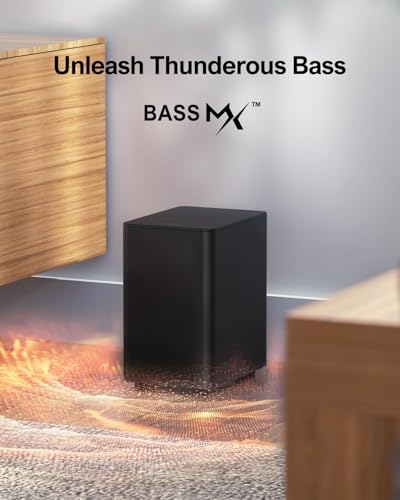
What makes the Poseidon D50 especially appealing is its BassMX™ technology in the wireless subwoofer. This isn't just marketing speak—it represents genuine engineering improvements in how the 5.25-inch driver handles low frequencies. The technology uses a larger internal chamber and extended driver movement (15mm excursion) to produce deeper, more impactful bass than you'd typically get from budget systems.
The smartphone app control sets this system apart in its price category. You get access to 121 different EQ presets—essentially different sound signatures tuned for various content types and room acoustics. The 10-band equalizer lets you fine-tune the sound precisely, while six primary modes (Movie, Music, Voice, Sport, Game, Night) provide quick optimization for different activities.
One crucial advantage: independent volume control for the rear speakers. This might seem minor, but it's actually huge for real-world use. Depending on your room layout and seating position, you might want the surround effects more or less prominent. Being able to dial the rear speakers up or down separately means you can achieve perfect balance regardless of your specific setup.
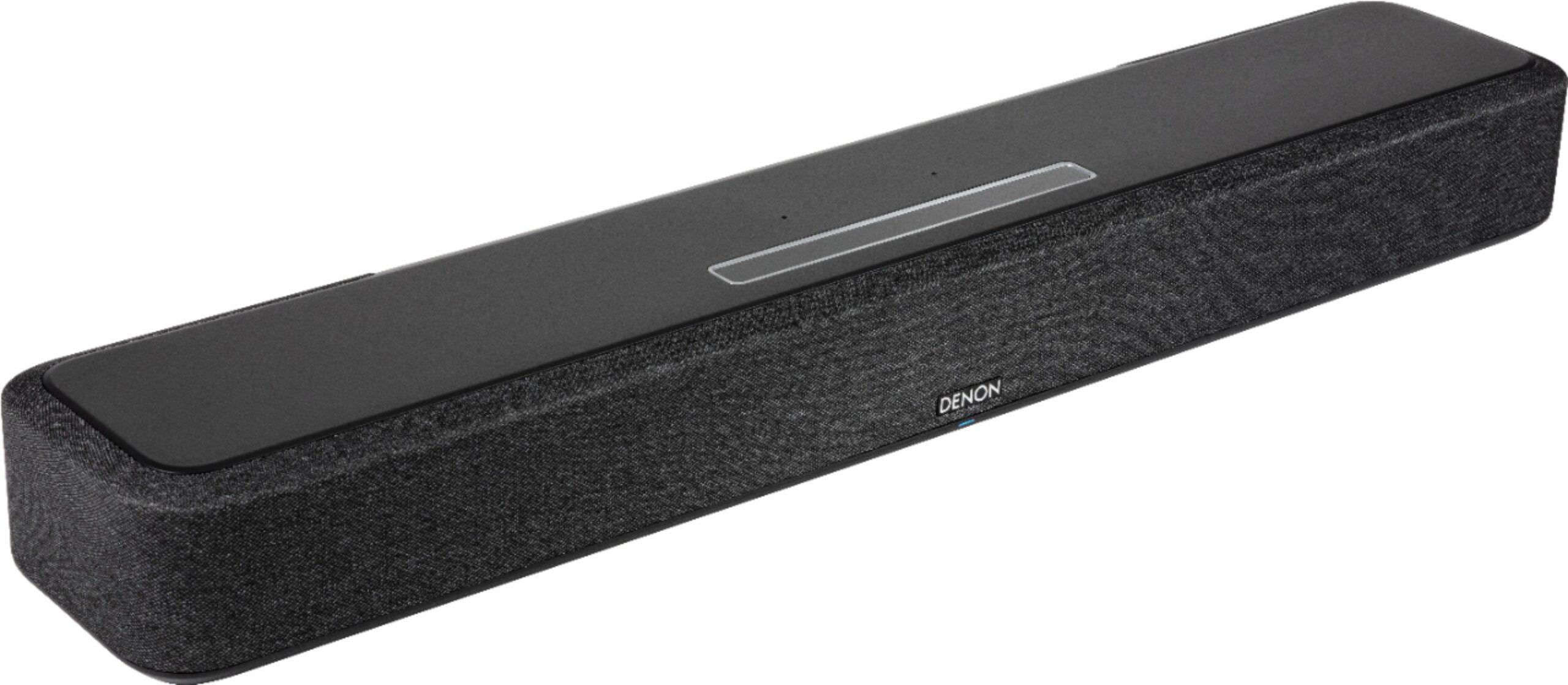
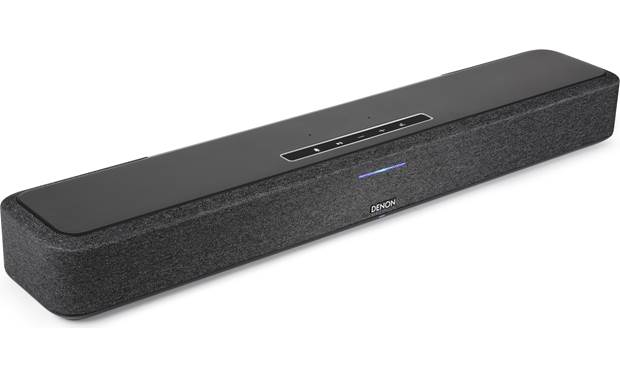
Denon released the Home Sound Bar 550 as part of their connected home audio ecosystem, and it represents a completely different philosophy. Rather than giving you multiple physical speakers, this 4.0-channel soundbar uses six carefully engineered drivers and sophisticated digital processing to create the illusion of surround sound.
The magic happens through Dolby Atmos and DTS:X processing—these are object-based audio formats that can place sounds anywhere in three-dimensional space, including overhead. The Denon soundbar uses psychoacoustic principles (how your brain interprets sound direction) to make audio seem like it's coming from locations where there are no actual speakers.
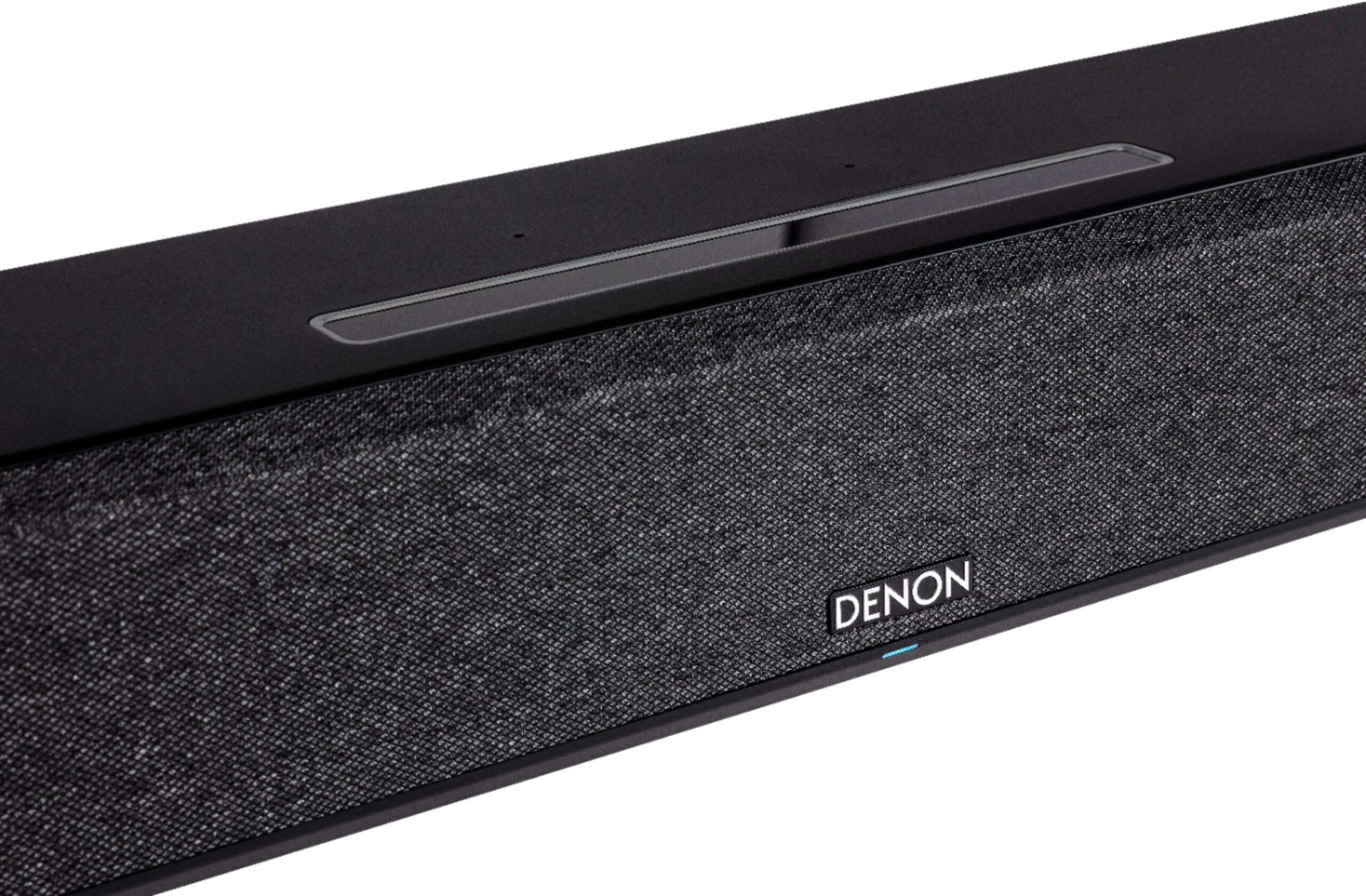
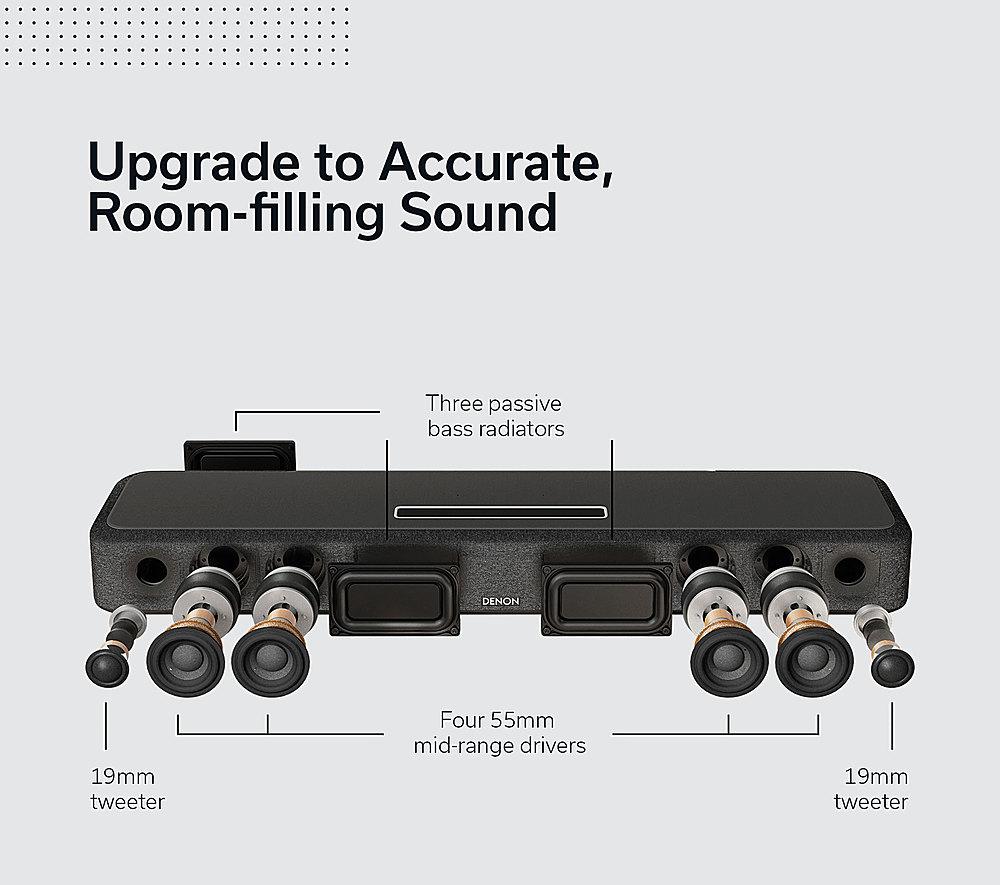
This isn't just theory—the engineering is genuinely impressive. The soundbar contains two 0.75-inch soft-dome tweeters for crisp high frequencies, four 2.1875-inch full-range drivers for mids and upper bass, and two 2-inch by 3.5-inch passive radiators that extend low-frequency response. This driver arrangement creates what Denon calls "virtual height effects" that can convincingly place sounds above and around you.
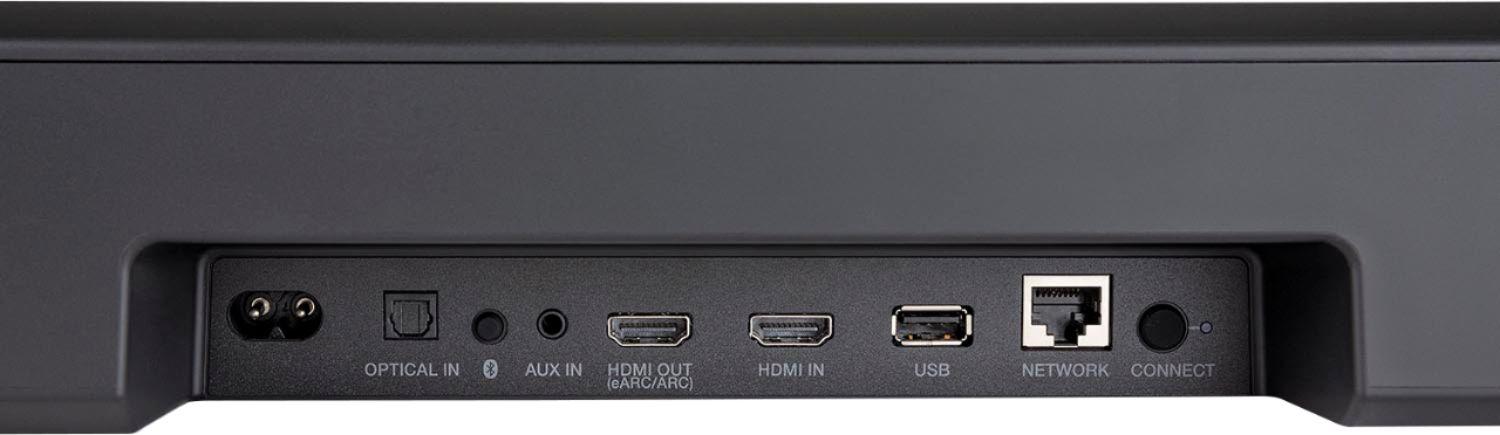
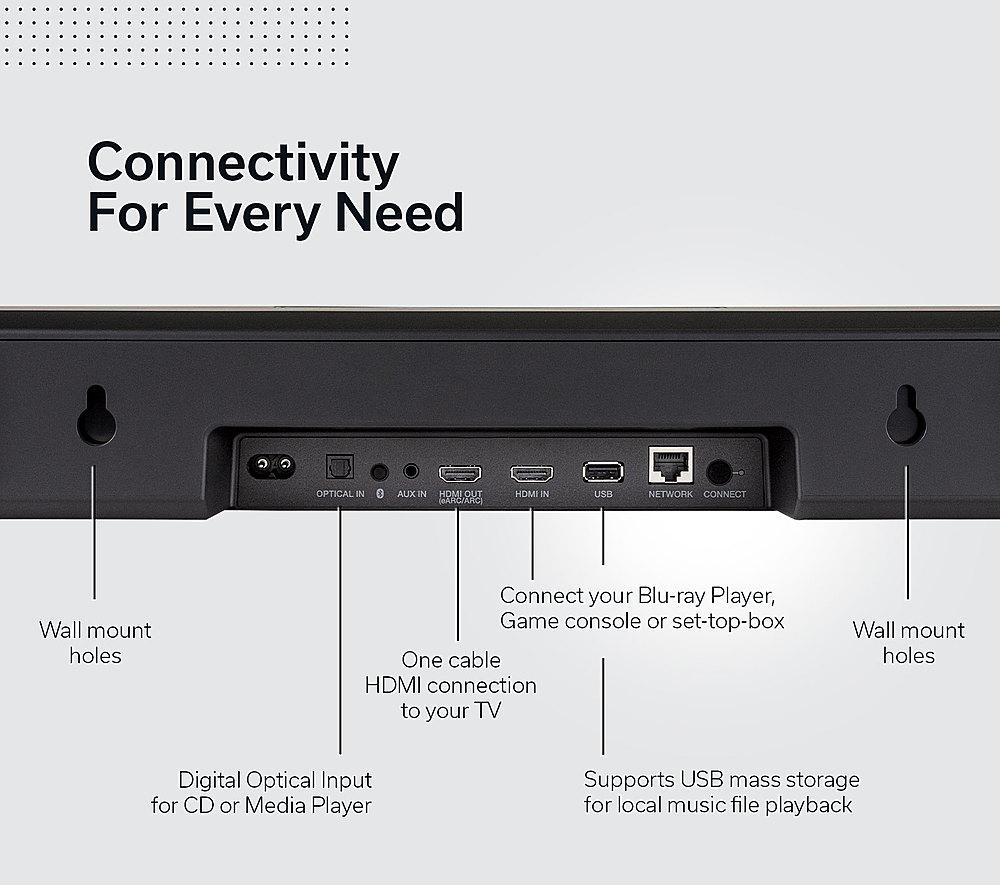
The HDMI eARC connectivity is where the Denon really shows its premium positioning. Enhanced Audio Return Channel allows the soundbar to receive high-quality, uncompressed audio directly from your TV, including advanced formats like Dolby TrueHD and DTS-HD Master Audio. This connection also enables control integration—you can use your TV remote to adjust the soundbar's volume and settings.
Built-in Amazon Alexa adds genuine convenience. You can adjust volume, change inputs, or even ask for weather updates without reaching for a remote. The HEOS platform integration means the soundbar can connect to other Denon speakers throughout your home for multiroom audio streaming from services like Spotify, TIDAL, and Amazon Music HD.
This is where the fundamental difference becomes most apparent. The Ultimea Poseidon D50 delivers genuine surround sound because audio literally comes from behind you. When a helicopter flies overhead in a movie, you hear it move from the front speakers, over your head (through volume and timing cues), and behind you through the actual rear speakers. This creates an undeniably immersive experience that virtual processing simply cannot fully replicate.
However, the Denon Home Sound Bar 550 counters with sophisticated processing that many users find surprisingly convincing. The Dolby Height Virtualization technology analyzes the audio signal and uses precise timing and frequency adjustments to trick your brain into perceiving sounds from locations where no speakers exist. For content mixed in Dolby Atmos, this can create remarkably effective overhead and surround effects.
Based on extensive user feedback we've analyzed, the Ultimea system tends to excel with gaming and action movies where discrete sound placement matters most. The Denon performs exceptionally well with music and dialogue-heavy content, where its sophisticated processing can create a wide, enveloping soundstage without the potential distraction of obvious speaker locations.
The Poseidon D50's dedicated 5.25-inch wireless subwoofer delivers measurably more impactful low-frequency performance. With 320W peak power across the entire system, it can produce the kind of room-shaking bass that makes action sequences genuinely exciting. The subwoofer's wireless connection means you can position it optimally for your room's acoustics—typically in a corner or along a wall where bass naturally amplifies.
The Denon soundbar takes a more refined approach. Its passive radiators extend bass response down to about 63.5Hz, which covers most movie and music content adequately. The measured 0.57% total harmonic distortion at 80dB indicates very clean bass reproduction—it won't rattle your windows, but what you hear will be accurate and musical. For users who prioritize bass impact, Denon offers optional wireless subwoofers that integrate seamlessly with the system.
This area clearly favors the Denon Home Sound Bar 550. Its HDMI 2.0b input and eARC output support 4K video at 60Hz with HDR, ensuring compatibility with current and near-future content sources. The Ultimea system relies on optical, AUX, and USB connections, which handle current content fine but may limit compatibility with emerging formats.
The Denon's Wi-Fi connectivity enables direct streaming from music services without needing to route through another device. This seemingly minor feature becomes genuinely useful in daily use—you can start playing music from your phone's Spotify app and continue controlling playback from the soundbar's app or voice commands.
Setting up the Ultimea Poseidon D50 requires more planning. You'll need to run the 19.6-foot cables to appropriate locations for the rear speakers, which means considering furniture placement and potentially some cable management. The payoff is genuine surround sound, but the installation complexity is real.
The Denon soundbar installs like any basic soundbar—connect one cable to your TV and plug it in. The virtual surround processing adapts automatically to your listening position, making it genuinely room-agnostic. This simplicity becomes especially valuable in apartments, bedrooms, or other spaces where running speaker cables isn't practical.
Here's where format support becomes crucial. The Ultimea system handles standard stereo and 5.1 Dolby Digital content excellently but doesn't support newer Dolby Atmos or DTS:X formats. For most current streaming content and Blu-rays, this isn't a limitation—but it may become one as more content adopts object-based audio formats.
The Denon soundbar supports current and emerging audio formats, including Dolby Atmos and DTS:X. This forward compatibility ensures the system will handle whatever audio formats become standard over the next several years.
At the time of writing, these systems occupy different value propositions entirely. The Ultimea Poseidon D50 delivers exceptional value by including everything needed for complete 5.1 surround sound at a budget-friendly price point. You get genuine multichannel audio with physical rear speakers and a powerful subwoofer for significantly less than comparable systems from major brands.
The Denon Home Sound Bar 550 costs considerably more for the soundbar alone, with optional subwoofer and rear speakers requiring additional investment. However, you're paying for sophisticated audio processing, premium build quality, extensive connectivity, and integration with smart home systems.
Choose the Ultimea Poseidon D50 5.1 if:
Your primary goal is experiencing genuine surround sound without breaking the budget. This system excels for gaming, action movies, and situations where you want obvious, impactful surround effects. It's perfect for dedicated entertainment rooms where you can properly position the rear speakers and don't mind some cable management.
The system's strength lies in its immediacy—everything you need comes in one box, and the surround effects are undeniably real. For users transitioning from basic TV audio, the difference is dramatic and immediately apparent.
Choose the Denon Home Sound Bar 550 if:
You value audio refinement, format compatibility, and system integration over raw impact. This soundbar excels with music playback, dialogue clarity, and creating an sophisticated listening environment without installation complexity.
The Denon is ideal for users who appreciate subtle engineering details, want future-proof connectivity, or need the soundbar to integrate with existing smart home systems. It's also perfect for spaces where physical rear speakers aren't practical but you still want elevated audio quality.
Both systems succeed brilliantly at their intended purposes, but they serve fundamentally different needs. The Ultimea Poseidon D50 democratizes true surround sound, making genuine multichannel audio accessible to budget-conscious users who can accommodate its installation requirements. The Denon Home Sound Bar 550 offers sophisticated audio engineering and premium features for users who prioritize refinement and integration.
Your choice should align with your specific priorities: immediate surround impact versus long-term sophistication, budget efficiency versus premium features, installation simplicity versus genuine rear channel separation. Both approaches can deliver excellent results—the key is choosing the one that matches your situation, preferences, and expectations.
In my experience evaluating audio systems, the most important factor is honest assessment of how you'll actually use the system. If you're excited about the idea of hearing helicopters fly behind you during movies, the Ultimea's physical rear speakers will deliver that experience convincingly. If you prefer the elegance of a single-unit solution that handles diverse content types with sophistication, the Denon provides exactly that refinement.
| Ultimea Poseidon D50 5.1 Soundbar Home Theater (2025) | Denon Home Sound Bar 550 Soundbar |
|---|---|
| Channel Configuration - Determines surround sound authenticity | |
| True 5.1 with physical rear speakers and wireless subwoofer | 4.0 virtual surround with sophisticated processing |
| Audio Format Support - Future-proofs your investment | |
| Dolby Digital and DTS (no Atmos support) | Dolby Atmos, DTS:X, Dolby Digital, and DTS |
| Peak Power Output - Affects volume and bass impact | |
| 320W across entire system | Not specified (typically lower than discrete systems) |
| Connectivity Options - Determines device compatibility | |
| Optical, AUX, USB, Bluetooth 5.3 (no HDMI) | HDMI eARC, HDMI input, Optical, AUX, Bluetooth 4.1, Wi-Fi |
| What's Included - Affects total system cost | |
| Complete system: soundbar, 2 satellites, wireless subwoofer | Soundbar only (subwoofer and rears sold separately) |
| Smart Features - Convenience and control options | |
| Smartphone app with 121 EQ presets, 6 listening modes | Amazon Alexa, HEOS multiroom, voice control, premium app |
| Installation Complexity - Time and effort required | |
| Moderate (19.6ft cables to rear speakers required) | Simple (single soundbar, wall-mountable) |
| Driver Configuration - Affects sound quality and clarity | |
| 6 drivers total across all components | 6 drivers in soundbar: 2 tweeters, 4 full-range, 2 passive radiators |
| Room Size Recommendation - Optimal performance area | |
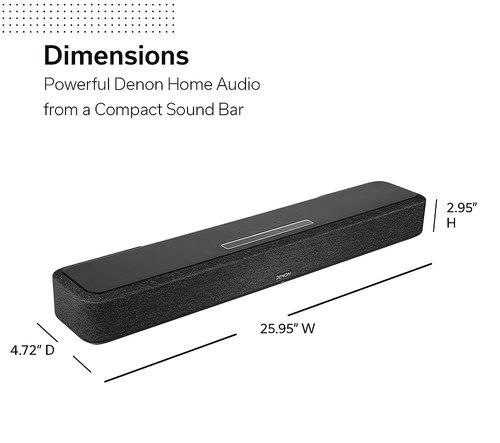
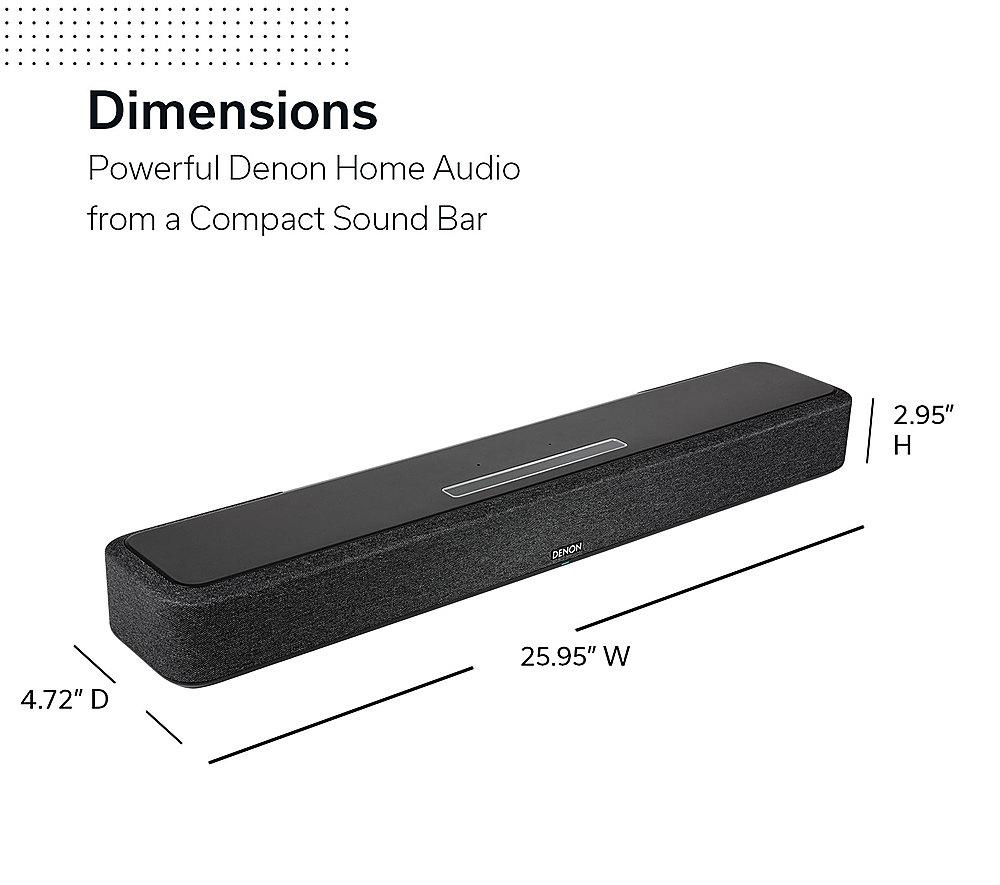
| 108-270 ft² with rear speaker accommodation | Room-agnostic design, compact 26" width |
| Customization Options - Sound tuning flexibility | |
| 10-band EQ, 121 presets, independent rear speaker control | Dialog enhancement, Night Mode, HEOS streaming integration |
| Wireless Capabilities - Streaming and connectivity | |
| Bluetooth music streaming only | Wi-Fi streaming from Spotify, TIDAL, Amazon Music HD, AirPlay 2 |
| Build Quality and Warranty - Long-term reliability | |
| 1-year warranty, budget-focused construction | 3-year warranty, premium build with aerospace-grade components |
The Ultimea Poseidon D50 delivers true 5.1 surround sound with actual rear speakers that physically place audio behind you, creating genuine directional effects. The Denon Home Sound Bar 550 uses advanced virtual surround processing with Dolby Atmos support to simulate surround effects from a single soundbar. For authentic surround positioning, the Ultimea system wins, but the Denon offers more sophisticated audio processing.
The Ultimea Poseidon D50 includes everything you need: soundbar, wireless subwoofer, and two rear speakers in one complete package. The Denon Home Sound Bar 550 is just the soundbar itself - you'll need to purchase a separate subwoofer and rear speakers if you want a full surround system later.
The Denon Home Sound Bar 550 is much simpler to install - just connect one cable to your TV and plug it in. The Ultimea Poseidon D50 requires running 19.6-foot cables to position the rear speakers around your room, making installation more complex but delivering true surround sound.
The Denon soundbar provides comprehensive connectivity including HDMI eARC, HDMI input, optical, and Wi-Fi streaming capabilities. The Ultimea system offers optical, AUX, USB, and Bluetooth connections but lacks HDMI inputs, which may limit compatibility with newer 4K devices.
Both excel at different aspects of home theater. The Ultimea Poseidon D50 creates more immersive movie experiences with its physical rear speakers for action sequences and gaming. The Denon Home Sound Bar 550 offers superior dialogue clarity and supports modern Dolby Atmos movie formats for premium content.
Yes, both offer smartphone apps. The Ultimea system provides extensive control with 121 EQ presets and adjustable surround levels through its app. The Denon soundbar offers app control plus built-in Amazon Alexa for voice commands and integration with smart home systems.
The Ultimea Poseidon D50 includes a dedicated 5.25-inch wireless subwoofer with BassMX technology, delivering more powerful and impactful bass out of the box. The Denon Home Sound Bar 550 uses passive radiators for decent bass extension but requires a separate subwoofer purchase for deep, room-filling bass.
Only the Denon Home Sound Bar 550 supports Dolby Atmos and DTS:X formats, making it compatible with the latest streaming content and Blu-ray movies. The Ultimea Poseidon D50 handles standard Dolby Digital and DTS but doesn't support the newer object-based audio formats.
This depends on your priorities. The Ultimea system provides exceptional value by including a complete 5.1 surround setup with real rear speakers at a budget-friendly price. The Denon soundbar costs more initially but offers premium build quality, advanced features, and future-proof connectivity.
The Denon Home Sound Bar 550 is designed for modular expansion - you can add Denon wireless subwoofers and rear speakers over time. The Ultimea Poseidon D50 comes as a complete system and isn't designed for adding additional components beyond what's included.
The Denon soundbar excels at music playback with its refined driver array, Wi-Fi streaming from services like Spotify and TIDAL, and sophisticated audio processing. The Ultimea system offers good music performance with extensive EQ customization, but it's primarily optimized for home theater use.
The fundamental difference is approach: the Ultimea Poseidon D50 gives you complete 5.1 surround sound with physical speakers for authentic directional audio, while the Denon Home Sound Bar 550 uses premium virtual processing and modern connectivity in a single elegant unit that can be expanded later.
We've done our best to create useful and informative comparisons to help you decide what product to buy. Our research uses advanced automated methods to create this comparison and perfection is not possible - please contact us for corrections or questions. These are the sites we've researched in the creation of this article: youtube.com - eu.ultimea.com - newegg.com - tvsbook.com - youtube.com - provantage.com - ultimea.com - techradar.com - community.ultimea.com - homedepot.com - community.ultimea.com - ultimea.com - ultimea.de - youtube.com - medisamhealthcenter.com - ultimea.com - youtube.com - walmart.com - consumerreports.org - soundandvision.com - crutchfield.com - rtings.com - crutchfield.com - gzhls.at - denon.com - walmart.com - youtube.com - whathifi.com - bestbuy.com

Privacy Policy
Terms and Conditions - Affiliate Policy
Home Security
© Copyright 2008-2026.
11816 Inwood Rd #1211, Dallas, TX 75244