


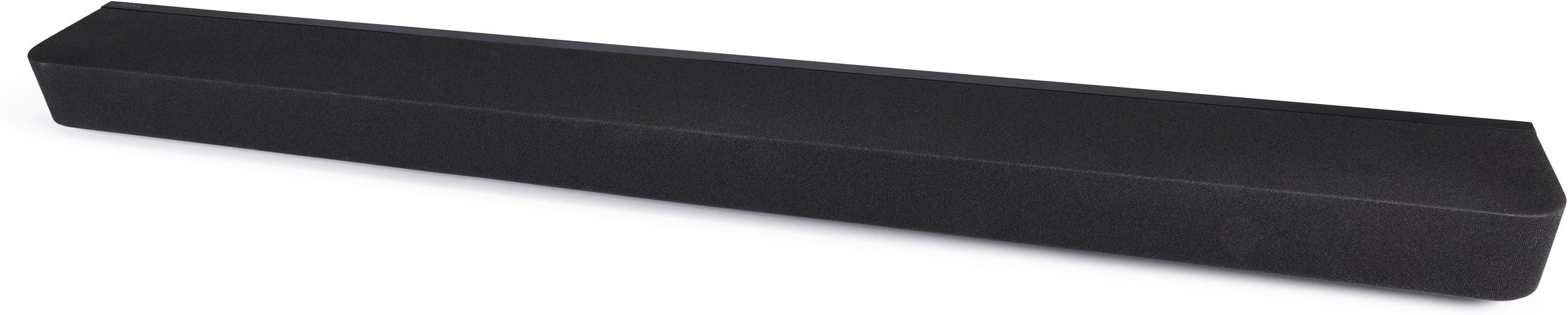
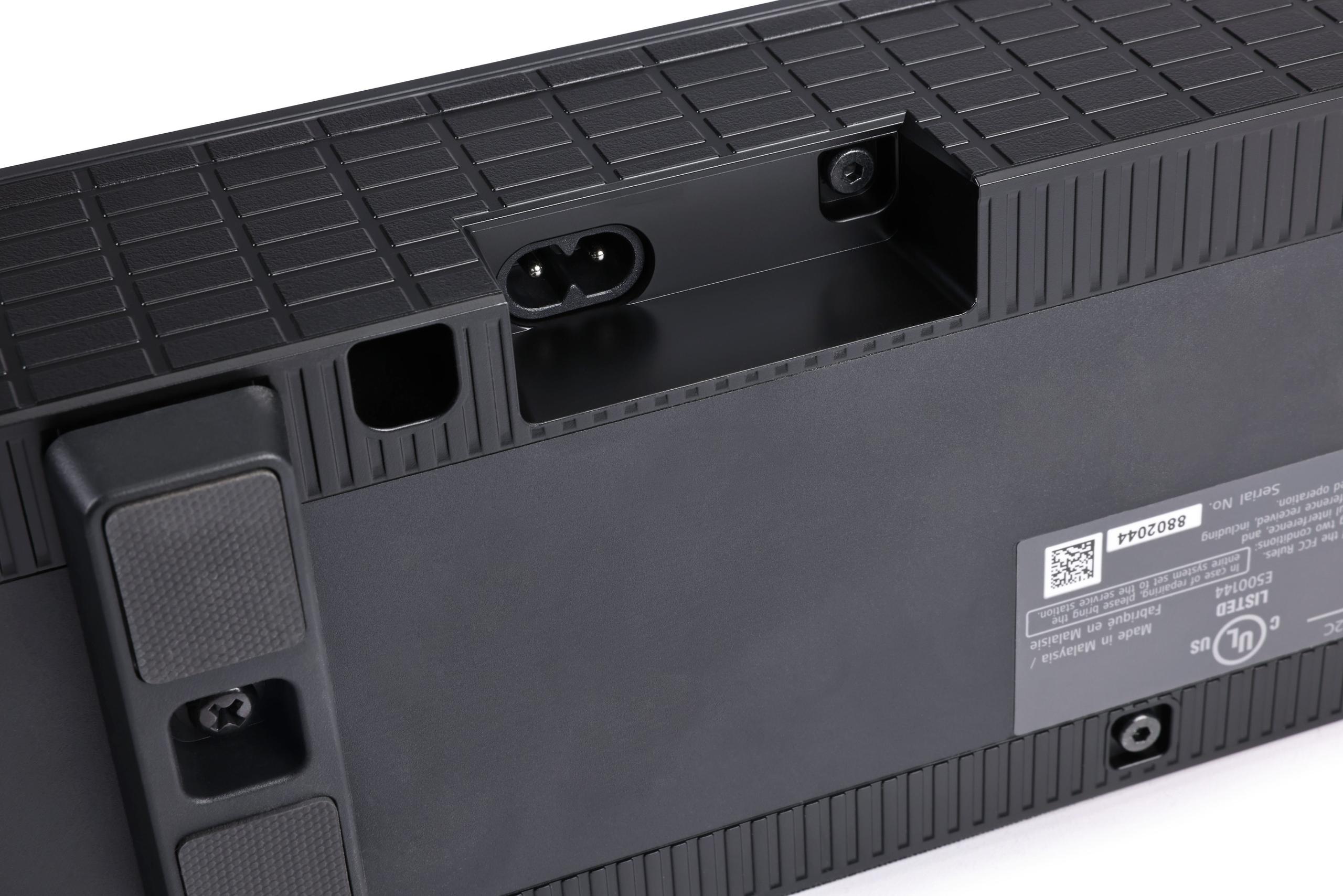
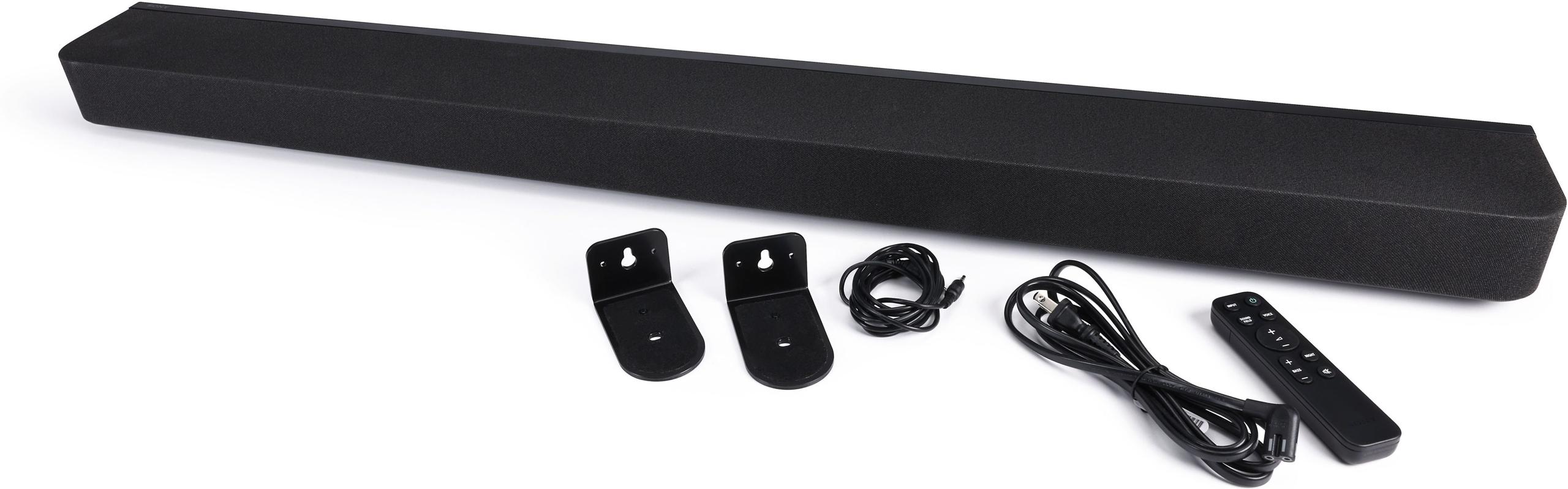
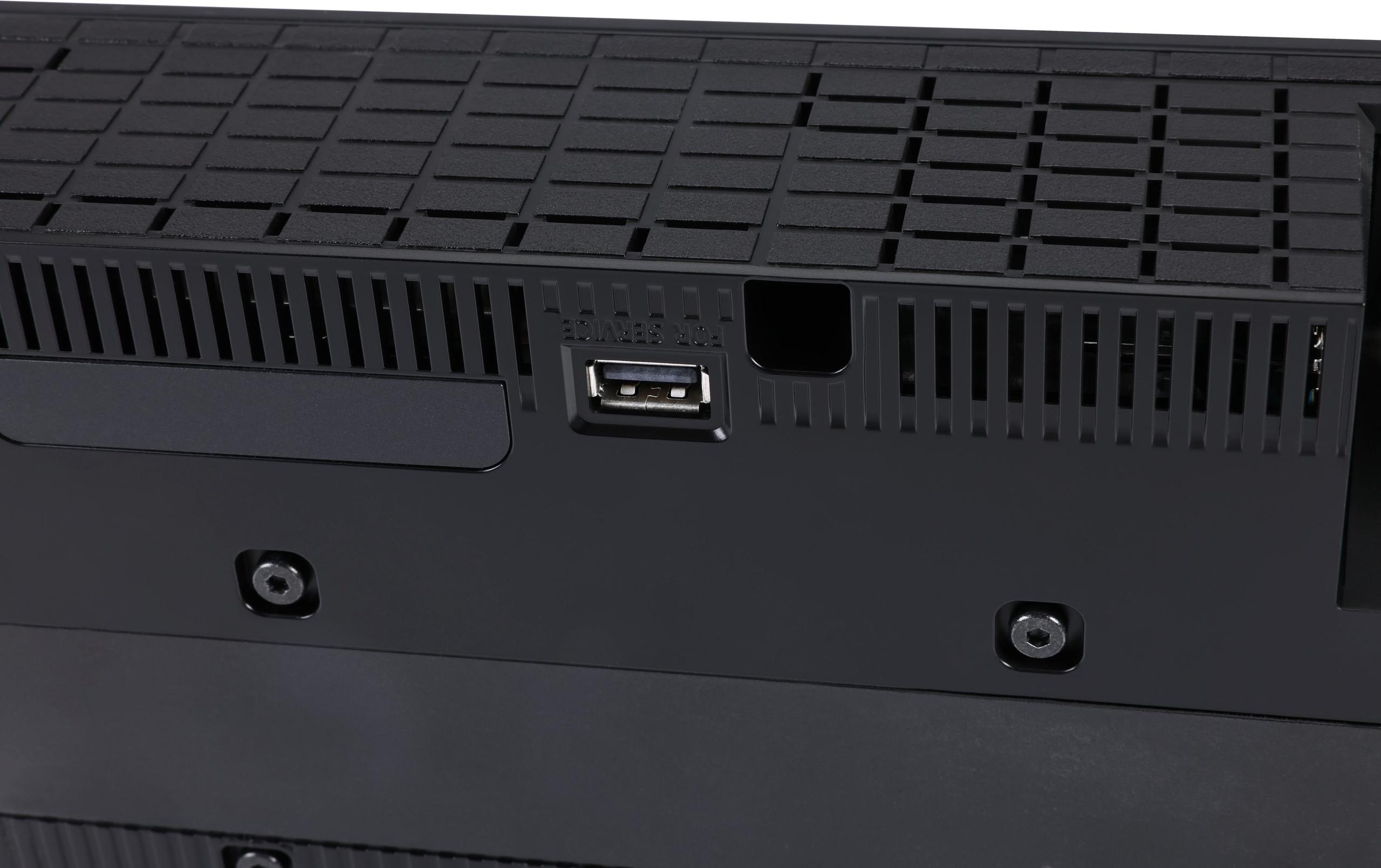
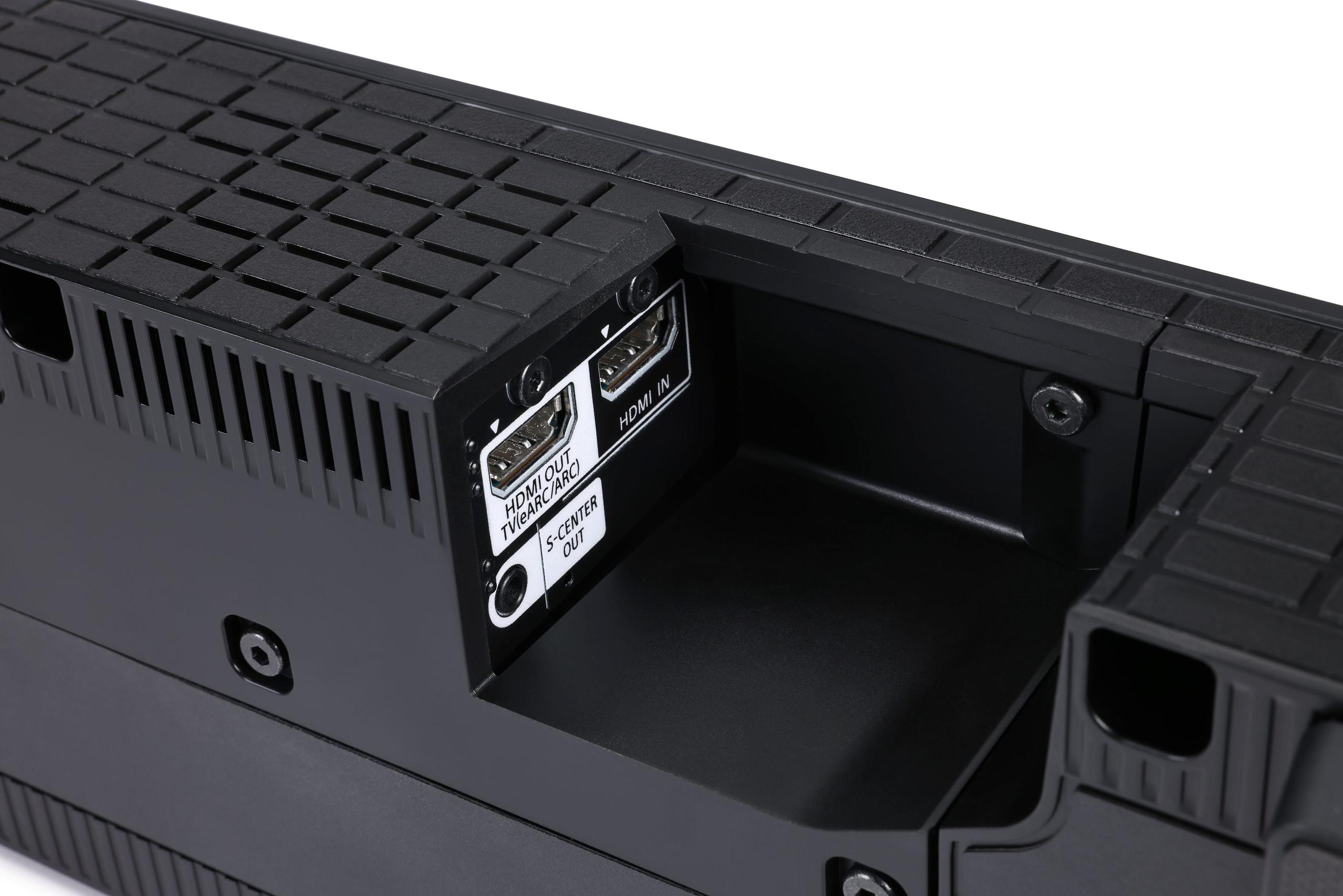

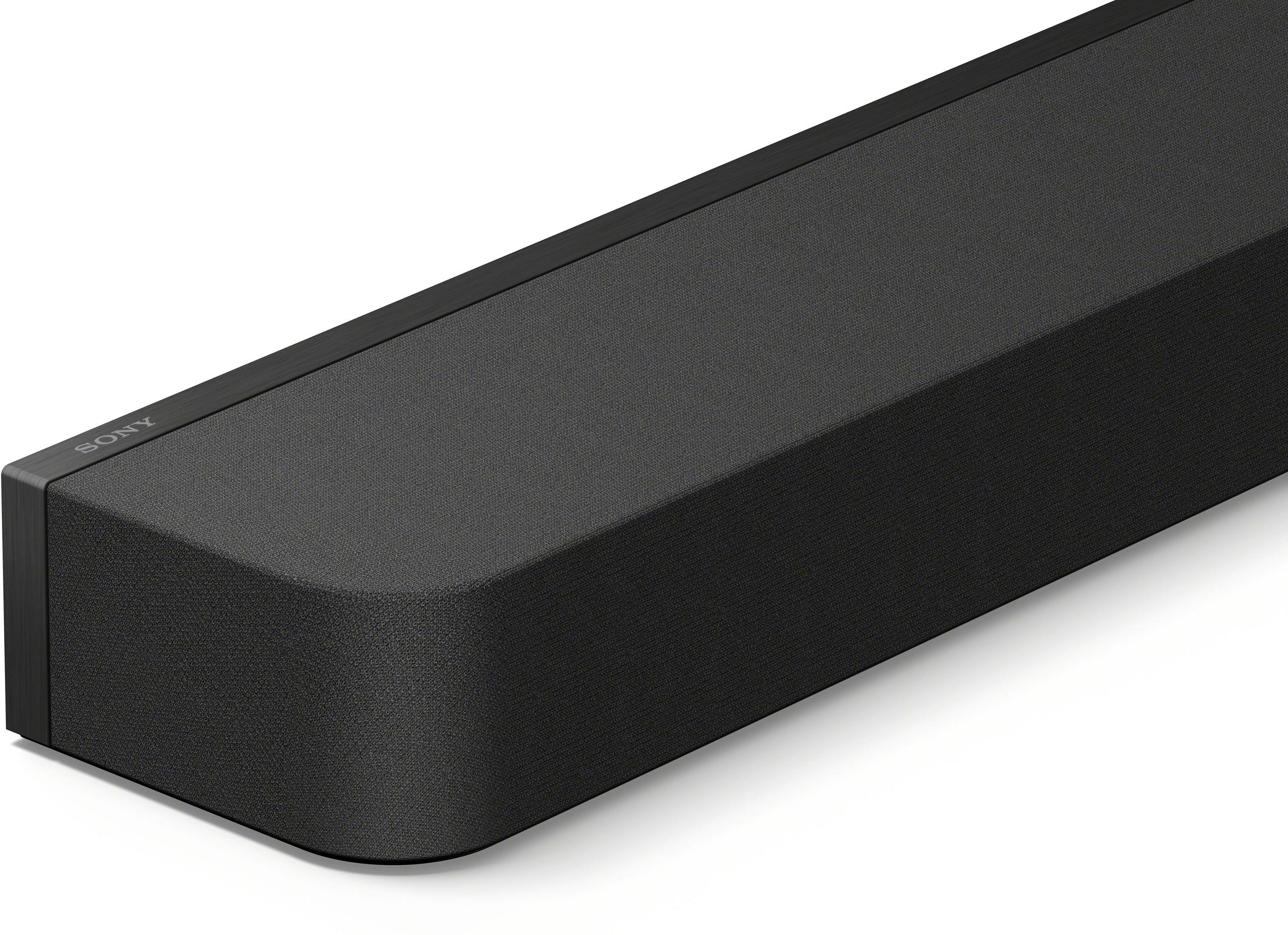

The world of soundbars has evolved dramatically over the past few years, splitting into two distinct philosophies that represent fundamentally different approaches to solving the same problem: how to get great surround sound without the complexity of a traditional home theater system. On one side, we have sophisticated all-in-one units like the Sony HT-A8000 that use advanced processing to create virtual surround effects. On the other, we find complete multi-component systems like the Ultimea Poseidon D50 that provide authentic surround sound through dedicated speakers.
Understanding these different approaches is crucial because they excel in different situations and appeal to different types of users. The choice between them often comes down to whether you prioritize convenience and advanced technology, or authentic surround sound and maximum value for your dollar.
Soundbars emerged as a solution to the terrible audio quality of increasingly thin flat-screen TVs, but they've grown into something much more sophisticated. The category has branched into two main directions: premium single-unit solutions that rely on psychoacoustic processing (how our brains interpret reflected sound waves), and traditional multi-speaker systems that maintain physical separation between audio channels.
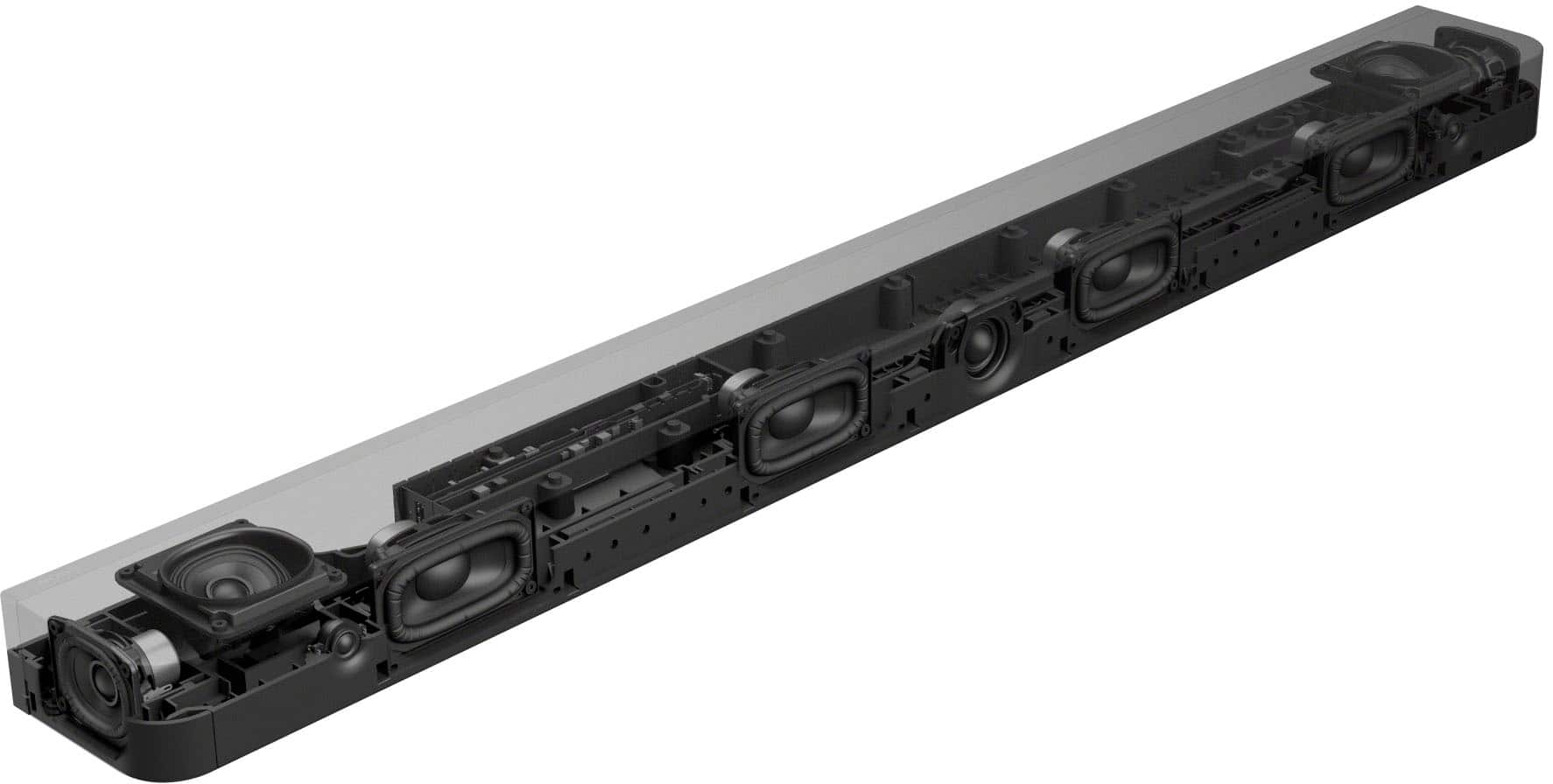
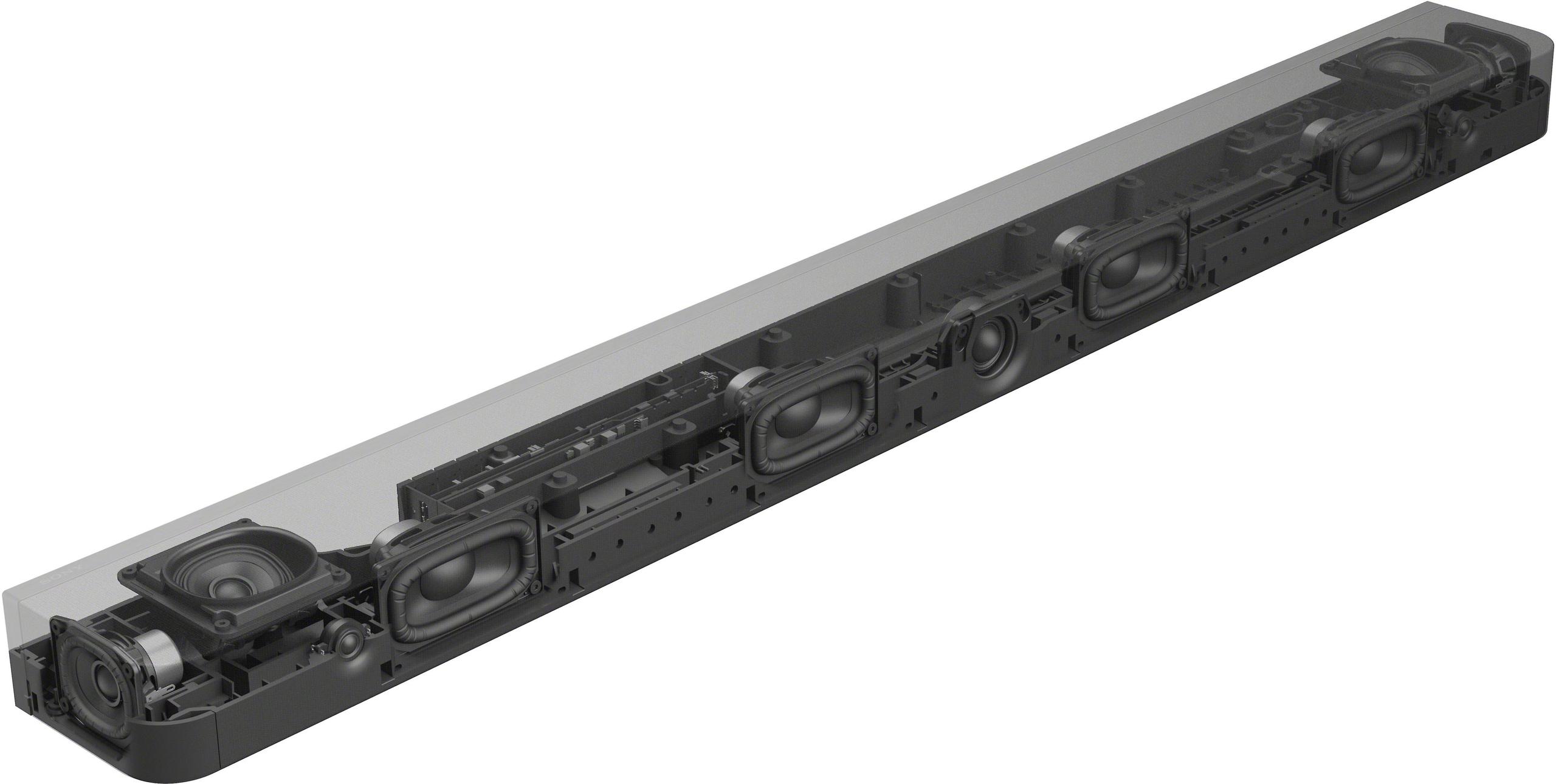
The Sony HT-A8000, released in 2024, represents the cutting edge of the first approach. Sony packed eleven individual speaker drivers into a single sleek unit, using their 360 Spatial Sound Mapping technology to bounce audio off your walls and ceiling, creating the illusion of surround sound without additional speakers. This technology builds on decades of research into how our ears locate sounds in space, using carefully timed reflections to trick our brains into perceiving audio coming from locations where no speakers exist.
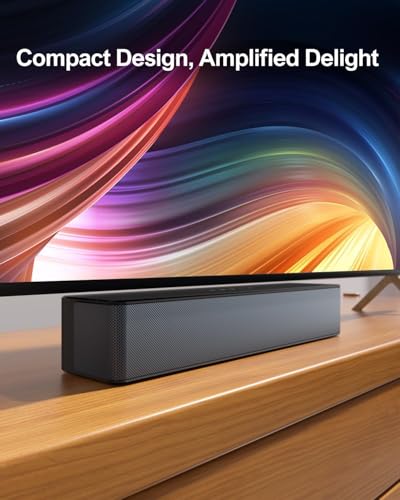
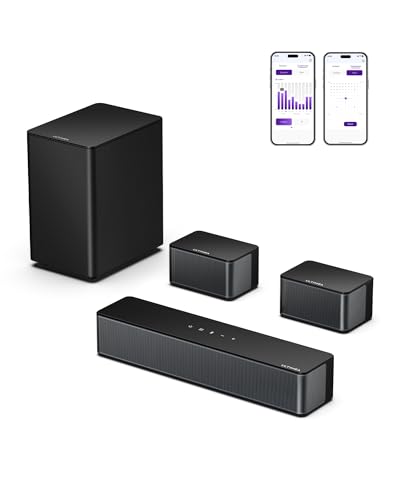
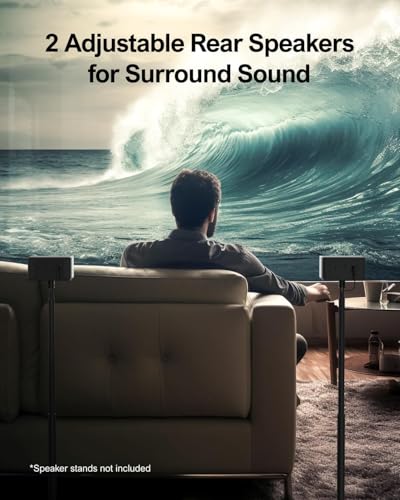
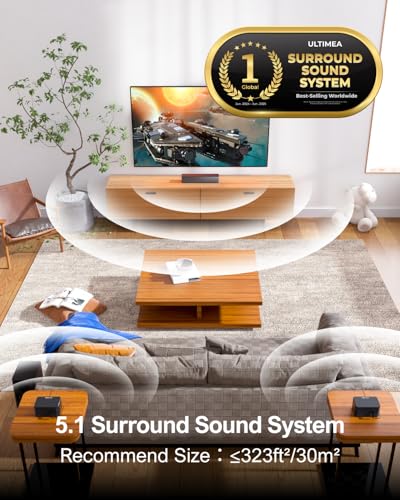
The Ultimea Poseidon D50, refreshed for 2025, takes the opposite approach. Rather than relying on reflections and processing tricks, it includes actual satellite speakers that you place behind your seating area, plus a wireless subwoofer for deep bass. This creates what audio engineers call "true surround sound" – each channel comes from a dedicated speaker positioned where it's supposed to be in a 5.1 surround setup.
Both approaches have merit, but they solve different problems and work better in different situations. Let's dive into the technical details that matter most for your listening experience.
The fundamental difference between these systems lies in how they create surround sound effects. The Sony HT-A8000 uses what's called "object-based audio processing" – it analyzes incoming audio signals and determines where each sound should appear in three-dimensional space around you. Then, using its eleven speakers (including up-firing drivers that bounce sound off your ceiling), it creates precise reflections that your brain interprets as coming from specific locations.
This 360 Spatial Sound Mapping technology is genuinely impressive when it works well. In our research of user experiences, people consistently report being surprised by how convincing the height effects can be – helicopters truly seem to fly overhead, and rain appears to fall from above. The system includes both "physical" speakers (the actual drivers in the soundbar) and "phantom" speakers (virtual sound sources created through reflections), expanding the perceived sound field far beyond the soundbar's physical footprint.
However, this approach has limitations. Room acoustics play a crucial role in performance. The Sony HT-A8000 includes automatic calibration that uses your smartphone's microphone to measure your room and optimize the sound accordingly, but it still relies on having appropriate wall and ceiling surfaces to work with. In rooms with high ceilings, lots of soft furnishings, or irregular layouts, the reflections don't work as intended, and the surround effects can become muddy or indistinct.
The Ultimea Poseidon D50, by contrast, doesn't depend on room acoustics for its basic surround effects. When you place the satellite speakers behind your seating area, sound actually comes from behind you – no processing tricks required. This creates what many consider more convincing surround effects for movies, especially during action sequences where precise directional audio matters.
The trade-off is complexity. The Ultimea system requires you to position three separate components (soundbar, subwoofer, and two satellite speakers), run speaker wire to the rear satellites, and spend time adjusting levels to get everything balanced. The Sony soundbar just sits in front of your TV and handles everything automatically.
In terms of pure audio quality, these systems have different strengths that become apparent depending on what you're listening to. The Sony HT-A8000 demonstrates superior refinement for music listening. Its processing includes DSEE Ultimate, Sony's AI-powered upscaling technology that adds detail to compressed audio files. When streaming music through Bluetooth, Spotify Connect, or Apple AirPlay, the sound feels more polished and less fatiguing during long listening sessions.
The Sony's Voice Zoom 3 technology deserves special mention because dialogue clarity is often the primary reason people buy soundbars. This AI-powered feature analyzes incoming audio and can actually identify human voices, then amplify them relative to background music and effects. In practice, this means you can follow conversations even during loud action scenes without constantly adjusting the volume – a common frustration with TV speakers.
For movies and TV shows, both systems deliver engaging experiences, but in different ways. The Sony HT-A8000 creates a wider, more enveloping soundstage that works particularly well for streaming content and dialogue-heavy shows. The spatial processing makes even stereo content feel more three-dimensional, which enhances the viewing experience across all types of content.
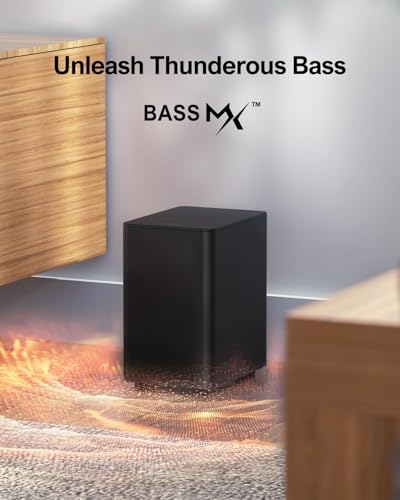
The Ultimea Poseidon D50, however, delivers more impactful surround effects for action movies and gaming. When explosions happen on screen, the sound moves convincingly around the room through the dedicated speakers. The wireless subwoofer, equipped with BassMX technology (Ultimea's proprietary bass enhancement), provides deeper, more visceral low-frequency effects than the Sony's built-in quad woofer system can match.
Bass performance represents a significant difference between these approaches. The Ultimea system includes a substantial 5.25-inch wireless subwoofer that can move freely around your room for optimal bass response. The Sony soundbar relies on four built-in woofers that, while impressive for their size, can't match the output of a dedicated subwoofer. Sony does offer optional wireless subwoofers (the SA-SW3 and SA-SW5), but these cost extra and aren't included with the soundbar.
Gaming performance has become increasingly important as consoles and PCs demand more sophisticated audio processing. The Sony HT-A8000 excels here with full HDMI 2.1 support, including features like 4K at 120Hz, Variable Refresh Rate (VRR), and Auto Low Latency Mode (ALLM). These technologies ensure that audio and video stay perfectly synchronized during fast-paced gaming, and the system integrates particularly well with PlayStation consoles.
The spatial audio processing benefits single-player games with rich soundscapes – games like The Last of Us or Ghost of Tsushima sound genuinely impressive with environmental audio that seems to come from all directions. The height effects work well for games with overhead elements like aircraft or weather effects.
For competitive gaming, however, the Ultimea Poseidon D50's approach offers advantages. True positional audio – where footsteps actually come from behind you rather than being processed to seem like they do – can provide more reliable directional cues. The system's SurroundX technology, powered by a dedicated DSP (Digital Signal Processor) chip, converts even basic stereo game audio into full 5.1 surround, potentially giving you better spatial awareness in multiplayer games.
The Ultimea system also offers independent volume control for the satellite speakers, allowing you to emphasize rear channel audio during gaming sessions where positional information matters most. This level of customization, controlled through their smartphone app, provides flexibility that the Sony's automatic processing doesn't match.
Room size and layout significantly impact how well each system performs, and this is where the different approaches show their strengths and weaknesses most clearly. The Sony HT-A8000 works best in small to medium-sized rooms – roughly up to 250 square feet – where the walls and ceiling are close enough to create effective reflections for the spatial mapping technology.
In larger rooms, the Sony soundbar can struggle to fill the space convincingly, and the surround effects become less precise as the reflections have farther to travel and more opportunity to become diffused. The automatic room calibration helps, but physics ultimately limits how well reflective surround sound can work in very large spaces.
The Ultimea Poseidon D50 handles larger rooms more effectively, with Ultimea rating it for spaces up to 380 square feet. Because the satellite speakers create actual surround channels rather than relying on reflections, room size doesn't diminish the surround effects – they remain convincing regardless of your room's dimensions.
Installation complexity varies dramatically between these approaches. The Sony HT-A8000 offers the ultimate in simplicity – connect one HDMI cable to your TV, plug it in, and run the automatic calibration through the Sony BRAVIA Connect app. The entire process takes maybe fifteen minutes, and you're done. The sleek design (43 inches wide, just 2.6 inches tall) fits discretely in front of most TVs without blocking the screen or dominating your entertainment center.
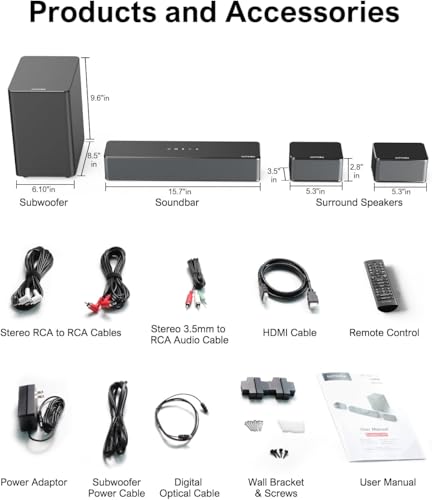
Setting up the Ultimea system requires more planning and effort. You need to position the wireless subwoofer somewhere in your room where it sounds good (usually not next to the TV), run the included speaker wires to the satellite speakers behind your seating area, and spend time adjusting levels through the smartphone app. This isn't difficult, but it does require about an hour of setup time and some basic understanding of speaker placement principles.
Modern soundbars need to work seamlessly with multiple devices and streaming services, and both systems handle connectivity well, though with different emphases. The Sony HT-A8000 includes built-in Wi-Fi, opening up streaming options like Spotify Connect and Apple AirPlay that don't exist on the Ultimea system. This makes it easier to play music directly from your phone or computer without going through your TV.
The Sony's HDMI 2.1 implementation is more comprehensive, supporting 8K HDR passthrough, Dolby Vision, and all the latest gaming features. If you have or plan to get a high-end gaming console or 8K TV, the Sony soundbar is better equipped to handle future technology developments.
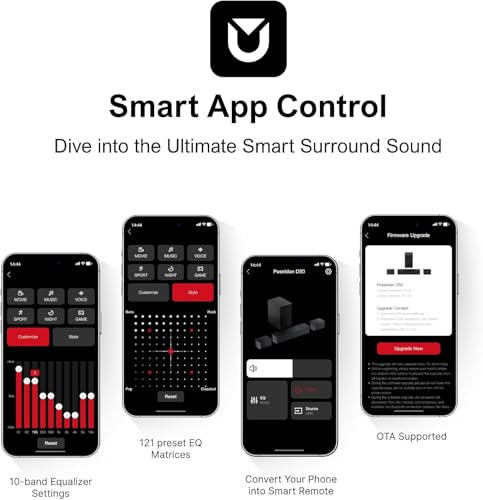
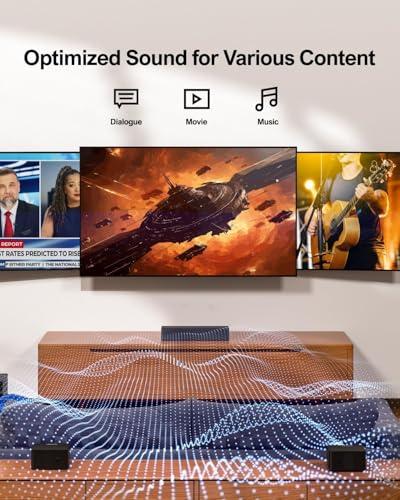
The Ultimea Poseidon D50 focuses more on audio customization through its smartphone app. While it doesn't offer as many streaming options, the app provides extensive control over the listening experience with 121 preset EQ matrices, a 10-band manual equalizer, and six different sound modes optimized for different content types. This level of customization is rare at any price point and gives you much more control over how your content sounds.
Both systems support Bluetooth for wireless audio streaming, with the Ultimea using the newer Bluetooth 5.3 standard compared to the Sony's Bluetooth 5.2. In practical terms, both provide stable wireless connections, but the newer standard on the Ultimea theoretically offers slightly better range and power efficiency.
At the time of writing, these systems occupy different price tiers, which significantly impacts their value propositions. The Sony HT-A8000 launched at a premium price point in 2024 but has seen regular discounts that make it more accessible. Even at reduced prices, it represents a significant investment, especially when you consider that achieving full surround sound requires purchasing optional rear speakers and a subwoofer separately.
The Ultimea Poseidon D50 offers compelling value by including everything needed for true 5.1 surround sound in one package. There are no hidden costs or required upgrades – you get the complete experience immediately. For budget-conscious buyers who still want authentic surround sound, this approach makes more financial sense.
However, value isn't just about upfront cost. The Sony soundbar offers a more premium experience overall, with better build quality, more sophisticated processing, and integration with Sony's broader ecosystem. If you own Sony TVs or PlayStation consoles, the seamless integration adds value that's hard to quantify but noticeable in daily use.
The upgrade path differs significantly between these approaches. With the Sony system, you can start with just the soundbar and add components later as your budget allows. The optional SA-SW5 subwoofer and SA-RS5 rear speakers transform the system into a more complete surround setup, but they're expensive additions.
The Ultimea system doesn't offer the same expandability, but it also doesn't require it – you get the full experience from day one. This can actually be more cost-effective if you know you want complete surround sound, as buying everything separately often costs more than integrated systems.
After researching extensive user feedback and professional reviews, clear usage patterns emerge for each system. The Sony HT-A8000 excels for users who prioritize convenience, live in smaller spaces, or want a premium audio experience without the complexity of multiple speakers. It's particularly compelling for apartment dwellers who can't easily run speaker wires, or for users who prefer minimalist aesthetics but still want significantly better audio than their TV can provide.
The Sony's advanced processing makes it especially good for people who watch a lot of streaming content, where the DSEE Ultimate technology can improve the audio quality of compressed video files. The automatic calibration and voice enhancement features make it user-friendly for less tech-savvy buyers who just want better sound without having to understand acoustics or spend time tweaking settings.
The Ultimea Poseidon D50 makes more sense for traditional home theater enthusiasts who want the most convincing surround sound experience possible within a reasonable budget. If you primarily watch action movies, play immersive games, or have a larger room that needs to be filled with sound, the authentic surround separation provides benefits that processing tricks simply can't match.
The Ultimea system also appeals to users who enjoy customizing their audio experience. The extensive EQ options and ability to fine-tune each speaker's contribution means you can tailor the sound signature to your exact preferences and room acoustics. This level of control appeals to audio hobbyists who want to optimize their system's performance.
Choosing between these approaches ultimately comes down to understanding what matters most for your specific situation. If you value convenience, advanced technology, and don't mind paying extra for premium features, the Sony HT-A8000 provides a sophisticated solution that works well in most situations without requiring expertise or complex setup.
If you prioritize authentic surround sound, want maximum value for your investment, and don't mind spending time positioning speakers and adjusting settings, the Ultimea Poseidon D50 delivers a more traditional home theater experience at an accessible price point.
Consider your room size, viewing habits, and long-term plans. The Sony system grows with you through optional additions, while the Ultimea system provides everything upfront. Both represent valid approaches to solving the same fundamental problem – they just do it in very different ways, each with distinct advantages for different types of users.
The soundbar market continues evolving rapidly, with both virtual and physical surround approaches improving each year. Whichever direction you choose, you'll get significantly better audio than your TV alone can provide, transforming your viewing experience in ways that make the investment worthwhile.
| Sony HT-A8000 BRAVIA Theater Bar 8 Soundbar | Ultimea Poseidon D50 5.1 Soundbar Home Theater (2025) |
|---|---|
| System Architecture - Determines setup complexity and surround authenticity | |
| Single soundbar with 11 speakers using virtual surround processing | True 5.1 system with separate satellite speakers and wireless subwoofer |
| Speaker Configuration - Affects sound placement and immersion quality | |
| 5.0.2 channel with built-in up-firing speakers for height effects | Genuine 5.1 channel with dedicated rear speakers for authentic surround |
| Room Size Compatibility - Critical for optimal performance | |
| Best for small-medium rooms (up to 250 sq ft) where reflections work well | Handles larger rooms effectively (up to 380 sq ft) with true speaker separation |
| Bass System - Determines low-frequency impact and flexibility | |
| Built-in quad woofer system (optional external subwoofers sold separately) | Included 5.25" wireless subwoofer with BassMX technology |
| Setup Complexity - Affects installation time and technical requirements | |
| Plug-and-play with automatic room calibration via smartphone app | Requires satellite speaker placement and wire management, ~1 hour setup |
| Premium Audio Format Support - Important for high-end content | |
| Full Dolby Atmos, DTS:X, and DSEE Ultimate processing | SurroundX processing with Dolby Digital and DTS decoding |
| Connectivity Features - Affects device compatibility and future-proofing | |
| HDMI 2.1 with 8K/4K120 support, Wi-Fi, Spotify Connect, Apple AirPlay | HDMI eARC, Bluetooth 5.3, optical, AUX, USB inputs |
| Customization Options - Determines how much you can tailor the sound | |
| Automatic optimization with limited manual adjustment | Extensive app control with 121 EQ presets and 10-band manual equalizer |
| Expandability - Affects long-term upgrade potential | |
| Compatible with optional Sony wireless subwoofers and rear speakers | Complete system included - no expansion options needed or available |
| Gaming Features - Important for console and PC gaming | |
| HDMI 2.1 gaming features (VRR, ALLM, 4K120), PlayStation integration | Independent rear speaker control for competitive gaming advantage |
| Aesthetic Impact - Affects room appearance and placement flexibility | |
| Sleek single unit (43" x 2.6" x 4.5"), minimal visual footprint | Multiple components require strategic placement but offer authentic separation |
The Sony HT-A8000 is ideal for small apartments because it's a single sleek unit that doesn't require additional speakers or wire management. Its 360 Spatial Sound Mapping technology works well in smaller spaces where walls and ceilings can effectively reflect sound. The Ultimea Poseidon D50 requires placing satellite speakers behind your seating area, which may not be practical in cramped living spaces.
The Ultimea Poseidon D50 comes complete with everything you need: the main soundbar, wireless subwoofer, and two satellite speakers for true 5.1 surround sound. The Sony HT-A8000 works as a standalone unit but may require optional rear speakers and subwoofer purchases later for the fullest surround experience, making the total investment potentially higher.
The Ultimea Poseidon D50 delivers superior bass with its included 5.25-inch wireless subwoofer featuring BassMX technology. The Sony HT-A8000 relies on built-in quad woofers that, while impressive for their size, cannot match the deep bass output of a dedicated subwoofer. Sony offers optional subwoofers, but these cost extra.
The Sony HT-A8000 offers the simplest setup - just connect one HDMI cable and run automatic room calibration through your smartphone. Setup takes about 15 minutes. The Ultimea Poseidon D50 requires positioning three separate components, running speaker wires, and manual level adjustment, typically taking about an hour to complete properly.
The Ultimea Poseidon D50 creates authentic surround sound with dedicated satellite speakers physically placed behind your listening position. The Sony HT-A8000 uses advanced processing and reflections to simulate surround effects through virtual positioning, which can be very convincing but isn't technically "true" surround sound like the Ultimea system provides.
The Sony HT-A8000 excels for modern gaming with HDMI 2.1 support, 4K120 compatibility, and excellent PlayStation integration. For competitive gaming, however, the Ultimea Poseidon D50 may offer advantages with its true positional audio and independent rear speaker control, helping you pinpoint enemy locations more accurately in multiplayer games.
Both the Sony HT-A8000 and Ultimea Poseidon D50 work with any TV that has HDMI ARC or optical outputs. The Sony soundbar offers additional integration benefits when paired with Sony BRAVIA TVs, including enhanced voice control and seamless remote operation, but functions perfectly well with other TV brands.
The Sony HT-A8000 provides more refined music reproduction with DSEE Ultimate technology that enhances compressed audio files. It supports high-quality wireless streaming via Apple AirPlay and Spotify Connect. The Ultimea Poseidon D50 offers extensive EQ customization through its app but may sound harsh at higher volumes during critical music listening sessions.
The Sony HT-A8000 features Voice Zoom 3 technology that uses AI to identify and amplify dialogue, making conversations clearer during loud action scenes. The Ultimea Poseidon D50 includes voice enhancement modes but lacks the sophisticated AI processing of the Sony system, making Sony better for those who struggle with dialogue clarity.
The Ultimea Poseidon D50 performs better in larger spaces (up to 380 sq ft) because its satellite speakers provide actual surround separation regardless of room size. The Sony HT-A8000 works best in smaller to medium rooms (up to 250 sq ft) where its reflection-based surround technology can effectively bounce sound off walls and ceilings.
Both systems offer smartphone app control, but with different focuses. The Ultimea Poseidon D50 provides extensive audio customization through its app, including 121 EQ presets and manual adjustments. The Sony HT-A8000 uses its app primarily for initial room calibration and basic controls, with most operation handled through your TV remote.
The Ultimea Poseidon D50 delivers better immediate value by including everything needed for complete 5.1 surround sound in one package. The Sony HT-A8000 offers a premium experience and expandability options, making it potentially better long-term value for users who want to gradually build a more sophisticated system and appreciate advanced processing technology.
We've done our best to create useful and informative comparisons to help you decide what product to buy. Our research uses advanced automated methods to create this comparison and perfection is not possible - please contact us for corrections or questions. These are the sites we've researched in the creation of this article: consumerreports.org - skybygramophone.com - target.com - rtings.com - bestbuy.com - rubbermonkey.co.nz - shopatsc.com - audioadvice.com - sony.com - sony.com - sony.com - shop.cosmopolitan.com - store.sony.com.my - videoandaudiocenter.com - youtube.com - eu.ultimea.com - newegg.com - tvsbook.com - youtube.com - provantage.com - ultimea.com - techradar.com - community.ultimea.com - homedepot.com - community.ultimea.com - ultimea.com - ultimea.de - youtube.com - medisamhealthcenter.com - ultimea.com - youtube.com - walmart.com

Privacy Policy
Terms and Conditions - Affiliate Policy
Home Security
© Copyright 2008-2026.
11816 Inwood Rd #1211, Dallas, TX 75244