





When it comes to upgrading your TV's audio, 5.1 soundbars sit in that sweet spot where you get genuine surround sound without dealing with the complexity of a full component system. You're not running speaker wire to every corner of your room or trying to figure out receiver settings – these systems handle the heavy lifting while still delivering that immersive audio experience that makes movies come alive.
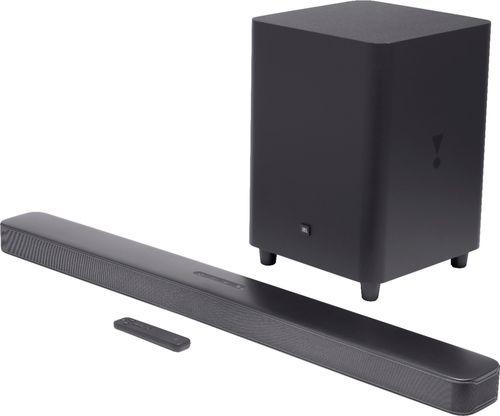
The two soundbars we're examining today represent fundamentally different approaches to achieving 5.1 surround sound. The Ultimea Poseidon D50 5.1 Soundbar Home Theater (2025) takes the traditional route with physical rear speakers, while the JBL Bar 5.1 Surround Soundbar uses advanced virtual processing to create surround effects. At the time of writing, both systems fall into the mid-range price category, but they offer distinctly different value propositions that make each suitable for different types of users and room setups.
Before diving into the specifics, it's worth understanding what 5.1 surround actually means. The "5" refers to five main audio channels: front left, center, front right, rear left, and rear right. The ".1" is the dedicated subwoofer channel that handles low-frequency effects – those rumbling explosions and deep musical notes that you feel as much as hear.
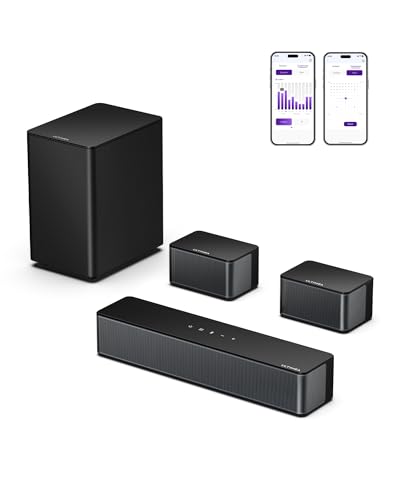
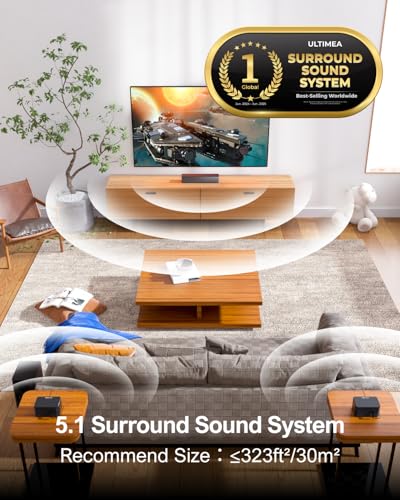
The critical difference between these two systems lies in how they create those rear channels. The Ultimea Poseidon D50 includes two physical satellite speakers that you place behind your seating area, connected by 19.6-foot cables. This gives you true positional audio – when a helicopter flies overhead in a movie, you'll hear it move from the front speakers to the actual rear speakers behind you.
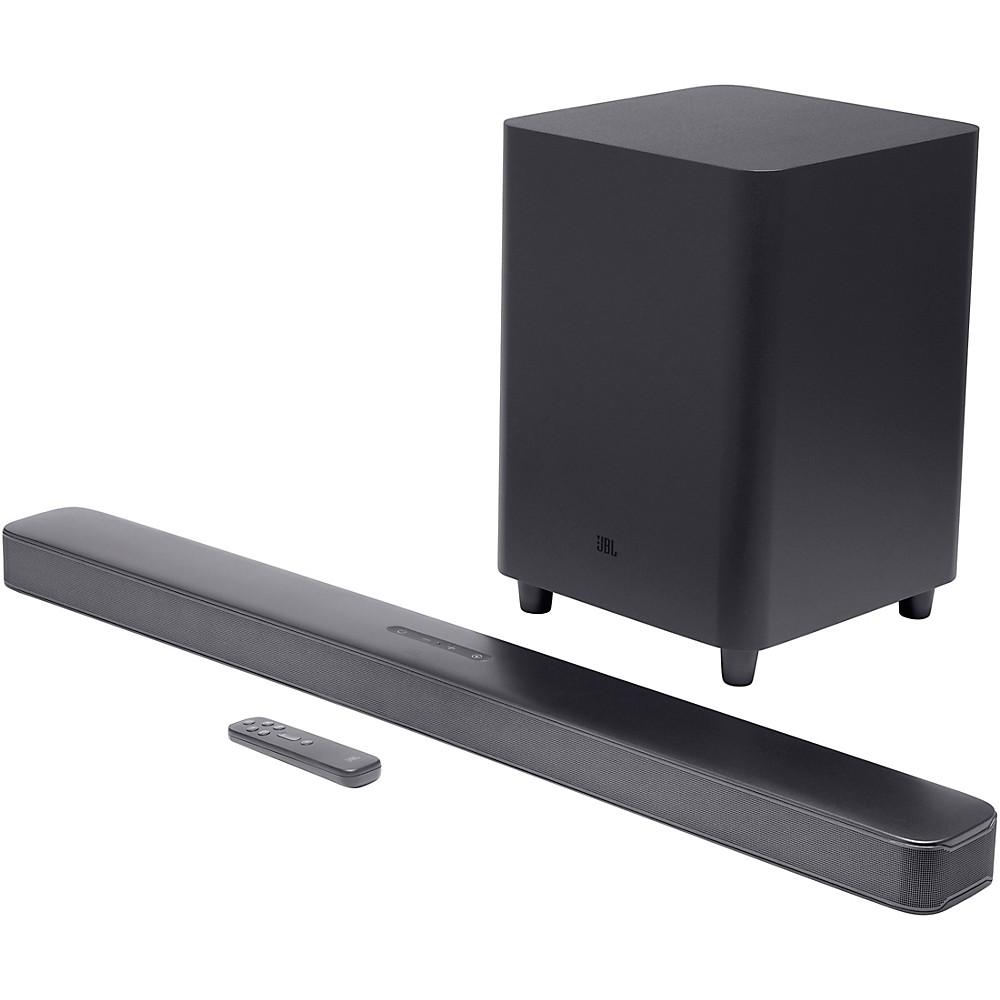
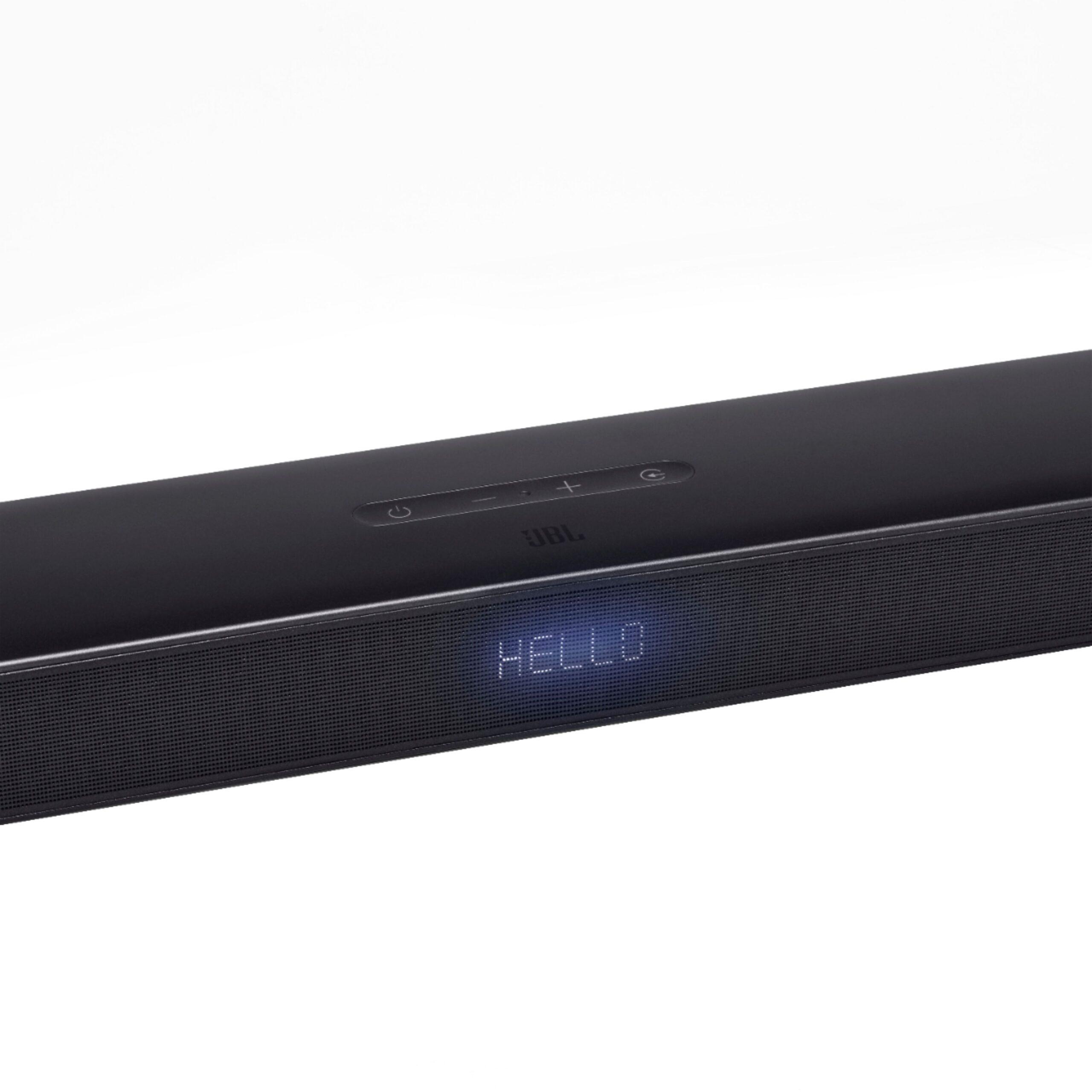
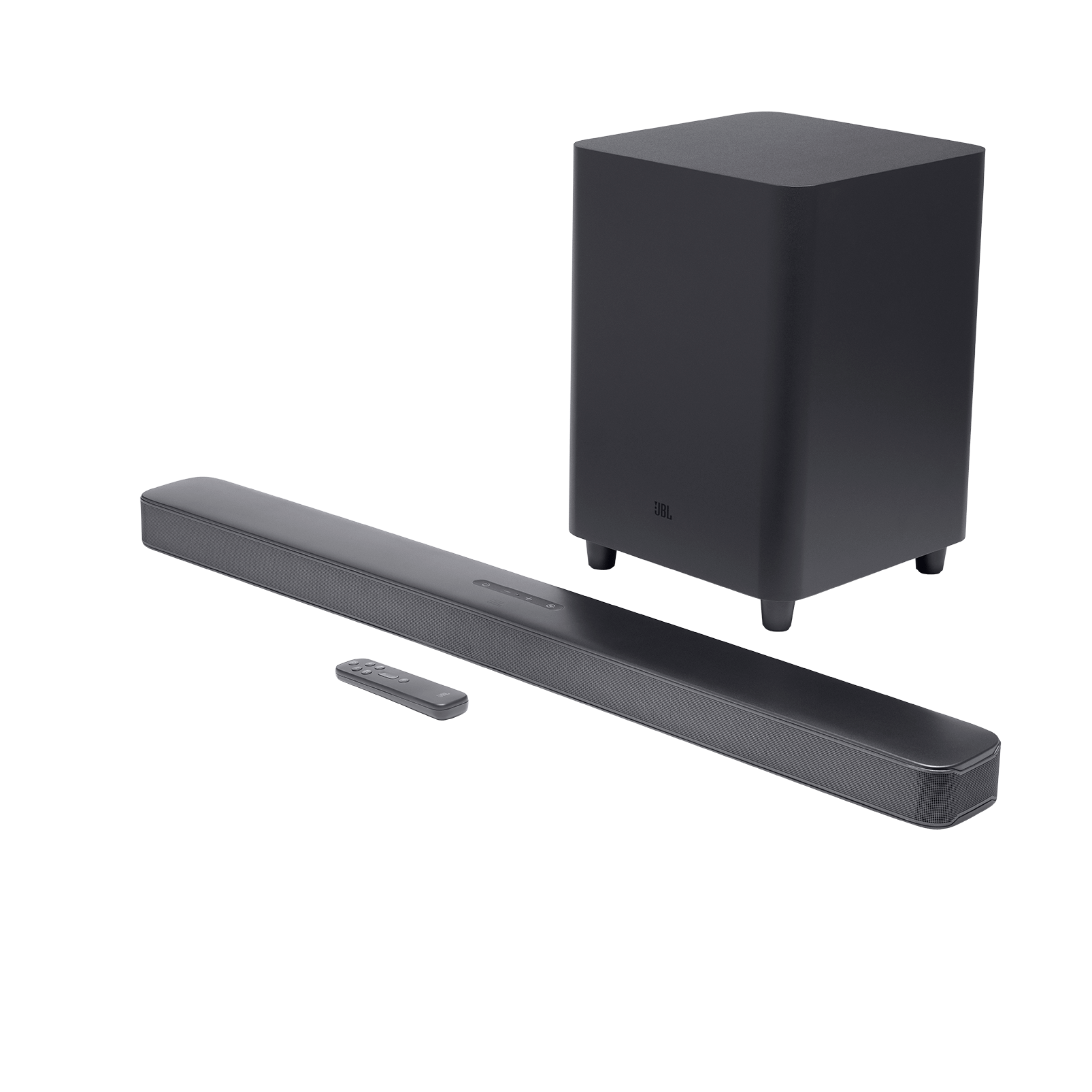
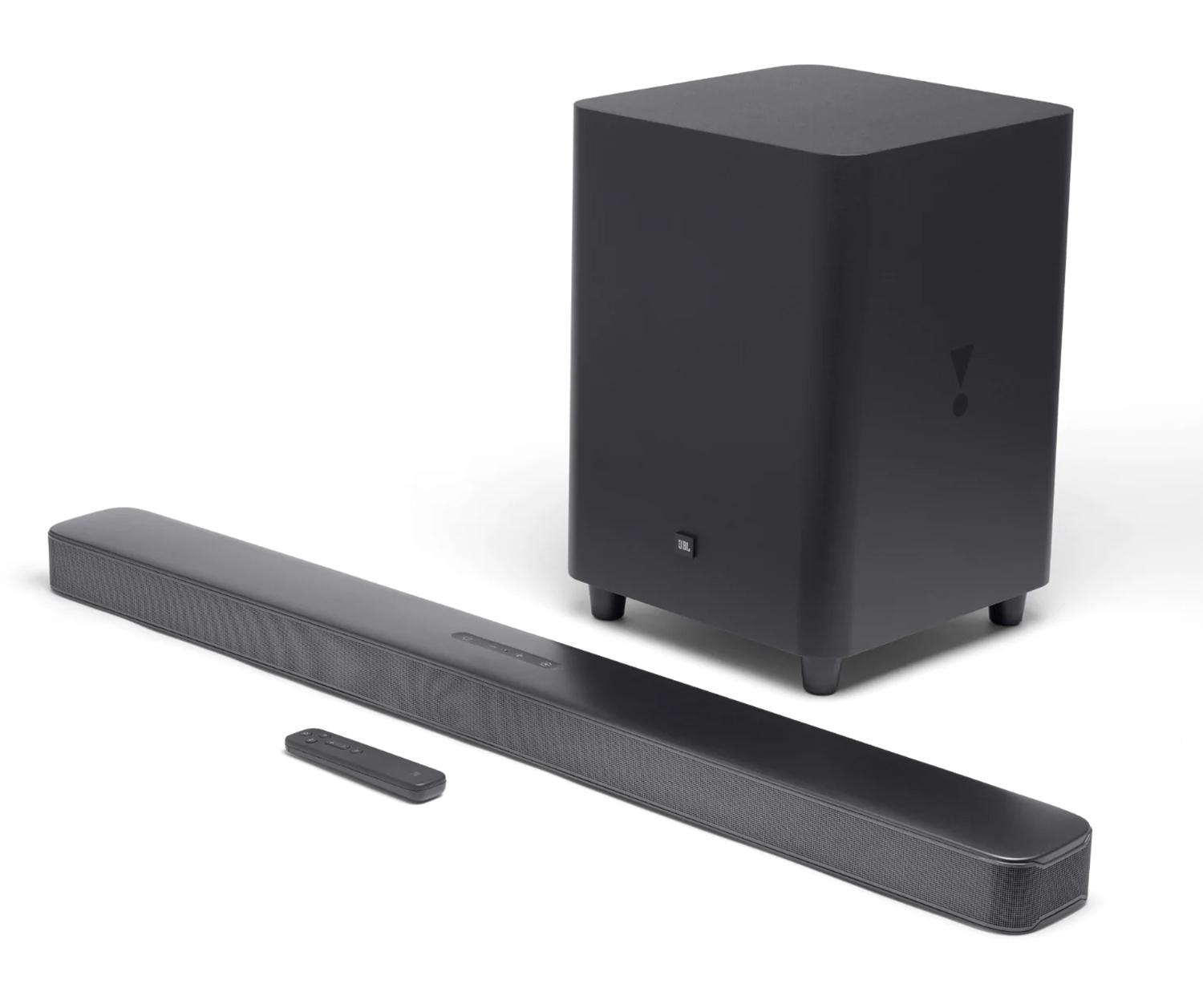
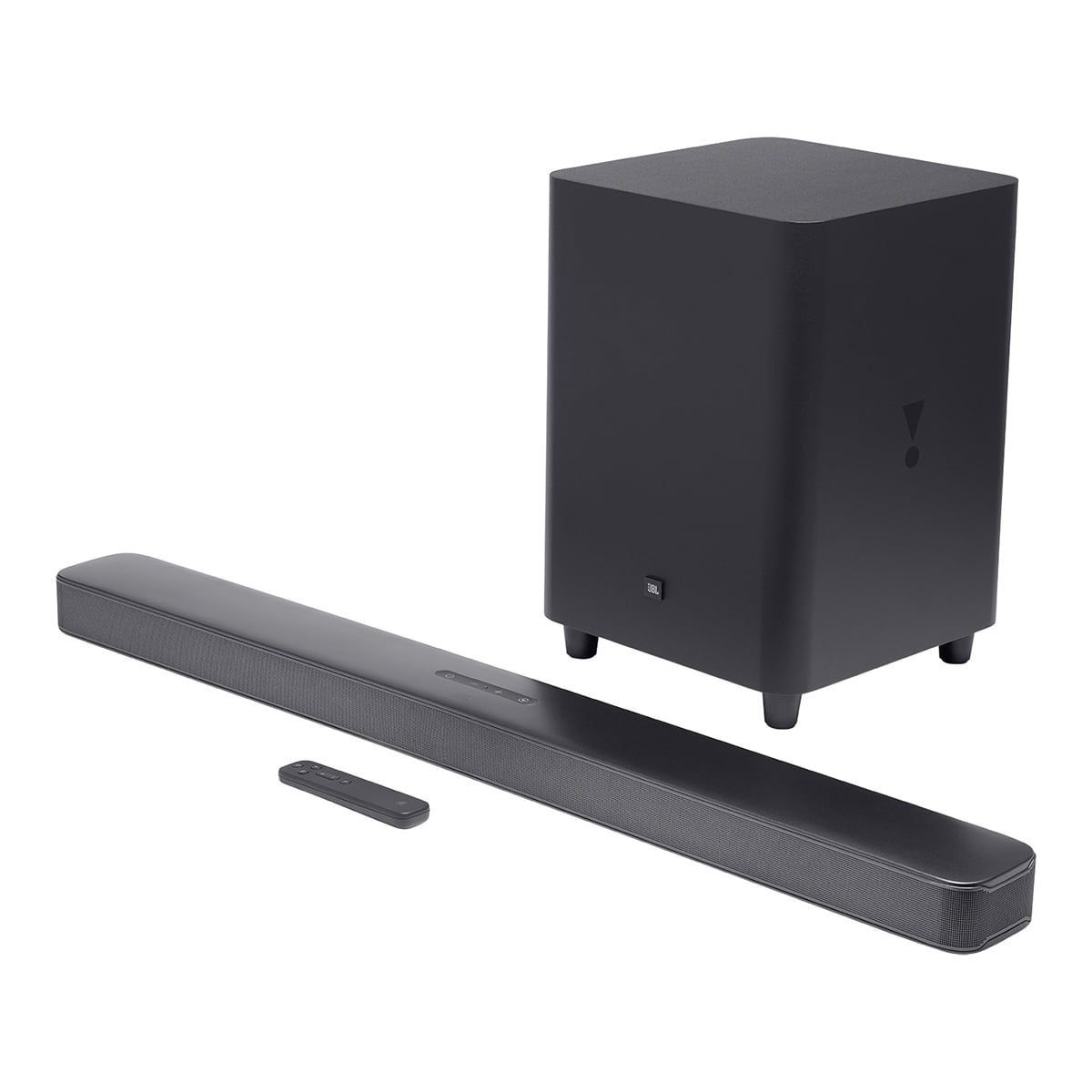
The JBL Bar 5.1, on the other hand, uses what's called "virtual surround processing." This technology, known as MultiBeam, uses psychoacoustic principles (basically, tricks your brain uses to determine where sounds come from) to make audio from the front-facing soundbar seem like it's coming from behind you. It's impressive when it works well, though it can't quite match the precision of having actual speakers in those positions.
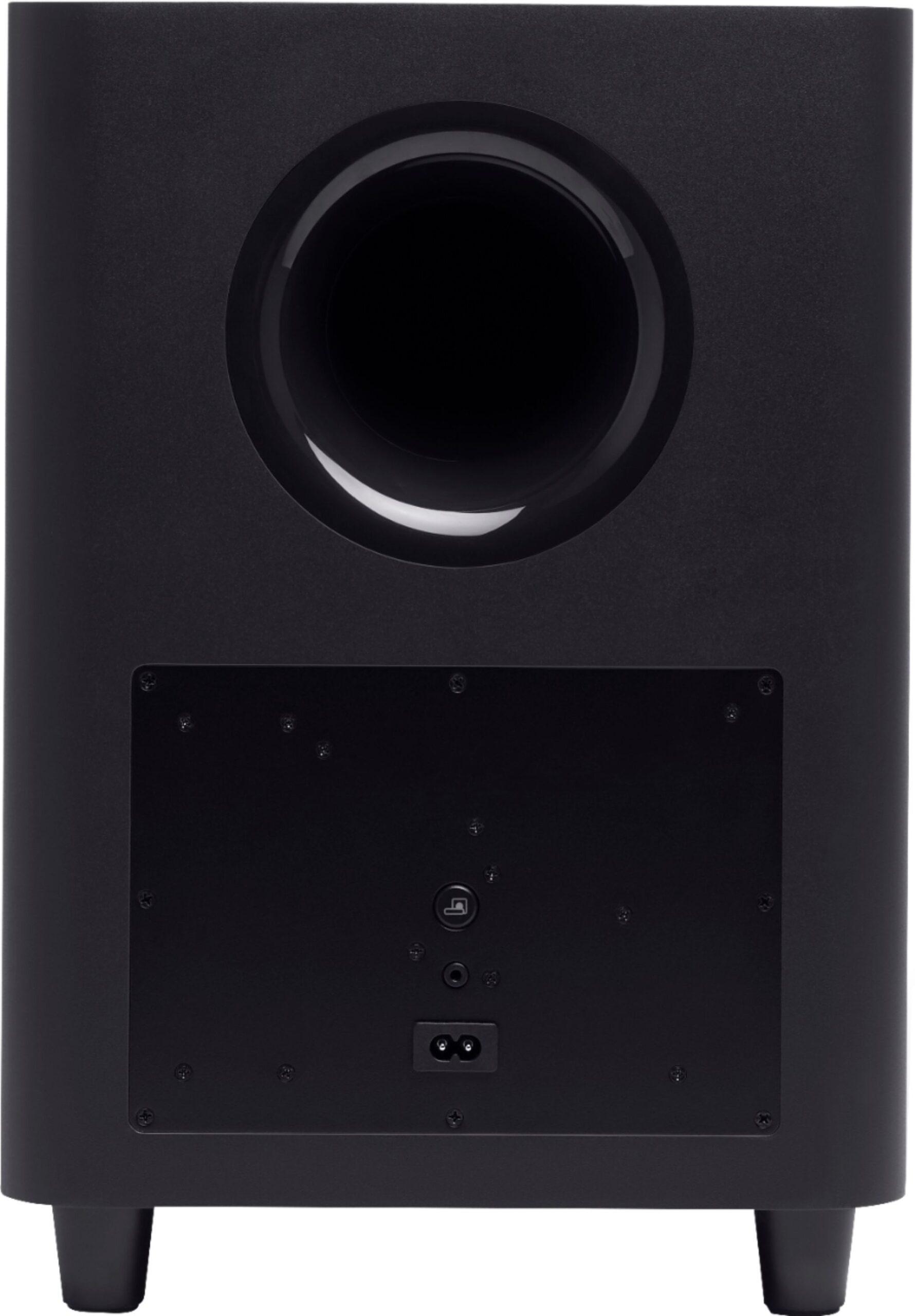
One of the most significant differences between these systems is their power output, which directly affects how loud they can play and how well they'll fill your room. The JBL Bar 5.1 packs a substantial 550 watts of total system power – 300 watts dedicated to its 10-inch subwoofer and 50 watts each to the five channels in the soundbar itself. This translates to a maximum sound pressure level (SPL) of 103 decibels, which is genuinely loud – think front-row concert levels.
The Ultimea Poseidon D50 doesn't specify its total wattage in the technical specifications, but based on its recommended room size of 250-380 square feet and sensitivity rating of 87dB, it's clearly designed for moderate power output focused on mid-sized rooms. The system uses six high-performance drivers with aerospace-grade neodymium magnets, which are more efficient at converting electrical power into sound than standard magnets.
For context, sensitivity ratings tell you how loud a speaker plays with a given amount of power – higher numbers mean more efficient speakers. The Ultimea's 87dB sensitivity is respectable, suggesting the system prioritizes efficiency over brute force. This approach often results in cleaner sound at moderate volumes, though it may struggle to fill very large spaces.
Based on our research into user experiences, the JBL system clearly wins for larger rooms or users who regularly watch at higher volumes. However, the Ultimea appears well-suited for typical living rooms and bedrooms where moderate power with precise imaging matters more than maximum output.
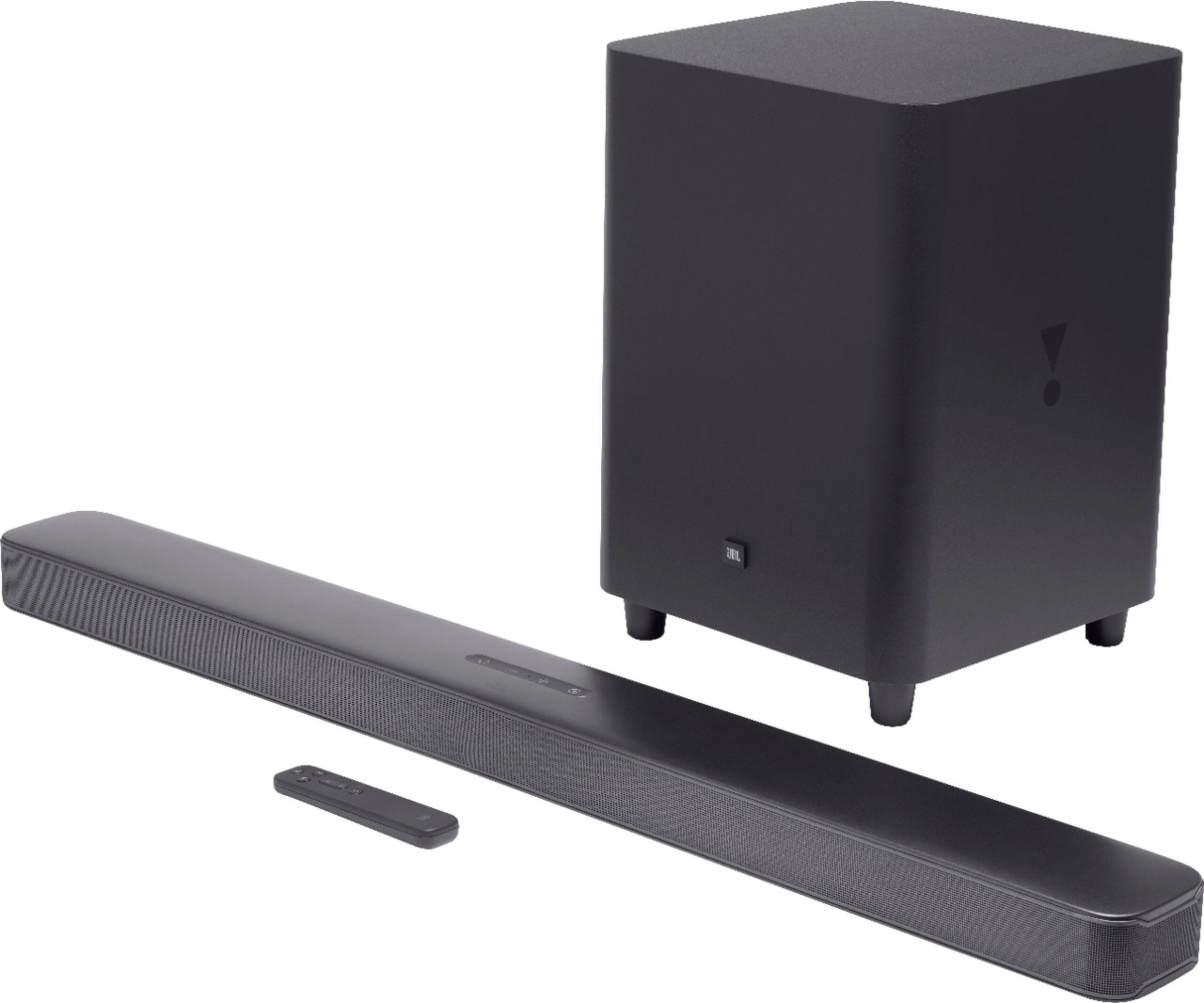
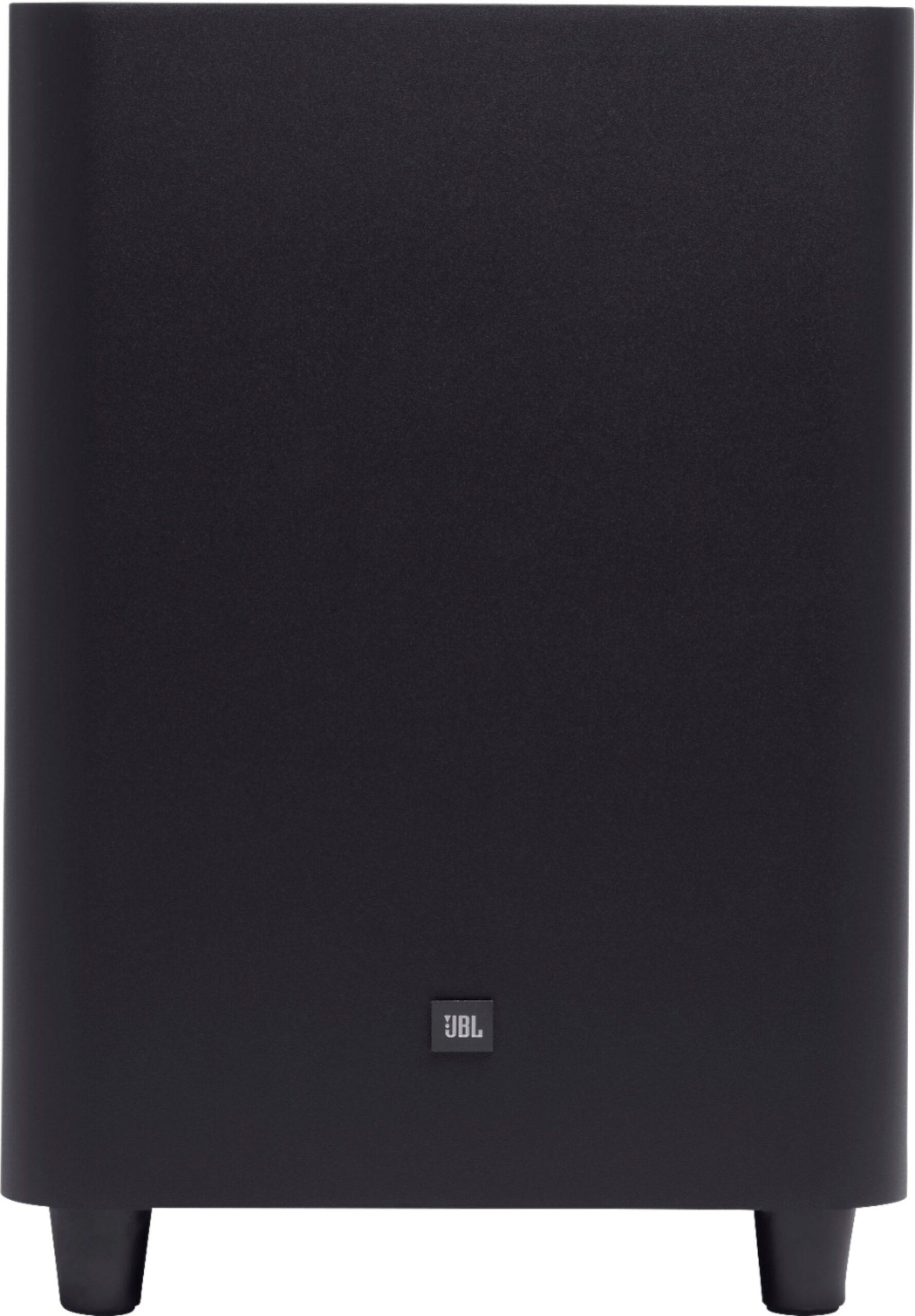
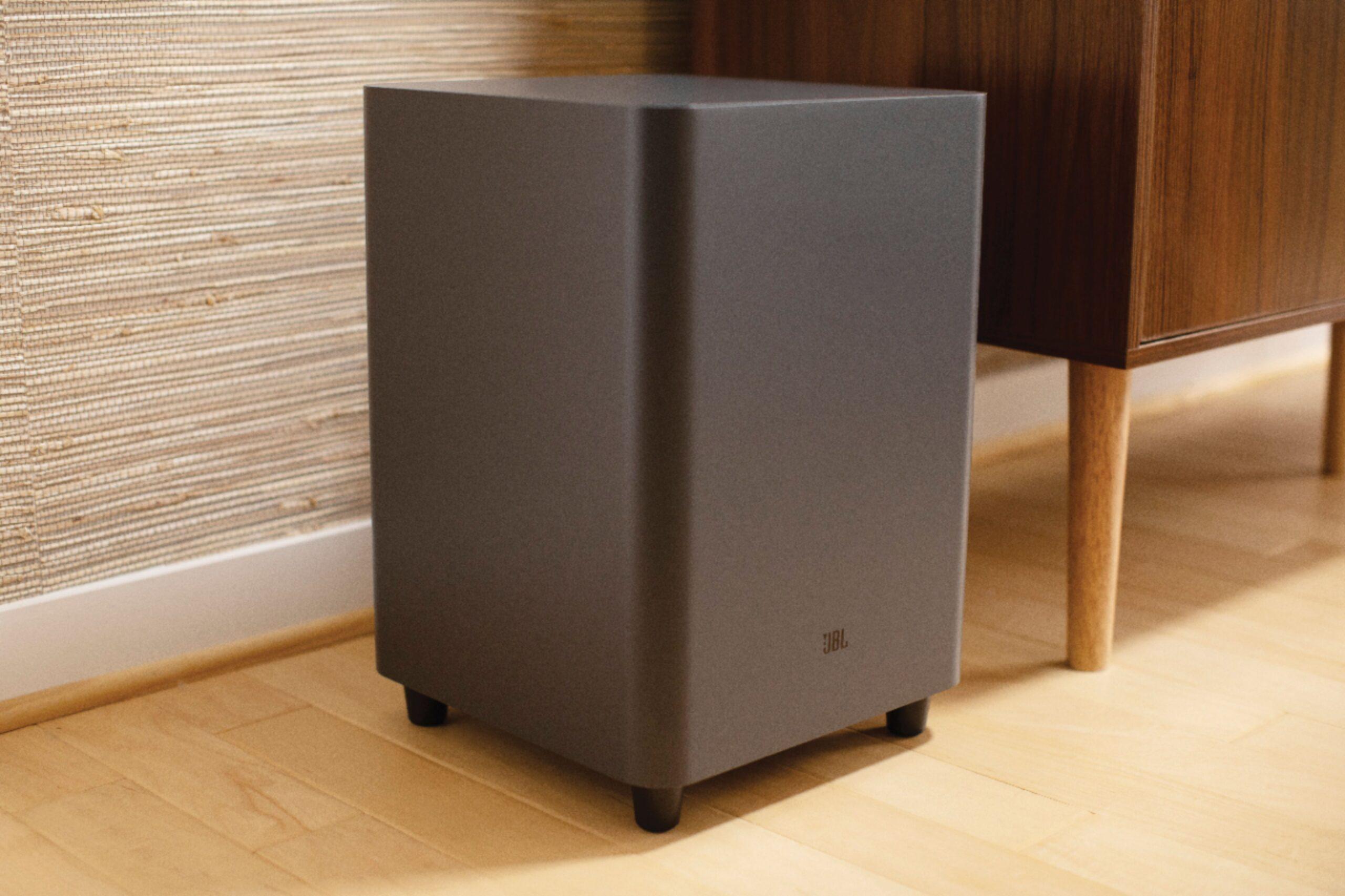
The subwoofer is often the make-or-break component in any soundbar system, and these two take notably different approaches. The JBL Bar 5.1 features a substantial 10-inch wireless subwoofer that extends down to 40Hz – that's getting into the range where you feel bass as much as hear it. With 300 watts of dedicated power, this subwoofer can deliver the kind of room-shaking effects that make action movies genuinely exciting.
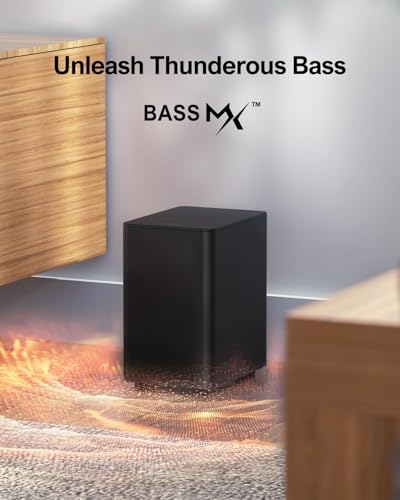
The Ultimea Poseidon D50 uses a more compact 5.25-inch subwoofer, but it incorporates some interesting technology called BassMX. This system uses an optimized magnetic circuit design and allows for an impressive 15mm of diaphragm excursion – that's how far the speaker cone can move back and forth. More excursion typically means more air movement and deeper bass from a smaller driver.
From the consensus of reviews we've analyzed, the JBL's larger subwoofer provides more visceral impact for movies and music with heavy low-frequency content. Users consistently report impressive rumble during action sequences and satisfying punch for music genres like hip-hop or electronic. The Ultimea's approach seems more focused on controlled, accurate bass that doesn't overwhelm smaller rooms while still providing satisfying low-end extension.
The practical difference comes down to room size and personal preference. If you're in an apartment or have close neighbors, the Ultimea's more restrained bass approach might be preferable. For dedicated home theaters or users who want maximum impact, the JBL's 10-inch subwoofer is hard to beat.
This is where these systems differ most fundamentally. The Ultimea Poseidon D50 includes two physical rear speakers that you position behind your seating area. These 2.25-inch satellite speakers connect via cables and provide genuine positional audio. The system's SurroundX technology includes a digital signal processor (DSP) that can convert regular stereo audio into 5.1 surround, but more importantly, it can properly distribute true 5.1 content to the correct speakers.
The beauty of this approach is authenticity – when a sound is supposed to come from behind you, it actually does. The system also offers independent volume control for the rear speakers, which is incredibly useful for balancing the surround effect based on your room layout and seating position.
The JBL Bar 5.1 achieves surround effects through MultiBeam technology, using five racetrack-shaped drivers and two side-firing tweeters in the main soundbar. By carefully controlling the timing and phase of audio signals, it creates the illusion that sounds are coming from beside and behind you. This virtual processing has improved dramatically in recent years and can create convincingly immersive effects.
Based on expert reviews and user feedback, the Ultimea's physical rear speakers provide more consistent and accurate surround imaging. Users report being able to clearly identify the movement of effects around the room, with sounds properly localized to specific positions. The JBL's virtual surround is impressive and works well for many listeners, but the effectiveness can vary based on room acoustics and seating position.
The trade-off is setup complexity. The Ultimea requires running cables to rear speakers and finding appropriate placement, while the JBL is essentially plug-and-play with just the wireless subwoofer to position.
Both systems offer comprehensive connectivity, but they emphasize different strengths. The Ultimea Poseidon D50, being a 2025 model, incorporates modern features like Bluetooth 5.3, which provides more stable wireless connections and better audio quality compared to older Bluetooth versions. The standout feature is comprehensive smartphone app control that provides access to 121 preset EQ matrices and a 10-band equalizer.
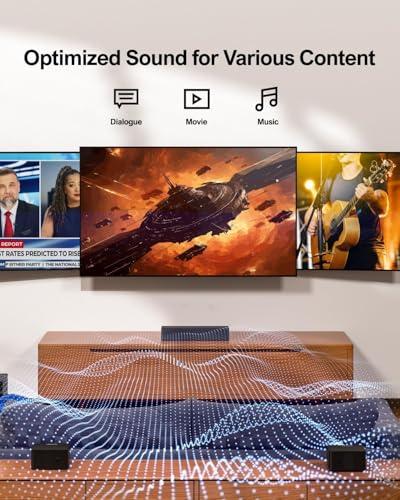
This level of customization is remarkable for a soundbar in this price range. You can fine-tune the audio signature for different content types, adjust the surround effect intensity, and even control the rear speaker volume independently. The system also supports multiple EQ modes specifically optimized for movies, music, and dialogue.
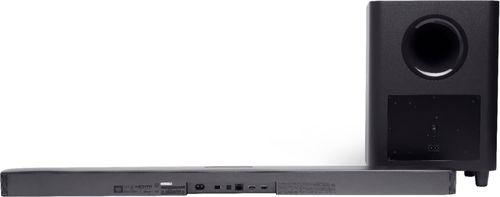
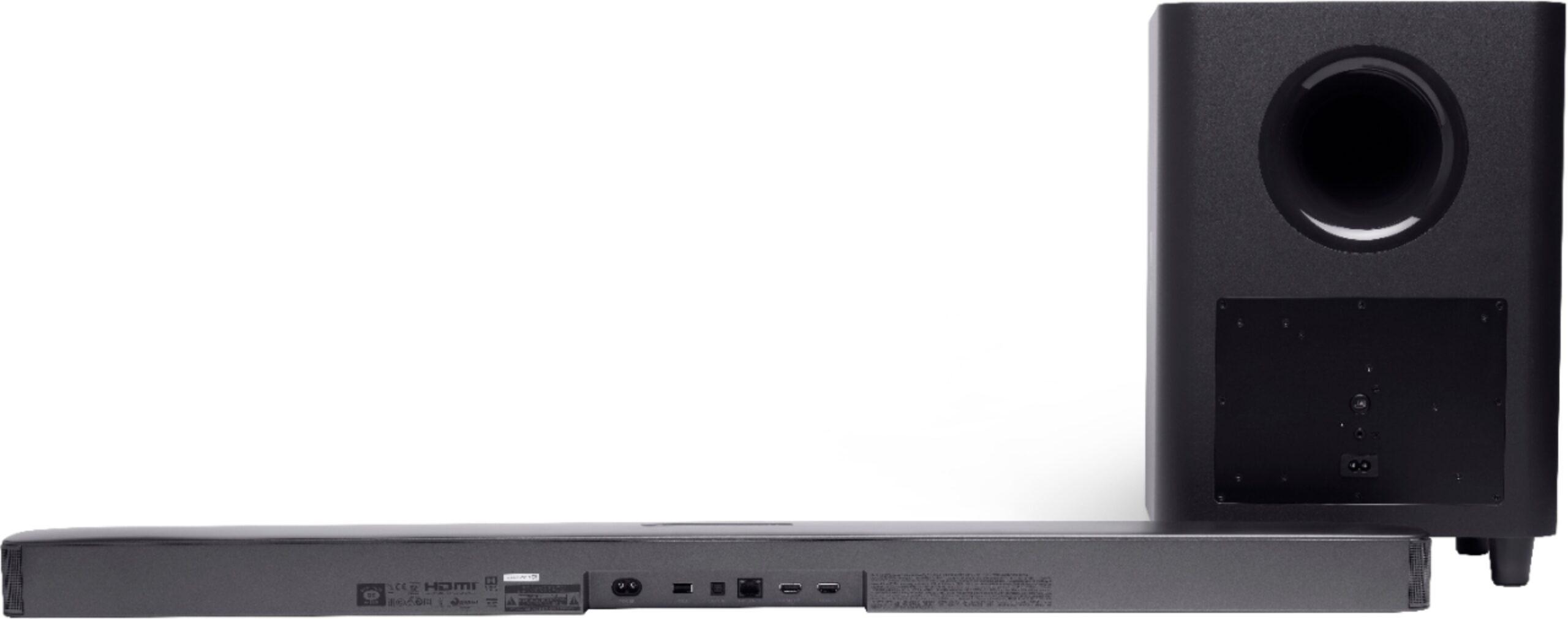
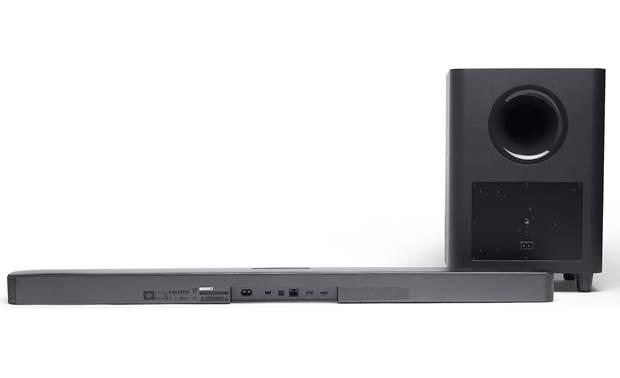
The JBL Bar 5.1 focuses on ecosystem integration rather than granular control. It includes Chromecast built-in, AirPlay support, and Alexa Multi-Room Music compatibility. This means you can easily stream music from various services and integrate the soundbar with existing smart home setups. The system also provides three HDMI inputs with 4K pass-through capability, making it easier to connect multiple devices without switching cables.
For tech-savvy users who enjoy customizing their audio experience, the Ultimea's app-based control system offers significantly more flexibility. However, users who prefer simplicity and want seamless integration with popular streaming services will likely appreciate the JBL's approach more.
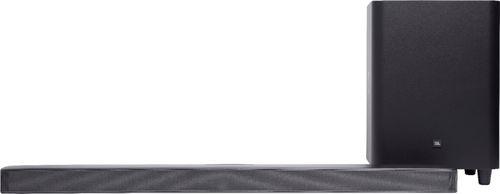
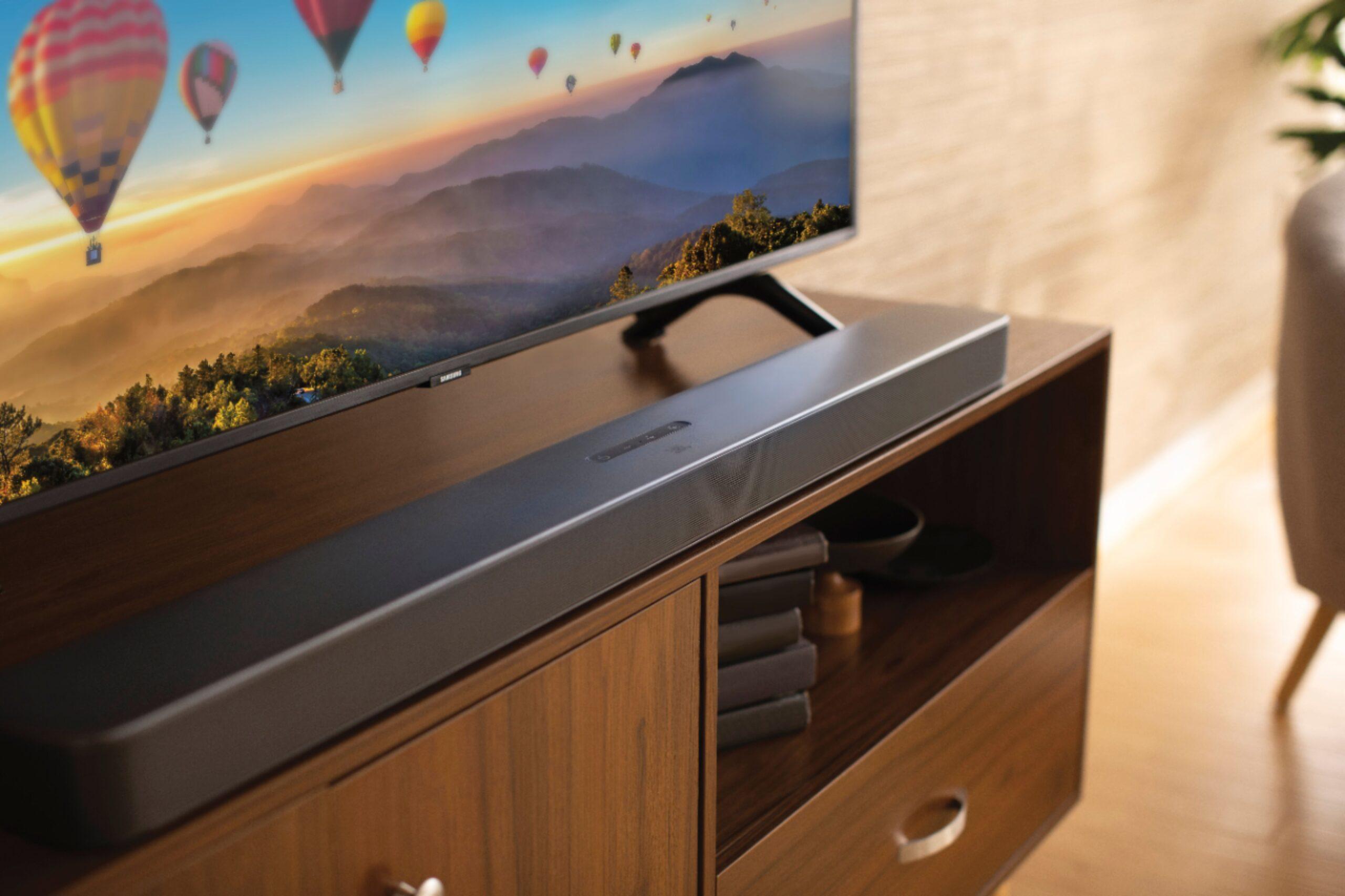
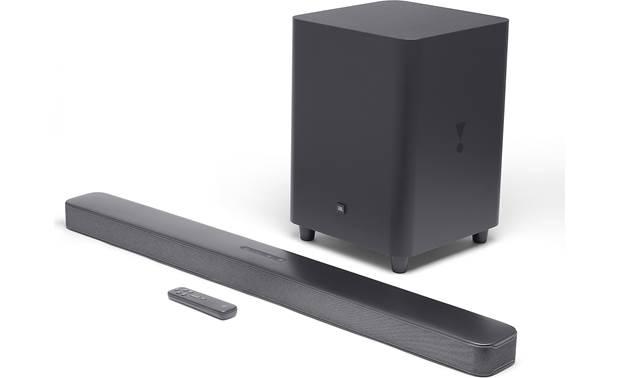
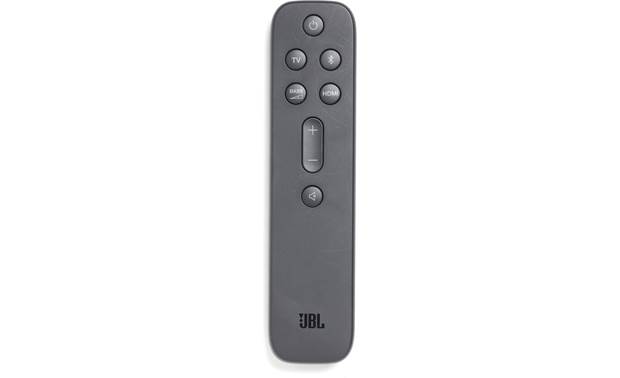
The physical requirements of these systems differ considerably. The JBL Bar 5.1 features a substantial 40-inch soundbar that commands attention in any room setup. While this creates a premium appearance, it also requires adequate space and sturdy mounting if wall-installed. The 12×17×12-inch subwoofer is similarly imposing and needs floor space, though being wireless provides placement flexibility.
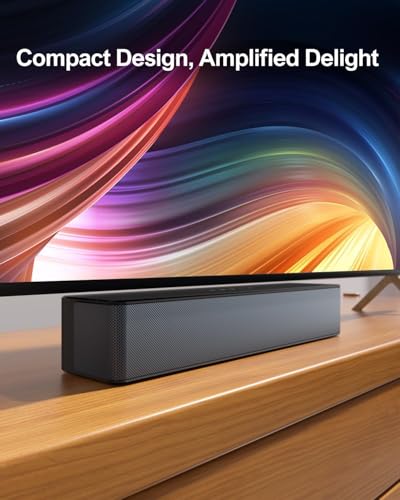
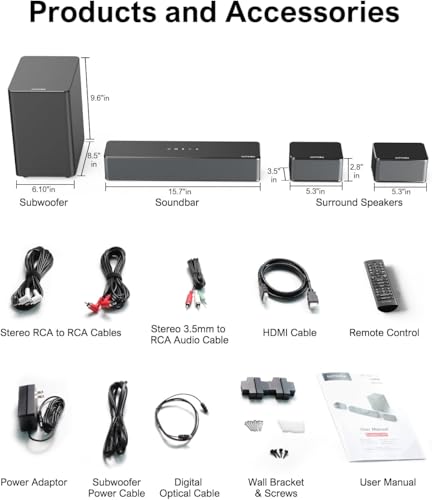
The Ultimea Poseidon D50 takes a more space-conscious approach with a compact soundbar measuring roughly 16×3×4 inches and a significantly smaller subwoofer at about 6×10×8 inches. This makes it suitable for smaller entertainment centers and rooms where space is at a premium.
However, the Ultimea requires additional consideration for rear speaker placement. The included 19.6-foot cables provide flexibility, but you'll need to plan for cable routing and speaker positioning. Some users run cables under carpets or along baseboards, while others opt for speaker stands to avoid permanent installation.
From a practical standpoint, the JBL offers simpler installation with potentially better results for users who can't or don't want to deal with rear speaker placement. The Ultimea requires more setup effort but rewards users with more authentic surround sound.
For movie watching, which is arguably the primary use case for these systems, both offer compelling experiences with different strengths. The Ultimea Poseidon D50 excels at creating precise soundstages where dialogue remains clear and centered while effects move convincingly around the room. The physical rear speakers shine during action sequences – explosions seem to envelope you rather than just coming from the front of the room.
The JBL Bar 5.1 compensates for its virtual surround with sheer power and presence. While the surround effects might not be as precisely located, the system's 550-watt output creates an impressive wall of sound that can be genuinely immersive, particularly for users seated in the optimal listening position.
For music listening, the systems serve different preferences. The Ultimea's extensive EQ options allow fine-tuning for different musical genres, and the physical separation of channels can create an interesting soundstage for stereo content. The JBL's higher power output and larger subwoofer provide more dynamic range for music with significant bass content.
Both systems support modern audio formats including Dolby Digital and DTS, ensuring compatibility with most streaming services and Blu-ray content. Neither supports the latest Dolby Atmos or DTS:X formats, which use height channels for overhead effects, but this is typical for soundbars in this price range.
At the time of writing, both systems represent solid value in the mid-range soundbar market, but they serve different priorities. The Ultimea Poseidon D50 offers exceptional value for users who prioritize authentic surround sound and extensive customization options. The physical rear speakers and comprehensive app control provide features typically found in more expensive systems.
The JBL Bar 5.1 justifies its positioning through established brand reliability, higher power output, and premium streaming integration. Users pay for JBL's audio expertise and the convenience of a simpler setup that still delivers impressive performance.
For apartment dwellers or users with space constraints, the Ultimea's compact design and controlled bass response make more sense. The extensive EQ options also benefit users who listen to diverse content types and want to optimize the experience for each.
Users with larger rooms, those who regularly entertain guests, or anyone who prioritizes maximum impact over precise imaging will likely prefer the JBL's approach. The higher power output and simplified setup also appeal to users who want impressive results without technical complexity.
Choose the Ultimea Poseidon D50 if you're willing to invest time in proper setup and want the most authentic surround sound experience possible at this price point. The physical rear speakers, extensive customization options, and compact design make it ideal for dedicated movie watchers who want to optimize their system for their specific room and preferences.
Choose the JBL Bar 5.1 if you want maximum power and convenience with established brand reliability. The higher output, deeper bass extension, and premium streaming features make it better suited for larger rooms, casual users, or anyone who prioritizes simplicity over configuration flexibility.
Both systems will significantly improve your TV's audio and provide genuine 5.1 surround sound experiences. The Ultimea achieves this through traditional methods with modern refinements, while the JBL uses advanced processing with proven power. Your choice ultimately depends on whether you value authentic positioning or maximum impact, and whether you're willing to handle additional setup complexity for potentially superior surround accuracy.
| Ultimea Poseidon D50 5.1 Soundbar Home Theater (2025) | JBL Bar 5.1 Surround Soundbar with Wireless Subwoofer |
|---|---|
| Surround Sound Implementation - Critical for authentic home theater experience | |
| True 5.1 with physical rear satellite speakers (19.6ft cables) | Virtual surround using MultiBeam technology (no rear speakers) |
| Total System Power - Determines maximum volume and room coverage | |
| Not specified, optimized for 250-380 sq ft rooms | 550W total (300W sub + 5×50W soundbar) |
| Subwoofer Size and Technology - Affects bass depth and impact | |
| 5.25" with BassMX technology (15mm excursion) | 10" wireless subwoofer (40Hz-20KHz response) |
| Smart Features and Customization - Modern convenience and audio tuning | |
| Comprehensive app control, 121 EQ presets, 10-band equalizer | Chromecast built-in, AirPlay, Alexa MRM integration |
| Connectivity Options - Device compatibility and streaming capability | |
| HDMI eARC, Optical, AUX, USB, Bluetooth 5.3 | 3× HDMI inputs, HDMI ARC, Optical, Bluetooth 4.2 |
| Physical Dimensions - Space requirements and aesthetic impact | |
| Compact: 16×3×4" bar, 6×10×8" sub, plus rear speakers | Large: 40×2×4" bar, 12×17×12" sub |
| Setup Complexity - Installation time and technical requirements | |
| Moderate (requires rear speaker placement and cable routing) | Simple (wireless sub only, plug-and-play) |
| Best Room Size - Optimal performance coverage | |
| Small to medium rooms (250-380 sq ft) | Medium to large rooms (higher power output) |
| Audio Processing Technology - How surround effects are created | |
| SurroundX with DSP chip, converts 2.0 to 5.1 | MultiBeam virtual processing with side-firing drivers |
| Release Timeline and Technology - Modern features and future-proofing | |
| 2025 model with latest Bluetooth 5.3 and modern app control | Established model with mature streaming ecosystem integration |
The Ultimea Poseidon D50 provides more authentic surround sound with physical rear satellite speakers that create true positional audio. The JBL Bar 5.1 uses virtual surround technology called MultiBeam, which is convenient but can't match the precision of actual rear speakers for home theater use.
The JBL Bar 5.1 features a larger 10-inch subwoofer with 300W of power, delivering deeper bass extension down to 40Hz. The Ultimea Poseidon D50 uses a more compact 5.25-inch subwoofer with BassMX technology, offering controlled bass that's better suited for smaller rooms.
The JBL Bar 5.1 is much easier to install since it only requires positioning the wireless subwoofer. The Ultimea Poseidon D50 requires more setup work because you need to place and connect the rear satellite speakers with included cables.
The Ultimea Poseidon D50 offers extensive customization through its smartphone app with 121 EQ presets and 10-band equalizer. The JBL Bar 5.1 focuses on streaming integration with Chromecast built-in, AirPlay, and Alexa Multi-Room Music support.
The JBL Bar 5.1 is better for large rooms with its 550W total power output and maximum SPL of 103dB. The Ultimea Poseidon D50 is optimized for smaller to medium rooms (250-380 square feet) and may struggle to fill very large spaces.
Both soundbars offer comprehensive connectivity. The Ultimea Poseidon D50 includes HDMI eARC, optical, AUX, USB, and modern Bluetooth 5.3. The JBL Bar 5.1 provides three HDMI inputs with 4K pass-through, HDMI ARC, optical, and Bluetooth 4.2.
The Ultimea Poseidon D50 is significantly more compact with a 16-inch soundbar and smaller subwoofer, making it ideal for tight spaces. The JBL Bar 5.1 features a large 40-inch soundbar and substantial subwoofer that requires more room space.
For home theater use, the Ultimea Poseidon D50 excels with authentic surround sound from physical rear speakers, creating precise sound positioning for action scenes. The JBL Bar 5.1 compensates with powerful output that creates an impressive wall of sound, though with less precise imaging.
Both offer solid value in different ways. The Ultimea Poseidon D50 provides exceptional value with true surround sound and extensive customization typically found in pricier systems. The JBL Bar 5.1 offers established brand reliability, higher power, and premium streaming features.
Both the Ultimea Poseidon D50 and JBL Bar 5.1 support standard surround formats including Dolby Digital and DTS. Neither supports newer height-based formats like Dolby Atmos, which is typical for soundbars in this price range.
The Ultimea Poseidon D50 offers superior music customization with its extensive EQ options and app control, allowing fine-tuning for different genres. The JBL Bar 5.1 provides more dynamic range and power for bass-heavy music but with less customization flexibility.
Choose the Ultimea Poseidon D50 if you want the most authentic surround experience and don't mind the extra setup complexity. Select the JBL Bar 5.1 if you prefer simple installation and are satisfied with convincing virtual surround effects that work well for most listeners.
We've done our best to create useful and informative comparisons to help you decide what product to buy. Our research uses advanced automated methods to create this comparison and perfection is not possible - please contact us for corrections or questions. These are the sites we've researched in the creation of this article: youtube.com - eu.ultimea.com - newegg.com - tvsbook.com - youtube.com - provantage.com - ultimea.com - techradar.com - community.ultimea.com - homedepot.com - community.ultimea.com - ultimea.com - ultimea.de - youtube.com - medisamhealthcenter.com - ultimea.com - youtube.com - walmart.com - jbl.com - jbl.com - jbl.com - tomsguide.com - jbl.com - bestbuy.com - bestbuy.com - jbl.com - jbl.com - worldwidestereo.com

Privacy Policy
Terms and Conditions - Affiliate Policy
Home Security
© Copyright 2008-2026.
11816 Inwood Rd #1211, Dallas, TX 75244