

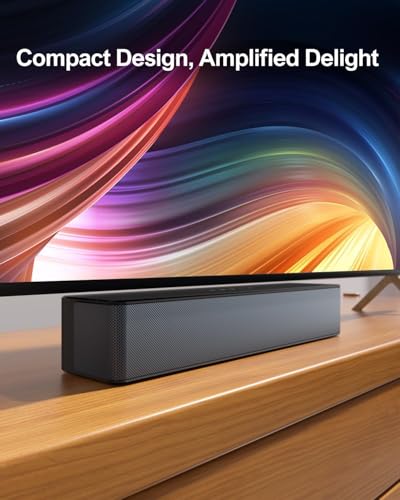






Finding the right soundbar can feel overwhelming, especially when you're comparing two completely different approaches to upgrading your TV's audio. The Ultimea Poseidon D50 and Klipsch Flexus Core 200 represent two distinct philosophies in home theater audio, each with compelling arguments for different types of users.
Before diving into the specifics, it's worth understanding what separates a good soundbar from a great one. The most important factors are how many channels it has (which determines surround sound capability), how much power it delivers, what kind of bass response you get, and whether the system can grow with your needs over time. Both of these soundbars excel in different areas, making the choice more about matching your priorities than finding an obvious winner.
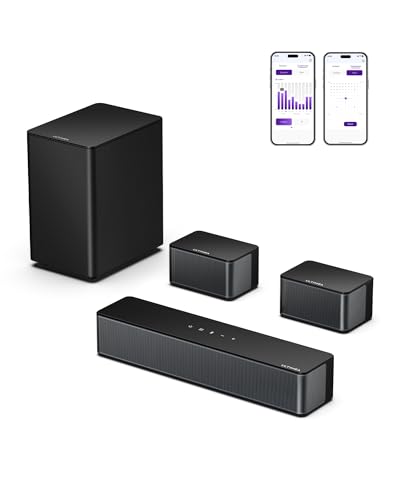
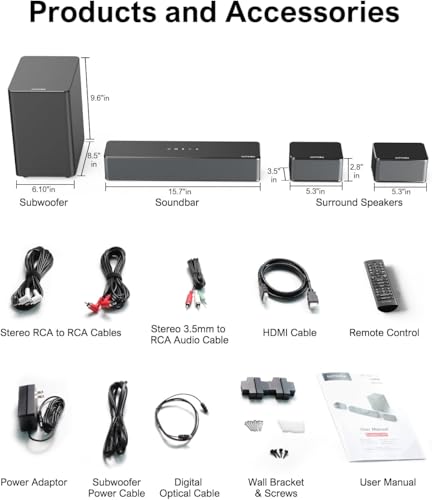
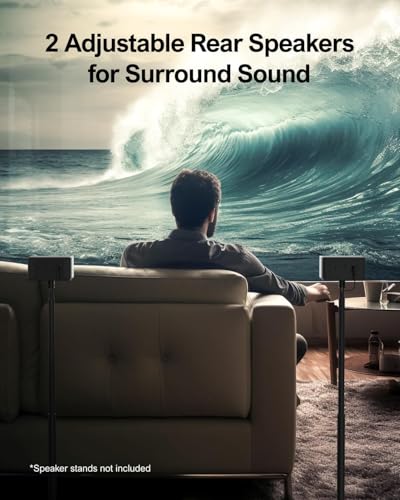
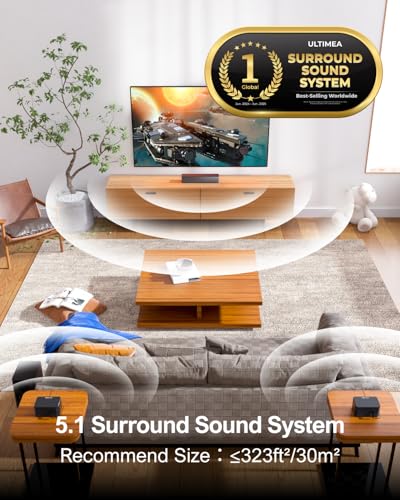
The Ultimea Poseidon D50, released in 2025, takes the "everything included" approach. It's a true 5.1 system, meaning it has five regular speakers plus one subwoofer. The "5" refers to left, center, right, and two rear speakers, while the "1" is the dedicated subwoofer for bass. This setup gives you actual speakers positioned behind your seating area, creating genuine surround sound where explosions can whoosh past your ears from back to front.
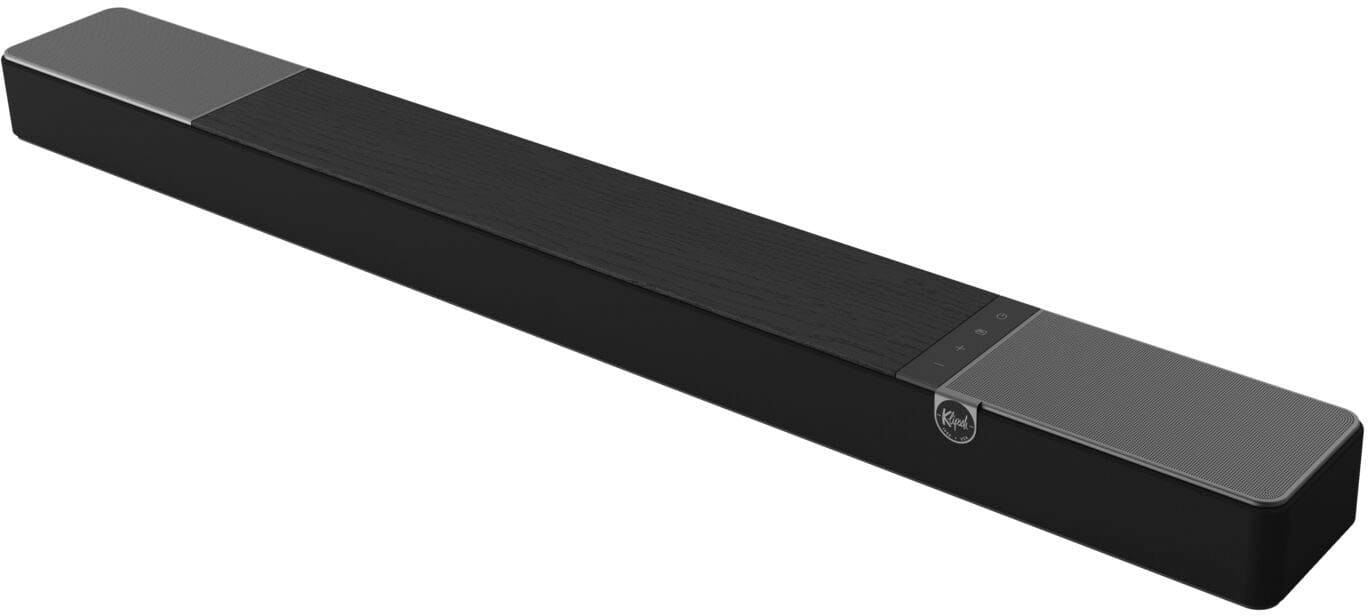
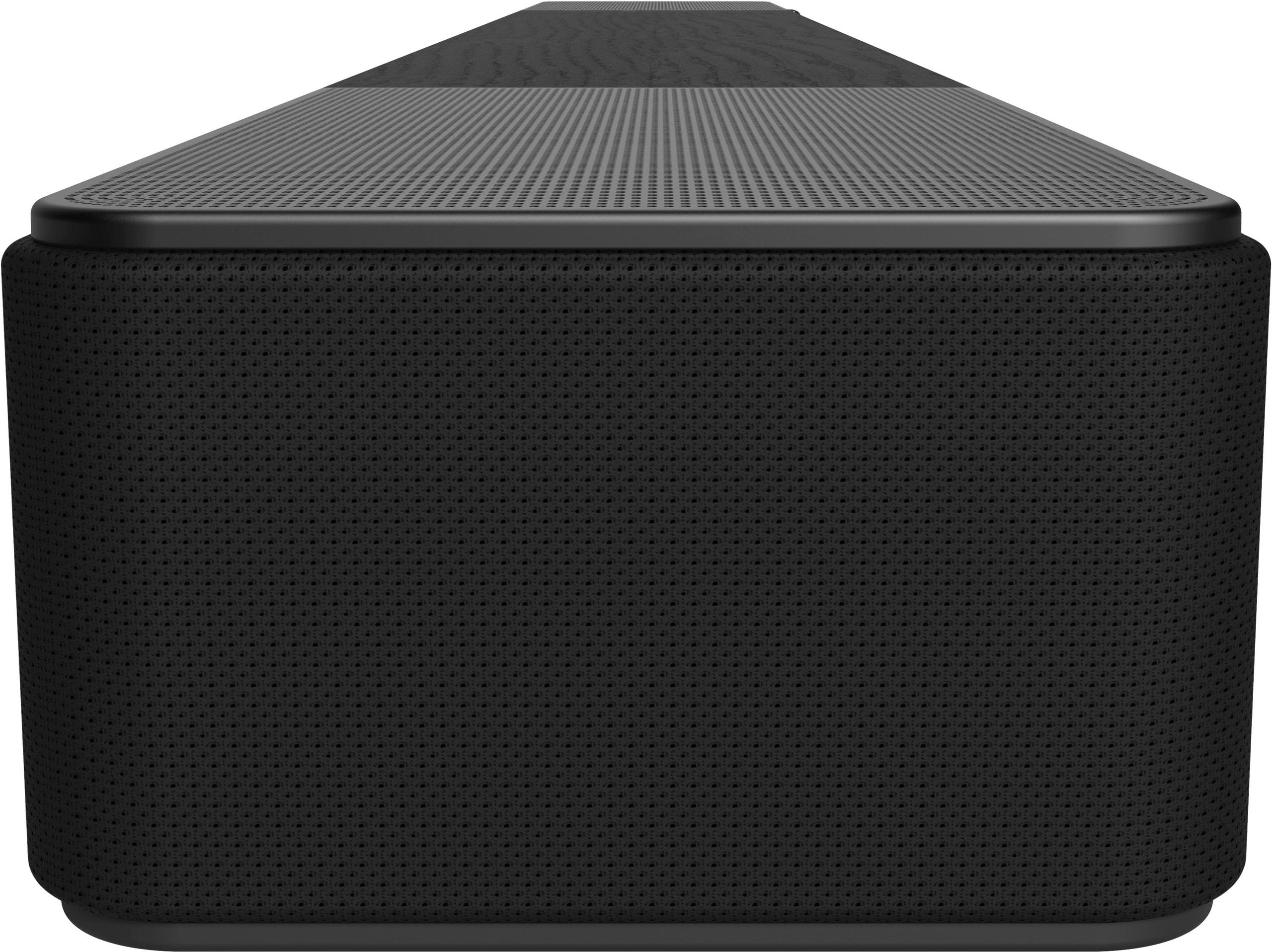
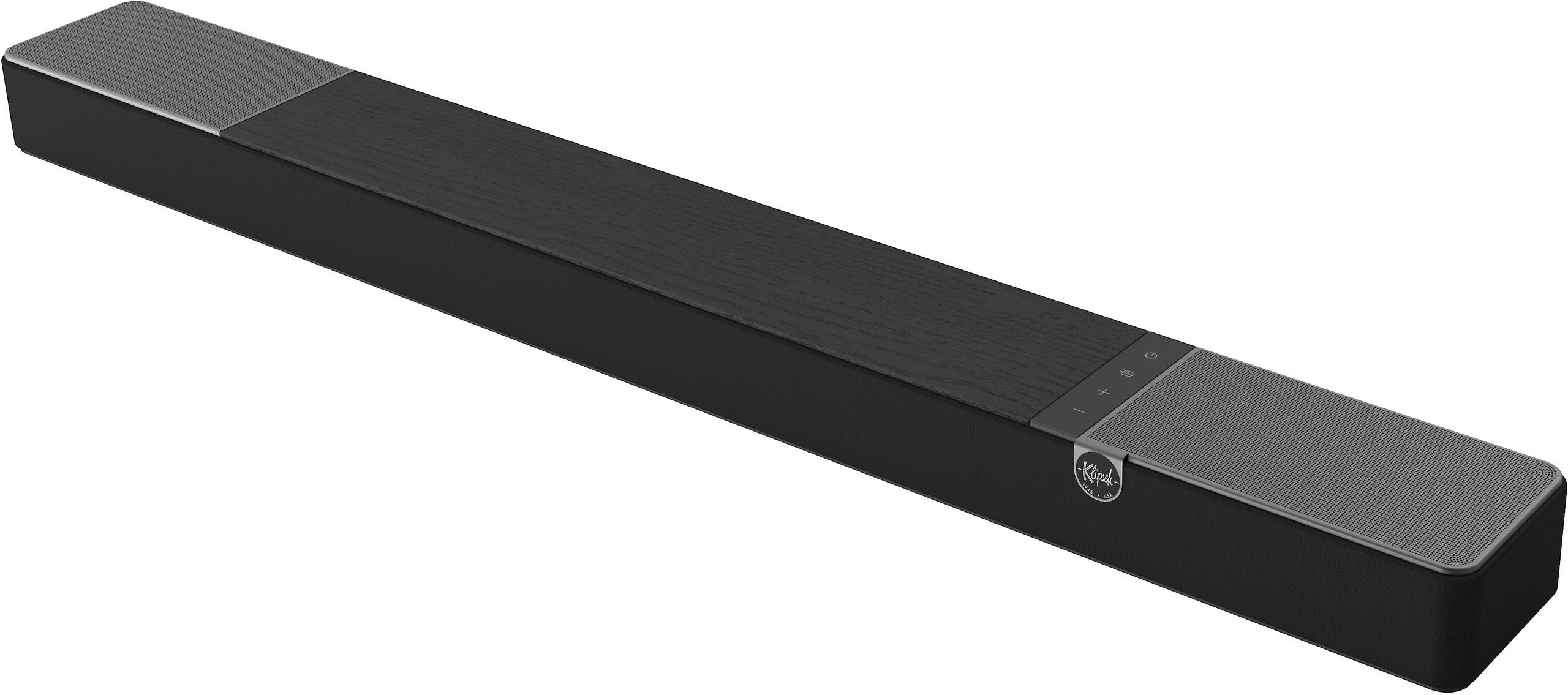
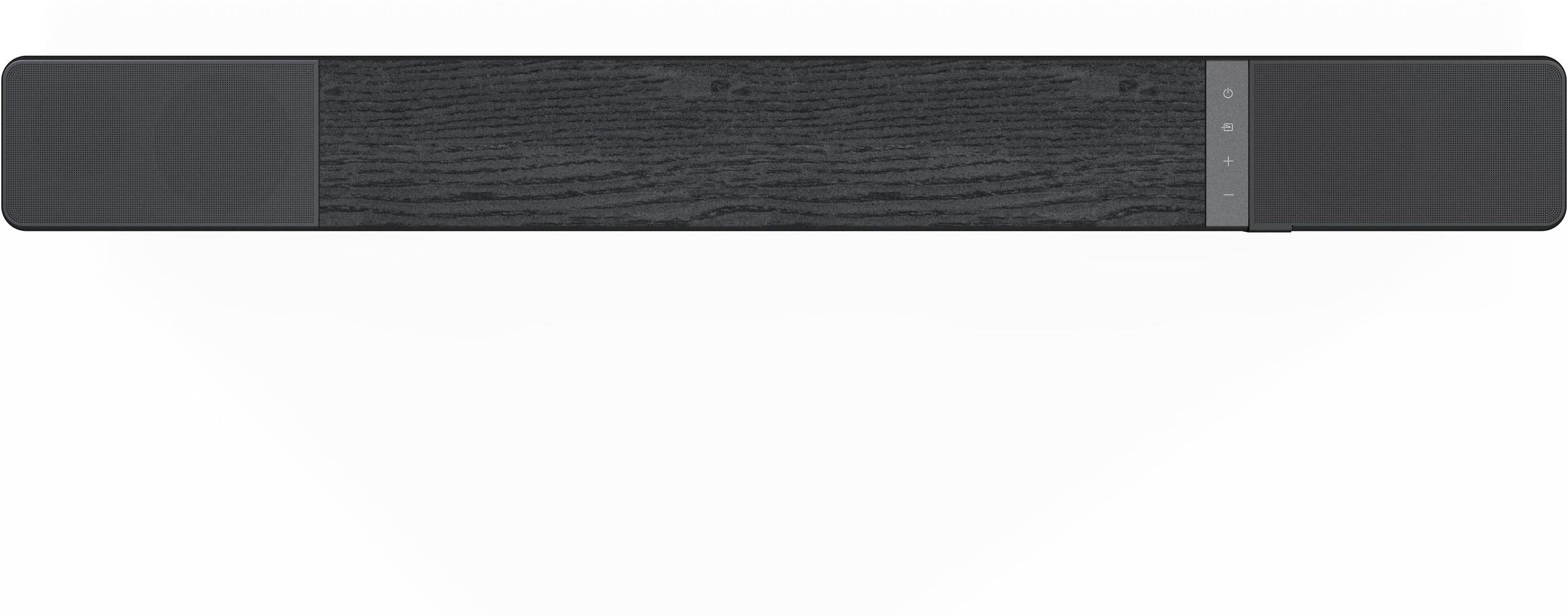
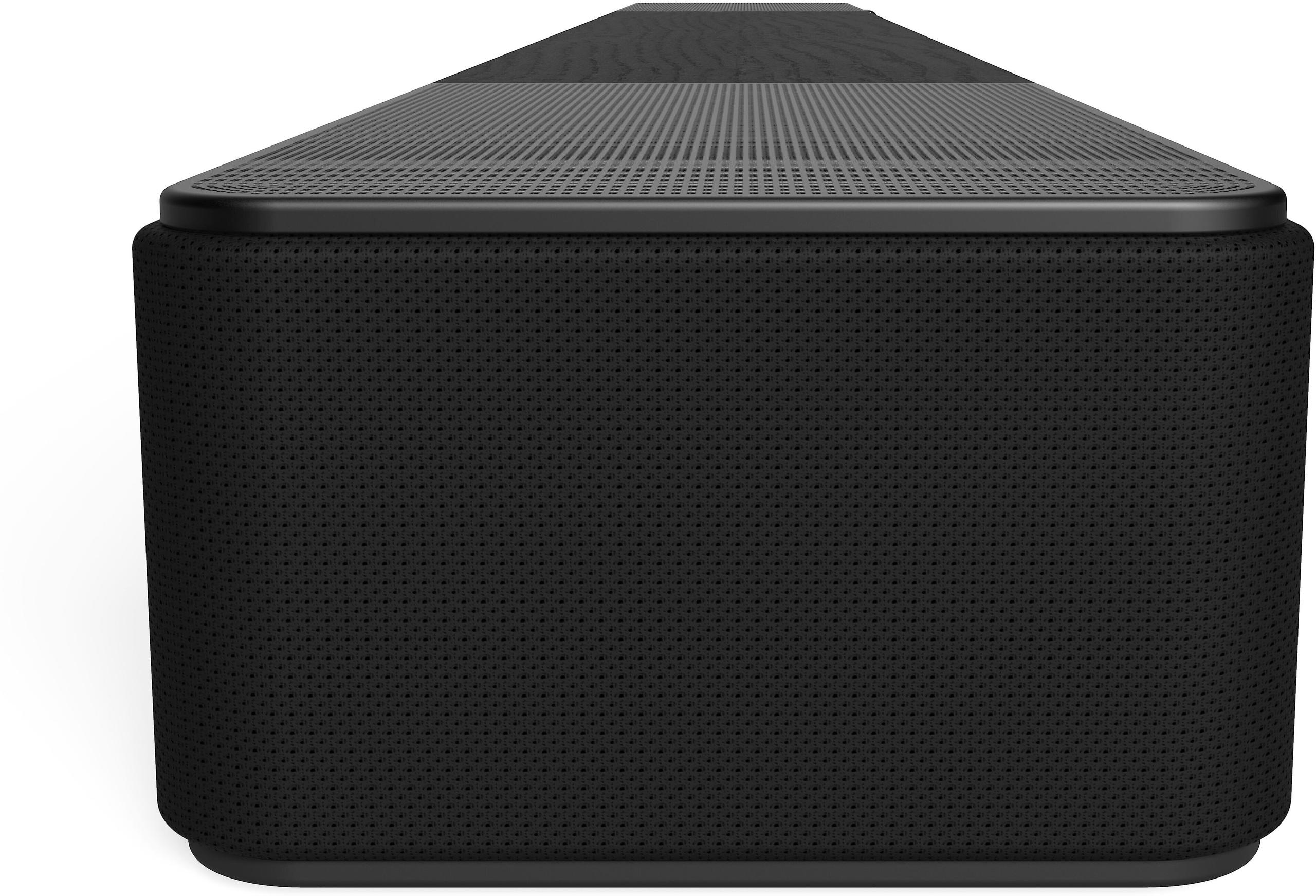
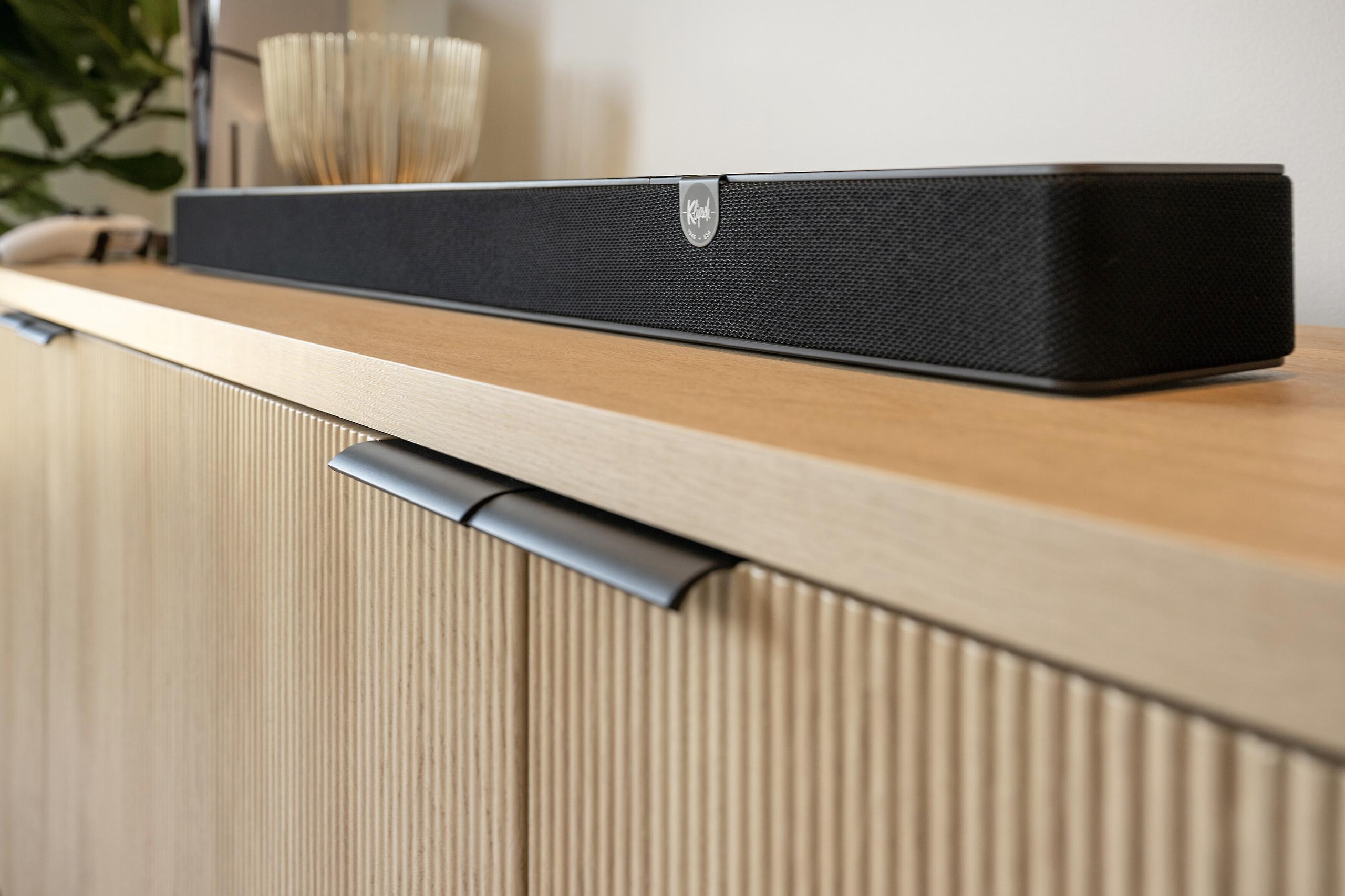
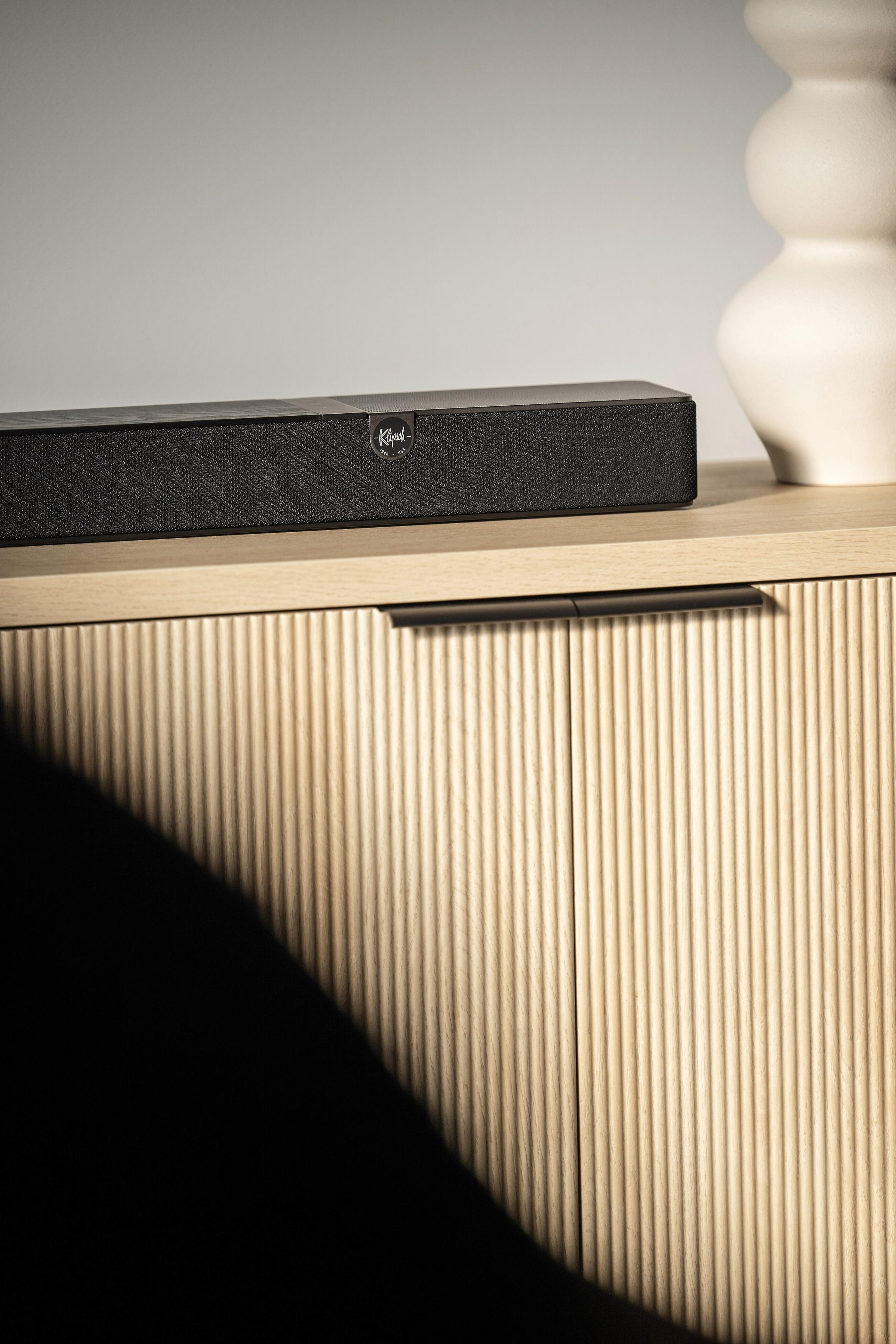
The Klipsch Flexus Core 200, launched in 2024, uses a 3.1.2 configuration – that's three front-facing speakers (left, center, right), one subwoofer (actually two built into the soundbar), and two upfiring speakers that bounce sound off your ceiling to create height effects. This is part of Dolby Atmos technology, which adds a vertical dimension to sound by making it seem like helicopters are flying overhead or rain is falling from above.
The fundamental difference here is physical placement versus acoustic trickery. The Ultimea literally puts speakers around you, while the Klipsch uses advanced audio processing to simulate that effect. Neither approach is inherently better – they just solve the surround sound puzzle differently.
When it comes to creating that movie theater feeling in your living room, the Ultimea Poseidon D50 has a significant advantage in traditional surround sound. Those rear satellite speakers, connected by nearly 20-foot cables, provide genuine directional audio. When a car races across the screen, you'll hear it move from the front speakers to the rear ones. This creates what audio enthusiasts call "discrete channels" – each speaker gets its own distinct audio signal.
The system's SurroundX technology (Ultimea's proprietary audio processing) takes regular stereo content and converts it into a 5.1 signal. This means even older movies or TV shows that weren't originally mixed in surround sound can benefit from the full speaker array. It's like having an audio translator that takes a two-channel conversation and turns it into a five-speaker orchestra.
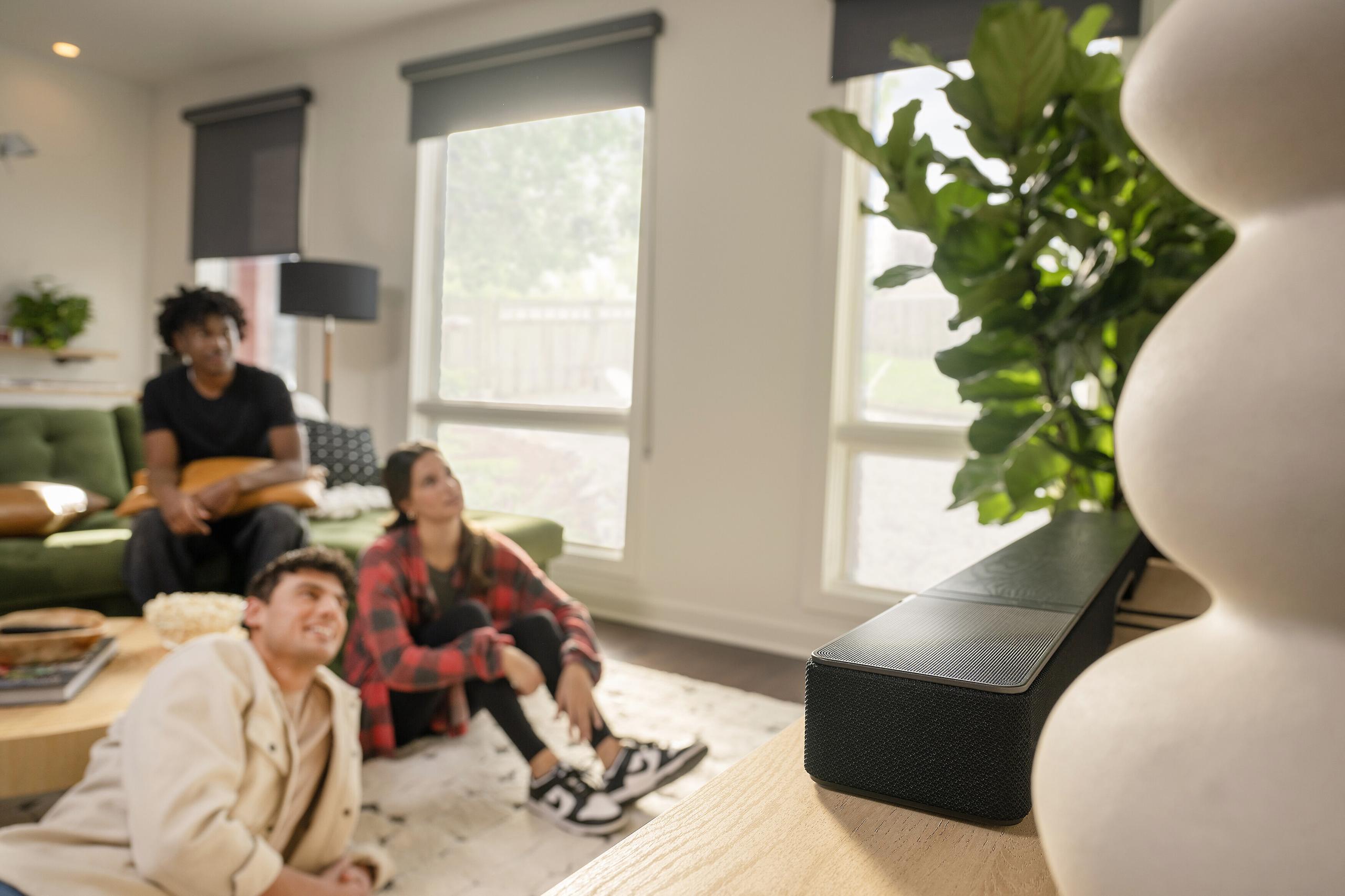
The Klipsch Flexus Core 200, meanwhile, focuses on Dolby Atmos, which adds height to the soundstage. Instead of just having sound come from around you, Atmos creates a three-dimensional bubble of audio. The upfiring speakers bounce sound waves off your ceiling, tricking your brain into thinking sounds are coming from above. This works best with content specifically mixed for Atmos – think modern action movies where debris falls from the sky or sci-fi films with spaceships zooming overhead.
However, the Klipsch doesn't include rear speakers in its base configuration. For traditional surround sound, you'd need to purchase additional Flexus SURR 100 speakers separately. This modular approach offers flexibility but means the out-of-box experience is more limited compared to the Ultimea's complete system.
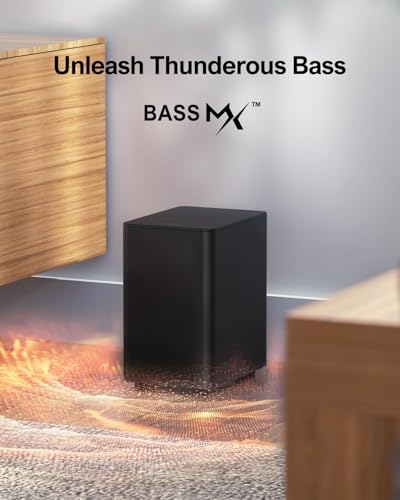
The low-frequency battle between these systems reveals another fundamental design choice. The Ultimea Poseidon D50 includes a wireless 5.25-inch subwoofer that uses BassMX technology. This involves an optimized magnetic circuit and a driver that can move 15 millimeters – that's significant excursion for a subwoofer this size. More movement means more air displacement, which translates to deeper, more impactful bass.
Because the subwoofer is separate, you can place it wherever it sounds best in your room. Bass waves are long and can be tricky – sometimes a subwoofer sounds much better in a corner, sometimes near a wall, and sometimes randomly in the middle of the room. Having that flexibility is valuable for optimizing performance.
The Klipsch Flexus Core 200 takes a different approach with dual 4-inch subwoofers built directly into the soundbar. This eliminates the need for a separate box, which many people prefer for aesthetic reasons. However, integrated subwoofers face size constraints – there's only so much space inside a soundbar, and these smaller drivers can't move as much air as a dedicated unit.
That said, Klipsch has decades of experience in speaker design, and their approach prioritizes quality over quantity. The aluminum cone drivers and horn-loaded tweeter (a Klipsch signature that focuses sound waves for better efficiency) deliver clean, controlled bass rather than boomy, overwhelming low-end. For many users, especially those in apartments or smaller spaces, this balanced approach actually works better than a massive subwoofer.
The Ultimea Poseidon D50 claims 320 watts of peak power across its six drivers, while the Klipsch Flexus Core 200 delivers 185 watts RMS. These numbers need context – peak power is the maximum burst the system can handle, while RMS (Root Mean Square) is the continuous power it can sustain. Think of it like a car's horsepower versus its cruising capability.
The Ultimea is designed for rooms between 250-380 square feet, which covers most living rooms and dedicated media rooms. That power is distributed across more drivers, so each individual speaker doesn't have to work as hard to fill the space. This typically results in cleaner sound at higher volumes because no single driver is being pushed to its limits.
The Klipsch focuses that 185 watts on fewer, higher-quality drivers. Klipsch's horn-loaded technology is inherently efficient – it takes less power to achieve the same volume level compared to conventional speakers. This is why some smaller Klipsch speakers can sound louder and cleaner than larger competitors.
From our research into user experiences, the Ultimea tends to excel when you want to fill larger spaces or listen at higher volumes, while the Klipsch provides more refined sound at moderate listening levels. If you're the type who cranks up action movies, the distributed power of the Ultimea system offers advantages. If you prefer nuanced dialogue and detailed music reproduction, the Klipsch approach typically delivers superior clarity.
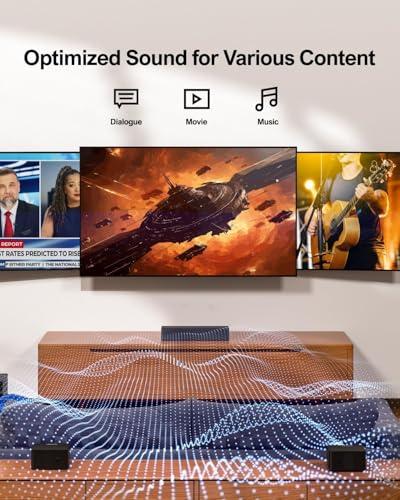
This is where the Ultimea Poseidon D50 really distinguishes itself. The system includes 121 EQ presets – that's not a typo. These aren't just basic "movie" and "music" modes, but specific tuning profiles for different content types and listening preferences. The accompanying smartphone app turns your phone into a sophisticated remote control, letting you adjust everything from overall EQ to the volume of individual speaker groups.
The ability to independently control the rear speakers is particularly valuable. Some rooms have challenging acoustics where the rear channels might overpower the front ones, or vice versa. Being able to fine-tune this balance, or even turn off the rear speakers entirely when you want a more traditional stereo experience, adds significant flexibility.
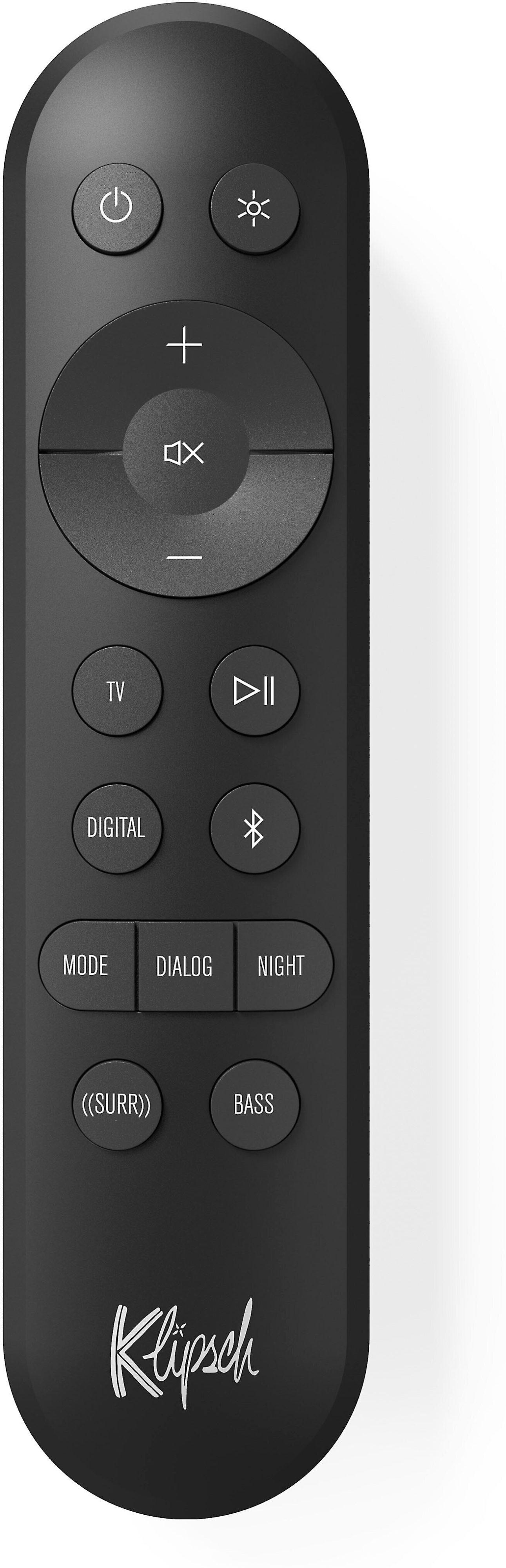
The Klipsch Flexus Core 200 takes a more traditional approach with basic sound modes like Movie, Music, Voice, and Night mode. The Klipsch Connect Plus app provides control, but the focus is on letting the company's acoustic engineers do the heavy lifting rather than giving users extensive customization options. This philosophy assumes that professional tuning is better than user adjustment – and for many people, that's absolutely true.
Some users get overwhelmed by too many options and prefer systems that sound great out of the box. Others love tweaking every parameter until the sound is exactly how they want it. Your preference here should heavily influence your choice between these systems.
Both soundbars include the essentials: HDMI ARC/eARC (which lets your TV remote control the soundbar volume), optical digital input, and Bluetooth. The Ultimea Poseidon D50 adds USB and AUX inputs, plus Bluetooth 5.3, which is the latest standard offering better range and connection stability.
However, the Klipsch Flexus Core 200 has some notable limitations. It lacks HDMI passthrough, meaning you can't run other devices through it to your TV. For gamers with modern consoles, this could be problematic since you can't take advantage of HDMI 2.1 features like Variable Refresh Rate or Auto Low Latency Mode that require direct connection to your TV.
The Ultimea supports more connection options, making it more versatile for users with multiple devices or older equipment that might need analog connections. The newer Bluetooth standard also provides better performance with smartphones and tablets for music streaming.
At the time of writing, these systems occupy different value propositions entirely. The Ultimea Poseidon D50 delivers a complete 5.1 system with all components included at a price point that's remarkably competitive for true surround sound. You get everything needed for an immersive experience right out of the box.
The Klipsch Flexus Core 200 represents a premium brand foundation that costs more upfront but offers modular expansion. To match the Ultimea's surround capability, you'd need to purchase additional Flexus components, significantly increasing the total investment. However, this approach lets you spread the cost over time and build exactly the system you want.
The question becomes whether you value immediate comprehensive features or prefer gradual system building with premium components. Both approaches have merit – it's about matching your budget timeline and upgrade preferences.
For movie watching, particularly action films, the Ultimea Poseidon D50 creates a more enveloping experience thanks to those physical rear speakers. Car chases, explosions, and battle scenes benefit tremendously from discrete surround channels. The dedicated subwoofer also provides the kind of room-shaking bass that makes blockbusters feel cinematic.
The Klipsch Flexus Core 200 excels with dialogue-heavy content and modern films mixed for Dolby Atmos. The horn-loaded tweeter design that Klipsch is famous for provides exceptional vocal clarity – you'll catch every whispered line without needing subtitles. The height effects from Atmos processing add atmosphere to appropriate content, though you need source material specifically mixed for it to get the full benefit.
For music listening, the choice depends on your preferences. The Ultimea's extensive EQ options let you tailor the sound signature to different genres, while the surround speakers can create an interesting spatial effect with the right content. However, many audio purists prefer stereo music reproduction, which is where the Klipsch might appeal more with its focus on accurate, balanced sound.
Gaming is where the Ultimea Poseidon D50 really shines. Modern games use surround sound extensively for directional audio cues – hearing footsteps behind you in a shooter or environmental sounds from all directions in an RPG. The physical rear speakers provide competitive advantages in online gaming where audio positioning matters.
The biggest practical difference between these systems is installation complexity. The Ultimea Poseidon D50 requires running those nearly 20-foot cables from the soundbar to the rear speakers. This works great in dedicated media rooms or if you can hide cables under carpet or along baseboards, but it's more challenging in open living spaces or rental properties.
The Klipsch Flexus Core 200 sits cleanly under your TV with no additional wires, making it ideal for spaces where aesthetics matter or cable management is difficult. The trade-off is losing that genuine surround sound experience until you add wireless rear speakers later.
Ceiling height matters more for the Klipsch because the upfiring Atmos speakers need a reflective surface above you. Vaulted ceilings, textured surfaces, or very high ceilings can reduce the effectiveness of height effects. The Ultimea works regardless of ceiling configuration since it doesn't rely on acoustic reflection.
Your decision should center on what kind of experience you want and how your space is configured. Choose the Ultimea Poseidon D50 if you want immediate, comprehensive surround sound and don't mind managing rear speaker cables. It's particularly compelling for dedicated home theater setups, gaming enthusiasts, and anyone who watches a lot of action content. The extensive customization options and complete system approach offer exceptional value for users who want everything included.
The Klipsch Flexus Core 200 makes more sense if you prioritize premium build quality, clean installation, and plan to build your system over time. It's ideal for users who value brand heritage, want Dolby Atmos height effects, and prefer professional acoustic tuning over extensive user adjustment. The modular approach works well if you're starting with a smaller budget but want to invest in quality components that can grow into a larger system.
Consider your content preferences too. If you watch a lot of modern streaming content with Atmos soundtracks, the Klipsch will showcase those height effects better. If you have a large collection of traditional surround sound content or do serious gaming, the Ultimea's discrete rear channels provide advantages.
Ultimately, both represent strong approaches to different priorities in home audio. The Ultimea Poseidon D50 maximizes immediate value and features, while the Klipsch Flexus Core 200 emphasizes quality and long-term expandability. Match your choice to your space, budget timeline, and what kind of audio experience matters most to you.
| Ultimea Poseidon D50 5.1 Soundbar | Klipsch Flexus Core 200 3.1.2 Soundbar |
|---|---|
| Channel Configuration - Determines surround sound capability and immersion | |
| True 5.1 with physical rear speakers | 3.1.2 with upfiring Atmos speakers |
| Complete System Inclusion - What you get out of the box | |
| Full system: soundbar, wireless subwoofer, 2 rear speakers, all cables | Soundbar only (subwoofer and rear speakers sold separately) |
| Power Output - Affects maximum volume and dynamic range | |
| 320W peak power across 6 drivers | 185W RMS with premium driver quality |
| Subwoofer Design - Critical for bass impact and room flexibility | |
| Dedicated 5.25" wireless subwoofer with BassMX™ technology | Dual 4" integrated subwoofers built into soundbar |
| Audio Processing Technology - How it enhances different content types | |
| SurroundX™ converts stereo to 5.1 surround | Dolby Atmos with height effects (no DTS support) |
| Customization Options - Important for fine-tuning to your preferences | |
| 121 EQ presets, 10-band equalizer, smartphone app control | Basic sound modes (Movie, Music, Voice, Night) with minimal EQ |
| Connectivity Options - Affects compatibility with your devices | |
| HDMI eARC, Optical, AUX, USB, Bluetooth 5.3 | HDMI eARC, Optical, Bluetooth (no HDMI passthrough) |
| Installation Requirements - Practical considerations for your space | |
| Requires 19.6ft rear speaker cables | Clean wireless installation, no rear cables |
| Expandability - Future upgrade potential | |
| Fixed 5.1 system (no expansion options) | Modular system can grow to 5.1.2 with additional purchases |
| Room Size Recommendation - Optimal performance range | |
| 250-380 sq ft (medium to large rooms) | Best for small to medium rooms with proper ceiling height |
| Brand Heritage - Build quality and warranty considerations | |
| Value-focused brand with comprehensive features | Premium audio brand with 75+ years of speaker expertise |
For dedicated home theater use, the Ultimea Poseidon D50 provides a more immersive experience with its true 5.1 surround sound system including physical rear speakers. The Klipsch Flexus Core 200 offers superior build quality and Dolby Atmos height effects but lacks rear channels without additional purchases. Choose Ultimea for immediate full surround sound or Klipsch for premium audio quality with expansion potential.
The Ultimea Poseidon D50's 5.1 configuration includes five speakers (left, center, right, and two rear) plus a subwoofer, creating true surround sound. The Klipsch Flexus Core 200's 3.1.2 setup has three front speakers, one subwoofer, and two upfiring speakers for overhead Dolby Atmos effects. The Ultimea provides better traditional surround sound, while the Klipsch adds vertical dimension to audio.
The Ultimea Poseidon D50 features a dedicated 5.25-inch wireless subwoofer with BassMX technology that can be positioned anywhere for optimal bass response. The Klipsch Flexus Core 200 uses dual 4-inch integrated subwoofers built into the soundbar. The Ultimea generally provides deeper, more impactful bass due to its larger dedicated subwoofer and flexible placement options.
The Ultimea Poseidon D50 includes everything needed for 5.1 surround sound: soundbar, wireless subwoofer, and two rear speakers with cables. The Klipsch Flexus Core 200 is a standalone soundbar that can be expanded with separate Flexus subwoofer and rear speakers. The Ultimea offers complete surround sound immediately, while the Klipsch requires additional purchases for full surround capability.
The Klipsch Flexus Core 200 offers simpler installation with just the soundbar unit and no additional wires. The Ultimea Poseidon D50 requires running 19.6-foot cables to the rear speakers, which may need cable management or hiding. Choose the Klipsch for clean, wireless setup or the Ultimea if you can accommodate rear speaker cables for better surround sound.
Both the Ultimea Poseidon D50 and Klipsch Flexus Core 200 include HDMI ARC, optical input, and Bluetooth connectivity. The Ultimea adds USB and AUX inputs plus Bluetooth 5.3 for broader device compatibility. The Klipsch lacks HDMI passthrough capabilities. The Ultimea offers more versatile connectivity for various devices and sources.
The Ultimea Poseidon D50 excels for gaming with its physical rear speakers providing accurate directional audio cues essential for competitive gaming. The Klipsch Flexus Core 200 offers good audio quality but lacks rear channels without additional speakers. For gaming where positional audio matters, the Ultimea provides significant advantages with its complete 5.1 surround system.
Yes, both soundbars offer smartphone control. The Ultimea Poseidon D50 provides extensive app-based control with access to 121 EQ presets, 10-band equalizer, and individual speaker volume adjustments. The Klipsch Flexus Core 200 uses the Klipsch Connect Plus app with basic controls and sound modes. The Ultimea offers more comprehensive smartphone customization options.
Only the Klipsch Flexus Core 200 supports Dolby Atmos with dedicated upfiring speakers that create overhead sound effects. The Ultimea Poseidon D50 focuses on traditional 5.1 surround sound without Atmos capability. Choose the Klipsch if Dolby Atmos height effects are important for your viewing content, or the Ultimea for comprehensive horizontal surround sound.
The Ultimea Poseidon D50 is designed for rooms between 250-380 square feet with its 320W power output and distributed speaker system. The Klipsch Flexus Core 200 works well in small to medium rooms and requires appropriate ceiling height for Atmos effects. The Ultimea handles larger spaces better, while the Klipsch is ideal for typical living rooms with standard ceilings.
The Ultimea Poseidon D50 provides exceptional value by including a complete 5.1 system with all components at a competitive price point. The Klipsch Flexus Core 200 costs more upfront and requires additional purchases for full surround sound but offers premium build quality and brand heritage. The Ultimea delivers immediate comprehensive value, while the Klipsch represents long-term investment in quality components.
The Klipsch Flexus Core 200 is designed as an expandable modular system that can grow with additional Flexus subwoofers and rear speakers. The Ultimea Poseidon D50 is a complete fixed system with no expansion options beyond its included 5.1 configuration. Choose the Klipsch for gradual system building or the Ultimea if you want everything included from the start.
We've done our best to create useful and informative comparisons to help you decide what product to buy. Our research uses advanced automated methods to create this comparison and perfection is not possible - please contact us for corrections or questions. These are the sites we've researched in the creation of this article: youtube.com - eu.ultimea.com - newegg.com - tvsbook.com - youtube.com - provantage.com - ultimea.com - techradar.com - community.ultimea.com - homedepot.com - community.ultimea.com - ultimea.com - ultimea.de - youtube.com - medisamhealthcenter.com - ultimea.com - youtube.com - walmart.com - soundandvision.com - avnirvana.com - avsforum.com - cnet.com - klipsch.com - klipsch.com - youtube.com - assets.klipsch.com - klipsch.com - worldwidestereo.com - klipsch.com - crutchfield.com - digitaltrends.com

Privacy Policy
Terms and Conditions - Affiliate Policy
Home Security
© Copyright 2008-2026.
11816 Inwood Rd #1211, Dallas, TX 75244