







If you've ever watched an action movie and felt like the explosions were happening right inside your TV instead of around you, you know how disappointing built-in TV speakers can be. The good news is that even a modest soundbar upgrade can transform your viewing experience. The challenge? Deciding between two completely different approaches to solving this problem.
The Ultimea Poseidon D50 5.1 Soundbar and Yamaha SR-B30A Sound Bar represent opposite philosophies in home audio. One delivers authentic surround sound through multiple physical speakers, while the other uses clever audio processing to simulate that experience from a single unit. Understanding these differences is crucial to making the right choice for your setup.
Before diving into specifics, let's establish what we're dealing with. Both products aim to replace your TV's inadequate built-in speakers, but they take fundamentally different paths to get there.
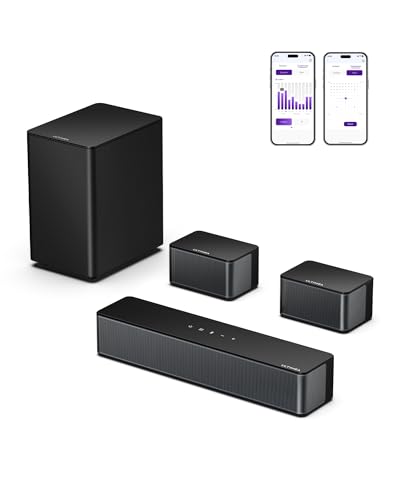
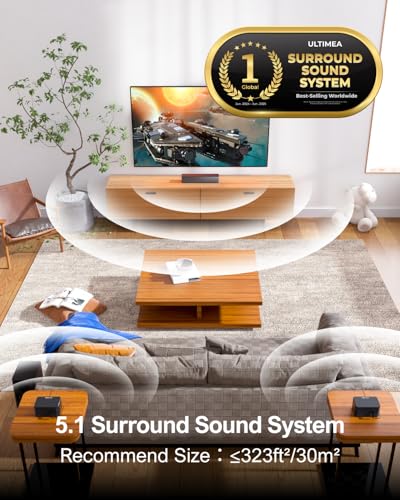
The Ultimea Poseidon D50, released in 2025, represents the "true surround sound" approach. This means it includes actual physical speakers that you place behind your seating area, along with a separate subwoofer for bass. When a helicopter flies overhead in a movie, you'll hear it move from front to back because there are literally speakers positioned around you.
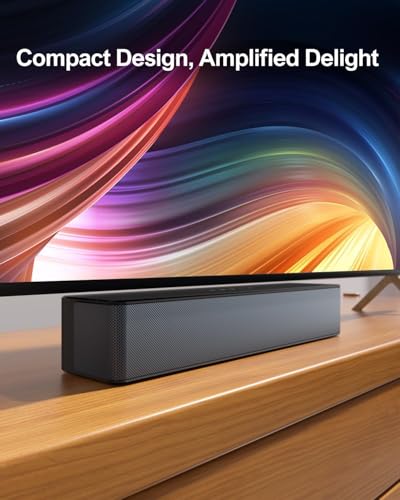
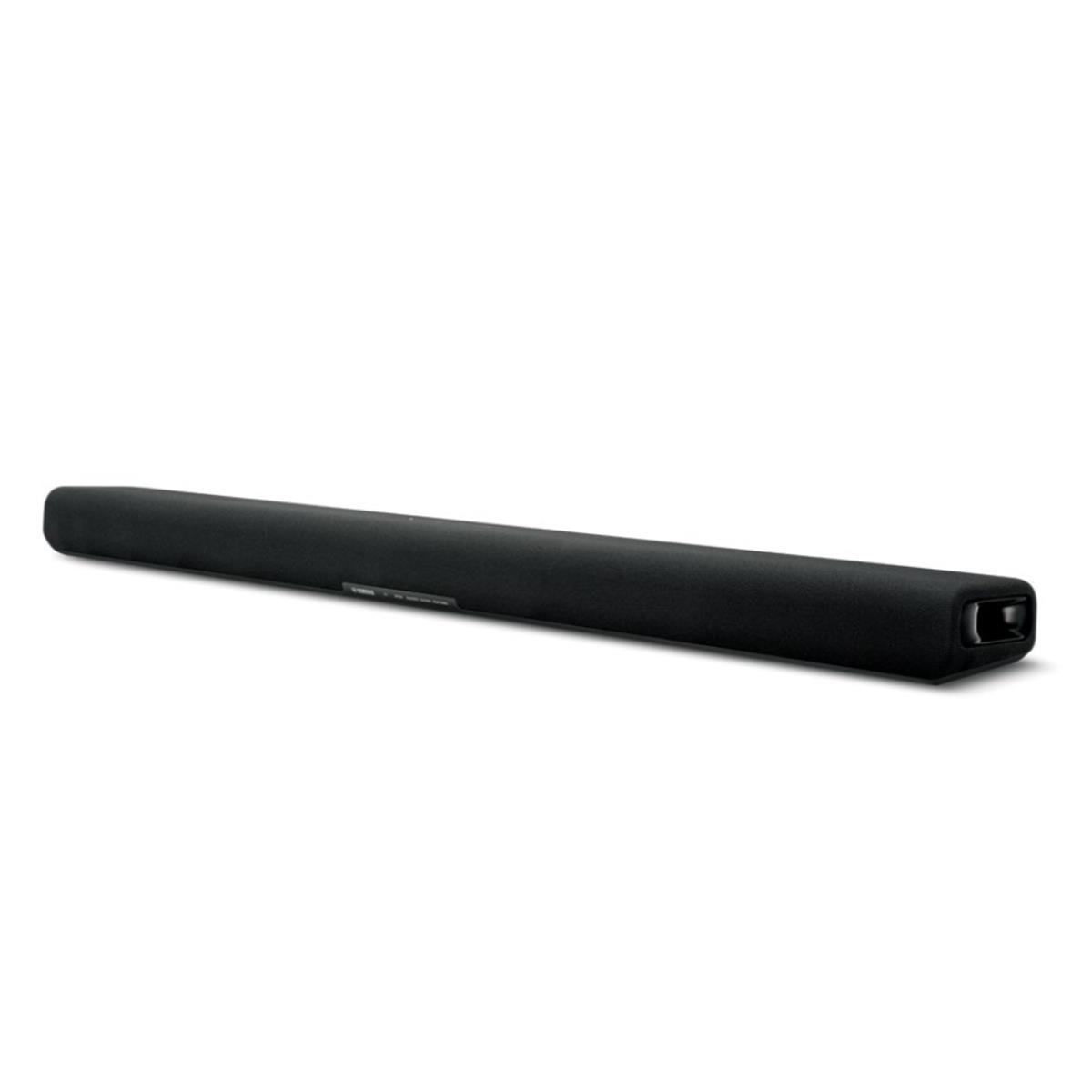
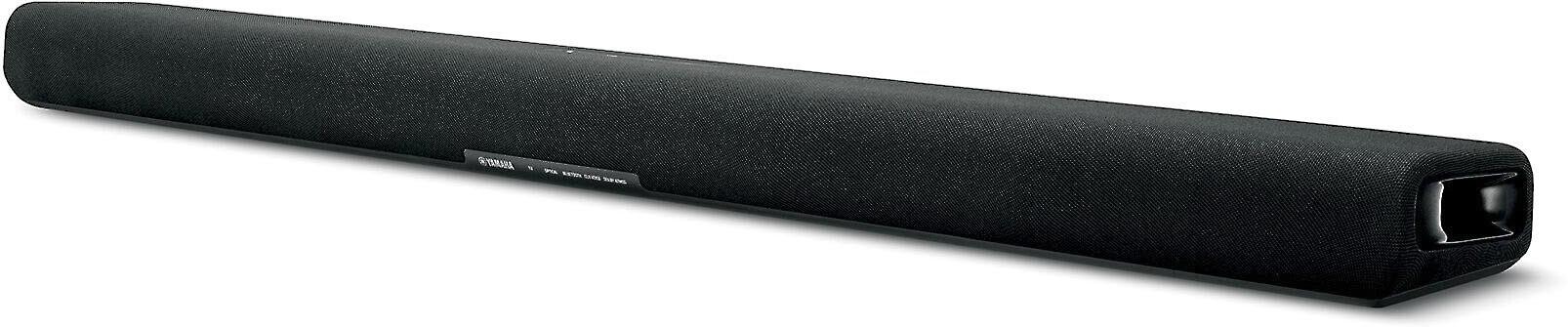
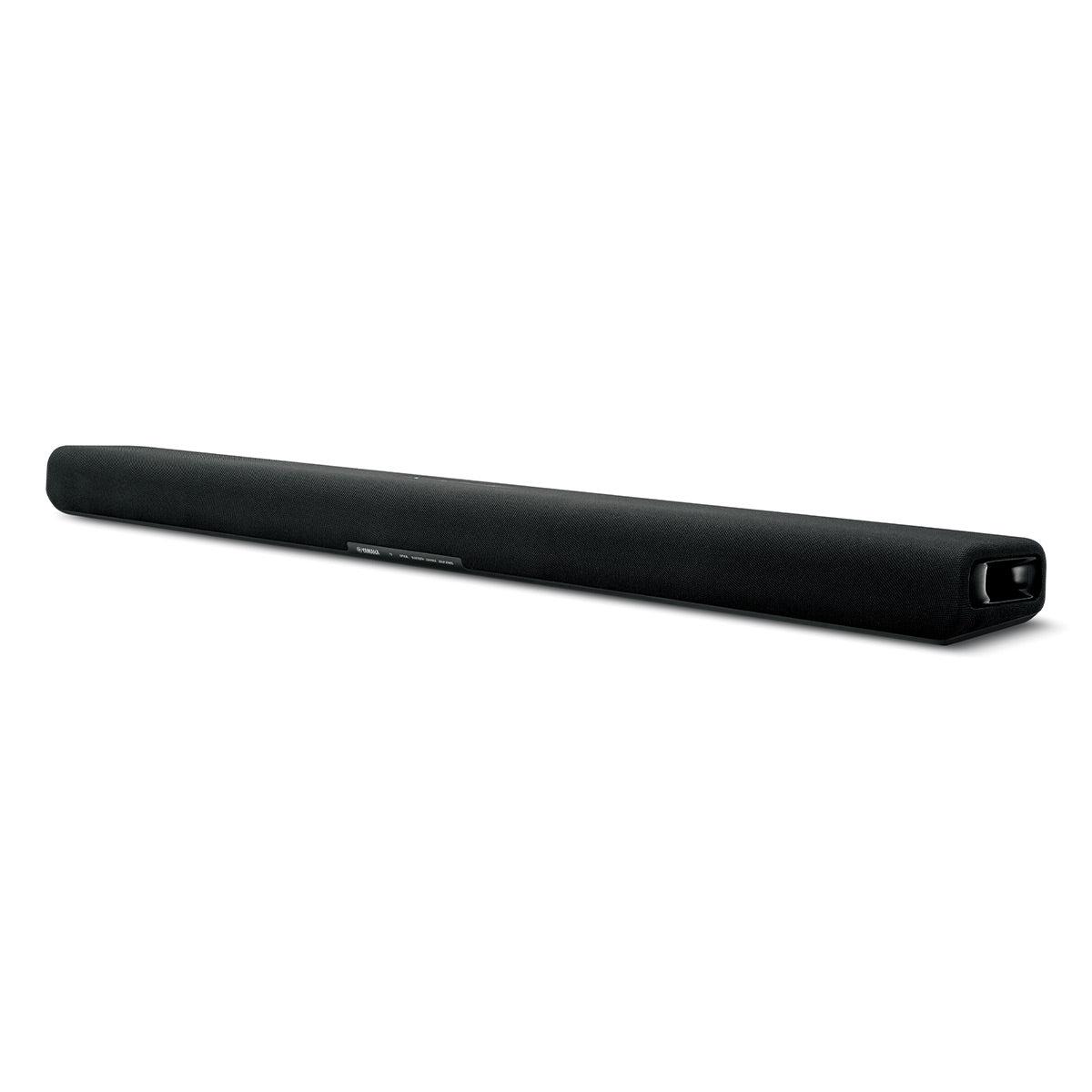
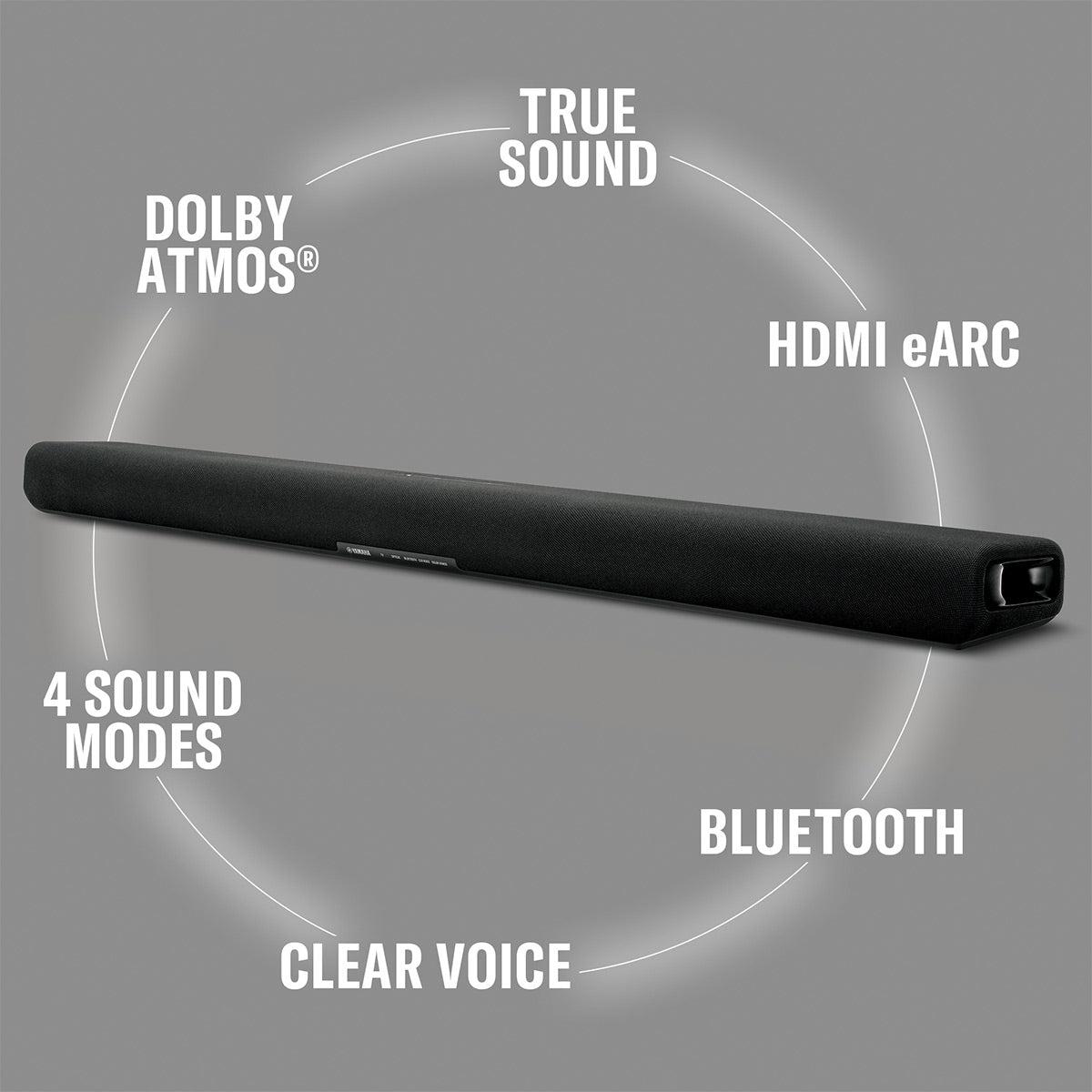
The Yamaha SR-B30A, which has been refined over recent years with Yamaha's latest processing technology, takes the "virtual surround" route. It uses a single soundbar with sophisticated digital signal processing (DSP) – essentially computer algorithms that manipulate audio signals – to create the illusion of surround sound. The audio seems to come from around you, even though all the speakers are in front.
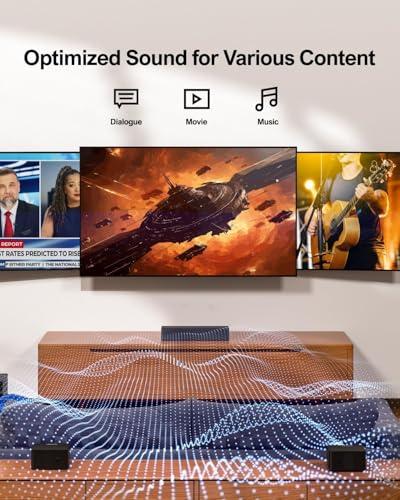
Here's where things get interesting from a technical standpoint. The Ultimea Poseidon D50 employs what's called SurroundX™ technology, which includes a dedicated DSP chip that can take regular stereo audio (the kind that comes from most TV shows and streaming services) and intelligently distribute it across all five main channels plus the subwoofer. This process, called upmixing, analyzes the stereo signal in real-time and decides which sounds should come from which speakers.
But the real magic happens when you're watching content that was originally mixed in 5.1 surround sound. With physical rear speakers positioned behind your couch, sounds can literally travel from front to back and side to side in ways that feel natural and realistic. When a car drives across the screen, you'll hear the engine move accordingly – not just the volume changing, but the actual location of the sound shifting through space.
The Yamaha SR-B30A, on the other hand, uses Dolby Atmos processing to create what's called a "virtual surround" experience. This technology relies on psychoacoustics – the science of how our brains interpret sound. By carefully controlling the timing, phase relationships, and frequency content of audio signals, the soundbar can trick your brain into perceiving sounds as coming from positions where there aren't actually any speakers.
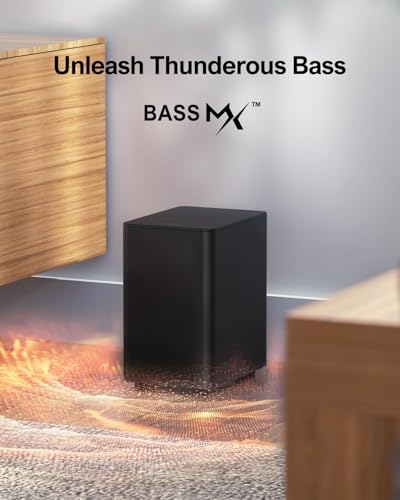
The power specifications tell an important story about capability. The Ultimea Poseidon D50 delivers 320 watts peak power distributed across six high-performance drivers, including dedicated tweeters for high frequencies and a substantial 5.25-inch subwoofer driver. This subwoofer uses BassMX™ technology, which optimizes the magnetic circuit design and allows for 15mm of diaphragm excursion – that's how far the speaker cone can move back and forth to create deep bass.
Compare that to the Yamaha SR-B30A's 120 watts total power, with 60 watts dedicated to its dual built-in 3-inch bass drivers. While these smaller drivers are engineered well, physics dictates that larger drivers moving more air will produce deeper, more impactful bass. The difference becomes especially noticeable during action sequences or when listening to bass-heavy music.
From our research into user experiences and expert reviews, the power difference translates to real-world performance gaps. The Poseidon D50 consistently handles dynamic movie soundtracks without strain, even at higher volumes, while the SR-B30A reaches its limits more quickly in larger rooms or with demanding content.
Bass performance deserves special attention because it's often the most noticeable upgrade when moving from TV speakers to a soundbar. The Ultimea Poseidon D50's wireless subwoofer sits in its own optimized enclosure, separate from the main soundbar. This isolation prevents the bass frequencies from interfering with mid-range sounds like dialogue and music.
The BassMX™ technology goes beyond just having a larger driver. It uses aerospace-grade NdFeB (Neodymium Iron Boron) magnets – the same ultra-strong magnets found in high-end headphones and professional audio equipment. These magnets create more precise control over the speaker cone's movement, resulting in tighter, more accurate bass response with less distortion.
User reviews consistently highlight the Poseidon D50's ability to deliver the kind of chest-thumping bass that makes movie explosions feel visceral without becoming boomy or overwhelming. The independent subwoofer level control means you can dial in exactly the right amount of bass for your room and preferences.
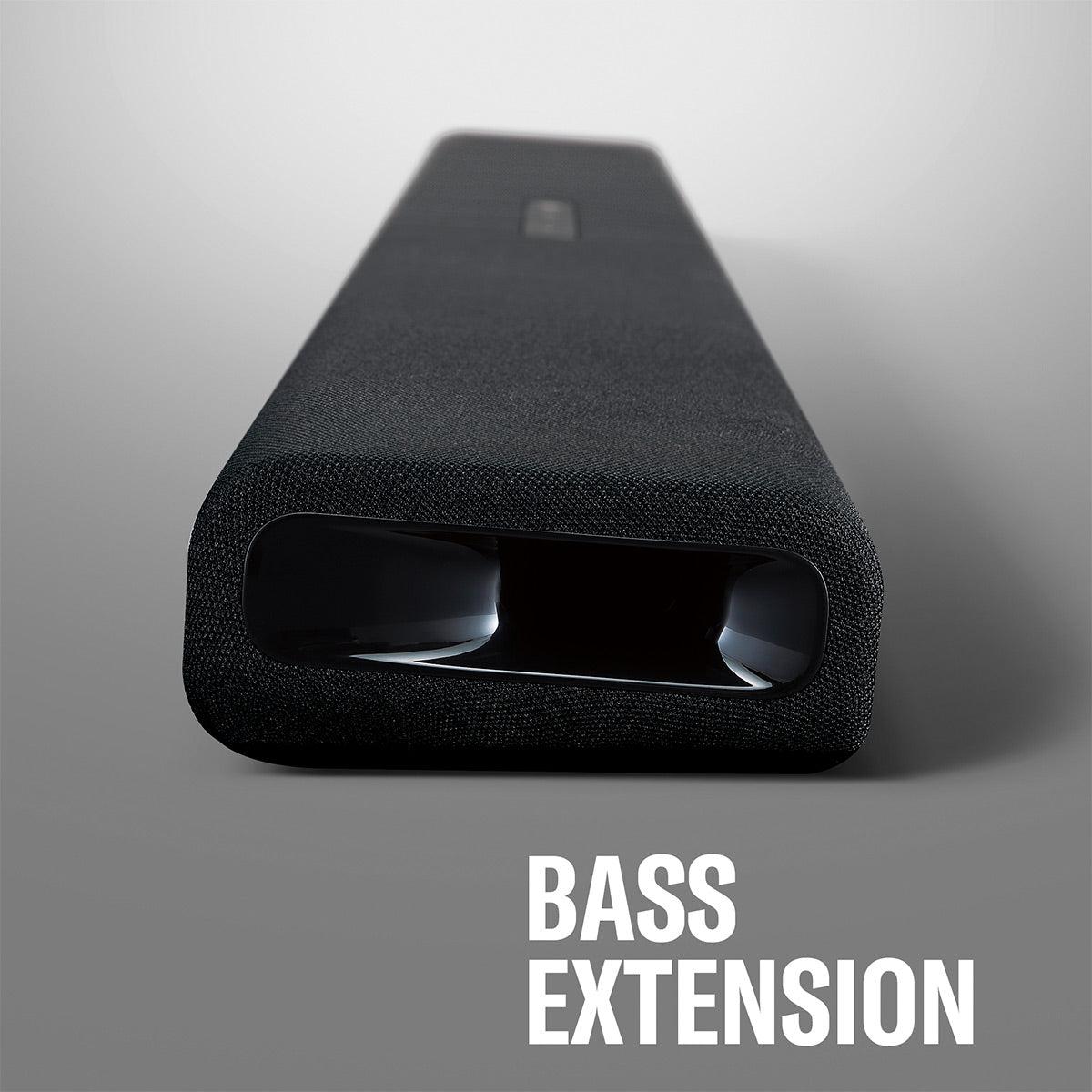
The Yamaha SR-B30A takes a different approach with its dual built-in subwoofers and Bass Extension feature. While the 3-inch drivers can't match the physical output of a larger dedicated subwoofer, Yamaha's engineering focuses on maximizing what's possible within the size constraints. The ported bass-reflex design – which uses carefully tuned openings in the speaker enclosure to enhance bass output – helps these smaller drivers punch above their weight class.
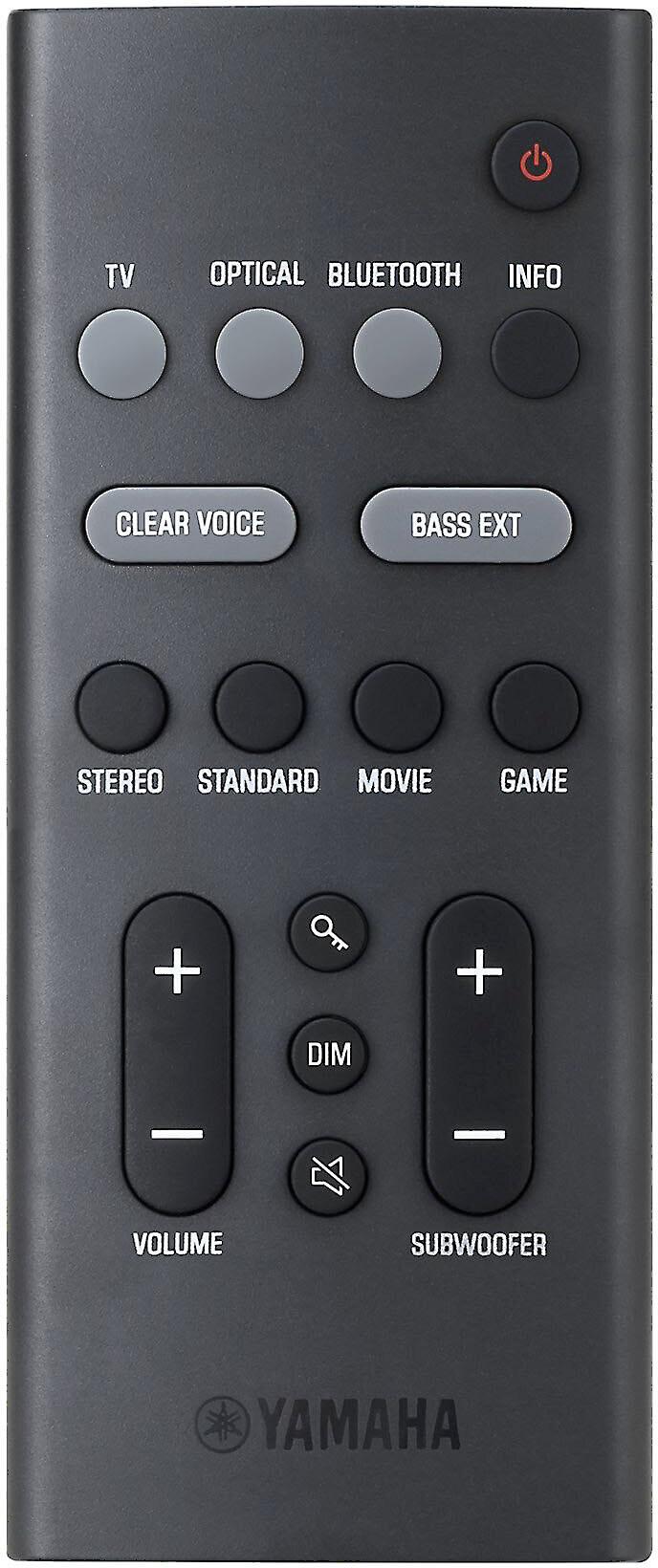
Here's where the Yamaha SR-B30A shows its strengths. The Clear Voice technology specifically targets the frequency ranges where human speech occurs, using dynamic processing to ensure dialogue remains intelligible even when background music and sound effects are competing for attention. This feature addresses one of the most common complaints about TV audio – the inability to understand what characters are saying during action scenes.
The Ultimea Poseidon D50 handles dialogue well through its dedicated center channel processing and multiple EQ modes, but it requires more manual adjustment to achieve optimal clarity. The advantage is greater customization potential – you can fine-tune the sound exactly to your preferences using the extensive app-based controls.
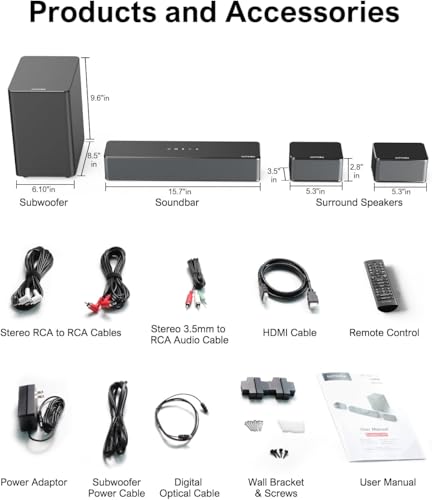
Installing the Ultimea Poseidon D50 requires planning and patience. The rear speakers connect via 19.6-foot cables, which means you'll need to route wires from your TV area to behind your seating position. This isn't wireless convenience – it's a deliberate design choice that ensures reliable, high-quality audio connections without the potential dropouts or compression that can affect wireless rear speakers.
The wireless subwoofer does simplify placement somewhat. You can position it anywhere within reasonable range of the main soundbar, allowing you to find the spot in your room where bass sounds most balanced. Corner placement typically provides the most output, while positions along walls offer good balance between power and precision.
Based on user feedback we've analyzed, most people find the setup process straightforward but time-consuming. The payoff comes immediately when you first experience true surround sound positioning – sounds actually moving around your room rather than just seeming to come from different directions.
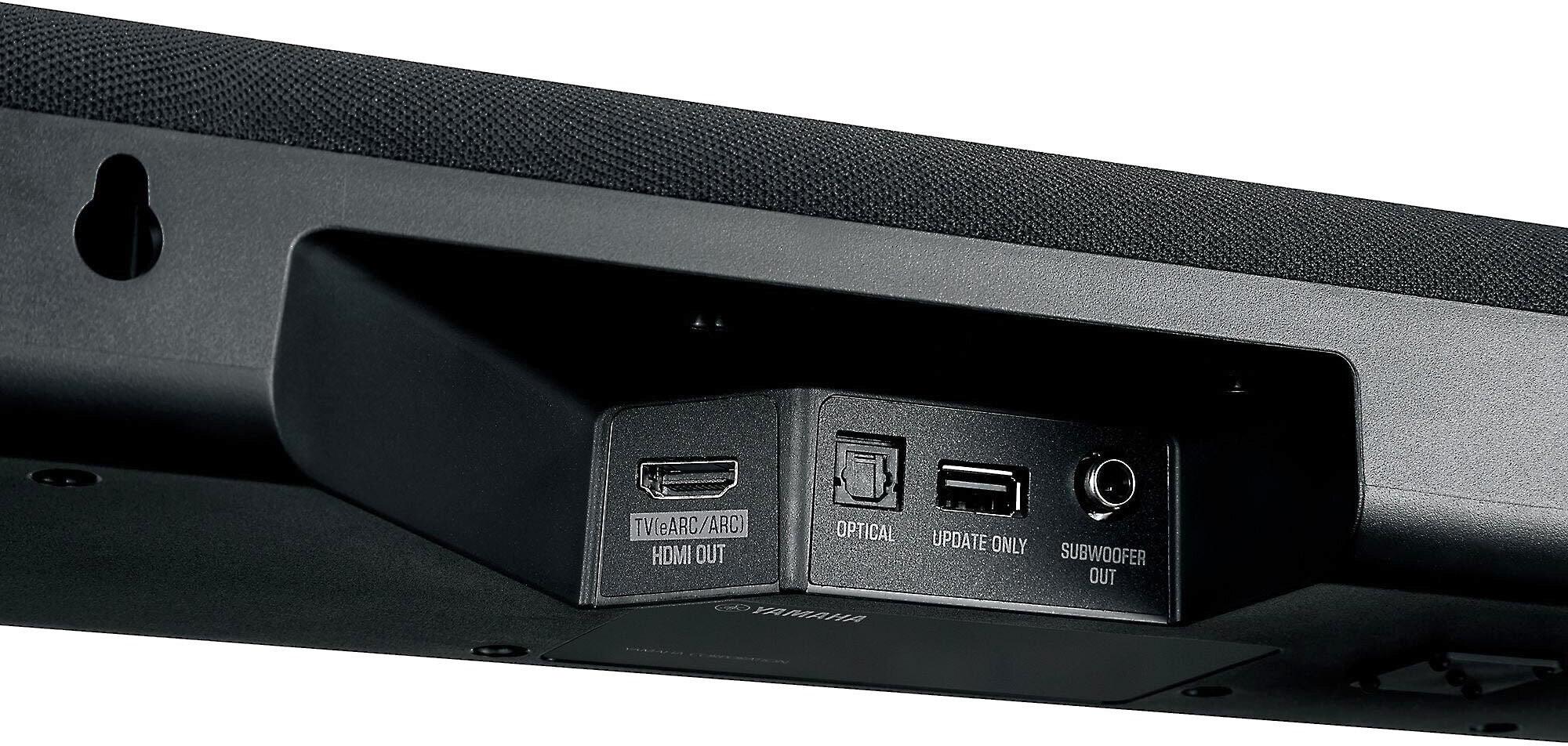
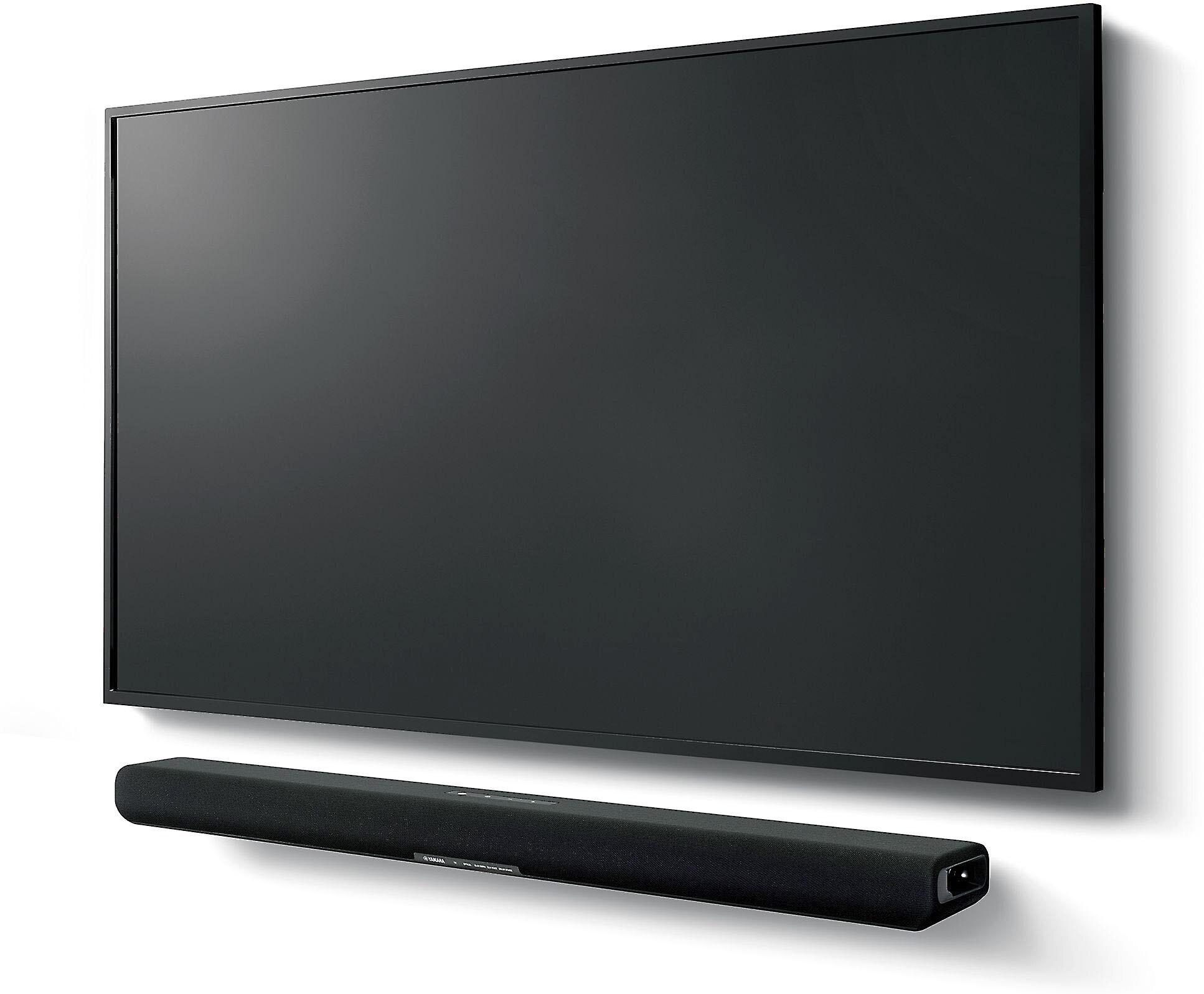
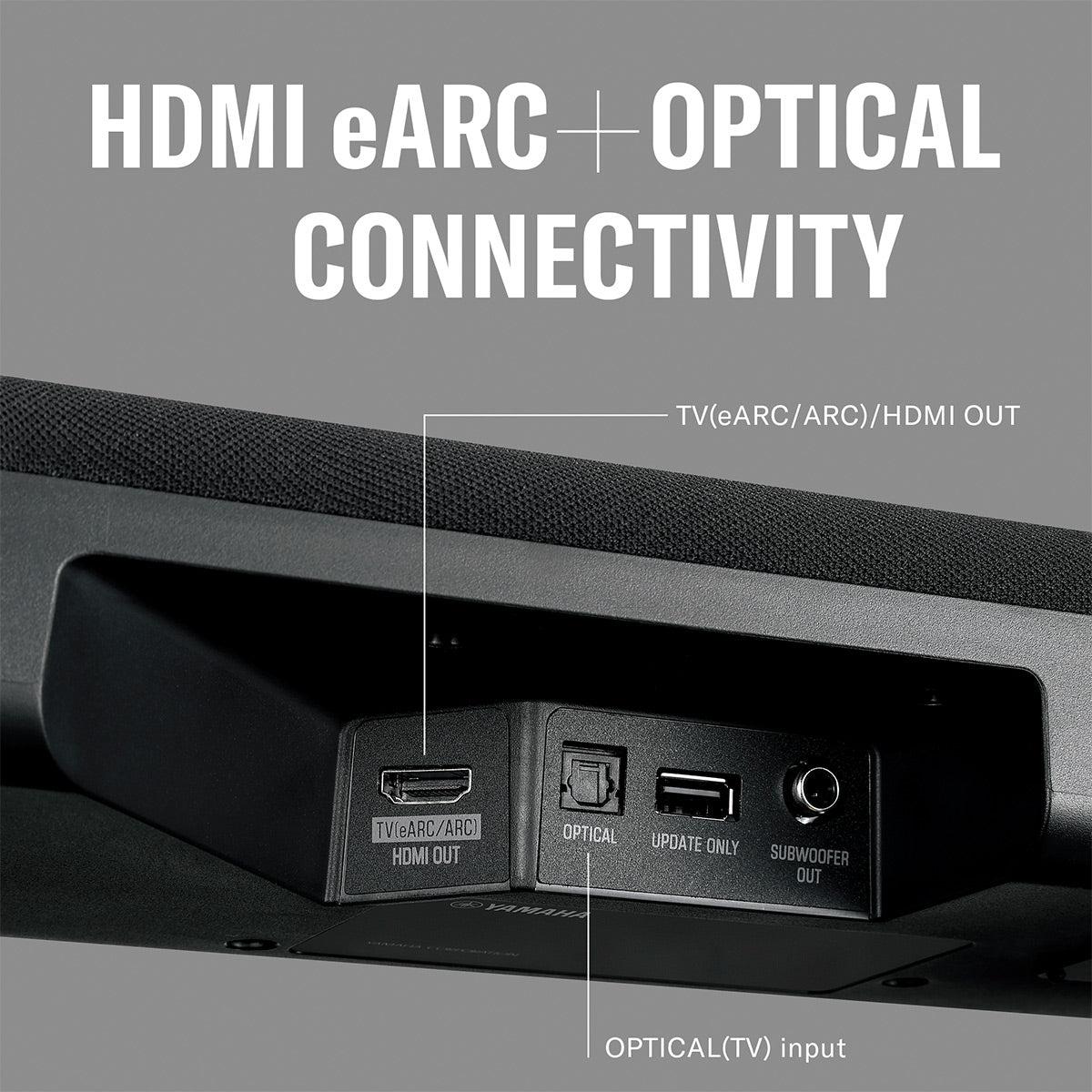
The Yamaha SR-B30A represents the opposite approach. Wall-mounting brackets are built into the soundbar itself, and a single HDMI or optical cable connects it to your TV. The HDMI-CEC compatibility means your TV remote can control basic functions like volume and power, eliminating the need to juggle multiple remotes for basic operation.
This simplicity extends to room integration. There are no rear speakers to position or hide cables to manage. For renters or anyone who frequently rearranges their living space, this flexibility proves valuable.
The Ultimea Poseidon D50 includes comprehensive smartphone app control that goes far beyond basic volume adjustment. The app provides access to 121 preset EQ matrices – essentially pre-configured sound signatures optimized for different types of content and room acoustics. The 10-band equalizer allows precise frequency adjustment, letting you boost or cut specific ranges to compensate for room acoustics or personal preferences.
More importantly, you can independently adjust the volume of the rear speakers. This feature addresses a common issue with surround sound systems: rear speakers that are either too quiet (making surround effects barely noticeable) or too loud (drawing attention away from the main action). The ability to fine-tune this balance makes the difference between a system that sounds artificial and one that creates convincing immersion.
The Yamaha SR-B30A takes a more streamlined approach with its Sound Bar Remote app. You get essential controls and basic EQ adjustment through tone controls, plus four preset sound modes: Stereo for music, Standard for TV programs, Game mode for enhanced spatial effects, and Movie mode for expanded soundstage. This simplicity appeals to users who want better sound without becoming amateur audio engineers.
The 2025 release of the Ultimea Poseidon D50 represents significant progress in budget home theater technology. Historically, true 5.1 surround sound systems required much higher investments and complex setup procedures. The integration of wireless subwoofer technology with wired rear speakers strikes a balance between performance and convenience that wasn't available in this price category even a few years ago.
The SurroundX™ processing represents another technological advancement. Earlier budget surround systems often struggled with upmixing stereo content, creating unnatural sound placement or leaving rear speakers largely silent during regular TV viewing. The dedicated DSP chip in the Poseidon D50 addresses this limitation, ensuring all speakers contribute meaningfully to the listening experience regardless of source material format.
Yamaha's refinements to the SR-B30A reflect decades of audio engineering experience applied to the constraints of single-unit design. The Clear Voice technology, in particular, addresses real-world usability concerns that go beyond pure audio quality measurements. Many users prioritize dialogue intelligibility over other sonic characteristics, making this feature practically valuable despite its technical simplicity.
For serious home theater enthusiasts, the Ultimea Poseidon D50 delivers experiences that single-unit soundbars simply cannot match. Action movies with aircraft flyovers, chase scenes with vehicles moving across the soundstage, and horror films with ambient environmental sounds all benefit dramatically from true positional audio.
Gaming represents another area where authentic surround sound provides competitive advantages. First-person shooters, racing games, and open-world adventures use positional audio cues to enhance immersion and provide tactical information. The ability to accurately locate approaching enemies or vehicles through audio alone can improve gameplay performance while increasing engagement.
The Yamaha SR-B30A handles these scenarios competently through virtual processing, creating a wider soundstage than basic TV speakers and some sense of spatial depth. However, the fundamental limitation remains – sounds seem to emanate from a wider area in front of you rather than truly surrounding your listening position.
Music reproduction reveals different strengths in each approach. The Poseidon D50 excels with concert recordings, live albums, and specially mixed surround sound music that can take advantage of discrete channel placement. The independent subwoofer provides excellent foundation for bass-heavy genres, while the multiple-driver array creates good stereo separation and imaging.
However, some users report that the Ultimea system can sound slightly harsh at higher volumes or when positioned close to the listening area, particularly with acoustic music or vocal-focused content. The tuning prioritizes impact and excitement over absolute refinement.
The Yamaha SR-B30A demonstrates more consistent musical performance across genres, with Yamaha's audio engineering heritage evident in balanced tonal characteristics. The integrated design eliminates potential timing issues between separate components, resulting in cohesive musical presentation. For users whose primary interest is music streaming and casual listening, this consistency proves more important than maximum bass impact.
At the time of writing, both products compete in the budget-to-mid-range soundbar category, but they offer different value propositions. The Ultimea Poseidon D50 delivers features and performance characteristics typically associated with more expensive systems, making it exceptional value for users who want authentic surround sound without premium pricing.
The Yamaha SR-B30A commands appropriate pricing for its feature set and build quality, with the added value of brand reputation and established customer support. Yamaha's history in professional and consumer audio provides confidence in long-term reliability and consistent performance.
The multi-component nature of the Ultimea system offers some theoretical upgrade potential – individual components could potentially be enhanced or replaced. However, the integrated design approach makes this more theoretical than practical for most users.
Both systems support current connectivity standards including HDMI eARC (enhanced Audio Return Channel), which ensures compatibility with modern TVs and streaming devices. The Poseidon D50's Bluetooth 5.3 provides slightly more robust wireless connectivity compared to the SR-B30A's Bluetooth 5.1, but both handle contemporary streaming needs adequately.
Choose the Ultimea Poseidon D50 if you're committed to creating an authentic home theater experience. This system rewards users who watch action movies, play immersive games, or enjoy content where spatial audio enhances the experience. The setup complexity pays dividends in performance that single-unit soundbars cannot match.
Room size matters significantly. In spaces larger than 250 square feet, the Poseidon D50's higher power output and dedicated subwoofer provide the authority needed to fill the space without strain. The rear speakers also work better when there's adequate distance between front and back positions to create proper spatial separation.
Consider this system if you enjoy tweaking audio settings and appreciate extensive customization options. The comprehensive app control appeals to users who want to optimize performance for different content types and personal preferences.
The Yamaha SR-B30A makes perfect sense for users who want immediate, significant improvement over TV speakers without complexity or commitment to multi-component setup. If dialogue clarity during news programs, talk shows, and drama series represents your primary concern, the Clear Voice technology directly addresses this need.
This soundbar excels in smaller rooms, bedrooms, and secondary viewing areas where space constraints favor compact solutions. The wall-mounting capability and minimal footprint provide installation flexibility that the Ultimea system cannot match.
Choose the Yamaha if brand reputation and established customer support influence your purchasing decisions. Yamaha's decades of audio engineering experience provide confidence in product reliability and consistent performance characteristics.
After analyzing extensive user feedback, expert reviews, and technical specifications, the choice between these soundbars comes down to your priorities and room constraints. The Ultimea Poseidon D50 delivers genuinely superior surround sound performance for users willing to accommodate its setup requirements and spatial needs. The authentic positioning effects and powerful bass response create immersive experiences that virtual processing cannot fully replicate.
The Yamaha SR-B30A provides reliable, immediately accessible audio improvement with features specifically designed to address common TV audio problems. The dialogue enhancement and balanced tonal characteristics make it particularly suitable for general TV viewing and music listening.
Neither choice is wrong – they simply serve different needs and preferences. Consider your viewing habits, room layout, technical comfort level, and long-term audio goals when making this decision. Both represent solid value propositions in their respective approaches to solving the fundamental problem of inadequate TV audio.
The evolution of budget home theater technology means that excellent sound quality is now accessible at multiple price points and complexity levels. Whether you choose authentic surround positioning or sophisticated virtual processing, either system will dramatically improve your viewing experience compared to built-in TV speakers.
| Ultimea Poseidon D50 5.1 Soundbar | Yamaha SR-B30A Sound Bar |
|---|---|
| Channel Configuration - Determines authentic vs. simulated surround sound | |
| True 5.1 with physical rear speakers | 2.1 with virtual surround processing |
| Total Power Output - Affects room-filling capability and dynamic range | |
| 320W peak (excellent for medium-large rooms) | 120W total (adequate for small-medium rooms) |
| Subwoofer Design - Critical for bass depth and impact | |
| Separate 5.25" wireless subwoofer with BassMX™ technology | Dual built-in 3" drivers with bass-reflex design |
| Setup Complexity - Time investment vs. performance payoff | |
| Multi-component with 19.6ft rear speaker cables | Single unit, plug-and-play installation |
| Surround Technology - How spatial audio is created | |
| SurroundX™ DSP with physical rear positioning | Dolby Atmos virtual surround processing |
| Connectivity Options - Device compatibility and future-proofing | |
| HDMI eARC, Optical, AUX, USB, Bluetooth 5.3 | HDMI eARC, Optical, Bluetooth 5.1 |
| Customization Depth - Control over sound signature | |
| 121 EQ presets, 10-band equalizer, independent rear volume | 4 sound modes, basic tone controls via app |
| Dialogue Enhancement - Clarity for speech-heavy content | |
| Multiple EQ modes with manual adjustment needed | Clear Voice technology with automatic processing |
| Room Size Recommendation - Optimal performance space | |
| 250-380 sq ft (medium to large rooms) | Small to medium rooms, bedrooms, apartments |
| Physical Footprint - Space requirements and flexibility | |
| Multi-component system requires speaker placement | Single 35.9" soundbar, wall-mountable |
| Brand Heritage - Support and reliability expectations | |
| Newer brand focused on value performance | Established audio manufacturer with proven track record |
The Ultimea Poseidon D50 5.1 Soundbar delivers true 5.1 surround sound with physical rear speakers and a separate wireless subwoofer, while the Yamaha SR-B30A Sound Bar uses virtual surround processing in a single-unit design with built-in subwoofers.
The Yamaha SR-B30A is ideal for small rooms due to its compact single-unit design and 120W power output that won't overwhelm smaller spaces. The Ultimea Poseidon D50 is better suited for medium to large rooms with its 320W output and multi-component setup.
The Ultimea Poseidon D50 requires 19.6-foot cables to connect the rear speakers, while the Yamaha SR-B30A only needs a single HDMI or optical cable connection to your TV. The Ultimea system offers better surround sound but requires more cable management.
The Ultimea Poseidon D50 5.1 Soundbar delivers deeper, more powerful bass with its dedicated 5.25-inch wireless subwoofer and BassMX™ technology. The Yamaha SR-B30A has adequate bass from dual 3-inch built-in drivers but cannot match the impact of a larger dedicated subwoofer.
Both soundbars offer smartphone app control. The Ultimea Poseidon D50 provides extensive customization with 121 EQ presets and independent rear speaker volume control, while the Yamaha SR-B30A offers simpler app controls with basic tone adjustment and preset sound modes.
The Yamaha SR-B30A Sound Bar wins for easy setup with its plug-and-play design and wall-mounting capability. The Ultimea Poseidon D50 requires positioning rear speakers and managing cables, making setup more complex but delivering superior surround sound performance.
The Yamaha SR-B30A excels at dialogue with its dedicated Clear Voice technology that automatically enhances speech clarity. The Ultimea Poseidon D50 5.1 Soundbar handles dialogue well through various EQ modes but requires more manual adjustment to optimize clarity.
The Ultimea Poseidon D50 is superior for movies and gaming due to its true 5.1 surround sound with physical rear speakers that create authentic positional audio. The Yamaha SR-B30A provides virtual surround that's good for general viewing but cannot match true surround positioning.
The Ultimea Poseidon D50 offers HDMI eARC, Optical, AUX, USB, and Bluetooth 5.3 connectivity. The Yamaha SR-B30A Sound Bar includes HDMI eARC, Optical, and Bluetooth 5.1 connections, covering essential needs with slightly fewer options.
Yes, both can be wall mounted. The Yamaha SR-B30A has built-in mounting keyholes for easy installation, while the Ultimea Poseidon D50 5.1 Soundbar includes mounting hardware but you'll still need to position the separate subwoofer and rear speakers.
The Ultimea Poseidon D50 offers exceptional value by delivering true 5.1 surround sound typically found in more expensive systems. The Yamaha SR-B30A provides good value for users prioritizing simplicity and brand reliability over maximum performance.
The Ultimea Poseidon D50 5.1 Soundbar supports Dolby Digital and DTS decoding with SurroundX™ processing for stereo-to-surround conversion. The Yamaha SR-B30A Sound Bar features Dolby Atmos virtual processing for enhanced spatial audio from a single unit.
We've done our best to create useful and informative comparisons to help you decide what product to buy. Our research uses advanced automated methods to create this comparison and perfection is not possible - please contact us for corrections or questions. These are the sites we've researched in the creation of this article: youtube.com - eu.ultimea.com - newegg.com - tvsbook.com - youtube.com - provantage.com - ultimea.com - techradar.com - community.ultimea.com - homedepot.com - community.ultimea.com - ultimea.com - ultimea.de - youtube.com - medisamhealthcenter.com - ultimea.com - youtube.com - walmart.com - usa.yamaha.com - worldwidestereo.com - audiolab.com - shop.sg.yamaha.com - consumerreports.org - usa.yamaha.com - vinylsound.ca - bestbuy.com - modernappliancewoodward.com - bluestardist.com - target.com - my.yamaha.com

Privacy Policy
Terms and Conditions - Affiliate Policy
Home Security
© Copyright 2008-2026.
11816 Inwood Rd #1211, Dallas, TX 75244