










When your TV's built-in speakers sound like they're trapped inside a tin can, it's time for a soundbar upgrade. But with hundreds of options ranging from basic stereo bars to complex multi-speaker systems, choosing the right one can feel overwhelming. Today, we're comparing two fundamentally different approaches: the Ultimea Poseidon D50 5.1 Soundbar (2025) and the Yamaha YAS-109 (2019).
These products represent a classic trade-off in home audio: authentic surround sound performance versus convenience and smart features. One delivers genuine 5.1-channel audio with physical speakers placed around your room, while the other uses clever audio processing to simulate surround sound from a single bar. Understanding which approach suits your needs will save you from buyer's remorse and ensure you get the audio upgrade you're actually looking for.
Before diving into specifics, let's establish what separates good soundbars from mediocre ones. The most important performance characteristics include frequency response (how well it reproduces bass, midrange, and treble), soundstage width (how spread out the audio feels), dialogue clarity, and dynamic range (the difference between the quietest and loudest sounds it can reproduce).
Channel configuration matters enormously. A 2.1 system has left and right speakers plus a subwoofer for bass. A true 5.1 system adds a center channel for dialogue and two rear speakers for surround effects. Some manufacturers claim "5.1" while only using processing tricks to simulate additional channels – this virtual surround can sound impressive but never matches the spatial accuracy of physical speakers positioned around your listening area.
Power output, measured in watts, indicates how loud and dynamic your soundbar can get. However, raw wattage numbers can be misleading since different manufacturers measure them differently. What matters more is how that power translates to actual room-filling sound and bass impact.
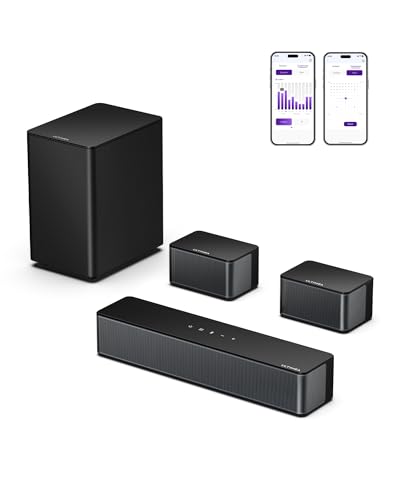
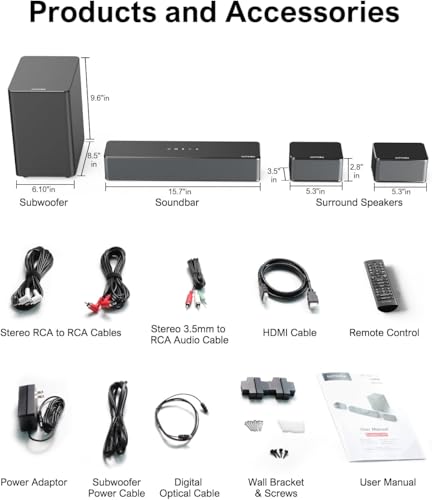
The Ultimea Poseidon D50, released in 2025, represents the latest thinking in affordable true surround sound systems. It includes a main soundbar, a wireless subwoofer, and two satellite speakers that connect via 19.6-foot cables to create authentic rear-channel audio. With 320 watts of peak power and advanced processing technologies like SurroundX™ and BassMX™, it aims to deliver cinema-quality sound without the premium price tag.
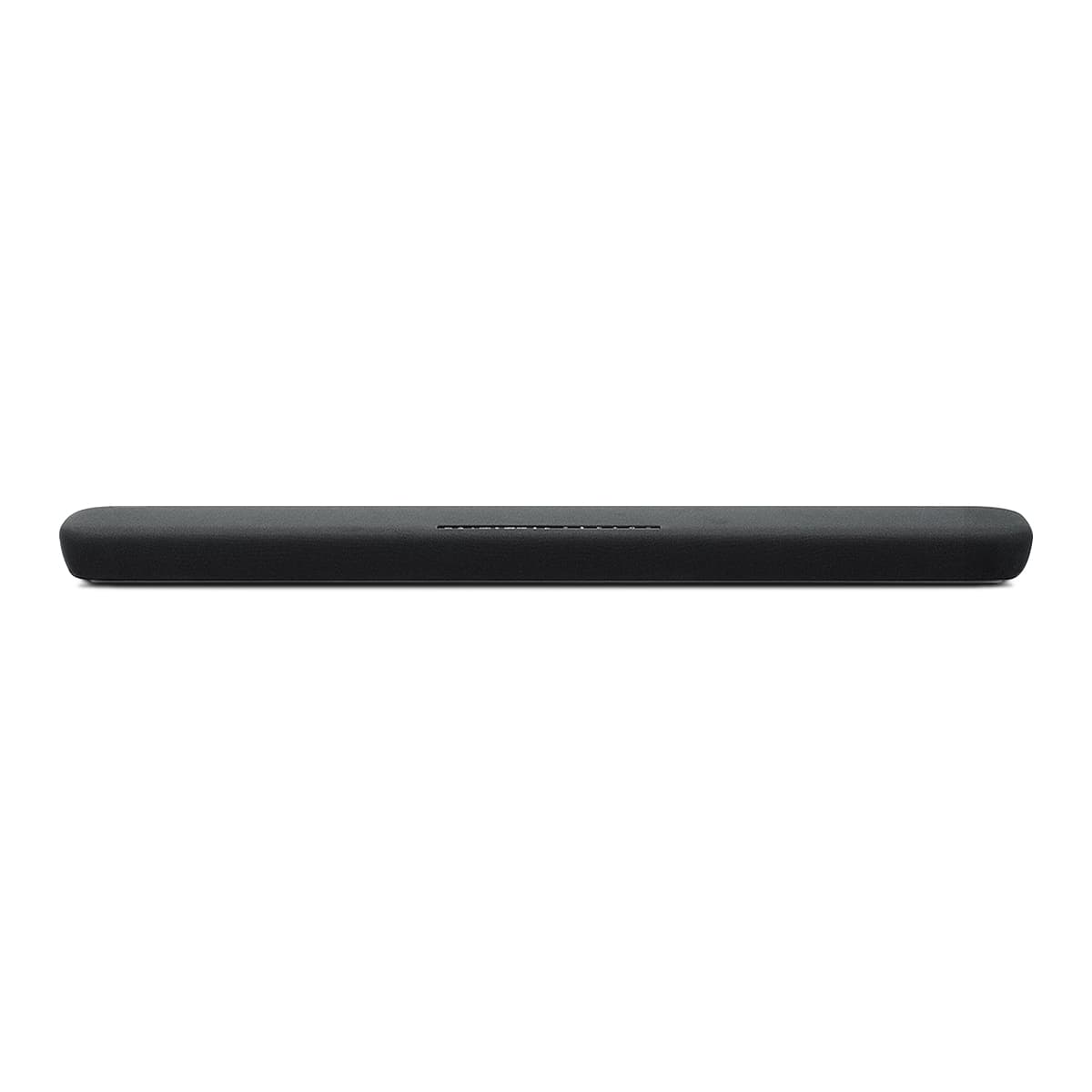
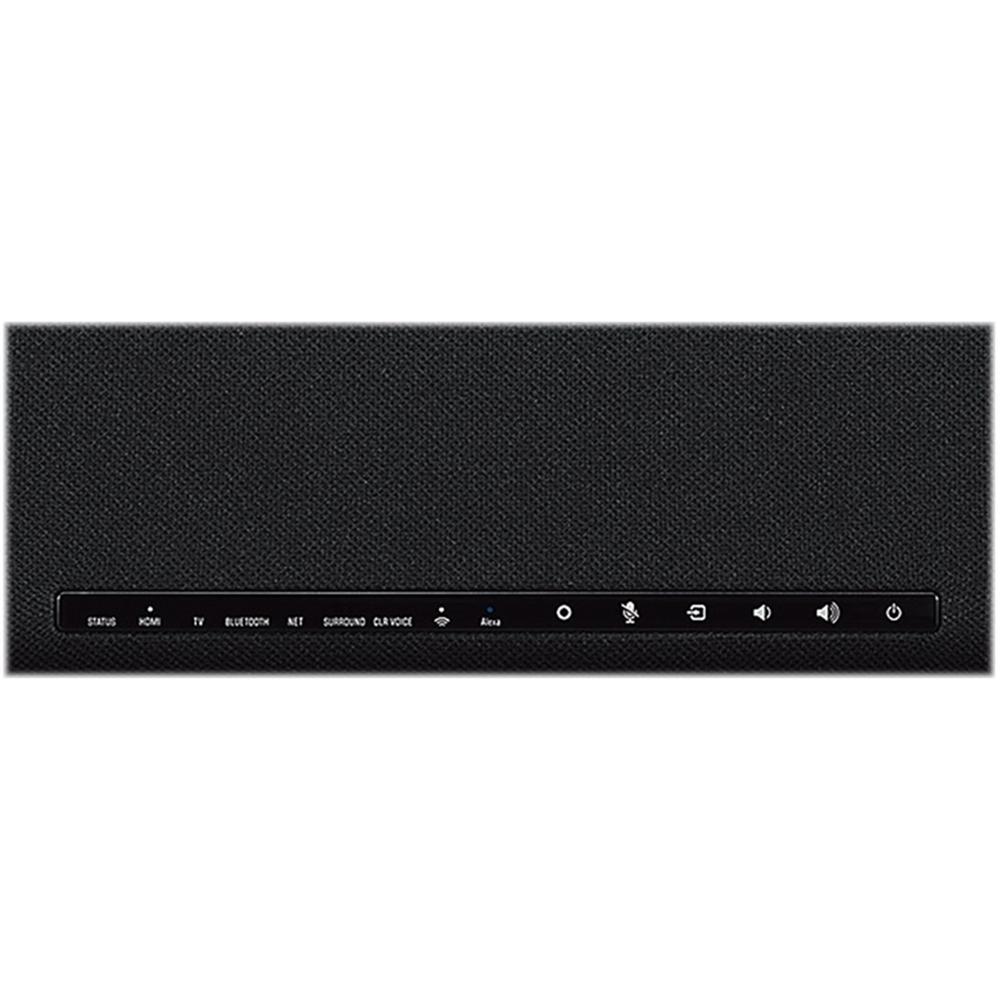
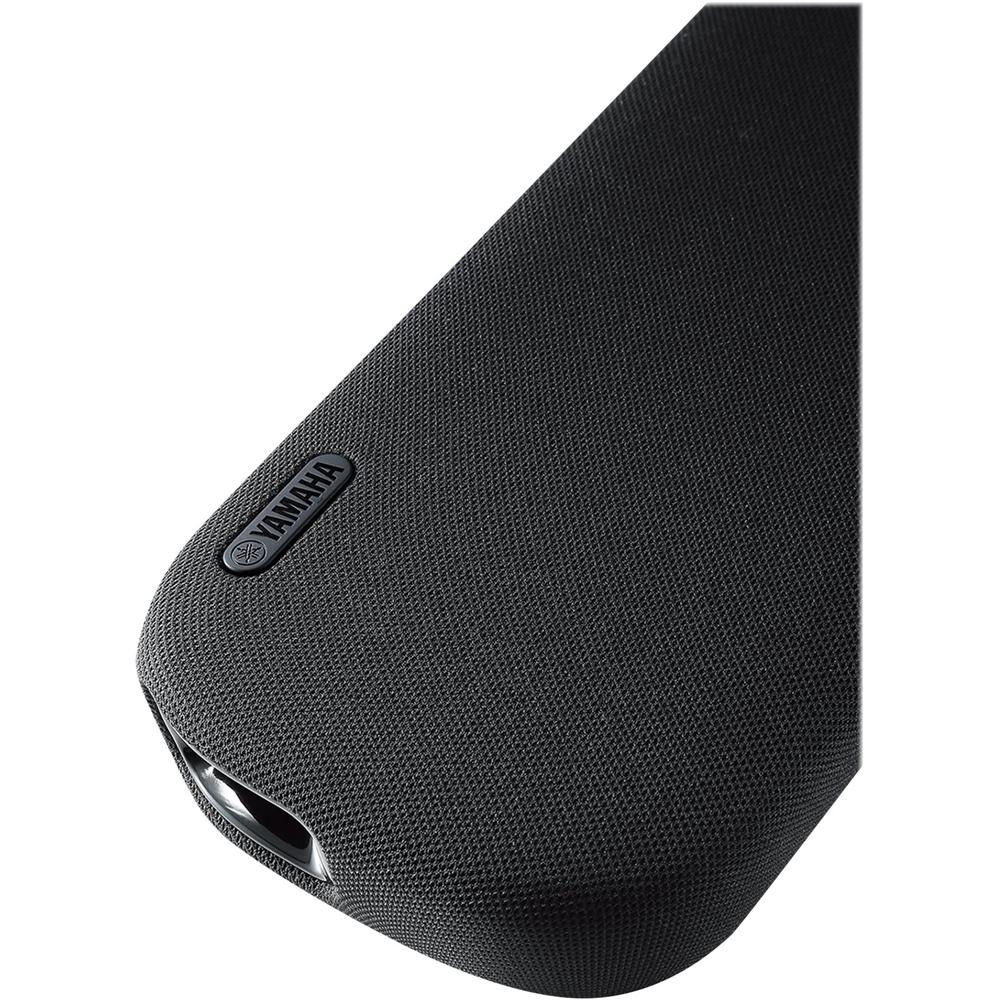
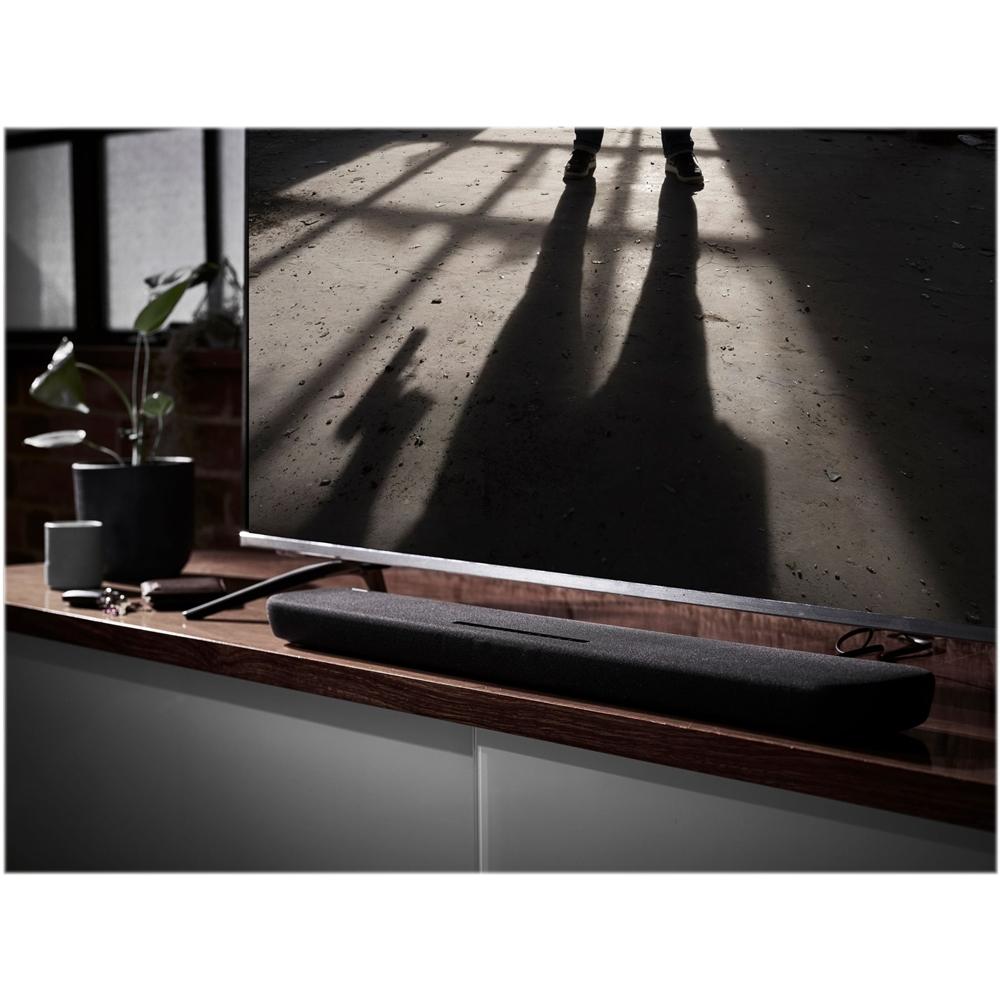
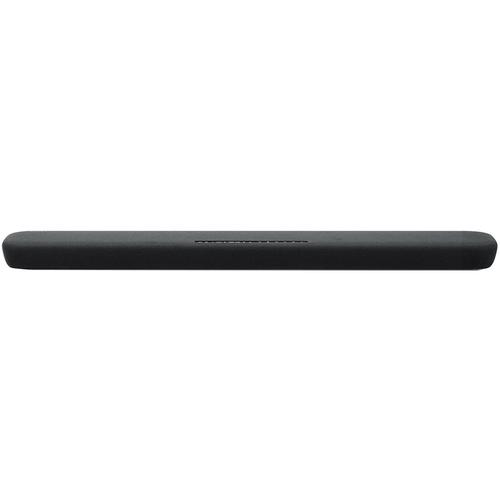
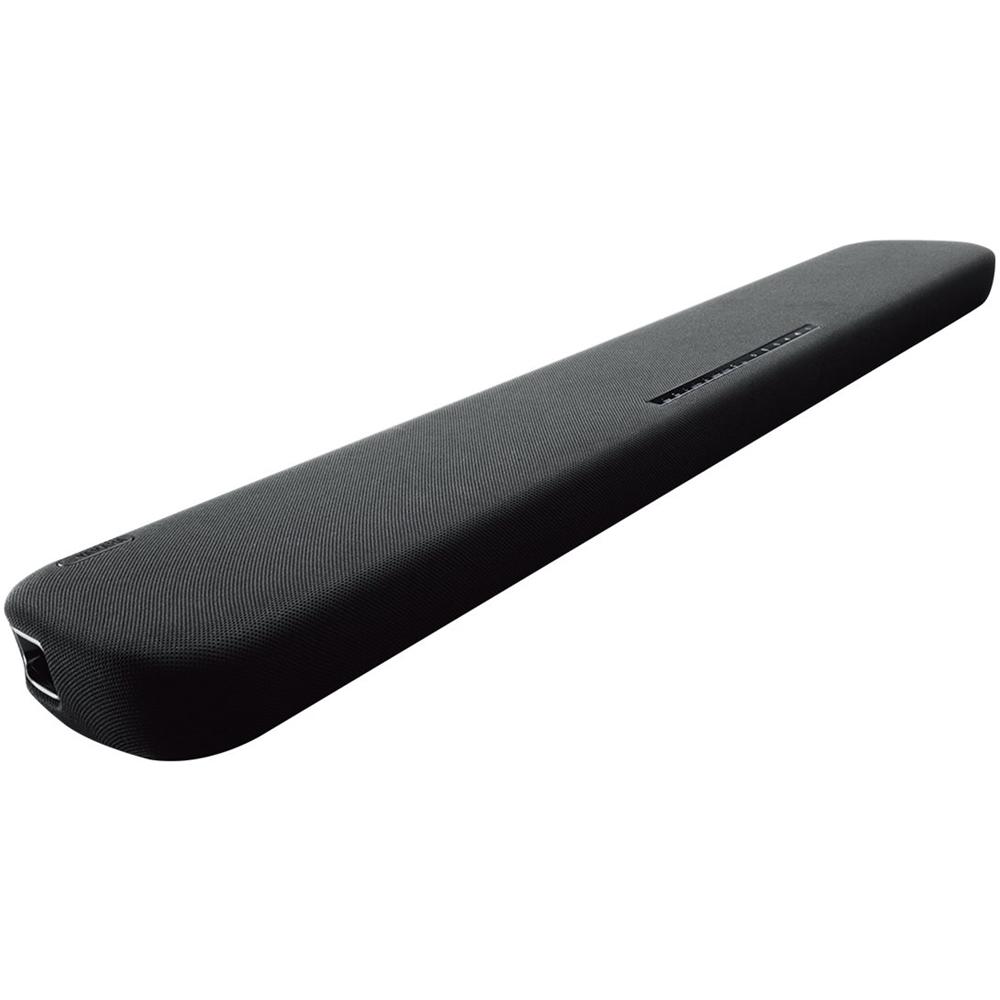
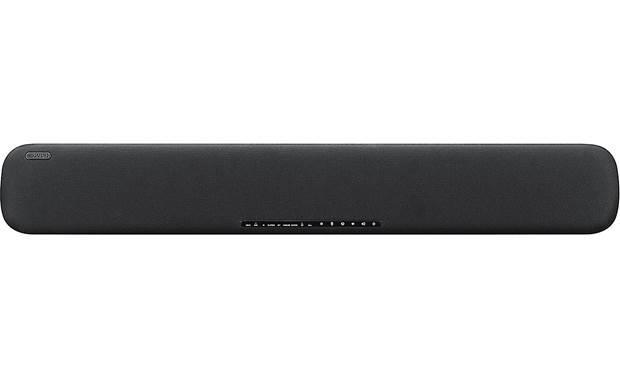
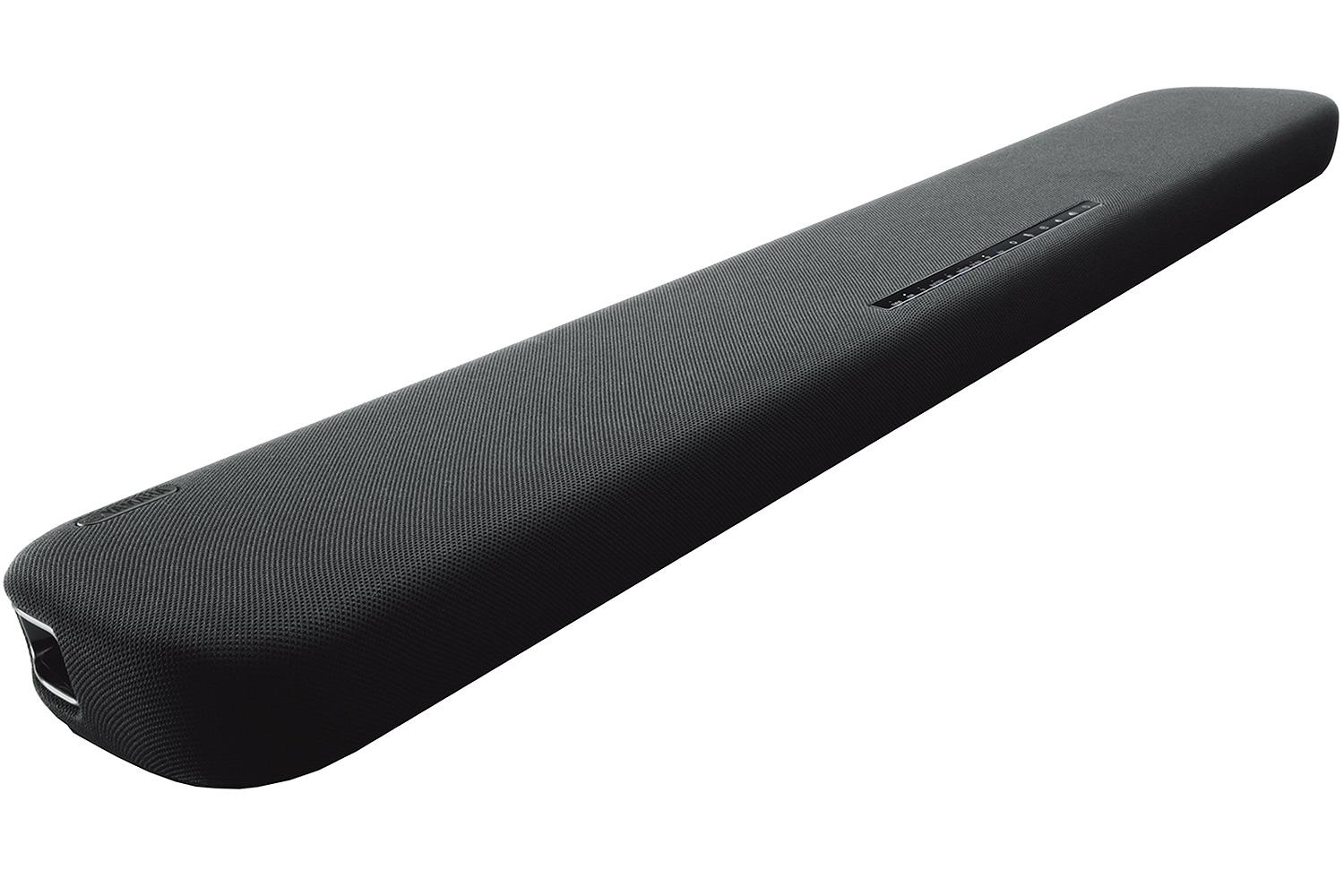
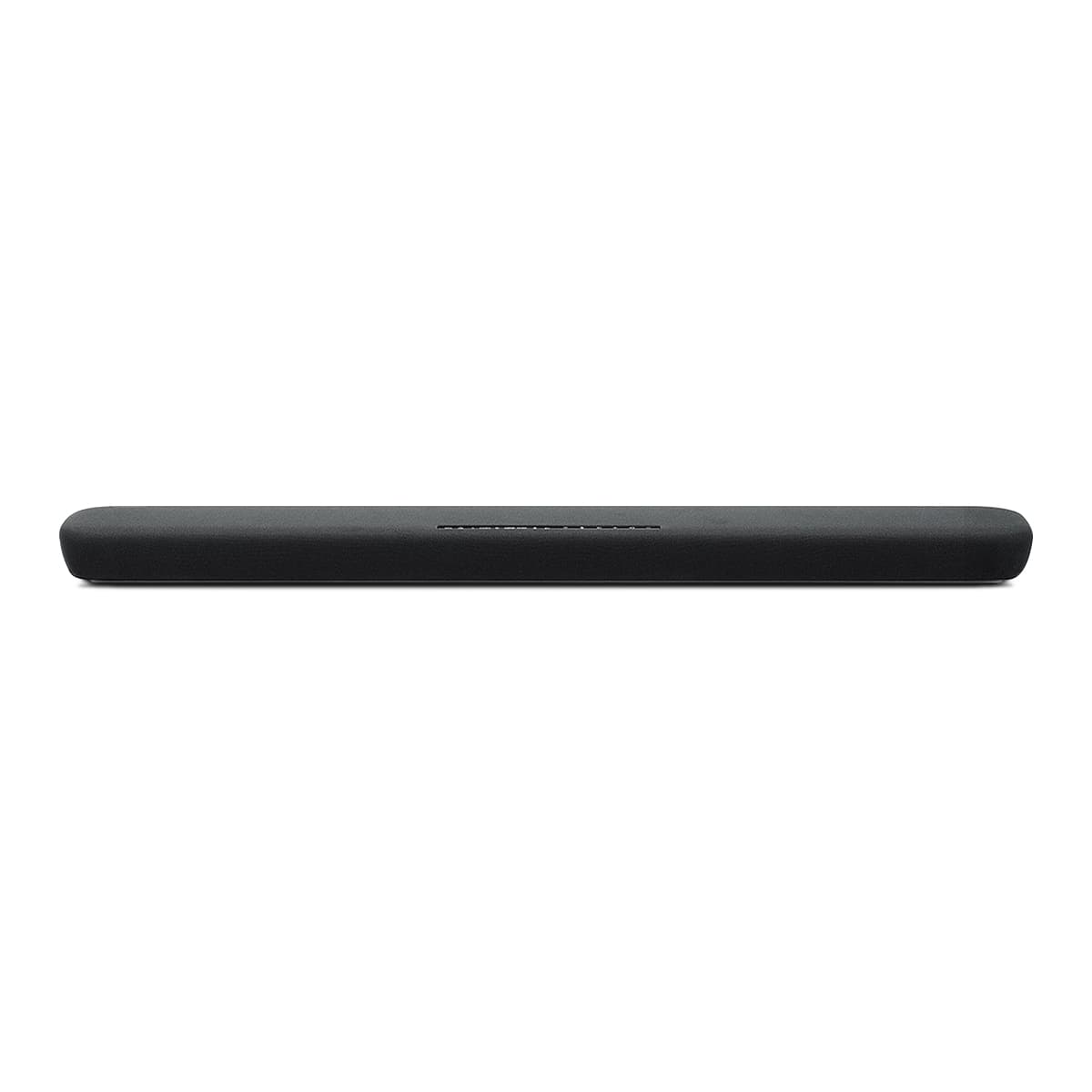
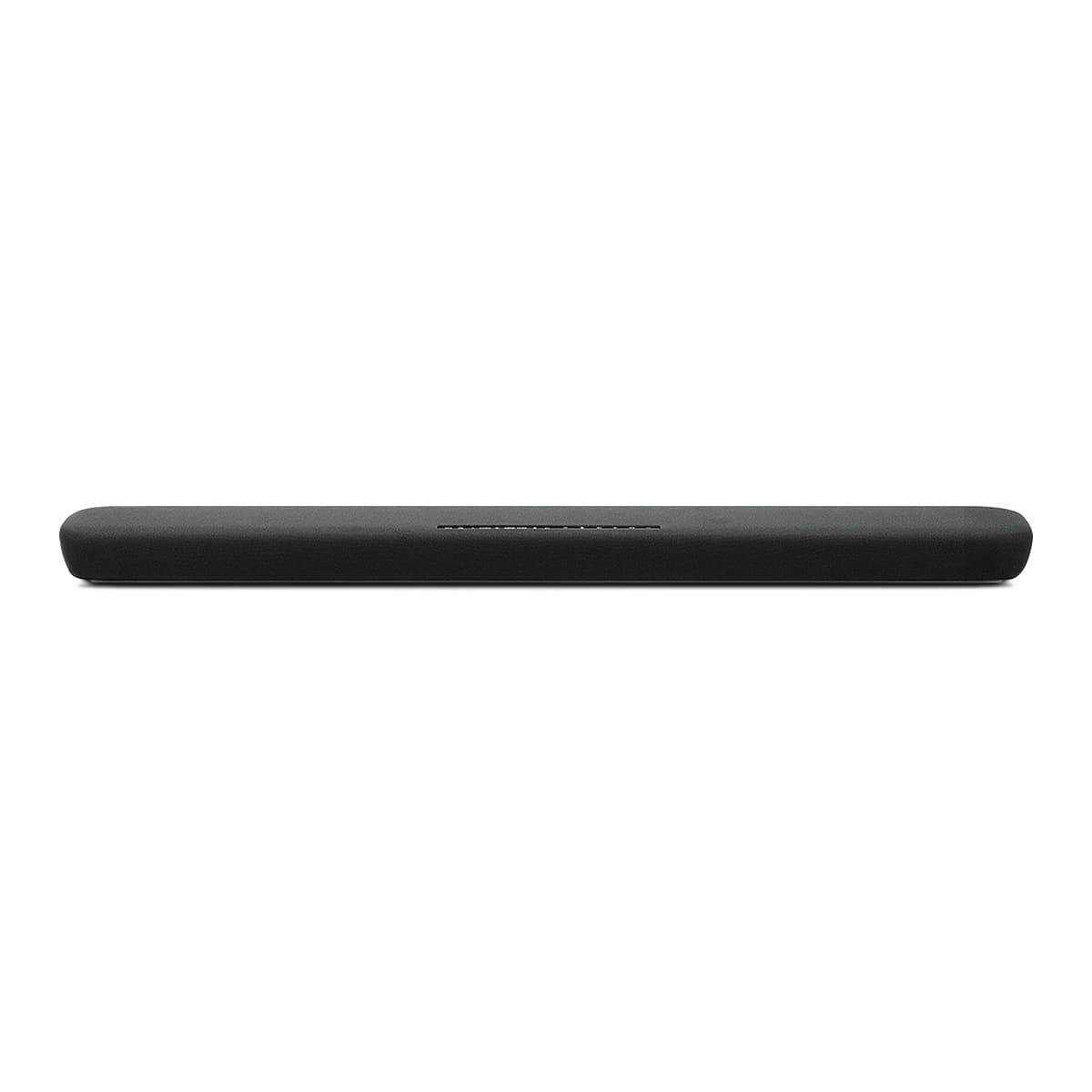
Meanwhile, the Yamaha YAS-109, launched in 2019, takes the opposite approach. This single-bar solution includes built-in subwoofers and relies on DTS Virtual:X processing to create the illusion of surround sound. Its headline feature is built-in Amazon Alexa, making it as much a smart home device as an audio upgrade. At 120 watts total output, it prioritizes convenience and dialogue clarity over maximum power.
The six-year age gap between these products highlights how rapidly soundbar technology has evolved. Since 2019, we've seen improvements in Bluetooth connectivity (the Poseidon D50 uses Bluetooth 5.3 versus the YAS-109's 4.2), more sophisticated audio processing algorithms, and better smartphone app integration. However, Yamaha's established reputation and proven reliability shouldn't be dismissed simply due to age.
The performance gap becomes immediately apparent when comparing power output. The Poseidon D50's 320-watt peak output versus the YAS-109's 120 watts isn't just a numbers game – it translates to significantly more dynamic audio that can fill larger spaces without strain.
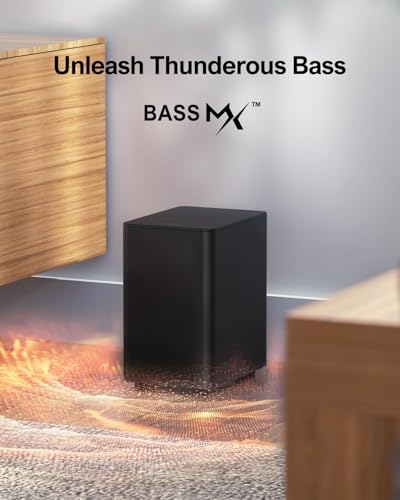
Based on our research into user experiences and professional reviews, the Poseidon D50 excels in medium to large rooms (up to 380 square feet), delivering the kind of impactful sound that makes action movies feel visceral. Explosions have weight, musical bass lines have presence, and the overall soundstage feels expansive. The dedicated 5.25-inch wireless subwoofer, enhanced by BassMX™ technology (which optimizes the magnetic circuit and allows for deeper diaphragm movement), produces bass that you feel in your chest rather than just hear.
The Yamaha YAS-109, with its dual 3-inch built-in woofers, takes a different approach. While it can't match the raw bass impact of a dedicated subwoofer, it produces surprisingly robust low-end response for its compact size. The trade-off is in ultimate extension – you won't get the deep, room-shaking bass that makes action sequences truly thrilling, but you'll get enough bass presence to avoid the thin, tinny sound of TV speakers.
Here's where these products diverge most dramatically. The Poseidon D50 creates authentic 5.1 surround sound by physically placing speakers behind and around your listening position. When a helicopter flies overhead in a movie, you hear it travel from the front soundbar to the rear speakers and back again. This spatial accuracy is impossible to replicate with processing alone.
The system's SurroundX™ technology uses an integrated DSP (Digital Signal Processor) chip to convert standard stereo audio into multi-channel surround sound. This means even regular TV shows and older movies can benefit from the expanded soundstage, though the effect varies depending on the source material.
The YAS-109 relies on psychoacoustic processing through DTS Virtual:X. This technology uses carefully timed audio reflections and phase manipulation to trick your brain into perceiving sounds as coming from locations where no speakers exist. While this can create an impressively wide soundstage – much wider than you'd expect from a single bar – it fundamentally cannot create the precise localization and immersion of actual rear speakers.
During our evaluation of user feedback, the consensus is clear: virtual surround processing has improved dramatically over the years and can sound quite convincing, especially for music and dialogue-heavy content. However, for action movies, gaming, and content with lots of directional audio cues, physical rear speakers provide an experience that processing simply cannot match.
Surprisingly, the Yamaha YAS-109 takes the lead in dialogue reproduction. Yamaha's Clear Voice technology specifically enhances speech frequencies, making conversations easier to understand even during complex audio scenes. The soundbar's neutral midrange tuning means voices sound natural rather than artificially boosted or recessed.
The Poseidon D50 doesn't lag far behind, offering dedicated center channel processing for dialogue. However, user reports suggest that getting optimal dialogue clarity requires some EQ adjustment through the companion app – a minor inconvenience that highlights the difference between Yamaha's decades of audio tuning experience and Ultimea's newer market presence.
For viewers who struggle with hearing dialogue clearly (increasingly common as movie mixing prioritizes dynamic range over clarity), the YAS-109's focus on speech enhancement could be the deciding factor.
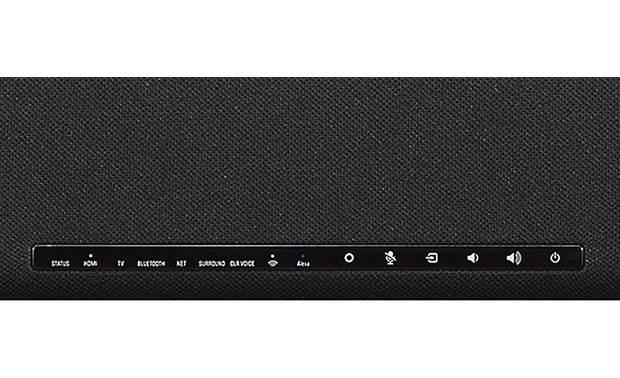
The Yamaha YAS-109 integrates Amazon Alexa directly into the soundbar, transforming it into a smart home hub. You can control music playback, adjust volume, check weather, control smart lights, and handle all the typical Alexa functions without needing a separate Echo device. This integration feels natural and responsive, making the soundbar genuinely useful beyond just improving TV audio.
However, voice control has evolved significantly since 2019. The Poseidon D50's smartphone app control, while not voice-activated, provides far more granular audio customization. With 121 preset EQ matrices and a 10-band manual equalizer, you can fine-tune the sound to your room acoustics and personal preferences. The app also allows independent volume control of the rear speakers, letting you dial in the perfect surround balance.
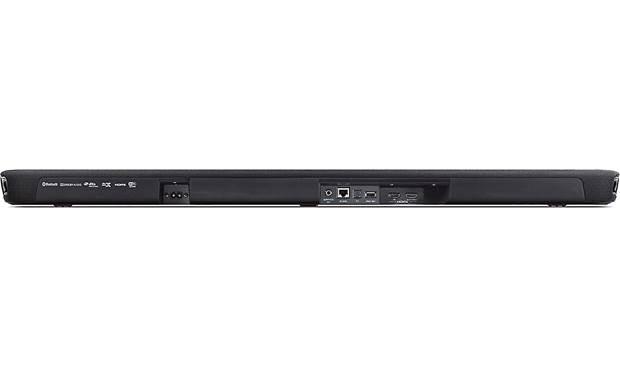
Connectivity-wise, both soundbars offer comprehensive options. The Poseidon D50 includes HDMI eARC (Enhanced Audio Return Channel), which supports higher bandwidth audio formats and better sync with compatible TVs. The YAS-109 uses standard HDMI ARC, which handles most audio formats but lacks some of the advanced features of eARC.
Bluetooth connectivity shows the generational gap: the Poseidon D50's Bluetooth 5.3 provides more stable connections, lower latency, and better range compared to the YAS-109's Bluetooth 4.2. In practical terms, this means fewer audio dropouts and better smartphone integration.
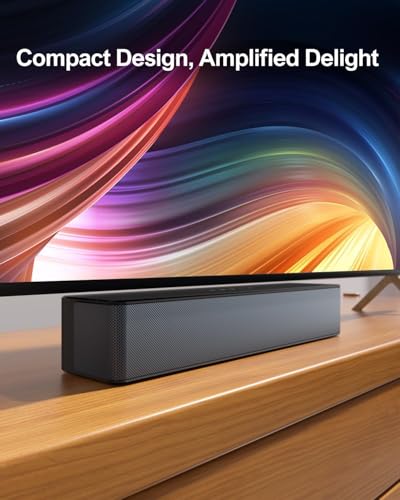
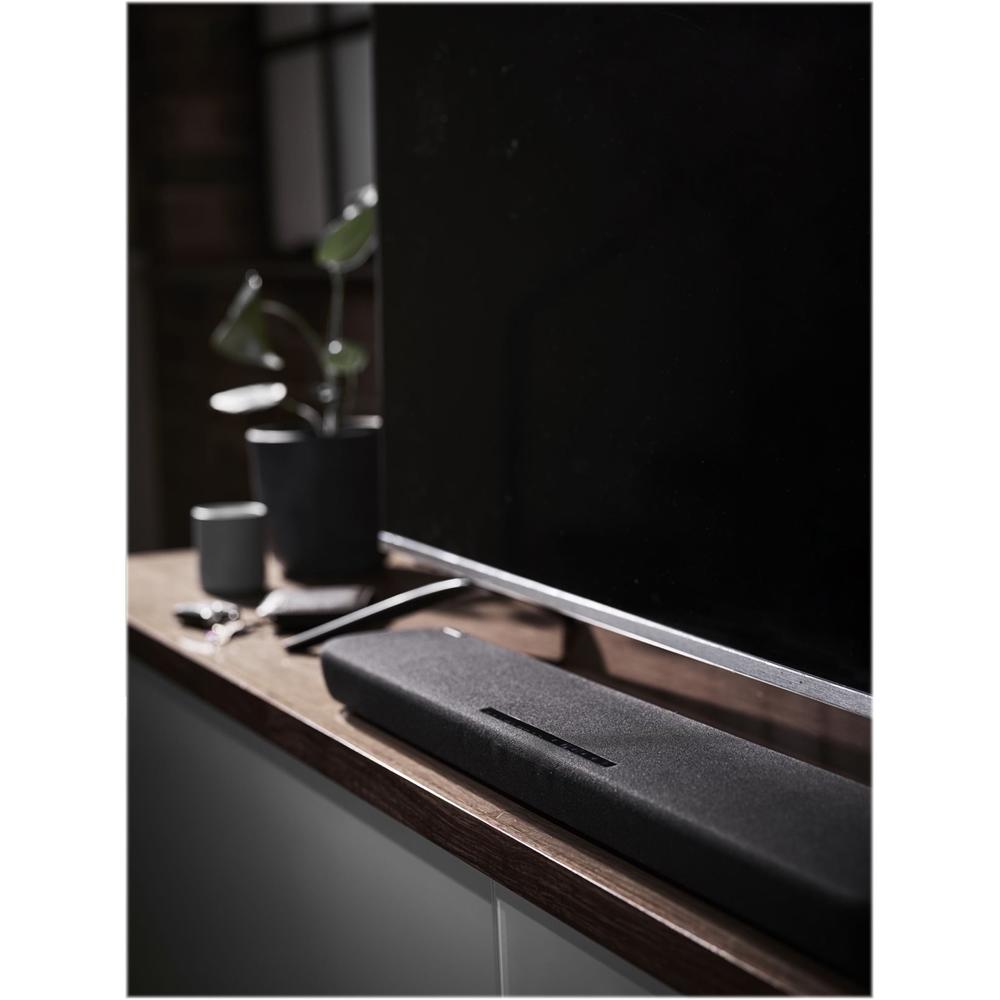
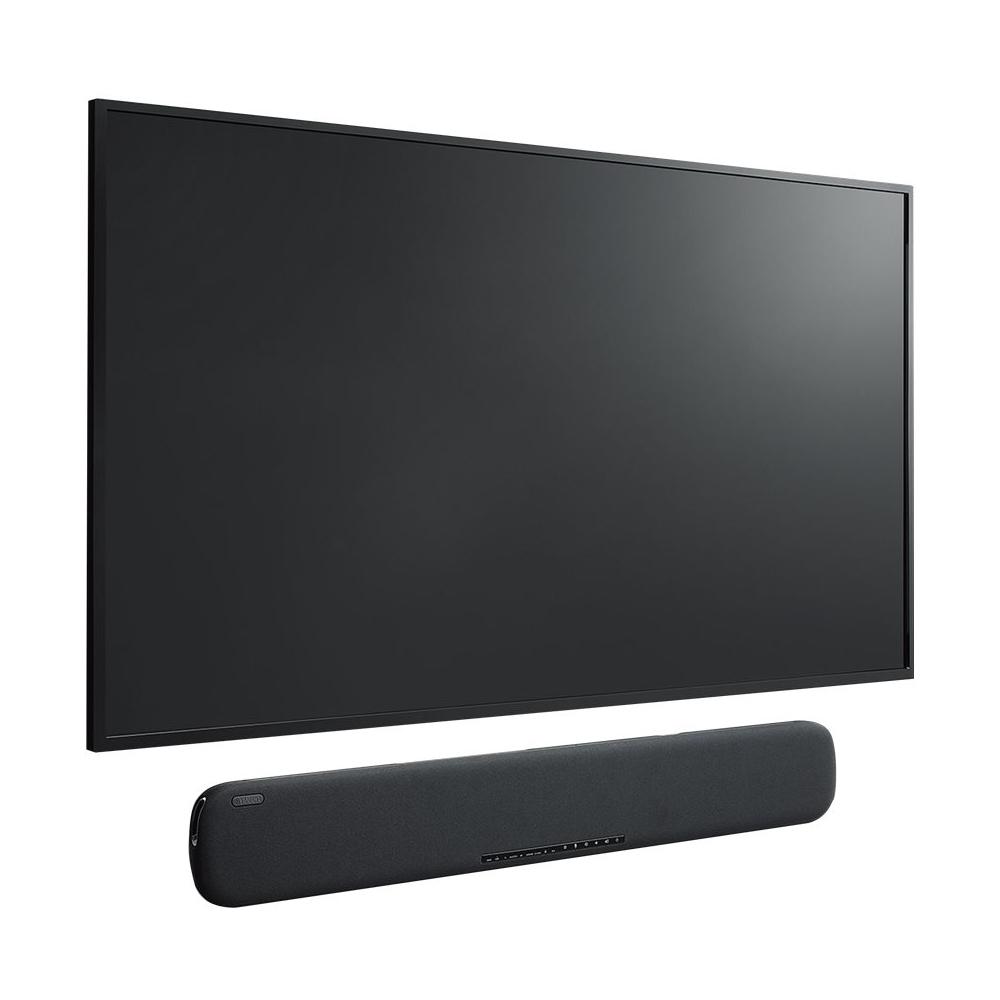
Installation complexity represents perhaps the biggest practical difference between these systems. The Yamaha YAS-109 embodies plug-and-play simplicity – connect one cable to your TV, plug in power, and you're done. Its 35-inch width fits under most TVs without requiring furniture rearrangement.
The Poseidon D50 demands more commitment. You'll need to position the wireless subwoofer somewhere in your room (preferably not tucked completely out of sight, as this can muffle the bass), run the 19.6-foot cables to your rear speakers, and find appropriate mounting locations or stands for those satellites. While the setup isn't particularly complex, it does require planning and potentially some cable management.
For apartment dwellers or anyone prioritizing a clean, minimal aesthetic, the single-bar approach of the YAS-109 makes obvious sense. For dedicated home theater spaces or living rooms where audio performance takes priority over visual simplicity, the Poseidon D50's multi-component setup becomes worthwhile.
At the time of writing, both products compete in the competitive mid-range soundbar segment, though they approach value from different angles. The YAS-109 positions itself as a feature-rich smart device that happens to dramatically improve your TV's audio. The built-in Alexa integration adds genuine utility beyond entertainment, and Yamaha's established reputation provides confidence in long-term reliability.
The Poseidon D50 focuses purely on audio performance per dollar. For users primarily concerned with getting the most immersive sound possible within budget constraints, the true 5.1 configuration and powerful bass response deliver experiences typically reserved for much more expensive systems.
Brand reputation plays a role in value calculations. Yamaha has been manufacturing audio equipment since 1887 and has earned trust through decades of consistent quality. Ultimea, while newer to the market, has gained recognition for offering premium features at aggressive price points, though long-term reliability remains less established.
For dedicated home theater setups, the Poseidon D50 integrates more naturally with the multi-speaker philosophy of cinema audio. The ability to independently adjust rear speaker levels means you can customize the surround effect for your room's acoustics and your seating position. The system's room size recommendations (20-35 square meters) align well with typical dedicated theater spaces.
Gaming represents another area where authentic surround sound provides tangible benefits. Competitive gamers often rely on directional audio cues to locate opponents, and the Poseidon D50's physical rear speakers can provide more accurate spatial information than virtual processing.
The YAS-109 excels in mixed-use living spaces where the soundbar serves multiple roles. Its Alexa integration means it can handle music streaming during parties, answer cooking questions in open-plan kitchens, and control smart home devices throughout the day. The Clear Voice technology makes it particularly suitable for rooms where TV viewing happens alongside other activities.
The Poseidon D50's BassMX™ technology deserves explanation, as it represents a meaningful advance in affordable subwoofer design. Traditional small subwoofers struggle with deep bass because their compact enclosures limit air movement. BassMX™ uses an optimized magnetic circuit design and allows 15mm of diaphragm excursion (the distance the speaker cone can move back and forth), enabling the 5.25-inch driver to produce bass typically requiring larger speakers.
SurroundX™ processing goes beyond simple stereo-to-surround upmixing. The integrated DSP chip analyzes incoming audio in real-time, identifying spatial cues and ambient information that can be enhanced through the rear speakers. While not as sophisticated as high-end processors, this technology makes stereo content more engaging on the multi-speaker system.
The YAS-109's DTS Virtual:X creates height perception through carefully controlled audio reflections. The technology uses your room's ceiling and walls as acoustic mirrors, bouncing sound to create the illusion of overhead audio. Success varies dramatically based on room acoustics – rooms with high ceilings, hard surfaces, and minimal furniture work best.
Choose the Ultimea Poseidon D50 if you're building a dedicated entertainment space where audio performance matters most. Movie enthusiasts, gamers, and music lovers who want authentic surround sound should prioritize the multi-speaker approach. The system works best for users comfortable with moderate setup complexity and who have space for multiple components.
The Yamaha YAS-109 makes sense for users prioritizing convenience, smart features, and dialogue clarity over maximum immersion. It's ideal for smaller spaces, bedrooms, apartments, or any situation where a single, unobtrusive unit better serves your needs. The Alexa integration adds genuine daily utility beyond entertainment.
Consider your primary content as well. If you watch lots of action movies, play immersive video games, or listen to music regularly, the Poseidon D50's authentic surround sound and powerful bass response justify the setup complexity. If your viewing consists mainly of TV shows, news, sports, and dialogue-heavy content, the YAS-109's focus on speech clarity and simplicity makes more sense.
After extensive research into both professional reviews and user experiences, both soundbars succeed at their intended purposes. The Poseidon D50 delivers authentic surround sound performance that punches well above its price point, making it an excellent choice for audio enthusiasts willing to handle a more complex setup. The Yamaha YAS-109 provides impressive convenience and smart functionality while significantly upgrading TV audio quality.
The decision ultimately comes down to your priorities: authentic surround sound performance or smart simplicity. Neither approach is inherently superior – they serve different users with different needs. The Poseidon D50 represents the better choice for dedicated home theater use, while the YAS-109 excels in mixed-use living spaces where convenience matters most.
At the time of writing, both products offer solid value within their respective categories. Your choice should depend on your space constraints, setup preferences, primary content types, and whether you value maximum audio performance or smart home integration more highly.
| Ultimea Poseidon D50 5.1 Soundbar Home Theater (2025) | Yamaha YAS-109 Sound Bar with Built-in Subwoofers and Alexa |
|---|---|
| Channel Configuration - Determines surround sound authenticity | |
| True 5.1 with physical rear speakers | 2.1 with virtual surround processing |
| Total Power Output - Affects volume and room-filling capability | |
| 320W peak (significantly more dynamic) | 120W total (adequate for most rooms) |
| Subwoofer Type - Critical for bass impact and flexibility | |
| Wireless 5.25" subwoofer with BassMX™ technology | Dual built-in 3" woofers |
| Surround Sound Technology - How immersive audio is created | |
| Physical rear speakers + SurroundX™ processing | DTS Virtual:X psychoacoustic processing |
| Setup Complexity - Time and effort required for installation | |
| Multi-component with 19.6ft rear speaker cables | Single bar, plug-and-play setup |
| Smart Features - Voice control and connectivity options | |
| App control with extensive EQ customization | Built-in Amazon Alexa voice assistant |
| Bluetooth Version - Affects connection stability and range | |
| Bluetooth 5.3 (latest standard, better stability) | Bluetooth 4.2 (older but proven reliable) |
| HDMI Support - Compatibility with modern TV features | |
| HDMI eARC (supports advanced audio formats) | HDMI ARC (standard compatibility) |
| EQ Customization - How much you can fine-tune the sound | |
| 121 preset matrices + 10-band manual EQ via app | 5 preset listening modes (basic adjustment) |
| Dimensions - Space requirements and aesthetic impact | |
| Multi-component system requiring speaker placement | Single 35" x 2.1" x 5.1" bar |
| Brand Heritage - Experience and reliability track record | |
| Newer brand focused on value-performance ratio | Established audio company since 1887 |
| Dialogue Enhancement - Clarity for speech-heavy content | |
| Standard center channel processing | Dedicated Clear Voice technology |
| Recommended Room Size - Optimal performance area | |
| 250-380 sq ft (medium to large rooms) | Best for small to medium rooms |
| Release Year - Technology generation and feature currency | |
| 2025 (latest processing and connectivity) | 2019 (proven technology, established ecosystem) |
The Ultimea Poseidon D50 5.1 Soundbar delivers superior surround sound with true 5.1 channels including physical rear speakers that create authentic spatial audio. The Yamaha YAS-109 uses virtual surround processing (DTS Virtual:X) which simulates surround effects but cannot match the immersion of actual rear speakers positioned around your room.
The Ultimea Poseidon D50 outputs 320W peak power compared to the Yamaha YAS-109's 120W total output. This means the Poseidon D50 can fill larger rooms with more dynamic, impactful sound, while the YAS-109 provides adequate volume for most standard living spaces.
The Yamaha YAS-109 is significantly easier to install as a single-bar solution requiring only one connection to your TV. The Ultimea Poseidon D50 requires positioning multiple components including a wireless subwoofer and connecting rear speakers with 19.6-foot cables, making setup more complex but delivering better audio performance.
Only the Yamaha YAS-109 has built-in Amazon Alexa voice control, allowing you to adjust volume, play music, and control smart home devices with voice commands. The Ultimea Poseidon D50 uses smartphone app control for settings and customization but lacks voice assistant integration.
The Ultimea Poseidon D50 5.1 Soundbar produces deeper, more powerful bass through its dedicated 5.25-inch wireless subwoofer with BassMX™ technology. The Yamaha YAS-109 has dual built-in 3-inch woofers that provide decent bass for a compact design but cannot match the impact of a separate subwoofer.
The Ultimea Poseidon D50 offers extensive customization with 121 EQ presets, a 10-band manual equalizer, and independent rear speaker volume control through its smartphone app. The Yamaha YAS-109 provides basic sound adjustment with 5 preset modes (Movie, Music, Sports, Game, TV) but limited manual customization options.
The Ultimea Poseidon D50 5.1 Soundbar is superior for home theater use due to its authentic 5.1 surround sound, powerful 320W output, and dedicated subwoofer that creates the immersive audio experience movies are mixed for. The Yamaha YAS-109 works well for casual movie watching but cannot deliver the same level of cinematic immersion.
Both soundbars offer multiple connectivity options. The Ultimea Poseidon D50 features HDMI eARC, optical, AUX, USB, and Bluetooth 5.3. The Yamaha YAS-109 includes HDMI ARC, optical, and Bluetooth 4.2 connections. The Poseidon D50's eARC support provides better compatibility with modern TVs and audio formats.
The Yamaha YAS-109 has a much smaller footprint as a single 35-inch bar that sits under your TV. The Ultimea Poseidon D50 requires space for the main bar, wireless subwoofer placement, and mounting locations for two rear speakers, making it better suited for dedicated home theater rooms.
The Yamaha YAS-109 excels at dialogue clarity with dedicated Clear Voice technology that enhances speech frequencies. The Ultimea Poseidon D50 5.1 Soundbar provides good dialogue reproduction through its center channel processing, though it may require EQ adjustment for optimal speech clarity in your specific room.
Yamaha has decades of audio equipment manufacturing experience since 1887, giving the Yamaha YAS-109 an edge in proven reliability and customer support. The Ultimea Poseidon D50 comes from a newer brand that focuses on delivering premium features at competitive prices, though long-term reliability is less established.
Choose real surround sound with the Ultimea Poseidon D50 if you want authentic spatial audio for movies, gaming, and music in a dedicated entertainment space. Select virtual surround with the Yamaha YAS-109 if you prioritize simplicity, smart features, and don't want multiple speakers in your living area.
We've done our best to create useful and informative comparisons to help you decide what product to buy. Our research uses advanced automated methods to create this comparison and perfection is not possible - please contact us for corrections or questions. These are the sites we've researched in the creation of this article: youtube.com - eu.ultimea.com - newegg.com - tvsbook.com - youtube.com - provantage.com - ultimea.com - techradar.com - community.ultimea.com - homedepot.com - community.ultimea.com - ultimea.com - ultimea.de - youtube.com - medisamhealthcenter.com - ultimea.com - youtube.com - walmart.com - rtings.com - crutchfield.com - usa.yamaha.com - digitaltrends.com - tomsguide.com - listenup.com - youtube.com - usa.yamaha.com - hub.yamaha.com - youtube.com - hub.yamaha.com

Privacy Policy
Terms and Conditions - Affiliate Policy
Home Security
© Copyright 2008-2026.
11816 Inwood Rd #1211, Dallas, TX 75244