











When your TV's built-in speakers make dialogue sound like it's coming from a tin can, a soundbar becomes essential. But with so many options available, the choice can feel overwhelming. Two products that represent completely different philosophies are the Ultimea Poseidon D50 5.1 Soundbar and the Sonos Ray – one prioritizes immersive surround sound at a budget price, while the other focuses on refined stereo performance within a premium ecosystem.
Understanding which approach suits your needs requires diving into what makes each special, and more importantly, what trade-offs you're making with each choice.
The soundbar market splits into two main camps: stereo soundbars that excel at clarity and music, and surround sound systems that create immersive, theater-like experiences. This isn't just about the number of speakers – it's about fundamentally different approaches to reproducing audio.
Stereo soundbars use two channels (left and right) to create a wide soundstage directly in front of you. They excel at making dialogue crystal clear and music sound natural. Surround sound systems add rear channels that place sounds behind and around you, creating that "in the movie" feeling when helicopters fly overhead or footsteps approach from behind.
The most important performance characteristics to consider are dialogue clarity (can you understand every word without cranking the volume?), bass response (does action feel impactful without overwhelming the neighbors?), soundstage width (does audio feel bigger than your TV screen?), and surround immersion (do effects seem to come from all around you?).
When evaluating any soundbar, these factors matter most: how well it handles the content you watch most often, whether it fits your space and lifestyle, and if the performance justifies the investment. Premium materials and fancy features mean nothing if the audio doesn't serve your actual viewing habits.
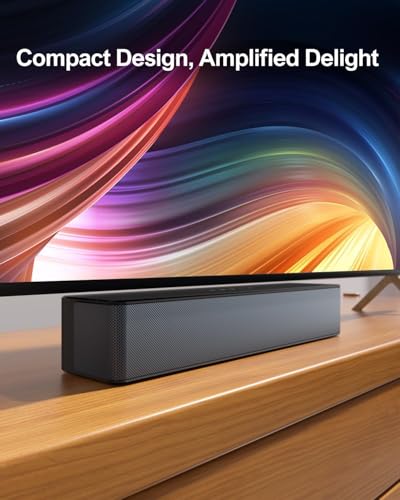
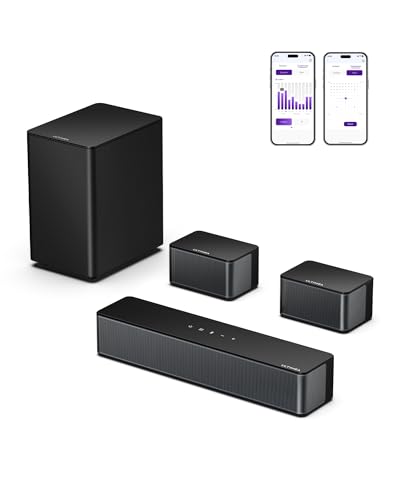
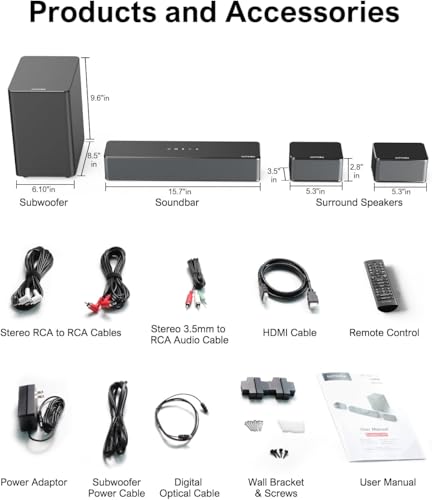
The Ultimea Poseidon D50 launched in 2025 as an updated version of Ultimea's popular budget surround sound approach. This complete 5.1 system includes a main soundbar, two physical rear satellite speakers, and a wireless subwoofer. At the time of writing, it typically costs less than many stereo soundbars, making true surround sound accessible to budget-conscious buyers who previously had to choose between good sound and affordable prices.
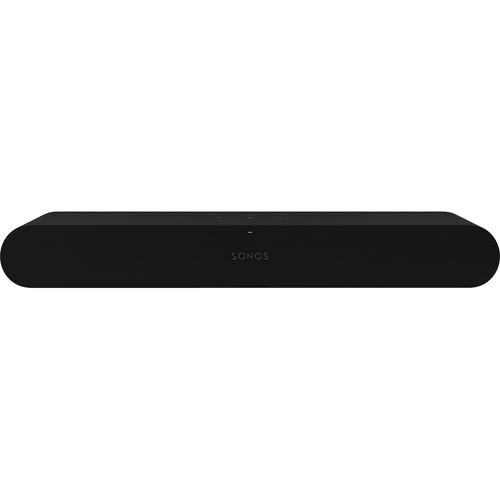
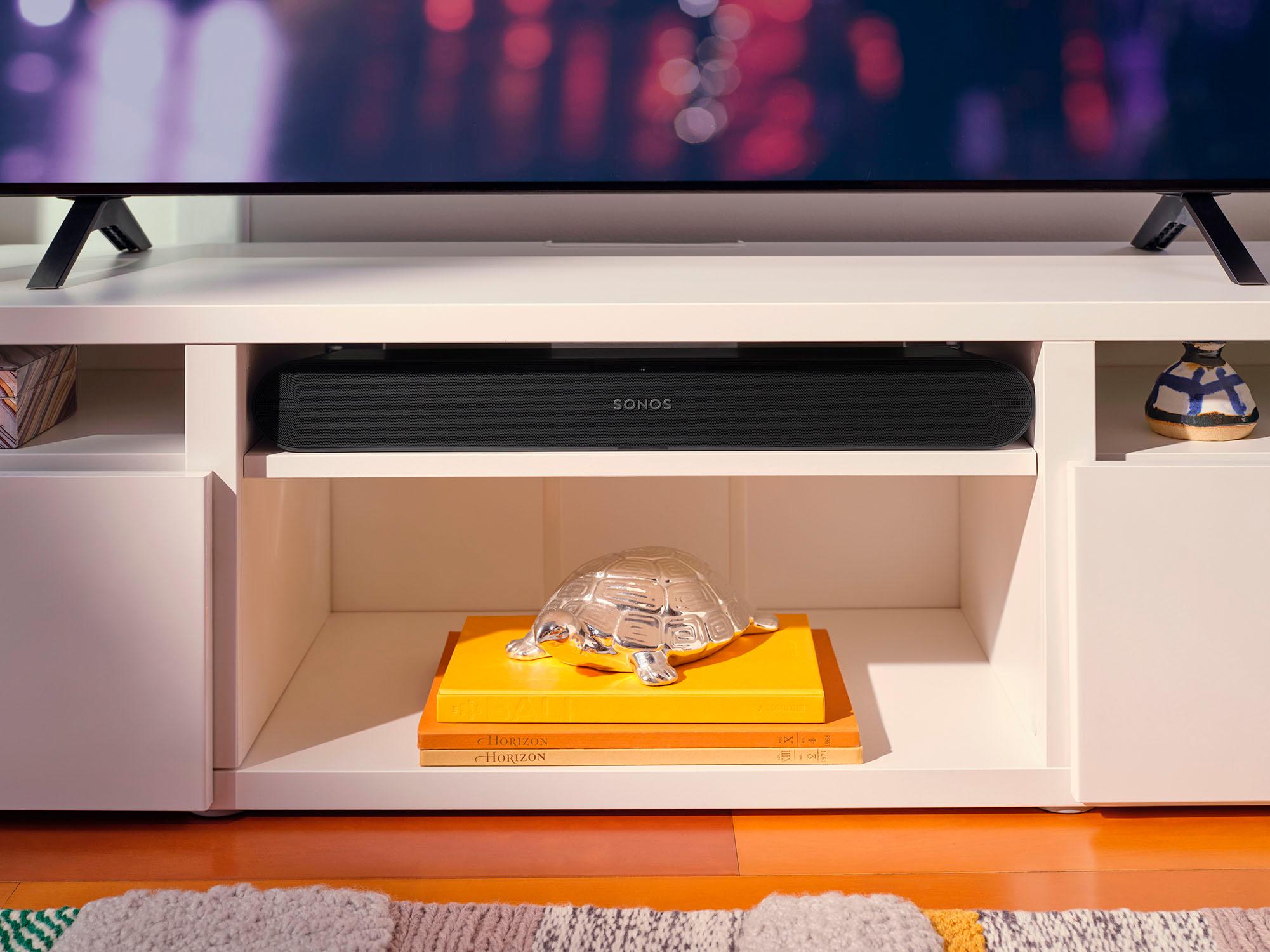
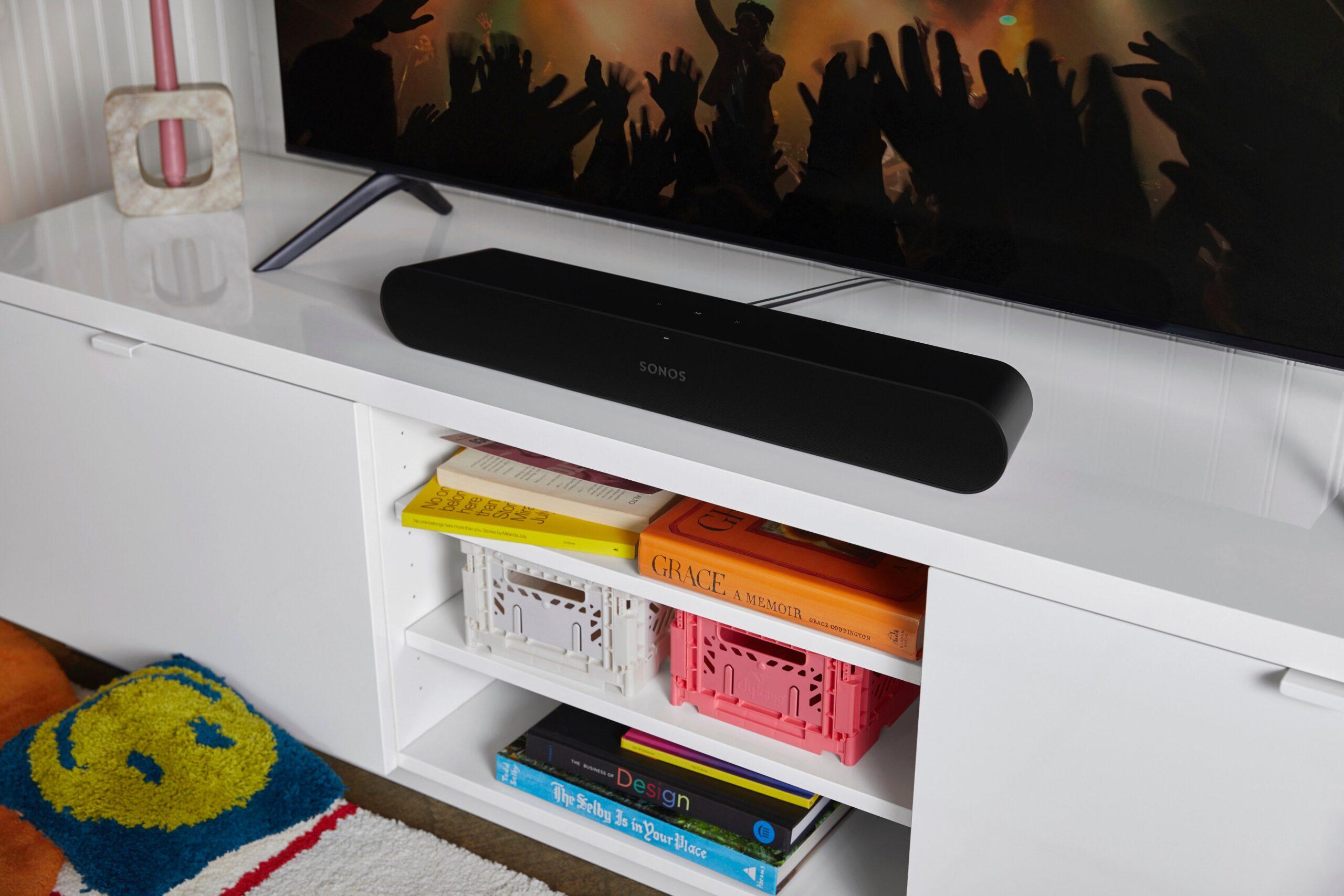
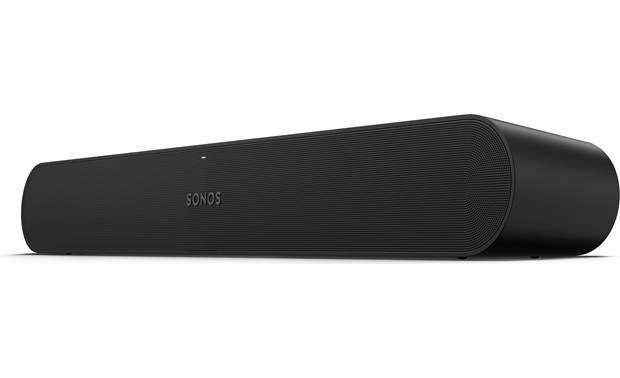
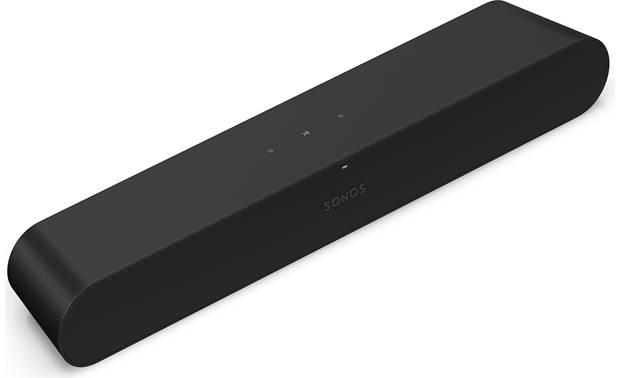
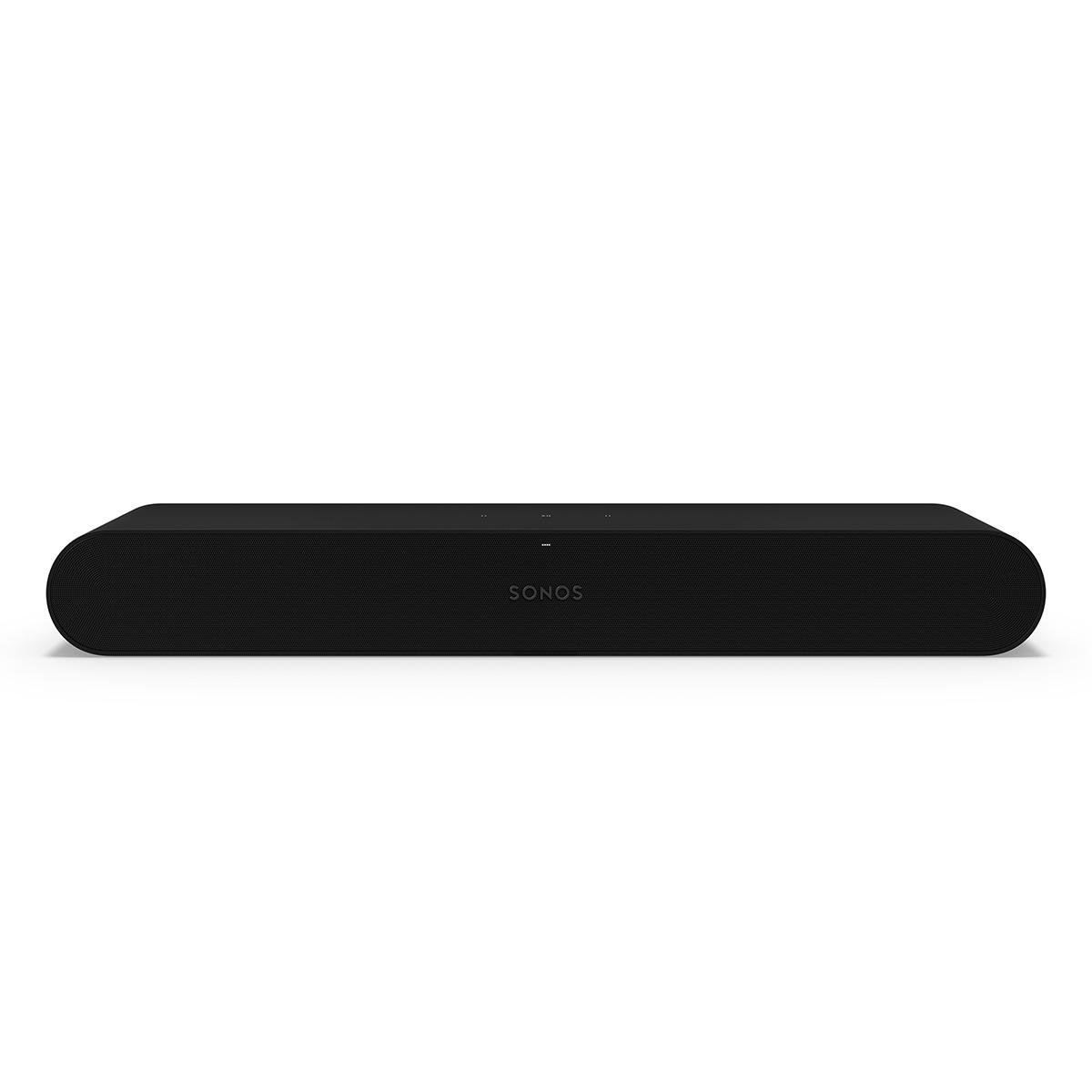
The Sonos Ray debuted in 2022 as Sonos's entry-level offering, though "entry-level" in the Sonos world still means premium materials and sophisticated engineering. This compact stereo soundbar represents Sonos's philosophy that exceptional stereo performance often beats mediocre surround sound, especially in smaller spaces.
Since 2022, the soundbar landscape has evolved significantly. Budget brands like Ultimea have improved their DSP (digital signal processing) technology – the computer brain that manages how audio gets distributed across speakers. Meanwhile, premium brands have focused on ecosystem integration and room correction technologies that automatically optimize sound for your specific space.
The most significant difference between these soundbars is their approach to surround sound, and this affects everything else about how they perform.
The Ultimea D50 delivers genuine 5.1 channel surround sound through six physical drivers: four in the main bar plus two in the dedicated rear satellite speakers. When you're watching a movie and hear a car chase, engine sounds move from front to back as vehicles pass by. The rear speakers connect via long cables (about 20 feet), giving you flexibility in placement but requiring some planning for wire management.
The system's SurroundX technology – essentially sophisticated audio processing – can take regular stereo TV shows and convert them into surround sound. This means even older content benefits from the spatial audio experience, though the effect varies depending on the source material.
The Sonos Ray takes a different approach entirely. As a stereo soundbar, it creates width and depth through psychoacoustic processing – audio tricks that make your brain perceive sounds as coming from beyond the physical speakers. While effective for creating an expansive soundstage, it cannot replicate the directional effects of true rear channels.
Based on our research of user reviews and professional evaluations, the difference is immediately apparent in action movies and games. Viewers consistently report that the D50 makes explosion debris feel like it's flying around the room, while the Ray presents the same content as a very wide, detailed stereo image.
Bass performance reveals another philosophical divide between these products. The D50 includes a wireless 5.25-inch subwoofer using BassMX technology – Ultimea's term for an optimized magnetic circuit design that allows the driver cone to move further (15mm excursion) without distorting. This means deeper, more impactful bass for movie explosions and music with heavy low-end content.
The wireless connection eliminates the need to run cables to your subwoofer, letting you place it wherever it sounds best in your room. However, wireless subwoofers can occasionally experience brief dropouts during initial setup or if your home's Wi-Fi environment is particularly crowded.
The Sonos Ray handles bass through internal bass reflex ports – carefully tuned openings that enhance low-frequency response without requiring a separate subwoofer. This approach saves space and complexity but fundamentally cannot match the physical impact of a dedicated subwoofer driver.
In practice, the D50 delivers noticeably more powerful bass response right out of the box, while the Ray provides adequate low-end for dialogue and music but may leave action movie fans wanting more punch. The Ray can be expanded with Sonos's separate Sub, but that significantly increases the total system cost.
Both soundbars excel at dialogue clarity, though they achieve it differently. The D50 uses dedicated center channel processing through its main bar drivers, plus a specific dialogue enhancement mode that boosts voice frequencies while reducing competing background sounds.
The Sonos Ray employs Speech Enhancement technology that analyzes incoming audio and automatically adjusts frequency response to prioritize voice intelligibility. Professional reviews consistently praise the Ray's vocal clarity, with many noting that dialogue "pops" from the mix even during complex movie soundtracks.
From our analysis of user feedback, both soundbars dramatically improve dialogue over TV speakers, but the Ray has a slight edge in this area thanks to Sonos's mature DSP algorithms and focus on voice reproduction.
The difference in customization options reflects each company's target audience and philosophy.
The Ultimea D50 offers extensive manual control through its smartphone app, including 121 preset EQ matrices – pre-configured frequency adjustments for different room types and content preferences. The 10-band equalizer lets you manually adjust specific frequency ranges, while six dedicated modes (Movie, Music, Gaming, etc.) optimize the sound signature for different content types.
This level of control appeals to users who enjoy tweaking their audio setup, but it can overwhelm those who just want good sound without technical fiddling. The independent rear speaker volume control is particularly useful, letting you dial in the perfect surround effect balance for your room layout.
The Sonos Ray takes the opposite approach with Trueplay tuning – an automated room correction system that uses your iPhone's microphone to measure your room's acoustics and automatically adjusts the soundbar's output accordingly. This "set it and forget it" philosophy removes guesswork but limits manual control.
Trueplay works remarkably well in most rooms, compensating for acoustic challenges like hard surfaces or awkward speaker placement. However, it's only available to iPhone users, leaving Android users without this optimization feature.
The Sonos ecosystem represents one of the most mature smart audio platforms available. The Sonos S2 app provides intuitive control over the Ray plus seamless integration with streaming services like Spotify, Apple Music, and Amazon Music. The app's interface feels polished and responsive, and it enables multiroom audio – playing synchronized music throughout your home if you add other Sonos speakers.
The Ultimea D50 includes its own smartphone app for system control, though the interface feels more utilitarian than elegant. However, it provides comprehensive access to all the soundbar's features, including the extensive EQ options and surround speaker adjustments that make the system's flexibility possible.
Connection options reveal each product's priorities and intended use cases.
The Ultimea D50 provides comprehensive connectivity: HDMI eARC (enhanced Audio Return Channel for the highest quality audio from your TV), optical digital input, auxiliary input for older devices, USB for direct media playback, and Bluetooth 5.3 for wireless streaming from phones and tablets.
HDMI eARC is particularly important because it supports advanced audio formats and enables CEC control – letting your TV remote control both the TV and soundbar volume simultaneously. The multiple input options mean you can connect game consoles, streaming devices, and other sources directly to the soundbar if your TV lacks sufficient inputs.
The Sonos Ray deliberately limits physical connections to optical input only – no HDMI connectivity at all. This simplifies setup and reduces potential compatibility issues, but it means you cannot take advantage of HDMI eARC's advanced features or connect sources directly to the soundbar.
Where the Ray excels is wireless connectivity. Beyond basic Bluetooth, it supports Apple AirPlay 2 for high-quality streaming from iOS devices, Wi-Fi for stable connection to your home network, and direct integration with major streaming services.
The wireless implementation feels more sophisticated than typical Bluetooth connections, with better range, higher audio quality, and the ability to integrate with voice assistants (though the Ray itself doesn't include built-in microphones).
Physical construction and aesthetic considerations often influence long-term satisfaction as much as audio performance.
The Ultimea D50 uses budget-appropriate materials – primarily plastic construction that prioritizes functionality over premium feel. While this keeps costs down and doesn't compromise audio performance significantly, it results in a somewhat utilitarian appearance that may not complement high-end home décor.
The three-piece system requires thoughtful placement planning. The rear speakers need positioning behind your seating area and must connect via cables, which some rooms accommodate better than others.
The Sonos Ray demonstrates premium construction throughout, with refined materials and attention to detail that reflects its higher price point. The compact, single-unit design integrates seamlessly into most entertainment setups and can even be placed inside media cabinets without blocking sound (since all drivers fire forward).
The D50 works best in medium to large rooms where you have space for proper rear speaker placement and where the additional surround channels can create their intended effect. In very small rooms, the rear speakers might feel overwhelming or improperly balanced.
The Ray excels in smaller spaces where a single, well-designed stereo soundbar provides all the improvement most viewers need. Its compact footprint and refined appearance suit apartments, bedrooms, or minimalist living rooms where multiple speakers would feel cluttered.
Understanding value requires looking beyond initial purchase price to consider total cost of ownership and long-term satisfaction.
The Ultimea D50 provides a complete 5.1 surround system at a price point that typically only buys a basic stereo soundbar. This represents exceptional value if surround sound enhances your viewing experience significantly. However, it's essentially a complete, standalone system with limited expansion possibilities.
The Sonos Ray functions as an entry point into the broader Sonos ecosystem. While the initial investment is higher than the D50, it can grow with your needs and home. Adding the Sonos Sub later provides deep bass extension, while additional Sonos speakers throughout your home enable whole-house audio.
At the time of writing, expanding the Ray to full surround sound requires purchasing additional Sonos speakers for rear channels, potentially tripling the total system cost. This makes the upgrade path expensive but results in a more sophisticated, fully wireless surround system.
Sonos has established a strong track record of providing software updates and long-term support for their products, with some models receiving feature additions years after purchase. The Ray benefits from this ecosystem approach and will likely continue improving through software updates.
The Ultimea D50 represents good value at purchase but offers limited ongoing development. Budget audio brands typically focus on releasing new models rather than extensively updating existing ones through firmware updates.
Maximum immersion at minimum cost. If you primarily watch action movies, play video games, or enjoy content where surround effects enhance the experience, the D50 provides genuine 5.1 surround sound at an almost unbeatable price point. The difference between true rear channels and virtual surround processing is immediately apparent in the right content.
Complete solution without future expenses. Unlike expandable systems, the D50 includes everything needed for full surround sound. You won't face upgrade pressure or additional purchases to achieve the complete experience.
Extensive customization options. If you enjoy tweaking audio settings and want control over your sound signature, the D50's comprehensive EQ options and manual adjustments provide more flexibility than most soundbars at any price point.
Room for proper setup. The system works best when you can position the rear speakers appropriately and don't mind the cable management that wired rear channels require.
Premium stereo over budget surround. In smaller rooms or for content that doesn't heavily rely on surround effects, the Ray's refined stereo performance often provides more enjoyable listening than basic surround sound systems. The build quality and attention to detail are immediately apparent.
Ecosystem integration and future expandability. If you anticipate wanting multiroom audio or the ability to gradually build a more sophisticated system, the Ray provides an excellent foundation. The Sonos platform's maturity and ongoing development make it a safer long-term investment.
Simplicity and automatic optimization. The Ray's Trueplay tuning and streamlined setup appeal to users who want excellent sound without technical complexity. The "it just works" philosophy eliminates guesswork and delivers consistent results.
Space constraints or aesthetic priorities. Single-unit installation and premium construction make the Ray ideal for situations where multiple speakers aren't practical or desirable.
Your choice ultimately depends on what you value most in your TV audio experience. The Ultimea Poseidon D50 delivers remarkable value by providing true surround sound at a price that makes high-end audio accessible to almost everyone. If immersive surround effects matter to you and you have the space for proper setup, it's difficult to find better value.
The Sonos Ray represents a different philosophy – that exceptional stereo performance, combined with premium construction and ecosystem integration, often serves most users better than basic surround sound. If you prioritize quality over quantity and want a soundbar that will integrate seamlessly into a larger audio ecosystem, the Ray justifies its premium positioning.
Neither choice is wrong, but they serve different priorities and lifestyles. The key is honestly assessing your space, content preferences, and long-term audio ambitions. In our evaluation, both products excel within their intended use cases – the question is which use case better matches your needs.
| Ultimea Poseidon D50 5.1 Soundbar Home Theater (2025) | Sonos Ray Soundbar |
|---|---|
| Channel Configuration - Determines surround sound capability | |
| True 5.1 surround with physical rear speakers | 2.0 stereo only |
| Subwoofer - Critical for bass impact in movies | |
| Wireless 5.25" subwoofer with BassMX technology included | Bass reflex ports only (Sonos Sub sold separately) |
| Peak Power Output - Affects volume and dynamic range | |
| 320W total system power | Not specified (estimated ~100W) |
| Connectivity Options - Determines device compatibility | |
| HDMI eARC, Optical, AUX, USB, Bluetooth 5.3 | Optical only, Wi-Fi, Apple AirPlay 2 |
| Setup Complexity - Time and effort to install | |
| 3-piece system requires rear speaker placement and cables | Single unit, plug-and-play installation |
| Audio Customization - Control over sound signature | |
| 121 EQ presets, 10-band manual EQ, 6 sound modes via app | Trueplay automatic room correction (iOS only), limited manual EQ |
| Build Quality - Durability and premium feel | |
| Budget plastic construction, functional design | Premium materials with refined aesthetics |
| Room Size Recommendation - Optimal performance space | |
| Medium to large rooms (20-35m²) for proper surround effect | Small to medium rooms, compact spaces |
| Ecosystem Integration - Expandability and smart features | |
| Standalone system, no multiroom capability | Full Sonos ecosystem integration, multiroom audio |
| Dialogue Enhancement - Critical for TV shows and movies | |
| Dedicated center channel processing with dialogue mode | Speech Enhancement technology with advanced DSP |
| Value Proposition - Performance per dollar spent | |
| Complete 5.1 system at budget 2.1 pricing | Premium stereo performance with ecosystem benefits |
The Ultimea Poseidon D50 is significantly better for movies due to its true 5.1 surround sound system with physical rear speakers and a dedicated subwoofer. This creates an immersive experience where sounds move around you, making action scenes feel more realistic. The Sonos Ray is a stereo soundbar that provides excellent dialogue clarity but cannot replicate the directional audio effects that enhance movie watching.
Yes, physical rear speakers make a substantial difference for true surround sound. The Ultimea Poseidon D50 includes two wired rear satellite speakers that create genuine directional audio, allowing you to hear helicopters flying overhead or footsteps approaching from behind. The Sonos Ray uses virtual surround processing but cannot match the immersive experience of actual rear channels.
The Ultimea Poseidon D50 has significantly better bass response thanks to its included wireless 5.25-inch subwoofer with BassMX technology. This provides deep, impactful low-end for action movies and music. The Sonos Ray relies on internal bass ports and delivers adequate bass for dialogue and music, but lacks the punch needed for explosive movie scenes without adding the separate Sonos Sub.
The Sonos Ray is much easier to set up as a single-unit soundbar that requires only an optical cable connection. The Ultimea Poseidon D50 requires positioning three separate components (soundbar, subwoofer, and two rear speakers) and running cables to the rear speakers, making installation more complex but ultimately more rewarding for surround sound performance.
The Sonos Ray works better in small rooms due to its compact single-unit design and refined stereo performance. Small spaces don't benefit as much from surround sound, and the Ray's sophisticated stereo imaging creates an impressive soundstage. The Ultimea D50 is designed for medium to large rooms where the surround speakers have space to create their intended effect.
Only the Ultimea Poseidon D50 supports HDMI eARC connection, which provides the highest audio quality and allows your TV remote to control the soundbar volume. The Sonos Ray only connects via optical cable, which still delivers good audio quality but lacks some advanced features like automatic volume control integration.
Both soundbars excel at dialogue clarity, but the Sonos Ray has a slight edge due to its Speech Enhancement technology and refined DSP processing. The Ultimea D50 also provides excellent dialogue through its center channel processing and dedicated dialogue mode. Either soundbar will dramatically improve voice clarity compared to TV speakers.
The Sonos Ray directly integrates with streaming services through Wi-Fi and Apple AirPlay 2, allowing you to stream music without using your TV. The Ultimea Poseidon D50 connects to streaming services through your TV or via Bluetooth from your phone, providing good wireless streaming but without the sophisticated integration of the Ray's platform.
The Ultimea Poseidon D50 offers exceptional value by providing a complete 5.1 surround system at a budget price point. You get true surround sound, a subwoofer, and extensive features for less than many basic stereo soundbars. The Sonos Ray costs more but provides premium build quality, ecosystem integration, and superior stereo performance - better value if you prioritize quality over quantity.
The Sonos Ray is designed for expansion within the Sonos ecosystem, allowing you to add the Sonos Sub, rear speakers, or additional room speakers for multiroom audio. The Ultimea Poseidon D50 is a complete system that cannot be expanded, but it already includes everything needed for full 5.1 surround sound out of the box.
The Ultimea D50 offers more extensive customization with 121 EQ presets, 10-band manual equalizer, and multiple sound modes through its smartphone app. The Sonos Ray focuses on simplicity with automatic Trueplay room correction and the polished Sonos S2 app, but provides less manual control over audio settings.
The Ultimea Poseidon D50 is better for gaming due to its true surround sound capabilities, which enhance spatial awareness in games and make effects more immersive. The powerful subwoofer also adds impact to explosions and action sequences. The Sonos Ray provides clear audio for gaming but cannot match the directional audio advantages that surround speakers provide for competitive gaming and immersion.
We've done our best to create useful and informative comparisons to help you decide what product to buy. Our research uses advanced automated methods to create this comparison and perfection is not possible - please contact us for corrections or questions. These are the sites we've researched in the creation of this article: youtube.com - eu.ultimea.com - newegg.com - tvsbook.com - youtube.com - provantage.com - ultimea.com - techradar.com - community.ultimea.com - homedepot.com - community.ultimea.com - ultimea.com - ultimea.de - youtube.com - medisamhealthcenter.com - ultimea.com - youtube.com - walmart.com - techradar.com - soundandvision.com - youtube.com - appleinsider.com - youtube.com - sonos.com - cnet.com - howtogeek.com - pcrichard.com - en.community.sonos.com - epicsystems.tech - en.community.sonos.com - cepro.com - videoandaudiocenter.com

Privacy Policy
Terms and Conditions - Affiliate Policy
Home Security
© Copyright 2008-2026.
11816 Inwood Rd #1211, Dallas, TX 75244