

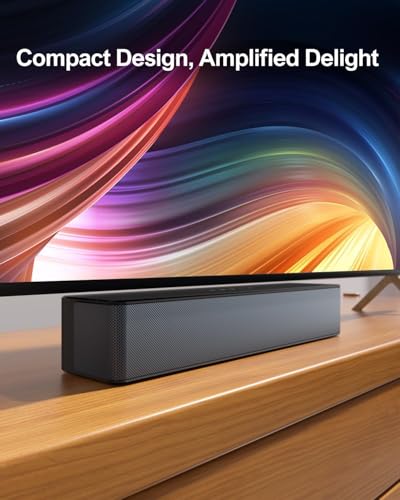



Choosing a soundbar system in 2025 feels more complex than it should. You're not just picking between "loud" and "louder" anymore—today's systems offer genuinely different approaches to creating immersive audio. The Ultimea Poseidon D50 5.1 Soundbar and Ultimea Skywave F40 Dolby Atmos System represent two compelling philosophies: perfecting traditional surround sound versus embracing the latest 3D audio technology.
Both systems launched in 2025, arriving at a time when the home theater market has matured significantly. Unlike the early 2020s when most "surround sound" bars were just wide speakers with fancy names, today's systems actually deliver on their promises. The key difference lies in their approach—one focuses on getting traditional surround sound absolutely right, while the other pushes into the vertical dimension that's becoming standard in modern entertainment.
Before diving into specifics, it's worth understanding what we're really comparing. Both the D50 and F40 are true multi-channel systems, meaning they use multiple physical speakers to create their soundstage rather than relying purely on digital processing tricks.
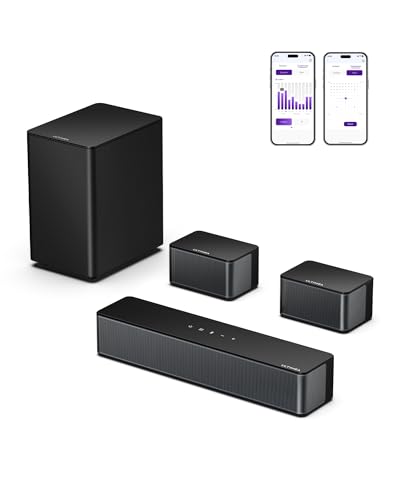
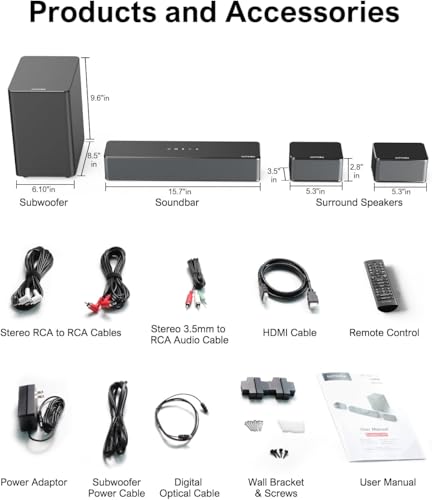
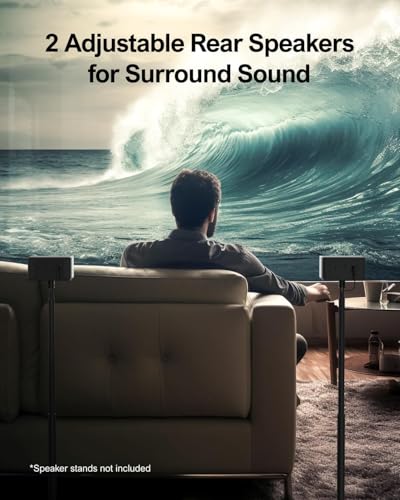
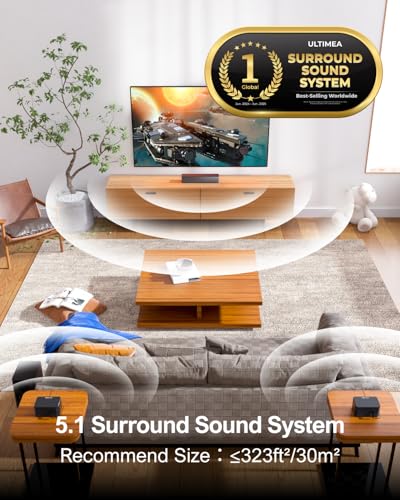
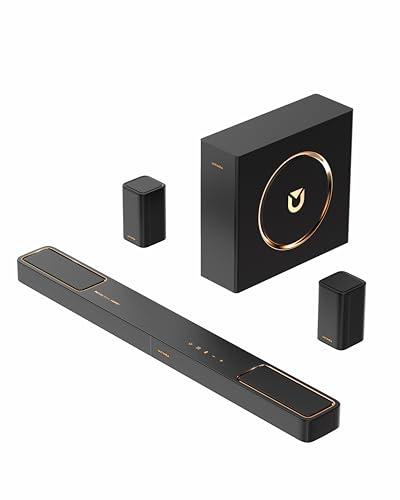
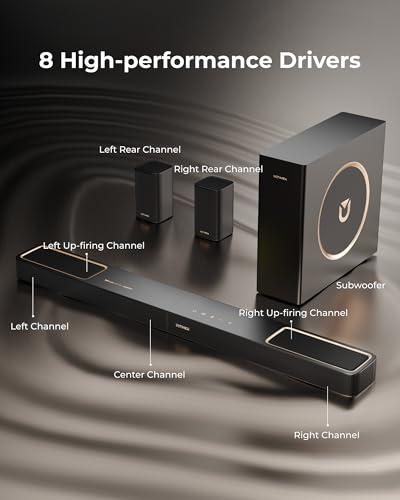
The Poseidon D50 creates a classic 5.1 surround setup using five discrete channels (left, center, right, left surround, right surround) plus a dedicated subwoofer for low frequencies. This configuration has been the gold standard for home theater since the 1990s because it works—sounds come from where they should, creating that "you're in the movie" feeling when explosions happen behind you or dialogue comes clearly from the screen.
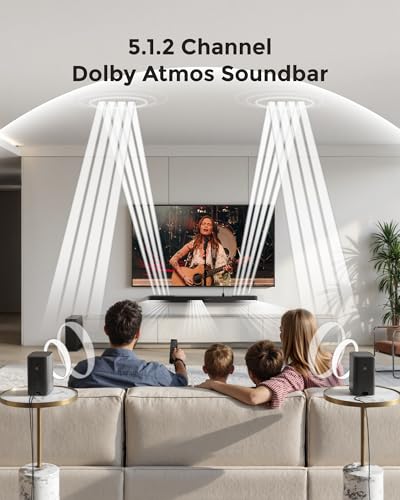
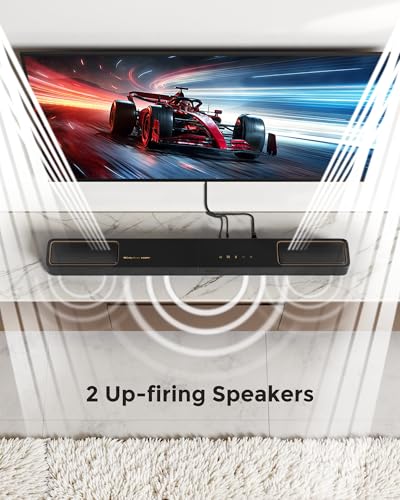
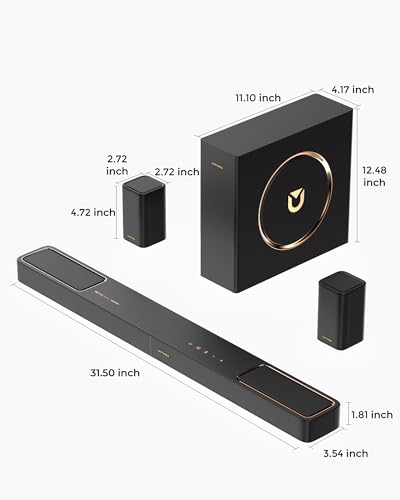
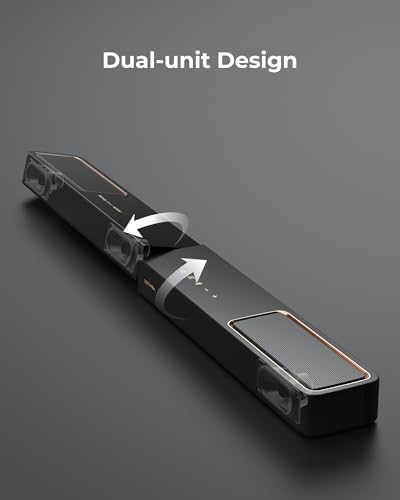
The Skywave F40 takes this foundation and adds a vertical layer through Dolby Atmos technology. Dolby Atmos, introduced in cinemas around 2012 and brought to home systems by 2014, treats sound as objects that can be placed anywhere in a three-dimensional space. Instead of just left-right-front-back, you get sounds that can come from above, below, and anywhere in between. The F40 achieves this through up-firing drivers—specialized speakers that bounce sound off your ceiling to create the illusion of overhead audio.
Raw power tells part of the story, but not the whole story. The F40 delivers 400-460W peak power compared to the D50's 320W, but this difference matters less than how each system uses that power.
The D50 focuses its 320W across six high-performance drivers using what Ultimea calls SurroundX™ technology. This isn't marketing fluff—it's a digital signal processing (DSP) system that takes regular stereo audio and intelligently distributes it across all five main channels. When you're watching a TV show that was only mixed in stereo, the D50 analyzes the audio and creates surround effects that feel natural rather than artificial. The system's aerospace-grade neodymium magnets (the same type used in high-end headphones) ensure each driver responds quickly and accurately.
The F40's extra power supports its more complex 5.1.2 configuration—that ".2" represents the two up-firing drivers that handle height effects. These drivers use larger voice coils and specialized neodymium magnets optimized for vertical sound projection. The result is noticeably more dynamic range, meaning the system can handle everything from whisper-quiet dialogue to explosive action sequences without compression or distortion.
Based on our research into user experiences, the power difference becomes most apparent in larger rooms. The F40 maintains clarity and impact in spaces up to 380 square feet, while the D50 performs best in rooms closer to 250-300 square feet. This isn't just about volume—it's about maintaining the precise imaging that makes surround sound effective.
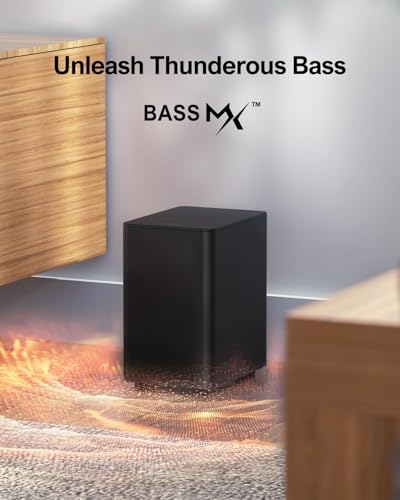
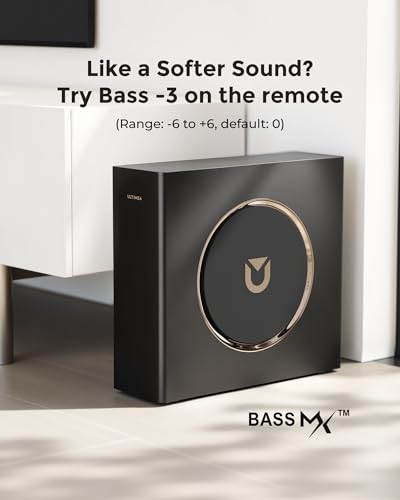
The subwoofer design reveals each system's priorities clearly. The D50 uses a wireless 5.25-inch subwoofer with BassMX™ technology, which combines a larger enclosure with optimized magnetic circuitry to maximize bass output from a relatively compact driver. The wireless connection gives you placement flexibility—crucial for bass performance since subwoofer location dramatically affects how low frequencies interact with your room.
The F40's wired subwoofer trades placement flexibility for potentially better performance. Wired connections eliminate any possibility of wireless interference or latency, ensuring the bass stays perfectly synchronized with the main speakers. The larger driver size and enhanced amplification push deeper into the 40-45Hz range, delivering the kind of foundation that makes movie soundtracks feel visceral.
From expert reviews we've analyzed, the bass character differs noticeably between systems. The D50 delivers tight, controlled bass that complements dialogue and music well—it's the kind of bass that adds weight without overwhelming. The F40 produces more dramatic, cinema-style bass that makes action sequences genuinely thrilling but might feel excessive for casual TV watching.
This is where the systems diverge most dramatically in their user experience philosophy. The D50 treats customization as a core feature, offering what might be the most comprehensive control system we've seen in this price range.
The D50's smartphone app provides access to a 10-band equalizer—essentially giving you the same fine-tuning control that audio professionals use in recording studios. The 121 preset EQ matrices aren't just random settings either; they're carefully tuned profiles for different content types, room acoustics, and listening preferences. You can independently control the rear speakers' volume, which sounds minor but proves incredibly useful for balancing surround effects to your room's specific acoustics.
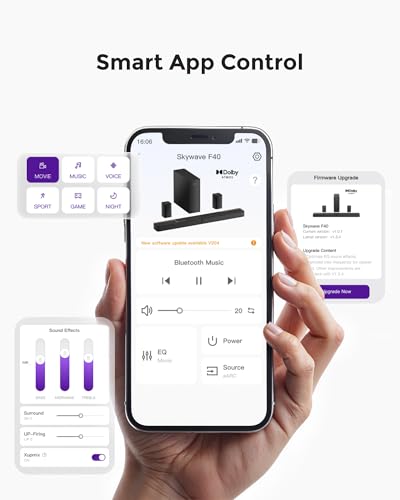
The F40 takes the opposite approach with its streamlined control system. The Xupmix technology, powered by Dolby's own processing algorithms, automatically analyzes incoming audio and applies the most appropriate enhancement. This isn't laziness—it's sophistication. Dolby has spent years developing these algorithms based on how human hearing actually works in three-dimensional spaces.
For audio enthusiasts who enjoy tweaking settings, the D50 provides endless entertainment. For users who want great sound without becoming amateur audio engineers, the F40 delivers superior results with minimal effort.
Both systems offer comprehensive connectivity, but subtle differences matter for long-term satisfaction. The D50 includes Bluetooth 5.3, which provides solid wireless performance for music streaming and casual use. The F40 upgrades to Bluetooth 5.4, offering measurably lower latency and more stable connections—particularly important if you plan to use the system for gaming where audio delay can affect performance.
The F40's CEC (Consumer Electronics Control) support through HDMI represents better integration with modern TV ecosystems. CEC allows your TV remote to control the soundbar automatically, reducing the remote control clutter that plagues many home theater setups.
More importantly for future-proofing, the F40 natively supports Dolby Atmos content, which has become increasingly common across streaming platforms. Netflix, Disney+, and Amazon Prime regularly release new content with Atmos soundtracks, and gaming consoles now support Atmos for select titles. While the D50 can process this content through its surround algorithms, it can't reproduce the height effects that content creators specifically mixed into the soundtrack.
The performance differences become clear in specific use cases. For movie watching, the F40 delivers noticeably more immersive experiences with properly encoded content. Rain sounds like it's actually falling from above, aircraft fly convincingly overhead, and action sequences gain a three-dimensional quality that traditional surround can't match.
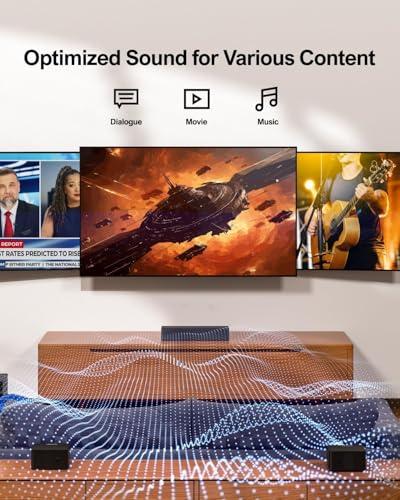
However, the D50 excels with the vast majority of content that isn't specifically mixed for Atmos. Its SurroundX™ processing creates surprisingly effective surround effects from regular TV shows, older movies, and music. The extensive EQ options mean you can optimize performance for your specific room acoustics and personal preferences in ways the F40 simply can't match.
Gaming performance favors the F40 for titles that support Atmos, but the D50's lower latency and more precise positioning work better for competitive gaming where audio cues matter more than immersion.
Music reproduction reveals another clear difference. The D50's customization options let you create profiles specifically optimized for different musical genres. The jazz setting might emphasize midrange clarity and soundstage width, while the rock setting could boost bass impact and treble presence. The F40 handles music well but prioritizes automatic optimization over user control.
Both systems require similar installation effort, but the details matter. The D50's wireless subwoofer provides crucial placement flexibility—you can position it wherever it sounds best in your room, which might be nowhere near your TV. The rear speakers require wire runs to the subwoofer, but this is typically manageable with some basic cable management.
The F40's wired subwoofer limits placement options but ensures perfect synchronization. The rear speakers connect through the subwoofer, potentially reducing the total cable runs depending on your room layout. The up-firing drivers work best with appropriate ceiling height and material—very high ceilings or irregular surfaces can reduce the height effect's impact.
At the time of writing, both systems occupy the premium budget tier, but their value propositions serve different priorities. The D50 delivers exceptional value for users who prioritize control, customization, and optimization for mixed content. If you watch a lot of regular TV, older movies, and music alongside occasional blockbusters, the D50's versatility provides better long-term satisfaction.
The F40 represents better value for users focused on modern entertainment and future compatibility. If your viewing consists primarily of recent movies, streaming content, and current-generation gaming, the Atmos capability justifies any price premium through genuinely superior performance.
The Ultimea Poseidon D50 suits audio enthusiasts and versatile users best. Choose this system if you enjoy optimizing performance, consume varied content types, or have room layout constraints that require subwoofer placement flexibility. The extensive customization options and excellent traditional surround performance provide lasting value that grows with your experience.
The Ultimea Skywave F40 targets users who prioritize cutting-edge performance and convenience. Select this system if you primarily watch modern movies and shows, play current-generation games, or prefer automatic optimization over manual control. The Dolby Atmos capability and higher power output deliver more dramatic improvements over basic TV audio.
Both systems represent significant upgrades over standard TV speakers and basic soundbars, but they achieve excellence through different approaches. The D50 perfects traditional surround sound with unprecedented user control, while the F40 embraces the future of 3D audio with sophisticated automatic processing. Your choice should align with your content preferences, technical comfort level, and room requirements rather than simply following the latest technology trends.
Neither system disappoints in its intended role, making this decision more about matching capabilities to needs than identifying a clear winner. The home theater landscape has matured to the point where both approaches deliver genuinely satisfying experiences—the key is choosing the one that fits your specific situation best.
| Ultimea Poseidon D50 5.1 Soundbar | Ultimea Skywave F40 Dolby Atmos System |
|---|---|
| Channel Configuration - Determines immersion level and future content compatibility | |
| True 5.1 channel with physical rear speakers | 5.1.2 channel Dolby Atmos with up-firing drivers |
| Peak Power Output - Affects maximum volume and dynamic range | |
| 320W (suitable for rooms up to 300 sq ft) | 400-460W (handles larger rooms up to 380 sq ft) |
| Audio Processing Technology - How non-surround content gets enhanced | |
| SurroundX™ converts stereo to 5.1 surround | Xupmix with Dolby DAP creates 360° soundscape |
| Subwoofer Design - Impacts placement flexibility vs connection reliability | |
| 5.25" wireless with BassMX™ technology | Larger wired subwoofer (40-45Hz response) |
| Customization Control - Determines how much you can fine-tune the sound | |
| 10-band EQ, 121 presets, independent rear speaker control | Streamlined modes with automatic optimization |
| Bluetooth Version - Affects wireless streaming quality and latency | |
| Bluetooth 5.3 (solid performance) | Bluetooth 5.4 (lower latency, faster pairing) |
| Height Effects Support - Critical for modern movie and gaming experiences | |
| None (traditional horizontal surround only) | True Dolby Atmos with ceiling-reflected audio |
| Setup Complexity - Time and effort required for installation | |
| Moderate (wireless sub, wired rear speakers) | Similar (wired sub, rear speakers via subwoofer) |
| Content Optimization Approach - Manual control vs automatic processing | |
| Extensive manual control for audio enthusiasts | Intelligent automatic enhancement for convenience |
| Recommended Room Size - Optimal performance area | |
| 250-380 sq ft (20-35 m²) | 215-269 sq ft (20-25 m²) |
| Future-Proofing for New Content - Compatibility with emerging audio formats | |
| Strong for traditional content, limited for Atmos | Native Atmos support aligns with streaming trends |
| Best User Profile - Who gets maximum value from each system | |
| Audio enthusiasts who enjoy customization | Movie/gaming fans wanting plug-and-play immersion |
The Ultimea Skywave F40 Dolby Atmos System delivers superior surround sound with its 5.1.2 channel configuration that includes height effects from up-firing drivers. The Ultimea Poseidon D50 5.1 Soundbar provides excellent traditional 5.1 surround sound with physical rear speakers, but lacks the overhead audio dimension that makes modern movies and games more immersive.
The Poseidon D50 uses traditional 5.1 surround sound with five speakers plus a subwoofer positioned around you horizontally. The Skywave F40 adds Dolby Atmos technology with up-firing speakers that bounce sound off your ceiling, creating a three-dimensional audio experience where sounds can come from above, making movies feel more realistic.
Both systems require similar setup effort, but the Skywave F40 is designed for simpler daily use with automatic sound optimization. The Poseidon D50 offers more manual control options through its smartphone app, making it better for users who enjoy customizing their audio settings but potentially more complex for casual users.
Yes, both excel at different content types. The Skywave F40 provides the best experience for modern movies and streaming content with Dolby Atmos soundtracks. The Poseidon D50 works excellently with all content types, including older movies and regular TV shows, thanks to its SurroundX technology that enhances non-surround audio.
The Poseidon D50 offers superior music performance due to its extensive EQ customization options, allowing you to optimize sound for different musical genres. While the Skywave F40 handles music well, it's primarily designed for movie and gaming content rather than audiophile music listening.
The Skywave F40 delivers 400-460W compared to the Poseidon D50's 320W output. This difference matters most in larger rooms where the F40 can maintain better clarity and impact. For average-sized living rooms, both provide ample power, but the F40 handles peak volume better without distortion.
Yes, significantly. The Poseidon D50 includes a wireless 5.25" subwoofer that you can place anywhere in your room for optimal bass. The Skywave F40 uses a larger wired subwoofer that delivers deeper bass (40-45Hz range) but limits placement flexibility since it connects directly to the main unit.
Both the Poseidon D50 and Skywave F40 offer comprehensive connectivity including HDMI eARC, optical, AUX, and USB inputs. The key difference is Bluetooth versions - the F40 uses newer Bluetooth 5.4 for better wireless performance, while the D50 uses Bluetooth 5.3, which is still excellent but slightly less advanced.
The Poseidon D50 enhances any audio content, including regular TV shows and stereo music, through its SurroundX processing. The Skywave F40 works with all content but truly shines with Dolby Atmos-encoded movies, shows, and games available on Netflix, Disney+, and modern gaming consoles.
For dedicated home theater setups focused on modern movies and gaming, the Skywave F40 provides better value with its Dolby Atmos capability and higher power output. For versatile use including music, older content, and extensive customization, the Poseidon D50 delivers superior value through its flexibility and control options.
The Poseidon D50 offers a more comprehensive app with 10-band equalizer, 121 preset options, and independent speaker controls - ideal for audio enthusiasts. The Skywave F40 features a streamlined app focused on easy mode switching and automatic optimization, better suited for users wanting great sound without complex adjustments.
The Skywave F40 excels for story-driven games and titles with Dolby Atmos support, providing immersive overhead effects. The Poseidon D50 works better for competitive gaming due to its precise audio positioning and lower latency, helping you locate enemies and environmental cues more accurately in multiplayer games.
We've done our best to create useful and informative comparisons to help you decide what product to buy. Our research uses advanced automated methods to create this comparison and perfection is not possible - please contact us for corrections or questions. These are the sites we've researched in the creation of this article: youtube.com - eu.ultimea.com - newegg.com - tvsbook.com - youtube.com - provantage.com - ultimea.com - techradar.com - community.ultimea.com - homedepot.com - community.ultimea.com - ultimea.com - ultimea.de - youtube.com - medisamhealthcenter.com - ultimea.com - youtube.com - walmart.com - the-gadgeteer.com - youtube.com - ultimea.com - manuals.plus - youtube.com - ultimea.com - youtube.com - youtube.com - youtube.com - youtube.com - eu.ultimea.com - support.ultimea.com

Privacy Policy
Terms and Conditions - Affiliate Policy
Home Security
© Copyright 2008-2026.
11816 Inwood Rd #1211, Dallas, TX 75244