

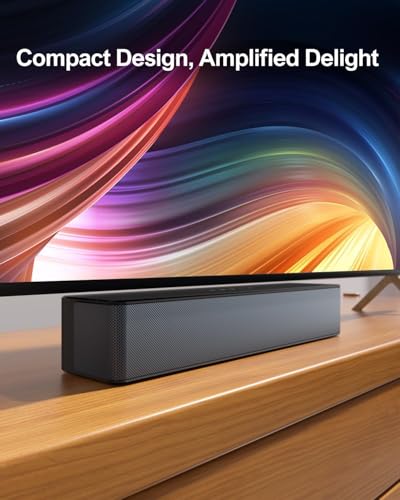
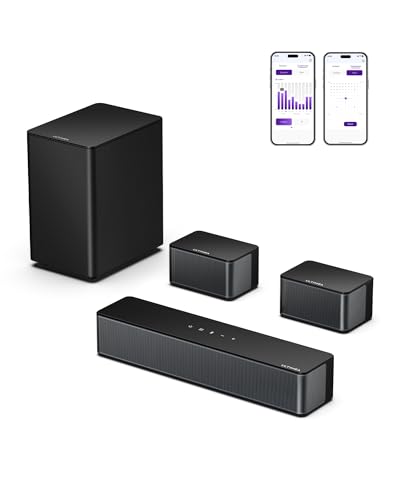



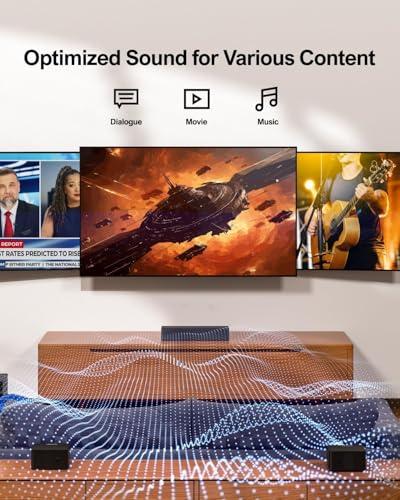


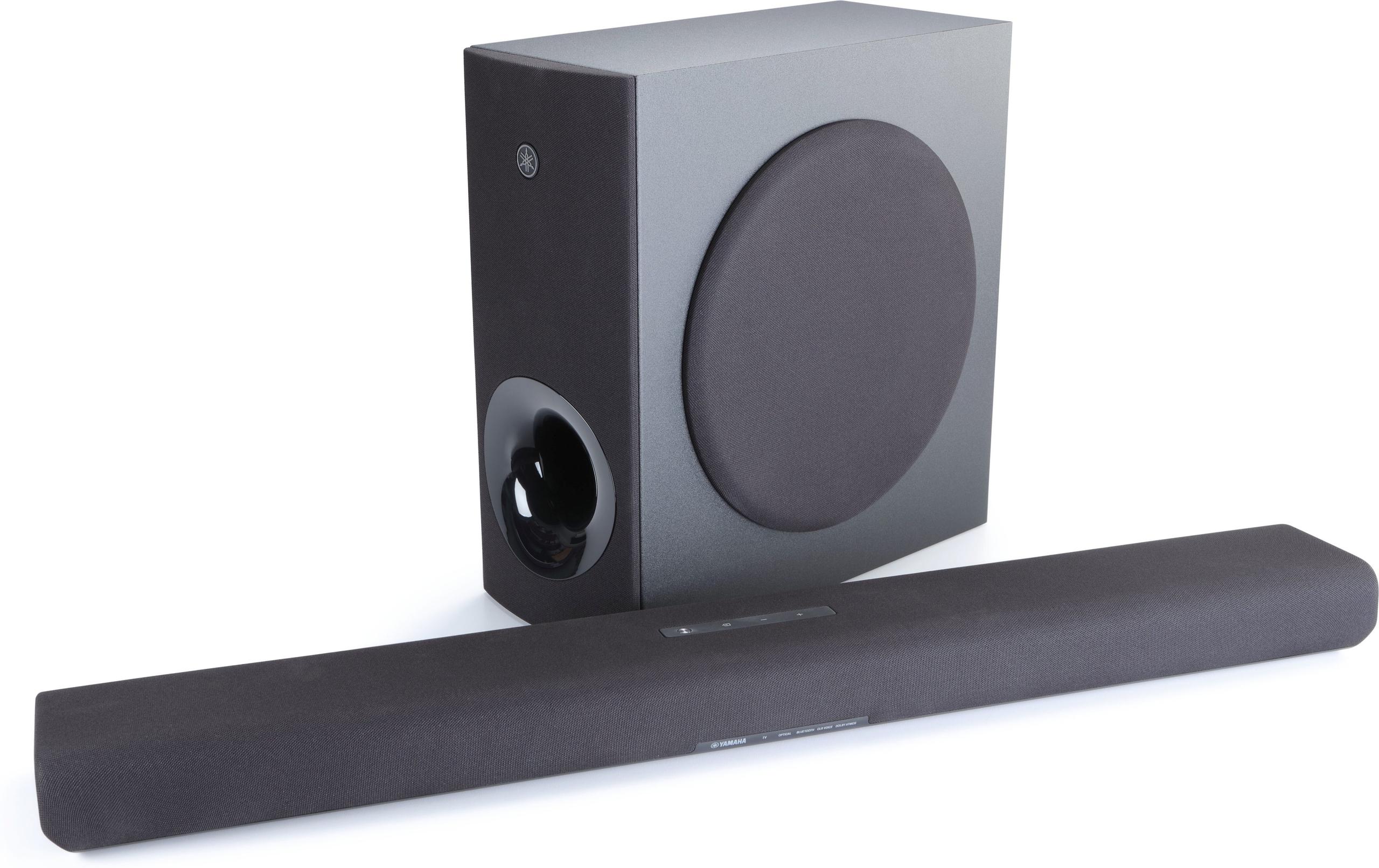
When you're tired of cranking up the TV volume just to understand what actors are saying, or when explosions sound more like gentle puffs of air, it's time for a soundbar upgrade. But the world of home theater audio has evolved significantly, and choosing between different approaches can feel overwhelming. Today we're comparing two fundamentally different philosophies: the Ultimea Poseidon D50 5.1 Soundbar, which delivers genuine surround sound through physical speakers, and the Yamaha SR-B40A, which uses sophisticated virtual processing to create immersive audio from a simpler setup.
The most important thing to understand is that these aren't just different brands making similar products—they represent completely different approaches to solving the same problem. The Ultimea Poseidon D50, released in 2025, gives you actual 5.1 surround sound with real speakers positioned around your room. Meanwhile, the Yamaha SR-B40A uses advanced digital processing to trick your ears into hearing surround effects from just a soundbar and subwoofer.
This distinction matters more than you might think. True 5.1 surround means you have five separate speakers (front left, center, front right, and two rear speakers) plus a subwoofer for bass. Virtual surround uses psychoacoustics—basically the science of how your brain processes sound—to create the illusion of speakers that aren't actually there.
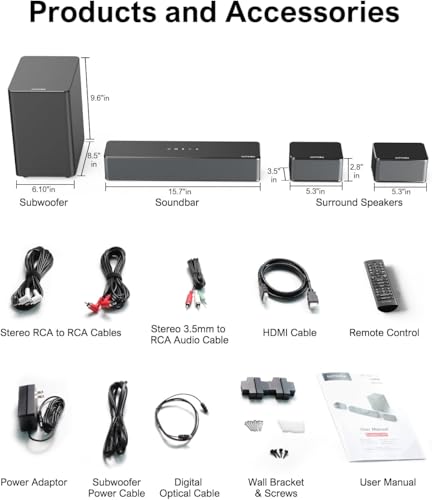
The Ultimea Poseidon D50 takes the straightforward route: if you want surround sound, you get surround speakers. The system includes two satellite speakers that you position behind or beside your seating area, connected with 19.6-foot cables that give you plenty of flexibility for placement.
What makes this approach compelling is the system's SurroundX™ technology, which uses a dedicated DSP (Digital Signal Processor) chip to convert regular stereo audio into proper 5.1 surround. This means even older movies or TV shows that weren't originally mixed in surround sound get enhanced spatial audio. The DSP essentially analyzes the stereo signal and intelligently distributes different elements—like ambient sounds, music, and effects—to the appropriate speakers around the room.
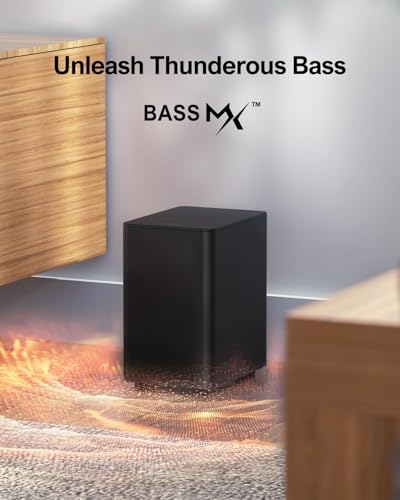
The bass performance deserves special attention. Ultimea's BassMX™ technology combines a larger enclosure design with a 5.25-inch driver that can move up to 15mm in each direction (called excursion). For context, many budget soundbars have drivers that barely move 8-10mm, which severely limits how much air they can move and therefore how much bass impact you actually feel. The Poseidon D50 aims for that visceral, room-shaking bass that makes movie explosions feel real rather than just loud.
With 320W of peak power distributed across six drivers, the system has enough headroom to fill rooms up to 380 square feet without strain. More importantly, you can independently control the volume of those rear satellites. This flexibility proves invaluable because every room is different—you might want subtle rear effects for late-night viewing or aggressive surround for action movies.
The smartphone app control stands out as surprisingly sophisticated for a budget-oriented system. With 121 different EQ presets and a 10-band manual equalizer, you can fine-tune the sound signature extensively. This level of customization typically appears in much more expensive systems, and it addresses one of the biggest complaints about budget soundbars: they often sound good for one type of content but struggle with others.
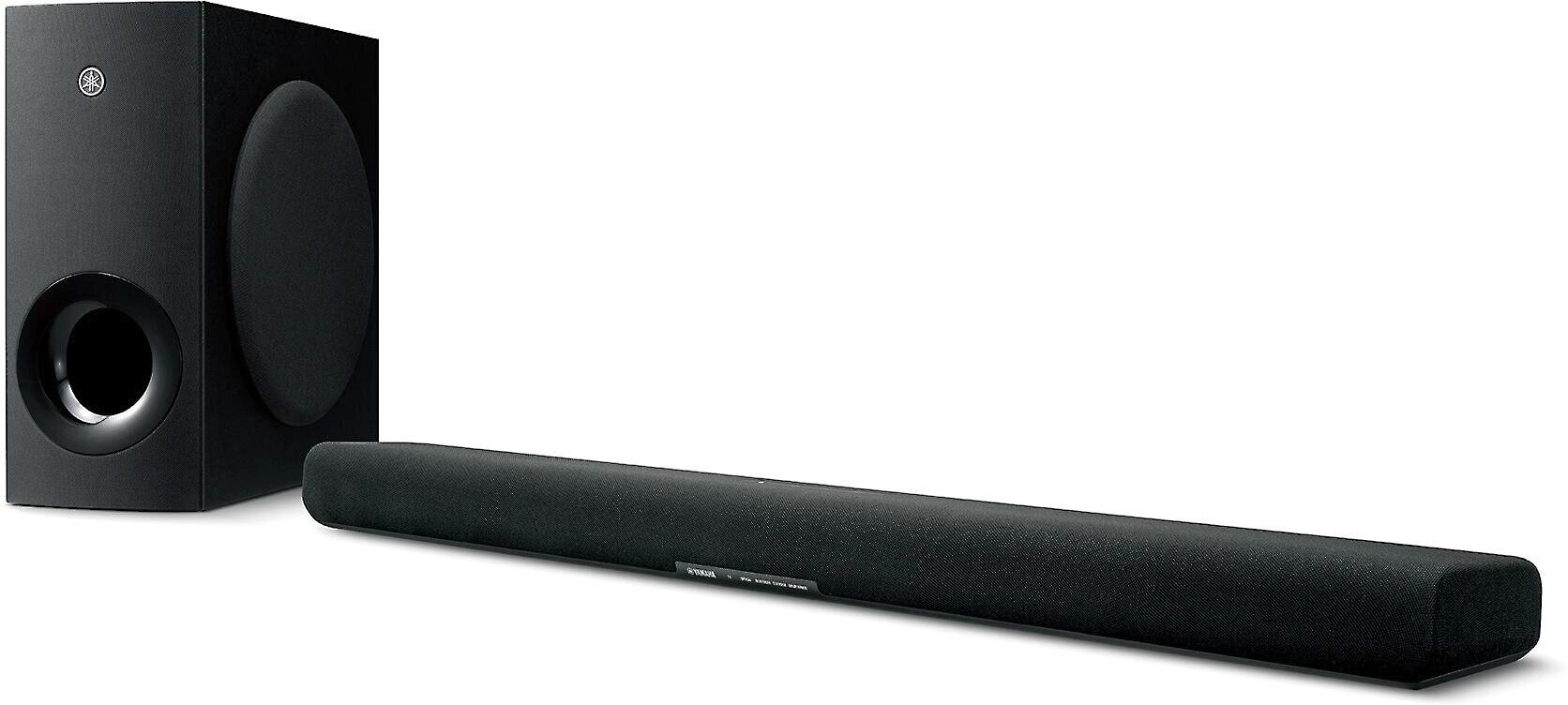
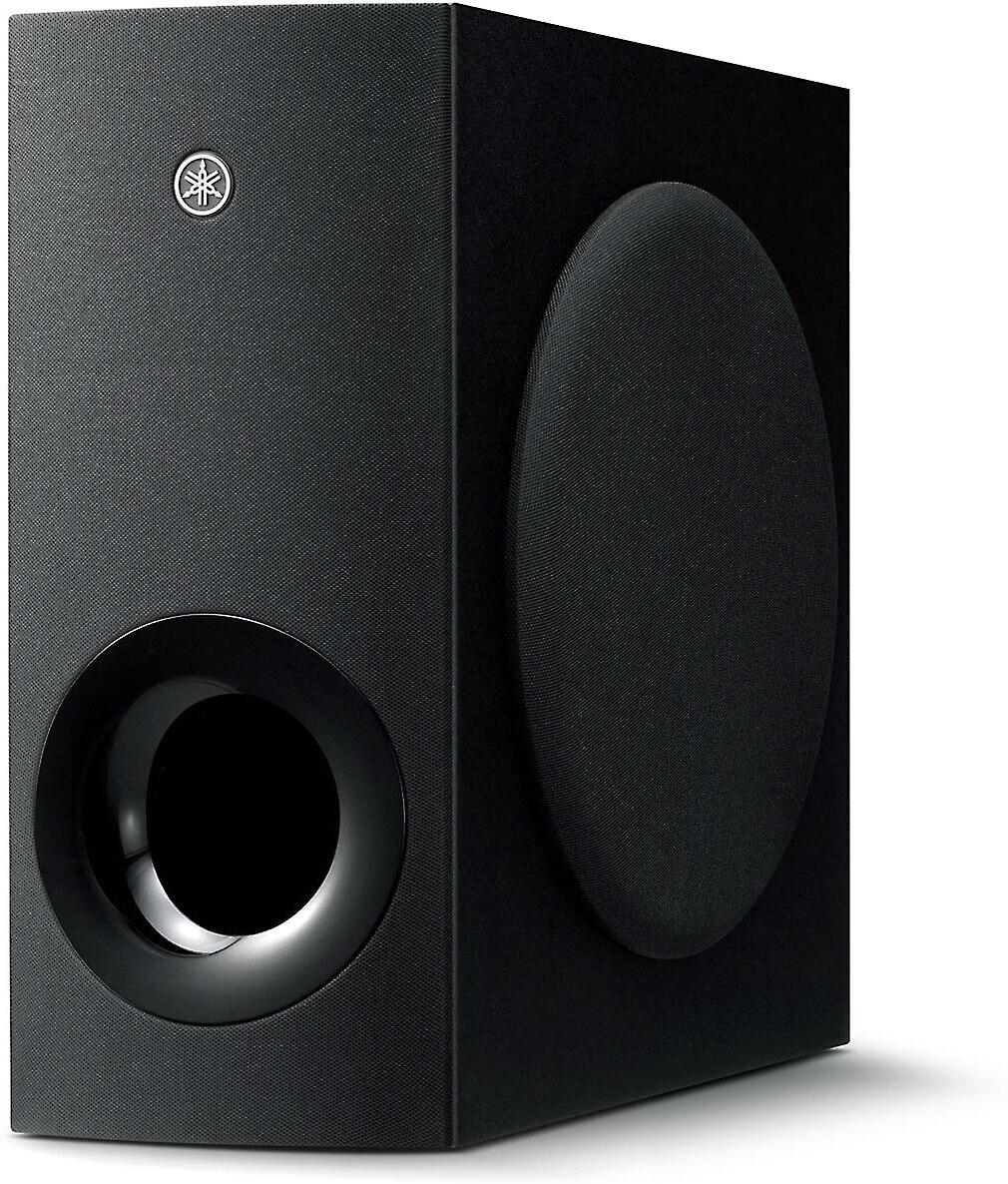
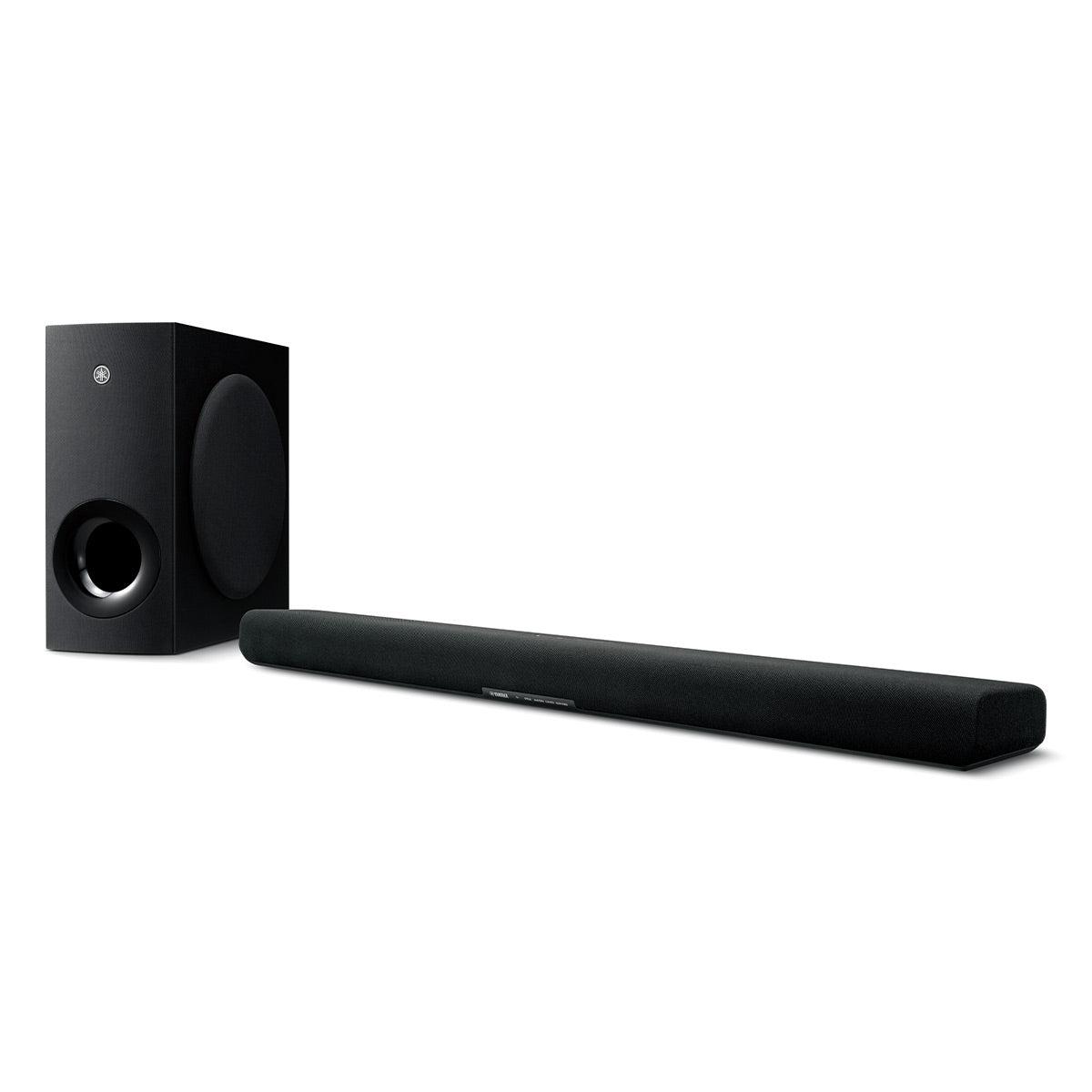
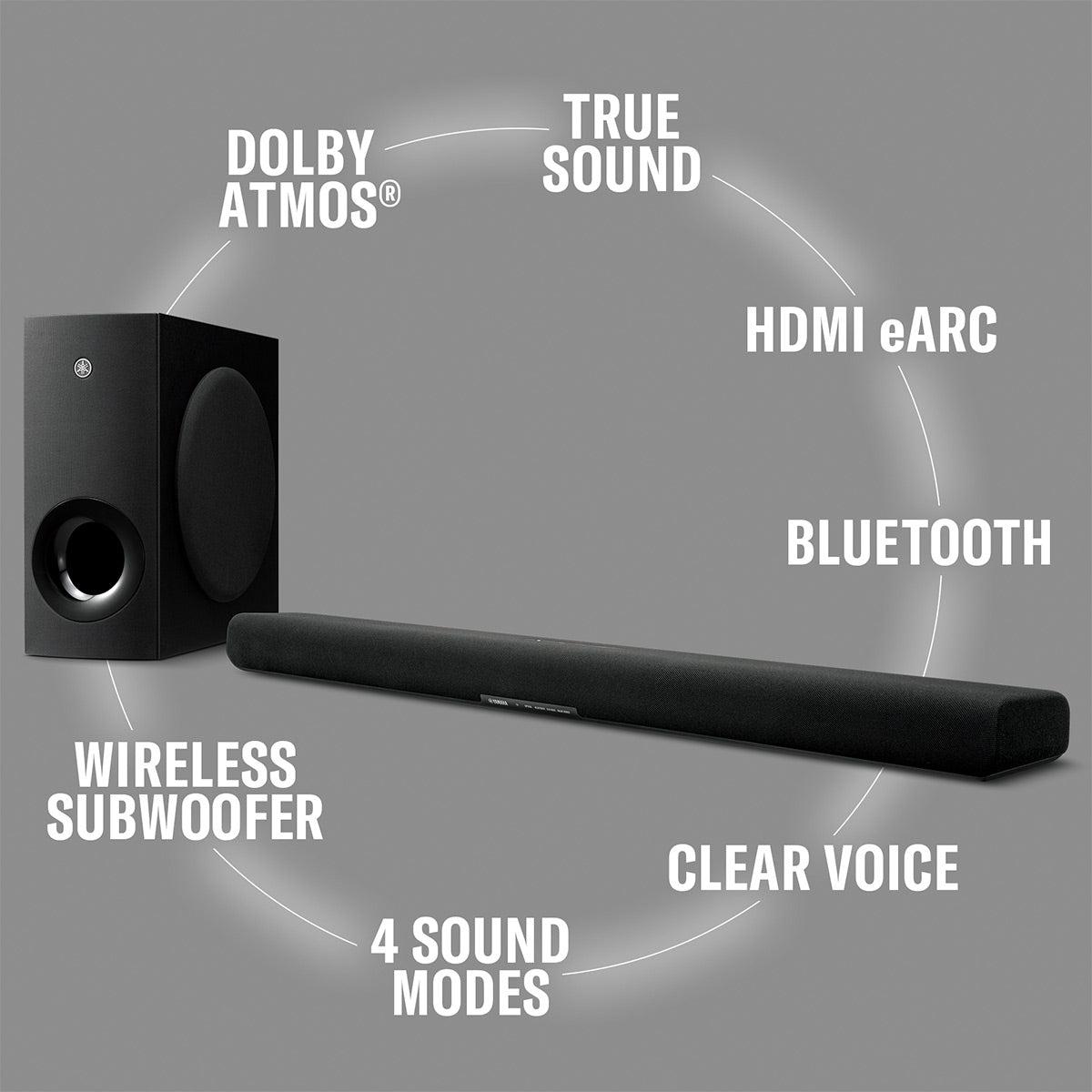
The Yamaha SR-B40A represents decades of professional audio engineering applied to home theater. Rather than adding physical speakers around the room, Yamaha leverages Dolby Atmos technology and their own True Sound engineering to create immersive audio from a much simpler setup.
Dolby Atmos deserves explanation because it's revolutionizing home audio. Traditional surround sound thinks in channels—left, right, center, rear. Atmos thinks in objects—individual sounds that can be placed anywhere in three-dimensional space, including above you. The SR-B40A uses advanced algorithms to bounce sound off your ceiling and walls, creating the perception of height effects and surround positioning without actual overhead or rear speakers.
Yamaha's implementation goes beyond basic Atmos processing. Their True Sound engineering combines multiple technologies to achieve what they call "ideal tonal balance." This means voices remain clear during complex scenes, instruments maintain their natural timbre, and the overall soundstage feels cohesive rather than artificially processed.
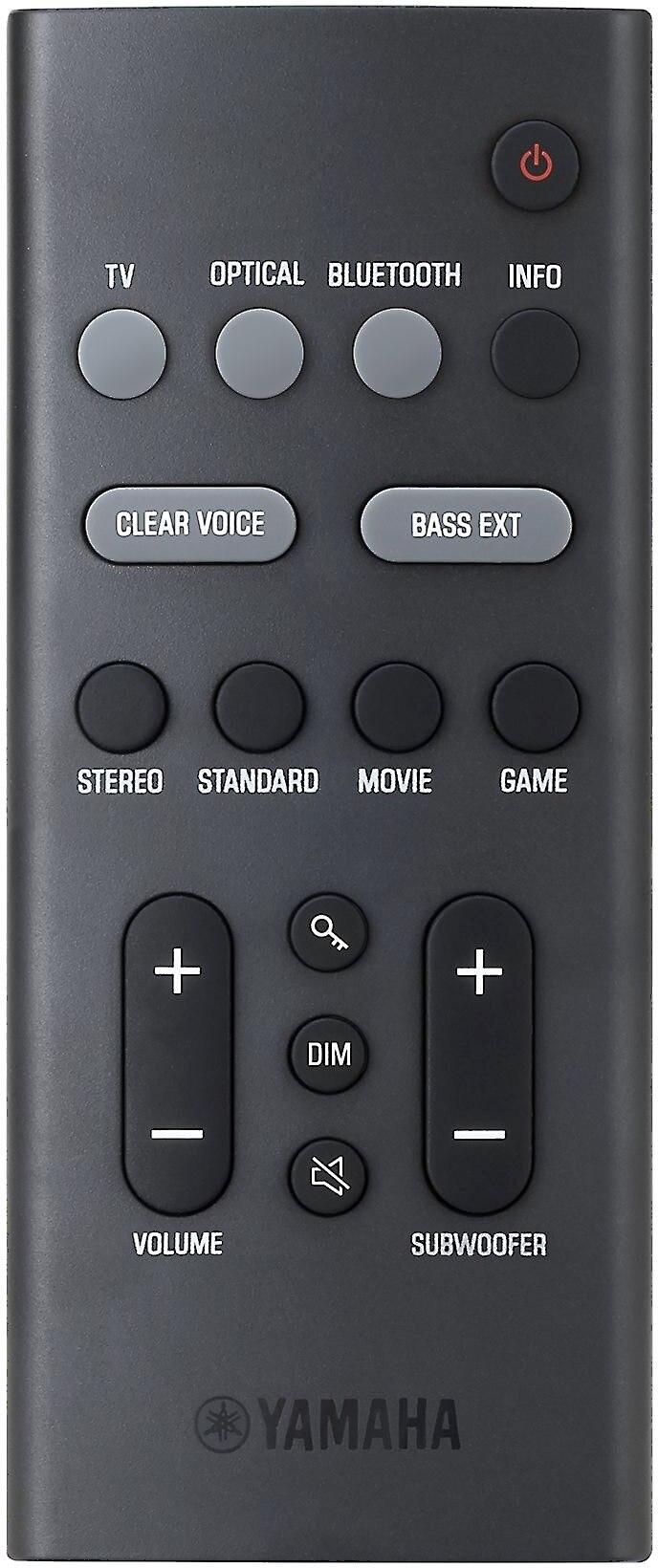
The Clear Voice feature addresses one of the most common complaints about modern TV and movie audio: dialogue that gets buried under music and effects. This technology uses advanced filtering to identify and enhance human vocal frequencies while maintaining the natural sound of the mix. It's particularly effective for news, YouTube videos, and dialogue-heavy content where understanding every word matters more than pure audio impact.
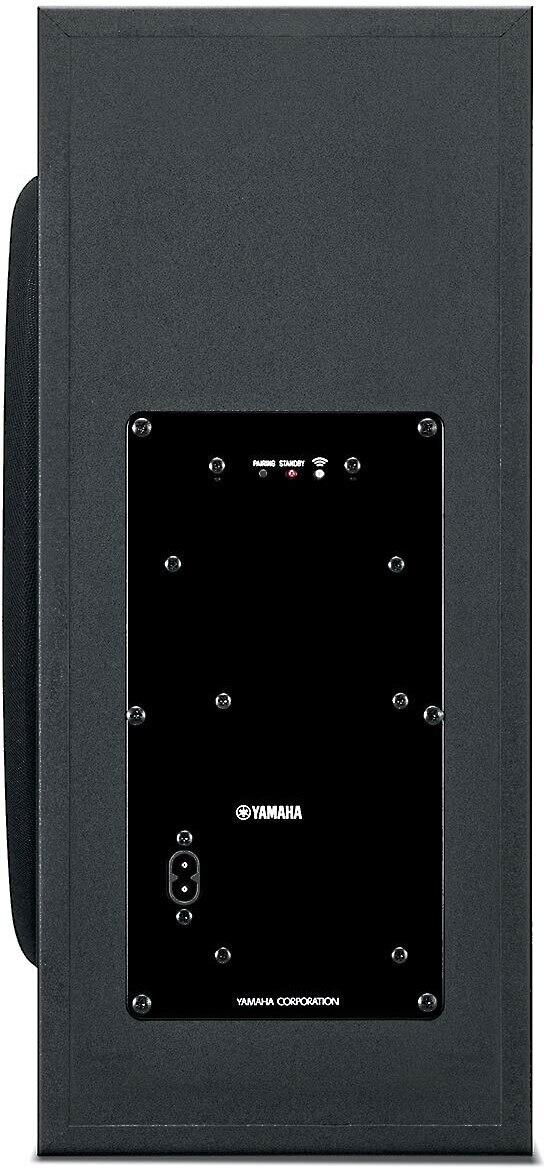
At 200W total output, the Yamaha system generates less raw power than the Ultimea, but power ratings can be misleading. Yamaha's efficient amplifier design and decades of speaker engineering experience mean those watts work harder. The 6.25-inch subwoofer uses their YST II (Yamaha Active Servo Technology) which combines sealed and ported enclosure benefits for both tight, accurate bass and room-filling low-end extension.
This represents the biggest performance difference between these systems. The Poseidon D50's physical rear speakers deliver genuine directional audio that remains consistent regardless of where you sit or how your room is shaped. When a helicopter flies from front to back in a movie, you hear it actually move through space because different speakers handle different parts of that motion.
The Yamaha's virtual surround depends heavily on your room's acoustics and your seating position. In ideal conditions—proper ceiling height, good wall reflections, optimal listening position—Dolby Atmos processing can create remarkably convincing spatial effects. However, rooms with high ceilings, irregular shapes, or heavy soft furnishings that absorb sound reflections will limit the effectiveness of virtual processing.
Based on extensive user feedback, the Ultimea provides more consistent surround experiences across different room types, while the Yamaha delivers superior results in acoustically favorable environments but may disappoint in challenging spaces.
Both systems take different approaches to low-frequency reproduction. The Poseidon D50's BassMX™ technology prioritizes maximum impact and extension. The larger driver excursion and optimized enclosure design create bass that you feel as much as hear—ideal for action movies where explosive impacts need visceral weight.
The Yamaha's YST II technology focuses on accuracy and integration. The bass feels more controlled and musical, with better definition in complex passages. This makes it superior for music listening and content where bass needs to support rather than dominate the overall mix.
For home theater use specifically, the Ultimea's approach often feels more exciting and immersive, while the Yamaha provides more sophisticated and refined low-end reproduction that works better for mixed content consumption.
The SR-B40A clearly wins in dialogue reproduction. Yamaha's Clear Voice technology and decades of experience with vocal reinforcement in professional applications translate to exceptional speech intelligibility. Even in complex action scenes with layered sound effects, voices remain distinct and understandable without requiring volume adjustments.
The Poseidon D50 offers good dialogue clarity, particularly through its dedicated EQ modes, but requires more manual adjustment to optimize speech reproduction. The extensive app-based EQ system allows fine-tuning, but this places the burden on users to find optimal settings for their content and preferences.
Both systems offer modern connectivity, but with different strengths. The Ultimea provides Bluetooth 5.3, which offers improved connection stability and range compared to older Bluetooth versions. The inclusion of USB input allows direct playback from flash drives—a surprisingly useful feature for playing high-quality music files without wireless compression.
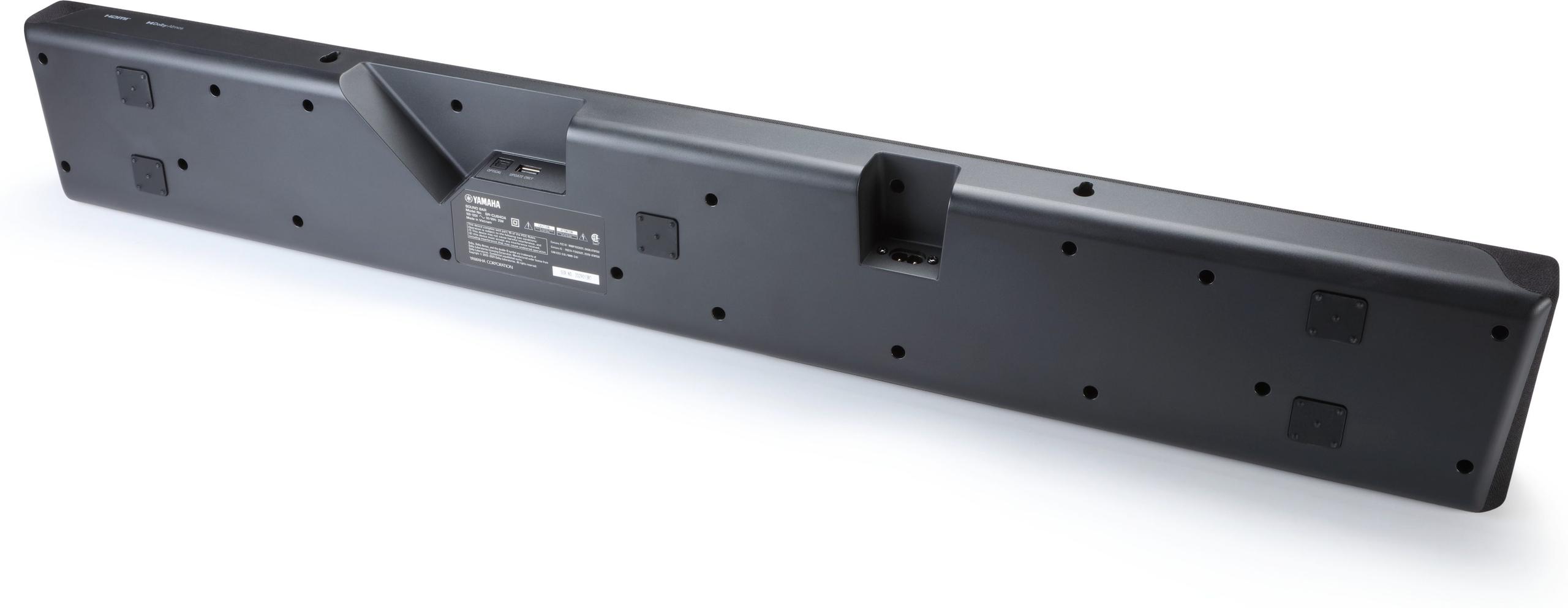
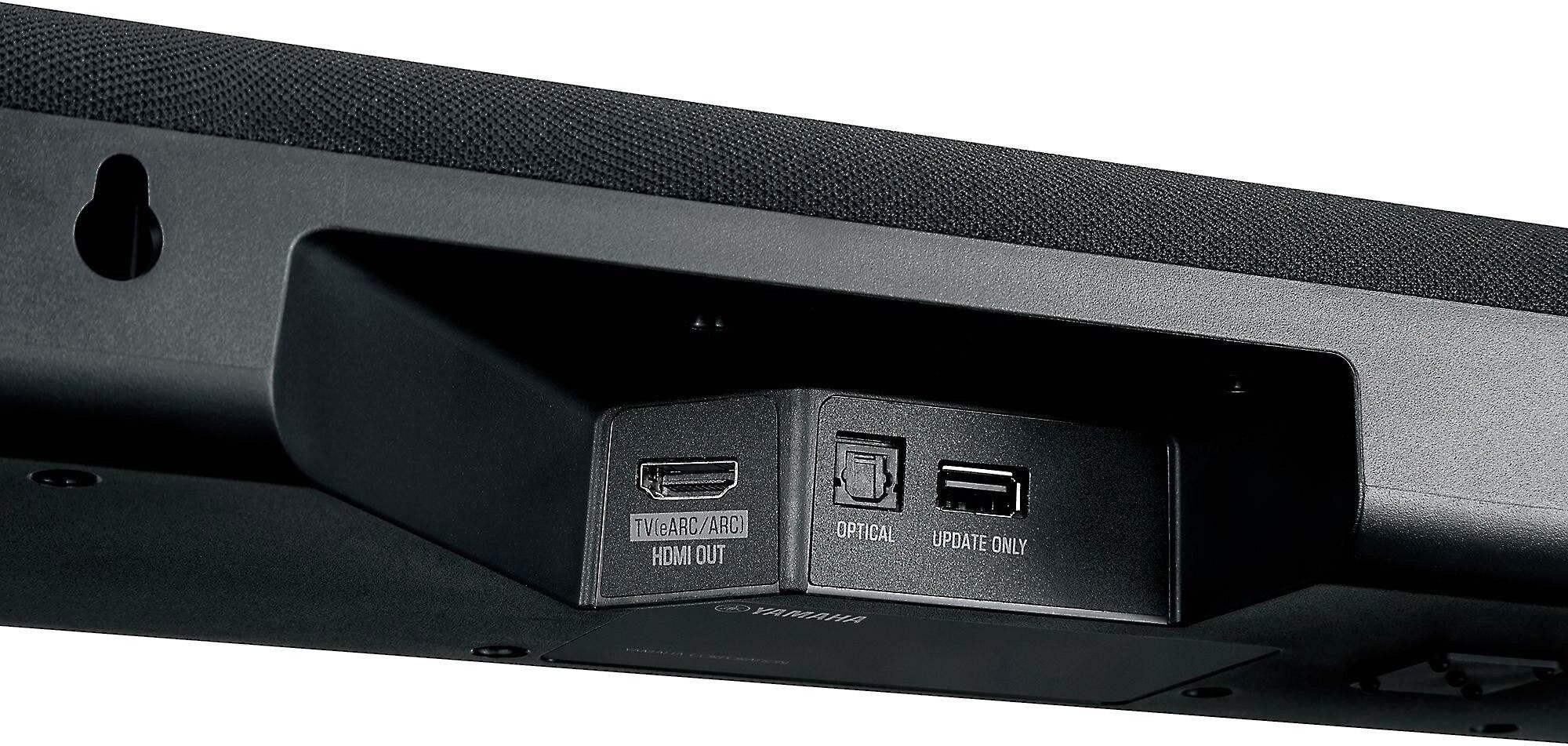
The Yamaha uses Bluetooth 5.1 with support for AAC codec, which provides better wireless audio quality from Apple devices compared to the basic SBC codec. The HDMI eARC implementation tends to be more reliable based on user reports, with fewer handshake issues when connecting to TVs.
At the time of writing, the Poseidon D50 offers exceptional value for genuine 5.1 surround sound. The combination of physical satellite speakers, wireless subwoofer, and extensive customization options typically costs significantly more from established brands. This makes it compelling for budget-conscious buyers who prioritize surround sound authenticity over brand prestige.
The SR-B40A commands a premium for Yamaha's engineering expertise and build quality. While more expensive, it represents solid value for users who want sophisticated audio processing without installation complexity. The brand's reputation for longevity and customer support adds value that extends beyond initial purchase price.
From a long-term perspective, the Ultimea's physical speakers remain effective regardless of future audio format changes, while virtual processing systems benefit from firmware updates that can improve performance over time.
Installing the Poseidon D50 requires planning and patience. Those 19.6-foot satellite cables need to reach your rear speakers, which means either running cables around the room's perimeter or finding creative routing solutions. Wall mounting all components is possible, but requires multiple mounting points and cable management.
The Yamaha SR-B40A offers plug-and-play simplicity. Position the soundbar, place the wireless subwoofer anywhere within reasonable range, connect one cable to your TV, and you're operational. This simplicity becomes valuable in rental properties, temporary setups, or situations where extensive installation isn't practical.
Choose the Ultimea Poseidon D50 if you want maximum immersion for movies and gaming, can accommodate satellite speaker placement, and enjoy customizing audio settings. It's ideal for dedicated home theater rooms or situations where authentic surround sound takes priority over convenience. The extensive EQ options appeal to users who want control over their audio experience.
The Yamaha SR-B40A suits users who prioritize setup simplicity, brand reliability, and sophisticated audio processing over maximum impact. It excels in living rooms where clean aesthetics matter, rental situations where permanent installation isn't possible, or for users who want premium performance without technical complexity.
For mixed content consumption—TV shows, movies, music, and YouTube videos—the Yamaha provides more balanced performance across different source material. For dedicated movie and gaming experiences, the Ultimea's physical surround speakers create more convincing spatial audio.
The choice ultimately depends on whether you value authentic surround sound enough to accept additional installation complexity, or prefer sophisticated virtual processing with premium simplicity. Both represent valid approaches to upgrading your TV's audio, just with very different philosophies and practical requirements.
| Ultimea Poseidon D50 5.1 Soundbar Home Theater (2025) | Yamaha SR-B40A 2.1-Channel Sound Bar with Wireless Subwoofer |
|---|---|
| Channel Configuration - The fundamental difference in how surround sound is delivered | |
| True 5.1 with physical satellite speakers | Virtual 2.1 with Dolby Atmos processing |
| Total Power Output - Raw power affects volume and dynamic range | |
| 320W peak (distributed across 6 drivers) | 200W total (50W × 2 + 100W subwoofer) |
| Subwoofer Technology - Critical for bass impact in movies and music | |
| 5.25" wireless with BassMX™ technology, 15mm excursion | 6.25" wireless with YST II technology |
| Surround Sound Technology - How spatial audio effects are created | |
| SurroundX™ DSP with physical rear speakers | Dolby Atmos virtual processing |
| Audio Customization - Control over sound tuning and preferences | |
| Smart app with 121 EQ presets, 10-band equalizer, 6 sound modes | 4 sound modes, basic app control, Clear Voice feature |
| Bluetooth Version - Affects wireless connection stability and quality | |
| Bluetooth 5.3 (improved range and stability) | Bluetooth 5.1 with AAC codec support |
| Setup Complexity - Installation time and cable management requirements | |
| Requires positioning and wiring 2 satellite speakers (19.6ft cables) | Simple 2-component setup (soundbar + wireless sub) |
| Connectivity Options - Available input types for different devices | |
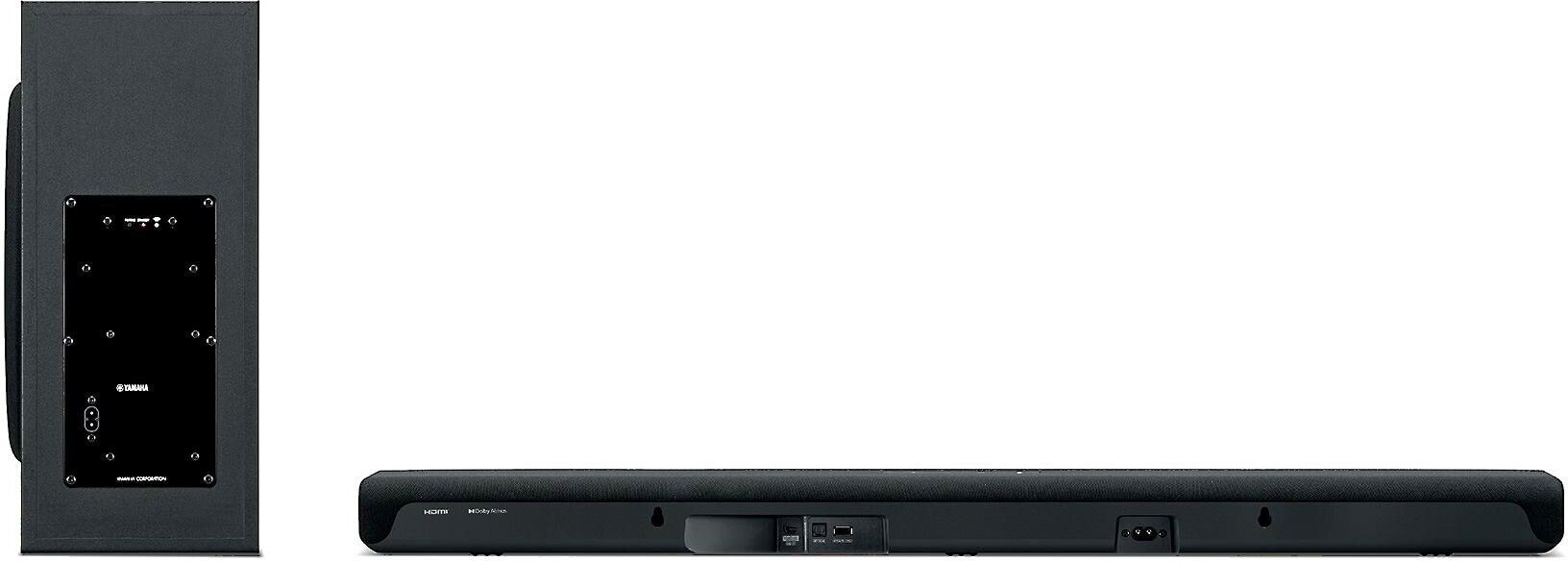
| HDMI eARC, Optical, AUX, USB | HDMI eARC/ARC, Optical |
| Room Size Recommendation - Optimal performance area | |
| 20-35m² (250-380ft²) with consistent performance | Variable based on room acoustics and ceiling height |
| Brand Heritage - Experience and support expectations | |
| Newer brand focused on value-oriented home theater | Decades of professional audio engineering expertise |
| Special Features - Unique capabilities that differentiate the products | |
| Independent satellite volume control, extensive EQ matrices | Clear Voice technology, Bass Extension, True Sound engineering |
The Ultimea Poseidon D50 delivers true 5.1 surround sound with actual satellite speakers positioned around your room, creating genuine directional audio effects. The Yamaha SR-B40A uses Dolby Atmos virtual processing to simulate surround sound from just the main bar and subwoofer. For authentic surround sound experience, the Ultimea Poseidon D50 provides more consistent spatial audio across different room types.
The Yamaha SR-B40A is significantly easier to install, requiring only the placement of the soundbar and wireless subwoofer with minimal cable management. The Ultimea Poseidon D50 requires positioning and connecting two satellite speakers with 19.6-foot cables, making installation more complex but offering greater surround sound authenticity.
The Ultimea Poseidon D50 features a 5.25" subwoofer with BassMX™ technology designed for maximum impact and room-shaking bass, ideal for action movies. The Yamaha SR-B40A uses a 6.25" subwoofer with YST II technology that focuses on accurate, controlled bass that integrates well with music and dialogue-heavy content.
The Yamaha SR-B40A excels in dialogue clarity with its dedicated Clear Voice technology that enhances speech frequencies without affecting the overall mix. While the Ultimea Poseidon D50 offers good dialogue through its EQ modes, it requires more manual adjustment to optimize speech reproduction compared to the Yamaha's automatic voice enhancement.
The Ultimea Poseidon D50 delivers 320W peak power distributed across six drivers, providing plenty of headroom for large rooms. The Yamaha SR-B40A outputs 200W total power but uses more efficient amplifier design, making those watts work more effectively for balanced audio performance.
The Ultimea Poseidon D50 offers more connectivity options including HDMI eARC, Optical, AUX, USB, and Bluetooth 5.3. The Yamaha SR-B40A provides HDMI eARC/ARC, Optical, and Bluetooth 5.1 with AAC codec support. Both include essential connections, but the Ultimea adds USB for direct media playback.
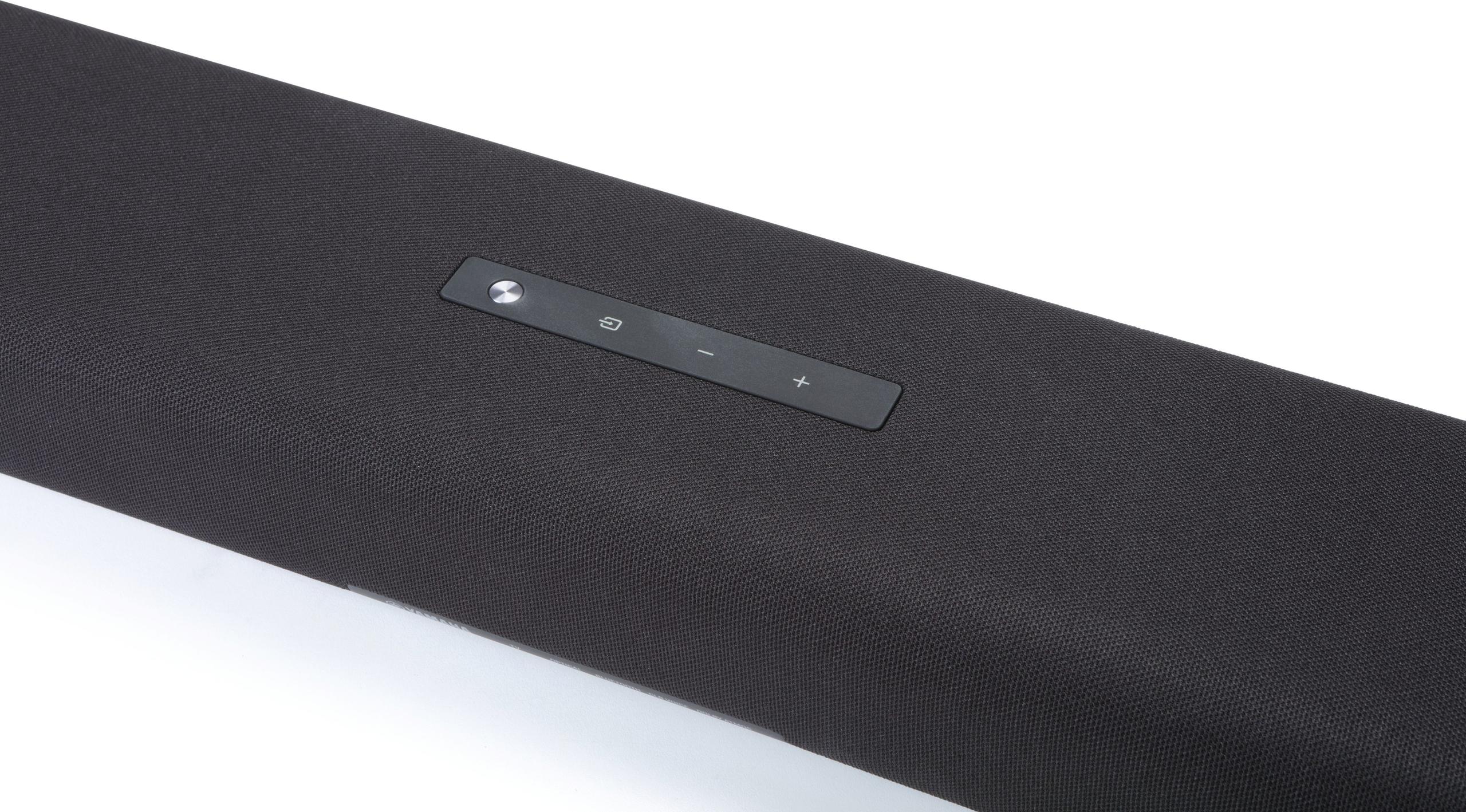
Yes, both soundbars offer smartphone app control. The Ultimea Poseidon D50 provides extensive app-based customization with 121 EQ presets and 10-band equalizer control. The Yamaha SR-B40A includes the Sound Bar Remote app for basic control functions and sound mode selection.
The Yamaha SR-B40A works better in smaller spaces due to its simpler setup and virtual surround processing that doesn't require rear speaker placement. The Ultimea Poseidon D50 is recommended for rooms 250-380 square feet and requires space for satellite speaker positioning, making it less suitable for compact areas.
The Ultimea Poseidon D50 uses Bluetooth 5.3 for improved wireless stability and range, plus includes a wireless subwoofer. The Yamaha SR-B40A features Bluetooth 5.1 with AAC codec support for better audio quality from Apple devices, also with a wireless subwoofer. Both offer reliable wireless subwoofer connections.
The Yamaha SR-B40A comes from a brand with decades of professional audio engineering experience and established customer support. The Ultimea Poseidon D50 represents a newer brand focused on value-oriented solutions. Yamaha's reputation suggests better long-term support and product longevity.
The Ultimea Poseidon D50 is optimized for medium to large rooms (250-380 square feet) where satellite speakers can be properly positioned. The Yamaha SR-B40A works effectively in smaller to medium rooms with good acoustic properties, though virtual surround performance varies based on ceiling height and wall reflections.
The Ultimea Poseidon D50 typically offers exceptional value for genuine 5.1 surround sound capabilities at its price point. The Yamaha SR-B40A commands a premium for established brand quality and sophisticated audio processing. Your choice depends on whether you prioritize authentic surround sound features or premium engineering and simplicity.
We've done our best to create useful and informative comparisons to help you decide what product to buy. Our research uses advanced automated methods to create this comparison and perfection is not possible - please contact us for corrections or questions. These are the sites we've researched in the creation of this article: youtube.com - eu.ultimea.com - newegg.com - tvsbook.com - youtube.com - provantage.com - ultimea.com - techradar.com - community.ultimea.com - homedepot.com - community.ultimea.com - ultimea.com - ultimea.de - youtube.com - medisamhealthcenter.com - ultimea.com - youtube.com - walmart.com - crutchfield.com - visions.ca - shop.usa.yamaha.com - bestbuy.com - bestbuy.com - usa.yamaha.com - my.yamaha.com - europe.yamaha.com - adorama.com - usa.yamaha.com - digitalhomecreations.com - europe.yamaha.com - sundownone.com

Privacy Policy
Terms and Conditions - Affiliate Policy
Home Security
© Copyright 2008-2026.
11816 Inwood Rd #1211, Dallas, TX 75244