









When your TV's built-in speakers just aren't cutting it anymore, stepping up to a proper soundbar system can transform your entertainment experience. But with options ranging from basic stereo bars to complex surround sound systems, choosing the right one requires understanding what you're actually getting for your money.
Today we're comparing two fundamentally different approaches to 5.1 surround sound: the budget-focused Ultimea Poseidon D50 (released in 2025) and the premium JBL Bar 700 (launched in 2022). While both promise immersive home theater audio, they achieve this goal through very different technologies and at vastly different price points.
Before diving into specifics, it's worth understanding what separates today's soundbars from earlier generations. Modern 5.1 systems like the Ultimea Poseidon D50 and JBL Bar 700 don't just make your TV louder—they create a three-dimensional soundscape that places effects around your room.
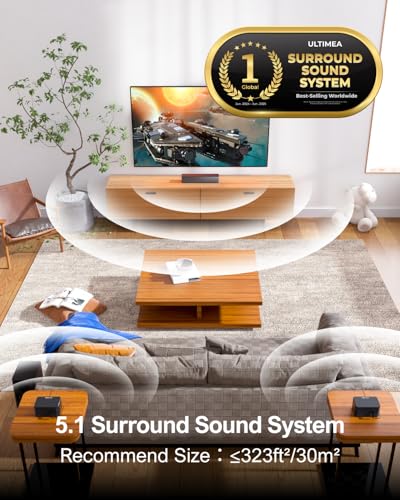
The "5.1" designation means five main audio channels (front left, center, front right, surround left, surround right) plus one low-frequency effects channel (the ".1" handled by the subwoofer). This configuration lets filmmakers place specific sounds in precise locations, making explosions rumble behind you or dialogue crystal clear from the center channel.
What's changed significantly since 2020 is how manufacturers approach this surround processing. Earlier soundbars often used simple stereo enhancement, while today's models employ sophisticated digital signal processing (DSP) chips that can actually create convincing surround effects. The difference in implementation between our two contenders highlights this evolution perfectly.
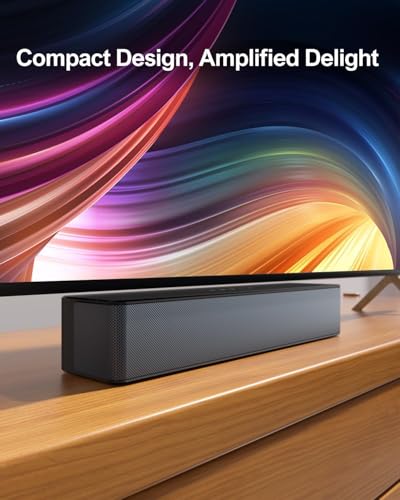
The Ultimea Poseidon D50 represents something relatively rare in the soundbar world: a true 5.1 system that doesn't break the bank. Released in 2025, it showcases how newer manufacturers are challenging established brands by focusing on core performance rather than premium features.
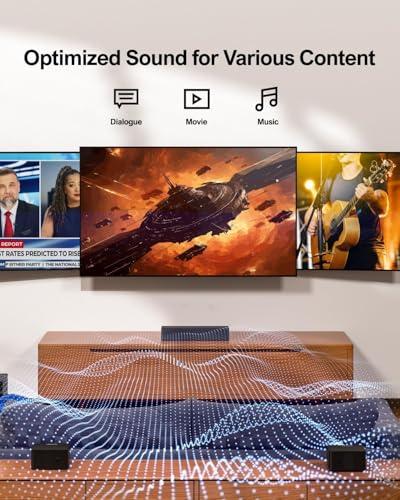
At its heart, the Poseidon D50 uses Ultimea's proprietary SurroundX™ algorithm. This isn't just marketing fluff—it's an integrated DSP chip that takes standard stereo audio (what most streaming services and TV broadcasts provide) and intelligently upmixes it into genuine 5.1 surround sound. Think of it as having a smart audio engineer constantly adjusting your sound in real-time.
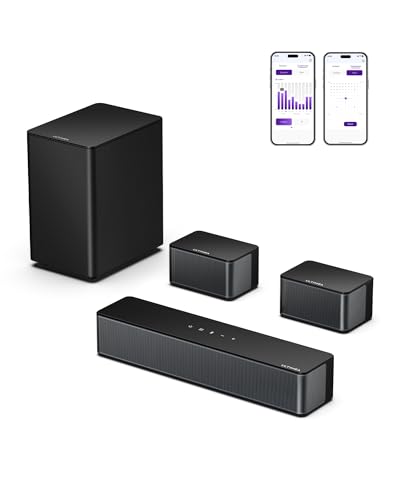
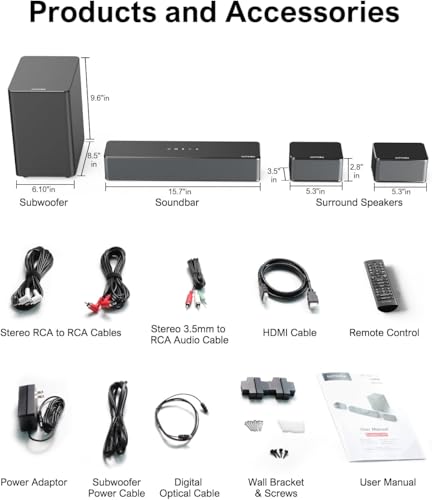
The system's physical configuration is straightforward: a main soundbar with six high-performance drivers, two dedicated rear satellite speakers connected by cables, and a wireless 5.25-inch subwoofer. This gives you actual discrete surround channels, not virtual effects trying to trick your ears into hearing sounds that aren't there.
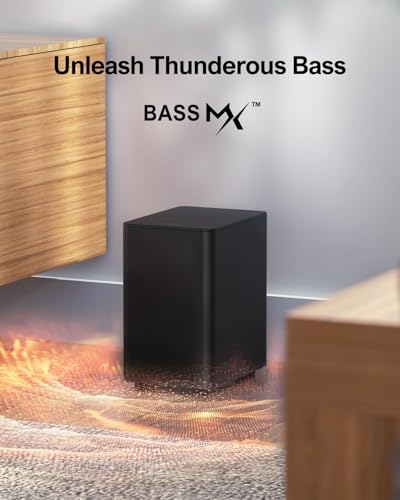
What makes the Ultimea Poseidon D50 particularly interesting is its BassMX™ technology. The 5.25-inch subwoofer might seem small compared to the JBL's massive 10-inch driver, but Ultimea has engineered an impressive 15mm diaphragm excursion—that's how far the speaker cone moves back and forth. More excursion typically means deeper, more impactful bass from a smaller driver.
The customization options here are genuinely impressive. Through Ultimea's smartphone app, you get access to 121 preset EQ matrices and a 10-band equalizer. That's the kind of granular control usually reserved for much more expensive systems. You can independently adjust the volume of those rear speakers, which is crucial for getting the surround balance just right in your specific room.
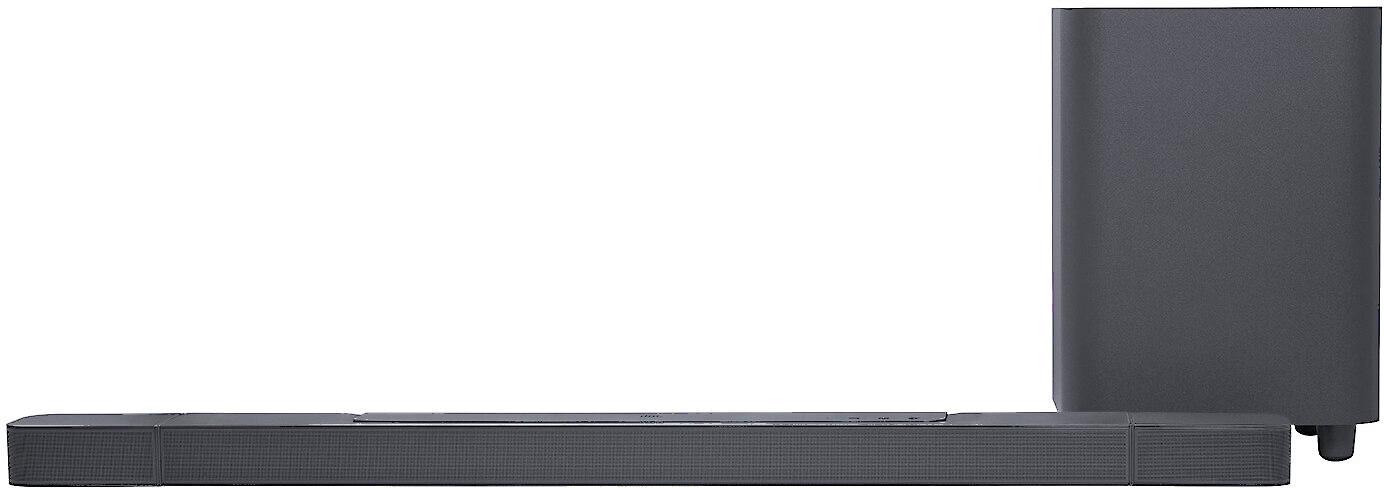
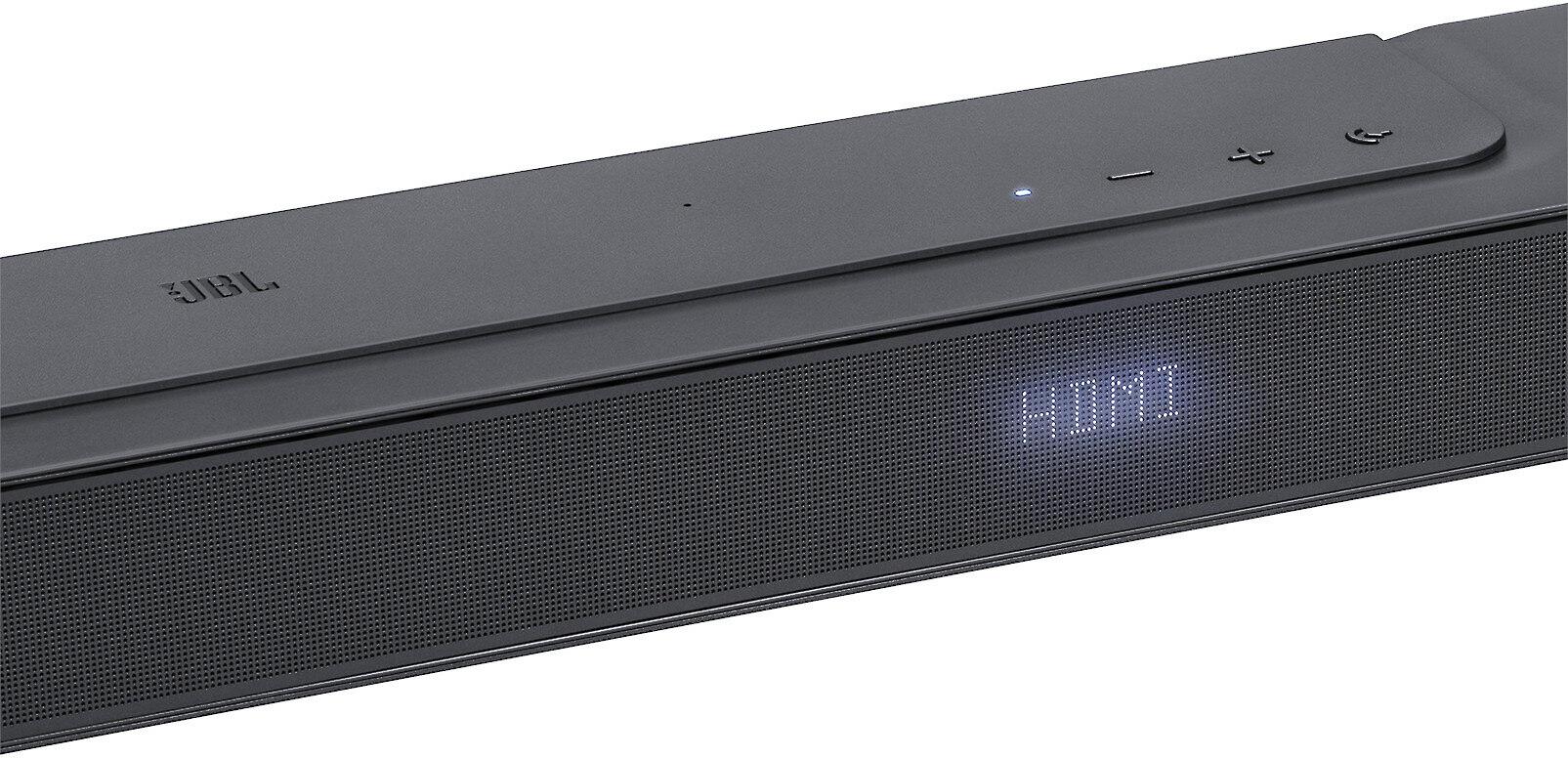
The JBL Bar 700, launched in 2022, takes a completely different approach. Rather than focusing primarily on value, JBL has built a system around licensed Dolby Atmos processing and premium convenience features.
Dolby Atmos represents the current gold standard in surround sound technology. Unlike traditional 5.1 systems that place sounds around you horizontally, Atmos adds height information, creating a true three-dimensional soundscape. The JBL Bar 700 achieves this through MultiBeam Technology—sophisticated digital processing that bounces sound off your ceiling to create the illusion of overhead speakers.
The power difference between these systems is substantial. While the Ultimea Poseidon D50 provides 320 watts peak power, the JBL Bar 700 delivers 620 watts total—240 watts from the soundbar itself and a hefty 300 watts driving that 10-inch subwoofer. In practical terms, this means the JBL can fill much larger rooms with authoritative sound and has significantly more headroom for those explosive movie moments.
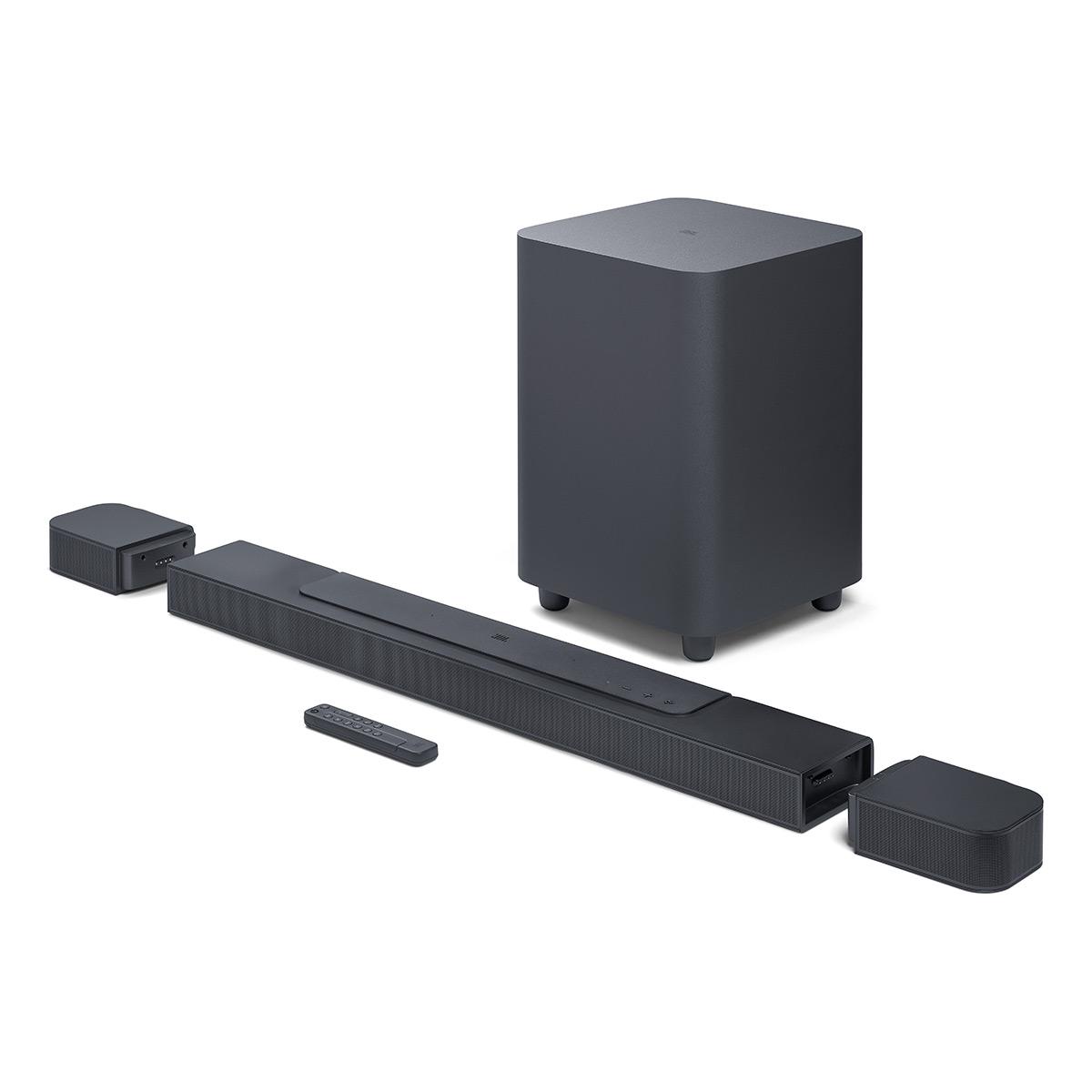
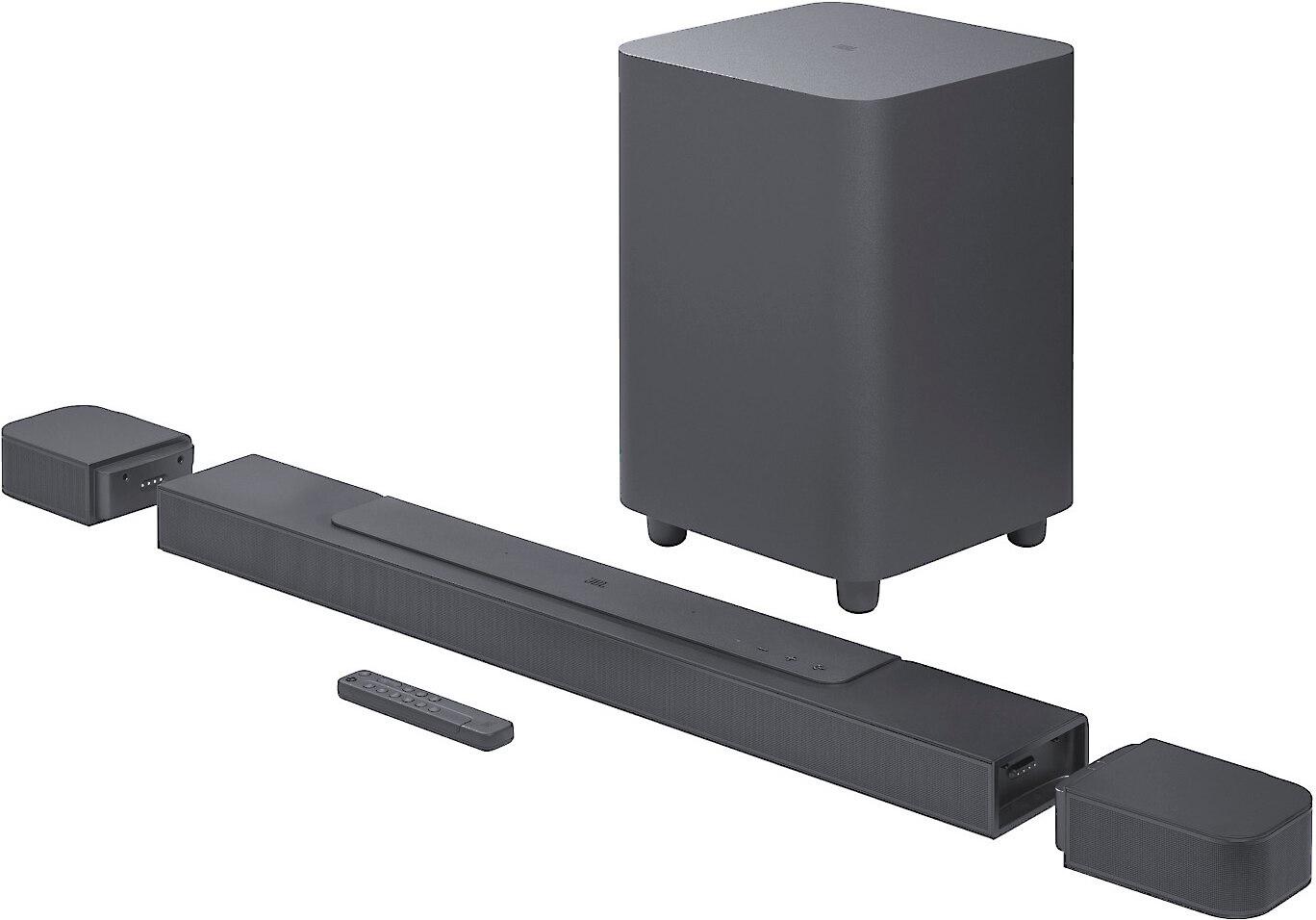
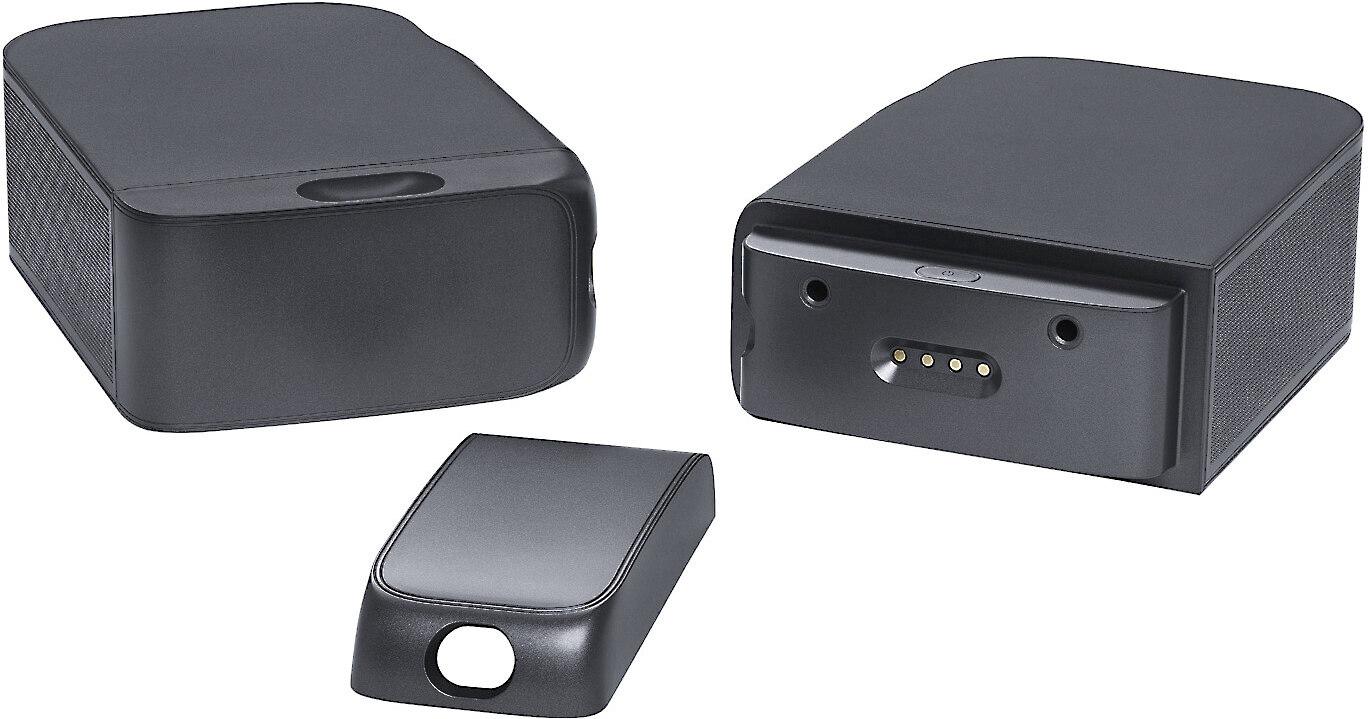
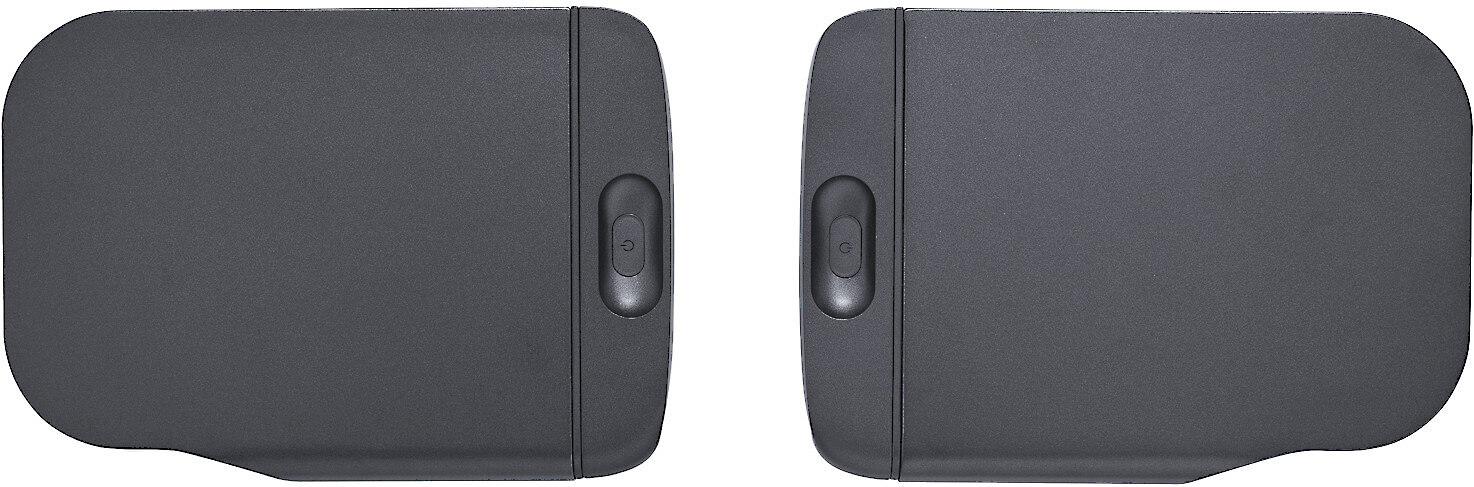
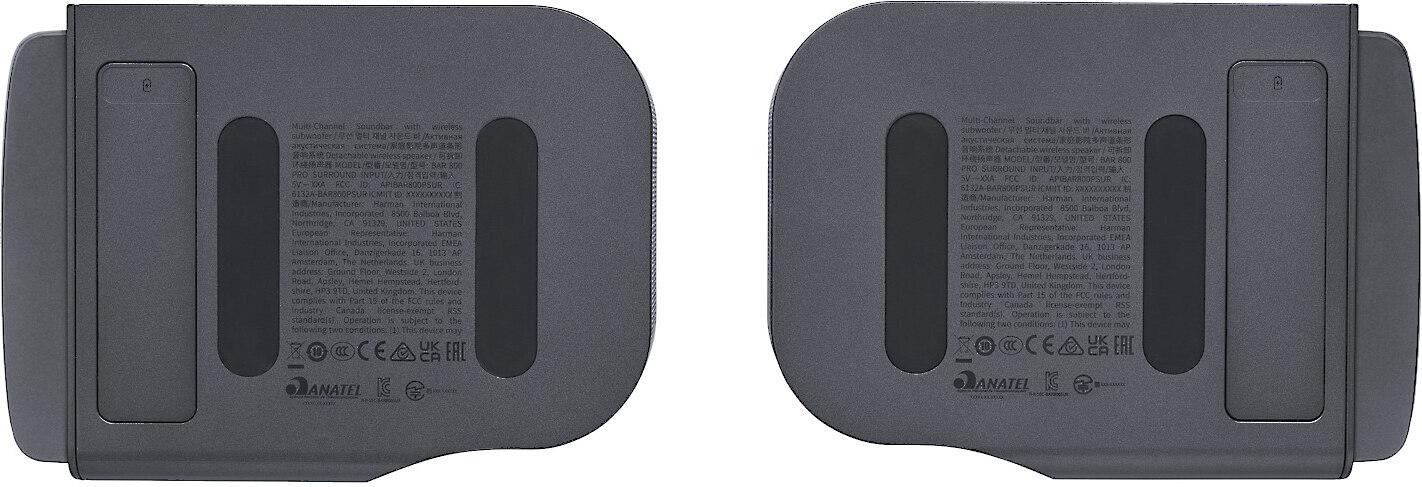
Perhaps the JBL Bar 700's most compelling feature is its detachable, battery-powered surround speakers. These clever units charge when connected to the main soundbar but can be unplugged and placed anywhere in your room without additional power cables. Each speaker provides up to 10 hours of playback, and the wireless freedom eliminates the cable management headaches that plague most surround systems.
JBL's PureVoice technology deserves special mention. This digital processing specifically targets human speech frequencies, using algorithms to detect and enhance dialogue even when explosions and music are at their loudest. If you've ever found yourself constantly adjusting volume to hear conversations clearly, this feature alone might justify the premium.
The power difference between these systems isn't just about numbers—it translates to real-world performance differences. The Ultimea Poseidon D50 is optimized for rooms between 250-380 square feet, which covers most living rooms and bedrooms perfectly. Its high-sensitivity drivers (≥87dB) mean it extracts maximum volume from its 320 watts of power.
The JBL Bar 700, with nearly double the power, can comfortably fill spaces well beyond 400 square feet. More importantly, that extra headroom means dynamic effects—like the rumble of thunder or the crack of gunfire—have room to breathe without distortion. If you're setting up in a large family room or open-concept space, the JBL's power advantage becomes crucial.
Bass performance reveals interesting engineering trade-offs between our contenders. The Ultimea Poseidon D50's 5.25-inch subwoofer uses that impressive 15mm excursion and optimized magnetic circuitry to punch well above its weight class. For most content—dialogue-heavy dramas, comedies, even moderate action films—it provides satisfying low-end impact.
The JBL Bar 700's 10-inch subwoofer, however, operates in a different league entirely. That larger driver moves more air with less effort, extending deeper into the low-frequency range where you feel bass as much as hear it. Movie explosions, earthquake scenes, and electronic music all benefit from this additional headroom. The 300 watts of dedicated amplification also means the bass stays clean and controlled even at high volumes.
This is where the philosophical differences between these systems become most apparent. The Ultimea Poseidon D50 relies on its proprietary SurroundX™ algorithm to create surround effects. Based on our research into user experiences, this system does a commendable job of placing sounds around the room, particularly for movie content where surround cues are clearly defined.
The JBL Bar 700's Dolby Atmos processing, however, works with a much larger library of content specifically mixed for the format. Netflix, Disney+, and most modern Blu-rays include Atmos soundtracks that contain precise spatial information. When playing this content, the JBL system can place sounds with pinpoint accuracy, including height effects that seem to come from above.
The practical difference matters most with newer content. Watching Marvel movies, nature documentaries, or recent TV shows, the JBL Bar 700 consistently delivers more convincing spatial effects. For older content or basic streaming without Atmos encoding, both systems perform similarly well.
Here we see the clearest distinction between these systems' target audiences. The Ultimea Poseidon D50 focuses on core audio performance with essential connectivity: Bluetooth 5.3, HDMI eARC, optical, and USB inputs cover virtually any source you might want to connect. The smartphone app provides extensive control over EQ settings and sound modes, which is genuinely useful for fine-tuning performance.
The JBL Bar 700 integrates deeply into modern smart home ecosystems. Built-in Wi-Fi enables AirPlay 2, Chromecast, and Alexa Multi-Room Music. You can stream directly from Spotify, TIDAL, Amazon Music, or YouTube Music without involving your TV at all. Voice assistant compatibility means simple commands can adjust volume, change inputs, or even ask for specific songs.
The JBL's HDMI eARC implementation also supports 4K Dolby Vision pass-through, ensuring your connected 4K Blu-ray player or gaming console sends the best possible video signal to your TV while routing audio to the soundbar.
Setting up the Ultimea Poseidon D50 is refreshingly straightforward—everything connects with included cables, and the system works immediately. The challenge lies in cable management for those rear speakers. You'll need to route wires around your room, which can be problematic in apartments or rooms where running cables isn't practical.
The JBL Bar 700 solves this elegantly with its wireless rear speakers, but introduces its own complexity through the initial setup process. The system includes room calibration technology that analyzes your space and adjusts EQ accordingly. This works well in practice, though some users prefer manual control over automatic optimization.
Both systems support wall mounting, but the JBL's detachable speakers offer more placement flexibility. You can position them on shelves, side tables, or even temporarily move them for different viewing scenarios.
At the time of writing, these systems occupy very different price tiers. The Ultimea Poseidon D50 represents exceptional value in the budget category, delivering genuine 5.1 surround sound with discrete rear speakers at a fraction of traditional system costs. For many users, particularly those in smaller spaces or with modest budgets, it provides 80% of the premium experience at perhaps 30% of the cost.
The JBL Bar 700 commands a significant premium but justifies it through superior power, licensed Dolby Atmos processing, wireless convenience, and comprehensive smart features. If you value brand reputation, established audio standards, and seamless integration with modern streaming services, the additional cost makes sense.
The Ultimea Poseidon D50 makes perfect sense for budget-conscious buyers who still want authentic surround sound. It's ideal for apartment dwellers, college students, or anyone setting up a secondary viewing area where premium features aren't essential. The extensive EQ customization actually gives you more manual control than many expensive systems.
Choose the JBL Bar 700 if you have a larger room, regularly watch Dolby Atmos content, or want the convenience of wireless rear speakers. The smart home integration appeals to users who stream music frequently and prefer voice control over manual adjustment.
The decision ultimately comes down to matching system capabilities to your specific needs and budget. Both systems deliver genuine surround sound, but they serve different priorities. The Ultimea maximizes performance per dollar, while the JBL provides premium features and established processing standards.
For most users in typical living rooms who primarily watch streaming content and don't require wireless speakers, the Ultimea Poseidon D50 delivers remarkable value. If budget allows and you want the latest audio processing standards with maximum convenience, the JBL Bar 700 represents a solid investment in premium home theater audio.
| Ultimea Poseidon D50 5.1 Soundbar | JBL Bar 700 Dolby Atmos 5.1 Soundbar |
|---|---|
| Total Power Output - Determines how loud and dynamic your system can get | |
| 320W peak power (adequate for small-medium rooms) | 620W total power (excellent for large rooms and dynamic effects) |
| Audio Processing Technology - Affects surround sound quality and content compatibility | |
| Proprietary SurroundX™ algorithm with DSP chip | Licensed Dolby Atmos with MultiBeam virtual height technology |
| Subwoofer Size and Power - Critical for bass depth and impact | |
| 5.25" wireless subwoofer with BassMX™ technology | 10" wireless subwoofer with 300W dedicated amplification |
| Rear Speaker Configuration - Determines setup flexibility and surround authenticity | |
| Two wired satellite speakers (cable management required) | Two detachable battery-powered wireless speakers (10-hour battery) |
| Room Size Recommendation - Matching system capability to your space | |
| 250-380 sq ft (20-35m²) optimal coverage | Large rooms well beyond 400 sq ft capacity |
| Smart Features and Streaming - Modern convenience and ecosystem integration | |
| Bluetooth 5.3, smartphone app control, basic connectivity | Built-in Wi-Fi, AirPlay 2, Chromecast, Alexa integration, voice control |
| Audio Customization Options - How much control you have over sound tuning | |
| 121 preset EQ matrices, 10-band equalizer, independent rear speaker volume | PureVoice dialogue enhancement, automatic room calibration, 3 main sound modes |
| HDMI and Video Features - Important for 4K content and gaming | |
| HDMI eARC support with basic pass-through | HDMI eARC with 4K Dolby Vision pass-through and HDCP 2.3 |
| Setup Complexity and Cable Management - Affects installation ease | |
| Simple plug-and-play but requires rear speaker wiring | More complex initial setup but completely wireless rear channels |
| Target User and Value Proposition - Who gets the best deal | |
| Budget-conscious buyers wanting genuine 5.1 surround in smaller spaces | Premium users prioritizing Dolby Atmos, wireless convenience, and smart features |
For dedicated home theater use, the JBL Bar 700 is superior due to its licensed Dolby Atmos processing, 620W total power output, and virtual height effects that create a more immersive cinematic experience. The Ultimea Poseidon D50 delivers excellent value with genuine 5.1 surround sound but lacks the advanced processing formats found in premium movie content.
The primary difference is audio processing technology and power. The JBL Bar 700 uses licensed Dolby Atmos with 620W of power for premium performance, while the Ultimea Poseidon D50 employs proprietary SurroundX™ algorithms with 320W output, focusing on delivering authentic 5.1 surround sound at a budget-friendly price point.
The JBL Bar 700 performs significantly better in large rooms due to its 620W total power output and 10-inch subwoofer. The Ultimea Poseidon D50 is optimized for rooms between 250-380 square feet, making it ideal for smaller to medium-sized spaces but potentially underpowered for expansive areas.
No, only the JBL Bar 700 features truly wireless, battery-powered detachable rear speakers that provide 10 hours of playback. The Ultimea Poseidon D50 includes wired rear satellite speakers that require cable connections, though setup is still straightforward with included hardware.
The JBL Bar 700 delivers superior bass with its 10-inch subwoofer and 300W dedicated amplification, providing deeper frequency extension and more impactful low-end effects. The Ultimea Poseidon D50 uses a smaller 5.25-inch subwoofer with BassMX™ technology that performs well for its size but can't match the JBL's bass depth.
Yes, both systems offer smartphone control, but with different capabilities. The Ultimea Poseidon D50 provides extensive app-based EQ control with 121 preset matrices and 10-band equalization. The JBL Bar 700 offers smart home integration through built-in Wi-Fi, supporting AirPlay, Chromecast, and voice assistant compatibility.
Only the JBL Bar 700 supports licensed Dolby Atmos processing with MultiBeam technology for virtual height effects. The Ultimea Poseidon D50 uses proprietary SurroundX™ algorithms to create surround sound but doesn't process Dolby Atmos content, though it still delivers convincing surround effects through its discrete rear speakers.
The Ultimea Poseidon D50 offers simpler plug-and-play setup but requires running cables to the rear speakers. The JBL Bar 700 has a more complex initial configuration with room calibration features, but the wireless rear speakers eliminate cable management challenges once setup is complete.
The Ultimea Poseidon D50 provides exceptional value by delivering genuine 5.1 surround sound with discrete rear speakers at a budget-friendly price. The JBL Bar 700 offers premium value through Dolby Atmos processing, higher power output, and wireless convenience, justifying its higher cost for users wanting advanced features.
The JBL Bar 700 excels at music streaming with built-in Wi-Fi supporting AirPlay 2, Chromecast, and direct access to Spotify, TIDAL, and other services. The Ultimea Poseidon D50 supports Bluetooth 5.3 streaming and offers extensive EQ customization, but lacks the comprehensive streaming service integration of the JBL system.
Both systems handle dialogue well, but the JBL Bar 700 features dedicated PureVoice technology that uses advanced algorithms to enhance speech clarity even during complex audio scenes. The Ultimea Poseidon D50 includes dialogue-focused EQ modes and independent speaker volume control for optimizing voice clarity.
Choose the Ultimea Poseidon D50 if you want genuine 5.1 surround sound on a budget, have a smaller room, and don't mind wired rear speakers. Select the JBL Bar 700 if you have a larger space, want Dolby Atmos processing, prefer wireless rear speakers, and value smart home integration with premium audio processing standards.
We've done our best to create useful and informative comparisons to help you decide what product to buy. Our research uses advanced automated methods to create this comparison and perfection is not possible - please contact us for corrections or questions. These are the sites we've researched in the creation of this article: youtube.com - eu.ultimea.com - newegg.com - tvsbook.com - youtube.com - provantage.com - ultimea.com - techradar.com - community.ultimea.com - homedepot.com - community.ultimea.com - ultimea.com - ultimea.de - youtube.com - medisamhealthcenter.com - ultimea.com - youtube.com - walmart.com - crutchfield.com - harmanaudio.com - target.com - jbl.com - walmart.com - dell.com - jbl.com

Privacy Policy
Terms and Conditions - Affiliate Policy
Home Security
© Copyright 2008-2026.
11816 Inwood Rd #1211, Dallas, TX 75244