

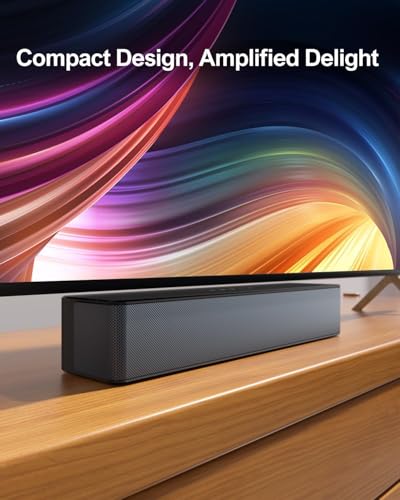



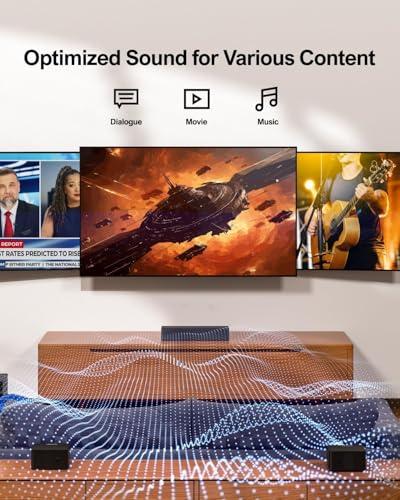



When your TV's built-in speakers make dialogue sound like it's coming from a tin can, upgrading to a quality soundbar becomes essential. But choosing between different soundbar approaches can be confusing. The Ultimea Poseidon D50 5.1 Soundbar and JBL Bar 300 MK2 represent two fundamentally different philosophies for solving the same problem: how to get great home theater sound without the complexity of a traditional receiver and speaker setup.
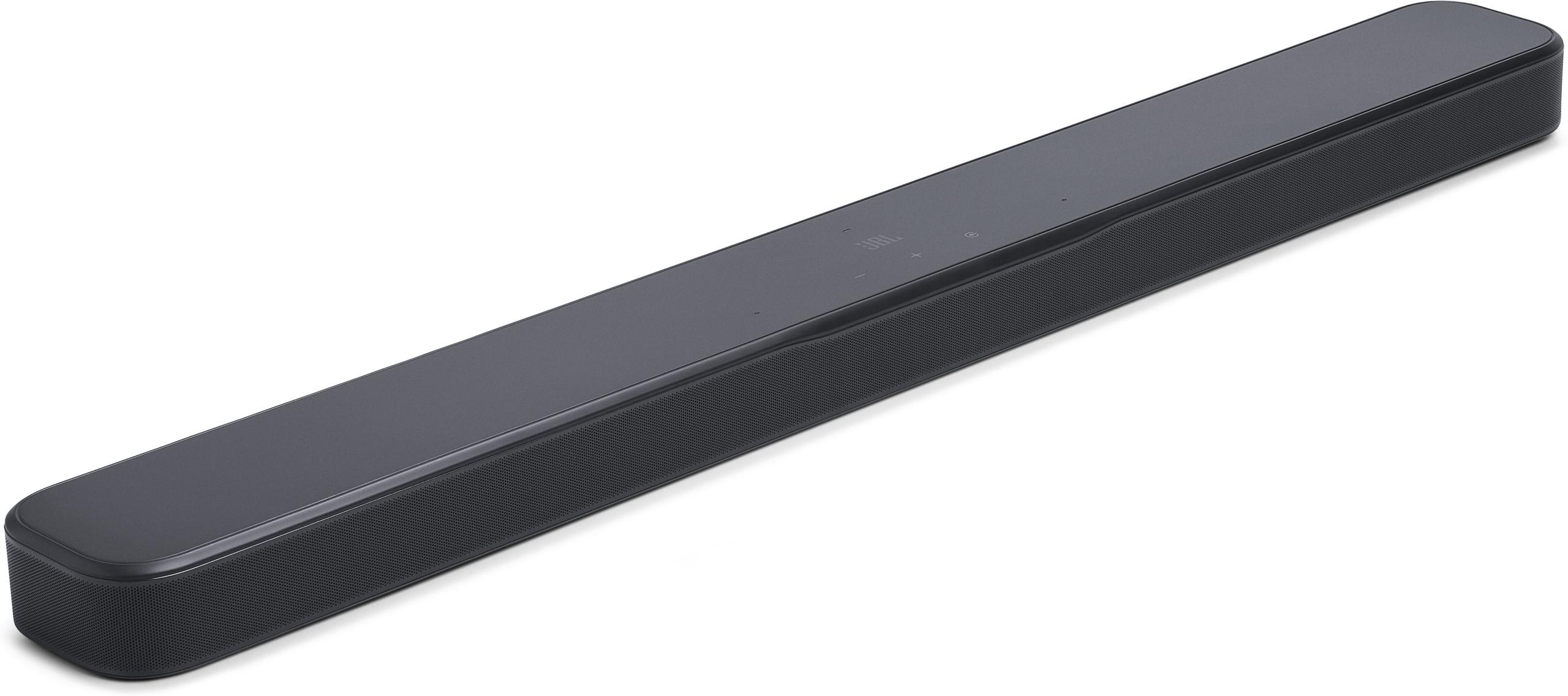
Released in 2025, both soundbars incorporate the latest audio processing technologies, but they take completely different paths to achieve immersive sound. The Ultimea Poseidon D50 follows the traditional route with physical speakers positioned around your room, while the JBL Bar 300 MK2 uses advanced digital processing to create virtual surround sound from a single sleek unit.
Before diving into the comparison, it's worth understanding what makes 2025 soundbars different from earlier generations. Both products feature significant technological improvements over soundbars from just a few years ago. Modern soundbars now include sophisticated DSP chips (Digital Signal Processors) that can analyze incoming audio and optimize it in real-time, creating more convincing surround effects and clearer dialogue.
The key consideration when choosing between soundbar types comes down to your priorities: authentic multi-directional audio versus convenience and modern features. Traditional wisdom says that physically separate speakers will always create more convincing surround sound because they're actually positioned where the audio is supposed to come from. However, recent advances in psychoacoustic processing—the science of how our brains interpret sound—have made virtual surround increasingly impressive.
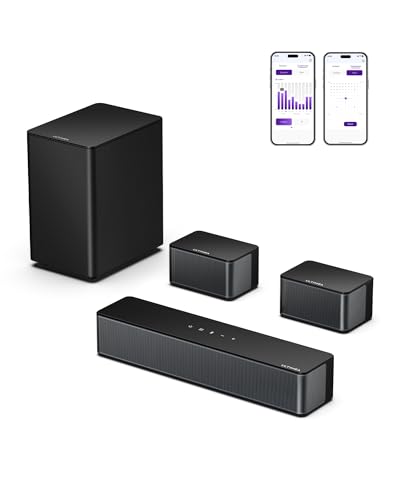
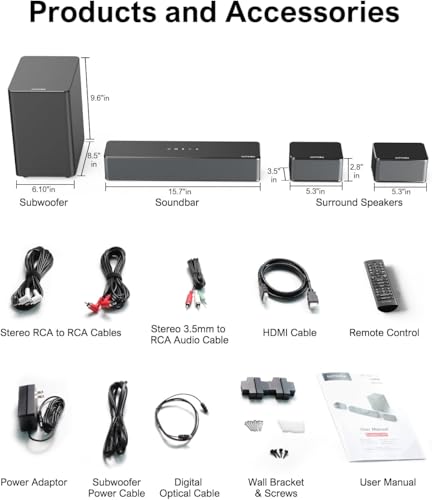
The Ultimea Poseidon D50 5.1 takes the "real surround" approach. When you unbox this system, you'll find a main soundbar, two satellite speakers that connect via 19.6-foot cables, and a wireless subwoofer. This gives you true 5.1 channel audio, meaning five main speakers (front left, center, front right, rear left, rear right) plus one subwoofer dedicated to low-frequency effects.
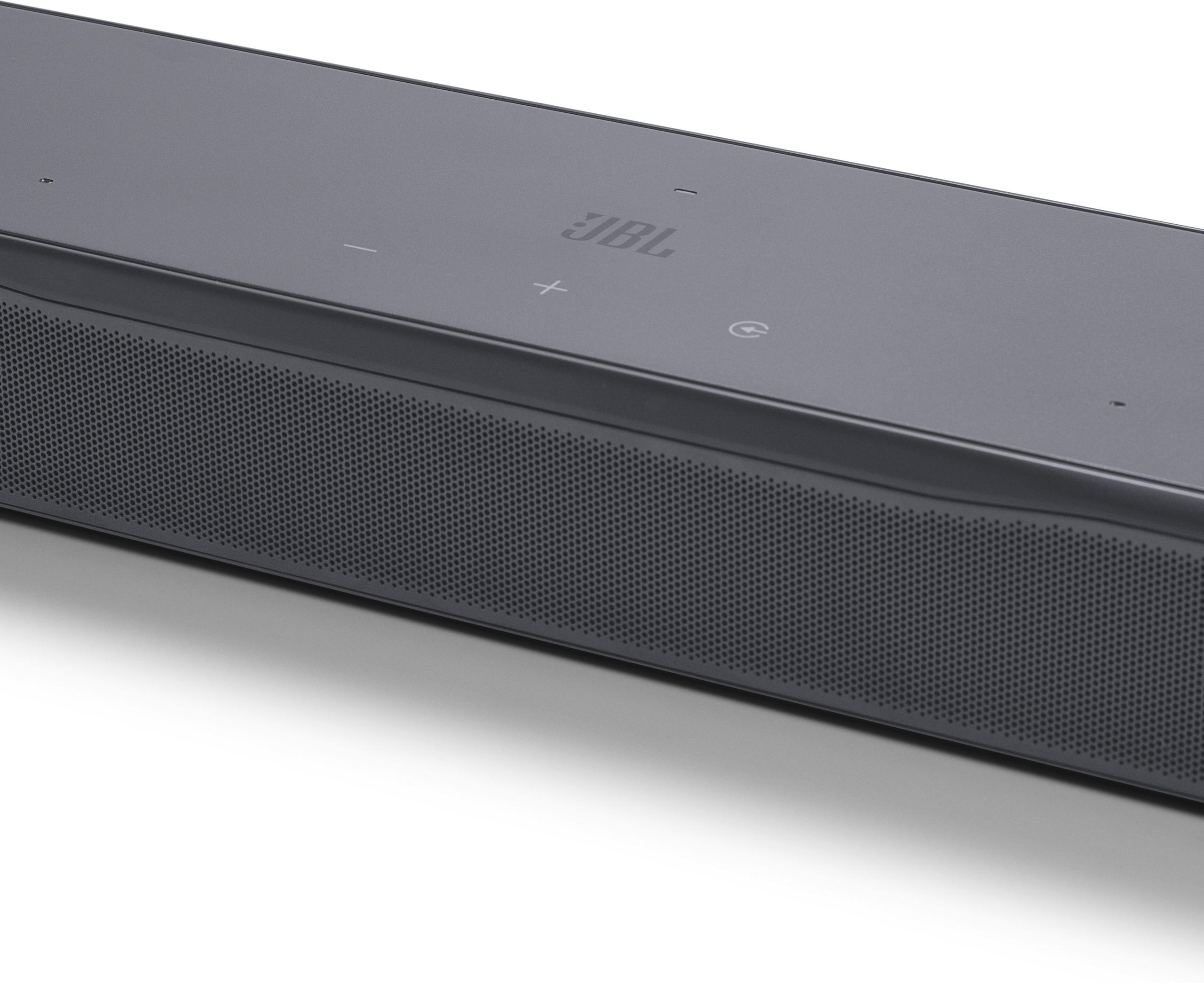
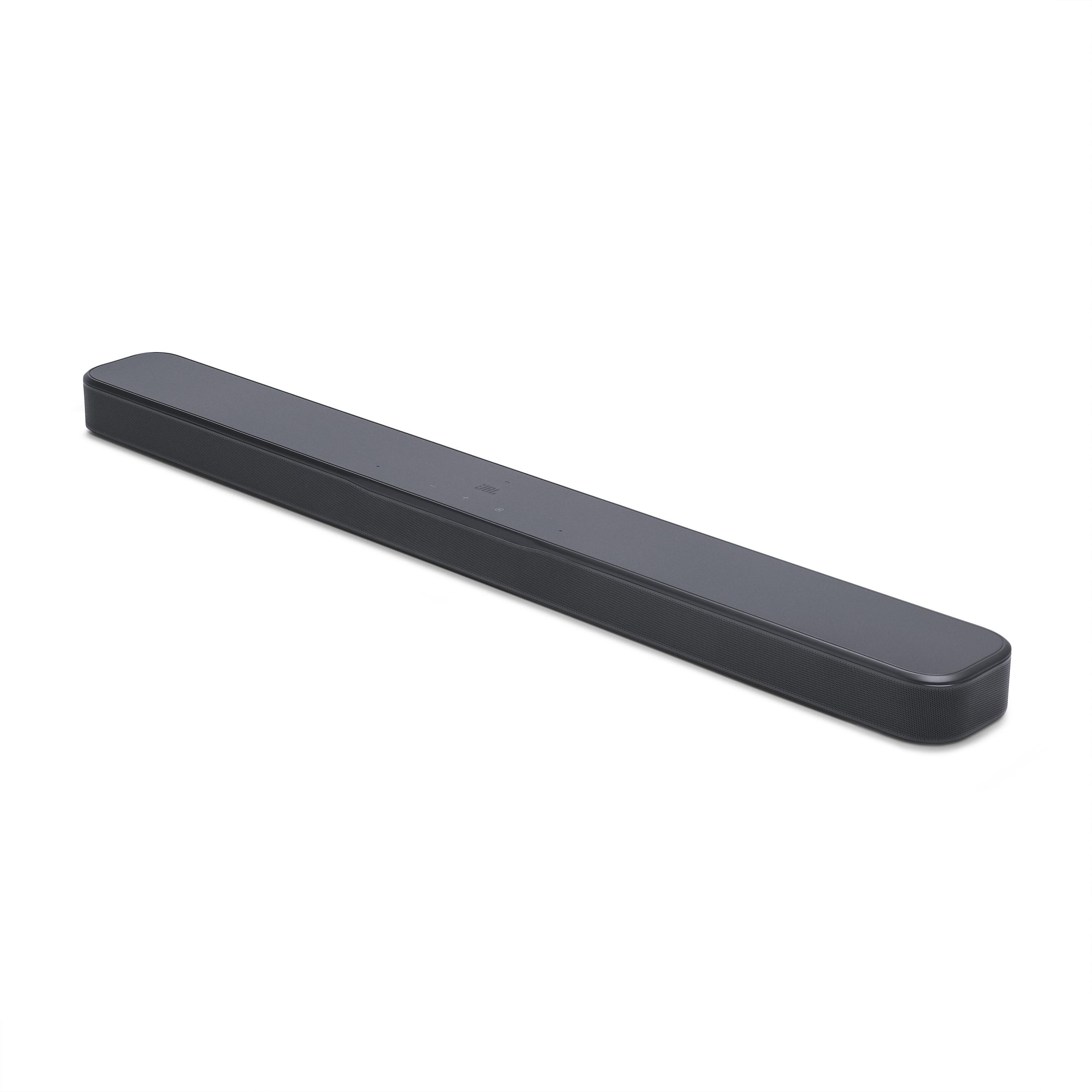
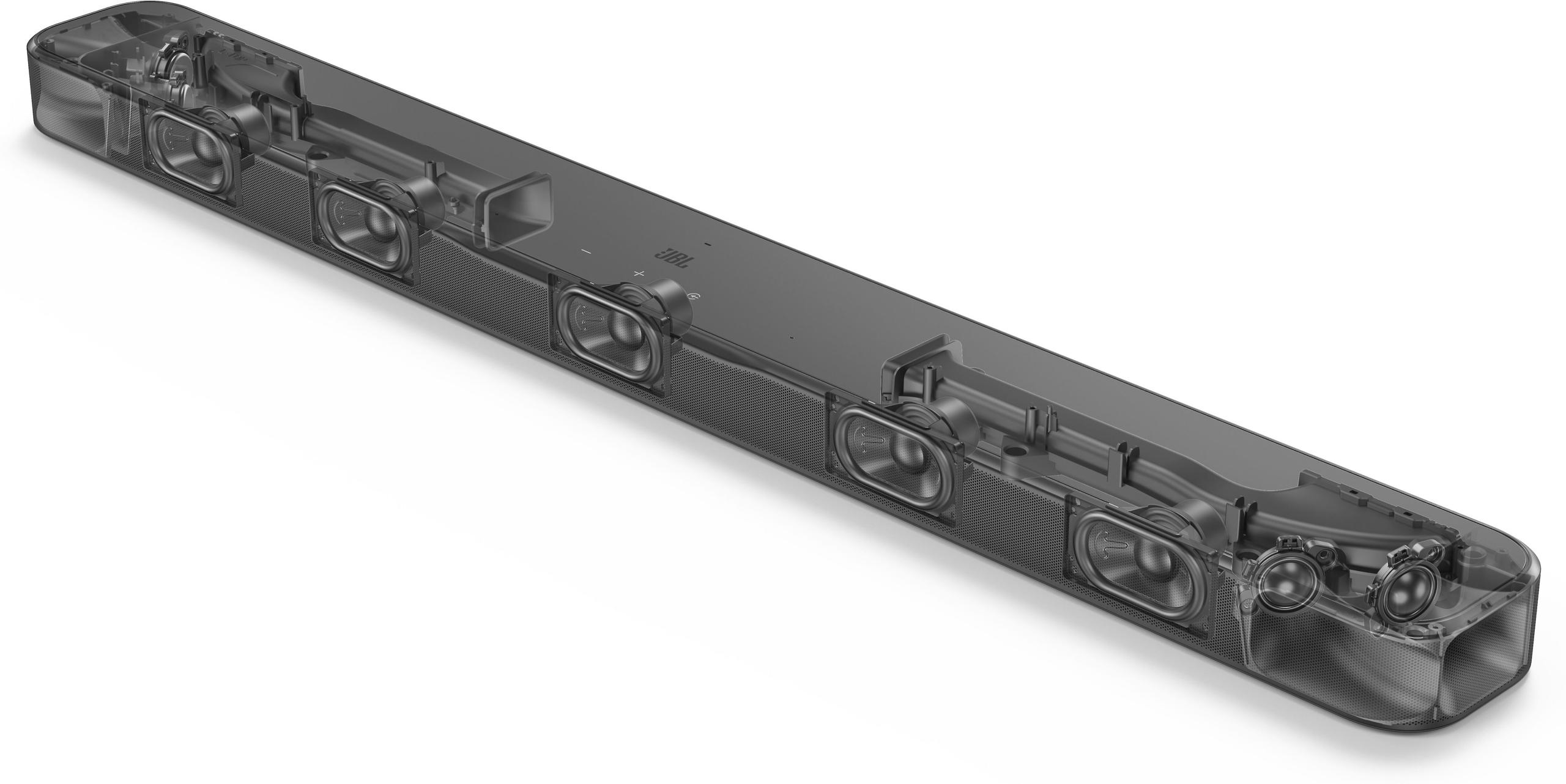
The JBL Bar 300 MK2, on the other hand, packs everything into a single 37-inch soundbar. It uses what's called "beamforming" technology through its MultiBeam 3.0 system. This means the soundbar can direct audio beams to different parts of your room, bouncing sound off walls and ceilings to create the illusion that audio is coming from behind and above you, even though it's all originating from one location.
When it comes to creating that "you're in the movie" feeling, the Ultimea Poseidon D50 has a clear advantage through physics alone. Having actual speakers positioned behind your seating creates genuine rear-channel effects. When a helicopter flies overhead in a movie, you'll hear it travel from the front soundbar to the rear satellites in a way that virtual processing simply cannot fully replicate.
The system's SurroundX™ technology adds another layer of sophistication. This proprietary algorithm can take standard stereo audio (like from older movies or streaming content) and convert it into full 5.1 surround sound by analyzing the audio characteristics and distributing appropriate elements to each speaker. It's like having an intelligent audio director deciding where each sound should come from.
However, the JBL Bar 300 MK2 shouldn't be dismissed. Its virtual Dolby Atmos processing creates height effects that the Ultimea cannot produce. Dolby Atmos is an advanced audio format that includes overhead sound elements, making scenes like rain or aircraft sound more three-dimensional. The JBL's beamforming technology has become remarkably sophisticated, and for many listeners, especially in smaller rooms, the difference between virtual and physical surround may be less noticeable than expected.
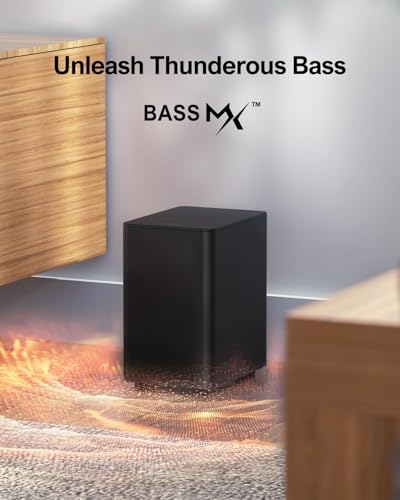
This is where the Ultimea Poseidon D50 shows its biggest advantage. The dedicated 5.25-inch wireless subwoofer with BassMX™ technology can produce bass frequencies that simply aren't possible from the smaller drivers in an all-in-one soundbar. BassMX™ utilizes an optimized magnetic circuit and allows for 15mm of diaphragm excursion—that's how far the speaker cone can move back and forth to push air and create those deep, room-shaking bass notes.
The difference becomes obvious during action scenes. Explosions, thunderstorms, and the low-end punch of electronic music will have significantly more impact with the Ultimea's dedicated subwoofer. The wireless connection means you can position the subwoofer anywhere in your room for optimal bass response, typically in a corner where room acoustics naturally amplify low frequencies.
The JBL Bar 300 MK2 does include bass ports and racetrack-shaped drivers designed to move more air than traditional round drivers. For a single-unit soundbar, the bass response is impressive, but physics limits what's possible. The 450W power rating helps push those drivers harder, but it cannot overcome the fundamental limitation of smaller enclosure size and driver displacement.
Here's where the JBL Bar 300 MK2 fights back effectively. JBL's PureVoice 2.0 technology specifically targets the frequency ranges where human speech occurs, using advanced filtering to ensure voices remain clear even during complex audio scenes. This becomes crucial during action movies where dialogue can get lost among explosions and musical scores.
The system also includes SmartDetails technology, which preserves subtle audio elements that often get compressed or lost in standard TV audio processing. This means you'll hear environmental details like footsteps, rustling leaves, or quiet conversations that add realism to scenes.
The Ultimea Poseidon D50 approaches dialogue clarity differently, offering three dedicated EQ modes including one specifically optimized for speech. The 10-band equalizer with 121 preset matrices provides granular control over frequency response. However, from our research into user experiences, the JBL's specialized voice processing gives it a slight edge for consistently clear dialogue across different content types.
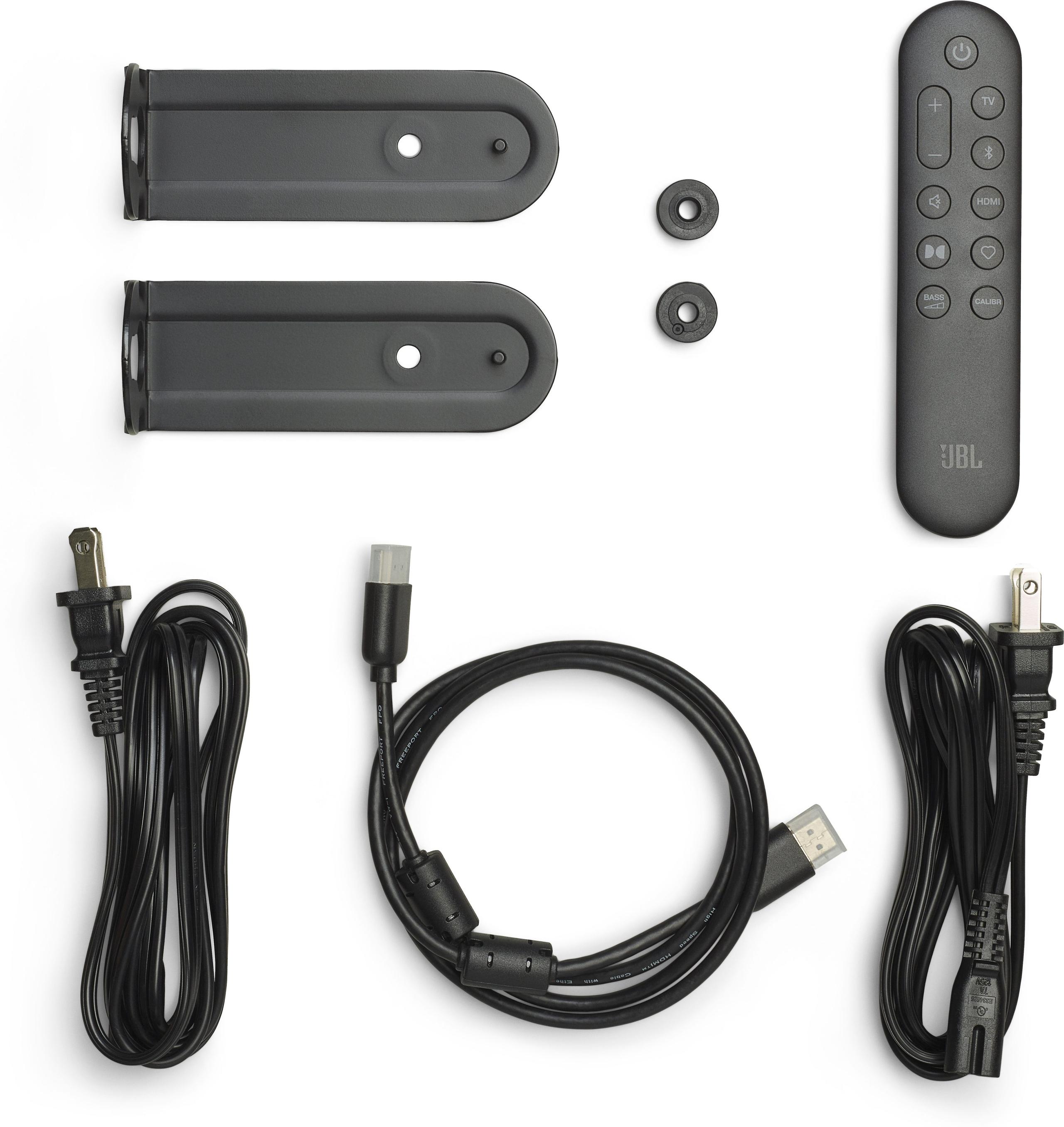
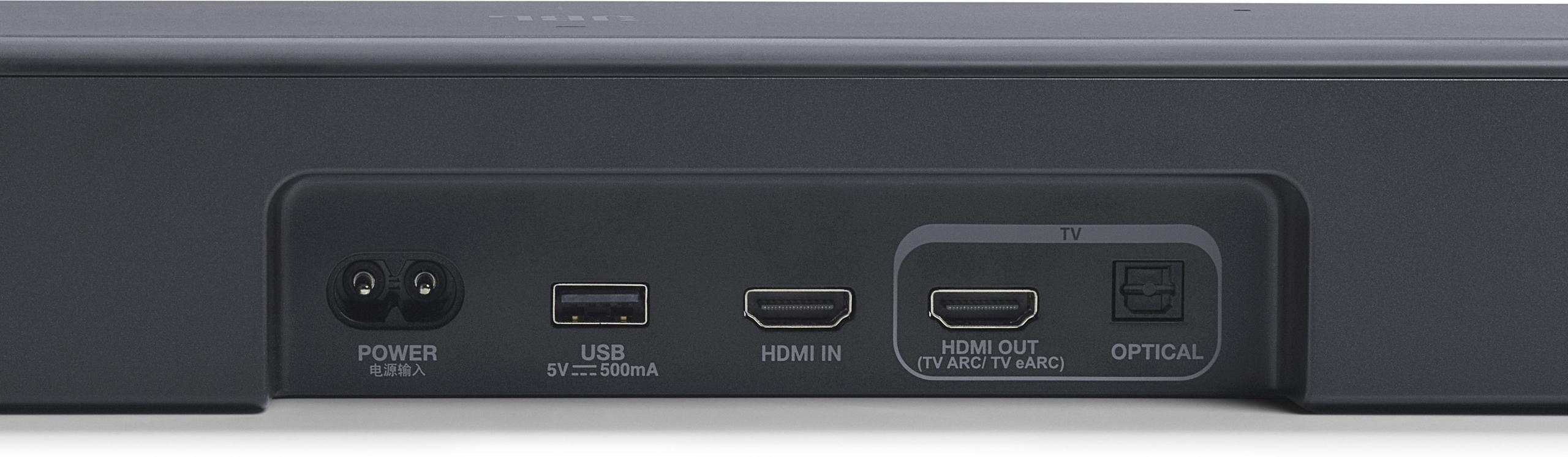
The installation difference between these systems cannot be overstated. Setting up the JBL Bar 300 MK2 typically takes under 10 minutes: connect one HDMI cable to your TV's eARC port, plug in power, and run the automatic room calibration. The soundbar will analyze your room's acoustics and adjust its output accordingly.
The Ultimea Poseidon D50 requires significantly more planning. You'll need to position the rear speakers 8-12 feet behind your primary seating area, which means running the included 19.6-foot cables around your room. This might involve tucking cables under rugs, along baseboards, or even through walls if you want a clean installation. The wireless subwoofer offers some flexibility, but finding the optimal position still requires experimentation.
For renters or anyone who moves frequently, this setup complexity is a significant consideration. The physical speaker placement also limits furniture arrangement options, as you need to maintain clear audio paths from each speaker to your listening position.
Both systems offer smartphone app control, but with different focuses. The Ultimea Poseidon D50 excels in customization options. The dedicated app provides access to all 121 EQ presets, manual equalizer adjustment, and independent volume control for the rear speakers. This granular control appeals to audio enthusiasts who enjoy fine-tuning their sound signature for different content types.
The JBL Bar 300 MK2 integrates with JBL's broader ecosystem through the JBL One app. While it offers fewer customization options, it provides seamless access to over 300 streaming services, voice assistant integration, and automatic software updates. The focus is on simplicity and integration rather than detailed control.
At the time of writing, both products occupy different value propositions in the soundbar market. The Ultimea Poseidon D50 typically offers exceptional value for users seeking true surround sound, providing features and component quality usually found in systems costing significantly more. The inclusion of all necessary components—soundbar, subwoofer, satellite speakers, and cables—in one package represents strong value for home theater enthusiasts.
The JBL Bar 300 MK2 commands a premium typical of established audio brands, but this premium buys you reliable performance, excellent customer support, and strong resale value. JBL's reputation in professional and consumer audio means you're paying for proven engineering and quality control processes.
When evaluating value, consider your long-term satisfaction. The Ultimea might offer more immediate bang for your buck, but the JBL's simplicity and brand reliability could provide better long-term satisfaction for users who prioritize convenience.
While both soundbars excel with movie content, their music performance reveals different strengths. The JBL Bar 300 MK2 benefits from JBL's decades of experience in music reproduction. The racetrack drivers and premium tuning create a more balanced, natural sound signature for music listening. Jazz, classical, and acoustic music sound particularly good, with clear midrange reproduction that preserves instrumental timbre.
The Ultimea Poseidon D50 shines with bass-heavy music genres. Electronic music, hip-hop, and rock benefit significantly from the dedicated subwoofer. However, some users report that the system can become harsh at higher volumes, particularly with the rear speakers positioned close to the listening area. The extensive EQ options help address this, but it requires user intervention to achieve optimal music performance.
Room size significantly impacts which system will perform better. The Ultimea Poseidon D50 is specifically designed for medium to large rooms (20-35 square meters), where the physical speaker separation can create a convincing surround soundstage. In smaller spaces, the rear speakers might be too close to listeners, creating an unbalanced experience.
The JBL Bar 300 MK2 adapts better to various room sizes through its automatic calibration and beamforming technology. Small apartments, bedrooms, or awkwardly shaped rooms where rear speaker placement is impractical all favor the JBL's flexible approach.
Consider your room's acoustics as well. Hardwood floors and minimal soft furnishings create more reflective environments that enhance the JBL's beamforming effects. Heavily carpeted rooms with lots of soft furniture absorb reflections, potentially reducing the effectiveness of virtual surround processing.
For gaming enthusiasts, both systems offer distinct advantages. The Ultimea Poseidon D50 provides excellent spatial awareness for competitive gaming. Hearing enemy footsteps from the correct direction can provide tactical advantages in games like Call of Duty or Valorant. The dedicated rear speakers create more precise positional audio cues.
The JBL Bar 300 MK2 offers lower latency through its HDMI eARC connection and supports higher-resolution audio formats that newer gaming consoles output. The single-unit design also eliminates potential audio synchronization issues that can occasionally occur with multi-speaker wireless systems.
Both products include modern connectivity standards, but their upgrade paths differ. The Ultimea Poseidon D50 is essentially a complete system with no expansion options. What you buy is what you'll have long-term, though the extensive customization options provide flexibility for different content and preferences.
The JBL Bar 300 MK2 benefits from automatic software updates that can add new features and improve performance over time. JBL has announced that DTS Virtual:X support will arrive via software update later in 2025, showing the advantages of connected audio devices. However, the physical limitations of the single-bar design mean that certain types of improvements (like adding a subwoofer) aren't possible.
After extensive research into user experiences and expert reviews, the choice between these systems comes down to your priorities and living situation.
Choose the Ultimea Poseidon D50 5.1 if you have the space for proper speaker placement and prioritize authentic surround sound and powerful bass. This system excels for dedicated home theaters, larger rooms, and users who enjoy customizing their audio experience. Movie and gaming enthusiasts who want maximum immersion will find the physical speaker arrangement superior to virtual processing.
The JBL Bar 300 MK2 makes more sense for users who value simplicity, live in smaller spaces, or prefer a minimalist aesthetic. The virtual surround technology has become convincing enough for most listeners, and the convenience factor cannot be overstated. This system also works better for mixed-use spaces where the room serves multiple purposes beyond entertainment.
Consider your content consumption patterns as well. If you primarily watch dialogue-heavy content like dramas or news, the JBL's voice processing provides clear advantages. For action movies, gaming, and bass-heavy music, the Ultimea's dedicated components deliver superior impact.
The decision ultimately reflects whether you prefer the authenticity and customization of physical surround sound or the convenience and modern processing of an all-in-one solution. Both approaches have merit, and both products execute their respective strategies very well. Your choice should align with your space, priorities, and how you prefer to interact with your entertainment system.
| Ultimea Poseidon D50 5.1 Soundbar Home Theater (2025) | JBL Bar 300 MK2 Soundbar |
|---|---|
| System Configuration - Determines authentic vs virtual surround sound experience | |
| True 5.1 channel with physical rear speakers + wireless subwoofer | 5.0 channel all-in-one soundbar with virtual processing |
| Setup Complexity - Major factor for convenience vs performance trade-off | |
| Requires rear speaker placement and 19.6ft cable routing | Single HDMI connection with automatic room calibration |
| Bass Performance - Critical for action movies and immersive gaming | |
| Dedicated 5.25" wireless subwoofer with BassMX™ technology | Built-in bass ports and racetrack drivers (no separate subwoofer) |
| Dolby Atmos Support - Important for modern streaming content | |
| SurroundX™ conversion technology (no true Atmos) | Virtual Dolby Atmos with height effect processing |
| Power Output - Affects volume and dynamic range capabilities | |
| 320W peak power across all components | 450W total system power |
| Customization Options - Appeals to audio enthusiasts who like to fine-tune | |
| 121 preset EQ matrices + 10-band manual equalizer via app | Basic EQ adjustment through JBL One app |
| Connectivity Options - Determines compatibility with various devices | |
| HDMI eARC, Optical, AUX, USB, Bluetooth 5.3 | HDMI eARC, Optical, USB, Bluetooth 5.0, Wi-Fi streaming |
| Room Size Optimization - Affects performance in different spaces | |
| Designed for 20-35m² rooms with proper speaker separation | Adaptive beamforming works well in various room sizes |
| Voice/Dialogue Clarity - Essential for clear speech during complex scenes | |
| Dedicated Dialogue EQ mode with center channel separation | PureVoice 2.0 technology with advanced speech processing |
| Streaming Integration - Convenience for music and content access | |
| Bluetooth streaming only | Built-in Wi-Fi with 300+ streaming services, AirPlay, Chromecast |
| Expandability - Future upgrade potential | |
| Fixed 5.1 system with no expansion options | Cannot add subwoofer or rear speakers to this model |
| Brand Support and Warranty - Long-term reliability consideration | |
| Newer brand with standard support | Established JBL brand with professional audio heritage |
The Ultimea Poseidon D50 5.1 delivers superior surround sound with true 5.1 channels using physical rear speakers positioned behind your seating area. This creates authentic directional audio where sounds genuinely come from behind you. The JBL Bar 300 MK2 uses virtual surround processing and beamforming technology, which is impressive but cannot match the spatial accuracy of actual rear speakers for home theater immersion.
The JBL Bar 300 MK2 is significantly easier to install, requiring only a single HDMI connection and automatic room calibration that takes under 10 minutes. The Ultimea Poseidon D50 5.1 requires positioning rear speakers behind your seating and routing 19.6-foot cables around your room, which can take 30-45 minutes and may require permanent cable management solutions.
The Ultimea Poseidon D50 5.1 has dramatically better bass with its dedicated 5.25-inch wireless subwoofer featuring BassMX™ technology. This produces deep, room-filling bass for action movies and music. The JBL Bar 300 MK2 relies on built-in bass ports and cannot match the low-frequency extension and impact of a dedicated subwoofer.
The JBL Bar 300 MK2 supports virtual Dolby Atmos processing, creating height effects from its single soundbar. The Ultimea Poseidon D50 5.1 uses SurroundX™ technology to convert stereo audio to 5.1 surround but does not support Dolby Atmos formats, focusing instead on traditional surround sound channels.
The JBL Bar 300 MK2 works better in small spaces because it doesn't require rear speaker placement and its beamforming technology adapts to various room sizes. The Ultimea Poseidon D50 5.1 is designed for larger rooms (20-35m²) where proper speaker separation can be achieved without the rear speakers being too close to listeners.
The Ultimea Poseidon D50 5.1 provides extensive customization with 121 preset EQ matrices, a 10-band manual equalizer, independent rear speaker volume control, and multiple surround modes through its smartphone app. The JBL Bar 300 MK2 offers basic EQ adjustment and streaming controls but focuses more on simplicity than detailed audio customization.
The JBL Bar 300 MK2 excels in dialogue clarity with its PureVoice 2.0 technology specifically designed to enhance speech frequencies and SmartDetails processing that preserves subtle audio elements. While the Ultimea Poseidon D50 5.1 offers a dedicated Dialogue EQ mode, the JBL's specialized voice processing typically provides more consistent speech clarity across different content.
The JBL Bar 300 MK2 generally provides better music reproduction with its balanced sound signature and JBL's professional audio tuning, especially for jazz, classical, and acoustic genres. The Ultimea Poseidon D50 5.1 excels with bass-heavy music like electronic and hip-hop due to its dedicated subwoofer, but may become harsh at higher volumes without EQ adjustment.
The JBL Bar 300 MK2 has built-in Wi-Fi and supports over 300 streaming services, plus AirPlay, Chromecast, and voice assistant integration. The Ultimea Poseidon D50 5.1 relies on Bluetooth 5.3 for wireless streaming but doesn't have built-in Wi-Fi or direct streaming service access.
The Ultimea Poseidon D50 5.1 provides better gaming immersion with precise positional audio from its physical rear speakers, helping with spatial awareness in competitive games. The JBL Bar 300 MK2 offers lower latency through HDMI eARC and supports higher-resolution gaming audio formats, making both viable choices depending on whether you prioritize surround accuracy or technical specifications.
The Ultimea Poseidon D50 5.1 typically offers exceptional value by providing true 5.1 surround sound with all necessary components at a price point that would normally only get you a basic soundbar. The JBL Bar 300 MK2 commands a premium for the established brand, superior build quality, and convenience features, making it better value for users who prioritize simplicity and reliability.
Choose the Ultimea Poseidon D50 5.1 if you have space for rear speakers, want maximum bass impact, and prioritize authentic surround sound for movies and gaming. Select the JBL Bar 300 MK2 if you prefer simple setup, have space constraints, want Dolby Atmos support, or value brand reliability and streaming integration over traditional surround sound placement.
We've done our best to create useful and informative comparisons to help you decide what product to buy. Our research uses advanced automated methods to create this comparison and perfection is not possible - please contact us for corrections or questions. These are the sites we've researched in the creation of this article: youtube.com - eu.ultimea.com - newegg.com - tvsbook.com - youtube.com - provantage.com - ultimea.com - techradar.com - community.ultimea.com - homedepot.com - community.ultimea.com - ultimea.com - ultimea.de - youtube.com - medisamhealthcenter.com - ultimea.com - youtube.com - walmart.com - homecinemachoice.com - retailspecs.com - hometechnologyreview.com - whathifi.com - news.jbl.com - engadget.com - crutchfield.com - harmanaudio.com - techradar.com - bestbuy.com - jbl.com - sweech.co.ke - jbl.com - jbl.com.sg - mm.jbl.com - abcwarehouse.com - harmanaudio.com - sweetwater.com - ro.harmanaudio.com - dell.com - jbl.co.nz

Privacy Policy
Terms and Conditions - Affiliate Policy
Home Security
© Copyright 2008-2026.
11816 Inwood Rd #1211, Dallas, TX 75244