

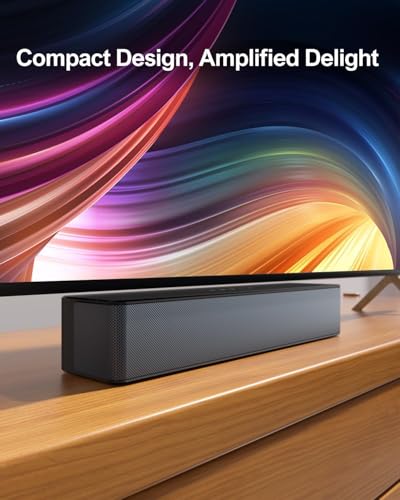



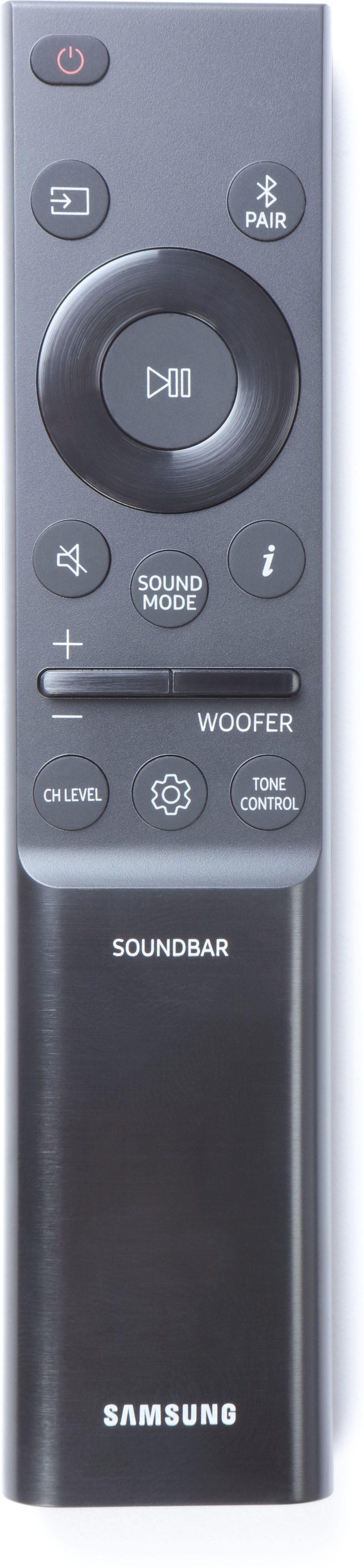
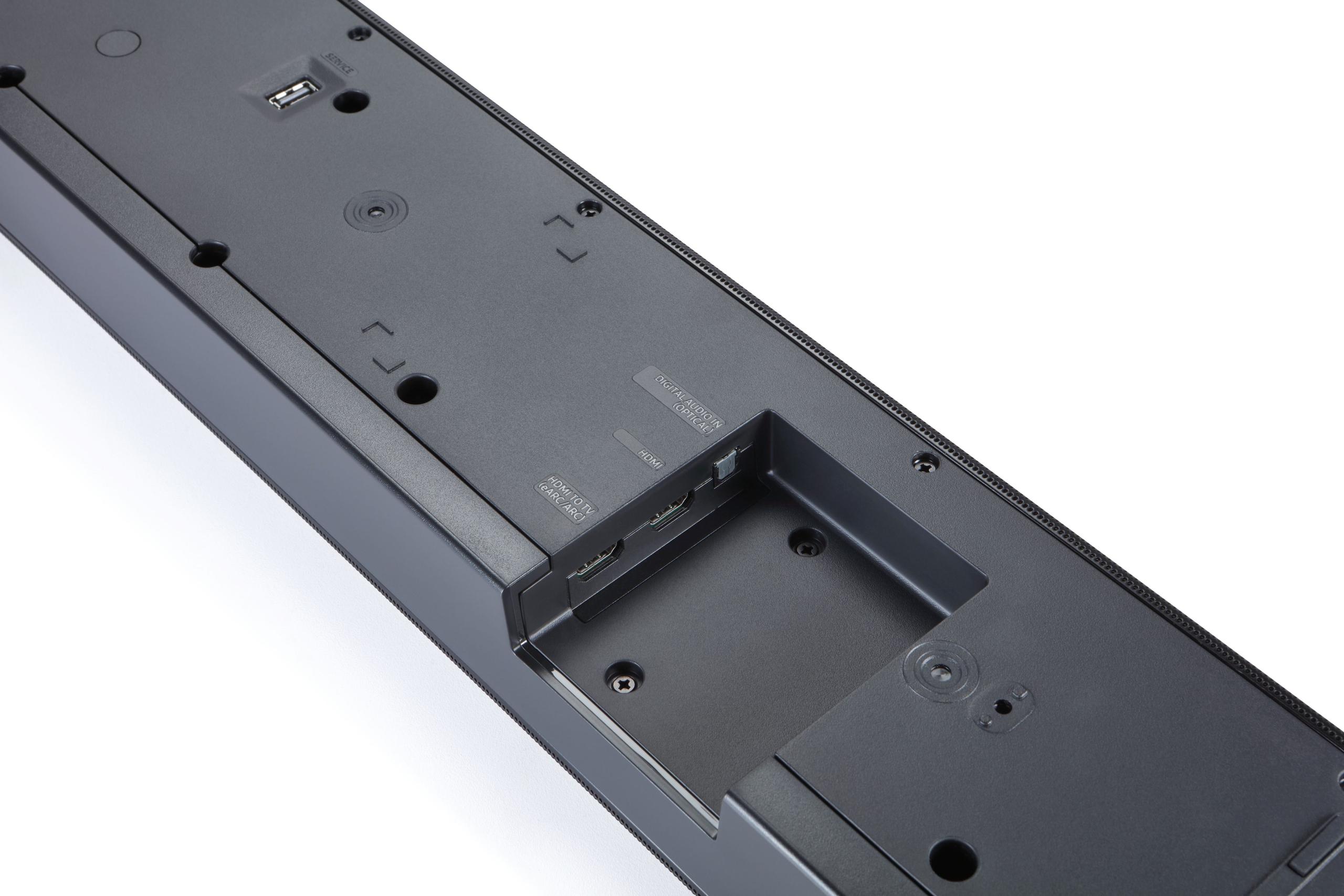
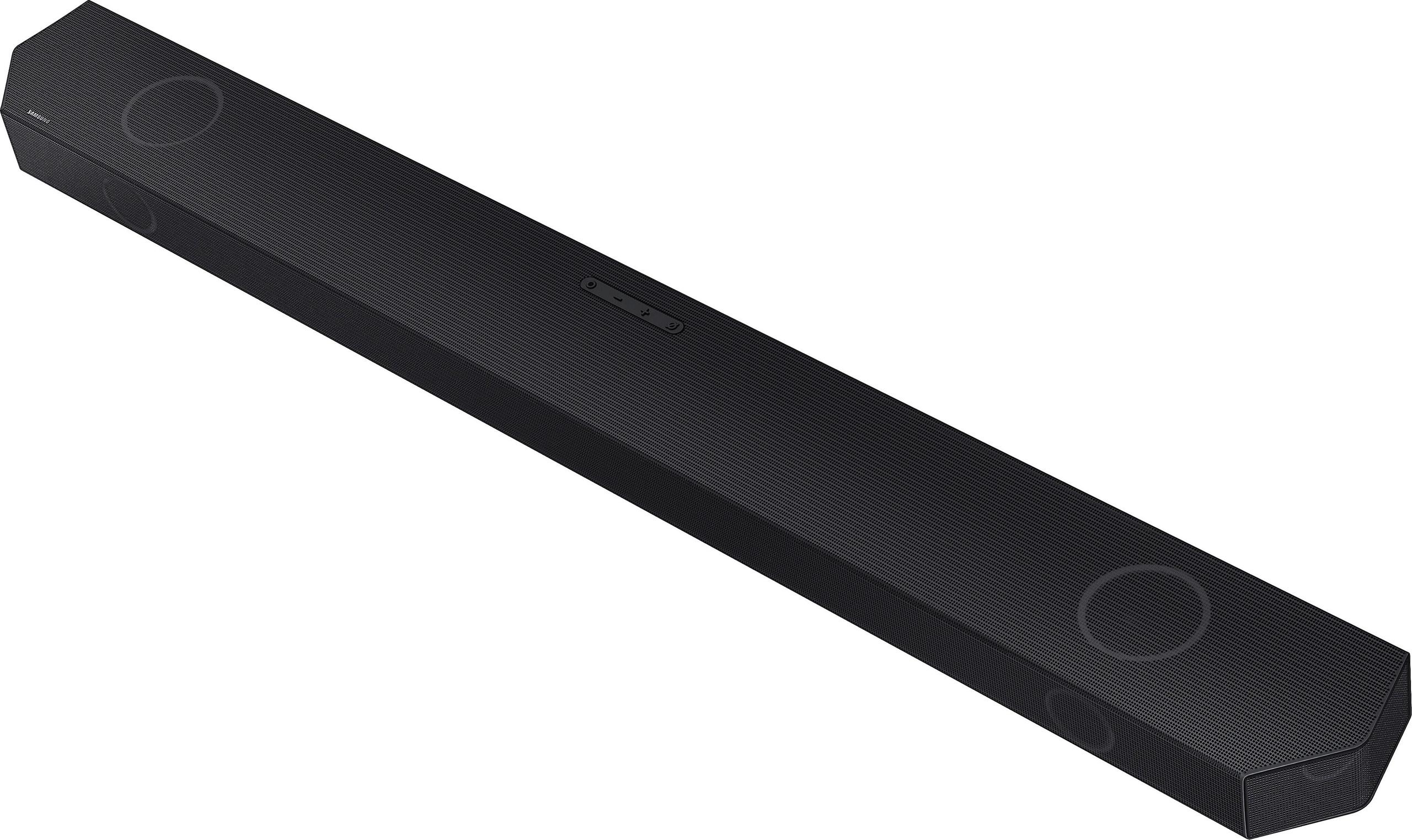
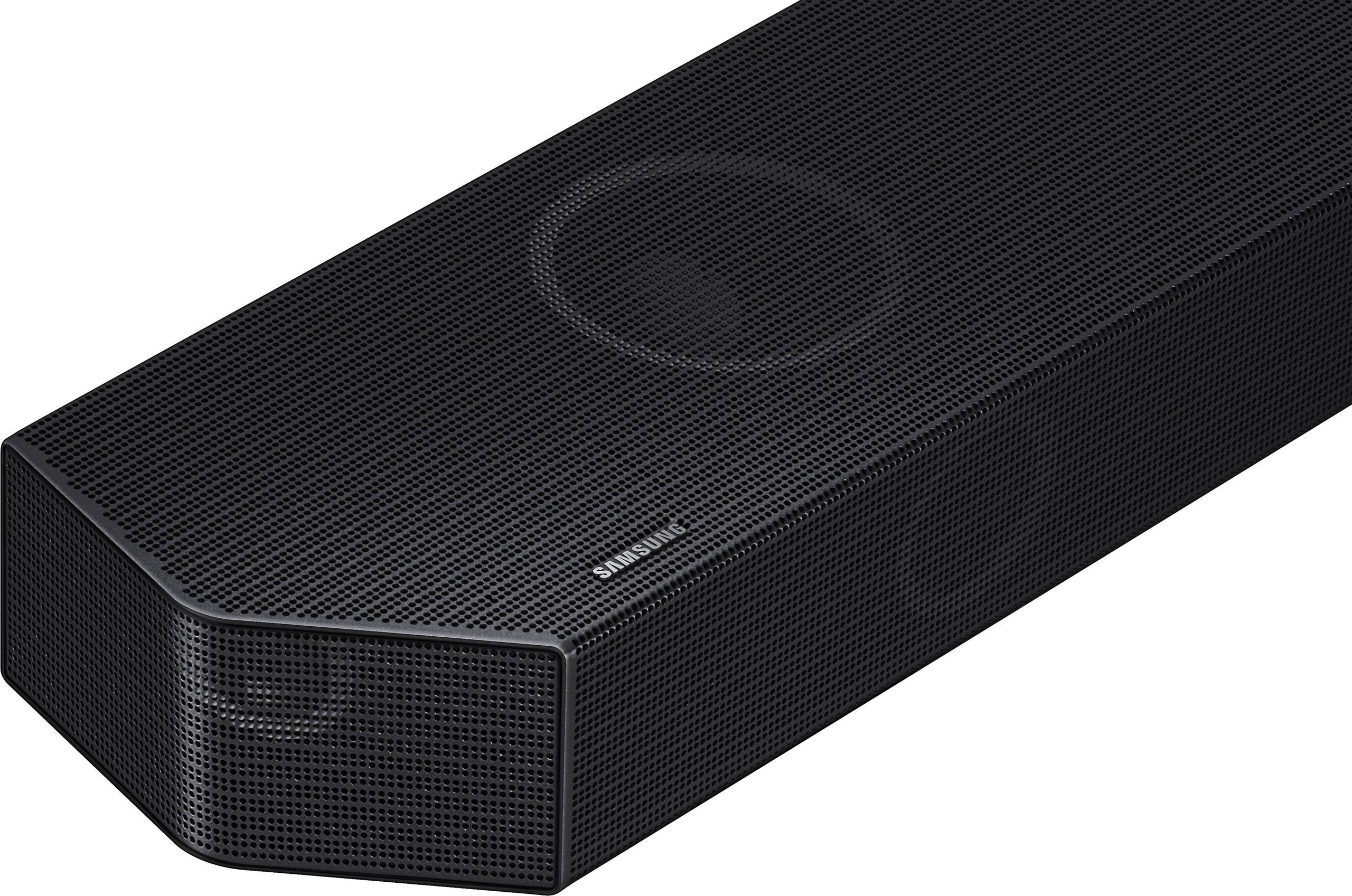




When you're ready to upgrade from your TV's built-in speakers, the world of premium soundbars can feel overwhelming. Two compelling options that represent different philosophies in home audio are the Ultimea Poseidon D50 and the Samsung HW-Q800D. Both promise to transform your living room into a home theater, but they take remarkably different approaches to get there.
Before diving into specifics, it's worth understanding what separates premium soundbars from budget options. The key lies in channel configuration—essentially how many distinct audio streams the system can handle. Traditional stereo uses two channels (left and right), but modern home theater audio uses 5.1, 5.1.2, or even more complex setups.
The numbers tell a story: 5.1 means five main channels (front left, center, front right, rear left, rear right) plus one subwoofer channel for bass. When you see 5.1.2, those extra ".2" channels represent height speakers that fire sound toward your ceiling, creating overhead effects for formats like Dolby Atmos—a technology that places sounds in three-dimensional space around you.
The Ultimea Poseidon D50, released in 2025, represents the "traditional approach" with true 5.1 channels using physical satellite speakers. The Samsung HW-Q800D, launched in 2024, embodies the "modern approach" with 5.1.2 channels that include dedicated height effects. These different philosophies create distinct listening experiences that appeal to different users.
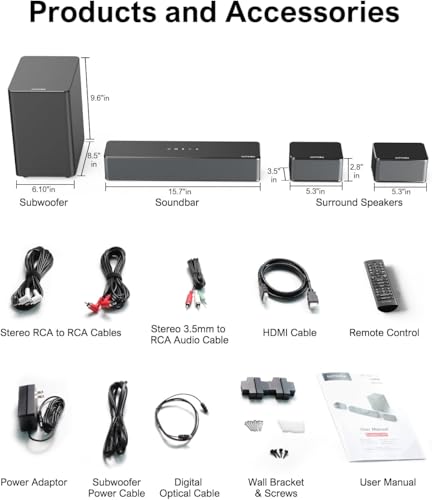
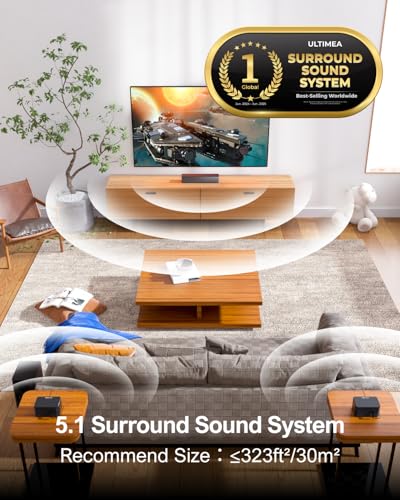
The most fundamental difference between these systems lies in how they create surround sound. The Ultimea Poseidon D50 takes the purist approach by including actual rear speakers that you place behind your listening position. These satellite speakers connect via 19.6-foot cables and deliver genuine left and right surround channels exactly where they should be—behind you.
This physical placement creates what audio enthusiasts call "discrete surround," where sounds actually originate from multiple points around your room. When a helicopter flies from front to back in a movie, you hear it move through real space because the audio literally travels from the front soundbar to the rear speakers.
The Samsung HW-Q800D uses a different strategy entirely. Instead of rear speakers, it relies on advanced processing to create virtual surround effects through the main soundbar, while dedicating its extra drivers to height channels for Dolby Atmos. This means rear surround effects are simulated through psychoacoustic processing—essentially tricking your brain into perceiving sounds from directions where no speakers exist.
Both approaches work, but they excel in different scenarios. Physical surround provides more consistent rear channel effects regardless of room acoustics, while virtual processing with height channels can create more dramatic overhead effects that make explosions feel like they're happening above you.
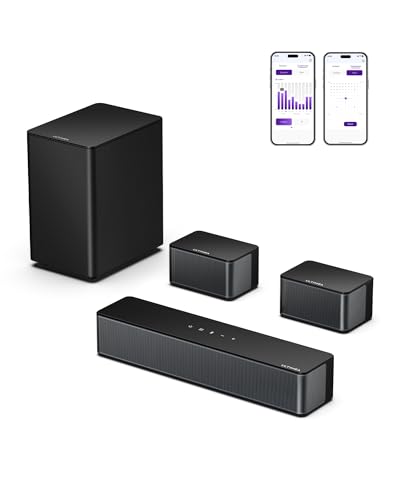
Here's where the Ultimea Poseidon D50 shows its value proposition clearly: everything you need for complete 5.1 surround comes in the box. You get the main soundbar, a wireless subwoofer, two rear satellite speakers, and all necessary cables. This comprehensive approach means you can set up authentic surround sound immediately without additional purchases.
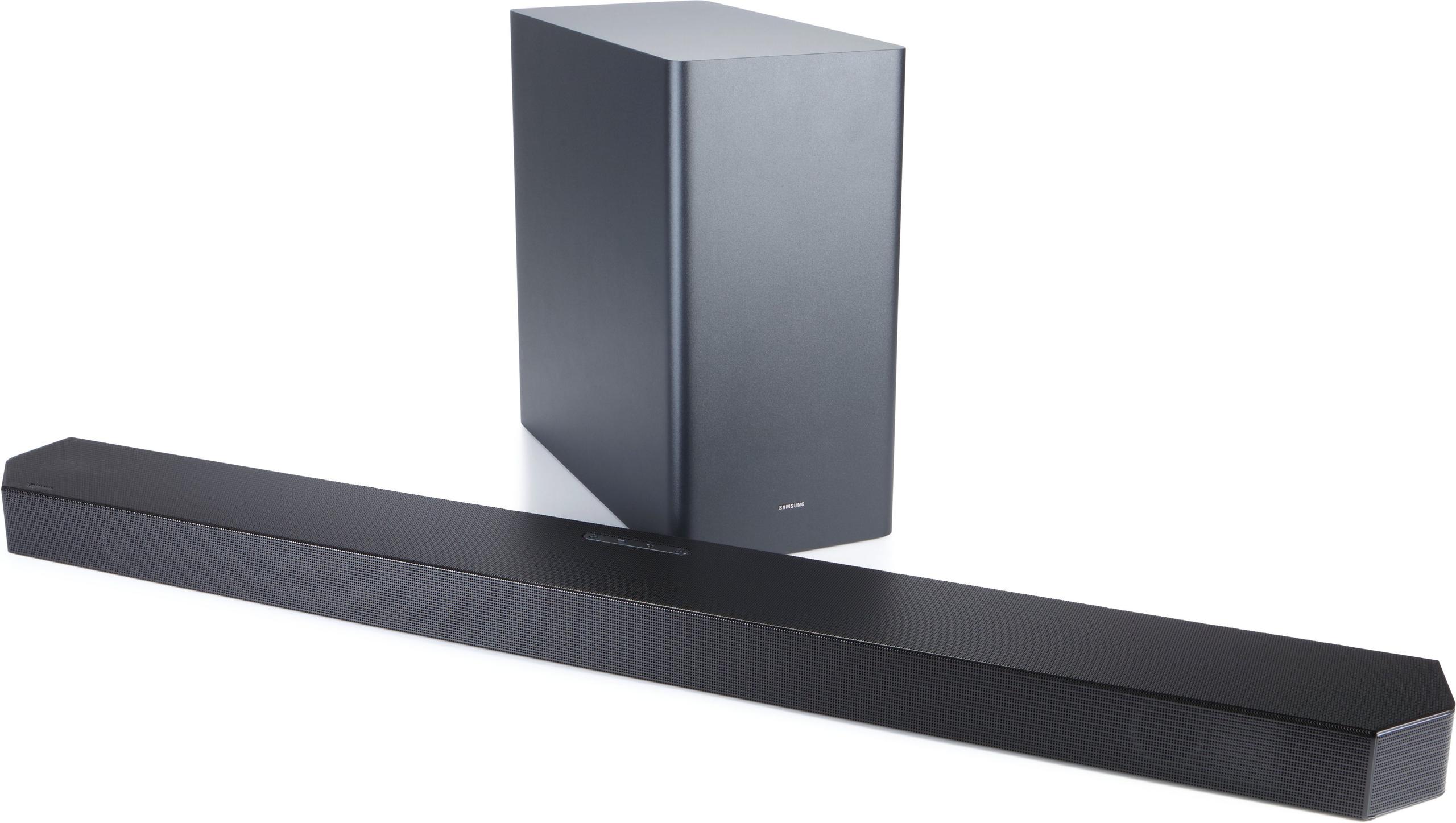
The Samsung HW-Q800D includes just the soundbar and subwoofer. If you want rear speakers for complete 5.1.2 surround, Samsung sells them separately as the SWA-9500S kit. At the time of writing, this represents a significant additional investment that can nearly double your total system cost.
This packaging difference reflects each brand's philosophy. Ultimea prioritizes immediate completeness, while Samsung focuses on modular expansion that lets you start with a premium 3.1.2 system and add components later.
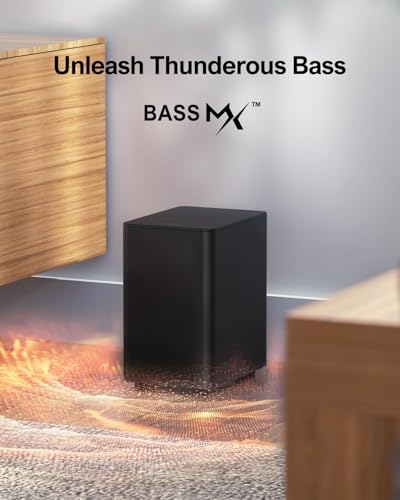
Bass performance often makes or breaks a home theater system, and these two soundbars take notably different approaches. The Ultimea Poseidon D50 uses a 5.25-inch subwoofer with BassMX technology, which incorporates an optimized magnetic circuit and allows for 15mm of diaphragm excursion—that's how far the speaker cone can move in and out.
While 5.25 inches might sound modest compared to dedicated home theater subwoofers, the BassMX implementation focuses on tight, controlled bass that integrates well with the satellite speakers. User feedback consistently mentions satisfying low-end punch for explosions and music, though it won't rattle windows like larger subs might.
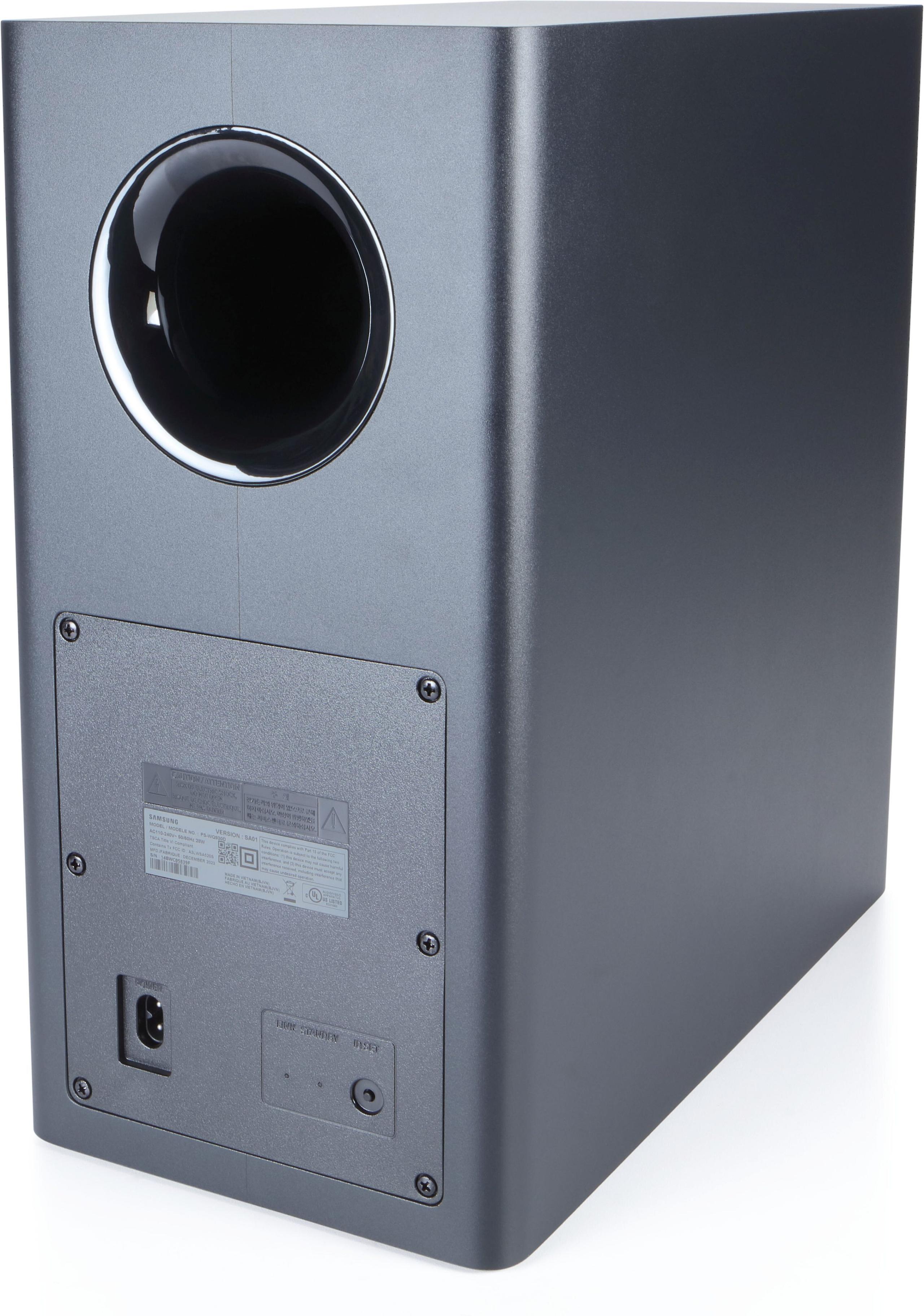
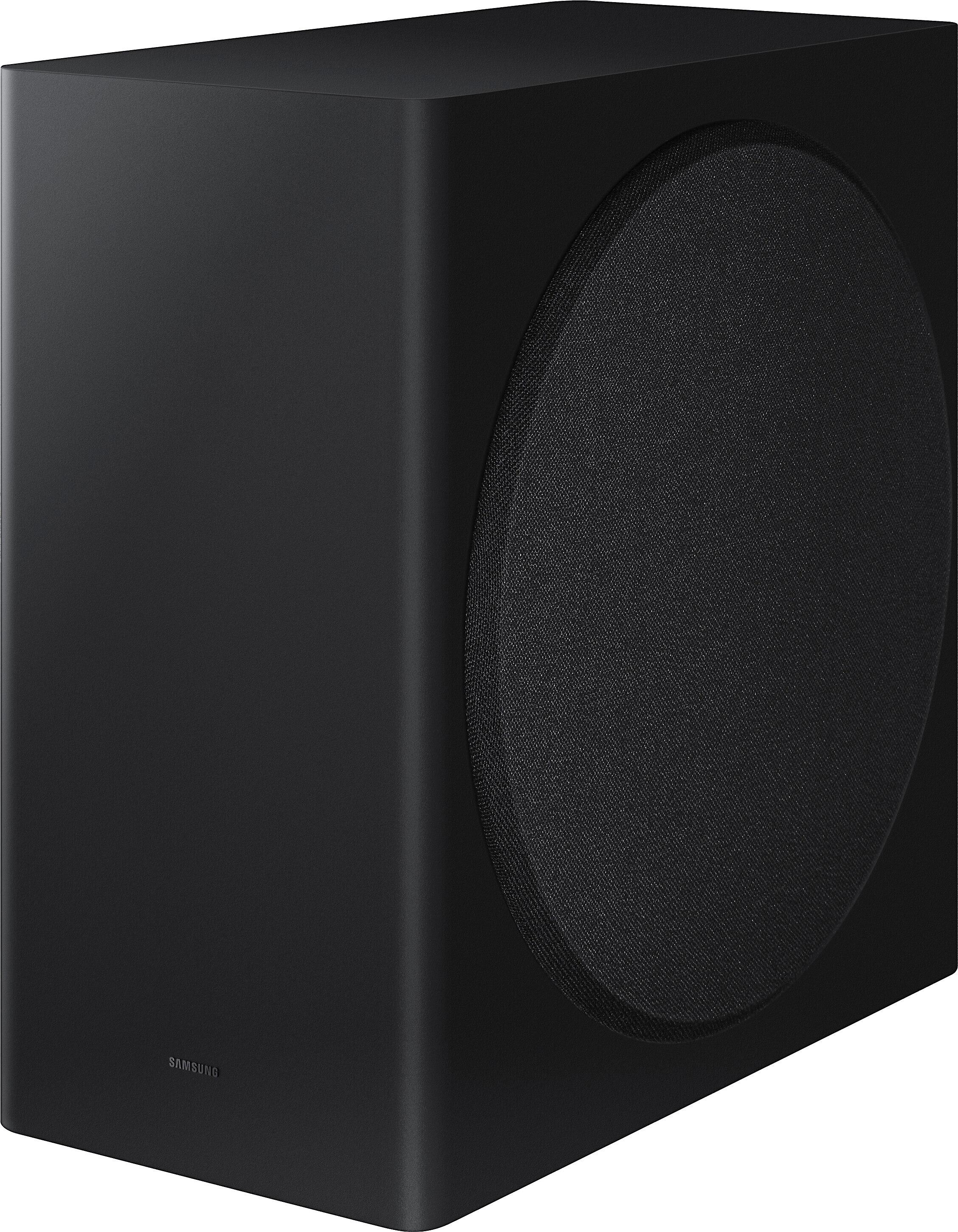
The Samsung HW-Q800D steps up with an 8-inch side-firing subwoofer in a ported enclosure. The larger driver and bass-reflex design (where a port helps extend low-frequency response) delivers more impactful bass with greater extension into sub-bass frequencies. This translates to more visceral impact during action scenes and better reproduction of deep synthesizer notes in electronic music.
Based on our research into user experiences, the Samsung's bass hits harder and digs deeper, while the Ultimea's bass integrates more seamlessly with its satellite speakers for a cohesive surround experience.
Clear dialogue reproduction is crucial for any home theater system, and both soundbars handle this differently. The Samsung HW-Q800D includes a discrete center channel with dedicated drivers specifically tuned for vocal frequencies. This focused approach, combined with Samsung's Active Voice Amplifier technology, helps dialogue cut through complex soundtracks even during explosive action sequences.
The Samsung also includes Adaptive Sound mode, which analyzes audio content in real-time and automatically adjusts settings to emphasize speech when needed. This proves particularly valuable for streaming content where dialogue levels vary between shows and platforms.
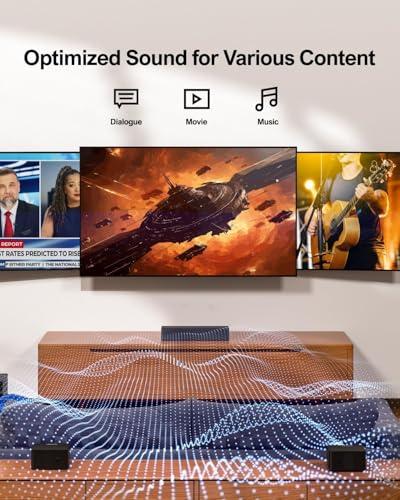
The Ultimea Poseidon D50 handles center channel duties through its main soundbar array, though it includes three distinct EQ modes (Movie, Dialogue, Music) that let you manually optimize for different content types. The Dialogue mode specifically boosts vocal frequencies to improve speech intelligibility.
From expert and user reviews, both systems deliver clear dialogue, but the Samsung's dedicated center channel and automatic processing provide more consistent results across different content types without manual intervention.
This is where the fundamental difference between these systems becomes most apparent. The Samsung HW-Q800D supports Dolby Atmos and DTS:X through dedicated upfiring speakers that bounce sound off your ceiling. When properly set up in a room with appropriate ceiling height and reflective surfaces, these height channels create genuine overhead effects.
Imagine watching a scene where rain falls in a movie—with traditional surround sound, you hear the rain around you. With Dolby Atmos through the Samsung, you hear raindrops falling from above, creating a three-dimensional soundscape that can be genuinely immersive.
The Ultimea Poseidon D50 focuses instead on horizontal surround accuracy. Its physical rear speakers provide precise left and right surround positioning that virtual processing can't match. When playing video games, for instance, you can pinpoint enemy footsteps or gunfire with remarkable accuracy because the audio literally comes from those directions.
The Samsung excels in vertical immersion for movies mastered in Dolby Atmos, while the Ultimea provides superior horizontal positioning for any content, including older movies and games not designed for height channels.
Modern soundbars increasingly include intelligent features that automatically optimize performance for your specific space. The Samsung HW-Q800D leads here with SpaceFit Sound Pro, which uses built-in microphones to analyze your room's acoustics and automatically adjust EQ settings accordingly.
This room correction technology measures how sound reflects off your walls, ceiling, and furniture, then compensates for acoustic problems. If your room has hard surfaces that create harsh reflections, SpaceFit Sound Pro can reduce certain frequencies to smooth out the response.
The Samsung also includes Q-Symphony technology, but only if you own a compatible Samsung TV from 2021-2023. This feature synchronizes the soundbar with your TV's built-in speakers, using them as additional channels rather than disabling them completely. When it works with compatible TVs, Q-Symphony can create a wider soundstage and improve dialogue clarity.
The Ultimea Poseidon D50 takes a more manual approach to customization. Its smartphone app provides access to 121 preset EQ matrices and a 10-band manual equalizer, giving you extensive control over the sound signature. While this requires more user involvement, it offers deeper customization for those willing to spend time fine-tuning their setup.
For typical movie watching, both systems excel but in different ways. The Samsung HW-Q800D truly shines with recent blockbusters mastered for Dolby Atmos. Films like Marvel movies or action spectacles benefit enormously from height effects that make explosions feel overhead and aircraft seem to fly above you.
However, the majority of content you'll watch—older movies, TV shows, streaming content—wasn't designed for height channels. Here, the Ultimea Poseidon D50's physical rear speakers often provide more consistent surround immersion because they work equally well with all content types.
User feedback suggests that the Samsung impresses more with demonstration material, while the Ultimea provides more consistent everyday satisfaction across all content types.
Gaming represents an interesting use case where these systems diverge significantly. The Samsung HW-Q800D includes Game Pro mode and HDMI 2.1 connectivity that supports advanced gaming features from PlayStation 5 and Xbox Series X/S consoles.
For competitive gaming, however, the Ultimea Poseidon D50's physical rear speakers provide a distinct advantage. Being able to precisely locate enemy footsteps or gunfire through actual rear channel placement can improve gameplay in first-person shooters and battle royale games.
The Samsung's height channels prove less useful for gaming since most games don't utilize Dolby Atmos extensively, making the Ultimea's approach more practical for serious gamers.
Neither system is primarily designed for critical music listening, but they handle music differently. The Samsung HW-Q800D provides more detailed sound reproduction through its 10-driver array and higher power output, delivering better dynamics and frequency response for complex musical arrangements.
The Ultimea Poseidon D50 offers more EQ flexibility through its app-based controls, letting you fine-tune the sound signature for different musical genres. Its rear speakers also create an interesting stereo-plus effect for ambient or electronic music that benefits from enveloping sound.
At the time of writing, these systems occupy different price tiers, with the Ultimea Poseidon D50 positioned as a complete value-focused solution and the Samsung HW-Q800D representing a premium investment that may require additional components for full functionality.
The Ultimea's value proposition centers on immediate completeness—you get everything needed for authentic 5.1 surround sound without additional purchases. This makes total cost of ownership predictable and accessible.
The Samsung's value lies in advanced technology and future-proofing. Its Dolby Atmos support, room correction, and HDMI 2.1 connectivity provide capabilities that will remain relevant as more content adopts these standards. However, the optional rear speaker kit represents a significant additional investment.
From a long-term perspective, the Samsung offers more upgrade potential and cutting-edge features, while the Ultimea provides immediate satisfaction with proven surround sound technology.
The decision between these systems ultimately depends on your priorities, room setup, and usage patterns.
Choose the Ultimea Poseidon D50 if you want authentic surround sound that works consistently with all content types. It's ideal for users who prioritize immediate completeness over cutting-edge features, have medium-sized rooms, and want predictable total costs. The physical rear speakers provide genuine surround positioning that benefits gaming and creates reliable immersion for any movie or TV show.
The Samsung appeals to those seeking the latest audio technology and willing to invest more for premium features. If you own a compatible Samsung TV, watch lots of Atmos-enabled content, or have a large room requiring higher power output, the Samsung HW-Q800D justifies its premium positioning through superior technology and processing capabilities.
Consider your content preferences carefully. If you primarily watch recent blockbusters and have ceiling height for proper Atmos effects, the Samsung's height channels add genuine value. If you watch varied content including older movies, TV shows, and games, the Ultimea's consistent surround performance may prove more satisfying day-to-day.
Both systems represent solid investments in home audio, but they serve different user priorities. The Ultimea Poseidon D50 delivers proven surround technology with immediate completeness, while the Samsung HW-Q800D offers advanced features and future-proof capabilities for those willing to invest in the premium experience.
| Ultimea Poseidon D50 5.1 Soundbar Home Theater (2025) | Samsung HW-Q800D 5.1.2 Channel Soundbar |
|---|---|
| Channel Configuration - Determines surround sound capabilities and immersion quality | |
| True 5.1 with physical rear satellite speakers included | 5.1.2 with dedicated upfiring height channels for Dolby Atmos |
| Rear Speakers - Critical for authentic surround positioning | |
| Physical satellite speakers included (19.6ft cables) | Optional SWA-9500S kit sold separately |
| Height/Atmos Support - Essential for modern movie immersion | |
| No height channels or Dolby Atmos support | Full Dolby Atmos and DTS:X with upfiring speakers |
| Subwoofer Size - Directly impacts bass depth and movie impact | |
| 5.25" wireless subwoofer with BassMX technology | 8" side-firing wireless subwoofer (ported design) |
| Total Power Output - Affects maximum volume and dynamic range | |
| 320W peak power across 6 drivers | 360W total power through 10-driver array |
| Room Correction - Optimizes sound for your specific space | |
| Manual EQ with 121 presets via smartphone app | SpaceFit Sound Pro with automatic room analysis |
| TV Integration - Enhances performance with compatible TVs | |
| Universal compatibility with all TV brands | Q-Symphony technology (Samsung TVs 2021-2023 only) |
| Smart Features - Modern convenience and control options | |
| Dedicated smartphone app with extensive EQ control | Built-in voice control and SmartThings integration |
| HDMI Capabilities - Important for gaming and 4K content | |
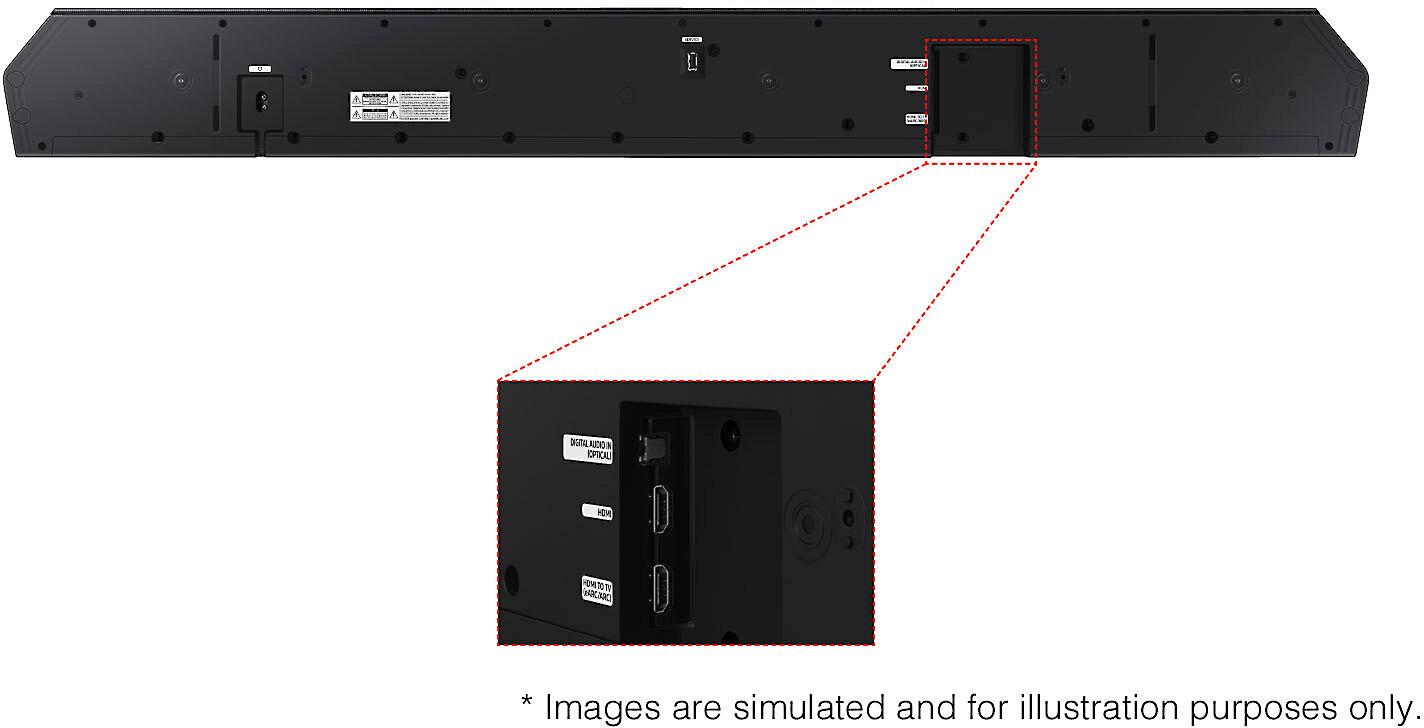
| HDMI eARC support | HDMI 2.1 with 4K/60Hz passthrough and gaming features |
| Bluetooth Version - Affects wireless streaming quality and range | |
| Bluetooth 5.3 for stable wireless connections | Bluetooth 5.2 with extended range (32.8 feet) |
| Package Completeness - Determines immediate usability and total cost | |
| Complete 5.1 system ready to use out of box | Soundbar and subwoofer only (rear speakers extra) |
| Recommended Room Size - Optimal performance space | |
| 250-380 sq ft (medium rooms) | Larger rooms with higher power requirements |
For home theater use, the Samsung HW-Q800D offers superior movie immersion with Dolby Atmos support and dedicated height channels that create overhead sound effects. However, the Ultimea Poseidon D50 provides more consistent surround sound across all content types thanks to its included physical rear speakers. The Samsung excels with modern blockbusters, while the Ultimea works equally well with older movies and TV shows.
No, only the Ultimea Poseidon D50 includes physical rear satellite speakers in the package with 19.6-foot cables for easy setup. The Samsung HW-Q800D requires purchasing optional rear speakers separately (SWA-9500S kit) to achieve full 5.1.2 surround sound, which significantly increases the total system cost.
The Samsung HW-Q800D delivers deeper, more impactful bass with its larger 8-inch side-firing subwoofer compared to the Ultimea Poseidon D50's 5.25-inch subwoofer. The Samsung's ported subwoofer design extends further into sub-bass frequencies, providing more visceral impact during action scenes and better reproduction of low-frequency music.
The Ultimea Poseidon D50 uses 5.1 channels (five main speakers plus subwoofer) for traditional surround sound. The Samsung HW-Q800D adds two height channels (.2) that fire sound upward for Dolby Atmos effects, creating three-dimensional audio with overhead sounds. The extra height channels make modern movies more immersive but don't benefit older content.
The Ultimea Poseidon D50 often performs better for competitive gaming due to its physical rear speakers providing precise directional audio for locating enemies. The Samsung HW-Q800D includes Game Pro mode and HDMI 2.1 features for next-gen consoles, but most games don't utilize Dolby Atmos extensively, making the Ultimea's approach more practical for serious gamers.
Yes, both the Ultimea Poseidon D50 and Samsung HW-Q800D work with all TV brands through HDMI ARC/eARC, optical, or Bluetooth connections. However, the Samsung's Q-Symphony feature only works with compatible Samsung TVs from 2021-2023, which can enhance performance by using your TV's speakers alongside the soundbar.
The Samsung HW-Q800D offers more advanced smart features including built-in voice control, SmartThings integration, and automatic room correction with SpaceFit Sound Pro. The Ultimea Poseidon D50 provides extensive manual control through its smartphone app with 121 EQ presets, offering more customization options but requiring more user involvement.
Only the Samsung HW-Q800D supports Dolby Atmos and DTS:X formats with dedicated upfiring speakers that create height effects. The Ultimea Poseidon D50 doesn't support Dolby Atmos but focuses on delivering authentic horizontal surround sound through its physical rear speakers, which works consistently with all content types.
The Ultimea Poseidon D50 offers simpler setup since all components are included and it's designed for plug-and-play operation. You just need to position the rear speakers and connect the provided cables. The Samsung HW-Q800D requires more consideration for optimal Dolby Atmos performance, including proper ceiling height and room acoustics for the upfiring speakers to work effectively.
The Samsung HW-Q800D features a larger 8-inch subwoofer with more power and deeper bass extension compared to the Ultimea Poseidon D50's 5.25-inch subwoofer. While the Samsung delivers more impactful low-end, the Ultimea's smaller subwoofer integrates well with its satellite speakers and provides adequate bass for most medium-sized rooms.
The Ultimea Poseidon D50 typically offers better immediate value since it includes all components needed for complete 5.1 surround sound. The Samsung HW-Q800D requires additional investment for rear speakers but provides more advanced technology and future-proof features. Your choice depends on whether you prioritize immediate completeness or premium capabilities.
Both soundbars handle music well, though neither is primarily designed for critical listening. The Samsung HW-Q800D provides better detail and dynamics through its 10-driver array, while the Ultimea Poseidon D50 offers more EQ flexibility through its app controls. The Ultimea's rear speakers can create an interesting ambient effect for certain music genres.
We've done our best to create useful and informative comparisons to help you decide what product to buy. Our research uses advanced automated methods to create this comparison and perfection is not possible - please contact us for corrections or questions. These are the sites we've researched in the creation of this article: youtube.com - eu.ultimea.com - newegg.com - tvsbook.com - youtube.com - provantage.com - ultimea.com - techradar.com - community.ultimea.com - homedepot.com - community.ultimea.com - ultimea.com - ultimea.de - youtube.com - medisamhealthcenter.com - ultimea.com - youtube.com - walmart.com - techradar.com - valueelectronics.com - samsung.com - rtings.com - samsung.com - crutchfield.com - samsung.com - samsung.com - samsung.com - shidirect.com

Privacy Policy
Terms and Conditions - Affiliate Policy
Home Security
© Copyright 2008-2026.
11816 Inwood Rd #1211, Dallas, TX 75244