

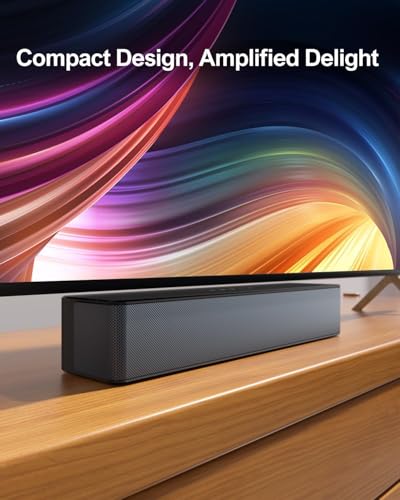



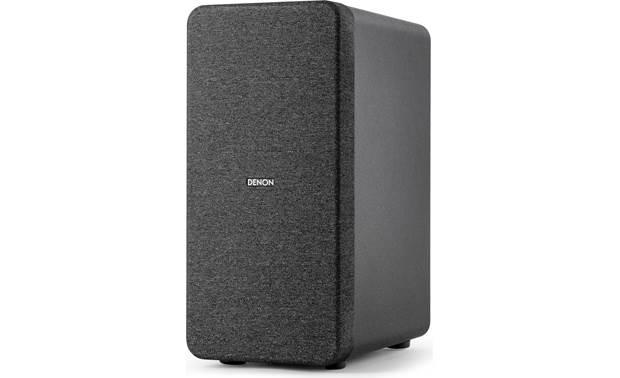
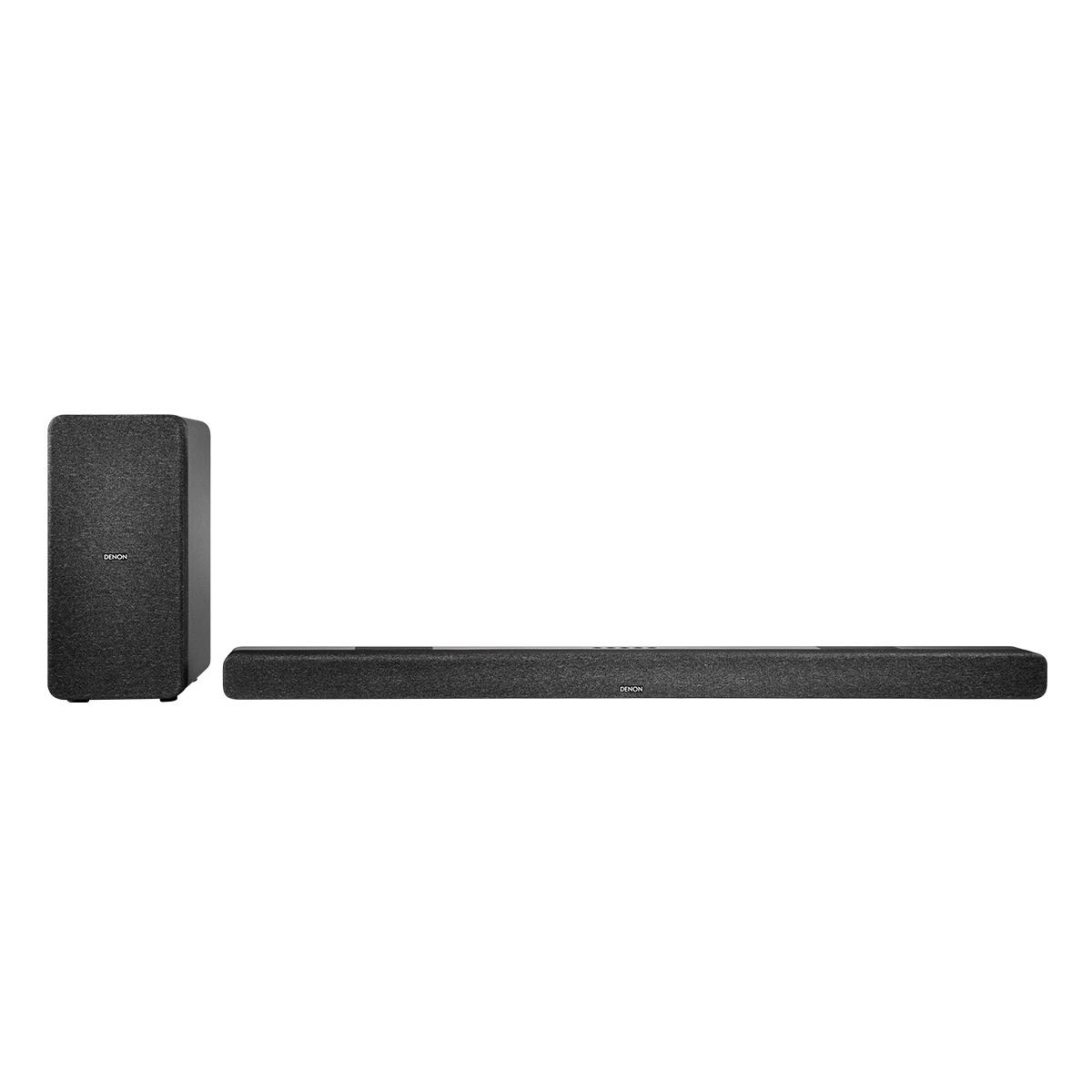
The soundbar market has evolved dramatically over the past few years, splitting into two distinct philosophies that represent fundamentally different approaches to home audio. On one side, we have systems like the Ultimea Poseidon D50 5.1, released in 2025, which takes the traditional route of placing actual speakers around your room. On the other, there's the Denon DHT-S517, launched in 2022, which uses sophisticated digital processing and upward-firing drivers to create immersive audio from a single bar.
Understanding these two approaches is crucial because they solve the same problem—poor TV audio—in completely different ways. Your choice between them will shape your entire home theater experience, from how movies sound to how much work you'll put into setup.
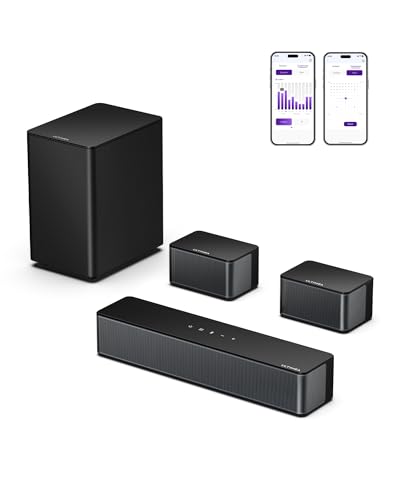
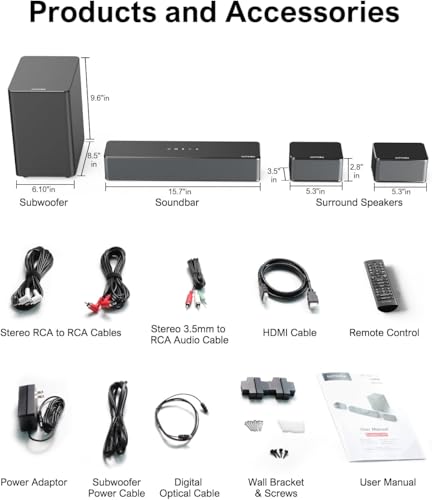
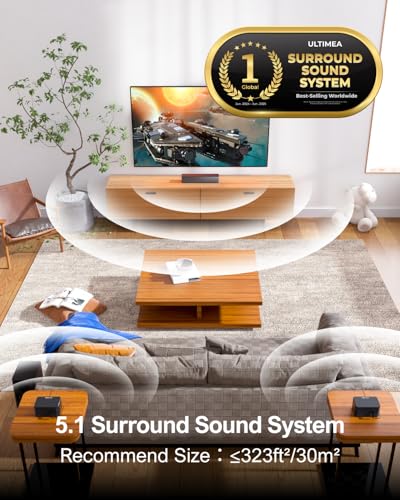
Before diving into specifics, it's important to understand what separates these two systems. The Ultimea Poseidon D50 represents the "more speakers, better sound" philosophy. It includes a main soundbar, two separate rear speakers that you position behind your seating area, and a wireless subwoofer. This creates what's called "true 5.1 surround sound"—the "5" refers to five main speakers (front left, center, front right, rear left, rear right), while the ".1" represents the dedicated subwoofer for bass.
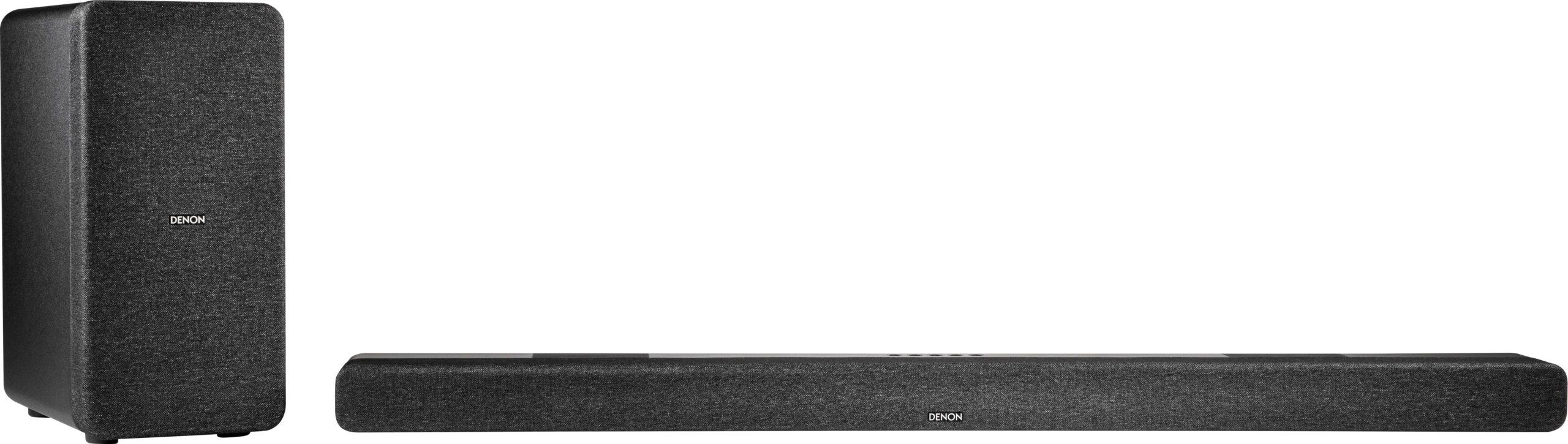
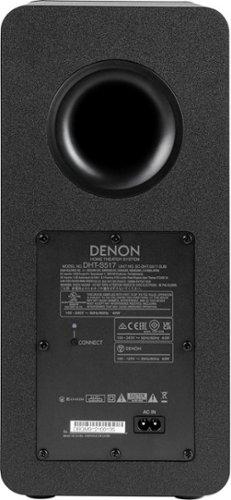
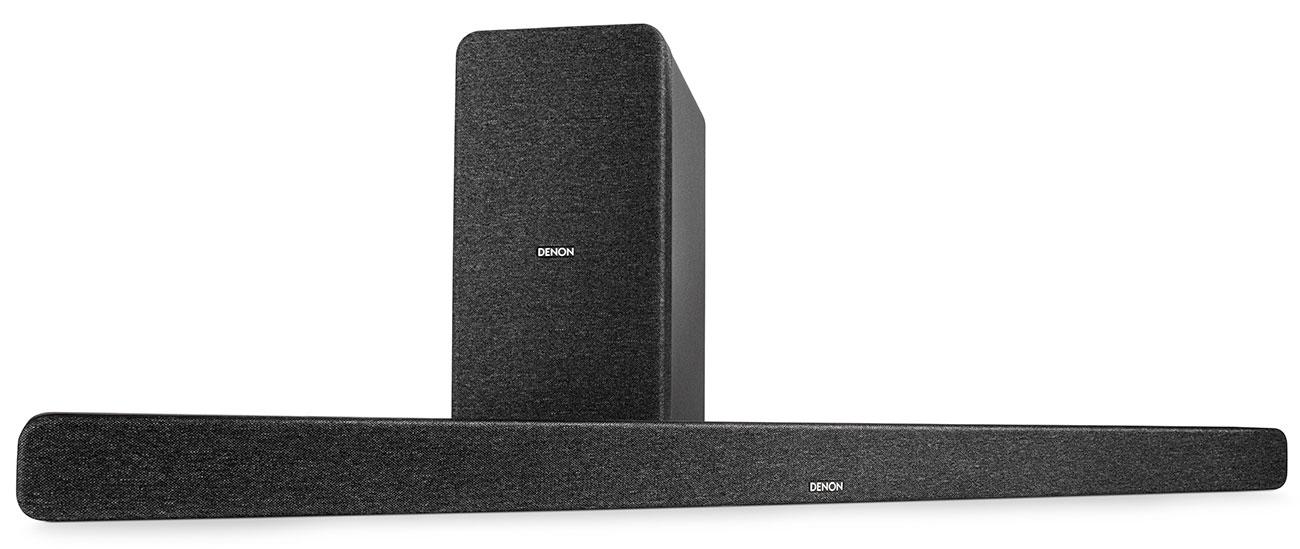
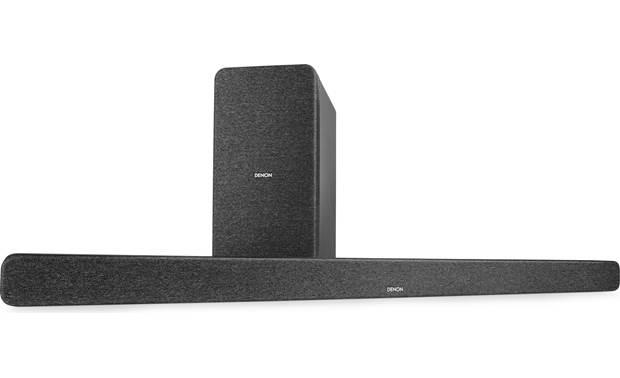
The Denon DHT-S517, meanwhile, embodies the "smarter processing" approach. It packs seven drivers into a single soundbar, including two upward-firing speakers that bounce sound off your ceiling to create the illusion of overhead effects. This is called Dolby Atmos processing—a technology that adds a height dimension to surround sound by making audio objects seem to move above you.
When it comes to creating convincing surround effects, the Ultimea Poseidon D50 has a significant advantage simply because physics is on its side. With actual speakers positioned around your room, sound genuinely comes from different directions. When a helicopter flies across the screen in an action movie, you'll hear it travel from your front speakers to your rear speakers in real space, not as a processed simulation.
The system's SurroundX™ technology (Ultimea's proprietary digital signal processing) can even take regular stereo audio and convert it into true 5.1 surround. This means older movies and TV shows that weren't originally mixed for surround sound can still benefit from the directional audio placement. It's particularly noticeable with ambient sounds—rain, crowd noise, or background music gains spatial depth that feels natural rather than artificial.
However, the Denon DHT-S517 excels in a different dimension entirely. Its Dolby Atmos processing creates overhead effects that the Ultimea simply cannot match without additional ceiling speakers. When thunder rolls overhead or a plane flies above the action, the Denon's upward-firing drivers bounce those sounds off your ceiling, creating a convincing sense of height. This vertical audio layer adds immersion that traditional 5.1 systems miss.
The trade-off is clear: horizontal surround accuracy versus vertical audio effects. Based on our research across multiple expert reviews, users consistently report that the Ultimea system provides more convincing left-to-right and front-to-back audio movement, while the Denon delivers superior overhead effects and atmospheric soundscapes.
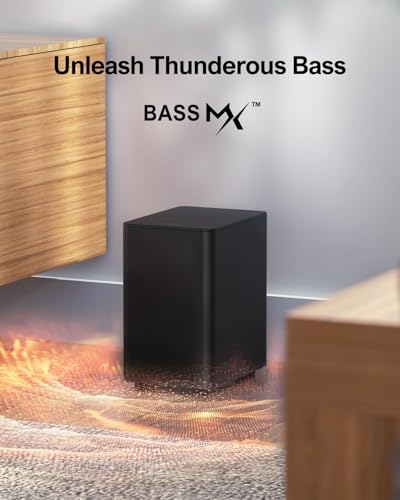
Both systems include wireless subwoofers, but they're tuned quite differently. The Ultimea D50's BassMX™ technology emphasizes deep, impactful bass with significant low-frequency extension. The 5.25-inch driver features a 15mm excursion capability—meaning the speaker cone can move quite far forward and backward—producing the kind of room-shaking bass that makes explosions feel visceral.
User reviews consistently praise the Ultimea's bass as "punchy" and "room-filling," particularly effective for action movies and gaming. The system's 320W peak power output provides headroom for those dynamic moments when everything happens at once—dialogue, music, and effects competing for attention.
The Denon's approach to bass is more refined and controlled. Its 100W subwoofer amplifier focuses on tight, accurate bass reproduction rather than maximum impact. Expert reviews note that while it may not rattle windows like the Ultimea, it integrates more seamlessly with the main soundbar's output. This makes it better suited for music listening, where overpowering bass can mask midrange detail.
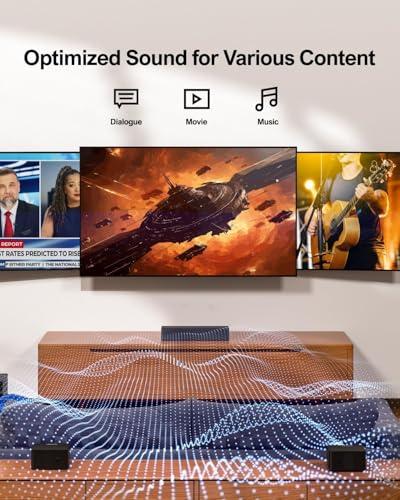
The practical difference becomes apparent with different content types. For Marvel movies and gaming, the Ultimea's more aggressive bass tuning enhances the excitement factor. For dramas, documentaries, or music, the Denon's controlled approach maintains better overall balance.
Clear dialogue reproduction is arguably the most important aspect of any soundbar, since most people upgrade from TV speakers specifically because they can't understand what characters are saying. Both systems address this issue but through different methods.
The Ultimea D50 uses a dedicated center channel driver in its main soundbar, combined with multiple EQ modes specifically designed for voice clarity. Its Voice mode emphasizes the frequency range where most human speech occurs, while the system's ability to independently adjust rear speaker volume means you can reduce surround effects if they're interfering with dialogue comprehension.
The Denon DHT-S517 takes a more sophisticated approach with its Dialogue Enhancer feature. This technology can boost dialogue volume without raising the overall system volume—particularly useful during loud action scenes where explosions might otherwise drown out conversation. The feature offers three intensity levels, allowing fine-tuning based on your hearing preferences and room acoustics.
From user feedback analysis, both systems perform well for dialogue, but the Denon's Dialogue Enhancer gives it an edge for viewers who consistently struggle with speech clarity, especially older users or those with hearing difficulties.
This is where the two systems diverge most dramatically. The Ultimea Poseidon D50 requires genuine commitment to proper setup. You'll need to run the included 19.6-foot cables to your rear speakers, position them correctly behind your seating area, and potentially deal with cable management to keep everything tidy. The payoff is authentic surround sound, but it's definitely more involved than plug-and-play.
The system works best in dedicated home theater rooms or living spaces where you can permanently position the rear speakers. If you frequently rearrange furniture or live in a rental where running cables isn't practical, this setup becomes challenging. However, for users willing to invest the effort, the result is surround sound that matches what you'd experience in a movie theater.
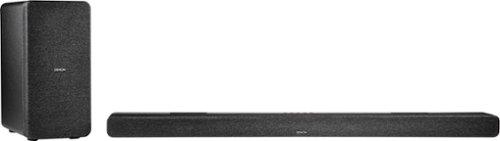
The Denon DHT-S517 prioritizes convenience with its two-component design. Beyond connecting the wireless subwoofer to power, everything else plugs into your TV through a single HDMI cable. The system is designed to work effectively even in less-than-ideal room layouts, making it suitable for apartments, dorms, or any space where major audio installations aren't feasible.
Modern soundbars increasingly emphasize user control and customization, but these two systems take different approaches. The Ultimea D50 includes comprehensive smartphone app control, allowing real-time adjustments to EQ settings, surround levels, and individual speaker volumes. With 121 preset EQ matrices and a 10-band equalizer, it offers the kind of fine-tuning typically found in much more expensive systems.
This level of customization serves users who want to optimize their audio for specific content types or room characteristics. The app control also adds convenience—you can adjust bass levels during late-night viewing without hunting for the remote control.
The Denon focuses more on simplicity with its traditional remote control interface. While it offers fewer customization options, its three main sound modes (Movie, Music, Night) are carefully tuned and typically don't require extensive adjustment. The Pure Mode, which eliminates all processing for music playback, appeals to users who prefer uncolored audio reproduction.
At the time of writing, these systems occupy different value propositions in the soundbar market. The Ultimea D50 positions itself as an affordable entry point into true 5.1 surround sound, offering a complete speaker system at a price point where most competitors provide only virtual surround processing.
The Denon DHT-S517 represents the premium brand approach, emphasizing established audio engineering expertise and proven Dolby format support. Denon's decades of experience in home audio shows in the system's overall refinement and build quality, though you pay somewhat more for that brand reputation.
Both systems offer solid value within their respective categories, but they serve different priorities. The Ultimea maximizes audio impact and surround authenticity for the money spent, while the Denon provides premium features and reliability with simpler integration.
The 2025 release of the Ultimea Poseidon D50 incorporates several technological improvements over earlier soundbar generations. Its Bluetooth 5.3 connectivity offers better wireless stability and lower latency than older Bluetooth standards. The SurroundX™ processing represents current-generation DSP technology, capable of creating convincing surround effects from stereo source material.
The Denon DHT-S517, launched in 2022, was designed during the height of streaming service audio format wars. Its comprehensive Dolby support (including Atmos, TrueHD, and Digital Plus) ensures compatibility with Netflix, Disney+, Amazon Prime, and other platforms that have increasingly adopted object-based audio formats.
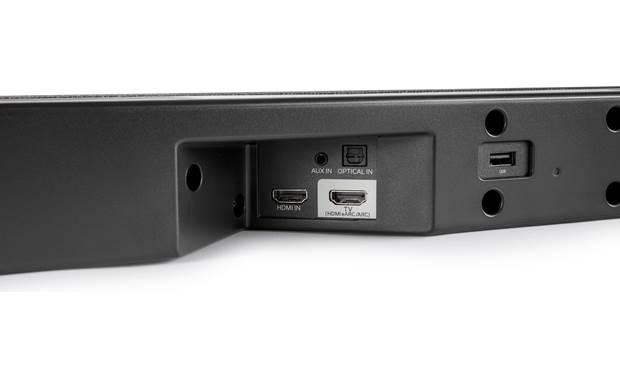
Both systems include HDMI eARC connectivity, which has become essential for extracting high-quality audio from modern smart TVs and streaming devices. This ensures compatibility with current and future content formats without requiring additional audio processing hardware.
For dedicated home theater enthusiasts who want the most convincing surround sound experience, the Ultimea Poseidon D50 is the clear choice. Its true 5.1 configuration delivers audio positioning that virtual processing simply cannot match. This system shines with action movies, gaming, and any content where directional audio effects matter. Users who enjoy customizing their audio experience will appreciate the extensive app-based controls and EQ options.
However, the Ultimea requires commitment to proper setup and works best in rooms where rear speaker placement won't be problematic. It's ideal for homeowners who can run cables and position speakers permanently, but less suitable for renters or frequently changing room layouts.
The Denon DHT-S517 serves users who prioritize convenience and vertical audio effects over horizontal surround accuracy. Its Dolby Atmos processing excels with atmospheric content—nature documentaries, concert films, and movies with significant overhead audio elements. The system's refined bass response and dialogue enhancement make it equally suitable for music and movies, appealing to users who want one system to handle all content types well.
Choose the Denon if you value brand reliability, want simpler setup, or live in spaces where multiple speakers aren't practical. It's particularly appropriate for users who primarily consume streaming content, which increasingly features Dolby Atmos soundtracks optimized for this type of processing.
These systems represent two successful but different solutions to the same problem. The Ultimea Poseidon D50 delivers authentic surround sound through traditional speaker placement, while the Denon DHT-S517 uses advanced processing to create immersive audio from fewer physical components.
Your choice should align with your priorities: maximum surround authenticity and customization versus convenience and vertical audio effects. Both systems significantly outperform TV speakers and provide genuine home theater experiences, just through different technological approaches. Consider your room layout, setup preferences, and primary content types when making your decision—either choice will dramatically improve your audio experience over standard TV speakers.
| Ultimea Poseidon D50 5.1 | Denon DHT-S517 |
|---|---|
| Channel Configuration - Determines surround sound authenticity | |
| True 5.1 with physical rear speakers | 3.1.2 with virtual surround processing |
| Dolby Atmos Support - Essential for modern streaming content | |
| Not supported (traditional surround only) | Full Dolby Atmos with upfiring drivers |
| Speaker Setup - Affects installation complexity and room requirements | |
| 4 separate components (soundbar + 2 rear speakers + subwoofer) | 2 components (soundbar + wireless subwoofer) |
| Peak Power Output - Indicates maximum volume and dynamic range | |
| 320W total system power | 150W total (50W soundbar + 100W subwoofer) |
| Rear Speaker Connection - Impacts placement flexibility | |
| Wired with 19.6ft cables (requires cable management) | No rear speakers (uses sound reflection) |
| Smart Controls - Affects daily usability and customization | |
| Comprehensive smartphone app with 121 EQ presets | Traditional remote with basic sound modes |
| Bluetooth Version - Determines wireless audio quality and stability | |
| Bluetooth 5.3 (latest standard, better range/stability) | Bluetooth 5.0 (proven but older standard) |
| Dialogue Enhancement - Critical for speech clarity | |
| Voice EQ mode + independent volume controls | Dedicated Dialogue Enhancer with 3 levels |
| Subwoofer Driver Size - Affects bass depth and impact | |
| 5.25" with BassMX™ technology (emphasis on deep bass) | 5.25" with controlled, musical bass tuning |
| Room Size Recommendation - Determines optimal performance space | |
| 200-380 sq ft (medium to large rooms) | Smaller rooms and apartments |
| Brand Heritage - Indicates long-term support and reliability | |
| Newer brand focused on value positioning | Established audio company with decades of expertise |
| Release Year - Shows technology generation and feature currency | |
| 2025 (latest features and connectivity) | 2022 (proven Dolby Atmos implementation) |
The Ultimea Poseidon D50 5.1 provides true surround sound with physical rear speakers positioned around your room, creating authentic directional audio. The Denon DHT-S517 uses virtual surround processing and Dolby Atmos technology to simulate surround effects from a single soundbar. For genuine surround positioning, the Ultimea D50 delivers more convincing left-to-right audio movement, while the Denon excels at overhead height effects.
The Denon DHT-S517 is significantly easier to install, requiring only a soundbar and wireless subwoofer connection. The Ultimea Poseidon D50 5.1 requires positioning four separate components and running 19.6-foot cables to rear speakers, making setup more complex but delivering authentic surround sound placement.
Only the Denon DHT-S517 supports Dolby Atmos with dedicated upfiring speakers that create overhead sound effects. The Ultimea Poseidon D50 5.1 focuses on traditional 5.1 surround sound without Dolby Atmos support, but provides true directional audio through physical speaker placement.
The Denon DHT-S517 is better suited for smaller spaces due to its compact two-component design and ability to work effectively without rear speaker placement. The Ultimea Poseidon D50 5.1 requires adequate space for rear speakers and works best in medium to large rooms where proper 5.1 positioning is possible.
The Ultimea Poseidon D50 5.1 features BassMX™ technology with emphasis on deep, impactful bass suitable for action movies and gaming. The Denon DHT-S517 provides more controlled, musical bass tuning that integrates better with dialogue and music content. Both include 5.25-inch wireless subwoofers but with different sound characteristics.
Both systems excel at dialogue reproduction. The Denon DHT-S517 includes a dedicated Dialogue Enhancer with three intensity levels that can boost speech without raising overall volume. The Ultimea Poseidon D50 5.1 uses a dedicated center channel and Voice EQ mode for clear dialogue, plus independent volume controls to balance surround effects.
The Ultimea Poseidon D50 5.1 includes comprehensive smartphone app control with 121 EQ presets, 10-band equalizer, and real-time adjustments. The Denon DHT-S517 uses traditional remote control operation with basic sound modes, focusing on simplicity over extensive customization options.
For dedicated home theater use, the Ultimea Poseidon D50 5.1 provides more authentic surround sound with physical rear speakers, making it ideal for action movies and immersive viewing. The Denon DHT-S517 offers superior overhead effects with Dolby Atmos processing, excellent for atmospheric content and modern streaming movies with height-based audio.
Both soundbars offer HDMI eARC, optical, and AUX connections. The Ultimea Poseidon D50 5.1 features newer Bluetooth 5.3 technology for improved wireless stability and includes USB connectivity. The Denon DHT-S517 uses Bluetooth 5.0 and focuses on proven connectivity standards with emphasis on reliable TV integration.
The Ultimea Poseidon D50 5.1 offers excellent value by providing true 5.1 surround sound with extensive customization features typically found in more expensive systems. The Denon DHT-S517 provides premium brand reliability, established audio engineering, and proven Dolby Atmos processing, representing solid value for users prioritizing convenience and brand reputation.
The Ultimea Poseidon D50 5.1 requires complex installation with multiple speakers and cable management, making it unsuitable for renters or frequently changing room layouts. The Denon DHT-S517 lacks true rear speakers, so horizontal surround effects rely on processing rather than physical positioning, which may be less convincing for some listeners.
Choose the Ultimea Poseidon D50 5.1 if you want authentic surround sound, have space for rear speakers, enjoy audio customization, and primarily watch action movies or play games. Select the Denon DHT-S517 if you prefer easy setup, have space constraints, want Dolby Atmos height effects, or need a system that works well for both movies and music in smaller rooms.
We've done our best to create useful and informative comparisons to help you decide what product to buy. Our research uses advanced automated methods to create this comparison and perfection is not possible - please contact us for corrections or questions. These are the sites we've researched in the creation of this article: youtube.com - eu.ultimea.com - newegg.com - tvsbook.com - youtube.com - provantage.com - ultimea.com - techradar.com - community.ultimea.com - homedepot.com - community.ultimea.com - ultimea.com - ultimea.de - youtube.com - medisamhealthcenter.com - ultimea.com - youtube.com - walmart.com - techradar.com - consumerreports.org - crutchfield.com - bestbuy.com - bestbuy.com - pocket-lint.com - abt.com - manuals.denon.com - connectedmag.com.au - bestbuy.com - forum.flirc.tv - bhphotovideo.com

Privacy Policy
Terms and Conditions - Affiliate Policy
Home Security
© Copyright 2008-2026.
11816 Inwood Rd #1211, Dallas, TX 75244