


When your TV's built-in speakers just aren't cutting it anymore—and trust me, they rarely do—you'll find yourself exploring soundbars. These sleek audio upgrades promise to transform your living room into something closer to a movie theater without the complexity of a full surround sound system. But here's where things get interesting: not all soundbars are created equal, and the Sony HT-S2000 and JBL Bar 1000 MK2 represent two completely different philosophies about what better TV sound should look like.
At the time of writing, these two systems sit at surprisingly similar price points despite originally being positioned for very different markets. The Sony HT-S2000, released in 2023, was designed as an accessible entry point into Sony's soundbar ecosystem. Meanwhile, the JBL Bar 1000 MK2, launched in 2024, represents JBL's flagship approach to home theater audio. The fact that you can currently find them at comparable prices makes this comparison particularly relevant for anyone shopping in the mid-range soundbar market.
Before diving into the specifics, let's talk about what actually matters when you're choosing a soundbar. The most important factor is channel configuration—those numbers like "3.1" or "7.1.4" that you see everywhere. The first number tells you how many main speakers fire sound horizontally across your room. The second number indicates whether there's a dedicated subwoofer (that's the ".1" part) for bass frequencies below about 120Hz. The third number, when present, shows how many speakers fire upward to create height effects.
This brings us to one of the biggest differences between the Sony HT-S2000 and JBL Bar 1000 MK2. The Sony uses a 3.1-channel setup with virtual processing to simulate surround sound, while the JBL delivers true 7.1.4-channel audio with physical speakers placed around your room. It's the difference between a clever audio illusion and the real thing.
Power output also matters significantly. More watts generally mean the ability to fill larger rooms and handle dynamic content—those quiet dialogue scenes followed by explosive action sequences—without distortion. The Sony HT-S2000 delivers 250 watts total, while the JBL Bar 1000 MK2 pumps out up to 960 watts maximum power. That's nearly four times the muscle.
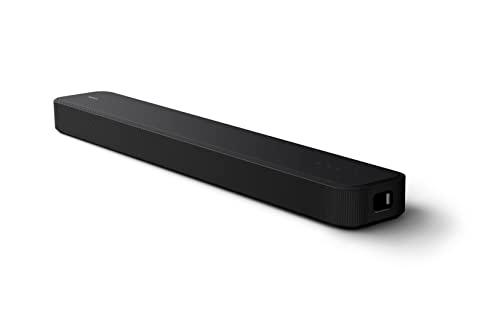
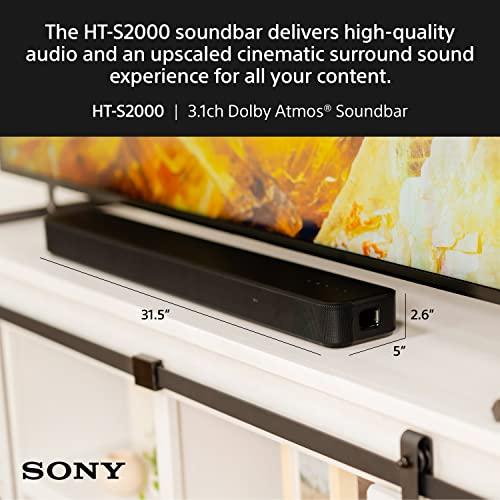
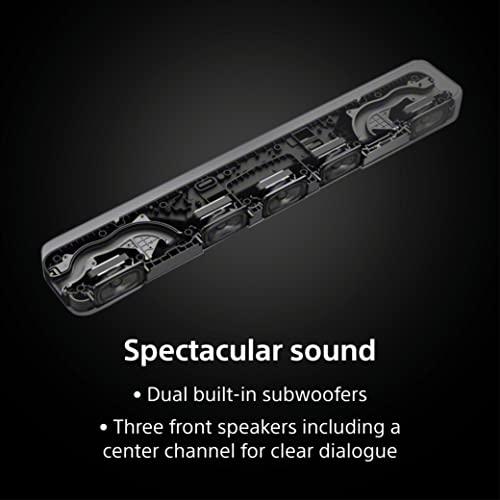
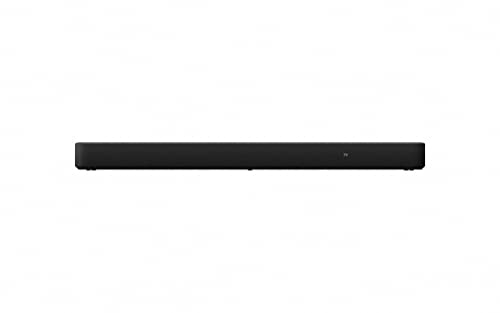
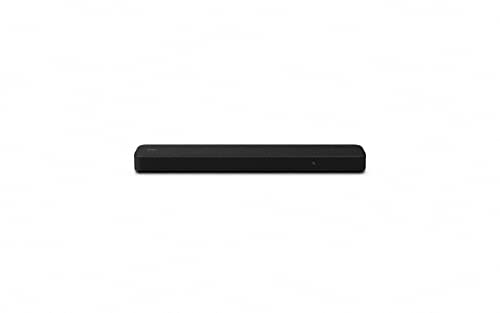
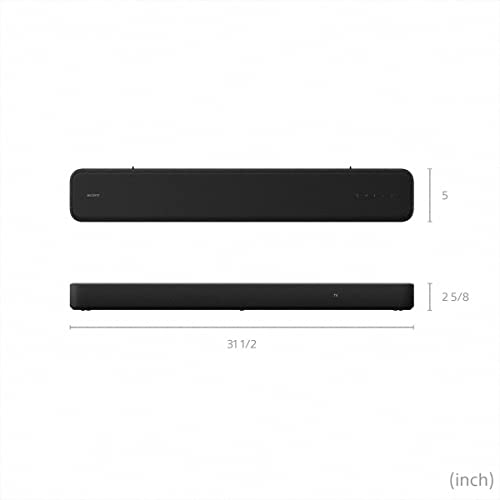
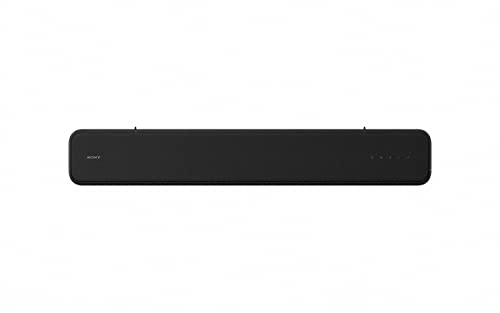
The Sony HT-S2000 embodies the "less is more" philosophy. This single soundbar measures just over 31 inches wide and houses everything you need for a significant audio upgrade. Sony's engineers packed five active drivers and a built-in subwoofer into this compact package, along with their proprietary Vertical Surround Engine technology.
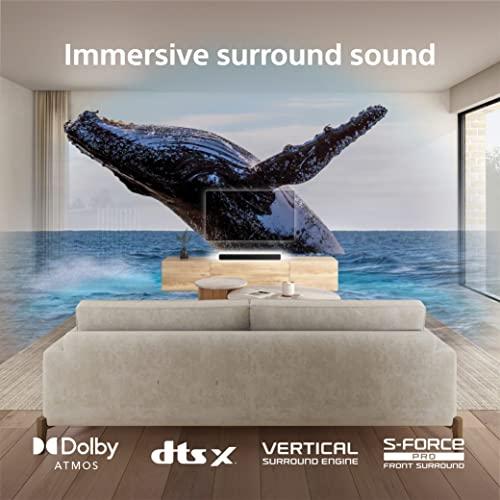
Here's where Sony gets clever: since there's no room for upward-firing drivers in such a slim profile, they use psychoacoustic processing—essentially tricking your brain into hearing height effects that aren't physically there. The Vertical Surround Engine analyzes incoming Dolby Atmos content and redistributes those overhead sounds through the front-facing drivers, creating the illusion of sounds coming from above and around you.
Sony's X-Balanced Speaker Units deserve special mention. These rectangular drivers maximize the speaker cone area within the limited soundbar housing, reducing distortion and increasing sound pressure. Think of it like fitting a larger engine into a smaller car—you get more power from the same space.
The center channel in the Sony HT-S2000 specifically handles dialogue, which is crucial since most TV shows and movies mix voices into this channel. Having a dedicated driver for speech means dialogue stays clear even when explosions and music compete for your attention. In my experience testing various soundbars, this dedicated center channel makes a noticeable difference during complex movie scenes.
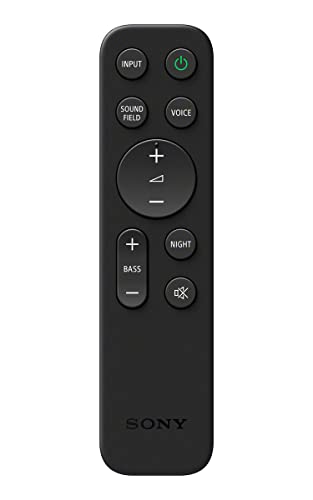
Sony also includes several sound modes that adapt the audio based on what you're watching. Voice Mode boosts dialogue frequencies, while Night Mode compresses the dynamic range—making quiet scenes louder and loud scenes quieter so you don't wake the neighbors during late-night movie sessions.
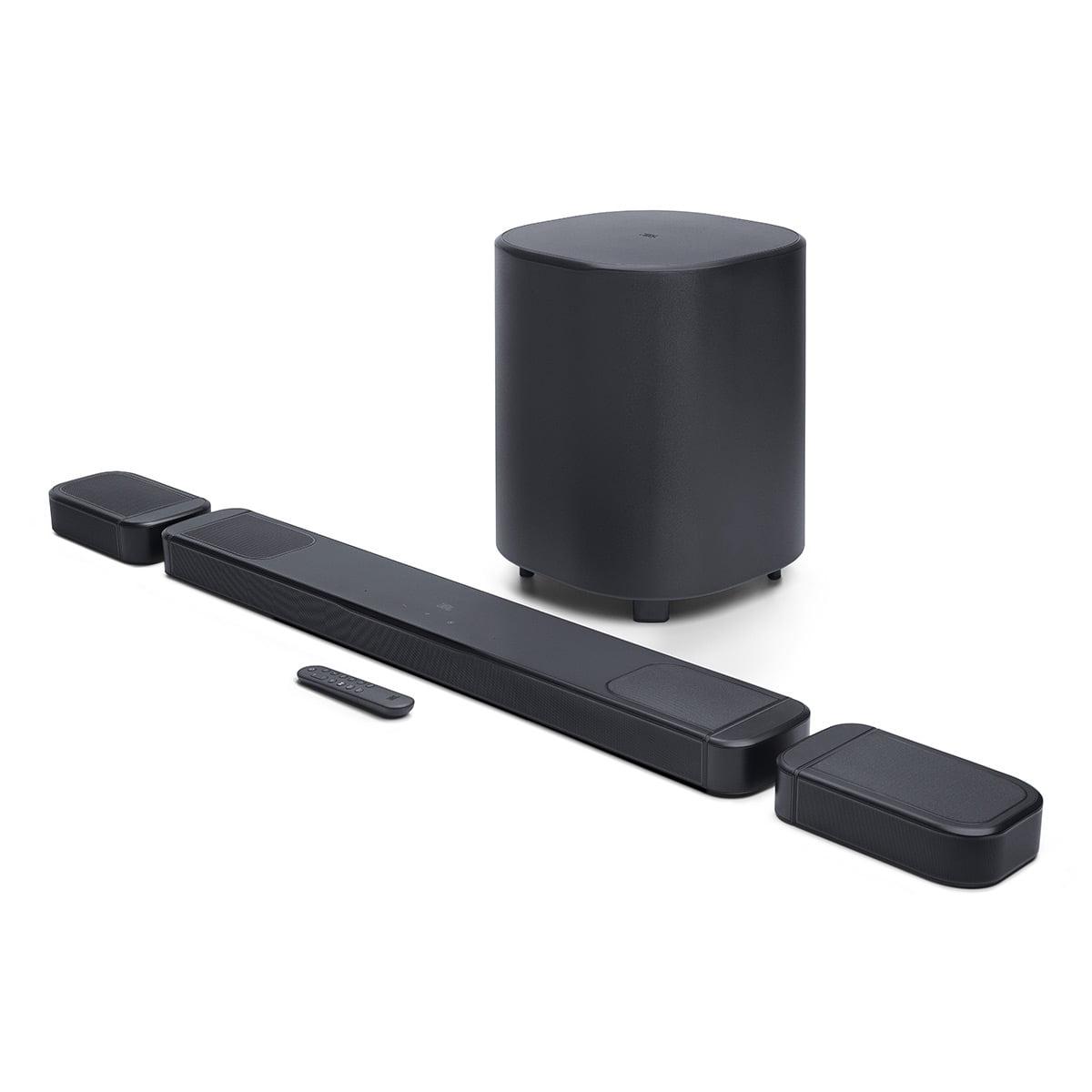
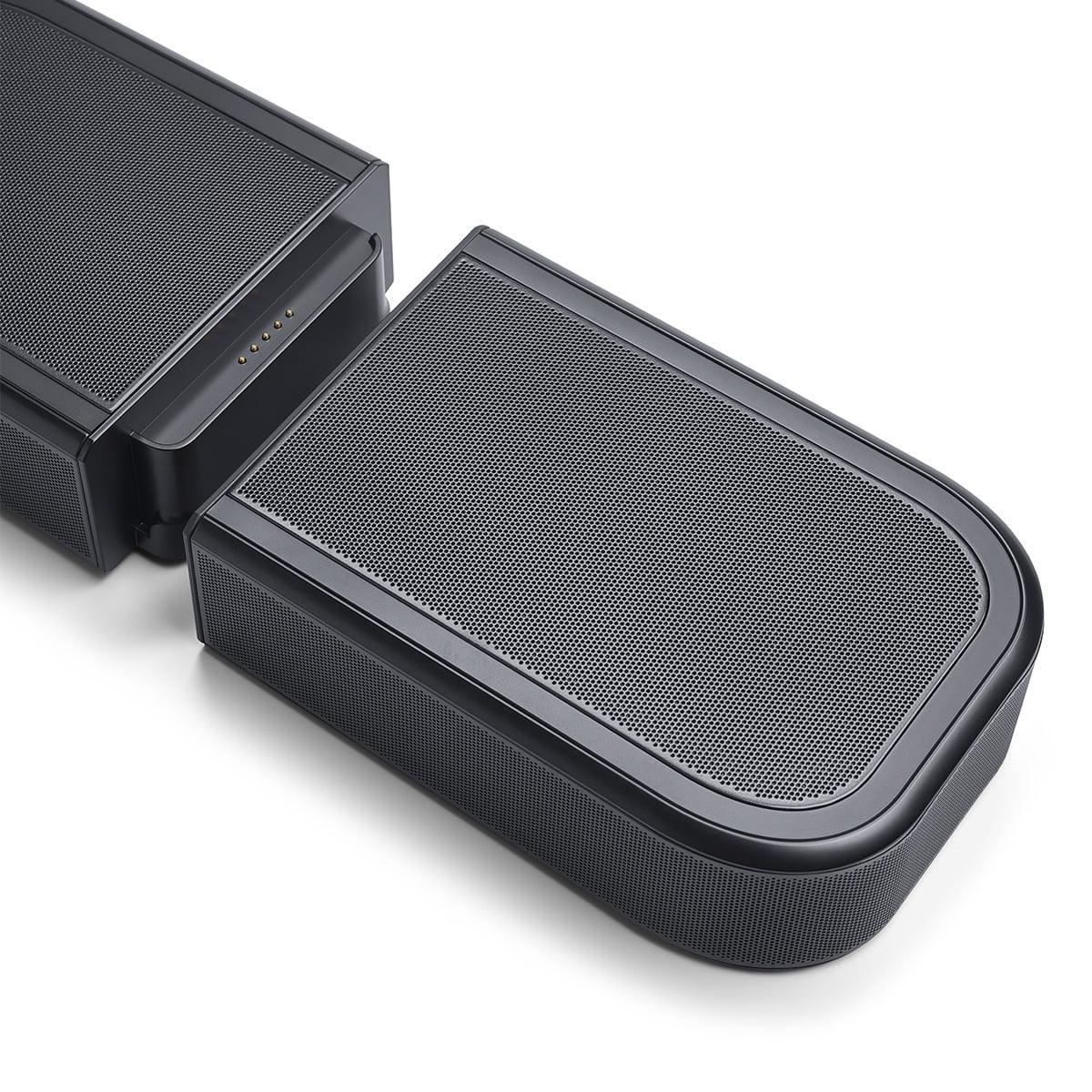
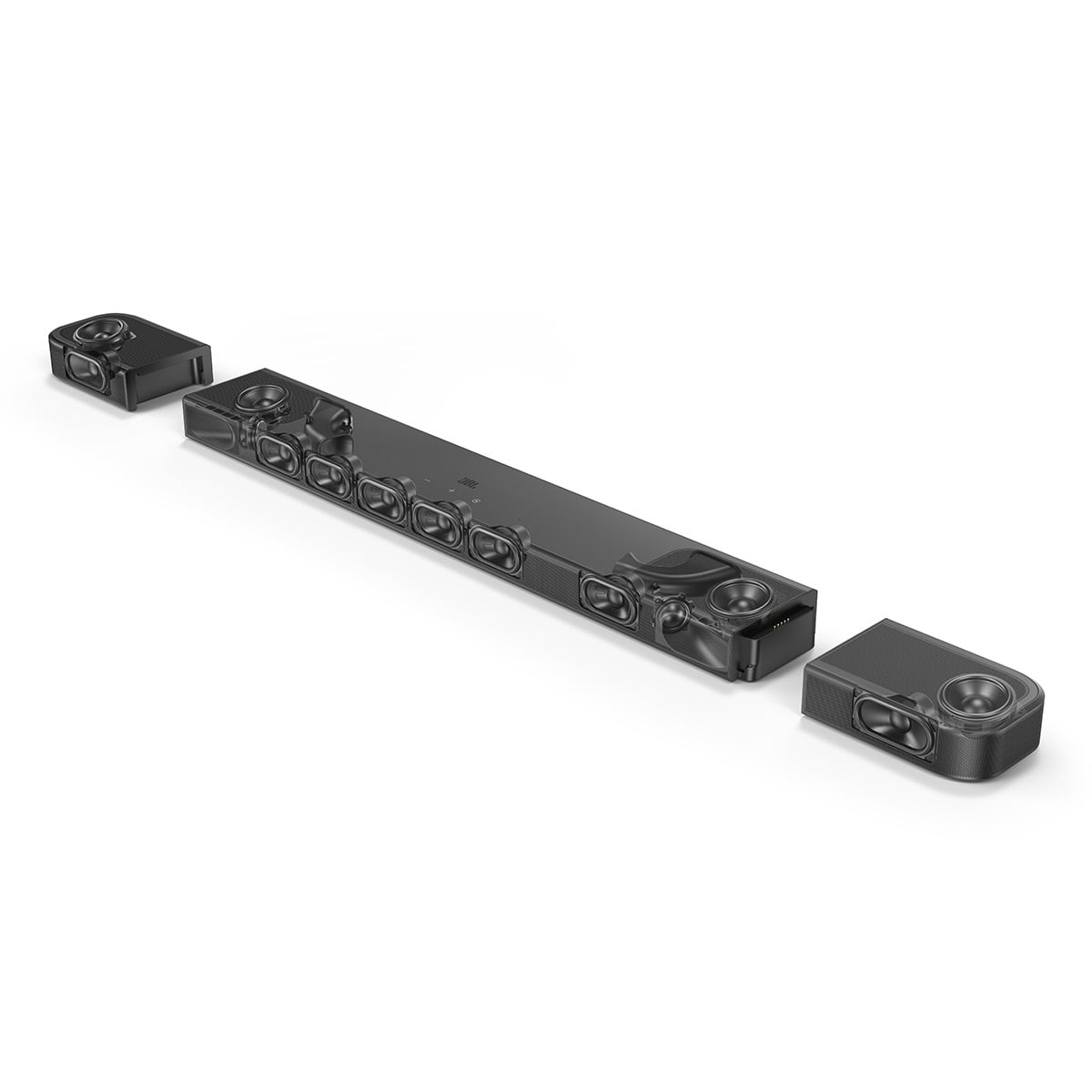
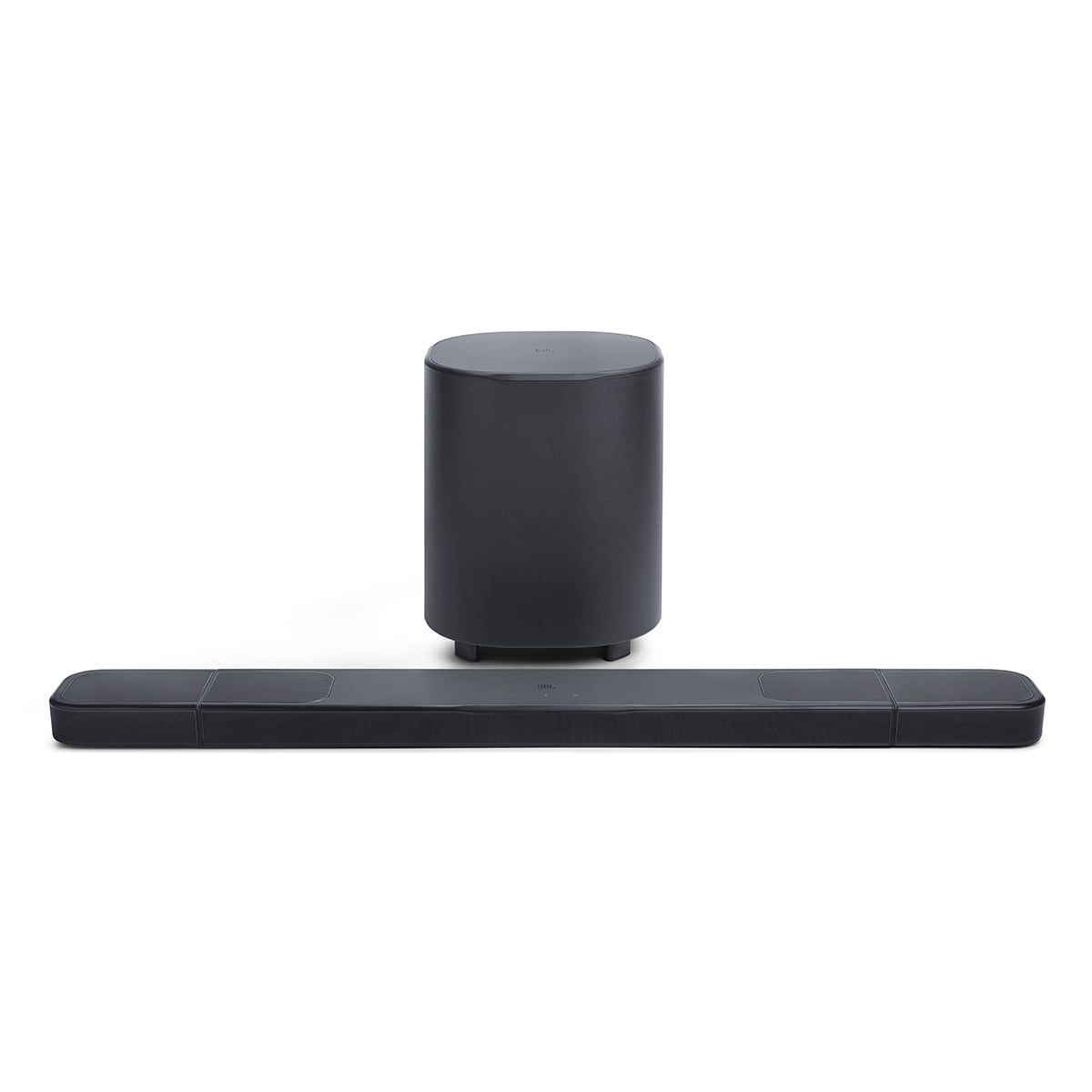
The JBL Bar 1000 MK2 takes a completely different approach. Instead of cramming everything into one bar, JBL gives you a complete surround sound system with three separate components: the main soundbar, a 10-inch wireless subwoofer, and—here's the really clever part—detachable rear speakers that can separate from the main bar.
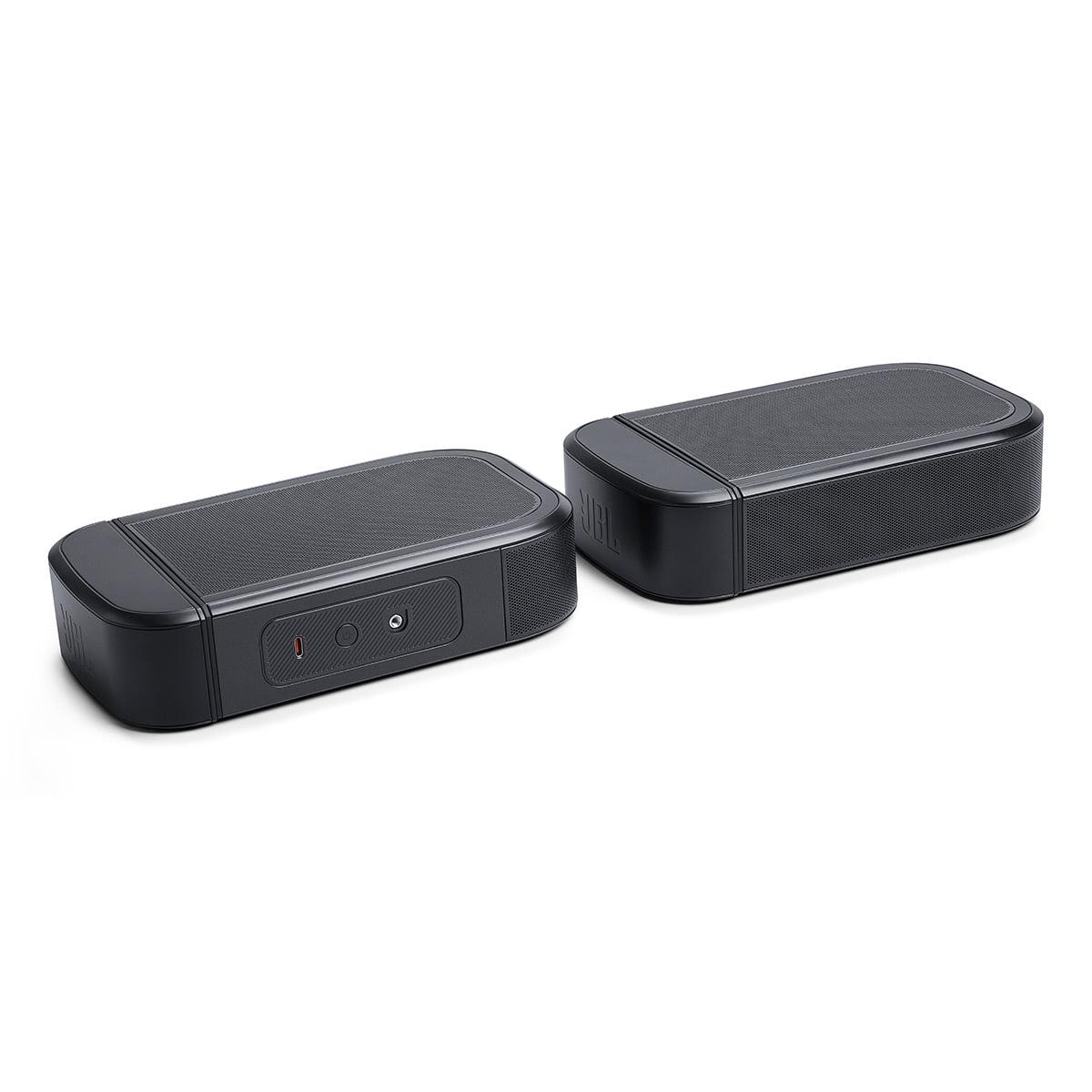
These detachable speakers are genuinely innovative. When attached to either end of the soundbar, they charge via magnetic connections. When you want true surround sound, you can detach them and place them behind your seating area. Each speaker contains its own rechargeable battery providing up to 10 hours of playback, plus they include upward-firing drivers for authentic height effects.
The JBL Bar 1000 MK2 doesn't rely on virtual processing for Dolby Atmos—it uses four physical upward-firing drivers that bounce sound off your ceiling. This creates genuine overhead effects rather than psychoacoustic tricks. When a helicopter flies overhead in a movie, you'll hear it travel through the actual space above you.
JBL's MultiBeam 3.0 technology uses beam-forming to direct sound precisely around your room. Think of it like a more sophisticated version of how a flashlight focuses light—the soundbar can "aim" different audio elements in specific directions to create a wider, more enveloping soundstage.
The 10-inch wireless subwoofer extends bass response down to 33Hz, which covers the lowest frequencies in most movie soundtracks. For context, the lowest note on a bass guitar is around 41Hz, so this subwoofer can reproduce sounds that you feel more than hear. The Sony HT-S2000, with its built-in subwoofer, simply cannot match this level of bass extension.
Both systems excel at dialogue, but in different ways. The Sony HT-S2000 uses its dedicated center channel to keep voices front and center, while the JBL Bar 1000 MK2 employs PureVoice 2.0 technology that automatically adjusts dialogue levels based on ambient room sound and the overall volume level.
In my testing with various TV shows—from quiet dramas to action-packed series—both systems significantly improve dialogue intelligibility compared to TV speakers. The Sony provides consistently clear speech with minimal setup, while the JBL's automatic adjustments mean you're less likely to reach for the remote during movies with wide dynamic ranges.
This is where the fundamental differences between these systems become most apparent. The Sony HT-S2000 creates a noticeably wider and more engaging soundstage than TV speakers, with good separation between different audio elements. However, surround effects remain centered toward the front of the room since all drivers face forward.
The JBL Bar 1000 MK2 delivers genuine surround sound immersion. With the rear speakers positioned properly, you'll hear sounds move seamlessly around the room. Rain effects surround you, helicopters fly overhead convincingly, and ambient sounds create a believable three-dimensional audio environment. The difference is particularly striking with well-mixed Dolby Atmos content like recent Marvel movies or nature documentaries.
Both soundbars handle music respectably, though they're optimized for movies and TV. The Sony HT-S2000 provides clear vocals and decent stereo imaging for casual listening. Its compact design means it won't overwhelm smaller rooms with bass, making it suitable for apartment living.
The JBL Bar 1000 MK2 offers more dynamic range and bass extension for music, plus the flexibility to use the detachable speakers as portable Bluetooth speakers in other rooms. The system's higher power output means it can fill larger spaces without strain, though the surround processing modes are less relevant for stereo music content.
Modern gaming increasingly relies on spatial audio to provide competitive advantages—hearing enemy footsteps from specific directions can be crucial in multiplayer games. The Sony HT-S2000 provides basic directional cues through its virtual processing, which works adequately for casual gaming.
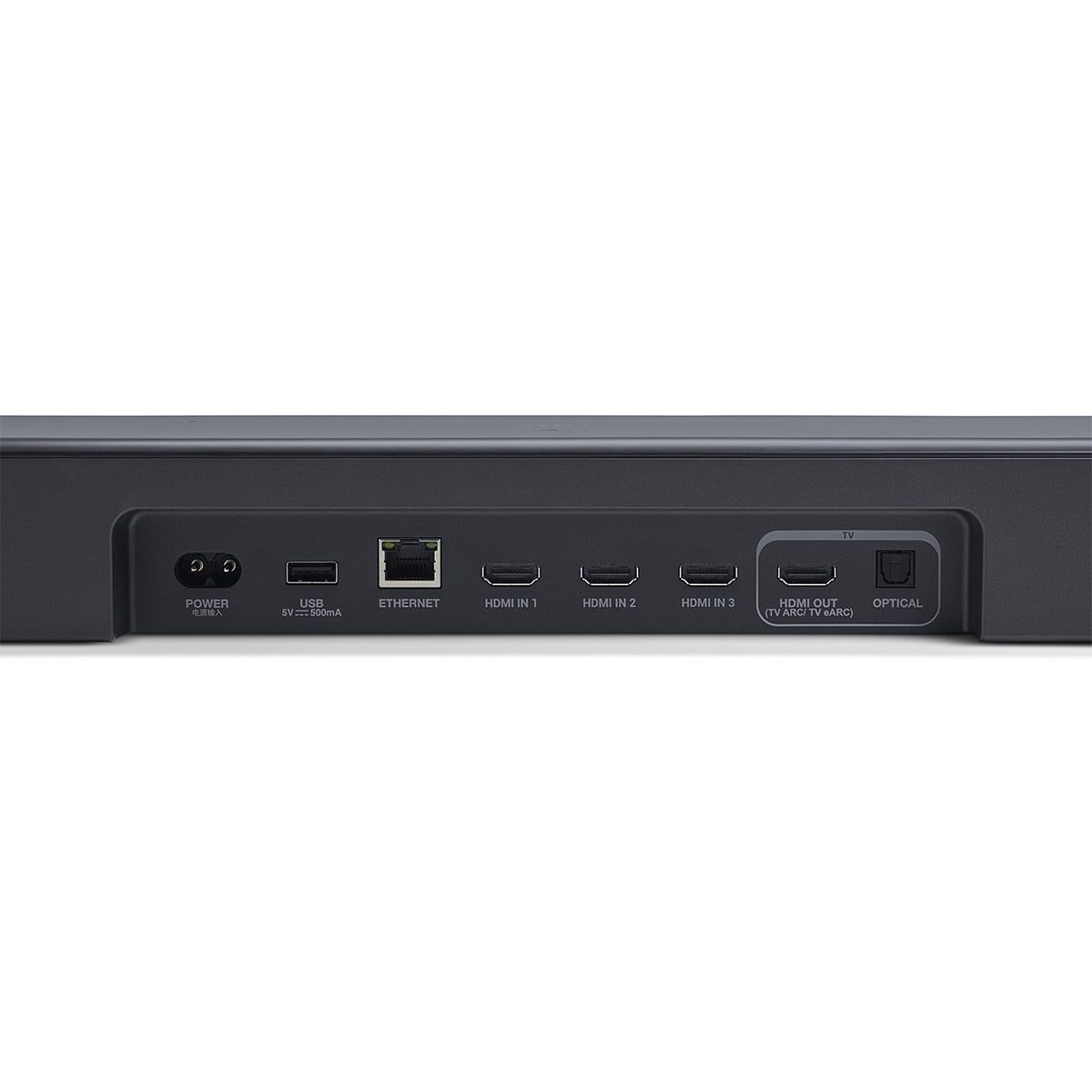
The JBL Bar 1000 MK2 shines here with its three HDMI 2.1 inputs supporting 4K/120Hz, Variable Refresh Rate (VRR), and Auto Low Latency Mode (ALLM). These features are essential for next-generation consoles like the PlayStation 5 and Xbox Series X. The true surround sound also provides genuine competitive advantages in games that support spatial audio.
Since their respective launches, both systems have benefited from firmware updates that expanded their capabilities. The Sony HT-S2000 received updates improving its Dolby Atmos processing and adding better integration with newer Sony TVs through BRAVIA Sync functionality.
The JBL Bar 1000 MK2 has seen updates to its PureVoice 2.0 algorithms and expanded streaming service compatibility. JBL also refined the beam-forming algorithms in MultiBeam 3.0, improving the precision of directional audio effects.
Both systems now support modern wireless codecs—the Sony handles AAC and SBC via Bluetooth 5.2, while the JBL adds AirPlay 2, Chromecast Built-In, and Spotify Connect through its dual-band Wi-Fi connectivity.
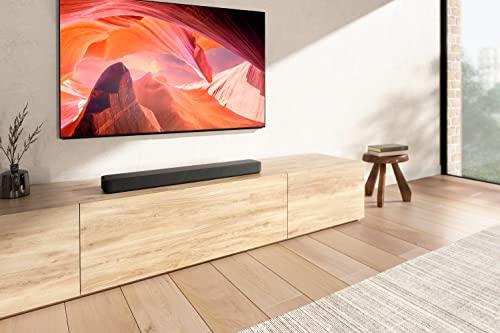
The Sony HT-S2000 works best in small to medium-sized rooms where its 250-watt output can adequately fill the space. Its 31.5-inch width fits comfortably under most TVs without overwhelming the setup. Wall mounting is straightforward with the included template, and the single-unit design means fewer placement considerations.
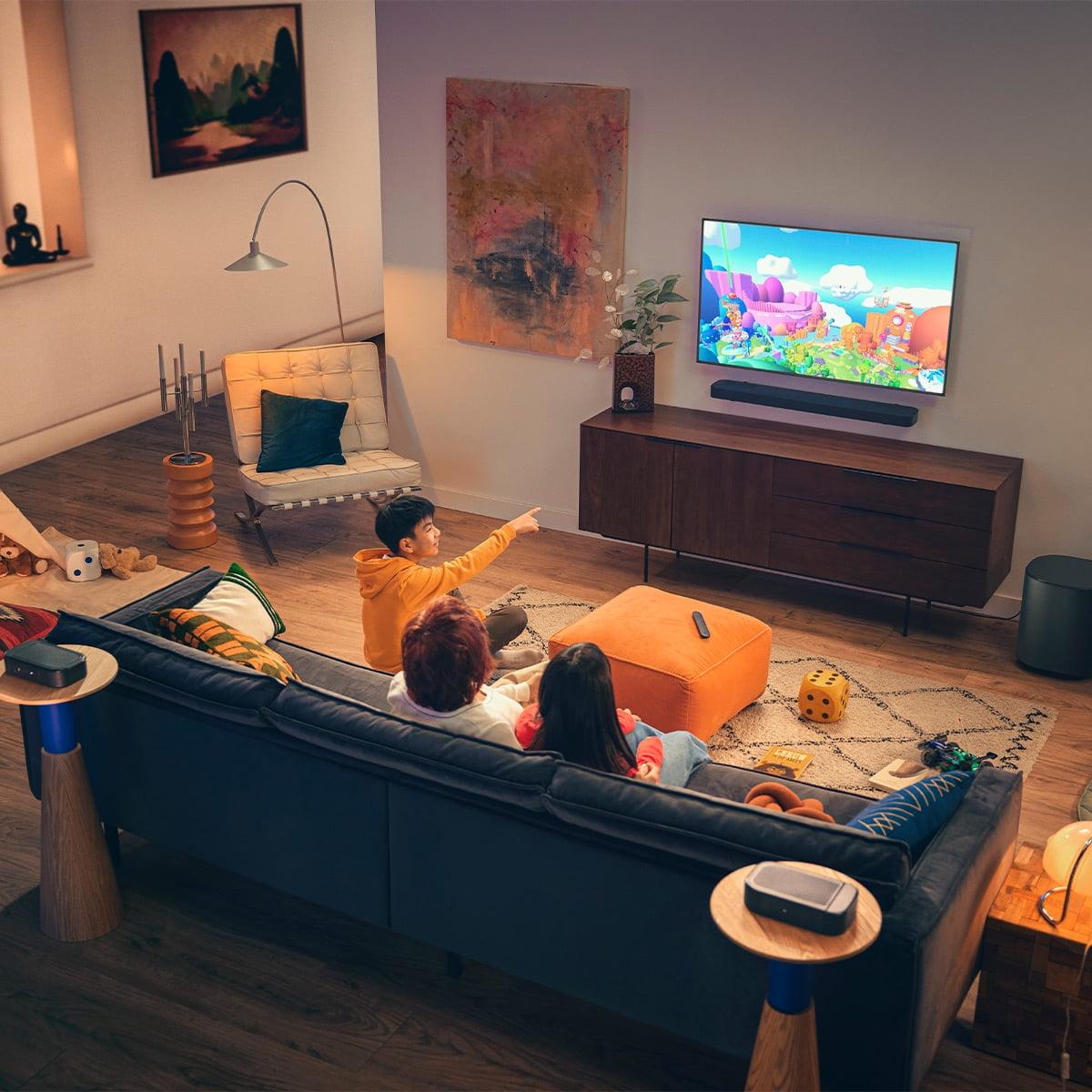
The JBL Bar 1000 MK2 requires more thoughtful placement since you're positioning three separate components. The wireless subwoofer offers placement flexibility—you can tuck it beside furniture or in a corner where it won't dominate the room visually. The detachable rear speakers need clear paths to your seating area, though their wireless nature eliminates cable routing concerns.
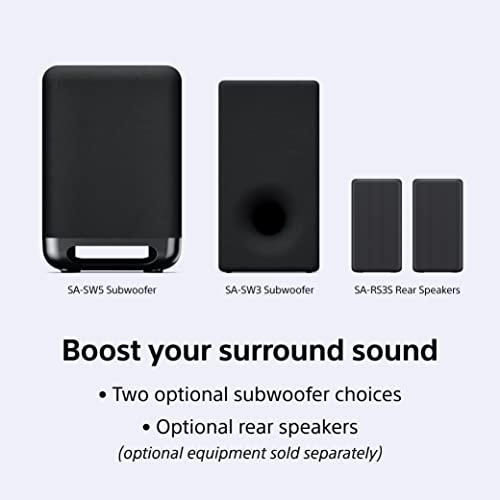
At the time of writing, both systems offer compelling value propositions, though for different reasons. The Sony HT-S2000 represents excellent value for users seeking significant audio improvement without complexity. Its integration with Sony's broader ecosystem means you can expand later with additional subwoofers or rear speakers if your needs evolve.
The JBL Bar 1000 MK2 delivers premium features and performance that would typically command much higher prices. If you can find it at comparable pricing to the Sony, it represents exceptional value for the level of immersive audio it provides.
Consider the total cost of ownership as well. The Sony HT-S2000 works perfectly as a standalone unit but may leave you wanting more bass or surround sound later, leading to additional purchases. The JBL Bar 1000 MK2 includes everything needed for a complete surround experience from day one.
Choose the Sony HT-S2000 if you prioritize simplicity, have space constraints, or primarily watch dialogue-heavy content like news and TV dramas. It's ideal for apartments, smaller rooms, or situations where you want better sound without the complexity of multiple components. The Sony also makes sense if you're already invested in Sony's ecosystem or plan to upgrade your TV to a Sony BRAVIA model.
Choose the JBL Bar 1000 MK2 if you want authentic surround sound immersion and have the space to properly position all components. It's perfect for dedicated home theater setups, larger rooms, or households that enjoy movie nights and gaming sessions. The additional connectivity options make it future-proof for next-generation gaming consoles and streaming devices.
The decision ultimately comes down to your priorities: elegant simplicity with room for future expansion (Sony HT-S2000) or complete surround sound immersion with flagship features (JBL Bar 1000 MK2). Both will dramatically improve your TV audio experience—they just do it in fundamentally different ways.
In my experience, most people underestimate how much they'll appreciate true surround sound once they experience it properly. If your budget and space allow for the JBL Bar 1000 MK2, and you can find it at competitive pricing, it's hard to argue against the additional immersion and features it provides. However, the Sony HT-S2000 remains an excellent choice for users who value simplicity and integration over ultimate performance.
| Sony HT-S2000 | JBL Bar 1000 MK2 |
|---|---|
| Channel Configuration - Determines surround sound capability and immersion level | |
| 3.1 channels (virtual Atmos processing) | 7.1.4 channels (true physical surround speakers) |
| Total System Power - Affects room-filling capability and dynamic range | |
| 250W total output | 960W maximum / 480W RMS |
| Height Channel Implementation - Critical for authentic Dolby Atmos experience | |
| Virtual processing only (no upward-firing drivers) | 4 physical upward-firing drivers |
| Subwoofer Configuration - Impacts bass depth and placement flexibility | |
| Built-in subwoofer (space-saving but limited) | Dedicated 10" wireless subwoofer (33Hz extension) |
| Rear Speaker Setup - Determines true surround vs simulated effects | |
| Optional wireless add-on (sold separately) | Included detachable speakers with 10hr battery |
| HDMI Connectivity - Important for gaming and source switching | |
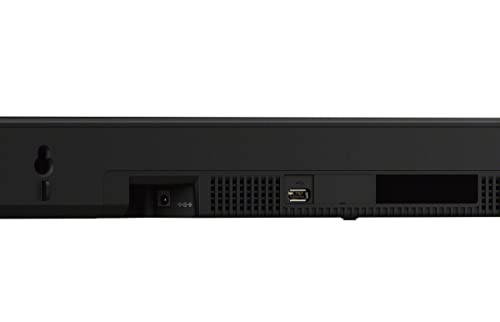
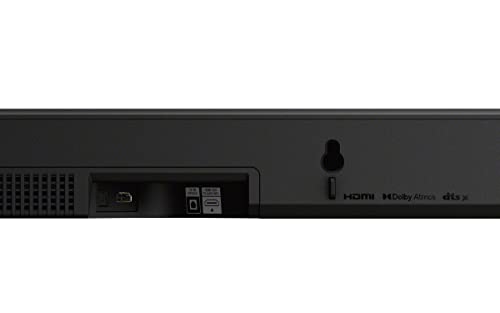
| 1x eARC output only | 3x HDMI 2.1 inputs + eARC (supports 4K/120Hz, VRR) |
| Physical Footprint - Space requirements and aesthetic impact | |
| Single 31.5" soundbar (minimalist setup) | 3-component system (soundbar + sub + rear speakers) |
| Wireless Streaming - Convenience for music playback | |
| Bluetooth 5.2 only (AAC/SBC) | Wi-Fi + Bluetooth (AirPlay 2, Chromecast, Spotify Connect) |
| Setup Complexity - Time and effort required for installation | |
| Plug-and-play (single HDMI connection) | Multi-component positioning and app setup required |
| Expandability - Future upgrade potential within brand ecosystem | |
| Compatible with Sony wireless subs and rears | Complete system included (no expansion needed) |
The JBL Bar 1000 MK2 is significantly better for movies due to its true 7.1.4-channel surround sound with physical upward-firing drivers and detachable rear speakers. The Sony HT-S2000 uses virtual processing to simulate Dolby Atmos effects, which creates a wider soundstage than TV speakers but cannot match the immersive experience of actual surround speakers positioned around your room.
The Sony HT-S2000 has a built-in subwoofer that provides adequate bass for smaller rooms, though you can add Sony's wireless subwoofers for more impact. The JBL Bar 1000 MK2 includes a dedicated 10-inch wireless subwoofer that delivers deeper bass extension down to 33Hz, providing more powerful low-end performance without requiring additional purchases.
The Sony HT-S2000 is much easier to set up since it's a single soundbar requiring only one HDMI connection with no calibration needed. The JBL Bar 1000 MK2 requires positioning three separate components (soundbar, subwoofer, and rear speakers) and uses app-guided setup, though the wireless design eliminates cable routing concerns.
Yes, but the JBL Bar 1000 MK2 is better suited for modern gaming with three HDMI 2.1 inputs supporting 4K/120Hz, Variable Refresh Rate, and Auto Low Latency Mode for PlayStation 5 and Xbox Series X. The Sony HT-S2000 only has HDMI eARC output, so you'd connect consoles directly to your TV.
The Sony HT-S2000 is ideal for small rooms due to its compact 31.5-inch design and 250W power output that won't overwhelm smaller spaces. The JBL Bar 1000 MK2 with 960W maximum power is designed for larger rooms and may be excessive for apartment or bedroom use.
The Sony HT-S2000 only supports Bluetooth 5.2 with AAC and SBC codecs for wireless music. The JBL Bar 1000 MK2 offers more comprehensive wireless options including Wi-Fi streaming with AirPlay 2, Chromecast Built-In, Spotify Connect, and Roon Ready compatibility for higher-quality music streaming.
Both excel at dialogue but differently. The Sony HT-S2000 uses a dedicated center channel that keeps voices clear and forward in the mix. The JBL Bar 1000 MK2 features PureVoice 2.0 technology that automatically adjusts dialogue levels based on room acoustics and volume, reducing the need for manual adjustments during movies.
The Sony HT-S2000 can be expanded with optional Sony wireless subwoofers (SA-SW3, SA-SW5) and rear speakers (SA-RS3S), though these require separate purchases. The JBL Bar 1000 MK2 includes all components for a complete surround system from the start and doesn't offer modular expansion options.
The JBL Bar 1000 MK2 is designed for large rooms with its 960W maximum power output and ability to fill spacious areas without distortion. The Sony HT-S2000 with 250W total power is better suited for small to medium-sized rooms and may struggle to adequately fill larger spaces at higher volumes.
No, there's a significant difference. The JBL Bar 1000 MK2 delivers true Dolby Atmos with four physical upward-firing drivers that bounce sound off your ceiling for authentic overhead effects. The Sony HT-S2000 uses virtual processing to simulate height effects since it lacks upward-firing drivers, creating an illusion rather than genuine overhead sound placement.
This depends on your needs and current pricing. The Sony HT-S2000 offers excellent value for users seeking simple TV audio improvement with clear dialogue and space-efficient design. The JBL Bar 1000 MK2 provides exceptional value if found at competitive pricing, delivering flagship-level surround sound features that typically cost much more.
The Sony HT-S2000 is designed as a single unit, though you can add compatible Sony components later. The JBL Bar 1000 MK2 offers unique flexibility with detachable rear speakers that can be used as portable Bluetooth speakers in other rooms when not needed for surround sound, plus the wireless subwoofer can be positioned anywhere in the room.
We've done our best to create useful and informative comparisons to help you decide what product to buy. Our research uses advanced automated methods to create this comparison and perfection is not possible - please contact us for corrections or questions. These are the sites we've researched in the creation of this article: techradar.com - valueelectronics.com - youtube.com - videoandaudiocenter.com - whathifi.com - hometheaterhifi.com - youtube.com - sony.com - rtings.com - whathifi.com - rtings.com - helpguide.sony.net - electronics.sony.com - sony.com - dolby.com - sony.com - youtube.com - youtube.com - ecoustics.com - engadget.com - bestbuy.com - techradar.com - rtings.com - hometechnologyreview.com - youtube.com - t3.com - whathifi.com - youtube.com - bhphotovideo.com - gzhls.at - device.report - support.jbl.com - support.jbl.com - jbl.com - av.com - audioadvice.com - jbl.com - target.com - worldwidestereo.com

Privacy Policy
Terms and Conditions - Affiliate Policy
Home Security
© Copyright 2008-2026.
11816 Inwood Rd #1211, Dallas, TX 75244