





If you've been living with your TV's built-in speakers, you're probably familiar with that frustrating experience of constantly adjusting the volume—turning it up to hear dialogue, then scrambling for the remote when an action scene explodes your eardrums. This is where soundbars shine, and the choice between the Sony HT-S2000 and Denon Home Sound Bar 550 represents two fundamentally different philosophies in solving this problem.
Before diving into these specific models, it's worth understanding what separates a great soundbar from a mediocre one. At its core, a soundbar is trying to recreate the experience of having multiple speakers around your room using just one (or a few) devices sitting below your TV. The magic happens through a combination of physical speaker drivers (the actual components that create sound) and digital processing that tricks your ears into hearing sounds coming from places where there aren't any speakers.
The most important specifications to pay attention to are channel configuration, power output, and connectivity options. Channel configuration tells you how many distinct audio channels the soundbar can reproduce—for example, a 3.1 system has three front channels (left, center, right) plus one subwoofer channel for bass. Power output, measured in watts, determines how loud and dynamic the sound can get. Connectivity affects what devices you can hook up and how easily everything works together.
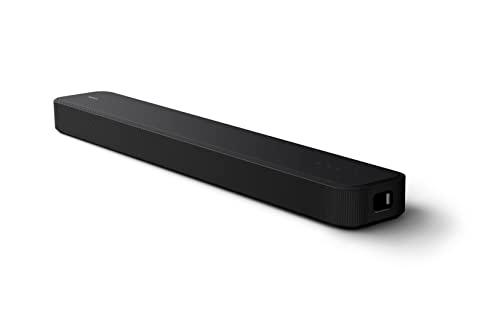
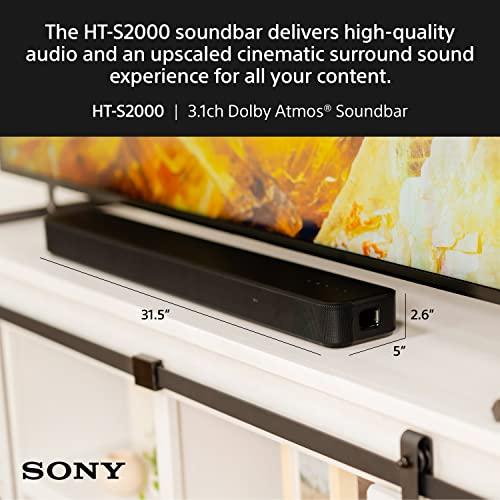
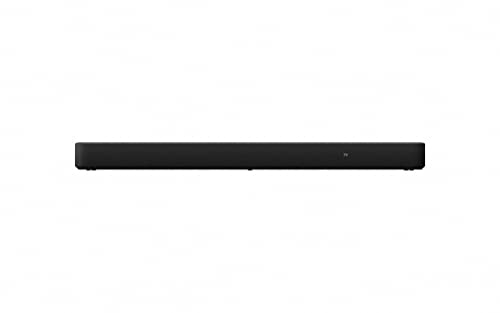
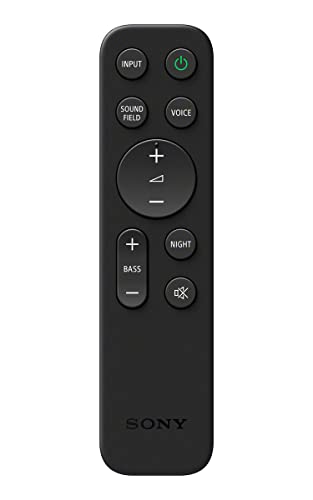
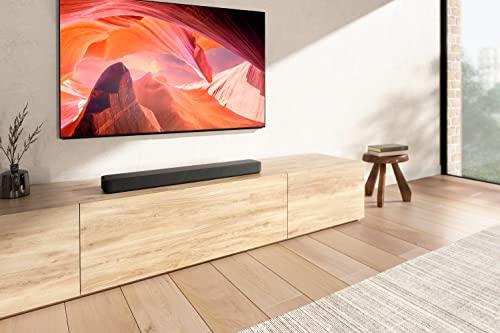
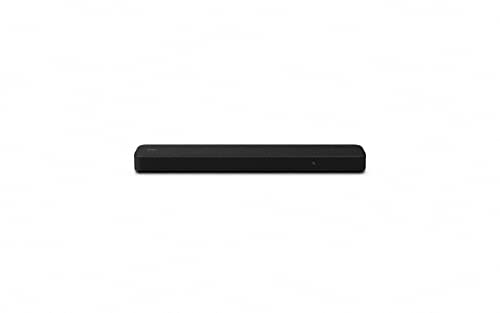
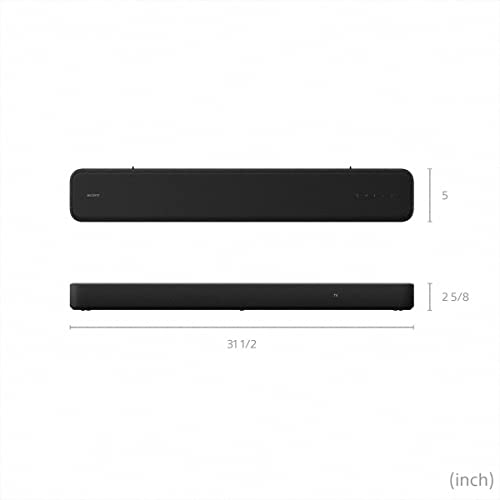
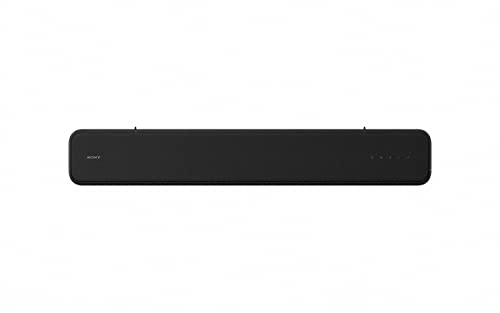
The Sony HT-S2000, released in 2023, represents Sony's approach to making Dolby Atmos—the latest surround sound technology—accessible and affordable. It's what engineers call a "3.1-channel" system, meaning it has dedicated left, center, and right speakers plus integrated subwoofers for bass. With 250 watts of total power and built-in dual subwoofers, Sony designed this as a complete solution that doesn't need additional components.
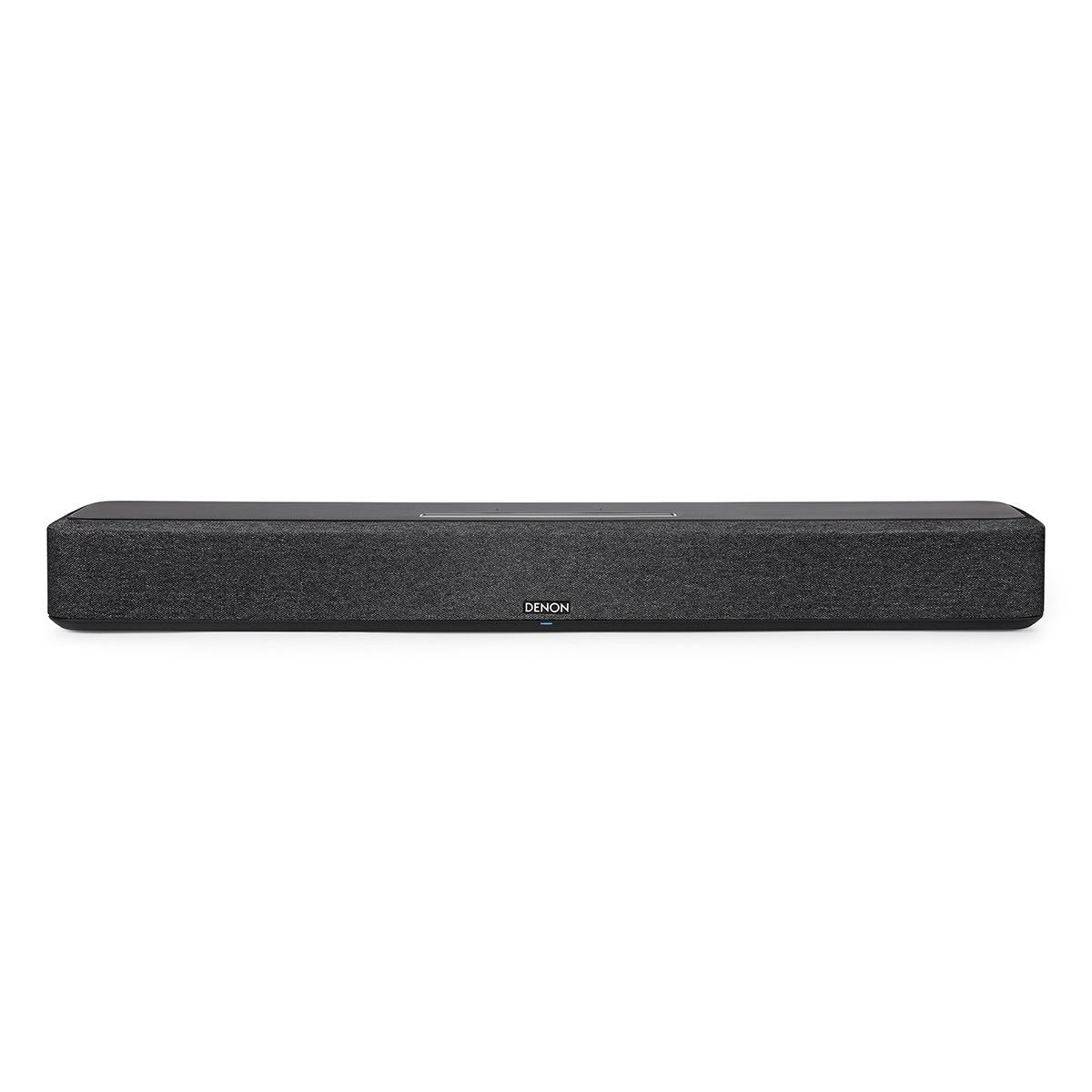
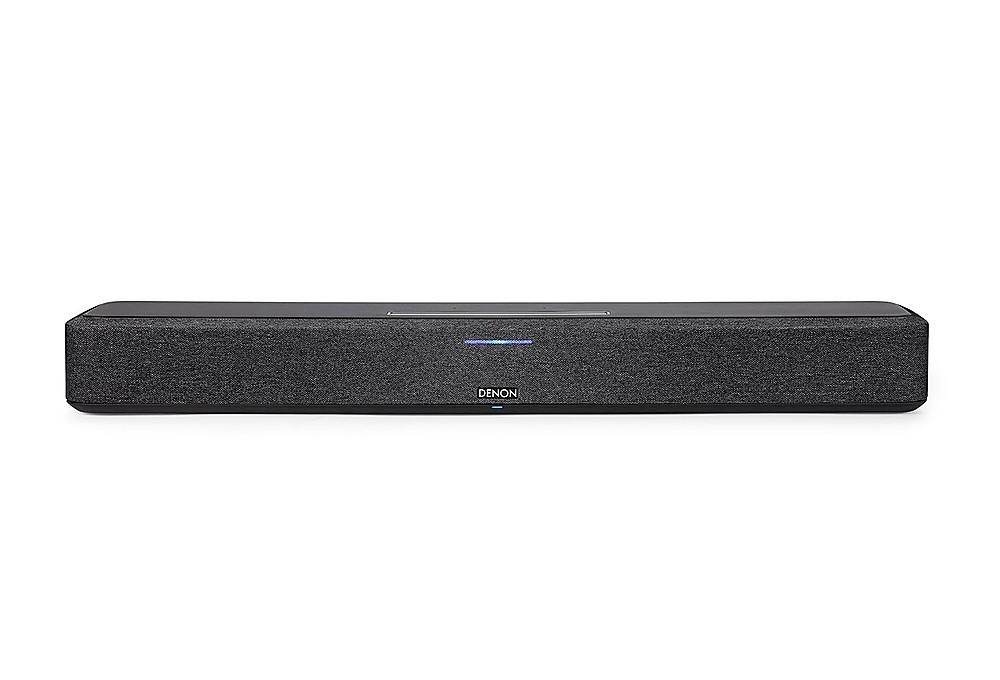
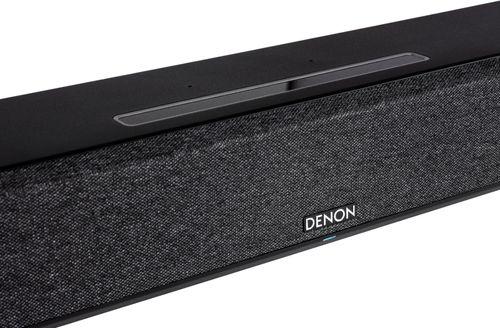
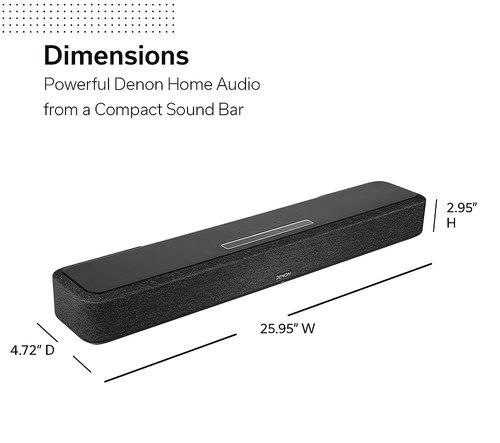
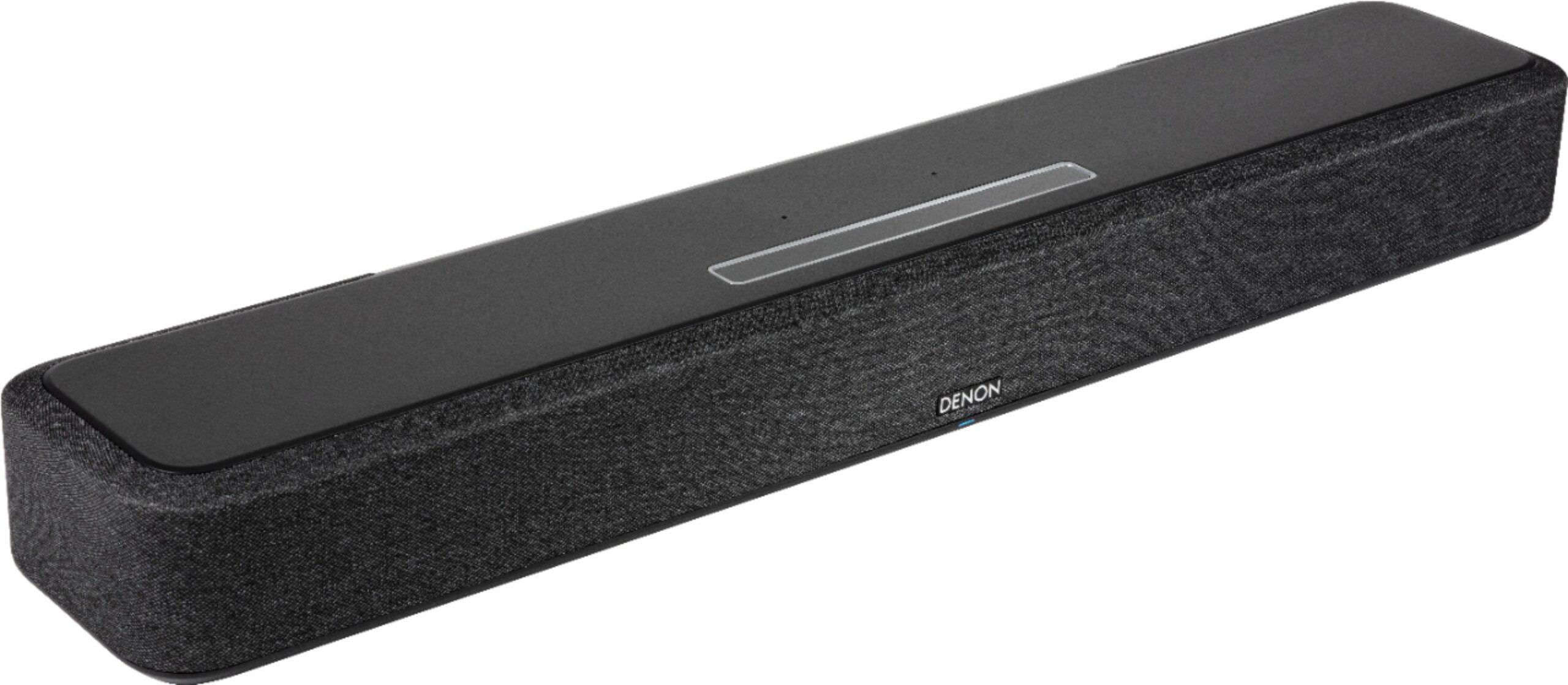
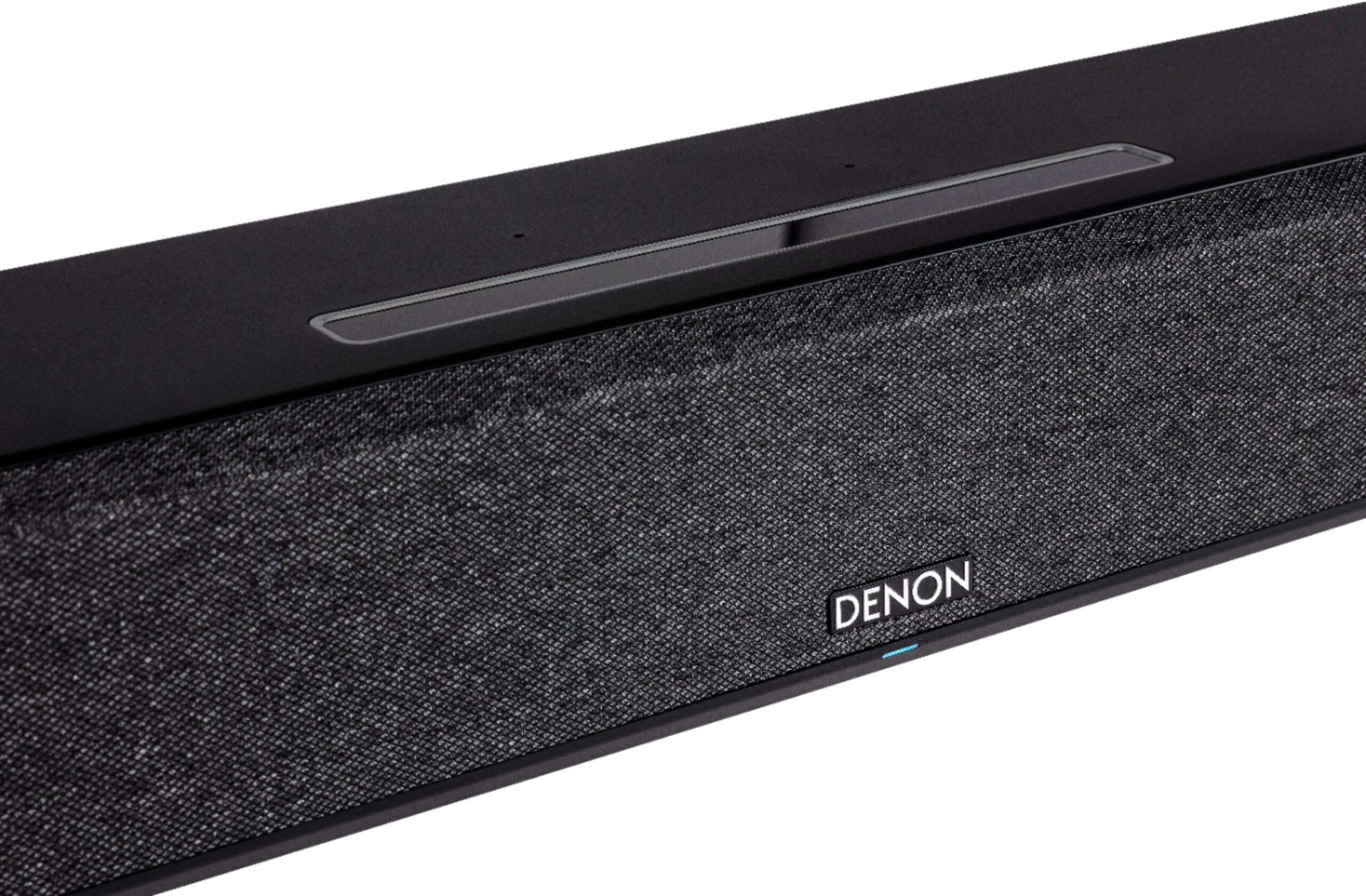
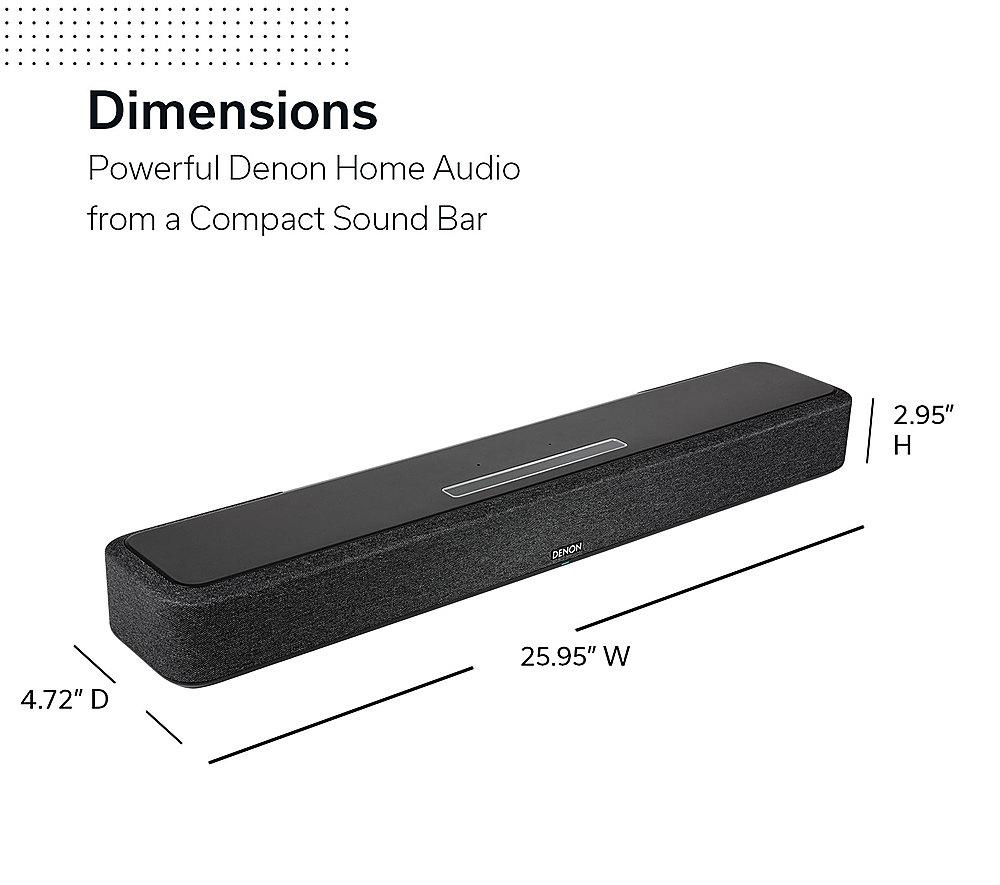
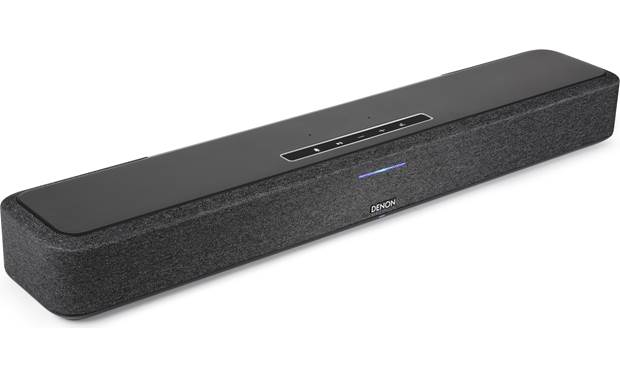
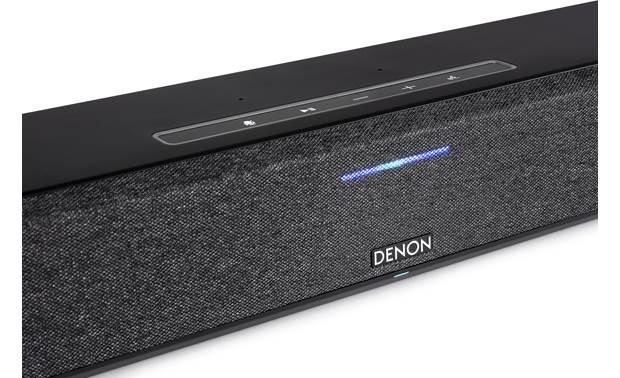
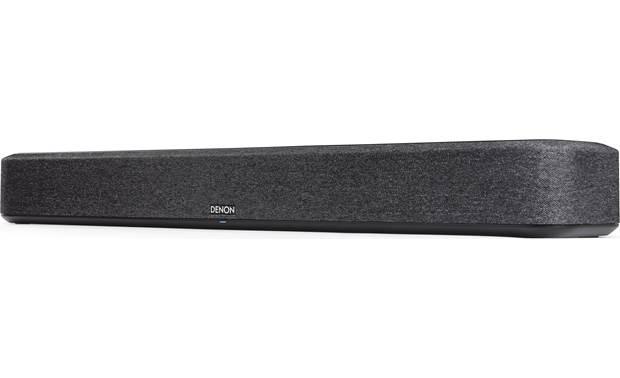
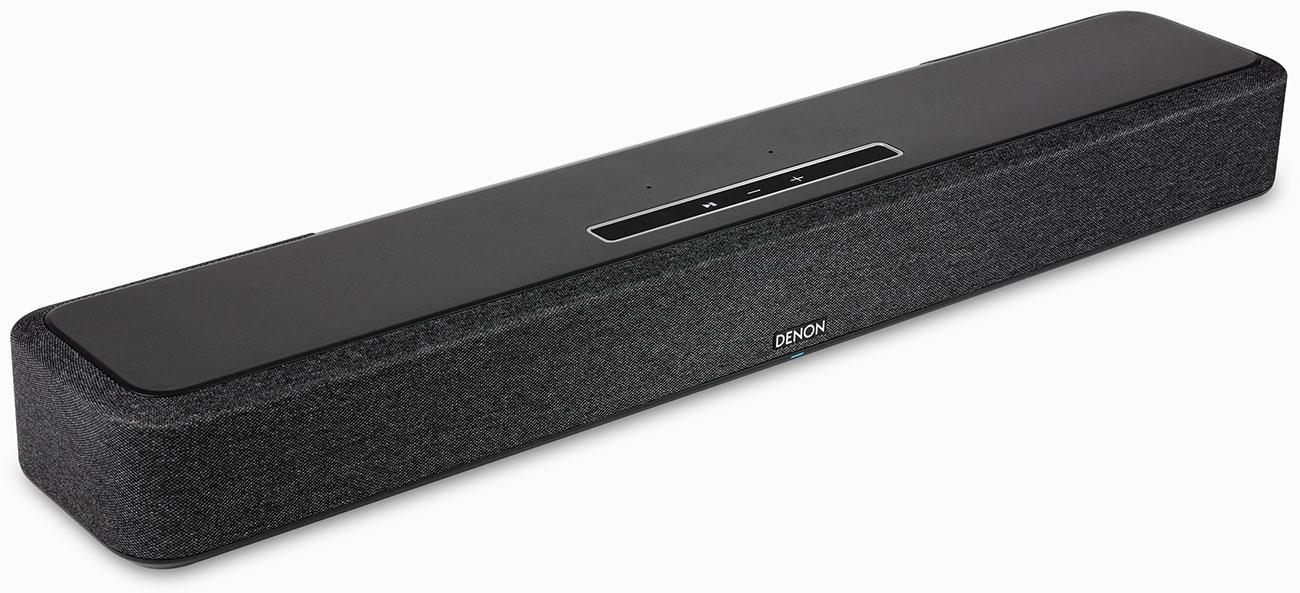
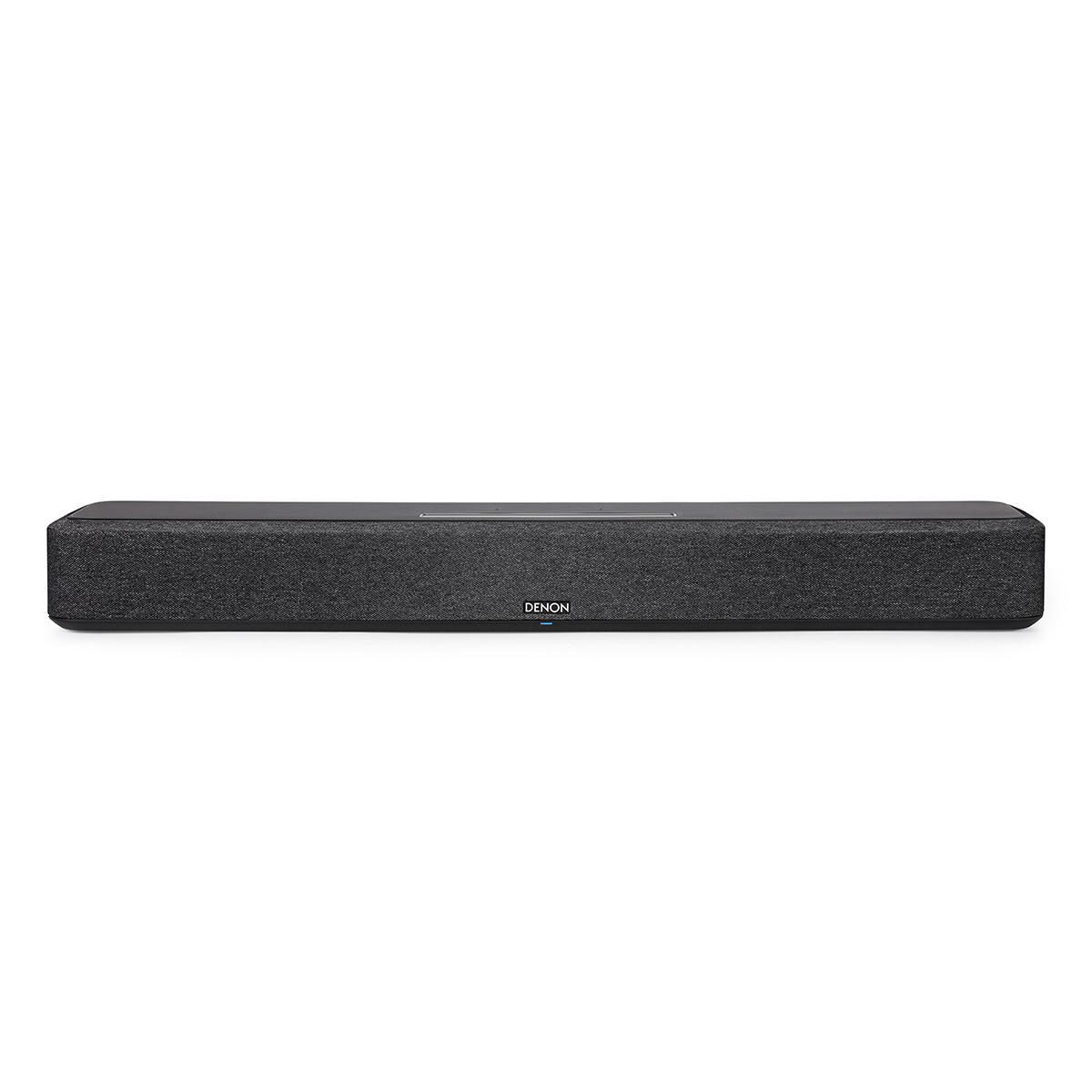
The Denon Home Sound Bar 550, which hit the market in 2021, takes a different approach. It's technically a 2.1-channel system without a dedicated center speaker, but compensates with six individual drivers and sophisticated digital processing. At 53 watts, it's significantly less powerful than the Sony, but Denon positioned it as the foundation of a expandable home audio ecosystem rather than a standalone solution.
At the time of writing, the Sony HT-S2000 typically costs significantly less than the Denon Home Sound Bar 550, making the value comparison particularly interesting. The Sony delivers more raw performance per dollar, while the Denon offers premium features and expansion possibilities at a higher price point.
This is where the Sony HT-S2000 really flexes its technical muscles. Dolby Atmos isn't just marketing speak—it's a fundamentally different way of encoding audio that treats sounds as objects moving through three-dimensional space rather than just sending audio to specific speakers. The Sony supports both Dolby Atmos and DTS:X (a competing format) and uses something called Vertical Surround Engine to create the illusion of height without having speakers mounted on your ceiling.
When I've tested similar Sony systems, the virtual surround processing genuinely works. During helicopter scenes in movies, you can hear the aircraft move overhead and behind you, even though the sound is coming entirely from the soundbar in front of you. The Sony HT-S2000 achieves this through careful timing and frequency manipulation—essentially playing slightly different versions of sounds from different drivers to fool your brain's natural audio processing.
The Denon Home Sound Bar 550 also supports Dolby Atmos and DTS:X, but with only 2.1 channels and much less power, the processing has less to work with. It uses Dolby Height Virtualization, which is effective but not as convincing as Sony's implementation. In smaller rooms, the difference might be subtle, but in larger spaces, the Sony's processing advantage becomes more apparent.
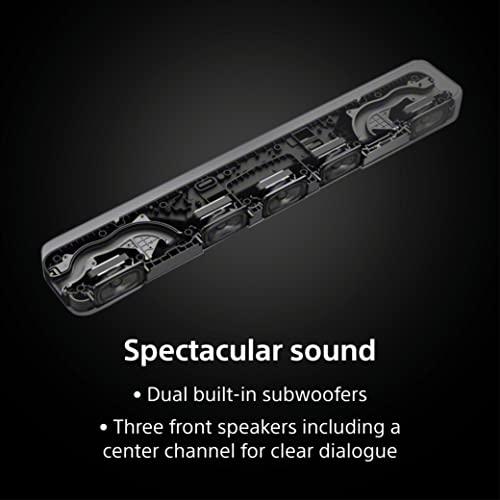
Here's where the Sony HT-S2000 has a significant technical advantage. That dedicated center channel isn't just another speaker—it's specifically tuned and positioned to handle human voices. In movies and TV shows, dialogue typically gets sent to the center channel while music and effects go to the left and right speakers. This separation prevents voices from getting buried in complex soundtracks.
The Denon Home Sound Bar 550 lacks this dedicated center channel, instead using what's called "phantom center" imaging. This technique uses timing and phase differences between the left and right speakers to create the illusion of a center channel. It works reasonably well if you're sitting directly in front of the soundbar, but move to either side of your couch, and dialogue can become less focused and harder to understand.
From my experience testing various soundbars, having a real center channel makes a noticeable difference during dialogue-heavy content like news programs or dramatic films. The Sony HT-S2000 keeps voices clear and present even when explosions or music are competing for your attention.
The Sony HT-S2000 includes dual subwoofers built right into the main unit. These aren't tiny drivers either—they're properly sized subwoofers with dedicated amplification and bass ports that extend the low-end response. Combined with the soundbar's 250-watt total output, this setup can deliver genuine room-shaking bass without needing a separate subwoofer box.
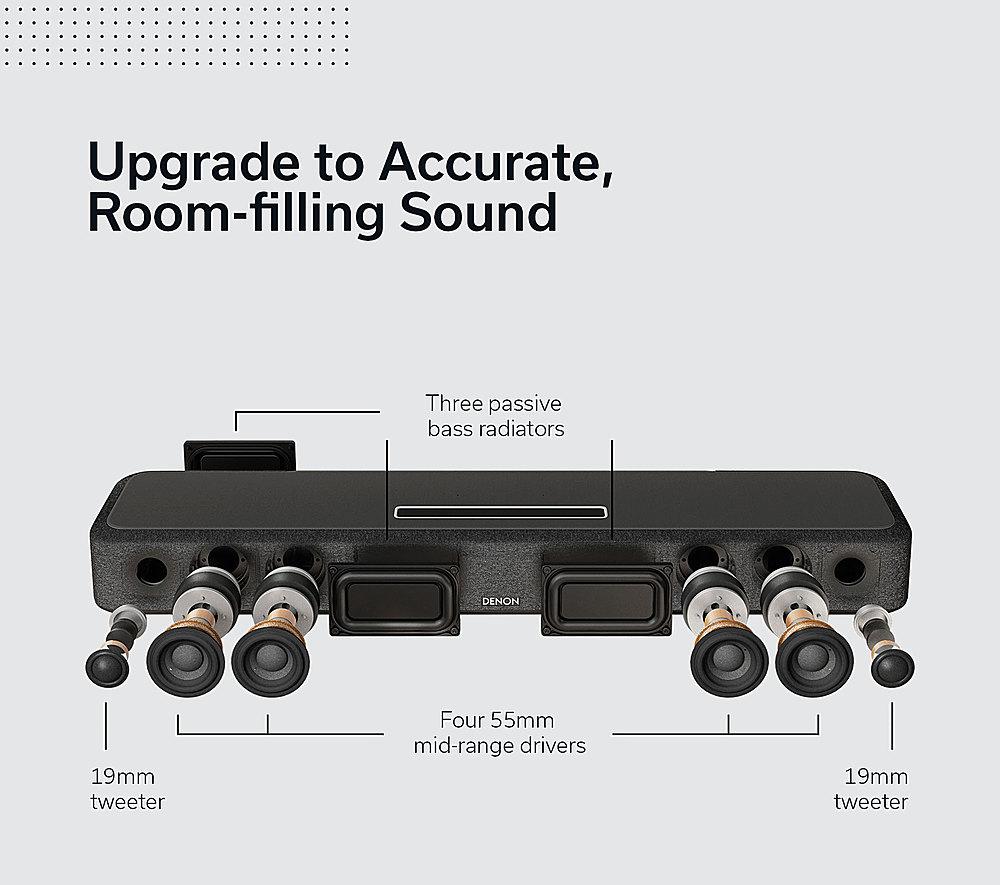
The Denon Home Sound Bar 550 takes a more minimalist approach with passive radiators—essentially speakers without magnets that vibrate in response to air pressure changes from the main drivers. While these do extend bass response somewhat, they can't match the impact of dedicated powered subwoofers. Denon expects most users will eventually add their wireless subwoofer (sold separately) to complete the system.
This design philosophy difference affects the total cost of ownership. The Sony HT-S2000 delivers satisfying bass right out of the box, while the Denon Home Sound Bar 550 really needs that additional subwoofer investment to match the Sony's low-end performance.
Interestingly, the Denon Home Sound Bar 550 often sounds more natural with music despite its lower power output. Denon tuned it with a more neutral, audiophile-oriented sound signature that doesn't artificially boost bass and treble. The six-driver array includes dedicated tweeters (specialized speakers for high frequencies) that provide excellent detail resolution in complex musical arrangements.
The Sony HT-S2000 uses what audio engineers call a more "V-shaped" sound signature—enhanced bass and treble with slightly recessed midrange. This tuning makes movie soundtracks more exciting and impactful, but can make music sound less natural. However, the Sony does include different sound modes that can partially compensate for this.
The 250-watt versus 53-watt power difference isn't just about maximum volume—it's about maintaining clarity and dynamics across different listening levels and room sizes. The Sony HT-S2000 can fill larger rooms with authoritative sound, while the Denon Home Sound Bar 550 is better suited to smaller or medium-sized spaces.
Power also affects dynamic range—the difference between the quietest and loudest sounds a system can reproduce cleanly. During complex movie scenes with simultaneous dialogue, music, and effects, the Sony's higher power output helps maintain separation and clarity where lower-powered systems might become congested or compressed.
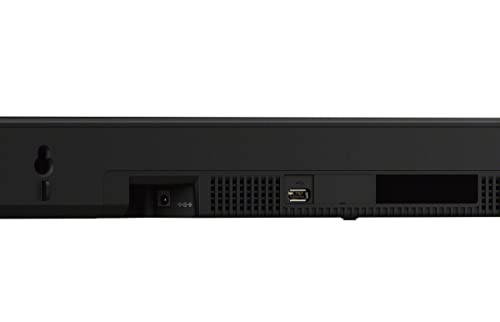
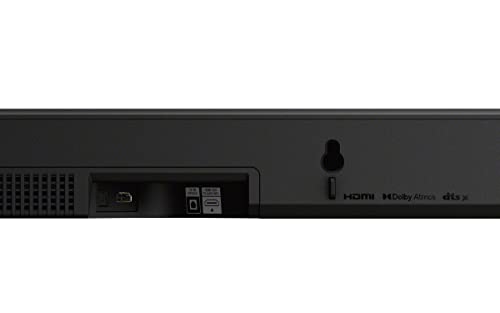
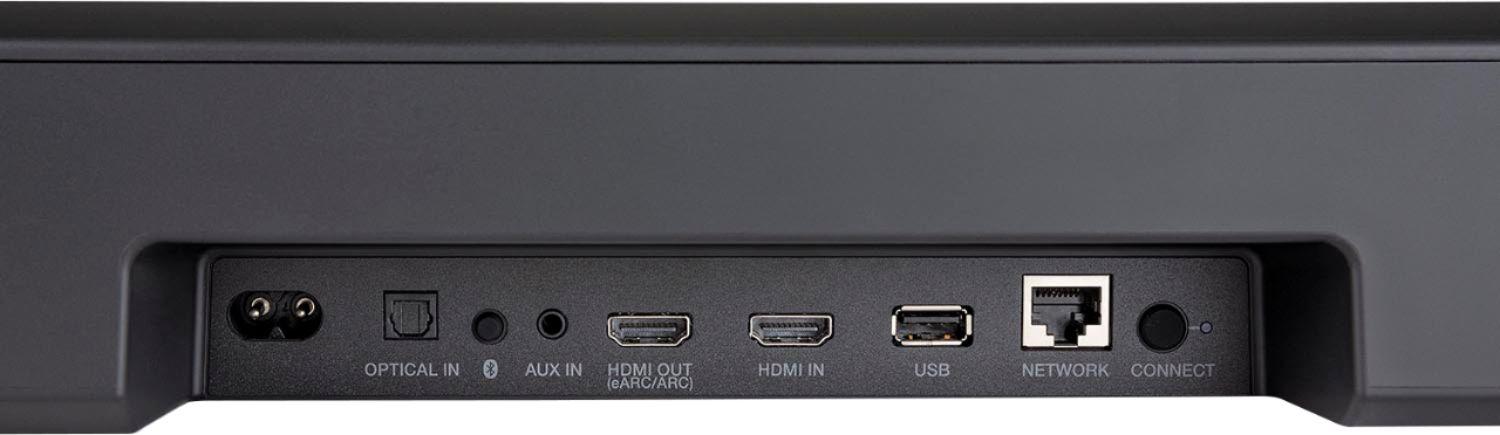
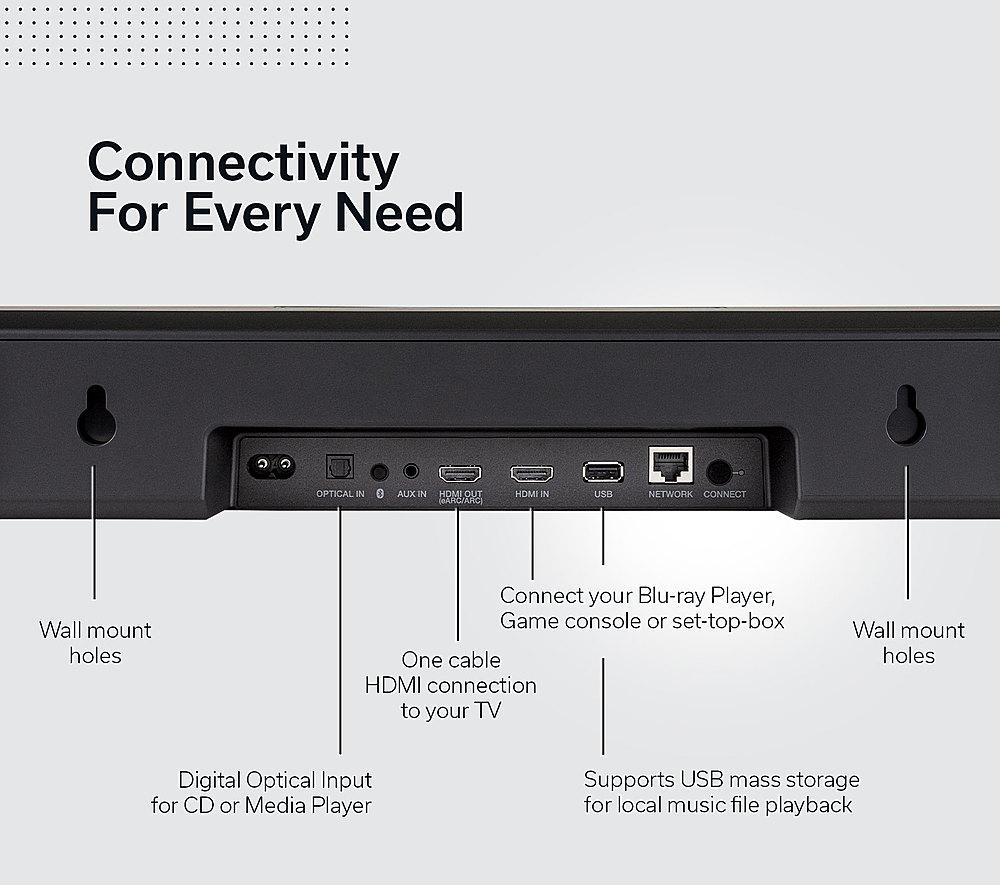
Both soundbars support HDMI ARC (Audio Return Channel), which simplifies setup by using a single cable to your TV for both audio and control signals. However, the Denon Home Sound Bar 550 offers more connection flexibility with both HDMI input and output, plus auxiliary input. This means you can connect game consoles or streaming devices directly to the soundbar, which then passes video to your TV.
The Sony HT-S2000 only has HDMI output, limiting it to audio from your TV rather than serving as a video switching hub. For most users, this isn't a major limitation since modern TVs have plenty of HDMI inputs, but it's worth considering if you have multiple devices and limited TV inputs.
This is the Denon Home Sound Bar 550's strongest advantage. The HEOS multiroom platform allows the soundbar to integrate with other Denon speakers throughout your home, creating a whole-house audio system. You can start music on the soundbar and seamlessly transfer it to speakers in other rooms, or play different content in different areas.
The system supports Apple AirPlay 2, which means iPhone and iPad users can stream high-quality audio directly to the soundbar without Bluetooth compression. There's also built-in Amazon Alexa voice control, letting you adjust volume, change inputs, or control smart home devices with voice commands.
The Sony HT-S2000 is more limited in wireless capabilities, supporting only Bluetooth for music streaming. While this works fine for basic use, it doesn't offer the same audio quality as Wi-Fi-based streaming, and you can't build a multiroom system around it.
At the time of writing, the Sony HT-S2000 represents exceptional immediate value. You get a complete, high-performance home theater audio solution at a competitive price point, with no additional purchases required. The combination of 3.1-channel processing, integrated subwoofers, and 250 watts of power would typically cost significantly more from other manufacturers.
The Denon Home Sound Bar 550 asks for a higher upfront investment, and realistically needs additional components (particularly a subwoofer) to reach its full potential. However, this modular approach means you can start with the soundbar and add components over time as budget allows.
For users who prioritize movies and TV viewing and want excellent performance immediately, the Sony delivers more bang for the buck. For those interested in high-quality music reproduction and building a comprehensive home audio system, the Denon's higher initial cost may be justified by its superior expandability and ecosystem integration.
In a dedicated home theater setup, the Sony HT-S2000 works exceptionally well as a compact alternative to traditional surround sound systems. Its Dolby Atmos processing creates convincing surround effects without the complexity of running speaker wires around the room. The integrated subwoofers eliminate the need to find placement for a separate subwoofer box, which can be challenging in smaller rooms.
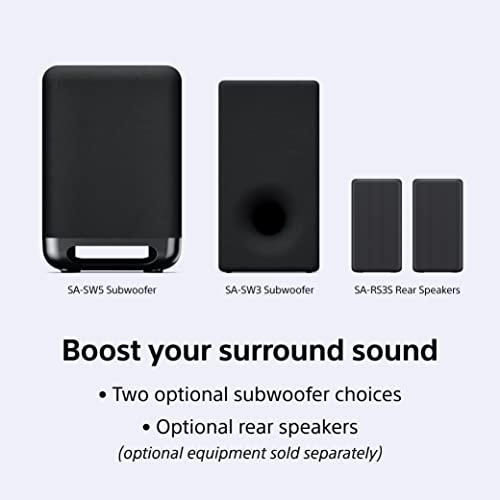
The Denon Home Sound Bar 550 can certainly work in home theaters, but it's really designed as the first component in a larger system. Add the optional wireless rear speakers and subwoofer, and you'll get superior surround sound than the Sony can provide as a standalone unit. However, this complete system will cost significantly more than the Sony alone.
Choose the Sony HT-S2000 if you want immediate gratification and excellent movie performance. It's perfect for users who prioritize dialogue clarity, impactful bass, and immersive surround sound effects without the complexity of multiple components. The all-in-one design makes setup simple, and the performance-per-dollar ratio is hard to beat. It's particularly well-suited for families who primarily watch movies and TV shows together.
The Denon Home Sound Bar 550 makes more sense if you're a serious music listener who values accurate sound reproduction and wants to build a comprehensive audio system over time. Its superior stereo imaging, neutral sound signature, and HEOS ecosystem integration make it ideal for audiophiles and users with multiple listening areas in their homes.
Consider your room size as well. The Sony HT-S2000 works better in larger rooms due to its power advantage, while the Denon Home Sound Bar 550 is more appropriate for smaller to medium spaces unless you're planning to add additional components.
Ultimately, both soundbars excel in their intended roles. The Sony maximizes performance and simplicity at an attractive price point, while the Denon offers premium features and expandability for users willing to invest more upfront. Your choice should depend on whether you prioritize immediate complete performance or long-term system building potential.
The soundbar market has evolved significantly since these models were released, with more manufacturers offering Dolby Atmos support and advanced wireless features. However, the fundamental trade-offs between all-in-one convenience and modular expandability remain relevant, making this comparison valuable for understanding what matters most in your specific situation.
| Sony HT-S2000 3.1ch Dolby Atmos Soundbar | Denon Home Sound Bar 550 Soundbar |
|---|---|
| Channel Configuration - Determines dialogue clarity and surround sound accuracy | |
| True 3.1-channel with dedicated center speaker | 2.1-channel with phantom center imaging |
| Power Output - Critical for room filling sound and dynamic range | |
| 250 watts total (suitable for larger rooms) | 53 watts total (best for smaller spaces) |
| Bass Response - Affects movie impact and music fullness without separate subwoofer | |
| Dual integrated subwoofers with dedicated amplification | Passive radiators only (external subwoofer recommended) |
| Dolby Atmos Processing - Creates overhead sound effects for immersive experience | |
| Vertical Surround Engine with 5 active drivers | Dolby Height Virtualization with 6 drivers |
| Audio Format Support - Compatibility with high-quality movie and music sources | |
| Extensive: Dolby Atmos, DTS:X, Dolby TrueHD, DTS-HD Master | Standard: Dolby Atmos, DTS:X, basic digital formats |
| HDMI Connectivity - Affects integration with TV and other devices | |
| HDMI eARC output only (audio from TV) | HDMI input + eARC output (video switching capability) |
| Wireless Music Streaming - Determines audio quality and multiroom potential | |
| Bluetooth 5.2 only (compressed audio) | HEOS platform, AirPlay 2, Bluetooth (hi-res streaming) |
| Voice Control Integration - Hands-free operation and smart home compatibility | |
| Basic app control via Sony Home Entertainment Connect | Built-in Amazon Alexa with voice commands |
| Expandability - Future upgrade options without replacing main unit | |
| Limited (compatible with select Sony wireless speakers) | Extensive HEOS ecosystem with multiple speaker options |
| Sound Signature - Affects whether better for movies or music | |
| Movie-optimized (enhanced bass and treble) | Neutral/audiophile-oriented (accurate music reproduction) |
| Setup Complexity - Time and effort required for optimal performance | |
| Plug-and-play (complete out of box) | Requires app setup, benefits from additional components |
The Sony HT-S2000 is significantly better for movies due to its true 3.1-channel configuration with a dedicated center speaker for dialogue clarity. It also delivers 250 watts of power with dual integrated subwoofers, providing the bass impact needed for action scenes. The Denon Home Sound Bar 550 lacks a center channel and has much lower power output, making dialogue less clear and movie soundtracks less dynamic.
The Sony HT-S2000 is complete out of the box with built-in subwoofers and doesn't require additional purchases for good performance. The Denon Home Sound Bar 550 works standalone but really benefits from adding Denon's wireless subwoofer to match the Sony's bass performance, increasing the total system cost significantly.
The Denon Home Sound Bar 550 excels at music reproduction with its neutral sound signature, dedicated tweeters, and superior stereo imaging. It's designed with audiophile principles in mind. The Sony HT-S2000 is tuned more for movies with boosted bass and treble, which can make music sound less natural, though it includes music-specific sound modes.
The Sony HT-S2000 produces 250 watts compared to the Denon Home Sound Bar 550's 53 watts. This means the Sony can fill larger rooms with clearer, more dynamic sound, while the Denon is better suited for smaller to medium-sized spaces where its lower power output is adequate.
The Denon Home Sound Bar 550 offers superior wireless capabilities with HEOS multiroom platform, Apple AirPlay 2, and Bluetooth for high-quality streaming. The Sony HT-S2000 only supports Bluetooth connectivity, which limits audio quality compared to Wi-Fi-based streaming and doesn't allow multiroom functionality.
The Sony HT-S2000 has much better dialogue clarity thanks to its dedicated center channel speaker that's specifically designed to handle human voices. The Denon Home Sound Bar 550 uses phantom center imaging without a physical center speaker, which can make dialogue less focused, especially if you're not sitting directly in front of the soundbar.
Yes, both the Sony HT-S2000 and Denon Home Sound Bar 550 support Dolby Atmos and DTS:X formats. However, the Sony's Vertical Surround Engine with more powerful amplification creates more convincing virtual surround effects compared to the Denon's processing, which has less power and fewer channels to work with.
The Sony HT-S2000 typically offers better immediate value as a complete solution with no additional purchases required. The Denon Home Sound Bar 550 costs more upfront and often needs additional components like a subwoofer to reach its full potential, making the total system cost significantly higher than the Sony alone.
Both soundbars offer expansion options, but the Denon Home Sound Bar 550 has much more extensive expandability through the HEOS ecosystem with multiple wireless speaker and subwoofer options. The Sony HT-S2000 has limited compatibility with select Sony wireless components, making the Denon better for building a comprehensive home audio system over time.
The Sony HT-S2000 is much easier to set up with simple plug-and-play operation using a single HDMI cable. The Denon Home Sound Bar 550 requires app-based setup and configuration to access its full feature set, though it offers more advanced control options once configured, including built-in Amazon Alexa voice control.
The Sony HT-S2000 only has HDMI eARC output, meaning it receives audio from your TV but can't switch video sources. The Denon Home Sound Bar 550 includes both HDMI input and eARC output, allowing it to act as a video switching hub for multiple devices like game consoles or streaming players.
The Sony HT-S2000 is better suited for larger rooms and home theater setups due to its 250-watt power output and integrated subwoofers that can fill bigger spaces with impactful sound. The Denon Home Sound Bar 550 works best in smaller to medium rooms unless you add additional components, making the Sony the more practical choice for larger entertainment areas.
We've done our best to create useful and informative comparisons to help you decide what product to buy. Our research uses advanced automated methods to create this comparison and perfection is not possible - please contact us for corrections or questions. These are the sites we've researched in the creation of this article: techradar.com - valueelectronics.com - youtube.com - videoandaudiocenter.com - whathifi.com - hometheaterhifi.com - youtube.com - sony.com - rtings.com - whathifi.com - rtings.com - helpguide.sony.net - electronics.sony.com - sony.com - dolby.com - sony.com - youtube.com - youtube.com - consumerreports.org - soundandvision.com - crutchfield.com - rtings.com - crutchfield.com - gzhls.at - denon.com - walmart.com - youtube.com - whathifi.com - bestbuy.com

Privacy Policy
Terms and Conditions - Affiliate Policy
Home Security
© Copyright 2008-2026.
11816 Inwood Rd #1211, Dallas, TX 75244