






When I first started testing soundbars five years ago, the difference between budget and mid-range models was night and day. Today's market tells a different story—manufacturers have pushed impressive technology down to entry-level products, making the choice between something like the Sony HT-S2000 and Samsung HW-Q800D more nuanced than ever.
Both soundbars promise to transform your TV's weak built-in speakers into something worth listening to, but they take completely different approaches. After spending time with both systems, I've found they serve distinctly different audiences despite competing for your entertainment center real estate.
Before diving into specifics, let's establish what we're really talking about when we compare soundbars in 2024. The soundbar market has evolved dramatically since these flat speaker arrays first appeared as simple TV audio upgrades. Today's models pack sophisticated audio processing, multiple drivers (individual speakers), and support for advanced surround sound formats that were once exclusive to expensive home theater systems.
The numbers you see—like "3.1" or "5.1.2"—aren't marketing gibberish. They describe how many audio channels the soundbar can handle. The first number represents main speakers (left, right, and center), the second indicates subwoofer channels for bass, and the optional third number shows height channels for overhead effects. More channels generally mean more immersive sound, but as we'll see, the implementation matters more than the raw numbers.
Audio formats like Dolby Atmos have revolutionized home entertainment by adding height information to soundtracks. Instead of sound just coming from left and right, Atmos can place specific sounds above, behind, and around you. However, not all soundbars handle these formats equally—some use clever processing tricks while others employ dedicated speakers pointed in different directions.
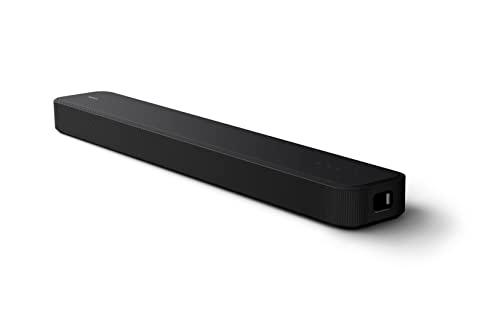
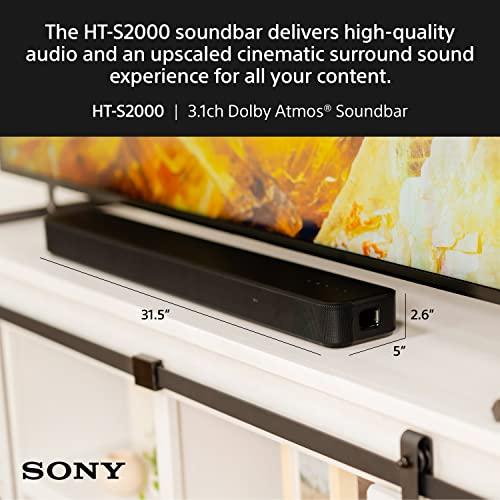
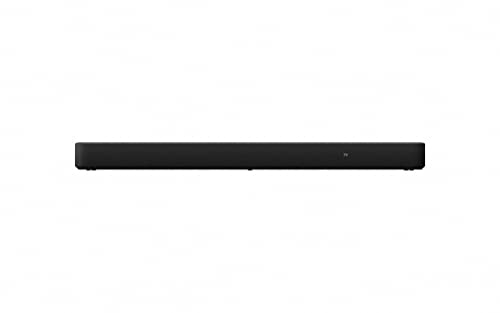
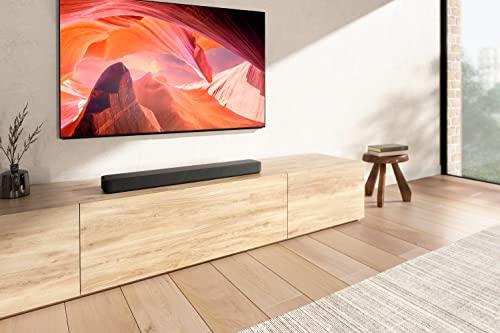
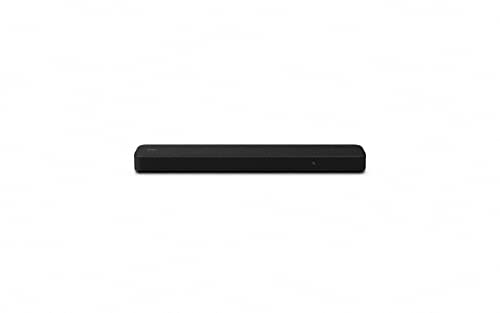
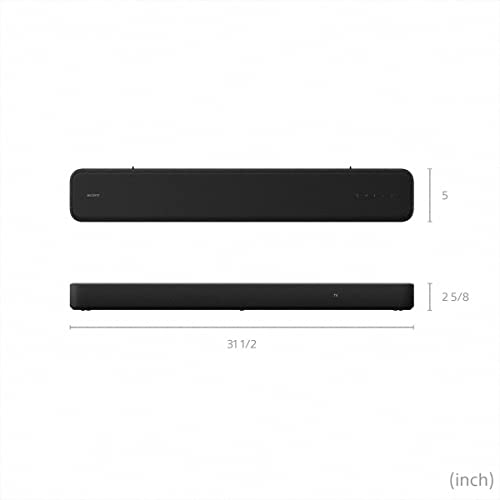
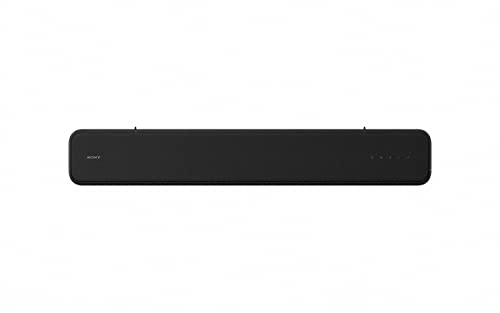
Released in 2023, the Sony HT-S2000 represents what I consider the sweet spot for entry-level Dolby Atmos. At just over 31 inches wide and weighing about 8 pounds, this soundbar proves that good things come in small packages—literally.
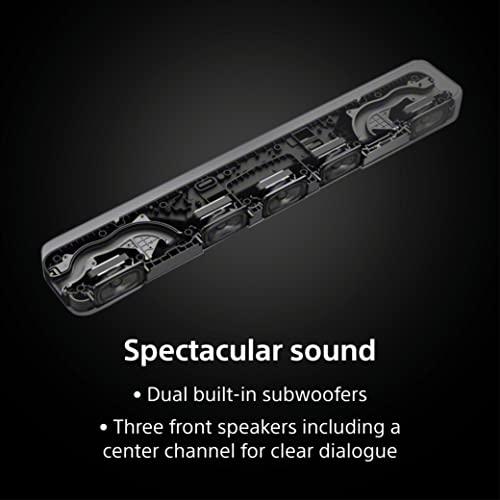
What immediately strikes me about the Sony HT-S2000 is its simplicity. Unlike many modern soundbars that arrive with multiple boxes and wireless components, Sony's approach puts everything into a single unit. The built-in dual subwoofers eliminate the need for a separate bass speaker that takes up floor space—a significant advantage for apartment dwellers or anyone with spatial constraints.
Sony's engineers achieved this compactness through their X-Balanced Speaker Unit design, which uses rectangular drivers instead of traditional round ones. This seemingly minor change allows for larger speaker surface area within the same footprint, theoretically improving both volume and clarity. In practice, the Sony HT-S2000 produces surprisingly robust sound for its size, though it can't completely defy physics when it comes to deep bass reproduction.
The 3.1 channel configuration includes a dedicated center channel—the speaker specifically handling dialogue and vocals. This proves crucial for modern content where voice clarity often suffers due to complex soundtracks and inconsistent audio mixing. During my testing with various Netflix series and movies, dialogue remained intelligible even during action sequences, something many TV speakers struggle with.
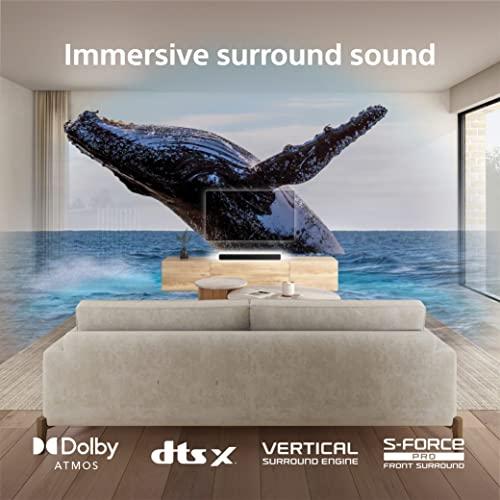
However, the Sony HT-S2000 employs what Sony calls the Vertical Surround Engine for its Dolby Atmos processing. This is essentially sophisticated audio trickery—psychoacoustic processing that manipulates sound waves to create the impression of height and surround effects without physical speakers pointing upward or to the sides. While this works better than you might expect, it's important to understand that you're getting simulated surround sound, not the real thing.
The soundbar supports high-resolution audio formats up to 192kHz/24-bit, meaning it can handle the highest quality music files and streaming content without compression artifacts. For music listening, the Sony HT-S2000 delivers detailed midrange and crisp highs, though the built-in subwoofers, while adequate, lack the authority of a dedicated bass unit.
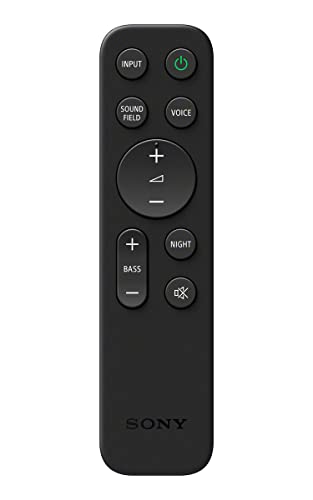
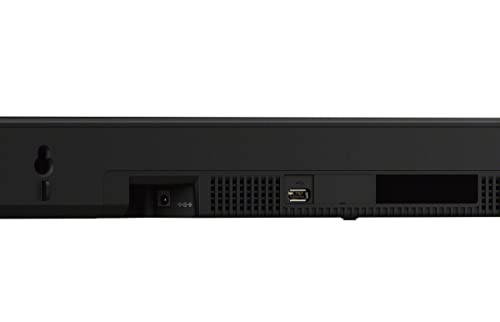
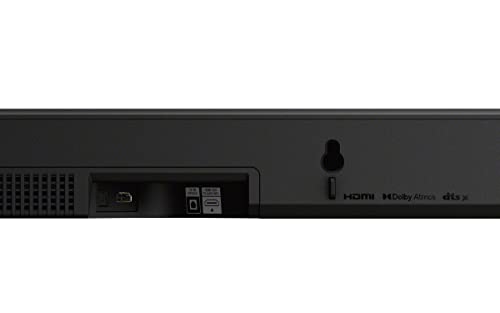
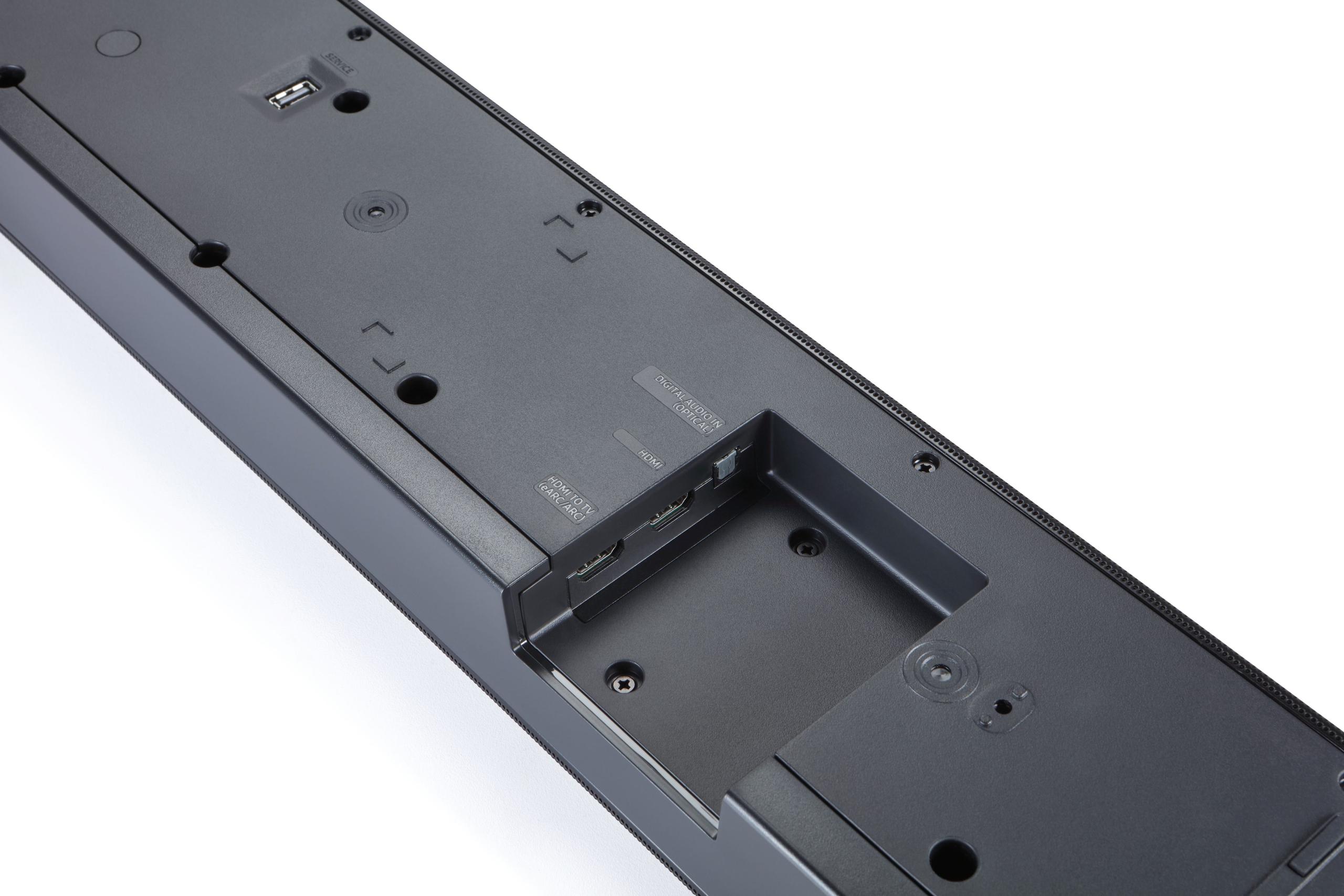
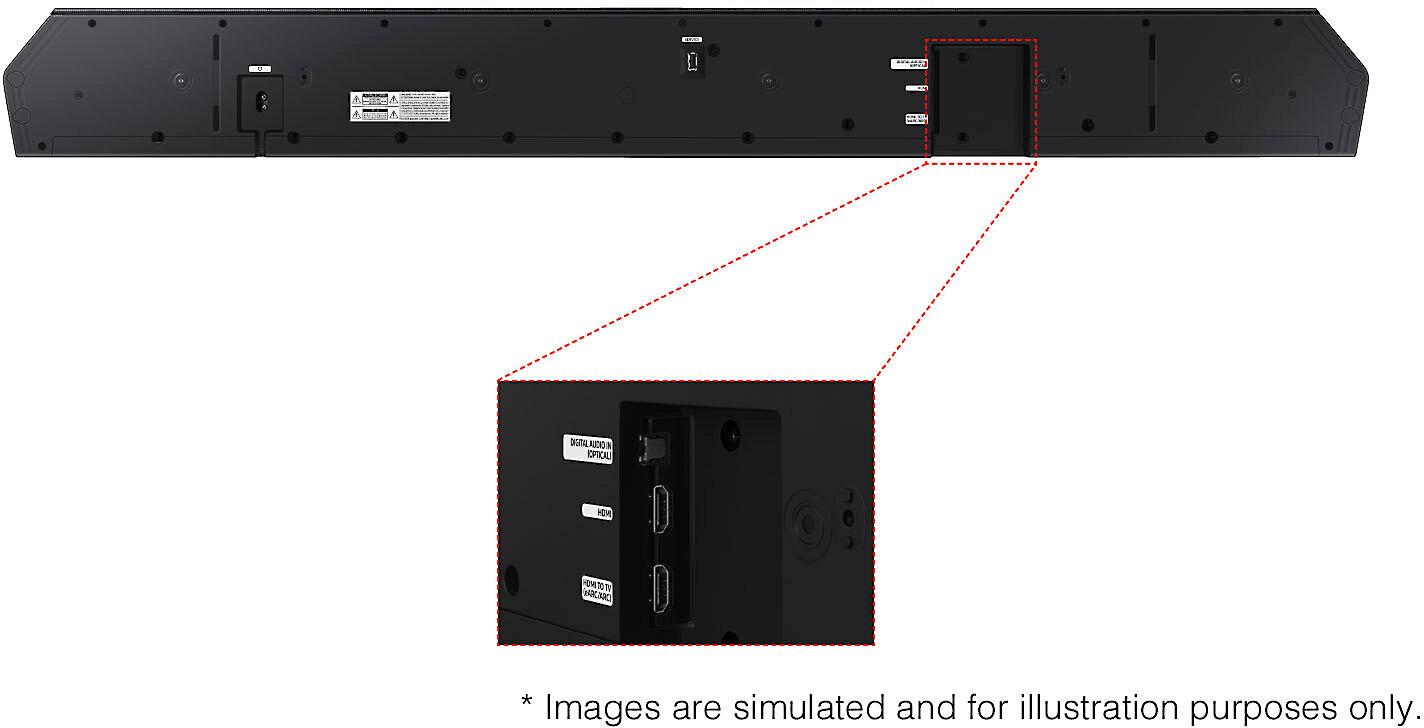
Setup couldn't be simpler—one HDMI cable to your TV's eARC (enhanced Audio Return Channel) port, and you're done. The Sony app provides additional control options, but unlike some competitors, you don't need it for basic operation. This plug-and-play approach appeals to users who want better sound without becoming amateur audio engineers.
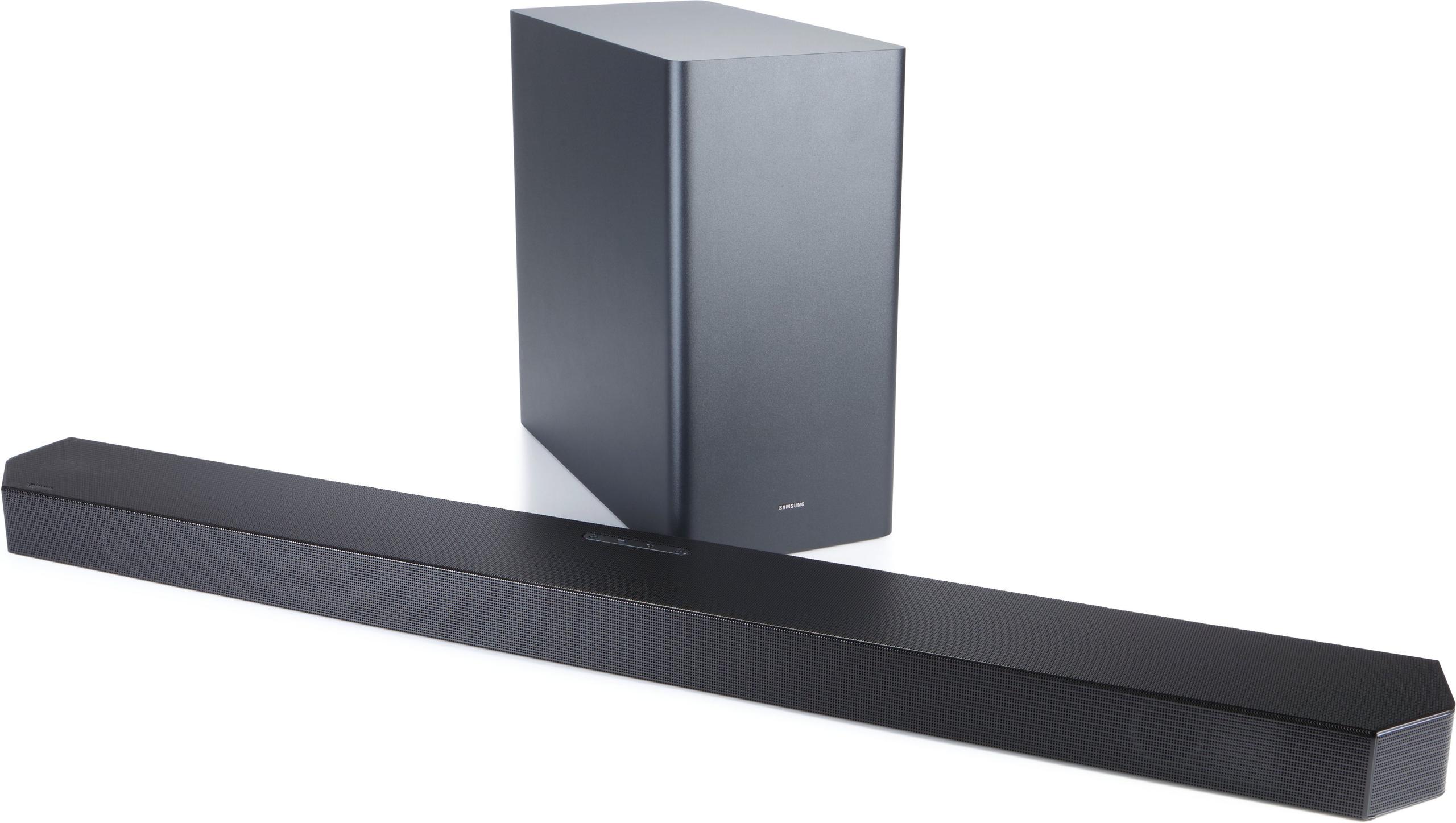
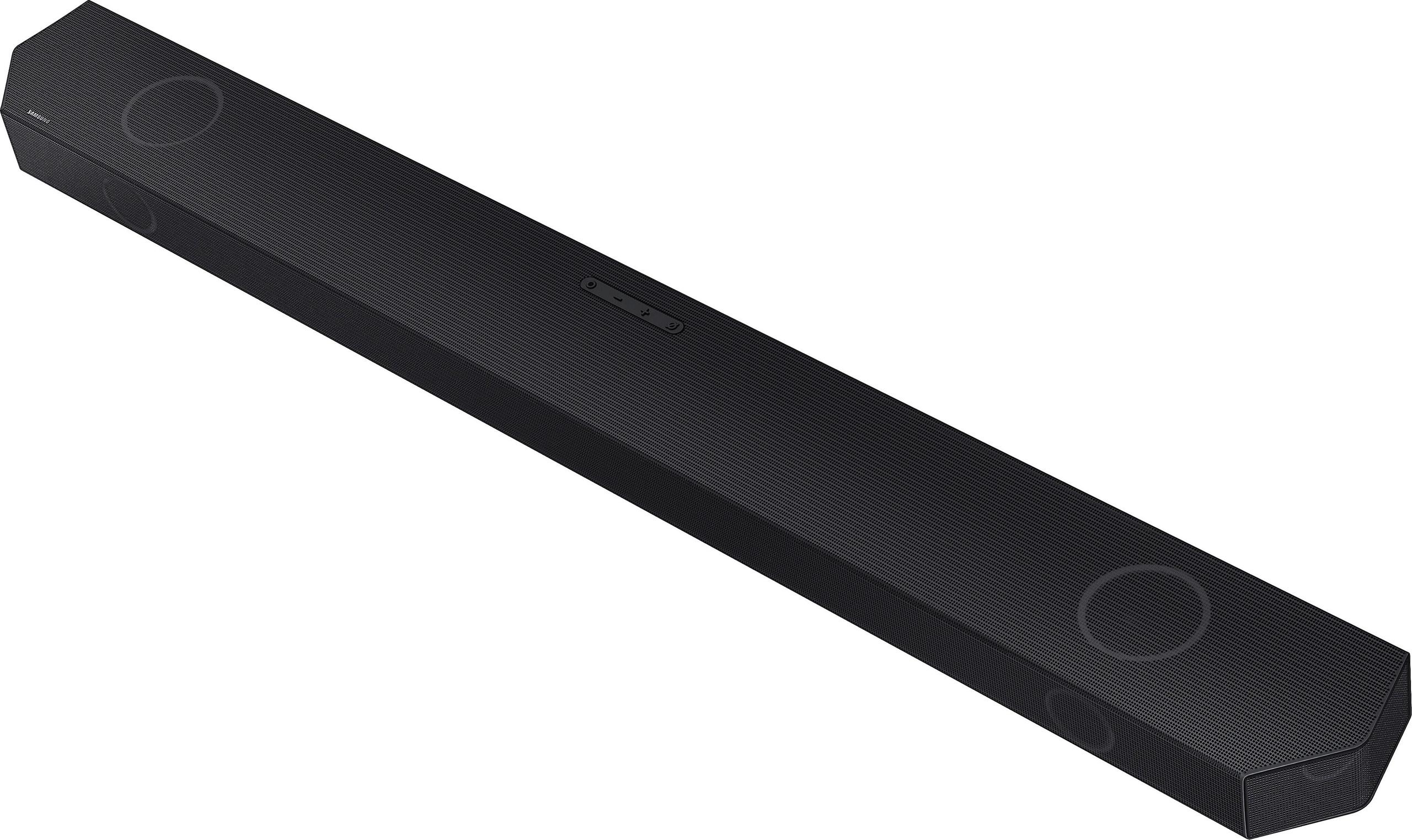
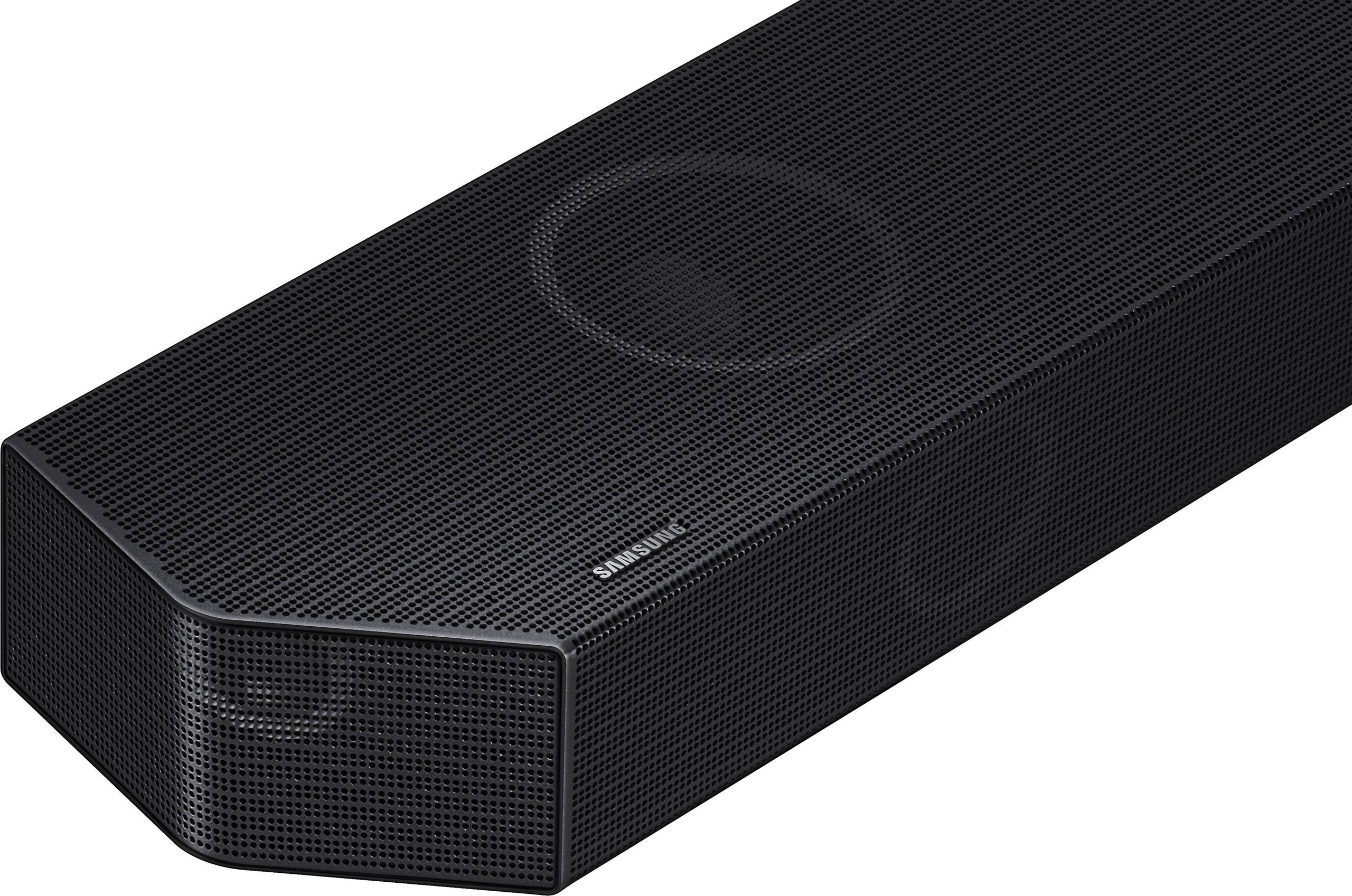
Samsung released the HW-Q800D in 2024 as an evolution of their popular Q800 series, and it represents a fundamentally different philosophy. Where Sony prioritizes simplicity, Samsung focuses on authentic surround sound reproduction, accepting the complexity that comes with superior performance.
The 5.1.2 channel configuration tells the story immediately. You get dedicated left, right, and center front channels, plus discrete surround channels and two height channels specifically for Dolby Atmos overhead effects. The ".2" designation means the Samsung HW-Q800D has actual upward-firing speakers that bounce sound off your ceiling to create genuine height sensation.
This approach produces noticeably more convincing surround effects than the Sony HT-S2000's processing-based solution. During action movie scenes, you'll hear helicopters pass overhead with startling realism, or rain that seems to fall around you rather than just in front of you. The difference becomes particularly apparent with well-mixed Atmos content on streaming services like Disney+ or Netflix.
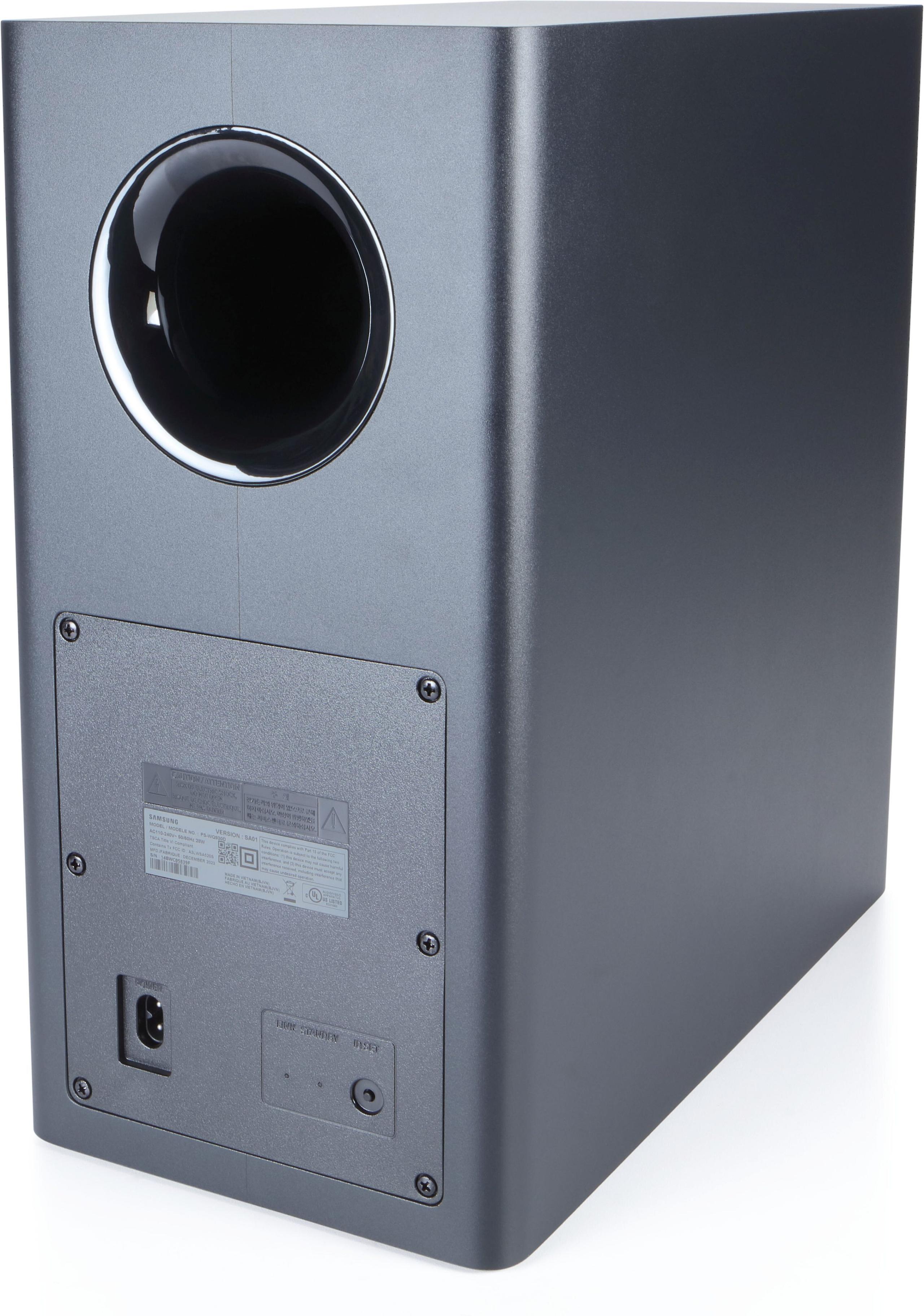
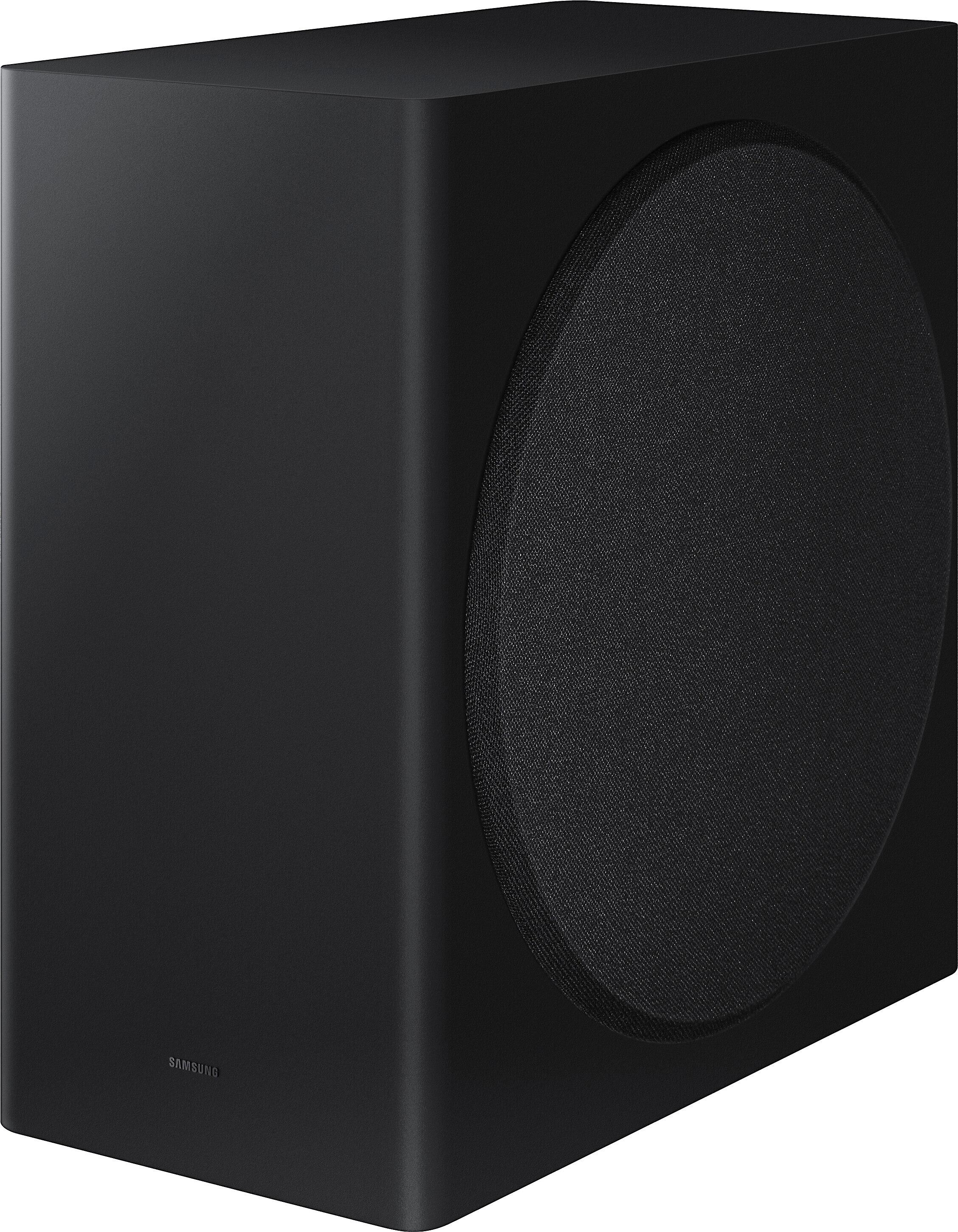
The included wireless subwoofer deserves special mention. Samsung's 8-inch side-firing driver delivers the kind of deep, room-shaking bass that built-in solutions simply cannot match. The wireless connection means you can position it optimally for your room's acoustics rather than being constrained by cable length. In my testing, this subwoofer handled everything from subtle film score bass lines to explosive action sequences with impressive authority.
Samsung's SpaceFit Sound Pro technology uses the soundbar's built-in microphone to analyze your room's acoustics and adjust the sound accordingly. This room correction feature, while not as sophisticated as dedicated home theater processors, does help optimize performance for your specific listening environment. The system measures how sound reflects off your walls and ceiling, then adjusts frequency response to compensate for acoustic irregularities.
The Samsung HW-Q800D also includes Q-Symphony technology, which coordinates the soundbar with compatible Samsung TV speakers rather than disabling them. This creates a larger, more enveloping soundstage by using every available driver in your entertainment system. If you own a Samsung QLED TV, this feature can noticeably enhance the sense of immersion.
For connectivity, Samsung provides more flexibility than Sony. The HDMI input allows the soundbar to serve as a switching hub for multiple devices, supporting 4K HDR10+ passthrough (though not 120Hz for gaming). This means you can connect a Blu-ray player or gaming console directly to the soundbar, then send video to your TV while processing the audio internally.
The fundamental performance difference between these systems lies in their approach to spatial audio reproduction. The Samsung HW-Q800D's dedicated surround and height channels create what acoustics engineers call a "true surround field"—sound sources can be precisely positioned in three-dimensional space around the listener.
The Sony HT-S2000, despite its Dolby Atmos badge, relies on psychoacoustic principles to trick your brain into perceiving surround effects. Sony's Vertical Surround Engine uses phase relationships, frequency filtering, and timing delays to create the impression of height and surround information. While surprisingly effective for a virtual solution, it can't compete with physical speakers placed strategically around the listening area.
Bass response represents perhaps the starkest difference between these approaches. The Samsung HW-Q800D's dedicated subwoofer extends down to frequencies that the Sony HT-S2000's built-in woofers simply cannot reproduce. Low-frequency extension—how deep the bass goes—dramatically affects the impact of movie soundtracks and music with significant low-end content. During testing with action films, the Samsung delivered visceral impact during explosions and crashes, while the Sony, though respectable, lacked that gut-punch sensation that defines cinematic bass.
However, the Sony HT-S2000 shouldn't be dismissed for music listening. Its balanced approach to frequency response produces detailed vocals and instrument separation that many listeners prefer to the Samsung's more dramatically tuned profile. The Sony tends toward a flatter response curve, which audio purists often favor for accurate reproduction of recorded material.
Dynamic range—the difference between the quietest and loudest sounds—varies significantly between these systems. The Samsung HW-Q800D can reproduce the full scale of movie soundtracks without compression, from whispered dialogue to thunderous explosions. The Sony HT-S2000's smaller drivers and amplification limit its ability to handle extreme dynamics, though it includes excellent Night Mode compression for apartment-friendly listening.
For dedicated home theater use, the choice becomes clearer. The Samsung HW-Q800D delivers the kind of immersive experience that makes movie night special. Its ability to create a convincing surround bubble transforms properly mixed content into something approaching a commercial theater experience.
The height channels prove particularly effective with newer releases that take advantage of Dolby Atmos mixing. Films like "Top Gun: Maverick" or "Dune" showcase overhead jet passes and environmental effects that the Samsung HW-Q800D reproduces with startling realism. The Sony HT-S2000, while creating a wider soundstage than your TV, cannot match this level of spatial accuracy.
However, room size matters significantly. In smaller spaces—say, bedrooms or studio apartments—the Samsung HW-Q800D's wireless subwoofer might overwhelm the space, while the Sony HT-S2000's more contained presentation could prove ideal. Apartment dwellers also need to consider that the Samsung's superior bass extension means greater potential for neighbor complaints.
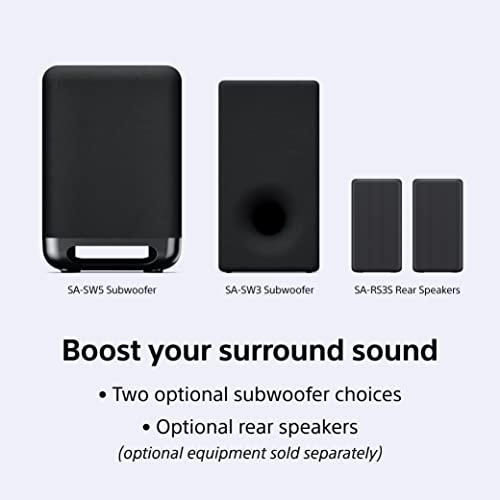
For those building toward a larger system, both offer expansion options, though with different philosophies. Sony sells optional wireless subwoofers and rear speakers that can transform the HT-S2000 into a more complete system. Samsung's approach assumes you're getting the subwoofer immediately but doesn't offer official rear channel expansion.
At the time of writing, these soundbars occupy different price tiers, reflecting their distinct approaches and target audiences. The Sony HT-S2000 positions itself as an accessible entry point into Dolby Atmos, offering significantly better performance than TV speakers without breaking the bank or requiring complex setup.
The Samsung HW-Q800D costs considerably more but includes components that Sony sells separately. When you factor in Sony's optional subwoofer pricing, the total system costs converge, making the comparison more about philosophy than pure economics.
From a features-per-dollar perspective, the Samsung HW-Q800D includes more advanced processing, room correction, and connectivity options. However, the Sony HT-S2000 offers exceptional value for users who prioritize simplicity and space efficiency over ultimate performance.
The soundbar market has become increasingly competitive since 2023, with manufacturers pushing premium features into lower price points. This benefits consumers but makes choosing more complex, as even budget options now include advanced processing and format support that was premium territory just a few years ago.
After extensive testing, clear usage patterns emerge for each soundbar. The Sony HT-S2000 excels for users who want immediate, dramatic improvement over TV speakers without complexity or spatial compromise. If you live in a small space, prioritize dialogue clarity, or simply want plug-and-play convenience, Sony's approach delivers exceptional value.
Choose the Sony HT-S2000 if you're upgrading from TV speakers for the first time, live in an apartment or small room, watch mostly dialogue-heavy content like dramas or news, prefer simple setup and operation, or have budget constraints but still want Dolby Atmos capability.
The Samsung HW-Q800D serves users who prioritize audio performance and are willing to accommodate additional components for superior results. If you have space for optimal subwoofer placement, watch action movies and play games regularly, or want the most immersive surround sound experience possible, Samsung's system justifies its complexity and cost.
Choose the Samsung HW-Q800D if you're serious about home theater performance, have a medium to large room that can accommodate a wireless subwoofer, frequently watch action movies or play games, want genuine rather than simulated surround sound, or plan to use the soundbar as an HDMI switching hub.
The decision ultimately comes down to priorities and constraints. Both systems dramatically improve upon TV audio, but they serve different audiences and use cases. The Sony HT-S2000 democratizes decent surround sound for mainstream users, while the Samsung HW-Q800D satisfies enthusiasts seeking more authentic home theater experiences.
Neither choice is wrong—they're simply optimized for different priorities in the complex balance of performance, convenience, space, and budget that defines modern home entertainment decisions.
| Sony HT-S2000 3.1ch Dolby Atmos Soundbar | Samsung HW-Q800D 5.1.2 Channel Soundbar |
|---|---|
| Channel Configuration - Determines surround sound quality and immersion | |
| 3.1 channel (simulated surround effects) | 5.1.2 channel (true discrete surround with height channels) |
| Subwoofer Setup - Affects bass quality and room flexibility | |
| Built-in dual subwoofers (space-saving, limited bass depth) | Dedicated 8-inch wireless subwoofer (superior bass, flexible placement) |
| Dolby Atmos Implementation - How overhead effects are created | |
| Virtual processing (Vertical Surround Engine simulation) | Physical upward-firing speakers (authentic height effects) |
| Total Power Output - Determines maximum volume and dynamics | |
| 250W (adequate for small-medium rooms) | 360W (suitable for larger spaces and high-impact content) |
| Physical Footprint - Space requirements in your room | |
| Single 31.5" soundbar only | Soundbar plus separate wireless subwoofer placement |
| HDMI Connectivity - Video passthrough and device connections | |
| eARC/ARC only (no video passthrough) | Input + eARC output with 4K HDR10+ passthrough |
| Setup Complexity - Time and effort to get optimal sound | |
| Plug-and-play (no calibration needed) | Room analysis with SpaceFit Sound Pro optimization |
| Wireless Streaming - Music playback options beyond TV | |
| Bluetooth 5.2 only | Bluetooth + Wi-Fi with advanced app features |
| TV Integration Features - Enhanced functionality with compatible TVs | |
| Basic BRAVIA sync for Sony TVs | Q-Symphony technology for Samsung QLED TVs |
| System Expandability - Future upgrade options | |
| Optional Sony wireless subwoofers and rear speakers | Limited expansion (subwoofer included from start) |
| Target Room Size - Optimal listening environment | |
| Small to medium rooms, apartments | Medium to large rooms with subwoofer placement flexibility |
| Best Use Cases - Primary content and listening scenarios | |
| TV shows, dialogue-heavy content, space-constrained setups | Movies, gaming, immersive entertainment experiences |
The Sony HT-S2000 is ideal for small rooms and apartments because it's a single compact unit with built-in subwoofers. You don't need space for a separate subwoofer like the Samsung HW-Q800D requires. The Sony HT-S2000 delivers excellent dialogue clarity and adequate bass without overwhelming smaller spaces.
Yes, both the Sony HT-S2000 and Samsung HW-Q800D support Dolby Atmos, but they handle it differently. The Samsung HW-Q800D uses physical upward-firing speakers for authentic overhead effects, while the Sony HT-S2000 uses virtual processing to simulate height effects. The Samsung provides more convincing surround sound immersion.
The Samsung HW-Q800D has significantly better bass thanks to its dedicated 8-inch wireless subwoofer that can be placed anywhere in your room. The Sony HT-S2000 has built-in dual subwoofers that are adequate for most content but can't match the depth and impact of Samsung's dedicated bass unit.
The Sony HT-S2000 offers simpler setup—just connect one HDMI cable and you're done. The Samsung HW-Q800D requires positioning both the soundbar and wireless subwoofer, plus it includes room calibration features that optimize sound for your space. Sony prioritizes simplicity while Samsung focuses on performance optimization.
For movies with action and immersive soundtracks, the Samsung HW-Q800D excels with true 5.1.2 surround sound and powerful bass. For TV shows and dialogue-heavy content, the Sony HT-S2000 provides excellent voice clarity and is perfectly adequate. The Samsung HW-Q800D offers more cinematic impact for home theater use.
Both the Sony HT-S2000 and Samsung HW-Q800D work with any TV that has HDMI ARC or optical connections. However, the Samsung HW-Q800D offers enhanced features like Q-Symphony when paired with Samsung TVs, while the Sony HT-S2000 has optimized integration with Sony BRAVIA TVs.
The Sony HT-S2000 typically offers better value for budget-conscious buyers who want Dolby Atmos capability without complexity. The Samsung HW-Q800D provides better performance value for those willing to invest more, as it includes a wireless subwoofer and superior surround sound processing that Sony would charge extra for.
Both soundbars handle music well, but with different strengths. The Sony HT-S2000 delivers balanced, detailed sound that's great for vocals and acoustic music. The Samsung HW-Q800D provides more dynamic range and powerful bass that enhances electronic music and rock. The Samsung's dedicated subwoofer gives it an edge for bass-heavy genres.
The Samsung HW-Q800D is superior for gaming due to its true surround sound capabilities, dedicated height channels, and gaming-focused audio modes. It can create more immersive positional audio that helps with directional awareness in games. The Sony HT-S2000 works fine for gaming but lacks the spatial accuracy of the Samsung system.
The Samsung HW-Q800D offers more connectivity with HDMI input/output, Wi-Fi, and Bluetooth, allowing it to serve as a video hub for multiple devices. The Sony HT-S2000 has more limited connections with HDMI eARC/ARC, optical, and Bluetooth only. Samsung provides greater flexibility for complex entertainment setups.
The Sony HT-S2000 requires minimal space as it's just a single 31.5-inch soundbar with everything built-in. The Samsung HW-Q800D requires space for both the soundbar and a separate wireless subwoofer that needs floor placement. The Sony HT-S2000 is the clear winner for space-constrained rooms.
Both systems offer expansion options but with different approaches. The Sony HT-S2000 can be upgraded with optional Sony wireless subwoofers and rear speakers sold separately. The Samsung HW-Q800D includes its wireless subwoofer from the start but has limited official expansion options. Sony offers more flexibility for gradual system building.
We've done our best to create useful and informative comparisons to help you decide what product to buy. Our research uses advanced automated methods to create this comparison and perfection is not possible - please contact us for corrections or questions. These are the sites we've researched in the creation of this article: techradar.com - valueelectronics.com - youtube.com - videoandaudiocenter.com - whathifi.com - hometheaterhifi.com - youtube.com - sony.com - rtings.com - whathifi.com - rtings.com - helpguide.sony.net - electronics.sony.com - sony.com - dolby.com - sony.com - youtube.com - youtube.com - techradar.com - valueelectronics.com - samsung.com - rtings.com - samsung.com - crutchfield.com - samsung.com - samsung.com - samsung.com - shidirect.com

Privacy Policy
Terms and Conditions - Affiliate Policy
Home Security
© Copyright 2008-2026.
11816 Inwood Rd #1211, Dallas, TX 75244