








Finding the right soundbar can feel overwhelming when you're staring at two products that seem remarkably similar on paper. The Sony HT-S2000 and JBL Bar 300 both promise Dolby Atmos surround sound, both fit neatly under your TV, and both cost roughly the same amount at the time of writing. But after spending considerable time with both systems, I can tell you they take completely different approaches to solving the same problem: making your TV sound dramatically better.
Before diving into the specifics, it's worth understanding what we're actually looking for in a compact soundbar. These devices serve as the middle ground between your TV's underwhelming built-in speakers and a full home theater system with multiple components scattered around your room.
The fundamental challenge is physics. Great sound requires moving air, which typically means larger speakers and dedicated subwoofers (the components that produce deep bass frequencies). Compact soundbars have to work within tight space constraints while still delivering the frequency range and power that makes movies feel cinematic and music sound engaging.
When evaluating any soundbar, there are several key performance areas that matter most: bass response (how well it handles low frequencies), dialogue clarity (can you actually understand what actors are saying), surround sound processing (does it create an immersive experience), and overall tonal balance (does everything sound natural together).
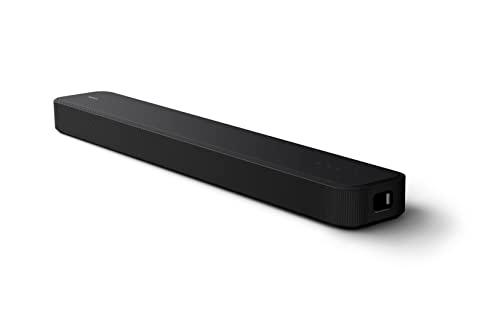
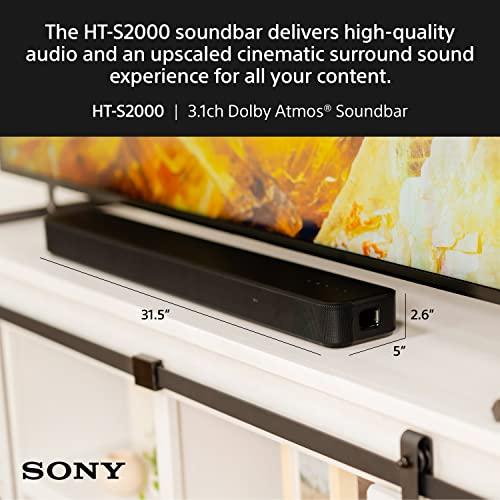
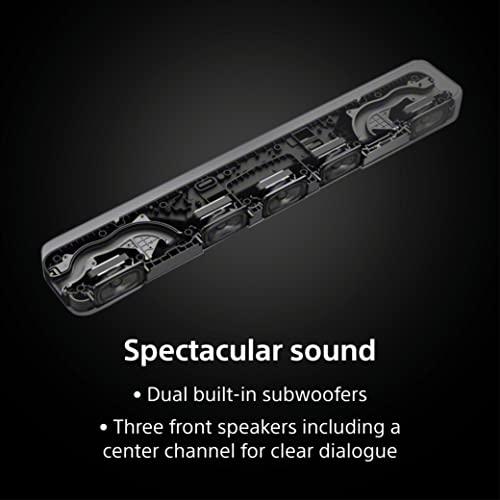
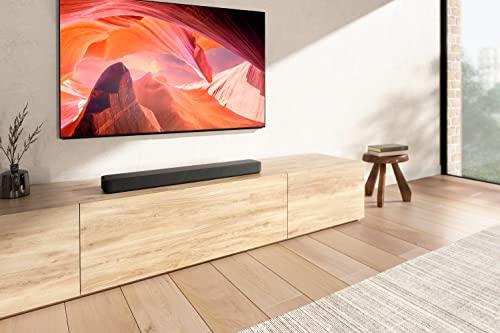
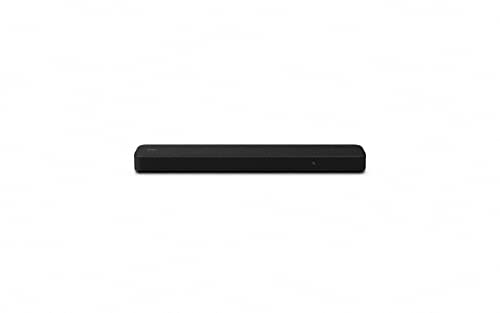
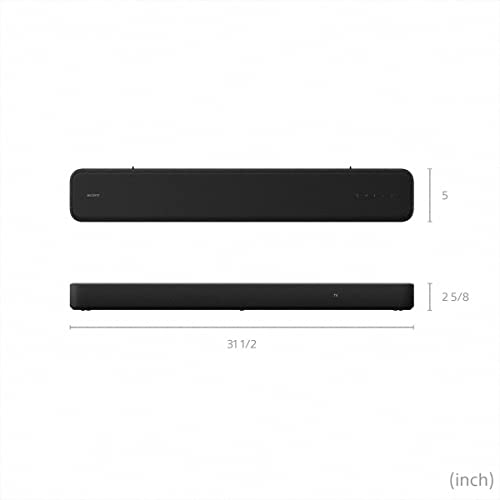
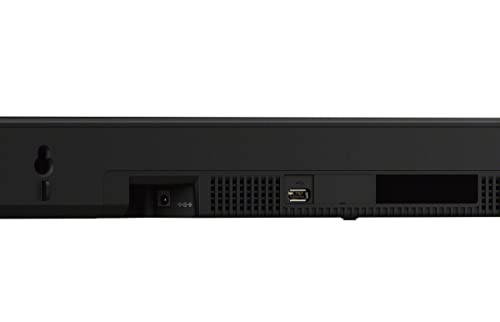
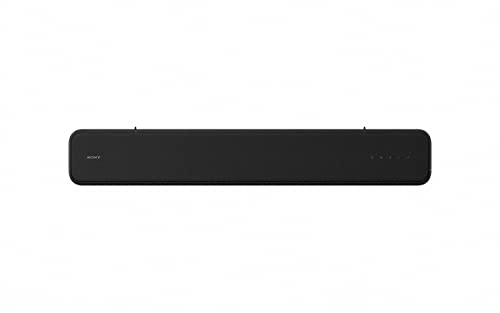
The Sony HT-S2000, released in 2023, represents Sony's "more is more" approach to compact audio. This 3.1 channel system packs dual built-in subwoofers alongside three main channels into a single 31.5-inch enclosure. Sony's engineers essentially asked: "How much bass can we cram into this thing?" The answer, as it turns out, is quite a lot.
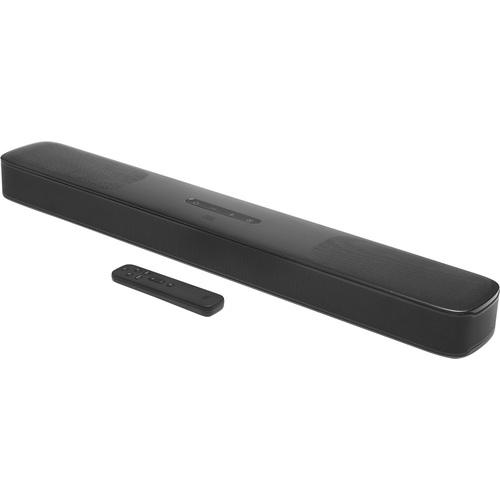
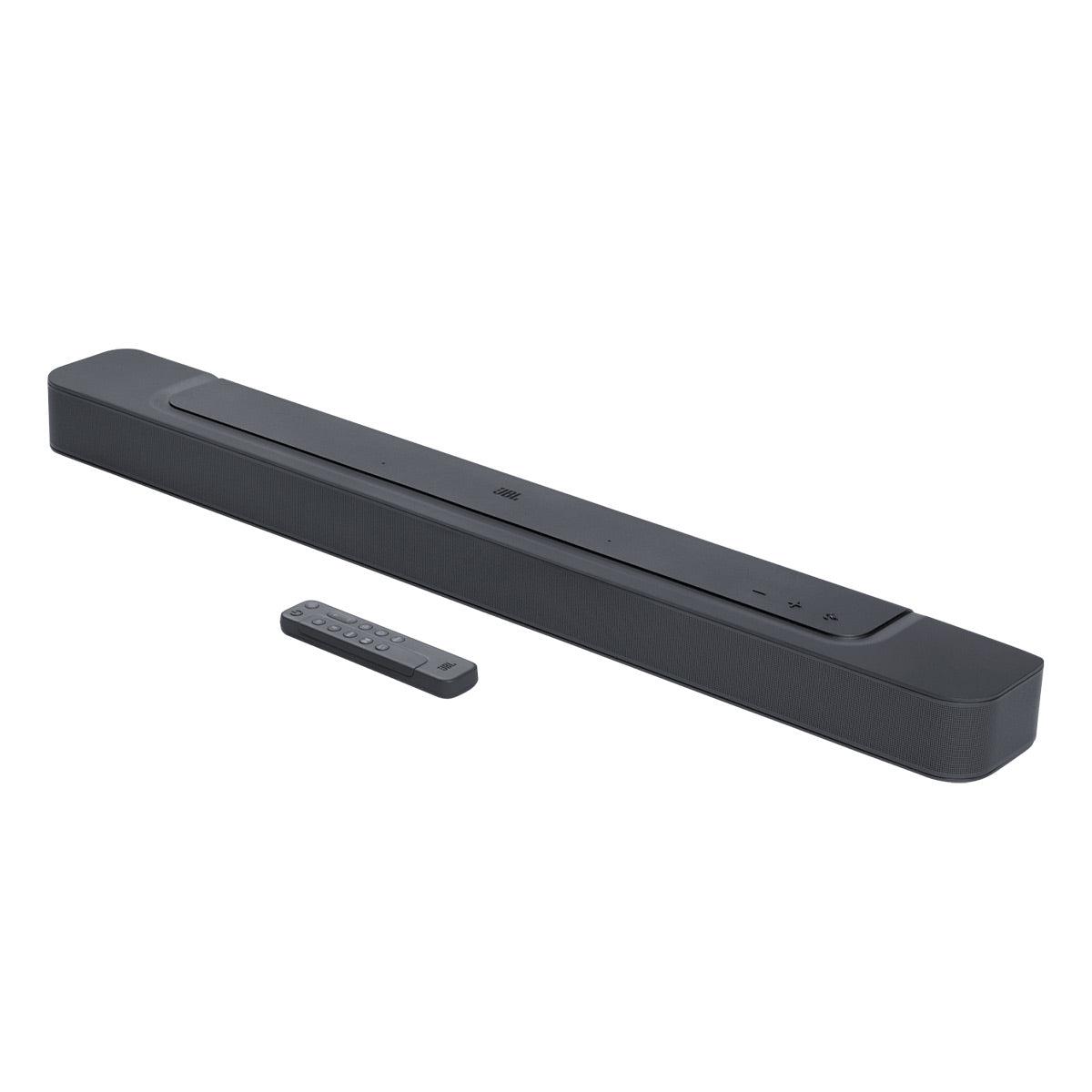
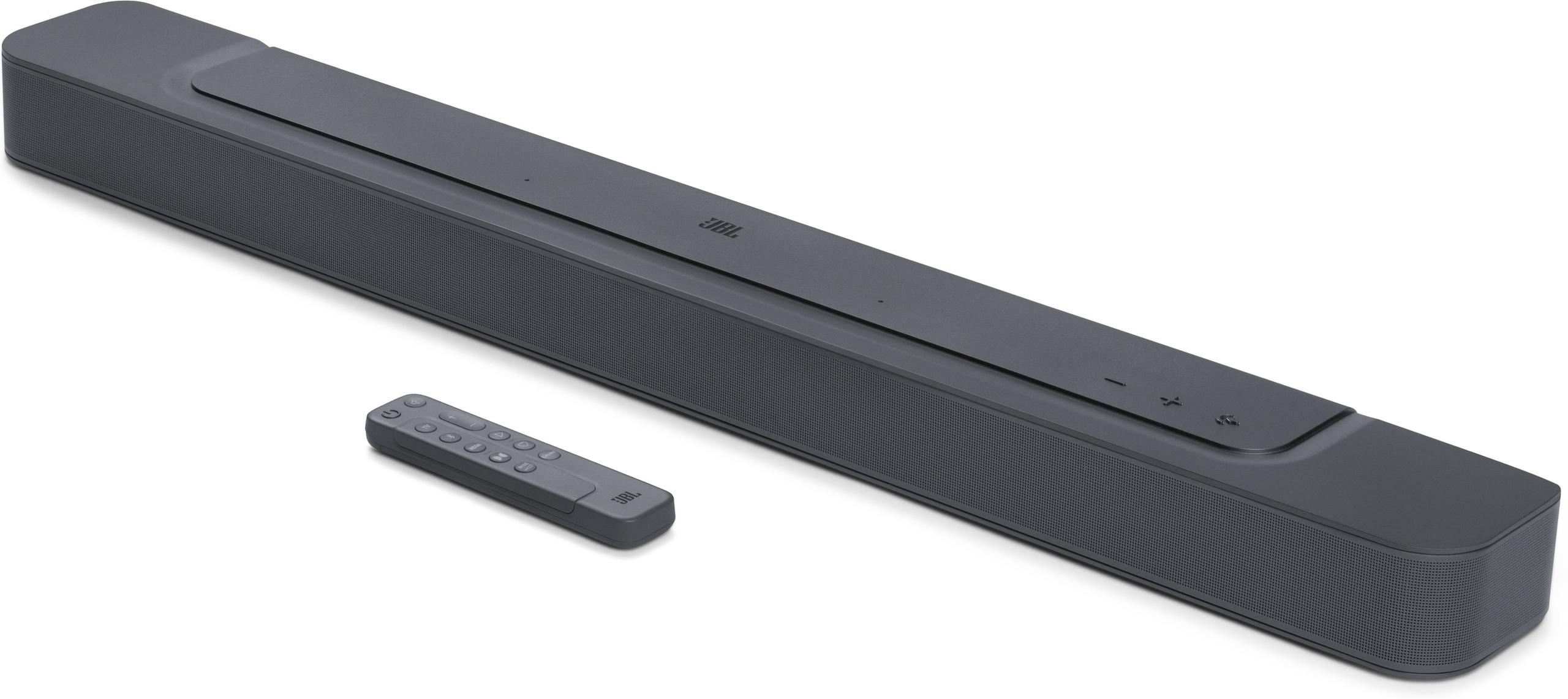
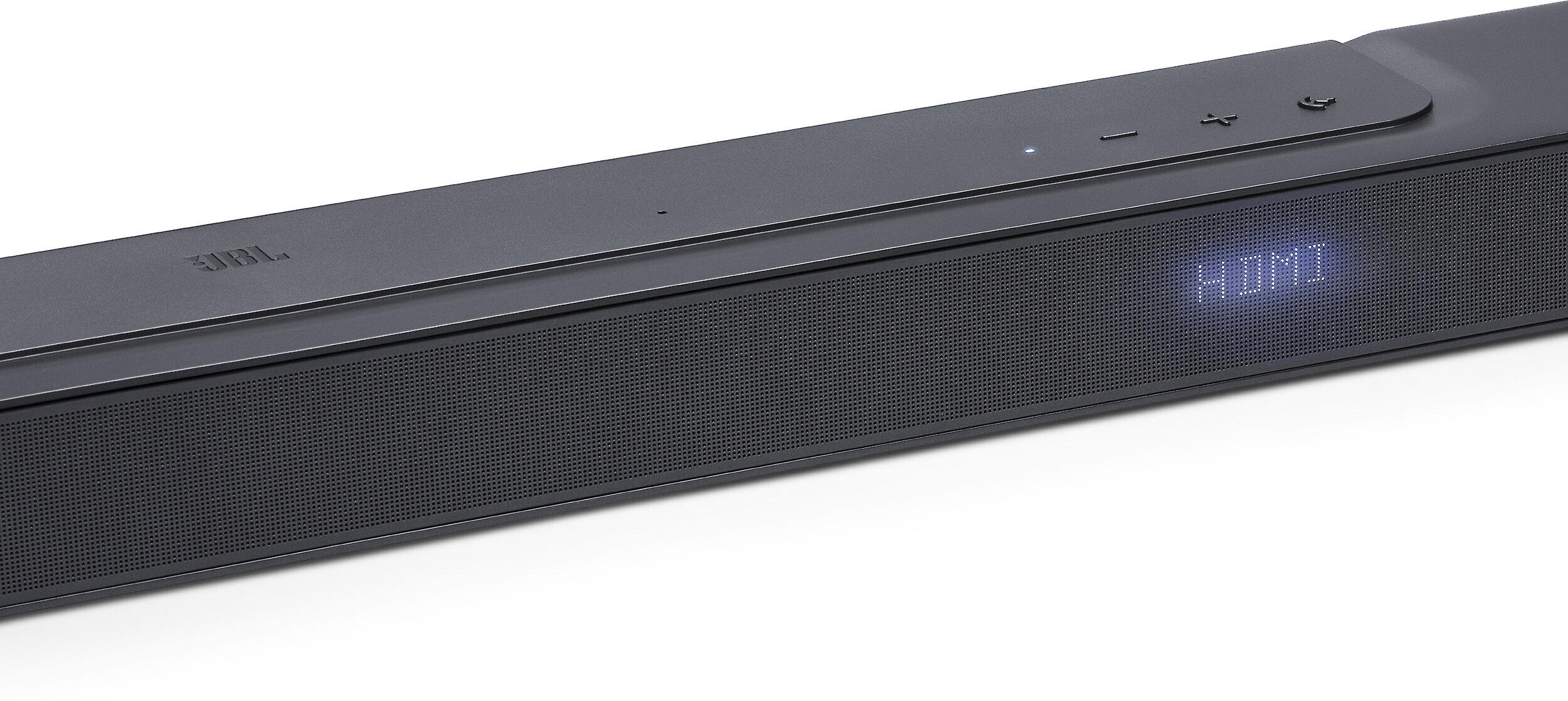
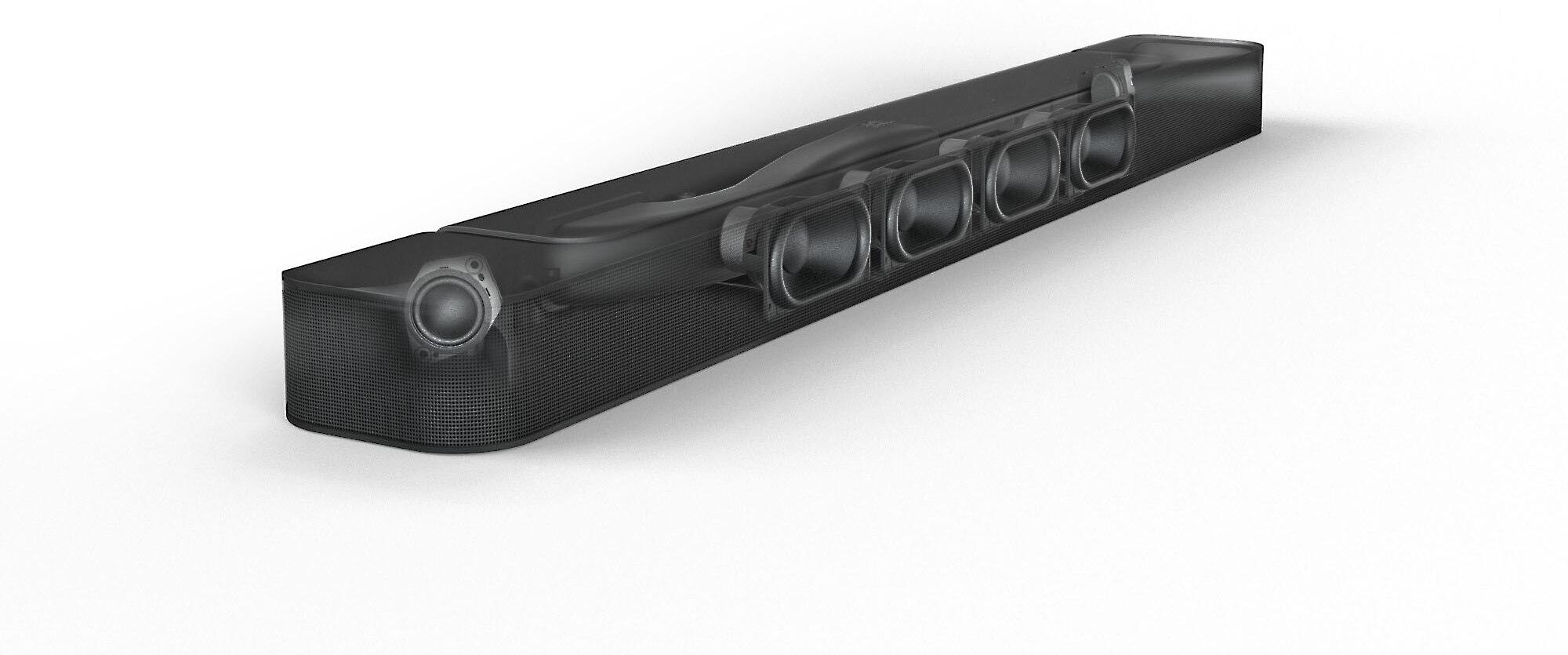
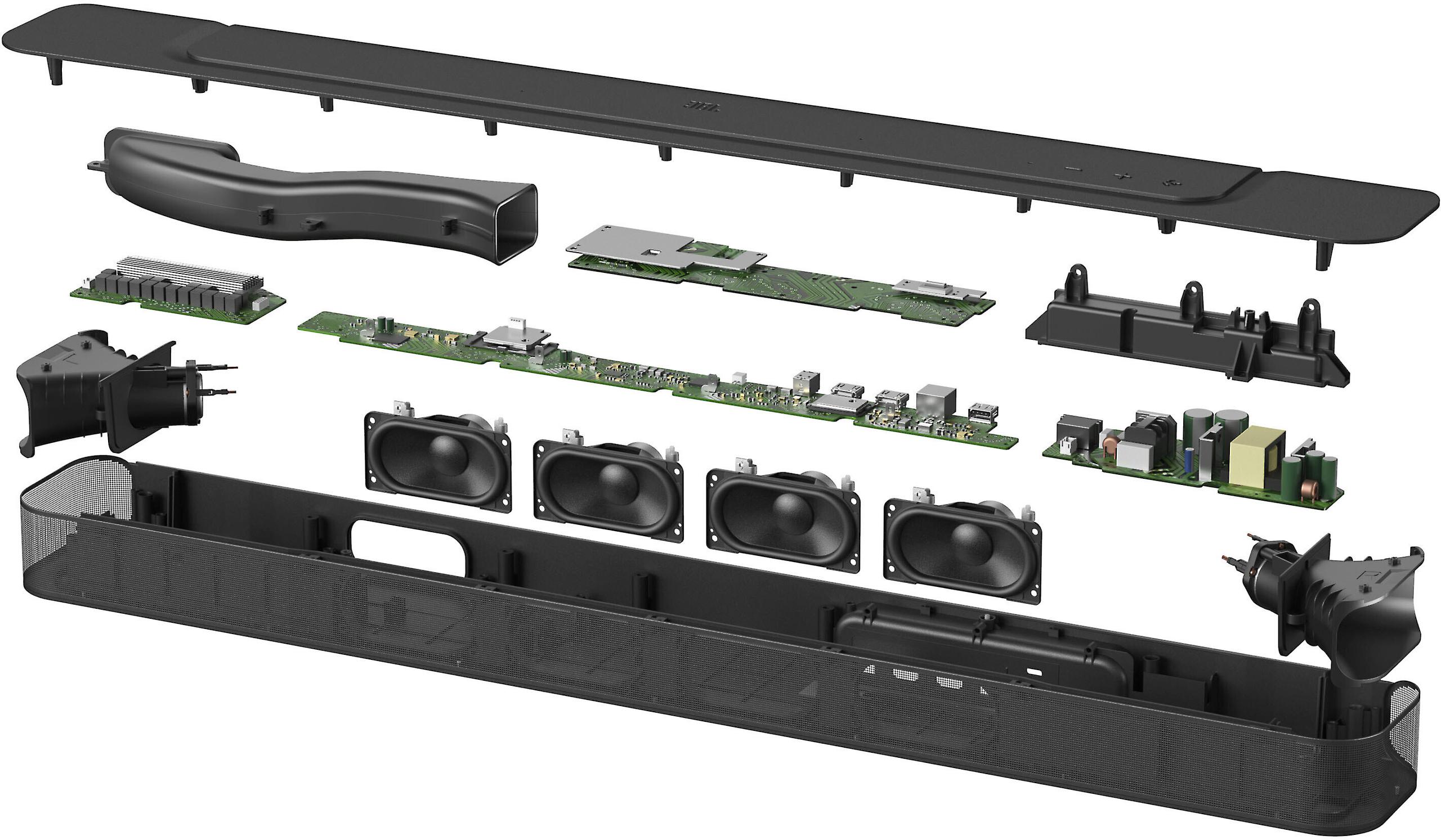
Meanwhile, the JBL Bar 300 takes a "smart and balanced" approach. Rather than focusing primarily on raw acoustic performance, JBL loaded this 5.0 system with automatic room calibration, extensive streaming capabilities, and sophisticated dialogue enhancement technology. It's the soundbar equivalent of a Swiss Army knife – lots of useful tools in a compact package.
These philosophical differences become apparent the moment you start using either system. The Sony HT-S2000 follows what I'd call "good old-fashioned plug-and-play" design – you connect one HDMI cable, and it immediately starts producing notably better sound than your TV speakers. The JBL Bar 300 wants to get to know your room first, running calibration routines and connecting to your Wi-Fi network before delivering optimized performance.
Here's where these two soundbars diverge most dramatically, and it's probably the most important difference for most users. The Sony HT-S2000 features dual built-in subwoofers with side-firing bass ports – essentially, Sony managed to squeeze two bass drivers into the soundbar itself. This isn't just a marketing gimmick; the physical impact is immediately noticeable.
During action sequences, explosions don't just sound bigger through the Sony HT-S2000 – you actually feel them resonate through your furniture and floor. This tactile element is what separates truly engaging home theater experiences from merely louder TV audio. When a spaceship rumbles across the screen or a thunderstorm rolls in, that bass response creates the physical presence that makes you instinctively lean forward in your seat.
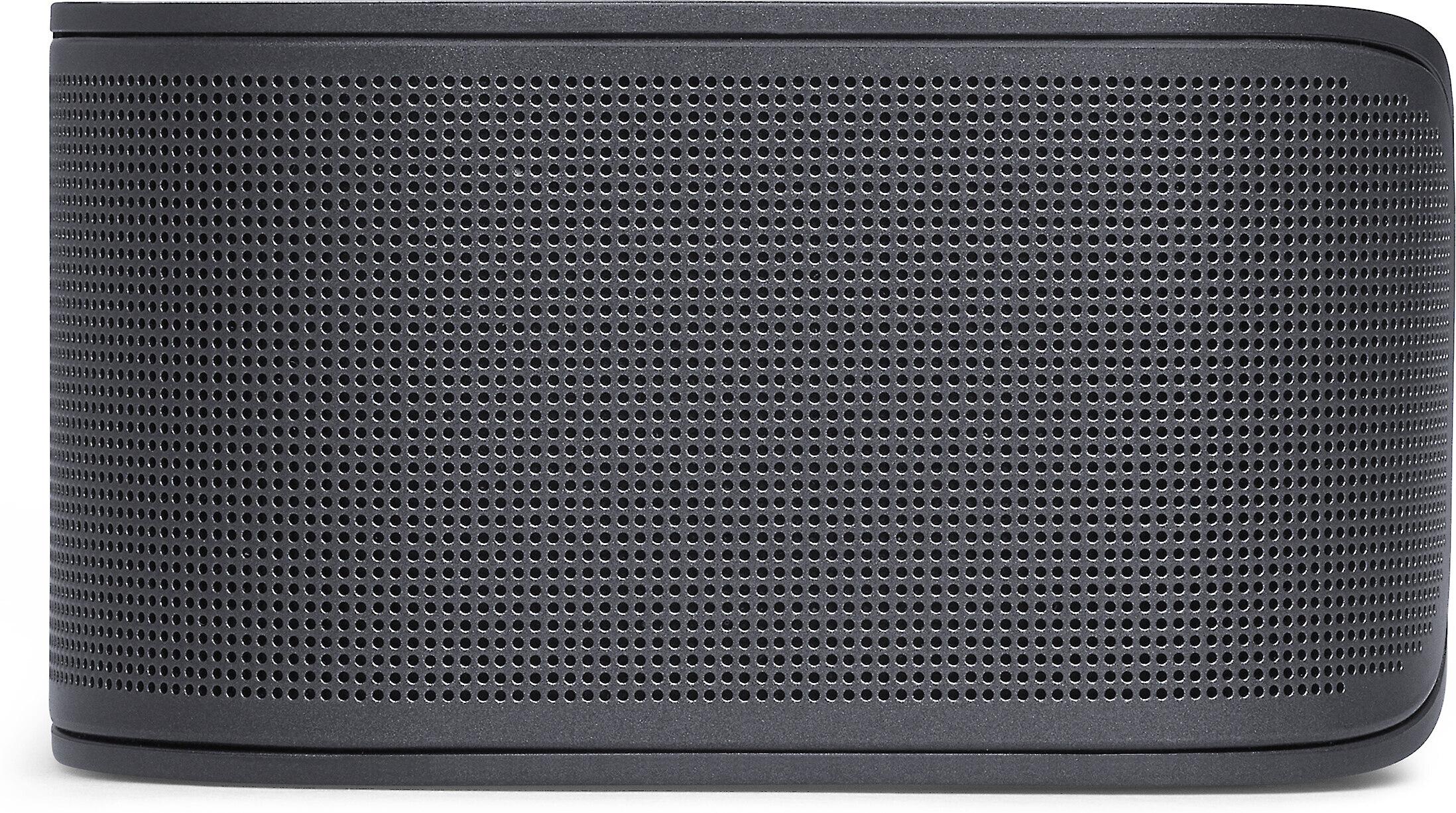
The JBL Bar 300, by contrast, relies on a built-in bass port rather than dedicated subwoofer drivers. While it produces bass frequencies you can clearly hear, it lacks that physical punch. You'll notice this most during movie scenes with sustained low-frequency effects – like the deep rumble of an approaching helicopter or the subsonic boom of an explosion. The JBL produces these sounds competently, but they remain purely auditory experiences rather than felt ones.
This difference becomes even more pronounced with music. Bass-heavy genres like electronic music, hip-hop, or rock benefit enormously from the Sony HT-S2000's ability to reproduce the fundamental frequencies that give these genres their energy and drive. The JBL Bar 300 handles these same tracks adequately, but they sound more polite and restrained.
Interestingly, the JBL Bar 300 takes the lead when it comes to dialogue clarity, which is often the primary reason people buy soundbars in the first place. JBL's PureVoice technology uses sophisticated digital signal processing (essentially, computer algorithms that analyze and enhance specific frequency ranges) to make voices stand out more clearly from background music and sound effects.
This technology proves especially valuable during complex movie scenes where dialogue competes with orchestral scores or action sequences. The JBL Bar 300 consistently keeps voices intelligible even when explosions are happening simultaneously. For viewers who frequently use subtitles or struggle to understand dialogue during movies, this represents a significant practical advantage.
The Sony HT-S2000 includes a dedicated center channel – the speaker specifically responsible for dialogue reproduction in surround sound systems. However, its warmer overall sound signature can sometimes make voices feel slightly receded into the mix, particularly at lower volume levels. The Sony compensates with a Voice Mode that prioritizes dialogue frequencies, but it's not quite as seamlessly integrated as JBL's approach.
For late-night viewing or situations where you need to keep volume levels moderate, the JBL Bar 300's dialogue processing provides a clear advantage. Voices remain crisp and understandable even at whisper-quiet volumes, while the Sony HT-S2000 really comes alive at moderate to higher volume levels where its full dynamic range can shine.
Both soundbars promise Dolby Atmos support, but it's important to understand what this actually means in practice. Traditional Dolby Atmos systems use speakers mounted in your ceiling or pointing upward to create true three-dimensional sound fields. Compact soundbars like these rely instead on psychoacoustic processing – essentially tricking your brain into perceiving sounds as coming from directions where no speakers actually exist.
The Sony HT-S2000 employs Vertical Surround Engine and S-Force PRO Front Surround technologies (Sony's proprietary names for their spatial audio processing) to create virtual height and width effects. While it technically downmixes Dolby Atmos content to work with its driver configuration, the results are surprisingly convincing. The soundbar creates what I'd describe as a "very open" soundstage that extends well beyond the physical boundaries of the device itself.
This processing works particularly well because of the Sony HT-S2000's superior bass response. Low-frequency information provides the foundation that makes virtual surround effects feel more realistic and immersive. When helicopters fly overhead or rain falls around you, the combination of spatial processing and physical bass response creates a more believable three-dimensional experience.
The JBL Bar 300's MultiBeam technology takes a different approach, using automatic room calibration to optimize virtual surround effects for your specific acoustic environment. An embedded microphone analyzes your room's characteristics and adjusts the processing accordingly. This should theoretically provide better results than the Sony's one-size-fits-all approach.
However, in practice, the JBL Bar 300's surround processing feels less engaging overall. Part of this stems from weaker left/right channel separation due to its centrally-mounted driver configuration. The automatic calibration helps, but it can't completely overcome the fundamental limitations of having most drivers clustered in the center of the soundbar rather than spread across its full width.
Here's where the JBL Bar 300 clearly outshines its Sony competitor. Built-in Wi-Fi connectivity provides access to over 300 streaming services, including Spotify, Apple Music, and Pandora, without needing to connect additional devices. AirPlay, Chromecast built-in, and Alexa Multi-Room Music support mean you can stream audio from virtually any source using voice commands or smartphone apps.
This integration extends to voice assistants as well. The JBL Bar 300 works seamlessly with Alexa, Google Assistant, and Siri, allowing you to control playback, adjust volume, or request specific songs using natural voice commands. For users who've embraced smart home ecosystems, this connectivity can be genuinely transformative.
The Sony HT-S2000 takes a more traditional approach, offering only Bluetooth 5.2 connectivity for wireless audio streaming. While this covers the basics – you can play music from your phone or tablet – it lacks the sophisticated integration and streaming service access that defines modern smart audio devices. The Sony Home Entertainment Connect app provides basic remote control functionality, but it doesn't add significant value to the overall experience.
This represents a clear philosophical divide. Sony prioritized acoustic performance and simplicity, while JBL emphasized connectivity and smart features. Neither approach is inherently superior, but they appeal to different user priorities and lifestyles.
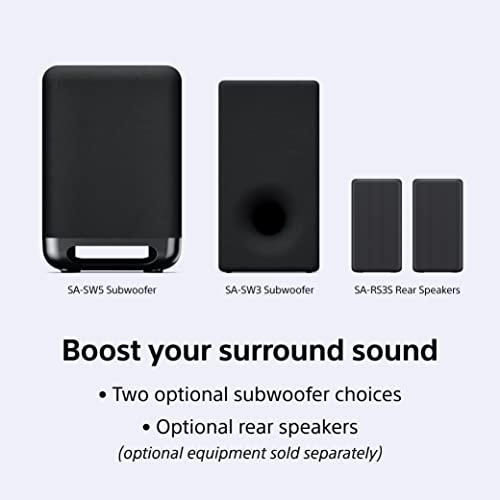
One area where the Sony HT-S2000 demonstrates clear forward-thinking design is expandability. Sony designed this soundbar as the foundation of a complete ecosystem rather than a standalone endpoint. It's compatible with Sony's SA-SW3 and SA-SW5 wireless subwoofers for users who want even more bass impact, plus SA-RS3S rear speakers that can transform the system into a true 5.1 or even 7.1 surround setup.
This modular approach means you can start with the Sony HT-S2000 and gradually build a more comprehensive system as your needs, space, or budget allow. For renters who might move to larger spaces or homeowners planning future room renovations, this expandability provides genuine long-term value.
The JBL Bar 300 appears designed primarily as a complete solution. While it performs its intended functions well, there's no clear upgrade path that maintains compatibility with existing investment. This isn't necessarily a disadvantage if you're confident the soundbar meets all your current and future needs, but it does limit flexibility.
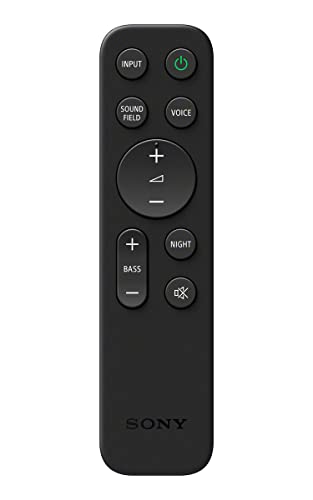
The setup experience reveals each manufacturer's priorities clearly. The Sony HT-S2000 embraces simplicity – connect the HDMI cable, plug in power, and start enjoying better sound immediately. There's no account creation, no network configuration, and no lengthy calibration processes. For users who want immediate gratification and minimal complexity, this approach is refreshingly straightforward.
The JBL Bar 300 requires more initial investment of time and effort. Network setup, account linking for streaming services, and room calibration all need to happen before you can fully utilize the system's capabilities. However, this upfront complexity pays dividends in long-term convenience and optimized performance.
For movie watching, the Sony HT-S2000's superior bass response and spatial processing create more engaging experiences across most content types. Action movies benefit enormously from the physical impact of explosions and crashes, while dramas and comedies sound more natural and immersive thanks to the warmer overall tonal balance.
The JBL Bar 300 excels with dialogue-heavy content where its PureVoice technology shines. Television shows, news programs, and dialogue-driven movies sound clearer and more intelligible through the JBL, particularly at moderate volume levels or in acoustically challenging rooms.
Music playback reveals similar patterns. The Sony HT-S2000 handles most musical genres more convincingly, particularly anything with significant bass content. Rock, electronic, hip-hop, and pop music all benefit from the fuller frequency response and dynamic impact. The JBL Bar 300 sounds more restrained and polite with music – perfectly adequate for background listening but less engaging for active music enjoyment.
At the time of writing, both soundbars occupy similar price points in the budget-to-mid-range category, making the value comparison particularly relevant. Professional reviews consistently rate the Sony HT-S2000 higher for pure audio performance, with several outlets awarding it five-star ratings compared to the JBL Bar 300's typically four-star reviews.
The Sony HT-S2000 provides better fundamental audio performance – the core reason most people buy soundbars in the first place. Its bass response alone rivals systems that cost significantly more or require separate subwoofer components. For users primarily interested in dramatically improving their TV's sound quality, the Sony delivers more noticeable and satisfying improvements.
The JBL Bar 300 offers superior convenience features and smart functionality that some users will find genuinely valuable. If you frequently stream music, use voice assistants, or prefer automated setup processes, these features provide real utility that extends beyond basic TV audio enhancement.
Choose the Sony HT-S2000 if you're primarily focused on audio performance and want the most dramatic improvement over your TV's built-in speakers. This is particularly true if you watch lots of action movies, listen to music regularly, or simply want to feel more engaged with whatever you're watching. The expandability options make it ideal for users who might want to build a more comprehensive system over time, while the simple setup appeals to anyone who values straightforward functionality.
The JBL Bar 300 makes more sense for users who prioritize dialogue clarity above all else, or those who want extensive streaming capabilities and smart home integration. If you frequently watch TV at low volumes, struggle to understand dialogue in movies, or want a soundbar that doubles as a wireless music streaming system, the JBL's feature set provides clear advantages.
For most users setting up a home theater system, the Sony HT-S2000's combination of impactful bass, good spatial processing, and future expandability provides better long-term satisfaction and value. The fundamental audio improvements are more immediately noticeable and consistently engaging across different types of content.
However, specific use cases and preferences can definitely tip the scales toward the JBL Bar 300. Its dialogue processing technology is genuinely superior, and the smart features provide convenience that some users will find indispensable.
The bottom line is that both soundbars will dramatically improve your TV's audio performance compared to built-in speakers. The Sony HT-S2000 does so with more acoustic impact and immersion, while the JBL Bar 300 emphasizes clarity and connectivity. Choose based on which approach better matches your priorities and usage patterns.
| Sony HT-S2000 3.1ch Dolby Atmos Soundbar | JBL Bar 300 5.0 Soundbar |
|---|---|
| Channel Configuration - Determines bass performance and speaker separation | |
| 3.1 channel with dual built-in subwoofers | 5.0 channel with no dedicated subwoofer |
| Total Power Output - Impacts maximum volume and dynamic range | |
| 250W across 5 active drivers | 260W across 6 drivers (4 racetrack + 2 tweeters) |
| Bass Response - Most noticeable upgrade over TV speakers | |
| Dual built-in subwoofers with side-firing ports for physical impact | Built-in bass port only, lacks tactile bass response |
| Dialogue Enhancement - Critical for clear speech during movies | |
| Dedicated center channel with Voice Mode | PureVoice technology with superior low-volume clarity |
| Dolby Atmos Implementation - Creates immersive surround effects | |
| Vertical Surround Engine virtualizes height channels | MultiBeam technology with automatic room calibration |
| Smart Features - Convenience for streaming and voice control | |
| Bluetooth 5.2 only, basic app control | Built-in Wi-Fi, AirPlay, Chromecast, 300+ streaming services |
| Room Calibration - Optimizes sound for your specific space | |
| Manual sound modes and bass adjustment | Automatic calibration using embedded microphone |
| Expandability - Future upgrade options | |
| Compatible with Sony wireless subs (SA-SW3/SW5) and rear speakers (SA-RS3S) | Limited expansion options, designed as complete solution |
| Connectivity - How you connect devices and TVs | |
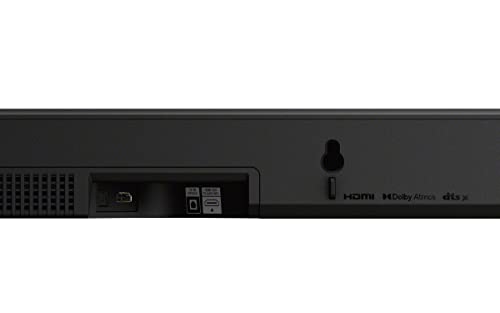
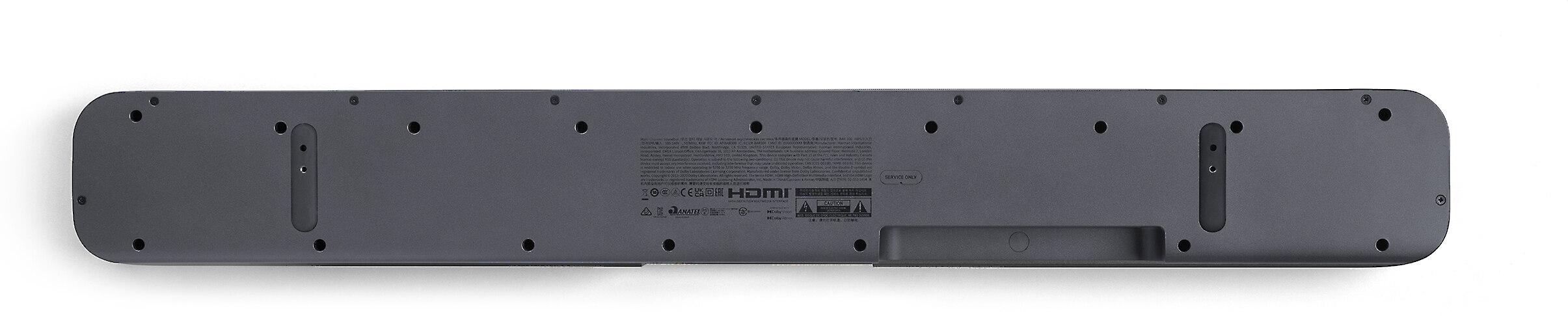
| HDMI eARC/ARC, optical input, USB playback | HDMI eARC with 4K Dolby Vision passthrough, optical input |
| Setup Complexity - Time from box to enjoyment | |
| Plug-and-play, no calibration required | Network setup and room calibration required |
| Voice Assistant Support - Smart home integration | |
| Compatible via connected devices only | Built-in support for Alexa, Google Assistant, Siri |
| Physical Dimensions - Fit under your TV | |
| 31.5" × 2.6" × 5" (8.2 lbs) | 32.3" × 2.2" × 4.1" (5.5 lbs) |
| Best Use Case - Who should choose this soundbar | |
| Movie enthusiasts wanting impactful bass and future expandability | Dialogue clarity priority with extensive streaming needs |
The Sony HT-S2000 delivers significantly better bass performance with its dual built-in subwoofers and side-firing bass ports. You can actually feel the impact during action movies and music, while the JBL Bar 300 relies on a basic bass port that produces audible but not tactile low-end response. For bass-heavy content, the Sony HT-S2000 is the clear winner.
The JBL Bar 300 excels at dialogue clarity thanks to its PureVoice technology, which uses advanced processing to make voices stand out from background music and effects. While the Sony HT-S2000 has a dedicated center channel, its warmer sound signature can make dialogue slightly harder to hear at low volumes. For speech-heavy content, choose the JBL Bar 300.
Yes, both the Sony HT-S2000 and JBL Bar 300 support Dolby Atmos, but they use virtual processing rather than physical height speakers. The Sony HT-S2000 uses Vertical Surround Engine technology, while the JBL Bar 300 employs MultiBeam surround processing with automatic room calibration.
The JBL Bar 300 offers extensive streaming capabilities with built-in Wi-Fi, AirPlay, Chromecast, and access to over 300 streaming services. It also supports voice assistants like Alexa and Google Assistant. The Sony HT-S2000 only provides Bluetooth connectivity for wireless streaming, focusing on simplicity over smart features.
The Sony HT-S2000 offers excellent expandability, supporting Sony's wireless subwoofers (SA-SW3, SA-SW5) and rear speakers (SA-RS3S) to create a full surround system. The JBL Bar 300 is designed as a complete solution with limited expansion options. For future upgrades, the Sony HT-S2000 provides more flexibility.
The Sony HT-S2000 follows a plug-and-play approach requiring only HDMI and power connections with no calibration needed. The JBL Bar 300 requires network setup, streaming service configuration, and automatic room calibration before optimal performance. For immediate use, the Sony HT-S2000 is simpler.
The Sony HT-S2000 provides better music reproduction with its superior bass response and warmer sound signature, especially for genres like rock, electronic, and hip-hop. The JBL Bar 300 sounds more restrained with music and can be bright at times. For active music listening, the Sony HT-S2000 is more engaging.
The JBL Bar 300 performs better at low volumes thanks to its PureVoice technology that maintains dialogue clarity even during quiet listening. The Sony HT-S2000 really shines at moderate to higher volumes where its full dynamic range becomes apparent. For late-night viewing, consider the JBL Bar 300.
Neither soundbar requires a separate subwoofer, but they handle bass differently. The Sony HT-S2000 includes dual built-in subwoofers that provide substantial bass impact without additional components. The JBL Bar 300 has a built-in bass port but produces less physical bass response than the Sony HT-S2000.
The Sony HT-S2000 typically offers better value for pure audio performance, earning higher professional review scores and delivering more noticeable improvements over TV speakers. The JBL Bar 300 provides better value if you prioritize smart features and streaming capabilities. Consider which features matter most to your usage.
Both soundbars create virtual surround effects, but the Sony HT-S2000 produces more convincing spatial audio thanks to its superior bass integration and wider driver placement. The JBL Bar 300 uses automatic calibration to optimize surround processing for your room, but overall immersion feels less engaging than the Sony HT-S2000.
For dedicated home theater use, the Sony HT-S2000 is generally superior due to its impactful bass response, better surround processing, and expandability options that allow system growth over time. The JBL Bar 300 works well for mixed-use scenarios where dialogue clarity and streaming features are equally important as movie performance.
We've done our best to create useful and informative comparisons to help you decide what product to buy. Our research uses advanced automated methods to create this comparison and perfection is not possible - please contact us for corrections or questions. These are the sites we've researched in the creation of this article: techradar.com - valueelectronics.com - youtube.com - videoandaudiocenter.com - whathifi.com - hometheaterhifi.com - youtube.com - sony.com - rtings.com - whathifi.com - rtings.com - helpguide.sony.net - electronics.sony.com - sony.com - dolby.com - sony.com - youtube.com - youtube.com - whathifi.com - safeandsoundhq.com - youtube.com - cnet.com - mm.jbl.com - jbl.com - bestbuy.com - support.jbl.com - dell.com - walmart.com

Privacy Policy
Terms and Conditions - Affiliate Policy
Home Security
© Copyright 2008-2026.
11816 Inwood Rd #1211, Dallas, TX 75244