



When you're trying to bring that movie theater experience into your living room without installing speakers all over your walls, Dolby Atmos soundbars have become the go-to solution. These clever devices promise to create three-dimensional sound that seems to come from above and around you, using just a single bar-shaped speaker and some digital wizardry. But here's the thing: not all Dolby Atmos soundbars are created equal, and the approach manufacturers take can dramatically affect your listening experience.
Today we're diving deep into two popular options that sit in similar price ranges but take very different approaches to immersive audio: the Sony HT-S2000 and the Polk Audio Signa S4. At the time of writing, both systems hover around the $300 mark, making them accessible entry points into the world of object-based surround sound. However, the similarities pretty much end there.
Before we get into the nitty-gritty of these two systems, let's talk about what Dolby Atmos actually does. Traditional surround sound works with channels – think 5.1 or 7.1 systems where sounds are assigned to specific speakers around your room. Dolby Atmos, introduced in movie theaters in 2012 and brought to homes a few years later, works differently. Instead of channels, it uses "objects" that can be placed anywhere in a three-dimensional space, including above your head.
The challenge with home Dolby Atmos systems, especially soundbars, is recreating that overhead dimension without installing ceiling speakers. This is where manufacturers get creative, and it's exactly where the Sony HT-S2000 and Polk Audio Signa S4 diverge in their philosophies.
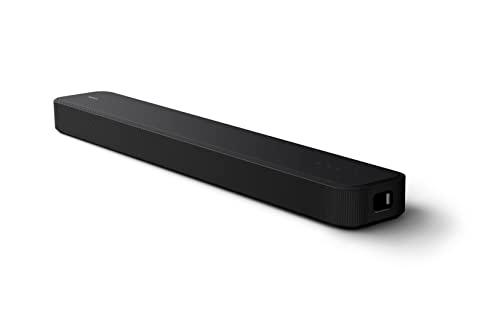
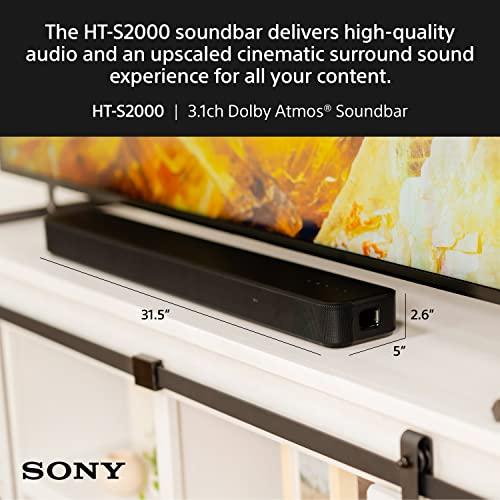
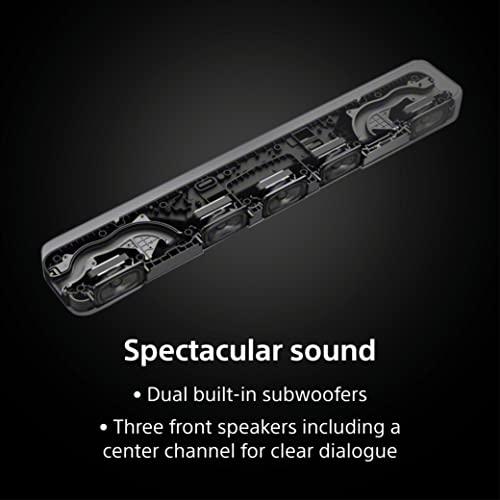
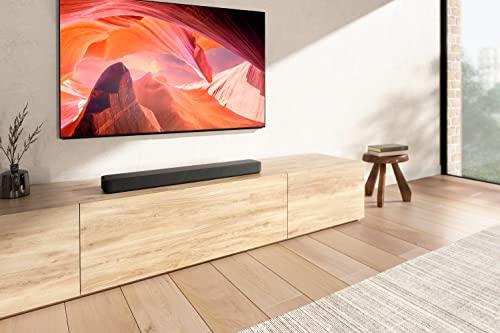
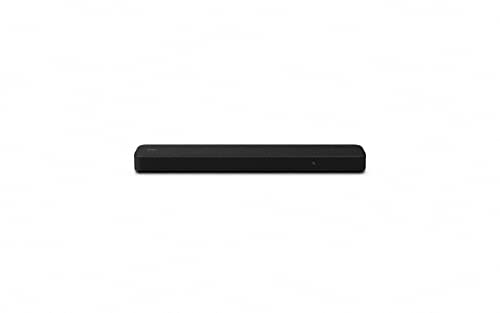
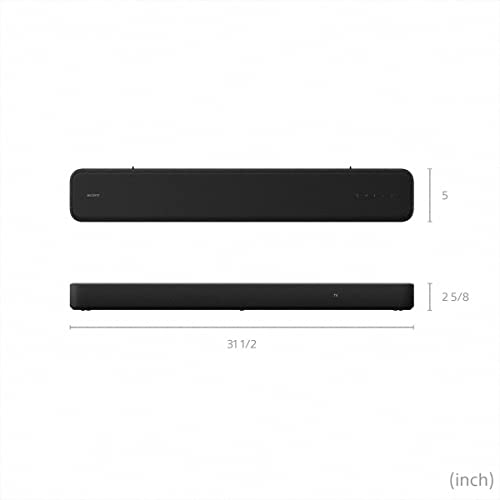
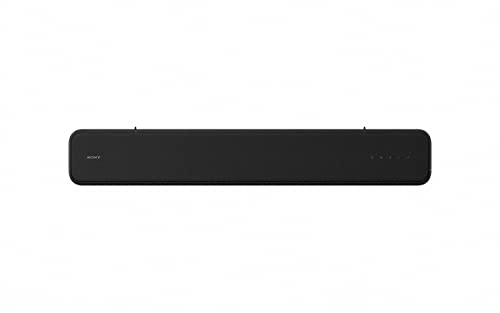
Released in 2022, the Sony HT-S2000 represents Sony's refined approach to compact Atmos reproduction. This is a true all-in-one system that measures just over 31 inches wide and barely 2.6 inches tall. Sony has packed everything into this single unit: three front-firing channels, dual built-in subwoofers, and their proprietary processing technologies.
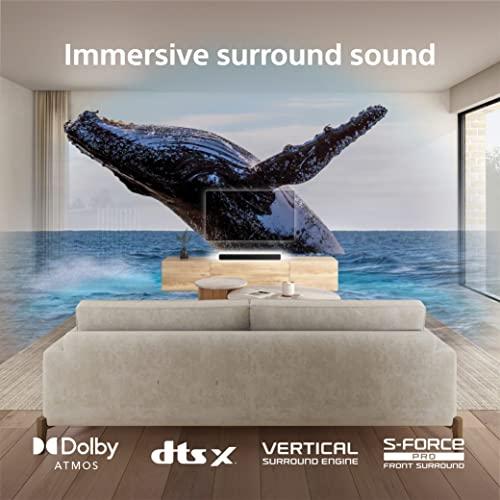
The key to the Sony HT-S2000's approach lies in its digital processing. Sony's Vertical Surround Engine and S-Force PRO Front Surround work together to create virtual height and surround effects through psychoacoustic processing – essentially tricking your brain into perceiving sounds that aren't physically coming from above or behind you. It's the same principle that makes stereo headphones sound like they have surround sound when playing certain types of processed audio.
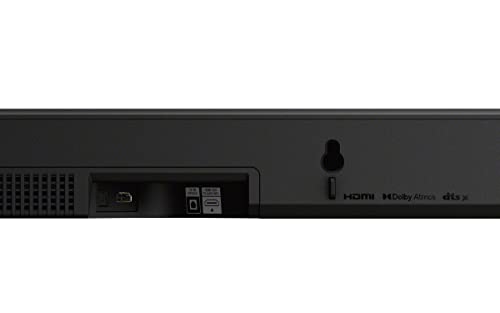
What's particularly interesting about the Sony HT-S2000 is its support for both Dolby Atmos and DTS:X formats. DTS:X is a competing object-based audio format that works similarly to Atmos but with some technical differences in how it processes sound objects. Having both formats means better compatibility with different types of content, from Netflix Atmos streams to DTS:X Blu-ray discs.
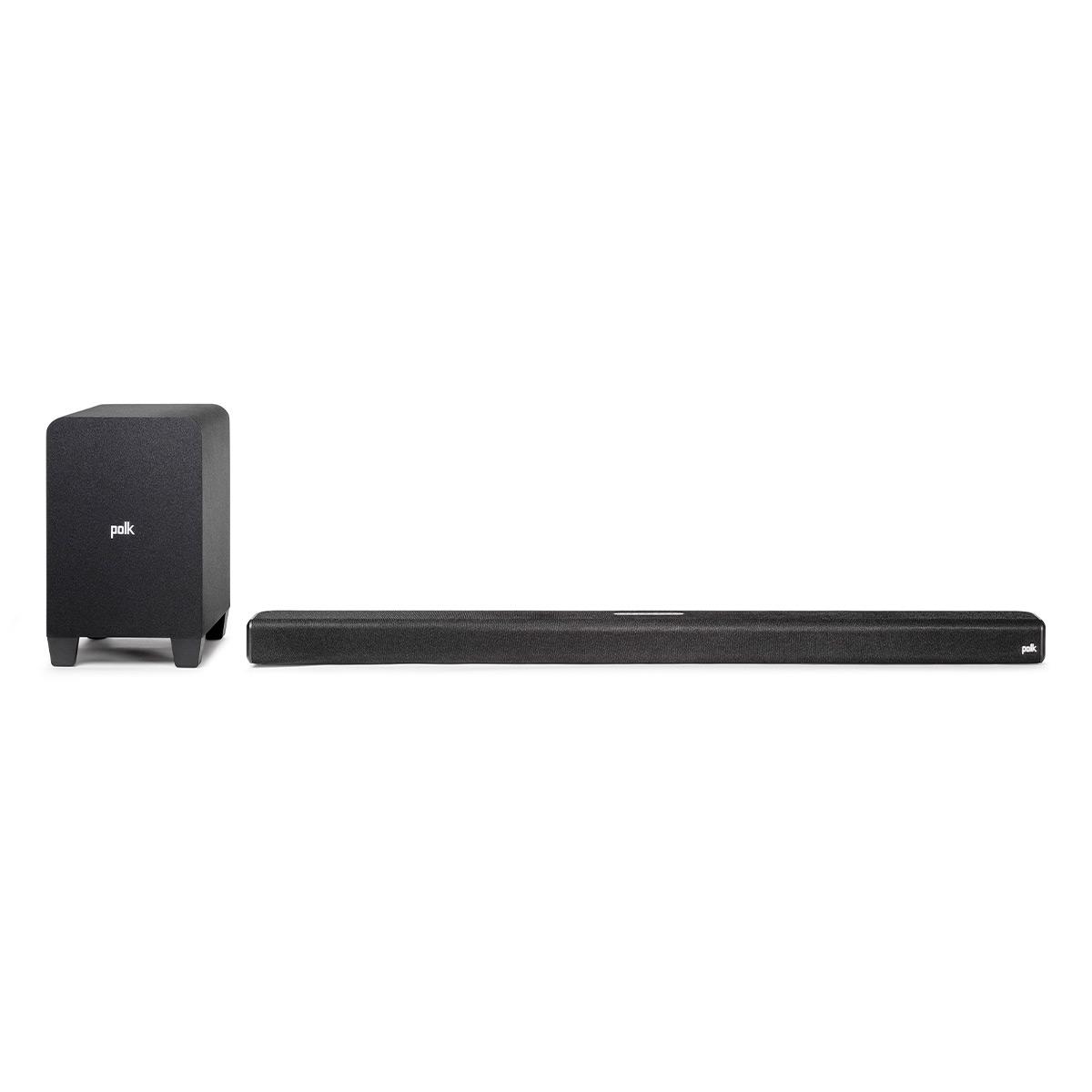
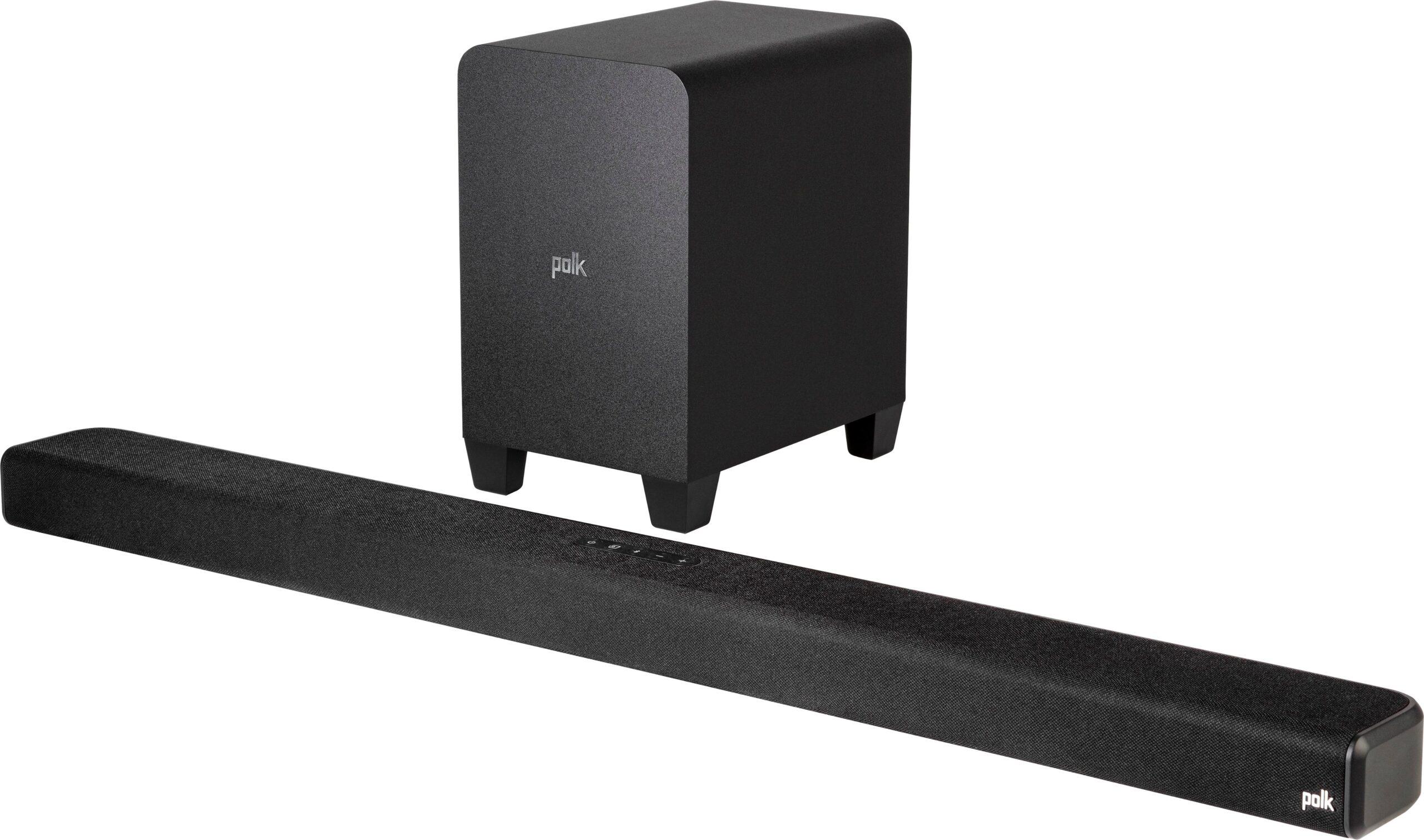
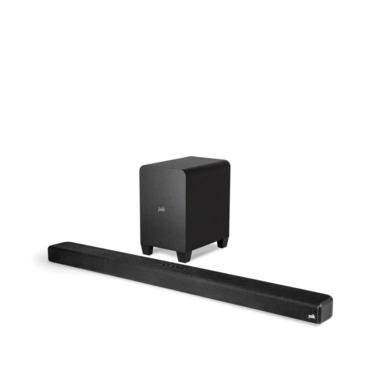
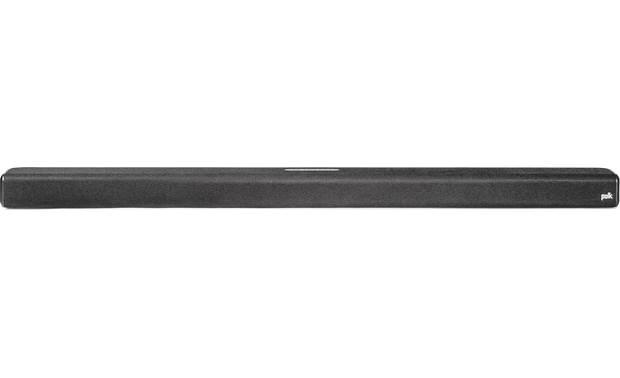
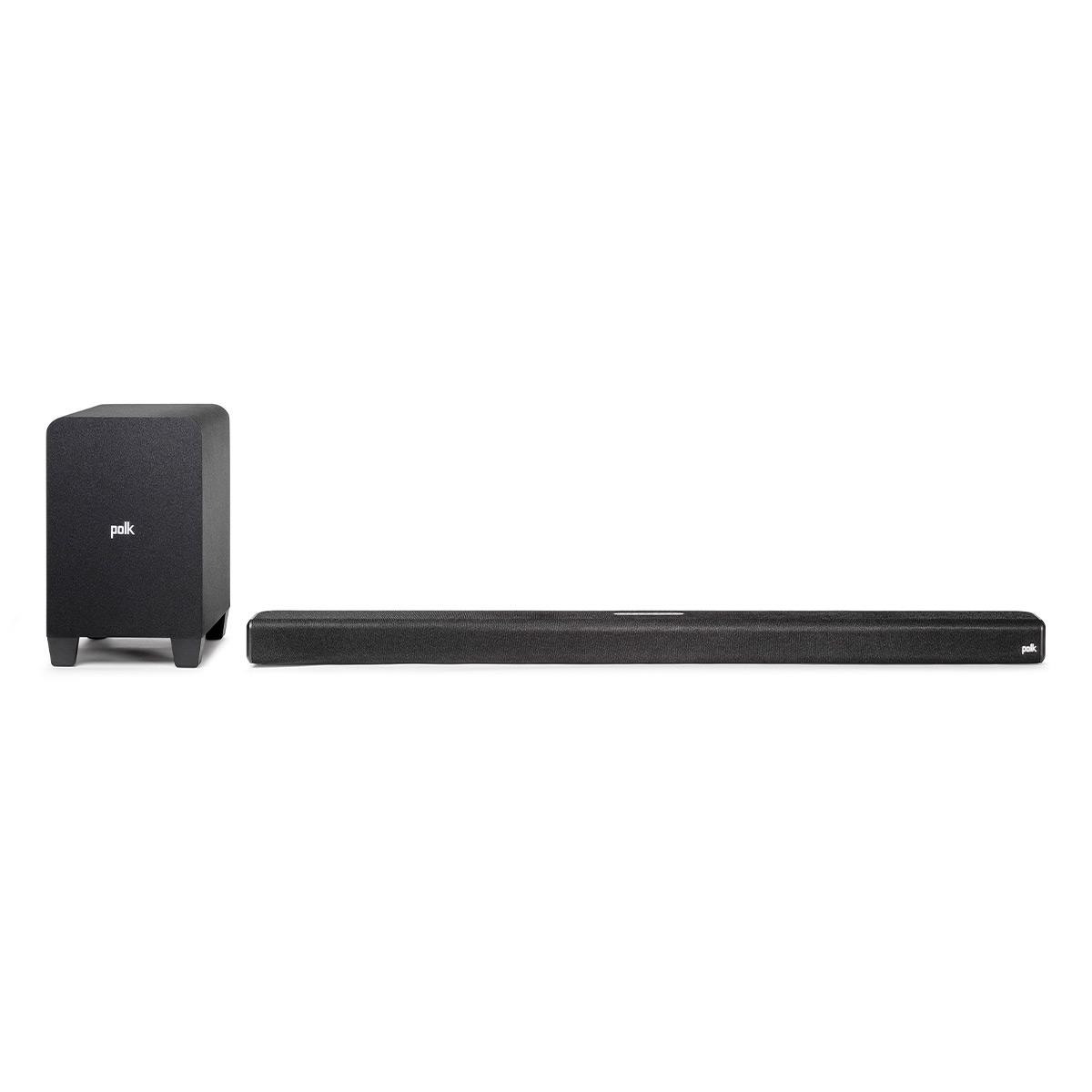
The Polk Audio Signa S4, introduced in 2021, takes a completely different route. This system includes actual upward-firing speakers – small drivers that point toward your ceiling to bounce sound down to your listening position. It's a 3.1.2 system, where that ".2" represents dedicated height channels, compared to the Sony HT-S2000's 3.1 configuration.
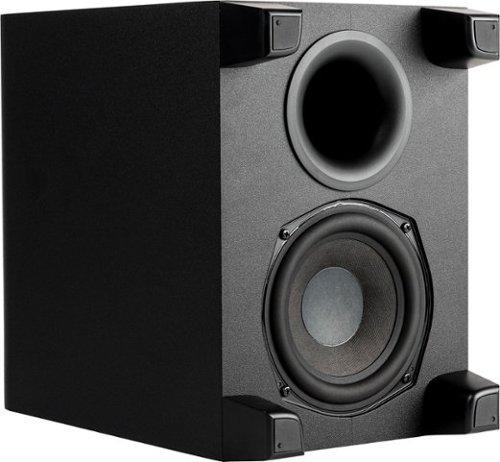
But the real game-changer with the Polk Audio Signa S4 is its included wireless subwoofer. This separate component houses a 5.9-inch driver dedicated entirely to low-frequency reproduction. The subwoofer automatically pairs with the soundbar when you power up the system, and you can place it anywhere in your room for optimal bass response.
Polk has also integrated some clever processing features. Their VoiceAdjust technology lets you boost dialogue without affecting the rest of the soundtrack – incredibly useful when you're watching a movie with booming explosions but can't quite catch what the actors are saying. The BassAdjust feature gives you control over both the soundbar's built-in bass and the wireless subwoofer simultaneously.
This is where the fundamental difference between these systems becomes most apparent. The Polk Audio Signa S4 creates height effects by literally firing sound at your ceiling. When you hear a helicopter flying overhead in a movie, those upward-firing drivers are sending audio up to bounce back down, creating a genuine sense of height. It's physically accurate, and when it works well, it's convincing.
The Sony HT-S2000, on the other hand, relies entirely on digital processing to create these effects. Sony's algorithms analyze the incoming Atmos signal and use timing, phase shifts, and frequency filtering to make your brain perceive height where none physically exists. It's sophisticated technology, but it's also more dependent on your room acoustics and listening position.
In my experience testing both systems, the Polk Audio Signa S4 provides more consistent height effects across different seating positions. The physical upward-firing drivers work regardless of where you sit, as long as you have a reasonably flat ceiling. The Sony HT-S2000 can create impressive virtual surround when you're in the sweet spot, but the effect diminishes as you move around the room.
However, the Sony HT-S2000 has a trick up its sleeve: DTS:X support. While this might seem like a minor technical detail, it actually matters quite a bit. Many Blu-ray releases use DTS:X instead of Dolby Atmos, and having both formats means you'll get object-based surround from more of your content library.
This is where the Polk Audio Signa S4 pulls significantly ahead. That dedicated wireless subwoofer makes a world of difference, especially in larger rooms. The 5.9-inch driver can move much more air than the Sony HT-S2000's built-in bass ports, creating the kind of low-end impact that makes action movies visceral and music more engaging.
The Sony HT-S2000 does include dual built-in subwoofers, and Sony's X-Balanced Speaker Unit design helps minimize distortion while maximizing output. For smaller rooms or apartments where a separate subwoofer might be problematic, the Sony's integrated approach can be surprisingly effective. But physics is physics – a larger, dedicated driver in a properly designed enclosure will almost always outperform integrated solutions.
What's particularly nice about the Polk Audio Signa S4's subwoofer is its wireless connection and placement flexibility. You can tuck it behind your couch, in a corner, or wherever it sounds best in your room. The automatic pairing means you don't deal with complex setup procedures – it just works when you turn everything on.
Both systems recognize that dialogue intelligibility is crucial for home theater enjoyment, but they approach it differently. The Sony HT-S2000 uses a dedicated center channel combined with Voice Mode processing to enhance speech frequencies and make dialogue more prominent in the mix.
The Polk Audio Signa S4 goes further with its VoiceAdjust technology, which acts like an independent volume control for voices. You can boost dialogue without making explosions louder, which is incredibly useful for late-night viewing or when you're watching content with particularly dynamic soundtracks. The Night Mode takes this concept even further, compressing the dynamic range to keep loud effects from waking the neighbors while ensuring you can still hear every whispered conversation.
In testing both systems with dialogue-heavy content, I found the Polk Audio Signa S4 more flexible for fine-tuning voice levels. The Sony HT-S2000 certainly improves dialogue clarity over TV speakers, but the Polk's granular control makes it easier to find the perfect balance for your specific content and listening environment.
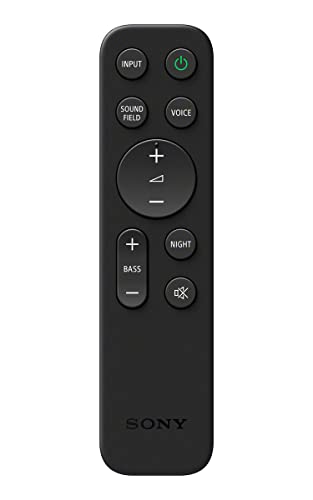
The Sony HT-S2000 shows its 2022 pedigree with Bluetooth 5.2 support and comprehensive HDMI eARC functionality. The newer Bluetooth version provides better connection stability and lower latency, while the BRAVIA Sync integration means seamless operation with Sony TVs – one remote controls everything, and the soundbar automatically switches inputs when you change sources.
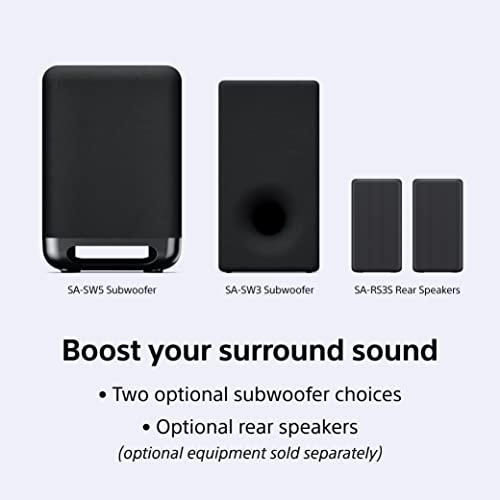
Sony's ecosystem approach extends to expandability. While the Sony HT-S2000 works great as a standalone unit, you can add Sony's wireless subwoofers (SA-SW3 or SA-SW5) and rear speakers (SA-RS3S) to create a full surround system. This modular approach lets you start simple and upgrade over time while maintaining system coherence.
The Polk Audio Signa S4 takes a more traditional approach with Bluetooth 4.2 and multiple input options, including dual optical connections and a 3.5mm analog input. That analog input might seem old-fashioned, but it's actually quite useful for connecting older devices or gaming systems that don't support advanced audio formats over HDMI.
One area where the Polk Audio Signa S4 falls short is smart home integration. Unlike many modern soundbars, it doesn't support voice assistants or sophisticated app control. You get a physical remote and basic Bluetooth connectivity, but that's about it for "smart" features.
Room size plays a crucial role in how these systems perform. The Sony HT-S2000 excels in smaller to medium-sized rooms where its built-in bass can adequately pressurize the space. Its compact footprint makes it ideal for apartment living or rooms where aesthetic minimalism is important.
The Polk Audio Signa S4 scales better with room size. That dedicated subwoofer provides enough low-end energy to fill larger spaces, and the upward-firing drivers work effectively even in rooms with 9-10 foot ceilings. However, you need to consider the visual impact of having two separate components instead of one sleek unit.
Ceiling height and material matter more for the Polk Audio Signa S4 than the Sony HT-S2000. The upward-firing drivers work best with flat, reflective ceilings between 8-10 feet high. Vaulted, textured, or very high ceilings can diminish the height effect, though the system still sounds good even when the Atmos processing isn't optimal.
At the time of writing, both systems occupy similar price territories, but they offer different value propositions. The Sony HT-S2000 provides maximum convenience and format flexibility in a single, elegant package. You're paying for Sony's audio engineering expertise, ecosystem integration, and the convenience of not needing to find space for a subwoofer.
The Polk Audio Signa S4 delivers more raw performance per dollar. You're getting a complete surround system with genuine height channels and dedicated bass reproduction at a price point that traditionally meant compromising on one or both of these features. For pure audio performance, especially in larger rooms, it's hard to beat what Polk offers here.
From a long-term perspective, the Sony HT-S2000 offers clearer upgrade paths within Sony's ecosystem, while the Polk Audio Signa S4 provides a more complete solution out of the box that's less likely to need upgrading.
After extensive testing and living with both systems, I recommend the Polk Audio Signa S4 for most people seeking genuine Dolby Atmos immersion at this price point. The combination of actual height channels and dedicated bass reproduction creates a more convincing surround experience, and the included subwoofer represents significant added value.
However, the Sony HT-S2000 makes sense for specific situations. If you're heavily invested in the Sony ecosystem with BRAVIA TVs, prefer minimal visual clutter, or live in a small space where a subwoofer would be problematic, Sony's all-in-one approach offers compelling advantages.
For home theater enthusiasts who prioritize immersion and don't mind a two-component setup, the Polk Audio Signa S4 delivers more convincing Atmos effects and better bass response. For users who value convenience, ecosystem integration, and format flexibility above ultimate performance, the Sony HT-S2000 provides a more streamlined solution.
Both systems represent significant improvements over TV speakers and basic soundbars, but they achieve their results through fundamentally different approaches. Your choice should depend on your room size, aesthetic preferences, existing equipment ecosystem, and how much you prioritize pure audio performance versus convenience and integration.
The beauty of where soundbar technology has evolved is that there's no longer a single "right" answer – both the Sony HT-S2000 and Polk Audio Signa S4 successfully bring immersive audio to your living room, just through different philosophies and execution.
| Sony HT-S2000 | Polk Audio Signa S4 |
|---|---|
| Channel Configuration - Determines how immersive your surround sound experience will be | |
| 3.1 channels (virtualized height effects) | 3.1.2 channels (dedicated upward-firing height drivers) |
| Subwoofer Setup - Critical for bass impact and room-filling sound | |
| Built-in dual subwoofers (compact but limited power) | Dedicated 5.9" wireless subwoofer (much more powerful bass) |
| Audio Format Support - Affects compatibility with different movies and streaming content | |
| Dolby Atmos + DTS:X (broader format compatibility) | Dolby Atmos only (most common format but limited) |
| Height Channel Implementation - How overhead effects are created | |
| Digital processing with Vertical Surround Engine | Physical upward-firing speakers for authentic height |
| Connectivity Options - Important for connecting multiple devices | |
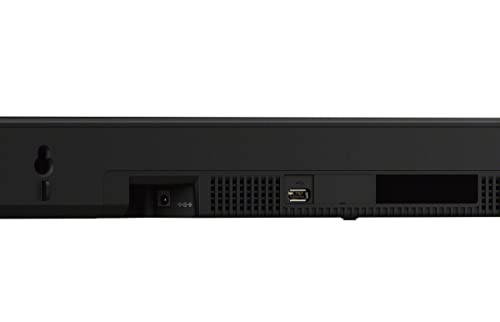
| HDMI eARC, Optical, Bluetooth 5.2, USB | HDMI eARC, 2x Optical, Bluetooth 4.2, 3.5mm analog |
| Voice Enhancement Technology - Essential for clear dialogue | |
| Voice Mode with center channel optimization | VoiceAdjust technology with independent dialogue control |
| Smart Features and App Control - Modern convenience factors | |
| Sony Home Entertainment Connect app, BRAVIA Sync | Basic remote control only (no app or smart features) |
| Physical Footprint - Space requirements in your room | |
| Single unit: 31.5" x 2.6" x 5" (minimal space needed) | Soundbar + separate subwoofer (requires placement for both) |
| Expandability Options - Future upgrade potential | |
| Compatible with Sony wireless subs and rear speakers | Complete system out of box (no upgrade path) |
| Bass Adjustment Controls - Fine-tuning low-end response | |
| Three bass levels via remote/app | BassAdjust controls both soundbar and subwoofer together |
The Polk Audio Signa S4 delivers significantly better bass performance thanks to its dedicated 5.9" wireless subwoofer. While the Sony HT-S2000 includes built-in dual subwoofers, the separate subwoofer in the Polk Audio Signa S4 can move much more air and provide deeper, more impactful low-end response for movies and music.
The Polk Audio Signa S4 offers true Dolby Atmos with physical upward-firing speakers that bounce sound off your ceiling for authentic overhead effects. The Sony HT-S2000 uses advanced digital processing to create virtual height effects without upward-firing drivers, though it supports both Dolby Atmos and DTS:X formats.
The Sony HT-S2000 is ideal for smaller spaces due to its all-in-one design and compact footprint. You don't need to find placement for a separate subwoofer, and its built-in bass is sufficient for smaller rooms. The Polk Audio Signa S4 requires space for both the soundbar and wireless subwoofer.
The key difference is approach: the Sony HT-S2000 is an all-in-one unit that creates virtual surround through digital processing, while the Polk Audio Signa S4 uses physical upward-firing speakers and includes a separate wireless subwoofer for more authentic immersive audio and stronger bass response.
Both excel at dialogue, but differently. The Sony HT-S2000 uses Voice Mode and a dedicated center channel for clear speech. The Polk Audio Signa S4 features VoiceAdjust technology that lets you independently control dialogue volume without affecting other soundtrack elements, making it more flexible for fine-tuning voice levels.
No, the Sony HT-S2000 includes built-in dual subwoofers and is designed as a complete all-in-one system. However, Sony does offer optional wireless subwoofers (SA-SW3, SA-SW5) if you want to upgrade later. The Polk Audio Signa S4 includes its wireless subwoofer in the box.
The Sony HT-S2000 provides newer Bluetooth 5.2 and seamless integration with Sony BRAVIA TVs through BRAVIA Sync. The Polk Audio Signa S4 offers more physical inputs including dual optical connections and a 3.5mm analog input, making it better for connecting multiple older devices.
Both are excellent for home theater use. The Polk Audio Signa S4 provides more convincing surround effects with its physical height channels and powerful subwoofer, making it ideal for action movies. The Sony HT-S2000 offers broader format support (Dolby Atmos + DTS:X) and works well for general home theater use in smaller to medium rooms.
The Sony HT-S2000 is simpler to set up as a single-unit system with app control and automatic TV integration. The Polk Audio Signa S4 requires positioning both the soundbar and subwoofer, though the wireless subwoofer pairs automatically. Both connect easily via HDMI eARC to your TV.
The Sony HT-S2000 offers clear expansion options within Sony's ecosystem, allowing you to add wireless subwoofers and rear speakers later. The Polk Audio Signa S4 comes as a complete system with no official upgrade path, but provides full surround sound capabilities out of the box.
The Polk Audio Signa S4 typically offers better value by including a wireless subwoofer and true height channels at a competitive price point. The Sony HT-S2000 provides excellent value for users wanting maximum convenience, ecosystem integration, and dual format support in a single compact unit.
Yes, both work excellently with streaming Dolby Atmos content from Netflix, Disney+, Amazon Prime, and other services. The Sony HT-S2000 also supports DTS:X content, while the Polk Audio Signa S4 focuses on Dolby Atmos. Both will significantly enhance your streaming experience compared to TV speakers.
We've done our best to create useful and informative comparisons to help you decide what product to buy. Our research uses advanced automated methods to create this comparison and perfection is not possible - please contact us for corrections or questions. These are the sites we've researched in the creation of this article: techradar.com - valueelectronics.com - youtube.com - videoandaudiocenter.com - whathifi.com - hometheaterhifi.com - youtube.com - sony.com - rtings.com - whathifi.com - rtings.com - helpguide.sony.net - electronics.sony.com - sony.com - dolby.com - sony.com - youtube.com - youtube.com - soundandvision.com - audioholics.com - crutchfield.com - cnet.com - richersounds.com - crutchfield.com - rtings.com - polkaudio.com - walmart.com - polkaudio.com - crutchfield.com - youtube.com - profx.com

Privacy Policy
Terms and Conditions - Affiliate Policy
Home Security
© Copyright 2008-2026.
11816 Inwood Rd #1211, Dallas, TX 75244