








If you've been suffering through your TV's tinny built-in speakers, you're not alone. TV manufacturers have been cramming displays thinner and thinner, leaving almost no room for decent audio components. That's where soundbars come in—they're the most practical solution for dramatically improving your TV's audio without turning your living room into a maze of surround sound speakers.
But here's where things get interesting: Sony offers two very different approaches to solving this problem. The Sony HT-S2000 represents their "keep it simple but effective" philosophy, while the BRAVIA Theater Bar 9 showcases what happens when Sony's engineers are given free rein to pack every premium audio technology into a single soundbar.
Before diving into these specific models, let's talk about what actually matters in a soundbar. The most critical factor is channel configuration—this tells you how many separate audio channels the soundbar can reproduce. A 3.1 system means three front channels (left, center, right) plus one subwoofer channel for bass. The center channel is crucial because it handles most dialogue, which is why dedicated center channels make voices so much clearer than regular stereo speakers.
Power output matters, but it's not everything. A soundbar with 250 watts can easily outperform a 400-watt model if it has better drivers and processing. What really counts is how cleanly that power translates into sound across different volume levels.
The latest buzzword you'll hear everywhere is Dolby Atmos. This audio format adds height information to soundtracks, creating the impression that helicopters are flying overhead or rain is falling from above. However—and this is important—there are two very different ways soundbars handle Atmos: some use physical upward-firing speakers (the real deal), while others use digital processing to simulate height effects (which can be quite good, but isn't the same thing).
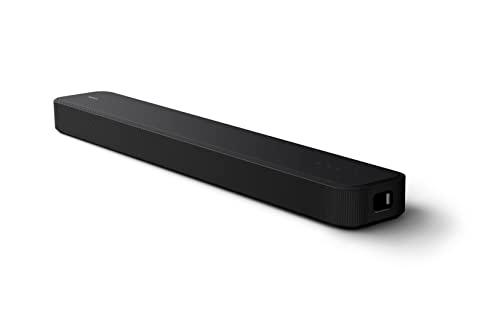
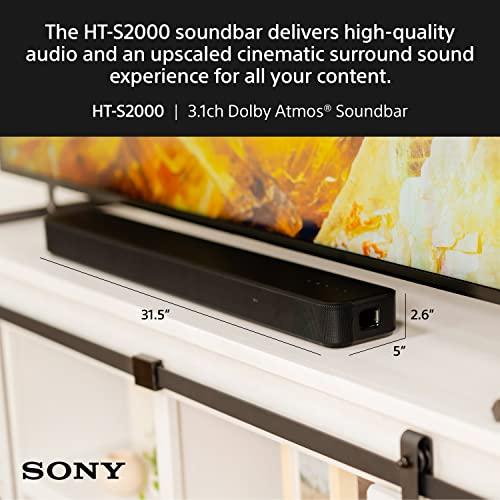
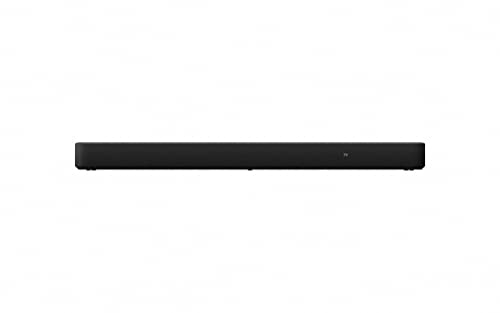
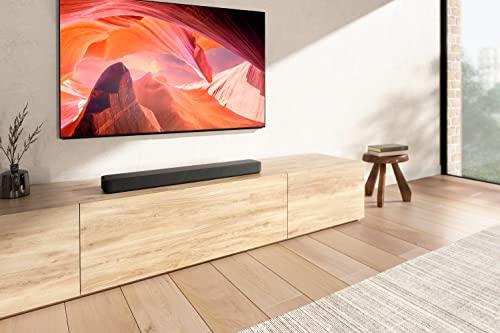
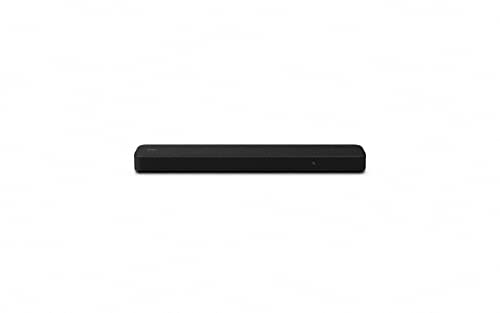
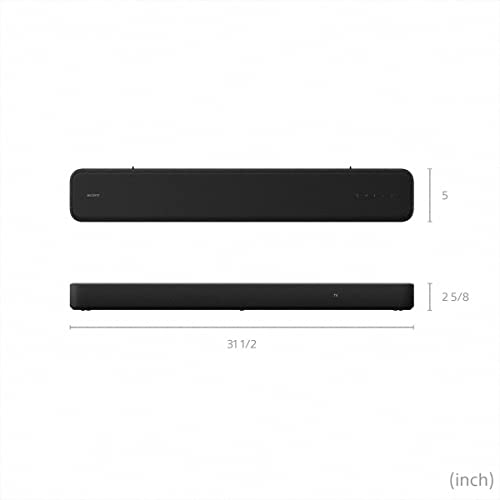
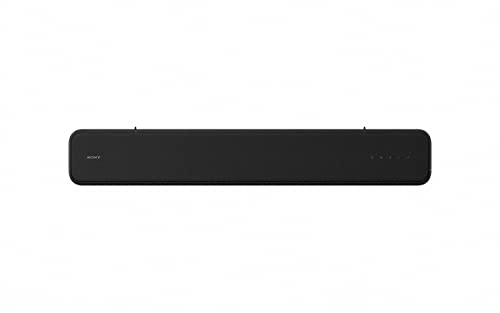
Released in 2023, the Sony HT-S2000 represents Sony's answer to the "just make TV sound better without any fuss" crowd. At roughly 31 inches wide and weighing just over 8 pounds, it's designed to sit unobtrusively under most TVs without dominating your entertainment center.
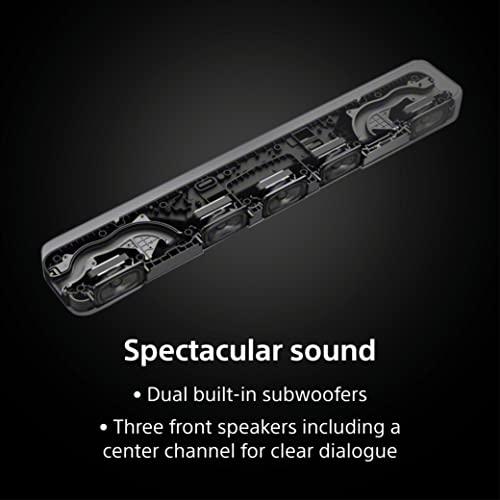
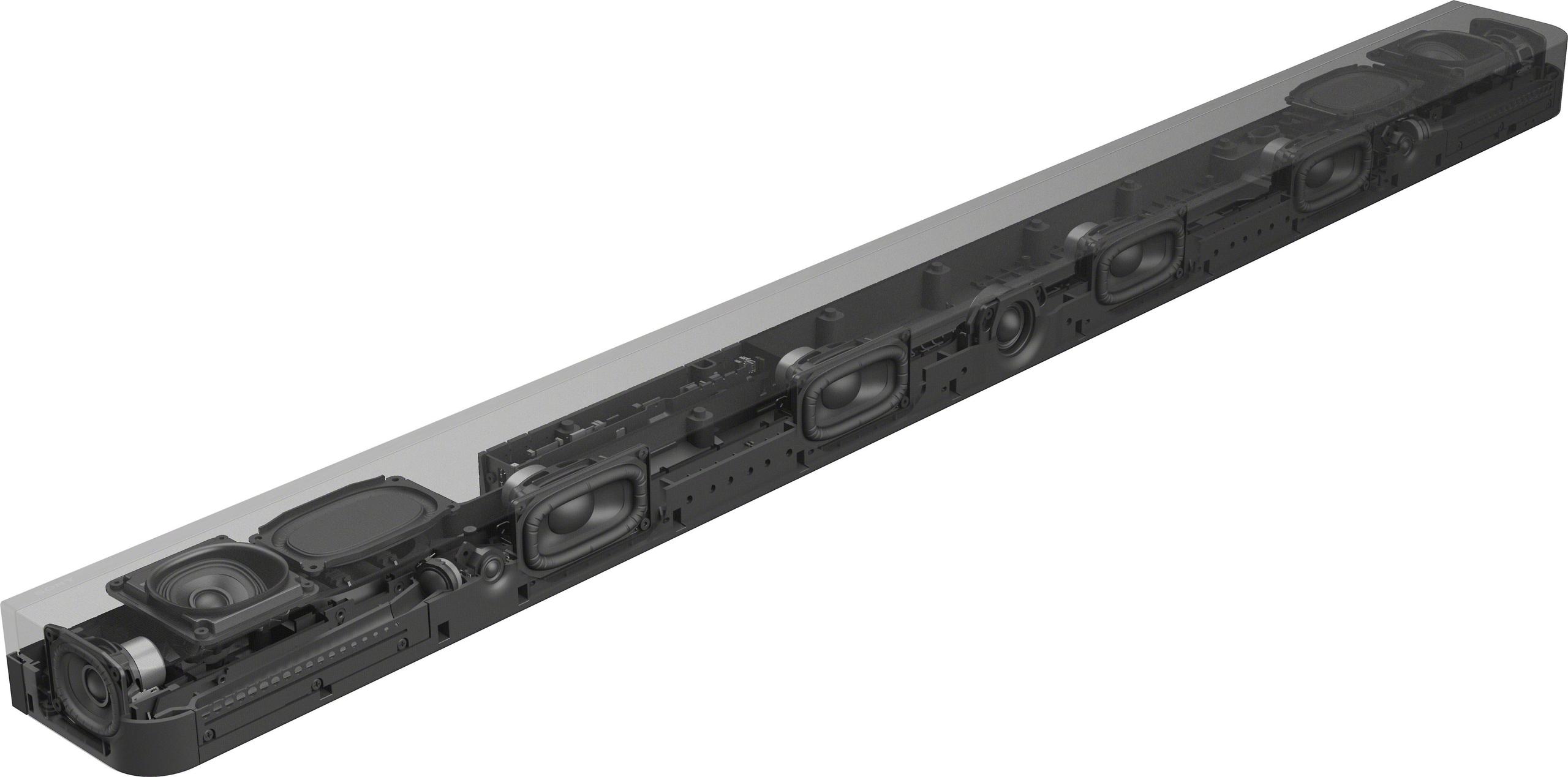
The key innovation here is Sony's X-Balanced Speaker Units—rectangular drivers that pack more surface area into the same space as traditional round drivers. This means more air movement and less distortion, which translates to cleaner sound at higher volumes. The HT-S2000 uses five of these drivers arranged in a 3.1 configuration, with two built-in subwoofers handling the low end.
This built-in subwoofer approach is particularly clever. Most budget soundbars either skip the subwoofer entirely (leaving you with weak bass) or require a separate wireless sub that takes up floor space and needs its own power outlet. Sony split the difference by building dual subwoofers directly into the soundbar, using side-firing ports to enhance bass extension.
The S-Master digital amplifier provides 250 watts of total power. Digital amplifiers are more efficient than traditional analog amps, running cooler and wasting less electricity while delivering cleaner sound. It's the same technology Sony uses in their higher-end audio equipment.
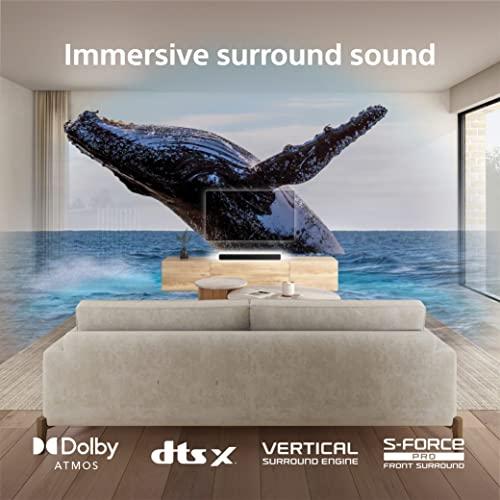
Here's where we need to talk honestly about what the HT-S2000 can and can't do. It supports Dolby Atmos, but only through Sony's Vertical Sound Engine—a clever psychoacoustic processing technique that uses timing and frequency manipulation to create the illusion of height. There are no upward-firing speakers here.
In practice, this means you'll get a wider, more spacious sound than your TV speakers, and action movies will definitely have more impact. But true overhead effects? You won't get helicopters convincingly flying over your head. The soundstage remains largely in front of you, just expanded and more detailed.
I've spent considerable time with similar virtual height processing systems, and while they're impressive for the price point, they're still simulating something rather than creating it. The HT-S2000 excels at making dialogue crystal clear and adding punch to explosions, but it won't fool you into thinking you're in a movie theater.
This soundbar shines in specific scenarios. If you live in an apartment where truly thunderous bass would anger neighbors, the built-in subwoofers provide satisfying low-end without overwhelming your space. For smaller rooms (think 12x15 feet or smaller), the HT-S2000 can fill the space admirably.
The setup is refreshingly simple: one HDMI cable to your TV, and you're essentially done. No lengthy calibration process, no app required, no signing up for accounts. This appeals to people who just want better sound without becoming amateur acousticians.
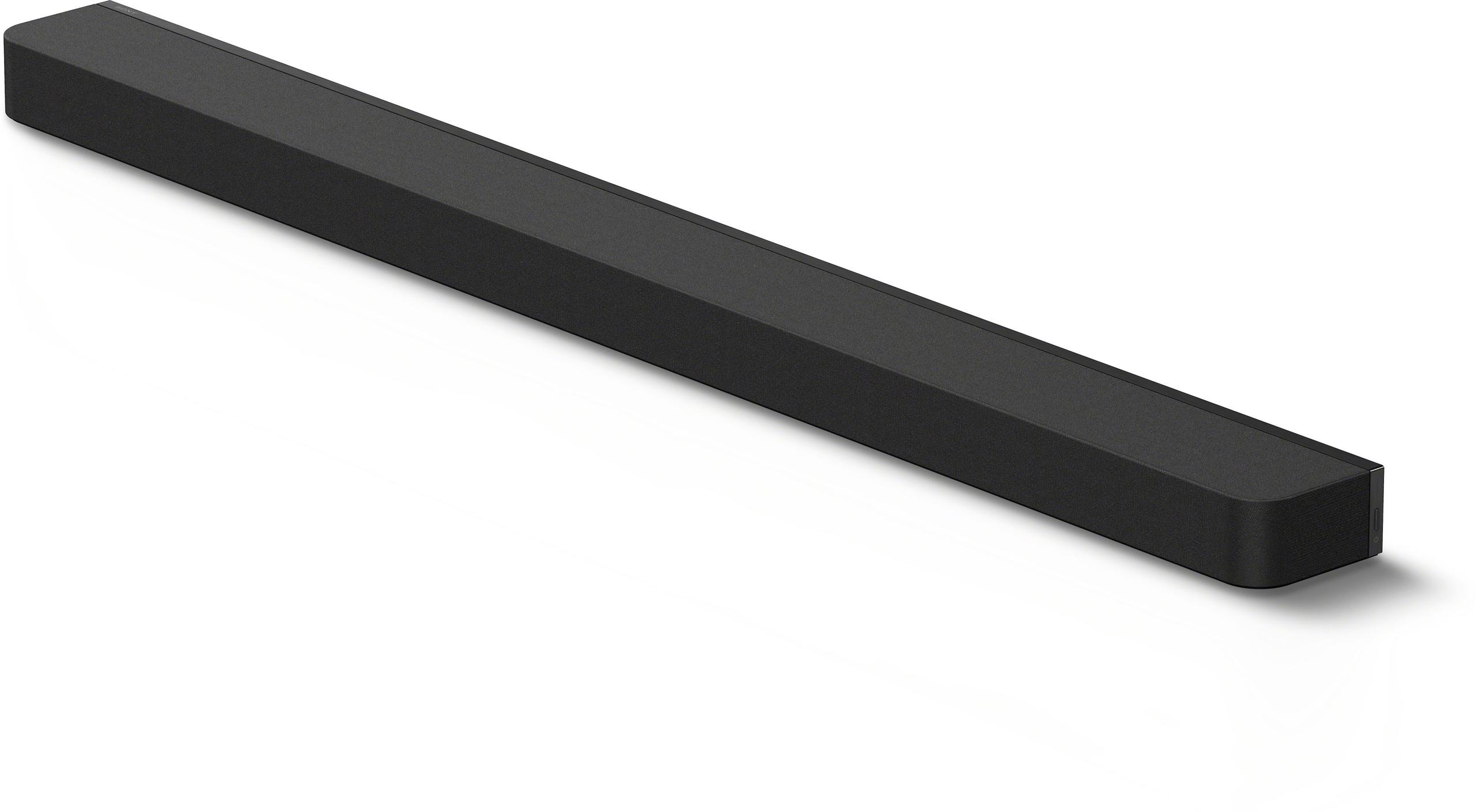
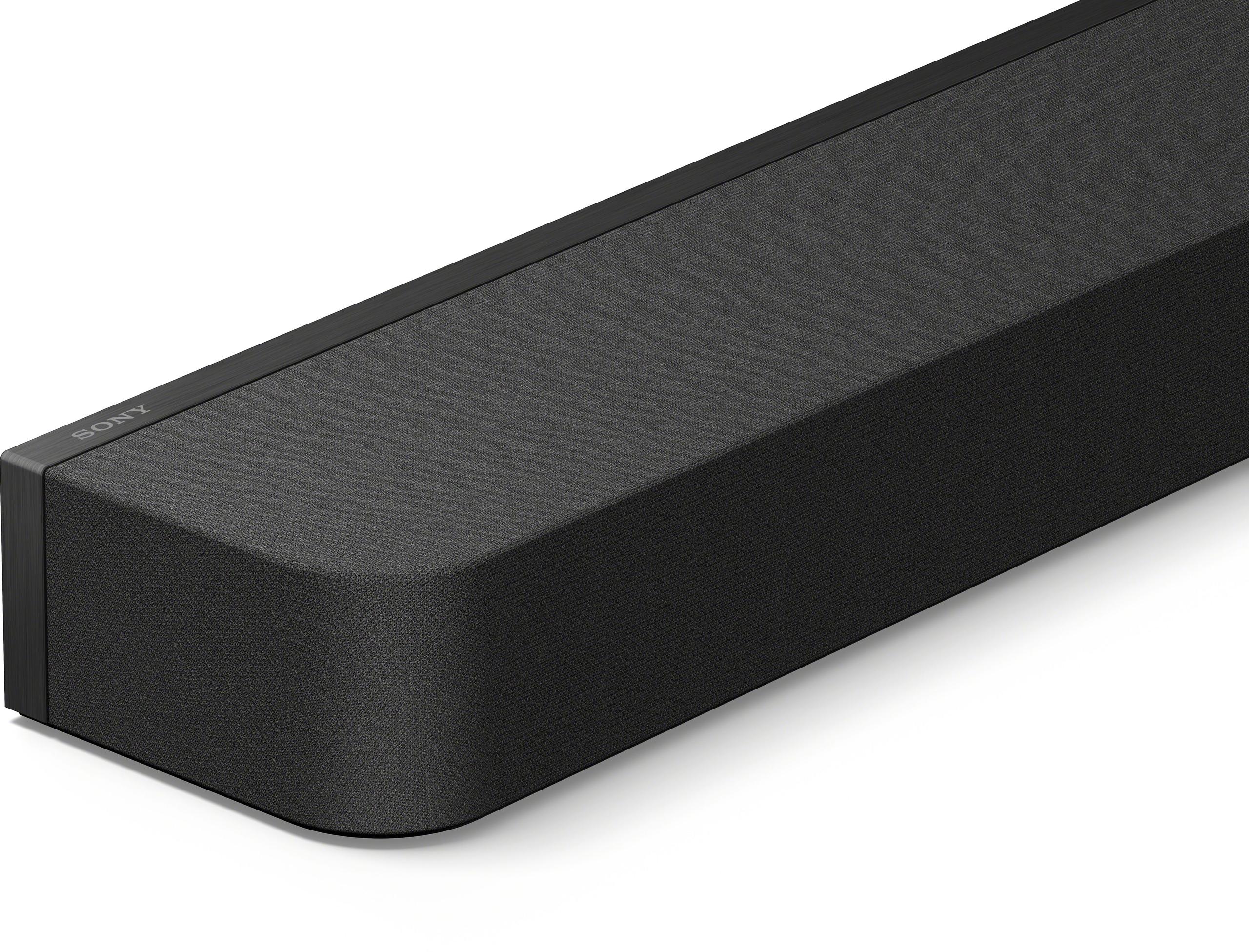
Sony released the BRAVIA Theater Bar 9 in 2024 as their flagship soundbar, incorporating lessons learned from years of premium audio development. This isn't just a bigger version of their budget model—it's a fundamentally different approach to soundbar engineering.
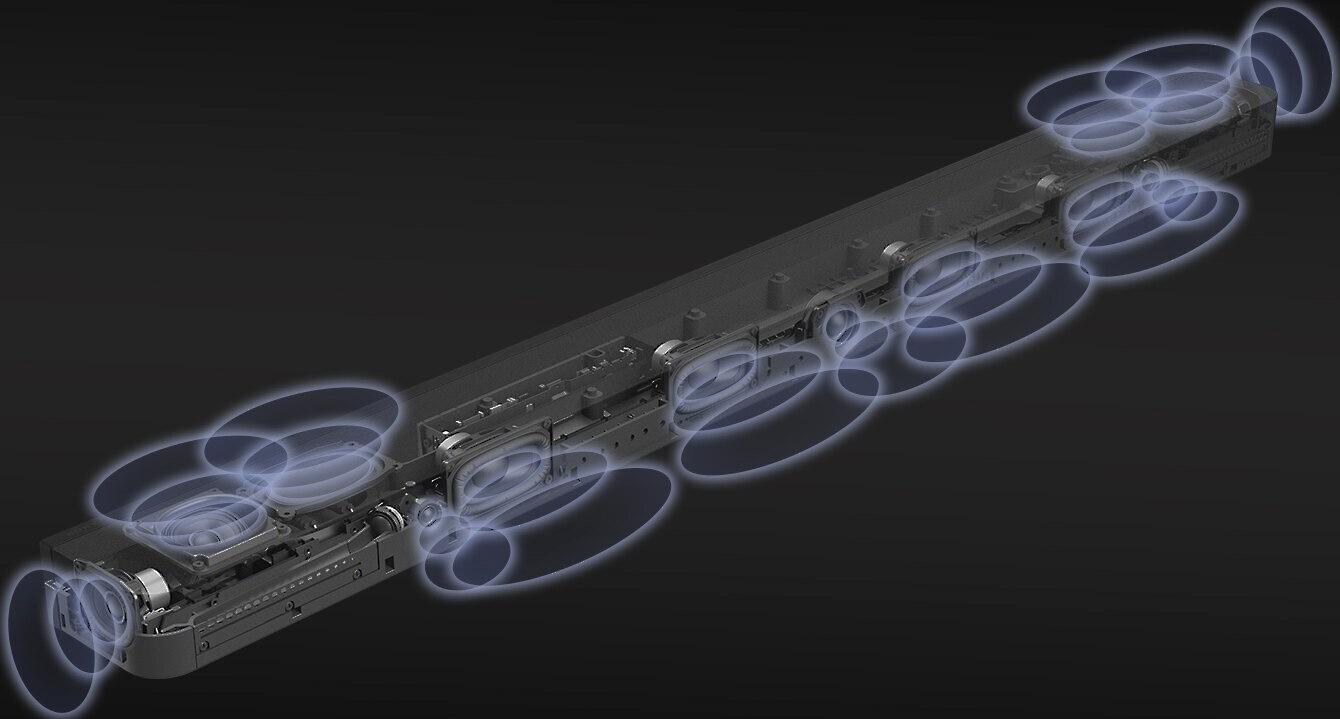
The Theater Bar 9 employs a sophisticated 13-driver array that's frankly impressive for a single-chassis soundbar. This includes four front-firing woofers (larger than those in the HT-S2000), three standard tweeters, two beam tweeters, two dedicated up-firing speakers, and four passive radiators that enhance bass response.
Those beam tweeters are particularly interesting—they're designed to bounce high-frequency sounds off your walls to create a wider soundstage. Combined with the up-firing speakers that reflect sound off your ceiling, the Theater Bar 9 can create the impression of sound sources that exist far beyond the physical boundaries of the soundbar itself.
Here's where the BRAVIA Theater Bar 9 fundamentally differs from its smaller sibling. Those dedicated up-firing speakers fire sound directly at your ceiling, where it reflects back down to create genuine overhead effects. When a scene calls for rain, thunder, or aircraft passing overhead, you'll actually hear it coming from above—not just from a wider front soundstage.
Sony's 360 Spatial Sound Mapping takes this further by analyzing your room and creating up to five "phantom speakers"—locations where your brain perceives sound sources that don't physically exist. This technology has been refined since Sony's earlier flagship models, and the results in 2024 are genuinely impressive.
The Theater Bar 9 uses Sony's S-Master HX amplification, a more advanced version of the digital amplifier technology in the HT-S2000. While Sony doesn't publish exact wattage figures, the difference in dynamic range and clean power delivery is immediately apparent when you hear them side by side.
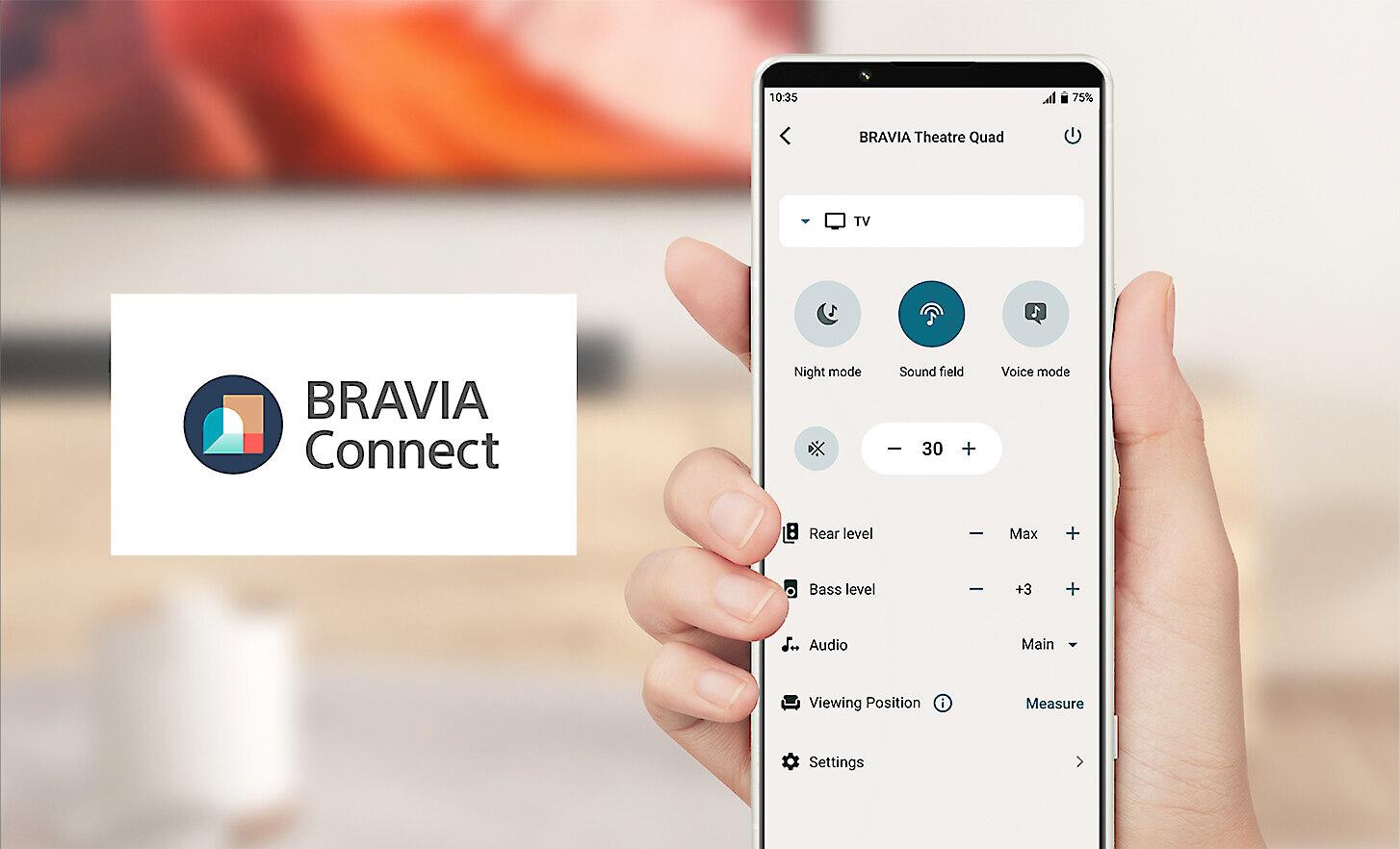
The soundbar includes Sound Field Optimization, which automatically adjusts the audio based on your room's acoustics. Using microphones built into the system, it analyzes how sound reflects off your walls and ceiling, then adjusts the processing to optimize the experience for your specific space.
If you own a recent Sony BRAVIA TV, the Theater Bar 9 offers Acoustic Center Sync, which uses your TV's speakers as an additional center channel. This creates the impression that dialogue is coming directly from actors' mouths on screen rather than from below the TV. It's a subtle but noticeable improvement that enhances the viewing experience.
Voice Zoom 3 represents Sony's latest AI-powered dialogue enhancement. Unlike simple bass/treble adjustments, this technology identifies human speech patterns and can amplify or reduce voice levels independently of other audio elements. For viewers who struggle with dialogue clarity in complex soundtracks, this feature can be transformative.
The HT-S2000 handles bass admirably for its size, but physics limits what you can achieve with built-in subwoofers. The dual subwoofers provide enough thump for most TV viewing and music, but action movie enthusiasts will notice the missing deep rumble that makes explosions feel visceral.
The Theater Bar 9 delivers substantially more bass authority thanks to its larger woofers and passive radiator design. In larger rooms, this difference becomes pronounced—the flagship model can pressurize a space in a way the smaller soundbar simply cannot.
However, I've noticed the Theater Bar 9 can occasionally over-emphasize bass frequencies, making some content sound slightly boomy. This is adjustable through the sound settings, but it's worth noting for listeners who prefer a more neutral bass response.
Both soundbars excel at dialogue reproduction, but for different reasons. The HT-S2000 uses a dedicated center channel that's specifically tuned for vocal frequencies. In practice, this means actors' voices cut through background music and sound effects with impressive clarity.
The Theater Bar 9 takes center channel performance further with its Acoustic Center Sync capability and AI-powered voice processing. The result is dialogue that not only sounds clear but appears to originate from the correct location on screen—a subtle but important improvement for immersion.
This is where the price difference becomes most apparent. The HT-S2000 creates a pleasant expansion of your TV's stereo image, but the soundstage remains clearly anchored to the soundbar's location.
The Theater Bar 9 can genuinely fool you about where sounds are coming from. Well-mixed Dolby Atmos content can place effects behind your listening position, create overhead ambience, and establish a sense of three-dimensional space that extends far beyond the soundbar itself.
At the time of writing, these soundbars occupy very different price tiers—the HT-S2000 typically costs less than a third of the Theater Bar 9's asking price. This raises important questions about value and diminishing returns.
For many users, the HT-S2000 provides 80% of the improvement they're seeking at a fraction of the cost. The jump from TV speakers to a decent soundbar is dramatic; the jump from a decent soundbar to a premium one is significant but less transformative.
However, in large rooms or dedicated home theater spaces, the Theater Bar 9's additional capabilities become more meaningful. The ability to fill a 20x15 foot room with convincing surround sound from a single component is genuinely impressive and justifies the premium for serious movie enthusiasts.
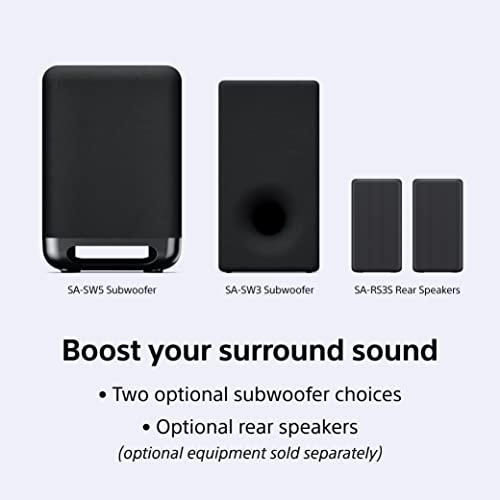
Both soundbars support Sony's wireless rear speaker system, but they handle expansion differently. The HT-S2000 can add SA-SW3 or SA-SW5 wireless subwoofers and SA-RS3S rear speakers, transforming it into a more complete surround system while maintaining its plug-and-play simplicity.
The Theater Bar 9 supports more advanced wireless components and offers superior integration with Sony's ecosystem. If you're building a serious home theater around Sony components, the flagship model provides a more sophisticated foundation for future expansion.
Your decision should ultimately come down to three key factors: room size, budget priorities, and performance expectations.
Choose the Sony HT-S2000 if you want a significant upgrade from TV speakers without complexity or excessive cost. It's perfect for bedrooms, smaller living rooms, or situations where simplicity matters more than ultimate performance. The built-in subwoofers and clear dialogue reproduction make it an excellent choice for casual viewing and late-night movie watching.
Choose the BRAVIA Theater Bar 9 if you want the best single-soundbar experience money can buy. It justifies its premium pricing in larger rooms, with premium TVs, or when authentic Dolby Atmos reproduction matters to you. The advanced room optimization and Sony TV integration features make it particularly appealing for users already invested in Sony's ecosystem.
Both represent solid values within their respective price tiers, but they're designed for different users with different priorities. The HT-S2000 democratizes good soundbar performance, while the Theater Bar 9 demonstrates what's possible when engineering constraints are relaxed and premium components are employed.
Ultimately, either soundbar will transform your TV viewing experience compared to built-in TV speakers. Your choice should reflect how much that transformation is worth to you and how important cutting-edge audio technology is to your entertainment setup.
| Sony HT-S2000 | Sony BRAVIA Theater Bar 9 |
|---|---|
| Channel Configuration - Determines surround sound capability and dialogue clarity | |
| 3.1 channels with built-in dual subwoofer | 13-driver array with 7.0.2 configuration |
| Dolby Atmos Implementation - Critical for overhead sound effects | |
| Virtual height via Vertical Sound Engine (simulated) | True height channels with dedicated up-firing speakers |
| Physical Dimensions - Space requirements and room compatibility | |
| 31.5" x 2.6" x 5" (8.2 lbs) - compact design | 51.25" x 2.6" x 4.5" (12.1 lbs) - premium build |
| Power and Amplification - Affects volume levels and sound quality | |
| 250W S-Master digital amplifier | Higher output S-Master HX amplification |
| Bass Response - Low-end impact for movies and music | |
| Built-in dual subwoofers with side-firing ports | Larger woofers with quad passive radiators |
| Room Optimization - Automatic tuning for your space | |
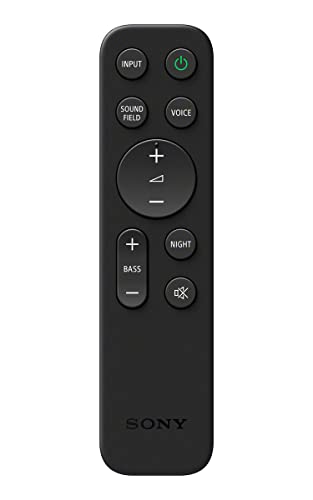
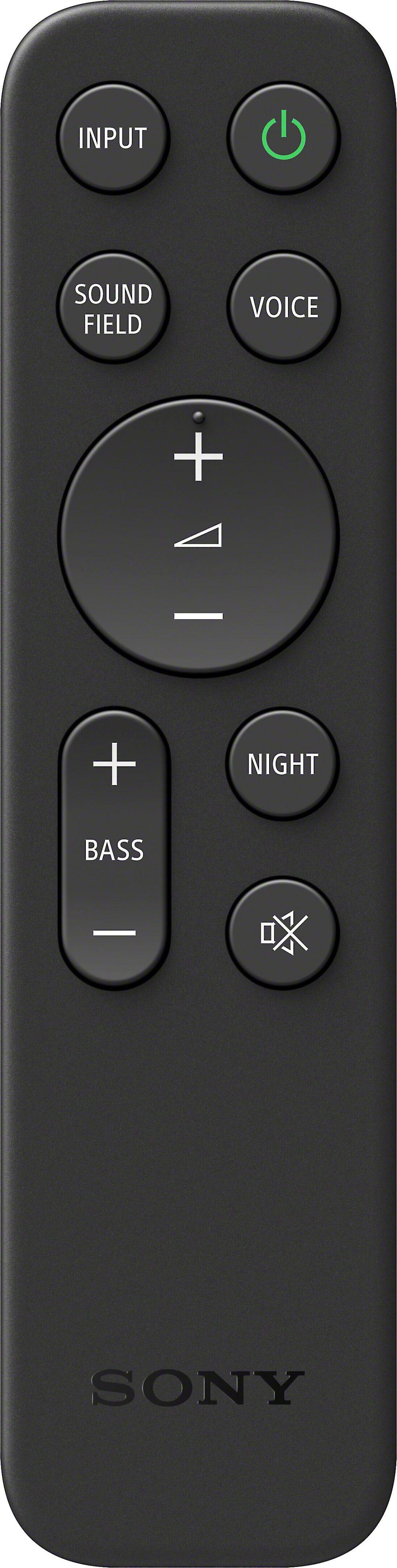
| Manual sound modes (Sound Field, Night, Voice) | Sound Field Optimization with room calibration |
| Connectivity Options - How you connect devices and stream content | |
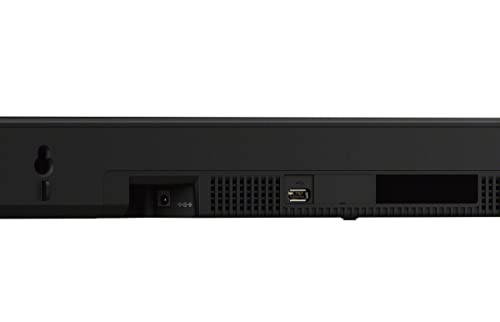
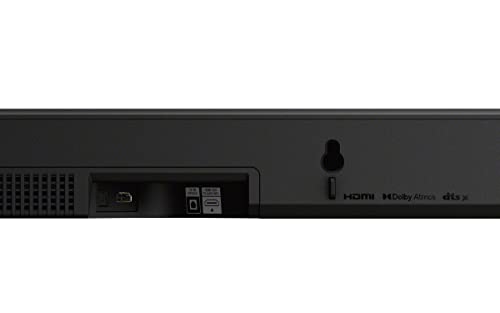
| HDMI eARC, optical, Bluetooth 5.2, USB | HDMI 2.1, Wi-Fi, Spotify Connect, AirPlay 2 |
| Sony TV Integration - Enhanced features with BRAVIA TVs | |
| BRAVIA Sync and basic remote control | Acoustic Center Sync and advanced TV integration |
| Expandability - Future upgrade potential | |
| Compatible with Sony wireless subs and rear speakers | Premium wireless component compatibility |
| Setup Complexity - Time and effort required | |
| Plug-and-play with single HDMI connection | Advanced calibration and optimization features |
| Target Room Size - Optimal performance environment | |
| Small to medium rooms (up to 15x12 feet) | Large rooms and dedicated home theaters |
| Value Proposition - Performance per dollar spent | |
| Exceptional entry-level upgrade from TV speakers | Premium flagship performance with cutting-edge tech |
The Sony HT-S2000 is a compact 3.1 channel soundbar with built-in subwoofers designed for simple setup and solid performance, while the BRAVIA Theater Bar 9 is Sony's flagship model featuring 13 drivers, true Dolby Atmos with up-firing speakers, and advanced room calibration. The Theater Bar 9 offers premium performance for larger rooms, while the HT-S2000 focuses on value and ease of use.
The Sony HT-S2000 is ideal for small to medium rooms up to 15x12 feet. Its compact 31-inch design fits under most TVs without overwhelming the space, and the built-in dual subwoofers provide adequate bass without being too powerful for smaller areas. The BRAVIA Theater Bar 9 is designed for larger spaces and may be overkill for compact rooms.
Only the BRAVIA Theater Bar 9 supports true Dolby Atmos with dedicated up-firing speakers that bounce sound off your ceiling for authentic overhead effects. The Sony HT-S2000 uses Sony's Vertical Sound Engine to simulate height effects through digital processing, which provides a wider soundstage but not genuine overhead sound placement.
The Sony HT-S2000 offers exceptional value as an entry-level soundbar that significantly improves TV audio with built-in subwoofers and simple setup. The BRAVIA Theater Bar 9 provides premium performance with advanced features but at a much higher cost. For most users seeking a TV audio upgrade, the HT-S2000 delivers the best performance-to-price ratio.
The Sony HT-S2000 features plug-and-play setup with a single HDMI cable connection and no required calibration. The BRAVIA Theater Bar 9 offers more complex setup with advanced room calibration features and Sound Field Optimization that analyzes your space for optimal performance. Both work with Sony's mobile app for additional control.
Both soundbars excel at dialogue reproduction with dedicated center channels. The Sony HT-S2000 provides clear voice reproduction that cuts through background noise. The BRAVIA Theater Bar 9 adds Voice Zoom 3 AI technology and Acoustic Center Sync with compatible Sony TVs, making dialogue appear to come directly from the screen for enhanced clarity and positioning.
Yes, both the Sony HT-S2000 and BRAVIA Theater Bar 9 support Sony's wireless subwoofer and rear speaker systems. The HT-S2000 works with SA-SW3/SA-SW5 subwoofers and SA-RS3S rear speakers for affordable expansion. The Theater Bar 9 supports more advanced wireless components and offers superior integration with Sony's premium speaker ecosystem.
The BRAVIA Theater Bar 9 delivers superior bass with larger front-firing woofers and quad passive radiators that can fill larger rooms with deep, impactful low-end. The Sony HT-S2000 uses built-in dual subwoofers that provide satisfying bass for most content but may lack the deep rumble needed for action movies in larger spaces.
The BRAVIA Theater Bar 9 is excellent for dedicated home theaters with its authentic Dolby Atmos reproduction, room optimization, and ability to fill large spaces with immersive sound. The Sony HT-S2000 works well for casual home theater use in smaller rooms but lacks the true surround sound capabilities needed for premium home theater experiences.
Both soundbars integrate well with Sony BRAVIA TVs through BRAVIA Sync, but the BRAVIA Theater Bar 9 offers advanced integration features like Acoustic Center Sync that uses your TV speakers as an additional center channel. This creates more realistic dialogue positioning compared to the HT-S2000, which provides standard TV remote control and basic sync features.
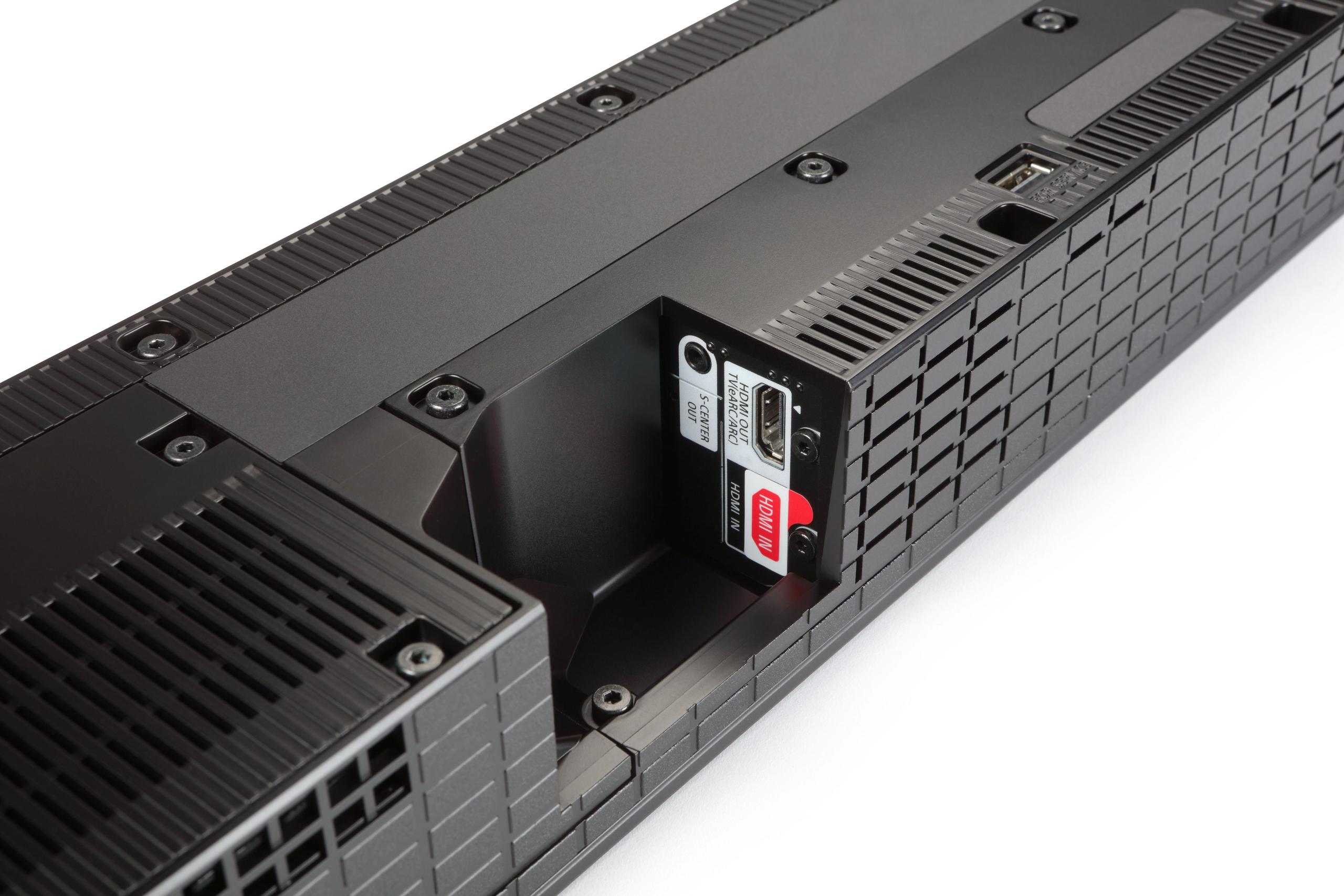
The Sony HT-S2000 includes HDMI eARC/ARC, optical input, USB playback, and Bluetooth 5.2 for basic connectivity needs. The BRAVIA Theater Bar 9 adds Wi-Fi connectivity, HDMI 2.1 support, Spotify Connect, and Apple AirPlay 2 for more comprehensive streaming and device connection options.
Choose the Sony HT-S2000 if you want significant TV audio improvement at an affordable price, have a small to medium room, or prefer simple plug-and-play setup. Select the BRAVIA Theater Bar 9 if you have a large room, want premium audio performance with true Dolby Atmos, own a Sony TV for enhanced integration, or are building a serious home theater system.
We've done our best to create useful and informative comparisons to help you decide what product to buy. Our research uses advanced automated methods to create this comparison and perfection is not possible - please contact us for corrections or questions. These are the sites we've researched in the creation of this article: techradar.com - valueelectronics.com - youtube.com - videoandaudiocenter.com - whathifi.com - hometheaterhifi.com - youtube.com - sony.com - rtings.com - whathifi.com - rtings.com - helpguide.sony.net - electronics.sony.com - sony.com - dolby.com - sony.com - youtube.com - youtube.com - rtings.com - residentialsystems.com - rtings.com - bestbuy.com - valueelectronics.com - sony.com - sony.co.uk - sony.co.uk - rtings.com - sony.co.in - sony.com - pocket-lint.com - sony.com - crutchfield.com

Privacy Policy
Terms and Conditions - Affiliate Policy
Home Security
© Copyright 2008-2026.
11816 Inwood Rd #1211, Dallas, TX 75244