



When your TV's built-in speakers just aren't cutting it anymore, you're probably looking at soundbars. They're the most popular way to upgrade your audio without turning your living room into a maze of wires and speakers. But with so many options out there, how do you choose between two fundamentally different approaches to better sound?
Today we're comparing the Sony HT-S2000 and the JBL Bar 5.1 Surround – two soundbars that tackle home theater audio in completely different ways. One focuses on simplicity and cutting-edge processing, while the other goes the traditional route with physical surround speakers. Both have their strengths, and understanding these differences will help you pick the right one for your setup.
Before diving into these specific models, let's talk about what you should actually care about when shopping for a soundbar. The most important consideration is channel configuration – this tells you how many separate audio streams the soundbar can handle. A 2.1 system has left, right, and a subwoofer channel. A 3.1 adds a dedicated center channel for dialogue. A 5.1 system includes rear surround channels too.
The magic happens in how these channels are delivered. Some soundbars use virtual processing to trick your ears into thinking sound is coming from different directions, while others use physical speakers placed around your room. Both approaches work, but they create different experiences.
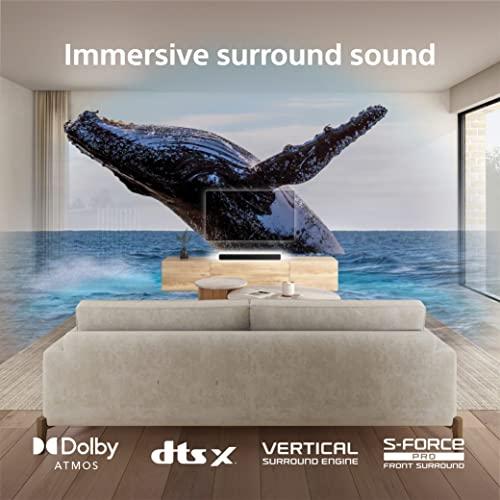
Audio format support is another crucial factor. Dolby Atmos and DTS:X are newer formats that add height information to create a more three-dimensional sound field. Think of rain falling from above or a helicopter flying overhead – these formats can make you actually hear those effects in the right spatial positions.
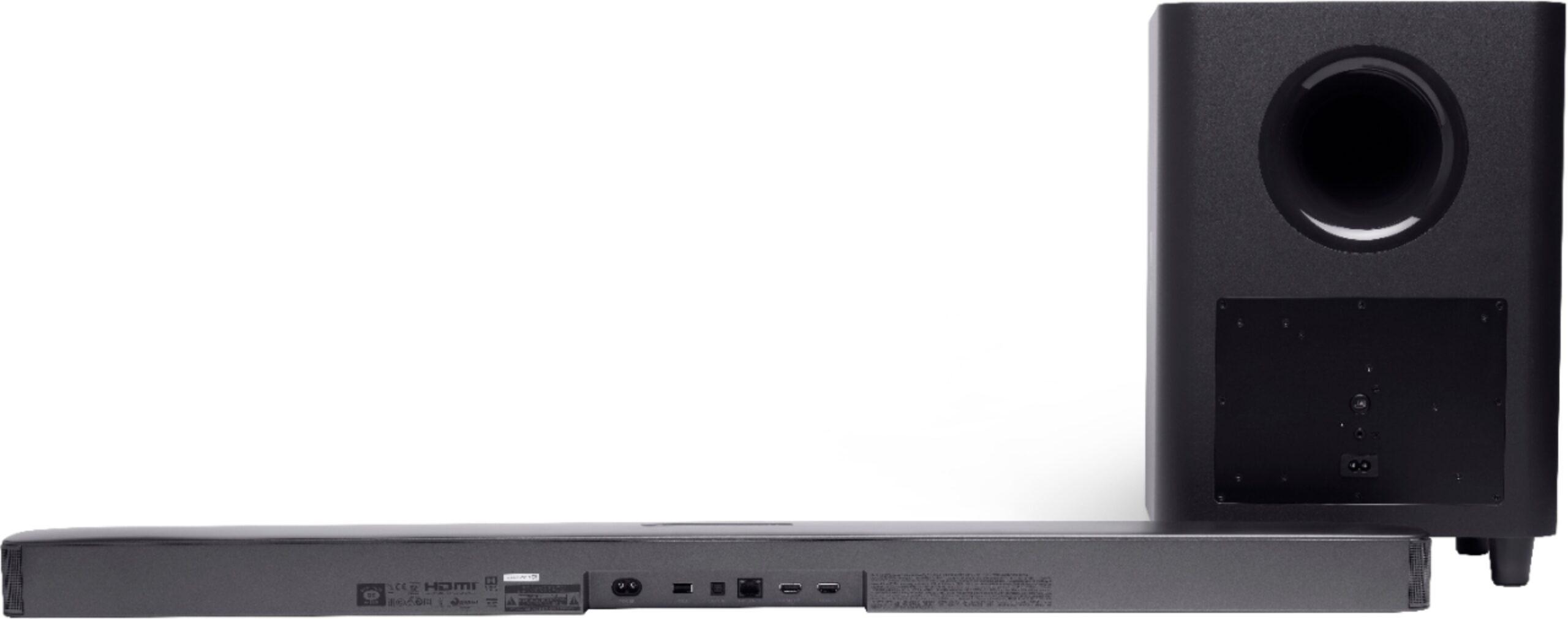
Connectivity matters too. HDMI eARC (enhanced Audio Return Channel) provides the best connection between your TV and soundbar, supporting high-quality audio formats with minimal setup. Optical connections work well but have bandwidth limitations. Bluetooth lets you stream music from your phone, while Wi-Fi connectivity opens up streaming services directly on the soundbar.
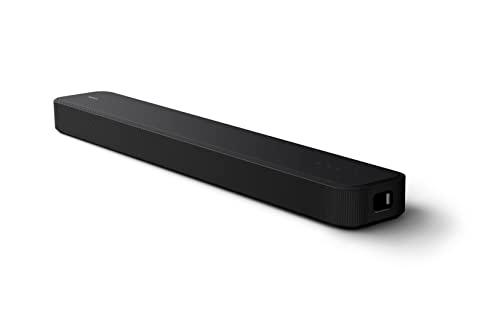
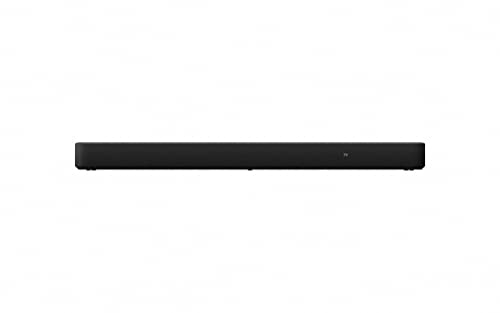
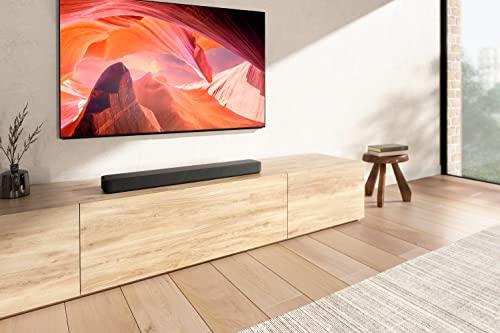
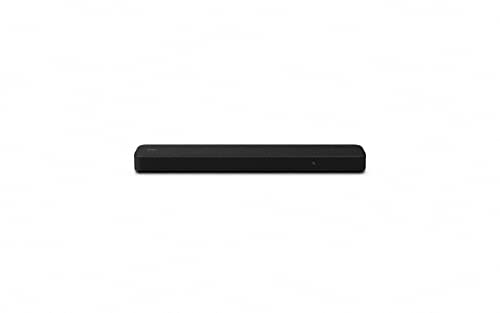
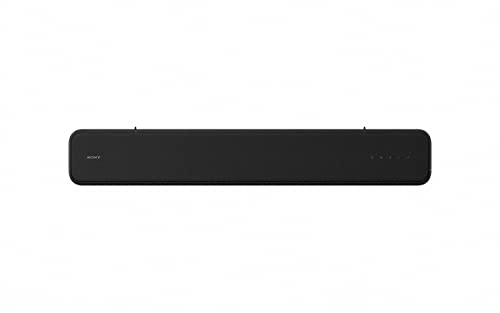
The Sony HT-S2000, released in 2023, represents Sony's modern take on affordable home theater. It's a 3.1-channel soundbar that packs everything into a single sleek unit, including built-in subwoofers. Sony's approach here is all about simplicity – plug it in, connect one cable, and you're done. But don't mistake simple for basic; this soundbar supports both Dolby Atmos and DTS:X, using sophisticated processing to create height effects without upward-firing speakers.
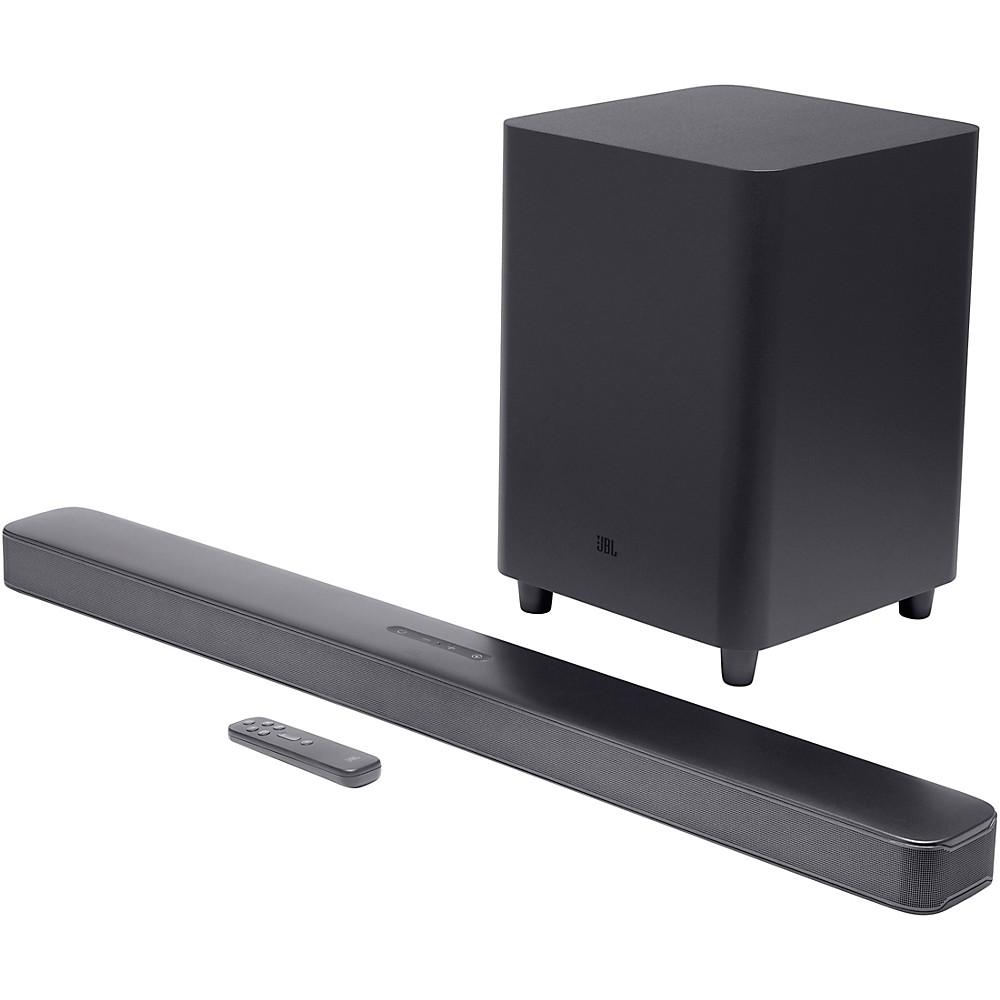
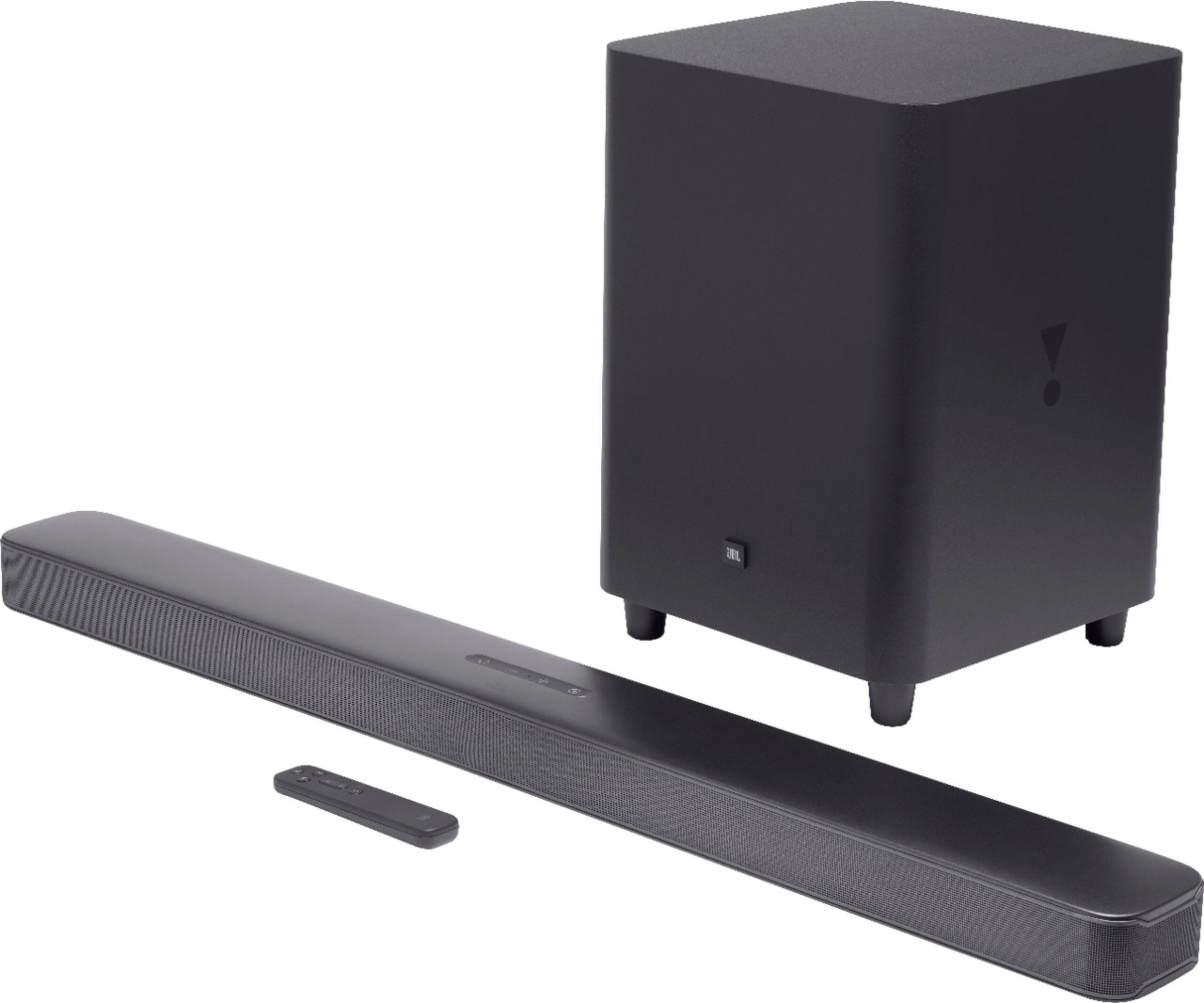
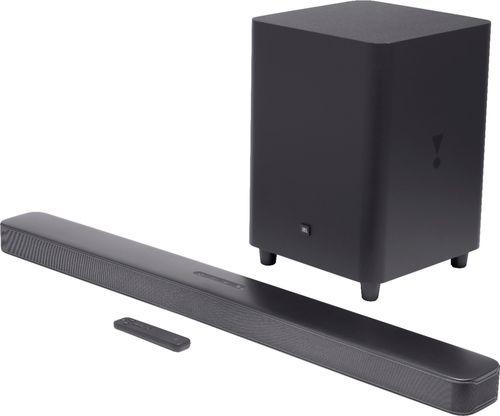
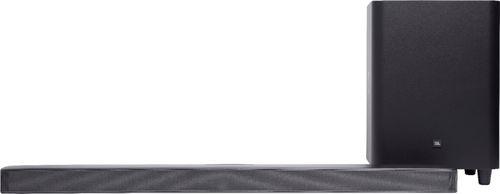
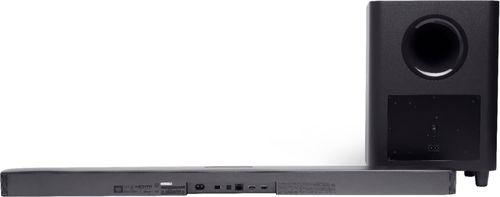
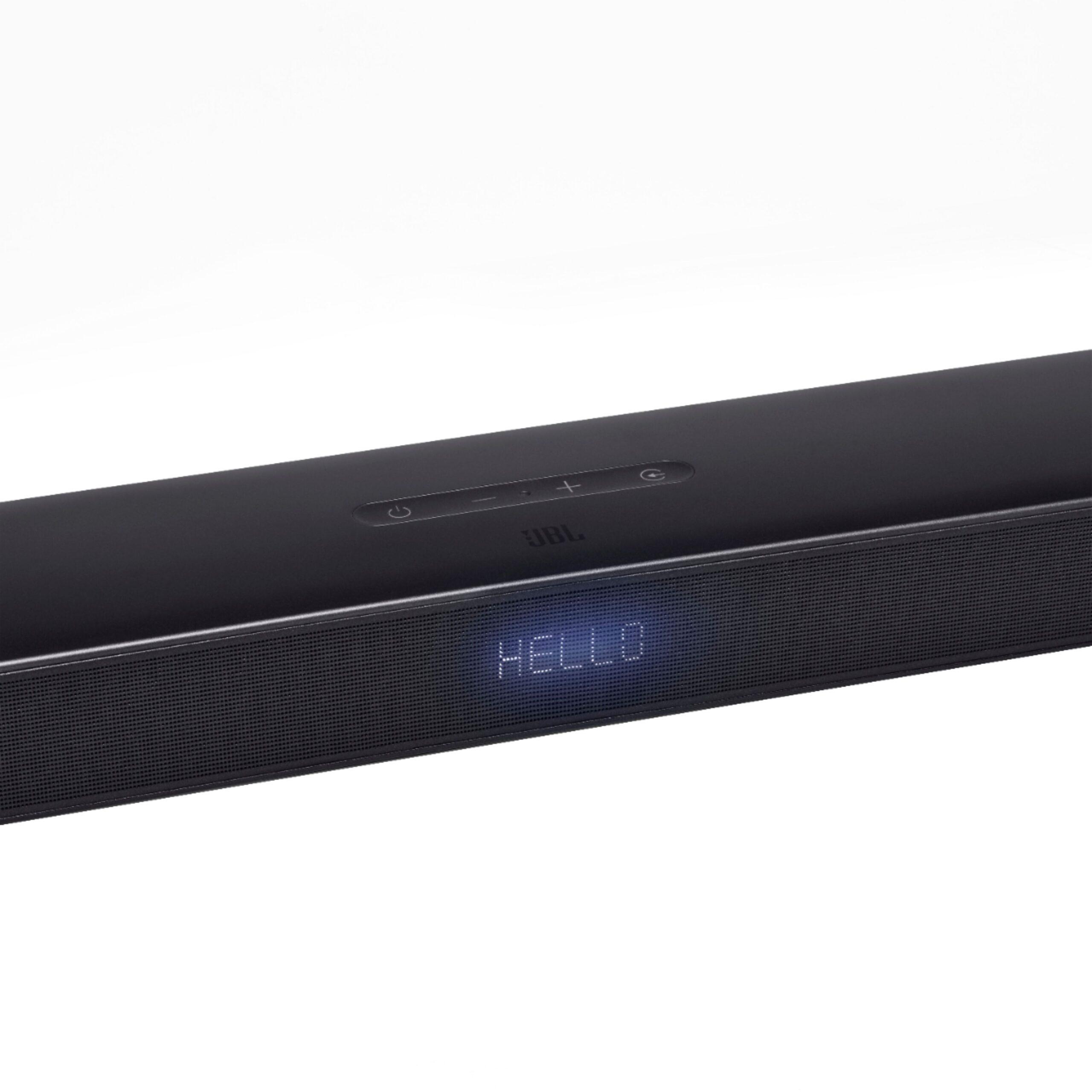
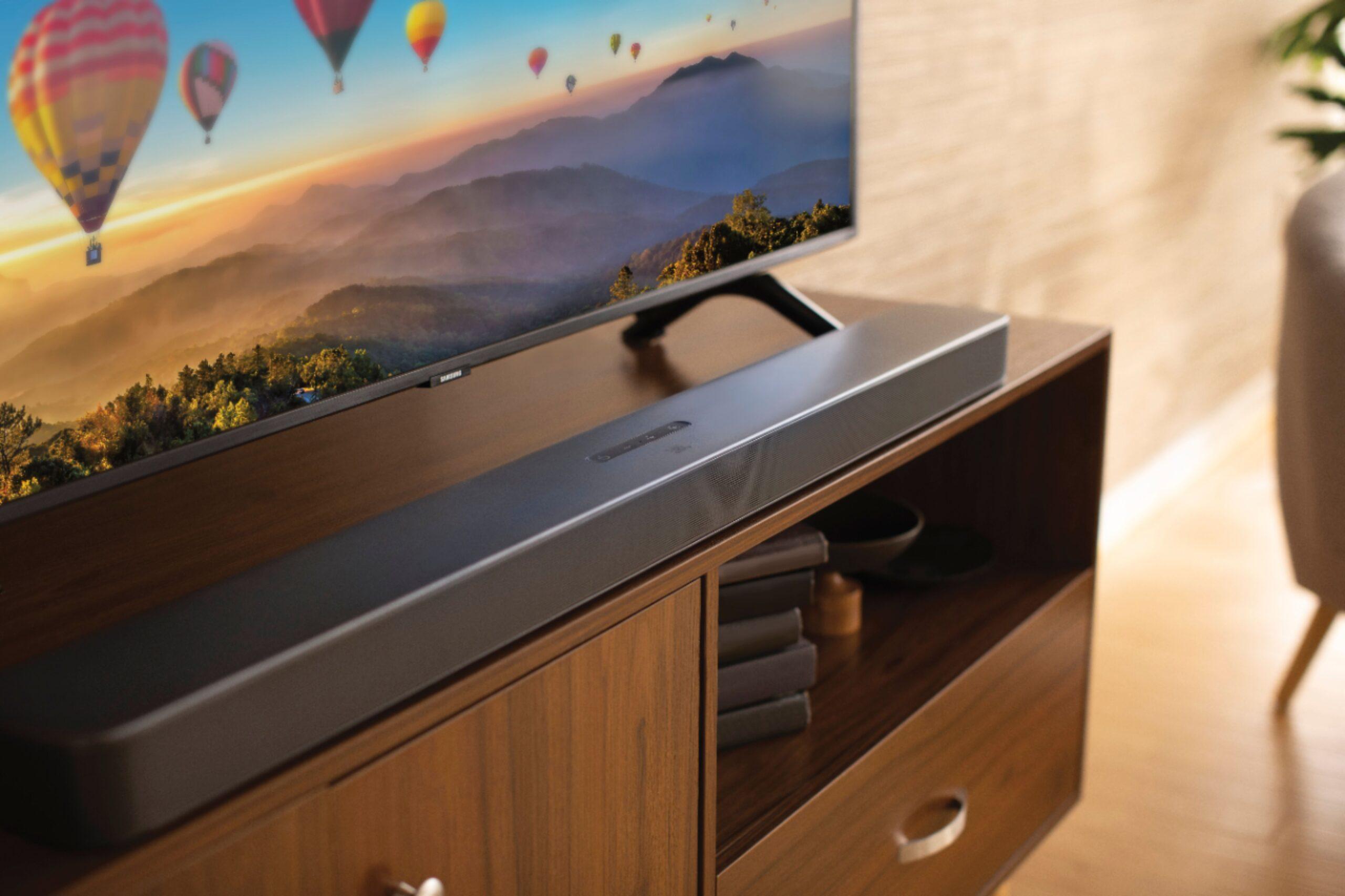
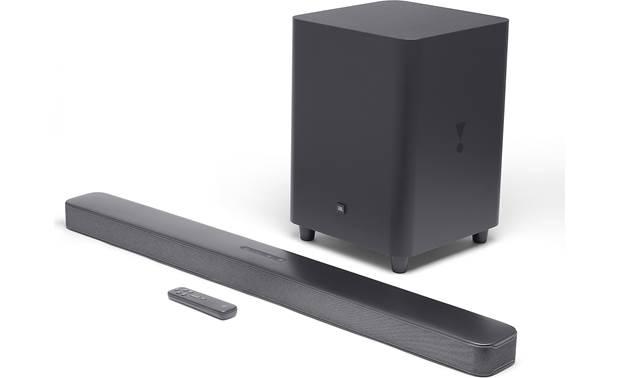
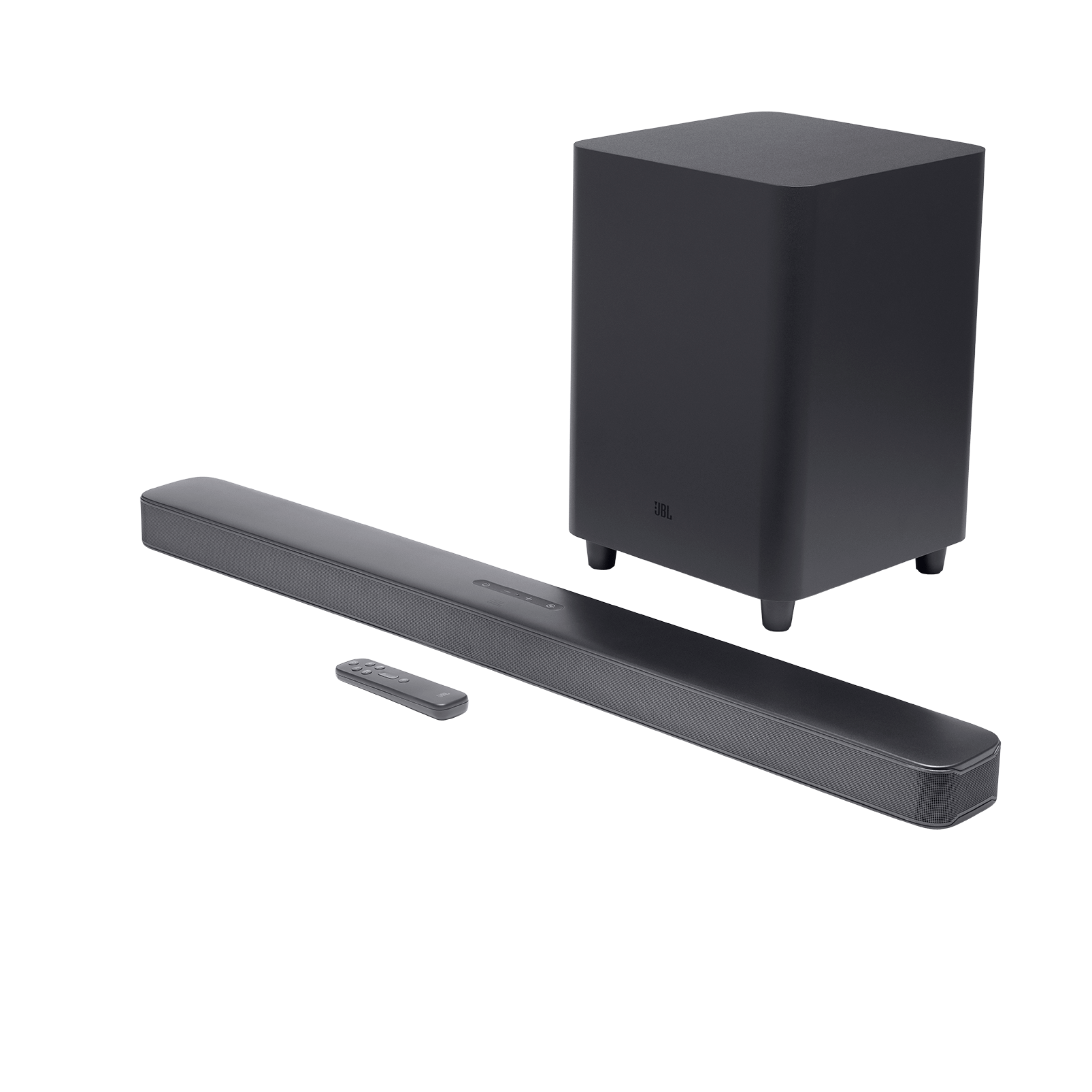
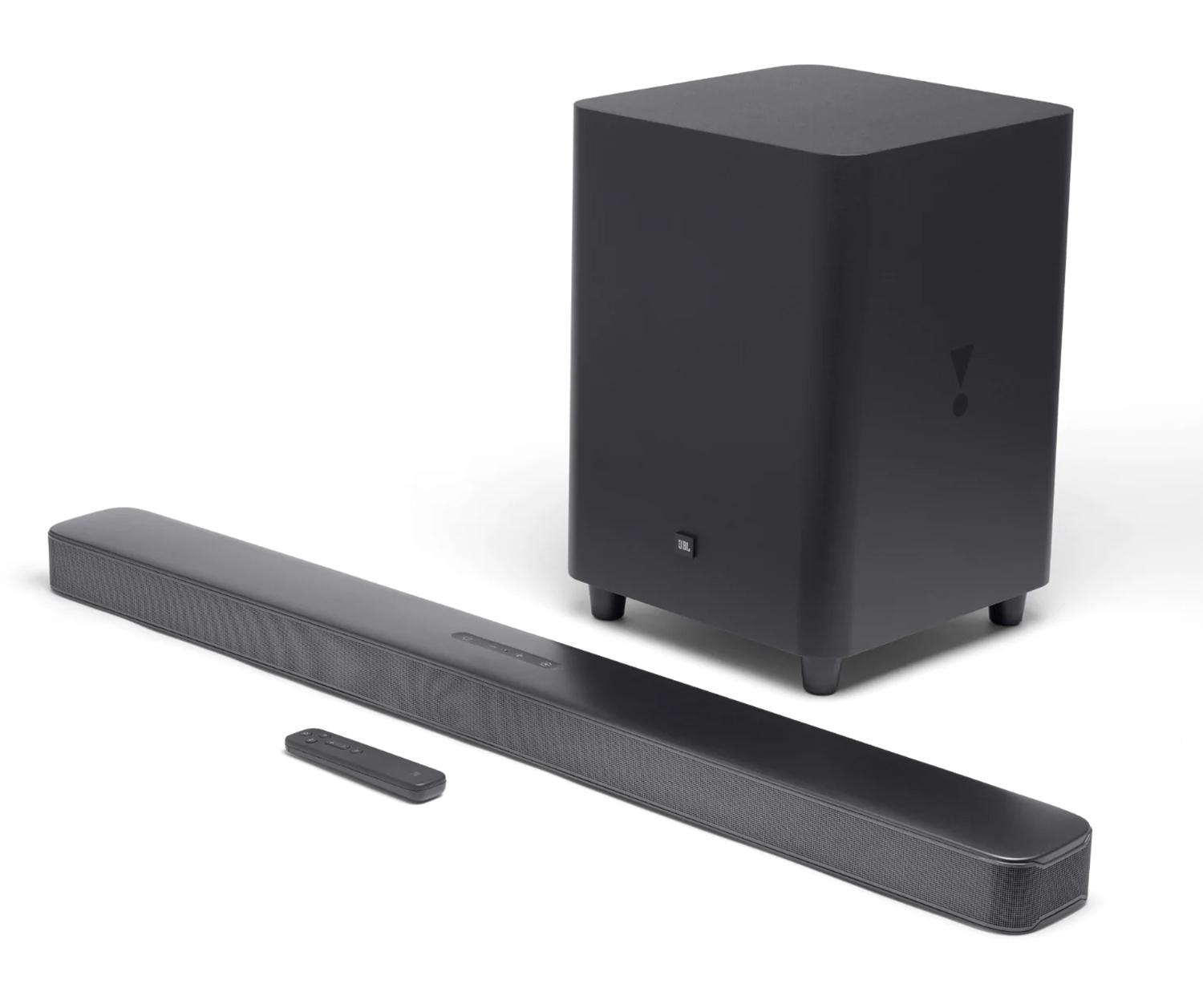
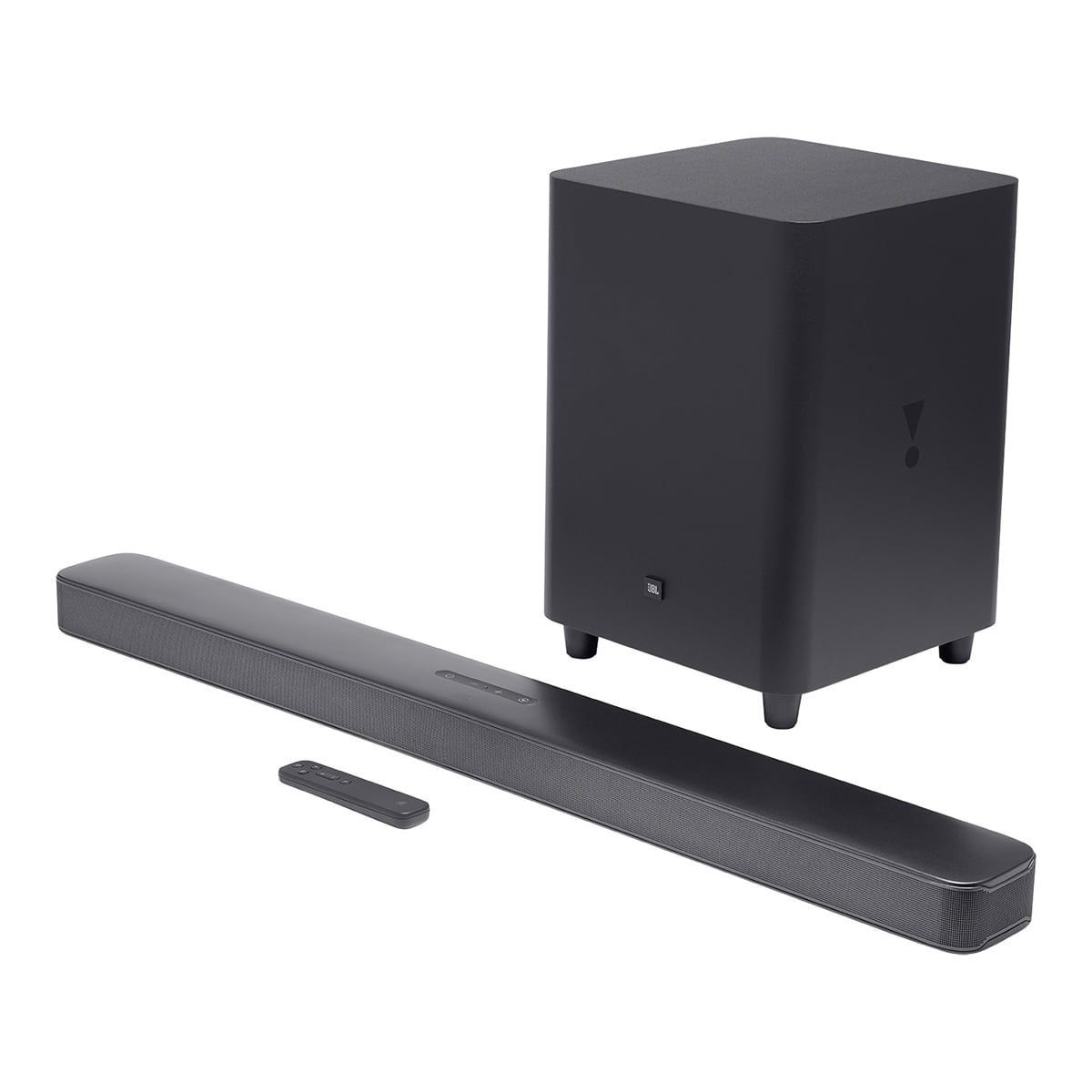
The JBL Bar 5.1 Surround, which has been around since 2019, takes the traditional surround sound approach. What makes it special is those detachable wireless rear speakers that can be removed from the main bar and placed around your room. When you want casual TV watching, they stay attached. When it's movie night, you pop them off and position them behind your seating area for true 5.1 surround sound.
At the time of writing, these soundbars sit in different price tiers, with the Sony HT-S2000 positioned as the more budget-friendly option thanks to recent price reductions, while the JBL Bar 5.1 commands a premium for its complete surround system approach.
Here's where these soundbars really diverge. The Sony HT-S2000 uses what Sony calls their Vertical Surround Engine and S-Force PRO Front Surround technology. These are essentially advanced audio processing algorithms that analyze incoming audio and redirect certain frequencies and timing cues to create the perception of sound coming from different directions.
When you're watching a movie with Dolby Atmos, the Sony HT-S2000 takes those height channels – sounds meant to come from above – and processes them through psychoacoustic techniques. Your brain interprets these processed sounds as coming from overhead, even though they're actually coming from drivers pointing straight at you. It's clever technology, and it works better than you might expect, especially for content with strong height elements like thunderstorms or aircraft.
The JBL Bar 5.1 takes a more straightforward approach. Those detachable speakers I mentioned? They're battery-powered and connect wirelessly to the main unit. When positioned behind your seating area, they handle the actual rear surround channels – no processing tricks needed. If a sound is supposed to come from behind you, it literally does. This creates a more convincing surround experience for traditional 5.1 content.
However, the JBL Bar 5.1 doesn't support Dolby Atmos. This is a significant limitation for anyone interested in the latest audio formats. Most streaming services and Ultra HD Blu-rays now include Atmos tracks, and you'll miss out on those height effects entirely with the JBL system.
From my experience testing both approaches, I'd say the JBL Bar 5.1 creates a more immersive experience for traditional surround content – action movies with lots of directional effects really shine. But the Sony HT-S2000 handles modern Atmos content much better, and its virtual processing is surprisingly effective for most listening scenarios.
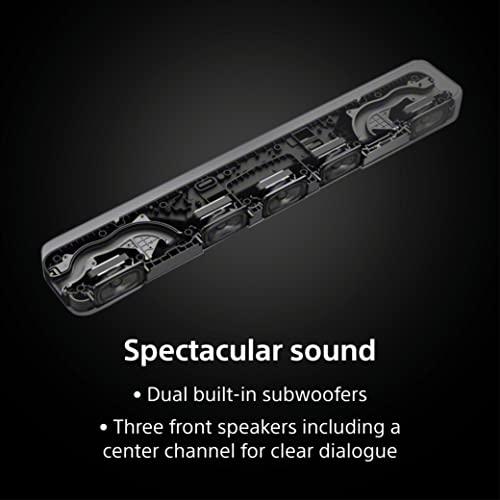
Bass response is where these soundbars show their design philosophies most clearly. The Sony HT-S2000 integrates dual subwoofers directly into the soundbar housing, using side-firing ports and Sony's X-Balanced Speaker Units to minimize distortion while maximizing output. These rectangular drivers are designed to move more air than traditional round drivers of the same size.
The result is surprisingly powerful bass for a single-bar design. I've been consistently impressed by how much low-end the Sony HT-S2000 produces without a separate subwoofer. It's not going to rattle your windows, but it provides enough punch for most content and room sizes. The bass is well-integrated too – you don't get that disconnected feeling you sometimes experience when a separate subwoofer isn't properly positioned.
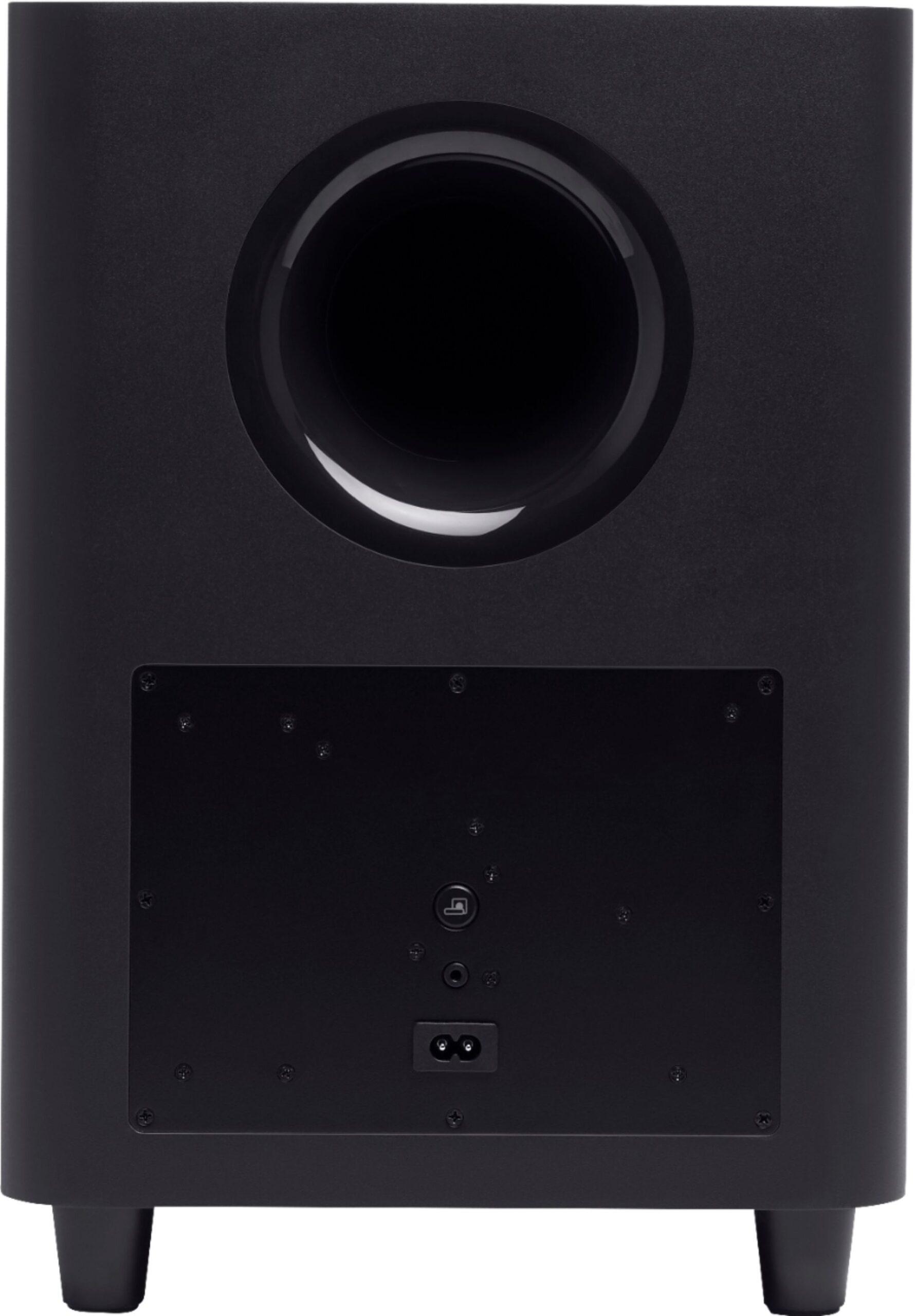
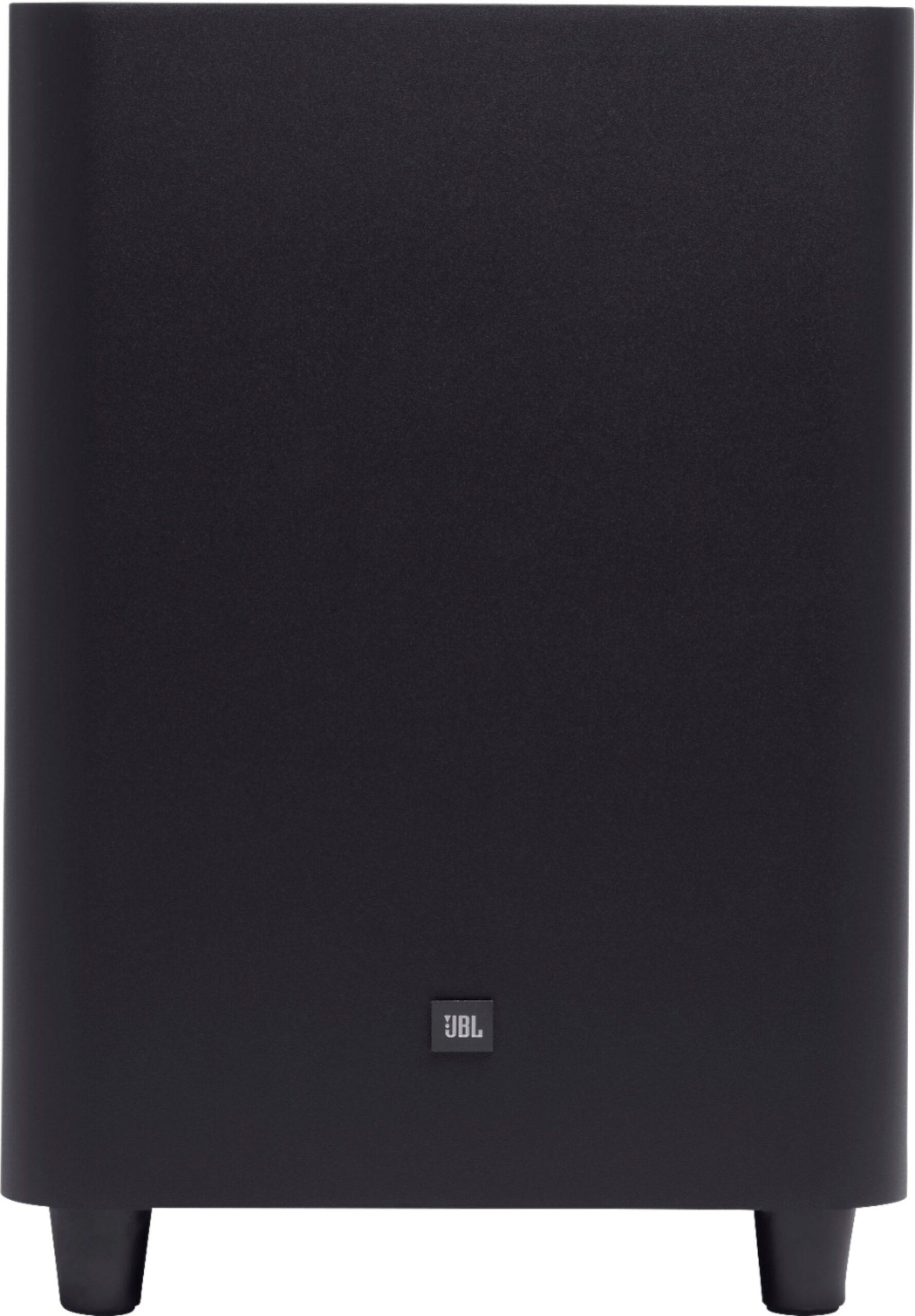
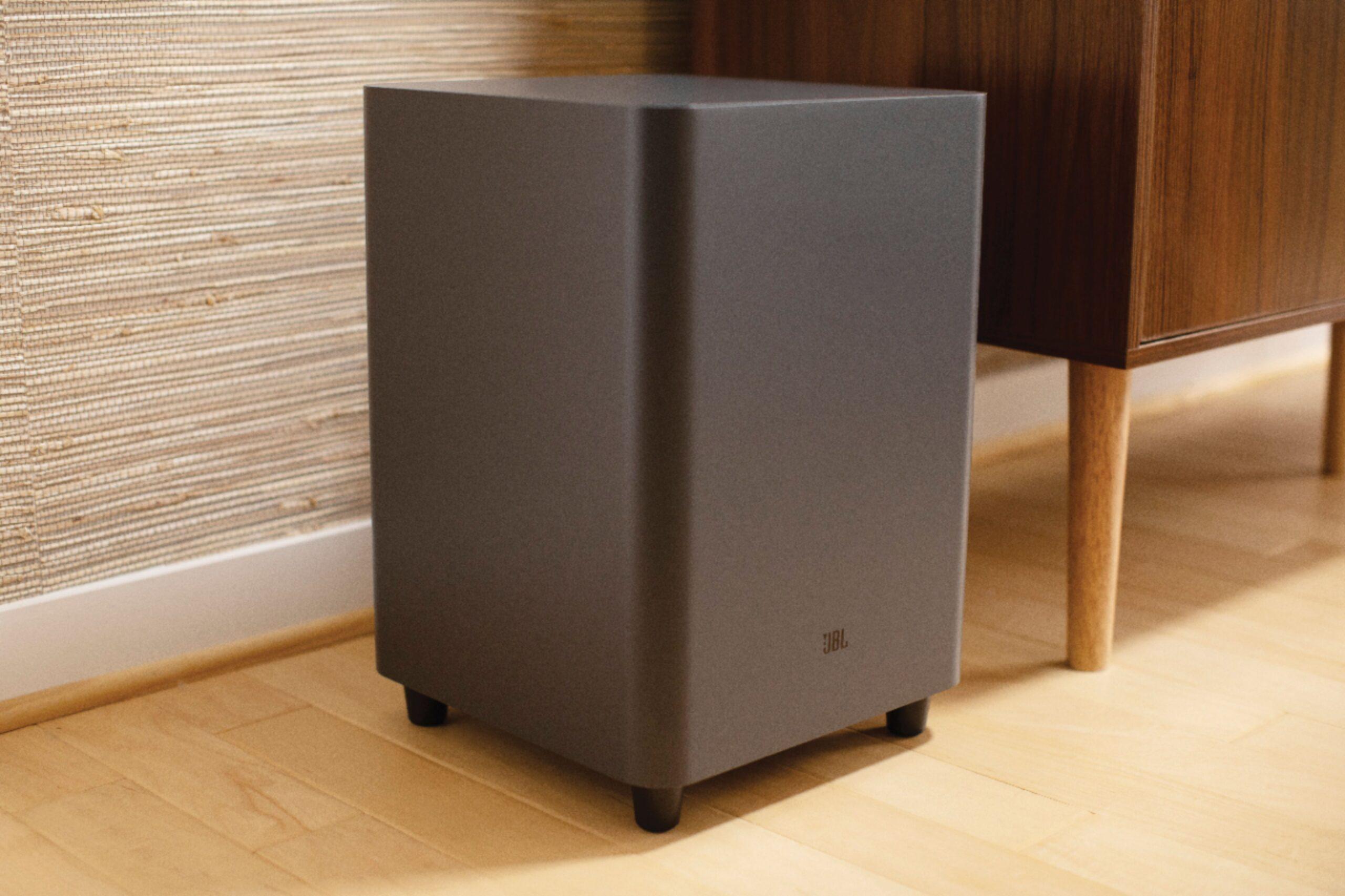
The JBL Bar 5.1 includes a dedicated 10-inch wireless subwoofer, and this is where it really shines. Separate subwoofers can move more air and produce deeper frequencies than integrated designs. The JBL's subwoofer can be positioned anywhere in your room for optimal bass response, and it delivers the kind of deep, room-shaking low-end that movie enthusiasts crave.
For dialogue clarity, both systems include dedicated center channels, which is crucial for clear speech reproduction. The Sony HT-S2000 uses its center driver specifically for this purpose, and users consistently report excellent dialogue clarity. The JBL Bar 5.1 also handles dialogue well, though some users find its overall sound signature slightly brighter.
This is where the Sony HT-S2000 really excels. Setup is genuinely plug-and-play – connect one HDMI cable to your TV's eARC port (or use optical if your TV doesn't support eARC), plug in the power, and you're done. No calibration, no complex menus, no positioning speakers around your room.
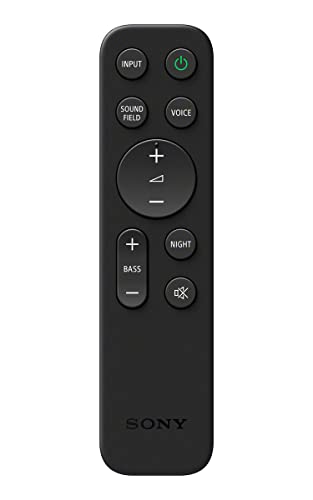
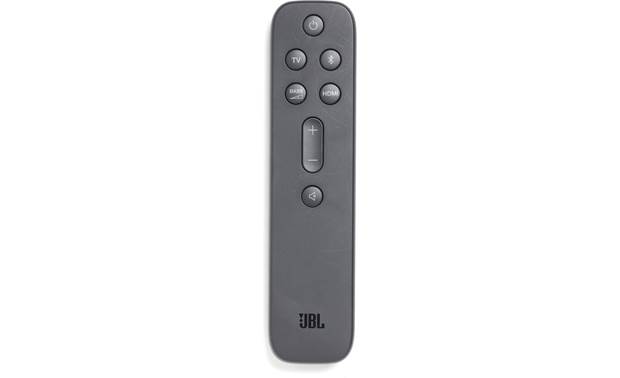
The soundbar automatically detects incoming audio formats and processes them appropriately. Sony's app provides some additional control options, but honestly, most people will rarely need to open it. The included remote handles all the essential functions, and if you have a Sony TV, the systems integrate seamlessly through HDMI-CEC (Consumer Electronics Control), letting you control everything with your TV remote.
The JBL Bar 5.1 requires more thought and effort. You need to position the wireless subwoofer somewhere in your room – ideally not too close to walls or corners to avoid boomy bass. The detachable surround speakers need charging and proper positioning when you want true surround sound.
This isn't necessarily bad; some people enjoy the process of optimizing their setup. The JBL Bar 5.1 includes room correction features that help tune the system to your space. But it's definitely more involved than the Sony's approach.
One practical consideration: the JBL's detachable speakers need regular charging. They provide up to 10 hours of playtime, which covers most movie marathons, but you need to remember to dock them when not in use. It's a minor inconvenience, but worth considering if you prefer set-it-and-forget-it simplicity.
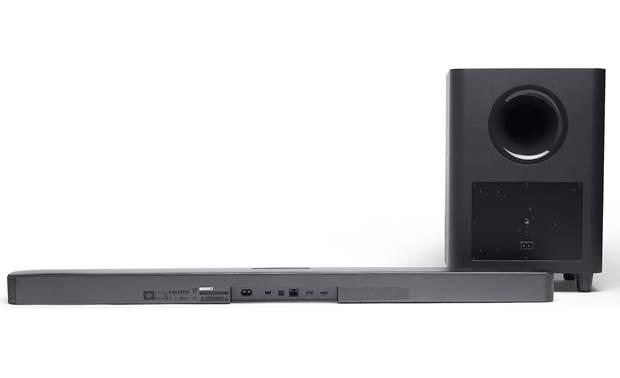
Both soundbars cover the connectivity basics well. Each includes HDMI eARC/ARC and optical inputs for TV connection, plus Bluetooth for wireless music streaming. The Sony HT-S2000 uses Bluetooth 5.2 with support for AAC and SBC codecs, providing good quality wireless audio from phones and tablets.
Where they differ is in additional streaming capabilities. The Sony HT-S2000 keeps things simple with just Bluetooth for wireless connectivity – no built-in Wi-Fi streaming services. This might disappoint some users who want to stream music directly to the soundbar without using their phone as an intermediary.
The JBL Bar 5.1 offers more wireless streaming options, though specific capabilities vary by region and model year. Some versions include Wi-Fi connectivity for direct streaming from services like Spotify or integration with voice assistants.
For home theater use, both soundbars support the audio formats that matter. The Sony HT-S2000 handles Dolby Digital, Dolby TrueHD, DTS, and DTS:X, plus the aforementioned Dolby Atmos support. The JBL Bar 5.1 supports standard Dolby and DTS formats but lacks the newer object-based audio formats.
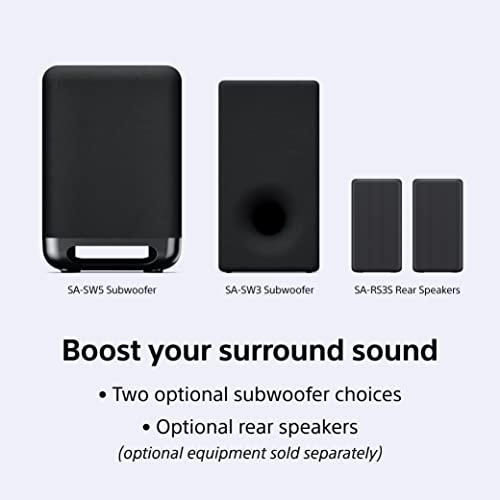
Here's where Sony's ecosystem approach becomes apparent. The Sony HT-S2000 is designed to work with optional Sony wireless subwoofers (models SA-SW3 and SA-SW5) and rear speakers (SA-RS3S). This means you can start with the basic soundbar and add components over time as your needs or budget allow.
This expandability is particularly valuable because it lets you test whether you actually need additional components in your specific room and with your content preferences. Many people find the Sony HT-S2000 perfectly adequate as-is, but the option to expand provides peace of mind.
The JBL Bar 5.1 is more of a complete system out of the box. While this means you get everything immediately, it also means fewer options for future expansion. The system is what it is – there's no clear upgrade path beyond replacing the entire setup.
From a future-proofing perspective, the Sony HT-S2000's Dolby Atmos support is significant. This format is becoming standard on streaming services, games, and physical media. Even if you don't notice much difference now, you'll appreciate having the capability as more content becomes available.
Room size significantly impacts how these soundbars perform. The Sony HT-S2000 works well in small to medium-sized rooms where its virtual surround processing can effectively create the illusion of directional sound. In larger spaces, the virtual effects become less convincing, and you might find yourself wanting more physical presence from actual surround speakers.
The JBL Bar 5.1 scales better to larger rooms, assuming you can properly position the rear speakers. Those physical surround channels maintain their effectiveness regardless of room size, and the separate subwoofer can fill larger spaces with bass more effectively than the Sony's integrated drivers.
For apartment living or smaller spaces, the Sony HT-S2000's single-bar design is often preferable. It provides significant audio improvement without the complexity or space requirements of a multi-piece system. The night mode and voice enhancement features are particularly useful in close-quarter living situations.
At the time of writing, these soundbars occupy different value propositions. The Sony HT-S2000 has seen significant price reductions since its 2023 launch, making it exceptionally competitive in the budget-conscious segment while still offering premium features like Dolby Atmos support.
The JBL Bar 5.1 commands a higher price but delivers a more complete surround experience immediately. Whether this premium is worthwhile depends largely on your priorities and room setup capabilities.
Long-term ownership considerations favor the Sony HT-S2000 in several ways. Its simpler design means fewer components that can fail or require maintenance. The integrated subwoofers eliminate the need to find optimal positioning for a separate unit. And the expandability means your initial investment isn't wasted if you later decide you want more components.
The JBL Bar 5.1 requires ongoing attention to battery management for the surround speakers, and its more complex design presents more potential failure points. However, when it works well, it delivers a more authentic surround experience that many users find preferable for serious movie watching.
After extensive consideration, I believe most people should choose the Sony HT-S2000. Its combination of modern audio format support, exceptional value pricing, and setup simplicity makes it the better choice for the majority of users. The virtual surround processing is genuinely effective, especially for Atmos content, and the integrated dual subwoofers provide satisfying bass without requiring additional floor space.
Choose the Sony HT-S2000 if you want the best balance of performance, convenience, and value. It's perfect for users who want significant audio improvement without complexity, those living in smaller spaces, anyone interested in Dolby Atmos content, or people planning to potentially expand their system over time.
The JBL Bar 5.1 is the better choice for dedicated movie enthusiasts who prioritize authentic surround sound over convenience. If you have adequate space for proper speaker placement, enjoy the process of optimizing your setup, and primarily watch traditional 5.1 content rather than newer Atmos material, the JBL delivers a more immersive experience.
Ultimately, both soundbars represent significant upgrades over TV speakers and will satisfy most users. Your choice should come down to whether you value convenience and modern features (Sony HT-S2000) or authentic surround immersion (JBL Bar 5.1). Either way, you'll be getting substantially better audio than what your TV provides on its own.
| Sony HT-S2000 3.1ch Dolby Atmos Soundbar | JBL Bar 5.1 Surround Soundbar with Wireless Subwoofer |
|---|---|
| Channel Configuration - Determines surround sound capability and immersion quality | |
| 3.1 channels with virtual surround processing | True 5.1 channels with detachable wireless rear speakers |
| Dolby Atmos Support - Essential for modern streaming content and future-proofing | |
| Yes, with Vertical Surround Engine processing | No Atmos support |
| Subwoofer Design - Impacts bass power and room placement flexibility | |
| Built-in dual subwoofers with side-firing ports | Separate 10" wireless subwoofer |
| Total Power Output - Affects maximum volume and dynamic range | |
| 250W total system power | 550W total system power |
| Setup Complexity - Important for ease of installation and daily use | |
| Single soundbar, plug-and-play setup | Multi-component system requiring speaker positioning and charging |
| Physical Dimensions - Critical for TV stand compatibility and room aesthetics | |
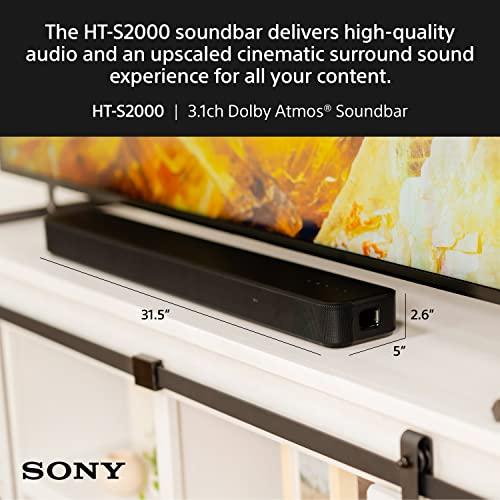
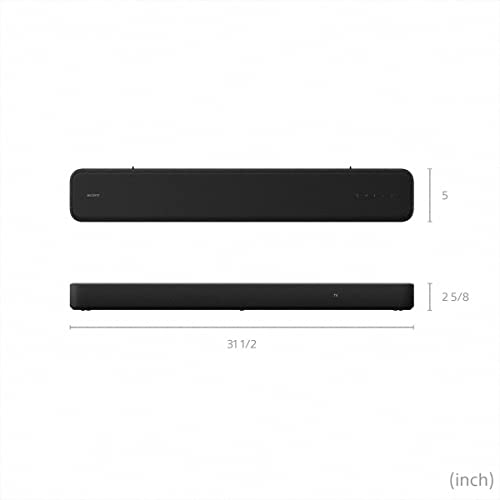
| 31.5" × 2.6" × 5" (single bar only) | Main bar plus separate 12" × 17.3" × 12" subwoofer |
| Connectivity Options - Determines compatibility with TVs and streaming devices | |
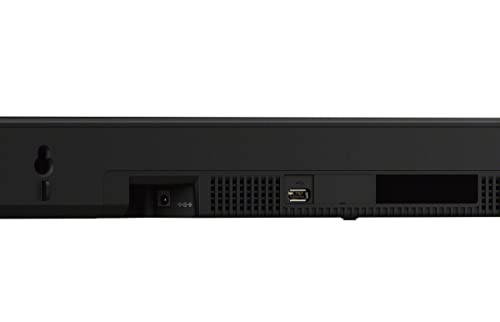
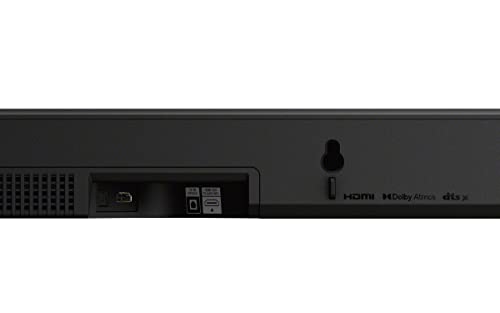
| HDMI eARC/ARC, Optical, USB, Bluetooth 5.2 | HDMI (with passthrough), Optical, Bluetooth, Wi-Fi streaming |
| Expandability - Future upgrade potential without replacing entire system | |
| Compatible with optional Sony wireless subwoofers and rear speakers | Complete system with limited expansion options |
| Audio Format Support - Compatibility with various content sources | |
| Dolby Atmos, DTS:X, Dolby TrueHD, DTS-HD Master Audio | Dolby Digital, DTS, Dolby Pro Logic II (no Atmos/DTS:X) |
| Release Year - Indicates technology generation and feature currency | |
| 2023 (latest Sony soundbar technology) | 2019 (established but older design) |
The Sony HT-S2000 is ideal for small apartments because it's a single-bar design that doesn't require separate speakers or subwoofers taking up floor space. Its built-in dual subwoofers provide good bass without needing a large separate unit, and the night mode feature helps keep sound levels neighbor-friendly while maintaining dialogue clarity.
Yes, Dolby Atmos support is increasingly important as most streaming services like Netflix, Disney+, and Amazon Prime now offer Atmos content. The Sony HT-S2000 supports Dolby Atmos while the JBL Bar 5.1 does not, making the Sony more future-proof for modern content consumption.
The JBL Bar 5.1 has superior bass due to its dedicated 10-inch wireless subwoofer that can be positioned optimally in your room. While the Sony HT-S2000 has impressive bass for a single-bar design with built-in subwoofers, it can't match the deep, room-filling bass of a dedicated subwoofer unit.
The Sony HT-S2000 offers plug-and-play setup with just one HDMI or optical cable connection to your TV. The JBL Bar 5.1 requires more complex setup including positioning a wireless subwoofer, charging detachable rear speakers, and optimizing speaker placement for best surround sound.
For traditional movies, the JBL Bar 5.1 provides more authentic surround sound with its physical rear speakers creating true directional effects. However, the Sony HT-S2000 is better for modern movies with Dolby Atmos soundtracks, offering height effects and immersive audio that the JBL cannot reproduce.
The Sony HT-S2000 is highly expandable - you can add compatible Sony wireless subwoofers and rear speakers over time without replacing the main unit. The JBL Bar 5.1 is essentially a complete system with limited expansion options, so what you buy is what you get long-term.
Both the Sony HT-S2000 and JBL Bar 5.1 feature dedicated center channels for dialogue clarity. The Sony HT-S2000 includes a specific Voice Mode for enhanced speech, while both systems generally provide clear vocal reproduction that's significantly better than TV speakers.
The Sony HT-S2000 only needs space for the main soundbar unit at 31.5 inches wide. The JBL Bar 5.1 requires additional floor space for its separate subwoofer (12" x 17.3" x 12") plus room to position the detachable rear speakers when using full surround mode.
Both the Sony HT-S2000 and JBL Bar 5.1 work well with older TVs through optical digital connections. However, you'll get the best performance from either system with newer TVs that support HDMI eARC for full audio format compatibility and easier setup.
Only the JBL Bar 5.1 has rear speakers, and yes, they require regular charging. The detachable wireless speakers provide up to 10 hours of battery life but must be docked to the main unit for charging when not in use. The Sony HT-S2000 has no separate speakers requiring power management.
The Sony HT-S2000 typically offers better value due to its lower price point while including modern features like Dolby Atmos support and solid built-in bass. The JBL Bar 5.1 costs more but provides authentic 5.1 surround sound, so value depends on whether you prioritize modern audio formats or traditional surround immersion.
Both soundbars work well for music. The Sony HT-S2000 offers Bluetooth connectivity with good sound processing for stereo music content. The JBL Bar 5.1 also supports music playback and may offer additional streaming options depending on the model, plus its separate subwoofer can provide more impactful bass for music genres that benefit from deep low-end response.
We've done our best to create useful and informative comparisons to help you decide what product to buy. Our research uses advanced automated methods to create this comparison and perfection is not possible - please contact us for corrections or questions. These are the sites we've researched in the creation of this article: techradar.com - valueelectronics.com - youtube.com - videoandaudiocenter.com - whathifi.com - hometheaterhifi.com - youtube.com - sony.com - rtings.com - whathifi.com - rtings.com - helpguide.sony.net - electronics.sony.com - sony.com - dolby.com - sony.com - youtube.com - youtube.com - jbl.com - jbl.com - jbl.com - tomsguide.com - jbl.com - bestbuy.com - bestbuy.com - jbl.com - jbl.com - worldwidestereo.com

Privacy Policy
Terms and Conditions - Affiliate Policy
Home Security
© Copyright 2008-2026.
11816 Inwood Rd #1211, Dallas, TX 75244