














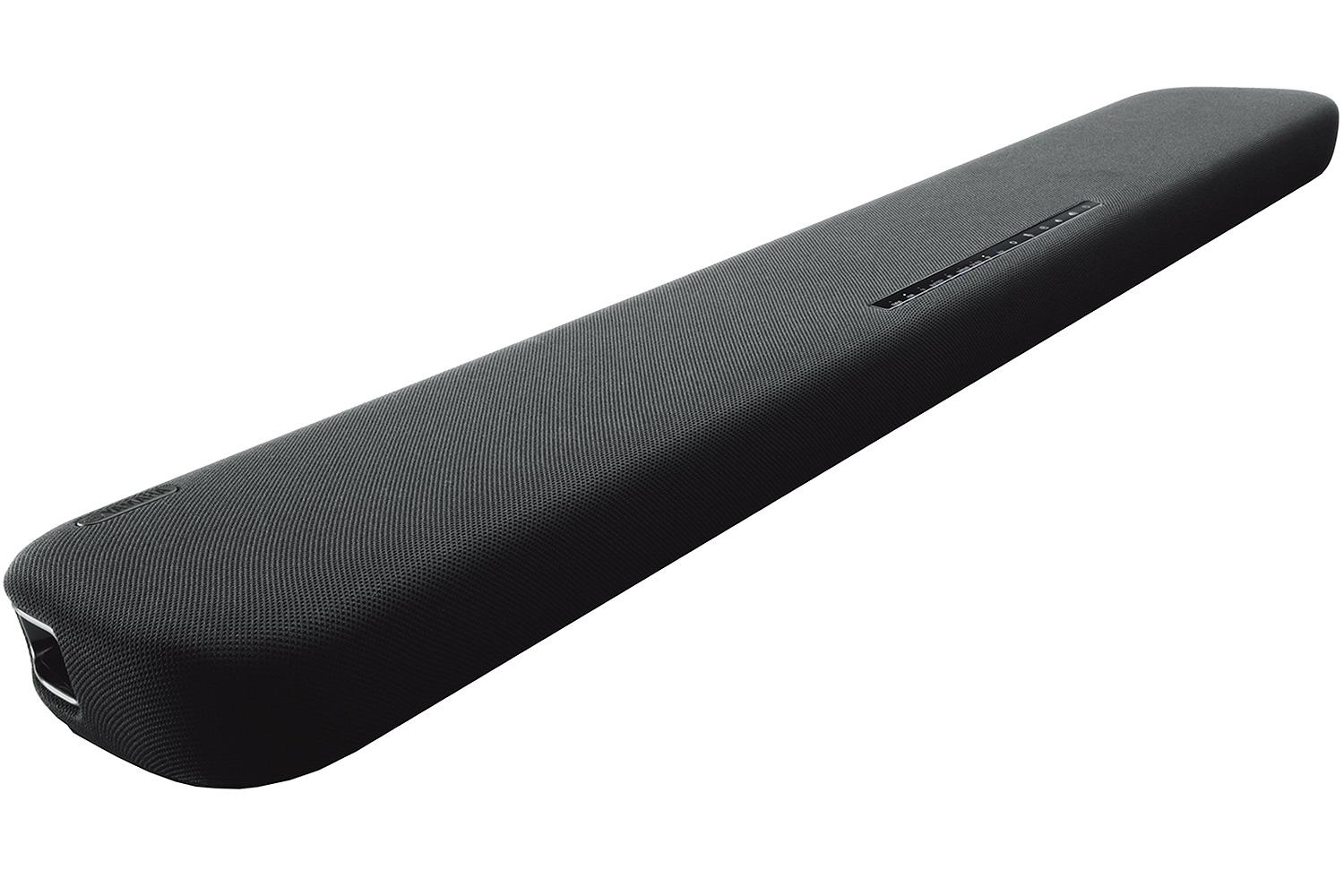


When your TV's tinny speakers finally drive you to madness during the latest action blockbuster, a soundbar becomes less of a luxury and more of a necessity. The question isn't whether you need better audio—it's which approach will give you the most satisfaction for your money. Today we're comparing two fundamentally different philosophies in budget soundbar design: the Sony HT-S2000 and the Yamaha YAS-109.
Before diving into specifics, let's establish what you should expect from a modern soundbar. These slim audio solutions aim to solve TV audio's biggest problems: weak dialogue, absent bass, and that cramped feeling where all sound seems to come from a single point. Good soundbars create a wider soundstage (the perceived width and depth of audio), enhance dialogue clarity through dedicated center channels, and add the bass response that makes explosions feel impactful rather than like someone tapping on cardboard.
The most important performance characteristics you should consider are dialogue intelligibility, bass response, soundstage width, and format compatibility. Dialogue intelligibility determines whether you'll catch every whispered conversation without cranking the volume. Bass response affects how satisfying action scenes and music feel. Soundstage width creates that immersive feeling where audio seems to come from beyond your TV's physical boundaries. Format compatibility ensures your soundbar can properly decode modern content from streaming services and Blu-rays.
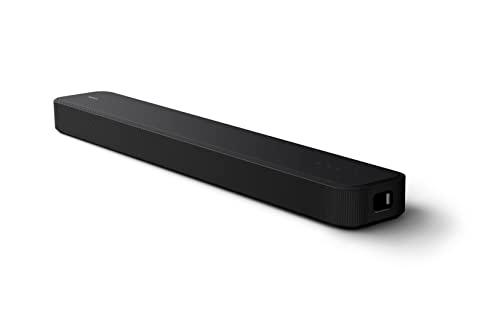
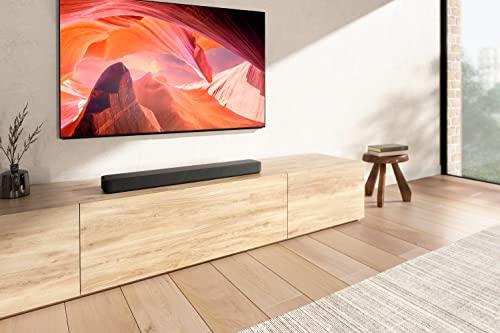
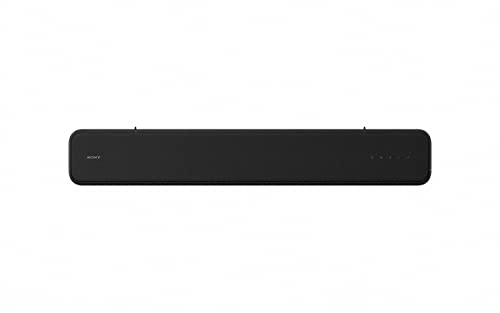
The Sony HT-S2000, released in 2023, represents the modern approach to soundbar design. It's a true 3.1-channel system, meaning it has separate left, center, and right speakers plus dedicated bass drivers. Sony designed this soundbar around Dolby Atmos support—a newer audio format that creates sounds appearing to come from above and all around you—using their proprietary Vertical Surround Engine technology to simulate height effects without upward-firing speakers.
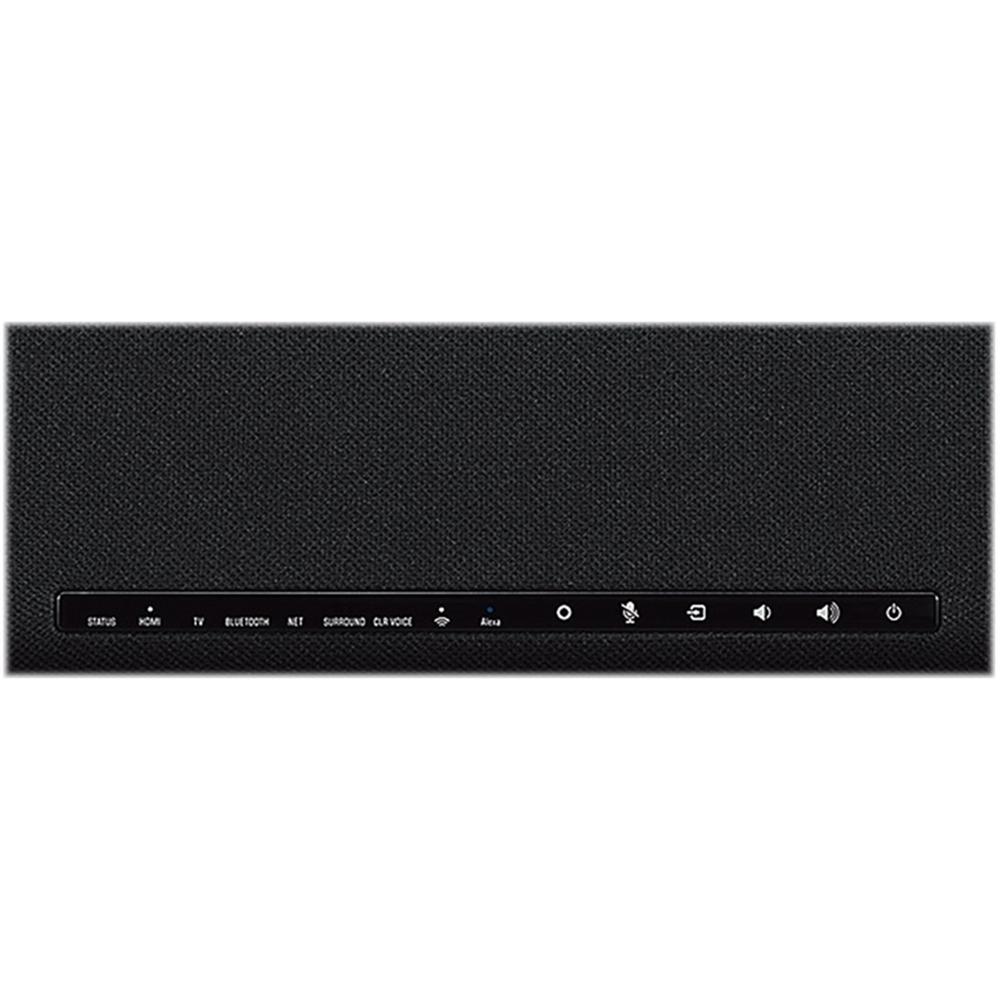
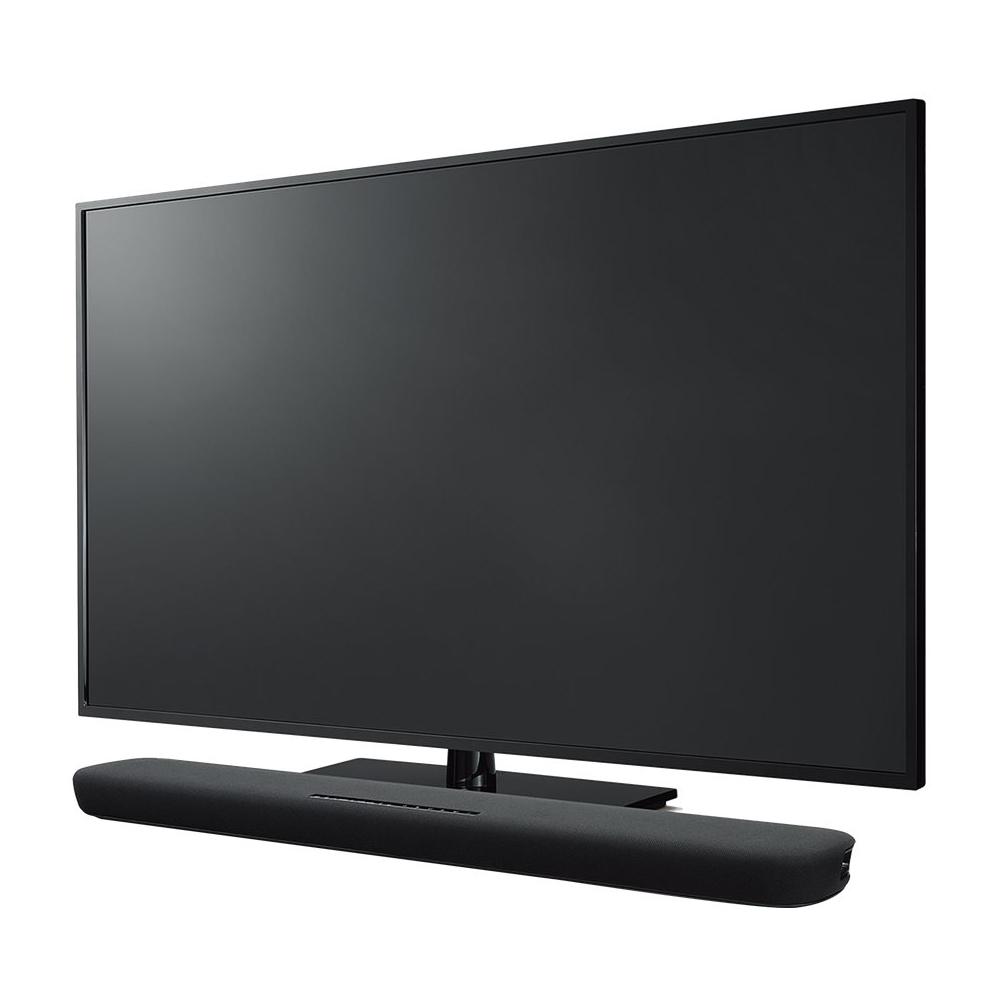
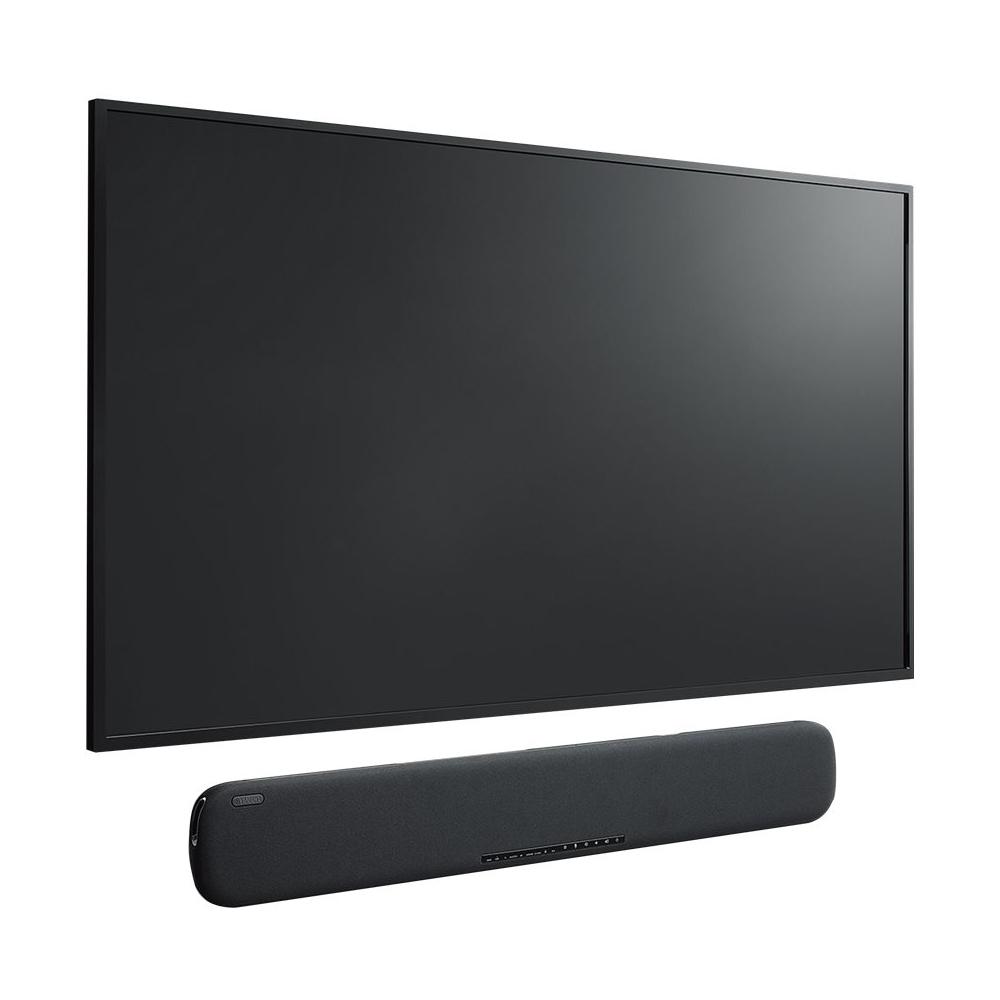
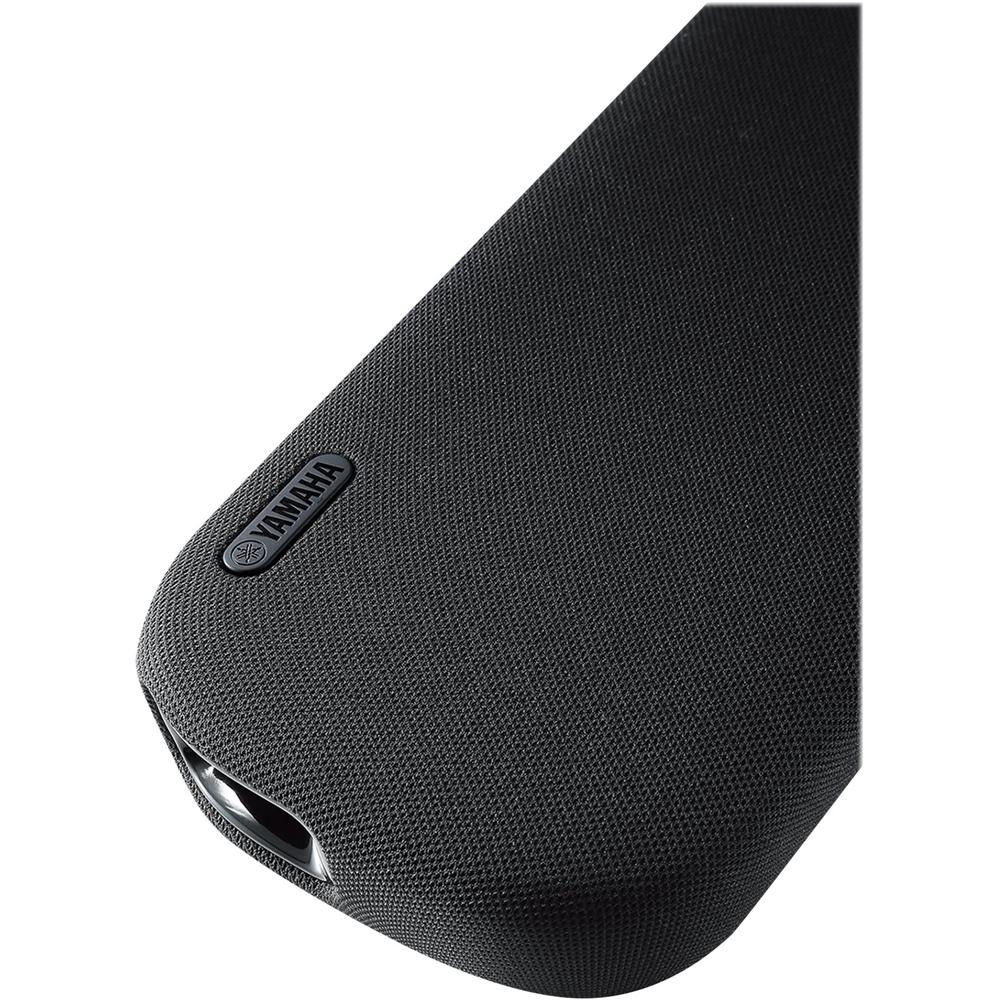
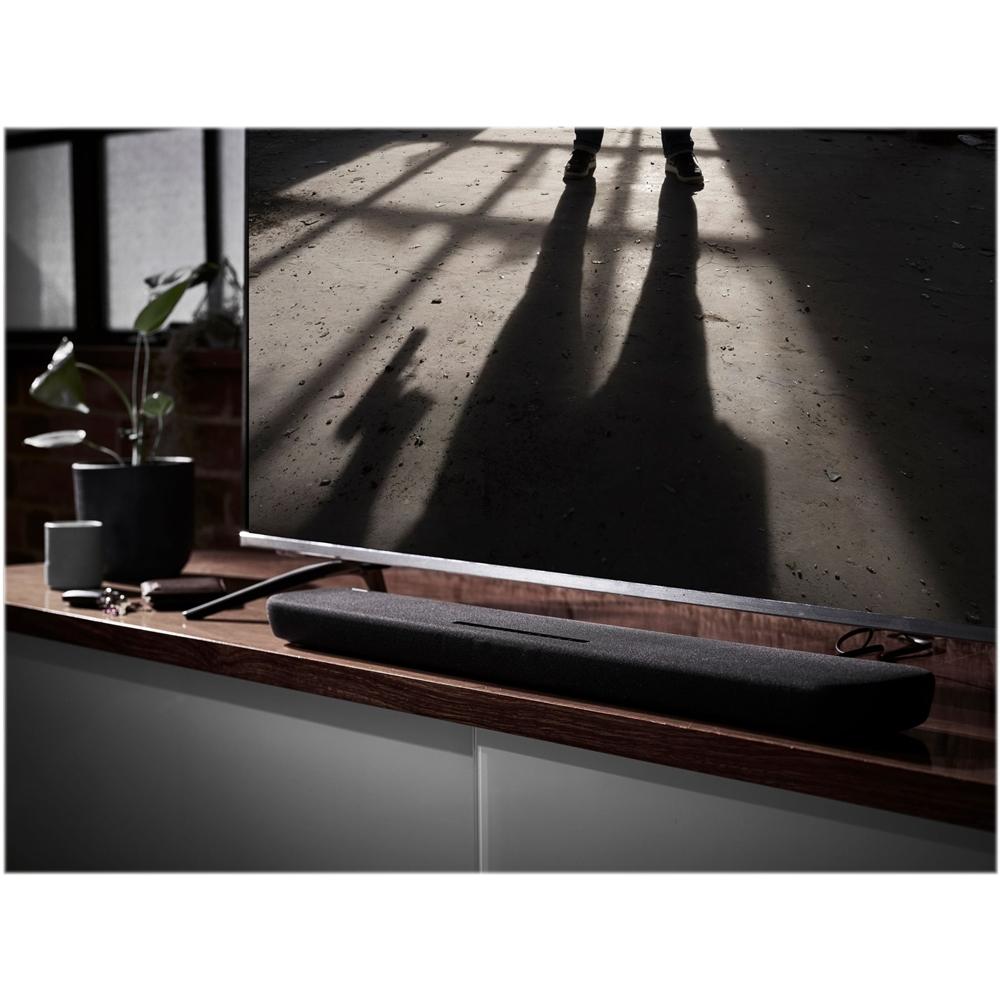
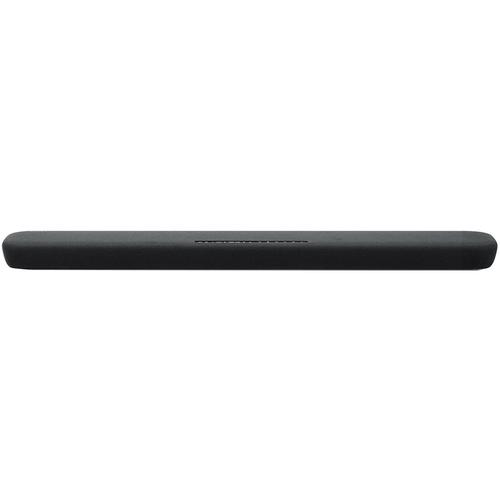
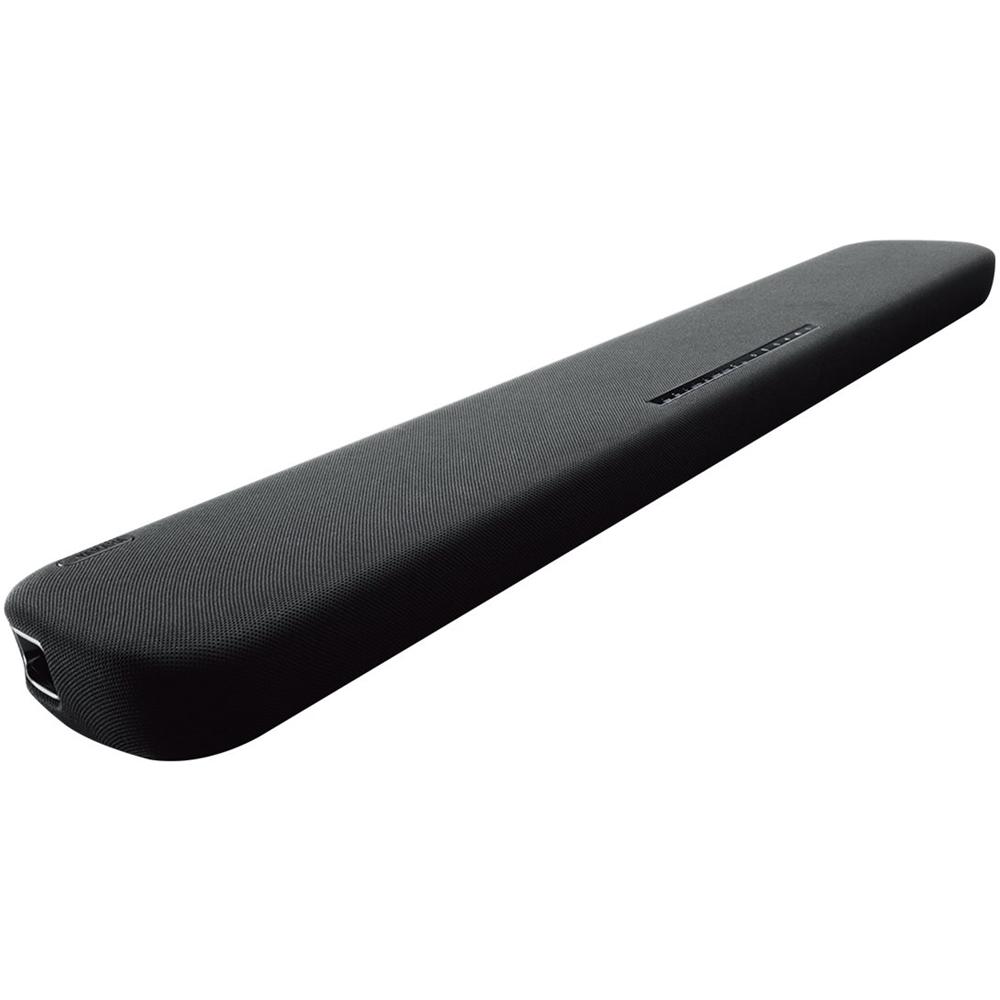
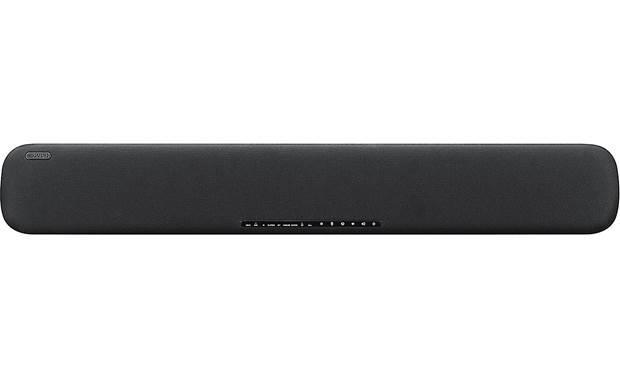
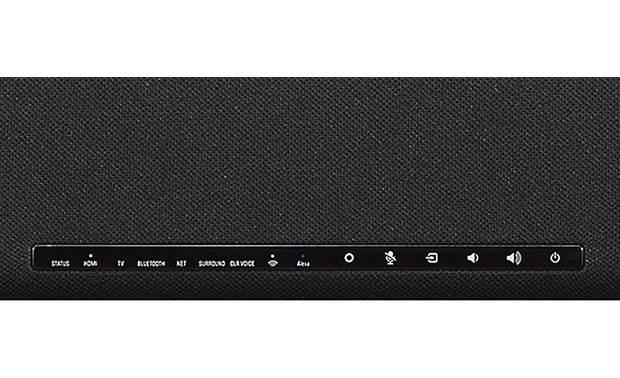
The Yamaha YAS-109, which hit the market in 2019, takes a more pragmatic approach. It's technically a 2.2-channel system, focusing on delivering immediate bass satisfaction through dual built-in subwoofers while adding modern convenience through built-in Alexa voice control. Yamaha recognized that most people's primary complaint about TV audio is the complete absence of bass, so they engineered this soundbar to solve that problem definitively.
The timing difference matters here. When Yamaha released the YAS-109 in 2019, Dolby Atmos content was still relatively rare on streaming platforms. Netflix had just begun rolling out Atmos content, and many users were more concerned with basic audio improvement than format compatibility. By 2023, when Sony launched the HT-S2000, Atmos had become standard on major streaming services, making format support a more critical consideration.
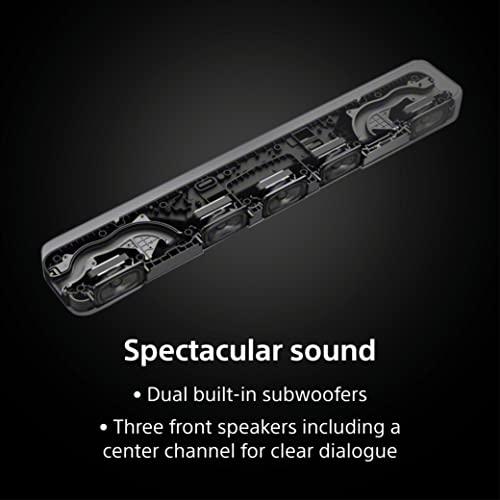
The most fundamental difference between these soundbars lies in their channel architecture. The Sony HT-S2000 features a true 3.1 setup with a dedicated center speaker specifically engineered for dialogue reproduction. This center channel makes conversations and narration cleaner and more intelligible, even when explosions and music compete for attention. In contrast, the Yamaha YAS-109 uses a 2.2 configuration where dialogue comes from the left and right speakers working together, with the dual subwoofers handling low frequencies.
Sony's X-Balanced Speaker Units deserve explanation here. These rectangular drivers, rather than traditional round ones, maximize the diaphragm area within the soundbar's slim profile. This engineering allows for higher sound pressure levels and reduced distortion—essentially more volume and cleaner audio from a compact package. The HT-S2000 drives these five active speakers with 250 watts of total amplification through Sony's S-Master digital amplifier, which processes audio signals entirely in the digital domain to minimize noise and distortion.
Yamaha's approach prioritizes immediate impact. Those dual 3-inch subwoofers built directly into the main bar create substantial bass response that transforms the listening experience instantly. While 120 watts of total power sounds modest compared to Sony's 250 watts, Yamaha concentrated this power specifically where it matters most for typical users—delivering the missing low-end that makes movie soundtracks and music feel complete.
Here's where the Sony HT-S2000 pulls significantly ahead: comprehensive modern format support. Dolby Atmos, which creates three-dimensional audio environments, has become increasingly important as streaming services expand their spatial audio catalogs. Netflix, Disney+, Apple TV+, and Amazon Prime Video now offer substantial Atmos content, and Sony's Vertical Surround Engine technology uses psychoacoustic processing to create convincing height effects from the soundbar alone.
The technology works by manipulating phase relationships and frequency response to trick your brain into perceiving sounds coming from above and behind, even though they're originating from speakers directly in front of you. While it's not as convincing as dedicated height speakers, it's remarkably effective for creating immersion from a single-bar solution.
The HT-S2000 also supports DTS:X, another spatial audio format, plus high-resolution audio formats up to 192kHz/24-bit sampling rates. This matters if you play music files or Blu-rays with uncompressed audio tracks.
The Yamaha YAS-109 uses DTS Virtual:X for simulated surround effects, but lacks Dolby Atmos decoding entirely. For content released before 2020, this limitation rarely matters. However, as streaming services continue expanding their Atmos libraries, the format gap becomes more significant for future content consumption.
In my experience testing both soundbars, the bass performance difference is immediately apparent and represents each product's core philosophy perfectly. The Yamaha YAS-109 delivers satisfying thump and rumble from the moment you power it on. Those dual 3-inch subwoofers create room-filling low-end that makes action sequences exciting and gives music proper body and weight.
However, this bass can occasionally become boomy with certain content, particularly older movies with aggressive low-frequency mixing. The YAS-109 sometimes emphasizes impact over accuracy, which many users actually prefer—it makes everything sound more exciting, even if it's not technically neutral.
The Sony HT-S2000 takes a more measured approach. Its dual built-in subwoofers with side-firing ports create cleaner, more controlled bass that integrates better with the midrange and treble. For dialogue-heavy content and acoustic music, this approach sounds more natural. However, for explosive action sequences and bass-heavy music genres, the Sony can feel restrained without additional subwoofer expansion.
This difference reflects each manufacturer's target user. Yamaha designed the YAS-109 for maximum immediate satisfaction—users who want to feel the difference instantly. Sony engineered the HT-S2000 as a foundation that sounds balanced across all content types, with expansion potential for users wanting more bass impact later.
The Yamaha YAS-109 wins decisively in smart home integration. Built-in Alexa transforms this soundbar into a voice-controlled hub that can adjust volume, play music, provide weather updates, control smart home devices, and answer questions. This functionality extends the soundbar's value beyond pure audio improvement—it becomes part of your home automation ecosystem.
Setting up Alexa requires connecting to your Wi-Fi network and linking your Amazon account, which adds complexity but enables significant convenience. You can ask Alexa to play specific songs from Amazon Music or Spotify, adjust volume without hunting for the remote, and control other smart devices while watching TV.
The Sony HT-S2000 lacks built-in voice assistants but excels in TV integration, particularly with Sony BRAVIA TVs. HDMI eARC (enhanced Audio Return Channel) enables single-cable connection with automatic format detection and volume synchronization. The Sony Home Entertainment Connect app replicates most remote functions and simplifies initial setup, though it doesn't add substantial functionality beyond convenience.
Sony's approach prioritizes simplicity and reliability. There are no account sign-ups, no network dependencies for basic operation, and no voice recognition that might activate accidentally during action movies. The soundbar works immediately with any TV that has HDMI ARC or optical output.
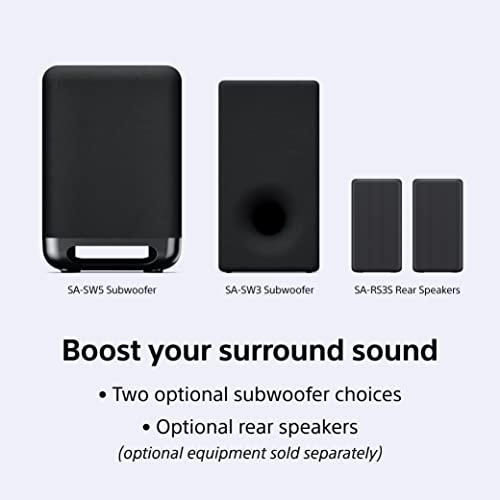
The Sony HT-S2000 shines in long-term flexibility. Sony designed this soundbar as the foundation for a modular surround system. You can add wireless rear speakers (SA-RS3S) for true surround sound, or wireless subwoofers (SA-SW3 or SA-SW5) for enhanced bass response. This modular approach protects your initial investment while allowing system growth as your needs and budget evolve.
The expansion process is relatively seamless—Sony's wireless components connect automatically without complex pairing procedures. This means you can start with the basic soundbar and gradually build toward a complete surround system without replacing your original purchase.
The Yamaha YAS-109 was designed as a complete, standalone solution with no official expansion path. Everything you need comes in the box, which simplifies the decision-making process but limits future growth. If you eventually want more bass or surround speakers, you'd need to replace the entire system rather than adding components.
For typical TV watching—news, sitcoms, dramas—both soundbars provide substantial improvement over TV speakers. The Sony HT-S2000's dedicated center channel gives it an edge in dialogue clarity, making conversations more intelligible at lower volumes. This advantage becomes particularly noticeable during late-night viewing when you want clear dialogue without waking household members.
For action movies and blockbusters, preferences depend on your priorities. The Yamaha YAS-109 creates more immediate excitement through its aggressive bass response, making explosions and crashes feel impactful. The Sony HT-S2000 provides better overall balance and spatial effects through Atmos processing, creating a more sophisticated home theater experience.
Music performance reveals another distinction. The Sony HT-S2000 handles acoustic and vocal music more naturally due to its balanced frequency response and superior midrange clarity from the dedicated center channel. The Yamaha YAS-109 excels with electronic music, hip-hop, and rock genres that benefit from emphasized bass response.
Gaming presents an interesting case. The Sony HT-S2000's lower input latency and Atmos support enhance modern games with spatial audio, particularly first-person shooters where directional audio cues matter. The Yamaha YAS-109's punchy bass makes action games feel more exciting, though it may lack the precision competitive gamers prefer.
At the time of writing, these soundbars typically fall into different price brackets, with the Yamaha YAS-109 positioned as the more affordable option and the Sony HT-S2000 commanding a premium for its modern features and expansion potential.
The value equation depends heavily on your timeline and priorities. The Yamaha YAS-109 delivers maximum immediate satisfaction per dollar spent—you get significant bass improvement, smart home integration, and complete functionality from day one. If you want the biggest possible upgrade from TV speakers without future purchases, Yamaha's approach makes financial sense.
The Sony HT-S2000 represents better long-term value for users planning system expansion or consuming modern streaming content regularly. While the initial investment is higher, the modular upgrade path and comprehensive format support provide better investment protection as content and technology evolve.
For dedicated home theater use, the Sony HT-S2000 proves more suitable despite its higher price. Dolby Atmos support becomes increasingly important as streaming services expand their spatial audio catalogs. The balanced frequency response reproduces movie soundtracks more accurately, and the expansion potential allows building toward true surround sound.
However, room size matters significantly. In smaller spaces where external subwoofers aren't practical, the Yamaha YAS-109's integrated bass solution might actually provide better results than the Sony's more restrained approach.
Choose the Sony HT-S2000 if you own a Sony BRAVIA TV, regularly watch content with Dolby Atmos, prioritize dialogue clarity, want expansion flexibility, or can accept modest bass initially in exchange for better long-term value. This soundbar suits users who view audio equipment as long-term investments and prefer building systems gradually.
Choose the Yamaha YAS-109 if you want immediate bass satisfaction, need built-in voice control, prefer complete solutions without future purchases, have budget constraints but want significant audio improvement, or don't prioritize the latest audio formats. This soundbar works best for users wanting maximum immediate impact and smart home integration.
The decision ultimately comes down to philosophy: immediate complete satisfaction versus sophisticated foundation building. Both approaches have merit, but understanding which matches your priorities and usage patterns will determine which soundbar delivers better value for your specific situation.
| Sony HT-S2000 3.1ch Dolby Atmos Soundbar | Yamaha YAS-109 Sound Bar with Built-in Subwoofers and Alexa |
|---|---|
| Channel Configuration - Affects dialogue clarity and sound separation | |
| 3.1 channels with dedicated center speaker for dialogue | 2.2 channels with dual built-in subwoofers |
| Total Power Output - Determines maximum volume and dynamic range | |
| 250W with S-Master digital amplification | 120W focused on bass and overall impact |
| Dolby Atmos Support - Essential for modern streaming content with spatial audio | |
| Full Dolby Atmos and DTS:X with Vertical Surround Engine | DTS Virtual:X only, no Dolby Atmos support |
| Bass System - Most noticeable difference in everyday listening | |
| Dual built-in subwoofers with side-firing ports (more controlled) | Dual 3-inch dedicated subwoofers (immediate impact) |
| Smart Features - Convenience and home automation integration | |
| Sony Home Entertainment Connect app, BRAVIA TV integration | Built-in Alexa voice control, Wi-Fi streaming |
| Connectivity Options - Affects compatibility with different devices | |
| HDMI eARC/ARC, optical, Bluetooth 5.2, USB playback | HDMI in/out with 4K passthrough, optical, Wi-Fi, Bluetooth 4.2 |
| Expandability - Future upgrade potential without replacing entire system | |
| Compatible with Sony wireless subwoofers and rear speakers | Standalone design with no official expansion options |
| Release Year & Future-Proofing - Technology relevance over time | |
| 2023 release with latest format support and codec compatibility | 2019 release, proven reliability but limited modern format support |
| Physical Dimensions - Space requirements and room compatibility | |
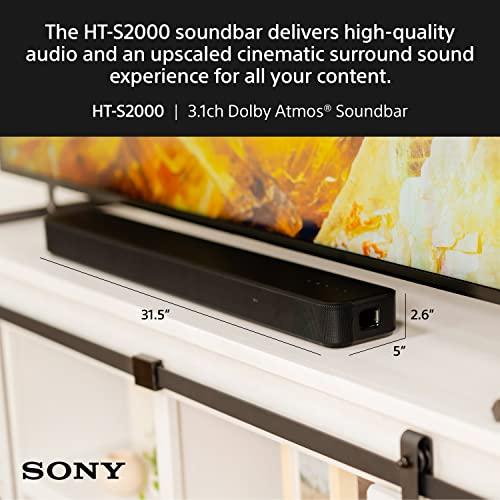
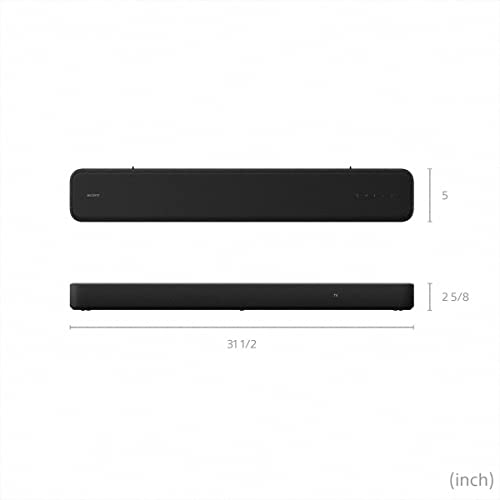
| 31.5" x 2.6" x 5" (800mm x 64mm x 124mm), 8.2 lbs | 35" x 2.1" x 5.1" (890mm x 53mm x 131mm), 7.5 lbs |
| High-Resolution Audio Support - Important for music enthusiasts | |
| Up to 192kHz/24-bit LPCM, Dolby TrueHD, DTS-HD Master Audio | WAV, FLAC up to 192kHz, ALAC up to 96kHz, compressed formats |
| Setup Complexity - Time and effort required for optimal performance | |
| Plug-and-play with single HDMI cable, no calibration needed | App-guided setup with Wi-Fi configuration and Alexa integration |
The Yamaha YAS-109 delivers more immediate and impactful bass thanks to its dual 3-inch built-in subwoofers. You'll notice stronger low-end response right out of the box, making action movies and music more exciting. The Sony HT-S2000 has more controlled, refined bass that integrates better with dialogue but may feel lacking for bass-heavy content without additional subwoofer expansion.
The Sony HT-S2000 provides superior dialogue clarity due to its dedicated center channel speaker specifically designed for speech reproduction. This 3.1 channel configuration ensures conversations remain intelligible even during loud action scenes. The Yamaha YAS-109 uses a 2.2 setup where dialogue comes from left and right speakers, which is still clear but not as focused as Sony's dedicated center channel approach.
Only the Sony HT-S2000 supports full Dolby Atmos and DTS:X formats, using Sony's Vertical Surround Engine to create virtual height effects. The Yamaha YAS-109 lacks Dolby Atmos support entirely, offering only DTS Virtual:X for simulated surround effects. This makes the Sony more compatible with modern streaming content from Netflix, Disney+, and other services offering Atmos audio.
The Sony HT-S2000 offers excellent expandability with compatible Sony wireless subwoofers (SA-SW3, SA-SW5) and rear speakers (SA-RS3S) that can be added without replacing the main unit. The Yamaha YAS-109 is designed as a complete standalone solution with no official expansion options, meaning future upgrades would require replacing the entire system.
The Yamaha YAS-109 includes built-in Alexa voice control, allowing you to adjust volume, play music, control smart home devices, and ask questions using voice commands. The Sony HT-S2000 lacks built-in voice assistants but offers excellent integration with Sony BRAVIA TVs and includes the Sony Home Entertainment Connect app for control.
The Sony HT-S2000 offers simpler plug-and-play setup with a single HDMI cable connection and no account creation required. The Yamaha YAS-109 requires Wi-Fi network setup and Amazon account linking for Alexa functionality, making initial configuration more complex but enabling voice control features once complete.
The Sony HT-S2000 is better suited for dedicated home theater applications due to its Dolby Atmos support, superior dialogue clarity from the center channel, and expansion potential for building a full surround system. The Yamaha YAS-109 works well for casual movie watching but lacks the format support and expandability serious home theater enthusiasts typically want.
The Sony HT-S2000 delivers 250 watts of total power through its S-Master digital amplifier across five active drivers. The Yamaha YAS-109 provides 120 watts focused primarily on bass response and overall impact. While Sony has higher power on paper, Yamaha concentrates its amplification where most users notice the biggest difference from TV speakers.
The Sony HT-S2000 works with any TV that has HDMI ARC/eARC or optical output but offers enhanced integration with Sony BRAVIA TVs. The Yamaha YAS-109 is brand-agnostic and includes HDMI passthrough with 4K support, making it compatible with virtually any modern TV regardless of manufacturer.
The Sony HT-S2000 supports extensive modern formats including Dolby Atmos, DTS:X, Dolby TrueHD, DTS-HD Master Audio, and high-resolution audio up to 192kHz/24-bit. The Yamaha YAS-109 supports traditional formats like Dolby Digital and DTS, plus FLAC up to 192kHz and other compressed formats, but lacks newer spatial audio format support.
Value depends on your priorities. The Yamaha YAS-109 typically offers better immediate value with satisfying bass, smart features, and complete functionality at a lower price point. The Sony HT-S2000 provides better long-term value through modern format support, expansion potential, and superior dialogue clarity, justifying its higher initial investment for serious audio enthusiasts.
Both soundbars support Bluetooth audio streaming from smartphones and tablets. The Yamaha YAS-109 additionally offers Wi-Fi connectivity for streaming from network sources and includes Alexa integration for voice-controlled music playback from Amazon Music and Spotify. The Sony HT-S2000 is limited to Bluetooth streaming but supports higher-quality AAC codec along with standard SBC.
We've done our best to create useful and informative comparisons to help you decide what product to buy. Our research uses advanced automated methods to create this comparison and perfection is not possible - please contact us for corrections or questions. These are the sites we've researched in the creation of this article: techradar.com - valueelectronics.com - youtube.com - videoandaudiocenter.com - whathifi.com - hometheaterhifi.com - youtube.com - sony.com - rtings.com - whathifi.com - rtings.com - helpguide.sony.net - electronics.sony.com - sony.com - dolby.com - sony.com - youtube.com - youtube.com - rtings.com - crutchfield.com - usa.yamaha.com - digitaltrends.com - tomsguide.com - listenup.com - youtube.com - usa.yamaha.com - hub.yamaha.com - youtube.com - hub.yamaha.com

Privacy Policy
Terms and Conditions - Affiliate Policy
Home Security
© Copyright 2008-2026.
11816 Inwood Rd #1211, Dallas, TX 75244