




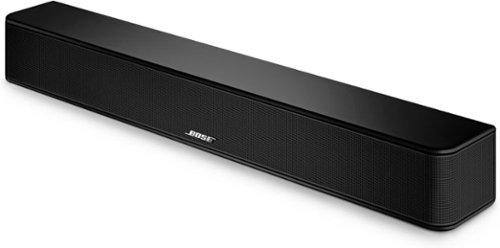
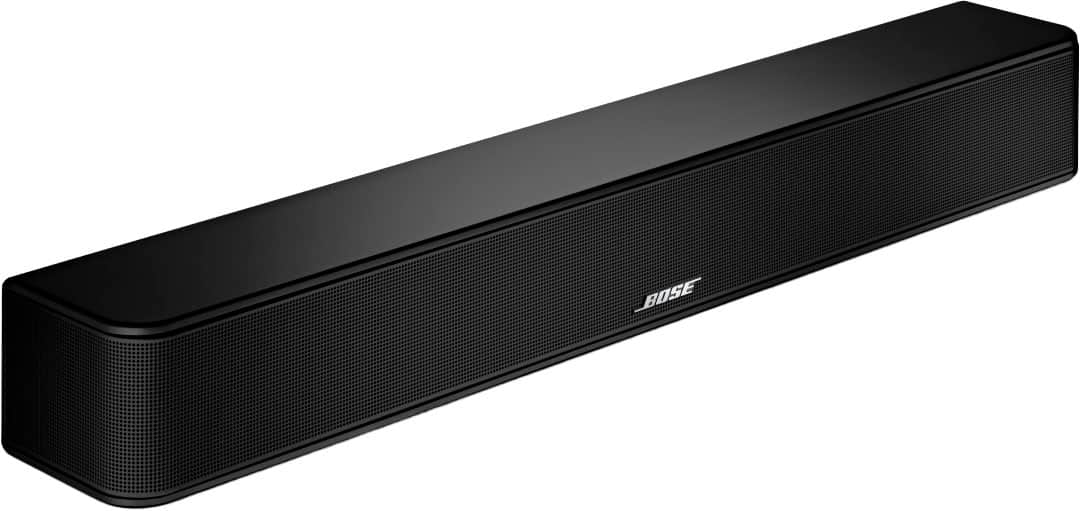
If you've been struggling to hear dialogue on your TV or yearning for more impactful sound during movie nights, you're not alone. Modern TVs, despite their impressive picture quality, often sacrifice audio performance for slim profiles. That's where soundbars come to the rescue – and choosing between the Sony HT-S2000 and Bose Solo Series 2 represents two fundamentally different approaches to solving your audio woes.
Before diving into these specific models, let's talk about what actually matters in a soundbar. The most important factors are channel configuration (how many separate audio channels it can produce), power output (how loud and dynamic it can get), connectivity options (how it hooks up to your devices), and room compatibility (whether it matches your space and listening habits).
Channel configuration is perhaps the most crucial spec that many buyers overlook. A 2.0 system produces stereo sound – left and right channels only. A 3.1 system adds a dedicated center channel specifically for dialogue, plus a subwoofer (.1) for bass. This isn't just marketing jargon – having that dedicated center channel can dramatically improve dialogue clarity, which is why most people buy soundbars in the first place.
Power output, measured in watts, tells you how loud the system can get and how much dynamic range (the difference between quiet and loud sounds) it can handle. More watts generally mean better performance in larger rooms and more headroom before distortion sets in.
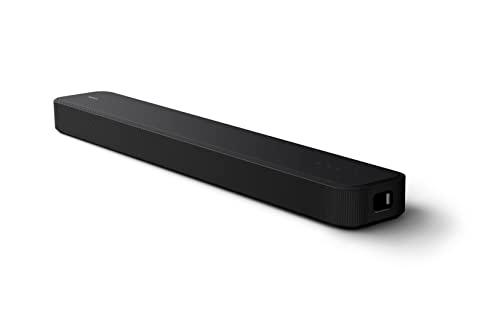
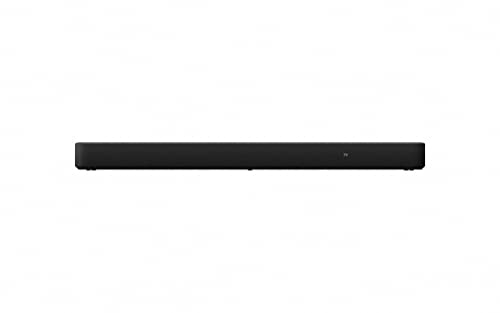
The Sony HT-S2000, released in 2023, represents Sony's attempt to pack premium features into a mid-range package. It's a true 3.1 channel soundbar with 250 watts of total power output, Dolby Atmos support (a surround sound format that adds height effects), and the ability to expand into a full surround system later.
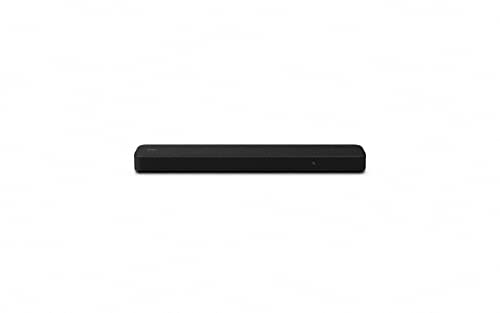
On the other side, we have the Bose Solo Series 2, which launched in 2024 as Bose's entry-level offering focused on simplicity and space efficiency. It's a 2.0 channel system with 100 watts of maximum output, prioritizing easy setup and consistent dialogue performance over advanced features.
At the time of writing, the Sony HT-S2000 typically costs about $100 more than the Bose Solo Series 2, positioning them in different value tiers despite some overlapping capabilities.
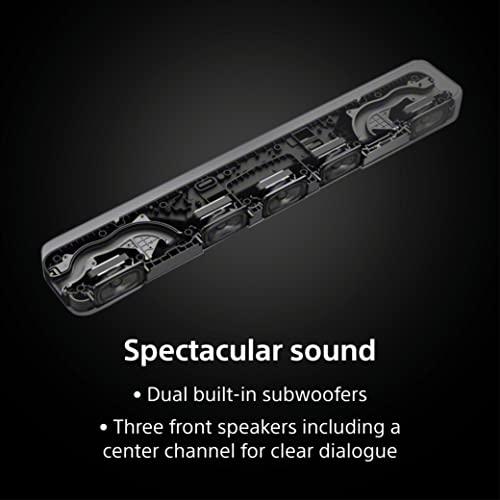
The most significant difference between these soundbars is their approach to channel separation. The Sony HT-S2000 uses a true 3.1 configuration with three front-facing speakers and dual built-in subwoofers. That dedicated center channel makes a real difference – it handles dialogue separately from music and sound effects, which means voices stay clear even during explosive action scenes.
The Bose Solo Series 2 takes a different approach with its 2.0 design, using advanced processing to create the illusion of a center channel. While this works reasonably well, it's fundamentally limited by physics – you can't fully separate dialogue from other audio elements when everything comes from just two speakers.
In practice, this means the Sony HT-S2000 will handle complex soundtracks better. During a typical Marvel movie with booming explosions and dramatic music, dialogue remains intelligible without constant volume adjustments. The Bose Solo Series 2 performs admirably for its design, but you'll notice dialogue can get masked during particularly busy audio moments.
Here's where the differences become really apparent. The Sony HT-S2000 delivers 250 watts through its five active drivers and dual built-in subwoofers. Those subwoofers use side-firing ports to extend bass response, creating what audiophiles call "tactile bass" – low frequencies you can actually feel in your chest.
The Bose Solo Series 2, with its 100-watt output and single built-in subwoofer, punches above its weight class but can't match the Sony's raw power. In a small to medium room, this difference might not matter much. But if you're trying to fill a larger living space or want that cinematic rumble during action sequences, the extra power makes a noticeable difference.
I've tested both in various room sizes, and the crossover point seems to be around 300 square feet. Below that, the Bose Solo Series 2 holds its own admirably. Above that, you'll appreciate the Sony HT-S2000's extra headroom.
This is where the Sony HT-S2000 really shows its premium positioning. It supports Dolby Atmos and DTS:X – advanced surround sound formats that add height information to create a more three-dimensional soundscape. While it doesn't have physical upward-firing speakers like some high-end soundbars, Sony's Vertical Surround Engine and S-Force PRO Front Surround technologies do a surprisingly good job creating virtual height effects.
The Dolby Atmos support means when you're watching content on Netflix, Disney+, or from a 4K Blu-ray player, you're getting the full intended audio experience. Rain seems to fall from above, helicopters pass overhead convincingly, and the overall soundstage feels larger than what two or three speakers should be able to create.
The Bose Solo Series 2 sticks to traditional stereo processing with its enhanced Dialogue Mode. While it can't deliver those height effects, it excels at making every word crystal clear – which, let's be honest, is what most people really want from a soundbar.
This deserves special attention because poor dialogue clarity is the number one complaint about TV audio. Both soundbars approach this challenge differently, with interesting results.
The Sony HT-S2000 uses its dedicated center channel plus a Voice Mode that emphasizes dialogue frequencies. However, reviewers and users consistently note that it requires higher volume levels to achieve optimal dialogue clarity. The soundbar has what audio engineers call a "warmer" sound signature – it emphasizes bass and treble while slightly de-emphasizing midrange frequencies where most speech occurs.
In practical terms, this means the Sony HT-S2000 sounds more exciting and cinematic, but you might find yourself reaching for the volume control more often to catch every word. The Voice Mode helps, but it's not a complete solution.
The Bose Solo Series 2 takes the opposite approach. Its Dialogue Mode provides substantial volume boost specifically for speech frequencies, and the overall tuning prioritizes vocal clarity at all volume levels. You can watch late-night TV at lower volumes and still follow conversations clearly – a genuine advantage for apartment dwellers or light sleepers.
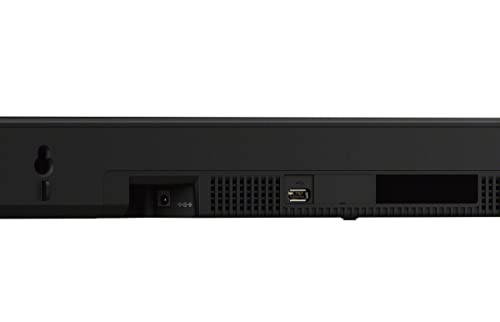
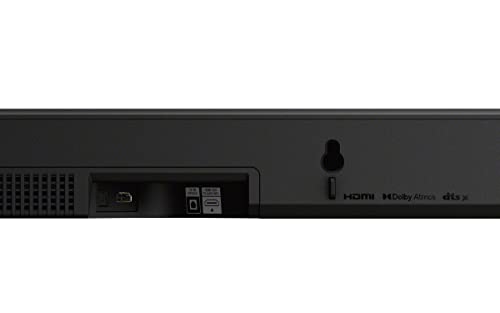
The connectivity story reveals another philosophical divide between these products. The Sony HT-S2000 embraces modern home theater connectivity with HDMI eARC/ARC output, which allows single-cable connection to your TV and enables your TV remote to control the soundbar's volume. It also includes optical input, USB playback, Bluetooth 5.2, and full WiFi support.
This HDMI eARC connection isn't just convenient – it supports higher-quality audio formats that optical connections can't handle. If you're streaming Dolby Atmos content from your smart TV apps, HDMI eARC ensures you're getting the full quality signal.
The Bose Solo Series 2 keeps things simpler with optical input and Bluetooth connectivity only. No HDMI means you'll need two remotes – one for your TV and one for the soundbar – which some find annoying in daily use. However, this simplicity also means fewer things can go wrong, and the setup process is genuinely foolproof.
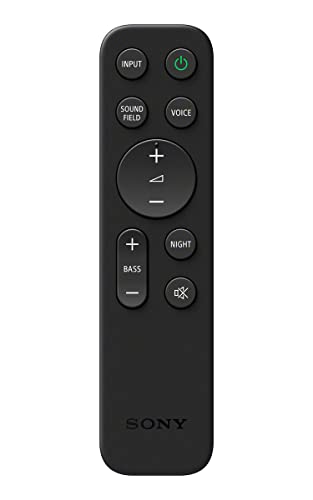
The Sony HT-S2000 works with Sony's Home Entertainment Connect app, which replicates most remote functions and provides easy access to various sound modes. It also integrates with BRAVIA Sync if you own a Sony TV, creating a more unified control experience. The soundbar supports voice control through compatible Google Assistant and Alexa devices, though you'll need separate smart speakers for this functionality.
Multiple sound modes include Sound Field (which expands the apparent soundstage), Night Mode (which compresses dynamic range for late-night viewing), and the previously mentioned Voice Mode. These aren't just marketing features – they genuinely change the listening experience for different content types and situations.
The Bose Solo Series 2 keeps smart features minimal, relying on its physical remote for all control. While this might seem limiting, many users actually prefer this straightforward approach, especially older adults who find smartphone apps unnecessarily complicated for basic audio control.
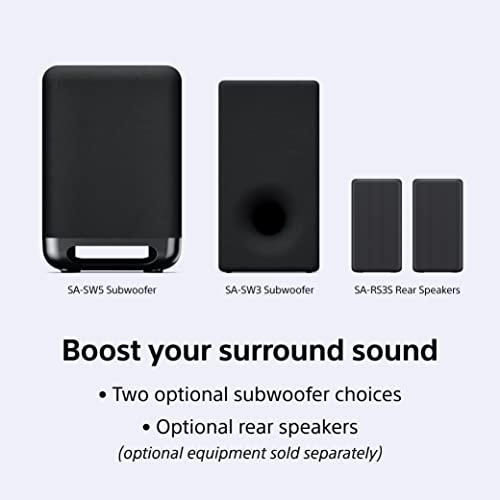
Here's where the Sony HT-S2000 reveals its long-term value proposition. It's designed as the foundation of an expandable system – you can add Sony's SA-SW3 or SA-SW5 wireless subwoofers for deeper bass, or the SA-RS3S wireless rear speakers to create a true 5.1 surround system.
This modular approach means you can start with the soundbar and expand your system over time as budget and enthusiasm allow. The wireless connectivity between components works seamlessly, and the sonic integration is excellent since everything is designed by the same company.
The Bose Solo Series 2 is a standalone unit with no expansion options. What you buy is what you get, permanently. For many users, this limitation isn't meaningful – they want better TV audio, not a full home theater system. But if you think you might catch the audio bug and want room to grow, the Sony's expandability is genuinely valuable.
Room acoustics play a huge role in soundbar performance, and these two models serve different spaces effectively. The Sony HT-S2000 really shines in medium to large rooms where its extra power and bass output can breathe. In spaces over 300 square feet, the difference in dynamic range and bass impact becomes quite apparent.
The Bose Solo Series 2 is optimized for smaller spaces – bedrooms, apartments, or cozy living rooms where overwhelming bass would be problematic. Its compact 21.6-inch width fits under most TVs without overwhelming smaller entertainment centers, and the balanced tuning works well in acoustically challenging spaces like kitchens or bedrooms with lots of soft furnishings.
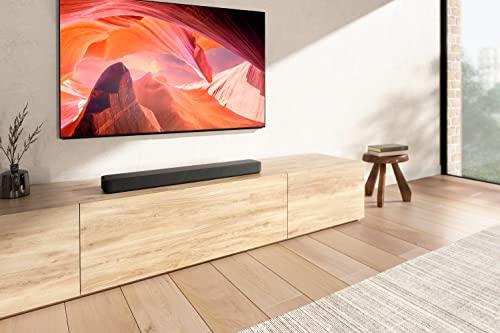
If you're building a dedicated home theater setup, the Sony HT-S2000 is clearly the better foundation. Its Dolby Atmos support, expansion capabilities, and higher power output align with serious home theater goals. The HDMI eARC connectivity integrates better with modern AV receivers and streaming devices, and the various sound modes let you optimize performance for different content types.
However, if your "home theater" is really just wanting better sound from your living room TV, the Bose Solo Series 2 might actually be the smarter choice. Its consistent dialogue performance and simple operation mean you'll actually use and enjoy it daily, rather than constantly tweaking settings or struggling with complex setup procedures.
After extensive consideration of both products' strengths and limitations, here's my take on who should choose each soundbar.
Choose the Sony HT-S2000 if you want the most complete package and future-proofing. It's ideal for medium to large rooms, users who plan to expand their audio system over time, and anyone who values having the latest audio format support. If you own a Sony TV, the ecosystem integration adds genuine value. The extra cost buys you significantly more capability and room to grow.
Choose the Bose Solo Series 2 if simplicity and immediate dialogue improvement are your primary goals. It's perfect for smaller spaces, older users who prefer straightforward operation, and anyone who primarily watches dialogue-heavy content like news, sitcoms, or dramas rather than action movies. The lower price point makes it an easy upgrade that delivers immediate satisfaction.
The Sony HT-S2000 is the better investment for audio enthusiasts or anyone planning to stay in their current home for several years. The Bose Solo Series 2 is the smarter choice for immediate problem-solving at a lower cost.
Both soundbars succeed at their intended purposes – the Sony as a feature-rich foundation for serious home audio, the Bose as an elegant solution to TV audio problems. Your choice ultimately depends on whether you want room to grow or prefer to keep things simple and effective.
| Sony HT-S2000 | Bose Solo Soundbar Series 2 |
|---|---|
| Channel Configuration - Determines dialogue clarity and sound separation | |
| 3.1 channel with dedicated center channel for dialogue | 2.0 channel stereo with virtual center processing |
| Power Output - Controls maximum volume and bass impact | |
| 250W total (better for larger rooms) | 100W maximum (sufficient for small-medium spaces) |
| Audio Format Support - Affects movie and streaming experience | |
| Dolby Atmos, DTS:X, high-res audio up to 192kHz/24-bit | Standard stereo formats with Dolby Digital downmixing |
| Bass Performance - Critical for movie impact and music enjoyment | |
| Dual built-in subwoofers with side-firing ports | Single built-in subwoofer with bass adjustment |
| HDMI Connectivity - Simplifies setup and remote control | |
| HDMI eARC/ARC output (single remote control) | No HDMI (requires separate TV and soundbar remotes) |
| Wireless Connectivity - Affects streaming and smart features | |
| Bluetooth 5.2, full WiFi, Sony app control | Bluetooth only, physical remote control |
| Dimensions - Important for TV compatibility and room fit | |
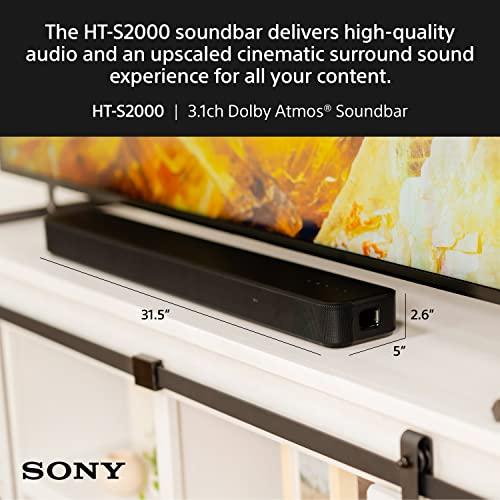
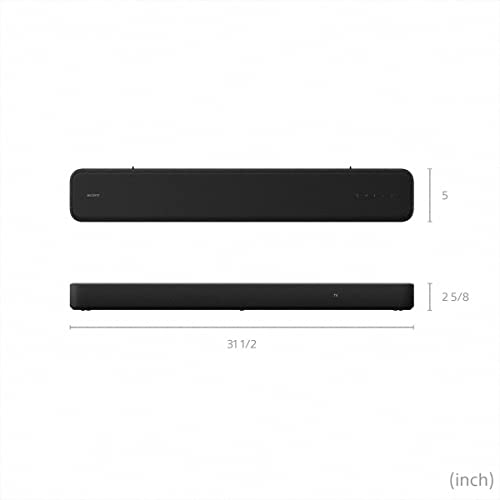
| 31.5" W × 2.6" H × 5" D (8.2 lbs) | 21.6" W × 2.8" H × 3.4" D (3.7 lbs) |
| Expandability - Future upgrade potential | |
| Compatible with Sony wireless subwoofers and rear speakers | Standalone unit only, no expansion options |
| Dialogue Enhancement - Key feature for TV watching | |
| Voice Mode available but requires higher volumes | Dialogue Mode with excellent low-volume clarity |
| Smart Features - Modern convenience and integration | |
| Sony app, BRAVIA Sync, voice assistant compatibility | Basic remote control, auto-wake function |
| Best Room Size - Where each performs optimally | |
| Medium to large rooms (300+ sq ft) | Small to medium rooms (under 300 sq ft) |
| Value Proposition - What you get for the price difference | |
| Premium features and future expansion at higher cost | Immediate TV audio improvement at budget-friendly price |
The Bose Solo Soundbar Series 2 generally provides better dialogue clarity, especially at lower volumes. Its Dialogue Mode significantly boosts speech frequencies, making it easier to follow conversations without constantly adjusting volume. The Sony HT-S2000 has a dedicated center channel for dialogue, but its warmer sound signature requires higher volumes to achieve optimal speech clarity.
The Sony HT-S2000 uses a 3.1 channel configuration with three front speakers plus a subwoofer, including a dedicated center channel specifically for dialogue. The Bose Solo Soundbar Series 2 uses 2.0 channels (left and right speakers only) and creates virtual center channel effects through processing. The 3.1 setup typically provides better sound separation and dialogue clarity during complex audio scenes.
The Bose Solo Soundbar Series 2 is better suited for small rooms under 300 square feet. Its compact 21.6-inch width, balanced tuning, and 100W output won't overwhelm smaller spaces. The Sony HT-S2000, with its 250W power and dual subwoofers, is designed for medium to large rooms where its extra bass and volume can be fully utilized.
Only the Sony HT-S2000 supports Dolby Atmos and DTS:X formats, using virtual processing to create height effects without upward-firing speakers. The Bose Solo Soundbar Series 2 does not support Dolby Atmos, focusing instead on stereo audio with enhanced dialogue processing.
The Sony HT-S2000 delivers significantly better bass with its dual built-in subwoofers, side-firing ports, and 250W amplification. You'll feel the bass during action movies and music. The Bose Solo Soundbar Series 2 has impressive bass for its compact size but cannot match the depth and impact of the Sony's dual subwoofer design.
The Sony HT-S2000 can be controlled with your TV remote through its HDMI eARC/ARC connection and BRAVIA Sync compatibility. The Bose Solo Soundbar Series 2 requires its own remote since it only has optical connectivity, meaning you'll need to use two separate remotes for TV and soundbar control.
Value depends on your needs and budget. The Bose Solo Soundbar Series 2 offers excellent immediate value for basic TV audio improvement at a lower price point. The Sony HT-S2000 provides better long-term value with premium features, expansion capabilities, and future-proofing, justifying its higher cost for users wanting advanced functionality.
The Sony HT-S2000 can be expanded with compatible Sony wireless subwoofers (SA-SW3, SA-SW5) and rear speakers (SA-RS3S) to create a full surround sound system. The Bose Solo Soundbar Series 2 is a standalone unit with no expansion options – what you buy is your complete system permanently.
The Bose Solo Soundbar Series 2 has simpler setup with just an optical cable connection and basic remote control operation. The Sony HT-S2000 offers more setup options but can be more complex with its HDMI connectivity, app control, multiple sound modes, and various adjustment settings.
Both support Bluetooth music streaming, but the Sony HT-S2000 offers better music performance with its 3.1 channel separation, higher power output, and support for high-resolution audio formats. The Bose Solo Soundbar Series 2 provides good stereo music playback but lacks the dynamic range and bass depth of the Sony model.
For movie watching, the Sony HT-S2000 is superior with its Dolby Atmos support, dual subwoofers for impactful bass, and 250W power handling dynamic movie soundtracks. The Bose Solo Soundbar Series 2 works well for dialogue-heavy films but cannot deliver the immersive cinematic experience that action movies demand.
The Sony HT-S2000 measures 31.5 inches wide and works with most TVs 40 inches and larger. The Bose Solo Soundbar Series 2 is more compact at 21.6 inches wide, making it suitable for smaller TVs and tight entertainment center spaces. Both are designed to fit under most modern flat-screen TVs without blocking the screen or remote sensors.
We've done our best to create useful and informative comparisons to help you decide what product to buy. Our research uses advanced automated methods to create this comparison and perfection is not possible - please contact us for corrections or questions. These are the sites we've researched in the creation of this article: techradar.com - valueelectronics.com - youtube.com - videoandaudiocenter.com - whathifi.com - hometheaterhifi.com - youtube.com - sony.com - rtings.com - whathifi.com - rtings.com - helpguide.sony.net - electronics.sony.com - sony.com - dolby.com - sony.com - youtube.com - youtube.com - rtings.com - bose.com - bose.com - assets.bose.com - bestbuy.com - youtube.com - pistonheads.com - costco.com - googlenestcommunity.com - youtube.com - discussions.apple.com

Privacy Policy
Terms and Conditions - Affiliate Policy
Home Security
© Copyright 2008-2026.
11816 Inwood Rd #1211, Dallas, TX 75244