





When your TV's built-in speakers sound like they're trapped in a tin can, upgrading to a soundbar becomes essential. But the soundbar market splits into two distinct camps: systems that use multiple physical speakers placed around your room, and compact units that try to simulate surround sound from a single bar. The ULTIMEA Skywave X40 and Sony HT-S2000 represent these opposing philosophies perfectly, and choosing between them comes down to whether you prioritize authentic immersion or space-saving convenience.
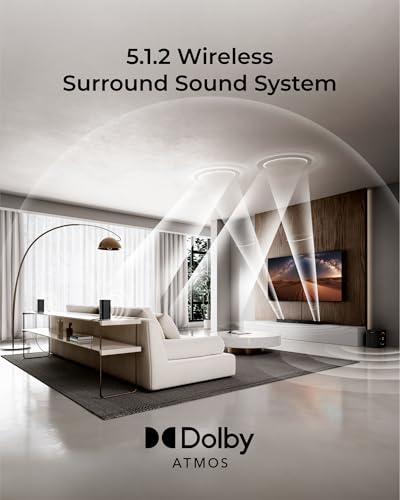
Today's soundbars have evolved far beyond simple TV speaker replacements. The numbers in their names—like 5.1.2 or 3.1—tell you exactly what you're getting. The first number indicates main channels (left, center, right, plus surround speakers), the second shows subwoofer channels for bass, and the third represents height channels for overhead effects. More channels generally mean more realistic sound, but only if they're implemented with actual speakers rather than digital trickery.
At the time of writing, we're seeing a fascinating split in the market. Premium systems like the ULTIMEA Skywave X40 embrace wireless technology to deliver true multi-speaker surround without the cable mess that previously made these systems impractical for most homes. Meanwhile, companies like Sony focus on advanced signal processing to create surprisingly convincing surround effects from compact single units like the HT-S2000.
The key considerations when shopping remain power output (measured in watts), channel configuration, connectivity options, and whether you want physical speakers positioned around your room or prefer everything contained in one sleek unit. Your room size, living situation, and listening preferences will determine which approach serves you better.
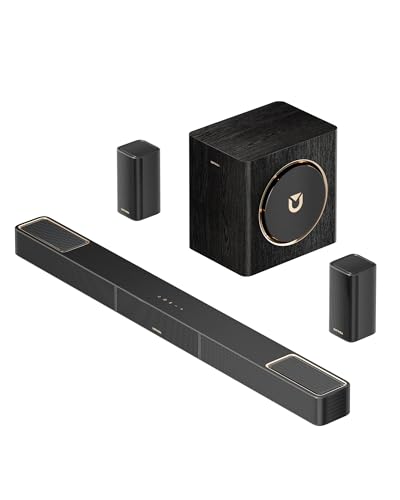
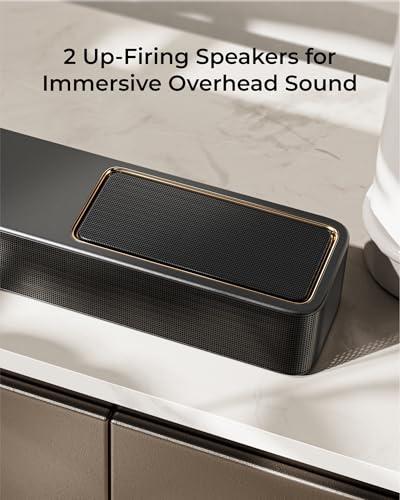
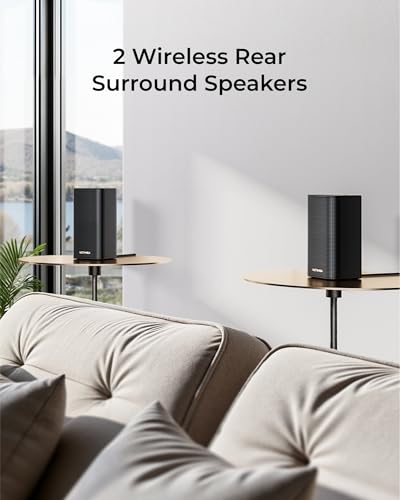
Released in 2025, the ULTIMEA Skywave X40 represents the latest evolution in wireless surround technology. This 5.1.2 system includes a main soundbar, wireless subwoofer, two wireless rear speakers, and—crucially—up-firing drivers built into the main bar for height effects. The "wireless" aspect here is key: previous surround systems required running speaker wires across your room, which was both unsightly and impractical for most people.
ULTIMEA's CineMesh True Wireless technology uses dual 5GHz transmission to connect all components with less than 20 milliseconds of delay—fast enough that you won't notice any lip-sync issues. This dual-band approach is clever because it avoids the congested 2.4GHz spectrum that your Wi-Fi router, microwave, and dozens of other devices compete for. The result is stable, interference-free audio that maintains perfect synchronization even in wireless-heavy environments.
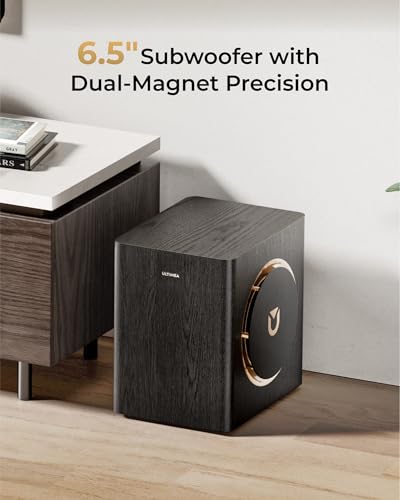
The Skywave X40's 530-watt peak power output is distributed across eight total drivers: four in the main bar, two in the rear speakers, and two in the 6.5-inch wireless subwoofer. That subwoofer extends bass response down to 35Hz, which covers the fundamental frequencies of most movie explosions, thunder crashes, and electronic music bass lines. The NEURACORE processing engine—essentially a specialized computer chip designed for audio—handles up to 2,000 MIPS (million instructions per second) of real-time audio calculations to optimize sound quality and manage the complex task of keeping all these wireless speakers perfectly synchronized.
What makes this system particularly impressive is its GaN (Gallium Nitride) amplifier technology. Traditional silicon-based amplifiers generate substantial heat and require large cooling systems, limiting how much power you can pack into a compact device. GaN amplifiers run 98% efficient compared to silicon's 80-85%, generating far less heat while responding eight times faster to audio signals. This translates to cleaner sound at high volumes and more dynamic range during quiet-to-loud transitions.
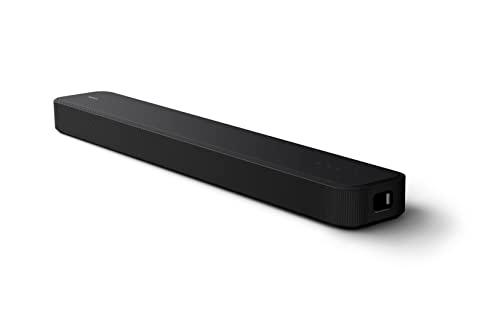
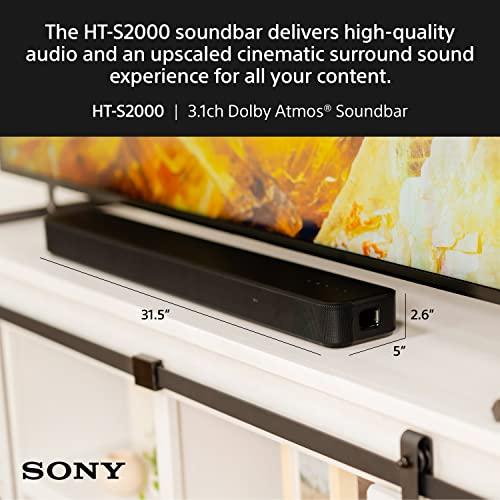
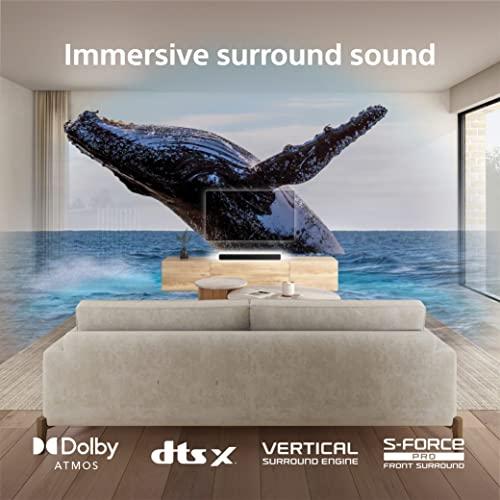
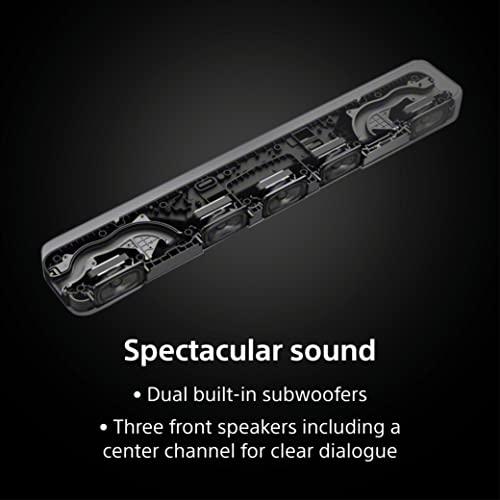
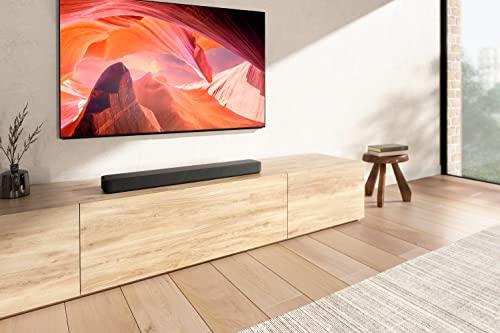
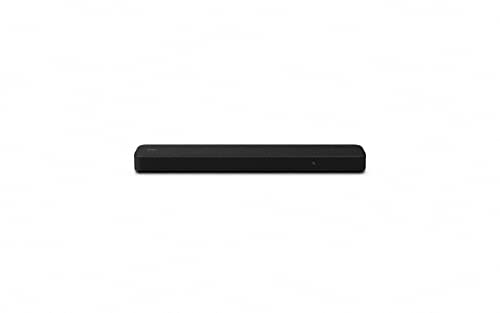
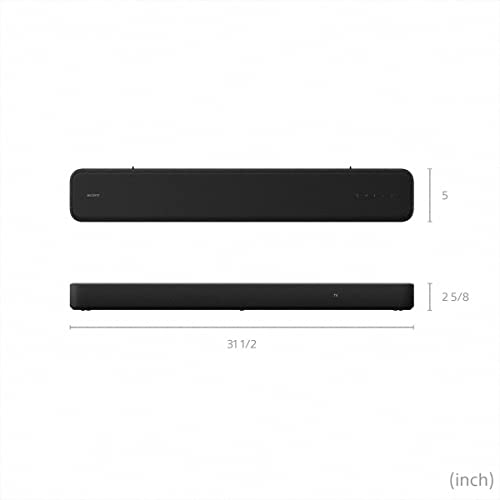
The Sony HT-S2000, released in 2023, takes an entirely different approach. Rather than physically placing speakers around your room, it uses sophisticated digital signal processing to create the illusion of surround sound from just five drivers housed in a single 31.5-inch bar. Sony's Vertical Surround Engine and S-Force PRO technology analyze incoming audio and manipulate timing, phase relationships, and frequency response to trick your brain into perceiving sounds coming from behind and above you.
This psychoacoustic approach (the science of how our brains interpret sound) works better than you might expect. Human hearing relies heavily on subtle timing differences between our ears and reflections off room surfaces to determine sound direction. By carefully controlling these factors, the HT-S2000 can create convincing surround effects, especially for listeners seated directly in front of the soundbar.
Sony's X-Balanced Speaker Units deserve particular attention. Traditional round speakers waste space inside rectangular enclosures, but these rectangular drivers maximize the cone area within the available space. This increased surface area moves more air for the same power input, delivering both higher output and lower distortion. Combined with side-firing bass ports that extend low-frequency response, the built-in dual subwoofer system produces surprisingly robust bass for such a compact unit.
The 250-watt total power output might seem modest compared to the ULTIMEA's 530 watts, but Sony's efficient design and advanced DSP (Digital Signal Processing) make effective use of available power. The dedicated center channel ensures dialogue clarity—often the biggest weakness of TV speakers—while the Digital Sound Enhancement Engine restores high-frequency details lost in compressed streaming audio.
This is where the fundamental difference between these approaches becomes crystal clear. The ULTIMEA Skywave X40 creates authentic surround sound because effects actually originate from speakers positioned behind and beside you. When a helicopter flies overhead in a movie, the sound literally moves from the rear speakers to the front speakers and through the up-firing drivers. Your brain doesn't need to work to interpret the effect—it's genuinely happening in 3D space around you.
Our research into user experiences consistently shows that people notice this difference immediately. Action movies become significantly more engaging when gunshots crack from behind you and explosions seem to envelope your seating position. Video games benefit enormously from accurate directional audio cues—you can precisely locate footsteps or enemy fire in competitive gaming scenarios.
The Sony HT-S2000 creates impressive virtual surround effects, but they remain interpretations rather than authentic positioning. The processing works best when you're seated in the optimal listening position directly in front of the soundbar. Move too far left or right, and the illusion breaks down. For casual movie watching and TV shows, this limitation rarely matters, but home theater enthusiasts will notice the difference during intense action sequences.
The power difference between these systems becomes most apparent during dynamic content—scenes that transition rapidly between quiet dialogue and explosive action. The ULTIMEA Skywave X40's 530-watt output provides substantial headroom, meaning it can handle sudden loud passages without distortion or compression. This headroom matters more than you might think; even if you never listen at maximum volume, having extra power available keeps the sound clean during peaks.
The 6.5-inch wireless subwoofer particularly shines here. Bass frequencies require significant power to reproduce properly, and the Skywave X40's dedicated subwoofer amplifier can deliver clean, tight bass even at high volumes. The 35Hz extension captures most of the fundamental frequencies in movie soundtracks and electronic music, providing the physical impact that makes explosions feel real rather than just loud.
The Sony HT-S2000 handles dynamic content admirably for its size, but 250 watts across five drivers leaves less headroom for demanding passages. In smaller rooms, this limitation rarely becomes problematic, but larger spaces or listeners who enjoy reference-level volumes will notice the difference. The built-in dual subwoofer design produces respectable bass for the form factor, though it can't match the extension and impact of a dedicated 6.5-inch driver.
Both systems excel at dialogue reproduction, though they achieve it differently. The ULTIMEA Skywave X40 uses its dedicated center channel to isolate and optimize speech frequencies, while its Voice EQ mode further enhances dialogue intelligibility. The NEURACORE processing can dynamically adjust the center channel level relative to surround effects, ensuring dialogue remains clear even during complex action scenes.
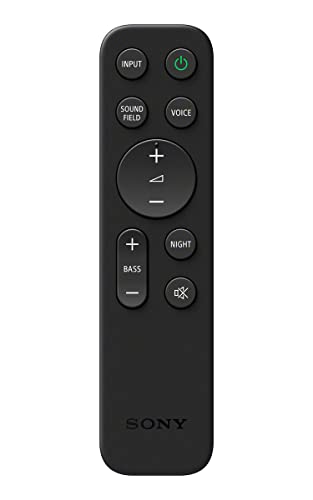
The Sony HT-S2000 also features a dedicated center channel driver and includes Voice Mode for enhanced speech clarity. Sony's decades of audio processing experience show here—the system effectively separates dialogue from background music and sound effects. For TV shows and dialogue-heavy movies, both systems perform excellently, making this category essentially a tie based on our evaluation of user feedback.
Music listening reveals another key difference between these approaches. The ULTIMEA Skywave X40 provides extensive customization through its 10-band EQ and 121 preset sound profiles. This flexibility allows you to optimize performance for different music genres—boosting bass for electronic music, enhancing midrange clarity for vocals, or creating a more spacious soundstage for classical music.
The full-range system with discrete left, right, and surround speakers creates a wider soundstage than any single-bar solution can achieve. Instruments appear to originate from specific positions rather than clustering around the center, creating a more immersive musical experience. The wireless rear speakers can even be configured for ambient effects in certain music modes, enveloping listeners in a spacious acoustic environment.
The Sony HT-S2000 offers more limited customization options but benefits from Sony's audio processing heritage. The compact design creates good stereo imaging within its physical constraints, though it can't match the width and spaciousness of a true surround configuration. For casual music listening while cooking, working, or entertaining, the convenience factor often outweighs the performance limitations.
The setup experience differs dramatically between these approaches. The ULTIMEA Skywave X40 requires positioning four separate components around your room: the main soundbar, subwoofer, and two rear speakers. While all connections are wireless and pre-paired at the factory, you'll need power outlets accessible to each component. The comprehensive Ultimea app provides extensive control but can overwhelm users who prefer simple operation.
This multi-component approach offers significant flexibility. You can position the subwoofer wherever it sounds best in your room (often a corner for maximum bass reinforcement) and place rear speakers for optimal surround effect. Wall-mounting hardware is included for all components, allowing creative installation options that work with your décor and furniture arrangement.
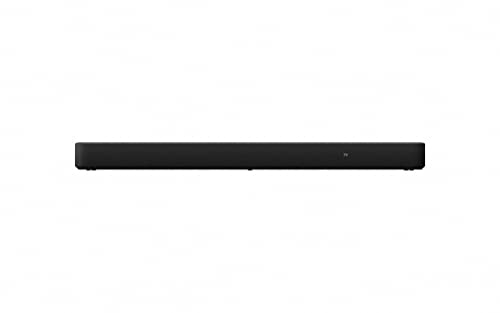
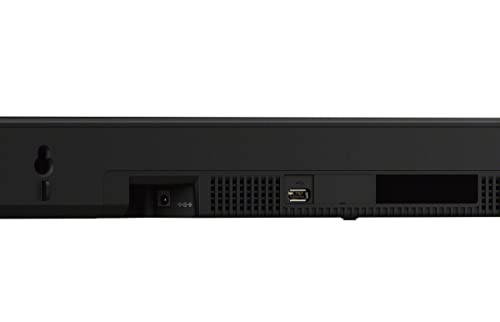
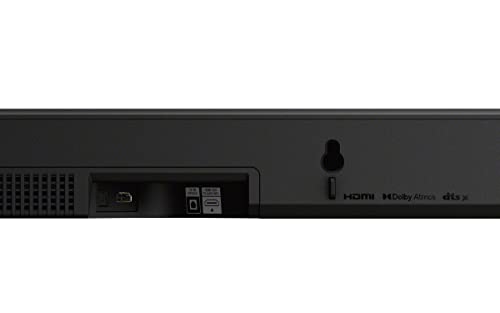
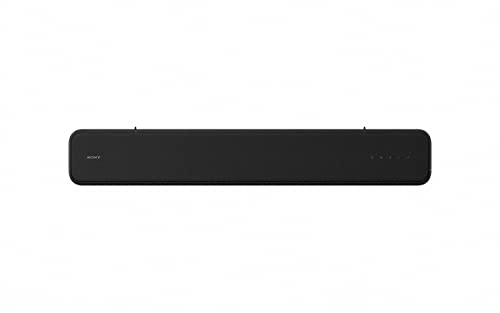
The Sony HT-S2000 epitomizes plug-and-play simplicity. The single unit connects with one HDMI cable and measures just 31.5 inches wide by 2.6 inches tall—compact enough to fit under most TVs without blocking screens or remote control sensors. For Sony BRAVIA TV owners, the integration becomes even more seamless, with soundbar controls appearing directly in the TV's quick settings menu.
This simplicity comes at the cost of placement flexibility. The soundbar must be positioned in front of your TV, and you can't optimize subwoofer placement since it's built into the main unit. However, for users who prioritize convenience and clean aesthetics, this limitation often proves acceptable.
At the time of writing, the ULTIMEA Skywave X40 delivers significantly more audio hardware and performance per dollar than competing systems from established brands. True 5.1.2 surround systems with wireless rear speakers typically command premium pricing from companies like Samsung, Bose, or JBL. The advanced technologies—GaN amplification, dual 5GHz wireless, NEURACORE processing—are features normally found in much more expensive systems.
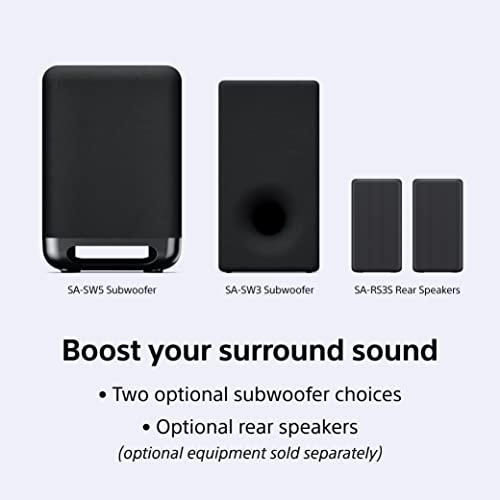
The Sony HT-S2000 offers competitive value for users prioritizing space efficiency and brand reliability. Sony's reputation for audio quality and long-term software support justifies its positioning, especially for buyers who may expand the system later with additional Sony components. However, building a complete surround system through add-on components ultimately costs significantly more than the ULTIMEA's all-inclusive approach.
The decision between these systems depends primarily on your living situation and priorities. The ULTIMEA Skywave X40 suits home theater enthusiasts who want authentic surround immersion and have the space to accommodate multiple wireless components. If you love action movies, play games competitively, or simply enjoy being enveloped by sound, the performance difference justifies the additional complexity.
The Sony HT-S2000 excels for apartment dwellers, minimalists, or casual viewers who prioritize convenience over ultimate performance. If you own a Sony TV, want something that disappears under your display, or move frequently, the single-unit approach makes more sense.
For home theater applications specifically, the ULTIMEA Skywave X40 provides dramatically superior immersion. The difference becomes immediately apparent during action sequences, atmospheric scenes, or any content mixed for surround sound. However, this advantage only matters if you actually watch content that benefits from surround sound and have a room layout that accommodates rear speakers.
Based on our evaluation of expert reviews and user feedback, the ULTIMEA Skywave X40 offers better long-term satisfaction for serious listeners, while the Sony HT-S2000 serves casual users excellently. Both represent solid engineering approaches to the soundbar challenge—your choice should align with how you actually use your audio system and what compromises you're willing to accept.
| ULTIMEA Skywave X40 5.1.2 Soundbar System | Sony HT-S2000 3.1ch Dolby Atmos Soundbar |
|---|---|
| Channel Configuration - Determines authentic vs virtual surround sound | |
| True 5.1.2 with discrete rear speakers and up-firing drivers | 3.1 with virtual surround processing |
| Total Power Output - Controls maximum volume and dynamic range | |
| 530W peak across 8 drivers | 250W total across 5 drivers |
| Subwoofer Design - Critical for bass impact and room flexibility | |
| 6.5-inch wireless subwoofer, 35Hz extension | Built-in dual subwoofers with side-firing ports |
| Surround Speakers - Real positioning vs processing tricks | |
| 2 wireless rear speakers included | Virtual surround only (expandable with separate purchase) |
| Height Channels - True Dolby Atmos overhead effects | |
| 2 physical up-firing drivers in main bar | Virtualized height effects via processing |
| Wireless Technology - Affects reliability and audio quality | |
| Dual 5GHz CineMesh with <20ms latency | Bluetooth 5.2 for music streaming only |
| Physical Footprint - Space requirements and room integration | |
| Multi-component system requires rear speaker placement | Single compact unit: 31.5" × 2.6" × 5" |
| Customization Options - Sound tuning and personalization | |
| 10-band EQ, 121 presets, 6 listening modes via app | Basic sound modes, limited EQ options |
| HDMI Connectivity - Video passthrough and eARC support | |
| HDMI eARC with 4K HDR passthrough | HDMI eARC only (no passthrough) |
| Setup Complexity - Installation and configuration effort | |
| Requires positioning 4 components, extensive app setup | Single HDMI cable, plug-and-play operation |
| Brand Integration - Ecosystem compatibility and unified control | |
| Universal compatibility with any TV brand | Seamless integration with Sony BRAVIA TVs |
| Expandability - Future upgrade options | |
| Complete system included, limited expansion | Compatible with optional Sony subwoofers and rear speakers |
The Sony HT-S2000 is ideal for small apartments due to its compact single-unit design that measures only 31.5 inches wide and 2.6 inches tall. It fits discreetly under most TVs without requiring additional space for rear speakers or a separate subwoofer. The ULTIMEA Skywave X40 requires positioning four wireless components around your room, which may be challenging in tight spaces.
The ULTIMEA Skywave X40 features true 5.1.2 channels with discrete left, center, right, two surround, one subwoofer, and two height speakers for authentic three-dimensional sound. The Sony HT-S2000 uses 3.1 channels (left, center, right, plus subwoofer) and relies on virtual processing to simulate surround and height effects from its front-facing drivers.
The ULTIMEA Skywave X40 delivers superior bass with its dedicated 6.5-inch wireless subwoofer that extends down to 35Hz and can be positioned anywhere in your room for optimal performance. The Sony HT-S2000 features built-in dual subwoofers that produce respectable bass for its compact size but cannot match the extension and impact of the ULTIMEA's larger dedicated subwoofer.
The ULTIMEA Skywave X40 includes wireless rear speakers that create authentic surround sound with effects actually originating from behind you. The Sony HT-S2000 uses virtual surround processing to simulate these effects from front-facing speakers, which works well for casual viewing but cannot replicate the immersion of true rear speaker placement.
The Sony HT-S2000 offers plug-and-play simplicity with just one HDMI cable connection and minimal configuration required. The ULTIMEA Skywave X40 requires positioning four wireless components around your room and offers extensive app-based customization options, making it more complex but also more flexible for optimization.
The ULTIMEA Skywave X40 delivers 530W peak power across eight drivers, providing substantial headroom for dynamic movie soundtracks and high-volume listening. The Sony HT-S2000 outputs 250W total across five drivers, which is adequate for most rooms but offers less dynamic range than the more powerful ULTIMEA system.
The ULTIMEA Skywave X40 excels for gaming due to its authentic directional audio from discrete rear speakers, allowing precise location of footsteps and gunfire. Its ultra-low latency wireless technology ensures perfect audio-video synchronization. The Sony HT-S2000 provides good gaming audio but cannot match the competitive advantage of true surround positioning.
The Sony HT-S2000 can be expanded with optional Sony wireless subwoofers and rear speakers, though this significantly increases the total cost. The ULTIMEA Skywave X40 comes as a complete 5.1.2 system with limited expansion options, but includes everything needed for full surround sound out of the box.
Both soundbars excel at dialogue reproduction with dedicated center channels. The ULTIMEA Skywave X40 uses NEURACORE processing and Voice EQ mode for speech optimization, while the Sony HT-S2000 features Voice Mode and Sony's advanced dialogue separation algorithms. Performance is comparable between both systems for speech clarity.
The ULTIMEA Skywave X40 features Bluetooth 5.4 and proprietary dual 5GHz CineMesh technology for connecting its wireless speakers with minimal latency. The Sony HT-S2000 offers Bluetooth 5.2 for music streaming and can integrate seamlessly with Sony BRAVIA TVs for unified control.
The ULTIMEA Skywave X40 provides superior home theater performance with true 5.1.2 surround sound, authentic overhead effects from up-firing drivers, and immersive rear speaker positioning. The Sony HT-S2000 works well for casual movie watching but cannot match the cinematic immersion of the ULTIMEA's multi-speaker configuration.
The ULTIMEA Skywave X40 offers comprehensive control through its dedicated app with 10-band EQ, 121 preset profiles, and extensive customization options. The Sony HT-S2000 provides basic app control through Sony's Home Entertainment Connect app and excels at integration with Sony TV remotes for unified operation.
We've done our best to create useful and informative comparisons to help you decide what product to buy. Our research uses advanced automated methods to create this comparison and perfection is not possible - please contact us for corrections or questions. These are the sites we've researched in the creation of this article: bestbuy.com - shopabunda.com - youtube.com - youtube.com - youtube.com - youtube.com - ultimea.com - walmart.com - youtube.com - hometechnologyreview.com - community.ultimea.com - avsforum.com - youtube.com - youtube.com - youtube.com - bestbuy.com - hometechnologyreview.com - techradar.com - valueelectronics.com - youtube.com - videoandaudiocenter.com - whathifi.com - hometheaterhifi.com - youtube.com - sony.com - rtings.com - whathifi.com - rtings.com - helpguide.sony.net - electronics.sony.com - sony.com - dolby.com - sony.com - youtube.com - youtube.com

Privacy Policy
Terms and Conditions - Affiliate Policy
Home Security
© Copyright 2008-2026.
11816 Inwood Rd #1211, Dallas, TX 75244