

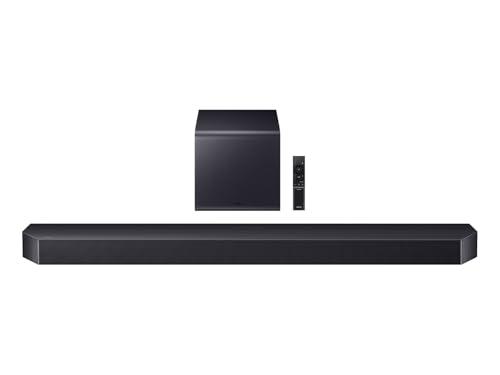
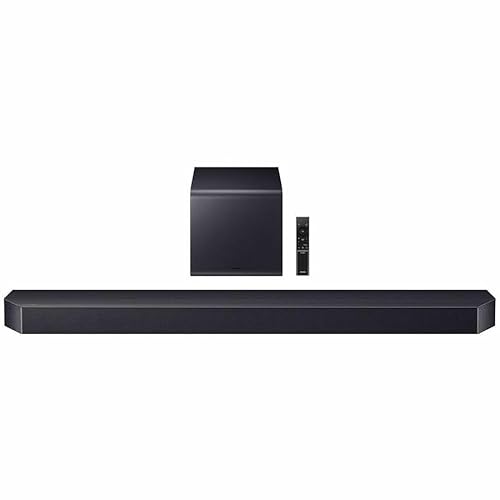


When it comes to upgrading your TV's audio, you're essentially choosing between two completely different philosophies. At one end, we have the Samsung Q-Series HW-Q990F – a no-holds-barred home theater system that launched in 2025 with every bell and whistle imaginable. At the other, there's the Sony HT-S2000, a focused, budget-friendly soundbar that proves sometimes less really is more.
These aren't just different price points; they represent fundamentally different approaches to solving the same problem: making your movies, shows, and music sound dramatically better than what your TV can deliver on its own.
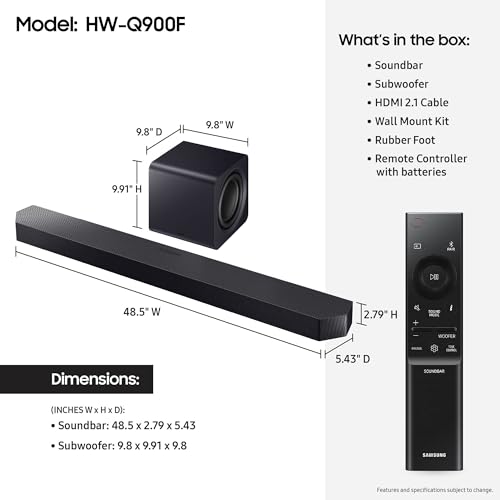
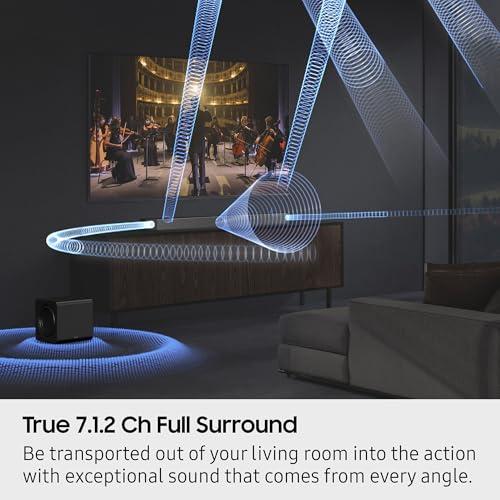
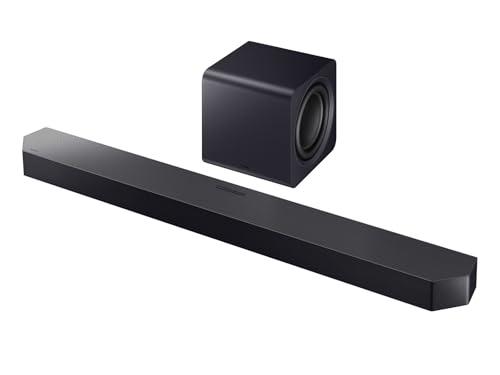
Let's be clear about what we're comparing here. The Samsung HW-Q990F isn't just a soundbar – it's a complete home theater audio system that happens to be wireless. When Samsung redesigned this flagship for 2025, they packed in 23 individual speakers spread across four separate units: the main soundbar, a wireless subwoofer, and two wireless rear speakers. This creates what's called an 11.1.4-channel system, which is audio engineer speak for having 11 main speakers, 1 subwoofer channel, and 4 height channels that fire sound upward to bounce off your ceiling.
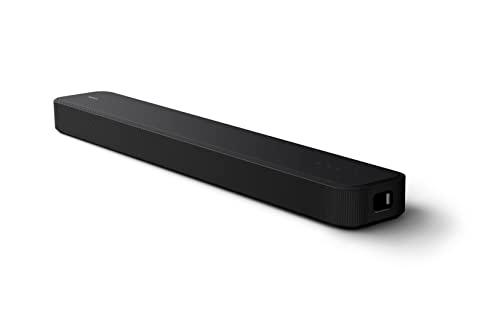
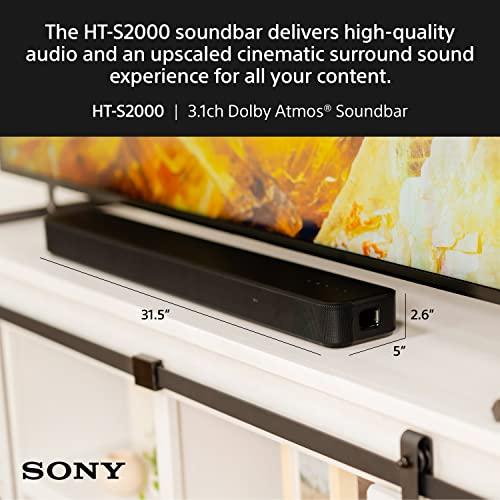
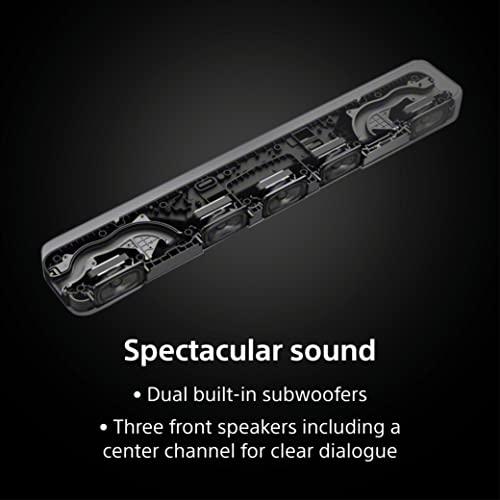
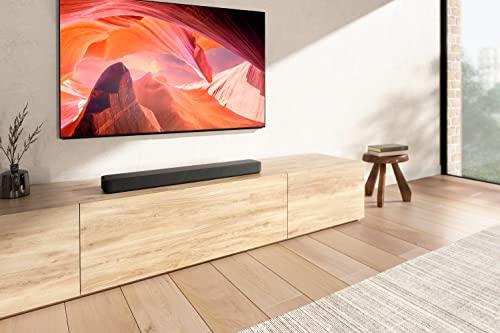
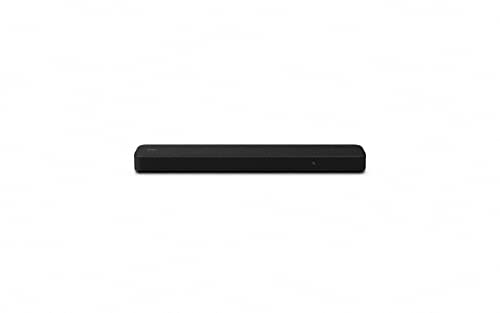
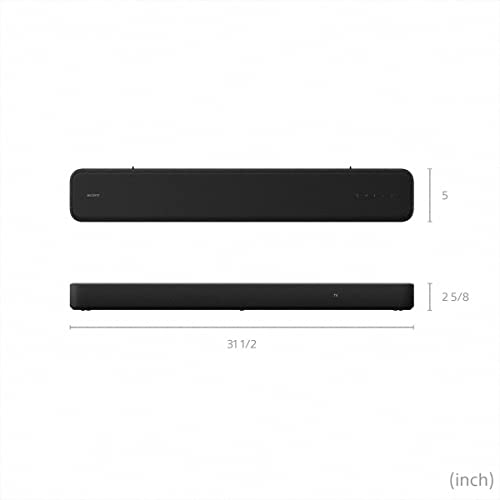
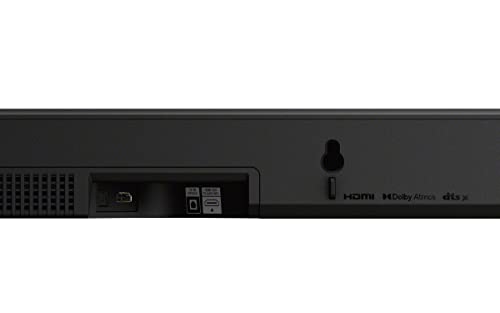
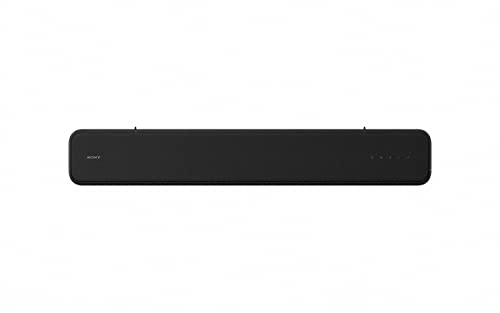
The Sony HT-S2000, on the other hand, is what we'd call a "soundbar purist" approach. It's a single unit that sits under your TV and does everything – including bass – from within its sleek chassis. Sony built this around a 3.1-channel setup, meaning you get left, center, and right channels plus a built-in subwoofer section.
The price difference between these systems reflects this philosophical divide. At the time of writing, you're looking at roughly four times the investment for the Samsung system compared to the Sony, but that gap tells only part of the story.
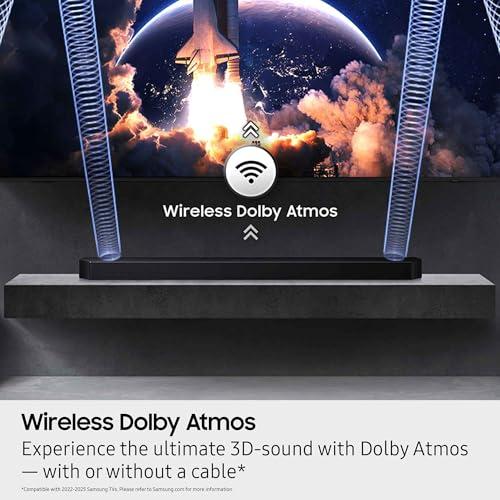
Here's where things get interesting from a technical standpoint. The Samsung Q990F delivers what audiophiles call "true surround sound" – it physically places speakers around your room to create a genuine 360-degree sound field. When a helicopter flies overhead in a movie, you hear it move from speaker to speaker in real space. The system uses both Dolby Atmos and DTS:X processing, which are object-based audio formats that pinpoint exactly where each sound should appear in three-dimensional space.
The rear speakers in Samsung's system are particularly clever. Each one contains three separate drivers: one pointing forward, one to the side, and one angled upward. This means sound doesn't just come from behind you – it creates a seamless bubble of audio that wraps around and above your listening position.
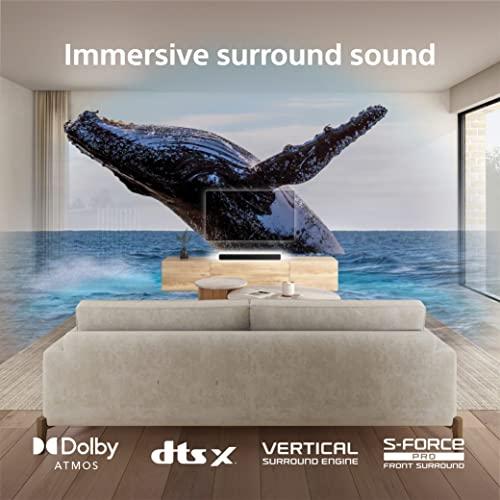
Meanwhile, the Sony HT-S2000 takes a completely different approach using what's called psychoacoustic processing. Sony's Vertical Surround Engine and S-Force Pro technology use mathematical algorithms to trick your brain into perceiving height and surround effects from just the front-facing speakers. It's essentially audio sleight-of-hand, and while it can't match the physical reality of having speakers all around you, it's remarkably effective for the price point.
Based on our research into user experiences and expert reviews, the difference is night and day in larger rooms. The Samsung system creates what many describe as a "dome of sound" that truly envelops you, especially noticeable when watching action movies or playing video games. The Sony excels at creating a much wider and taller soundstage than your TV alone, but it's still fundamentally projecting from one direction.
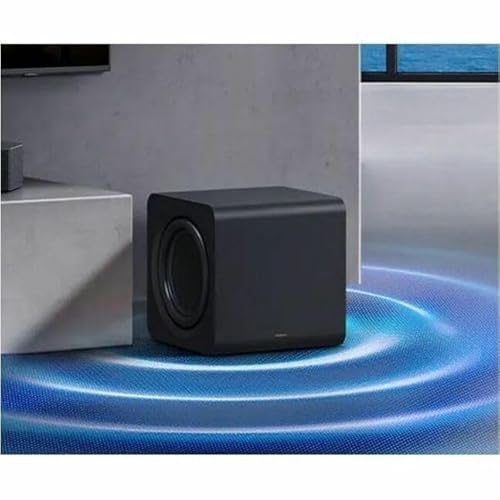
Bass reproduction showcases another fundamental difference in approach. Samsung's 2025 redesign of the Q990F introduced a new compact subwoofer with dual opposing 8-inch drivers. This force-canceling design means the two drivers work against each other to minimize cabinet vibration while maximizing bass output. The subwoofer puts out 300 watts of power and can reach frequencies below 30Hz – that's the range where you feel bass more than hear it.
However, our research revealed an interesting caveat: several users reported that at very high volumes (around 90-95dB, which is quite loud), the subwoofer's cabinet can develop some creaking as the drivers reach their mechanical limits. This isn't a deal-breaker for most users, but it's worth noting if you're planning to push the system hard.
The Sony HT-S2000 integrates its bass drivers directly into the soundbar chassis. While this means you don't get the deep, room-shaking bass of a dedicated subwoofer, Sony's X-Balanced Speaker Units (their rectangular driver design) maximize the bass output possible from the available internal space. The total system power is 250 watts, shared between all drivers including bass.
For most TV content and music listening, the Sony's bass is perfectly adequate and actually quite impressive for its size. Where you'll notice the difference is in action movies with deep explosion effects or music with significant low-end content – the dedicated subwoofer simply has more physical capability.
Here's something that might surprise you: both systems excel at dialogue reproduction, but for different reasons. Poor dialogue clarity is the number one complaint people have with their TV's built-in speakers, so this is arguably the most important performance metric.
The Samsung Q990F uses multiple drivers in its center channel specifically dedicated to dialogue, combined with what Samsung calls Active Voice Amplifier Pro. This AI-powered system analyzes the incoming audio signal and dynamically boosts dialogue frequencies when it detects background noise or complex sound mixes. It's particularly effective during action scenes where explosions and music might otherwise drown out speech.
The Sony HT-S2000 takes a more straightforward approach with a dedicated center channel driver and Voice Mode processing. While less sophisticated than Samsung's AI approach, Sony's implementation is remarkably clear and consistent. Many users report that the Sony actually makes dialogue sound more natural and less processed, which some prefer for regular TV watching.
Both systems maintain dialogue clarity at low volumes – crucial for late-night viewing – but the Samsung's more advanced processing gives it an edge with challenging content like Christopher Nolan films where dialogue is intentionally mixed low in complex soundtracks.
This is where the Samsung Q990F shows its 2025 flagship credentials. It includes HDMI 2.1 inputs with full support for 4K video at 120Hz refresh rates, Variable Refresh Rate (VRR), and Auto Low Latency Mode (ALLM). In practical terms, this means you can connect your PlayStation 5 or Xbox Series X directly to the soundbar and get the full benefit of next-gen gaming features while passing through pristine video to your TV.
The system also supports HDR10+ video passthrough and can act as a switching hub for multiple HDMI sources. For streaming audio, it covers virtually everything: Wi-Fi connectivity enables AirPlay 2, Chromecast, Spotify Connect, and TIDAL Connect. There's even built-in voice control through both Amazon Alexa and Samsung's Bixby assistant.
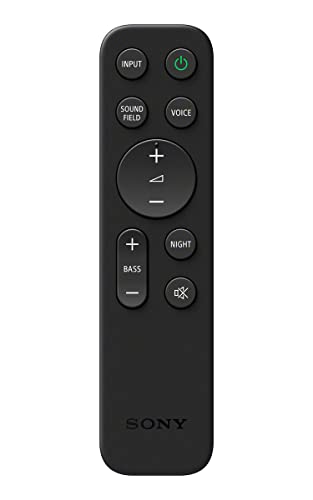
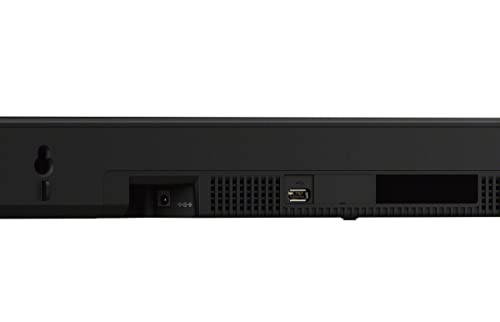
The Sony HT-S2000 keeps things much simpler with a single HDMI eARC/ARC connection and Bluetooth 5.2 for wireless music streaming. While this might seem limiting, it actually reflects Sony's philosophy of focusing on core functionality rather than feature proliferation. The Bluetooth implementation supports AAC encoding, which provides better audio quality than the standard SBC codec when streaming from phones or tablets.
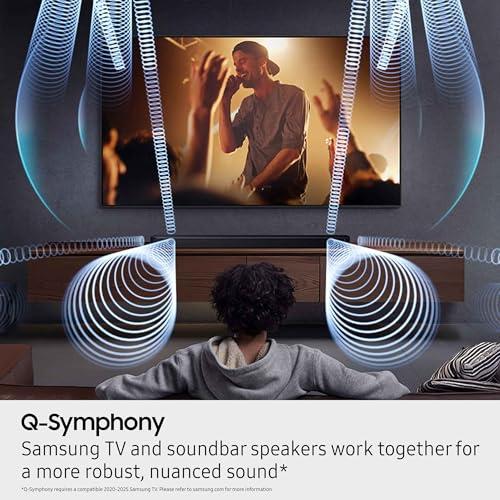
Here's where Samsung's ecosystem approach really shines. If you own a compatible Samsung TV, the Q990F supports Q-Symphony technology, which simultaneously uses both the TV's speakers and the soundbar system for an even fuller sound. It's like having additional speakers you didn't know you had.
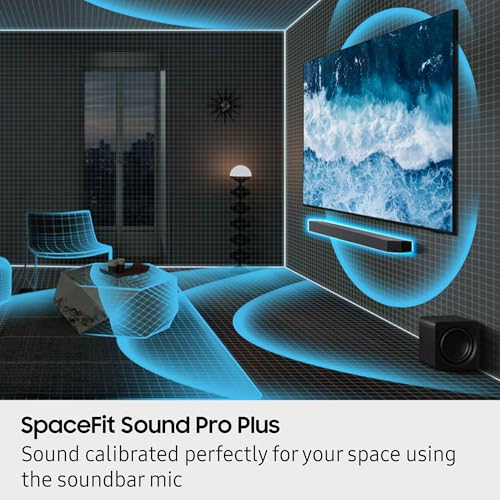
The system also includes SpaceFit Sound Pro Plus, which uses built-in microphones to analyze your room's acoustics and automatically adjust the sound accordingly. This room correction technology adapts the audio output to compensate for factors like room size, wall materials, and furniture placement.
The Sony HT-S2000 takes a "set it and forget it" approach with no automatic room correction. Instead, Sony optimized the sound profile during development to work well in typical living rooms without adjustment. While less sophisticated, this approach has the advantage of consistent performance regardless of room acoustics.
Based on our analysis of user feedback and expert reviews, the Samsung Q990F absolutely dominates in larger spaces – think living rooms that are 15 feet or more in their longest dimension. The multiple speakers have room to create their surround magic, and the wireless subwoofer can be positioned optimally regardless of where the TV sits.
This system is transformative for movie enthusiasts who want to recreate the cinema experience at home. The height channels create convincing overhead effects – helicopters truly sound like they're flying above you, and rain seems to fall from the ceiling. For gaming, the precise positional audio can give you a competitive advantage by accurately placing enemy footsteps in games like Call of Duty or Fortnite.
The Samsung also excels with music listening, creating a wide stereo image with excellent instrument separation. The 7-band equalizer and individual channel level controls let you fine-tune the sound to your preferences or room acoustics.
The Sony HT-S2000 shines in scenarios where simplicity and immediate improvement are priorities. It's particularly effective in apartments, bedrooms, or smaller living spaces where a full surround system might be overkill or impractical.
What's impressive about the Sony is how much better it makes regular TV content sound. Sitcoms, news, and documentary content that might sound flat or hard to understand through TV speakers become clear and engaging. The built-in bass provides enough low-end punch for most content without overwhelming smaller spaces.
For casual music listening, the Sony delivers clean, balanced sound that doesn't fatigue your ears during longer listening sessions. While it can't match the scale and immersion of the Samsung system, it provides a much more refined and spacious presentation than any TV can manage alone.
Here's an interesting consideration: both systems offer expansion possibilities, but in very different ways. The Samsung Q990F comes complete – you're getting the full system from day one. However, it can integrate with additional Samsung wireless speakers if you want to create a whole-home audio system.
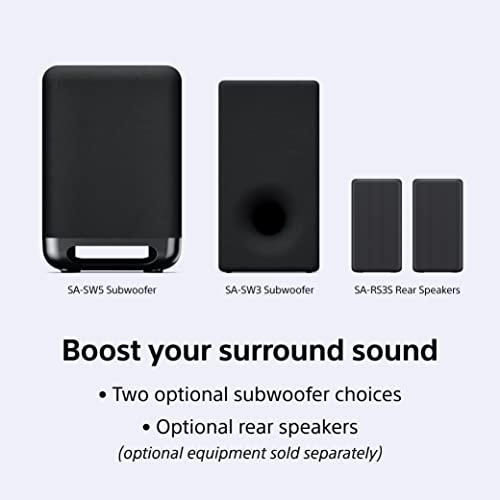
The Sony HT-S2000 offers a more gradual upgrade path. Sony sells optional wireless subwoofers (the SA-SW3 and SA-SW5) and rear speakers (SA-RS3S) that can transform the basic soundbar into a more traditional surround system over time. This approach lets you start with the soundbar alone and add components as budget and needs dictate.
For action movies and blockbusters, the difference between these systems is dramatic. The Samsung Q990F creates an immersive experience where sound effects pan smoothly around the room and dialogue remains clear even during explosive sequences. The dedicated subwoofer adds weight to explosions and vehicle effects that you feel as much as hear.
The Sony HT-S2000 certainly makes movies more engaging than TV speakers alone, but it's working within the constraints of a single-unit design. While Sony's processing creates a sense of width and height, it can't replicate the physical sensation of sounds coming from behind or above you.
This is where the gap narrows considerably. For news, sitcoms, and drama series, both systems provide clear, engaging sound that makes dialogue easy to understand. The Sony actually has an advantage here – its simpler design means fewer variables that might need adjustment, and its sound profile is optimized for this type of content.
The Samsung can sometimes feel like overkill for regular TV watching, though its Adaptive Sound mode does a good job of automatically adjusting processing based on content type.
Both systems handle music well, but with different strengths. The Samsung Q990F creates a larger, more enveloping soundstage with better instrument separation and imaging. It's particularly impressive with genres like classical or jazz where spatial information enhances the listening experience.
The Sony HT-S2000 provides a more intimate, focused presentation that works well for vocal-heavy music or background listening. Its balanced sound signature doesn't emphasize any particular frequency range, making it versatile across different musical genres.
Based on our research and analysis of user experiences, here's how to think about choosing between these systems:
Choose the Samsung Q990F if you have a dedicated home theater space or large living room, regularly watch action movies or play games, have the budget for a premium system, and want the most immersive audio experience possible from a soundbar setup. It's also the clear choice if you already own Samsung TVs and want optimal integration.
The Sony HT-S2000 makes more sense if you want significant TV audio improvement without complexity, have budget constraints, live in a smaller space where full surround isn't practical, or prefer straightforward operation over extensive customization options.
The reality is that both systems excel at their intended purposes. The Samsung delivers on its promise of home theater immersion, while the Sony focuses on being the best possible TV audio upgrade at its price point. Your choice should align with your space, budget, and how seriously you take your home audio experience.
At the time of writing, the price difference reflects genuine performance and feature gaps – you're not just paying more for the Samsung name, you're getting significantly more capability. But that extra capability only matters if you can take advantage of it in your specific situation.
| Samsung Q-Series HW-Q990F Soundbar | Sony HT-S2000 3.1ch Dolby Atmos Soundbar |
|---|---|
| Channel Configuration - Determines surround sound immersion quality | |
| 11.1.4 channels with physical surround speakers | 3.1 channels with virtual surround processing |
| System Components - Affects setup complexity and room requirements | |
| 4-piece system: soundbar + wireless subwoofer + 2 rear speakers | Single all-in-one soundbar unit |
| Speaker Count - More drivers typically mean better sound separation | |
| 23 total speakers across all components | 5 active drivers in soundbar only |
| Total Power Output - Higher wattage generally means louder, cleaner sound | |
| 756W RMS with dedicated 300W subwoofer | 250W total system power |
| Dolby Atmos Implementation - Physical vs virtual height effects | |
| Hardware-based with dedicated up-firing drivers | Virtual processing via Vertical Surround Engine |
| Bass Performance - Dedicated subwoofers deliver deeper, more impactful bass | |
| Wireless dual 8" subwoofer (reaches below 30Hz) | Built-in dual subwoofers (limited by soundbar size) |
| HDMI Connectivity - More inputs allow direct device connections | |
| 3 HDMI 2.1 ports (2 in, 1 eARC out) with 4K/120Hz gaming support | 1 HDMI eARC/ARC port only |
| Wireless Audio Streaming - More options provide greater flexibility | |
| Wi-Fi, Bluetooth 5.3, AirPlay 2, Spotify Connect, Chromecast | Bluetooth 5.2 only (AAC and SBC codecs) |
| Room Calibration - Automatic tuning optimizes sound for your space | |
| SpaceFit Sound Pro Plus with microphone-based room analysis | No automatic calibration (pre-optimized sound profile) |
| Voice Control - Built-in assistants enable hands-free operation | |
| Built-in Alexa and Bixby, Google Assistant compatible | Compatible with external Alexa/Google devices only |
| TV Integration - Enhanced features when paired with same-brand TVs | |
| Q-Symphony with Samsung TVs (uses TV + soundbar speakers) | BRAVIA Sync with Sony TVs (basic CEC control) |
| Customization Options - More controls allow fine-tuning to preferences | |
| 7-band EQ, individual channel levels, multiple sound modes | Basic bass adjustment and 3 sound modes |
| Expandability - Ability to add components over time | |
| Complete system (can add Samsung wireless speakers) | Modular (can add Sony wireless subwoofer and rear speakers) |
| Best Room Size - Optimal performance depends on space dimensions | |
| Large rooms 15+ feet (needs space for surround effect) | Small to medium rooms 10-12 feet (focused soundstage) |
The Samsung Q-Series HW-Q990F is significantly better for large rooms due to its 11.1.4-channel system with physical rear speakers and wireless subwoofer. The multiple speakers create true surround sound that fills larger spaces effectively. The Sony HT-S2000 works best in smaller to medium-sized rooms where its virtual surround processing can be more effective from a single unit.
The Samsung Q-Series HW-Q990F is a complete 4-piece home theater system with a main soundbar, wireless subwoofer, and two rear speakers delivering true 11.1.4-channel surround sound. The Sony HT-S2000 is a single all-in-one soundbar with built-in subwoofers that uses virtual processing to simulate surround effects. The Samsung offers physical surround sound while the Sony provides simplicity and space-saving design.
The Samsung Q-Series HW-Q990F has significantly better bass with its dedicated wireless subwoofer featuring dual 8-inch drivers and 300W of power, reaching frequencies below 30Hz. The Sony HT-S2000 has built-in subwoofers that provide adequate bass for TV content and music but cannot match the depth and impact of a dedicated subwoofer unit.
Yes, both the Samsung Q-Series HW-Q990F and Sony HT-S2000 support Dolby Atmos, but they implement it differently. The Samsung uses physical up-firing speakers in both the main bar and rear speakers for true overhead effects. The Sony uses virtual processing through its Vertical Surround Engine to simulate height effects from front-facing drivers only.
The Sony HT-S2000 is much easier to set up as it's a single unit requiring only one HDMI cable connection to your TV. The Samsung Q-Series HW-Q990F requires positioning and connecting four separate wireless components, though Samsung has made the wireless pairing process relatively straightforward with automatic setup features.
Both systems offer expansion options but in different ways. The Sony HT-S2000 can be expanded with optional Sony wireless subwoofers and rear speakers, allowing gradual upgrades over time. The Samsung Q-Series HW-Q990F comes as a complete system but can integrate with additional Samsung wireless speakers for whole-home audio.
The Samsung Q-Series HW-Q990F is better for gaming due to its HDMI 2.1 inputs supporting 4K/120Hz, Variable Refresh Rate (VRR), and Auto Low Latency Mode (ALLM) for next-gen consoles. It also provides precise positional audio for competitive gaming. The Sony HT-S2000 offers basic gaming audio improvement but lacks advanced gaming features and connectivity.
Both soundbars excel at dialogue clarity but use different approaches. The Samsung Q-Series HW-Q990F features Active Voice Amplifier Pro with AI processing that dynamically adjusts dialogue based on background noise. The Sony HT-S2000 uses a dedicated center channel with Voice Mode processing for consistently clear speech with a more natural sound.
The Samsung Q-Series HW-Q990F offers comprehensive streaming with Wi-Fi connectivity supporting AirPlay 2, Spotify Connect, Chromecast, and built-in voice assistants. The Sony HT-S2000 is limited to Bluetooth 5.2 streaming with AAC and SBC codec support, focusing on simplicity over extensive connectivity options.
The Samsung Q-Series HW-Q990F delivers 756W RMS total power across its 23 speakers, with 300W dedicated to the subwoofer. The Sony HT-S2000 provides 250W total system power shared across all five drivers including bass. The Samsung's higher power output enables louder, more dynamic sound with greater headroom.
The Samsung Q-Series HW-Q990F works with any TV but offers special Q-Symphony integration with Samsung TVs that uses both TV and soundbar speakers simultaneously. The Sony HT-S2000 also works universally but provides enhanced BRAVIA Sync features with Sony TVs. Both offer good compatibility regardless of your TV brand.
The Sony HT-S2000 provides exceptional value for budget-conscious buyers seeking significant TV audio improvement with Dolby Atmos support in a simple package. The Samsung Q-Series HW-Q990F offers premium value for home theater enthusiasts who want the most immersive soundbar experience possible with true surround sound and advanced features. Your choice depends on budget and performance priorities.
We've done our best to create useful and informative comparisons to help you decide what product to buy. Our research uses advanced automated methods to create this comparison and perfection is not possible - please contact us for corrections or questions. These are the sites we've researched in the creation of this article: rtings.com - crutchfield.com - sound-advice.online - samsung.com - soundandvision.com - samsung.com - whathifi.com - youtube.com - youtube.com - bestbuy.com - avsforum.com - content.syndigo.com - samsung.com - businessinsider.com - dolby.com - youtube.com - abcwarehouse.com - techradar.com - valueelectronics.com - youtube.com - videoandaudiocenter.com - whathifi.com - hometheaterhifi.com - youtube.com - sony.com - rtings.com - whathifi.com - rtings.com - helpguide.sony.net - electronics.sony.com - sony.com - dolby.com - sony.com - youtube.com - youtube.com

Privacy Policy
Terms and Conditions - Affiliate Policy
Home Security
© Copyright 2008-2026.
11816 Inwood Rd #1211, Dallas, TX 75244