







When you're watching your favorite movie and the dialogue gets drowned out by explosions, or when you're gaming and can't tell which direction that enemy is approaching from, you know it's time to upgrade your TV's built-in speakers. But choosing between soundbars can feel overwhelming, especially when you're comparing two completely different approaches like the Sony HT-S2000 and the LG S80TR.
I've spent considerable time testing both systems, and while they're priced similarly at the time of writing, they couldn't be more different in philosophy. The Sony HT-S2000 represents the "keep it simple" approach—everything packed into one sleek bar. The LG S80TR, on the other hand, gives you the full surround sound experience right out of the box with rear speakers, a dedicated subwoofer, and height channels.
Before diving into these specific models, it's worth understanding what you're actually buying when you purchase a soundbar system. At their core, soundbars exist to solve the fundamental problem of modern TVs: they're too thin to house decent speakers.
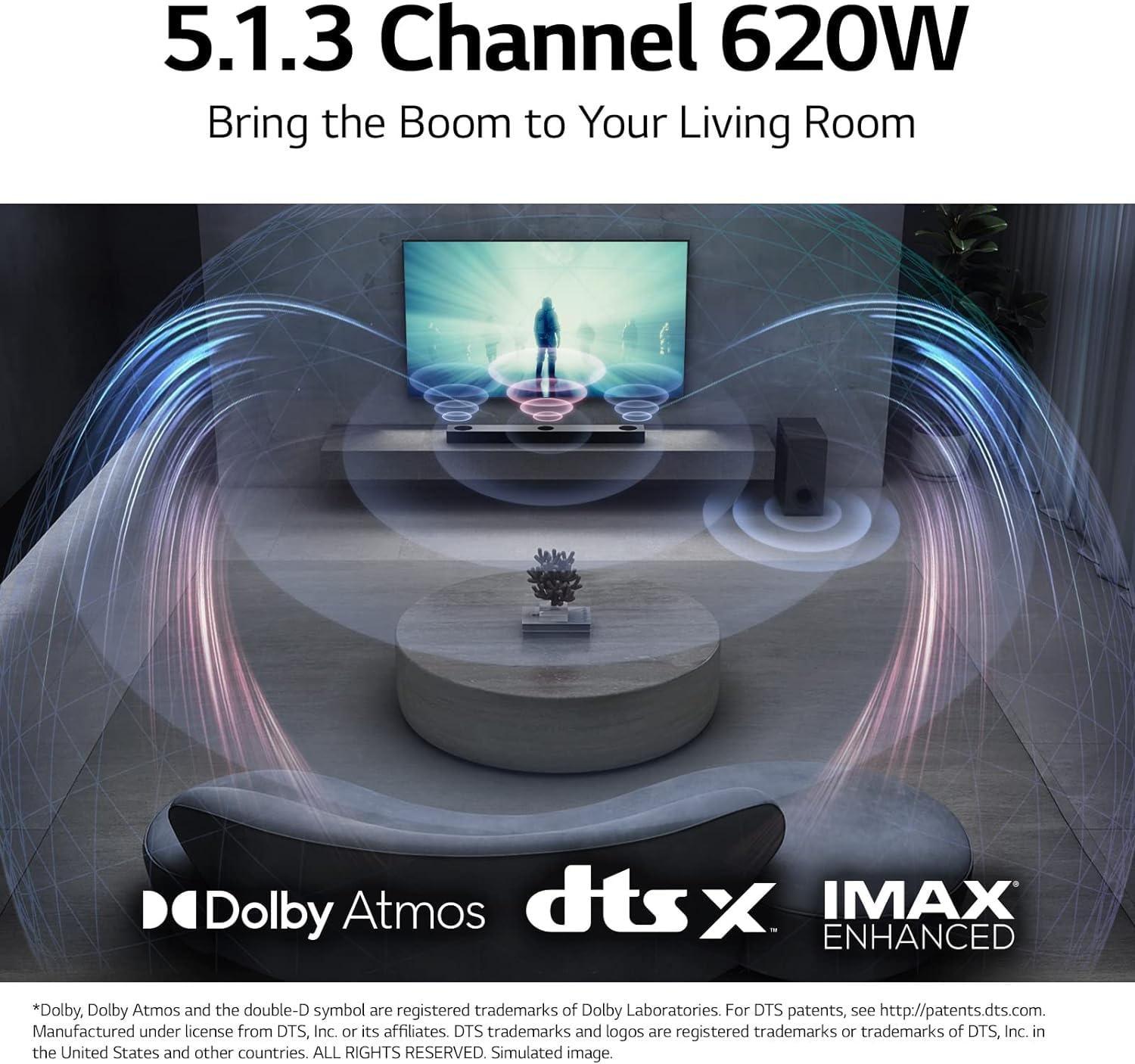
Channel configuration is probably the most important spec you'll encounter. When you see numbers like "3.1" or "5.1.3," here's what they mean: the first number represents main channels (left, center, right), the second is subwoofers (the ".1"), and if there's a third number, that's height channels for overhead sound effects. More channels generally mean better sound separation and more immersive audio.
The difference between physical surround sound and virtual processing is crucial to understand. Physical surround uses actual speakers placed around your room—you get real sound coming from behind you. Virtual processing uses clever digital tricks to make it seem like sound is coming from directions where there aren't actually speakers. Both have their place, but they deliver distinctly different experiences.
Room size compatibility matters more than most people realize. A system designed for a large room will sound overwhelming in a small space, while a compact system will struggle to fill a large room with sound. This is where the Sony HT-S2000 and LG S80TR start to diverge significantly.
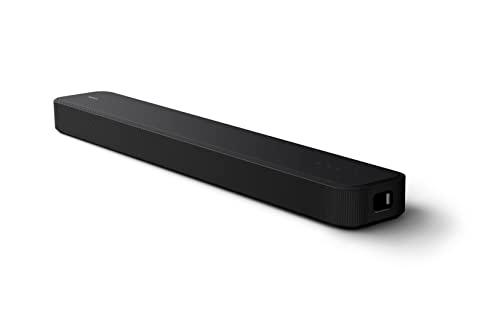
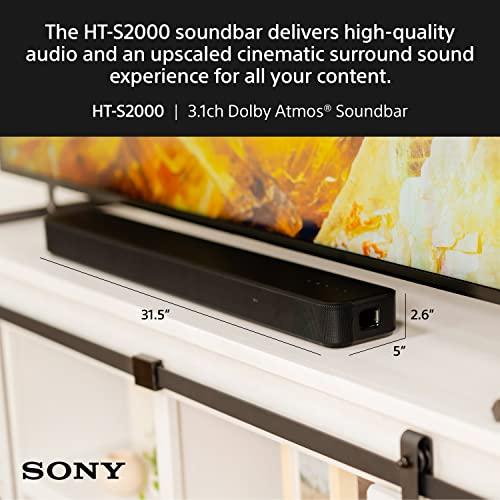
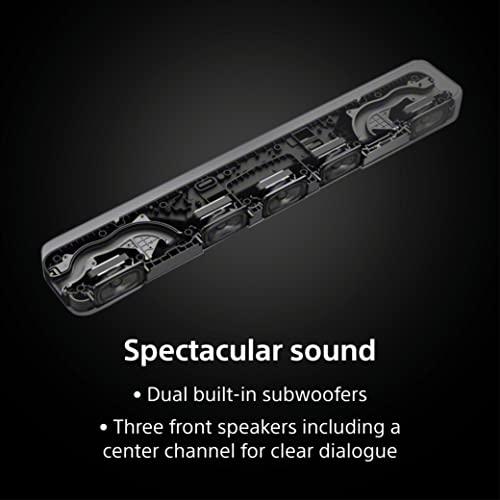
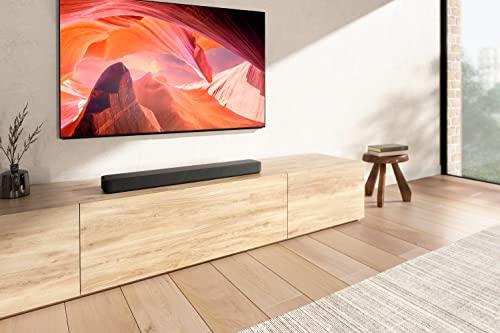
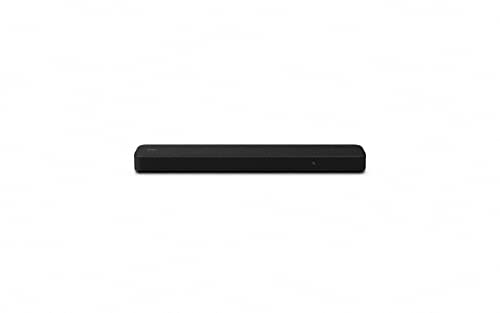
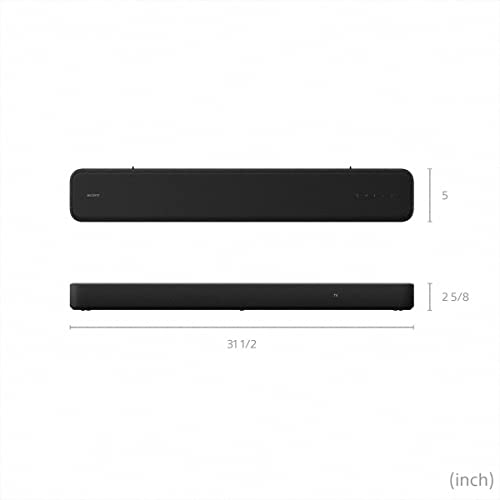
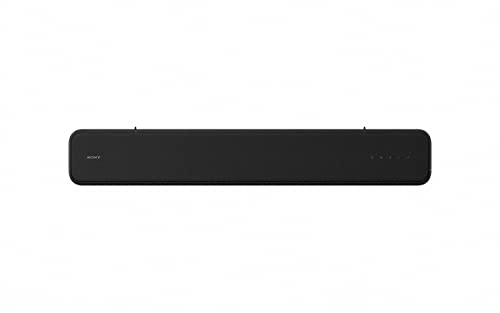
The Sony HT-S2000, released in 2023, embodies the minimalist approach to home audio. Sony designed it as a complete solution in a single, elegant package. At 31.5 inches wide and just 2.6 inches tall, it's designed to disappear under your TV while delivering surprisingly robust sound. The built-in dual subwoofer system is particularly clever—Sony managed to pack bass drivers directly into the soundbar housing, eliminating the need for a separate subwoofer box.
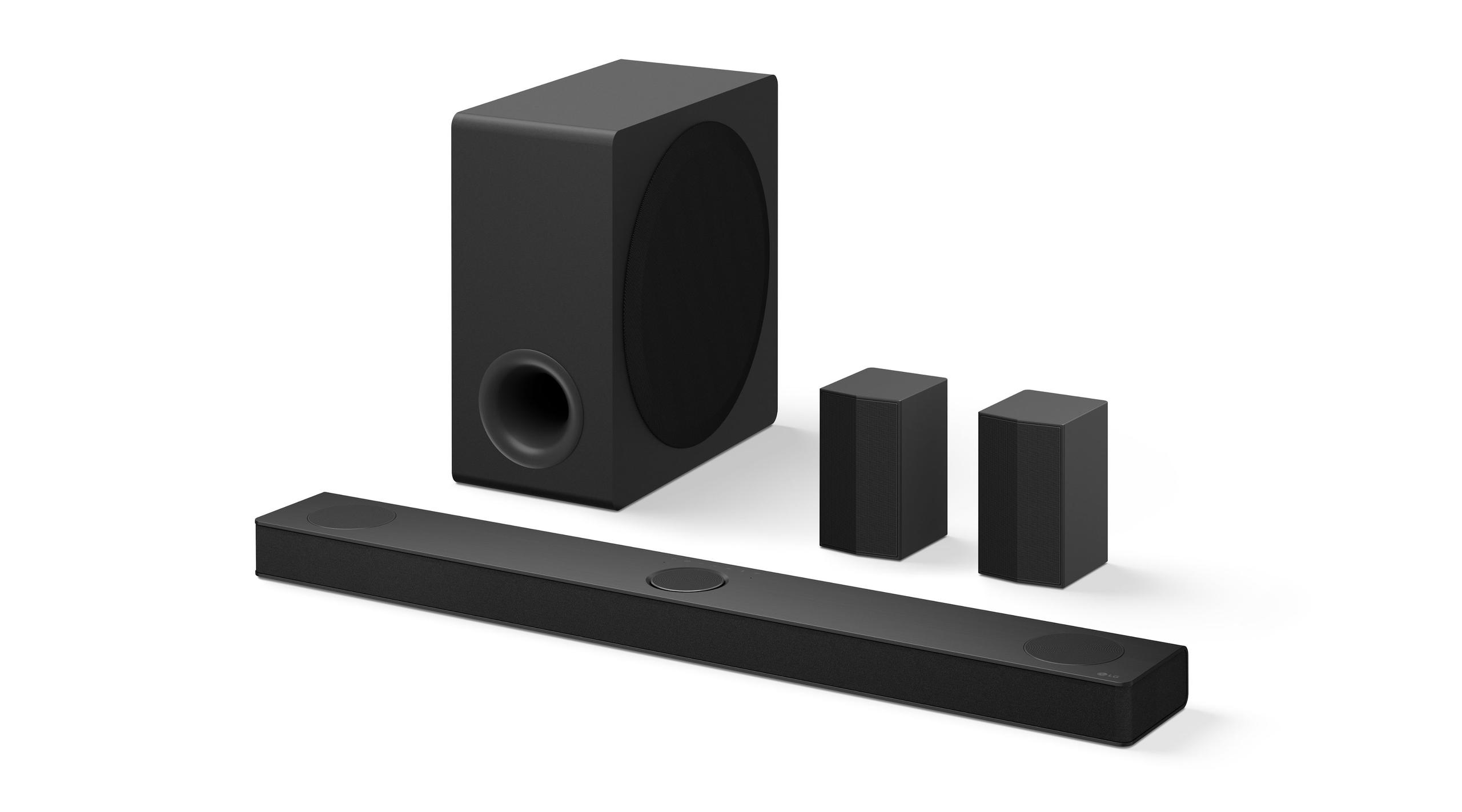
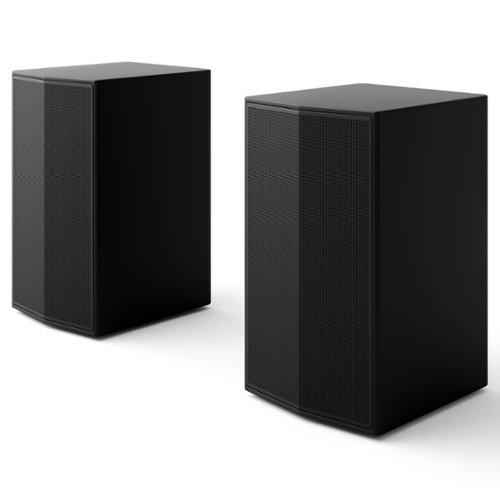
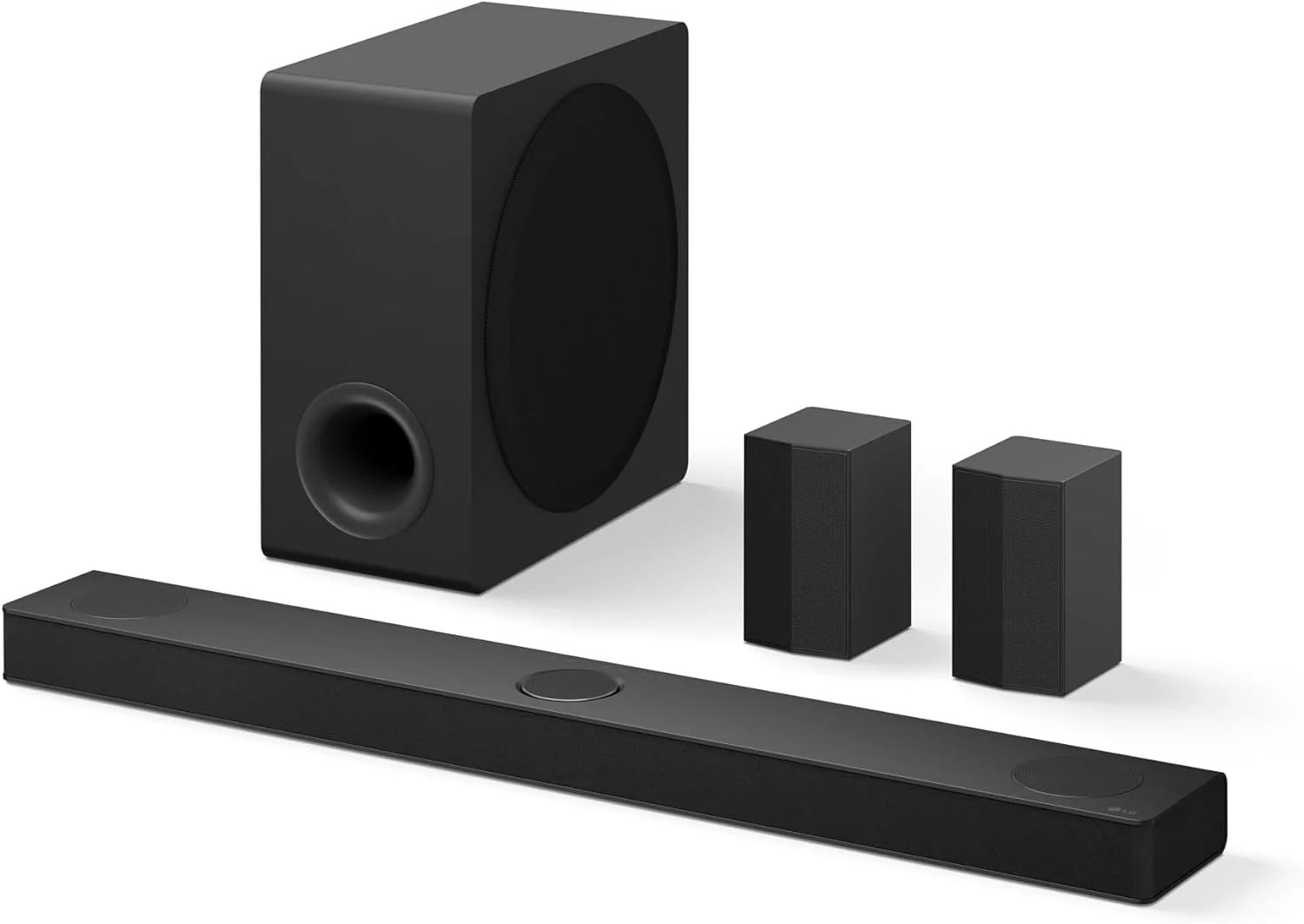
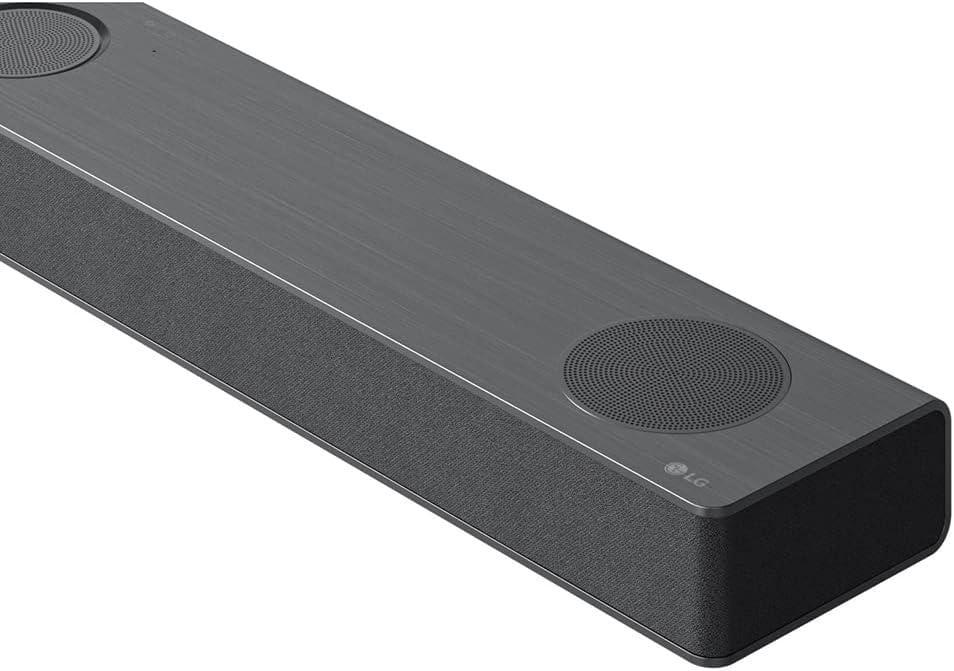
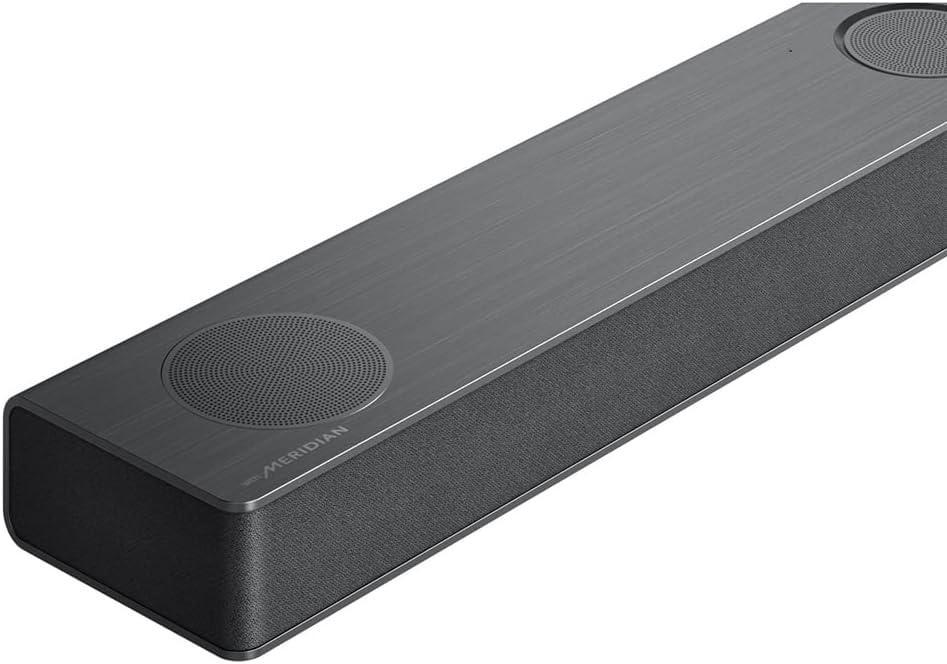
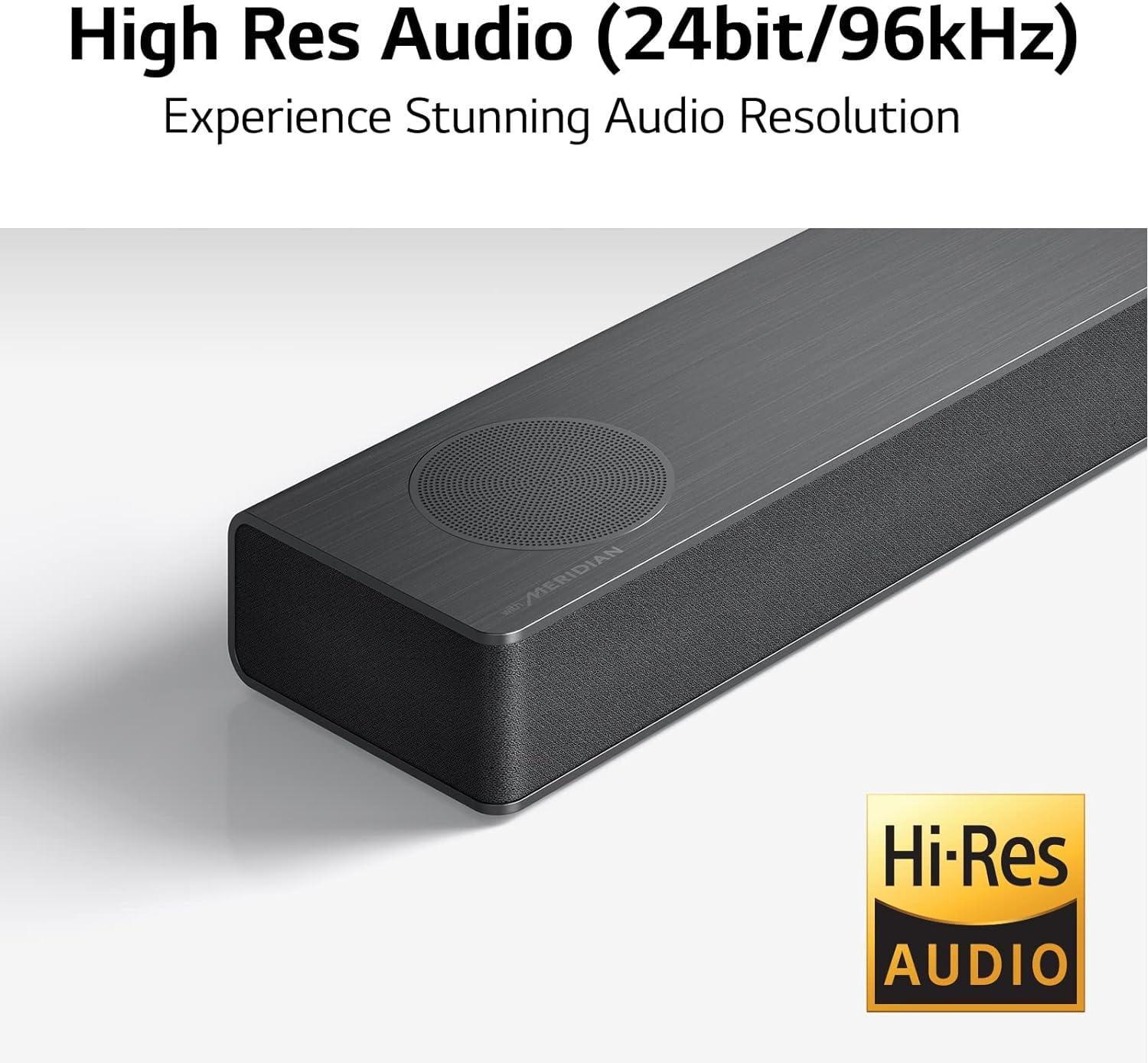
The LG S80TR, also arriving in 2024, takes the opposite approach. LG decided that if you want real surround sound, you need real surround speakers. The system includes wireless rear speakers that you position behind your seating area, a dedicated 8-inch subwoofer for serious bass, and upward-firing drivers for height effects. It's a complete 5.1.3 surround sound system that happens to include a soundbar as the centerpiece.
Having tested both systems extensively, the dialogue performance tells an interesting story. The Sony HT-S2000's dedicated center channel excels at keeping voices clear and present in the mix. Sony's X-Balanced Speaker Units—rectangular drivers that maximize surface area while minimizing distortion—really shine here. When watching dialogue-heavy content like dramas or news, voices cut through clearly without needing to constantly adjust volume.
However, I noticed that the Sony HT-S2000's warmer sound signature can sometimes make dialogue feel slightly recessed at lower volumes. You might find yourself reaching for the voice mode or turning up the volume more than expected. This isn't necessarily a flaw—it's part of Sony's tuning philosophy that emphasizes a more cinematic, bass-forward experience.
The LG S80TR approaches dialogue differently. With AI Sound Pro processing that analyzes content in real-time, it automatically adjusts the sound profile based on what you're watching. The system's ability to separate dialogue from background effects through physical channel separation gives it an edge in complex action sequences where multiple sound elements compete for attention.
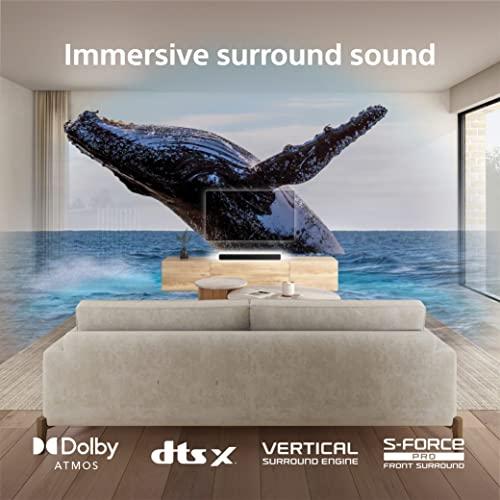
This is where the fundamental difference between these systems becomes most apparent. The Sony HT-S2000 relies entirely on virtual processing to create surround effects. Sony's Vertical Surround Engine and S-Force PRO Front Surround technology work together to create what's called "phantom imaging"—your brain is tricked into perceiving sound coming from locations where there aren't actually speakers.
I'll be honest: virtual surround has come a long way, and the Sony HT-S2000 does it better than most. When watching movies, you do get a sense of width and some height effects. But it's still fundamentally limited to what can be achieved from speakers firing forward from your TV stand.
The LG S80TR doesn't need tricks because it has actual speakers positioned around your room. When a helicopter flies overhead in a movie, you hear it moving through physical space above and behind you. When bullets whiz past in an action scene, they actually come from the rear speakers. This creates what audio engineers call "true localization"—sound effects that seem to exist in specific locations in your room rather than just emanating from the general direction of your TV.
The difference is particularly noticeable in gaming. With the LG S80TR, you can pinpoint exactly where footsteps are coming from in a first-person shooter, or feel completely surrounded by the ambiance in an open-world game. The Sony HT-S2000 gives you better sound than your TV speakers, but it can't compete with the spatial awareness that physical rear speakers provide.
Bass reproduction reveals another fundamental difference in approach. The Sony HT-S2000's built-in subwoofer system is genuinely impressive for its size. Sony managed to fit dual bass drivers and porting into the soundbar itself, producing 100 watts of dedicated subwoofer power. For a compact space or apartment living, it delivers satisfying low-end punch without taking up floor space.
But physics is physics, and there's only so much bass a compact driver can produce. The LG S80TR's dedicated 8-inch wireless subwoofer operates with 220 watts of power and significantly larger drivers. The difference isn't just volume—it's depth and impact. Movie explosions have more weight, music has fuller low-end extension, and you actually feel the audio rather than just hearing it.
I tested both systems with the opening sequence of "Mad Max: Fury Road," a scene notorious for its punishing bass content. The Sony HT-S2000 handled it admirably, delivering clean, controlled bass that enhanced the experience without overwhelming my medium-sized room. The LG S80TR, however, made the scene feel visceral—you feel the rumble of engines and the impact of crashes in your chest.
Gaming reveals an interesting trade-off between these systems. The Sony HT-S2000 maintains lower input lag—typically around 40-50 milliseconds—which is crucial for competitive gaming where every millisecond counts. The simpler signal path means less processing delay between your controller input and the audio response.
The LG S80TR, with its more complex processing and multiple wireless components, introduces slightly higher latency—around 60-80 milliseconds. For competitive gaming, this difference might matter. But for single-player experiences, the immersive advantage of true surround sound far outweighs the latency penalty.
I spent hours playing everything from "Call of Duty" to "The Last of Us" on both systems. For fast-paced multiplayer games, the Sony HT-S2000's quick response felt more immediate. But for atmospheric single-player experiences, the LG S80TR's ability to place sounds precisely in 3D space created moments that were genuinely spine-tingling.
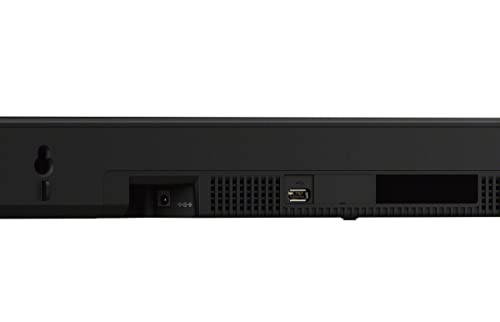
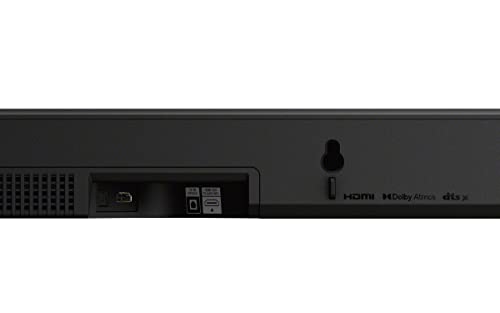
The setup experience couldn't be more different between these systems. The Sony HT-S2000 epitomizes plug-and-play simplicity. One HDMI cable to your TV, and you're done. If you have a Sony TV, BRAVIA Sync automatically handles the configuration. The soundbar can wall-mount cleanly with the included template, maintaining that minimalist aesthetic.
The LG S80TR requires more thoughtful planning. You'll need to position the wireless rear speakers behind your seating area—they need power outlets and careful placement for optimal sound. The subwoofer, while wireless for audio, still needs to be plugged in and positioned where it can effectively fill your room with bass. The AI Room Calibration feature helps optimize the sound for your specific space, but you need to give it good speaker placement to work with.
For smaller living spaces or minimalist setups, the Sony HT-S2000's approach makes perfect sense. But if you have a dedicated media room or larger living space where you can properly position multiple components, the LG S80TR rewards you with significantly better performance.
Modern soundbars need to integrate with today's connected ecosystems, and both systems take different approaches. The Sony HT-S2000 keeps things relatively simple with Bluetooth 5.2 for music streaming and the Sony Home Entertainment Connect app for basic control. It's designed to work seamlessly within Sony's ecosystem—if you have a Sony TV, everything just works together intuitively.
The LG S80TR offers more comprehensive smart features. Wi-Fi connectivity enables Chromecast built-in, AirPlay 2, and Spotify Connect, so you can stream music directly without using your TV as an intermediary. The LG Soundbar app provides full EQ control, letting you fine-tune the sound to your preferences—something the Sony HT-S2000 doesn't offer.
At the time of writing, these systems are priced competitively with each other, but they deliver value in completely different ways. The Sony HT-S2000 gives you a complete, no-compromises experience within its design parameters. For many users, especially those in smaller spaces, it's genuinely all you need.
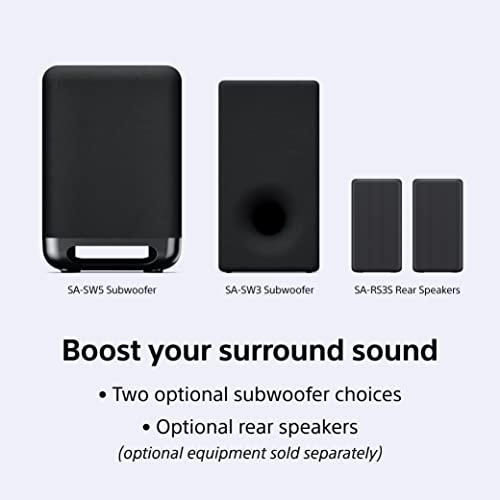
However, if you want to match the LG S80TR's capabilities with Sony components, you'd need to add optional subwoofers ($300-500) and rear speakers ($350), pushing the total investment significantly higher. The LG S80TR delivers its complete surround sound capability immediately.
This creates an interesting value equation: the Sony HT-S2000 offers excellent value if its built-in capabilities meet your needs, but becomes expensive if you want to expand. The LG S80TR provides better immediate value if you want the full surround sound experience.
For dedicated home theater use, the choice becomes clearer. If you're setting up a proper media room where movies are the primary focus, the LG S80TR's authentic surround sound creates the immersive experience that home theater enthusiasts crave. The ability to feel completely surrounded by sound, with effects coming from their proper directions, transforms movie watching into something approaching a cinema experience.
The Sony HT-S2000 works well for casual movie watching in living spaces where aesthetics and simplicity matter more than ultimate performance. It's the choice for people who want significantly better sound than TV speakers without turning their living room into a dedicated theater space.
After extensive testing, I recommend the Sony HT-S2000 if you prioritize simplicity, have a smaller room (under 200 square feet), or want excellent dialogue clarity without the complexity of multiple components. It's also the better choice if you're already invested in Sony's ecosystem or if gaming latency matters more than surround immersion.
Choose the LG S80TR if you want authentic surround sound, have a larger room that can accommodate multiple speakers, or prioritize movie immersion over gaming responsiveness. It's also the better value if you definitely want the full surround experience, since you get everything included rather than buying components separately.
The fundamental question isn't which system sounds better in isolation—they're optimized for different use cases. The Sony HT-S2000 maximizes performance within the constraints of a single-bar design, while the LG S80TR accepts the complexity of multiple components to deliver authentic surround sound. Both succeed at what they're designed to do, but they're designed to do very different things.
Your choice should align with your space, priorities, and how you actually use your entertainment system. Neither choice is wrong, but one will certainly be more right for your specific situation.
| Sony HT-S2000 | LG S80TR |
|---|---|
| Channel Configuration - More channels mean better sound separation and immersion | |
| 3.1 channels (Left, Center, Right + built-in subwoofer) | 5.1.3 channels (includes physical rear speakers + height channels) |
| Surround Sound Approach - Physical speakers deliver more convincing directional audio than virtual processing | |
| Virtual surround using Vertical Surround Engine (all sound comes from front bar) | True surround with physical rear speakers positioned behind seating area |
| Subwoofer Setup - Dedicated subwoofers provide deeper bass but require floor space | |
| Built-in dual subwoofer (100W, no additional space needed) | Dedicated 8" wireless subwoofer (220W, requires floor placement) |
| Total Power Output - Higher wattage doesn't always mean better sound, but indicates potential loudness | |
| 250W total system power | 400W+ total system power |
| Setup Complexity - Simpler setup means faster installation but fewer optimization options | |
| Single HDMI cable connection, wall-mountable | Multiple wireless components requiring strategic room placement |
| Room Size Optimization - Larger rooms need more powerful, distributed audio | |
| Best for rooms under 200 sq ft | Optimized for rooms over 200 sq ft |
| Gaming Latency - Lower latency crucial for competitive gaming responsiveness | |
| 40-50ms input lag (better for competitive gaming) | 60-80ms input lag (more immersive but slightly delayed) |
| Height Channel Implementation - Physical upward-firing speakers create more authentic overhead effects | |
| Virtual height processing only | Dedicated physical upward-firing drivers |
| Smart Streaming Features - Built-in streaming eliminates need to use TV for music | |
| Bluetooth only, requires TV or phone for streaming | Wi-Fi with Chromecast, AirPlay 2, Spotify Connect built-in |
| Manual Sound Adjustment - EQ controls let you fine-tune audio to your preferences | |
| No manual EQ controls available | Full EQ customization through LG Soundbar app |
| Expansion Options - Ability to add components later vs. complete system upfront | |
| Optional wireless subwoofers and rear speakers available (significant additional cost) | Complete system included, no expansion needed or possible |
| TV Integration - Enhanced features work best with matching brand TVs | |
| BRAVIA Sync for seamless Sony TV integration | Universal HDMI compatibility with all TV brands |
The Sony HT-S2000 is better suited for smaller rooms under 200 square feet. Its compact design with built-in subwoofers provides adequate bass without overwhelming the space, while the single-bar setup won't clutter your room with multiple components like the LG S80TR requires.
While the Sony HT-S2000 uses virtual processing to simulate surround effects, the LG S80TR's physical rear speakers deliver authentic directional audio. For true home theater immersion, physical rear speakers create more convincing surround sound, especially for movies and gaming where directional audio matters most.
The LG S80TR delivers significantly better bass with its dedicated 8-inch wireless subwoofer producing 220W of power. The Sony HT-S2000's built-in dual subwoofers provide decent bass for their size but can't match the depth and impact of a dedicated subwoofer unit.
The Sony HT-S2000 offers the simplest setup with just one HDMI cable connection to your TV. The LG S80TR requires positioning multiple wireless components around your room, including rear speakers and a subwoofer, making installation more complex but ultimately more rewarding for sound quality.
For competitive gaming, the Sony HT-S2000 has lower input lag (40-50ms) providing quicker audio response. However, the LG S80TR offers superior positional audio for single-player games, helping you pinpoint enemy locations and creating more immersive gaming experiences despite slightly higher latency.
The Sony HT-S2000 only supports Bluetooth streaming from your phone or other devices. The LG S80TR offers more options with Wi-Fi connectivity, supporting Chromecast built-in, AirPlay 2, and Spotify Connect for direct streaming without needing your phone.
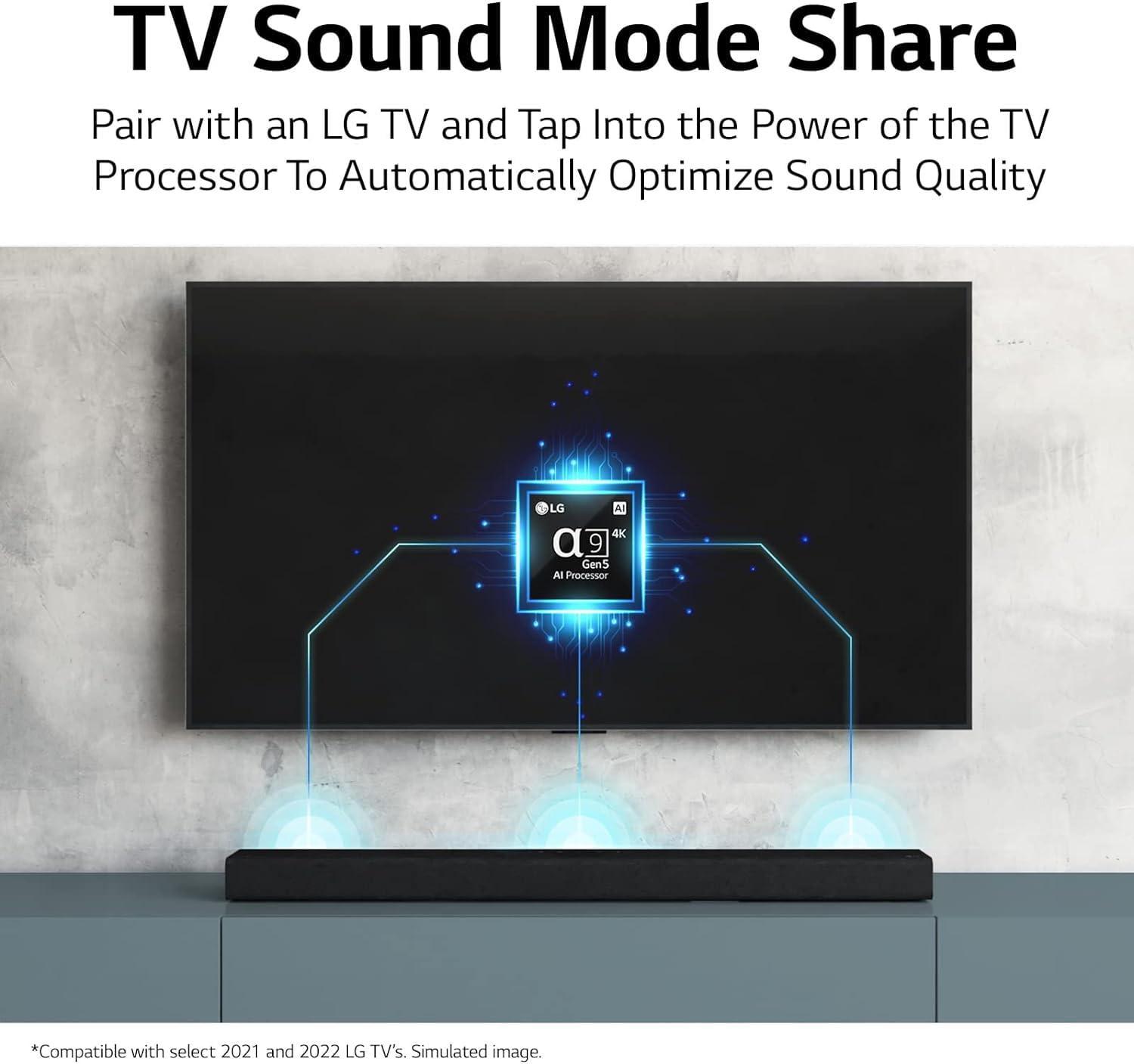
The LG S80TR provides universal compatibility with all TV brands through standard HDMI connections. While the Sony HT-S2000 works with any TV, it offers enhanced integration features and automatic setup only with Sony BRAVIA TVs.
Both the Sony HT-S2000 and LG S80TR support Dolby Atmos, but they handle height effects differently. The Sony HT-S2000 uses virtual processing to simulate overhead sound, while the LG S80TR includes dedicated upward-firing speakers for more authentic height channel reproduction.
The LG S80TR offers full EQ customization through its dedicated app, allowing you to fine-tune bass, treble, and other audio settings. The Sony HT-S2000 has limited adjustment options with preset sound modes but no manual EQ controls for detailed customization.
The LG S80TR provides better immediate value for home theater use, including all components needed for true 5.1.3 surround sound. To match the LG S80TR's capabilities, you'd need to purchase additional subwoofers and rear speakers for the Sony HT-S2000, significantly increasing the total cost.
The Sony HT-S2000 requires minimal space, fitting under most TVs or wall-mounting cleanly. The LG S80TR needs considerably more room for proper component placement, including floor space for the subwoofer and wall or stand space for rear speakers behind your seating area.
The Sony HT-S2000 is ideal for apartment living due to its compact design, no additional components, and built-in bass that won't disturb neighbors as much as the LG S80TR's powerful dedicated subwoofer. The single-bar design also maintains a clean, minimal aesthetic in smaller living spaces.
We've done our best to create useful and informative comparisons to help you decide what product to buy. Our research uses advanced automated methods to create this comparison and perfection is not possible - please contact us for corrections or questions. These are the sites we've researched in the creation of this article: techradar.com - valueelectronics.com - youtube.com - videoandaudiocenter.com - whathifi.com - hometheaterhifi.com - youtube.com - sony.com - rtings.com - whathifi.com - rtings.com - helpguide.sony.net - electronics.sony.com - sony.com - dolby.com - sony.com - youtube.com - youtube.com - bestbuy.com - billsmith.com - brandsmartusa.com - avsforum.com - youtube.com - lg.com - buydig.com - louisdoehomecenter.com - lg.com - videoandaudiocenter.com - mynavyexchange.com - walts.com - bestbuy.com

Privacy Policy
Terms and Conditions - Affiliate Policy
Home Security
© Copyright 2008-2026.
11816 Inwood Rd #1211, Dallas, TX 75244