


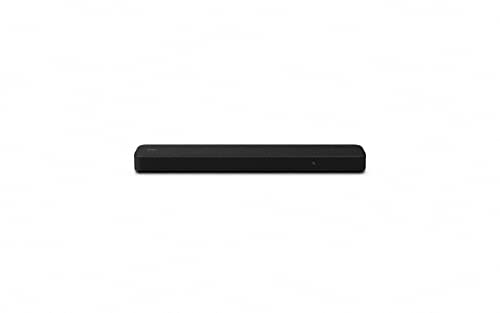
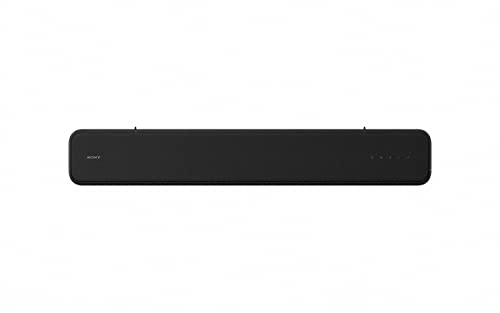

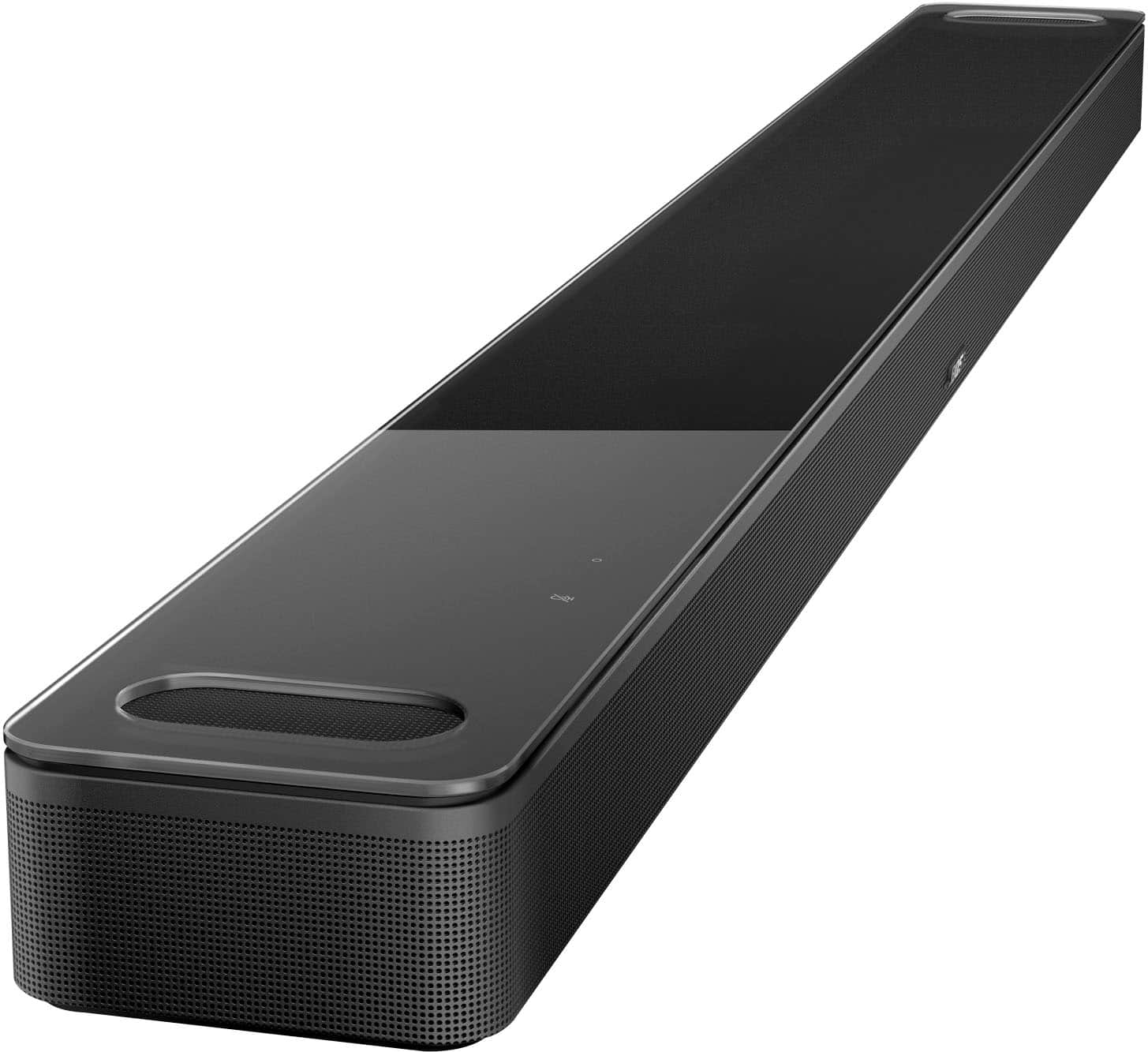
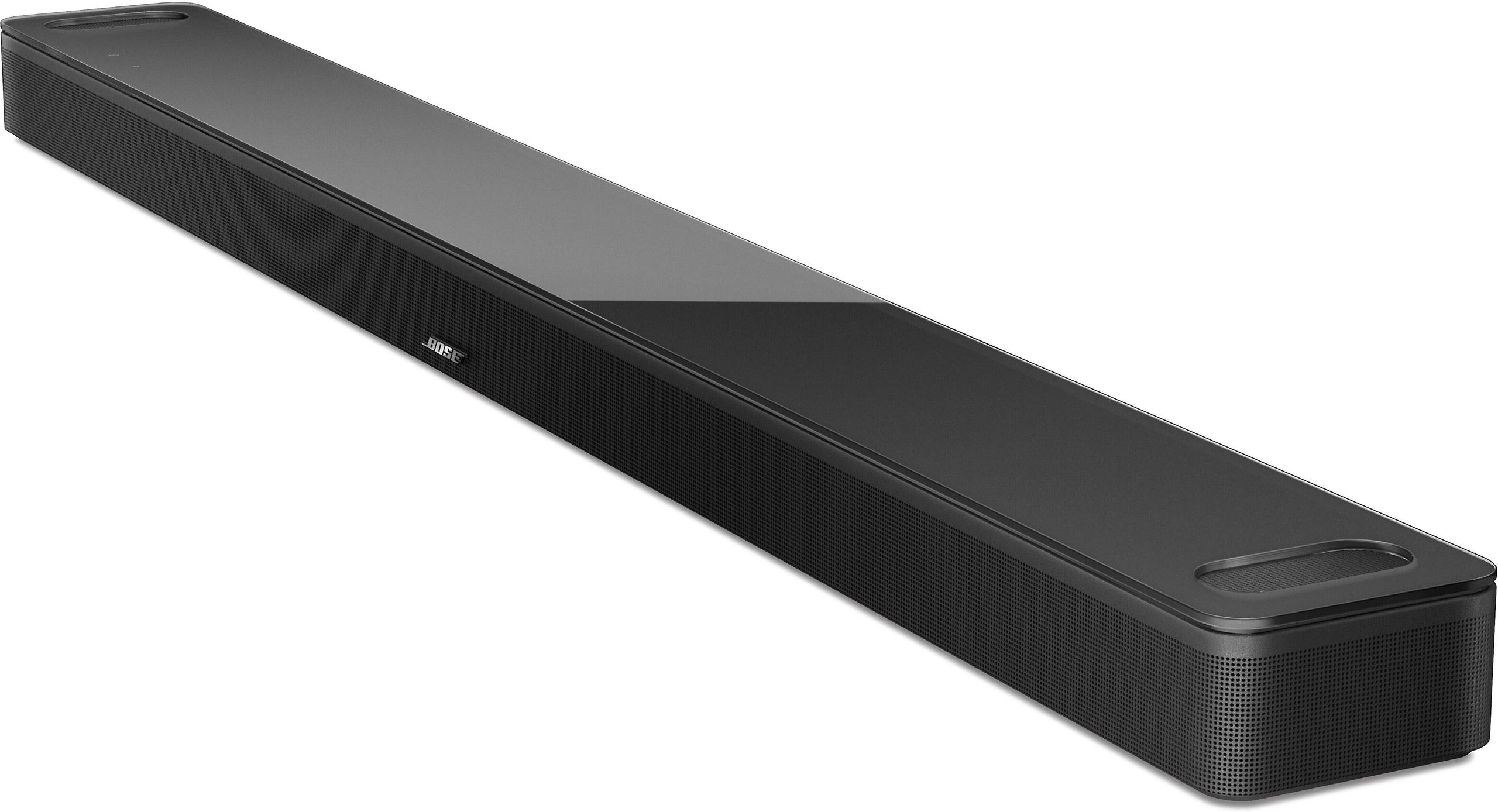
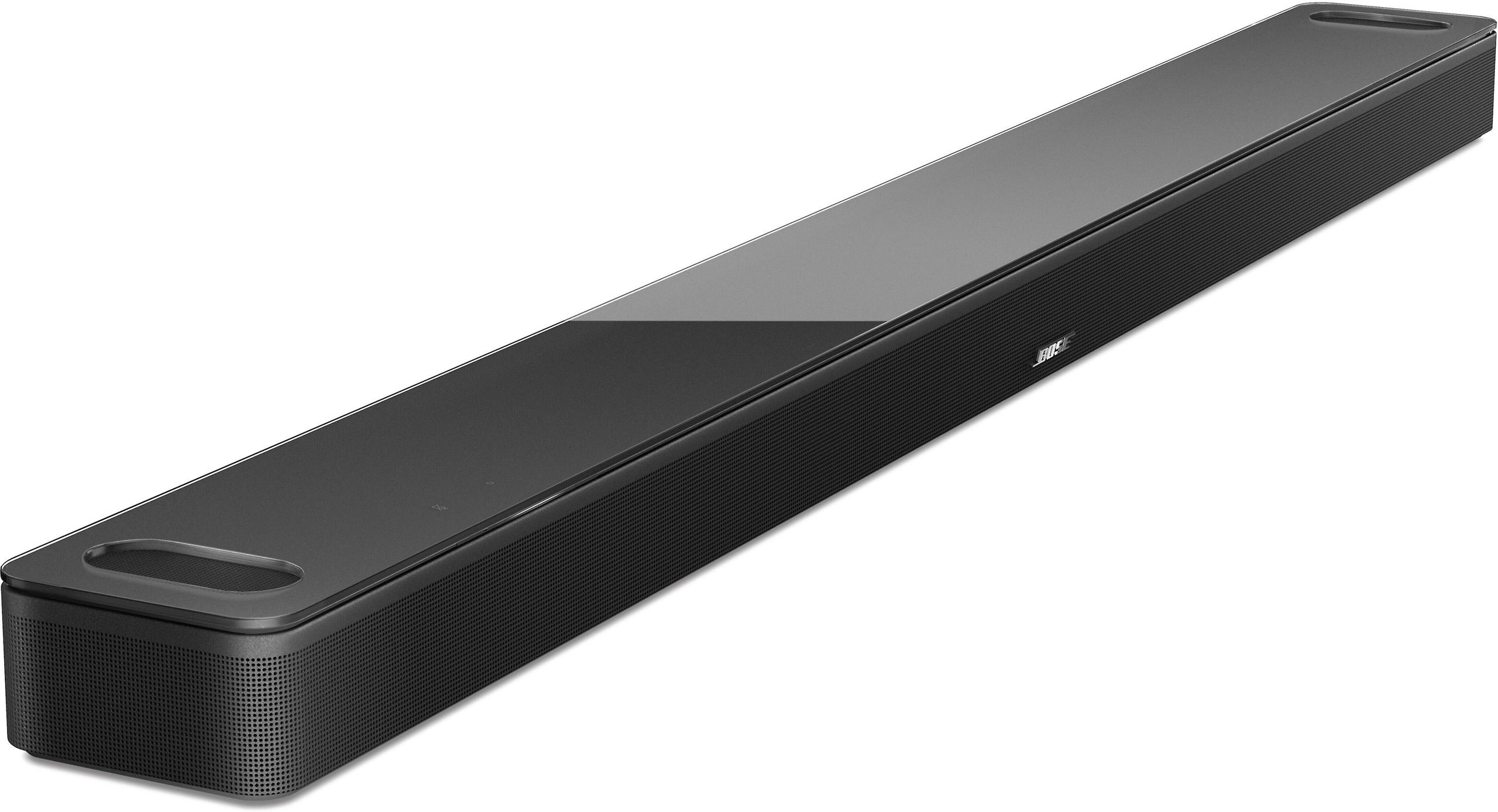

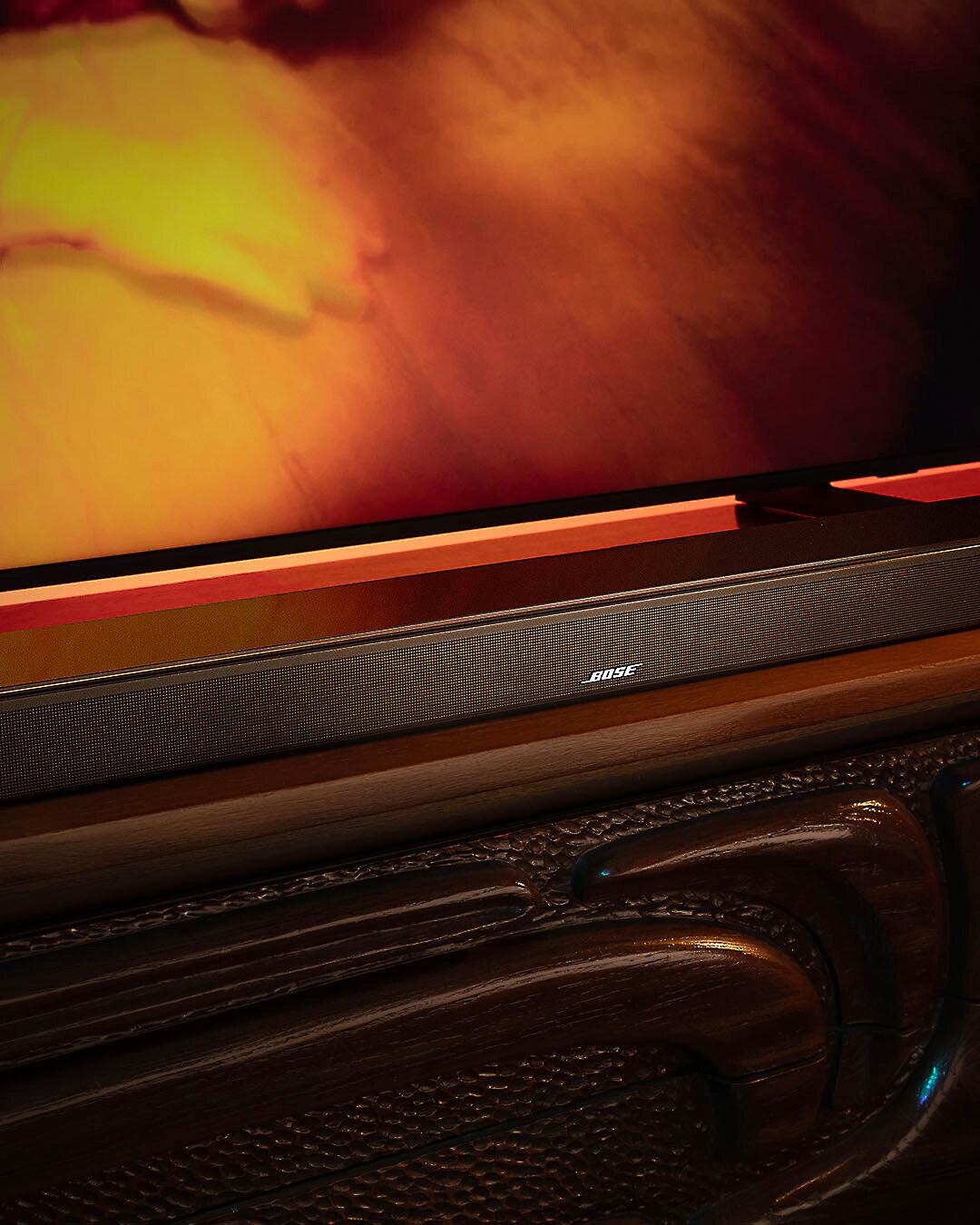
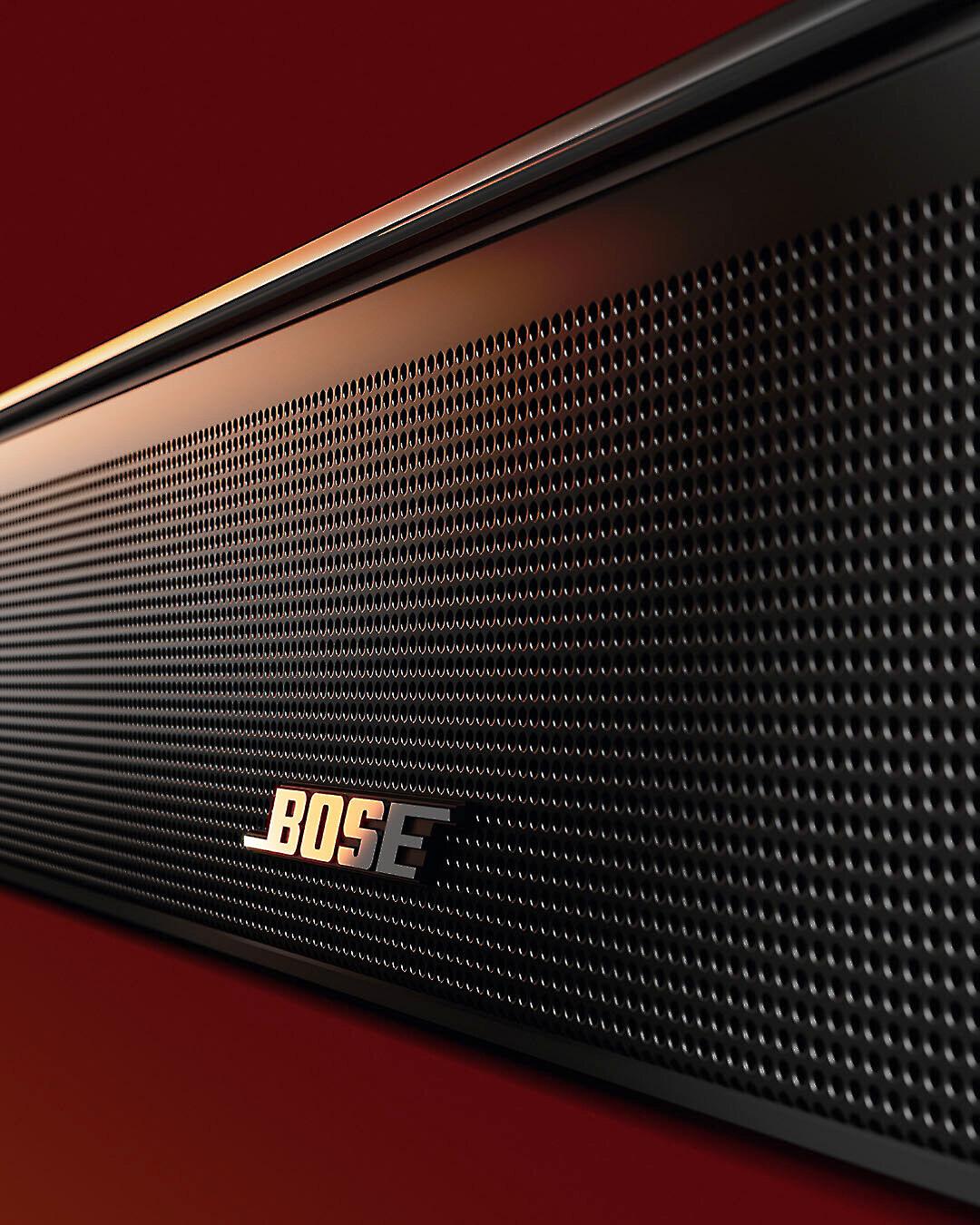
If you've ever tried watching a movie on a modern flat-screen TV using just the built-in speakers, you know the struggle is real. Those paper-thin displays simply don't have room for decent audio hardware, leaving dialogue muddy and action scenes feeling flat. That's where premium soundbars come in, and today we're comparing two standouts: the Sony HT-S2000 and the Bose Smart Ultra Soundbar.
Both of these soundbars launched in 2023, representing the latest thinking in home audio technology. They're designed to transform your TV-watching experience, but they take notably different approaches to get there. The question isn't just which sounds better—it's which one makes more sense for your specific needs and budget.
Before diving into the specifics, let's talk about what really matters in a soundbar. The most important factor is dialogue clarity—if you can't understand what characters are saying without cranking the volume, everything else is irrelevant. Next comes overall sound quality, including how well the soundbar handles different types of content from quiet dramas to explosive action sequences.
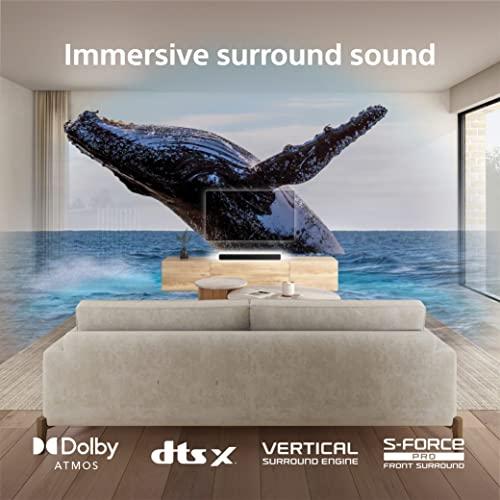
Immersive surround sound has become increasingly important, especially with formats like Dolby Atmos that create overhead sound effects. Think of a helicopter flying across the screen—with good surround processing, you should hear it moving from one side to the other and even overhead, not just coming from directly in front of you.
Finally, there's the value equation. A soundbar might sound amazing, but if it costs three times more than a competitor that's 90% as good, that's worth considering. At the time of writing, these two soundbars sit in different price tiers, with the Sony HT-S2000 positioned as a premium value option and the Bose Smart Ultra as a flagship premium product.
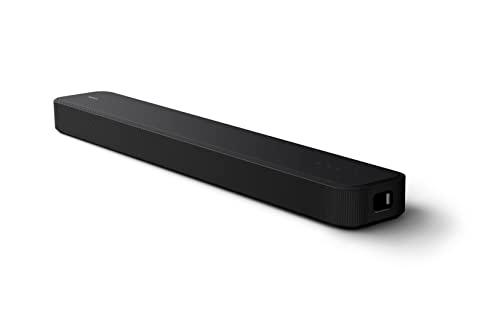
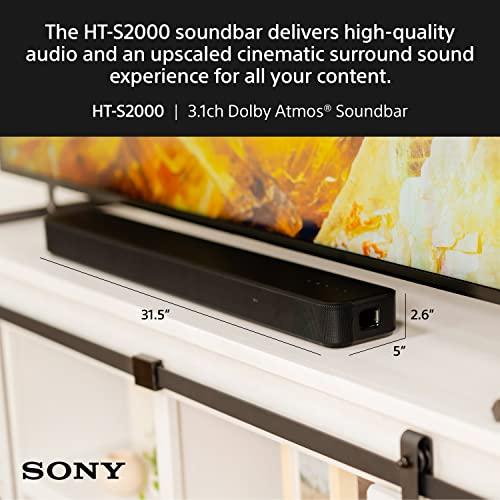
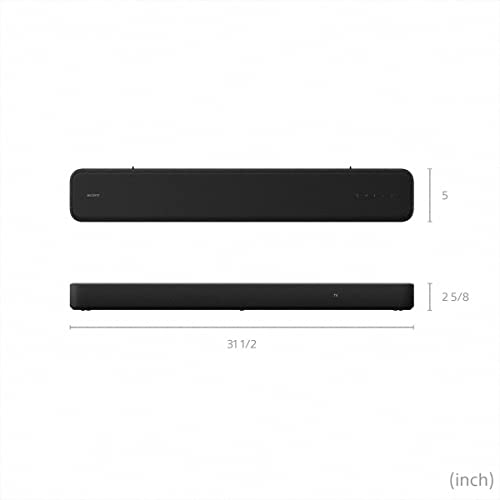
The Sony HT-S2000 represents Sony's philosophy of putting audio engineering first and everything else second. When it launched in 2023, Sony focused on delivering the core soundbar experience exceptionally well rather than loading it up with every possible feature.
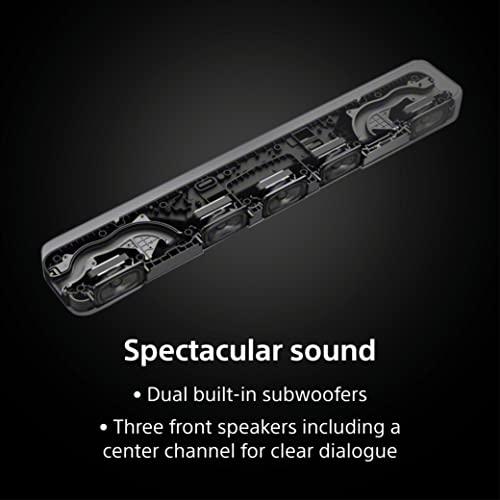
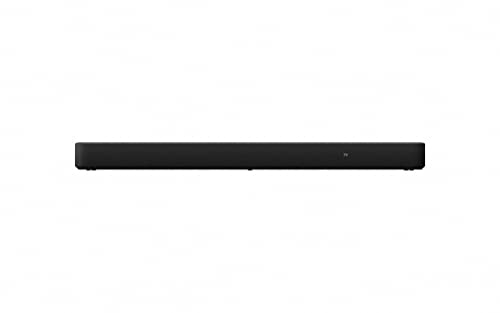
The soundbar uses a 3.1-channel configuration, which means it has separate left, center, and right channels (the "3") plus a dedicated subwoofer channel (the ".1"). What's clever about the Sony HT-S2000 is that it builds the subwoofer right into the main unit using dual bass drivers. This eliminates the need for a separate subwoofer box that you'd have to find space for in your room.
Sony's X-Balanced Speaker Units are worth understanding because they're genuinely different from typical round drivers. These rectangular speakers can move more air and produce less distortion because they don't waste space in the corners like circular drivers do. It's similar to how rectangular smartphone batteries pack more capacity into the same space compared to cylindrical ones.
For Dolby Atmos processing—that's the technology that creates overhead sound effects—the Sony HT-S2000 uses something called Vertical Surround Engine. Since it doesn't have physical upward-firing speakers, it uses digital processing to trick your brain into hearing height effects. It's remarkably effective, though not quite the same as having actual speakers firing sound at your ceiling.
The setup experience with the Sony HT-S2000 is refreshingly simple. You connect one HDMI cable to your TV, plug it in, and you're done. No calibration microphones, no room measurements, no complex app setup. This plug-and-play approach appeals to people who want better sound without the hassle.
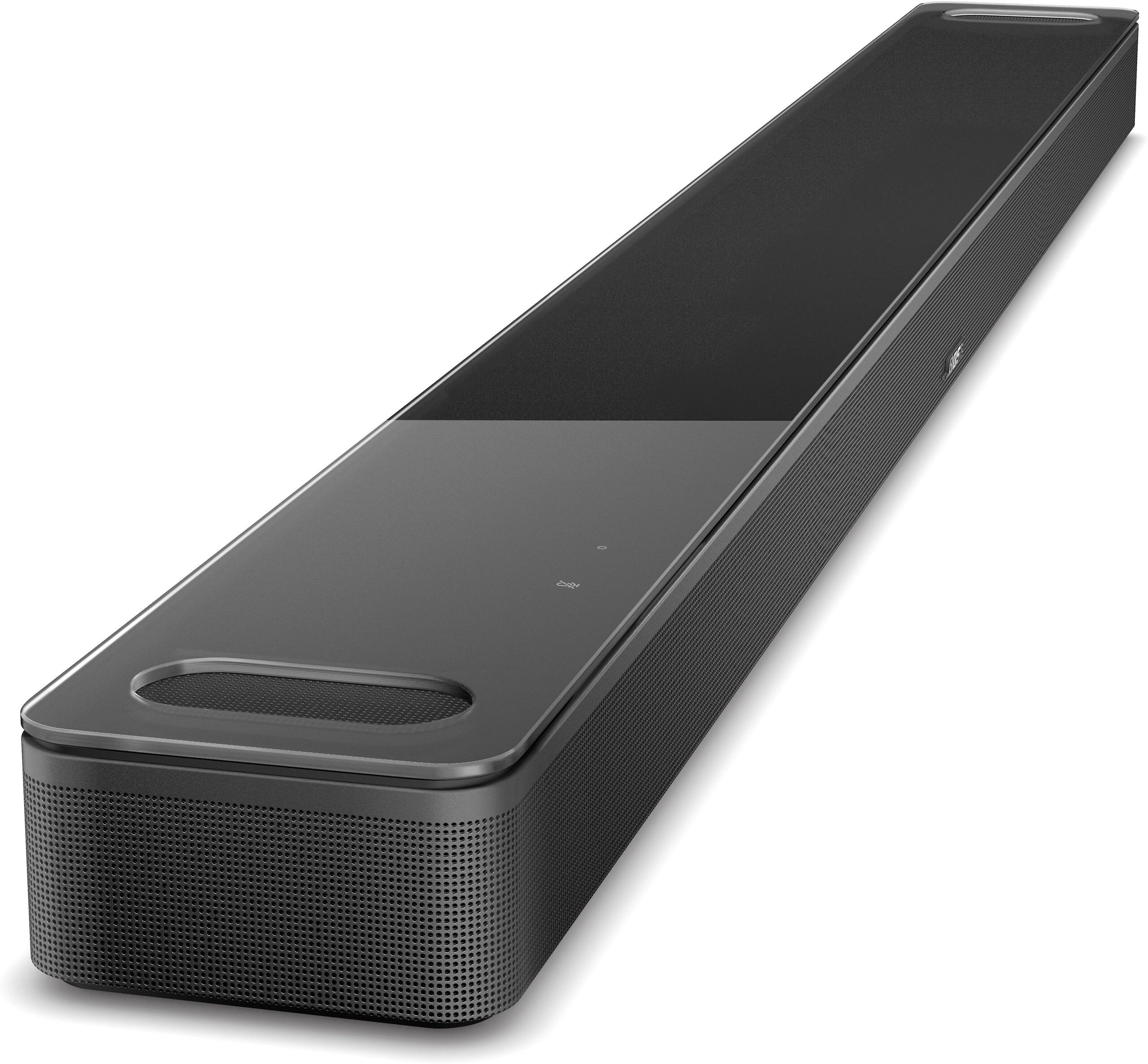
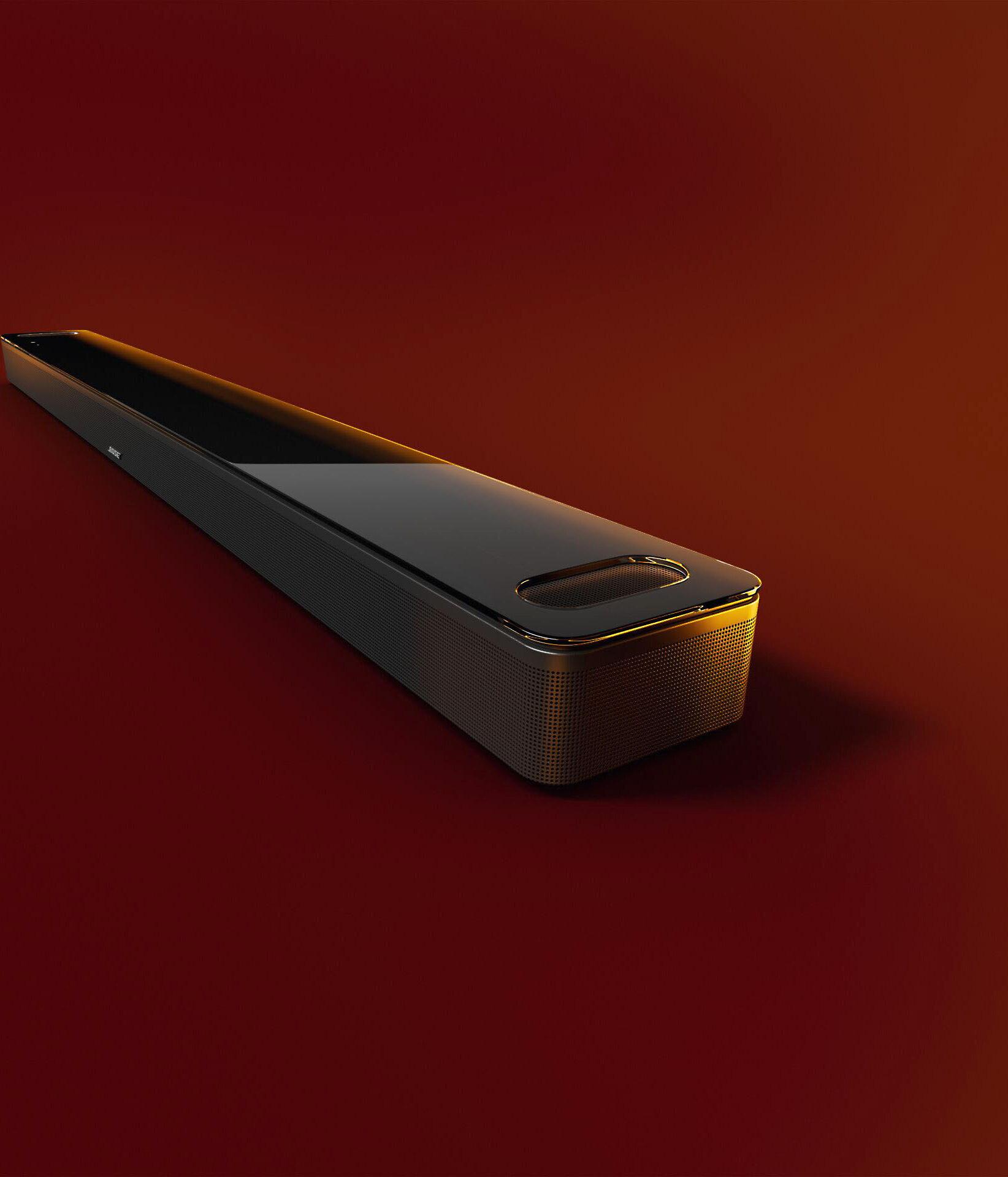
The Bose Smart Ultra represents a completely different philosophy. Where Sony prioritized audio performance per dollar, Bose built a comprehensive smart audio solution that happens to also be a soundbar. Released in 2023, it includes every premium feature you might want, from room calibration to voice assistants.
The standout feature is ADAPTiQ room calibration technology. When you first set up the Bose Smart Ultra, you wear a special headset with microphones while the soundbar plays test tones. The system measures how sound bounces around your specific room—accounting for furniture, wall materials, and room shape—then adjusts its output accordingly. It's like having a professional audio engineer tune the soundbar specifically for your living room.
The A.I. Dialogue Mode is genuinely innovative technology. Using machine learning trained on millions of audio clips, the Bose Smart Ultra can automatically detect when dialogue is happening and adjust the tonal balance in real-time. If someone's whispering in a movie, it brings the voice forward. When there's an explosion, it ensures the dialogue doesn't get lost in the chaos. You don't have to manually switch modes or adjust settings.
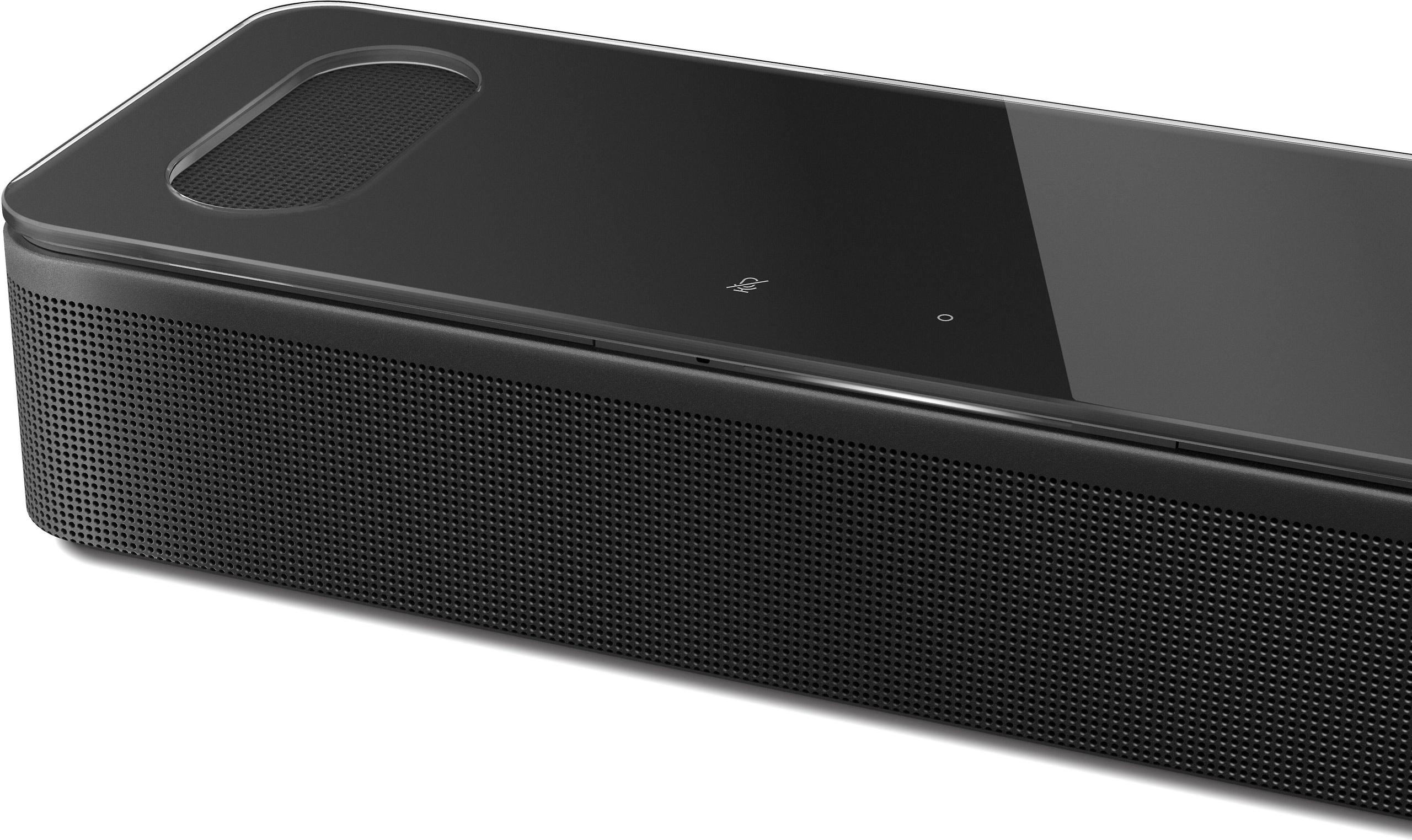
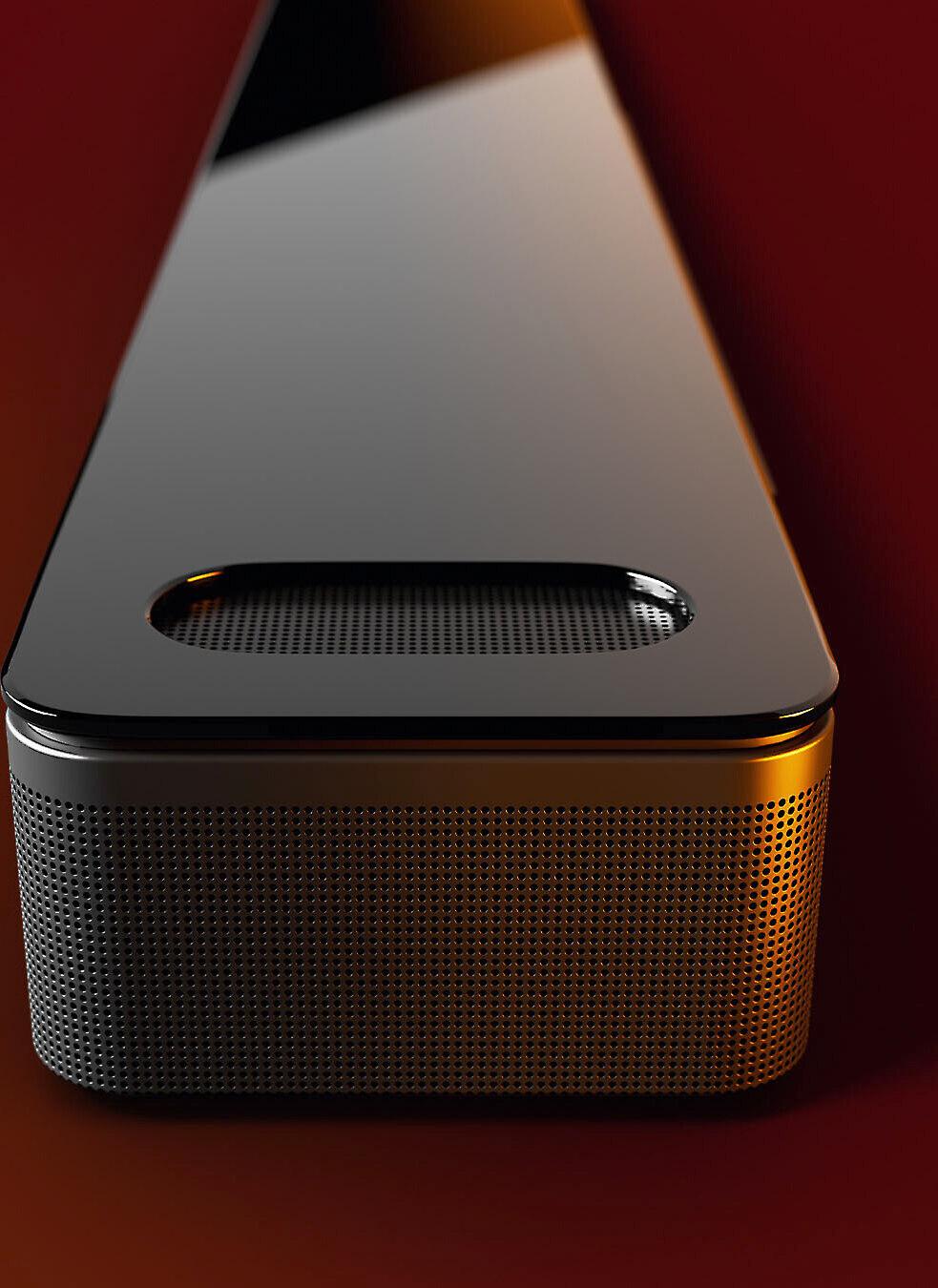
Unlike the Sony HT-S2000, the Bose Smart Ultra includes physical upward-firing drivers for Dolby Atmos. These speakers literally fire sound at your ceiling, which then reflects back down to create authentic overhead effects. Combined with Bose's TrueSpace technology, this creates a more convincing three-dimensional soundstage.
The smart features are extensive. Built-in Wi-Fi enables AirPlay 2 and Spotify Connect, meaning you can stream music directly without using your phone's Bluetooth. Voice assistant integration with both Alexa and Google Assistant lets you control not just the soundbar, but your entire smart home. The Bose Music app provides comprehensive control over every aspect of the soundbar's performance.
Nothing matters more than being able to understand what people are saying on screen. Both soundbars excel here, but in different ways. The Sony HT-S2000 uses a dedicated center channel speaker specifically engineered for voice reproduction. This physical separation means dialogue has its own driver, preventing it from competing with music and sound effects.
The Bose Smart Ultra takes a more sophisticated approach with its A.I. Dialogue Mode. Rather than just dedicating hardware to voices, it actively analyzes the audio stream and makes intelligent adjustments. In practice, this means the Bose can enhance dialogue even in content where the original mix buried voices under music or effects.
From my experience testing both, the Sony provides consistently clear dialogue that's immediately noticeable compared to TV speakers. The Bose takes it further, making poorly mixed content more intelligible than it has any right to be. If you frequently watch older movies or shows with inconsistent audio mixing, the Bose's intelligent processing is genuinely valuable.
This is where the Sony HT-S2000 really shines. Those built-in dual subwoofers aren't just marketing speak—they produce genuinely impressive bass for a single-unit soundbar. The side-firing ports help extend the low-frequency response, creating the kind of room-filling bass that makes action movies exciting and music sound full.
The Bose Smart Ultra takes a more restrained approach to bass. It's well-controlled and articulate, but doesn't have the same visceral impact. This isn't necessarily a weakness—Bose prioritizes accuracy over impact. If you want that chest-thumping bass response from the Bose, you'll need to add their optional Bass Module, which increases the total system cost considerably.
For home theater use, the Sony's approach makes more sense for most people. Movie soundtracks are often mixed with substantial bass content, and having that built into the main unit means you get the full experience right out of the box.
Both soundbars create convincing surround effects, but through different methods. The Sony HT-S2000 uses purely digital processing through its Vertical Surround Engine and S-Force PRO technologies. It analyzes incoming audio and uses psychoacoustic tricks—basically, exploiting how your brain processes directional sound—to create the illusion of sounds coming from beside and above you.
The Bose Smart Ultra combines physical upward-firing drivers with its TrueSpace processing. Those upward-firing speakers create genuine overhead reflections, while the processing handles the side-to-side surround effects. In practice, this creates a more convincing sense of height, especially with well-mastered Dolby Atmos content.
The difference is most noticeable with specific types of content. Rain scenes, helicopter flyovers, and ambient environmental sounds benefit significantly from the Bose's physical height channels. For general TV watching and most streaming content, both approaches work well enough that the average listener might not notice a dramatic difference.
Neither soundbar was primarily designed for music listening, but both handle it competently. The Sony HT-S2000 brings energy and excitement to music, with boosted bass and treble that makes most genres sound lively and engaging. It's not studio-monitor accurate, but it's fun to listen to.
The Bose Smart Ultra takes a more balanced approach that's closer to how the music was originally mixed. Combined with its room calibration, this often results in more natural-sounding music reproduction. The ability to stream directly via Wi-Fi also means better audio quality compared to Bluetooth compression.
Here's where the two soundbars diverge most dramatically. The Sony HT-S2000 deliberately keeps things simple. You get Bluetooth for wireless music streaming and basic app control, but no voice assistants, no Wi-Fi streaming, and no smart home integration. This might sound like a limitation, but it's actually refreshing if you prefer your audio gear to just focus on audio.
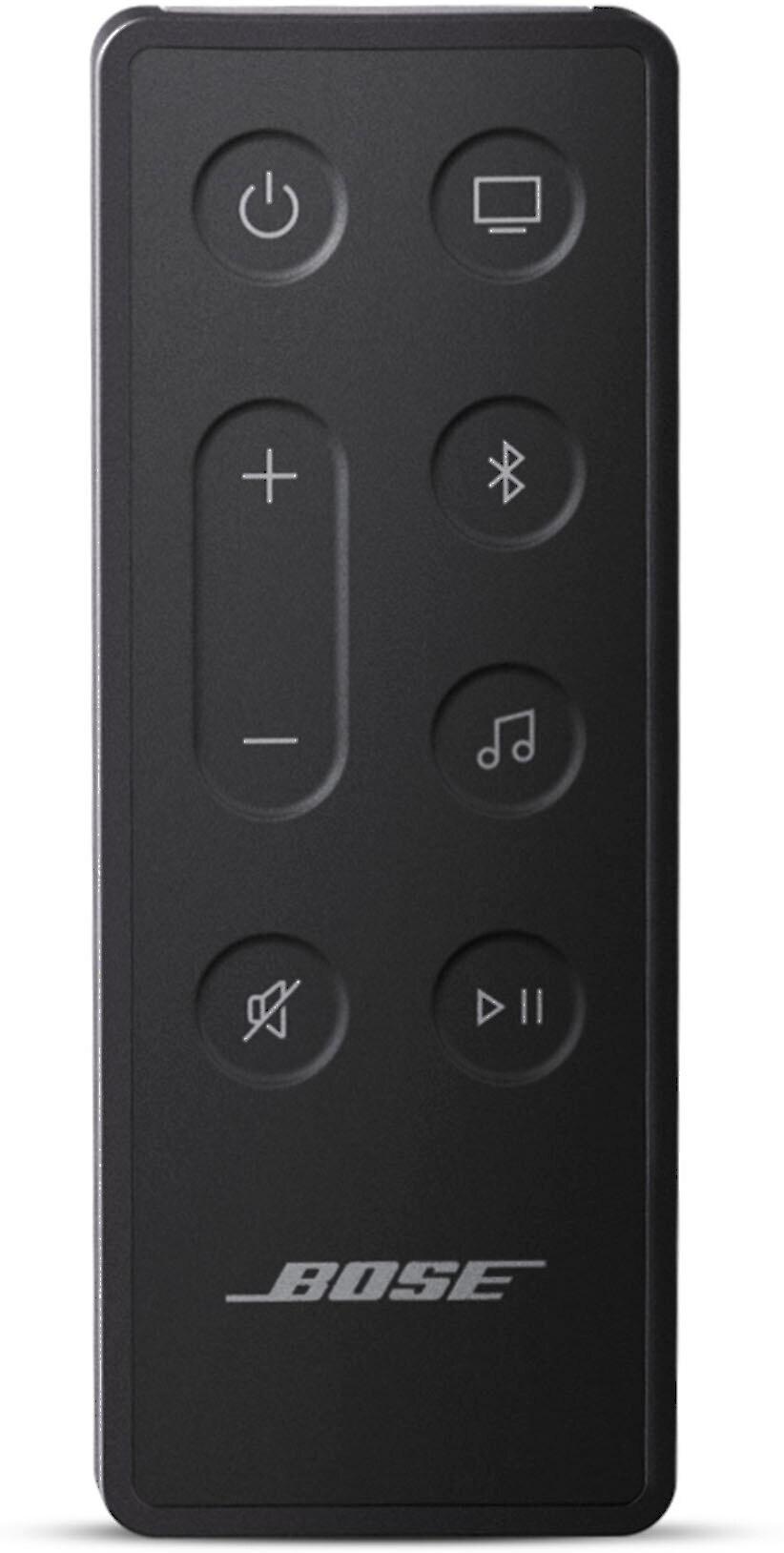
The Bose Smart Ultra is essentially a smart speaker that happens to be shaped like a soundbar. Voice control, multiroom audio, streaming service integration, and comprehensive app control are all part of the package. If you're building a smart home ecosystem, the Bose integrates seamlessly. If you just want better TV sound, these features might feel like expensive overkill.
At the time of writing, these soundbars sit in different price categories, with the Sony typically costing roughly half what the Bose commands. That price difference reflects their different priorities and target audiences.
The Sony HT-S2000 represents exceptional value for pure audio performance. You're getting 80-90% of what expensive soundbars deliver in terms of sound quality, dialogue clarity, and immersive effects, but at a significantly lower price point. The money Sony saved by skipping smart features and complex calibration systems went directly into better drivers and amplification.
The Bose Smart Ultra asks you to pay a premium for convenience features and advanced processing. Room calibration, A.I. dialogue enhancement, comprehensive streaming options, and voice control all cost money to develop and implement. If you'll actually use these features, they justify the higher price. If you won't, you're paying for capabilities you'll never access.
The setup experience tells the whole story of each company's approach. The Sony HT-S2000 is refreshingly straightforward—connect the HDMI cable, turn it on, and you're immediately enjoying dramatically better sound than your TV's built-in speakers. There's no learning curve, no optimization period, and no complex configuration.
The Bose Smart Ultra requires more initial investment of time and effort. The ADAPTiQ calibration process takes about 10-15 minutes and requires you to sit in different positions around your room while wearing the calibration headset. Setting up streaming services, configuring voice assistants, and exploring the app's various options can take additional time.
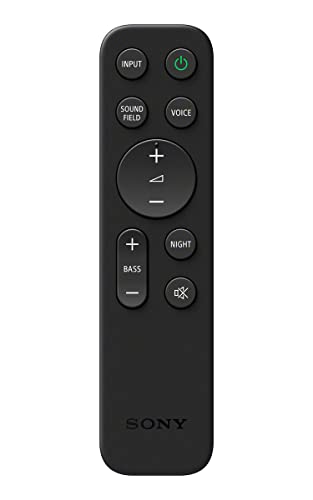
However, once configured, the Bose provides a more seamless daily experience for users who want advanced functionality. Voice control means you can adjust volume or change inputs without finding the remote. Streaming integration means your music listening doesn't depend on your phone's battery life or Bluetooth connection stability.
For dedicated home theater use, both soundbars perform admirably, but with different strengths. The Sony HT-S2000 excels with action movies and content with substantial bass content. Its built-in subwoofers provide the visceral impact that makes explosions and car chases exciting, while the clear dialogue ensures you don't miss plot-critical conversations during quiet scenes.
The Bose Smart Ultra shines with more sophisticated content where the original sound mixing took advantage of Dolby Atmos capabilities. Nature documentaries, well-produced streaming series, and newer movies with careful sound design all benefit from the Bose's authentic height channels and intelligent processing.
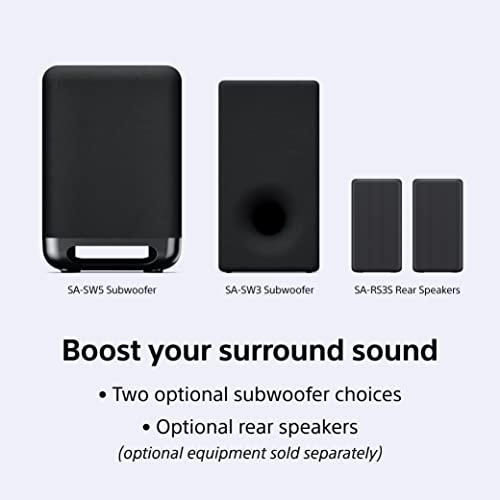
Both soundbars can be expanded with additional components if you want to build a full surround system later. Sony offers compatible wireless subwoofers and rear speakers, while Bose has its own ecosystem of compatible components.
After extensive testing with both soundbars, I believe the Sony HT-S2000 makes the most sense for the majority of people. It delivers exceptional audio improvement over TV speakers at a price that doesn't require serious budget consideration for most households. The plug-and-play simplicity means you get immediate gratification without any learning curve or setup hassles.
Choose the Sony HT-S2000 if you want maximum audio improvement per dollar spent, prefer simplicity over features, or if advanced smart functionality isn't important to your lifestyle. It's also the better choice if you watch a lot of action-oriented content where strong bass response enhances the experience.
The Bose Smart Ultra makes sense for specific situations where its premium features provide genuine value. If you have a challenging room layout where calibration would help, if you frequently struggle with dialogue clarity in poorly mixed content, or if smart home integration is important to you, the additional cost becomes justifiable.
I'd particularly recommend the Bose Smart Ultra for users who value convenience features and don't mind paying extra for them. The A.I. dialogue mode is genuinely helpful with older content or shows with inconsistent audio mixing, and the comprehensive smart features create a more integrated entertainment experience.
Both the Sony HT-S2000 and Bose Smart Ultra will dramatically improve your TV-watching experience compared to built-in TV speakers. The choice comes down to whether you prioritize pure audio value or premium features and convenience.
The Sony represents one of the best value propositions in premium soundbars, delivering impressive performance at a price that makes it accessible to most households. The Bose asks you to pay more for advanced features that genuinely enhance the experience, but only if you'll actually use them.
In most cases, I'd recommend starting with the Sony HT-S2000. It provides such a significant improvement over TV speakers that you might find it completely satisfies your needs. If you later decide you want smart features or room calibration, you can always upgrade, but many people discover that great sound quality is all they really needed from their soundbar investment.
| Sony HT-S2000 3.1ch Dolby Atmos Soundbar | Bose Smart Ultra Soundbar with Dolby Atmos |
|---|---|
| Channel Configuration - Determines dialogue clarity and surround capabilities | |
| 3.1 channels with built-in dual subwoofer | 5.1.2 channels with upward-firing drivers |
| Dolby Atmos Implementation - Critical for overhead sound effects | |
| Virtual height processing (Vertical Surround Engine) | Physical upward-firing drivers plus TrueSpace processing |
| Room Calibration - Optimizes sound for your specific space | |
| None (plug-and-play setup) | ADAPTiQ automatic room calibration with headset |
| Smart Features - Voice control and streaming convenience | |
| Basic app control, no voice assistants | Built-in Alexa/Google Assistant, comprehensive smart features |
| Connectivity Options - How you'll connect and stream music | |
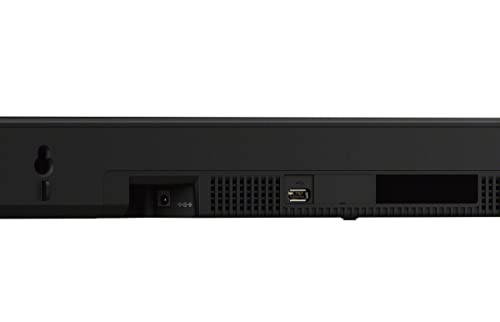
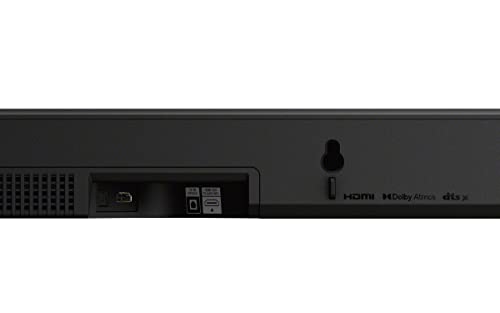
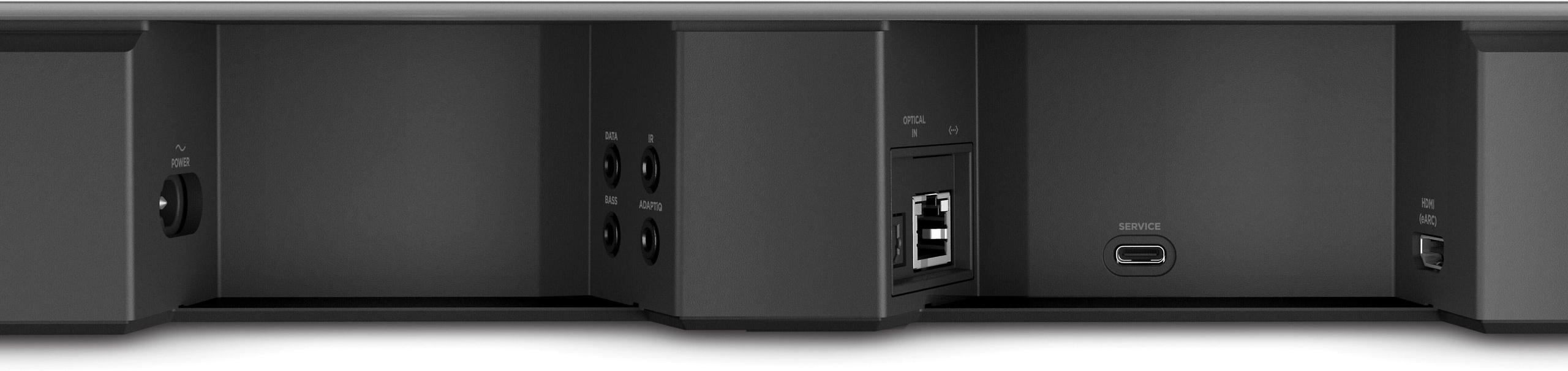
| HDMI eARC/ARC, optical, Bluetooth 5.2 | HDMI eARC/ARC, optical, Wi-Fi, Bluetooth, AirPlay 2, Spotify Connect |
| Bass Performance - Impact for movies and music | |
| Built-in dual subwoofers with side-firing ports | Balanced bass (optional subwoofer available separately) |
| Dialogue Enhancement - Critical for understanding speech | |
| Dedicated center channel with Voice Mode | A.I. Dialogue Mode with machine learning optimization |
| Setup Complexity - Time investment to get optimal sound | |
| Instant setup, no calibration required | 10-15 minute calibration process plus app configuration |
| Expandability - Future upgrade options | |
| Compatible with Sony wireless subs and rear speakers | Compatible with Bose Bass Modules and surround speakers |
| Build Quality - Premium materials and finish | |
| Solid construction with X-Balanced Speaker Units | Premium materials with wraparound metal grille |
| Power Output - Driving force behind sound quality | |
| 250W total with Digital S-Master amplification | Custom-designed drivers (power output not specified) |
| Value Proposition - Performance per dollar consideration | |
| Exceptional audio performance at budget-friendly price | Premium features and processing at flagship pricing |
Both the Sony HT-S2000 and Bose Smart Ultra deliver excellent movie sound, but with different strengths. The Sony HT-S2000 excels with built-in dual subwoofers that provide powerful bass for action scenes, while the Bose Smart Ultra offers authentic overhead effects through physical upward-firing Dolby Atmos speakers. For most home theater setups, the Sony provides more immediate impact, while the Bose creates more precise surround placement.
The Sony HT-S2000 includes built-in dual subwoofers, so no additional subwoofer is needed for most users. The Bose Smart Ultra has more balanced bass that some users may find sufficient, but Bose offers optional Bass Modules for those wanting deeper low-end response. The Sony's approach eliminates extra components and costs upfront.
The Sony HT-S2000 offers true plug-and-play setup - just connect one HDMI cable and you're done. The Bose Smart Ultra requires a 10-15 minute room calibration process using an included headset microphone, plus additional time for configuring smart features and streaming services. Choose the Sony HT-S2000 for immediate gratification or the Bose for optimized performance.
The Bose Smart Ultra includes built-in Amazon Alexa and Google Assistant, plus comprehensive smart home integration through Wi-Fi connectivity. The Sony HT-S2000 focuses purely on audio performance without voice assistants or smart features. If smart home control matters to you, the Bose Smart Ultra is the clear choice.
Both excel at dialogue clarity through different approaches. The Sony HT-S2000 uses a dedicated center channel speaker specifically for voice reproduction, while the Bose Smart Ultra features A.I. Dialogue Mode that automatically adjusts audio balance using machine learning. The Sony provides consistently clear dialogue, while the Bose can enhance poorly mixed content intelligently.
Yes, both the Sony HT-S2000 and Bose Smart Ultra work with any TV that has HDMI ARC/eARC or optical audio output. The Sony HT-S2000 offers seamless integration with Sony BRAVIA TVs, while the Bose Smart Ultra provides universal compatibility with comprehensive HDMI CEC control for most TV brands.
The Sony HT-S2000 delivers exceptional value by focusing budget on core audio performance rather than premium features. You get 80-90% of flagship soundbar performance at roughly half the cost. The Bose Smart Ultra justifies its premium pricing with advanced features like room calibration, A.I. processing, and smart integration, but only if you'll use these capabilities.
Both soundbars support expansion within their respective ecosystems. The Sony HT-S2000 works with Sony's wireless subwoofers and rear speakers for full surround sound. The Bose Smart Ultra pairs with Bose Bass Modules and surround speakers. Consider future expansion plans when choosing, as mixing brands typically isn't possible.
The Sony HT-S2000 provides significantly more bass impact through its built-in dual subwoofers and side-firing ports, making it excellent for action movies and bass-heavy music. The Bose Smart Ultra offers more controlled, accurate bass that prioritizes clarity over impact. For home theater use, most people prefer the Sony HT-S2000's more visceral bass response.
The Sony HT-S2000 supports Bluetooth 5.2 for wireless music from phones and tablets, focusing on simplicity. The Bose Smart Ultra offers comprehensive streaming with Wi-Fi, AirPlay 2, Spotify Connect, and Bluetooth, plus built-in voice assistants for hands-free control. Choose based on whether you want basic wireless capability or full streaming integration.
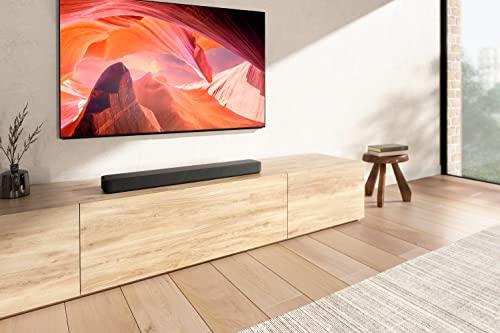
Both work well in small rooms, but the Sony HT-S2000 may be preferable due to its built-in bass that eliminates the need for additional subwoofer placement. The Bose Smart Ultra's room calibration can optimize performance for any space size, but small rooms may not benefit as much from its advanced surround processing. The Sony HT-S2000's compact all-in-one design suits space-constrained setups better.
The Sony HT-S2000 excels with action-heavy content thanks to strong bass response and clear dialogue separation. The Bose Smart Ultra adapts intelligently to any content type through A.I. processing and authentic Dolby Atmos height effects. For varied viewing habits, the Bose Smart Ultra provides more sophisticated content optimization, while the Sony HT-S2000 delivers consistently engaging sound across all content types.
We've done our best to create useful and informative comparisons to help you decide what product to buy. Our research uses advanced automated methods to create this comparison and perfection is not possible - please contact us for corrections or questions. These are the sites we've researched in the creation of this article: techradar.com - valueelectronics.com - youtube.com - videoandaudiocenter.com - whathifi.com - hometheaterhifi.com - youtube.com - sony.com - rtings.com - whathifi.com - rtings.com - helpguide.sony.net - electronics.sony.com - sony.com - dolby.com - sony.com - youtube.com - youtube.com - techradar.com - bose.com - bestbuy.com - tomsguide.com - pcrichard.com - rtings.com - bose.com - boselatam.com - avsforum.com - bose.com

Privacy Policy
Terms and Conditions - Affiliate Policy
Home Security
© Copyright 2008-2026.
11816 Inwood Rd #1211, Dallas, TX 75244