






If you've ever watched an action movie on your TV and thought "the explosions sound like they're coming from a tin can," you're not alone. Most built-in TV speakers are frankly terrible, designed more to save space than deliver quality audio. That's where soundbar systems come in, promising to transform your living room into something closer to a movie theater experience.
But here's where it gets interesting: not all soundbars take the same approach to solving your audio problems. Today we're comparing two very different philosophies in soundbar design—the Sony HT-S2000 3.1ch Dolby Atmos Soundbar and the VIZIO 5.1 Soundbar SE Dolby Atmos Surround System. One tries to do everything from a single sleek bar, while the other spreads speakers around your room for true surround sound.
Before diving into specifics, let's talk about what you should actually care about when shopping for a soundbar system. The most important factor is channel configuration—those numbers like 3.1 or 5.1 tell you how many discrete audio channels the system can handle. The first number represents main speakers (left, center, right, plus surrounds), while the ".1" refers to a dedicated subwoofer channel for bass.
Then there's the fundamental question of physical versus virtual surround sound. Virtual surround uses psychoacoustic tricks—basically fooling your brain into thinking sound is coming from places where there aren't actual speakers. It's clever technology, but physics is physics: you can't completely replicate the experience of having real speakers positioned around your room.
Room size compatibility matters enormously. A soundbar that sounds amazing in a compact apartment might get lost in a large family room. And let's be honest about setup complexity—some people want plug-and-play simplicity, while others don't mind running speaker wire and optimizing placement for the best possible sound.
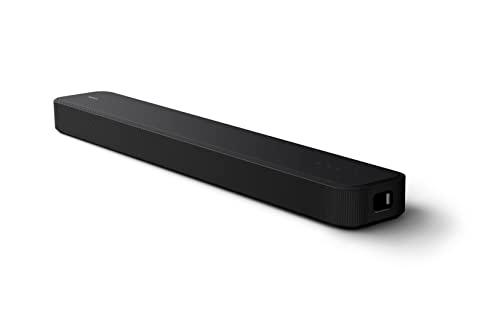
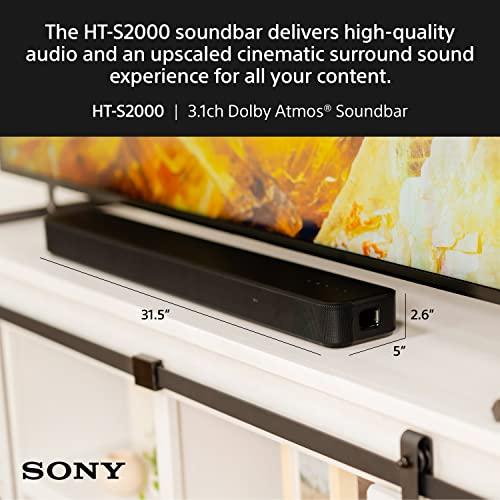
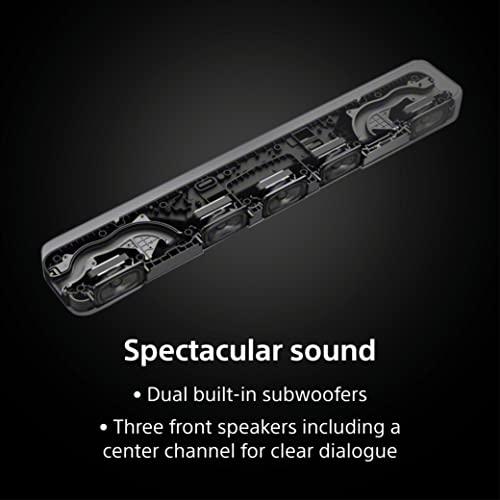
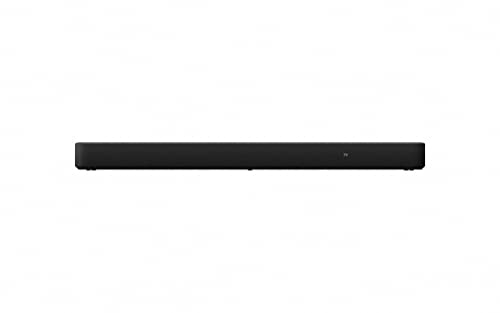
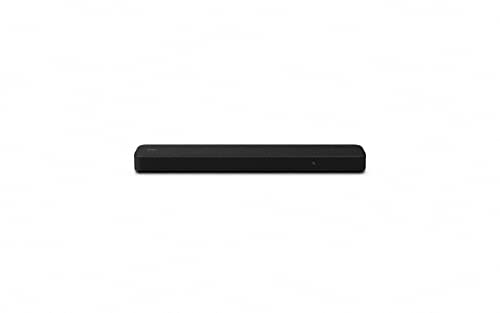
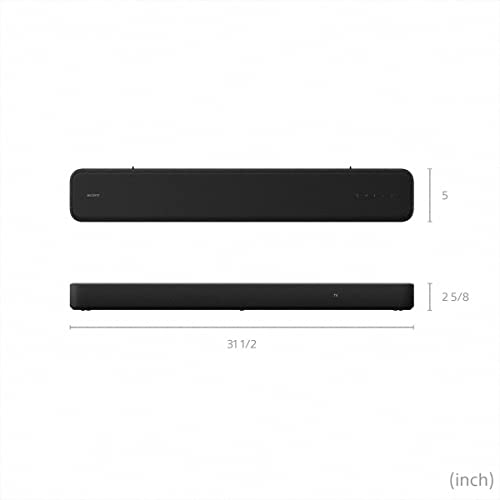
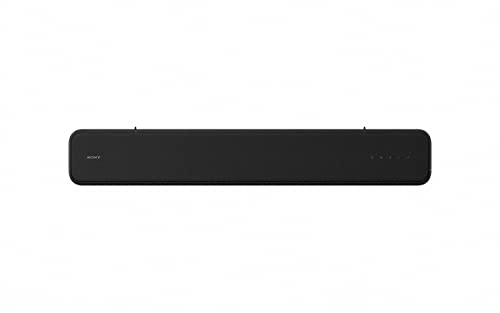
The Sony HT-S2000, released in 2023, represents Sony's latest thinking on compact soundbar design. At its heart, it's a 3.1-channel system built into a single 31.5-inch bar, with built-in dual subwoofers and Sony's advanced virtual surround processing. The company has packed five active drivers and 250 watts of digital amplification into this sleek package, using their proprietary Vertical Surround Engine and S-Force PRO technologies to create the illusion of surround sound.
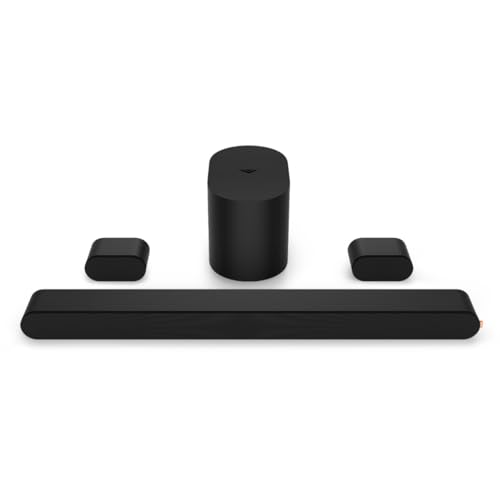
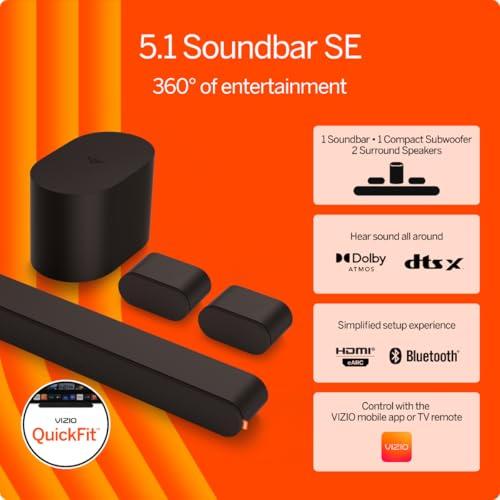
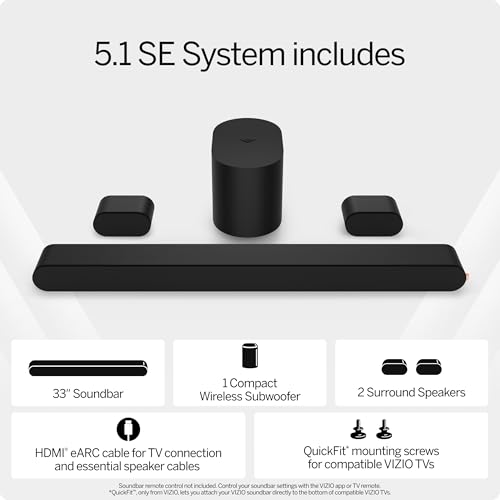
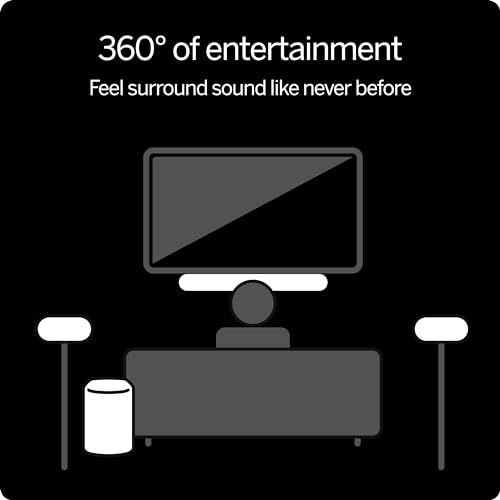
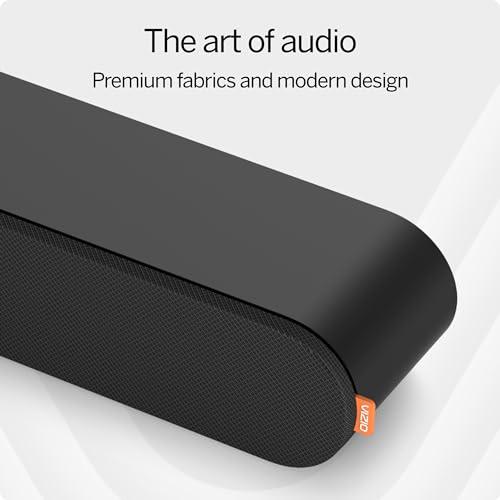
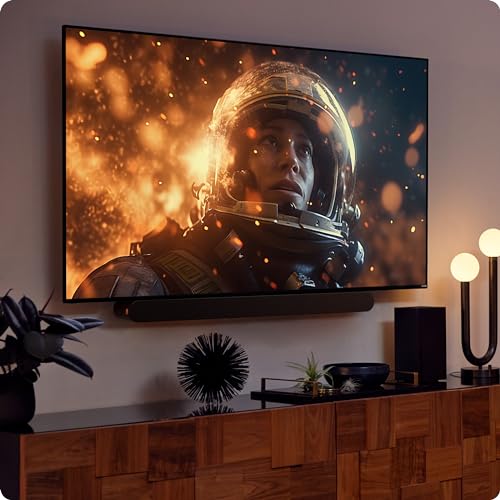
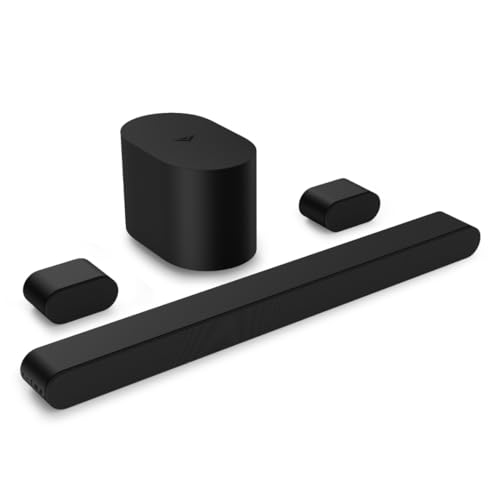
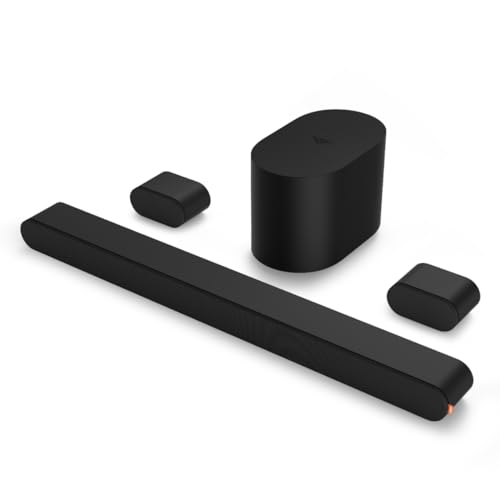
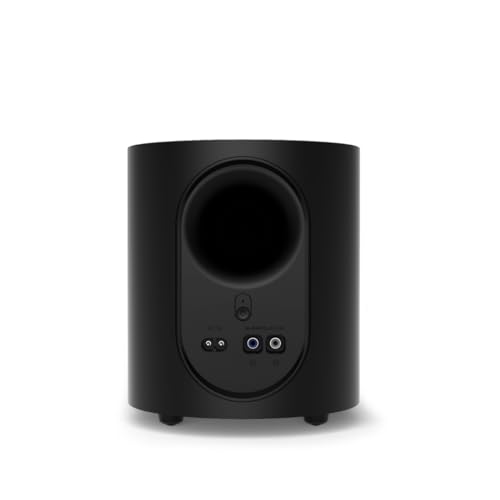
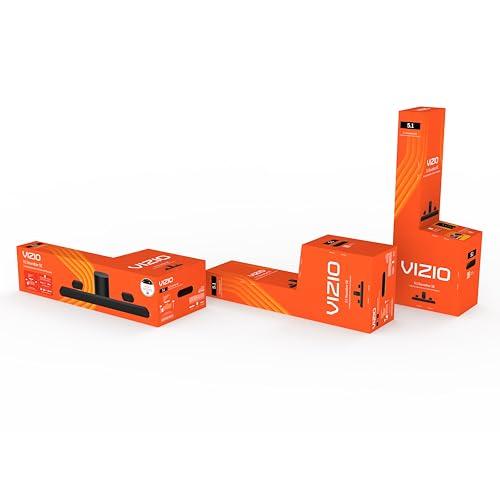
The VIZIO 5.1 SE, on the other hand, takes the traditional approach of actually placing speakers around your room. This system includes a 33-inch soundbar, a wireless subwoofer, and two surround speakers that you position behind or to the sides of your seating area. It's true 5.1-channel audio—no tricks, no virtualization, just discrete speakers handling their assigned audio channels.
These represent fundamentally different philosophies, and understanding which approach suits your situation better is key to making the right choice.
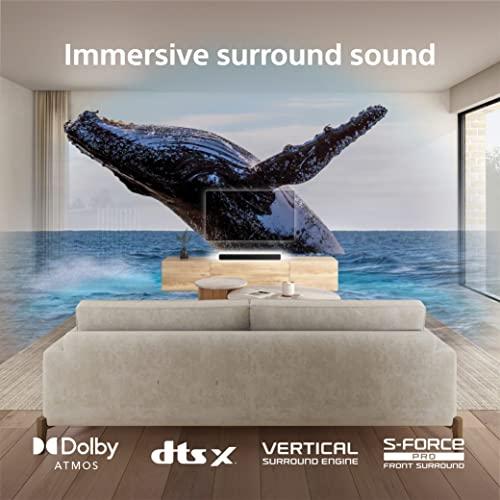
This is where the biggest difference lies between these systems. The Sony HT-S2000 uses sophisticated digital signal processing to create what Sony calls "Vertical Surround Engine" effects. Essentially, the soundbar analyzes incoming audio and uses psychoacoustic principles—manipulating how sound waves interact with your ears and brain—to create the impression that sound is coming from above and around you.
I've tested quite a few virtual surround systems over the years, and Sony's implementation is genuinely impressive. When watching a helicopter scene in an action movie, you'll hear the rotor blades seem to move overhead, even though all the sound is actually coming from that bar sitting under your TV. The S-Force PRO Front Surround technology does something similar for side-to-side effects, making explosions and ambient sounds feel like they're happening in a much wider space than the soundbar's physical dimensions would suggest.
But here's the thing: virtual surround has inherent limitations. The Sony HT-S2000 must take true 5.1-channel audio—like what you get from a Blu-ray disc or streaming service—and downmix it to fit its 3.1 configuration. That means some spatial information gets lost in translation. Sound effects that were originally designed to move from front to back in the room end up compressed into the front soundstage.
The VIZIO 5.1 SE doesn't have this problem because it uses actual speakers positioned around your room. When that helicopter flies from front to back, you hear it through the front soundbar, then the rear surround speakers. When there's an explosion off to your right, it actually comes from your right. This creates what audio engineers call "true 360-degree immersion"—sound that genuinely surrounds you rather than just creating the illusion of it.
In my experience testing both approaches, the difference is most noticeable during action sequences and gaming. The VIZIO system lets you track moving objects in a way that the Sony simply can't match, despite its clever processing.
Bass reproduction shows another clear philosophical divide. The Sony HT-S2000 integrates dual subwoofers directly into the soundbar chassis, using side-firing bass ports to extend low-frequency response. Sony's X-Balanced Speaker Units—those rectangular drivers I mentioned—help minimize distortion while maximizing output from the available space.
This approach has real advantages. You get solid bass response without needing to find a spot for a separate subwoofer, and the bass integrates seamlessly with the main speakers since they're all in the same enclosure. Sony has also included three adjustable bass levels, so you can tune the low-end to your preference or room acoustics.
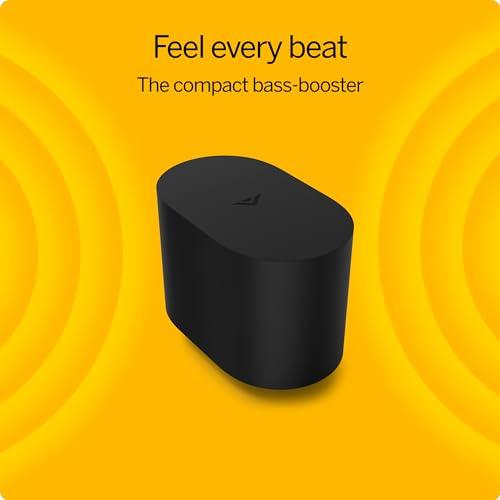
The VIZIO system's dedicated wireless subwoofer, however, can do things that built-in bass drivers simply cannot. With a 6-inch driver and the ability to place it anywhere in your room (within wireless range), this subwoofer can reach down to 50Hz and achieve higher sound pressure levels—up to 96dB according to VIZIO's specifications.
More importantly, proper subwoofer placement can dramatically improve bass distribution throughout your room. Corner placement, for example, can reinforce low frequencies, while placement along a wall can help even out bass response across different seating positions. The Sony's built-in approach means you're stuck with whatever bass characteristics your TV stand location provides.
In practical terms, the VIZIO will deliver more impactful, room-shaking bass for action movies and music, while the Sony provides perfectly adequate low-end for most content without the complexity of subwoofer placement.
Here's something that often gets overlooked in soundbar reviews but matters enormously in daily use: dialogue clarity. If you can't understand what characters are saying, even the most impressive surround effects become meaningless.
The Sony HT-S2000 has a significant advantage here with its dedicated center channel. In a 3.1 system, that middle ".1" isn't just about the subwoofer—the "3" represents left, center, and right channels, with the center specifically handling dialogue and vocals. Sony has engineered this center channel with dialogue clarity in mind, and they've included a Voice Mode that further prioritizes speech frequencies.
This makes a real difference with modern movie soundtracks, which often bury dialogue beneath music and effects. The dedicated center channel keeps voices anchored and clear, even during complex scenes. Sony's X-Balanced Speaker Units also help here by minimizing distortion that can make dialogue sound muddy or unclear.
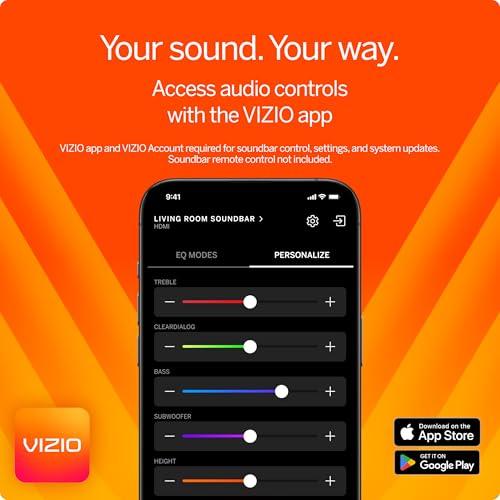
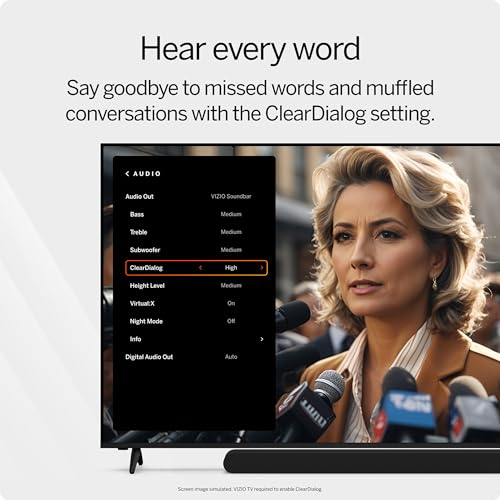
The VIZIO 5.1 SE handles center channel duties through its soundbar's three full-range drivers, which is perfectly capable but not quite as specialized. However, the VIZIO app allows for detailed EQ adjustment, so you can boost mid-range frequencies where most dialogue lives if you find voices getting lost in the mix.
In my testing, both systems handle dialogue well, but the Sony has a slight edge in clarity and presence, especially at moderate volume levels.
This is where the fundamental differences in approach really show. The Sony HT-S2000 packs 250 watts of amplification into that single bar, and it can get surprisingly loud while maintaining audio quality. The digital S-Master amplification helps here—it's more efficient than traditional analog amplification, reducing distortion even at higher volumes.
But there's only so much a single soundbar can do to fill a large room. Sound waves need to travel farther to reach listeners in the back, and without rear speakers, surround effects can't create the same sense of envelopment in bigger spaces.
The VIZIO system distributes its speakers around the room, which changes the acoustic equation entirely. Each speaker only needs to cover its portion of the listening area, and the wireless subwoofer can be positioned for optimal bass coverage. This means the system can effectively fill medium to large rooms while maintaining audio quality across all seating positions.
At the time of writing, if you're dealing with a room larger than about 15×20 feet, the VIZIO's distributed approach will likely serve you better. For smaller to medium rooms, the Sony's focused approach can actually be preferable—you get excellent sound quality without the complexity of multiple speakers.
Both systems support Dolby Atmos, but they implement it very differently. Dolby Atmos is an audio format that adds height information to surround sound, creating a three-dimensional audio space where sounds can be placed not just around you, but above you as well.
The Sony HT-S2000 creates height effects through processing—its Vertical Surround Engine analyzes Atmos content and uses psychoacoustic processing to create the impression of overhead sound. This works reasonably well for ambient effects like rain or aircraft, but it can't match the precision of actual height speakers.
The VIZIO 5.1 SE also relies on virtualized height effects since its surround speakers don't include upward-firing drivers. However, the combination of front soundbar and rear speakers can create more convincing height effects than a single soundbar alone, especially for sounds that move through 3D space.
Neither system will match a full Atmos setup with ceiling speakers, but both provide a noticeable improvement over standard stereo sound. The Sony's processing is more sophisticated, while the VIZIO's multi-speaker approach provides better overall spatial accuracy.
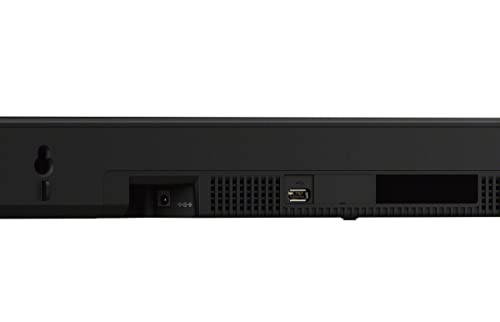
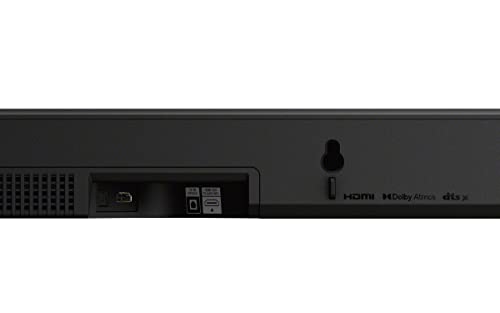
Modern soundbar systems need to work seamlessly with today's smart TVs and streaming devices. The Sony HT-S2000 connects via HDMI eARC (Enhanced Audio Return Channel), which allows for high-quality audio formats and lets you control soundbar volume with your TV remote. It also includes optical digital input for older TVs, USB playback, and Bluetooth 5.2 with AAC codec support for higher-quality wireless audio from smartphones and tablets.
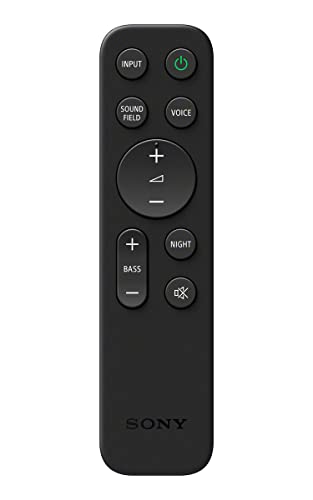
Sony's Home Entertainment Connect app provides setup guidance and remote control functionality, though the system includes a physical remote as well. If you're in Sony's ecosystem with a BRAVIA TV, the integration is particularly seamless thanks to BRAVIA Sync (Sony's version of HDMI CEC control).
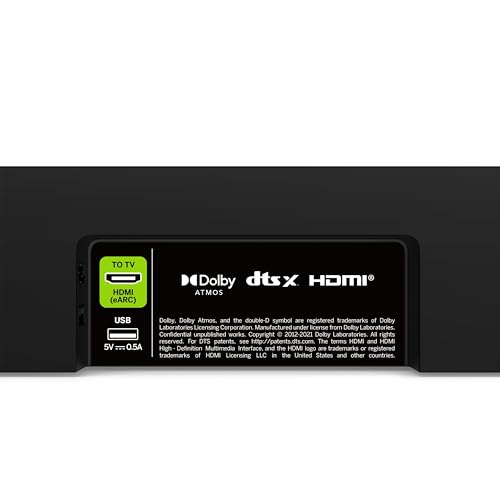
The VIZIO 5.1 SE similarly uses HDMI eARC as its primary connection, with the VIZIO mobile app handling most control functions. Interestingly, VIZIO doesn't include a physical remote—you control everything through the app or your TV remote via HDMI CEC. This might be a dealbreaker for some users who prefer physical controls, but it keeps costs down and works well once you're used to it.
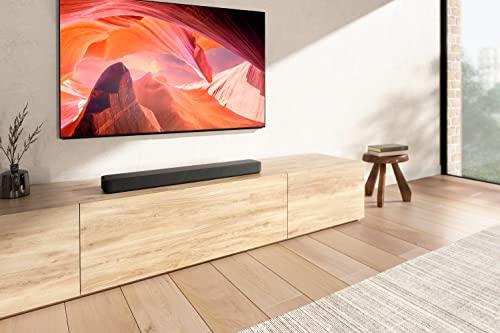
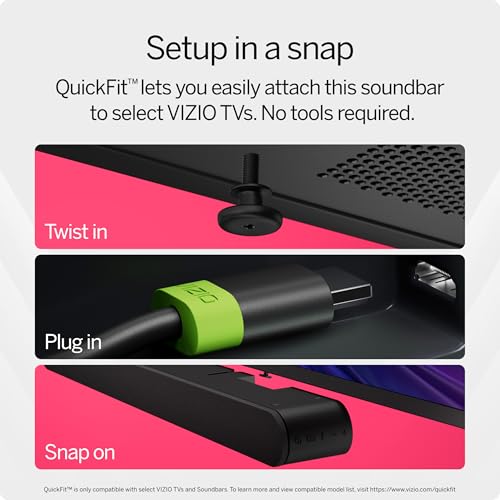
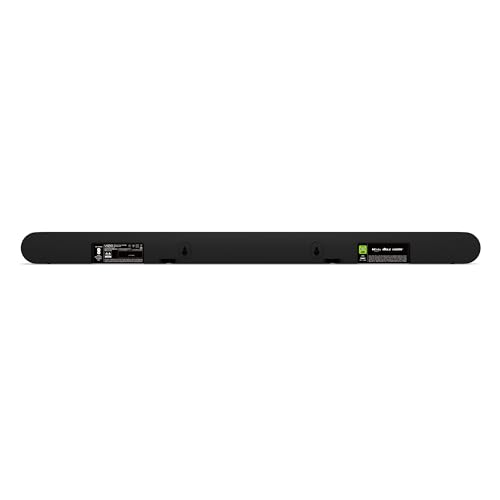
Let's be honest about what setup actually involves. The Sony HT-S2000 is genuinely plug-and-play. Connect one HDMI cable to your TV, plug in power, and you're done. The soundbar is wall-mountable with the included template, and there's no speaker placement to worry about. You'll be watching movies with improved audio in about five minutes.
The VIZIO 5.1 SE requires more thought and effort. You need to position the wireless subwoofer somewhere in your room (corners often work well for bass reinforcement), and the surround speakers need to be placed behind or to the sides of your seating area. The satellites are wireless, so you don't need to run speaker wire, but you do need power outlets near where you place them.
This setup difference extends to daily use. The Sony system is essentially invisible—it just improves your TV's audio without changing your routine. The VIZIO system requires you to think about speaker placement when rearranging furniture and gives you more components that could potentially have connectivity issues (though wireless reliability has improved dramatically in recent years).
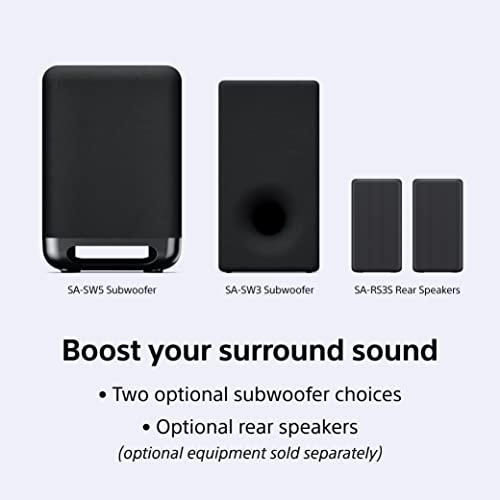
Here's where these systems diverge in interesting ways. The Sony HT-S2000 can be expanded with additional Sony components—the SA-SW3 or SA-SW5 wireless subwoofers for more bass impact, or the SA-RS3S rear speakers to create true surround sound. This modular approach lets you start simple and build out your system over time.
The VIZIO 5.1 SE, conversely, is a complete system from day one. You can't add additional components, but you also don't need to. The system includes everything necessary for true 5.1 surround sound out of the box.
Your preference here depends on your approach to audio purchases. If you like to start with something basic and upgrade over time, Sony's expandable approach makes sense. If you'd rather buy a complete solution once and be done with it, VIZIO's approach is more appealing.
At the time of writing, both systems represent solid value in their respective categories, but they target different priorities and budgets. The Sony HT-S2000 offers premium brand quality and sophisticated processing in a compact package. When it goes on sale (which happens regularly), it becomes particularly compelling for users who want high-quality audio without the complexity of multiple speakers.
The VIZIO 5.1 SE delivers true surround sound at a competitive price point. You're getting five discrete speakers plus a subwoofer, which would typically cost significantly more from premium brands. VIZIO has built a reputation for offering impressive performance-per-dollar, and this system continues that tradition.
The value equation also depends on your room and usage patterns. If you have a small to medium room and primarily watch TV shows and movies with occasional music, the Sony's premium processing and compact form factor might provide better value. If you have a larger room, love action movies, or do significant gaming, the VIZIO's true surround capability could be worth the additional complexity.
For dedicated home theater setups, both systems have merit but serve different scenarios. The Sony HT-S2000 works well in secondary viewing areas—bedrooms, apartments, or smaller family rooms where you want quality audio without the full home theater treatment. Its sophisticated processing means you still get engaging sound from movie soundtracks, and the compact design won't dominate the space visually.
The VIZIO 5.1 SE is better suited to primary viewing areas where movie watching is a regular activity. The true surround sound makes action sequences more engaging, and the dedicated subwoofer provides the kind of bass impact that makes movie nights feel special. For gaming, the accurate positional audio can actually provide a competitive advantage in games where audio cues matter.
Neither system will satisfy serious audiophiles who want reference-quality sound, but both will dramatically improve the movie-watching experience compared to TV speakers or basic soundbars.
Choose the Sony HT-S2000 if you value simplicity and sophistication. This system makes sense for apartment dwellers, anyone with space constraints, or people who want premium audio quality without multiple components. It's ideal if you primarily watch TV shows and movies rather than action-heavy content, and it's perfect if you might want to expand your system gradually over time.
The Sony is also the better choice if you're already invested in Sony's ecosystem—it integrates beautifully with BRAVIA TVs and other Sony audio components. The superior dialogue clarity makes it excellent for drama series, documentaries, and any content where understanding speech is crucial.
Go with the VIZIO 5.1 SE if you want the full surround sound experience and don't mind a more complex setup. This system shines in medium to large rooms, makes action movies and gaming more immersive, and provides better value if you want true multi-channel audio right out of the box.
The VIZIO is particularly compelling if you watch a lot of action content, play games where positional audio matters, or simply want to feel like you're getting the full cinematic experience at home. It's also the better choice for music listening, as the distributed speakers and dedicated subwoofer provide better stereo imaging and bass response.
Both the Sony HT-S2000 and VIZIO 5.1 SE will transform your TV audio experience, but they do it in fundamentally different ways. The Sony prioritizes convenience and sophisticated processing, delivering premium sound quality from a single elegant bar. The VIZIO prioritizes authentic surround immersion, using multiple speakers to create the kind of enveloping audio experience that single soundbars simply can't match.
Your choice ultimately comes down to whether you prefer the simplicity and future expandability of Sony's approach, or the immediate surround sound gratification of VIZIO's multi-speaker system. Both represent excellent value in their respective categories—you just need to decide which approach better fits your room, your content preferences, and your tolerance for setup complexity.
| Sony HT-S2000 3.1ch Dolby Atmos Soundbar | VIZIO 5.1 Soundbar SE Dolby Atmos Surround System |
|---|---|
| Speaker Configuration - Determines surround sound authenticity and setup complexity | |
| 3.1 channel all-in-one soundbar with built-in dual subwoofers | True 5.1 system with soundbar + wireless subwoofer + 2 surround speakers |
| Physical Surround Sound - Whether you get real speakers around the room or virtual effects | |
| Virtual surround using Vertical Surround Engine and S-Force PRO processing | True surround with discrete rear speakers for 360° immersion |
| Total Power Output - Affects maximum volume and room-filling capability | |
| 250W digital S-Master amplification | Distributed power across multiple speakers, 96dB max SPL |
| Bass Performance - Critical for action movies and music enjoyment | |
| Built-in dual subwoofers with side-firing ports, 3 adjustable bass levels | Dedicated 6" wireless subwoofer reaching 50Hz, optimized room placement |
| Setup Complexity - Time and effort required to get optimal sound | |
| Single HDMI cable connection, wall-mountable, ready in minutes | Multi-component setup requiring surround speaker and subwoofer placement |
| Dialogue Clarity - Essential for understanding speech in movies and shows | |
| Dedicated center channel with Voice Mode for enhanced speech | Center channel through soundbar drivers with app-based EQ adjustment |
| Expandability - Future upgrade options without replacing the entire system | |
| Compatible with Sony SA-SW3/SW5 subwoofers and SA-RS3S rear speakers | Complete system, no expansion options available |
| Remote Control - Daily usability and convenience factor | |
| Physical remote included plus Sony app control | App-only control (no physical remote), works with TV remote via HDMI |
| Connectivity Options - Compatibility with different devices and TVs | |
| HDMI eARC/ARC, optical, USB, Bluetooth 5.2 with AAC/SBC | HDMI eARC primary, Bluetooth streaming, VIZIO app control |
| Room Size Suitability - Optimal performance based on listening area | |
| Small to medium rooms, compact apartments, secondary viewing areas | Medium to large rooms where distributed speakers provide better coverage |
| Best Use Cases - Content and scenarios where each system excels | |
| TV shows, dialogue-heavy content, space-constrained setups, gradual upgrades | Action movies, gaming, music listening, dedicated home theater rooms |
The Sony HT-S2000 is ideal for small rooms due to its compact all-in-one design. With built-in dual subwoofers and virtual surround processing, it delivers excellent sound without requiring additional speakers or complex placement. The VIZIO 5.1 SE works better in medium to large rooms where you have space for the wireless subwoofer and rear surround speakers.
The VIZIO 5.1 Soundbar SE includes actual rear speakers that create true 360-degree surround sound, allowing you to hear effects moving around the room. The Sony HT-S2000 uses virtual surround technology to simulate this effect from a single soundbar, which is convincing but not as immersive as physical rear speakers.
The Sony HT-S2000 wins for simplicity - just connect one HDMI cable and you're ready to go. The VIZIO 5.1 SE requires positioning a wireless subwoofer and two surround speakers around your room, plus ensuring power outlets are available near each speaker location.
The Sony HT-S2000 is a 3.1 system with left, center, right channels plus subwoofer, all built into one soundbar. The VIZIO 5.1 SE adds two dedicated surround channels with separate speakers, creating true multi-directional audio that the Sony HT-S2000 can only simulate virtually.
The VIZIO 5.1 SE delivers more impactful bass with its dedicated 6-inch wireless subwoofer that can be positioned anywhere for optimal room coverage. The Sony HT-S2000 has impressive built-in dual subwoofers for its size, but a separate subwoofer will always provide deeper, more room-filling bass.
The Sony HT-S2000 can be expanded with additional Sony components like wireless subwoofers and rear speakers, letting you build a complete system over time. The VIZIO 5.1 SE is a complete system from day one but cannot be expanded with additional components.
The Sony HT-S2000 has a slight advantage with its dedicated center channel specifically engineered for dialogue, plus a Voice Mode that enhances speech clarity. Both systems handle dialogue well, but the Sony HT-S2000 keeps voices more prominent and clear during complex movie scenes.
Yes, both the Sony HT-S2000 and VIZIO 5.1 SE support Dolby Atmos, but they create height effects differently. Both use virtual processing to simulate overhead sound since neither has upward-firing speakers, though the VIZIO 5.1 SE benefits from having multiple speakers positioned around the room.
The VIZIO 5.1 Soundbar SE provides better gaming immersion with its true surround sound, allowing you to accurately locate sounds coming from different directions. This can provide a competitive advantage in games where audio cues matter. The Sony HT-S2000 still improves gaming audio significantly but with less precise directional accuracy.
The Sony HT-S2000 works best in small to medium rooms where its focused front-firing approach can fill the space effectively. The VIZIO 5.1 SE excels in medium to large rooms because its distributed speakers can cover more area and provide even sound throughout bigger spaces.
Both systems offer excellent value in their categories. The Sony HT-S2000 provides premium brand quality and sophisticated processing in a simple package, while the VIZIO 5.1 SE delivers true multi-channel surround at a competitive price. Your best value depends on whether you prioritize simplicity or authentic surround sound.
The Sony HT-S2000 includes a physical remote plus app control and works with TV remotes via HDMI. The VIZIO 5.1 SE relies primarily on app control since no physical remote is included, though it also works with your TV remote through HDMI connection for basic volume and power functions.
We've done our best to create useful and informative comparisons to help you decide what product to buy. Our research uses advanced automated methods to create this comparison and perfection is not possible - please contact us for corrections or questions. These are the sites we've researched in the creation of this article: techradar.com - valueelectronics.com - youtube.com - videoandaudiocenter.com - whathifi.com - hometheaterhifi.com - youtube.com - sony.com - rtings.com - whathifi.com - rtings.com - helpguide.sony.net - electronics.sony.com - sony.com - dolby.com - sony.com - youtube.com - youtube.com - bestbuy.com - vizio.com - rtings.com - vizio.com - vizio.com - vizio.com - youtube.com - vizio.com - vizio.com - cnet.com - samsclub.com - walmart.com - nfm.com - finelinesdesignstudio.com - dugoutnorthbrook.com - bestbuy.com

Privacy Policy
Terms and Conditions - Affiliate Policy
Home Security
© Copyright 2008-2026.
11816 Inwood Rd #1211, Dallas, TX 75244