


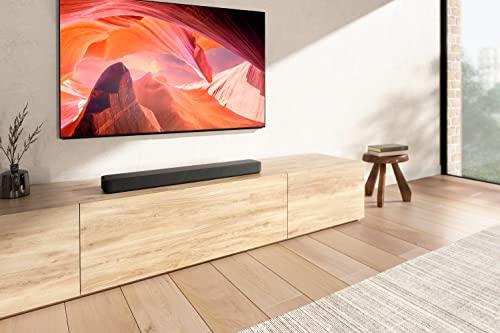

If you've ever found yourself reaching for the remote to turn up the volume during dialogue scenes, or felt like explosions in movies sound more like quiet pops, you're experiencing the reality of modern TV speakers. Today's ultra-thin TVs simply don't have room for decent speakers, which is where soundbars come in to save the day.
The soundbar market has exploded over the past decade, offering everything from basic stereo bars that just make dialogue clearer, to sophisticated systems that create truly immersive surround sound experiences. Today, we're comparing two very different approaches to solving your TV audio problems: the feature-packed Sony HT-S2000 and the elegantly simple Bose TV Speaker.
Before diving into our comparison, it's worth understanding what you should look for in a soundbar. The most important factors are audio performance (how good does it actually sound?), connectivity options (what can you plug into it?), and value (are you getting your money's worth?).
Audio performance breaks down into several key areas. First, there's dialogue clarity – can you actually understand what people are saying without cranking the volume? Then there's bass response – that low-end rumble that makes explosions feel real and music sound full. Finally, there's soundstage width and immersion – how well the soundbar creates the illusion that sound is coming from all around you, not just from a single bar under your TV.
Connectivity matters more than you might think. HDMI ARC (Audio Return Channel) or eARC (enhanced Audio Return Channel) connections allow your TV to send high-quality audio back to the soundbar automatically. This is crucial for accessing advanced audio formats like Dolby Atmos, which creates overhead sound effects by processing audio in three dimensions rather than just left and right channels.
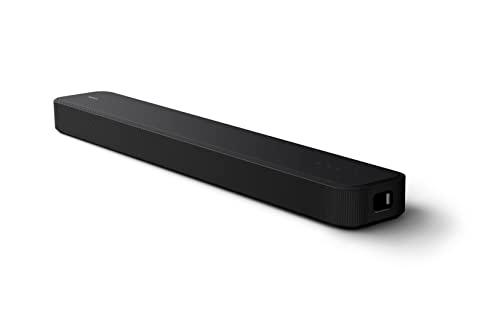
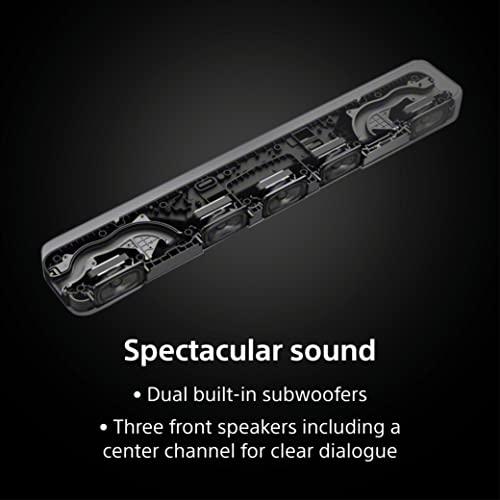
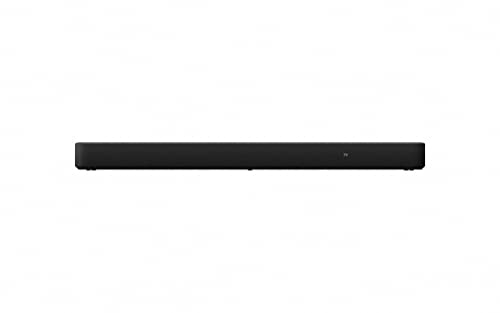
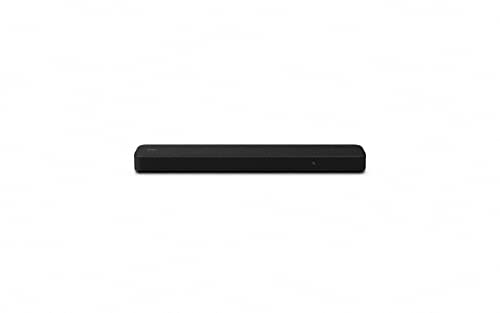
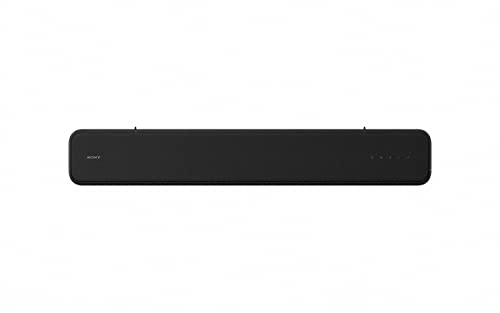
The Sony HT-S2000, released in 2022, represents what I'd call the "everything you need in one box" approach. It's a 3.1 channel system, meaning it has three main channels (left, center, right) plus a dedicated subwoofer channel. What makes it special is that Sony managed to cram dual built-in subwoofers right into the soundbar itself, eliminating the need for a separate subwoofer box that takes up floor space.
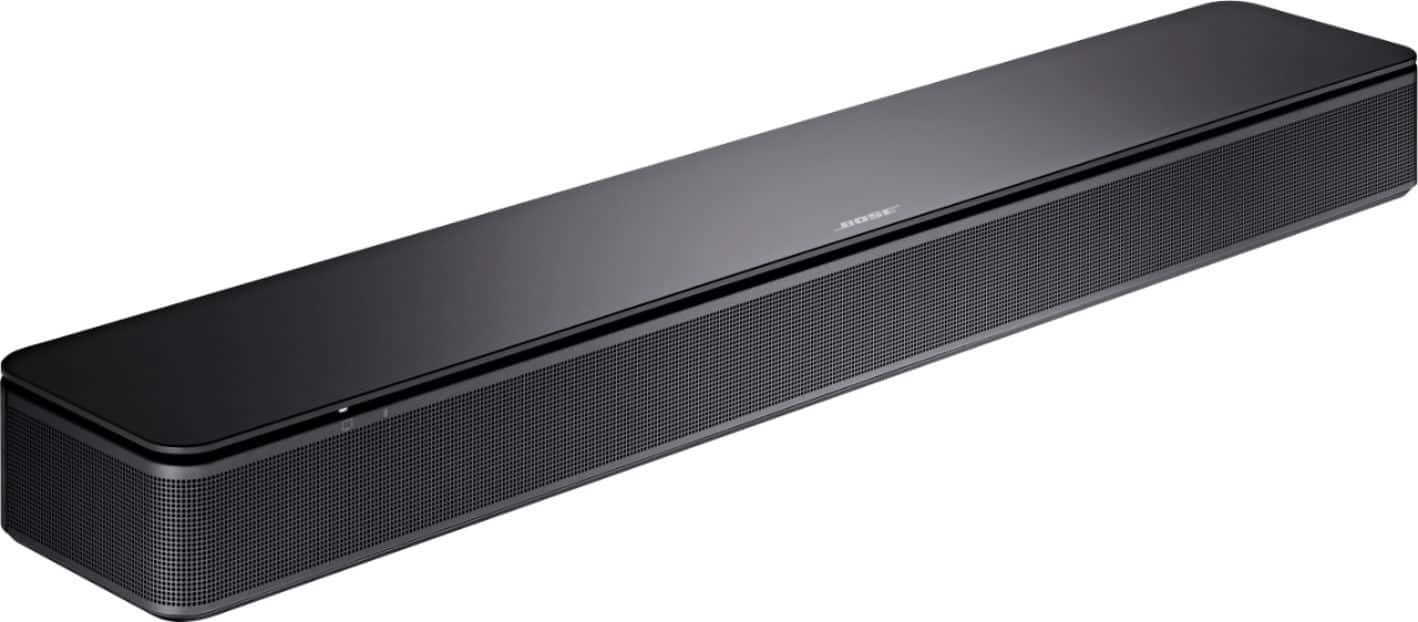
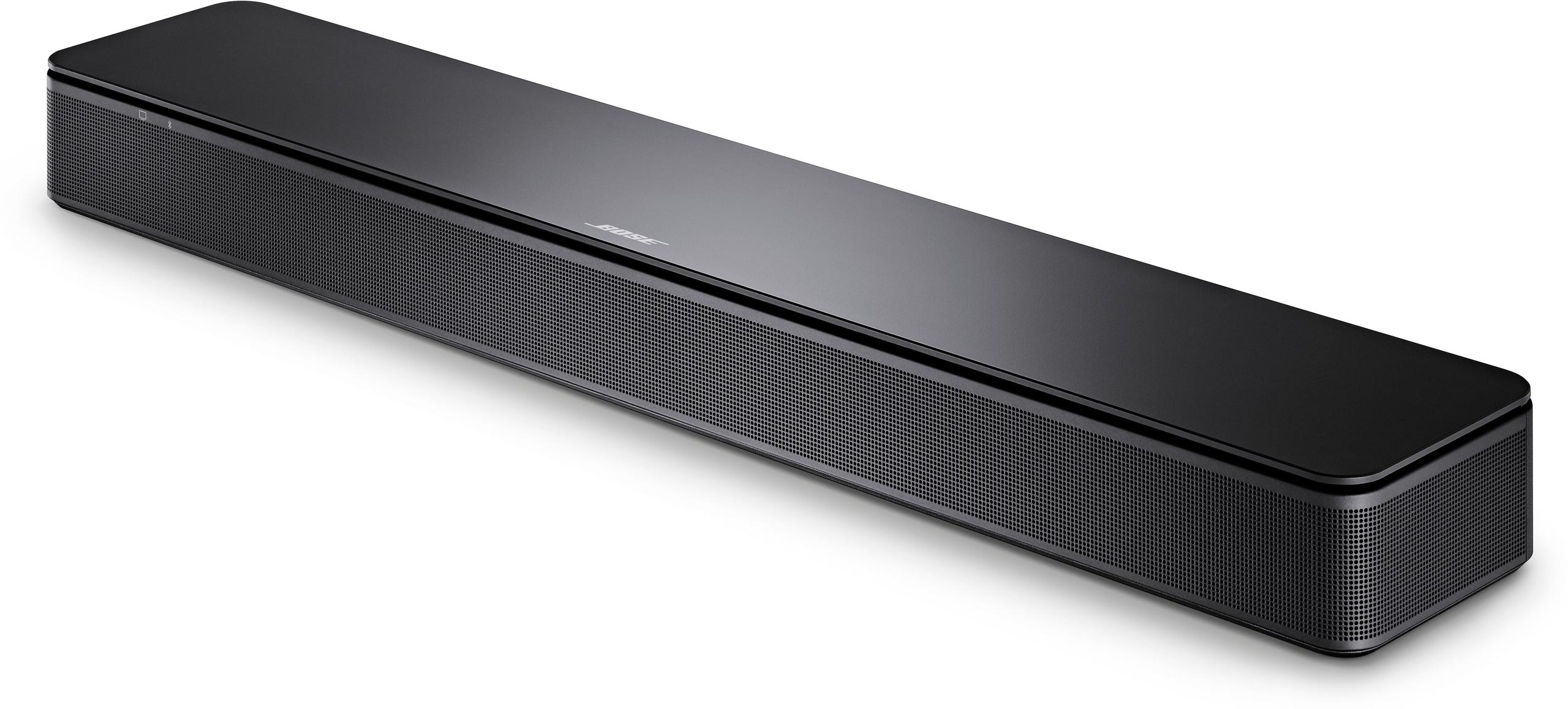
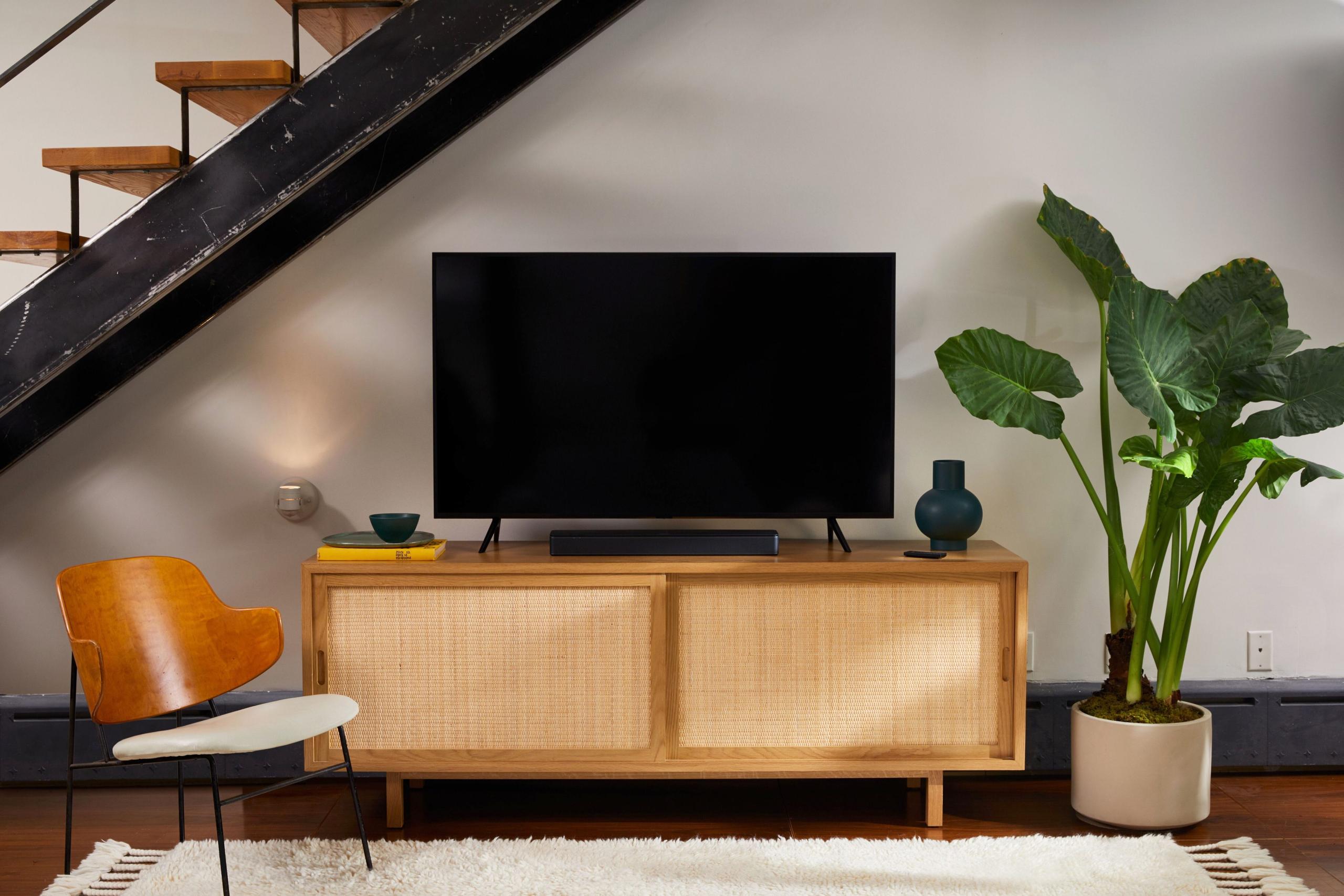
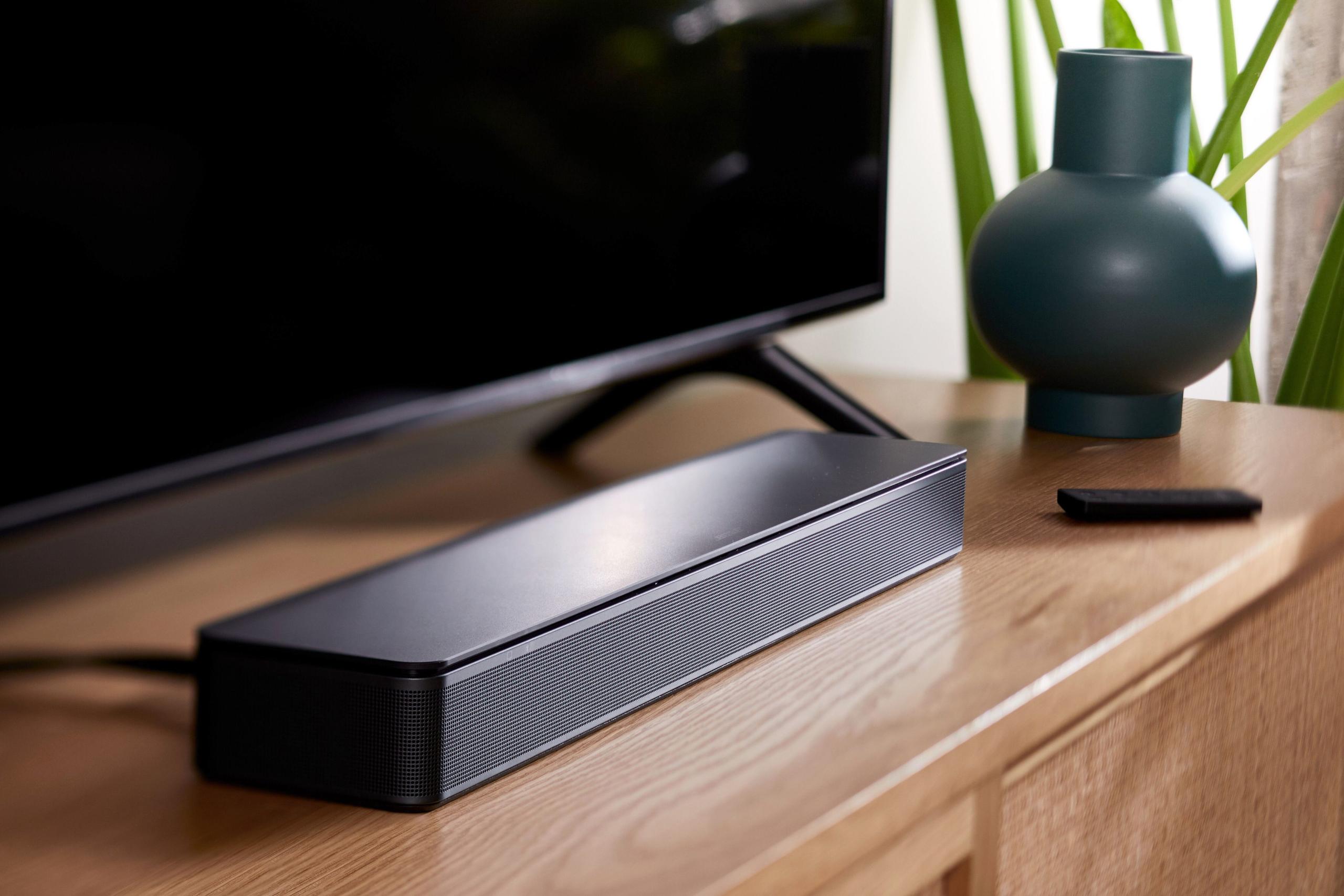
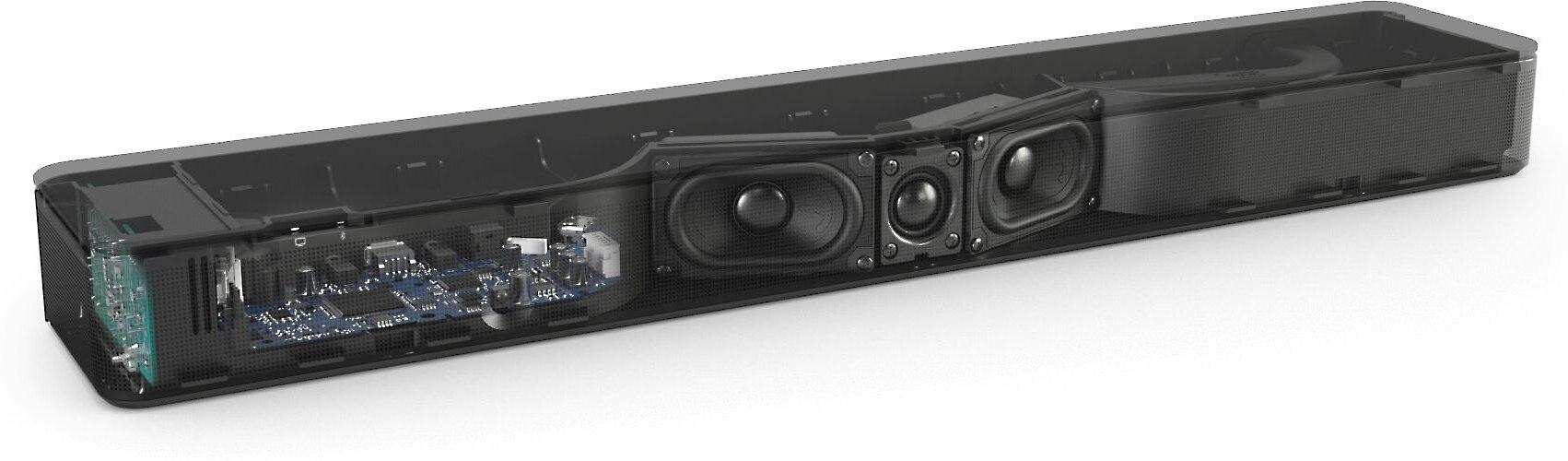
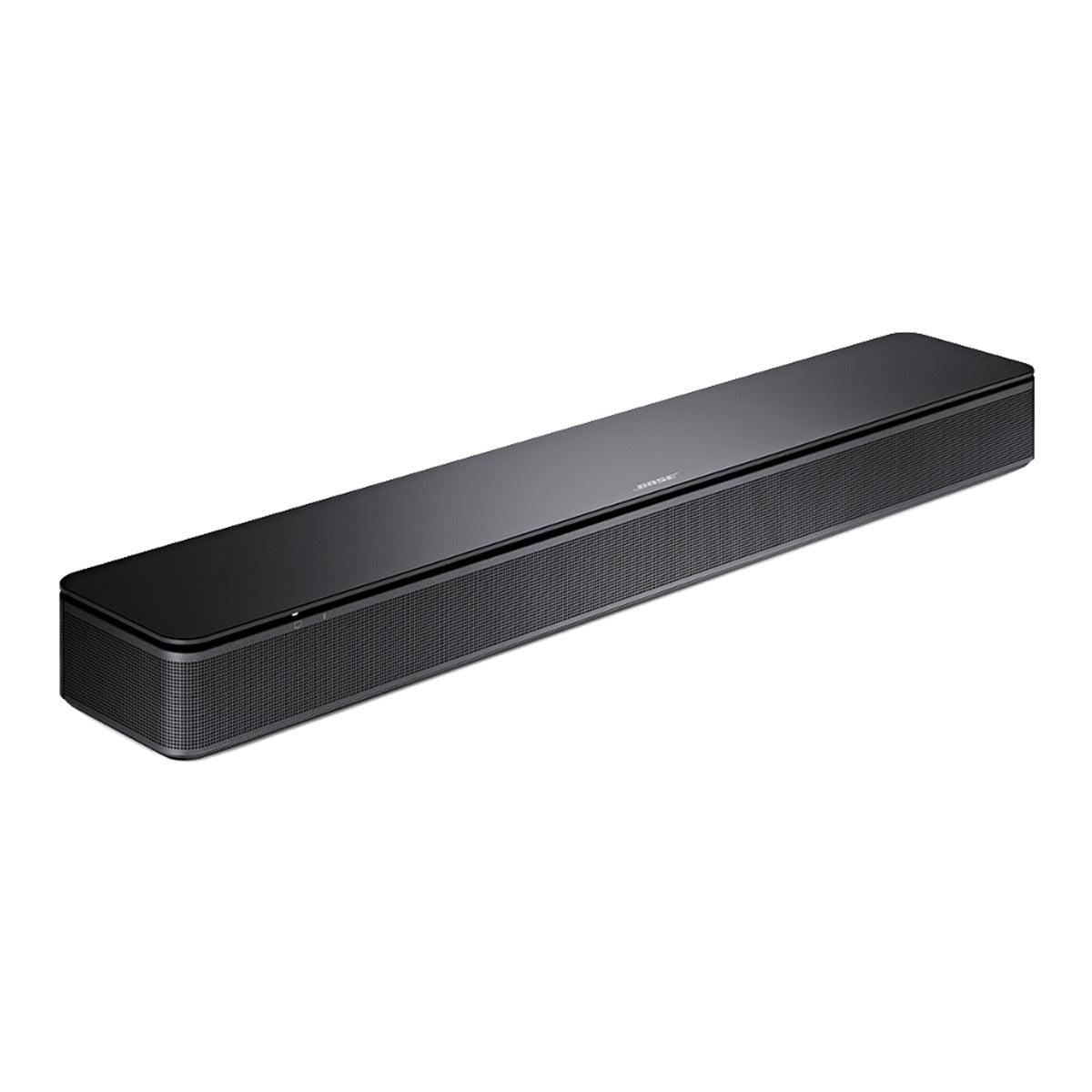
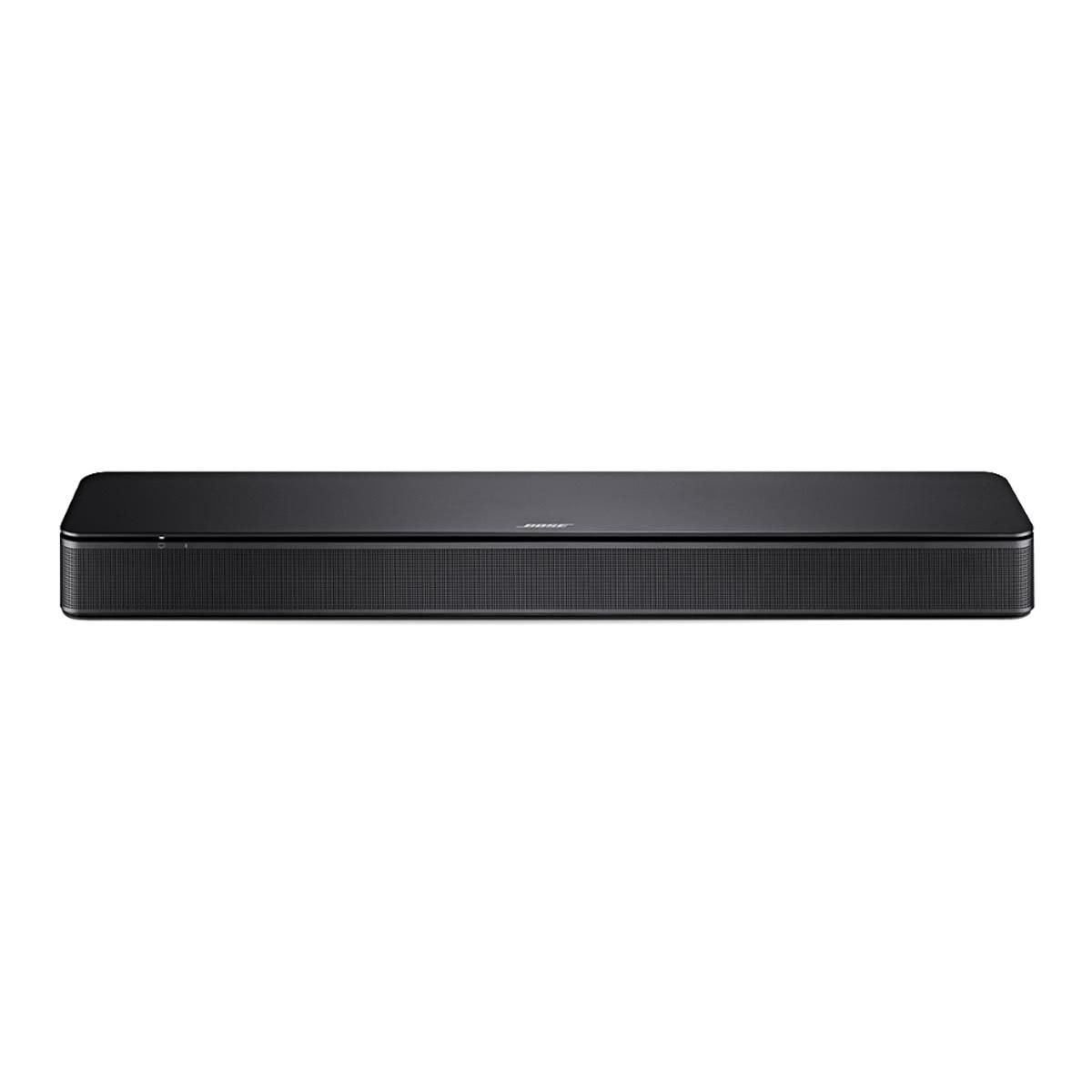
The Bose TV Speaker, launched in 2020, takes the opposite approach: refined simplicity. It's essentially a high-quality stereo soundbar with some smart processing to enhance dialogue and add a bit of bass punch when needed. Bose's philosophy here is that most people just want better TV audio without complexity.
These different approaches matter because they determine what each soundbar does best and who should buy them.
The Sony HT-S2000 delivers 250 watts of total power through five active drivers and those built-in dual subwoofers. In practical terms, this means it can get loud enough to fill medium-sized rooms while maintaining clarity, and it produces bass you can actually feel in your chest during action scenes.
What impressed me most about the Sony is how it handles the center channel – that dedicated speaker responsible for dialogue. Having a proper center channel makes voices sound like they're coming directly from the TV screen rather than floating somewhere to the left or right. This is especially noticeable when characters move around on screen; their voices stay anchored to their position.
The built-in subwoofers use what Sony calls X-Balanced Speaker Units – rectangular drivers designed to move more air than traditional round ones while producing less distortion. In real-world use, this translates to bass that's both punchy and clean. Explosions have impact without turning into muddy rumbles, and music maintains its low-end fullness.
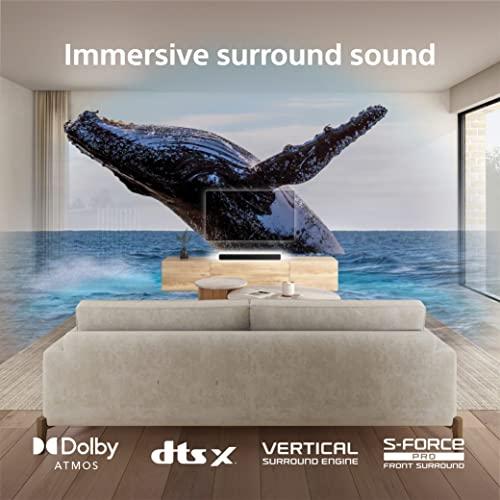
The Sony HT-S2000 also supports Dolby Atmos and DTS:X, though it achieves this through clever processing rather than dedicated upward-firing speakers. Sony's Vertical Surround Engine analyzes incoming audio and uses psychoacoustic tricks – basically, ways of fooling your ears – to create the impression that sound is coming from above and behind you. While it's not as convincing as systems with actual height speakers, it's surprisingly effective for the size and price point.
The Bose TV Speaker takes a fundamentally different approach. Instead of trying to do everything, it focuses on doing a few things exceptionally well. The standout feature is dialogue clarity – Bose has engineered this soundbar specifically to make human voices cut through background noise and music.
This happens through a combination of hardware and software. The soundbar uses two full-range drivers angled outward to create a wider sound field, plus a dedicated center tweeter (a small speaker optimized for higher frequencies) that handles vocal ranges. When you engage Dialogue mode, the soundbar analyzes incoming audio in real-time and boosts the frequency ranges where human speech lives while reducing competing sounds.
In my experience, this makes a huge difference for anyone who struggles to follow conversations in movies or TV shows. Where the Sony HT-S2000 might require you to adjust the volume up and down throughout a movie, the Bose TV Speaker maintains consistently clear dialogue at any reasonable listening level.
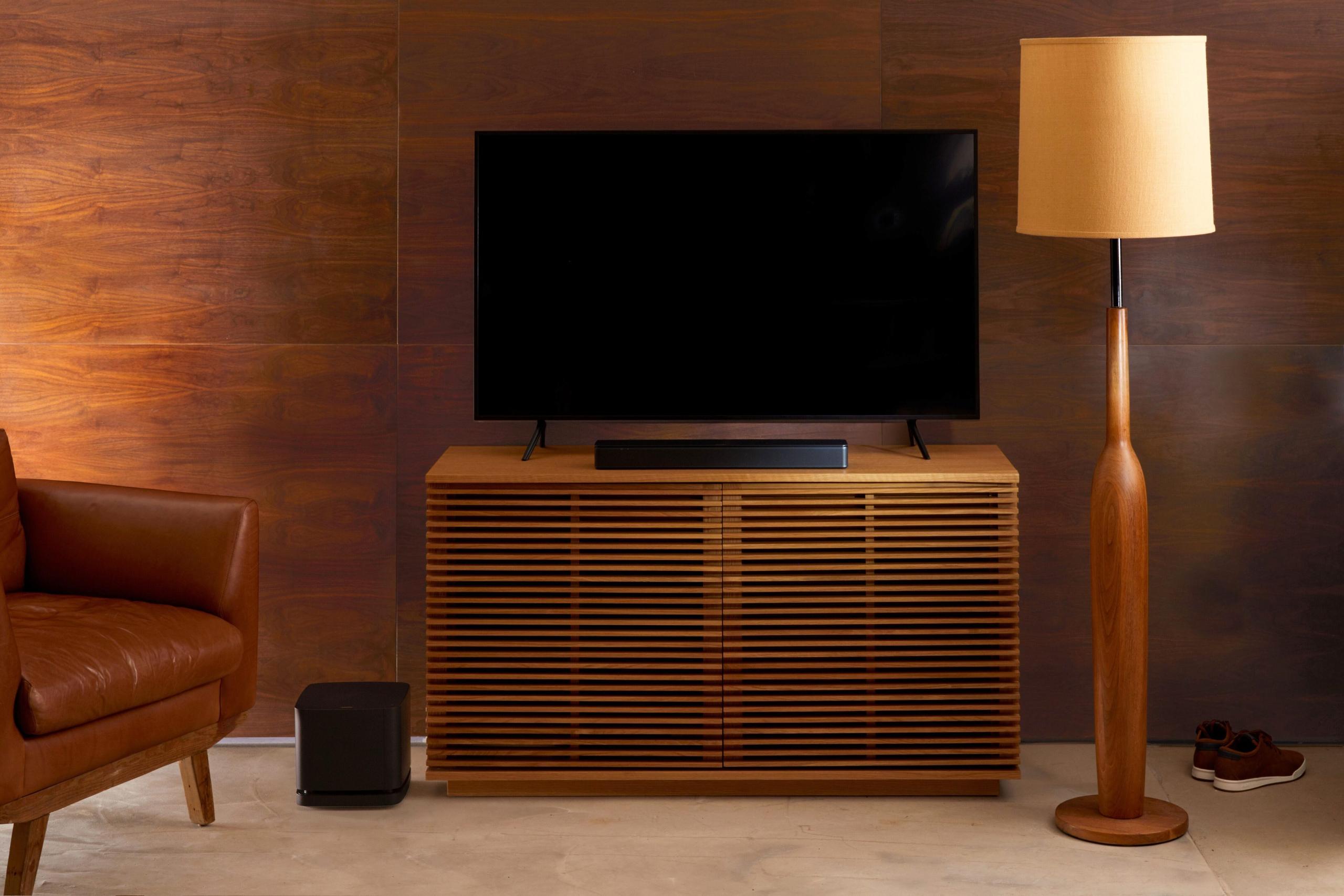
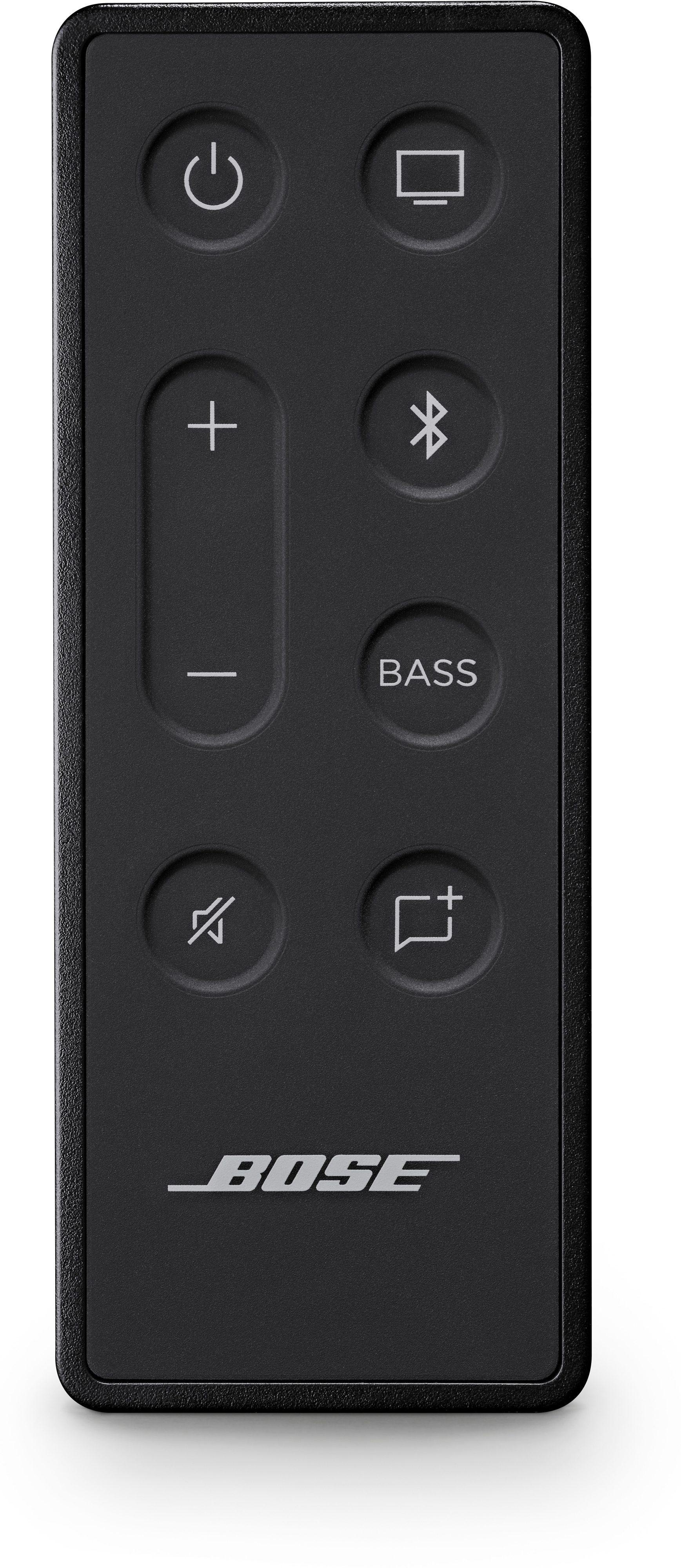
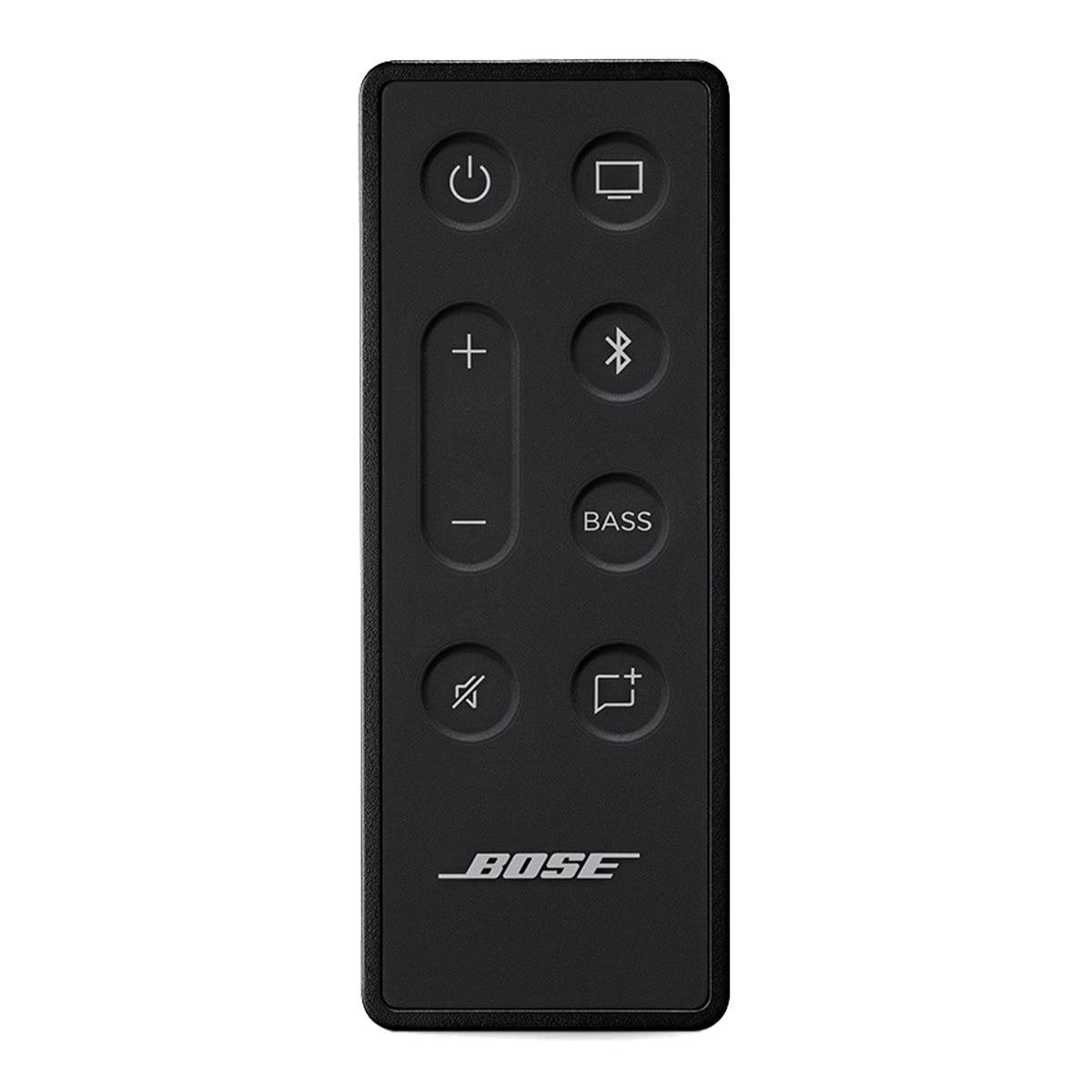
The trade-off is bass response. While the Bose includes a bass boost button that adds some low-end punch, it can't match the physical impact of the Sony's built-in subwoofers. This isn't necessarily a problem – it depends on what you prioritize and whether you plan to add an external subwoofer later.
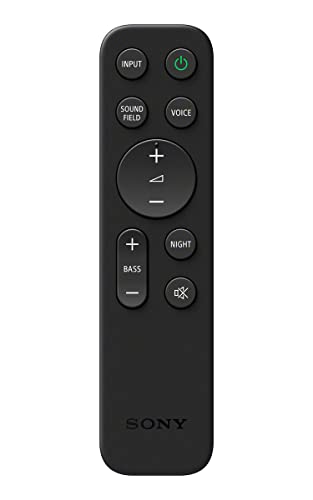
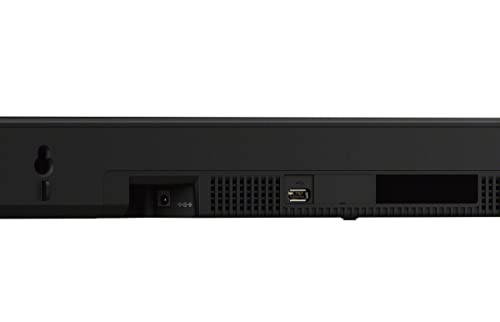
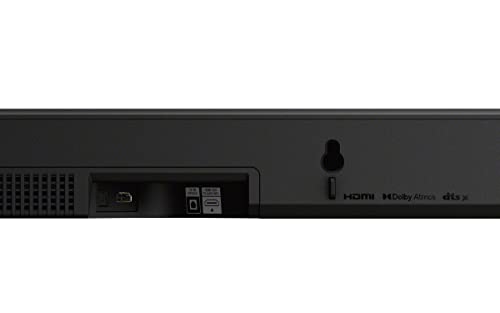
The connectivity story reveals each product's design philosophy clearly. The Sony HT-S2000 includes HDMI eARC, which supports high-resolution audio formats that streaming services and Blu-ray discs use for their best sound quality. It also has Bluetooth 5.2 for wireless music streaming and integrates with Sony's mobile app for detailed control and setup.
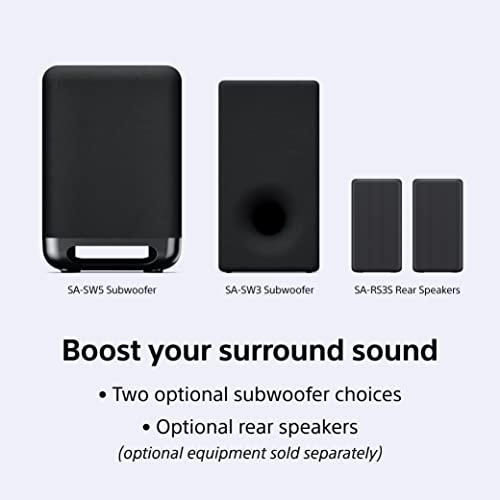
More importantly, the Sony is designed for expansion. You can add Sony's wireless subwoofers (the SA-SW3 or SA-SW5) or even rear speakers (SA-RS3S) to create a full surround sound system. This modularity means you can start with the soundbar and build out your system over time as budget allows.
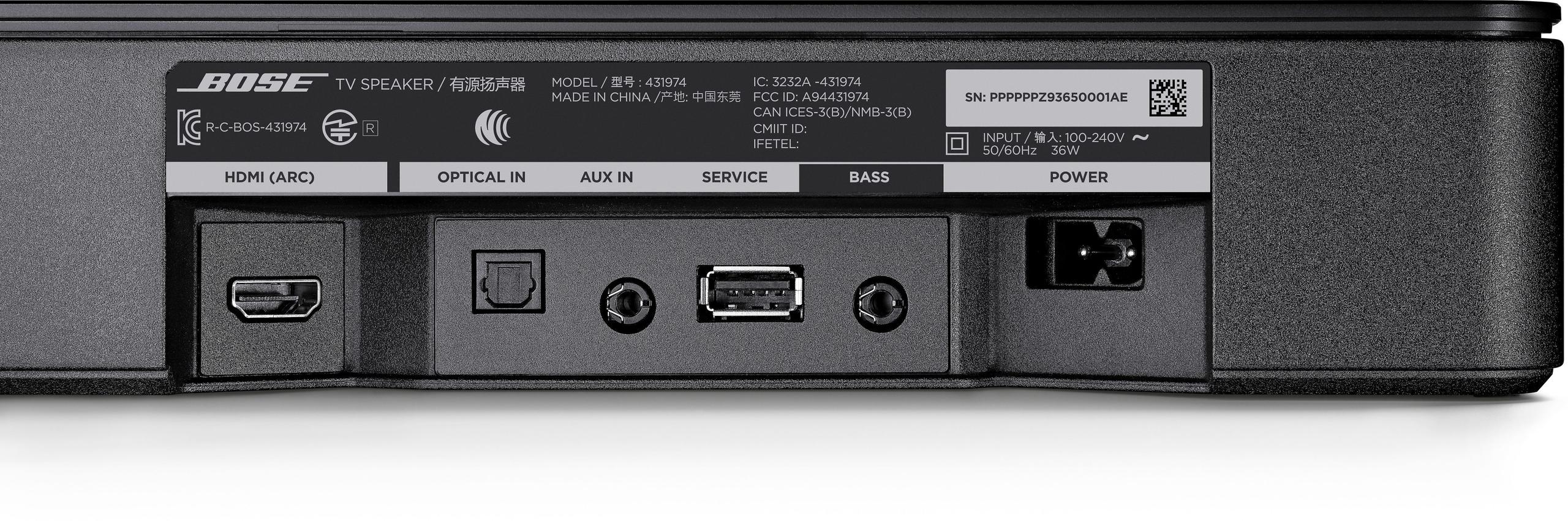
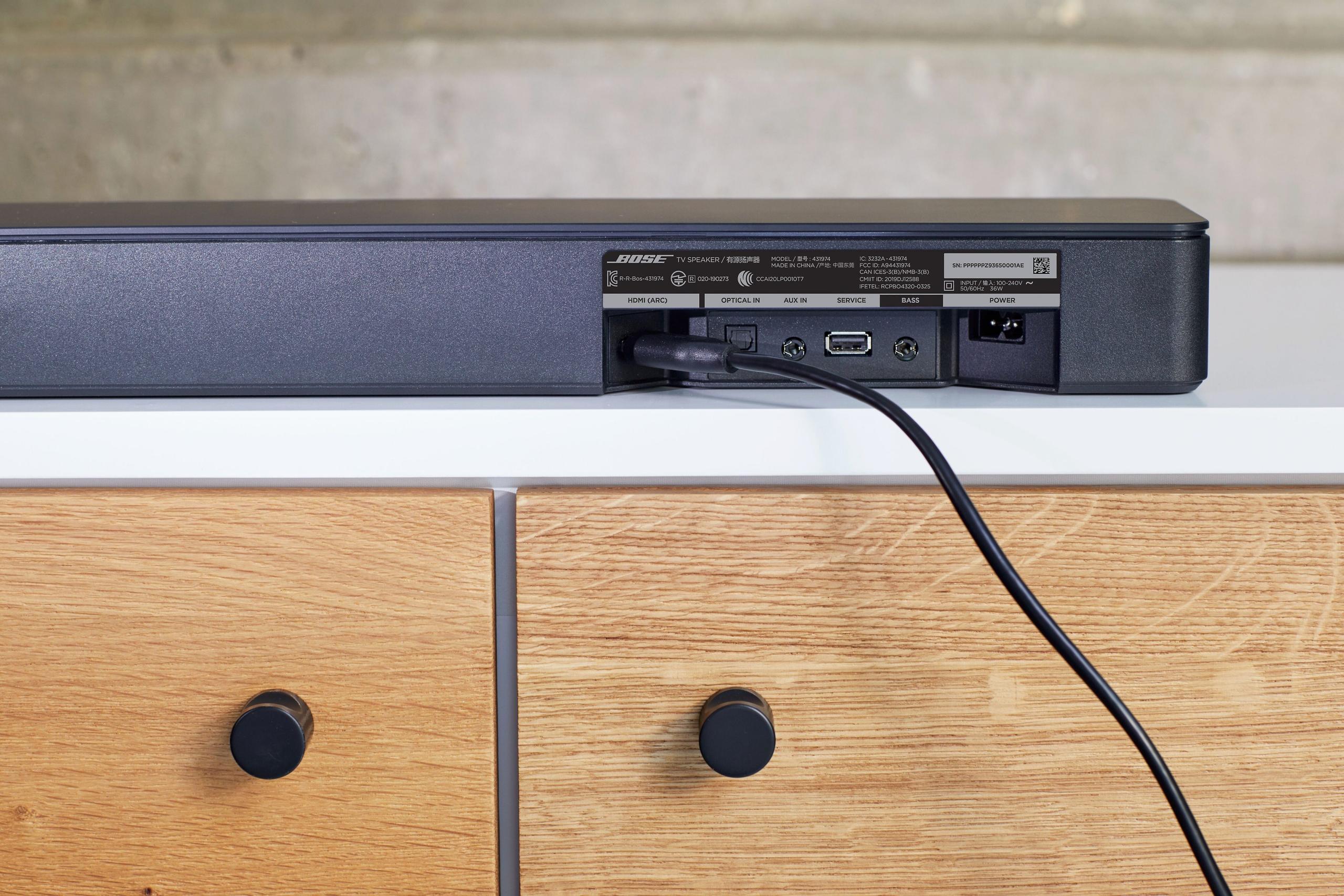
The Bose TV Speaker prioritizes plug-and-play simplicity. It connects via either optical cable or HDMI and includes HDMI-CEC support, which means your TV remote can control the soundbar's volume automatically. Setup literally takes minutes, and there's no app required for basic operation.
However, this simplicity comes with limitations. The Bose doesn't support advanced audio formats like Dolby Atmos, and wireless expansion options are limited to adding a wired subwoofer. It's very much an endpoint solution rather than the foundation of a larger system.
For action movies and content with dynamic soundtracks, the Sony HT-S2000 clearly takes the lead. The built-in subwoofers provide the low-frequency impact that makes car chases feel exciting and explosions feel dangerous. The Dolby Atmos processing, while not as precise as dedicated height speakers, does add a sense of three-dimensional space that enhances immersion.
The Sony's 250-watt amplification also means it can maintain clarity at higher volumes, which is crucial during complex scenes where you have dialogue, music, and sound effects all competing for your attention.
For dialogue-heavy content like dramas, news, or documentaries, the Bose TV Speaker often performs better. Its neutral sound signature and intelligent dialogue enhancement mean you can follow conversations easily without constant volume adjustments. This might seem like a small thing, but it dramatically improves the viewing experience for everyday TV watching.
Both soundbars handle music differently due to their design priorities. The Sony HT-S2000 produces a warmer, more bass-forward sound that works well with pop, rock, and electronic music. The built-in subwoofers provide the foundation that makes bass-heavy tracks feel complete without needing additional equipment.
The Bose TV Speaker offers more neutral reproduction that's better for acoustic music, jazz, and vocals. If you're the type of person who uses your soundbar for serious music listening, the Bose's balanced approach might appeal more than the Sony's enhanced bass response.
Modern gaming increasingly relies on spatial audio to provide positional information – knowing where enemies are based on sound cues. The Sony HT-S2000 has advantages here thanks to its HDMI eARC connection (which supports low-latency audio) and its surround processing capabilities. The enhanced bass also makes games feel more impactful.
The Bose TV Speaker works fine for gaming but doesn't offer the same immersive advantages. It's perfectly adequate for casual gaming but might leave serious gamers wanting more spatial information.
At the time of writing, these products sit in different price tiers, with the Sony HT-S2000 positioned as a premium compact soundbar and the Bose TV Speaker as a more accessible option. However, value isn't just about upfront cost – it's about what you get for your money and how long the product will meet your needs.
The Sony HT-S2000 represents exceptional value for anyone wanting comprehensive features without the complexity of separate components. The built-in subwoofers alone would cost $150-200 if purchased separately, and the Dolby Atmos support means it's ready for current and future content. The expansion options also mean you can grow the system over time rather than starting over.
The Bose TV Speaker offers different value: reliability, simplicity, and consistent performance. Bose's reputation for build quality means this soundbar is likely to work flawlessly for years without issues. For users who just want better TV audio without learning new technology or managing additional components, this approach has real worth.
Room acoustics play a huge role in soundbar performance. The Sony HT-S2000 works best in small to medium rooms where its 250 watts of power can effectively fill the space. In very large rooms, you might find yourself wishing for more output, though the expansion options help address this limitation.
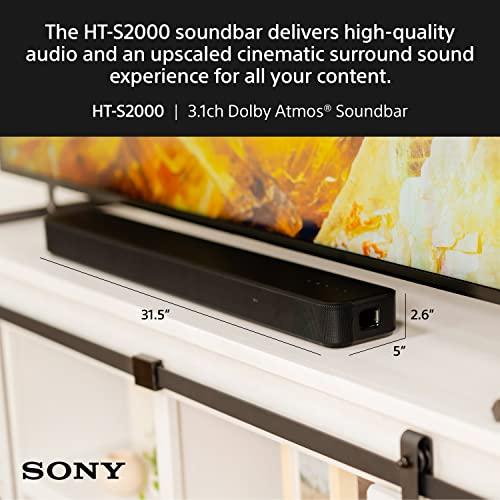
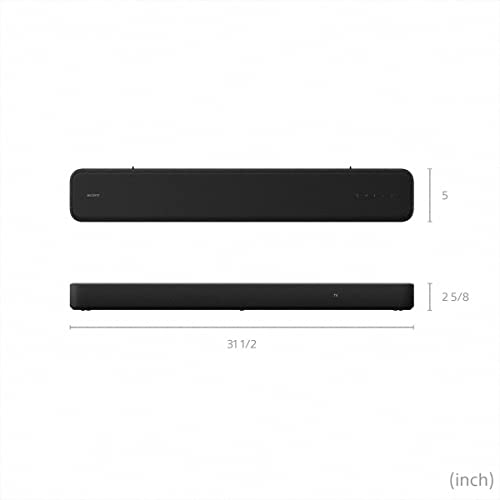
The Bose TV Speaker is better suited to smaller spaces and near-field listening situations. Its more compact size (23.4 inches wide versus the Sony's 31.5 inches) also makes it a better fit for smaller TVs where the Sony might look disproportionally large.
Both soundbars can be wall-mounted, though the Sony's additional weight (8.2 lbs versus 4.3 lbs) requires more robust mounting hardware.
After spending time with both systems, I can see clear scenarios where each makes sense. Choose the Sony HT-S2000 if you want the most complete audio upgrade possible in a single purchase. It's ideal for movie enthusiasts, gamers, and anyone planning to build out a larger home theater system eventually. The combination of built-in bass, spatial processing, and expansion options provides exceptional flexibility and performance.
The Bose TV Speaker is the better choice for users who prioritize reliability and simplicity over features. If you mainly watch dialogue-heavy content, prefer minimal setup complexity, or have a smaller TV and room, the Bose delivers exactly what you need without overwhelming you with options you won't use.
For home theater applications specifically, the Sony HT-S2000 is the clear winner. Its support for advanced audio formats, substantial bass output, and expansion capabilities make it a proper foundation for serious movie watching. The Bose TV Speaker is better thought of as a TV audio enhancer rather than a home theater component.
Ultimately, both products succeed at their intended purposes. The Sony maximizes features and performance within the constraints of a compact soundbar, while the Bose perfects the fundamentals without unnecessary complexity. Your choice should align with your priorities: maximum capability versus refined simplicity. Either way, you'll enjoy dramatically better TV audio than what your TV's built-in speakers provide.
| Sony HT-S2000 3.1ch Dolby Atmos Soundbar | Bose TV Speaker Soundbar |
|---|---|
| Channel Configuration - Determines dialogue clarity and surround capabilities | |
| 3.1 channels with dedicated center speaker for dialogue | 2.0 channels with center tweeter for vocal enhancement |
| Built-in Subwoofer - Eliminates need for separate bass unit | |
| Dual built-in subwoofers with bass ports | No built-in subwoofer, optional wired connection available |
| Total Power Output - Affects maximum volume and dynamic range | |
| 250W total (suitable for medium rooms) | Not specified (designed for smaller spaces) |
| Dolby Atmos Support - Creates overhead sound effects for immersion | |
| Yes, with Vertical Surround Engine processing | No Atmos support |
| Advanced Audio Format Support - Important for streaming and Blu-ray quality | |
| Dolby Atmos, DTS:X, Dolby TrueHD, DTS-HD Master Audio | Dolby Digital only |
| HDMI eARC Connection - Enables high-quality audio from TV | |
| Yes, supports full eARC with advanced formats | HDMI ARC only (basic audio formats) |
| Expandability - Ability to add components later | |
| Compatible with Sony wireless subwoofers and rear speakers | Limited to wired subwoofer connection only |
| Physical Size - Important for TV stand compatibility | |
| 31.5" W × 2.6" H × 5" D (8.2 lbs) | 23.4" W × 2.2" H × 4" D (4.3 lbs) |
| Setup Complexity - Time and effort required | |
| Moderate (app setup, multiple listening modes) | Minimal (single cable, automatic TV remote control) |
| Dialogue Enhancement Features - Critical for speech clarity | |
| Voice Mode plus dedicated center channel | Dialogue Mode with real-time vocal analysis |
| Wireless Music Streaming - For playing music from devices | |
| Bluetooth 5.2 with AAC and SBC codecs | Bluetooth 4.2 connection |
| Smart TV Integration - Seamless control experience | |
| Optimized for Sony TVs with mobile app control | Universal HDMI-CEC, Roku TV Ready certified |
| Target Use Case - Best suited for | |
| Home theater enthusiasts wanting maximum features | Users prioritizing simplicity and dialogue clarity |
The Sony HT-S2000 is significantly better for movies due to its built-in dual subwoofers, Dolby Atmos support, and 3.1 channel configuration. It delivers impactful bass for action scenes and creates a more immersive surround sound experience. The Bose TV Speaker focuses on dialogue clarity but lacks the dynamic range and spatial audio processing that enhance cinematic experiences.
The Bose TV Speaker typically provides superior dialogue clarity thanks to its dedicated Dialogue Mode and center tweeter designed specifically for vocal enhancement. While the Sony HT-S2000 has a dedicated center channel that also improves speech, its warmer sound signature can sometimes require higher volumes for optimal dialogue clarity.
The Bose TV Speaker wins for simplicity with its single-cable setup and automatic TV remote control via HDMI-CEC. The Sony HT-S2000 requires more initial configuration through its mobile app and offers multiple listening modes that may overwhelm users who prefer straightforward operation.
The Sony HT-S2000 includes built-in dual subwoofers, eliminating the need for a separate bass unit in most situations. The Bose TV Speaker doesn't have built-in bass drivers and may benefit from adding an optional wired subwoofer for fuller low-end response, especially in larger rooms.
Only the Sony HT-S2000 supports Dolby Atmos and DTS:X through its Vertical Surround Engine processing. The Bose TV Speaker doesn't support these advanced spatial audio formats, focusing instead on stereo enhancement with Dolby Digital compatibility.
The Sony HT-S2000 offers excellent expandability with compatibility for Sony wireless subwoofers and rear speakers, allowing you to build a complete home theater system over time. The Bose TV Speaker has limited expansion options, only supporting wired subwoofer connections.
The Bose TV Speaker is often better suited for smaller spaces due to its compact 23.4-inch width and focus on near-field listening. The Sony HT-S2000 works well in small to medium rooms but may be overpowered for very small spaces or close listening distances.
The Sony HT-S2000 delivers significantly more bass impact through its built-in dual subwoofers and bass ports, providing tactile low-frequency response for music and movies. The Bose TV Speaker offers limited bass extension but includes a bass boost feature for modest low-end enhancement.
The Bose TV Speaker offers more universal compatibility with its HDMI-CEC support and Roku TV Ready certification, working seamlessly with most TV brands. While the Sony HT-S2000 works with all TVs via HDMI eARC or optical connection, it's optimized for Sony TV integration.
The Sony HT-S2000 excels with bass-heavy music genres thanks to its built-in subwoofers and warmer sound signature. The Bose TV Speaker provides more neutral, balanced music reproduction that's better suited for acoustic genres and critical listening applications.
The Sony HT-S2000 typically offers better value for feature-focused buyers, including built-in subwoofers, Dolby Atmos support, and expansion capabilities in one package. The Bose TV Speaker provides excellent value for simplicity-focused users who prioritize reliability and dialogue enhancement over advanced features.
Both soundbars support TV remote control, but through different methods. The Bose TV Speaker offers seamless integration via HDMI-CEC, automatically syncing with your TV remote. The Sony HT-S2000 also supports HDMI-CEC control, though it includes additional mobile app functionality for advanced settings and features.
We've done our best to create useful and informative comparisons to help you decide what product to buy. Our research uses advanced automated methods to create this comparison and perfection is not possible - please contact us for corrections or questions. These are the sites we've researched in the creation of this article: techradar.com - valueelectronics.com - youtube.com - videoandaudiocenter.com - whathifi.com - hometheaterhifi.com - youtube.com - sony.com - rtings.com - whathifi.com - rtings.com - helpguide.sony.net - electronics.sony.com - sony.com - dolby.com - sony.com - youtube.com - youtube.com - bestbuy.com - projectorscreen.com - forums.audioholics.com - digitaltrends.com - abt.com - crutchfield.com - staples.com - bestbuy.com - pcrichard.com - visions.ca - bose.com - assets.bose.com

Privacy Policy
Terms and Conditions - Affiliate Policy
Home Security
© Copyright 2008-2026.
11816 Inwood Rd #1211, Dallas, TX 75244