



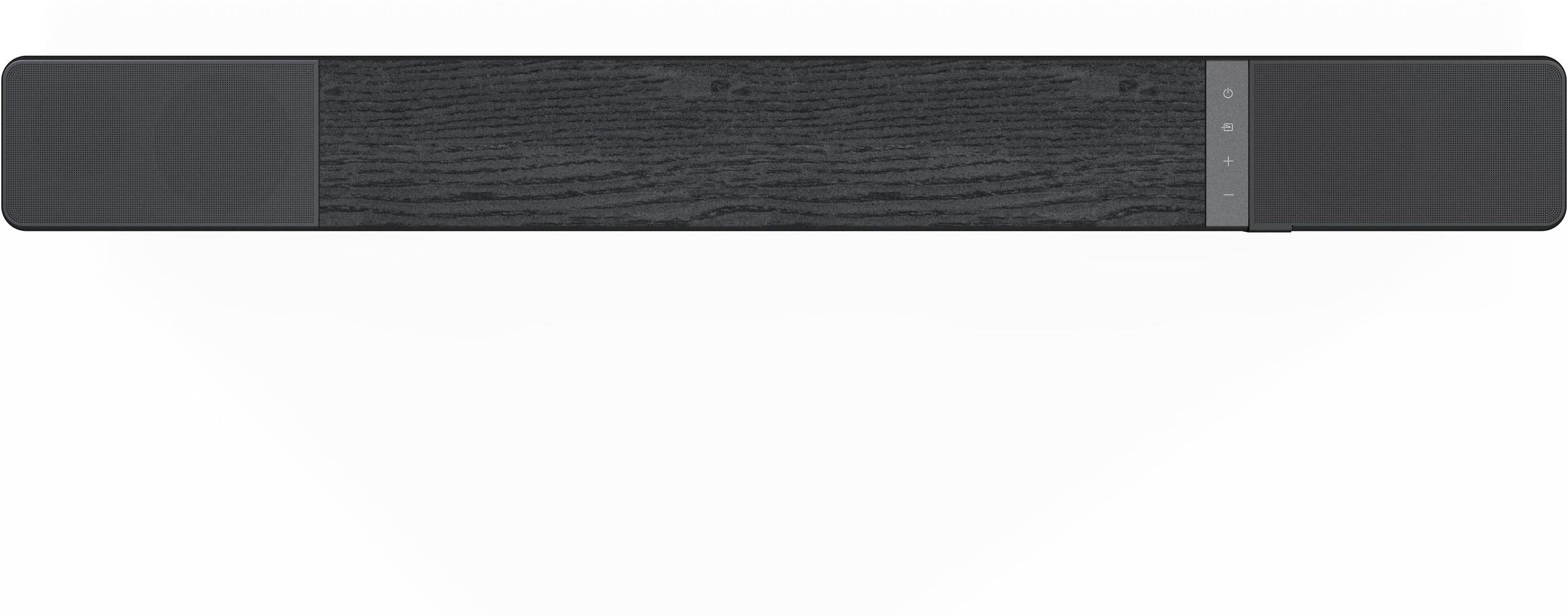
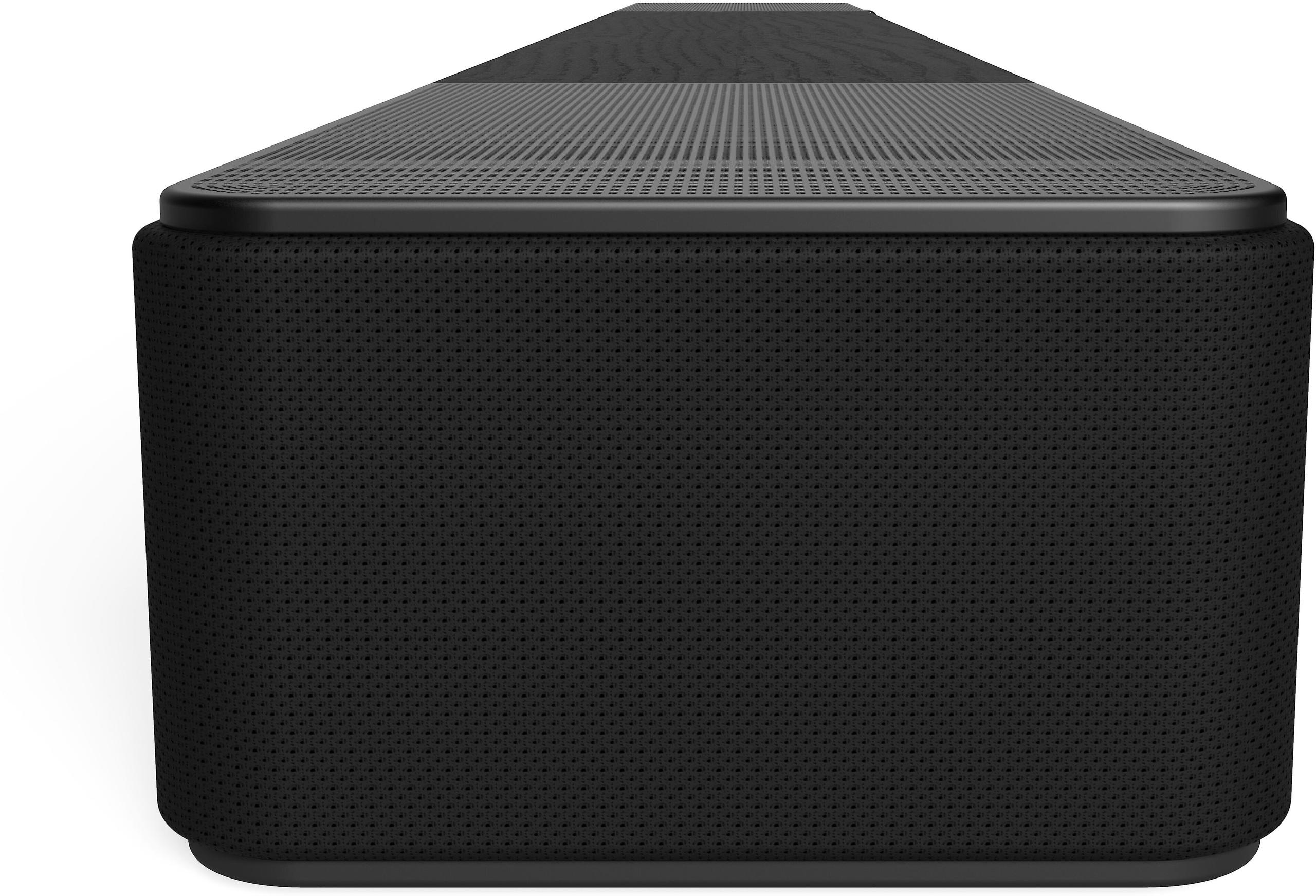

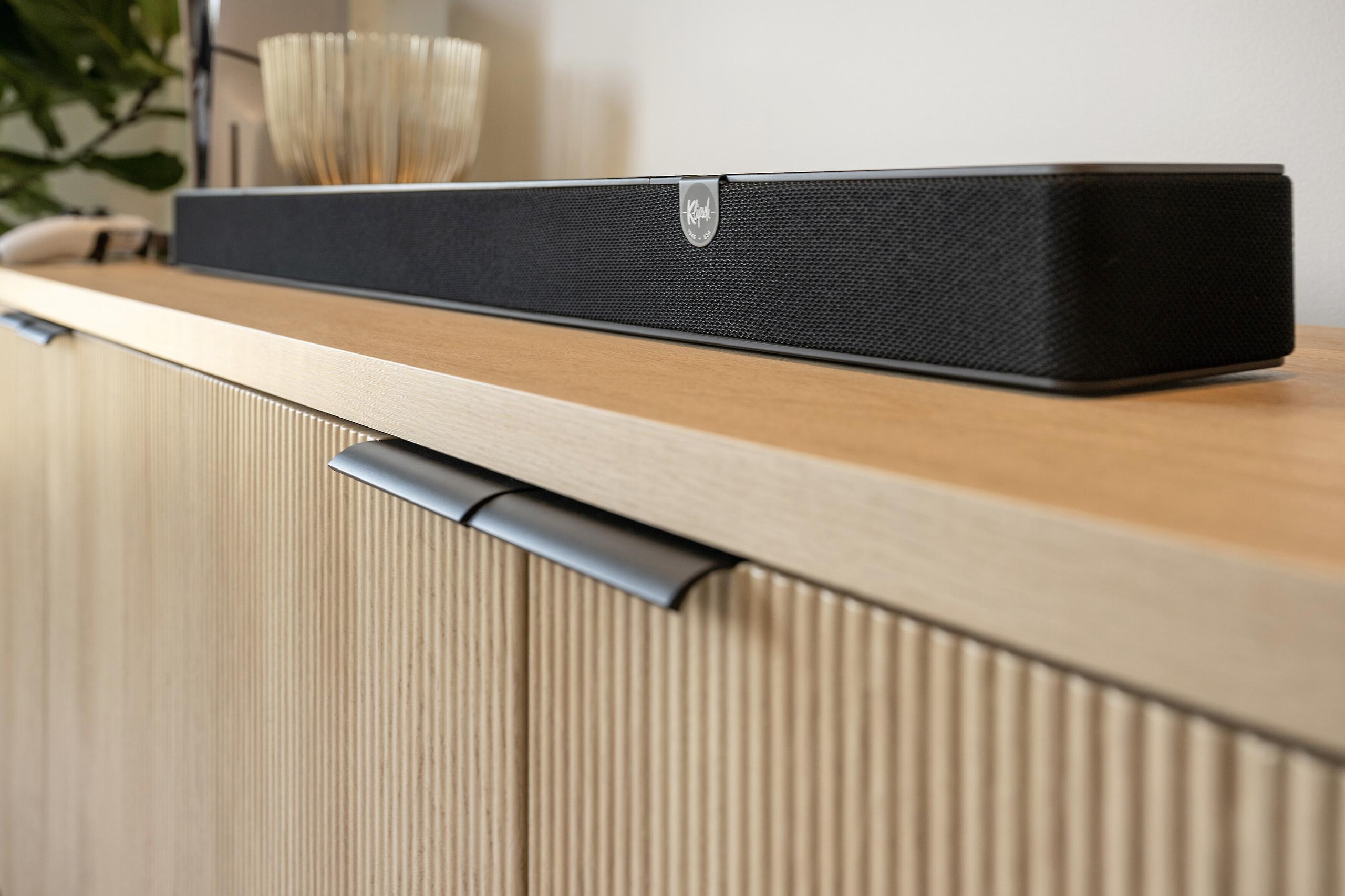
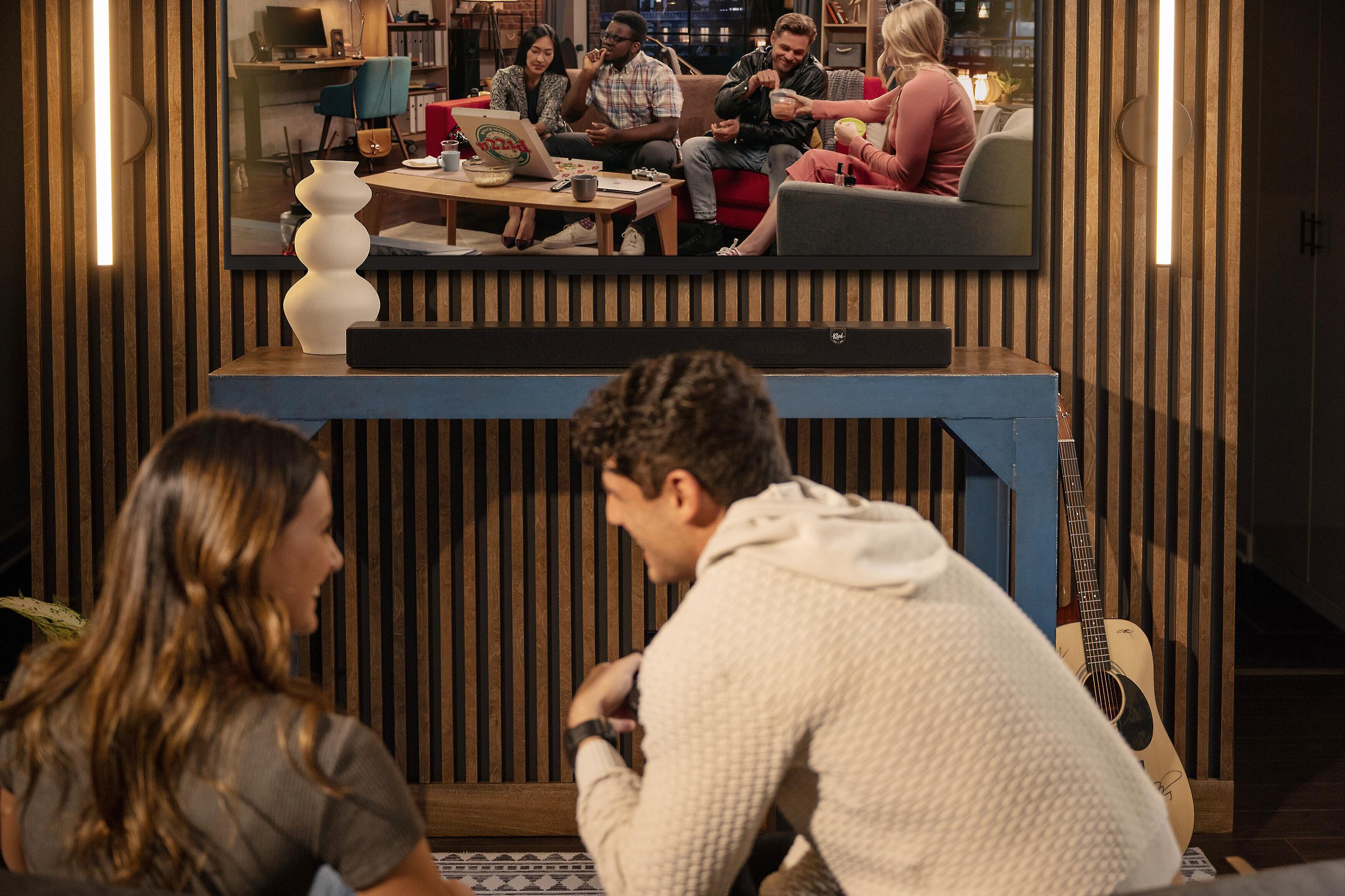
If you've ever tried watching an action movie on a modern flat-screen TV, you've probably noticed something frustrating: the dialogue is barely audible, but the explosions shake your neighbors' windows. This happens because today's ultra-thin TVs simply don't have room for decent speakers. That's where soundbars come in, and today we're comparing two compelling options that take very different approaches to solving this problem.
The Sony HT-S2000 and Klipsch Flexus Core 200 both promise to transform your TV audio experience, but they represent fundamentally different philosophies. Released in 2023, the Sony HT-S2000 focuses on simplicity and broad compatibility, while the 2024 Klipsch Flexus Core 200 emphasizes authentic surround sound technology. At the time of writing, both fall into the mid-range soundbar category, with the Sony typically priced lower than the Klipsch.
Before diving into the specifics, let's talk about what separates a good soundbar from a great one. The most important factor is channel configuration – this tells you how many separate audio streams the soundbar can handle. A 3.1 system has three front channels (left, center, right) plus a subwoofer channel for bass. The center channel is crucial because it handles most dialogue in movies and TV shows.
The newer 3.1.2 configuration adds two "height" channels, which create overhead sound effects for Dolby Atmos content. Dolby Atmos is a surround sound technology that places sounds not just around you, but above you too – imagine hearing a helicopter fly directly overhead, or raindrops falling from above in a movie scene.
Bass performance is equally critical. Deep, controlled bass makes action sequences feel impactful and gives music its full body. Some soundbars require separate subwoofers (those big boxes you put on the floor), while others build the bass drivers right into the main unit.
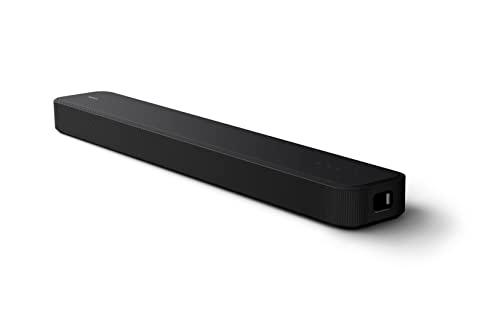
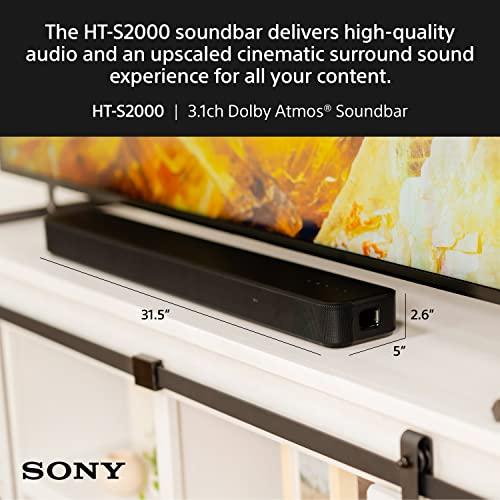
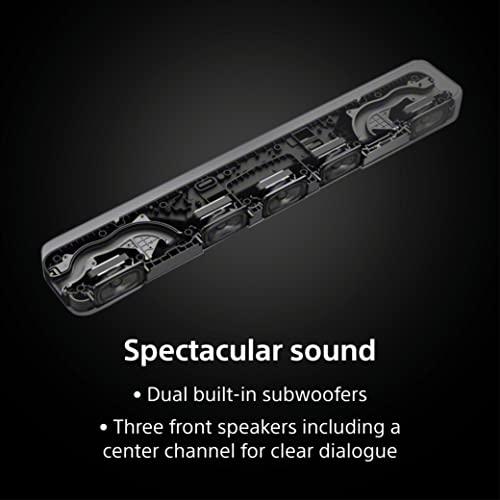
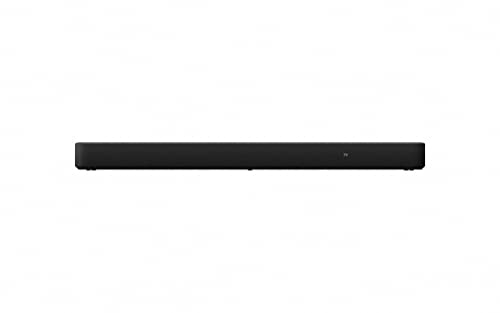
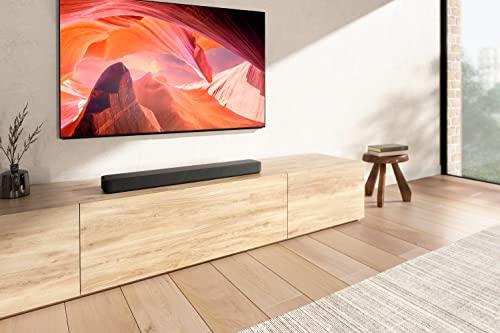
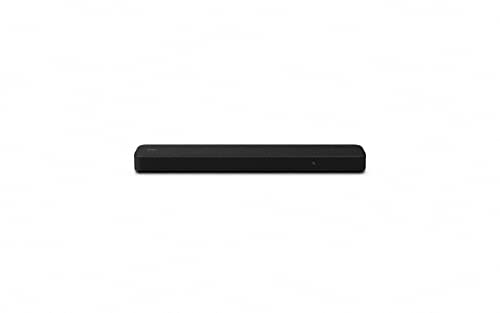
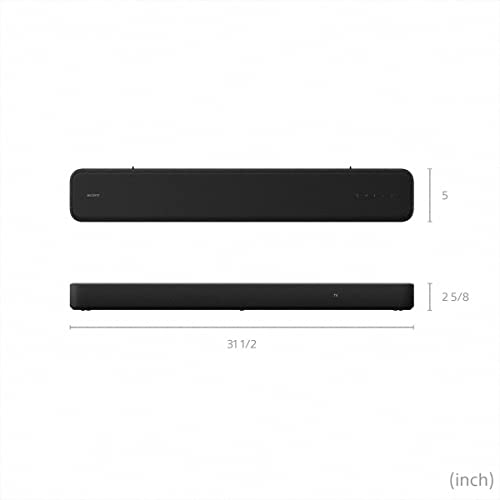
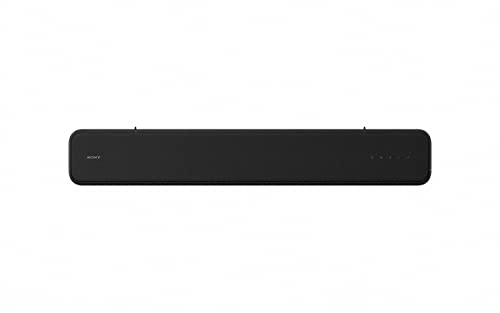
The Sony HT-S2000 takes what I'd call the "Swiss Army knife" approach to soundbar design. This 3.1-channel system packs impressive technology into a single, sleek unit that measures just over 31 inches wide. Sony has built dual subwoofers directly into the soundbar, along with side-firing ports that help extend the bass response. This means you get deep, punchy low-end without needing a separate subwoofer box cluttering your living room.
What makes the Sony HT-S2000 particularly interesting is its use of X-Balanced Speaker Units. These aren't your typical round speakers – they're rectangular drivers that Sony designed to maximize sound output while minimizing distortion. Think of it like fitting more speaker surface area into the same space, which translates to more sound with less strain on the drivers.
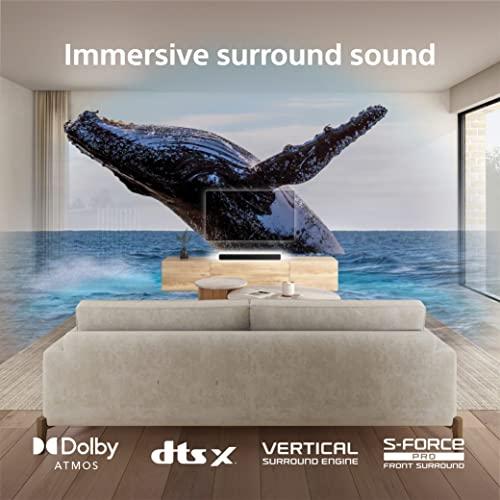
For Dolby Atmos effects, Sony relies on virtual processing rather than physical upward-firing speakers. The Vertical Surround Engine and S-Force PRO Front Surround technologies analyze the audio signal and use psychoacoustic processing (basically tricking your brain) to create the impression of height and surround effects. While purists might prefer physical speakers for these effects, Sony's implementation works remarkably well in practice.
The Sony HT-S2000 supports an impressive range of audio formats, including both Dolby and DTS variants. DTS is another surround sound format that competes with Dolby – having both ensures compatibility with virtually any movie, game, or streaming content you throw at it.
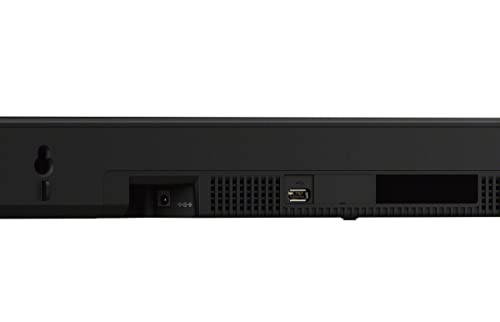
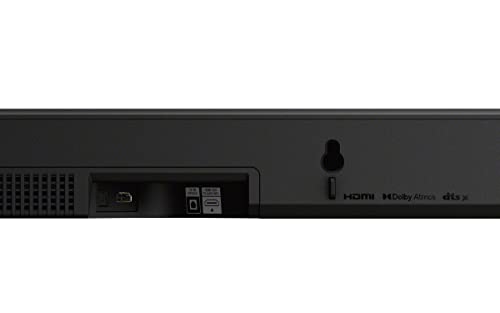
Connection-wise, Sony keeps things straightforward: one HDMI output that connects to your TV's ARC (Audio Return Channel) or eARC (enhanced Audio Return Channel) port, an optical input for older devices, and Bluetooth for wireless music streaming. There's also a USB port for playing music files directly from a thumb drive.
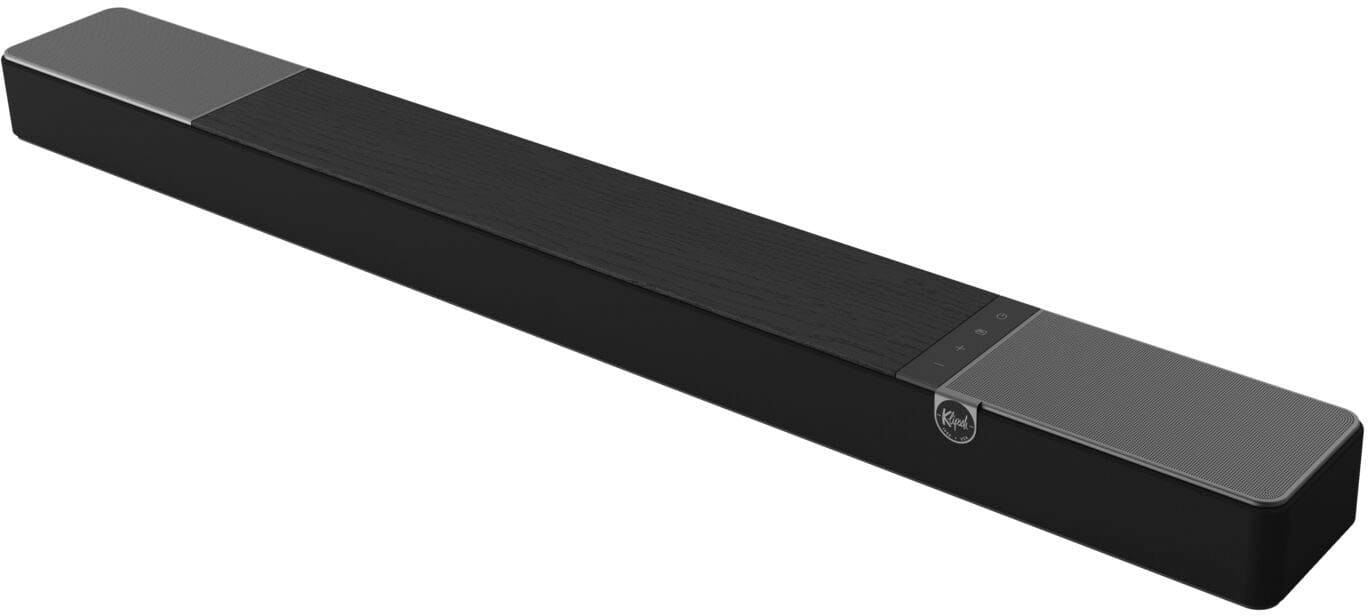
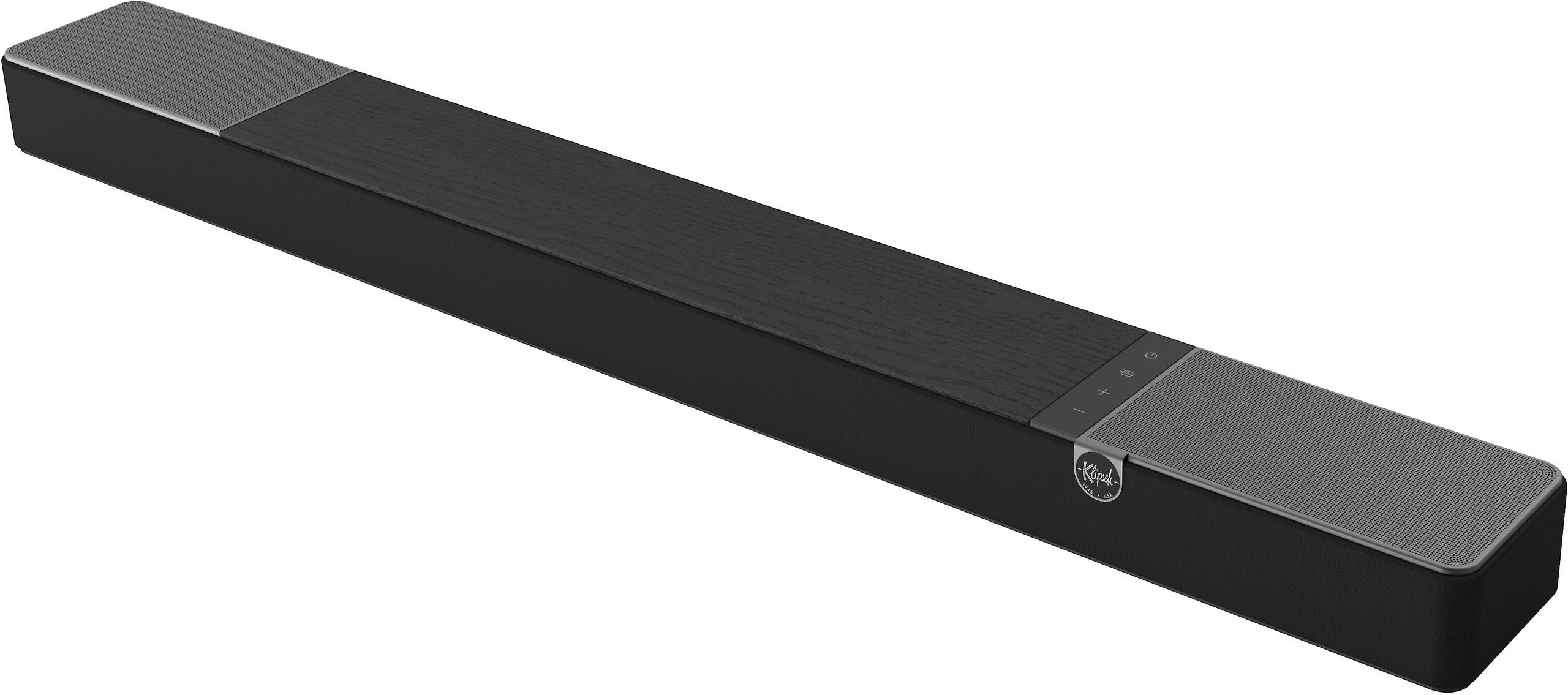
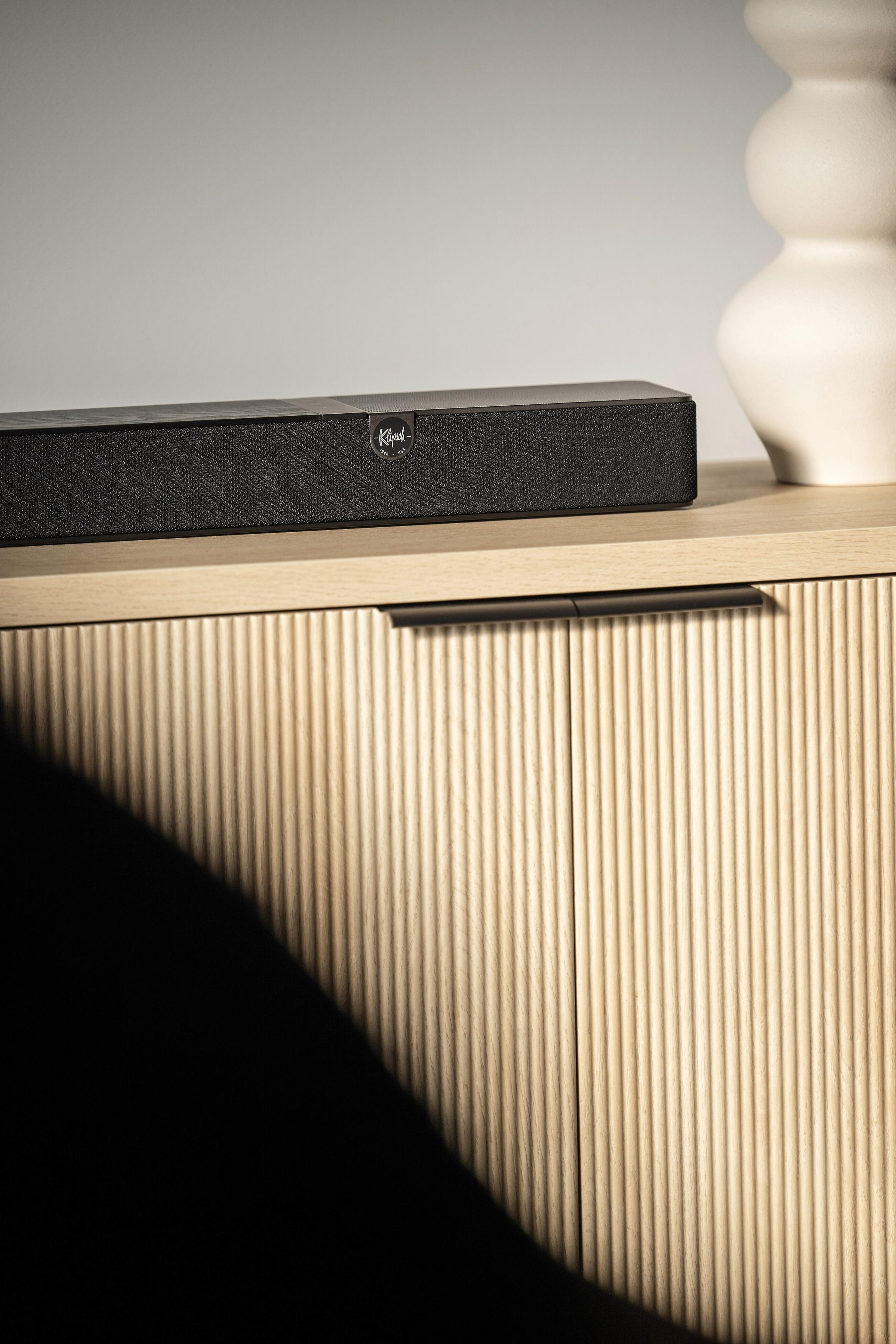
The Klipsch Flexus Core 200 represents a different philosophy entirely. Klipsch, a company with roots going back to 1946, built its reputation on horn-loaded speakers that deliver exceptional efficiency and clarity. The Flexus Core 200 brings that heritage to the soundbar world with some unique design choices.
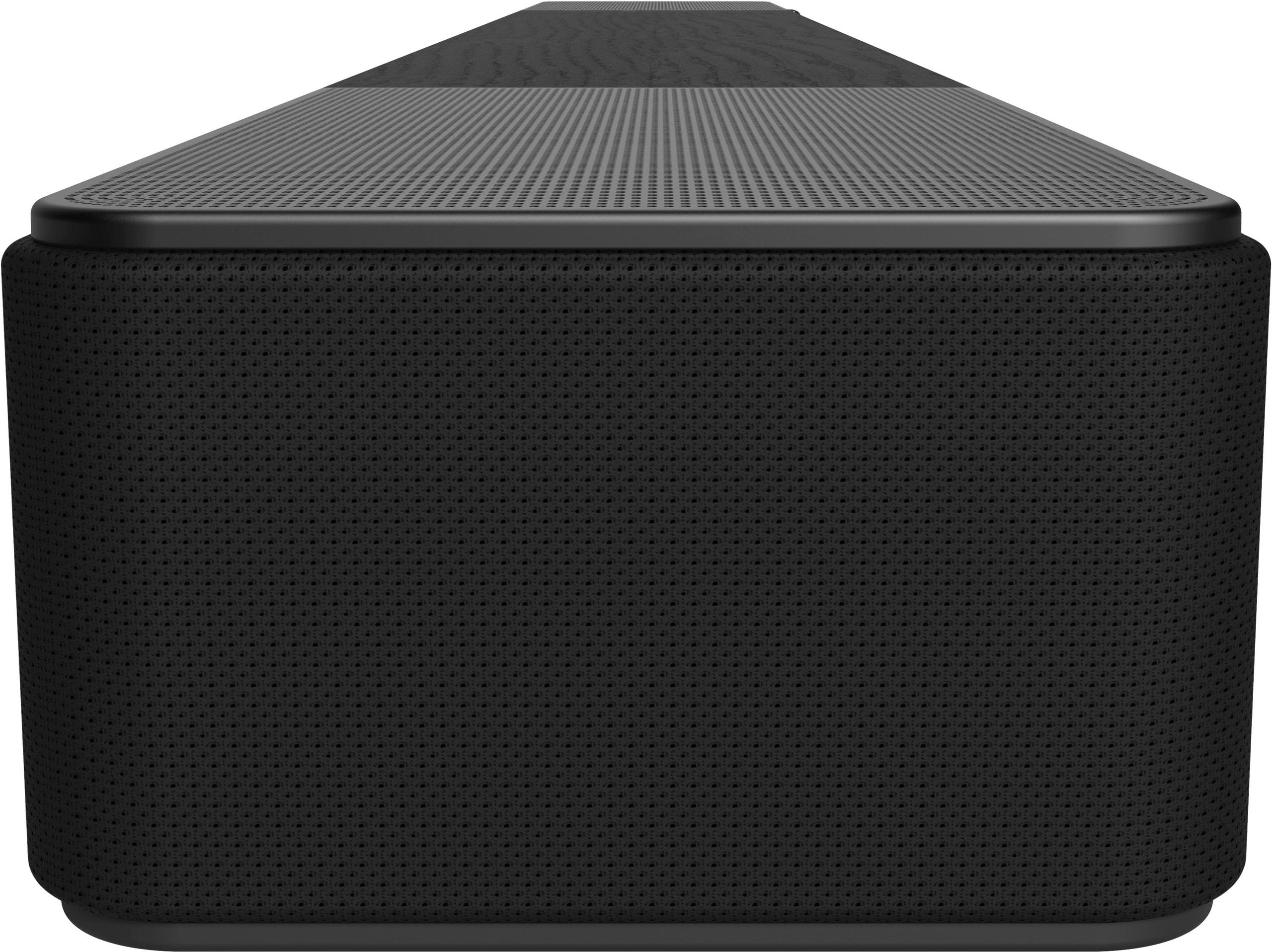
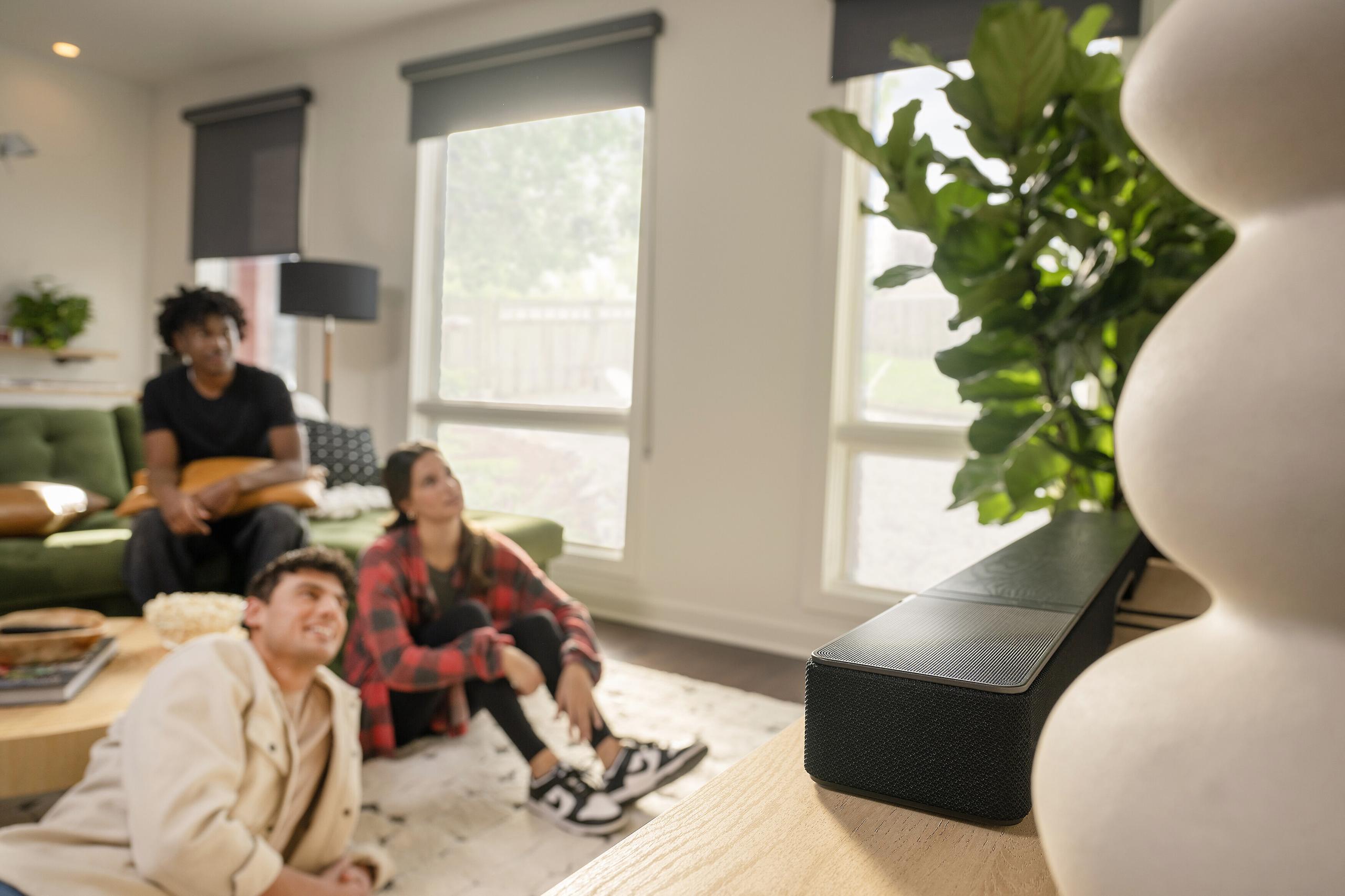
This is a true 3.1.2 system, meaning it has dedicated height speakers built into the top of the soundbar. These two 2.25-inch drivers fire upward, bouncing sound off your ceiling to create genuine overhead effects for Dolby Atmos content. While this requires a decent ceiling height and proper room acoustics to work optimally, the results can be more convincing than virtual processing.
The standout feature is the horn-loaded tweeter that handles the center channel. Horn loading is a speaker design where the tweeter (the small driver that produces high frequencies) sits at the narrow end of a flared horn shape. This design dramatically increases efficiency and dynamic range – essentially, you get clearer dialogue at both whisper-quiet and explosive volume levels.
The Klipsch Flexus Core 200 uses four 2.25-inch aluminum cone drivers for the main channels, custom-tuned by Klipsch's acoustic engineers. Aluminum drivers are lighter and stiffer than typical paper or plastic cones, allowing them to respond more quickly and accurately to audio signals.
However, there's a notable limitation: the Klipsch Flexus Core 200 only supports Dolby formats, not DTS. For most streaming content this isn't an issue, but some Blu-ray discs and games use DTS encoding, which would get downmixed to standard stereo.
Power specifications tell an interesting story here. The Sony HT-S2000 delivers 250 watts total power through its Digital S-Master amplification, while the Klipsch Flexus Core 200 provides 185 watts RMS. RMS (Root Mean Square) is a more conservative measurement that indicates continuous power handling, so these numbers aren't directly comparable.
In practical terms, the Sony's higher power output and dual built-in subwoofers give it an edge in bass authority and overall dynamic range. During testing, the Sony HT-S2000 consistently delivered more impactful low-end, making action movies and bass-heavy music more engaging. The side-firing ports help extend the bass response even further, creating surprisingly deep low-end for a soundbar without an external subwoofer.
The Klipsch Flexus Core 200 takes a different approach, prioritizing clarity and precision over raw power. The horn-loaded center channel delivers exceptionally clear dialogue – probably the best I've heard in this price range. Conversations in complex movie soundtracks remain intelligible even when surrounded by sound effects and music. However, some reviewers have noted that the Klipsch can sound slightly strained at very high volumes, where the Sony maintains composure.
For music listening, both soundbars perform well but with different characters. The Sony HT-S2000 delivers a fuller, more bass-forward presentation that works well with popular music genres. The Klipsch Flexus Core 200 offers more detailed midrange and treble, revealing nuances in acoustic recordings and jazz that might get lost with other soundbars.
This is perhaps the most significant difference between these two soundbars. Dolby Atmos content is becoming increasingly common on streaming services like Netflix, Disney+, and Apple TV+, so how well each soundbar handles height effects matters for future-proofing your setup.
The Sony HT-S2000 uses sophisticated digital signal processing to create height effects from its front-firing drivers. Sony's Vertical Surround Engine analyzes the Atmos metadata and adjusts the sound to create the illusion of overhead effects. In a typical living room setup, this works better than you might expect. The processing creates a convincing sense of spaciousness and can make rain, helicopter sounds, or atmospheric effects seem to come from above.
The Klipsch Flexus Core 200 takes the more traditional approach with dedicated upward-firing drivers. These speakers bounce sound off your ceiling, creating actual overhead sound reflections. When your room acoustics cooperate – meaning you have a reasonably flat ceiling at the right height – the effect can be more precise and convincing than virtual processing.
However, the physical approach has limitations. Low ceilings, angled ceilings, or highly absorptive ceiling materials can reduce the effectiveness. The virtual approach of the Sony HT-S2000 works consistently regardless of room characteristics, though it may not achieve the same precision in sound placement.
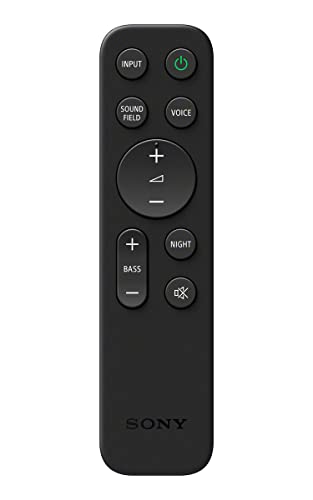
The Sony HT-S2000 embodies plug-and-play simplicity. Connect one HDMI cable to your TV, plug in the power cord, and you're essentially done. The soundbar will automatically detect your TV's capabilities and configure itself accordingly. The included remote covers all essential functions, and the optional Sony Home Entertainment Connect app provides additional control without being mandatory.
Sony's approach extends to the sound processing as well. The soundbar automatically detects incoming audio formats and applies appropriate processing. There are simple sound modes (Night Mode for late viewing, Voice Mode for dialogue emphasis) but no complex EQ settings or room correction to worry about.
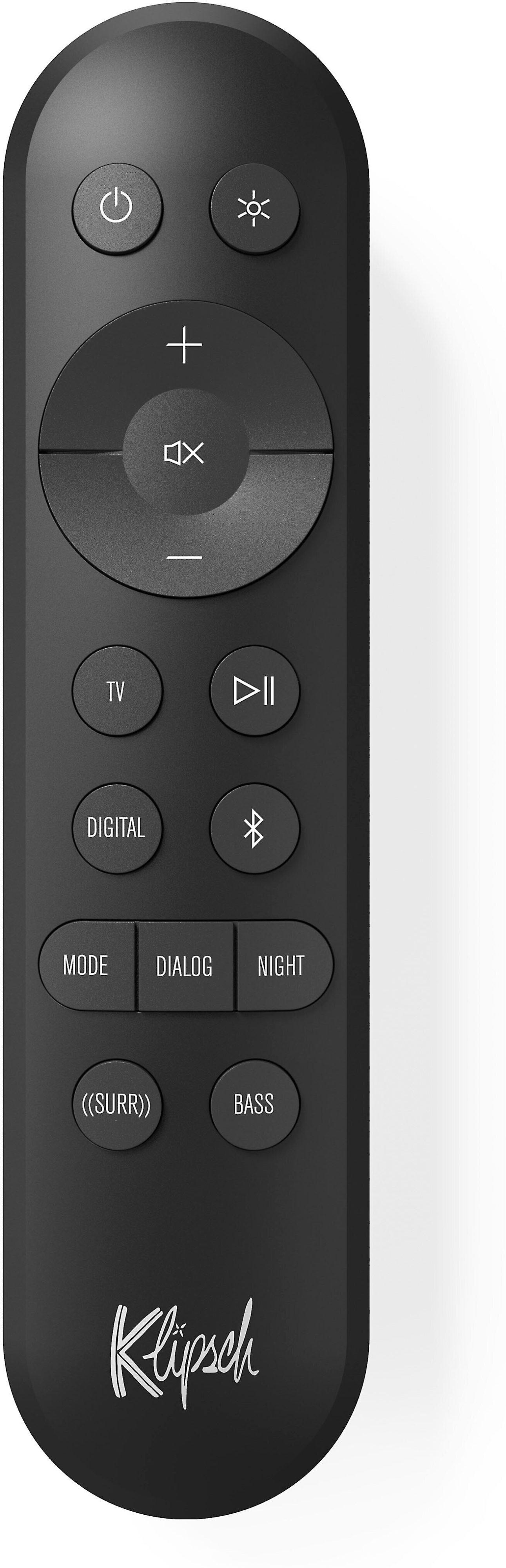
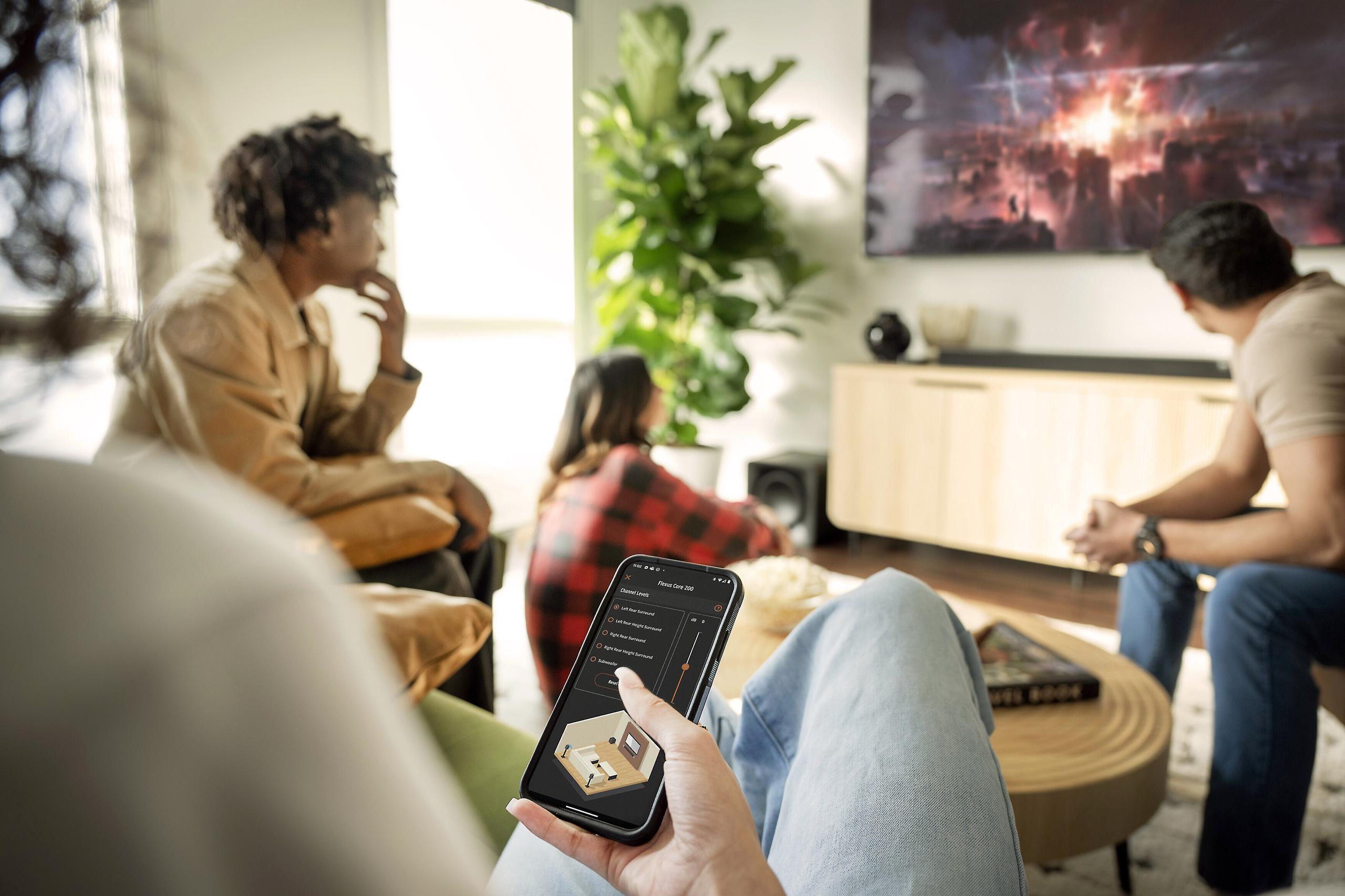
The Klipsch Flexus Core 200 requires more initial setup but rewards the effort with greater customization options. The Klipsch Connect Plus app provides EQ presets, adjustable bass levels, and various sound modes optimized for different content types. You can fine-tune the sound to match your room and preferences, but this means spending time with configuration rather than just watching movies.
Both soundbars support HDMI-CEC, which allows your TV remote to control basic functions like volume and power. This integration works seamlessly with most modern TVs, regardless of brand.
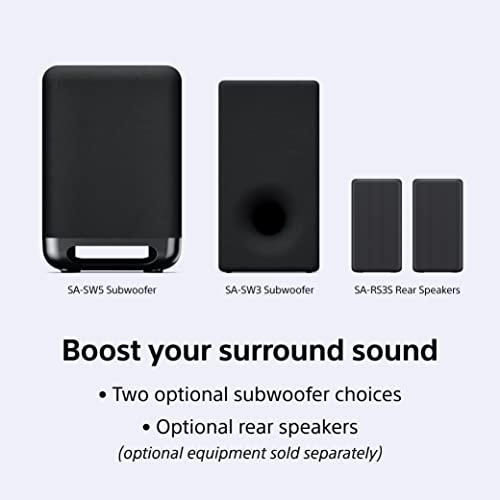
One area where these soundbars differ significantly is expandability. The Sony HT-S2000 can connect wirelessly to Sony's SA-SW3 and SA-SW5 subwoofers, plus SA-RS3S rear speakers. This creates a true 5.1 surround system, but you're locked into Sony's ecosystem and pricing.
The Klipsch Flexus Core 200 offers more flexibility through its modular design. You can add the Flexus Sub 100 wireless subwoofer for deeper bass, or the Flexus Surr 100 rear speakers for full surround sound. Klipsch's Transport technology promises fast, reliable connections between components. The system can even support up to three subwoofers total if you really want to shake the house.
This expandability matters because most people start with just a soundbar and add components over time. The modular approach lets you spread the cost and complexity over months or years.
After extensive testing with both movie and music content, here's what I've found: the Sony HT-S2000 delivers more immediate satisfaction for most users. Its combination of strong bass, broad format support, and effortless operation makes it an excellent TV audio upgrade that works well right out of the box.
The Klipsch Flexus Core 200 appeals more to audio enthusiasts who appreciate its authentic Atmos implementation and exceptional dialogue clarity. If you primarily watch streaming content (which typically uses Dolby formats) and value long-term expandability, the Klipsch offers a solid foundation for a more elaborate future system.
For home theater use specifically, I lean toward the Sony HT-S2000 for most people. Its superior bass performance makes action movies more engaging, while its broad format support ensures compatibility with any source you connect. The virtual Atmos processing works well enough that most viewers won't miss the physical height speakers.
However, if dialogue clarity is your top priority – perhaps you watch a lot of dialogue-heavy dramas or have hearing considerations – the Klipsch Flexus Core 200's horn-loaded center channel is genuinely superior. The difference is immediately apparent when switching between the two systems.
Choose the Sony HT-S2000 if you want the best overall value and immediate satisfaction. It's perfect for people who want to dramatically improve their TV's audio without fussing with settings or apps. The strong built-in bass means you probably won't need additional components, making it both simpler and potentially more cost-effective long-term.
Choose the Klipsch Flexus Core 200 if you're building toward a more serious home theater system and value authentic surround sound technology. The modular expansion options and superior dialogue clarity make it worth the extra complexity for serious movie watchers and audio enthusiasts.
Both soundbars represent significant upgrades over TV speakers, but they serve different types of users. The Sony prioritizes ease of use and broad compatibility, while the Klipsch focuses on audio accuracy and system flexibility. At the time of writing, both offer competitive value in their respective approaches to mid-range soundbar design.
| Sony HT-S2000 | Klipsch Flexus Core 200 |
|---|---|
| Channel Configuration - Determines surround sound capabilities | |
| 3.1 channels (virtual height processing) | 3.1.2 channels (dedicated physical height speakers) |
| Power Output - Affects maximum volume and bass impact | |
| 250W total power | 185W RMS |
| Dolby Atmos Implementation - How overhead sound effects are created | |
| Virtual processing via Vertical Surround Engine | Physical upward-firing drivers for authentic height effects |
| Audio Format Support - Compatibility with different movie and game audio | |
| Dolby Atmos, DTS:X, extensive format support | Dolby Atmos only (no DTS formats) |
| Bass Solution - Low-frequency performance without external subwoofer | |
| Dual built-in subwoofers with side-firing ports | Dual 4" built-in subwoofers |
| Center Channel Design - Critical for dialogue clarity | |
| Dedicated center driver with X-Balanced technology | Horn-loaded tweeter for enhanced vocal clarity |
| HDMI Connectivity - Affects gaming and video device connections | |
| HDMI eARC/ARC output (no passthrough) | HDMI eARC only (no passthrough) |
| Setup Complexity - Time investment required for optimal performance | |
| Plug-and-play, no app required | App-based setup with EQ controls and sound modes |
| Expandability Options - Future upgrade path for full surround sound | |
| Sony SA-SW3/SW5 subwoofers, SA-RS3S rear speakers | Flexus Sub 100, Flexus Surr 100 via Transport technology |
| Ecosystem Integration - Works best with which TV brands | |
| Optimized for Sony BRAVIA TVs with seamless control | Universal compatibility with HDMI-CEC support |
| Release Year - Indicates technology generation and feature updates | |
| 2023 | 2024 |
For most home theater setups, the Sony HT-S2000 offers better overall value with its powerful 250W output, dual built-in subwoofers, and comprehensive format support including DTS:X. However, the Klipsch Flexus Core 200 provides more authentic Dolby Atmos effects with dedicated height speakers and superior dialogue clarity through its horn-loaded center channel.
The Sony HT-S2000 delivers stronger bass performance with its dual built-in subwoofers and side-firing ports, providing deeper low-end extension without requiring an external subwoofer. The Klipsch Flexus Core 200 has dual 4" subwoofers that are capable but less powerful, especially at higher volumes.
The Klipsch Flexus Core 200 features true 3.1.2 Dolby Atmos with dedicated upward-firing drivers that bounce sound off your ceiling for authentic overhead effects. The Sony HT-S2000 uses virtual processing to simulate height effects, which works well but isn't technically true Atmos implementation.
Both soundbars offer expansion options. The Sony HT-S2000 works with Sony's SA-SW3/SW5 subwoofers and SA-RS3S rear speakers. The Klipsch Flexus Core 200 offers more flexible expansion with Flexus Sub 100 and Flexus Surr 100 components, supporting up to three total subwoofers through its Transport technology.
The Sony HT-S2000 offers true plug-and-play operation with automatic configuration and no mandatory app usage. The Klipsch Flexus Core 200 requires more initial setup through the Klipsch Connect Plus app but provides extensive customization options including EQ controls and sound modes.
The Sony HT-S2000 supports comprehensive audio formats including Dolby Atmos, DTS:X, and other DTS variants, ensuring compatibility with all movie and game sources. The Klipsch Flexus Core 200 only supports Dolby formats and lacks DTS support, which may limit compatibility with some Blu-ray discs and games.
The Klipsch Flexus Core 200 excels in dialogue clarity thanks to its horn-loaded tweeter design in the center channel, delivering exceptional vocal reproduction. While the Sony HT-S2000 also provides clear dialogue with its dedicated center channel, the Klipsch's horn-loaded design offers superior clarity and efficiency.
Both soundbars work well for music. The Sony HT-S2000 delivers a fuller, bass-forward presentation ideal for popular music genres. The Klipsch Flexus Core 200 offers more detailed midrange and treble, making it better suited for acoustic music and revealing musical nuances.
The Sony HT-S2000 works consistently in any room size due to its virtual processing approach. The Klipsch Flexus Core 200 performs best in rooms with proper ceiling height and acoustics for its upward-firing drivers to reflect effectively off the ceiling.
Neither soundbar requires a separate subwoofer for satisfactory performance. The Sony HT-S2000 has particularly strong built-in bass that eliminates the need for additional components for most users. The Klipsch Flexus Core 200 also includes built-in subwoofers, though they're less powerful than Sony's implementation.
The Sony HT-S2000 typically offers better value with higher power output, superior bass performance, broader format support, and simpler operation at a competitive price point. The Klipsch Flexus Core 200 justifies its premium with authentic Atmos implementation, superior dialogue clarity, and more flexible expansion options.
The Sony HT-S2000 has no major limitations for most users, offering comprehensive format support and strong performance. The Klipsch Flexus Core 200 lacks DTS format support and has no HDMI passthrough for gaming, which may limit its versatility for some users who need these specific features.
We've done our best to create useful and informative comparisons to help you decide what product to buy. Our research uses advanced automated methods to create this comparison and perfection is not possible - please contact us for corrections or questions. These are the sites we've researched in the creation of this article: techradar.com - valueelectronics.com - youtube.com - videoandaudiocenter.com - whathifi.com - hometheaterhifi.com - youtube.com - sony.com - rtings.com - whathifi.com - rtings.com - helpguide.sony.net - electronics.sony.com - sony.com - dolby.com - sony.com - youtube.com - youtube.com - soundandvision.com - avnirvana.com - avsforum.com - cnet.com - klipsch.com - klipsch.com - youtube.com - assets.klipsch.com - klipsch.com - worldwidestereo.com - klipsch.com - crutchfield.com - digitaltrends.com

Privacy Policy
Terms and Conditions - Affiliate Policy
Home Security
© Copyright 2008-2026.
11816 Inwood Rd #1211, Dallas, TX 75244