





When your TV's built-in speakers make dialogue sound like it's coming from underwater and action scenes lack any real punch, it's time to consider a soundbar upgrade. But with hundreds of options flooding the market, finding the right balance between performance and price can feel overwhelming. Today, we're diving deep into two popular budget-friendly options that have been making waves since their releases: the Sony HT-S2000 and the Yamaha SR-B30A.
Both soundbars launched in 2022, representing each manufacturer's approach to bringing premium audio features down to more accessible price points. At the time of writing, these models sit comfortably in the $250-300 range, making them attractive alternatives to higher-end systems that can easily cost $500 or more. But despite their similar positioning, they take notably different approaches to solving the same problem: how do you get great sound without breaking the bank or cluttering your living room with multiple speakers?
Before we dive into the specifics, let's talk about what really matters in this price category. Unlike premium soundbars that might include dedicated height speakers or wireless rear channels, budget models need to be clever about how they create an immersive experience. The most important factors are dialogue clarity (can you actually understand what characters are saying?), bass response (does action feel impactful?), and virtual surround processing (does the sound feel bigger than just a single bar?).
Channel configuration becomes crucial here. A 2.1 system has left and right channels plus a subwoofer, while a 3.1 system adds a dedicated center channel specifically for dialogue. This might seem like a small difference, but it can dramatically impact how clearly you hear conversations, especially when background music or sound effects are competing for attention.
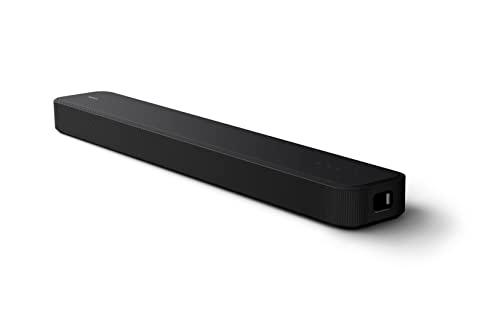
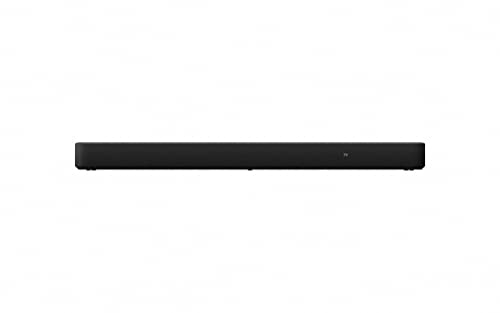
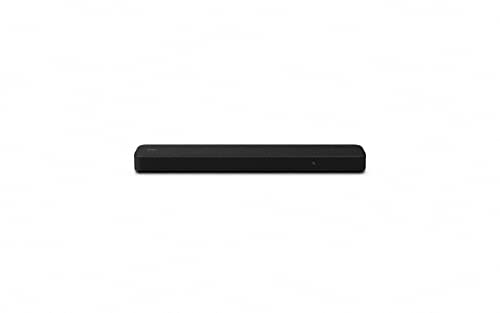
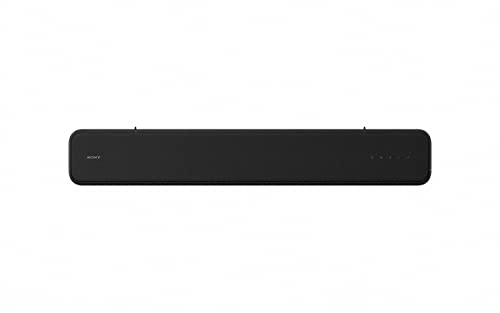
The Sony HT-S2000 represents Sony's philosophy that even budget soundbars shouldn't compromise on the fundamentals. This 3.1 channel system packs an impressive 250 watts of total power output – that's more than double what many competitors offer in this price range. But raw power means nothing without proper implementation, and Sony's approach here is particularly thoughtful.
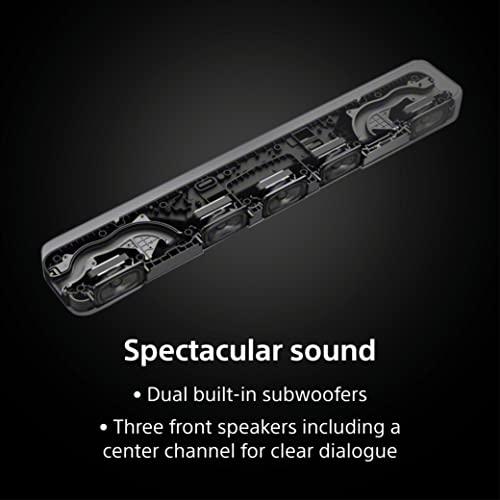
The heart of the HT-S2000 lies in its five active drivers, built around Sony's X-Balanced Speaker Units. These aren't your typical round drivers – instead, Sony uses rectangular speakers that maximize the surface area within the soundbar's slim profile. Think of it like fitting more engine displacement into the same size car – you get more output without making the whole package bigger.
What really sets the Sony HT-S2000 apart is its dedicated center channel. In a typical 2.1 system, dialogue gets mixed between the left and right speakers, which works fine when you're sitting dead center but can sound unclear from other seating positions. The center channel acts like a dedicated voice for all dialogue, ensuring conversations remain crisp and intelligible whether you're on the couch, in the kitchen, or anywhere else in the room.
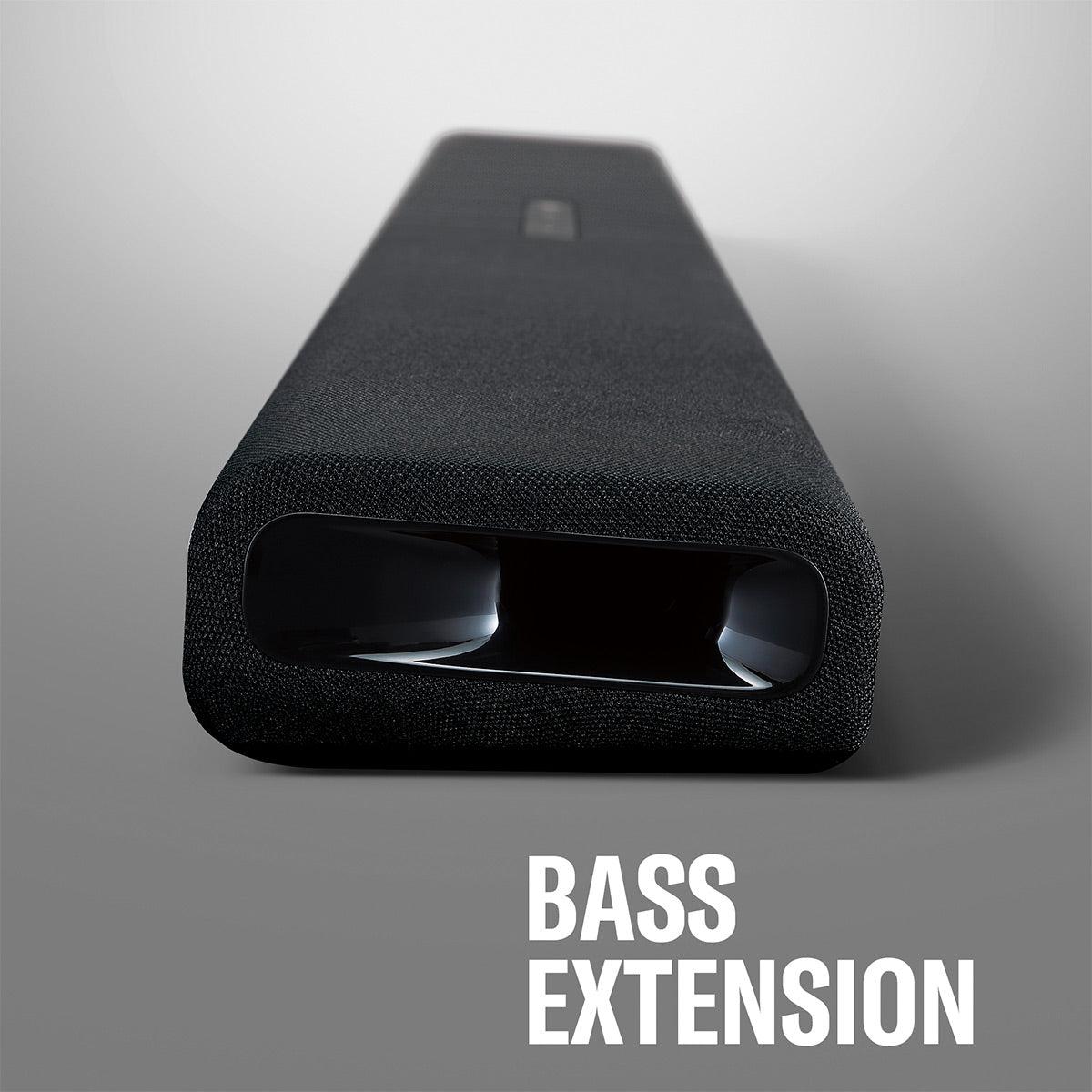
The dual built-in subwoofers deserve special mention. Rather than relying on a single bass driver like many compact soundbars, Sony includes two separate subwoofer units with side-firing ports. This creates what acoustics engineers call "bass extension" – the low frequencies don't just hit hard, they reach deeper into the range where you feel sound in your chest rather than just hearing it.
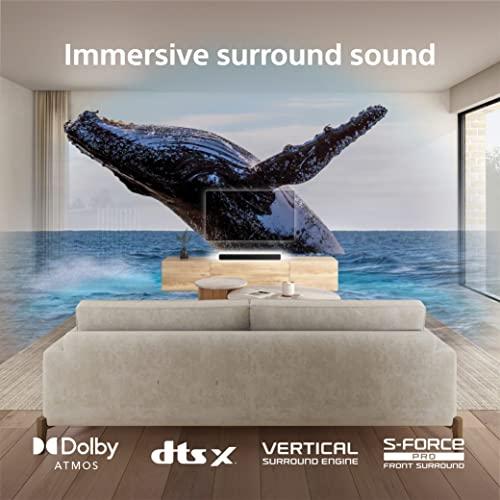
For surround processing, Sony employs their Vertical Surround Engine technology. Since the HT-S2000 doesn't have upward-firing drivers (speakers that bounce sound off your ceiling), it uses digital processing to simulate height effects. While purists might prefer physical height channels, Sony's implementation is surprisingly convincing, especially considering the price point.
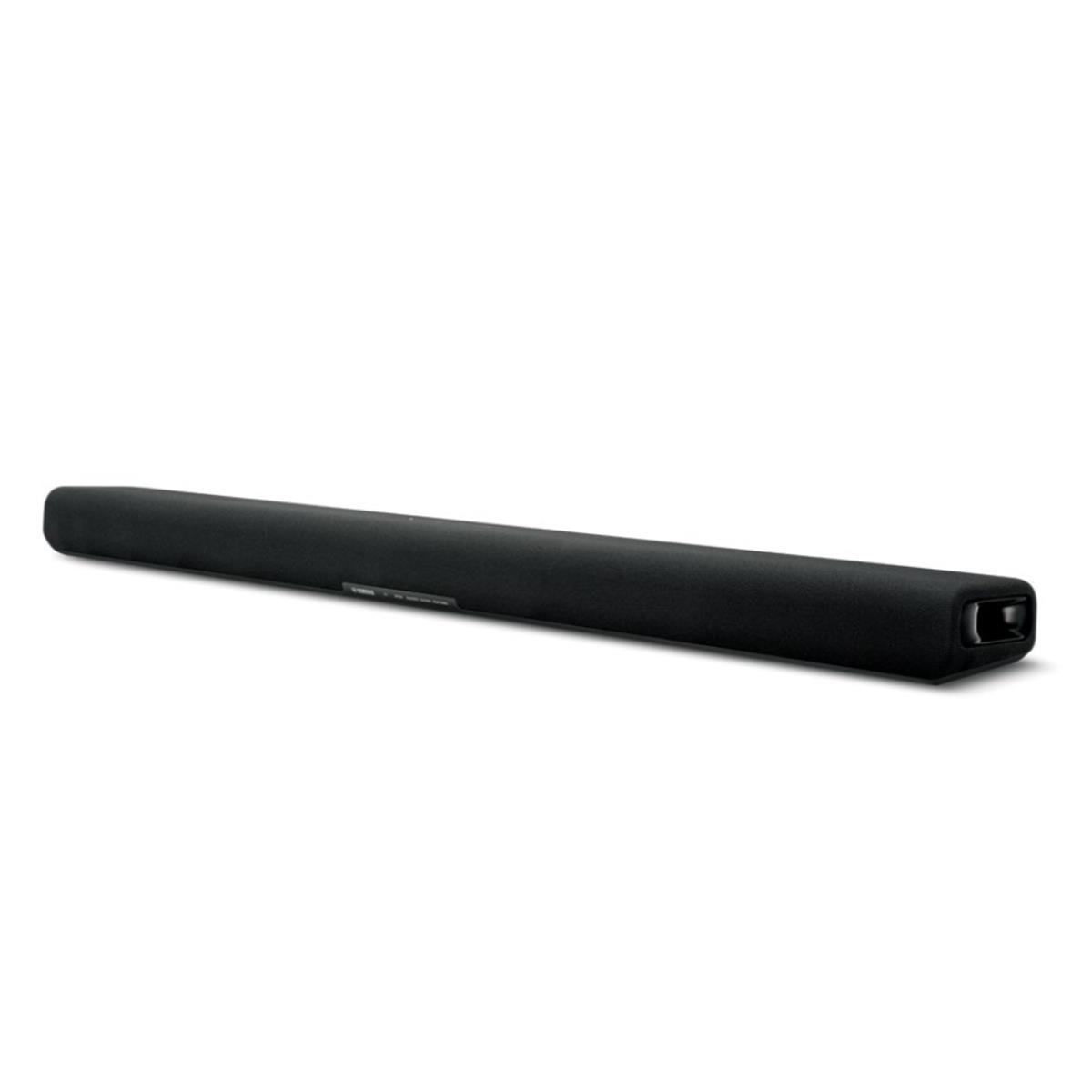
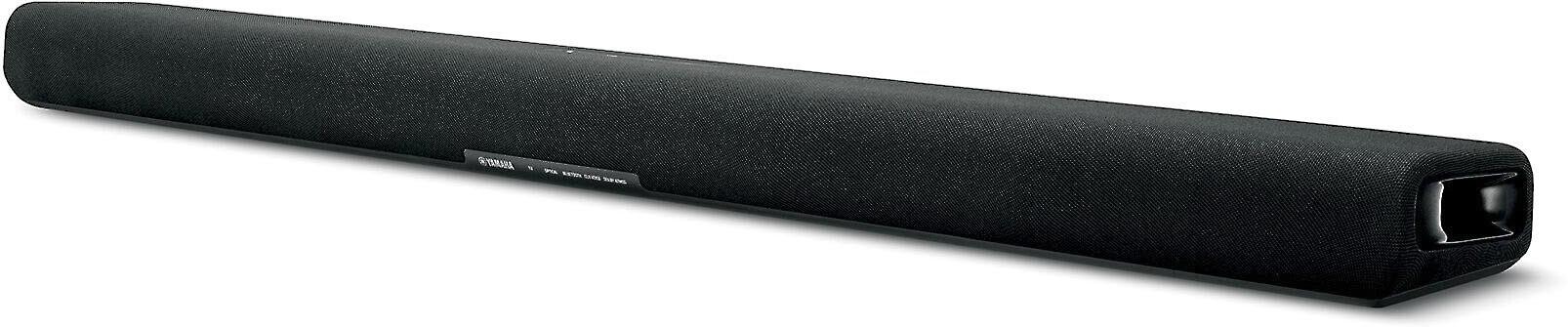
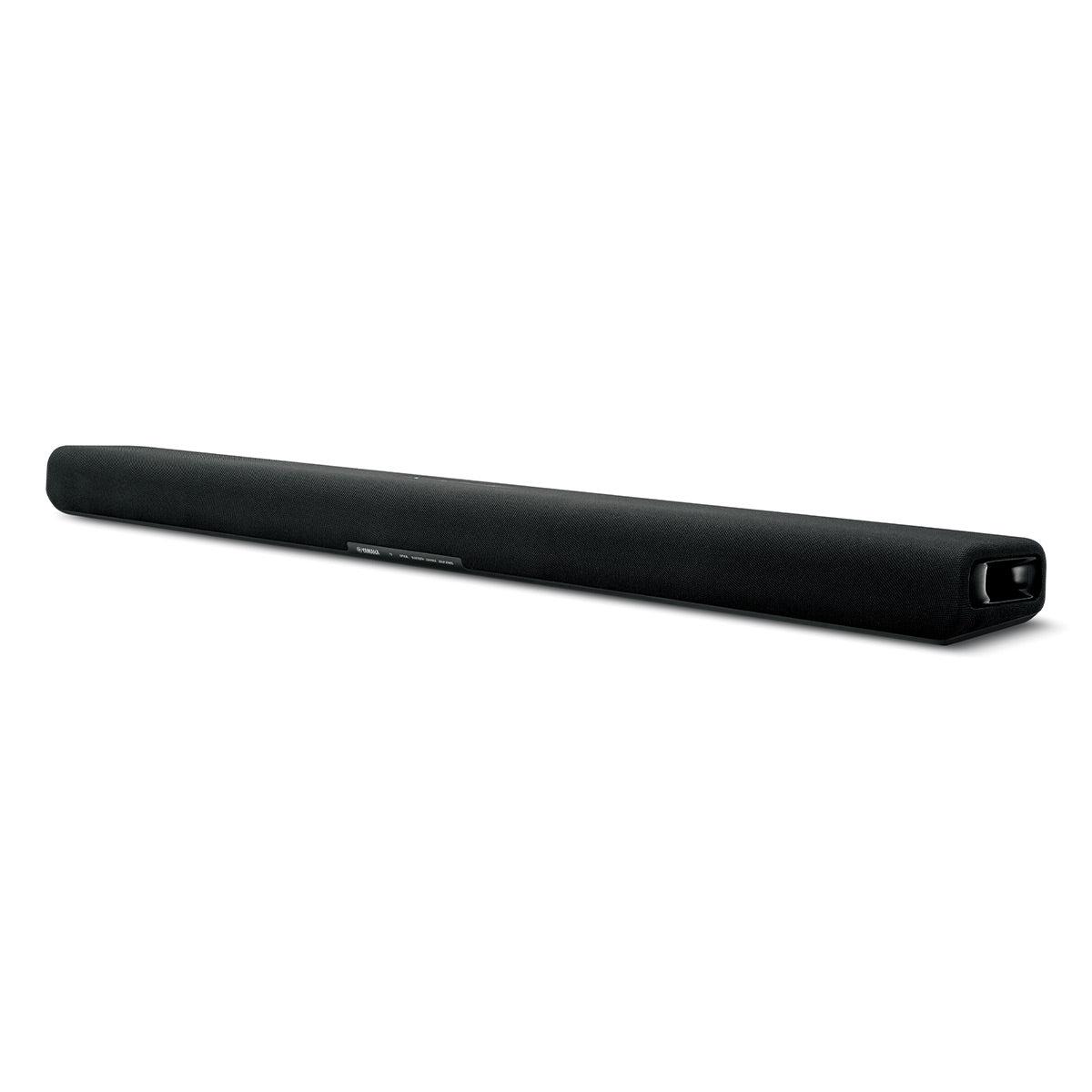
The Yamaha SR-B30A takes a different philosophical approach. Rather than maximizing power output, Yamaha focused on creating the most balanced, versatile sound possible within their 120-watt total output. This 2.1 system includes four full-range drivers, two dedicated tweeters (the small speakers that handle high frequencies), and two 3-inch bass drivers housed in a bass-reflex cabinet.
Bass-reflex design is worth understanding because it's crucial to how the SR-B30A achieves its sound. Unlike sealed cabinets that rely purely on driver movement, bass-reflex designs include precisely tuned ports that allow air movement to reinforce low frequencies. It's similar to how a guitar's sound hole amplifies the strings – the port timing creates resonance that extends bass response beyond what the drivers could achieve alone.
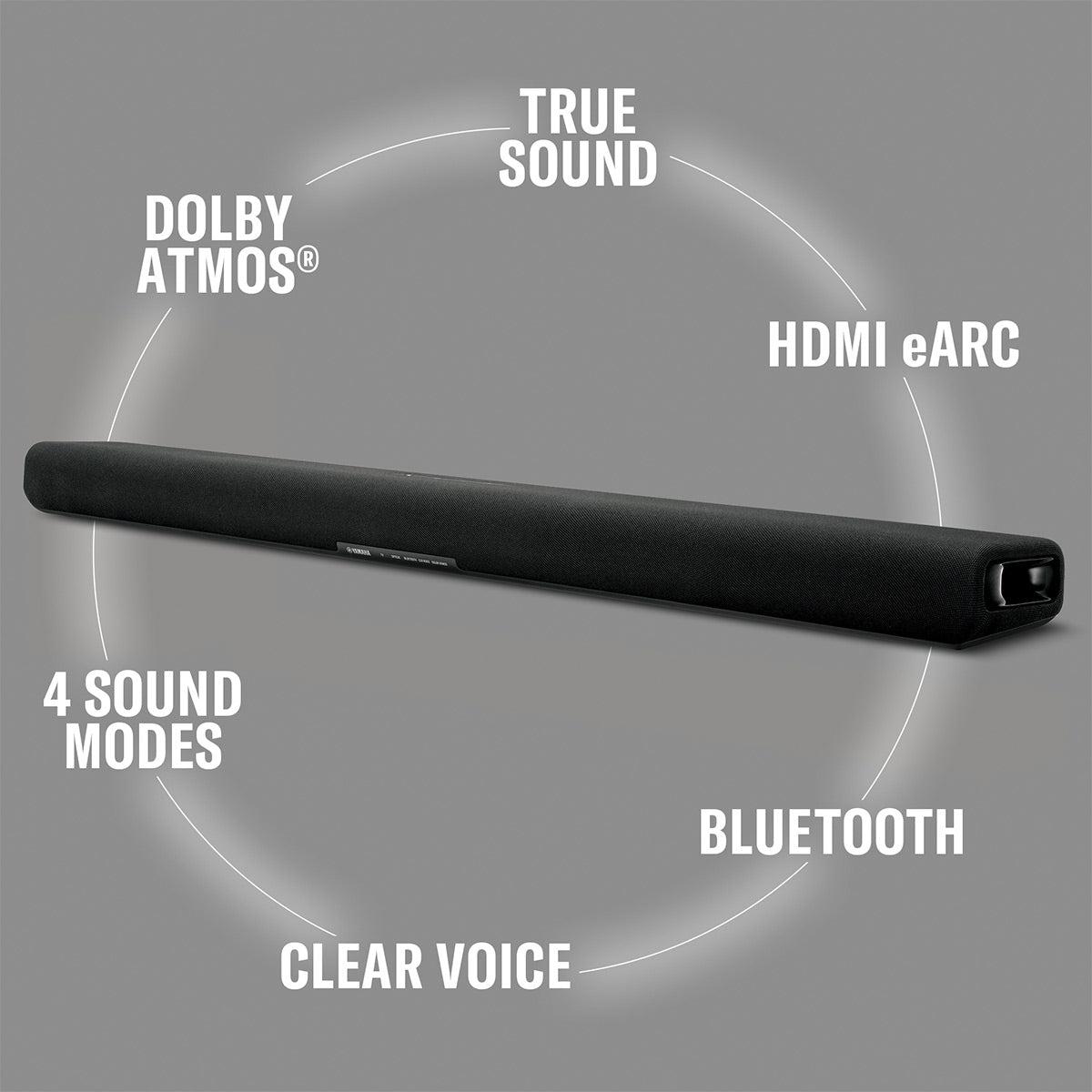
Yamaha's True Sound technology represents their decades of experience in professional audio. While Sony focuses on power and processing, Yamaha emphasizes accuracy and balance. The result is a soundbar that reproduces music with remarkable fidelity for the price, making it equally suitable for streaming Spotify as it is for movie night.
The SR-B30A also includes genuine Dolby Atmos processing, not just virtual simulation. Dolby Atmos creates three-dimensional soundscapes by treating audio as objects that can be placed anywhere in a virtual sphere around the listener. While the Yamaha SR-B30A can't create true overhead effects without ceiling speakers, it processes Atmos metadata to create the most convincing virtual experience possible.
Clear Voice technology addresses the dialogue clarity challenge differently than Sony's center channel approach. Instead of dedicating specific drivers to speech, Yamaha uses digital signal processing to identify and enhance vocal frequencies across the entire driver array. It's less precise than a dedicated center channel but more flexible in how it adapts to different content types.
This is where the fundamental difference between 2.1 and 3.1 configurations becomes most apparent. The Sony HT-S2000's dedicated center channel provides an almost unfair advantage in dialogue reproduction. When watching complex scenes – think Marvel movies where dialogue, music, and sound effects compete for attention – the center channel keeps conversations front and center, literally and figuratively.
The Yamaha SR-B30A fights back with Clear Voice technology and careful driver positioning, but it's ultimately asking two channels to do the work of three. In smaller rooms where you're sitting relatively close to the soundbar, this difference becomes less noticeable. But in larger spaces or when sitting off-center, the Sony's approach proves superior for speech intelligibility.
Here's where personal preference and room acoustics play huge roles. The Sony HT-S2000 delivers more bass impact – those dual subwoofers and 250 watts of power create genuine low-frequency presence that you feel as much as hear. Action sequences, explosions, and music with strong bass lines get the full treatment.
However, the Yamaha SR-B30A's bass is more controlled and musical. The bass-reflex design and lower power output mean less room-shaking impact but better integration with the midrange frequencies. If you primarily listen to music or live in an apartment where excessive bass might disturb neighbors, Yamaha's approach often proves more practical.
Both soundbars create impressive virtual surround effects, but through different methods. The Sony HT-S2000 uses raw processing power and multiple drivers to create width and height simulation. The result feels more "aggressive" – effects really seem to move around the room, though sometimes at the cost of natural timbre (the quality that makes instruments sound like themselves).
The Yamaha SR-B30A processes actual Dolby Atmos metadata, which theoretically provides more accurate spatial placement. The trade-off is less dramatic effect processing but more natural-sounding results. Movies mixed specifically for Atmos tend to sound more cohesive on the Yamaha, while older stereo content often benefits more from Sony's heavy-handed processing.
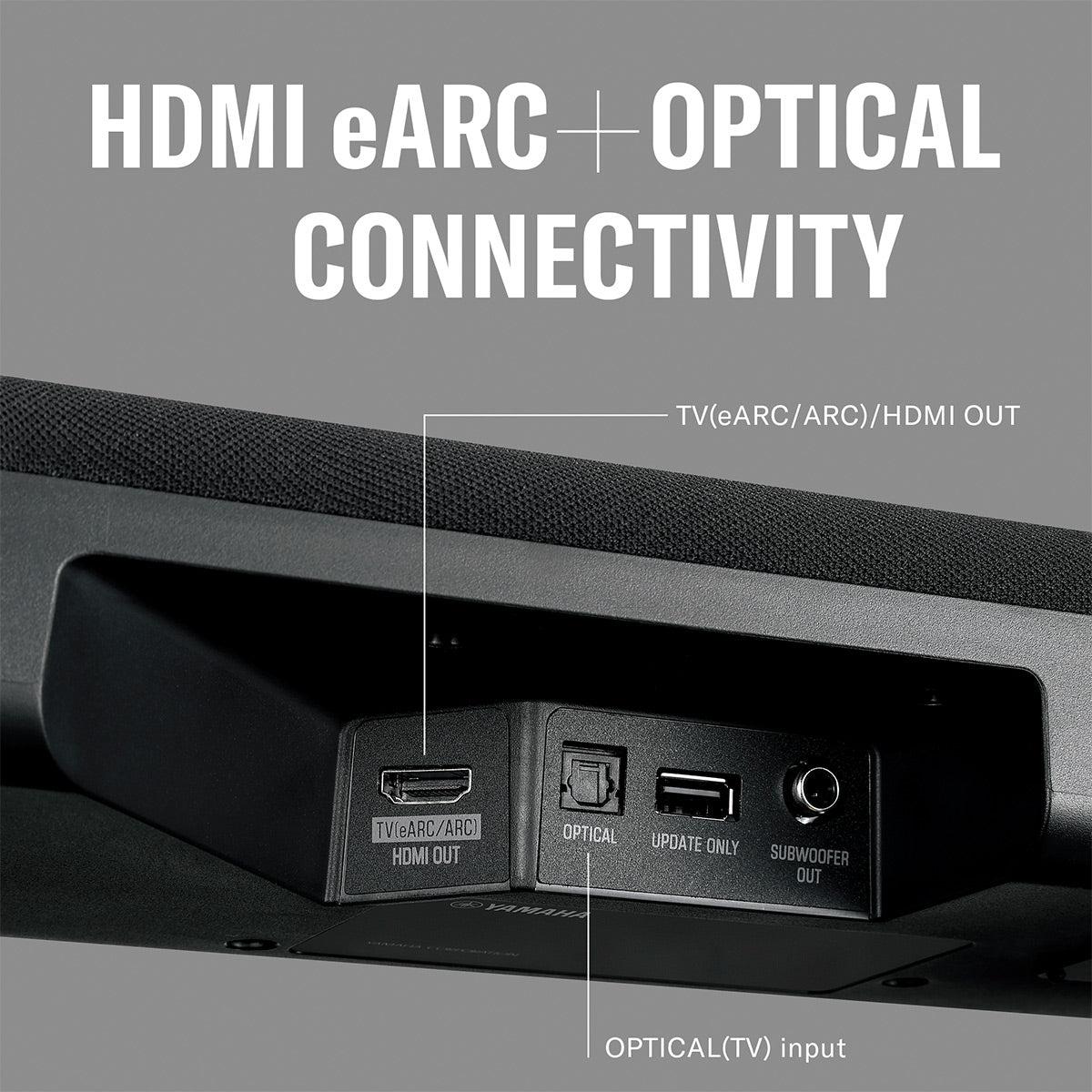
The Sony HT-S2000 includes HDMI eARC/ARC support, which means it can receive high-quality audio directly from your TV and control volume through your TV remote. The Bluetooth 5.2 connectivity supports both SBC and AAC codecs – the latter being important for iPhone users as it provides better wireless audio quality than the basic SBC codec.
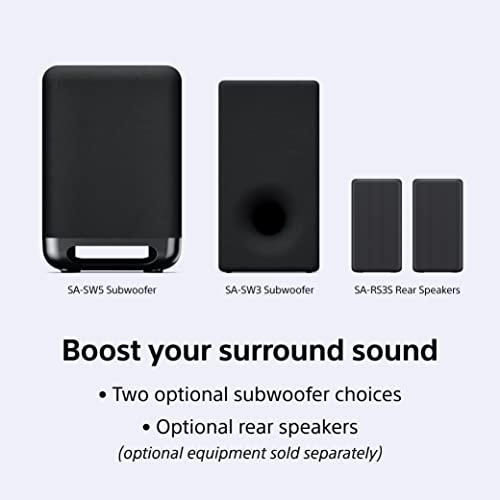
Sony's app integration feels more comprehensive, offering detailed EQ adjustment and the ability to add wireless subwoofers or rear speakers later. This expandability represents a significant advantage for users who might want to grow their system over time.
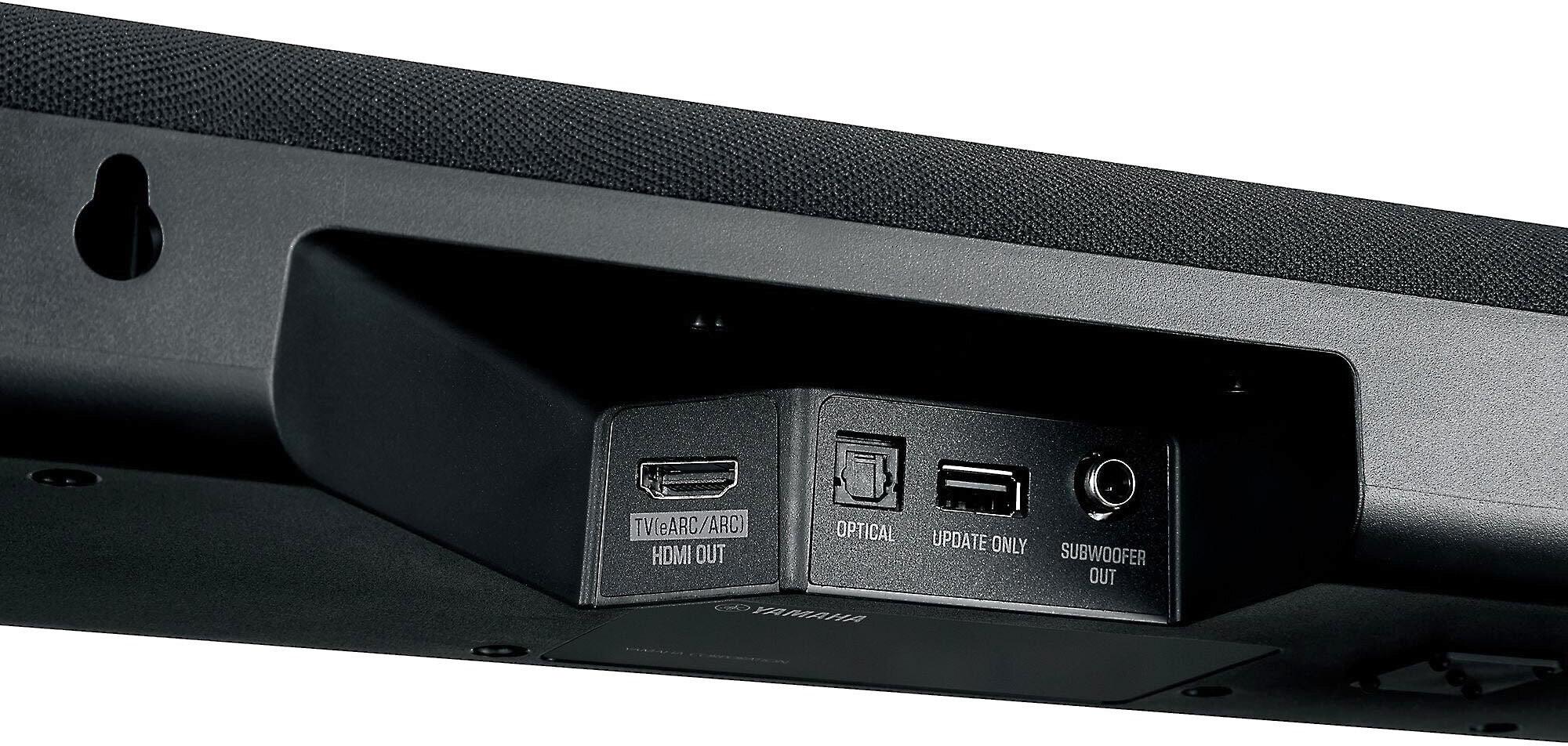
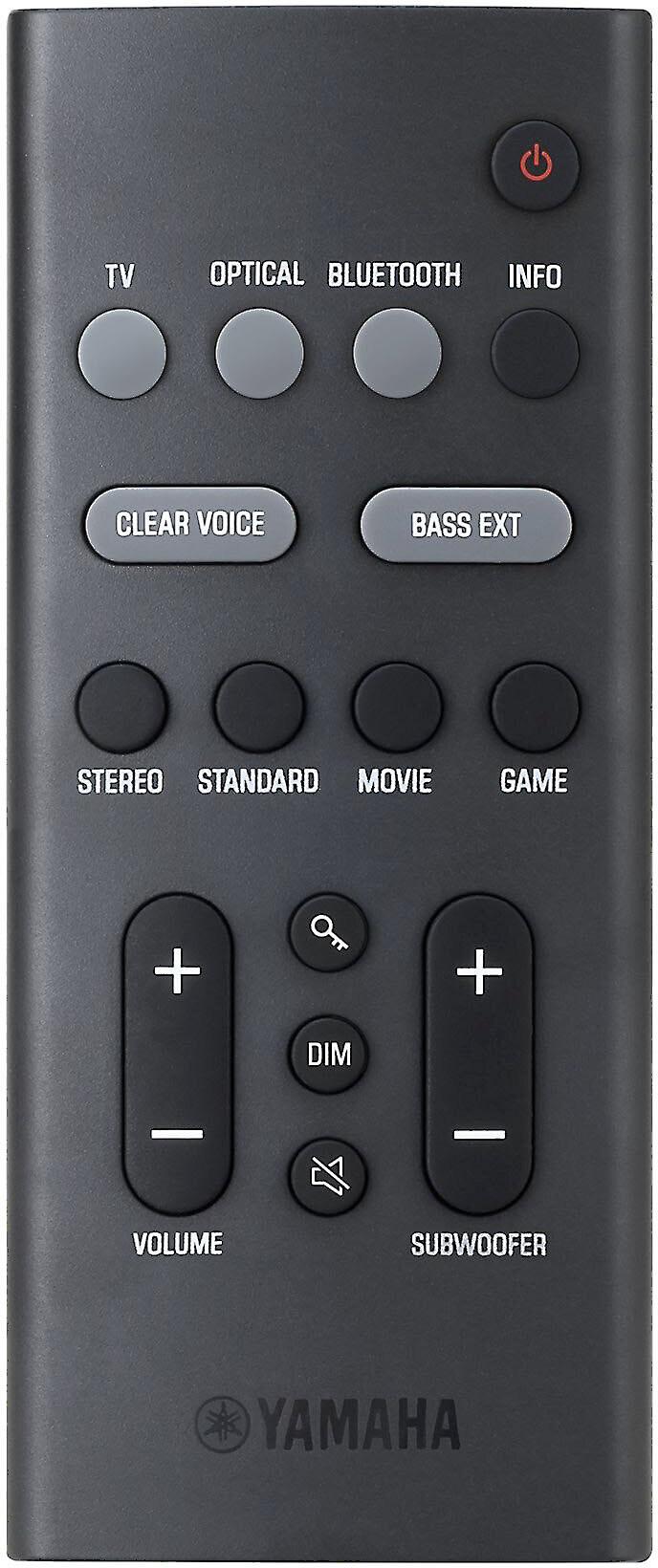
The Yamaha SR-B30A matches the connectivity basics with HDMI eARC and Bluetooth, though it tops out at Bluetooth 5.1. The real advantage lies in Yamaha's sound customization options. Four distinct sound modes (Stereo, Standard, Game, Movie) optimize the frequency response for different content types, while the app provides more granular EQ control than most competitors.
Your listening environment dramatically impacts which soundbar will serve you better. In smaller rooms – think bedrooms, apartments, or cozy dens – the Yamaha SR-B30A often proves ideal. The 120-watt output provides plenty of volume without overwhelming the space, while the balanced frequency response prevents bass buildup that can make small rooms sound muddy.
The Sony HT-S2000 really shines in medium to larger rooms where its extra power and more aggressive processing can fill the space effectively. That 250-watt amplification isn't just about getting louder – it maintains clean sound at higher volumes, which becomes crucial when you're trying to fill a family room or open-concept living space.
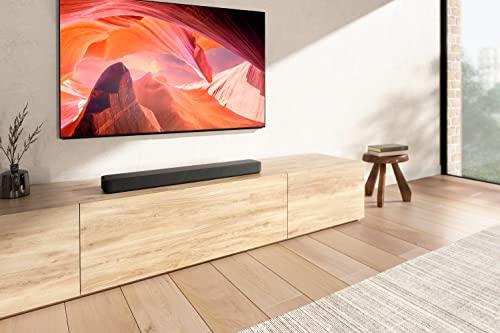
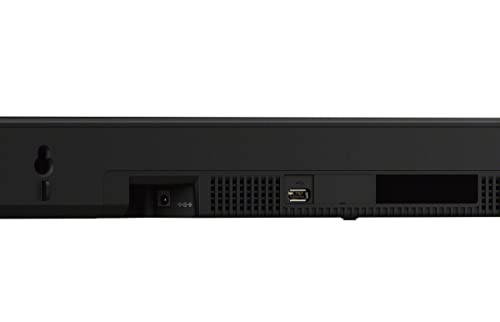
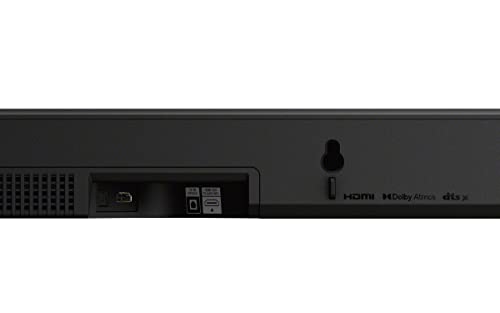
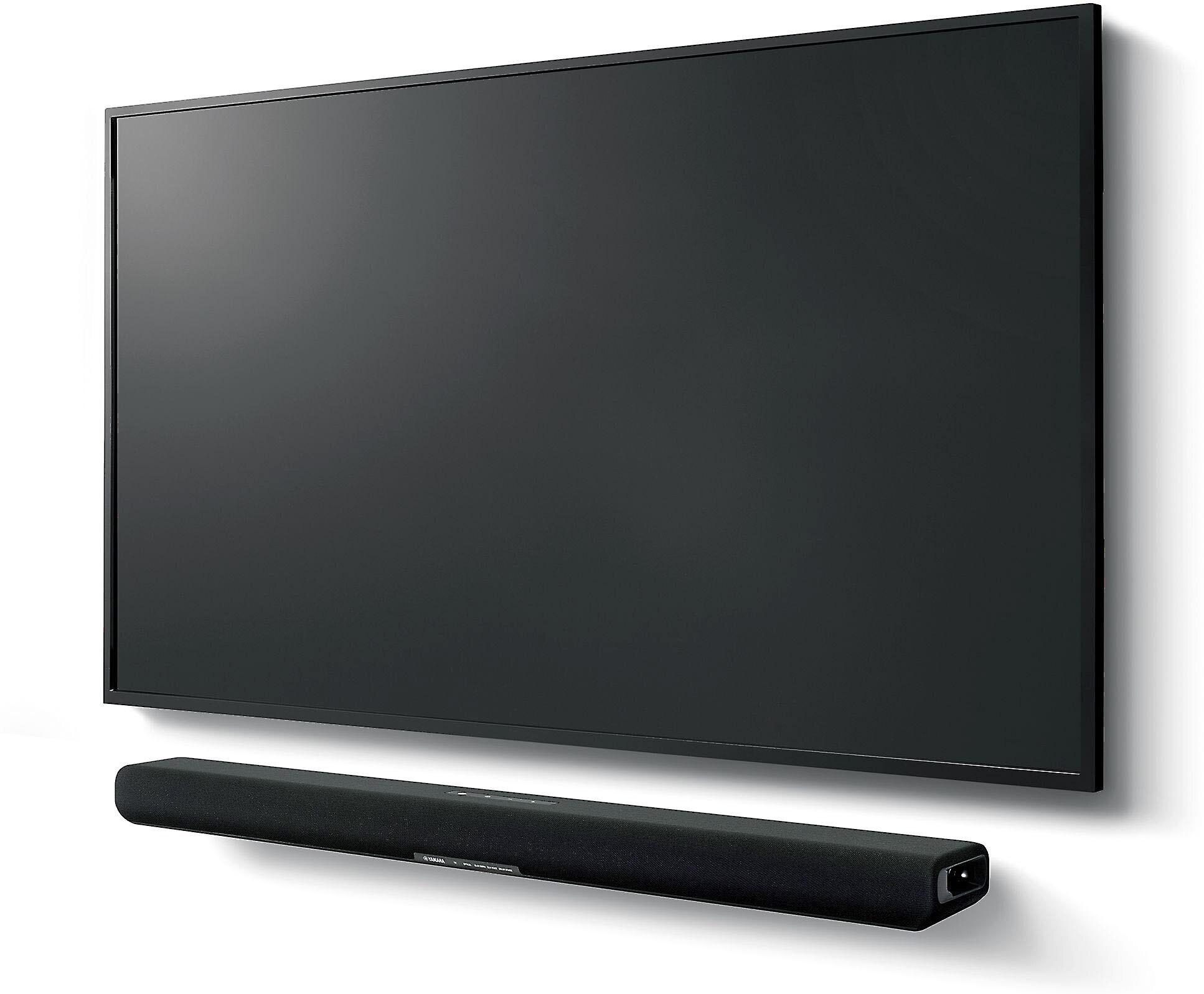
Both soundbars offer wall-mounting options, though the Yamaha SR-B30A includes built-in keyholes that make installation slightly more straightforward. The Sony HT-S2000 requires the included mounting template but offers more flexibility in positioning once installed.
For dedicated home theater use, the Sony HT-S2000 typically edges ahead thanks to its center channel and broader format support. Modern movie soundtracks rely heavily on dialogue clarity and impactful low-frequency effects – both areas where Sony's approach excels. The DTS:X support also provides broader compatibility with different disc formats and streaming services.
That said, the Yamaha SR-B30A shouldn't be dismissed for movie watching. Its genuine Dolby Atmos processing means newer films mixed specifically for the format often sound more natural and cohesive. The four sound modes also let you optimize for different content – switching to Movie mode for blockbusters or Standard mode for TV shows.
This is where the Yamaha SR-B30A often surprises listeners. Yamaha's decades of experience building musical instruments and professional audio equipment shows in how naturally music reproduction flows from these drivers. Whether you're streaming jazz, rock, or electronic music, the balanced frequency response and controlled bass make extended listening sessions genuinely enjoyable.
The Sony HT-S2000 can sound spectacular with music, but it requires more manual adjustment. The multiple bass levels and sound field controls let you dial in the perfect balance, but the default settings tend to favor the excitement of movie soundtracks over musical accuracy.
At the time of writing, both soundbars offer exceptional value in their respective approaches, but they serve different priorities and situations.
Choose the Sony HT-S2000 if dialogue clarity tops your priority list, you have a medium to larger room that can benefit from the extra power, or you're planning to build a more complete surround system over time. The dedicated center channel alone justifies the price difference for many users, especially those who frequently watch dialogue-heavy content or struggle with hearing clarity.
The Yamaha SR-B30A makes more sense for budget-conscious buyers who want genuine Dolby Atmos processing without compromise, users in smaller spaces where balance matters more than raw impact, or music lovers who need accurate reproduction across all content types. The comprehensive app control and multiple sound modes also appeal to listeners who enjoy fine-tuning their audio experience.
Both soundbars represent significant upgrades over TV speakers and deliver genuine value in their price categories. The Sony HT-S2000 plays the long game with expandability and future-proofing, while the Yamaha SR-B30A maximizes what you get right out of the box.
Your decision ultimately comes down to room size, content preferences, and whether you value dialogue clarity enough to justify the price premium for a dedicated center channel. Either choice will transform your TV watching experience – they just take different paths to get there.
| Sony HT-S2000 3.1ch Dolby Atmos Soundbar | Yamaha SR-B30A Sound Bar with Built-In Subwoofers |
|---|---|
| Channel Configuration - Determines dialogue clarity and sound separation | |
| 3.1 channels with dedicated center channel | 2.1 channels with virtual center processing |
| Total Power Output - Affects volume capability and bass impact | |
| 250W (significantly more powerful for larger rooms) | 120W (adequate for smaller to medium rooms) |
| Driver Configuration - Impacts sound quality and frequency response | |
| 5 active drivers with X-Balanced Speaker Units | 4x full-range + 2x tweeters + 2x bass drivers |
| Built-in Subwoofer Design - Determines bass depth and room-filling capability | |
| Dual subwoofers with side-firing ports | Dual 3" drivers in bass-reflex ported cabinet |
| Dolby Atmos Processing - Affects virtual surround sound quality | |
| Virtual processing via Vertical Surround Engine | Full Dolby Atmos processing with metadata support |
| Additional Format Support - Broader compatibility with content sources | |
| DTS:X, Dolby Digital Plus, Dolby TrueHD | Dolby Atmos only for immersive formats |
| HDMI Connectivity - Essential for high-quality TV audio connection | |
| HDMI eARC/ARC (no passthrough inputs) | HDMI eARC (simpler single-cable setup) |
| Bluetooth Audio Quality - Important for wireless music streaming | |
| Bluetooth 5.2 with SBC and AAC codecs | Bluetooth 5.1 with SBC and AAC codecs |
| Sound Customization Options - Flexibility to optimize for different content | |
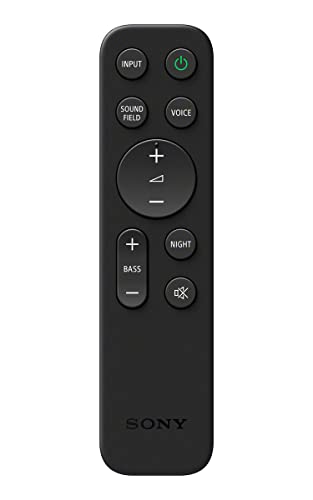
| Sound Field modes, Night Mode, Voice Mode, 3 bass levels | 4 sound modes (Stereo/Standard/Game/Movie) plus EQ controls |
| App Control Features - Convenience and advanced settings access | |
| Sony Home Entertainment Connect app | Sound Bar Remote app with detailed EQ adjustment |
| Physical Dimensions - Space requirements and room compatibility | |
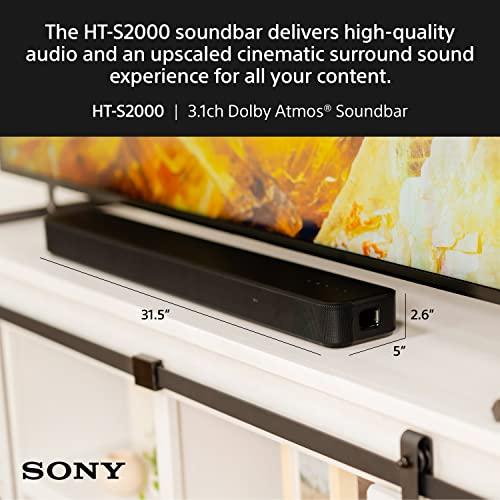
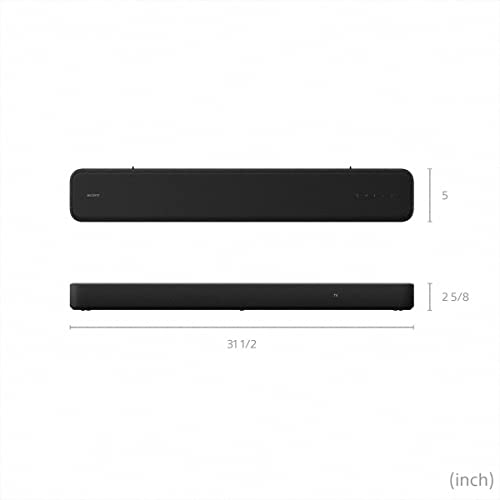
| 31.5" × 2.6" × 5" (more compact width) | 35.9" × 2.6" × 5.3" (slightly larger footprint) |
| System Expandability - Future upgrade potential without replacing main unit | |
| Compatible with Sony wireless subwoofers and rear speakers | Limited expansion options |
| Wall Mounting - Installation flexibility and aesthetic options | |
| Wall-mountable with included template | Built-in keyholes for simpler wall installation |
The Sony HT-S2000 offers superior dialogue clarity thanks to its dedicated center channel in the 3.1 configuration. This center channel specifically handles all dialogue, making conversations clearer and more intelligible from any seating position. The Yamaha SR-B30A uses Clear Voice technology to enhance dialogue, but without a dedicated center channel, it can't match the precision of the Sony HT-S2000 for speech reproduction.
Yes, both the Sony HT-S2000 and Yamaha SR-B30A support Dolby Atmos, but they implement it differently. The Sony HT-S2000 uses virtual processing through its Vertical Surround Engine to simulate height effects. The Yamaha SR-B30A provides full Dolby Atmos processing with metadata support, which can deliver more accurate spatial placement for properly mixed content.
The Sony HT-S2000 typically delivers more impactful bass thanks to its dual built-in subwoofers and 250W total power output. The side-firing ports help extend low-frequency response for deeper, more room-filling bass. The Yamaha SR-B30A offers more controlled, musical bass through its bass-reflex design, making it better suited for music listening and smaller rooms where excessive bass might be problematic.
The key difference is the center channel. The Sony HT-S2000's 3.1 configuration includes a dedicated center channel specifically for dialogue and vocals, while the Yamaha SR-B30A's 2.1 setup distributes center information between the left and right channels. This makes the Sony HT-S2000 superior for movie watching where clear dialogue is crucial, especially in larger rooms or when sitting off-center.
The Yamaha SR-B30A is generally better suited for smaller spaces. Its 120W output provides adequate volume without overwhelming small rooms, and the balanced frequency response prevents bass buildup that can make compact spaces sound muddy. The Sony HT-S2000 with its 250W output is designed more for medium to larger rooms where the extra power can be fully utilized.
The Sony HT-S2000 offers significant expandability, being compatible with Sony wireless subwoofers and rear speakers to create a full surround system. The Yamaha SR-B30A has limited expansion options, making it primarily a standalone solution. If you're planning to build a larger surround system over time, the Sony HT-S2000 provides more flexibility.
The Yamaha SR-B30A typically excels at music reproduction due to its balanced frequency response and Yamaha's musical heritage. The bass-reflex design and True Sound technology deliver natural, accurate sound across genres. The Sony HT-S2000 can sound excellent with music but may require manual adjustment of its bass levels and sound field controls to achieve optimal musical balance.
Both soundbars work well for gaming, but serve different preferences. The Sony HT-S2000 provides more impactful sound effects and bass for action games, while its dialogue clarity helps with story-driven games. The Yamaha SR-B30A includes a dedicated Game mode that optimizes the sound profile specifically for gaming, providing balanced audio that works well across different game types.
The Yamaha SR-B30A provides more comprehensive customization through its Sound Bar Remote app, including detailed EQ controls and four distinct sound modes (Stereo, Standard, Game, Movie). The Sony HT-S2000 offers the Sony Home Entertainment Connect app with sound field adjustments and bass level controls, but the Yamaha SR-B30A generally provides more granular control over the audio experience.
Both the Sony HT-S2000 and Yamaha SR-B30A include HDMI eARC/ARC for high-quality TV connection and Bluetooth for wireless streaming. The Sony HT-S2000 also includes optical input, USB input, and supports both SBC and AAC Bluetooth codecs. The Yamaha SR-B30A focuses on the essential connections but includes similar Bluetooth codec support.
Value depends on your priorities. The Yamaha SR-B30A typically offers better pure value with genuine Dolby Atmos processing at a lower price point. The Sony HT-S2000 costs more but provides a dedicated center channel, significantly more power, and future expandability. If dialogue clarity and room-filling sound are priorities, the Sony HT-S2000 justifies its higher cost.
Both soundbars work well in home theater applications, but the Sony HT-S2000 typically edges ahead for dedicated movie watching. Its center channel ensures dialogue remains clear during complex soundtracks, while the higher power output and dual subwoofers provide the impact expected from action sequences. The Yamaha SR-B30A excels with properly mixed Dolby Atmos content but may require the addition of external components for larger home theater rooms.
We've done our best to create useful and informative comparisons to help you decide what product to buy. Our research uses advanced automated methods to create this comparison and perfection is not possible - please contact us for corrections or questions. These are the sites we've researched in the creation of this article: techradar.com - valueelectronics.com - youtube.com - videoandaudiocenter.com - whathifi.com - hometheaterhifi.com - youtube.com - sony.com - rtings.com - whathifi.com - rtings.com - helpguide.sony.net - electronics.sony.com - sony.com - dolby.com - sony.com - youtube.com - youtube.com - usa.yamaha.com - worldwidestereo.com - audiolab.com - shop.sg.yamaha.com - consumerreports.org - usa.yamaha.com - vinylsound.ca - bestbuy.com - modernappliancewoodward.com - bluestardist.com - target.com - my.yamaha.com

Privacy Policy
Terms and Conditions - Affiliate Policy
Home Security
© Copyright 2008-2026.
11816 Inwood Rd #1211, Dallas, TX 75244